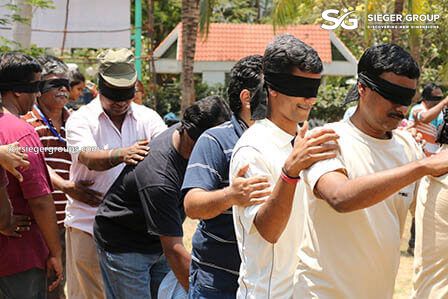
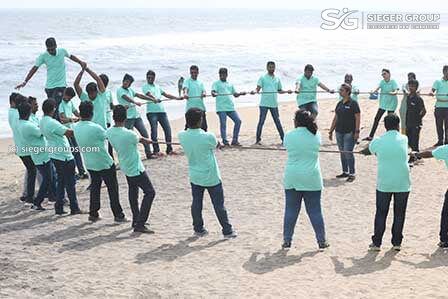
Meet the guided route
Review the Trust Walk course, boundaries and participation options. Which directions were clearest to the person being guided?
Learning focusReading the setting
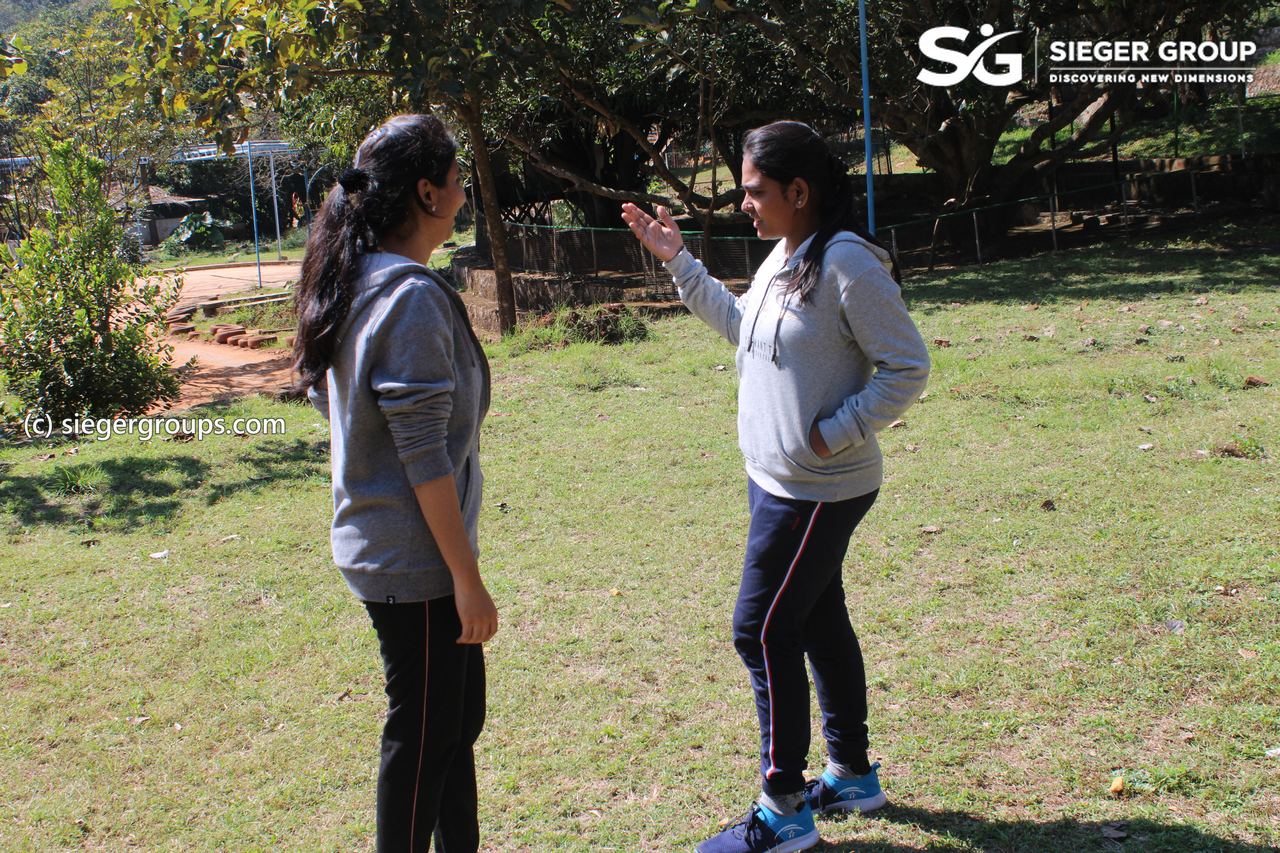
Pairs explore how instructions sound to someone who lacks the guide’s view of the route. Swapping perspectives helps both people refine their communication.
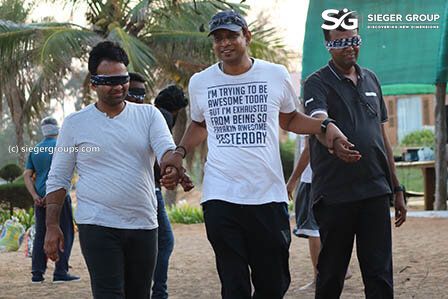
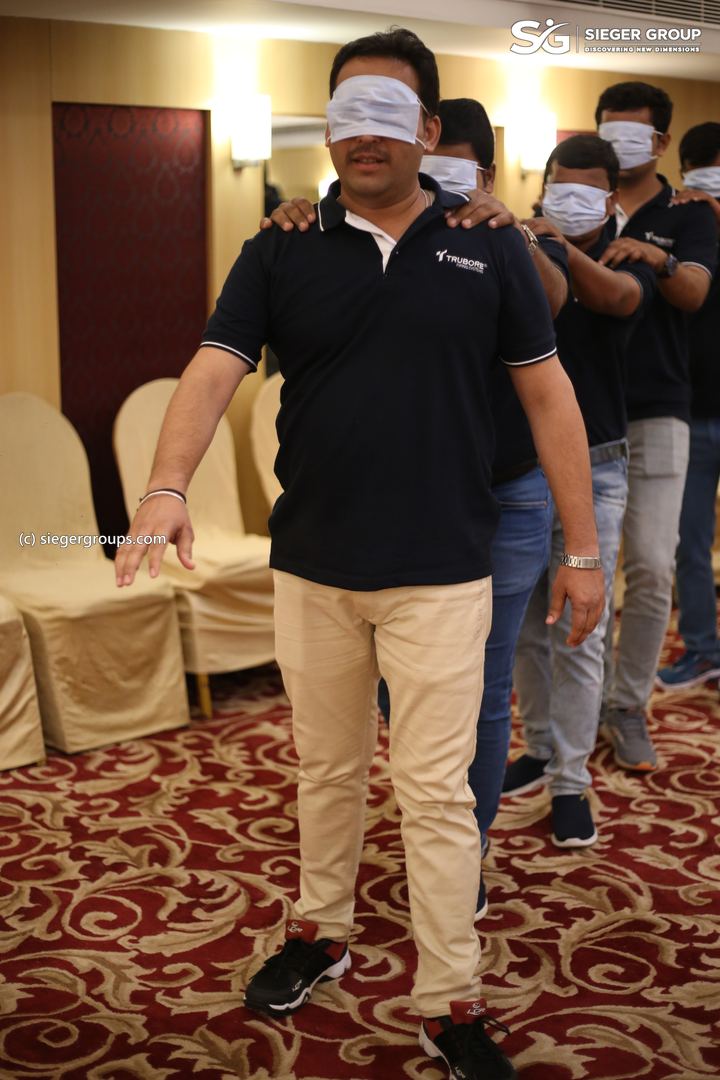
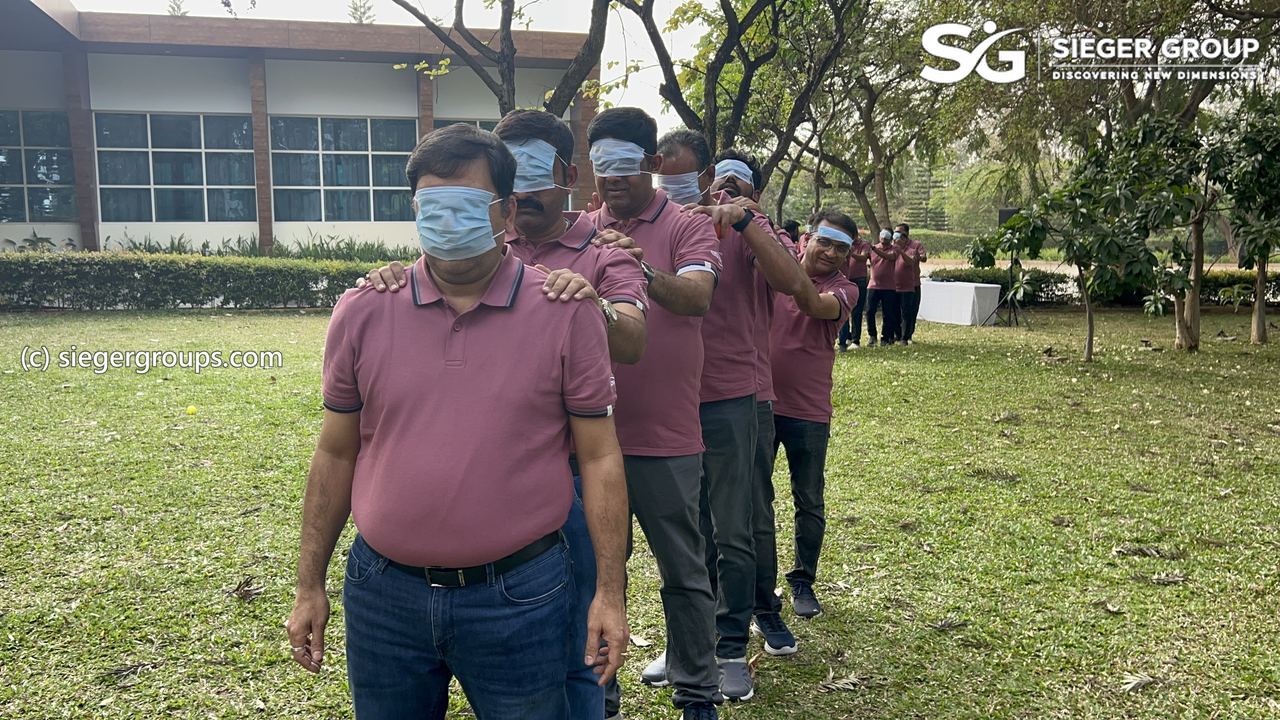
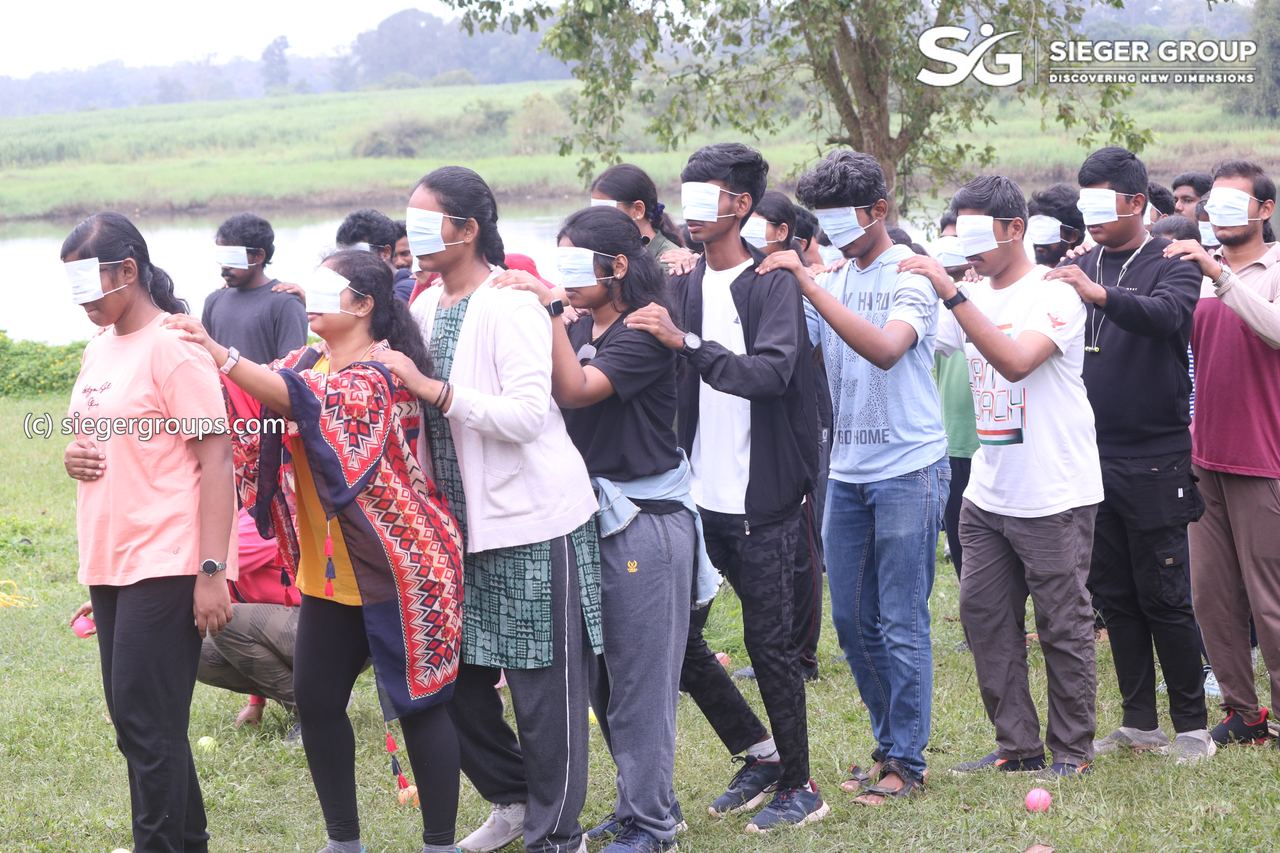
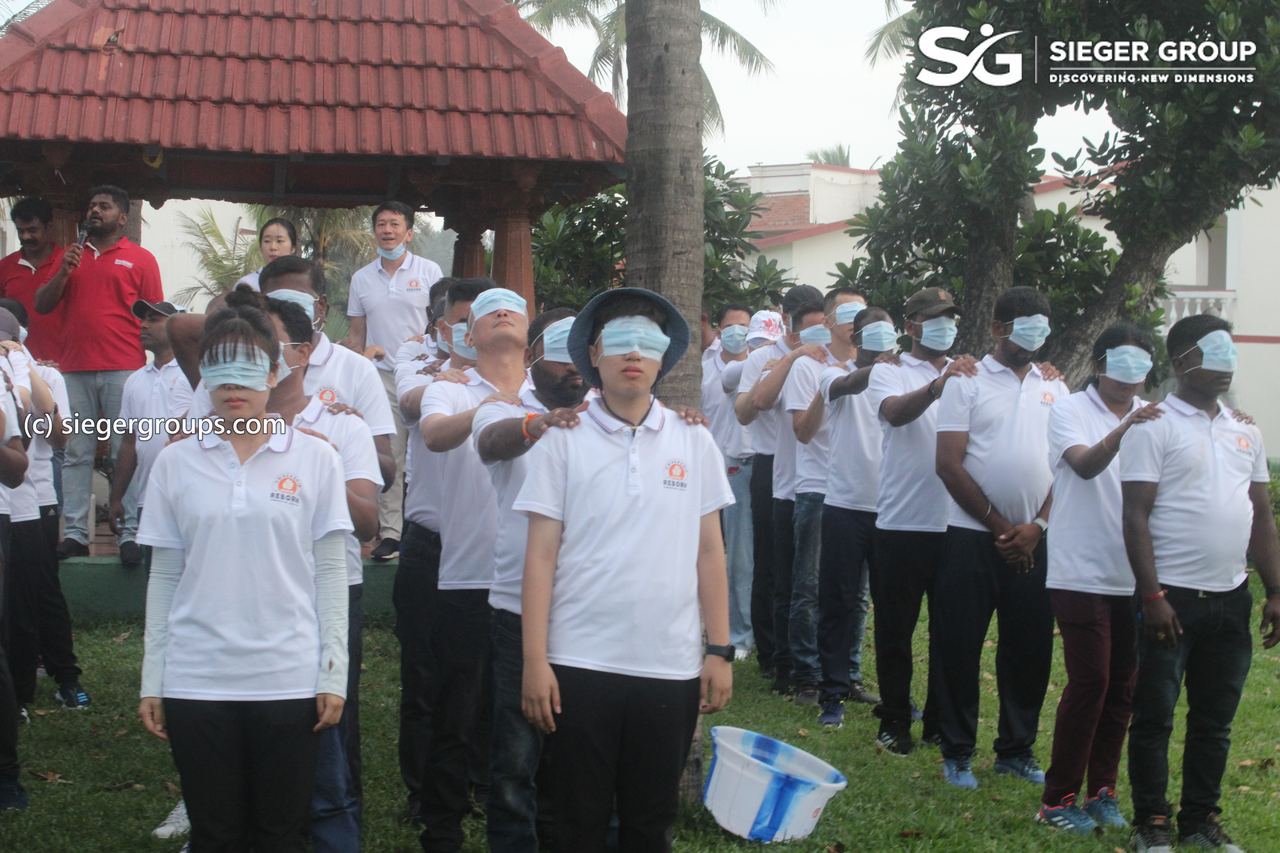
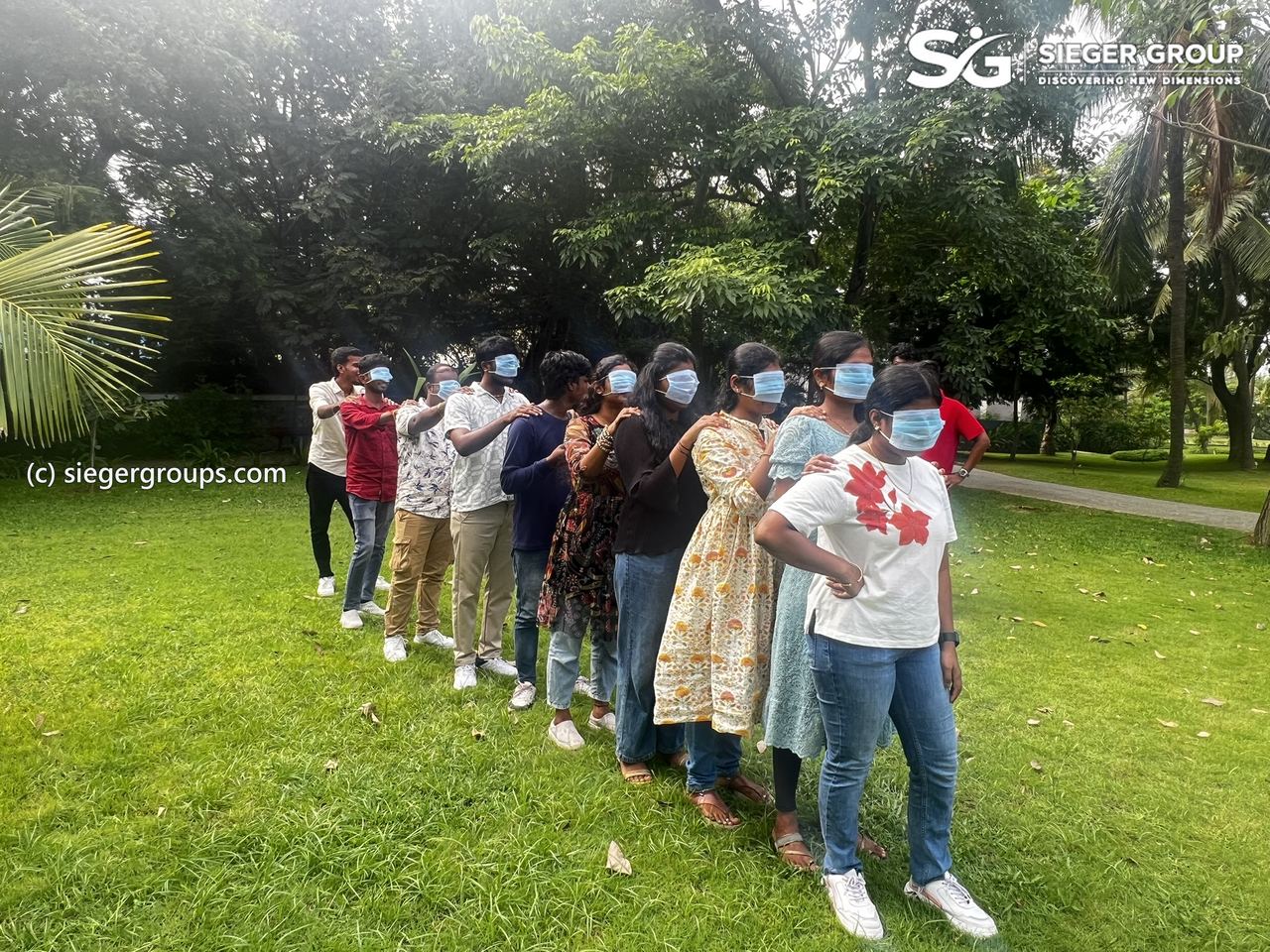
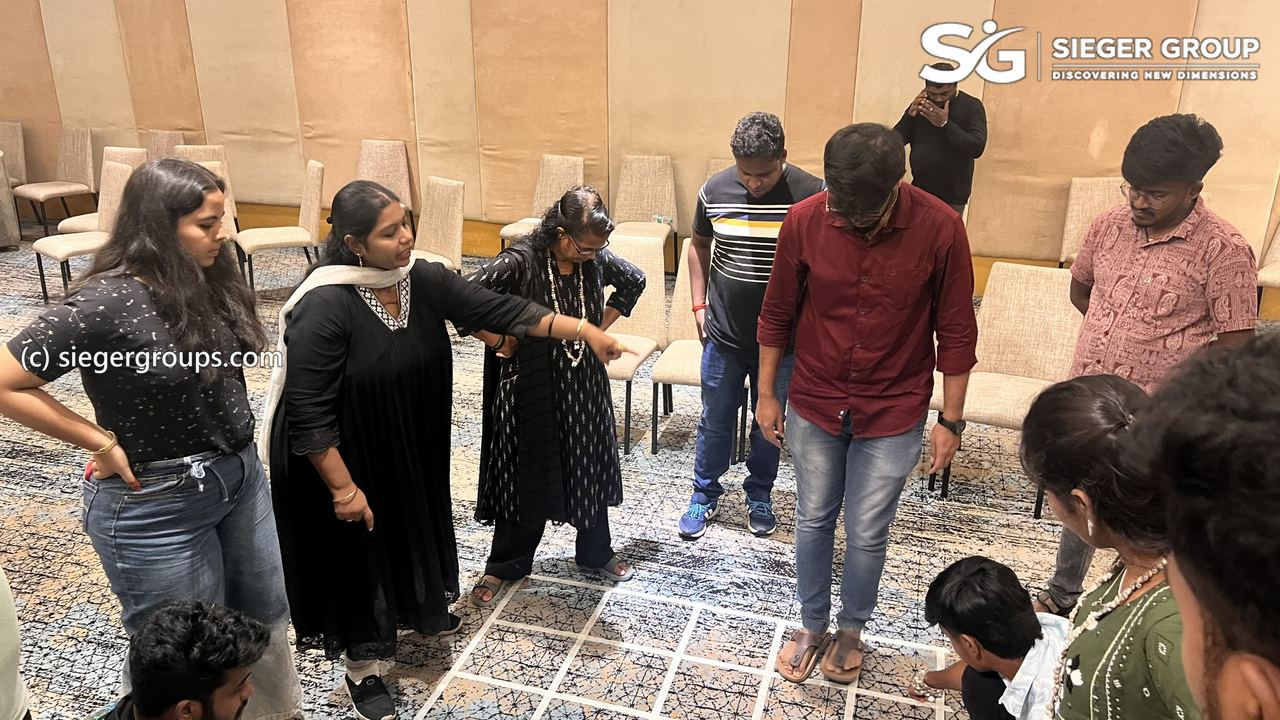
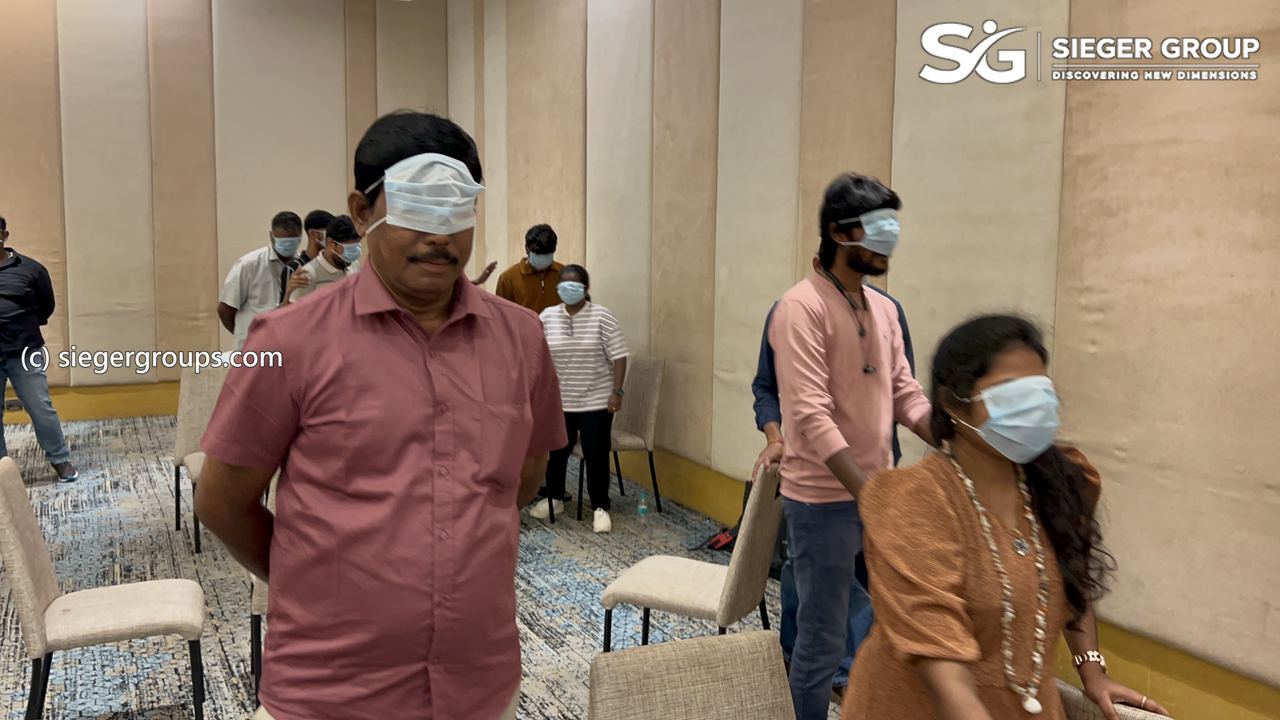
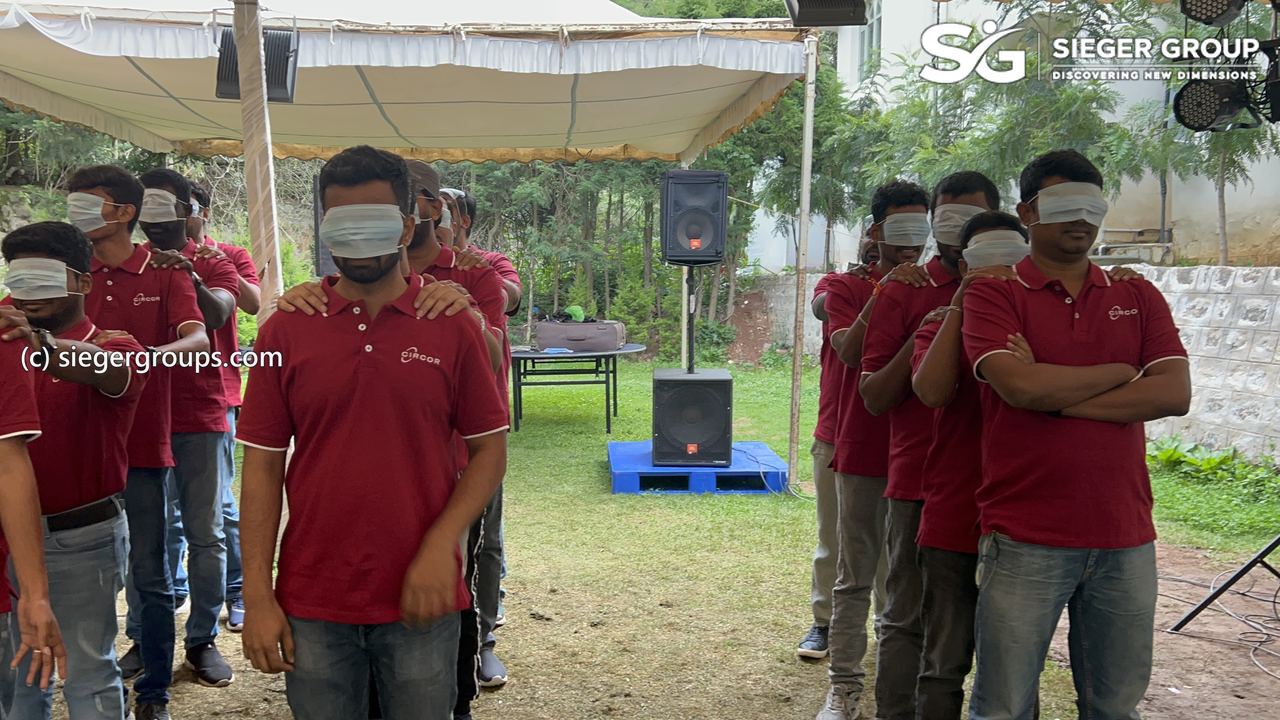
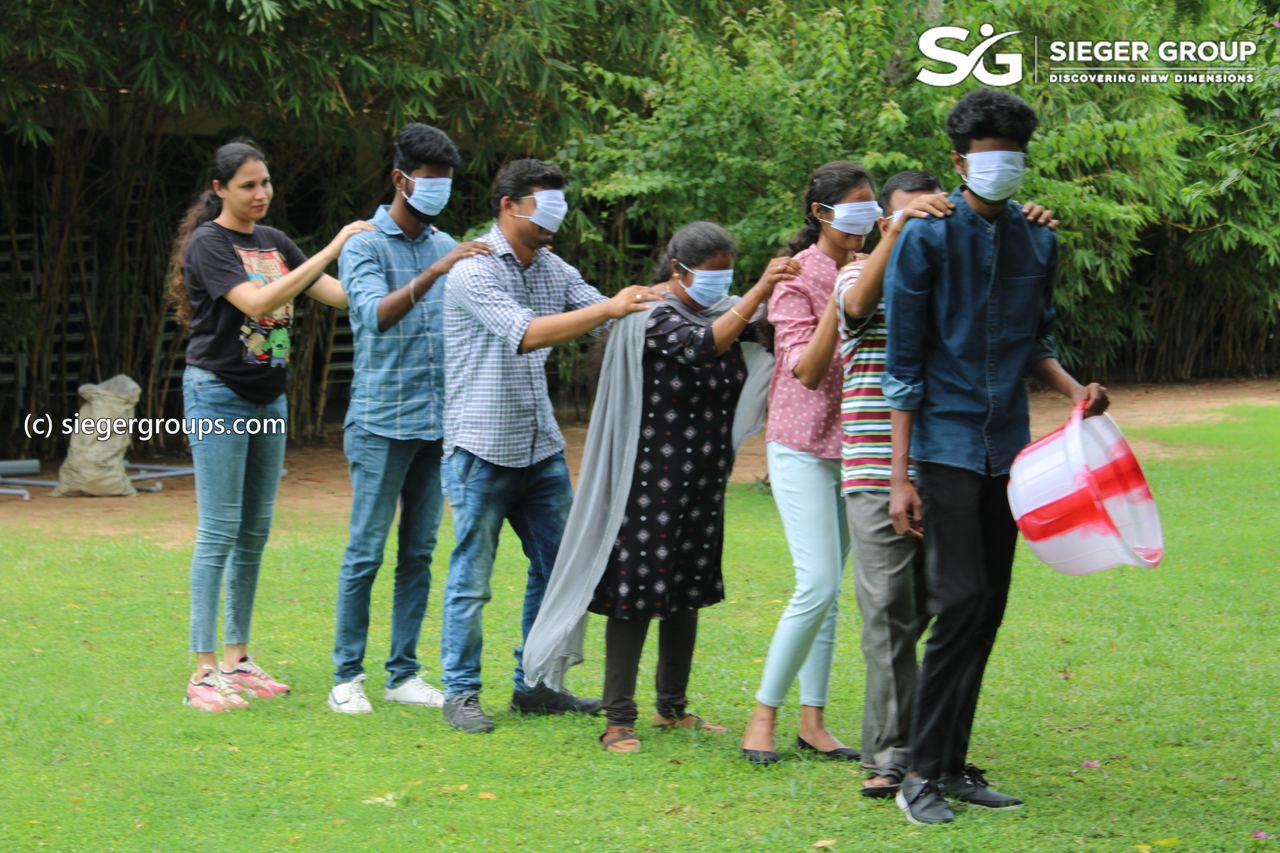
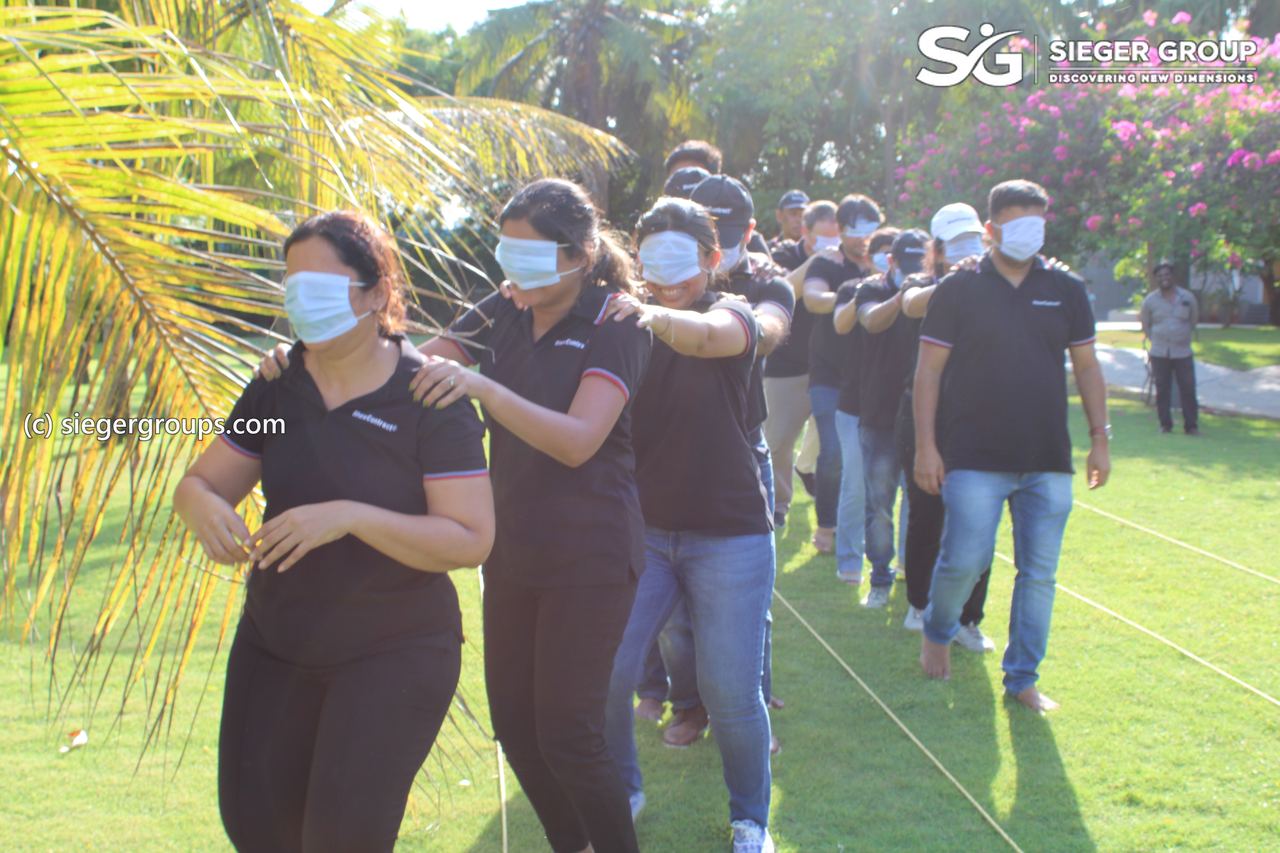
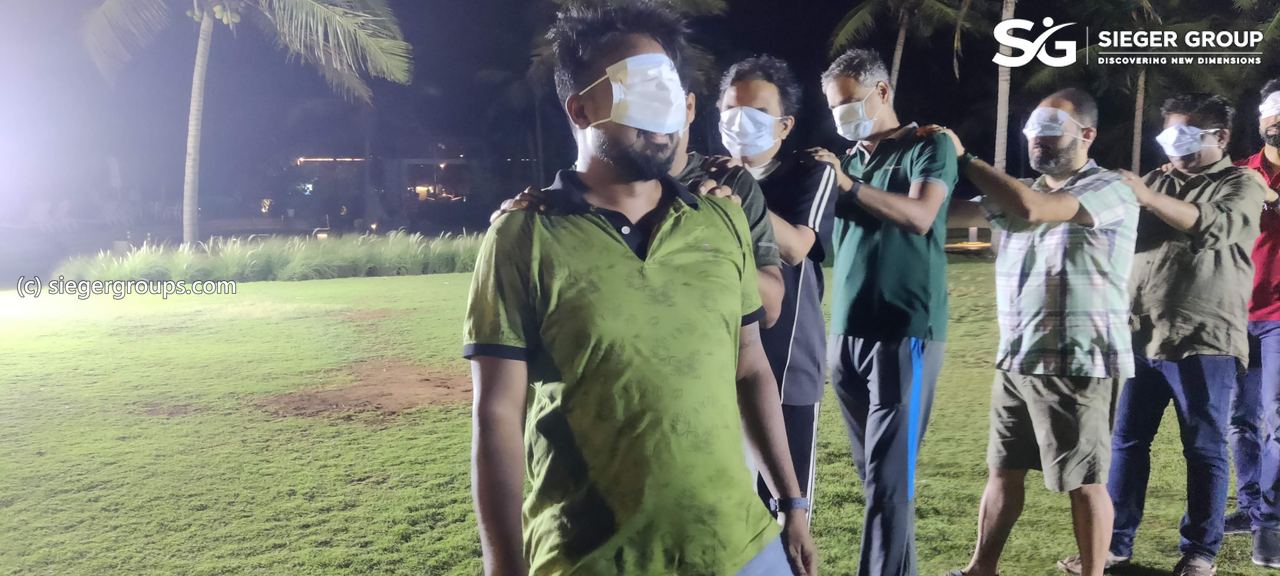
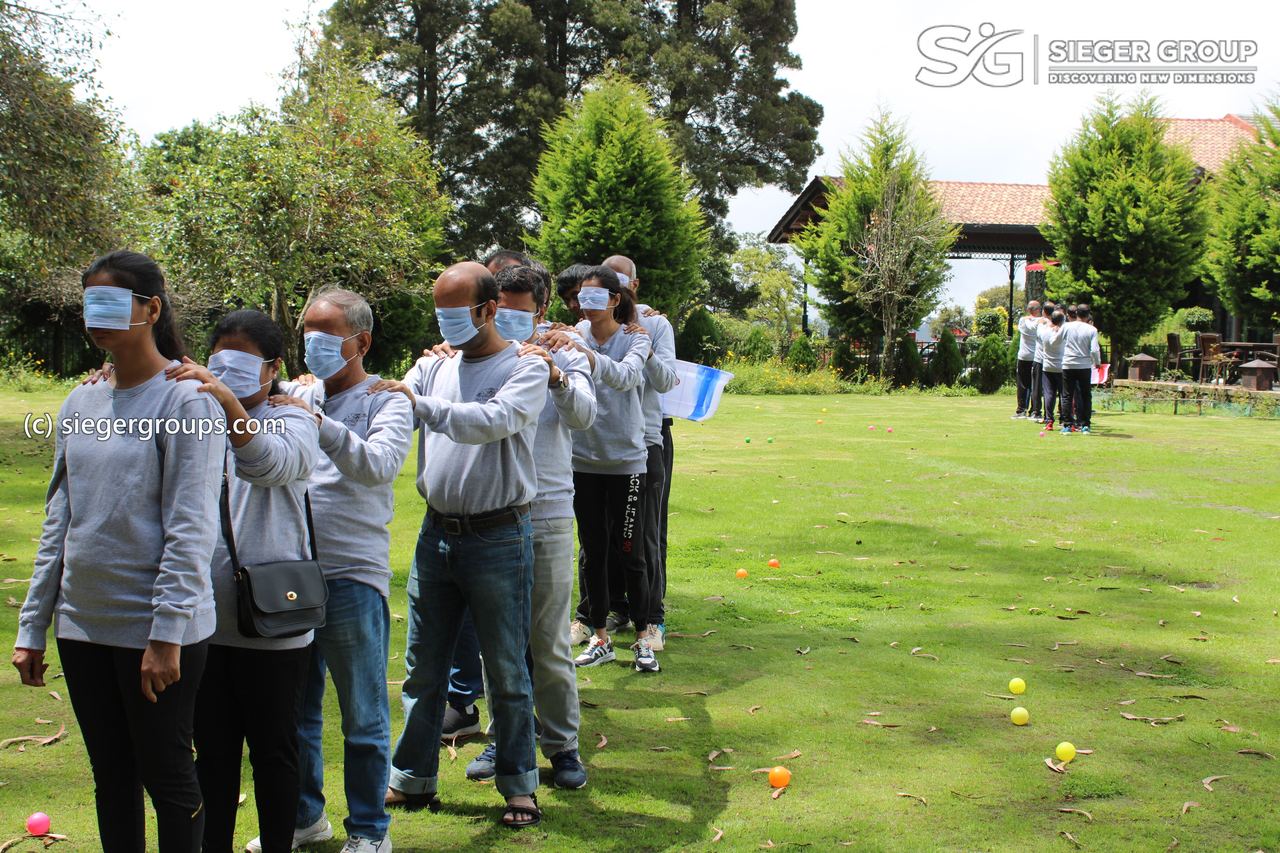
Partners take turns guiding and being guided around a marked route with limited visual information. The listener can ask for a different cue when a direction is unclear. Swapping roles helps both people understand what their instructions sounded like from the other side.
Ask the listener to choose one direction that was particularly easy to act on and explain why.
The Blind Mind recording offers a comparison for activities in which teammates must listen closely to one another.
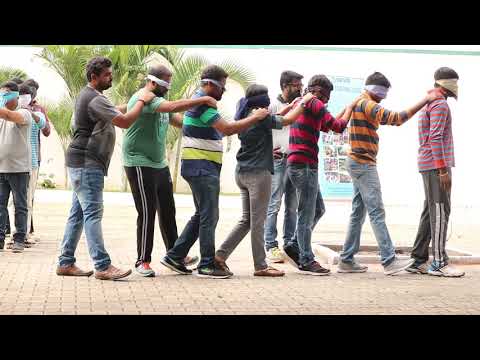

Review the Trust Walk course, boundaries and participation options. Which directions were clearest to the person being guided?
Clarify how a guide will communicate with a partner who cannot see the route. How did partners confirm understanding during the walk?
Work through the selected format while checking whether instructions are understood. What helped the guide adapt to the listener’s perspective?
Invite guides and participants to describe the information they needed. Which behaviours made support feel respectful rather than controlling?
Use these points to draw out what colleagues can learn from Guided Trust Walk.
Reflect on the difference between seeing the route and describing it usefully.
Consider how a brief check of understanding supported the partnership.
Confirm an accessible activity space, the agreed equipment, group rotations and an observer option.
Work through the selected format while checking whether instructions are understood.
Consider how a brief check of understanding supported the partnership.
Clarify how a guide will communicate with a partner who cannot see the route.
Which directions were clearest to the person being guided?
Ask the listener to choose one direction that was particularly easy to act on and explain why.
Practise giving short signals during work that depends on several people acting together.
Discover how colleagues prefer to give directions, receive feedback and ask for a pause.
Observe the difference between issuing an instruction and confirming that it was understood.
An illustrative running order for Guided Trust Walk. Confirm timings, breaks and participation arrangements in your event brief.
During this activity, one person will be blindfolded, the other sighted. The sighted person will take their blindfolded partner on a journey for five minutes using the space around them. Once they have completed the five minutes, they will then swap roles.
Sieger Group supports organisations with team-building experiences and facilitated programmes.
Pairs explore how instructions sound to someone who lacks the guide’s view of the route. Swapping perspectives helps both people refine their communication.
Ask the listener to choose one direction that was particularly easy to act on and explain why.
Meet the guided route, Agree directional cues, Guide and confirm, Compare both experiences. The final selection is agreed with the organiser.
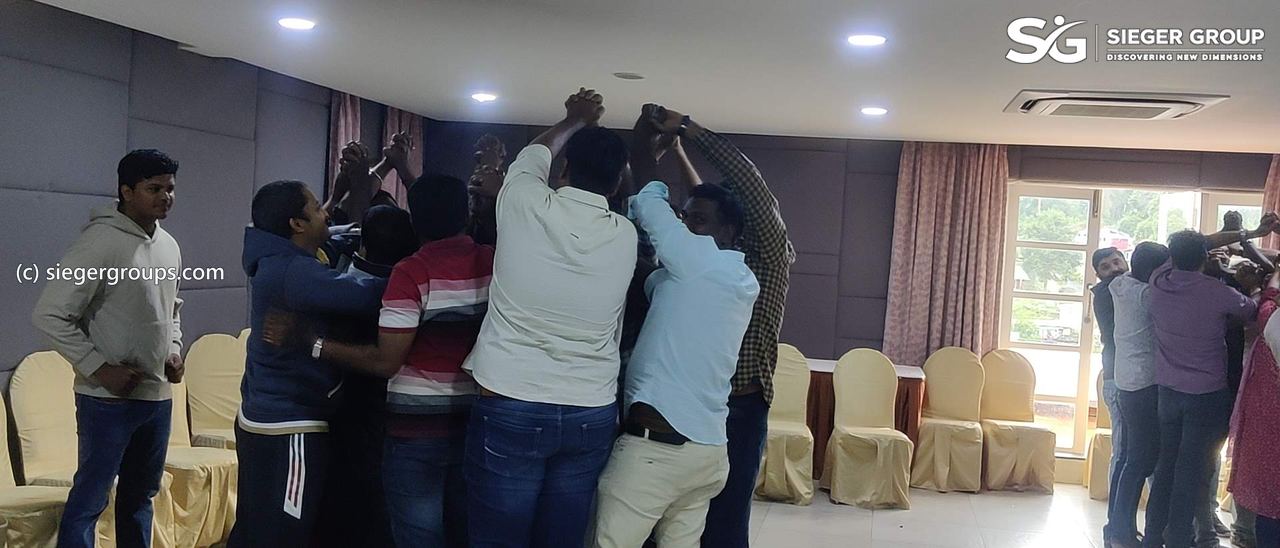
Operational teams and newly formed teams can use this experience. Practise giving short signals during work that depends on several people acting together.
This activity is designed for groups of 20–50. Share your expected headcount and venue so Sieger Group can confirm a suitable arrangement.
Allow 45–60 minutes for the activity session. Sieger Group can confirm the timing against your event schedule and agreed format.
Confirm an accessible activity space, the agreed equipment, group rotations and an observer option.
Share access requirements and preferences when planning the session. The facilitator can discuss roles such as observing, recording decisions or presenting the group’s findings.
Review the Trust Walk course, boundaries and participation options.
Consider how a brief check of understanding supported the partnership.
Yes. Share the purpose of the offsite and which part of Guided Trust Walk you would like to emphasise. The facilitator can discuss how to fit the chosen elements into the wider event.
Use the enquiry form or contact Sieger Group with your preferred date, city, headcount, venue and learning objective. Include any participation or access requests in the brief.
Share your date, city, group size and the outcome you want colleagues to take away.
Request a tailored proposalTell us what you have in mind. We will help you explore a programme that fits your people and your occasion.
Still finalising the details? Share what you know.
Every team is different. Share your people, purpose and preferred setting, and we’ll translate your brief into an experience designed to connect, engage and create lasting impact.
Share your brief and preferred contact details.