Blind Leads
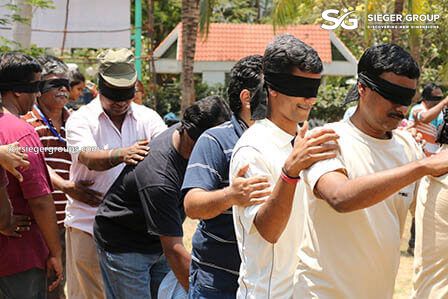
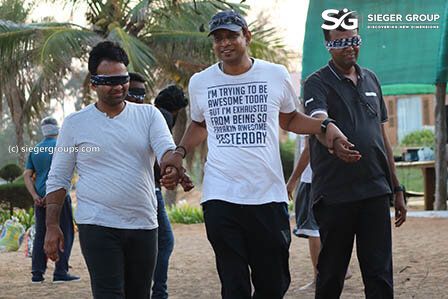
A sighted partner guides a blindfolded teammate along an agreed route. Clear descriptions and attentive listening help the pair coordinate.
Learning focusChecking a direction
Compare guided routes, shape puzzles and listening games that change how teams share information. Choose formats around the group’s comfort with limited vision.
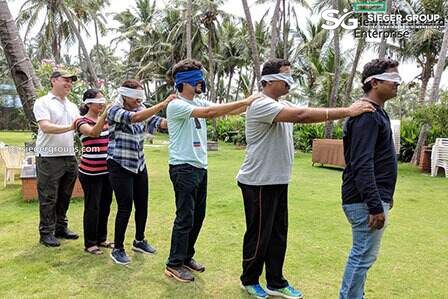
Removing visual cues changes how a team gives directions. In Blind Square, the group agrees how to form a shape together. In Minefield, a guide helps a colleague navigate a marked route. The facilitator chooses formats and participation roles to suit the group.
Agree on a simple way to pause and let participants choose a guide, observer or active role.
Blind Square asks the whole group to agree on a shape. Minefield gives the guide and the person following directions different responsibilities. These two recordings show the distinction in practice.
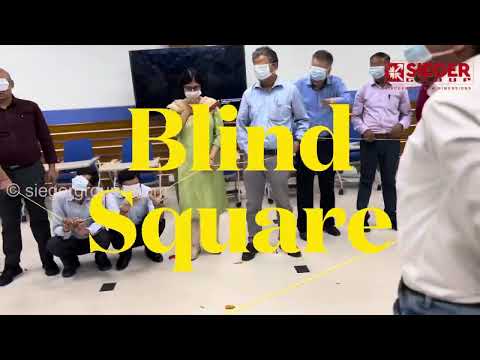

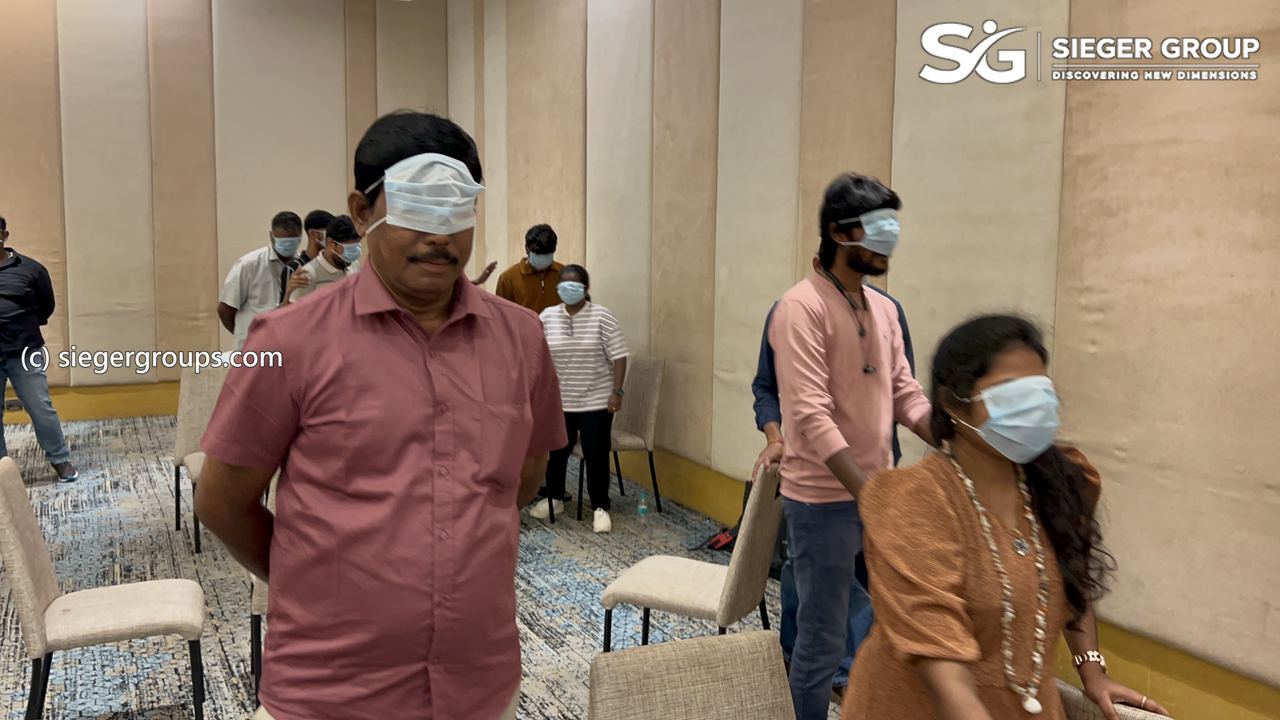
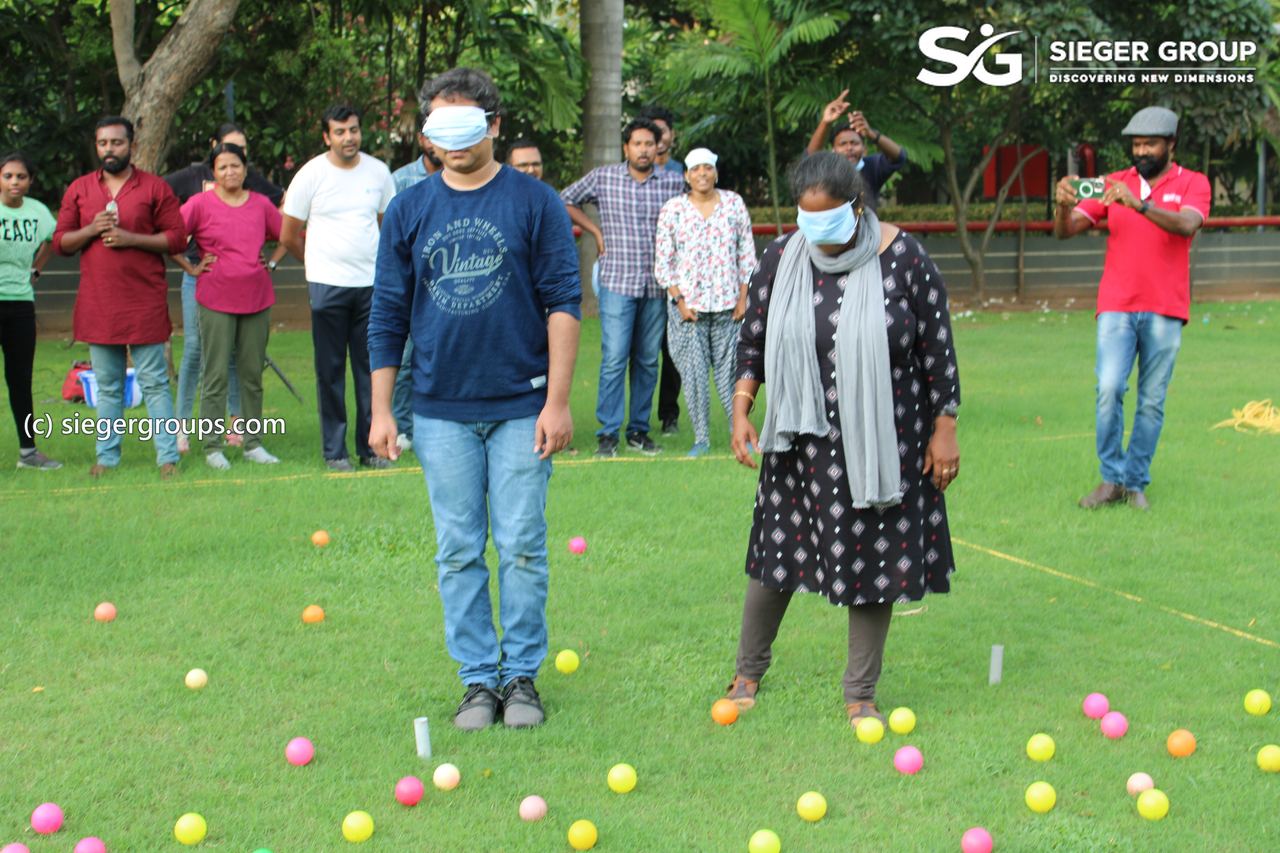
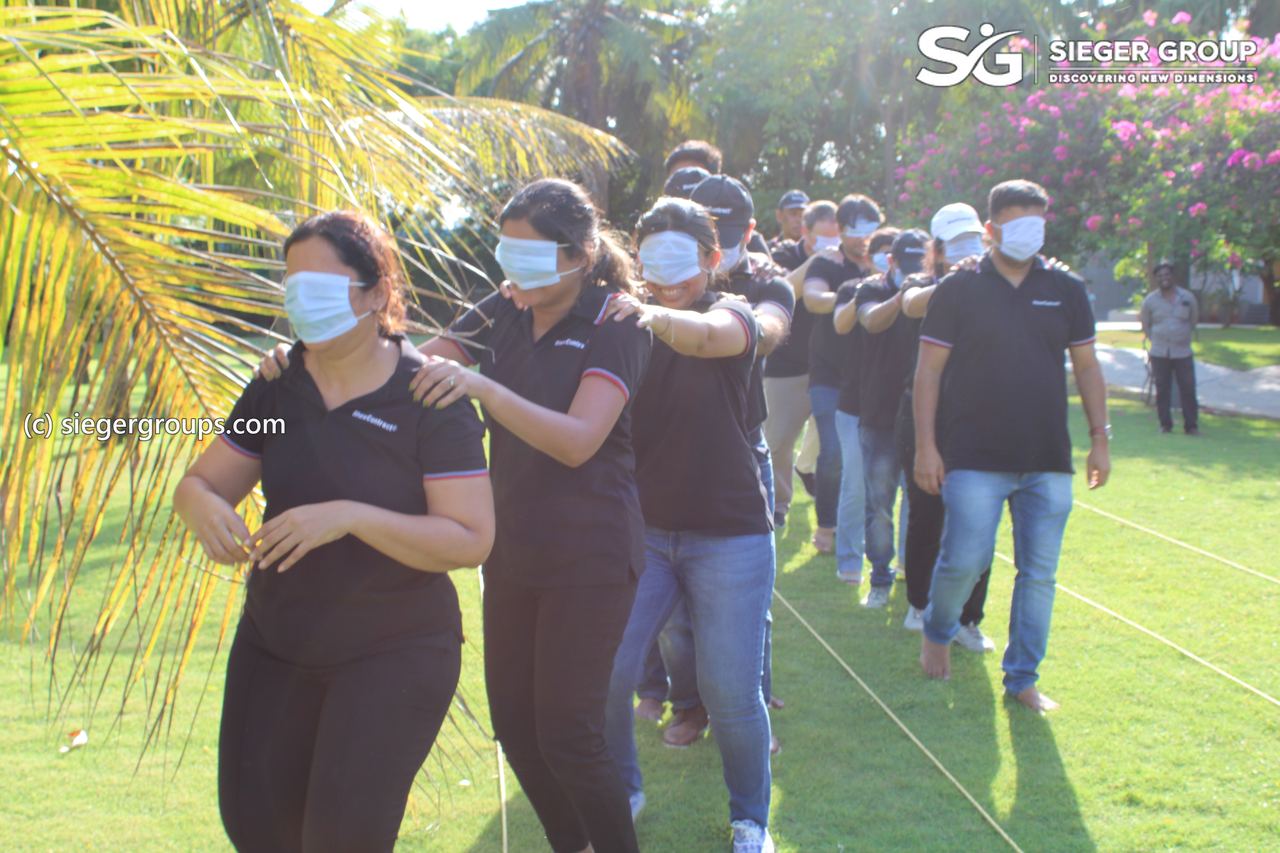
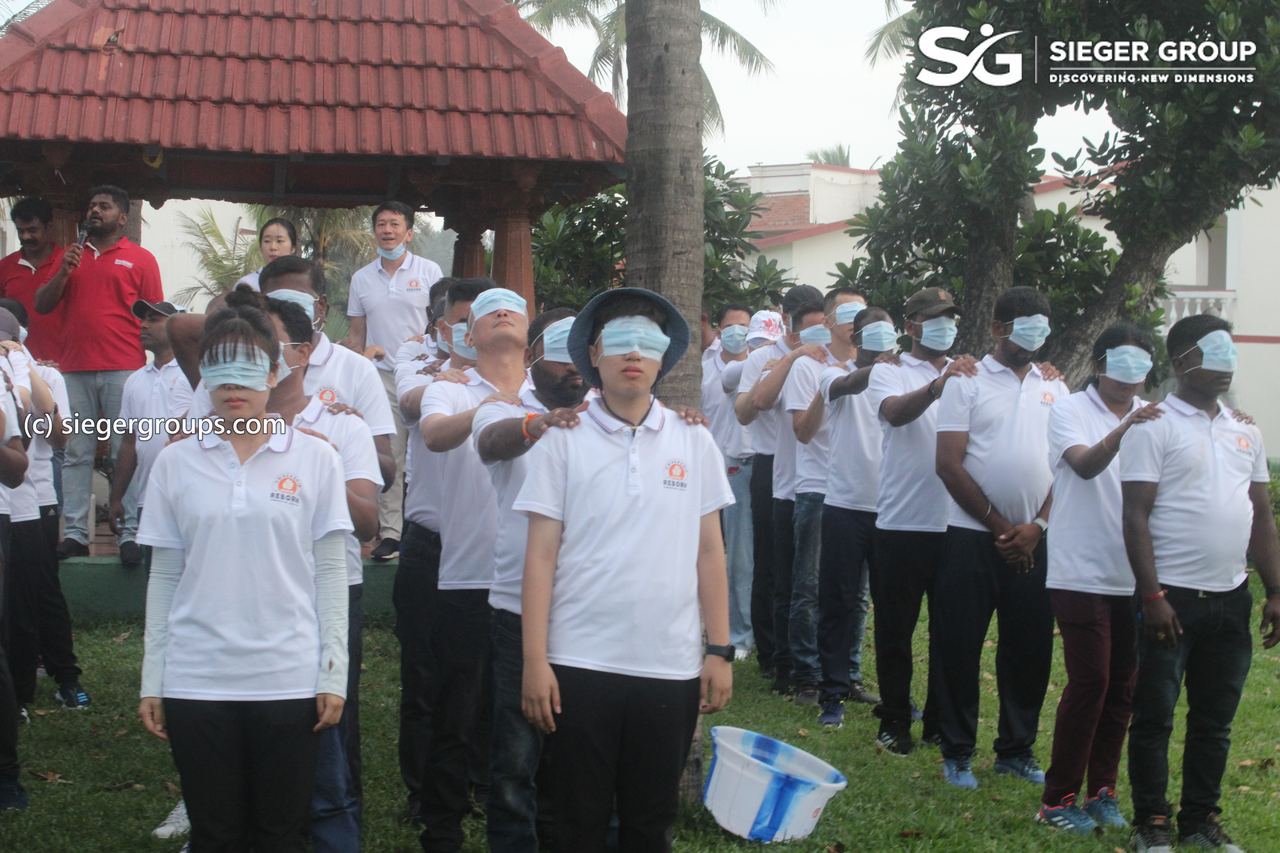
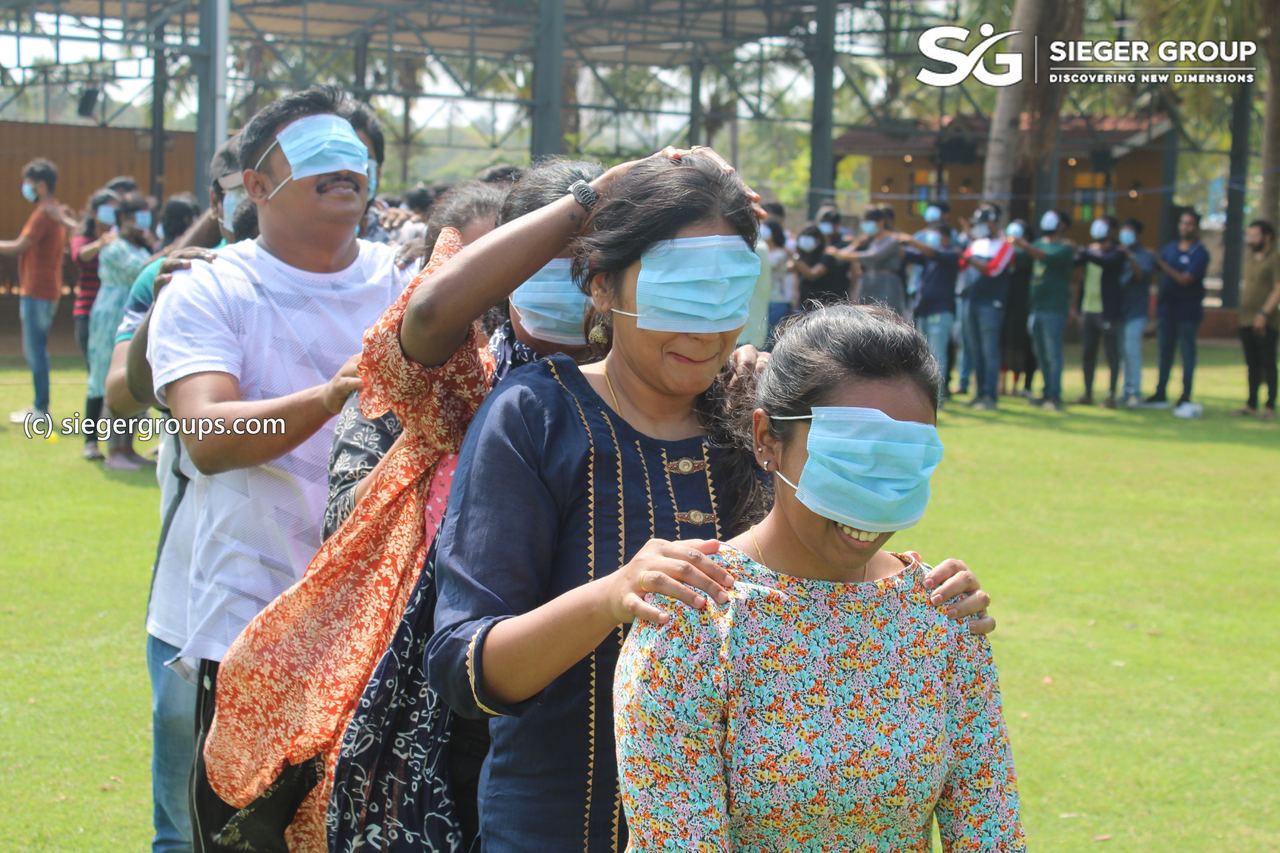
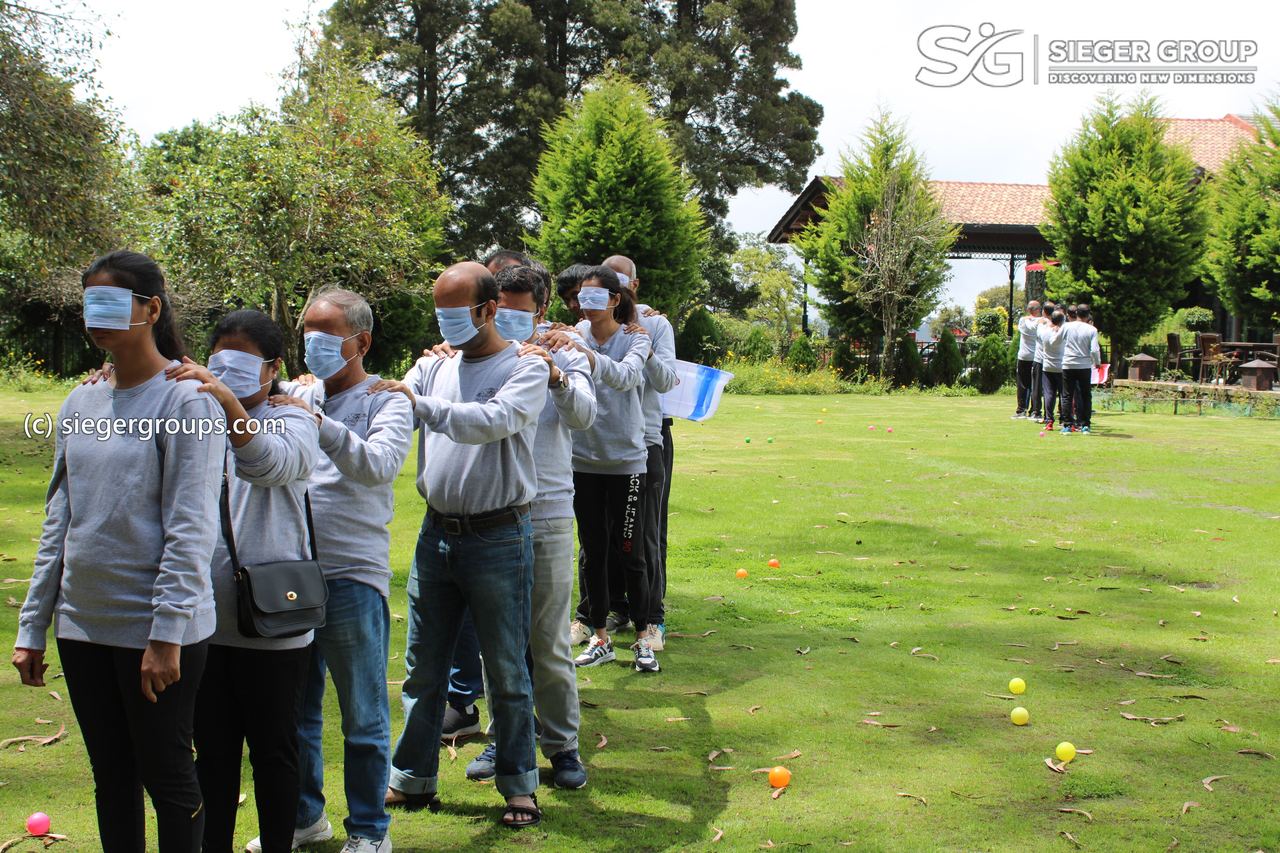
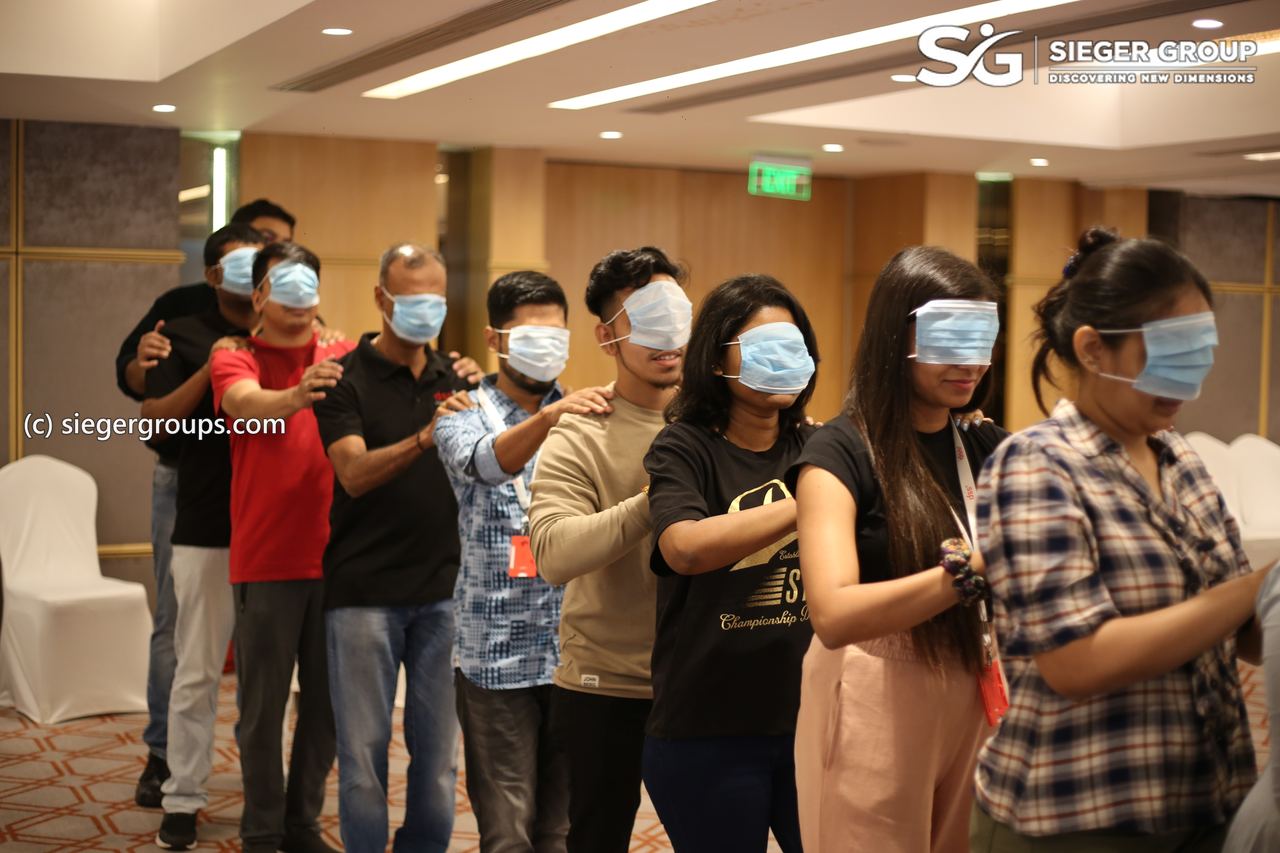
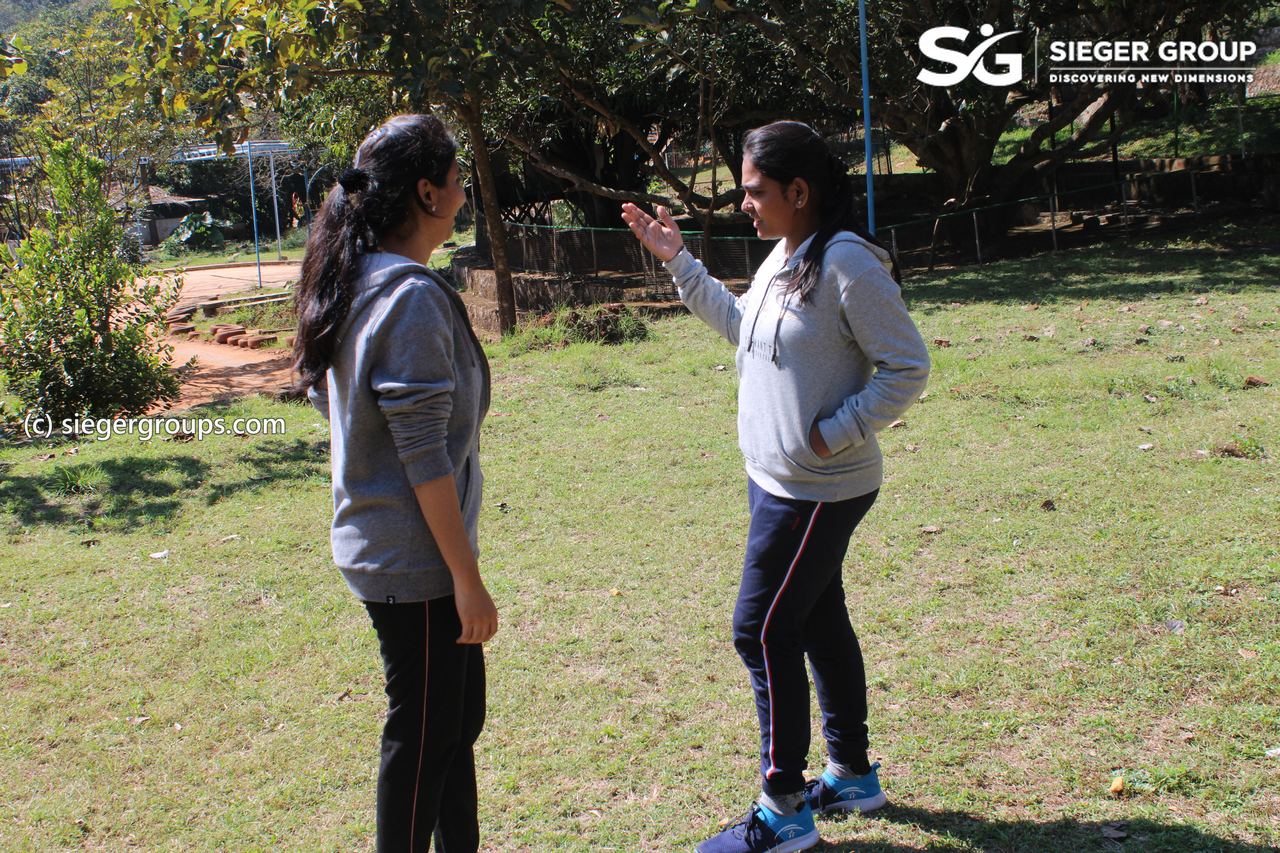
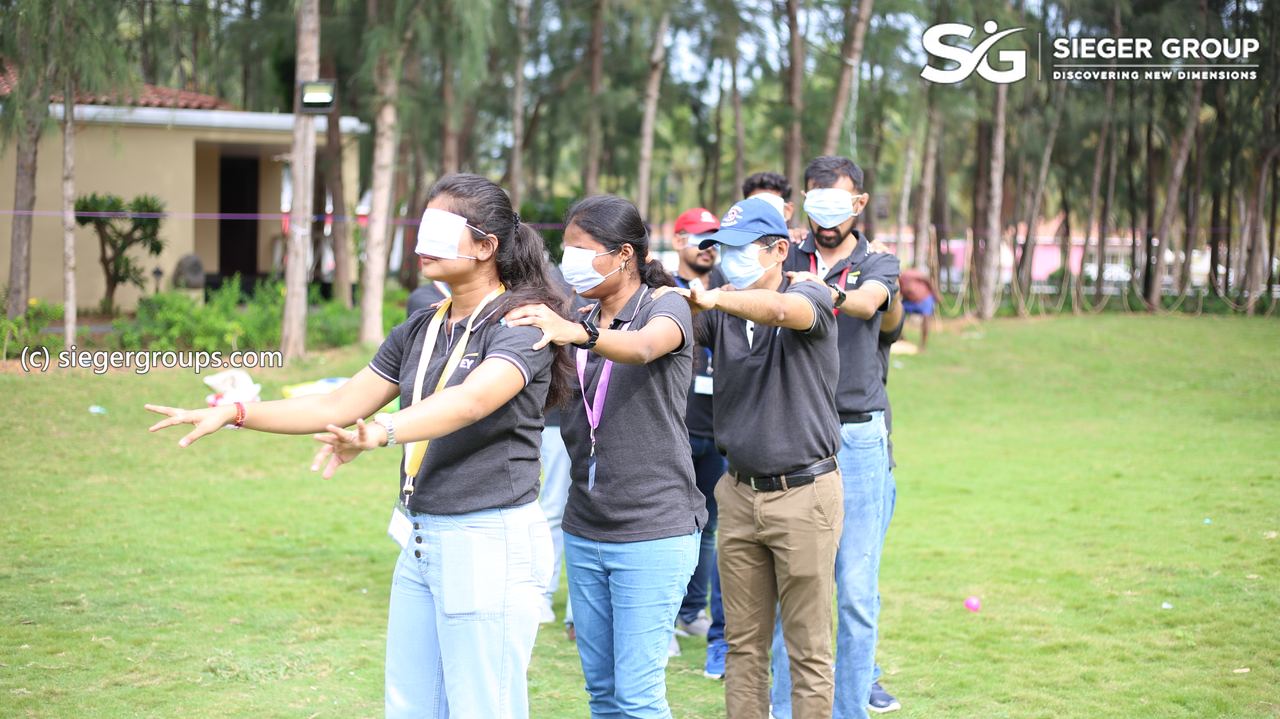
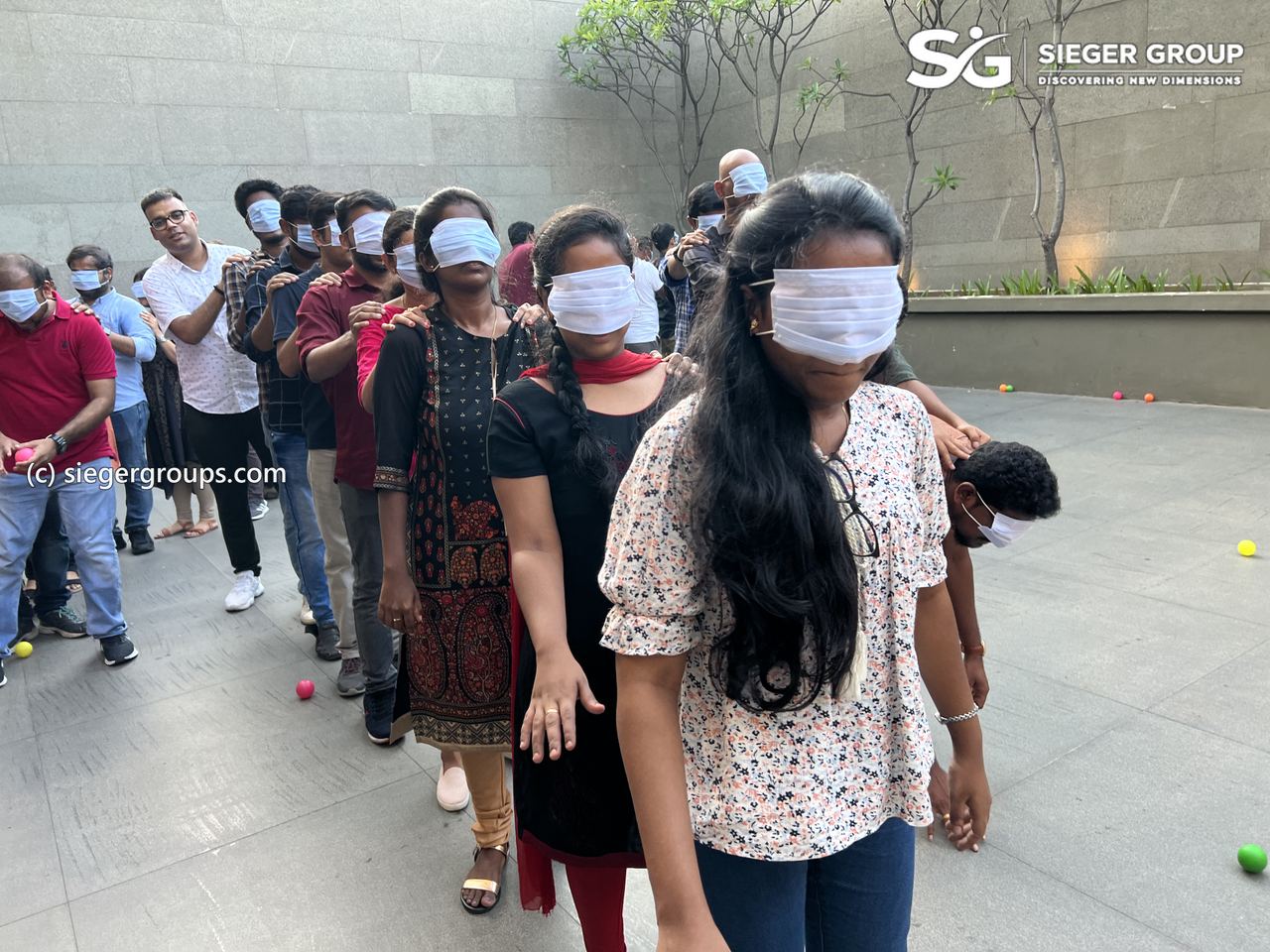
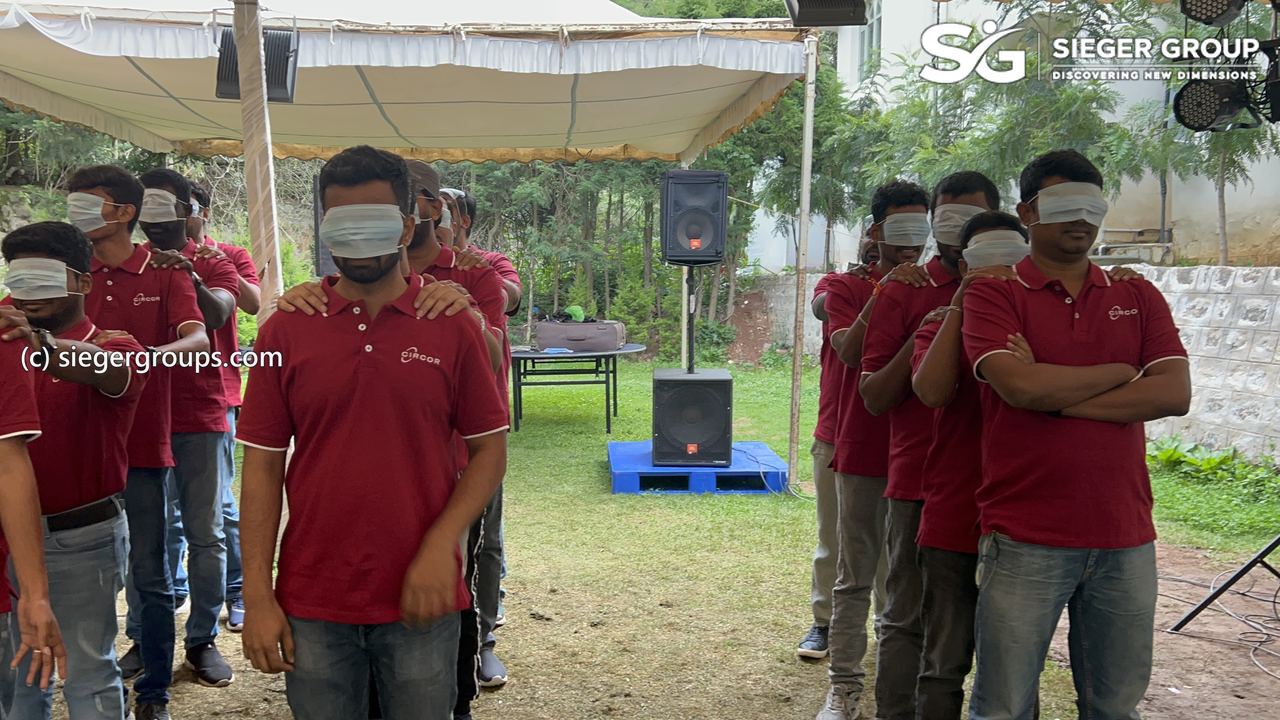
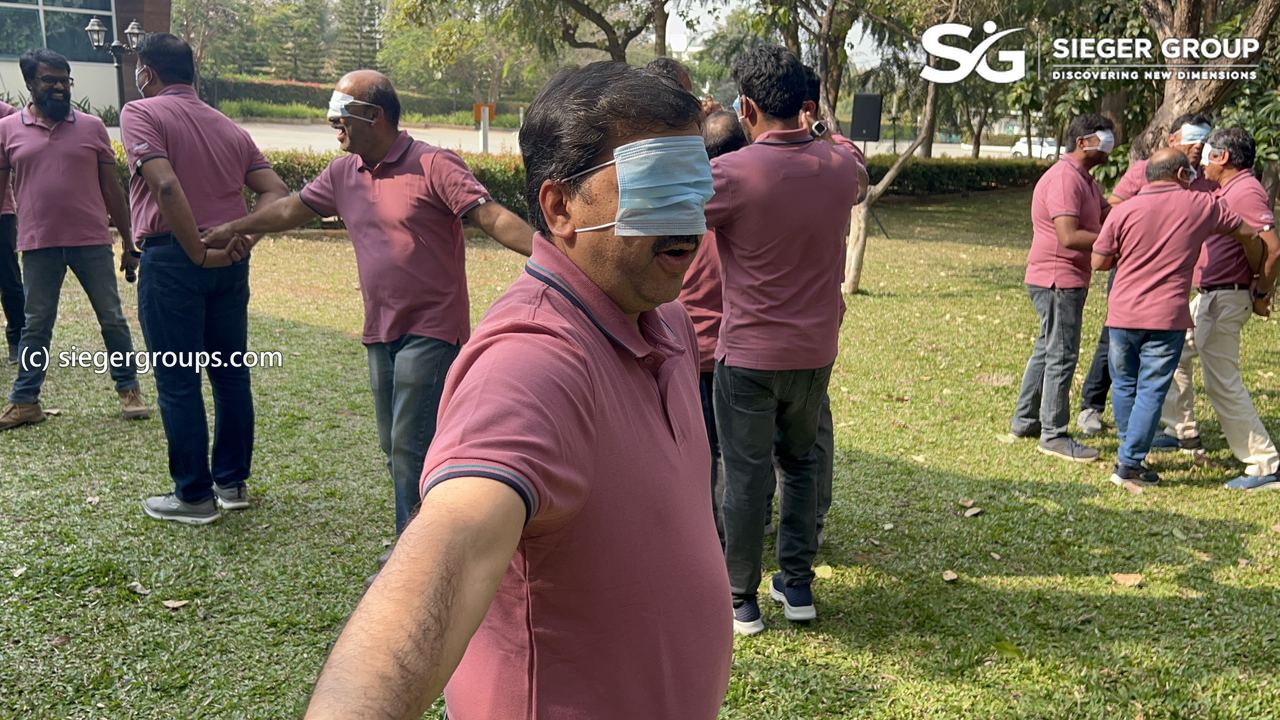
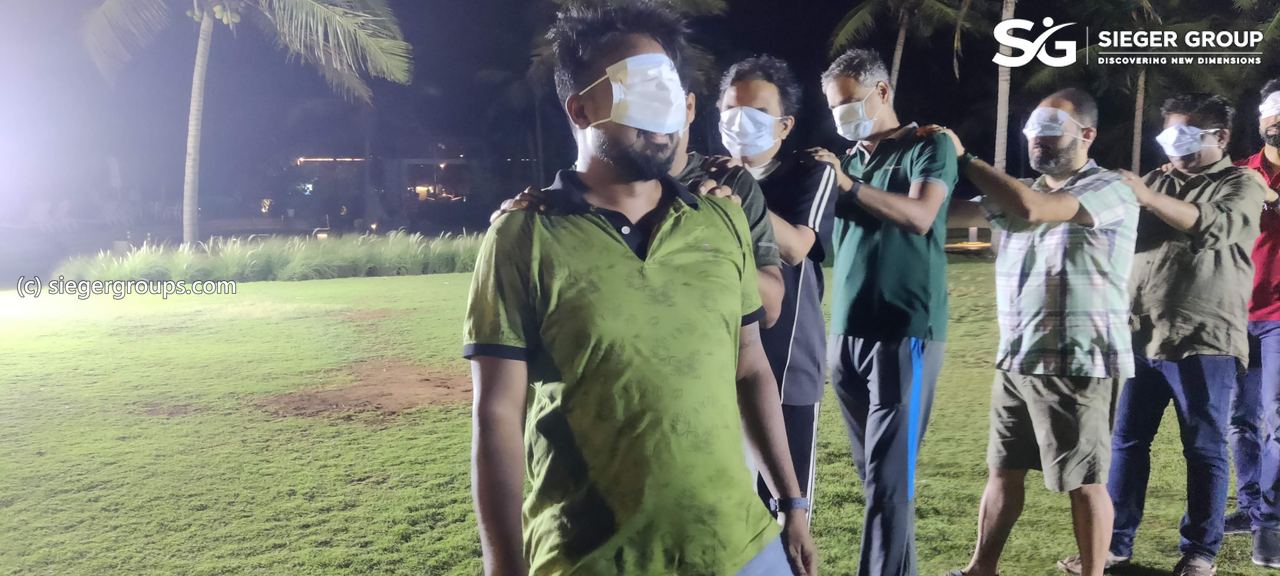
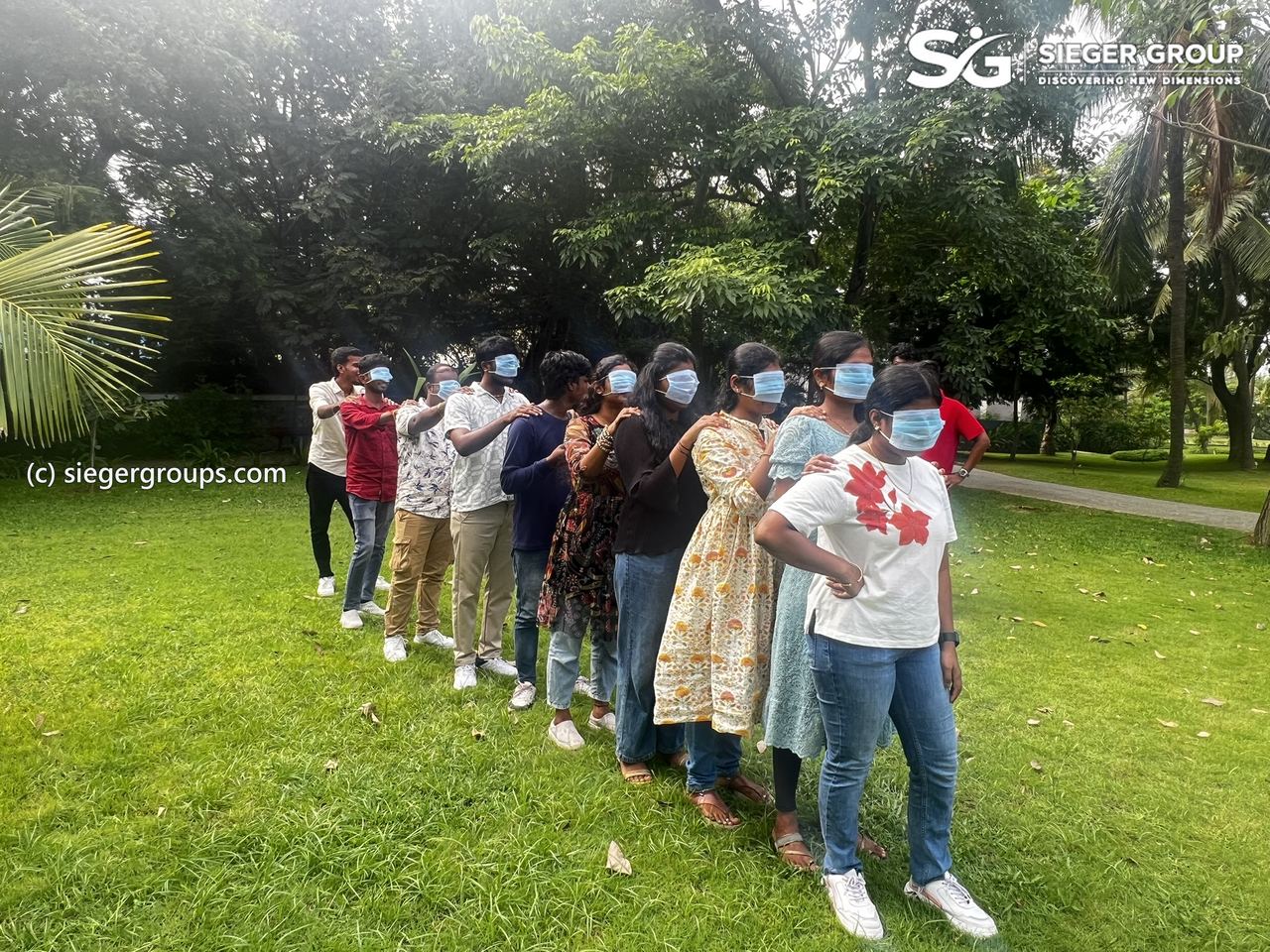
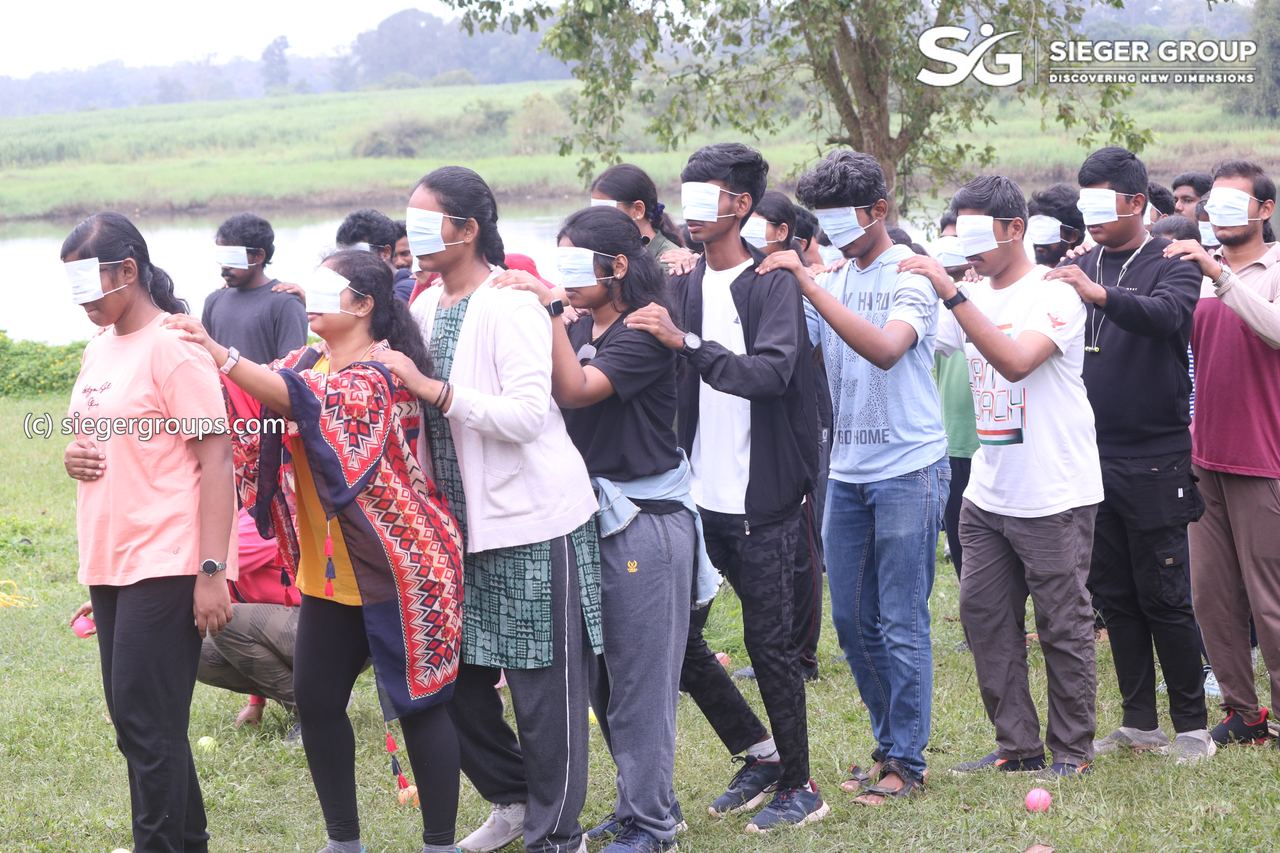
A sighted partner guides a blindfolded teammate along an agreed route. Clear descriptions and attentive listening help the pair coordinate.
Identify missing shapes through shared descriptions and logical reasoning. With visual information restricted, teammates combine what each person knows.
Follow a designated line in a facilitated blindfold challenge. Reflect on orientation, guidance and the information participants find useful.
Compare a collection of shapes to identify missing pieces. Organise descriptions and reason together without relying on sight.
Pass an object around the circle quietly while a central listener locates it. Careful handovers and attention to sounds shape the challenge.
Arrange a rope into a square while blindfolded. Teams agree roles and describe positions without visual confirmation.
Follow a guided route and attempt to retrace it. Explore remembering directions when familiar visual cues are unavailable.
Locate a teammate within a defined activity area in a guided blindfold search. The facilitator establishes boundaries and participation options.
A shepherd uses agreed sound cues to guide blindfolded teammates towards a pen. Establishing a shared meaning for each signal is central to the task.
Guide teammates through a marked maze without sight. Practise recognisable instructions when several guides are speaking nearby.
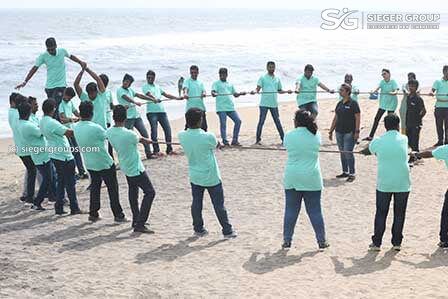
Follow a rope route as a connected group with restricted sight. Messages along the line help teammates respond to changes in direction or pace.
Guide a blindfolded teammate through a marked obstacle area. Use precise directions and check that instructions are understood.
A sighted partner guides a blindfolded participant towards them using verbal directions. Listening and confirmation help the pair coordinate.
A facilitated discussion of confidence, boundaries and the choice to observe. The activity provider confirms a suitable format for the participants and venue.
Explore the texture of a tree with a partner's guidance, then try to recognise it afterwards. Notice details through senses other than sight.
A blindfolded seeker locates group members within the agreed area. The facilitator manages boundaries and explains the rules.
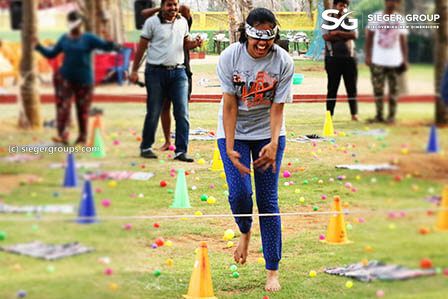
A sighted director guides a blindfolded partner in a paper-ball game. Distinct instructions help each pair respond within the marked zone.
Find teammates making the same assigned sound. Distinguishing useful signals from surrounding noise is central to the task.
Retrieve objects quietly while a blindfolded listener locates the movement. The facilitator explains boundaries, turns and the listening role.
Build a tent with visual information restricted. Teammates describe parts and coordinate the assembly through spoken instructions.
Combine spoken instructions and silent signals across different roles. Connect information between colleagues who cannot all communicate in the same way.
Form a requested polygon with visual information restricted. Teams coordinate the shape through descriptions, reasoning and agreed roles.
Find your assigned animal group by listening for matching sounds. The facilitator defines the area and explains how participants regroup.
Describe a line drawing to a teammate who cannot see the reference. Compare the finished picture with the original to discuss clarity and assumptions.
Describe an object without naming it so teammates can identify it. Use precise language about texture, shape and distinguishing features.
Recognise colleagues from messages spoken in disguised voices. This listening game draws attention to familiar vocal cues.
Place a tail on a donkey picture while blindfolded. Take turns and compare placements in this familiar party-style game.
Build a tower from blocks with visual information restricted. Coordinate placement and describe how the structure is developing.
A sighted teammate guides a blindfolded partner in an egg-and-spoon relay. Balance clear directions with attention to the item being carried.
Participants discuss mutual support and decide how they would like to contribute. The facilitator confirms the format and explains the observation option.
A group timing exercise prompts a discussion about cues and the freedom to pause. Confirm the facilitator’s approved version when planning the event.
Use these points to draw out what colleagues can learn from Blindfold Team Building Activities.
Discuss how precise language can replace assumptions about what a colleague can see.
Explore the value of confirmation before a team acts on an instruction.
Confirm an accessible activity space, the agreed equipment, group rotations and an observer option.
Work through the chosen task while checking whether instructions are understood.
Explore the value of confirmation before a team acts on an instruction.
Agree how directions will be described when some colleagues cannot use visual information.
Which directions were useful without visual information?
Agree on a simple way to pause and let participants choose a guide, observer or active role.
Practise giving short signals during work that depends on several people acting together.
Discover how colleagues prefer to give directions, receive feedback and ask for a pause.
Observe the difference between issuing an instruction and confirming that it was understood.
An illustrative running order for Blindfold Team Building Activities. Confirm timings, breaks and participation arrangements in your event brief.
Sieger Group supports organisations with team-building experiences and facilitated programmes.
Compare guided routes, shape puzzles and listening games that change how teams share information. Choose formats around the group’s comfort with limited vision.
Agree on a simple way to pause and let participants choose a guide, observer or active role.
Blind Leads, Colour Blind, Blindfold Rope Line, Shape Sorter, Circle of Silence, Blind Square. The final selection is agreed with the organiser.
Operational teams and newly formed teams can use this experience. Practise giving short signals during work that depends on several people acting together.
Share the expected headcount, available space and any rotation requirements so the facilitator can propose suitable team sizes.
Allow Discuss your event schedule as a planning guide. The proposal confirms the duration, breaks and final activity mix.
Confirm an accessible activity space, the agreed equipment, group rotations and an observer option.
Share access requirements and preferences when planning the session. The facilitator can discuss roles such as observing, recording decisions or presenting the group’s findings.
Introduce the selected communication challenge and explain boundaries and participation options.
Explore the value of confirmation before a team acts on an instruction.
Yes. Share the purpose of the offsite and which part of Blindfold Team Building Activities you would like to emphasise. The facilitator can discuss how to fit the chosen elements into the wider event.
Use the enquiry form or contact Sieger Group with your preferred date, city, headcount, venue and learning objective. Include any participation or access requests in the brief.
Share your date, city, group size and the outcome you want colleagues to take away.
Request a tailored proposalTell us what you have in mind. We will help you explore a programme that fits your people and your occasion.
Still finalising the details? Share what you know.
Every team is different. Share your people, purpose and preferred setting, and we’ll translate your brief into an experience designed to connect, engage and create lasting impact.
Share your brief and preferred contact details.