Read the search brief
Review the objects, clues or tasks the scavenger hunt asks teams to find. How did the team divide search tasks without duplicating effort?
Learning focusInterpreting the search brief
Teams interpret a search brief and gather evidence for their finds. Splitting up helps only if participants can bring their information back together.
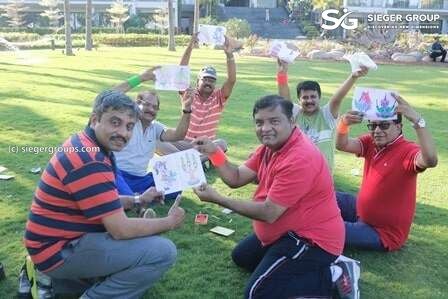
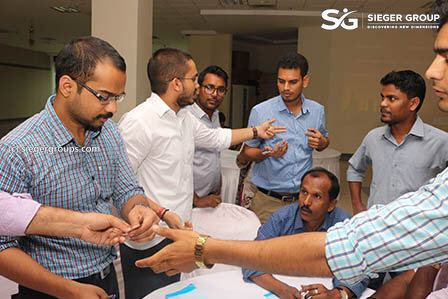
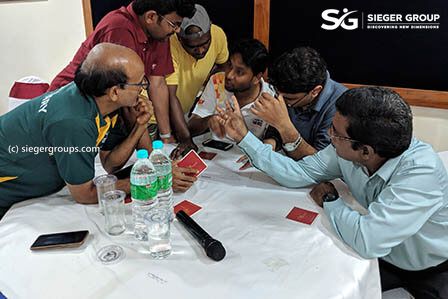
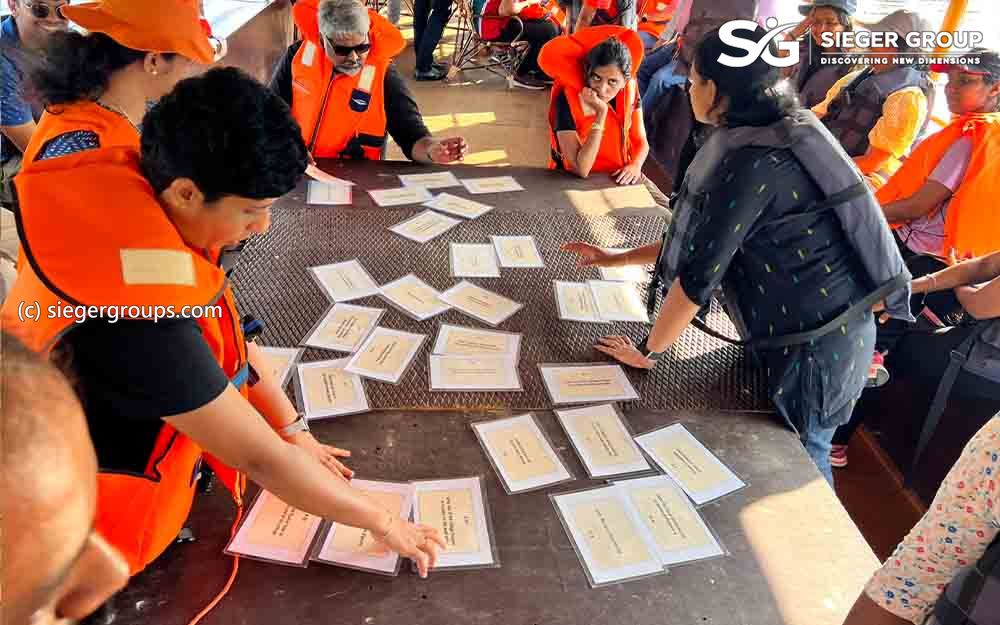
Groups receive a list of objects, observations or evidence to find within the agreed area. They divide the search and then compare what each person brought back. A convincing finish depends on explaining why each find fits the brief.
Agree how the group will distinguish a confirmed find from a promising lead.
Watch how players share clues during a code-breaking task. A hunt adds movement between stations or a search for specific objects.

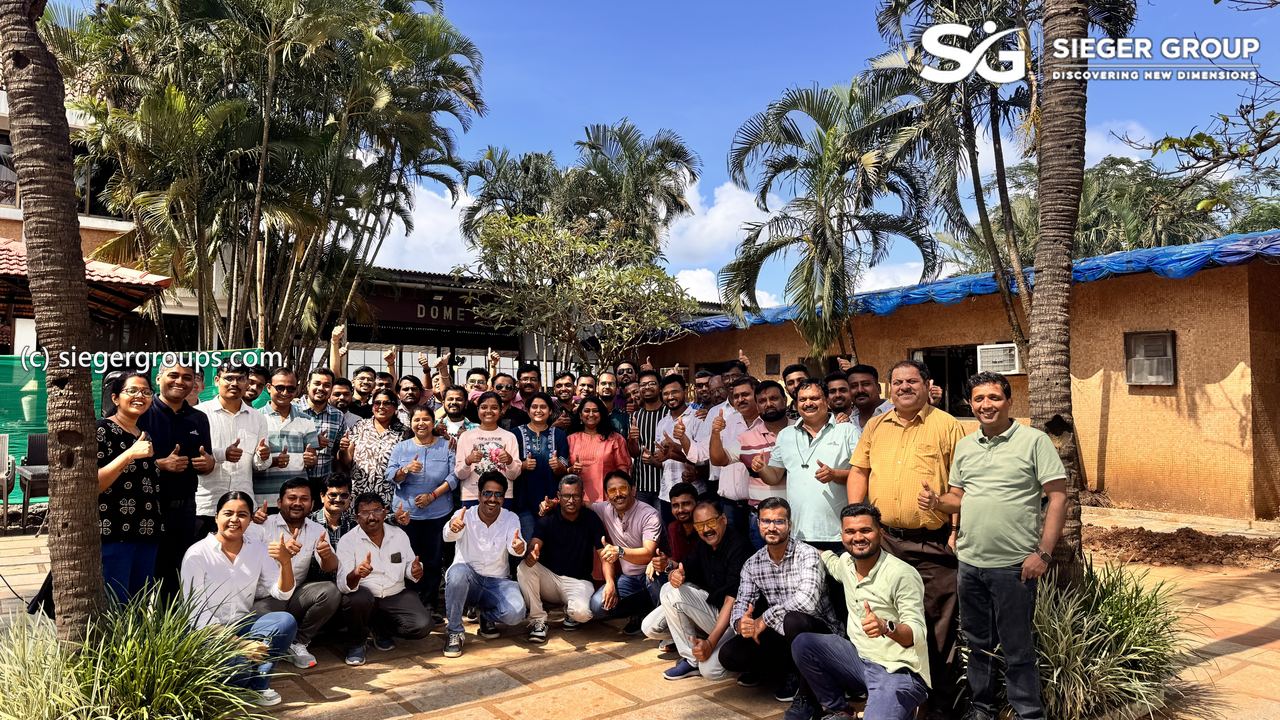
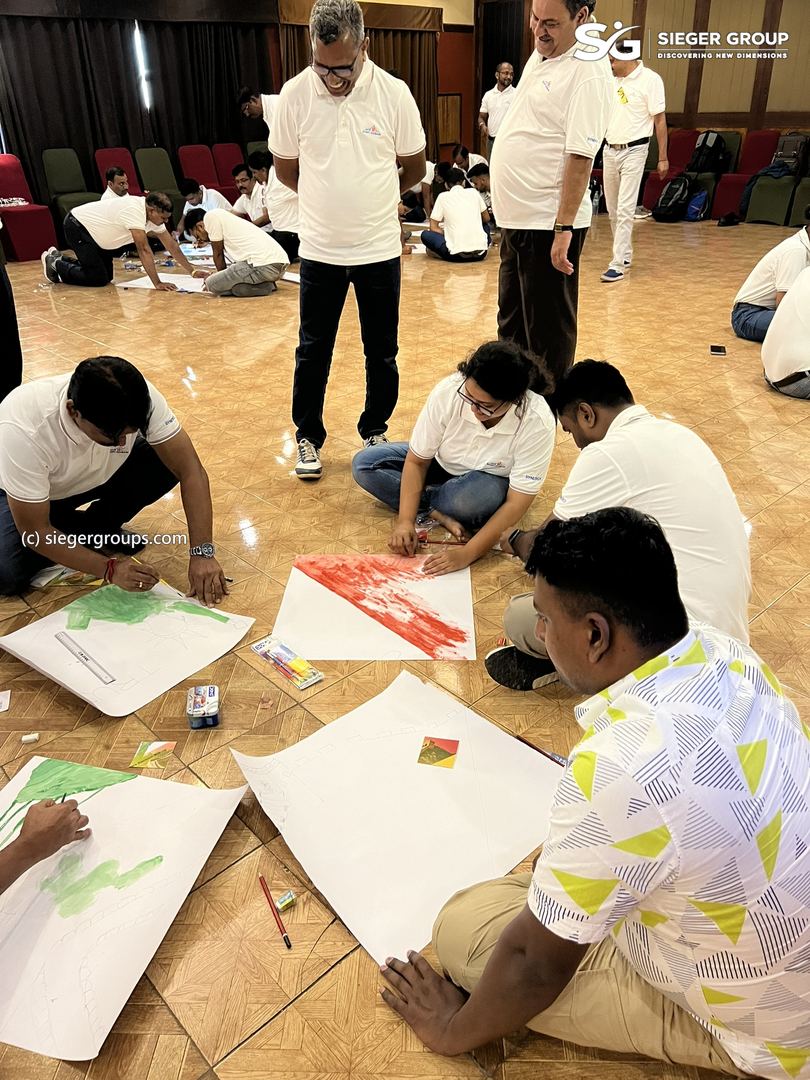
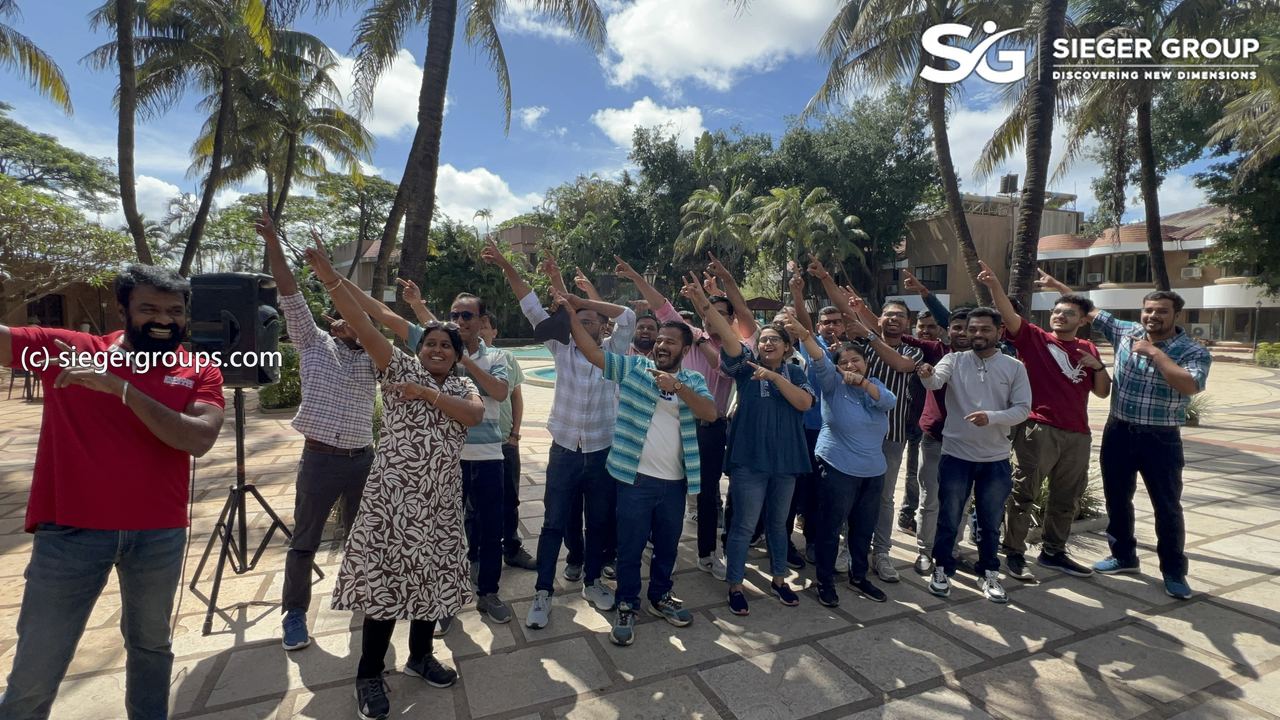
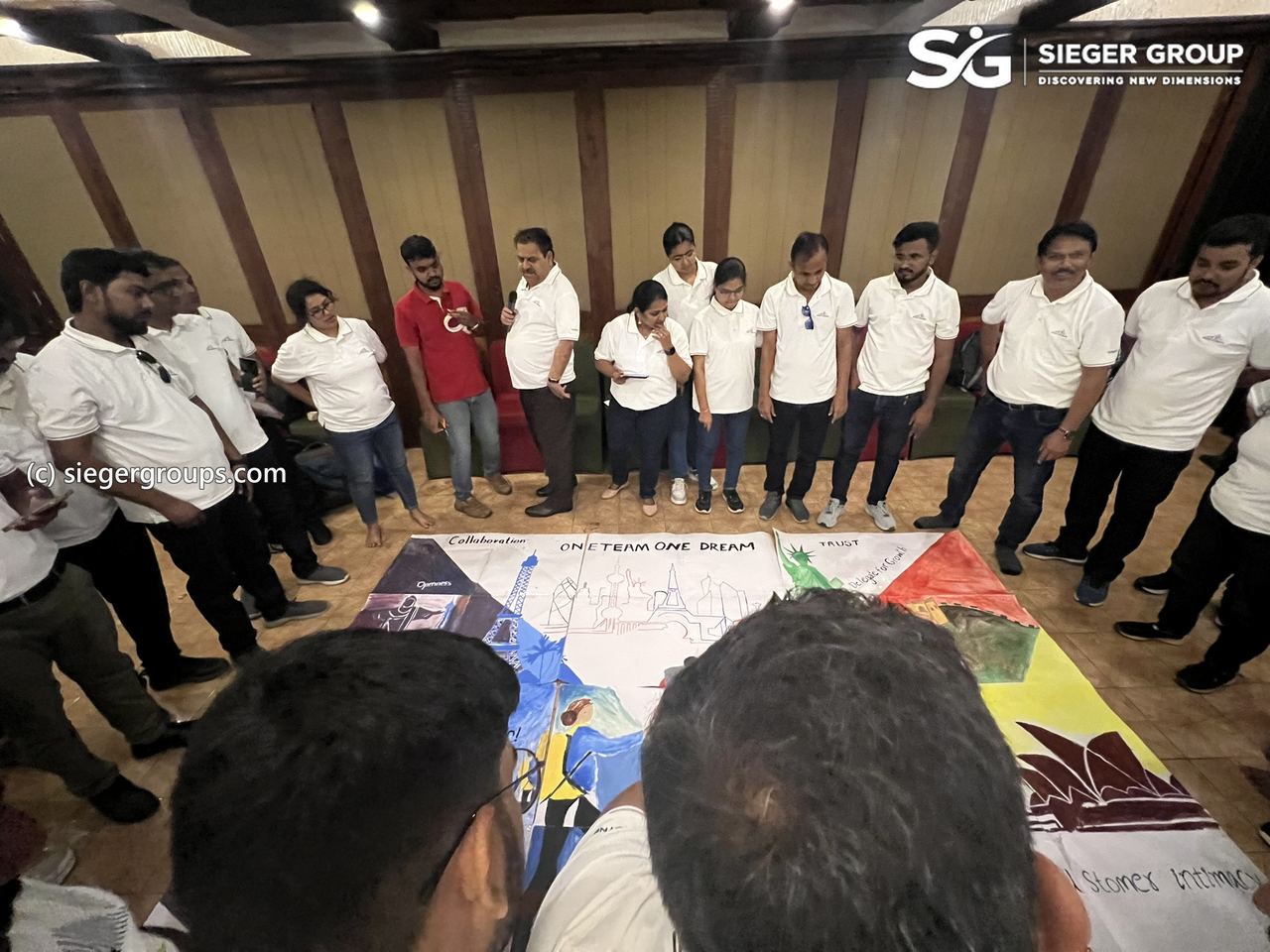

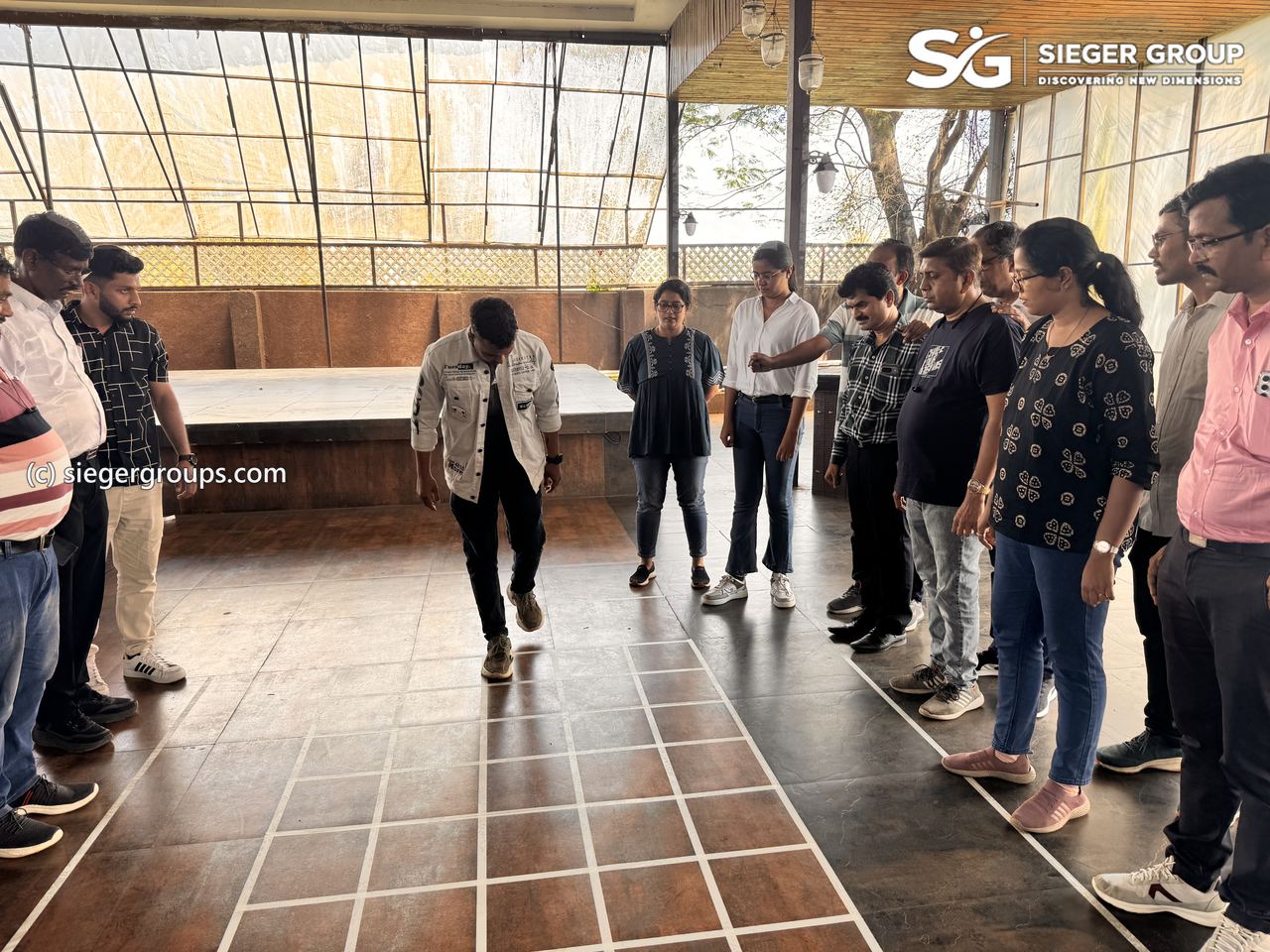
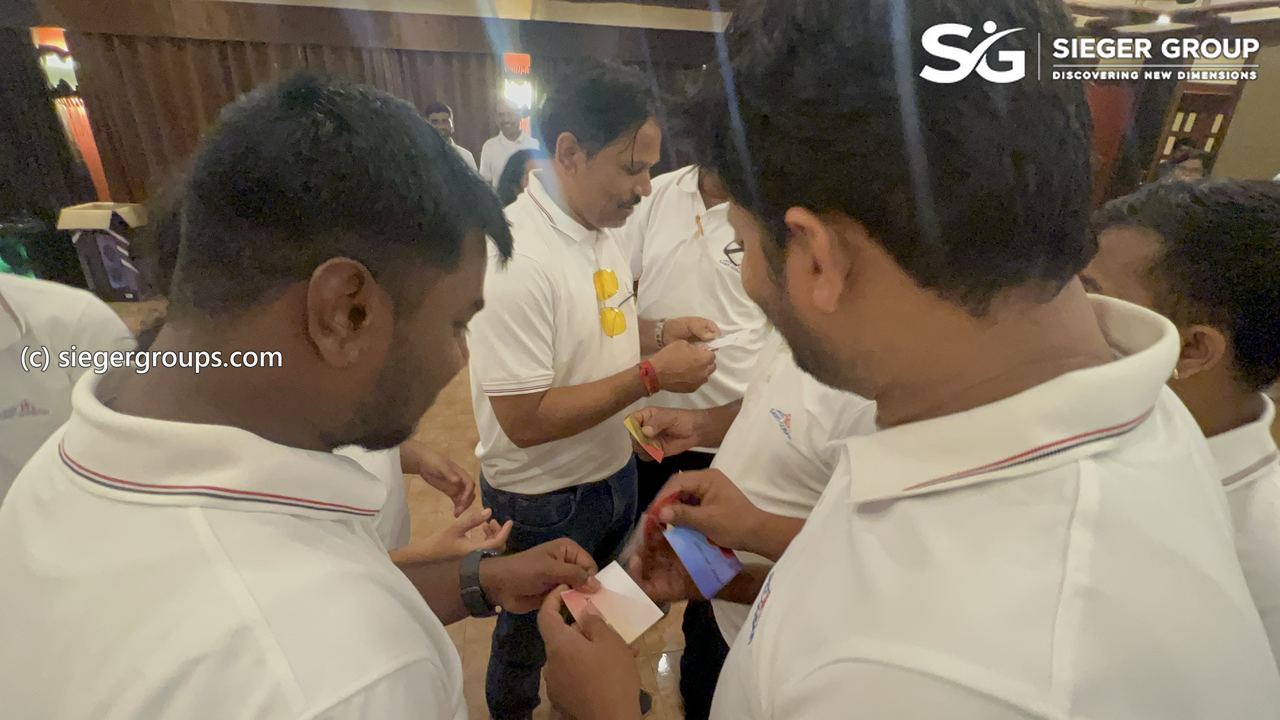
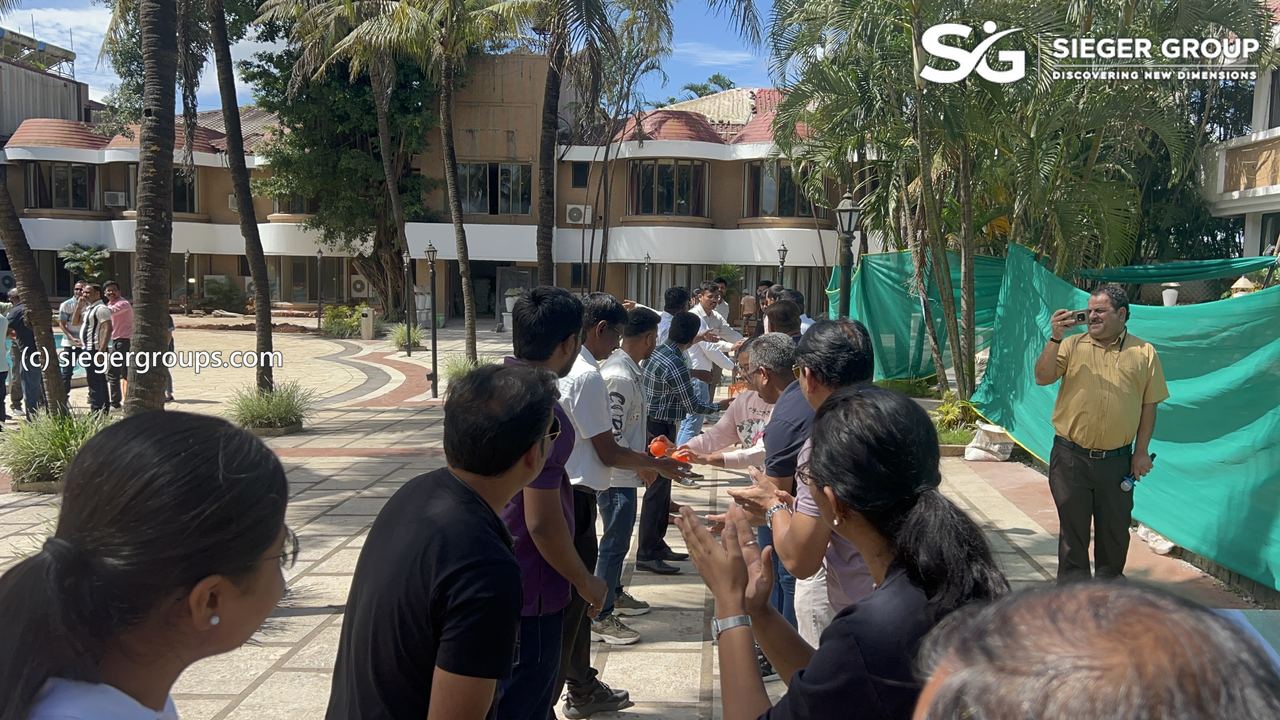
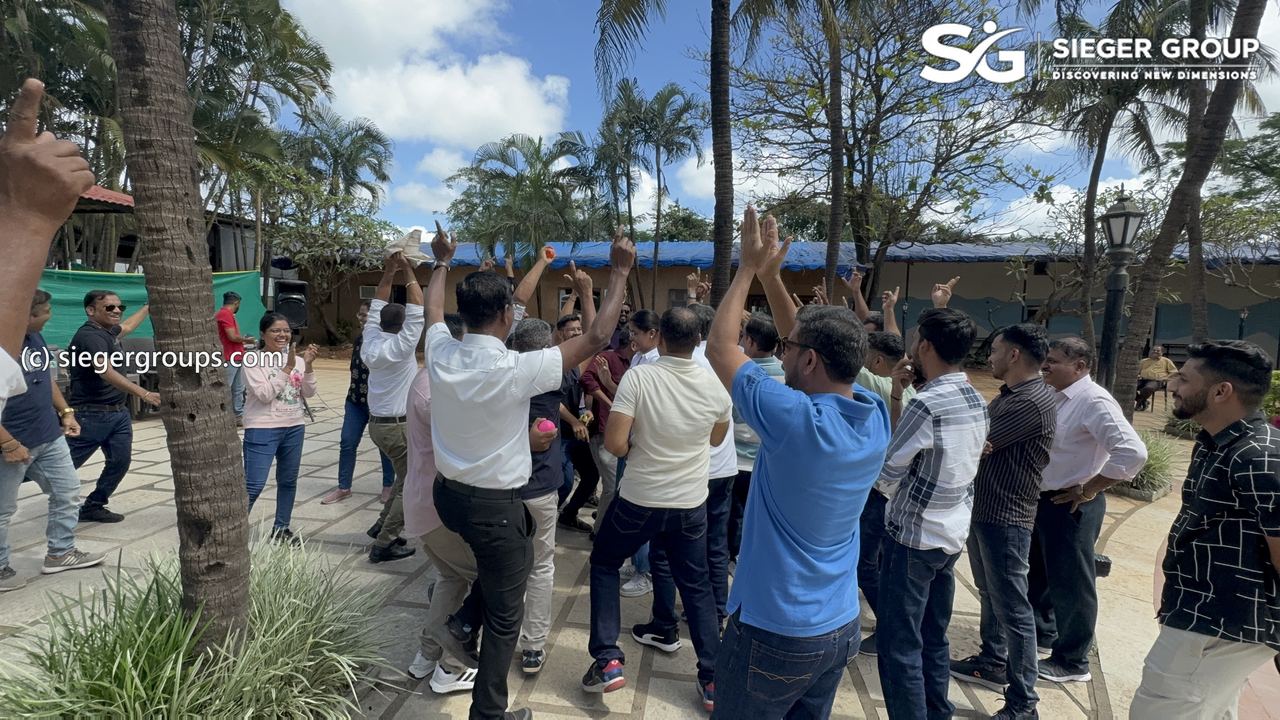
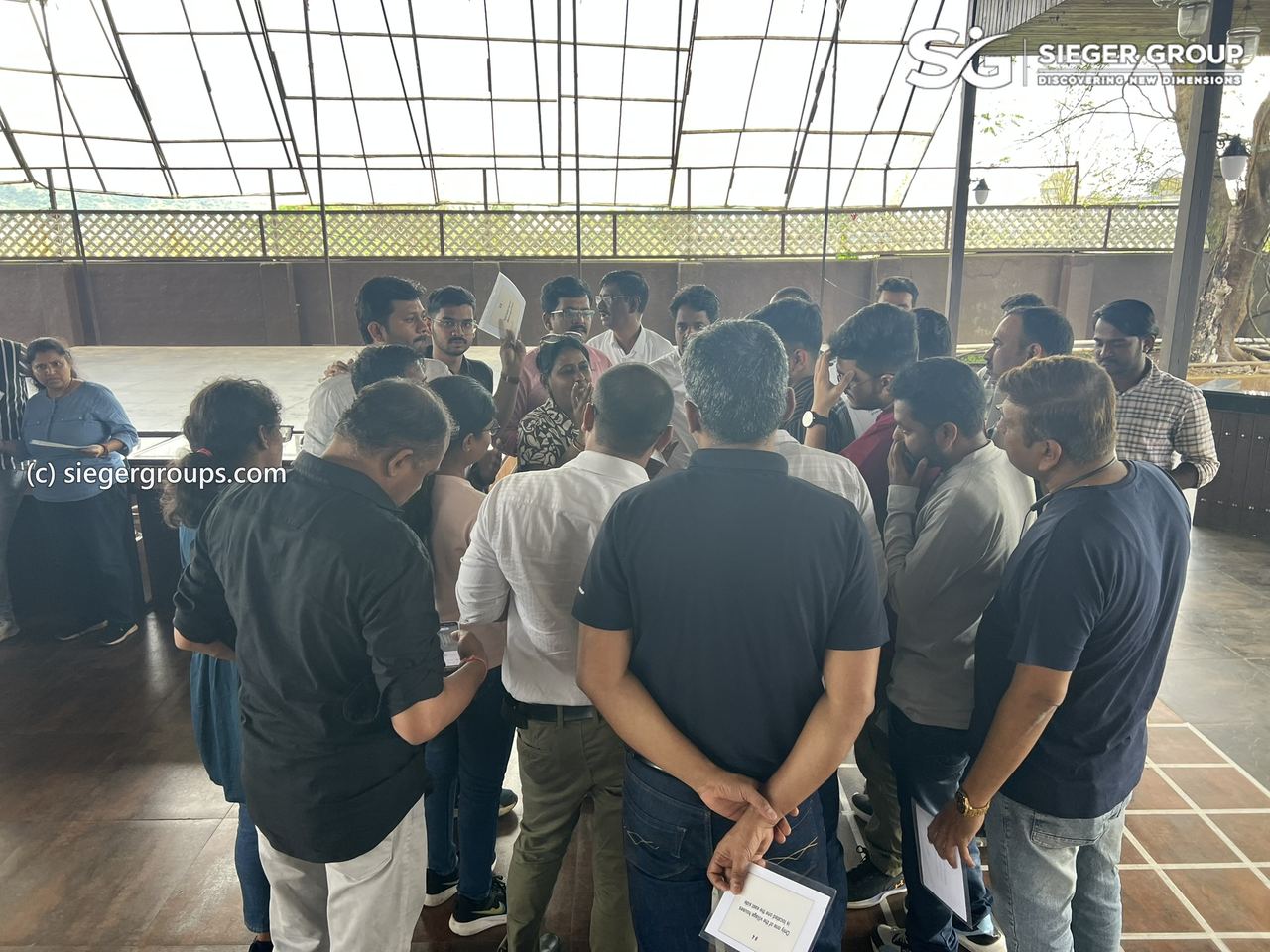
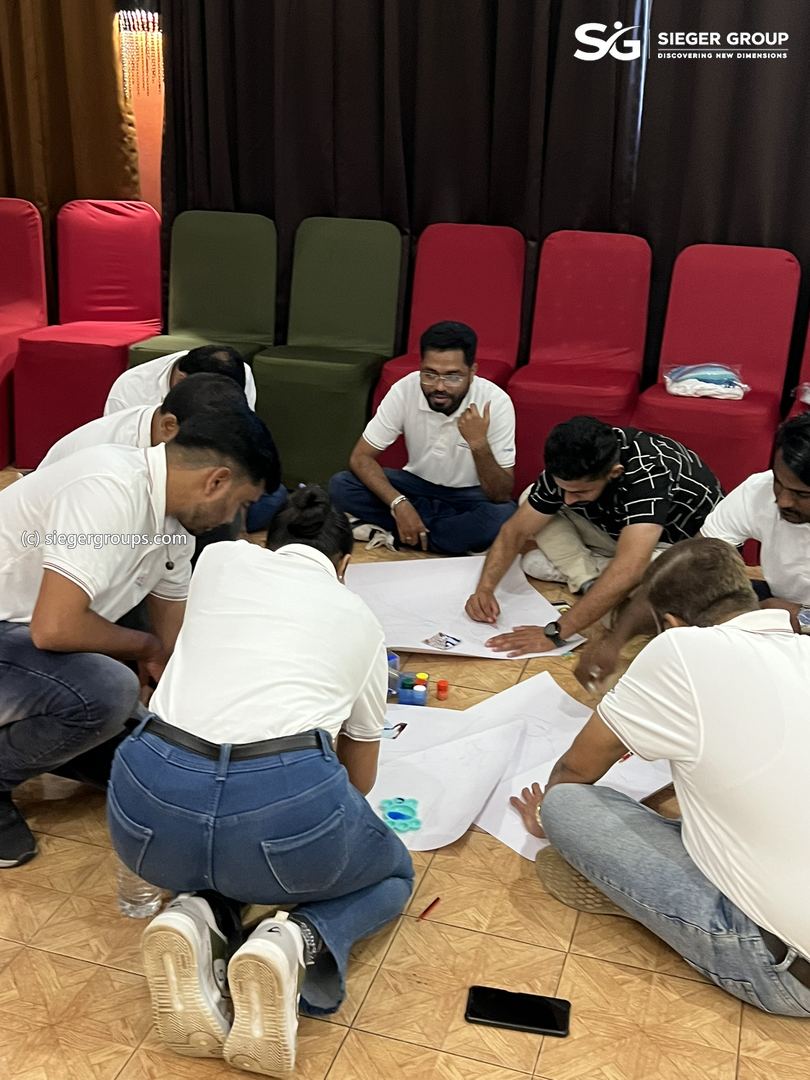
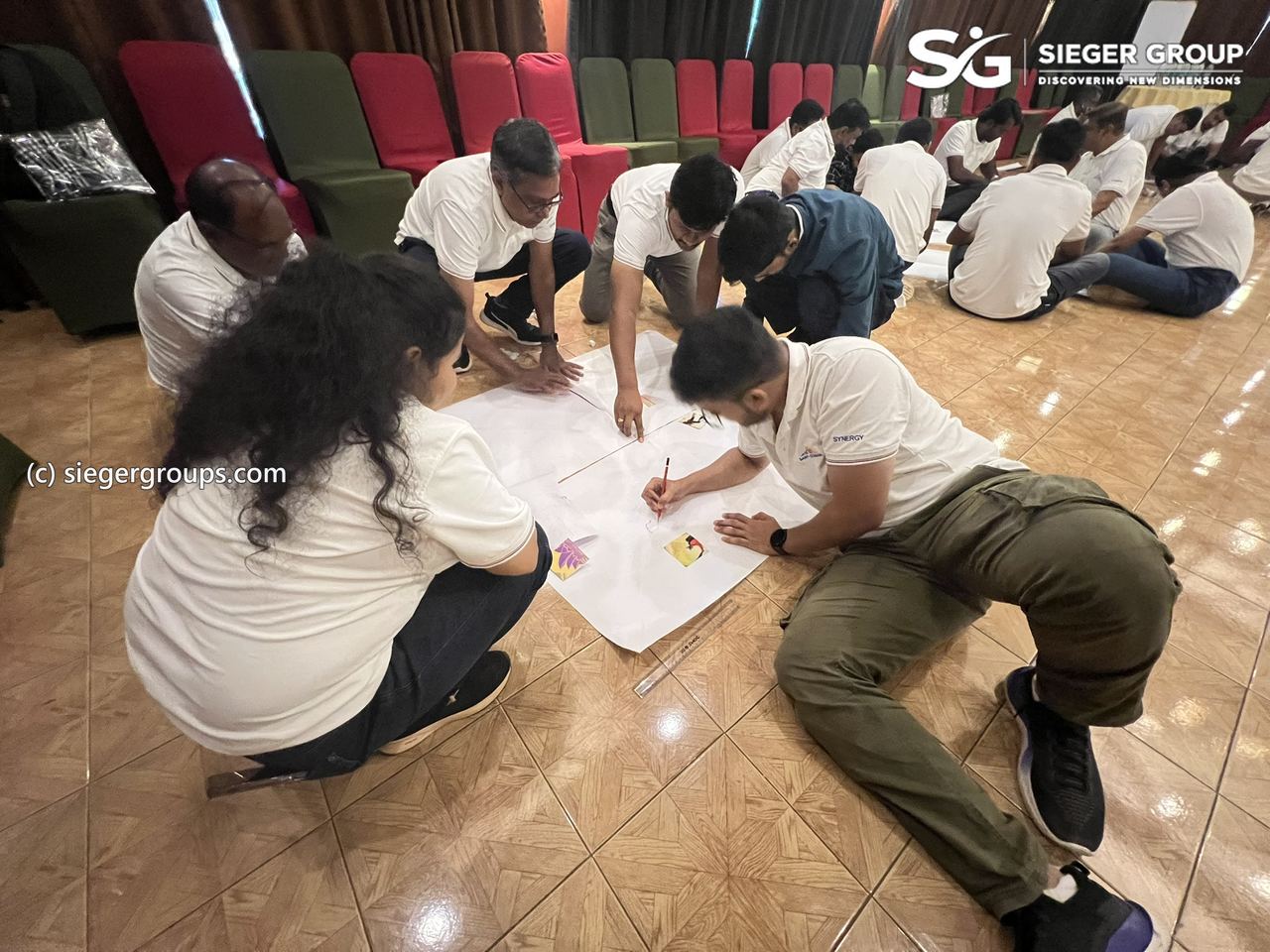
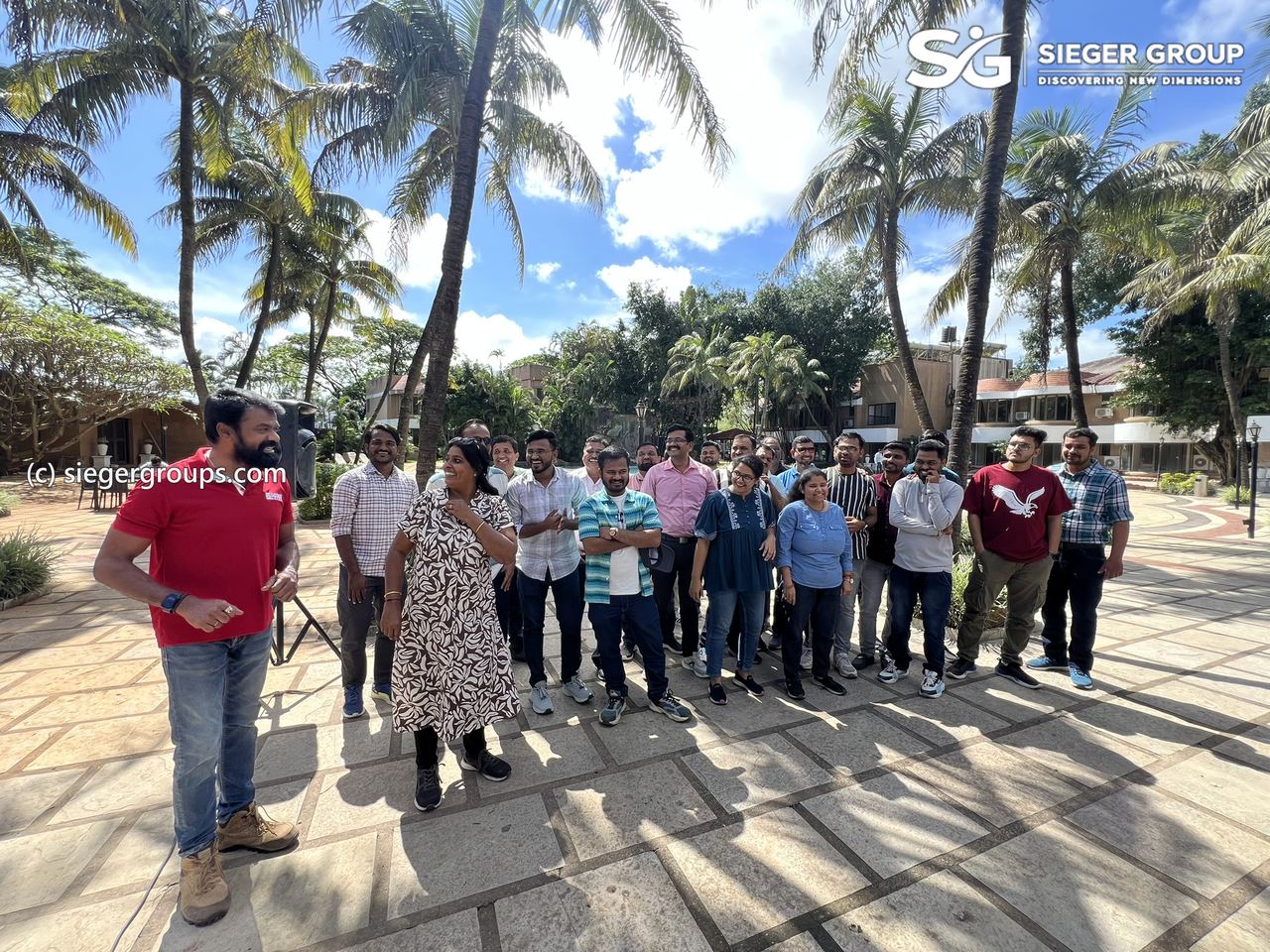
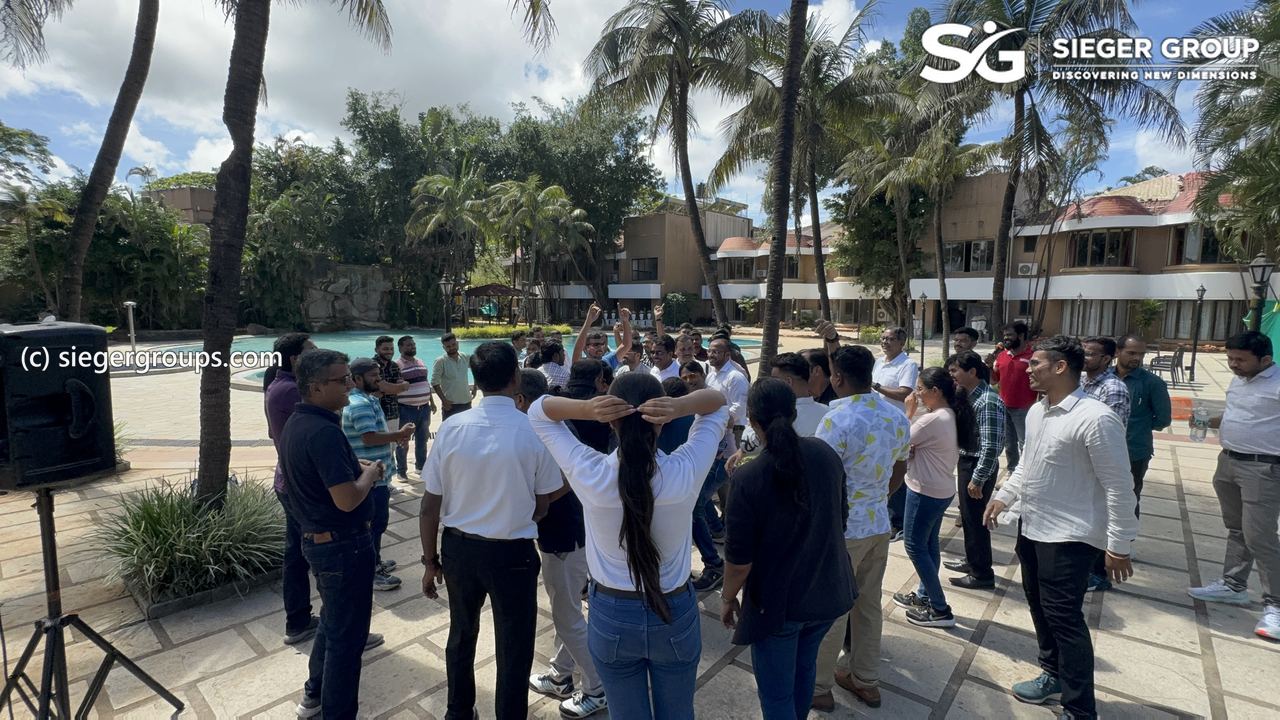
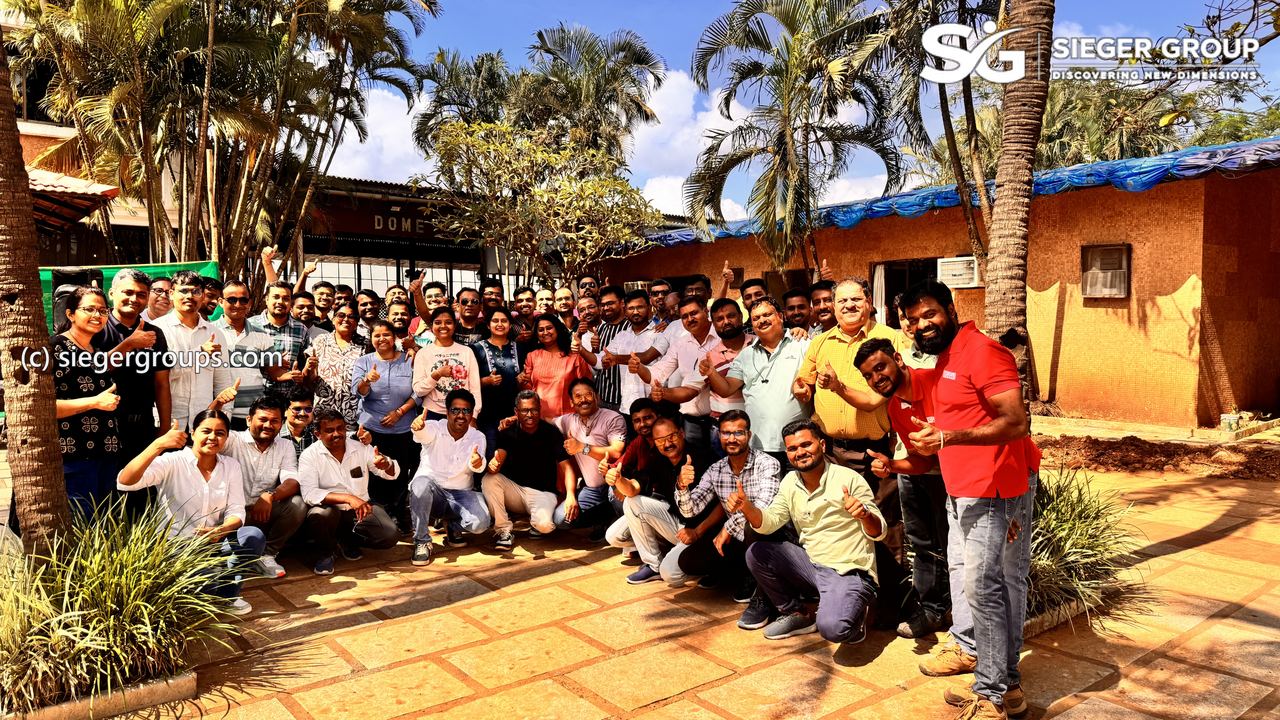
Review the objects, clues or tasks the scavenger hunt asks teams to find. How did the team divide search tasks without duplicating effort?
Agree how discoveries will be recorded and shared before groups spread out. Which discoveries needed to be shared immediately?
Bring evidence together and check it against the task rather than relying on assumptions. What helped colleagues interpret the checkpoint instructions?
Explain the discoveries and review how coordination affected the hunt. How did the group reconnect separate findings into a complete result?
Use these points to draw out what colleagues can learn from Corporate Scavenger Hunt.
Reflect on how the team combined observations made by separate participants.
Consider how checking the brief prevented an apparent discovery from becoming a wrong answer.
Confirm the room layout, team sizes, clue visibility and any language or accessibility adjustments to the brief.
Bring evidence together and check it against the task rather than relying on assumptions.
Consider how checking the brief prevented an apparent discovery from becoming a wrong answer.
Agree how discoveries will be recorded and shared before groups spread out.
How did the team divide search tasks without duplicating effort?
Agree how the group will distinguish a confirmed find from a promising lead.
Compare how colleagues handle partial information and build a shared explanation.
Work on the handover between the people who discover evidence and the people who act on it.
Notice how a group questions a popular theory before committing to a decision.
An illustrative running order for Corporate Scavenger Hunt. Confirm timings, breaks and participation arrangements in your event brief.
Scavenger hunts have always been a great way to get people interacting and collaborating. Scavenger Hunt is to bring team together around a common goal, stretch their creative and problem solving minds and have fun bring together all the items on their list.
Sieger Group supports organisations with team-building experiences and facilitated programmes.
Teams interpret a search brief and gather evidence for their finds. Splitting up helps only if participants can bring their information back together.
Agree how the group will distinguish a confirmed find from a promising lead.
Read the search brief, Divide the search intelligently, Compare findings, Present the completed search. The final selection is agreed with the organiser.
Project teams and cross-functional groups can use this experience. Compare how colleagues handle partial information and build a shared explanation.
This activity is designed for groups of 20–500. Share your expected headcount and venue so Sieger Group can confirm a suitable arrangement.
Allow 60 minutes for the activity session. Sieger Group can confirm the timing against your event schedule and agreed format.
Confirm the room layout, team sizes, clue visibility and any language or accessibility adjustments to the brief.
Share access requirements and preferences when planning the session. The facilitator can discuss roles such as observing, recording decisions or presenting the group’s findings.
Review the objects, clues or tasks the scavenger hunt asks teams to find.
Consider how checking the brief prevented an apparent discovery from becoming a wrong answer.
Yes. Share the purpose of the offsite and which part of Corporate Scavenger Hunt you would like to emphasise. The facilitator can discuss how to fit the chosen elements into the wider event.
Use the enquiry form or contact Sieger Group with your preferred date, city, headcount, venue and learning objective. Include any participation or access requests in the brief.
Share your date, city, group size and the outcome you want colleagues to take away.
Request a tailored proposalTell us what you have in mind. We will help you explore a programme that fits your people and your occasion.
Still finalising the details? Share what you know.
Every team is different. Share your people, purpose and preferred setting, and we’ll translate your brief into an experience designed to connect, engage and create lasting impact.
Share your brief and preferred contact details.