
 Performance & execution
Ownership & Accountability at Work
Colleagues trace how a team commitment moves from agreement to action, including who will follow up at each handover.
Explore programmePurposeful outbound learning, shaped around your people.
Outbound training and leadership development in India. Explore 48 programme themes, then shape a learning experience around your people and priorities.
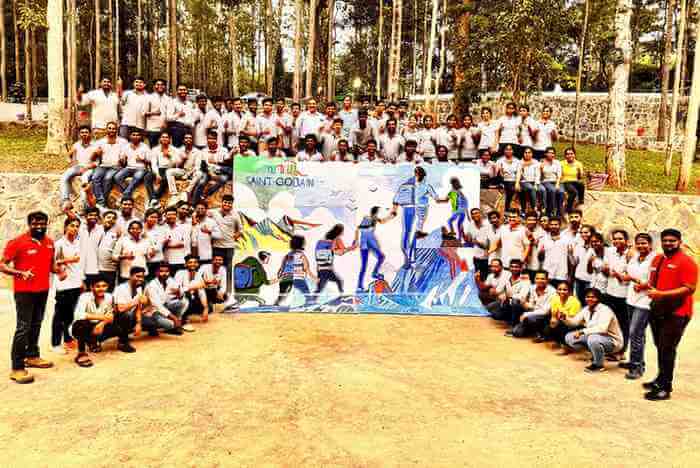
Choose a programme to explore its activities and planning details. Each experience can form the starting point for your team brief.
Performance & executionColleagues trace how a team commitment moves from agreement to action, including who will follow up at each handover.
Explore programme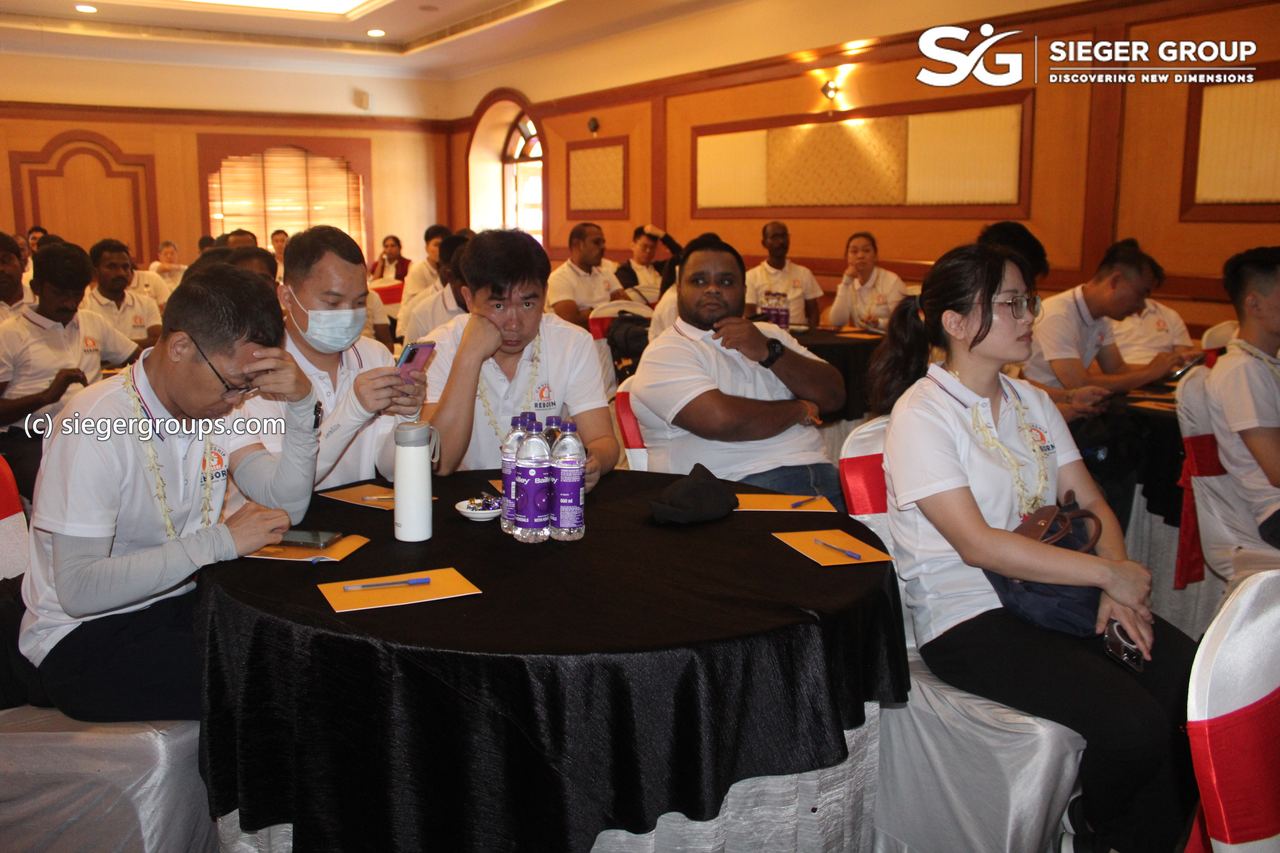 Performance & execution
Teams translate a broad aim into a specific result, agree how to measure progress and decide who owns each action.
Explore programme Performance & execution
Teams define a problem, compare explanations and test a proposed solution against what actually happens.
Explore programme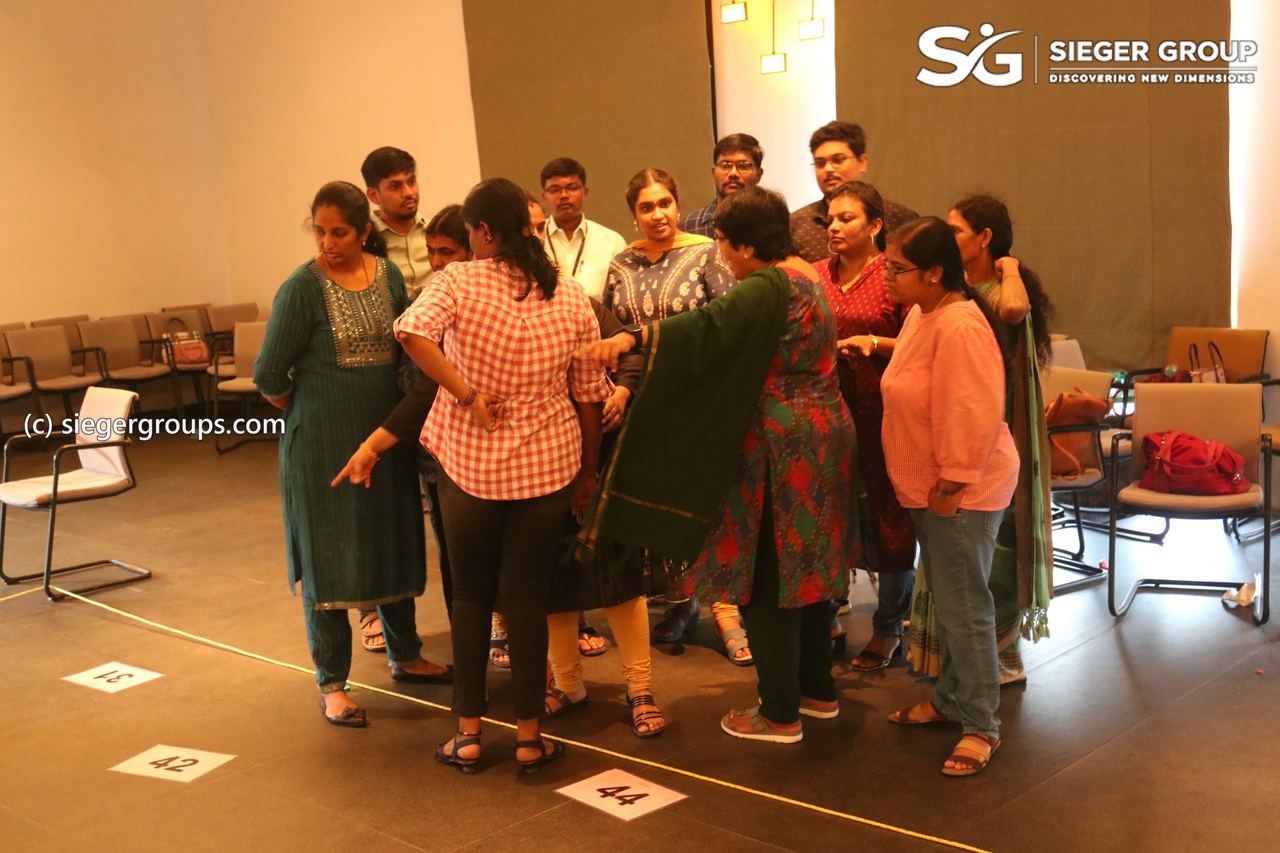 Performance & execution
A changing brief interrupts a team task. Colleagues practise explaining the change, reallocating work and checking what others have understood.
Explore programme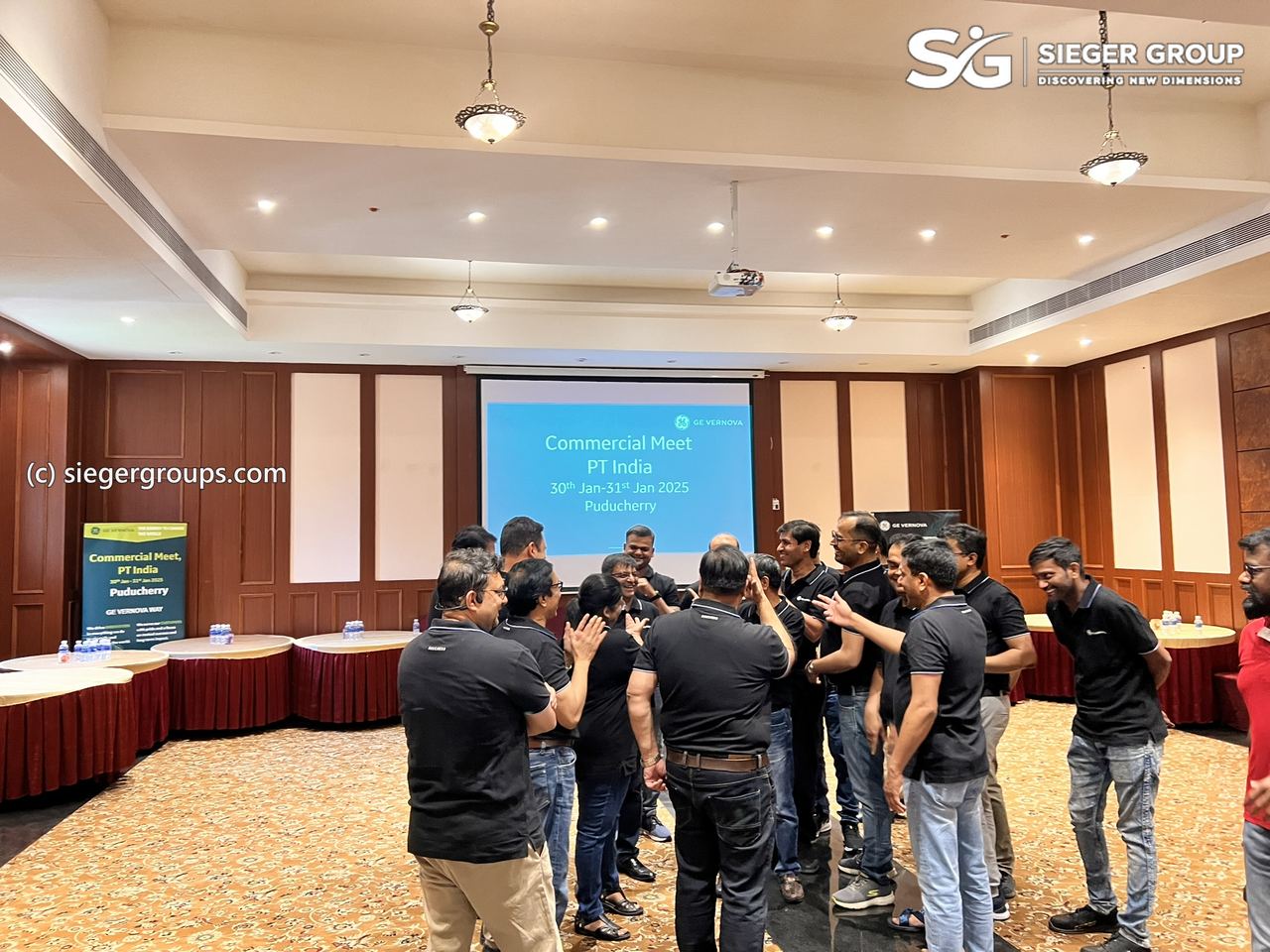 Performance & execution
Paired briefings and group tasks reveal what gets lost between a spoken instruction and the action it prompts.
Explore programme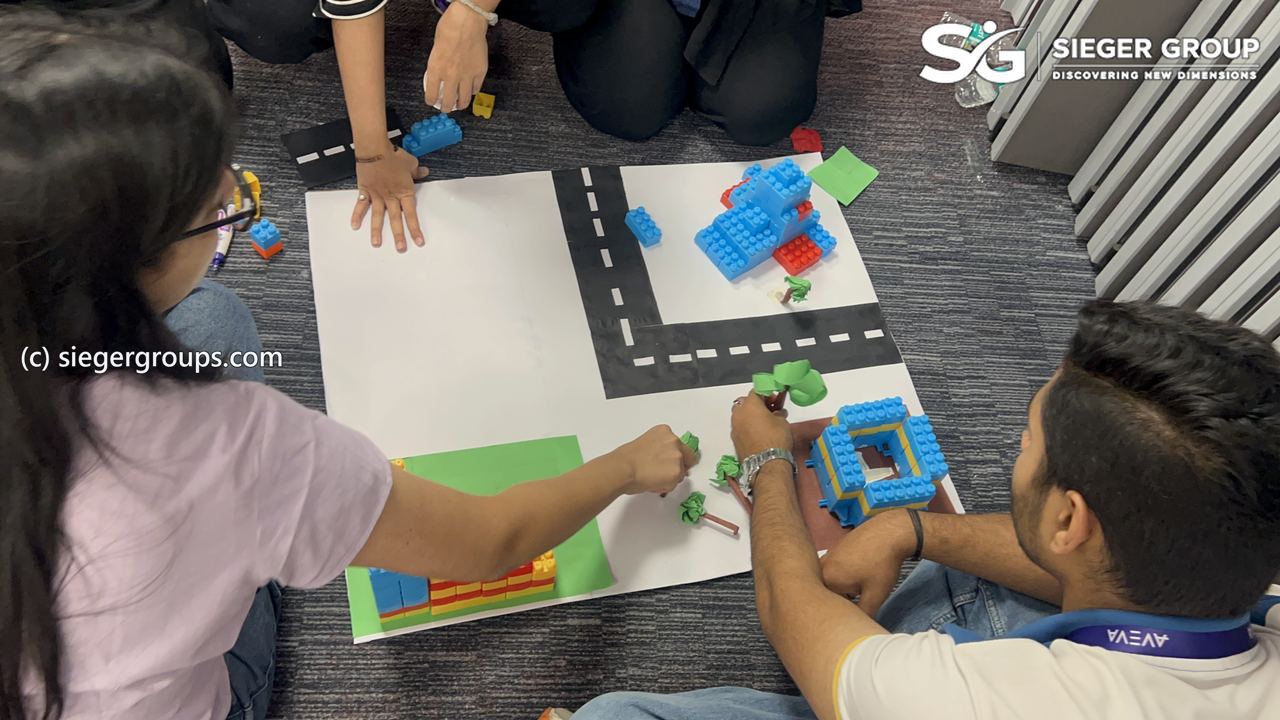 Performance & execution
A creative brief invites several possible solutions. Teams develop alternatives and test one idea with the group.
Explore programme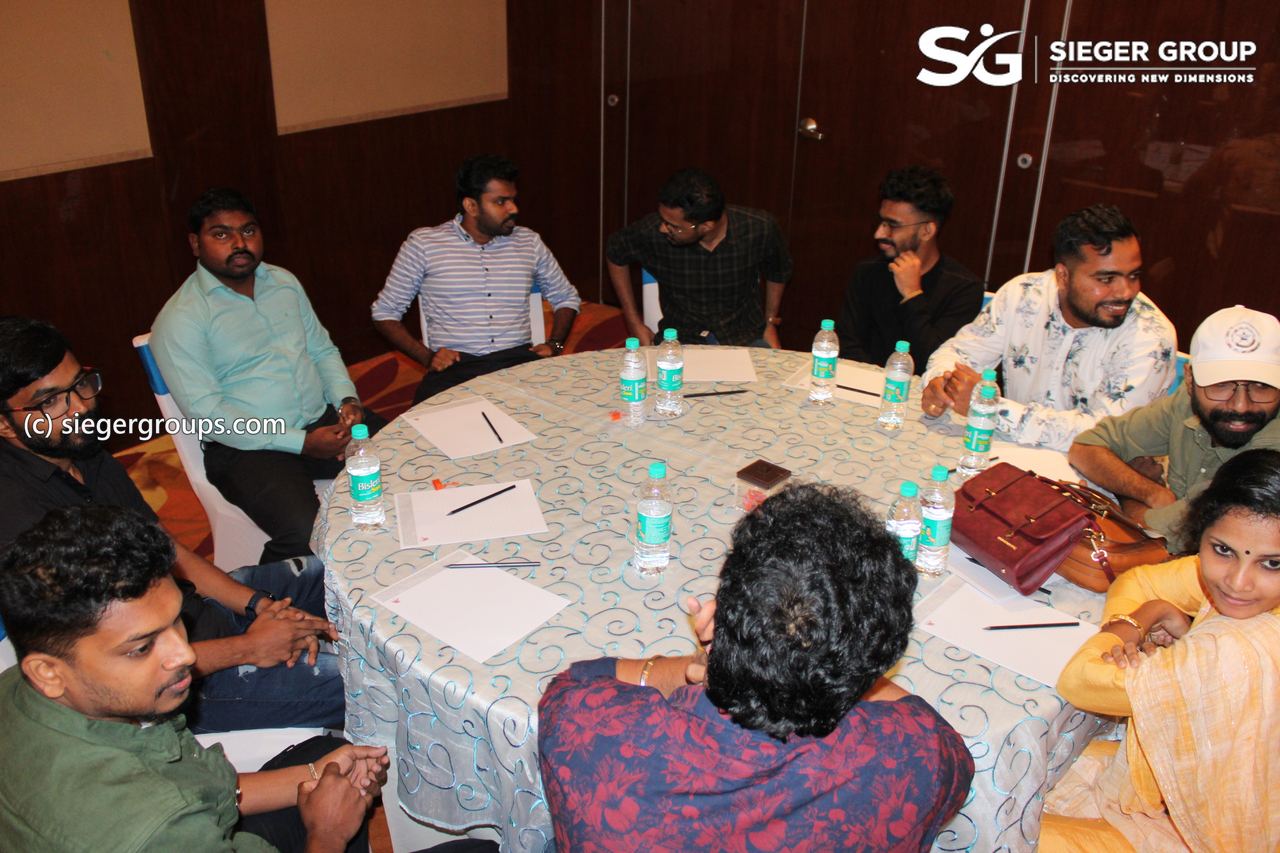 Performance & execution
A shared scenario asks teammates to weigh evidence, agree a decision and revisit it when fresh information arrives.
Explore programme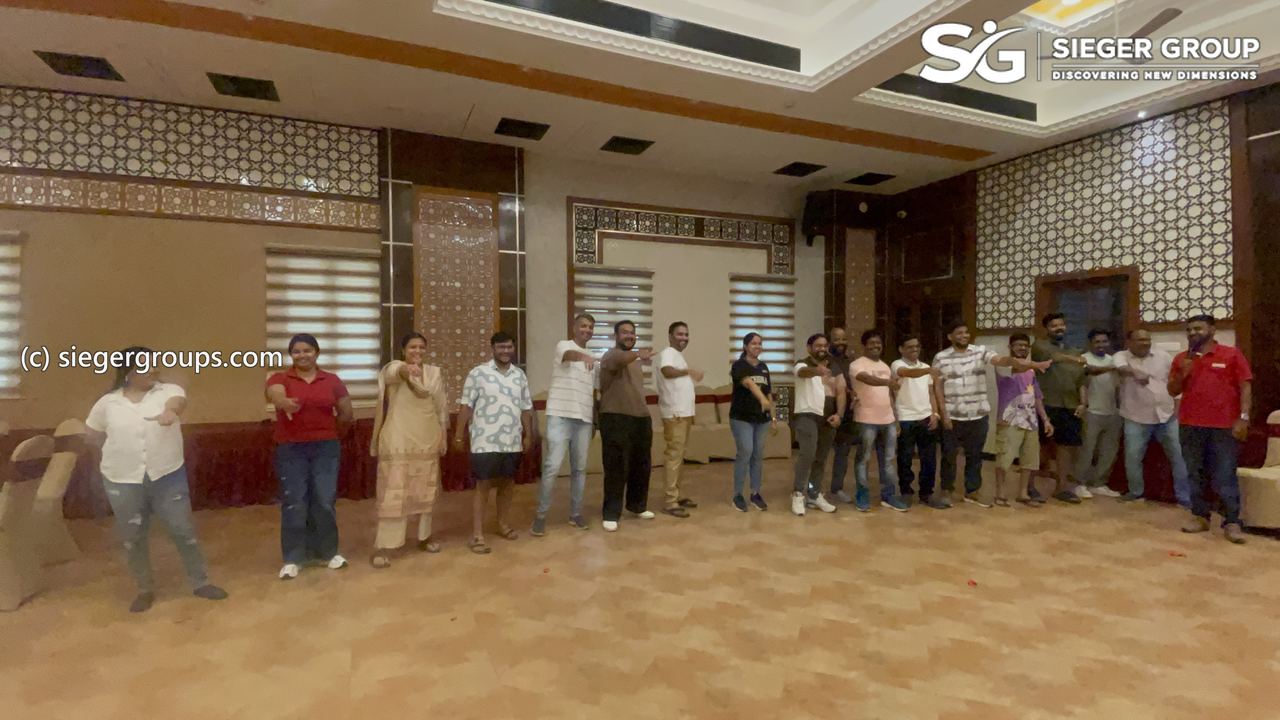 Performance & execution
Participants prioritise competing requests and compare how different choices affect deadlines and colleagues.
Explore programme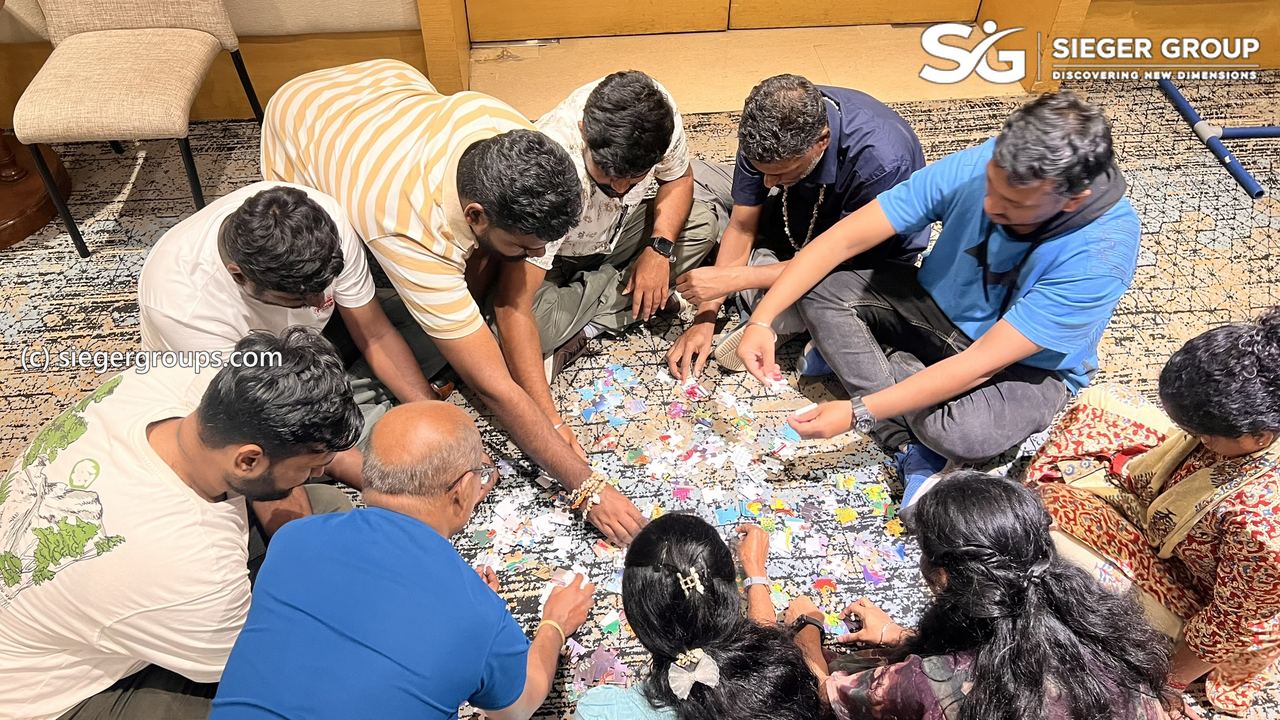 Performance & execution
Teams reframe a problem, test an unconventional idea and discuss what its longer-term consequences might be.
Explore programmePerformance & executionTeams work through a simulated disruption, compare priorities and agree what information colleagues need next.
Explore programme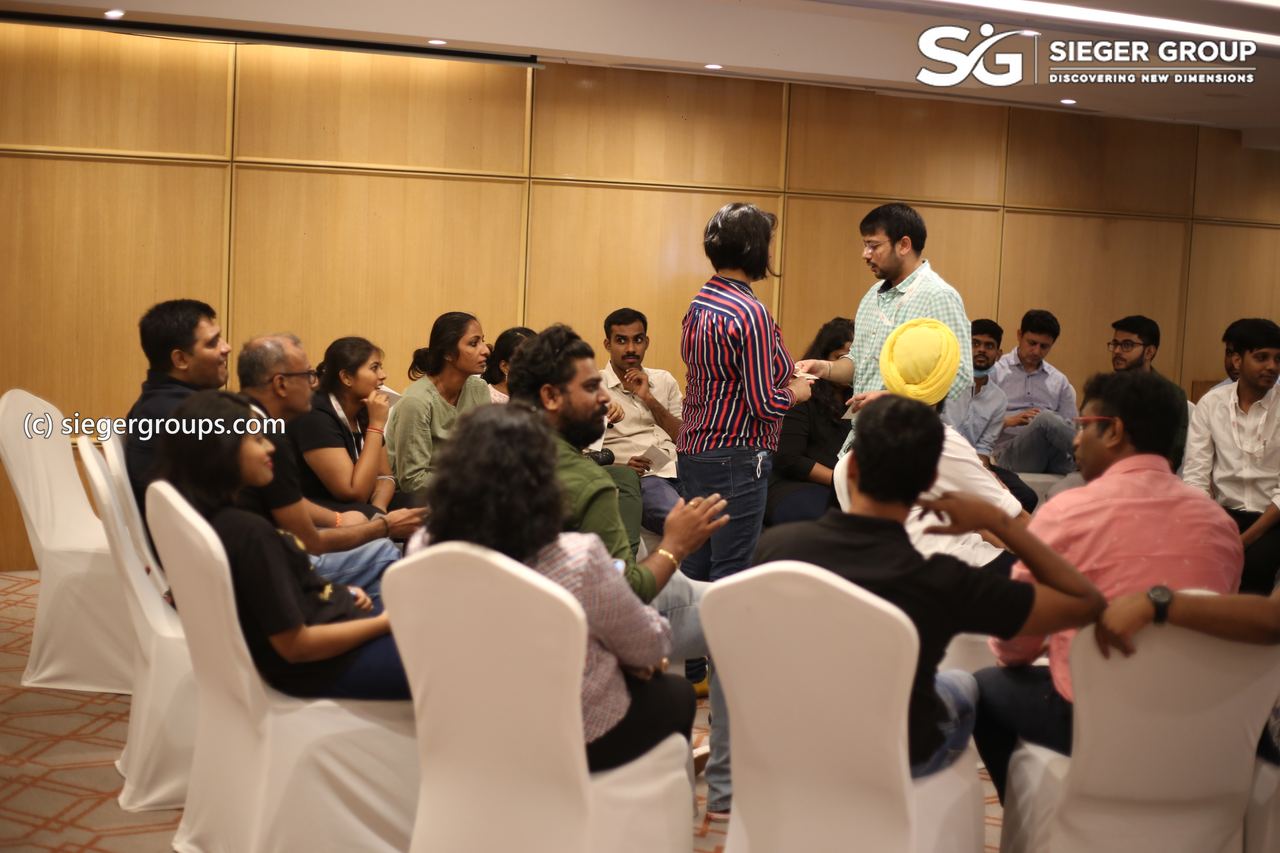 Performance & execution
Colleagues rehearse difficult conversations, compare interpretations of a disagreement and agree a workable next step.
Explore programme Performance & execution
Sales leaders rehearse coaching conversations and agree how to follow up on the next customer-facing commitment.
Explore programme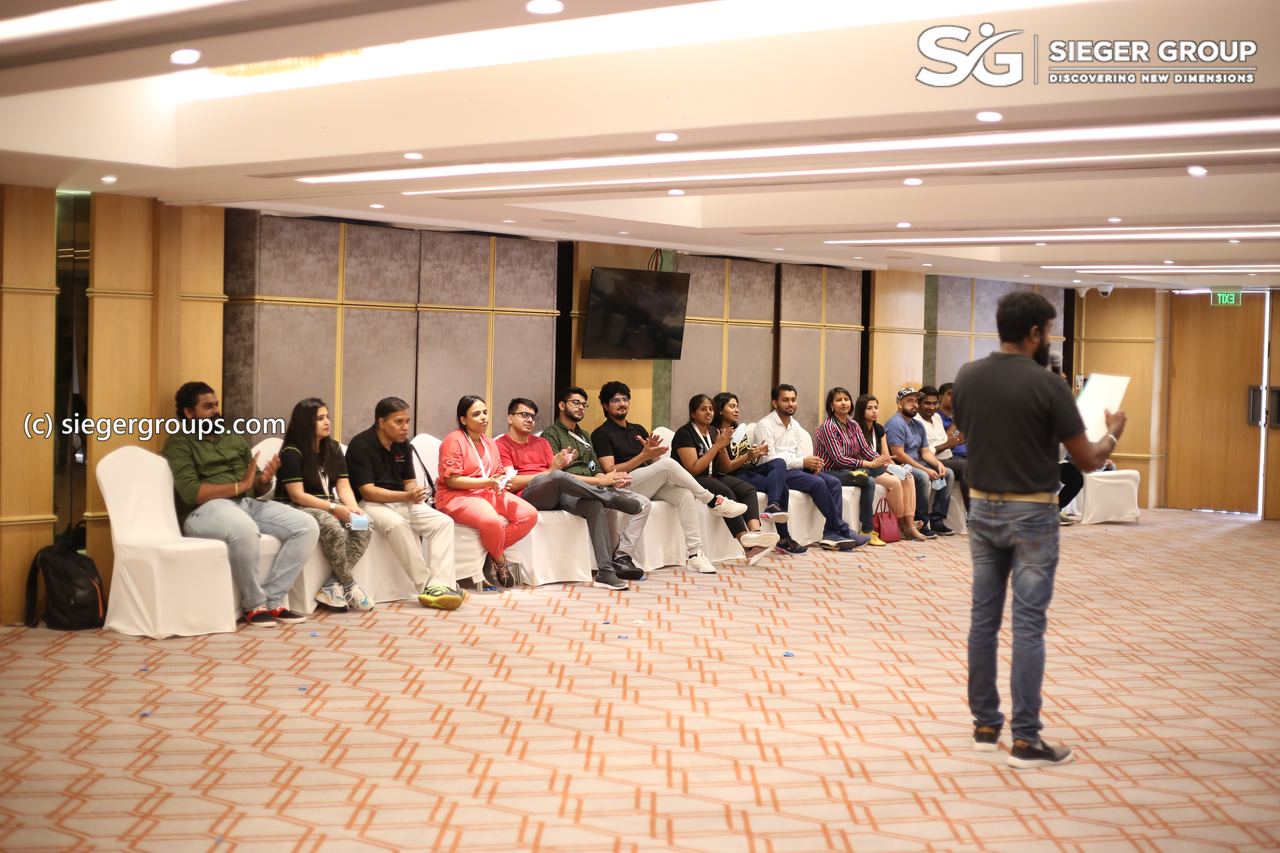 Leadership & collaboration
Colleagues practise briefing a team, delegating decisions and giving feedback after a shared challenge.
Explore programme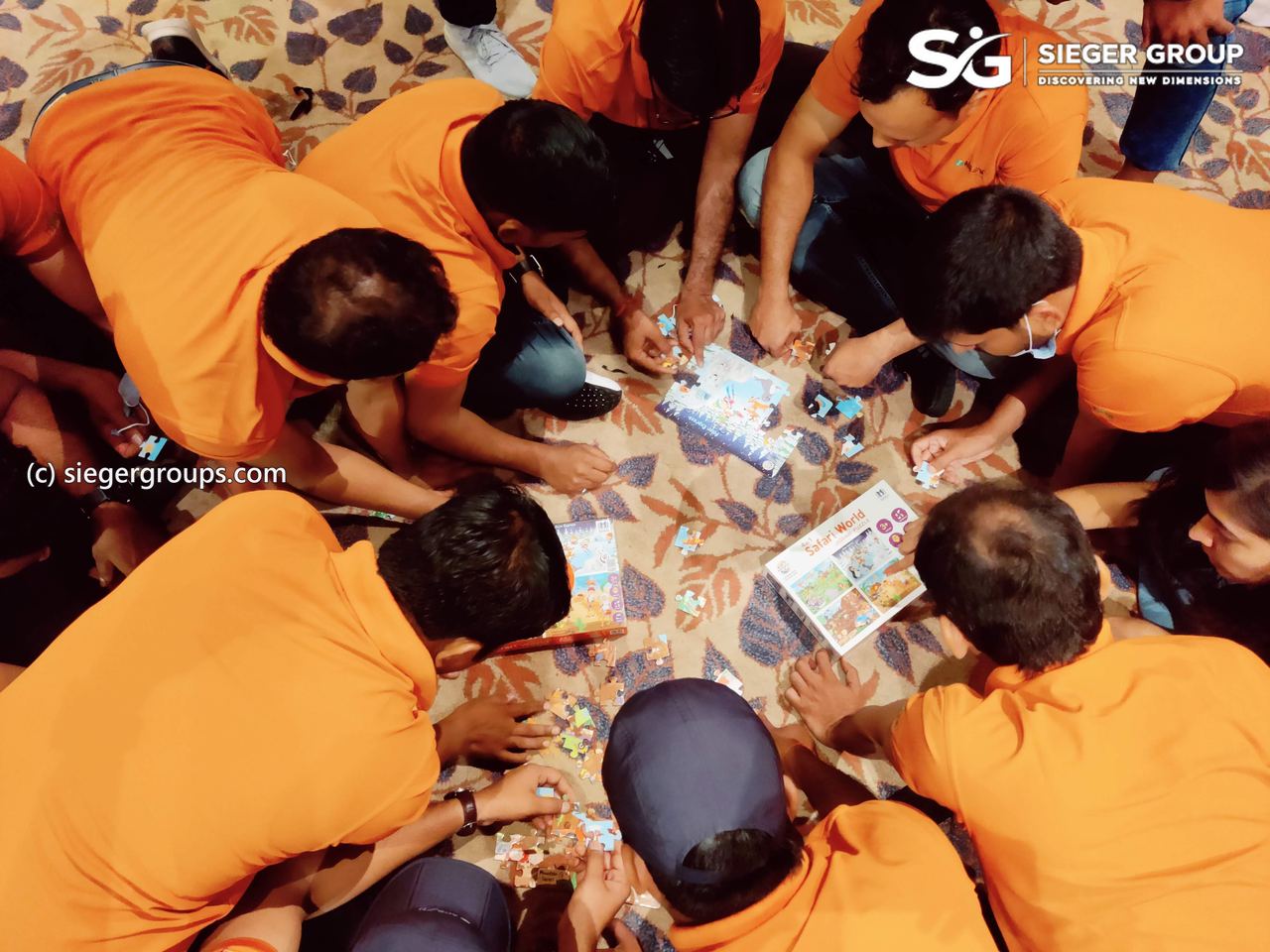 Leadership & collaboration
A shared exercise makes team habits visible, from who speaks first to how colleagues coordinate a difficult handover.
Explore programmeLeadership & collaborationTeams practise asking questions, raising doubts and responding constructively when a colleague spots a mistake.
Explore programme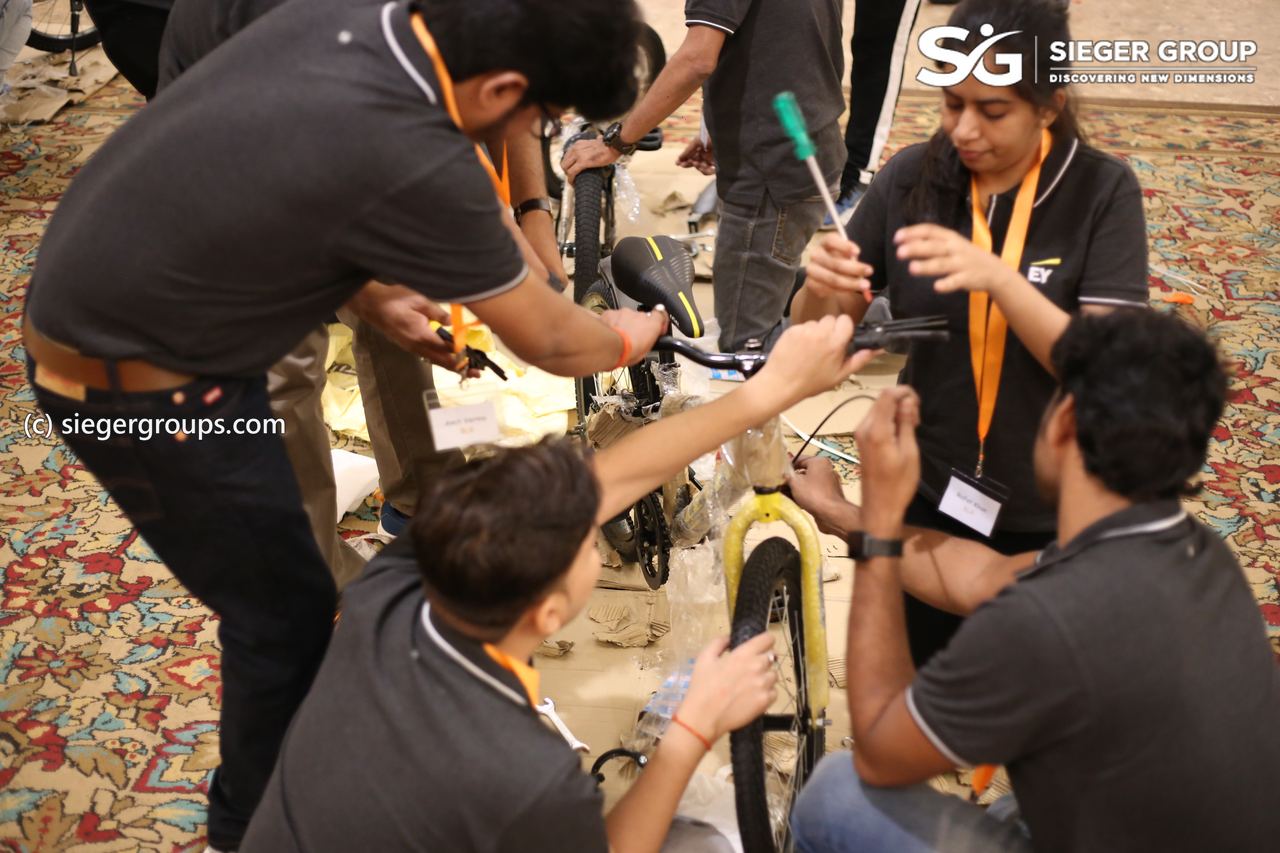 Leadership & collaboration
Pairs and small groups practise clear requests, dependable handovers and responses that help colleagues ask for support.
Explore programme Leadership & collaboration
Separate groups handle different parts of one task and discover which information must travel across the handover.
Explore programmeLeadership & collaborationGroup exercises explore who gets heard, what makes participation easier and how colleagues can include overlooked perspectives.
Explore programme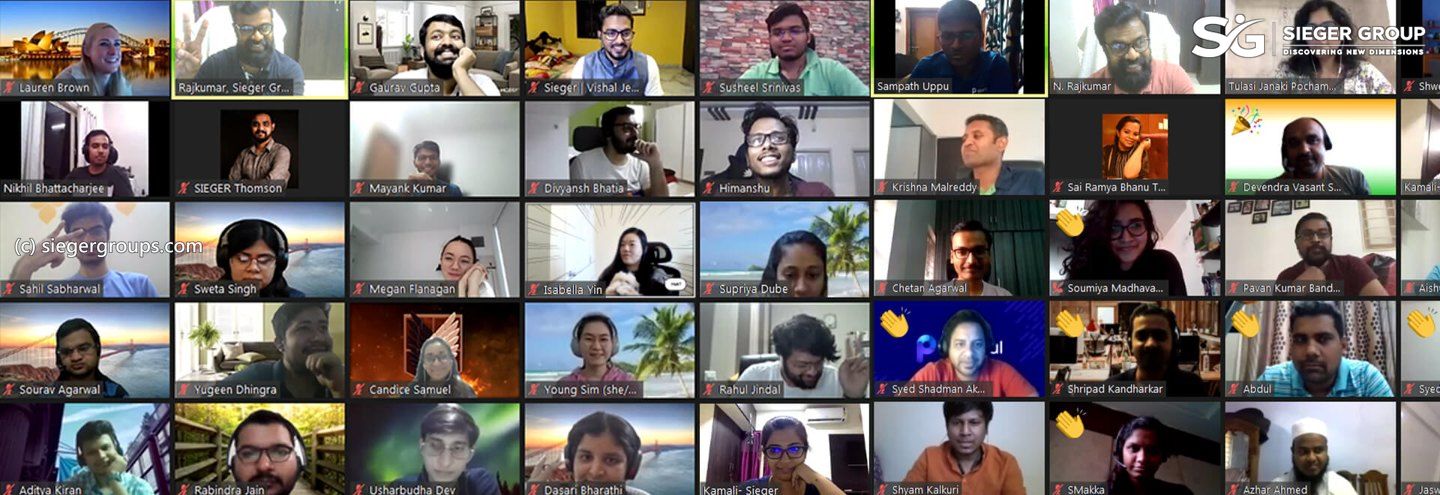 Leadership & collaboration
Remote and office-based colleagues practise sharing context, making decisions visible and keeping handovers clear across locations.
Explore programme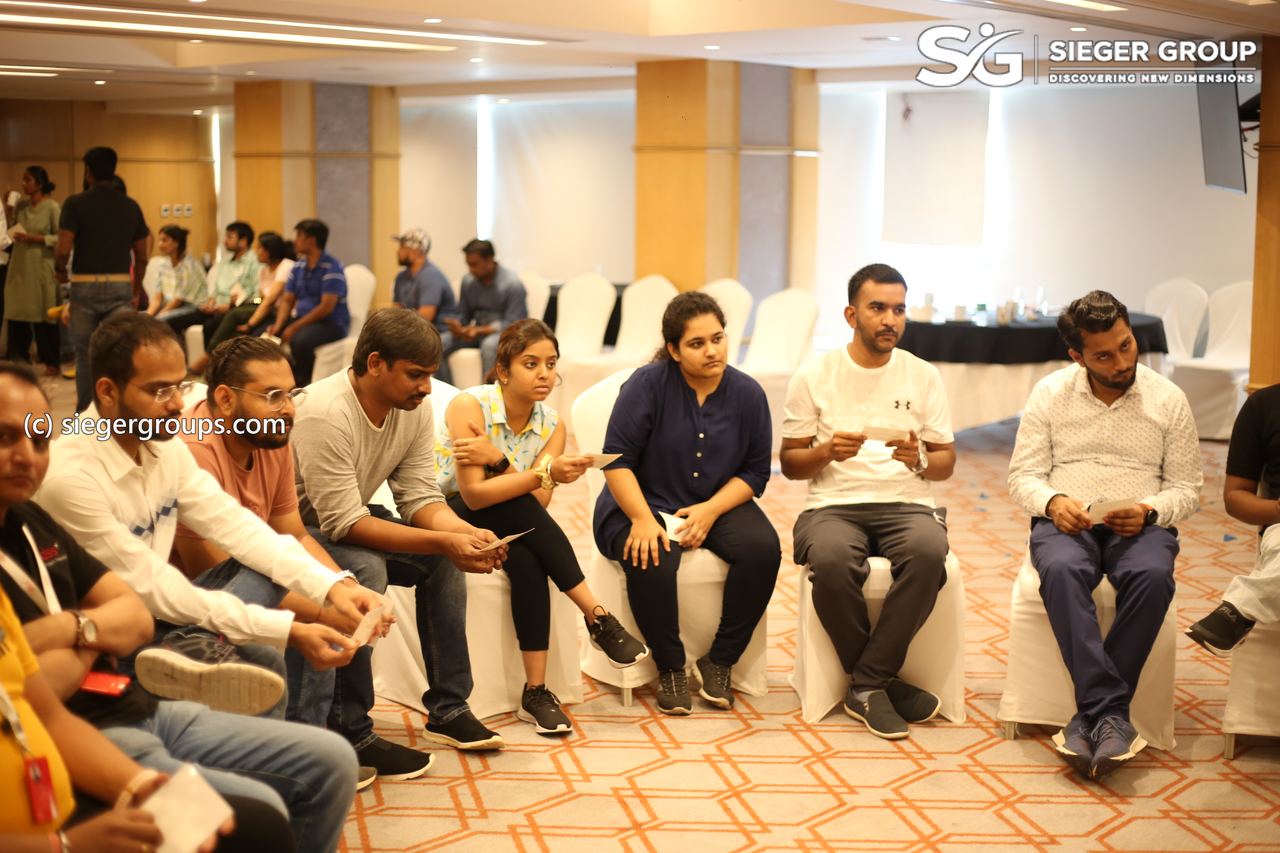 Leadership & collaboration
Colleagues compare how different working customs affect meetings, feedback and the meaning of an apparently simple request.
Explore programme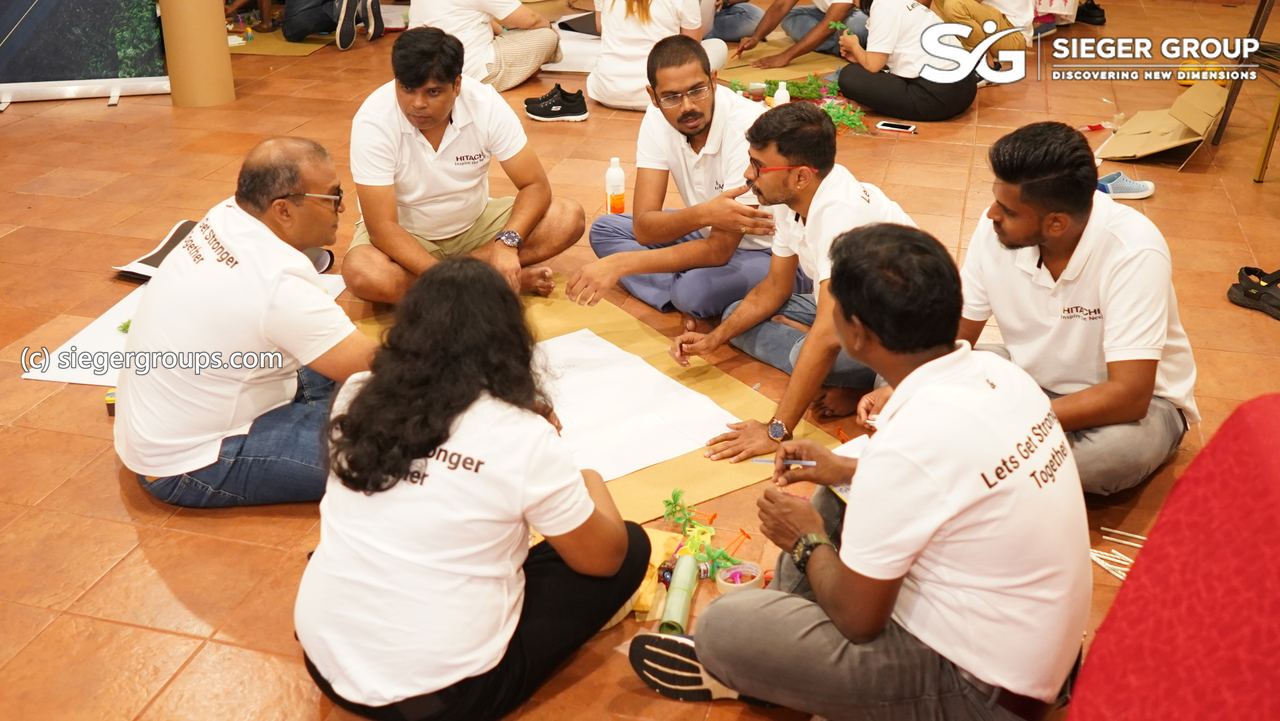 Leadership & collaboration
Teams test how clearly they coordinate roles, share feedback and adapt their approach between rounds.
Explore programme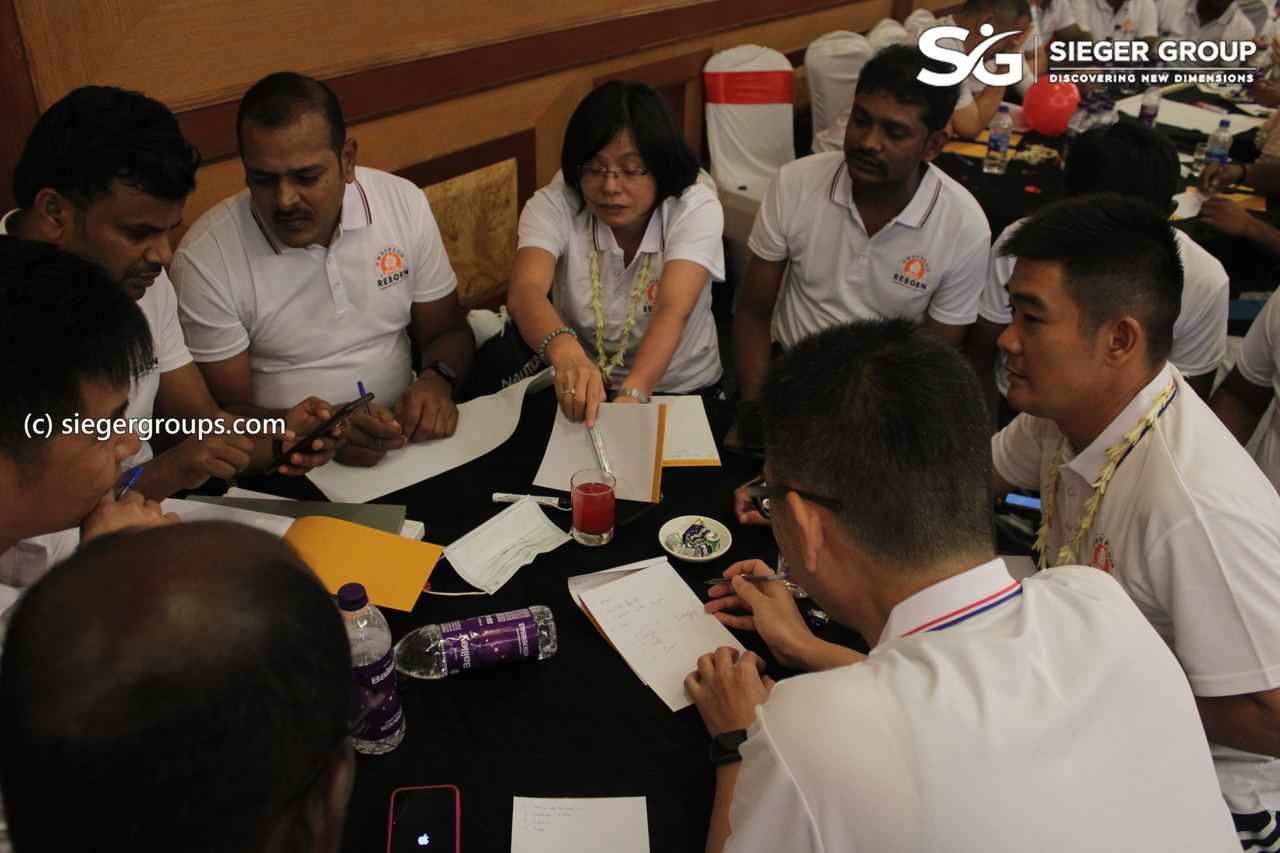 Leadership & collaboration
Teams trace a customer experience across departments and identify where a handover or decision changes the outcome.
Explore programme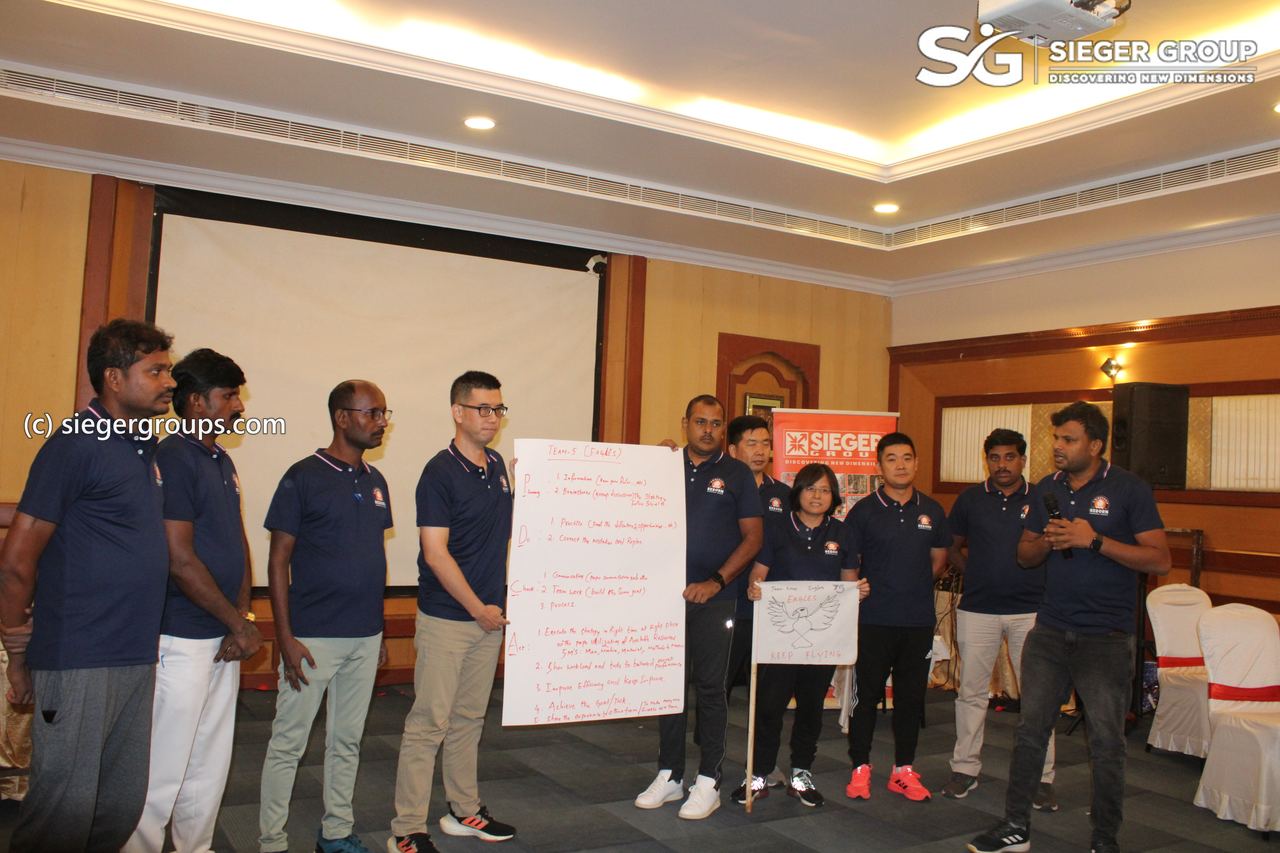 Leadership & collaboration
Teams convert a strategy into objectives, assign ownership and test how their plan holds up in an execution exercise.
Explore programme Leadership & collaboration
An outdoor challenge puts different colleagues in charge of the brief, the crossing and the team review.
Explore programme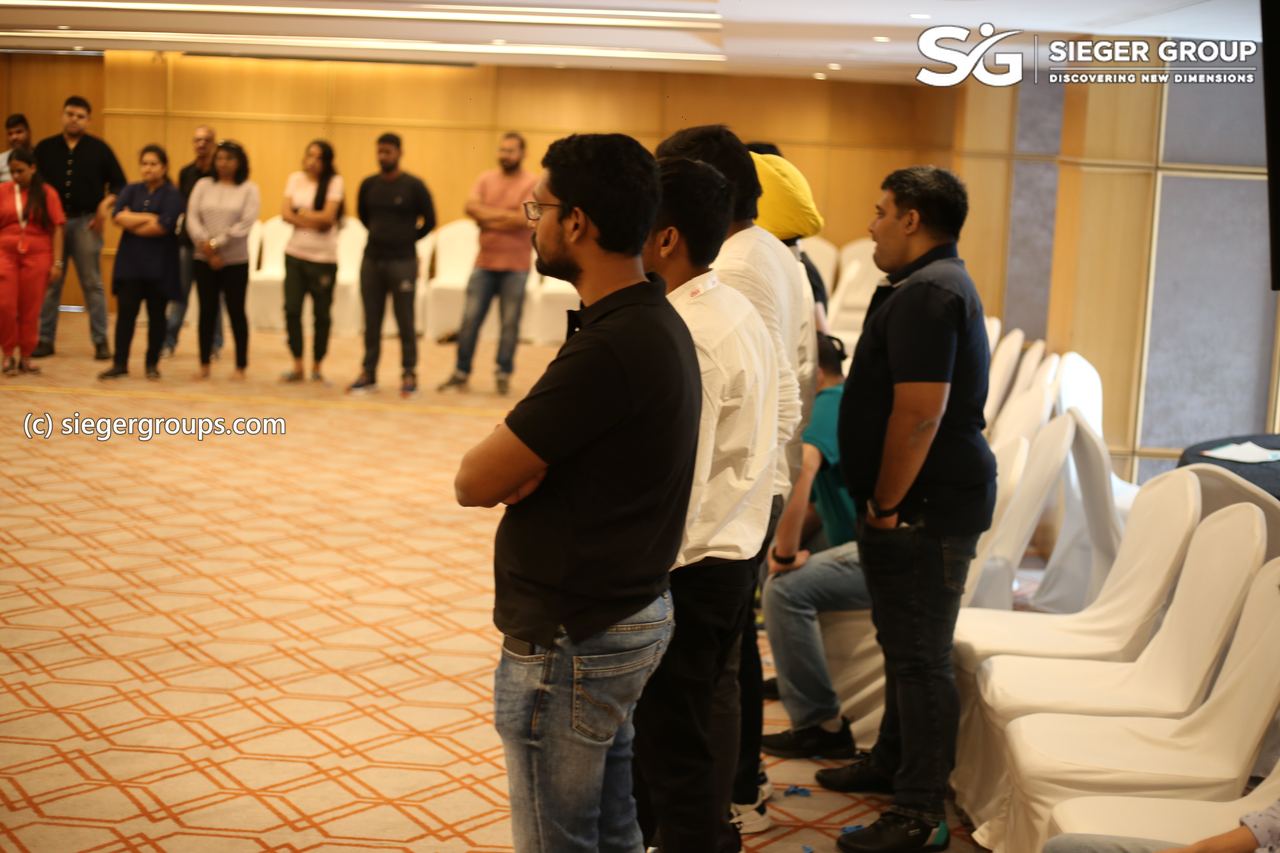 Mindset & development
A team exercise gives colleagues a shared incident to examine how their first reactions shaped the options they saw.
Explore programme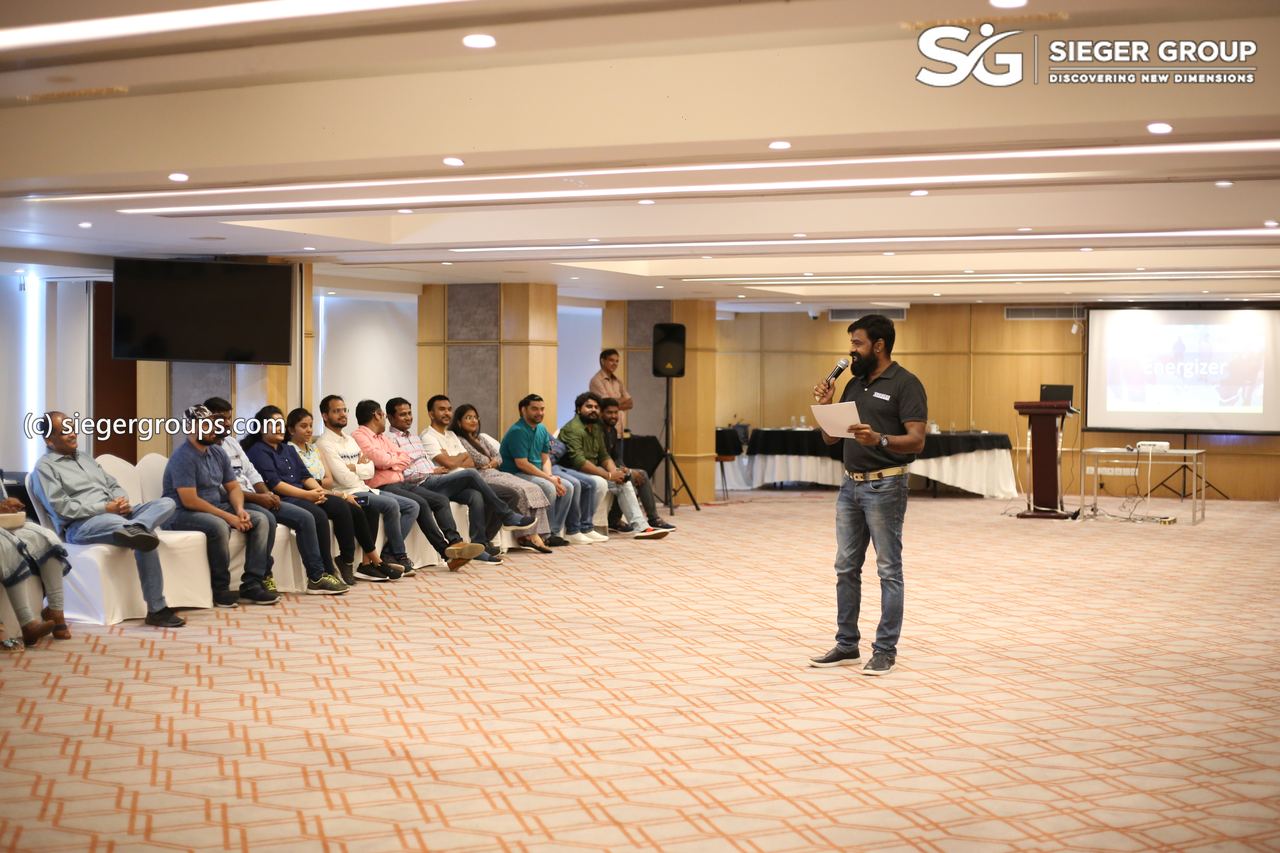 Mindset & development
Colleagues examine a difficult interaction, identify what each person noticed and practise a more considered response.
Explore programme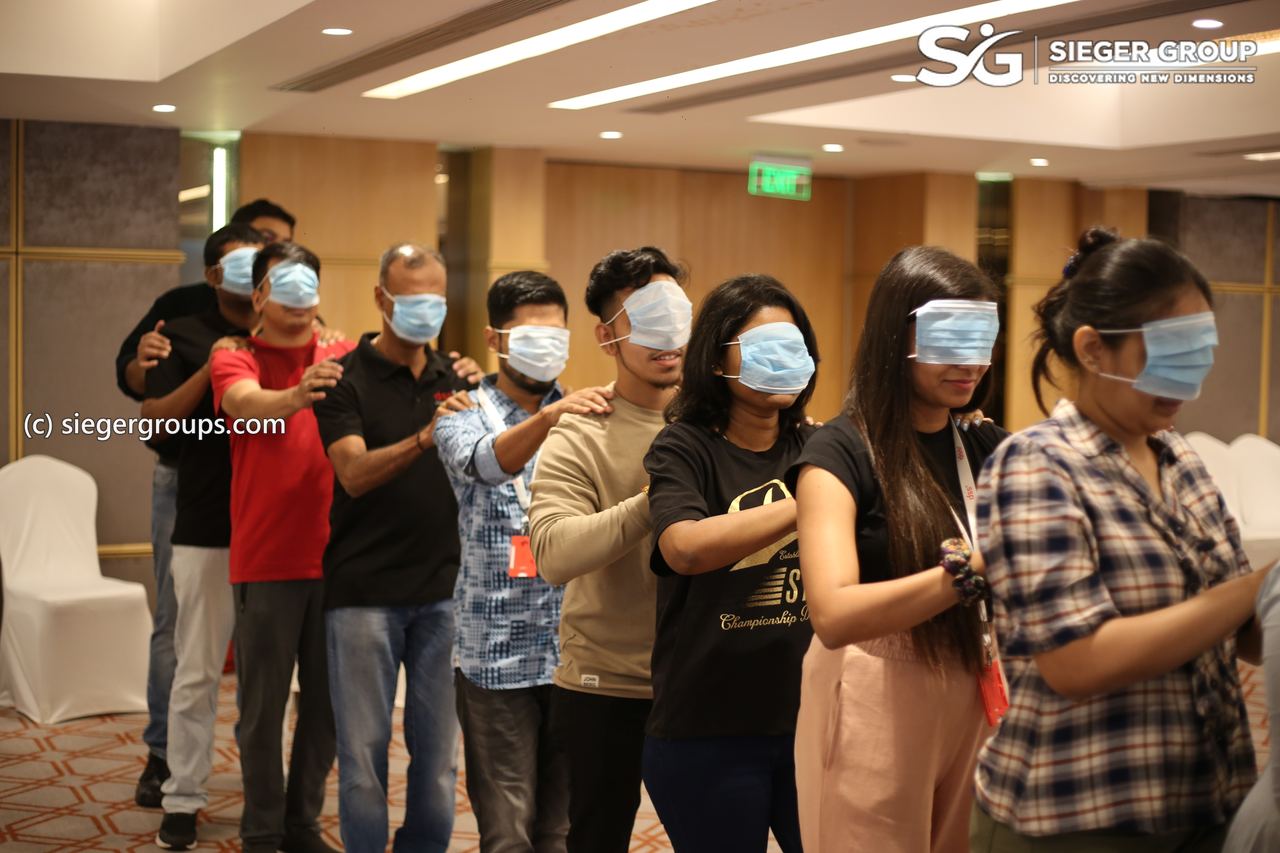 Mindset & development
Participants compare what sustained their effort during a challenge and how recognition affected participation.
Explore programme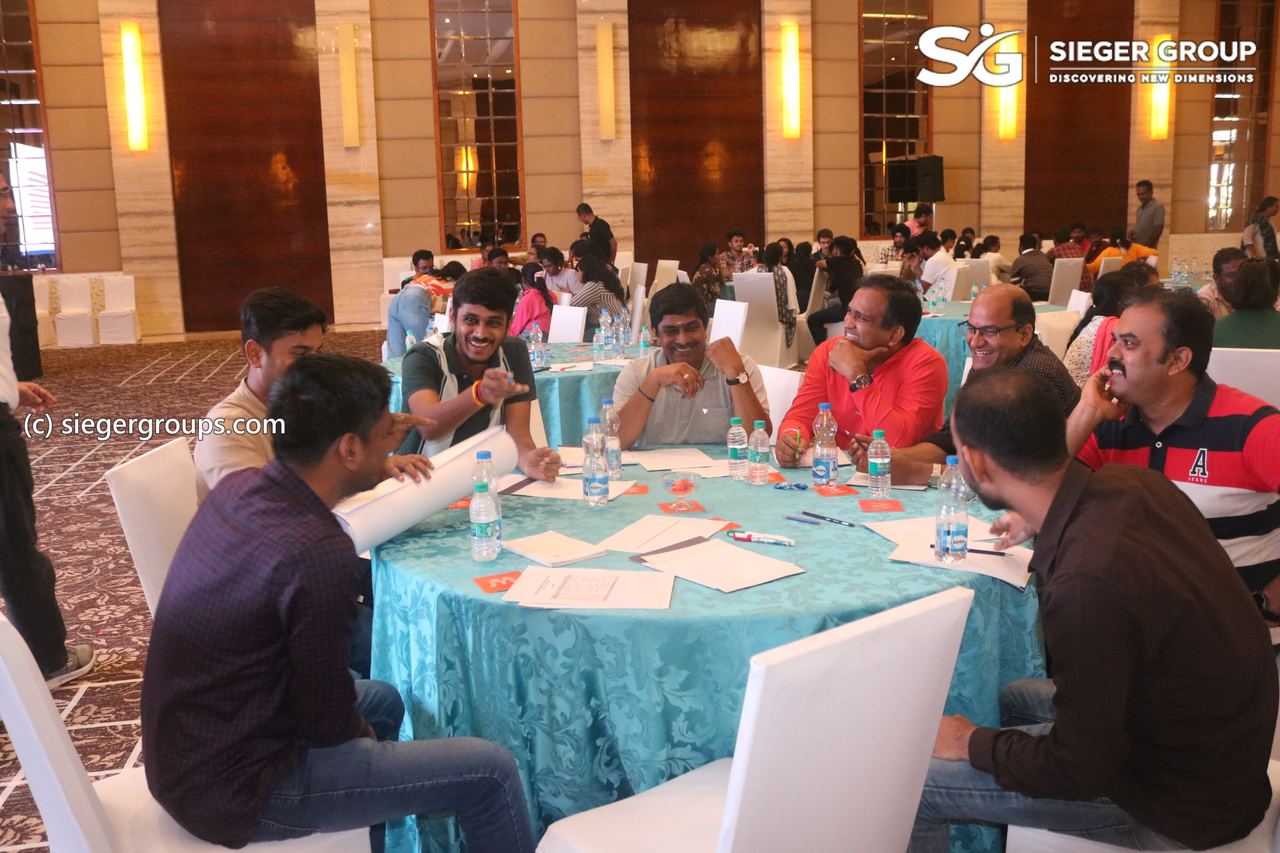 Mindset & development
Participants examine a decision they can influence and set a personal commitment they can review with a colleague.
Explore programme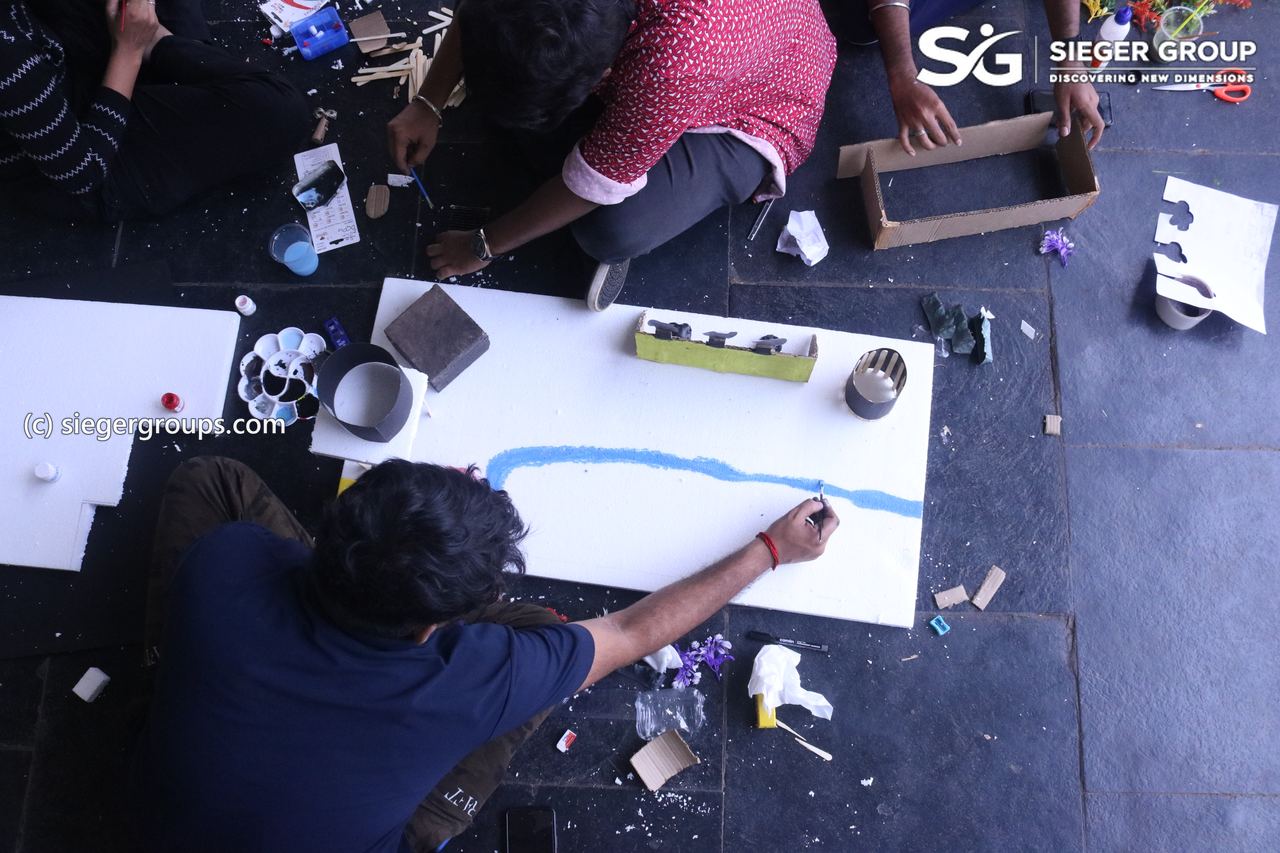 Mindset & development
Teams practise choosing priorities, protecting attention and checking whether effort is moving the agreed work forward.
Explore programme Mindset & development
Colleagues practise pausing during a demanding task and discuss how that pause changes their next decision.
Explore programmeMindset & developmentManagers divide work, make trade-offs and review how their decisions affected the rest of the group.
Explore programmeMindset & developmentSupervisors practise allocating tasks, briefing a shift and checking understanding before handing work on.
Explore programme Mindset & development
Work crews practise giving a clear shift handover, checking instructions and raising problems during practical group tasks.
Explore programme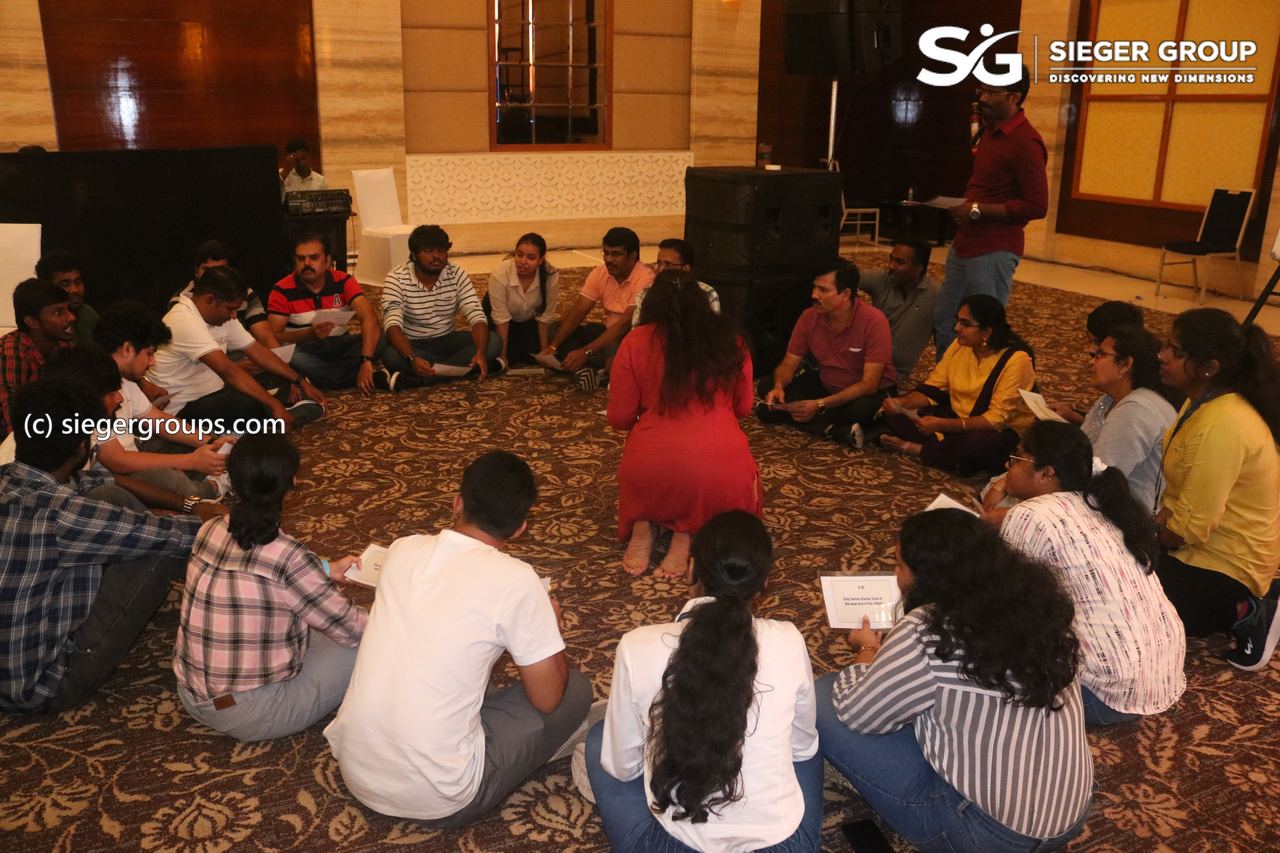 Mindset & development
Individual reflection and group exercises help participants choose a skill to practise and seek feedback on their progress.
Explore programme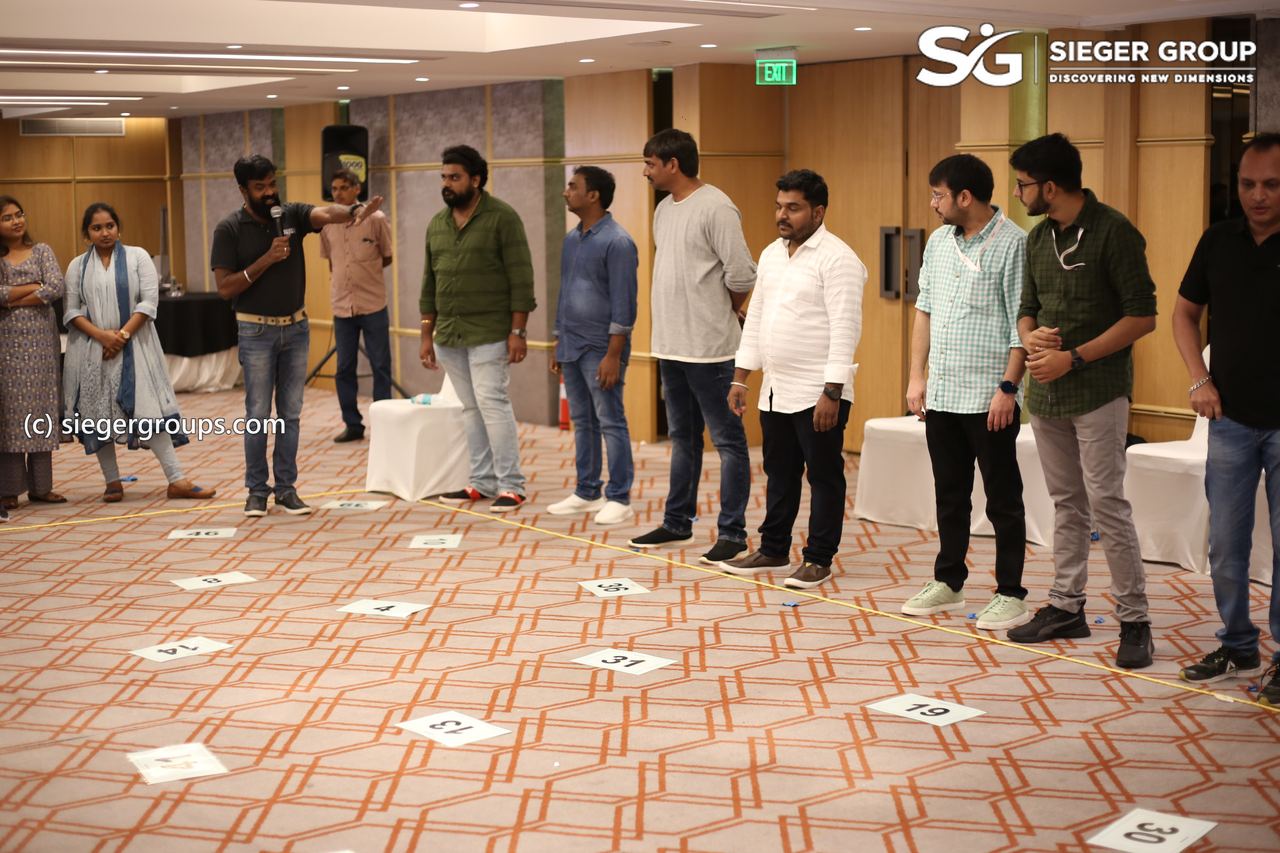 Mindset & development
Colleagues from different roles work through a shared task, compare routines and agree how to cooperate across teams.
Explore programme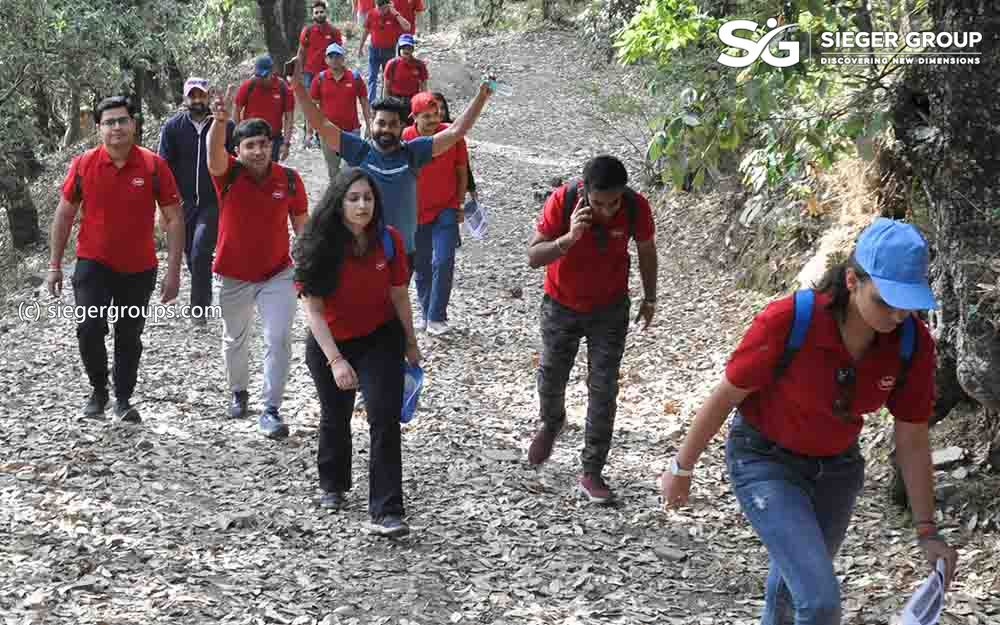 Programme collection
Compare team-building programmes for company events, including creative projects, timed games and outdoor challenges.
Explore programme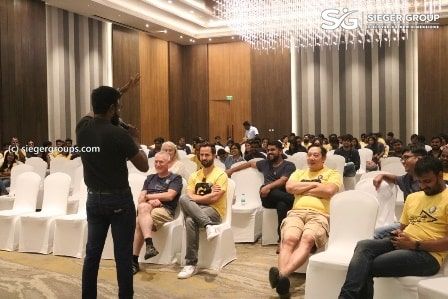 Campus & emerging talent
New colleagues meet through a shared task and discover who to approach when work crosses team boundaries.
Explore programme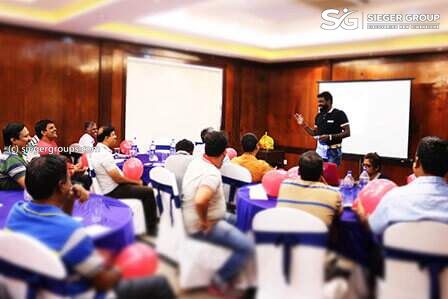 Campus & emerging talent
Prospective trainers practise briefing a group, facilitating an exercise and leading a debrief that connects to the workplace.
Explore programme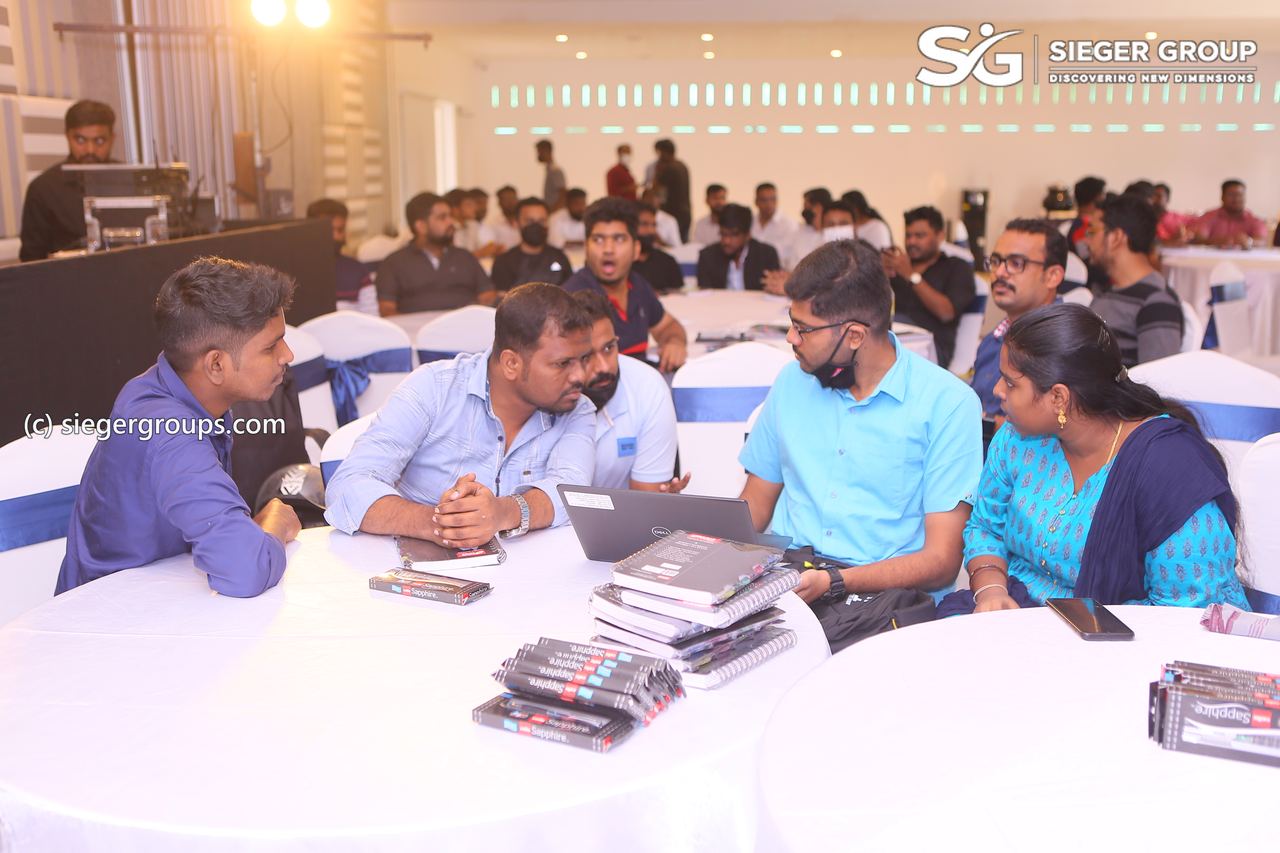 Campus & emerging talent
Managers practise moving from personally directing a task to setting a clear outcome and coaching the people responsible.
Explore programme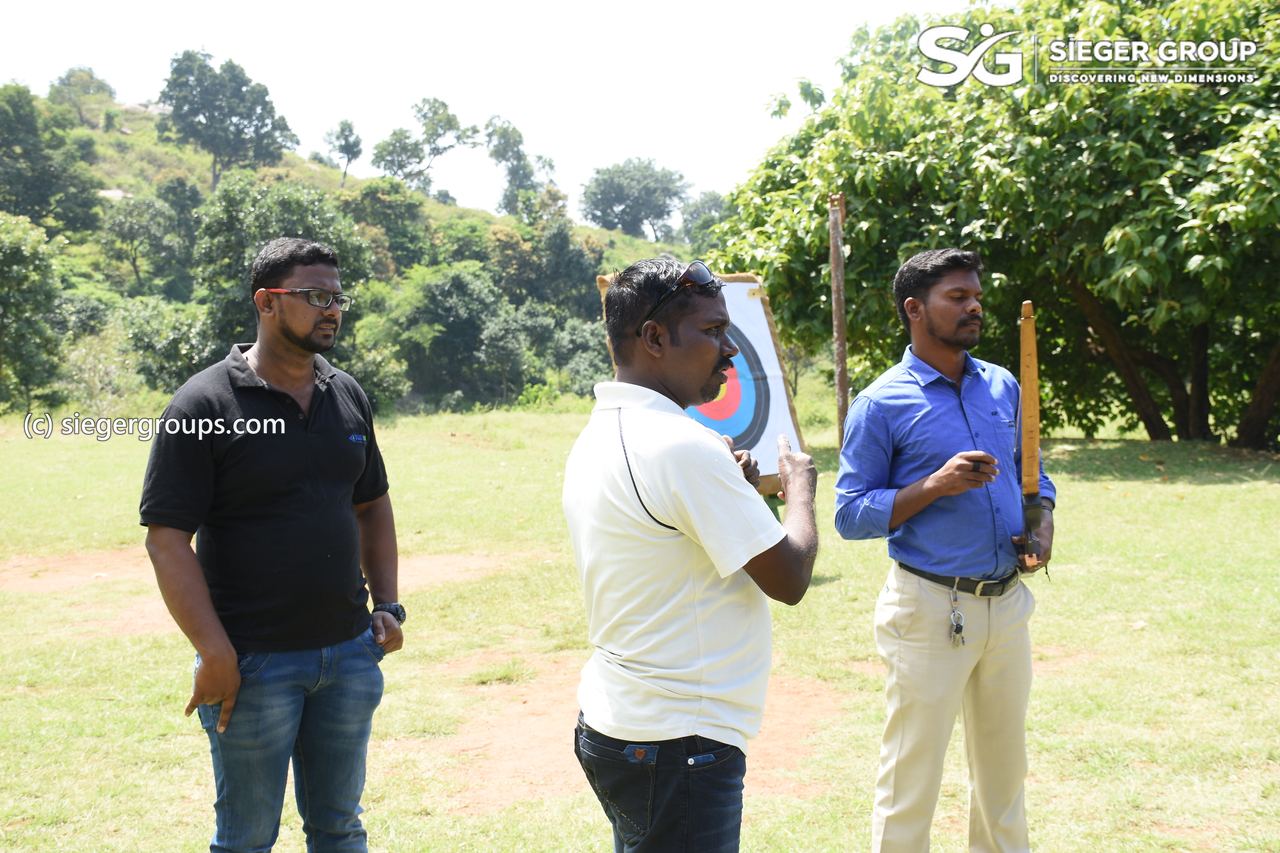 Campus & emerging talent
MBA students apply management concepts to team challenges, then explain how their decisions affected the result.
Explore programme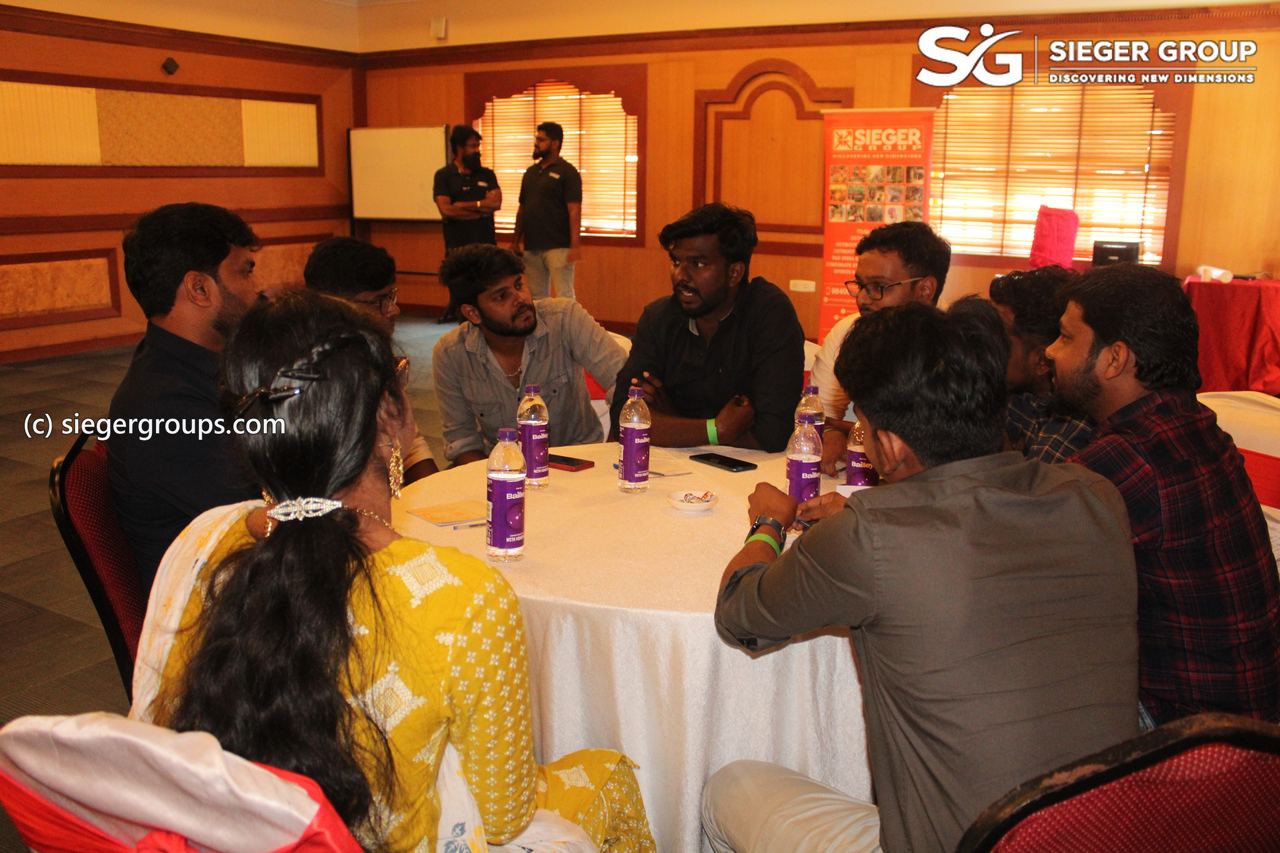 Campus & emerging talent
Faculty members practise facilitating a group task and compare ways to draw quieter students into a discussion.
Explore programme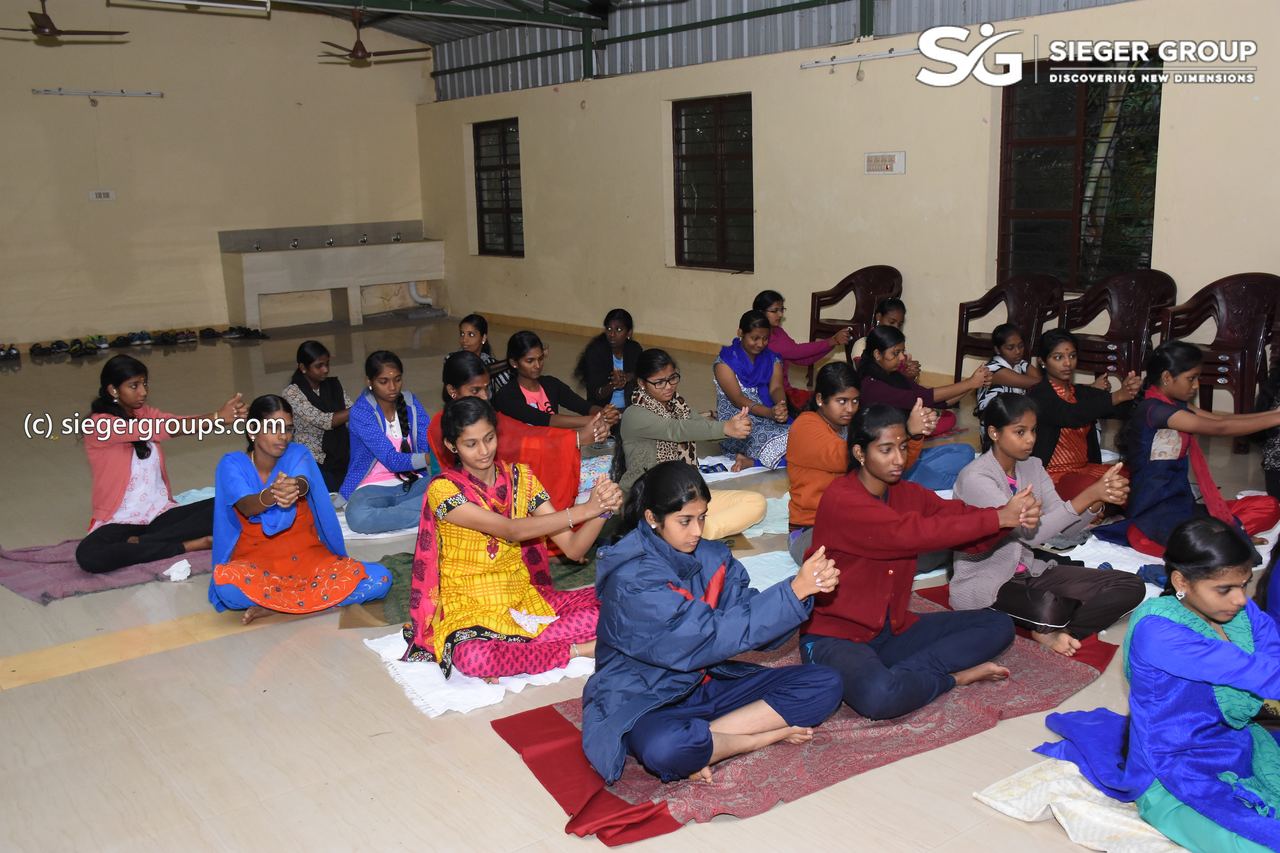 Campus & emerging talent
New students meet through small-group challenges that introduce peers and give everyone a role in the first shared task.
Explore programme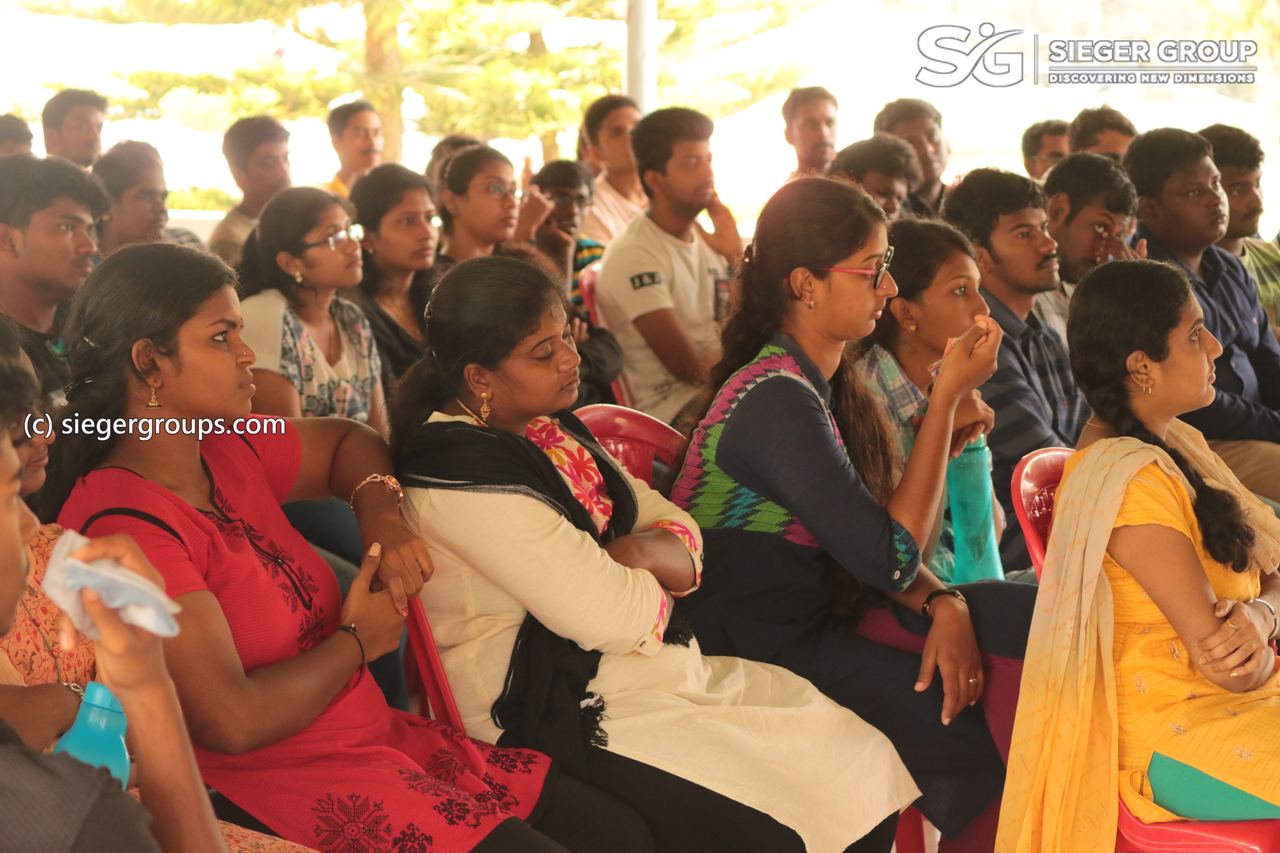 Campus & emerging talent
Students reflect on personal strengths and practise communicating their ideas in a small-group challenge.
Explore programme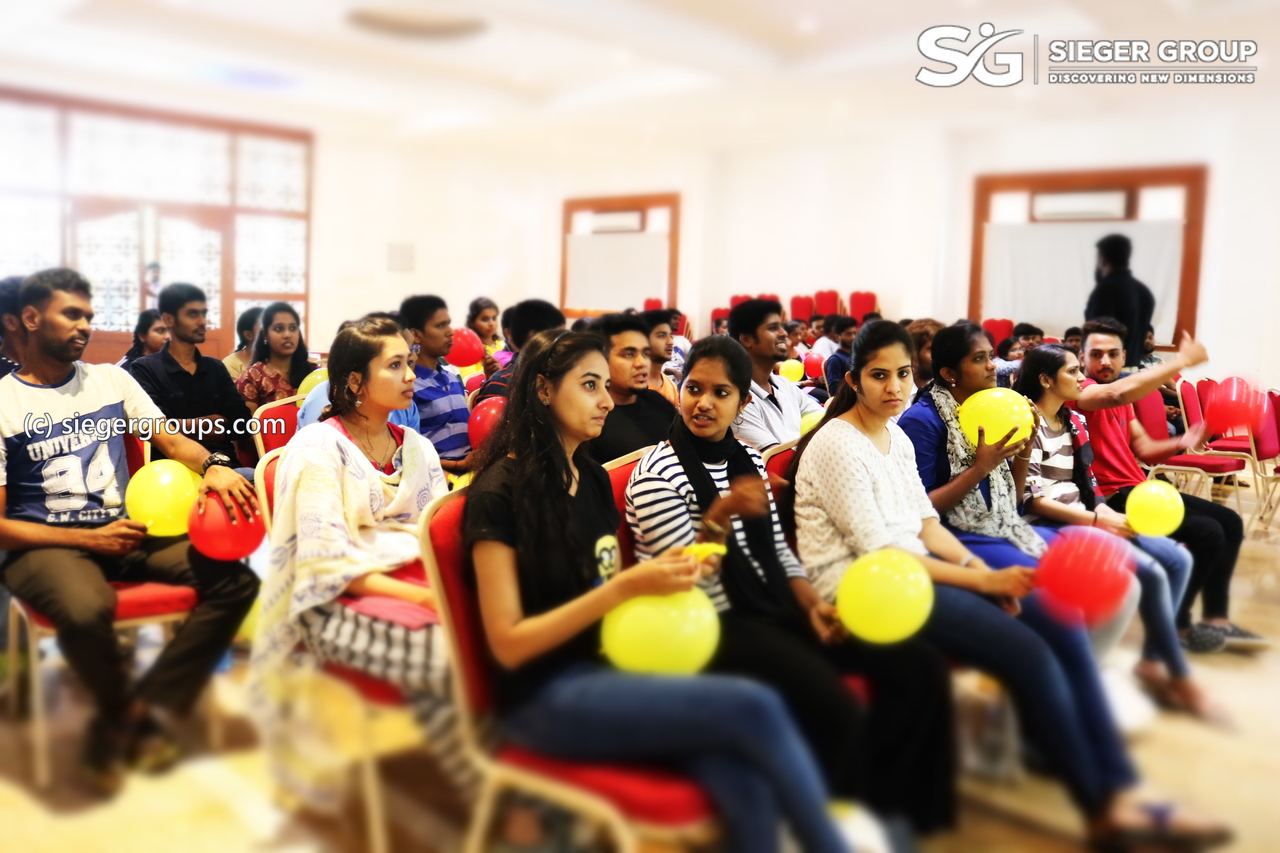 Campus & emerging talent
Students rotate leadership roles, brief their peers and compare the decisions that helped their group make progress.
Explore programme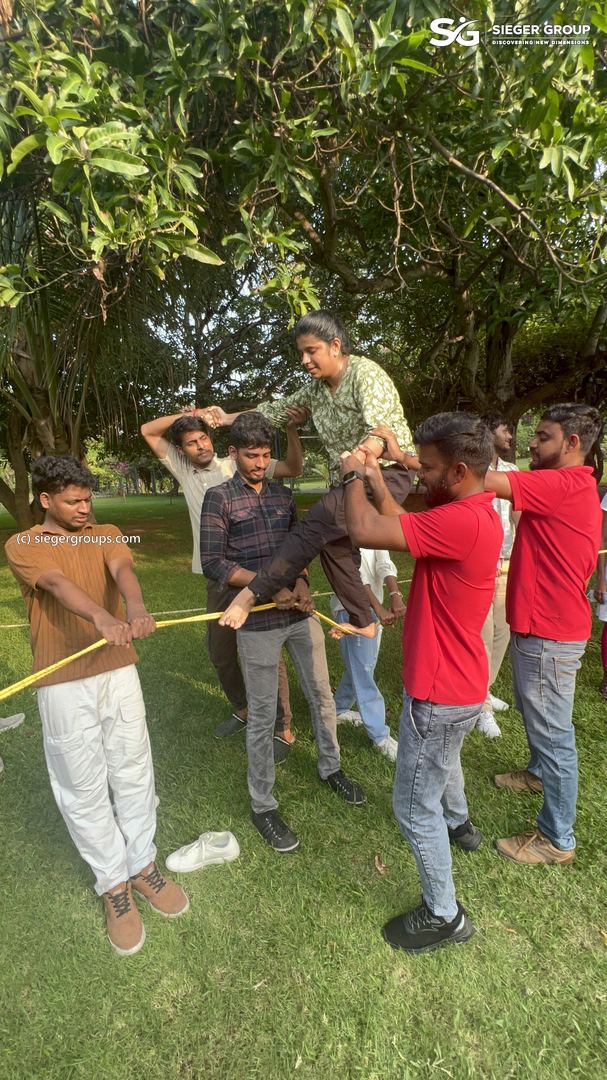 Campus & emerging talent
Rotating leaders guide a group through short field challenges and compare how clearly each handover worked.
Explore programme Campus & emerging talent
Student teams use practical challenges to explore listening, following through on agreements and responding to feedback.
Explore programme Campus & emerging talent
Students take turns leading team games, solving shared challenges and reflecting on how classmates supported one another.
Explore programme Campus & emerging talent
Students identify everyday pressure points and practise manageable ways to pause, plan and ask for support.
Explore programmeNo programmes match this search. Try a different activity or learning theme.
Consider a programme brief that names an activity before defining the desired learning conversation. The selected experiences connect leadership and judgement with reasoning and adaptation, creating a basis for discussing participation shaped to the group and the choices that shape selection and design of outbound learning programmes.
Shape your team brief
Choose an experience around people, learning priorities and practical application. Explore how experience with a purpose, reflection as part of delivery and application in the real context shape selection and design of outbound learning programmes.
Choose a theme from the behaviour or challenge the group needs to explore.
Connect the activity brief with a question participants can investigate through action.
Allow space to examine decisions instead of treating completion as the only result.
Discuss roles, preferences and access needs before selecting an activity mix.
Use the programme to identify a practical action relevant to everyday work.
Choose a starting point for selection and design of outbound learning programmes. The suggested formats below offer different ways to choose an experience around people, learning priorities and practical application. The final selection reflects the group's priorities and participation preferences.
Explore a learning theme through tasks that make leadership choices, decision processes and the effect on colleagues visible for a facilitated review.
Select a programme focus where information must move between people or functions, allowing participants to examine clarity, listening and interdependent contributions.
Consider tasks that ask participants to test assumptions, compare options and adjust when conditions change, linked to the learning priorities agreed in the brief.
Choose experiences that invite reflection on personal choices, contribution and follow-through, then connect observations with realistic actions in the participant’s own context.
Explore the behaviours and practical insights your team can review through Outbound Training & Leadership Development. The debrief connects observations from the experience with situations that matter to participants.
Describe the behaviour or challenge a group needs to explore before choosing a programme theme or preferred activity format.
Connect the experience brief with a learning question that participants can investigate through decisions, roles and shared action.
Make facilitated reflection part of the programme flow so the discussion includes how the task was approached, not only whether it finished.
Discuss participation preferences, access needs and useful roles before confirming the experience mix for the people attending.
Select an application relevant to the participants’ own work, giving the learning conversation a practical direction beyond the event.
Compare programme themes through their learning purpose, making the choice clearer than selecting solely from activity names or appearance.
Create a brief linking one learning priority with the selected experience, the review questions and an action participants can test.
Use these reflection prompts to turn Outbound Training & Leadership Development into a focused conversation about what happened, what it means and what to try next.
Identify a choice in Leadership and Team Decisions that affected leadership and judgement. Describe what the person did and how the group responded.
Hear more than one account of Communication and Collaboration. Discuss which details helped colleagues understand the task and which important information arrived too late.
Choose a turning point from Adaptability and Problem-Solving. Explain the options considered, the reason for the decision and what new information changed the approach.
Use a programme brief that names an activity before defining the desired learning conversation as the application example. Identify one moment where reasoning and adaptation could change what happens next.
Describe one learning priority and select the experience and review method around it. Name the person taking it forward and the first situation in which the group will try the change.
Bring an example from selection and design of outbound learning programmes to the next review. Discuss what changed, what colleagues noticed and which part of the approach needs refining.
A suggested flow for Outbound Training & Leadership Development, from setting the brief to reviewing the experience. Activity choices, pace and facilitation are confirmed around your group and setting.
Discuss a programme brief that names an activity before defining the desired learning conversation. Agree what the group wants to explore about a learning need first, then confirm the selected formats, roles and practical arrangements.
Explore a learning theme through tasks that make leadership choices, decision processes and the effect on colleagues visible for a facilitated review. Additional options can explore clarity and coordination through Communication and Collaboration, with the final activity mix agreed in the programme brief.
Examine reasoning and adaptation alongside self-awareness and application. Compare the decisions and turning points colleagues observed, including moments when a different question or contribution changed the group’s approach.
Use the review to describe one learning priority and select the experience and review method around it. Choose a specific situation in selection and design of outbound learning programmes, confirm who will take the action forward and decide when to compare observations.
Connect Outbound Training & Leadership Development with purposeful practice, evidence-based reflection and a next step that fits your working context.
Connect a learning need first with a clear question about selection and design of outbound learning programmes. Discuss a programme brief that names an activity before defining the desired learning conversation and agree the participation arrangements.
Select a programme focus where information must move between people or functions, allowing participants to examine clarity, listening and interdependent contributions. Notice how colleagues handle clarity and coordination while the agreed task develops.
Review a moment involving reflection as part of delivery. Hear the perspectives of those performing, observing and supporting the task, then compare the information available to each.
Discuss where reasoning and adaptation matter in selection and design of outbound learning programmes. Use a recent example to identify a practical decision the group could approach differently.
Select a first opportunity to describe one learning priority and select the experience and review method around it. Agree the support needed and the evidence the group will bring to its next review.
Discuss participant experience, access needs, language preferences and the purpose of the programme before confirming suitability.
Intact and cross-functional teams interested in leadership · judgement. Leadership and Team Decisions offers one possible starting point for an agreed group experience.
Managers and emerging leaders exploring clarity · coordination. Select a format that fits their responsibilities, working relationships and the purpose of Outbound Training & Leadership Development.
Project teams and newly formed groups bringing different perspectives to reasoning · adaptation. Confirm the learning priorities and participation arrangements before choosing the activity mix.
This sample shows how a programme could flow. Timings, breaks, activity choices and duration are agreed in the final proposal.
Introduce Outbound Training & Leadership Development, agree the group’s purpose and discuss participation preferences. Explain the selected formats before the experience begins.
Use a selected version of Leadership and Team Decisions to explore leadership · judgement. Pause to compare observations and clarify the choices that shaped progress.
Use a selected version of Communication and Collaboration to explore clarity · coordination. Pause to compare observations and clarify the choices that shaped progress.
Review examples of a learning need first and reflection as part of delivery. Connect the observations with day-to-day team responsibilities and choose a relevant next conversation.
Explore an agreed version of Adaptability and Problem-Solving and compare approaches to reasoning · adaptation. Discuss what the group changes after feedback.
Explore an agreed version of Self-Leadership and Working Habits and compare approaches to self-awareness · application. Discuss what the group changes after feedback.
Identify a situation in day-to-day team responsibilities where leadership and judgement would be useful. Discuss one practical adjustment and the people it affects.
Choose a next step related to self-awareness and application. Agree responsibility and a useful point for reviewing what happens after the programme.
Share the audience profile, language preferences and access needs for Outbound Training & Leadership Development. Agree options that let different colleagues contribute comfortably.
Discuss the available space, materials and facilitation arrangements for the selected learning exercises. Confirm the final mix of Leadership and Team Decisions and any other chosen experiences in the brief.
Agree the focus on clarity · coordination, the programme duration and which materials, facilitation and delivery arrangements are included.
Choose how to review leadership and judgement and self-awareness and application. Confirm any follow-up conversation or team commitment that belongs within the programme scope.
The final activities and setting depend on your agreed brief.



Explore coastal resorts for a beachside team challenge or a company offsite.

Bring your team to the hills for outdoor learning and time together at a resort.

Find a hill retreat within reach of Mumbai and Pune for your next team workshop.

Explore riverside venues for an adventure programme in the Himalayan foothills.
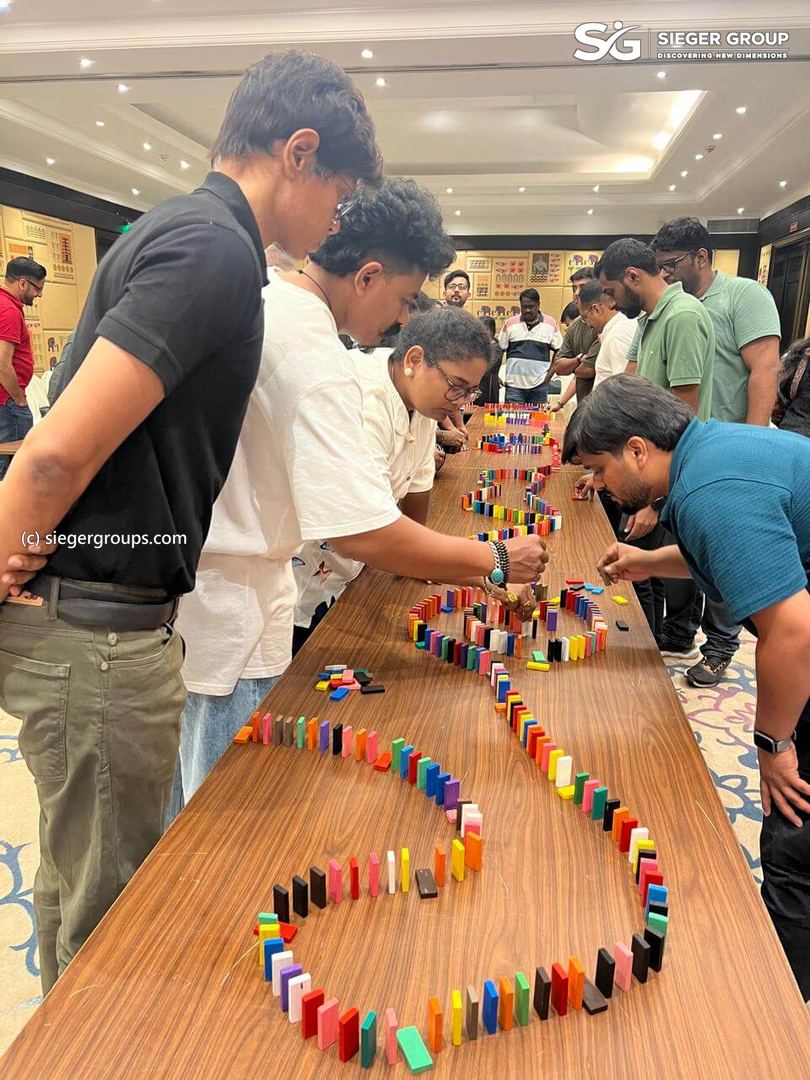
Choose hands-on activities such as domino building, drum circles and team puzzles for your next group session.
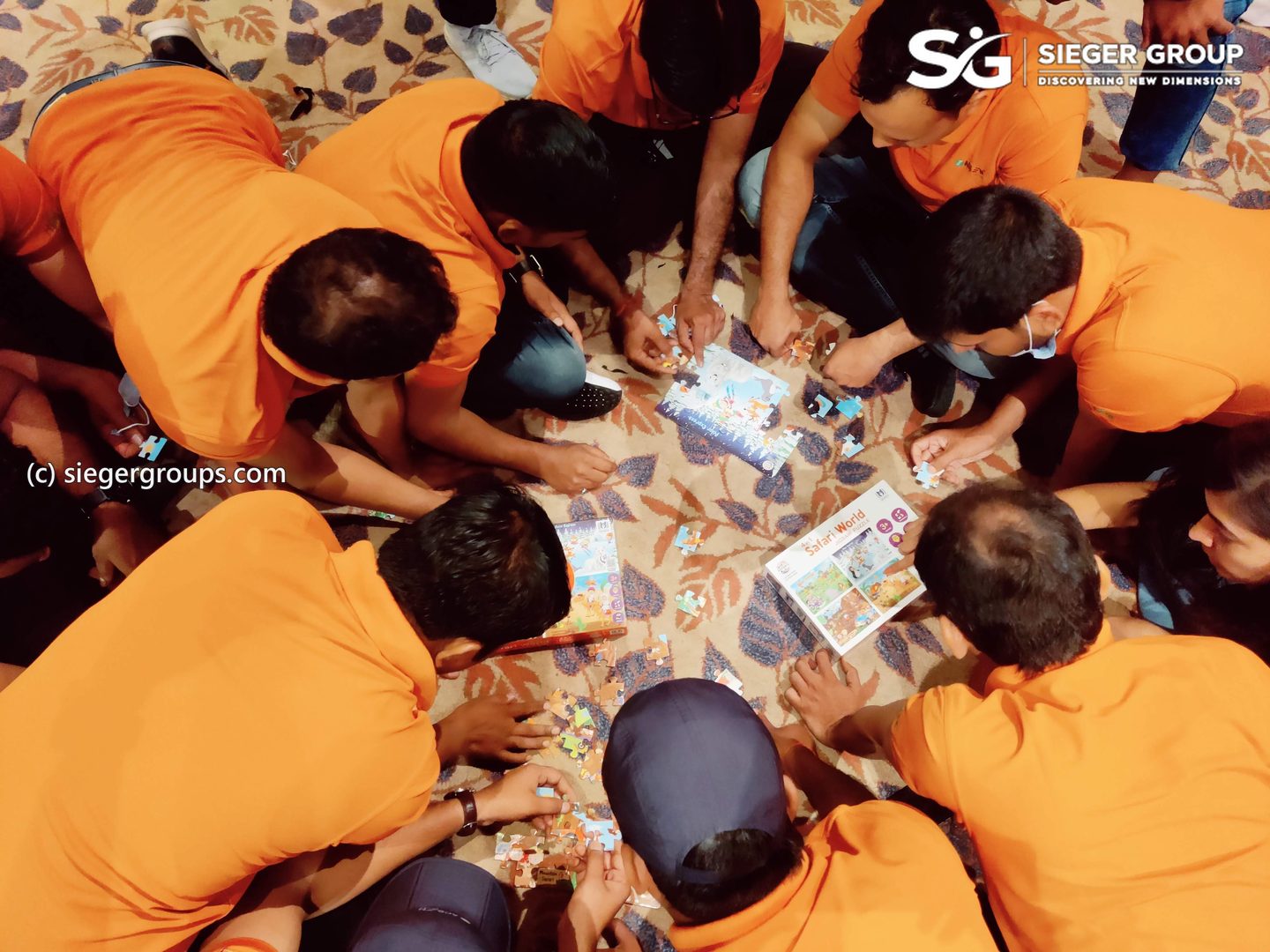
Bring colleagues together for a shared challenge that asks them to listen, plan and solve problems together.
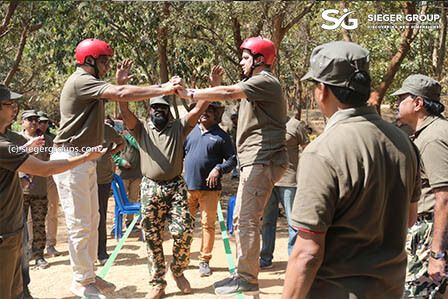
Take learning outdoors with facilitated challenges and a debrief that connects the experience to work.
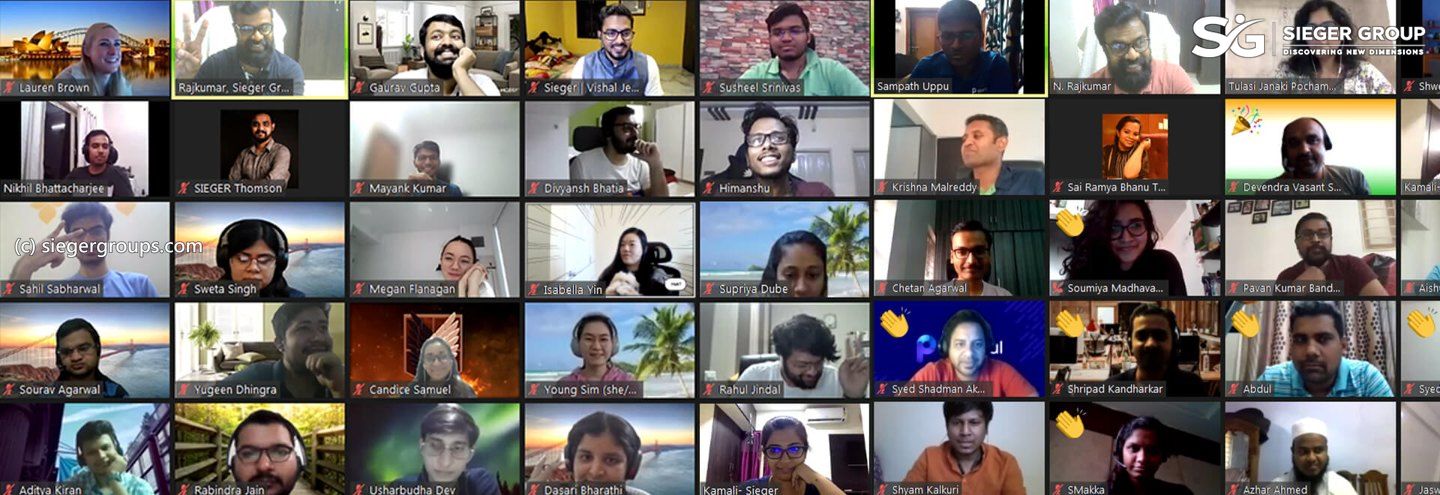
Follow digital clues, investigate a mystery or race against the clock in a technology-led team challenge.

Plan a corporate sports day, family gathering or anniversary celebration around your people and the occasion.
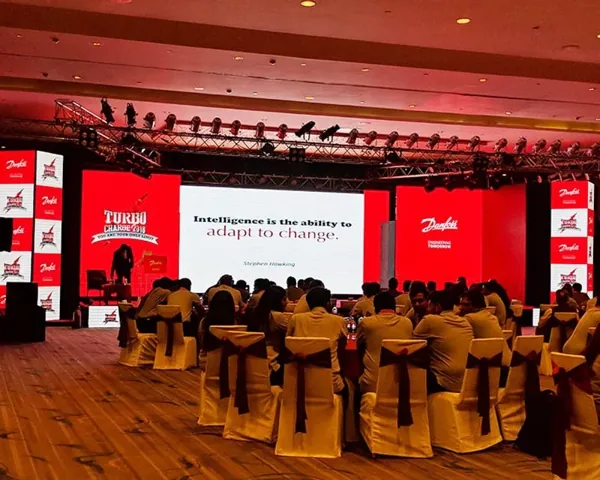
Explore facilitator-led workshops in leadership, communication and problem solving, with time to practise workplace skills.
12 practical answers to help you plan your programme.
Outbound training uses practical team experiences, facilitated reflection and action planning to explore how people lead and work together. This collection brings together learning themes for corporate teams, leaders and campus groups.
Outbound Training & Leadership Development can be considered for teams planning a focused learning programme. Share roles, group size, experience levels and participation needs so suitability can be confirmed.
The programme themes shown on this page offer different starting points. Choose the experiences that relate to your team’s priorities, then agree specific activities and intended outcomes in your proposal.
Yes. Share your team context, goals and preferred tone. The proposed Outbound Training & Leadership Development experience can then be adapted through the activity mix, level of challenge, discussion themes and delivery format, subject to feasibility.
Duration depends on the agreed scope, group size and setting. For Outbound Training & Leadership Development, allow for the briefing, activities, breaks and facilitated reflection and action planning. Request a proposed agenda that fits your available time.
Share your preferred city, office, venue or offsite destination in India. Outbound Training & Leadership Development requires a setting suited to the activities and participants. Venue access, usable space, equipment and local delivery arrangements should be confirmed before booking.
The appropriate group size depends on the activity structure, facilitation and available space. Tell us the expected number of participants for Outbound Training & Leadership Development so team sizes, rotations and staffing can be proposed.
For Outbound Training & Leadership Development, the pre-event briefing should explain the schedule, clothing or equipment requirements and how to take part. Share accessibility needs and relevant participation constraints during planning so suitable arrangements can be discussed.
Discuss access, mobility, language, sensory needs and comfort levels before confirming Outbound Training & Leadership Development. Agree suitable roles and alternatives where feasible. For specialist activities, confirm delivery responsibilities and participation requirements in advance.
Agree the purpose of Outbound Training & Leadership Development before delivery. Facilitated discussion can link participant decisions and behaviours with workplace or campus situations, followed by practical action commitments. Confirm any follow-up or evaluation support in the proposal.
Pricing for Outbound Training & Leadership Development depends on participant numbers, duration, facilitation, equipment, location and agreed logistics. Request a tailored proposal that clearly states programme inclusions, venue or travel arrangements and applicable charges.
Use the enquiry form on this page or call +91 98400 97567. Include Outbound Training & Leadership Development, your objectives, group size, preferred dates and location. Sieger Group can then discuss suitability and prepare a proposal for your review.
Share your goals, group size, preferred dates and venue. We’ll help you explore a considered programme.
Share your learning objectives, audience and preferred setting. We will help you explore an outbound training programme that connects practical experience with workplace reflection.
Still finalising the details? Share what you know.
Every team is different. Share your people, purpose and preferred setting, and we’ll translate your brief into an experience designed to connect, engage and create lasting impact.
Share your brief and preferred contact details.