Perspective Exchange
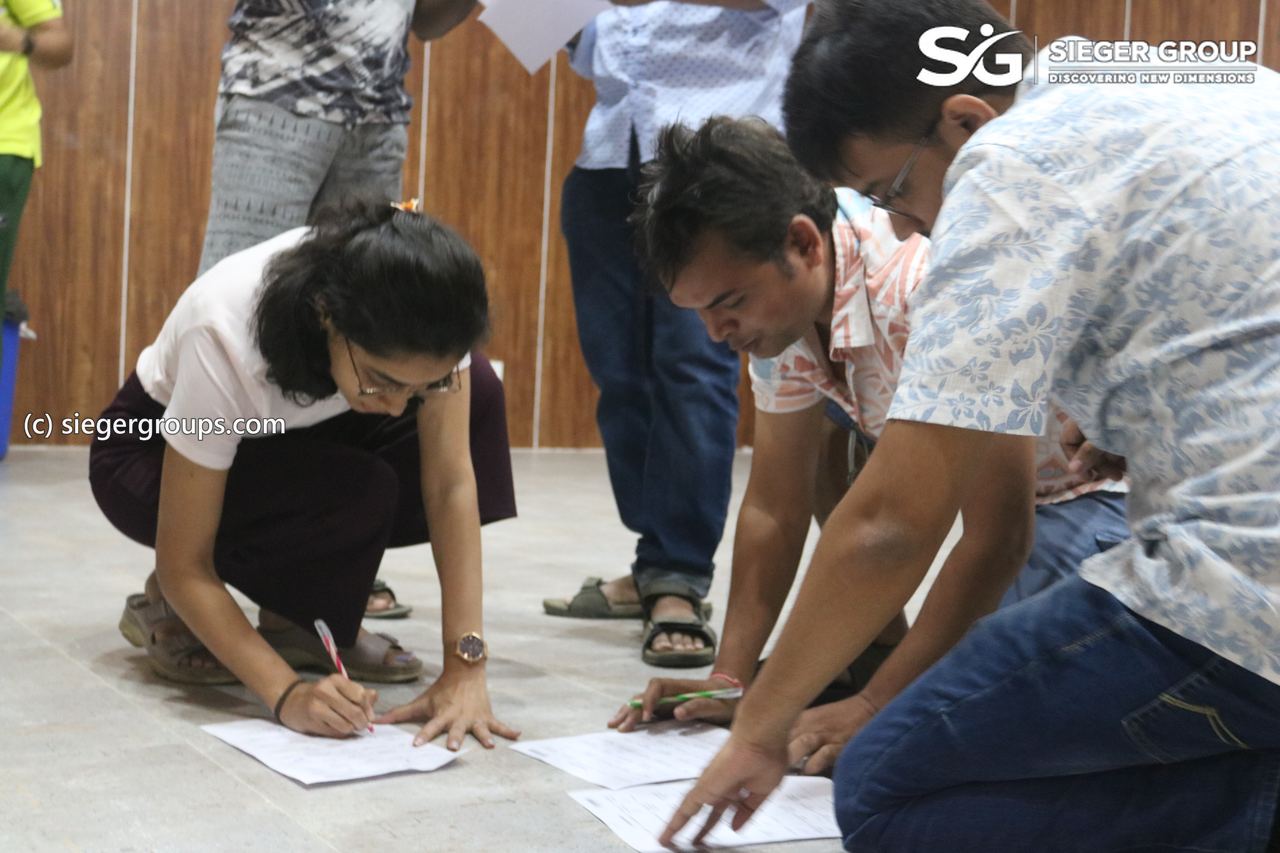
Pairs examine one disagreement from two roles, describe the pressures each person faces and identify assumptions needing a question rather than a conclusion.
Learning focusPerspective · empathy
Experiential learning with a clear purpose.
Conflict, like change, will always occur given the dynamics of human interactions. It will occur between family members, workers, colleagues, supervisors, boards of management, in our work or play environments, between organizations and within organizations. Why is this? Because we all have different interests, goals, perceptions, viewpoints, values and experiences. It is normal for people that live and work well together to have conflicts from time to time.
Choose a starting point for disagreements about priorities and working methods. The suggested formats below offer different ways to address differences without losing the shared task or working relationship. The final selection reflects the group's priorities and participation preferences.
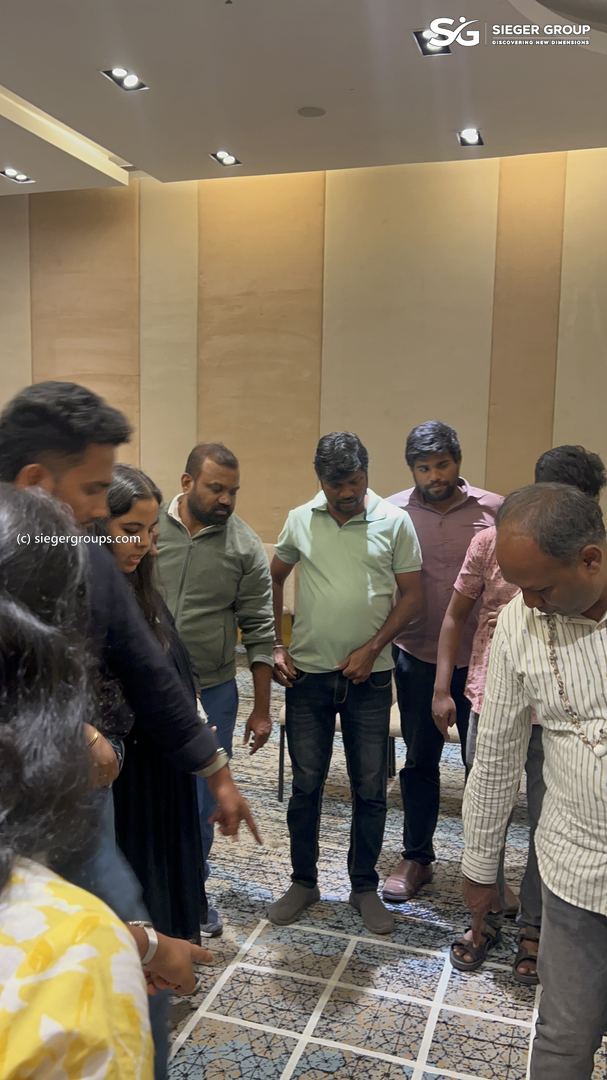
Pairs examine one disagreement from two roles, describe the pressures each person faces and identify assumptions needing a question rather than a conclusion.
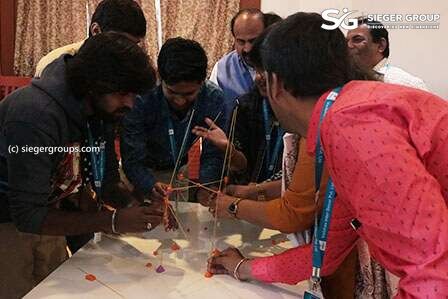
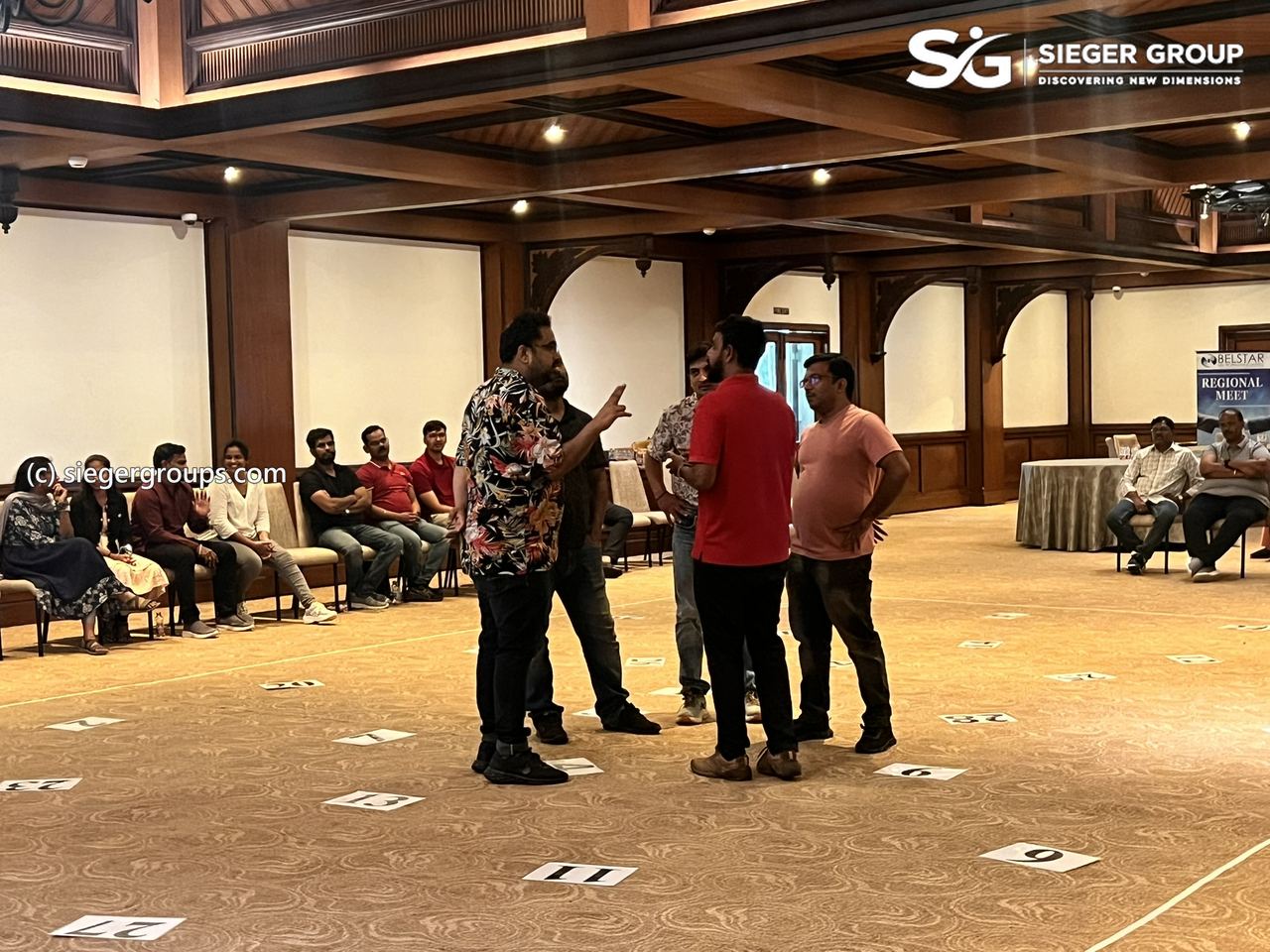
Teams consider conflicting resource requests and develop an agreement acknowledging essential needs, explicit trade-offs and the effect on the shared objective.
Participants pause a fictional tense discussion, rewrite personal judgements as observations and rehearse a respectful request addressing the unresolved issue.
Groups test a resolution against a new constraint, deciding what remains valid, who needs consultation and how to reopen discussion constructively.
Conflict, like change, will always occur given the dynamics of human interactions. It will occur between family members, workers, colleagues, supervisors, boards of management, in our work or play environments, between organizations and within organizations. Why is this? Because we all have different interests, goals, perceptions, viewpoints, values and experiences. It is normal for people that live and work well together to have conflicts from time to time.
Consider a recurring disagreement between colleagues who depend on one another’s work. The selected experiences connect perspective and empathy with language and self-management, creating a basis for discussing agreements with ownership and the choices that shape disagreements about priorities and working methods.
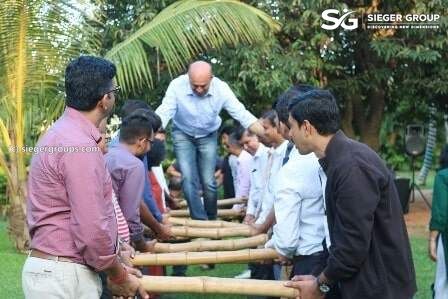
Address differences without losing the shared task or working relationship. Explore how interests beneath positions, listening under tension and repair and follow-through shape disagreements about priorities and working methods.
Notice when a task disagreement becomes a judgement about another person.
Explore essential needs before treating someone’s first demand as the only option.
Summarise a concern accurately while still explaining a different point of view.
Turn a productive conversation into a decision, responsibility or clear next discussion.
Revisit an agreement constructively when tension or misunderstanding returns.
Explore the behaviours and practical insights your team can review through Conflict Resolution & Collaboration. The debrief connects observations from the experience with situations that matter to participants.
Separate the disputed task from assumptions about the person, keeping the issue specific enough for both parties to discuss.
Identify the needs beneath competing demands and explore options that do more than exchange one fixed position for another.
Demonstrate that a concern has been heard by summarising it accurately before explaining a different interpretation or request.
Turn a difficult conversation into a workable agreement with clear responsibilities and a point for checking progress.
Reopen an unresolved issue respectfully when circumstances change, instead of allowing an outdated agreement to become another source of friction.
Use questions to test assumptions about a colleague’s intention, drawing on the pressures and dependencies each role faces.
Agree one action each person can review, creating a practical next step after a constructive disagreement.
Use these reflection prompts to turn Conflict Resolution & Collaboration into a focused conversation about what happened, what it means and what to try next.
Identify a choice in Perspective Exchange that affected perspective and empathy. Describe what the person did and how the group responded.
Hear more than one account of Common Ground Negotiation. Discuss which details helped colleagues understand the task and which important information arrived too late.
Choose a turning point from Conversation Reset Practice. Explain the options considered, the reason for the decision and what new information changed the approach.
Use a recurring disagreement between colleagues who depend on one another’s work as the application example. Identify one moment where language and self-management could change what happens next.
Hear both concerns and record one action each person can review. Name the person taking it forward and the first situation in which the group will try the change.
Bring an example from disagreements about priorities and working methods to the next review. Discuss what changed, what colleagues noticed and which part of the approach needs refining.
A suggested flow for Conflict Resolution & Collaboration, from setting the brief to reviewing the experience. Activity choices, pace and facilitation are confirmed around your group and setting.
Discuss a recurring disagreement between colleagues who depend on one another’s work. Agree what the group wants to explore about difference without escalation, then confirm the selected formats, roles and practical arrangements.
Pairs examine one disagreement from two roles, describe the pressures each person faces and identify assumptions needing a question rather than a conclusion. Additional options can explore negotiation and shared purpose through Common Ground Negotiation, with the final activity mix agreed in the programme brief.
Examine language and self-management alongside follow-through and adaptation. Compare the decisions and turning points colleagues observed, including moments when a different question or contribution changed the group’s approach.
Use the review to hear both concerns and record one action each person can review. Choose a specific situation in disagreements about priorities and working methods, confirm who will take the action forward and decide when to compare observations.
Connect Conflict Resolution & Collaboration with purposeful practice, evidence-based reflection and a next step that fits your working context.
Connect difference without escalation with a clear question about disagreements about priorities and working methods. Discuss a recurring disagreement between colleagues who depend on one another’s work and agree the participation arrangements.
Teams consider conflicting resource requests and develop an agreement acknowledging essential needs, explicit trade-offs and the effect on the shared objective. Notice how colleagues handle negotiation and shared purpose while the agreed task develops.
Review a moment involving listening under tension. Hear the perspectives of those performing, observing and supporting the task, then compare the information available to each.
Discuss where language and self-management matter in disagreements about priorities and working methods. Use a recent example to identify a practical decision the group could approach differently.
Select a first opportunity to hear both concerns and record one action each person can review. Agree the support needed and the evidence the group will bring to its next review.
Discuss participant experience, access needs, language preferences and the purpose of the programme before confirming suitability.
Intact and cross-functional teams interested in perspective · empathy. Perspective Exchange offers one possible starting point for an agreed group experience.
Managers and emerging leaders exploring negotiation · shared purpose. Select a format that fits their responsibilities, working relationships and the purpose of Conflict Resolution & Collaboration.
Project teams and newly formed groups bringing different perspectives to language · self-management. Confirm the learning priorities and participation arrangements before choosing the activity mix.
This sample shows how a programme could flow. Timings, breaks, activity choices and duration are agreed in the final proposal.
Introduce Conflict Resolution & Collaboration, agree the group’s purpose and discuss participation preferences. Explain the selected formats before the experience begins.
Use a selected version of Perspective Exchange to explore perspective · empathy. Pause to compare observations and clarify the choices that shaped progress.
Use a selected version of Common Ground Negotiation to explore negotiation · shared purpose. Pause to compare observations and clarify the choices that shaped progress.
Review examples of difference without escalation and listening under tension. Connect the observations with day-to-day team responsibilities and choose a relevant next conversation.
Explore an agreed version of Conversation Reset Practice and compare approaches to language · self-management. Discuss what the group changes after feedback.
Explore an agreed version of Agreement Review Challenge and compare approaches to follow-through · adaptation. Discuss what the group changes after feedback.
Identify a situation in day-to-day team responsibilities where perspective and empathy would be useful. Discuss one practical adjustment and the people it affects.
Choose a next step related to follow-through and adaptation. Agree responsibility and a useful point for reviewing what happens after the programme.
Share the audience profile, language preferences and access needs for Conflict Resolution & Collaboration. Agree options that let different colleagues contribute comfortably.
Discuss the available space, materials and facilitation arrangements for the selected learning exercises. Confirm the final mix of Perspective Exchange and any other chosen experiences in the brief.
Agree the focus on negotiation · shared purpose, the programme duration and which materials, facilitation and delivery arrangements are included.
Choose how to review perspective and empathy and follow-through and adaptation. Confirm any follow-up conversation or team commitment that belongs within the programme scope.
The final activities and setting depend on your agreed brief.
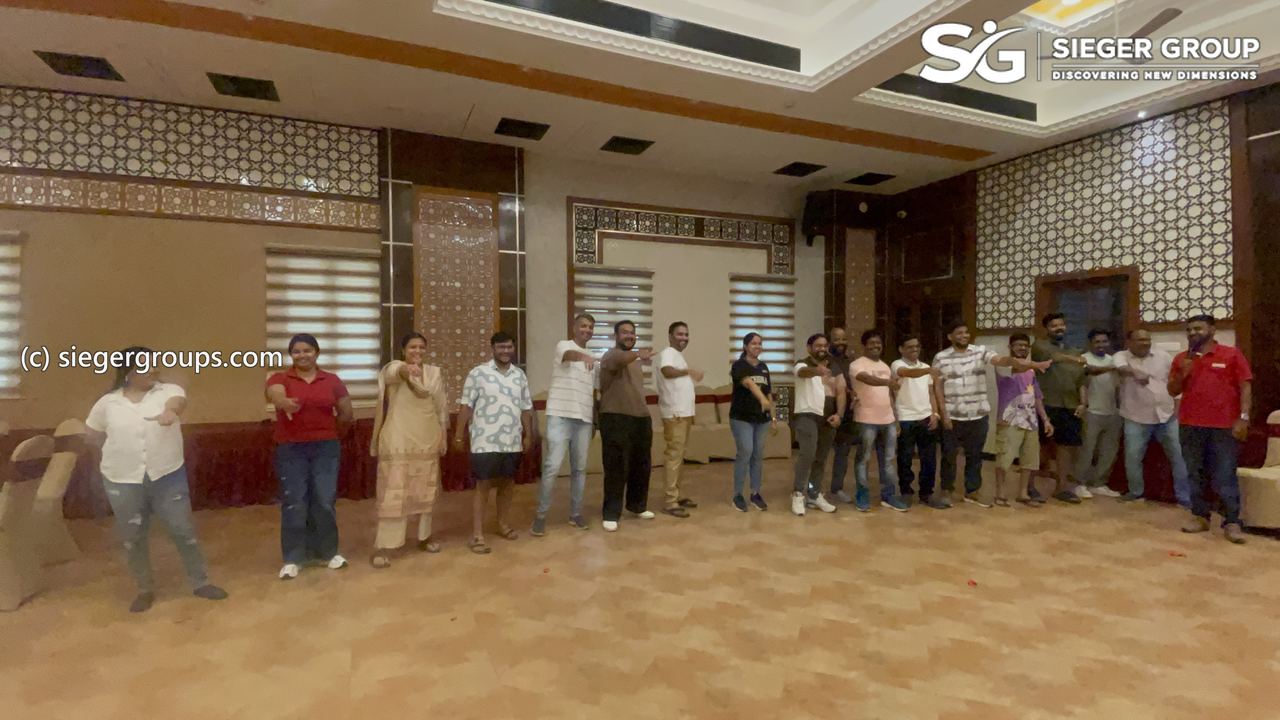
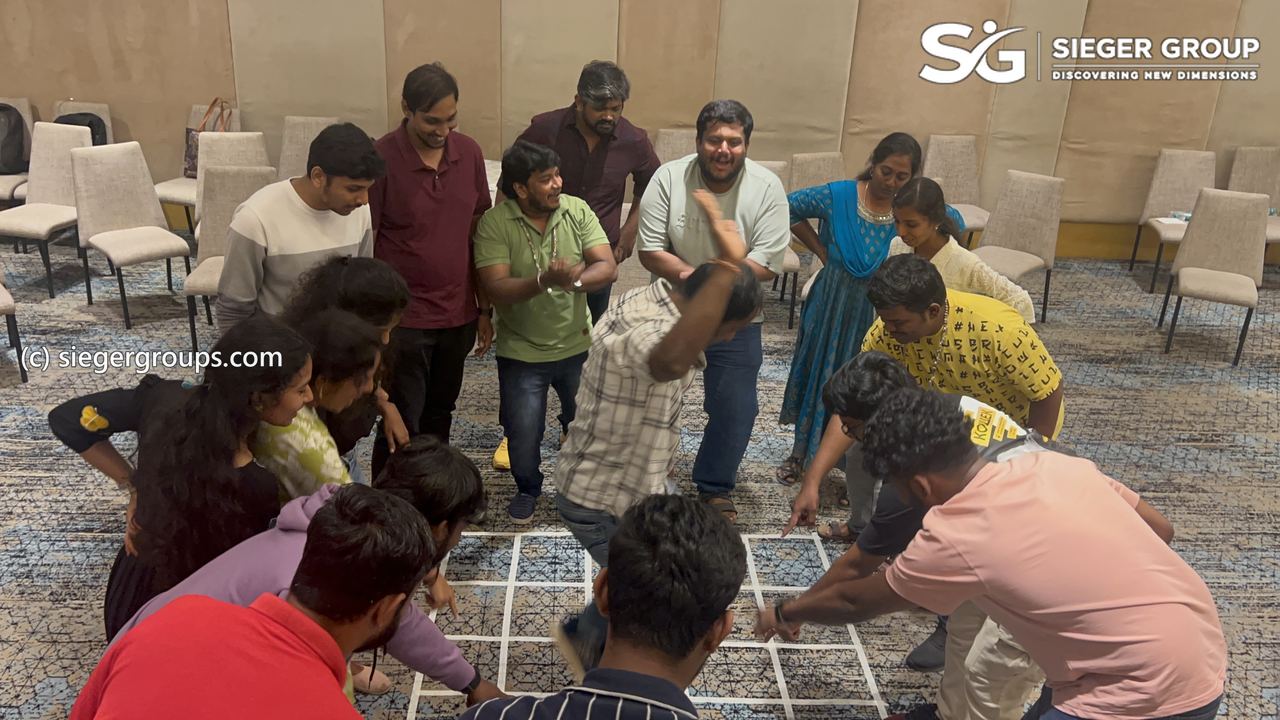
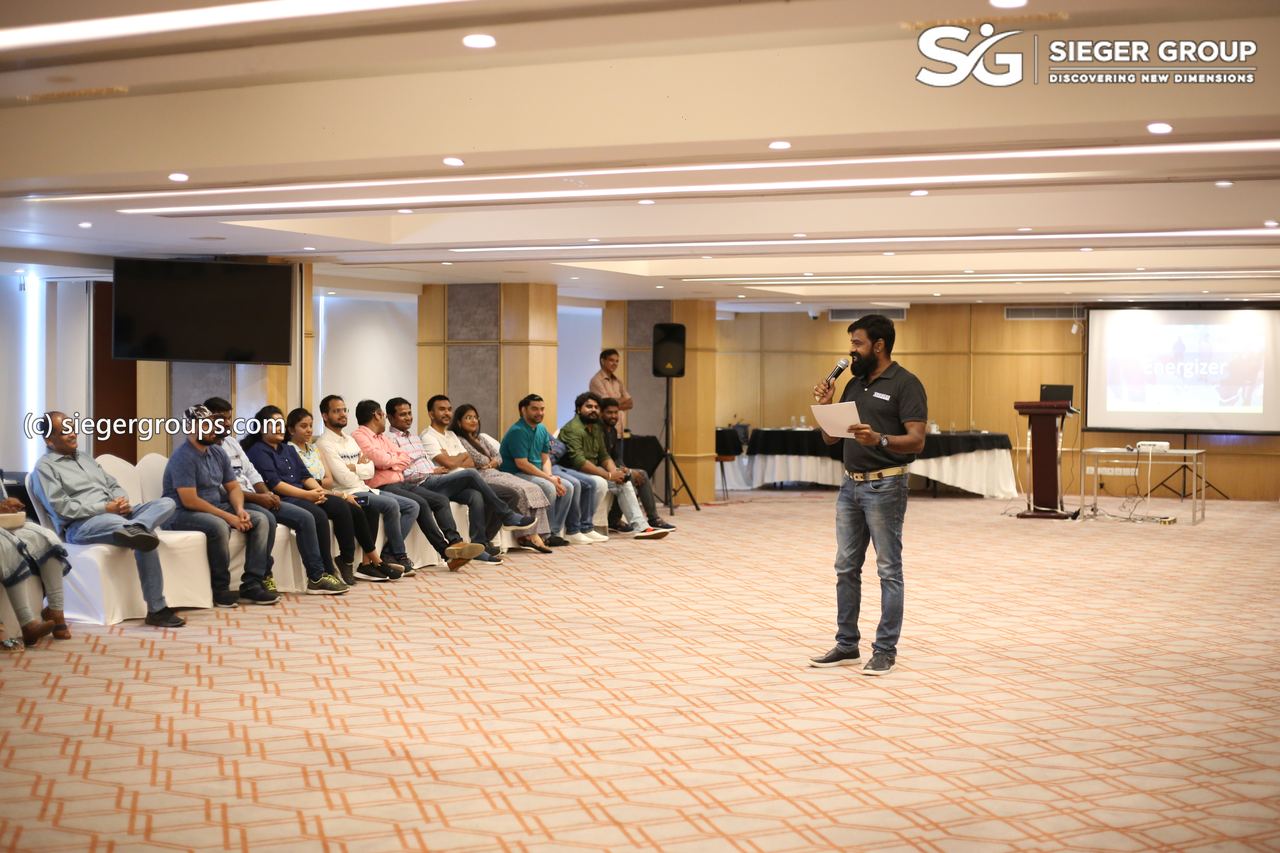
Sieger Group supports organisations with team-building experiences and facilitated programmes.
12 practical answers to help you plan your programme.
Conflict, like change, will always occur given the dynamics of human interactions. It will occur between family members, workers, colleagues, supervisors, boards of management, in our work or play environments, between organizations and within organizations. Why is this? Because we all have different interests, goals, perceptions, viewpoints, values and experiences. It is normal for people that live and work well together to have conflicts from time to time.
Conflict Resolution & Collaboration can be considered for teams planning a focused learning programme. Share roles, group size, experience levels and participation needs so suitability can be confirmed.
The existing programme outline includes: Enhance your understanding of human behaviour and its effect on others; Become aware of your own conflict resolution style; Develop strategies to enable you to manage conflict more effectively in the workplace. The final emphasis and activity selection should be agreed around your brief.
Yes. Share your team context, goals and preferred tone. The proposed Conflict Resolution & Collaboration experience can then be adapted through the activity mix, level of challenge, discussion themes and delivery format, subject to feasibility.
Duration depends on the agreed scope, group size and setting. For Conflict Resolution & Collaboration, allow for the briefing, activities, breaks and facilitated reflection and action planning. Request a proposed agenda that fits your available time.
Share your preferred city, office, venue or offsite destination in India. Conflict Resolution & Collaboration requires a setting suited to the activities and participants. Venue access, usable space, equipment and local delivery arrangements should be confirmed before booking.
The appropriate group size depends on the activity structure, facilitation and available space. Tell us the expected number of participants for Conflict Resolution & Collaboration so team sizes, rotations and staffing can be proposed.
For Conflict Resolution & Collaboration, the pre-event briefing should explain the schedule, clothing or equipment requirements and how to take part. Share accessibility needs and relevant participation constraints during planning so suitable arrangements can be discussed.
Discuss access, mobility, language, sensory needs and comfort levels before confirming Conflict Resolution & Collaboration. Agree suitable roles and alternatives where feasible. For specialist activities, confirm delivery responsibilities and participation requirements in advance.
Agree the purpose of Conflict Resolution & Collaboration before delivery. Facilitated discussion can link participant decisions and behaviours with workplace or campus situations, followed by practical action commitments. Confirm any follow-up or evaluation support in the proposal.
Pricing for Conflict Resolution & Collaboration depends on participant numbers, duration, facilitation, equipment, location and agreed logistics. Request a tailored proposal that clearly states programme inclusions, venue or travel arrangements and applicable charges.
Use the enquiry form on this page or call +91 98400 97567. Include Conflict Resolution & Collaboration, your objectives, group size, preferred dates and location. Sieger Group can then discuss suitability and prepare a proposal for your review.
Share your goals, group size, preferred dates and venue. We’ll help you explore a considered programme.
Tell us what you have in mind. We will help you explore a programme that fits your people and your occasion.
Still finalising the details? Share what you know.
Every team is different. Share your people, purpose and preferred setting, and we’ll translate your brief into an experience designed to connect, engage and create lasting impact.
Share your brief and preferred contact details.