Turning Carpets
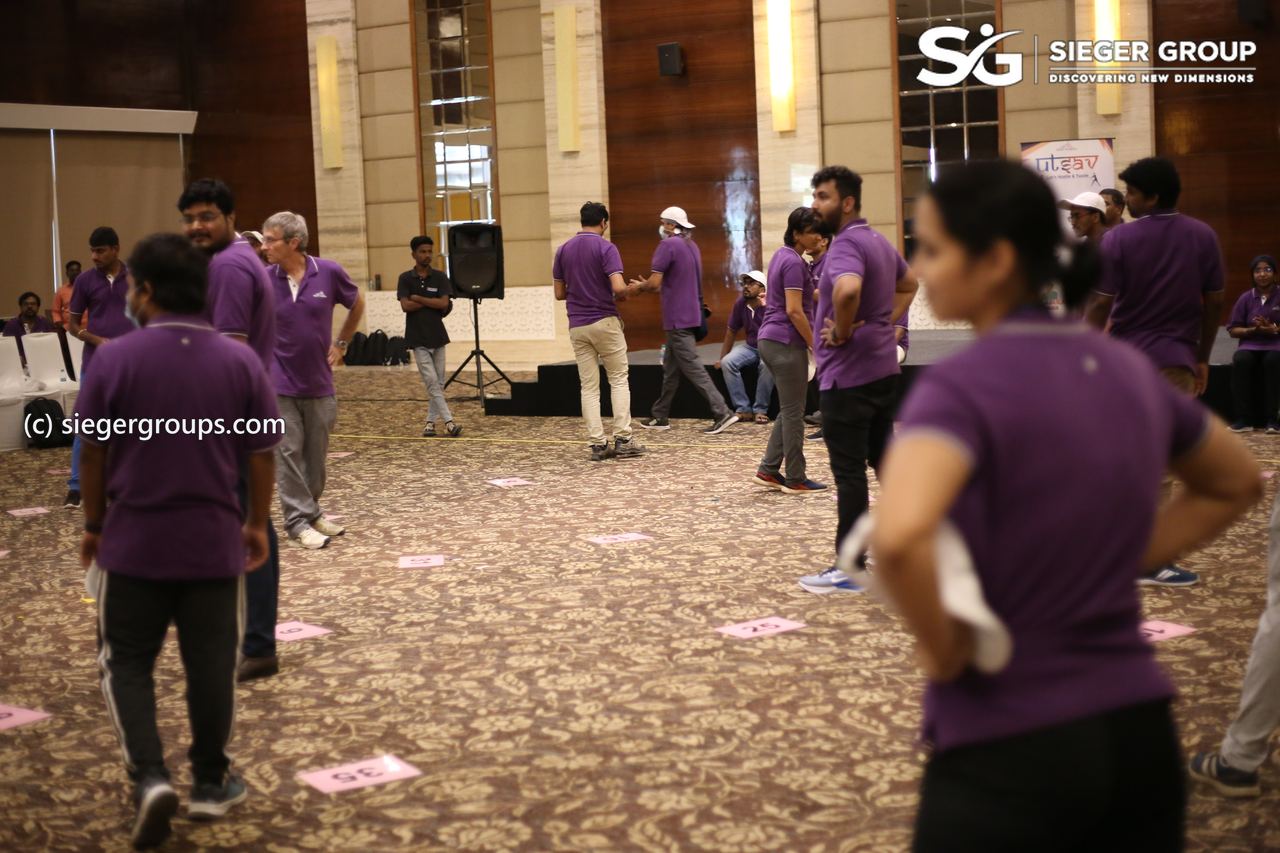
The group turns a carpet over while keeping everyone on it. Teams discuss positioning, share ideas and adjust their plan to accommodate every participant within the available space.
Learning focusAgreeing how to share space
Choose indoor games that suit the room, the time available and the way colleagues need to work together. Table puzzles, creative briefs and movement games offer different entry points.
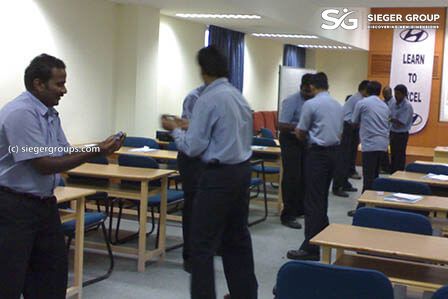
Indoor programmes can combine a seated negotiation such as Barter Puzzle with a movement challenge such as Blind Square. Choosing contrasting formats gives people more than one way to contribute. The room layout determines how many teams can play at once.
Pick two contrasting games and compare whose contribution became visible in each.
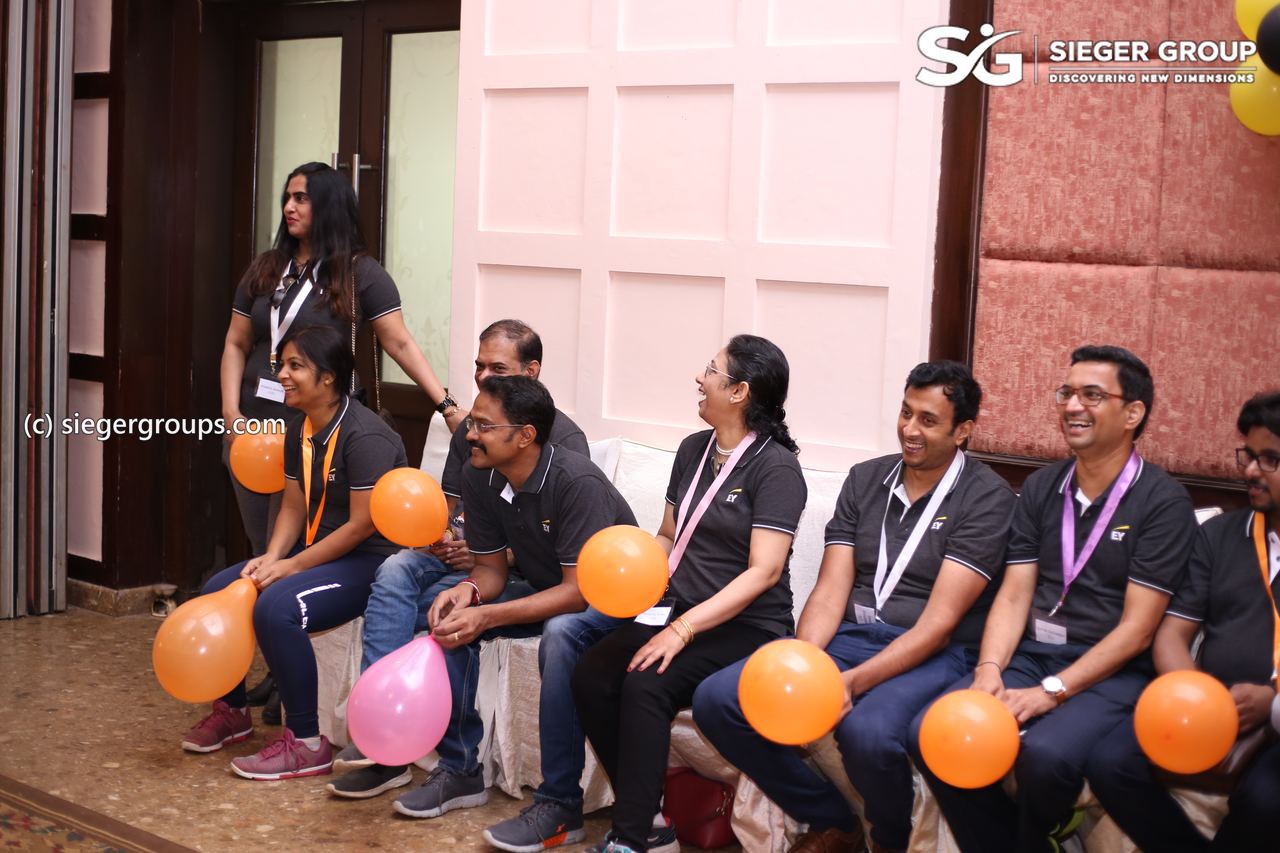
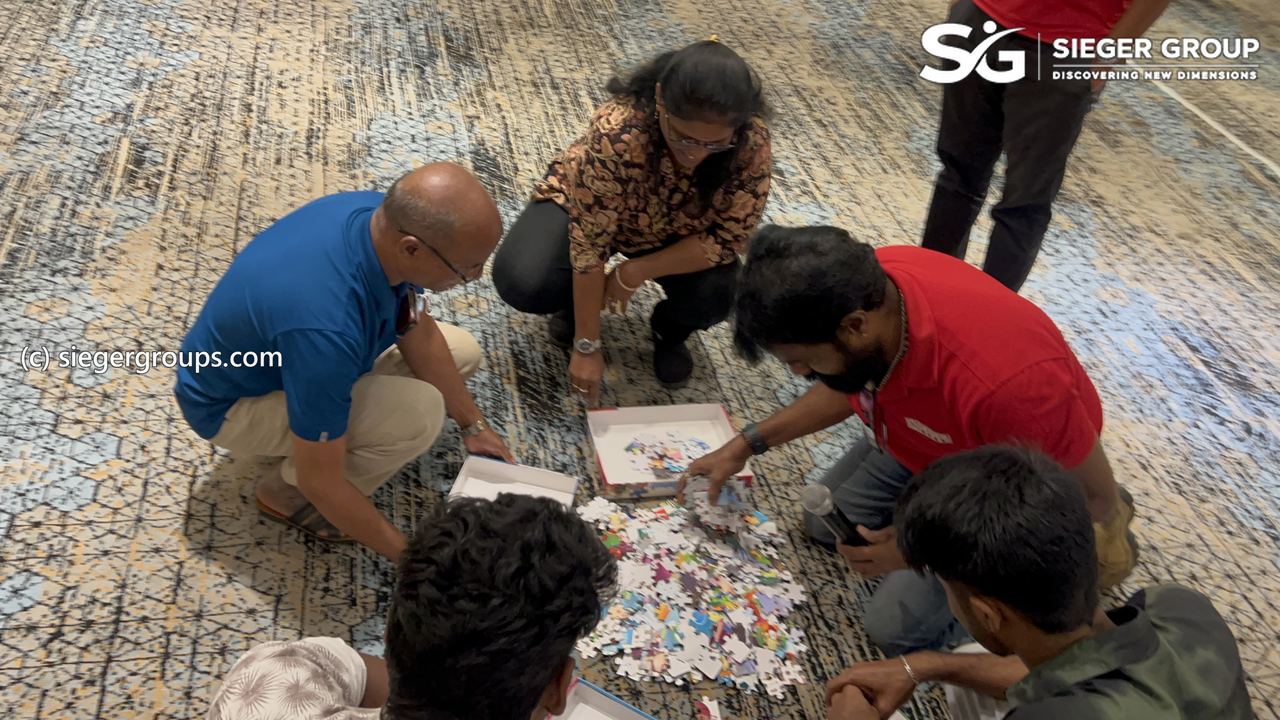
Watch the Barter Puzzle played in a conference room. The tables start with different resources, giving colleagues a reason to leave their own group and negotiate an exchange.

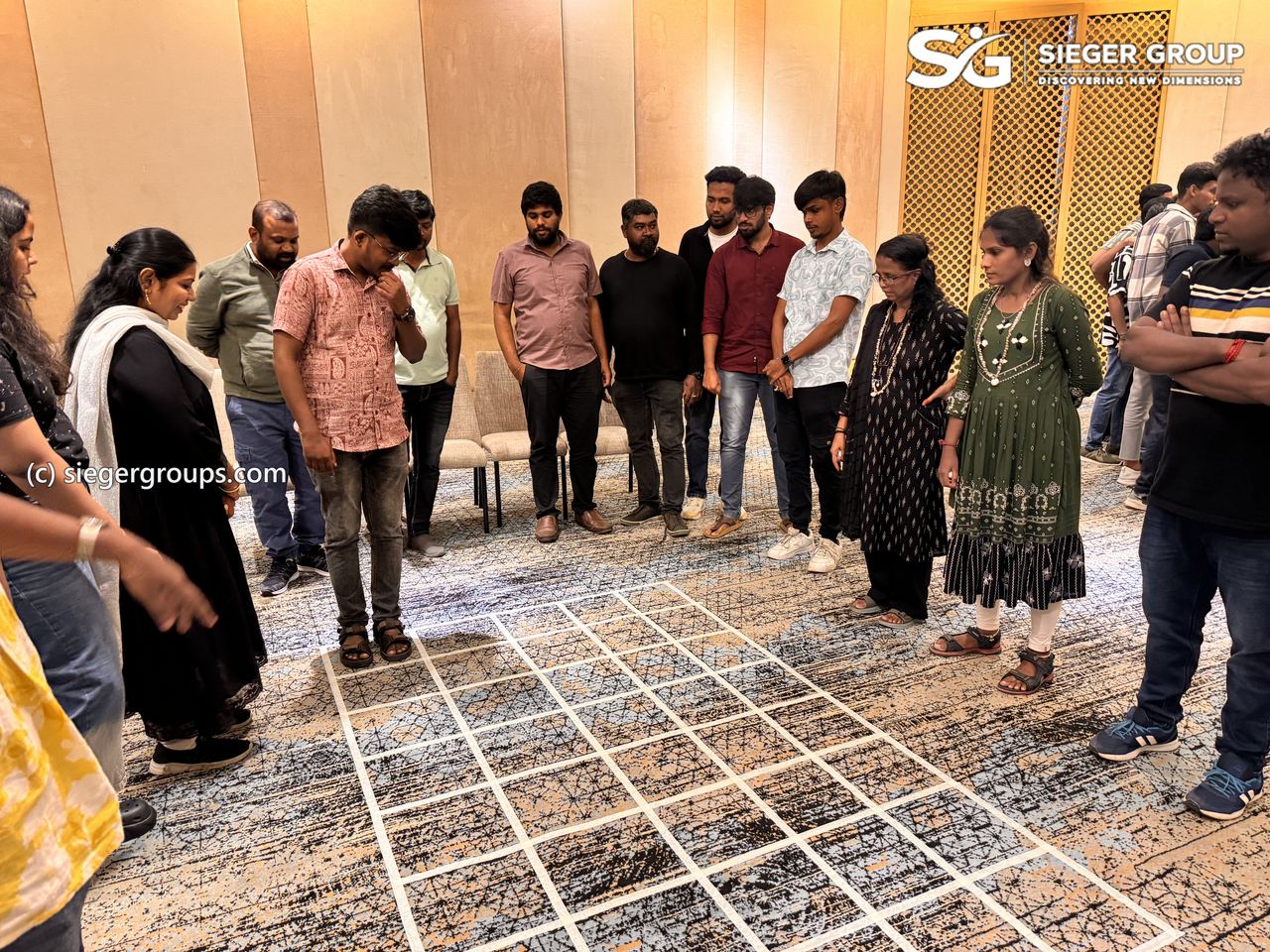
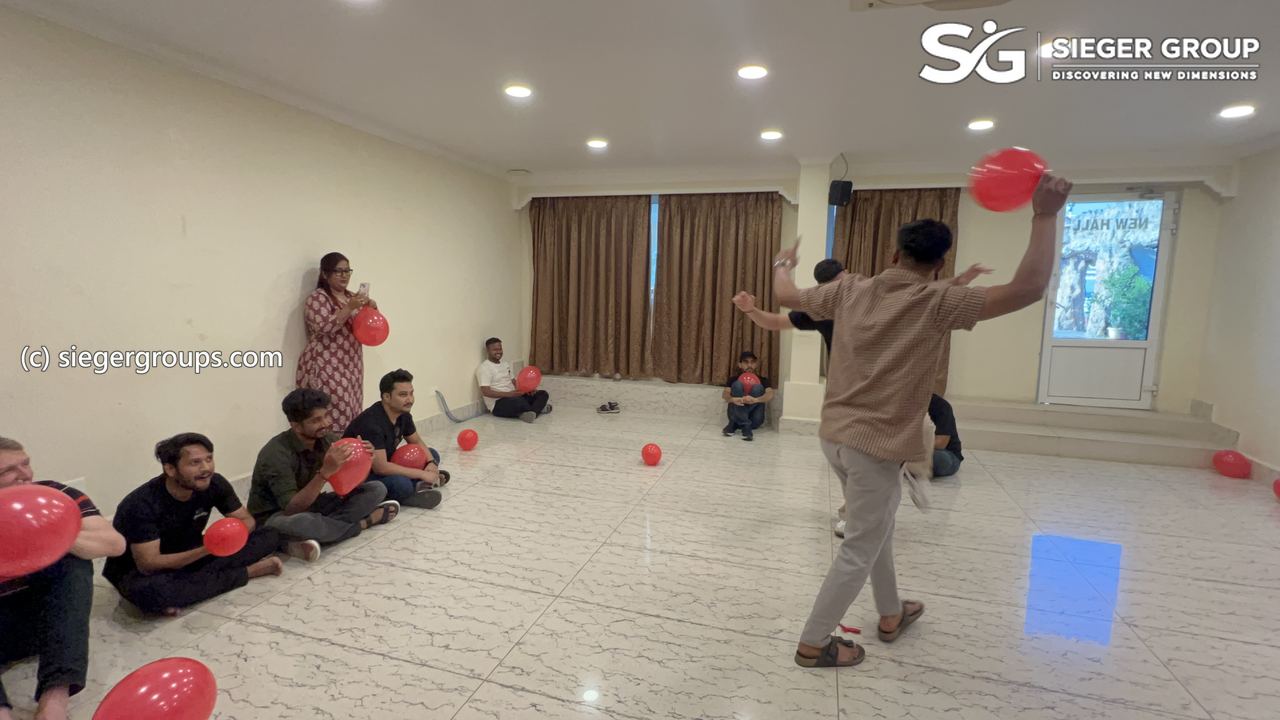
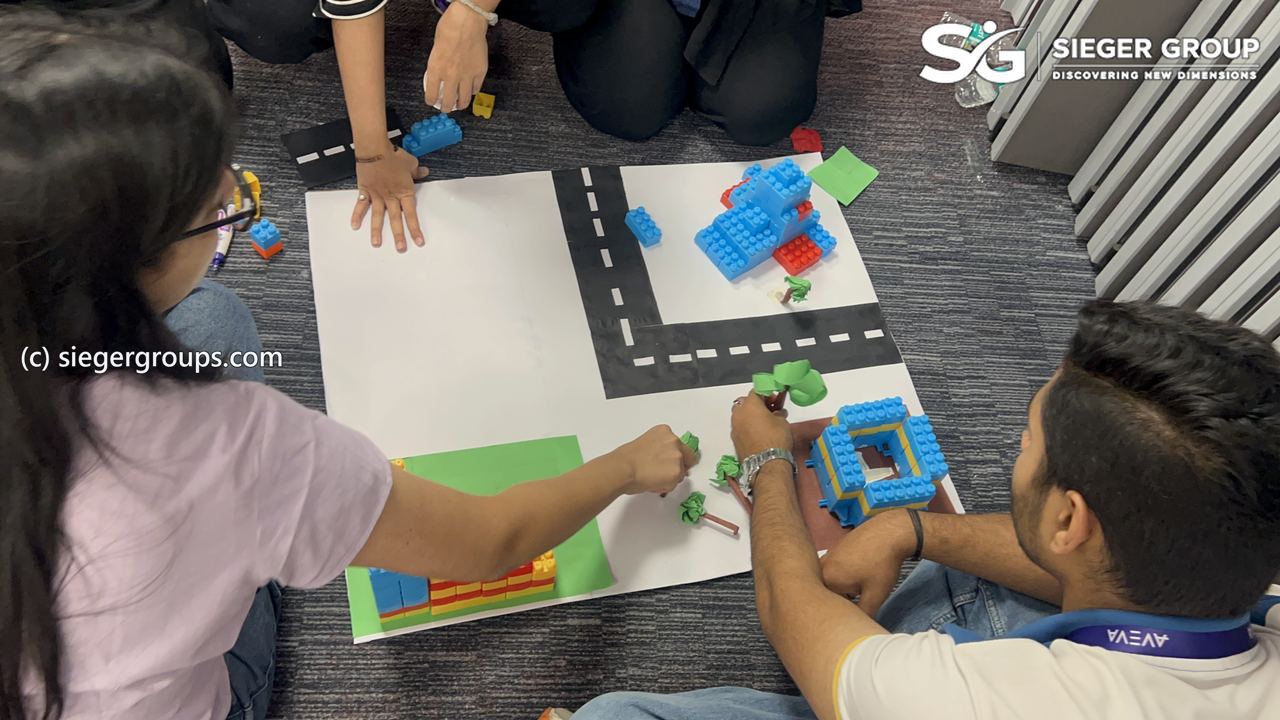
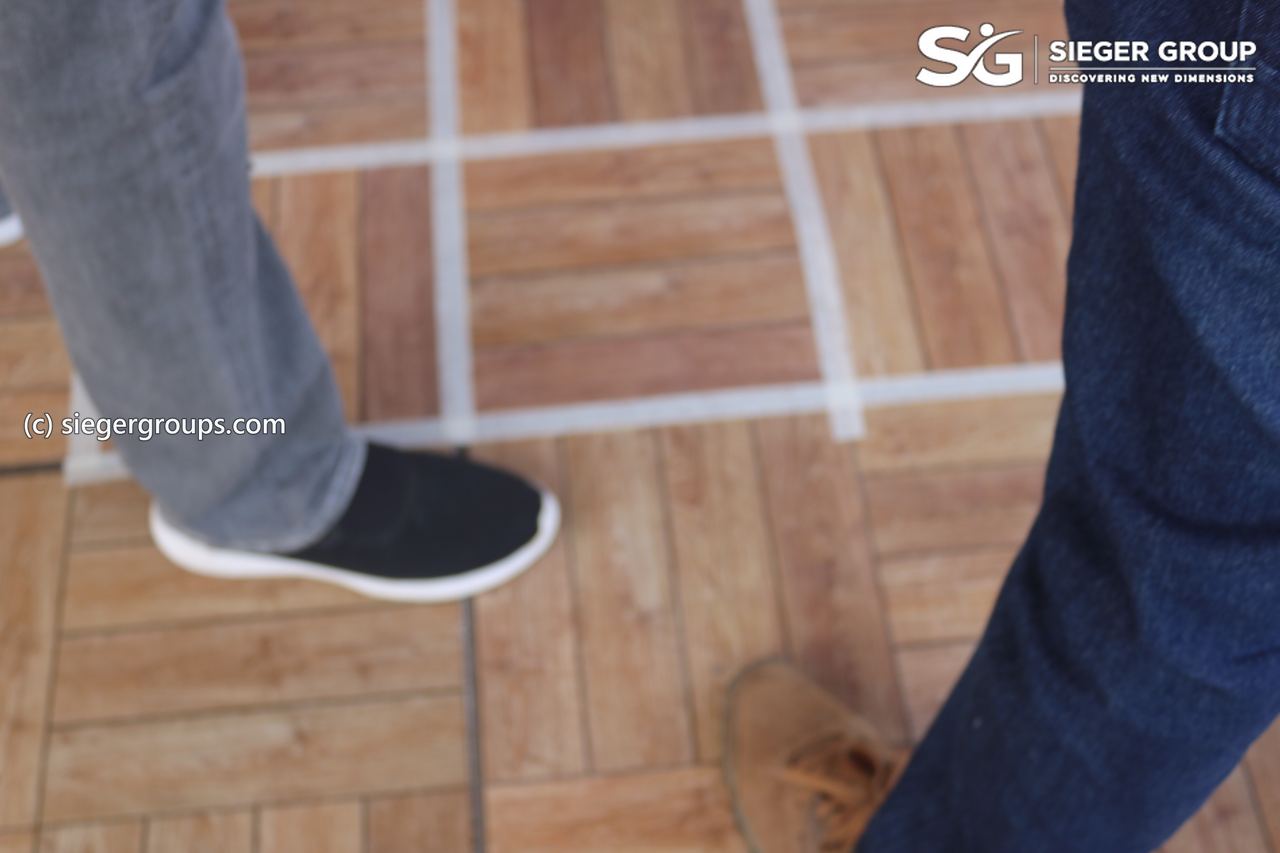
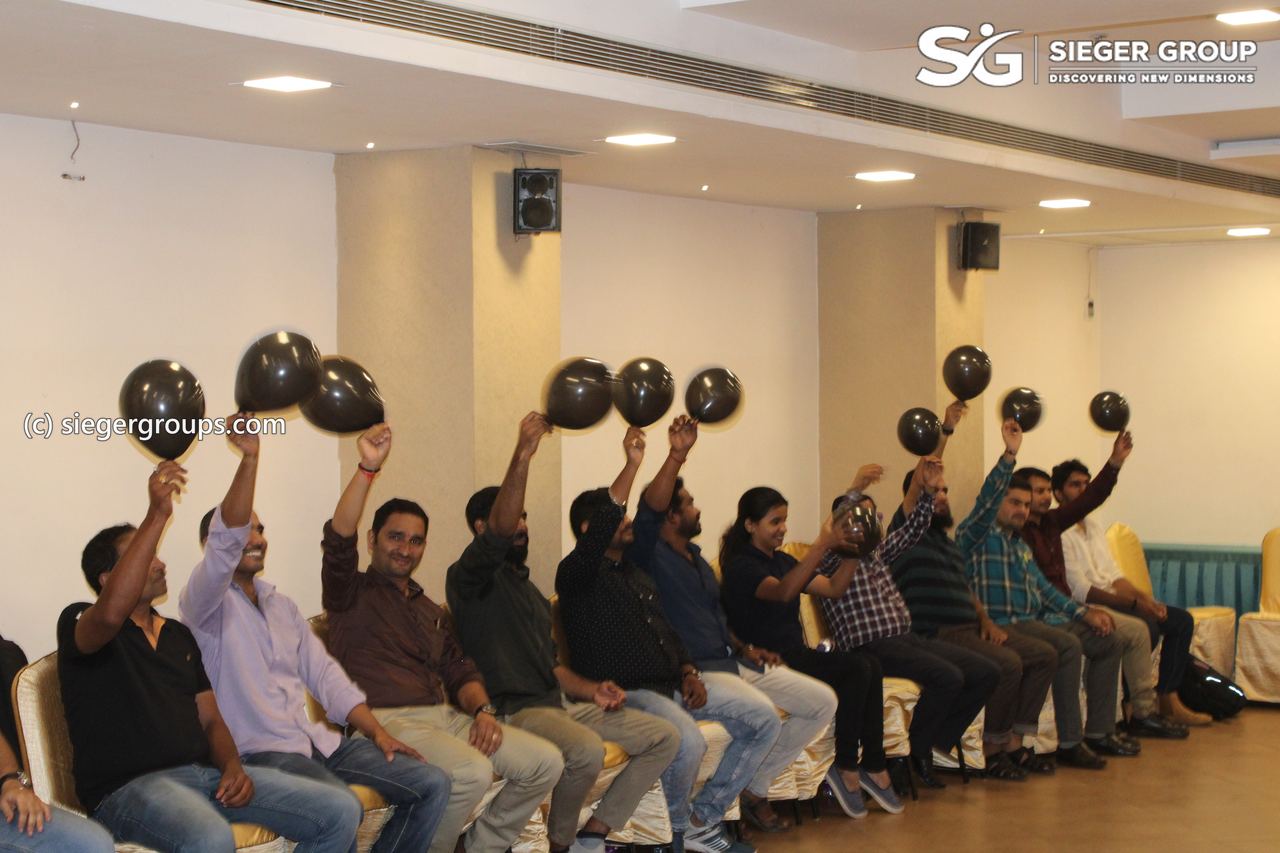
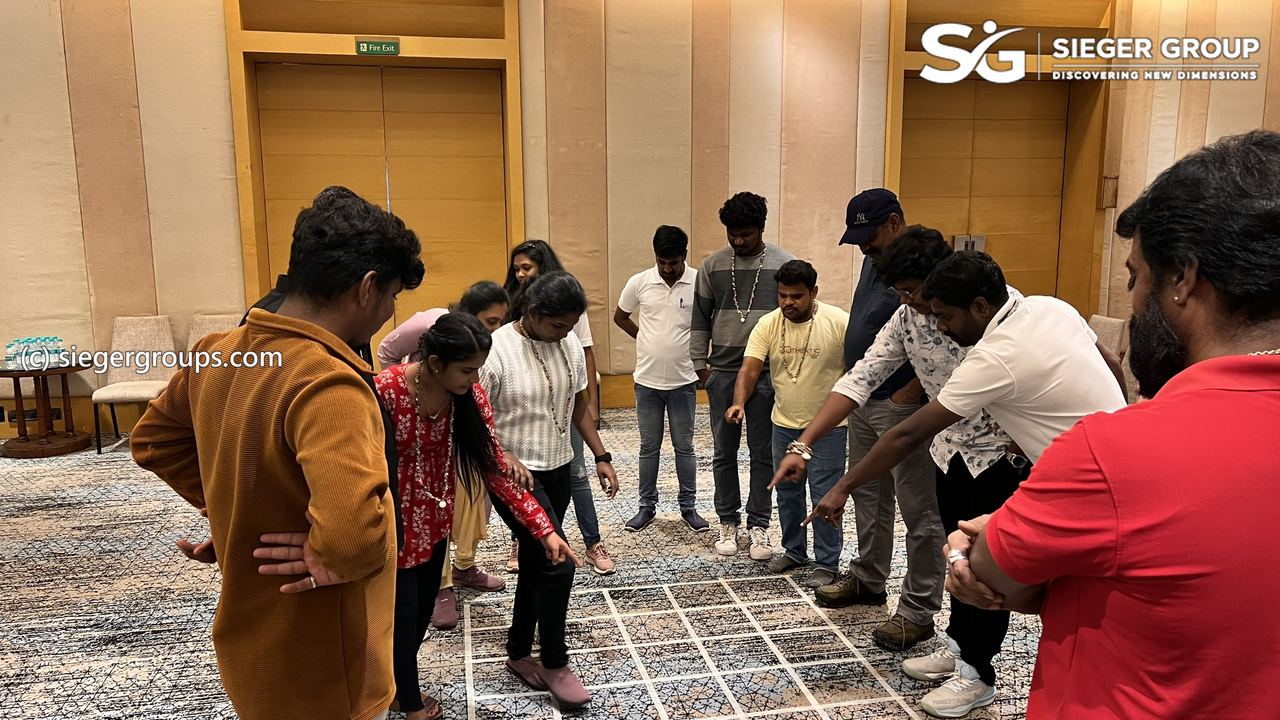
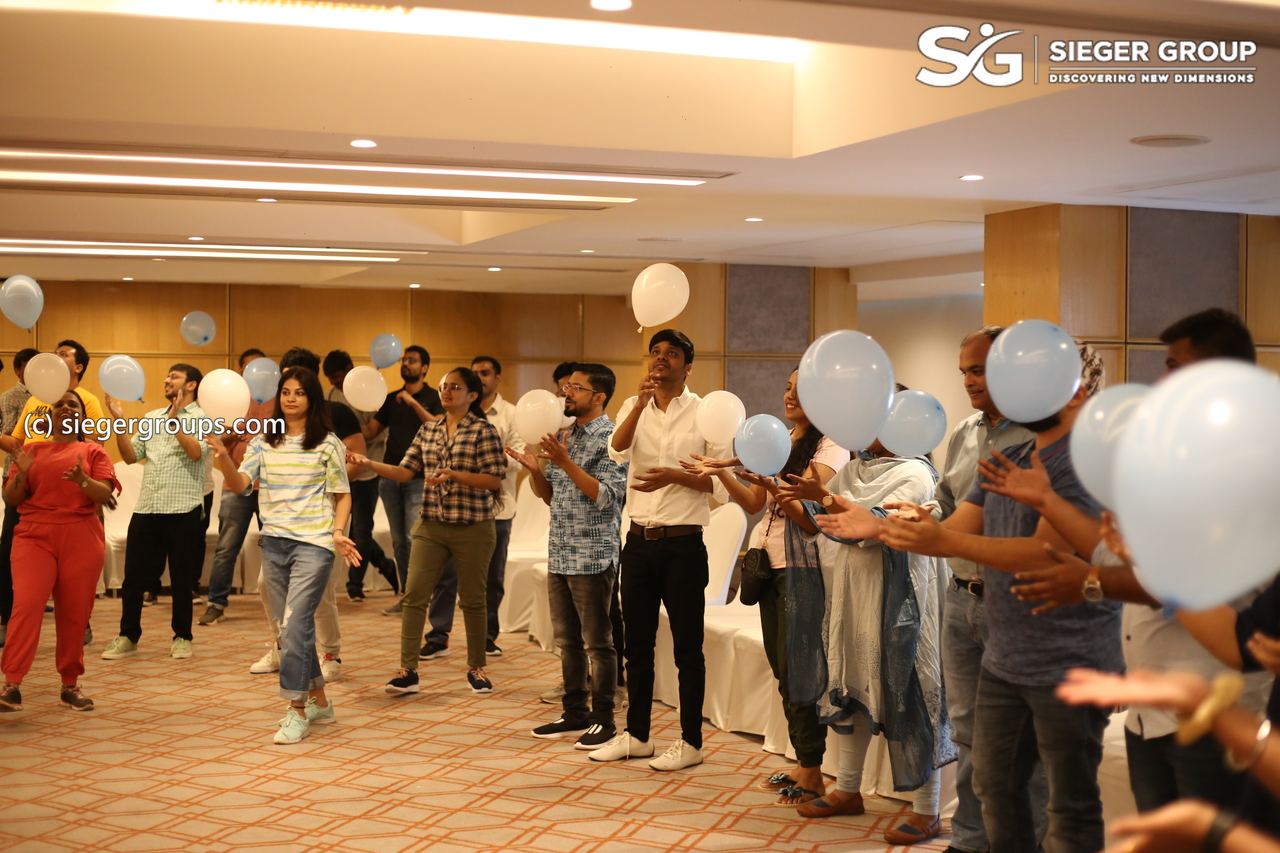
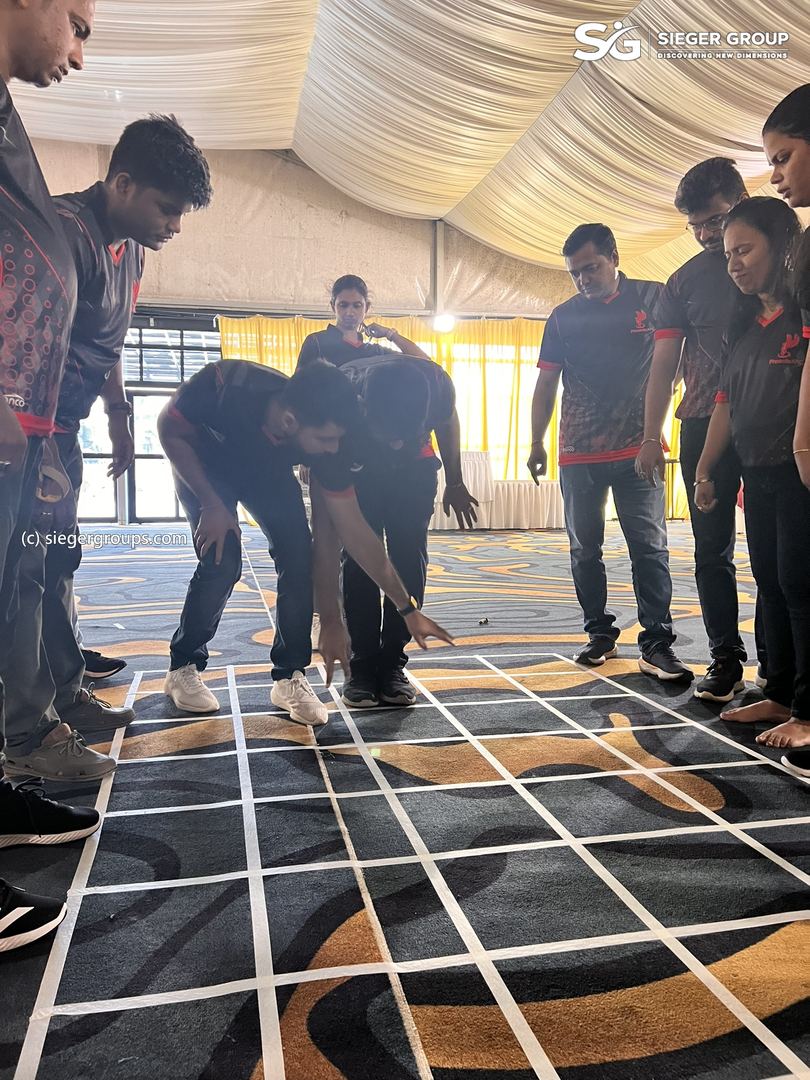
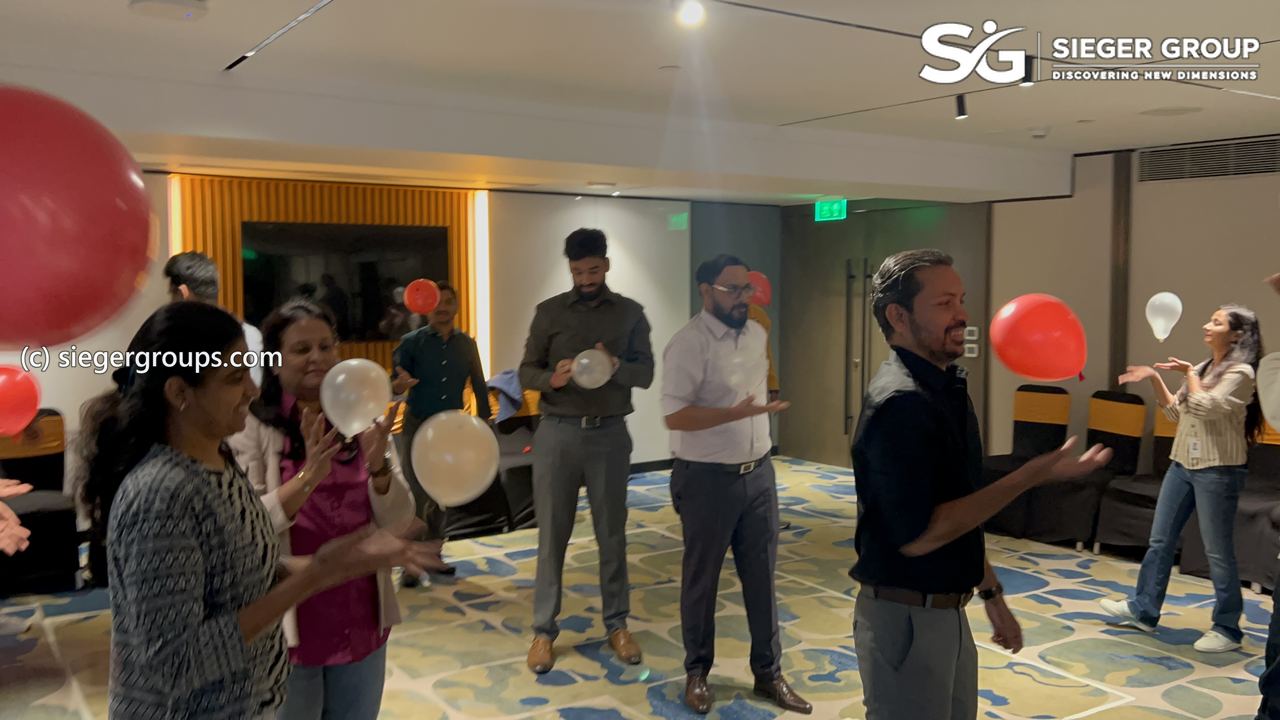
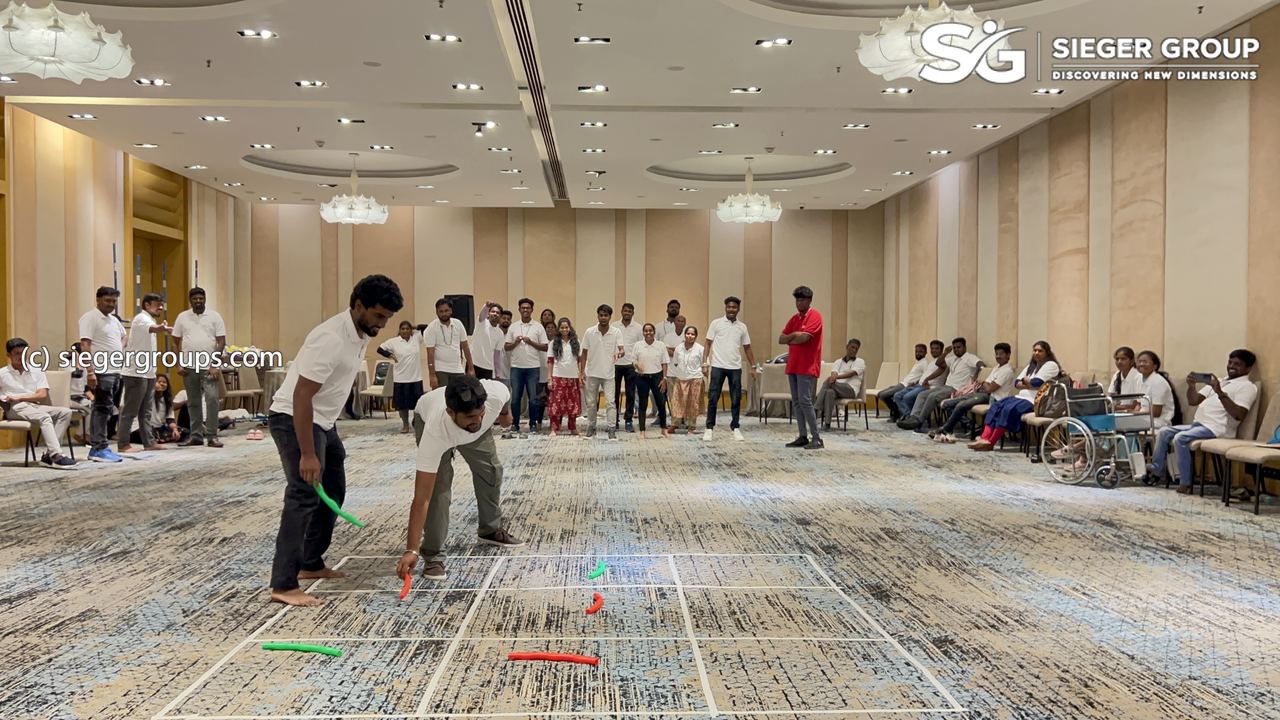
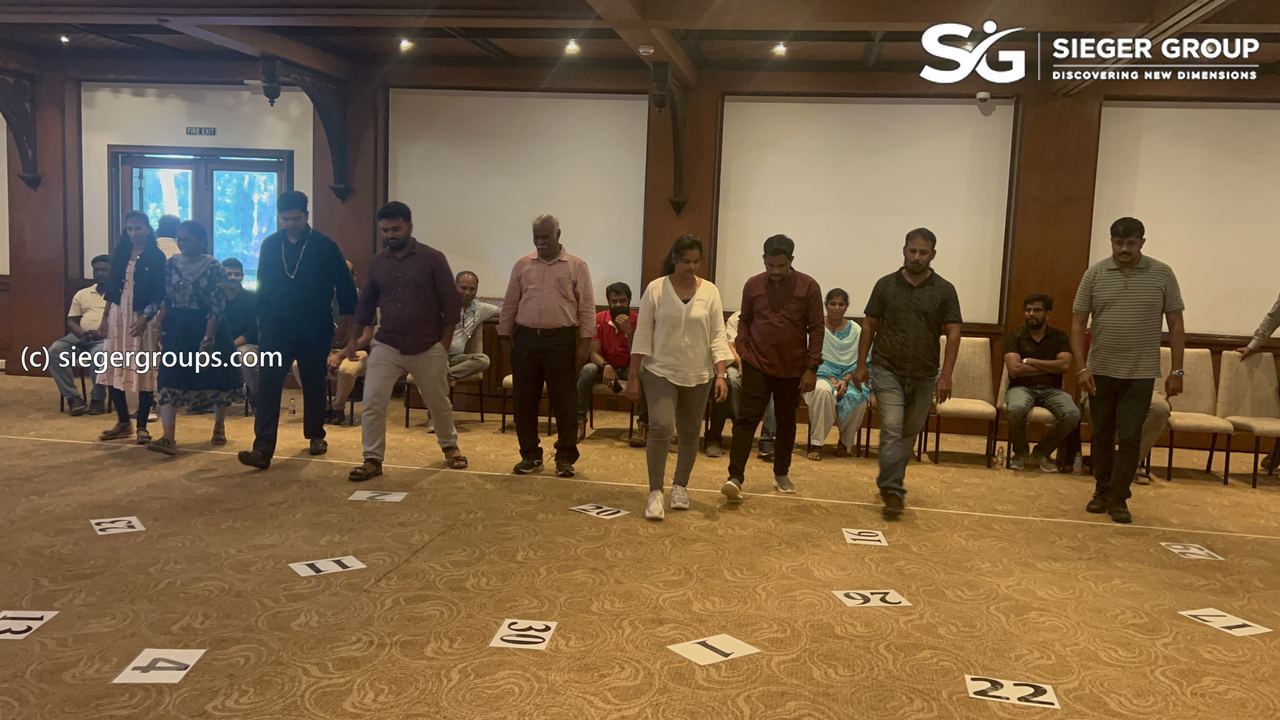
The group turns a carpet over while keeping everyone on it. Teams discuss positioning, share ideas and adjust their plan to accommodate every participant within the available space.
Draw a chosen word while teammates try to guess it. Rotating artists and sharing interpretations make this indoor drawing game accessible to colleagues with different creative styles.
Teams tackle a series of short, sixty-second challenges. Quick planning, clear roles and encouragement help colleagues make the most of each round.
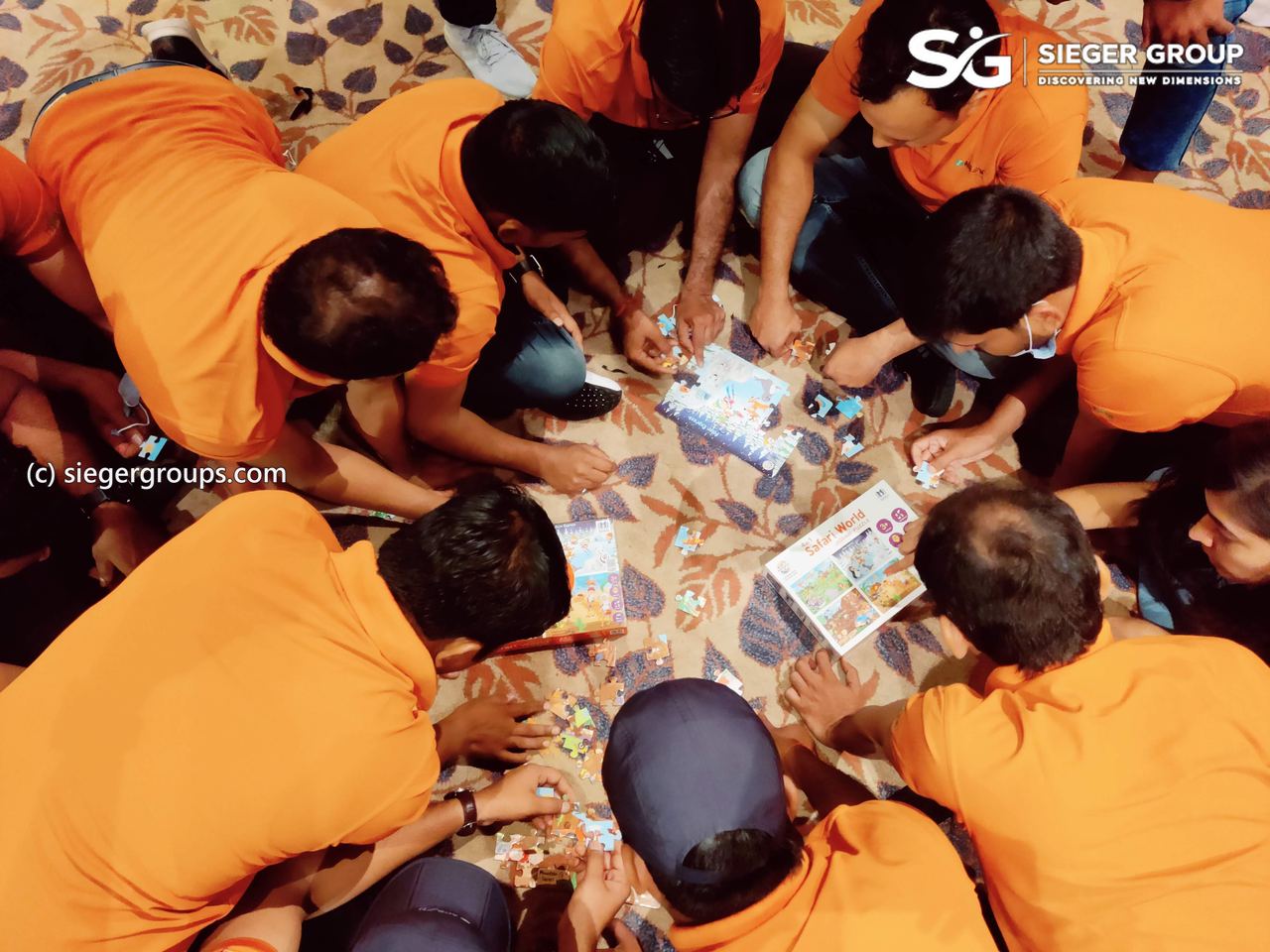
Each team needs puzzle pieces held by other groups to finish its picture. Negotiation, exchanges and a shared team strategy shape how the puzzles come together.
Build a tower from the supplied blocks in a format that restricts visual information. Teammates coordinate placement and share clear descriptions as the structure develops.
Two facing rows work together to lower a lightweight stick while maintaining the required contact. The shared movement reveals how small individual adjustments affect the whole group's progress.
A themed indoor hide-and-seek game puts one participant in the seeker role. The facilitator sets the playing boundaries and explains how discovered players rejoin the game.
Imagine the team is stranded on a desert island and agree ten essential items for survival and return. The challenge centres on explaining priorities, comparing ideas and reaching a shared decision.
Teams solve Sudoku puzzles against the activity clock. Sharing deductions and checking possible answers brings collaborative reasoning into a familiar number-puzzle format.
Participants share a mixture of true and invented statements about themselves. Colleagues guess which statement is false and discover stories beyond their usual workplace conversations.
Label stacking blocks to represent roles or departments, then explore how changes affect the structure. Use the activity to discuss dependencies and the assumptions behind the team's organisational model.
Choose an indoor board game suited to the group's interests, available time and event objectives. Strategy, deduction or storytelling formats give colleagues a shared focus for conversation and friendly competition.
Teams pool their knowledge to answer questions across several topics. Discussing possible answers and making a final choice creates a lively indoor quiz for a corporate gathering.
Create a shared collection of workplace stories, drawings and memorable moments. The book becomes a record of the team's experiences that colleagues can continue contributing to.
Each participant introduces an object, interest or personal story to the group. Taking turns to present and ask questions gives colleagues a structured opportunity to learn about one another.
Work together on a tent-building brief within the selected indoor format. Teams coordinate the assembly through shared instructions, with the facilitator confirming equipment and any restrictions on visual information.
Different communication roles combine in one guided task: a participant cannot see, one colleague can speak, and others communicate without words. The team must connect information across those roles.
One participant describes a line drawing to a teammate who cannot see the reference. Comparing the finished image with the original opens a discussion about detail, assumptions and clear instructions.
Build a shared timeline with company milestones and experiences participants choose to contribute. The display helps colleagues explore the different backgrounds and perspectives represented in the team.
Pairs design paper aircraft and add clues about themselves before a flying contest. The group then uses those clues to guess which colleagues created each plane.
Design an original board game together, including its rules, playing pieces and objective. Teams combine imaginative ideas into a game that others can understand and play.
Separate teams construct bridge halves that must fit together without seeing the other team's work. Agreed dimensions, clear descriptions and coordinated design decisions shape the final connection.
A circle of participants coordinates a timed change between balanced chairs. Listening to the shared cue and moving together are central to this facilitator-led indoor challenge.
Players seated in a circle move into the neighbouring empty chair while a participant in the centre tries to take a seat. The moving gap creates a lively game of attention and timing.
Two teams respond when the facilitator calls their assigned numbers. Selected players use the agreed equipment to compete for a goal, while teammates follow the action and encourage their side.
Participants use assigned sounds to find their matching teammates. Listening through the mix of noises turns a simple grouping task into a playful communication challenge.
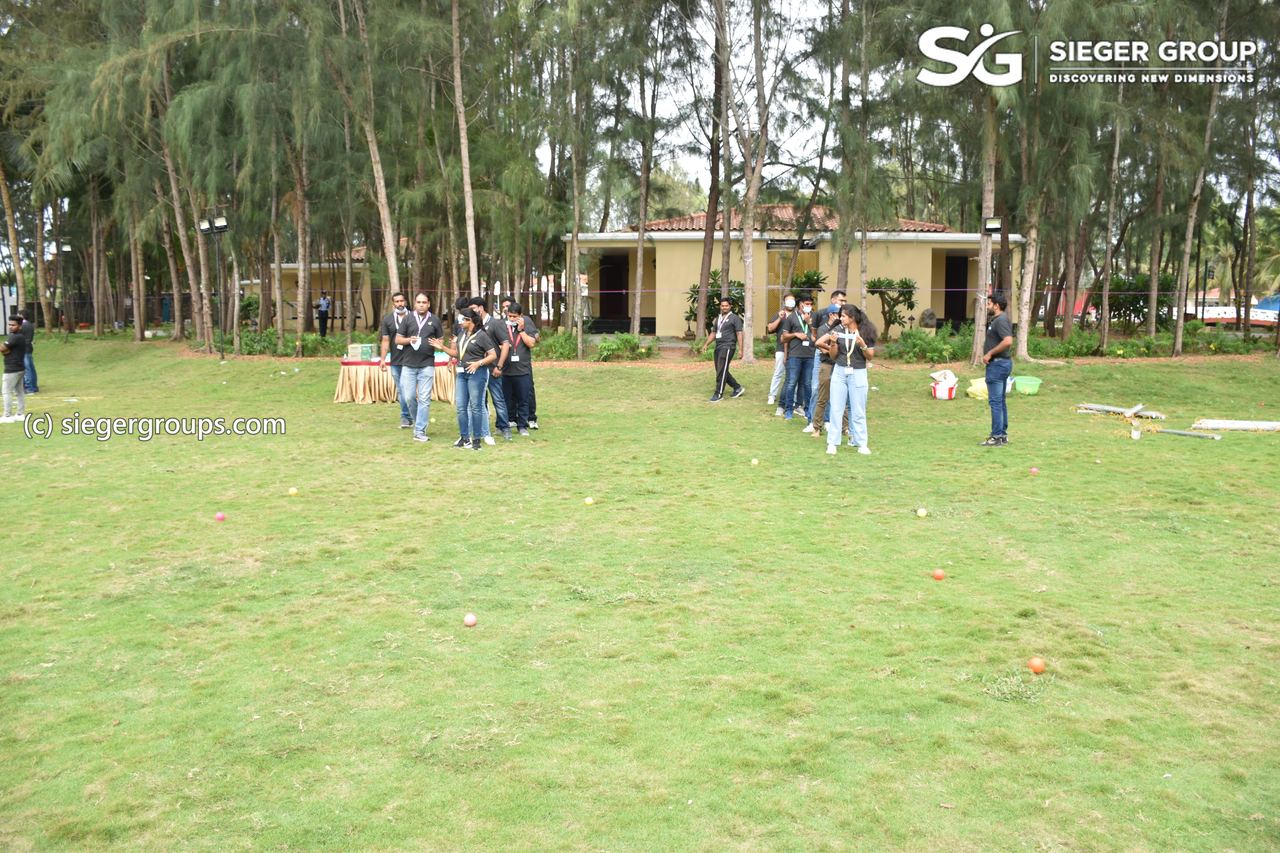
Participants try to retrieve objects quietly while a central listener identifies where sounds are coming from. The facilitator explains the listening role, boundaries and turn-taking before play begins.
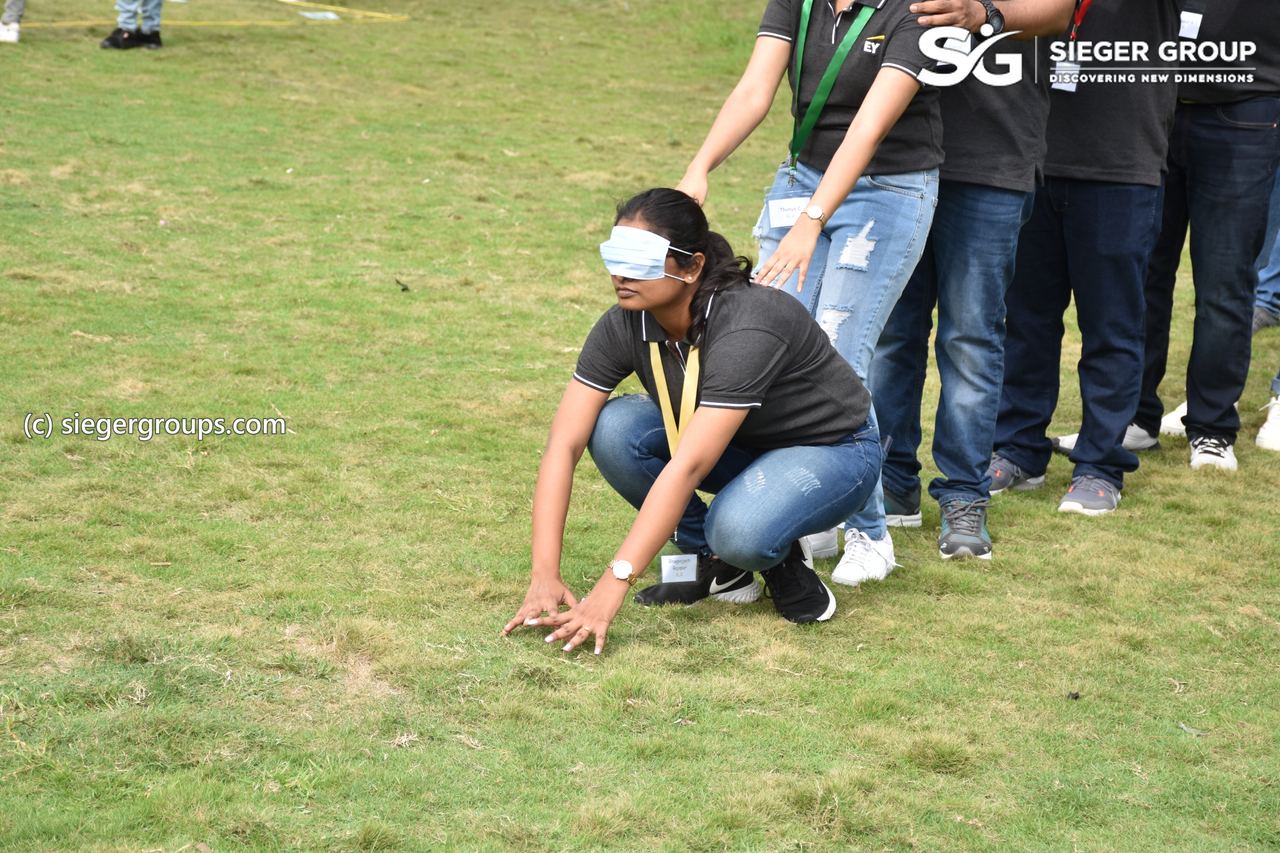
Blindfolded teammates work together to arrange a rope into a square. Without visual confirmation, the group relies on clear descriptions, listening and agreed roles within the facilitated task.
Pass an object around a circle as quietly as possible while a listener tries to locate its movement. Careful handovers and attentive listening shape the group's approach.
A participant follows a guided route and attempts to retrace it within the agreed activity area. The facilitated format explores spatial awareness, clear directions and remembering a sequence.
A guided search challenge asks participants to locate a teammate within a defined indoor area. The facilitator explains the blindfold format, boundaries and available ways to participate.
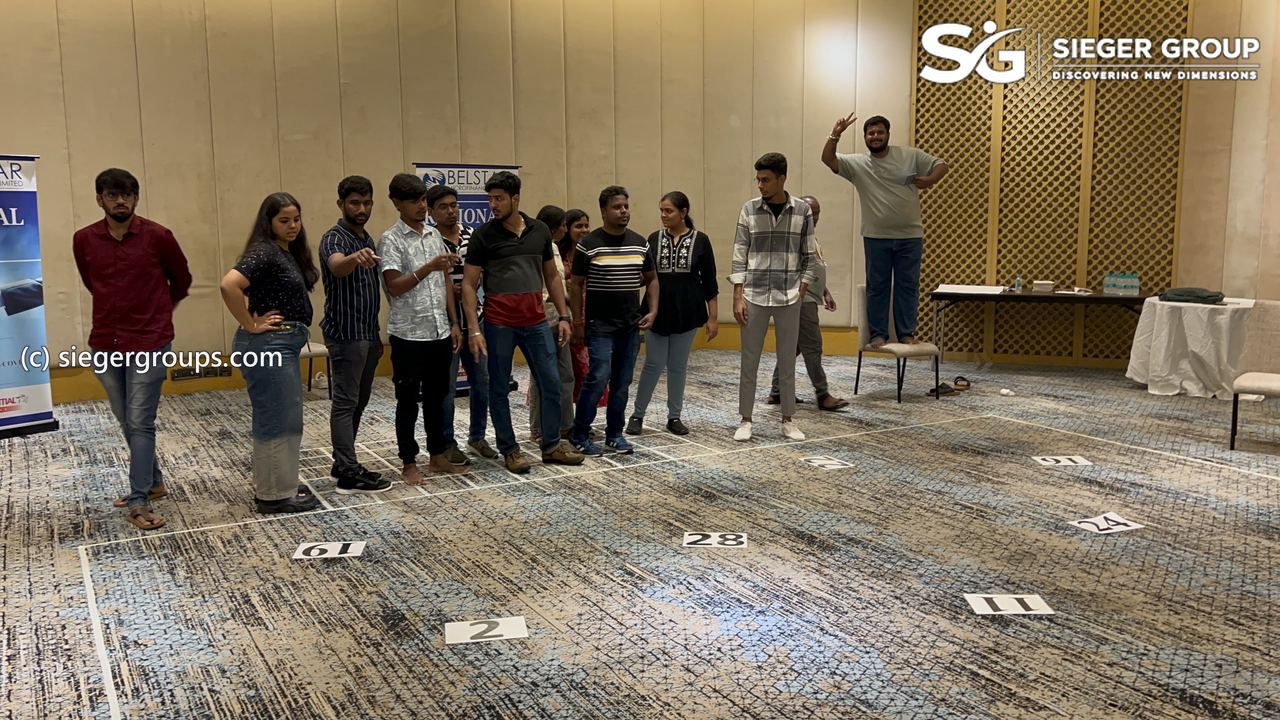
Guides communicate directions to teammates navigating a marked maze with restricted sight. Teams practise making instructions distinct and checking understanding when several groups are active.
A guided rope-route activity asks participants to stay connected as a group while visual information is restricted. Communication along the line helps teammates respond to changes in pace or direction.
A sighted partner gives verbal guidance to a blindfolded teammate moving towards them. The exercise focuses attention on precise directions, listening and confirmation between partners.
Guide a teammate through a marked obstacle area using verbal instructions. The indoor format invites teams to discuss clear language, attentive listening and the value of checking an instruction.
A blindfolded group works together to form the requested shape. Participants discuss their approach, establish useful roles and use spoken information to coordinate the result.
Participants find their assigned animal group by listening for matching sounds. The facilitator explains the blindfold format and playing area before the teams regroup.
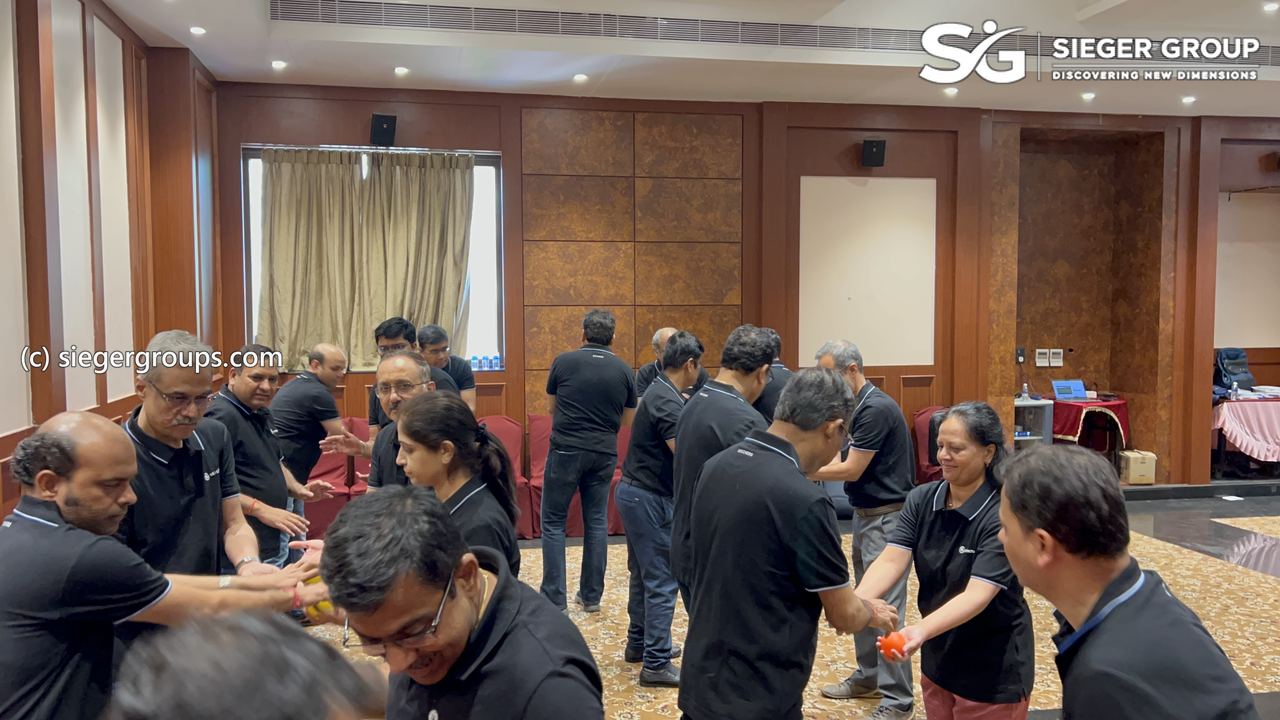
Participants use individual pipe sections to pass a ball around the group. Coordinating the joins and timing each transfer makes everyone's contribution part of one continuous route.
Participants form a connected hand-holding arrangement and work together to untangle it. The facilitated challenge encourages discussion about movement, patience and attending to other people's positions.
Participants arrange themselves in order of foot size with visual information restricted. The facilitated task encourages the group to agree how it will compare information and coordinate the line.
Use these points to draw out what colleagues can learn from Indoor Team Building Activities.
Reflect on how the room arrangement affected participation and communication.
Consider how different indoor formats brought out different contributions from the same group.
Share the floor or field space, group size, schedule and preferred activity level so stations and rotations can be agreed.
Rotate participation and adjust communication as the activity mix develops.
Consider how different indoor formats brought out different contributions from the same group.
Clarify the objective and roles for the chosen table-based or movement task.
How did teams adapt their approach across different indoor tasks?
Pick two contrasting games and compare whose contribution became visible in each.
Make first contact through a short challenge with a clear shared purpose.
Use a change of pace to see different strengths and roles in action.
Choose a mix of active, creative and observer roles around the audience and venue.
An illustrative running order for Indoor Team Building Activities. Confirm timings, breaks and participation arrangements in your event brief.
Sieger Group supports organisations with team-building experiences and facilitated programmes.
Choose indoor games that suit the room, the time available and the way colleagues need to work together. Table puzzles, creative briefs and movement games offer different entry points.
Pick two contrasting games and compare whose contribution became visible in each.
Turning Carpets, Pictionary, Minute to Win It, The Barter Puzzle, Tower Building, Helium Stick. The final selection is agreed with the organiser.
New starters and mixed departments and established teams can use this experience. Make first contact through a short challenge with a clear shared purpose.
Share the expected headcount, available space and any rotation requirements so the facilitator can propose suitable team sizes.
Agree the duration around the briefing, chosen activities and review. The sample schedule on this page sets out the sequence.
Share the floor or field space, group size, schedule and preferred activity level so stations and rotations can be agreed.
Share access requirements and preferences when planning the session. The facilitator can discuss roles such as observing, recording decisions or presenting the group’s findings.
Review available space, group size and the indoor activity selection.
Consider how different indoor formats brought out different contributions from the same group.
Yes. Share the purpose of the offsite and which part of Indoor Team Building Activities you would like to emphasise. The facilitator can discuss how to fit the chosen elements into the wider event.
Use the enquiry form or contact Sieger Group with your preferred date, city, headcount, venue and learning objective. Include any participation or access requests in the brief.
Share your date, city, group size and the outcome you want colleagues to take away.
Request a tailored proposalTell us what you have in mind. We will help you explore a programme that fits your people and your occasion.
Still finalising the details? Share what you know.
Every team is different. Share your people, purpose and preferred setting, and we’ll translate your brief into an experience designed to connect, engage and create lasting impact.
Share your brief and preferred contact details.