Coin Logo
Create a personal logo using coins and small items at hand. Explain the design as a quick introduction to your interests or working style.
Learning focusExpressing an idea with simple materials
Use a short team challenge to open a meeting, reset attention or introduce a new group. Select one clear task with enough time left for a short conversation afterwards.
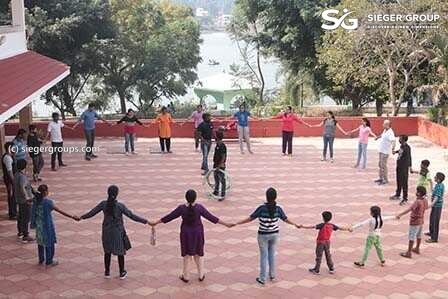
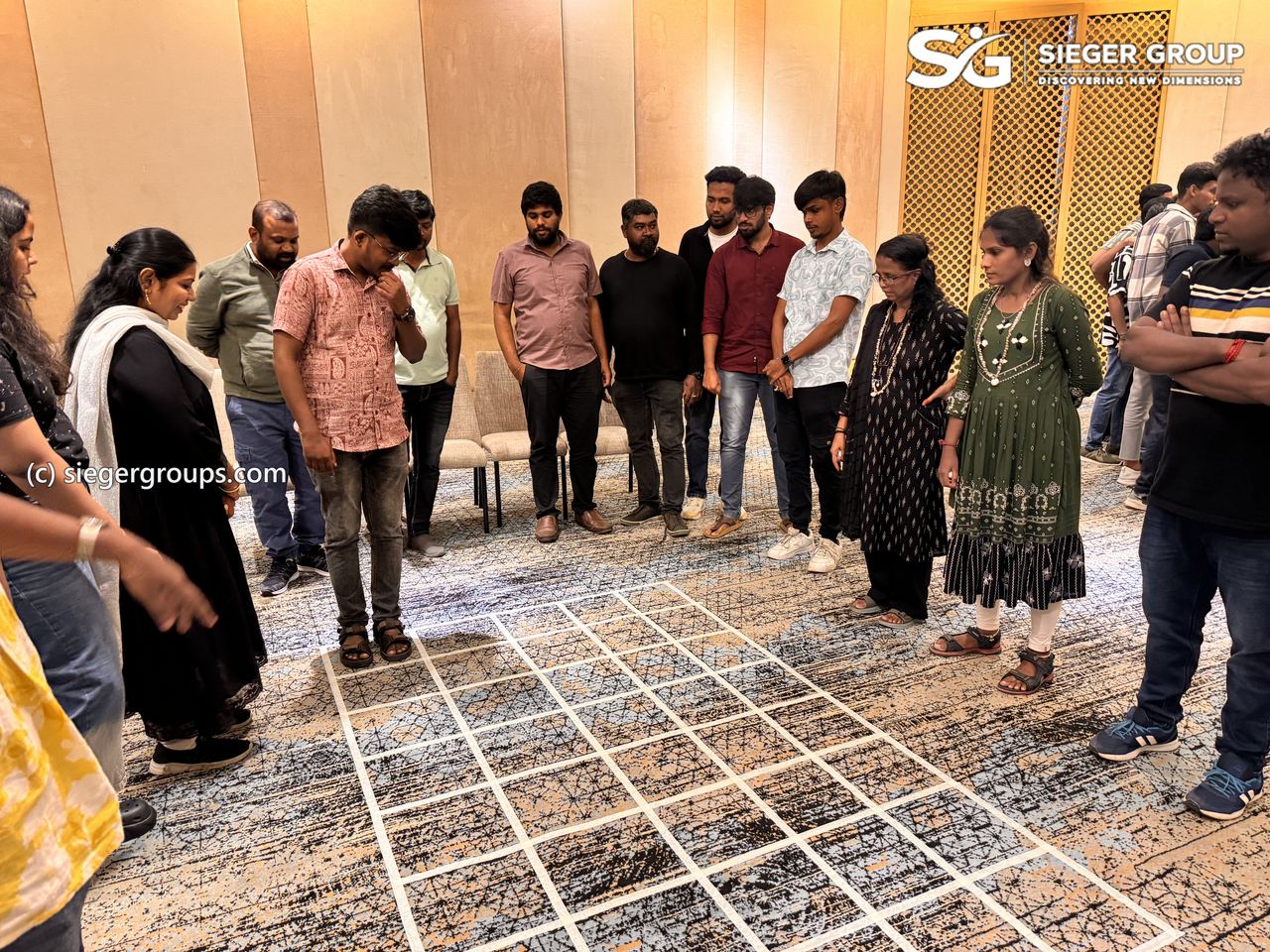
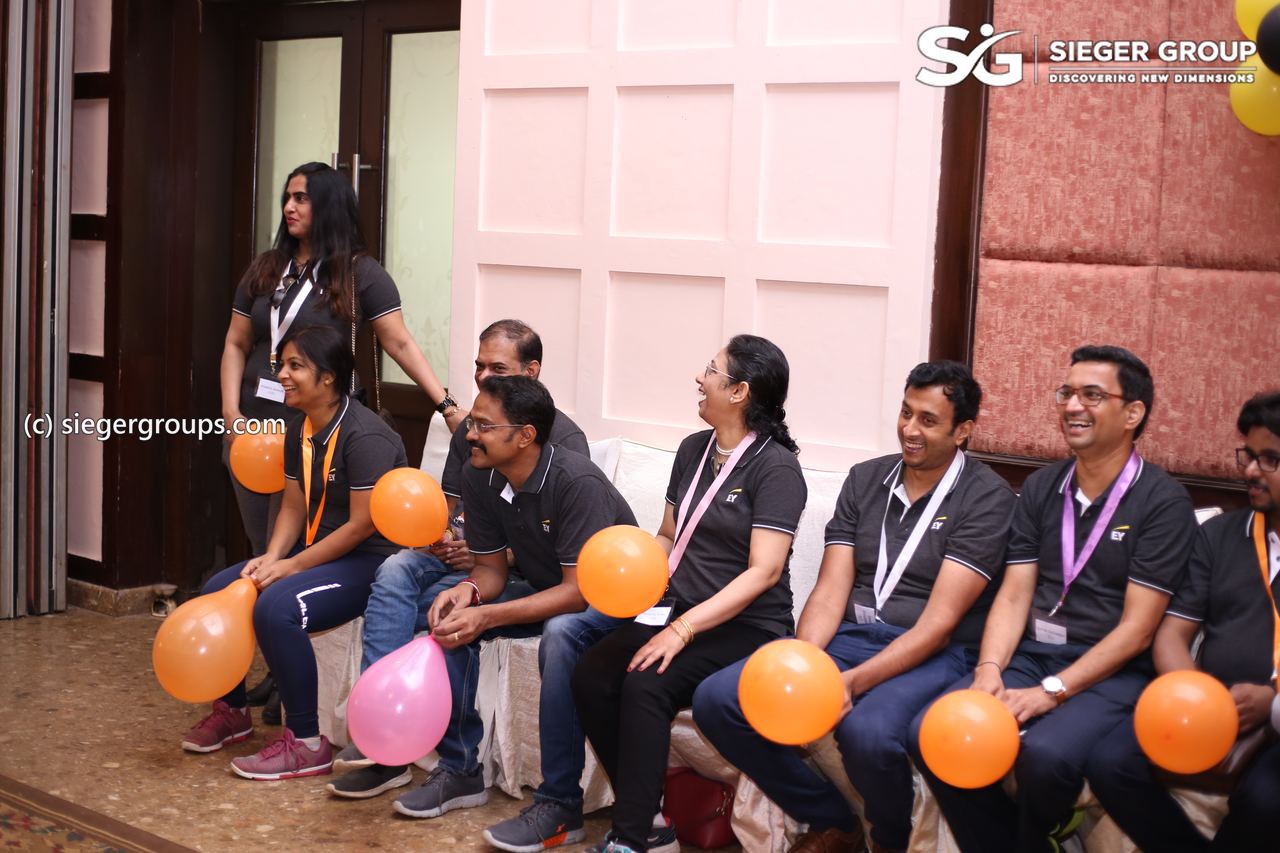
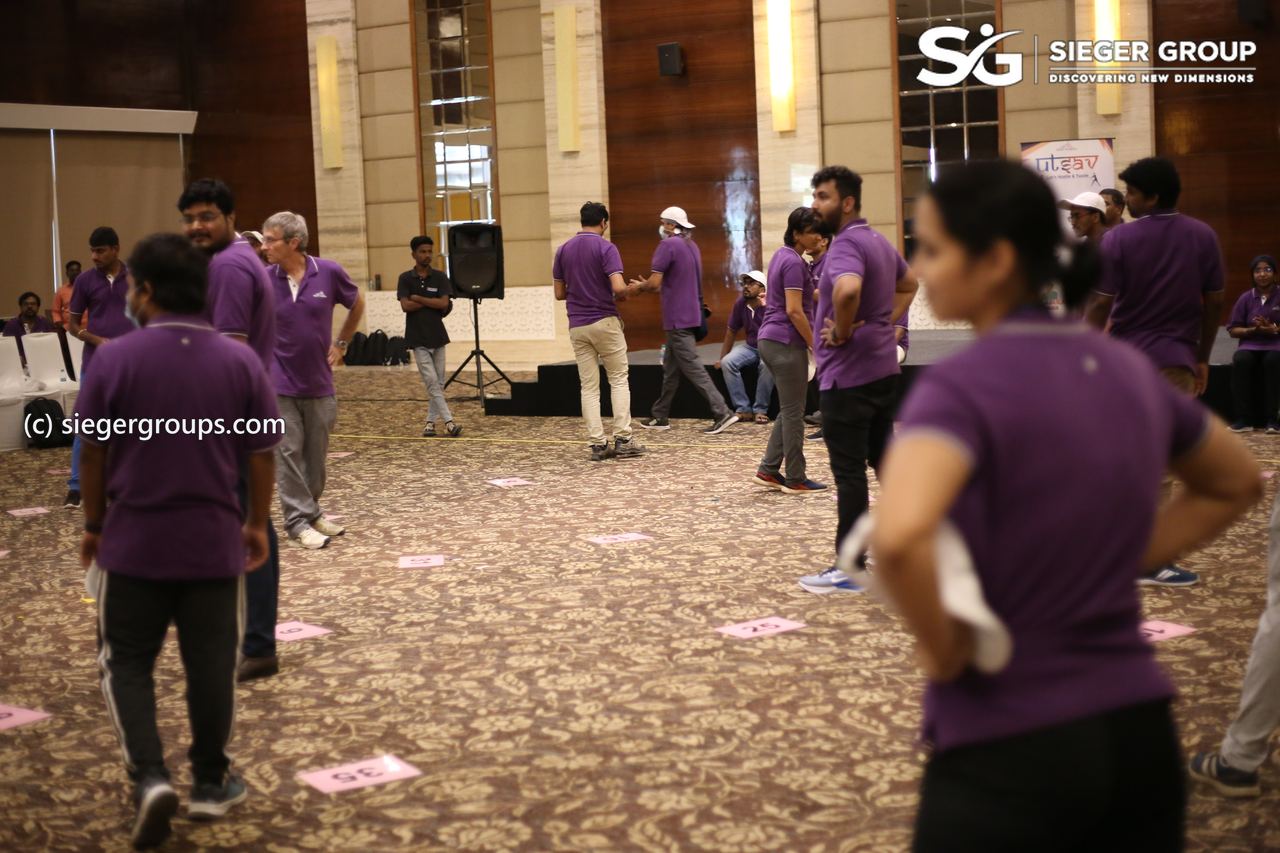
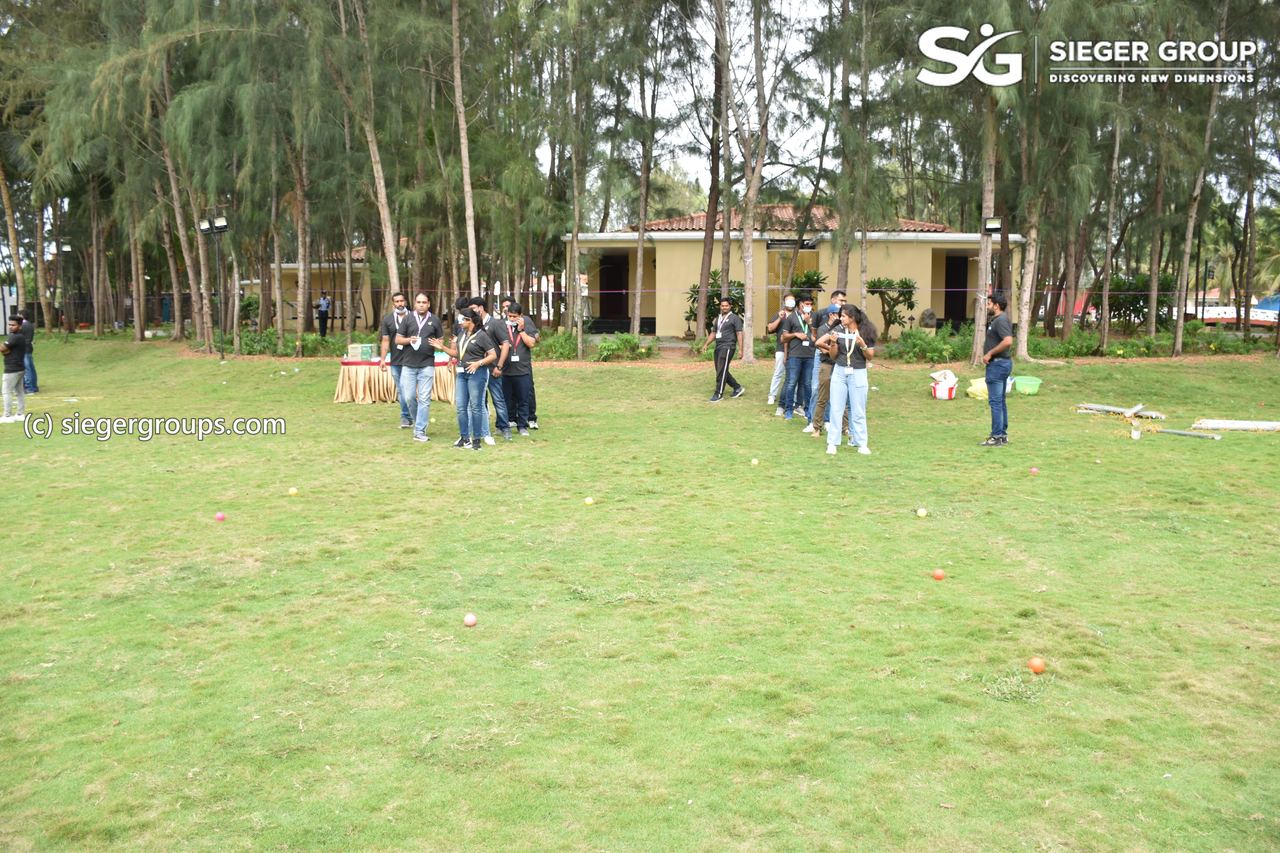
Short rounds can include Picture Pieces, Team Jigsaw or a paper-tower challenge. A host can choose a seated game for a meeting break or combine several rounds for a longer session. Each round ends with a result the team can discuss straight away.
Ask what the team would do differently if it had just one more minute.
Big Picture shows separate painted sections brought together for a single reveal. Barter Puzzle shows the exchange of pieces between teams that gives Team Jigsaw its challenge.


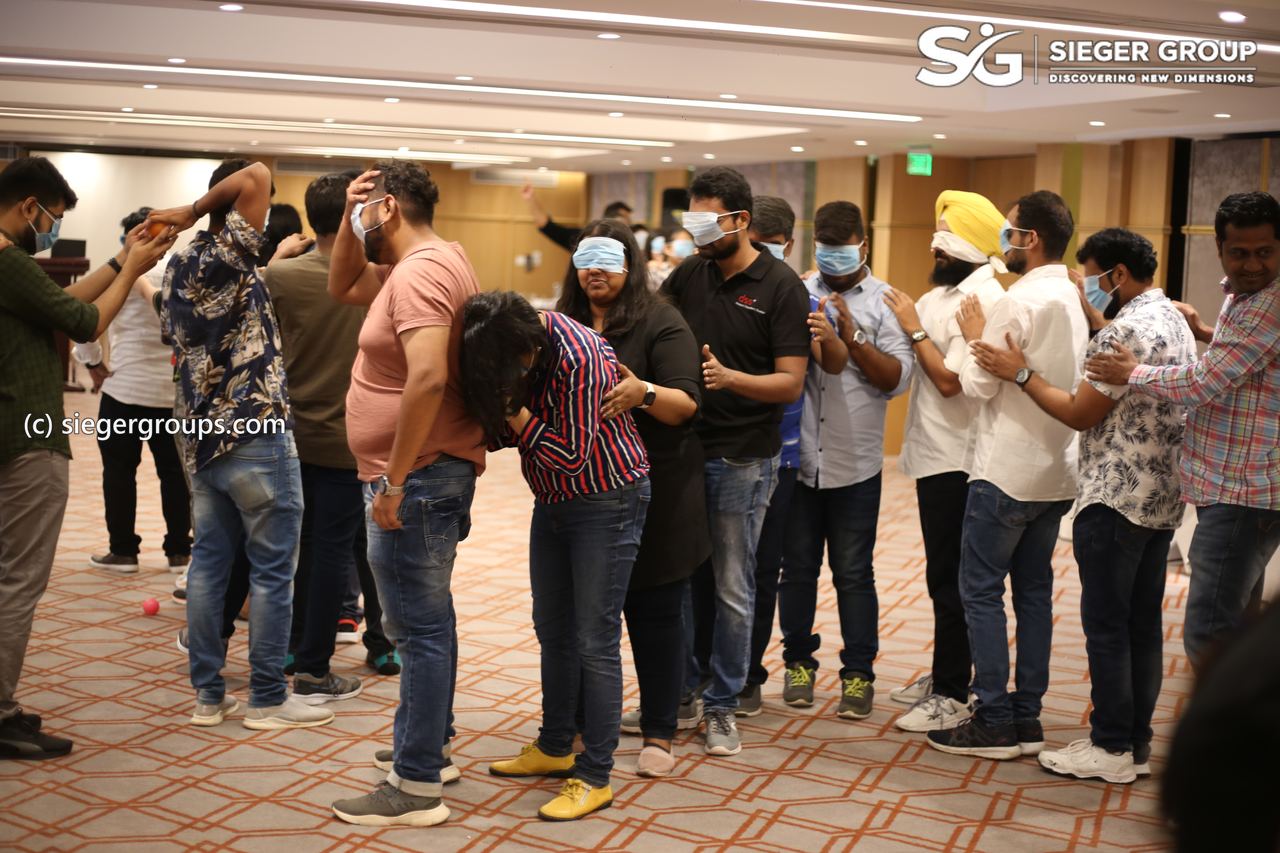
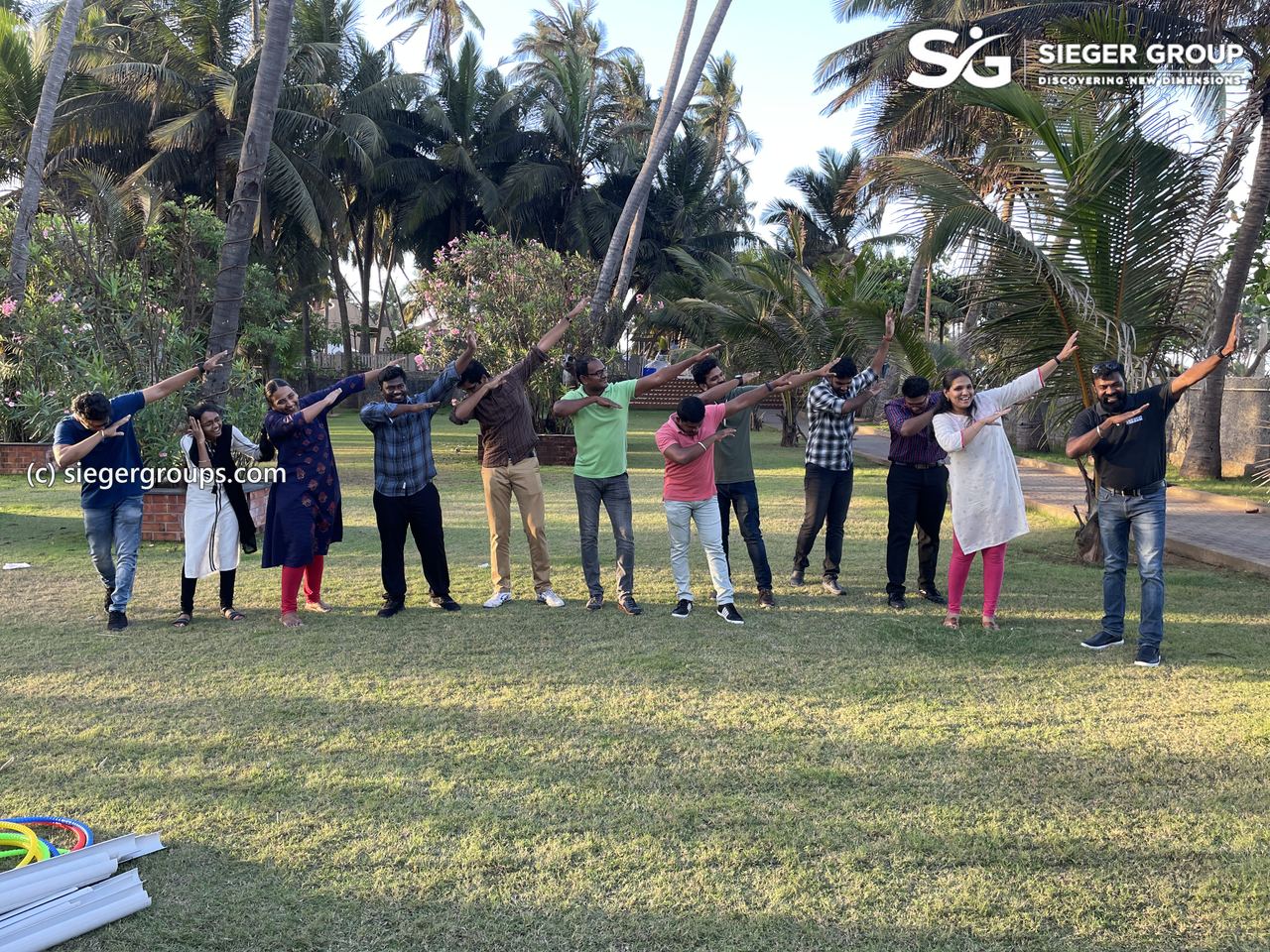
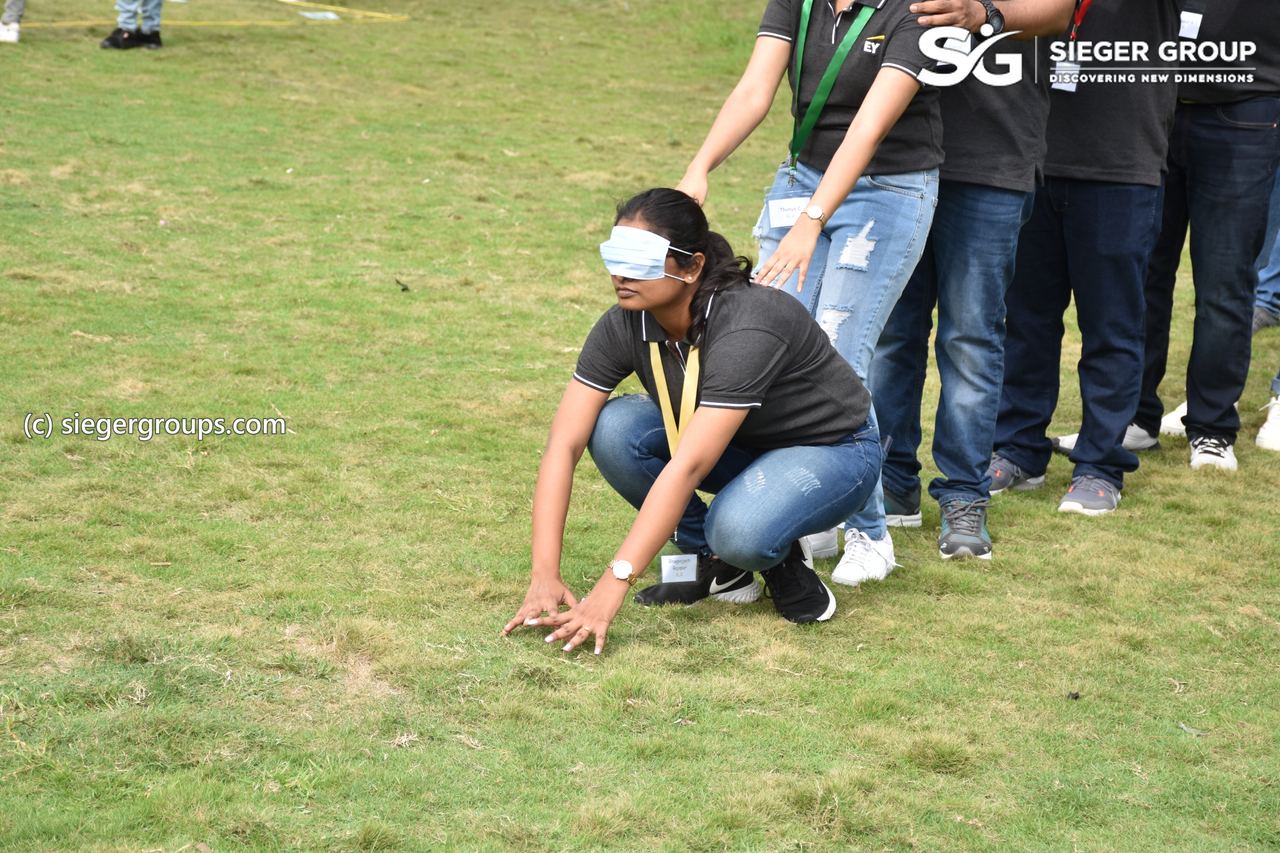
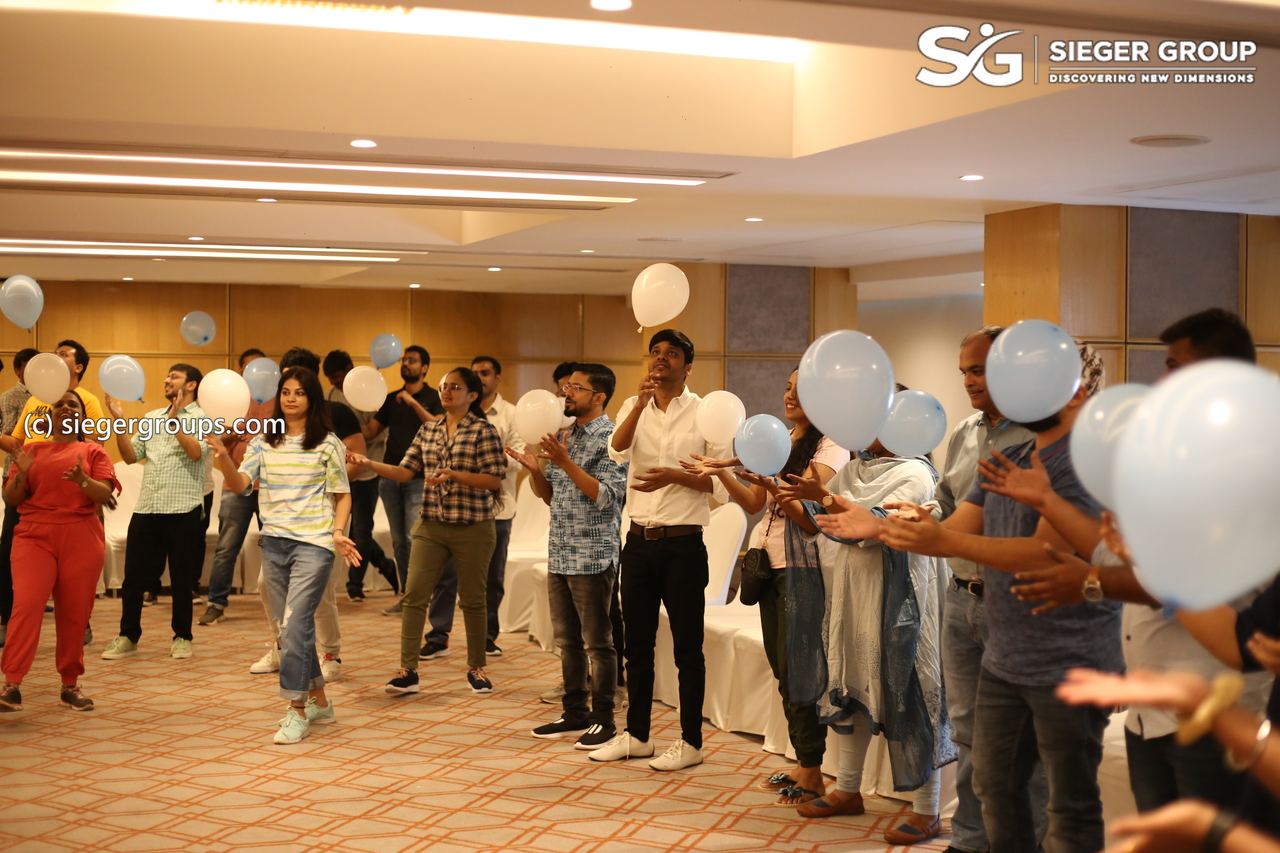
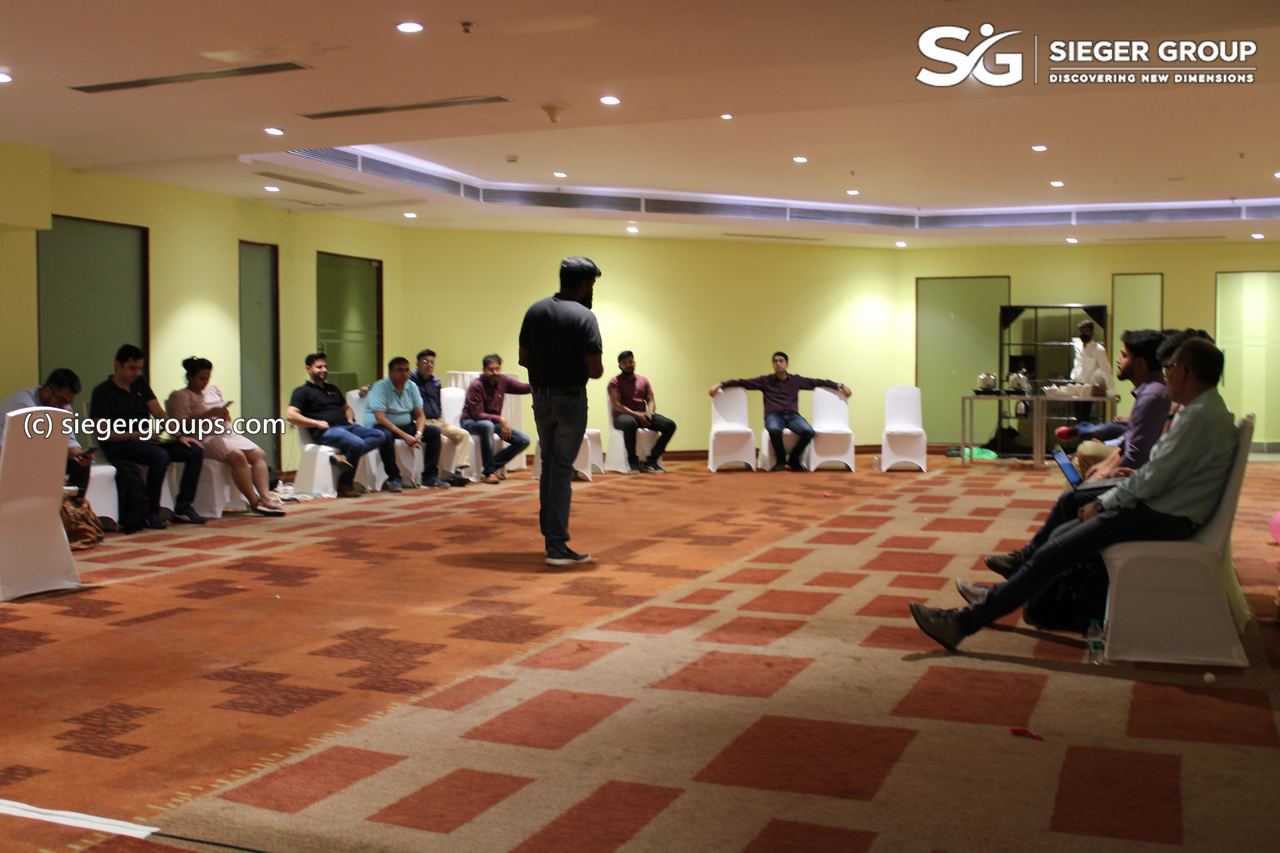
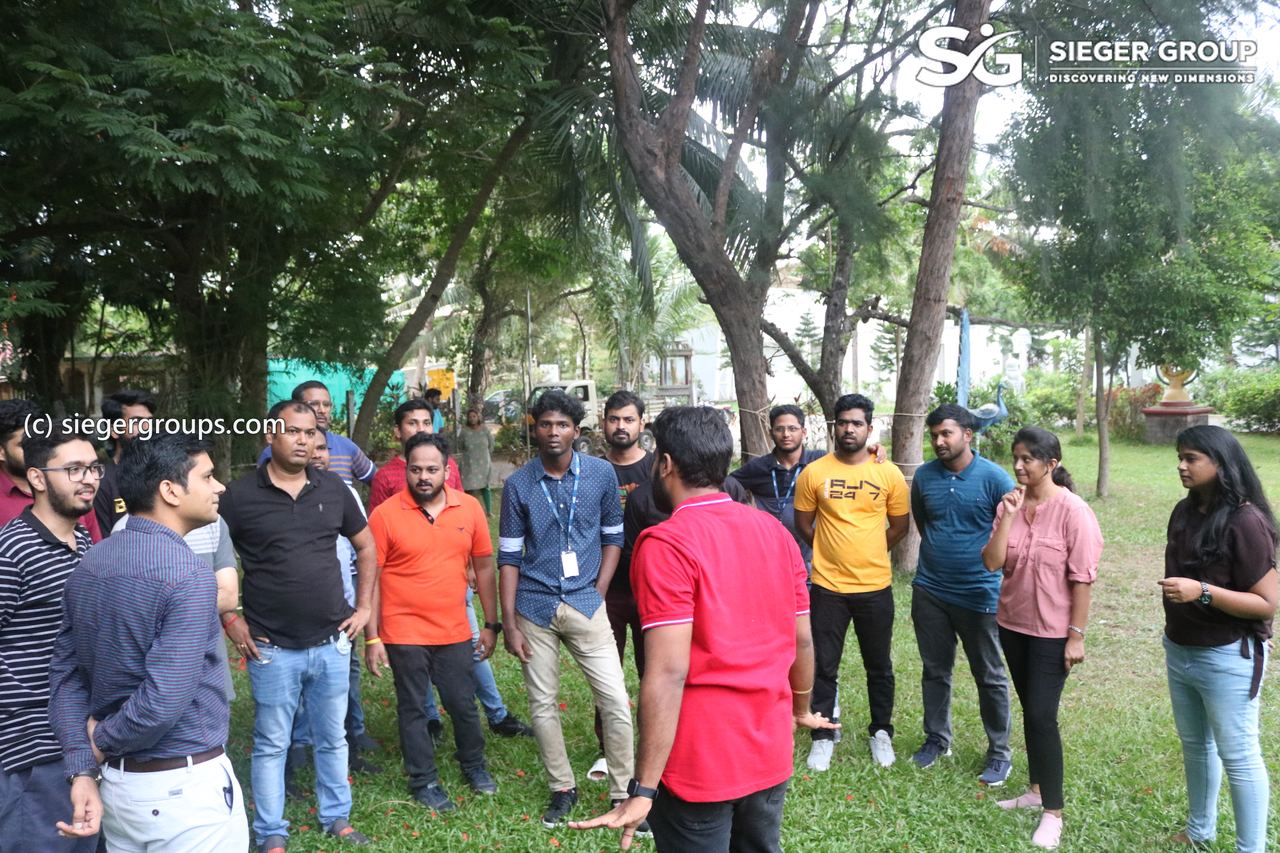
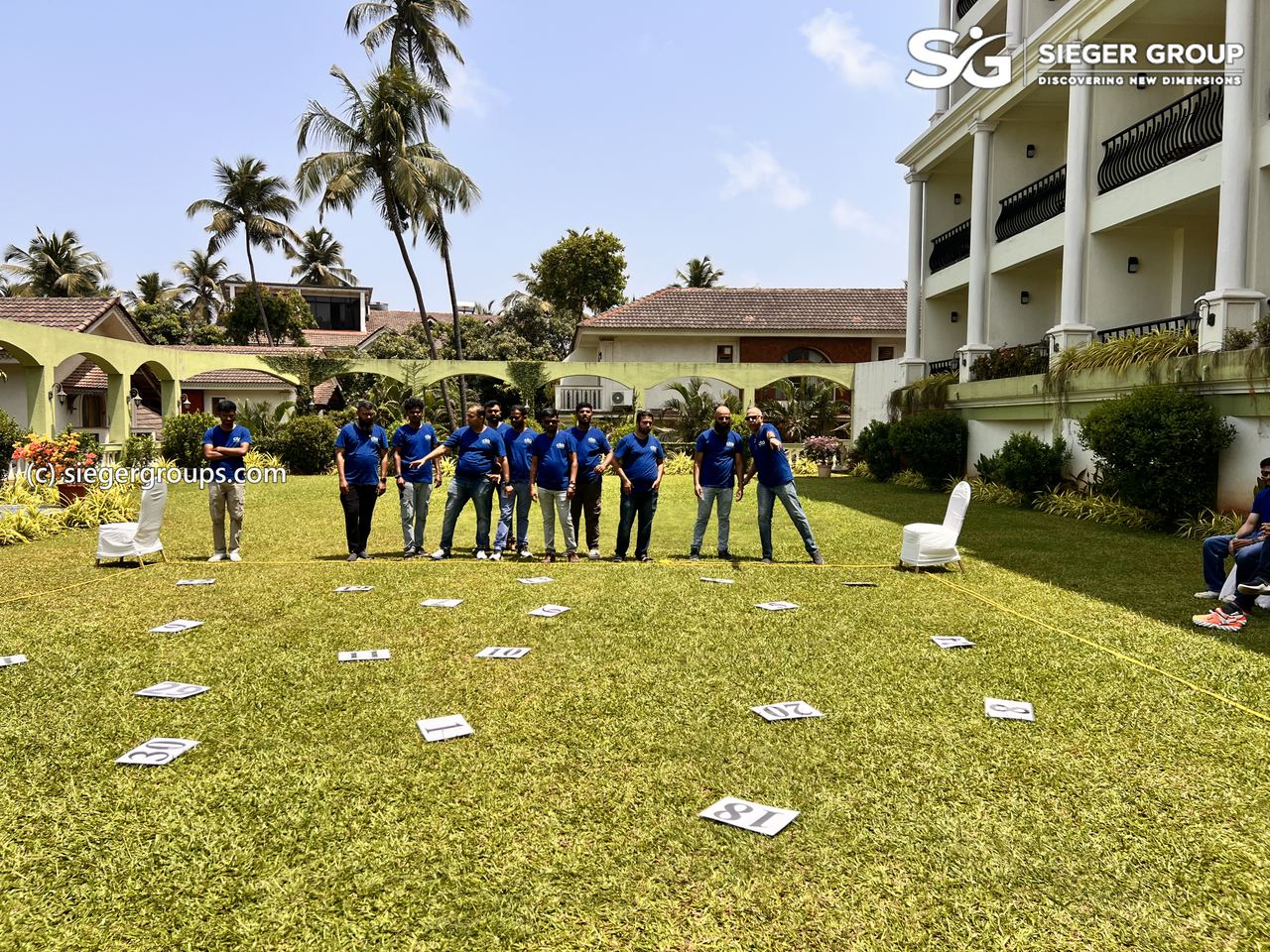
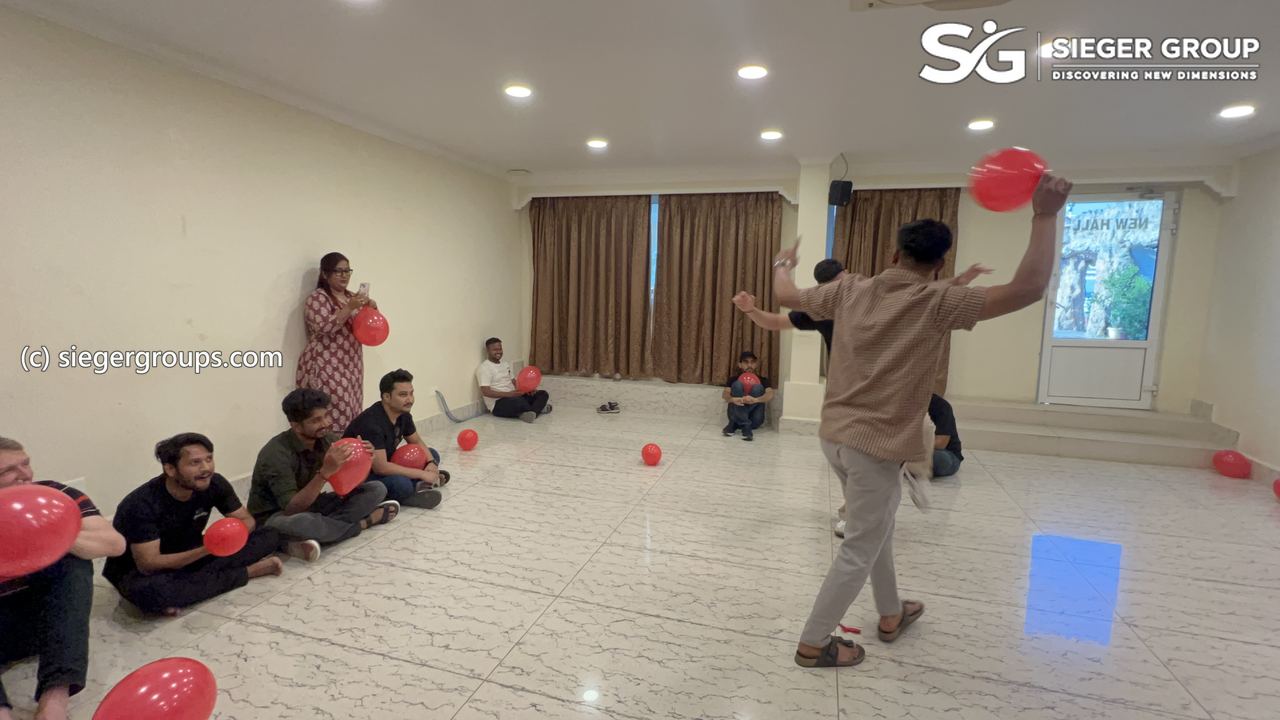
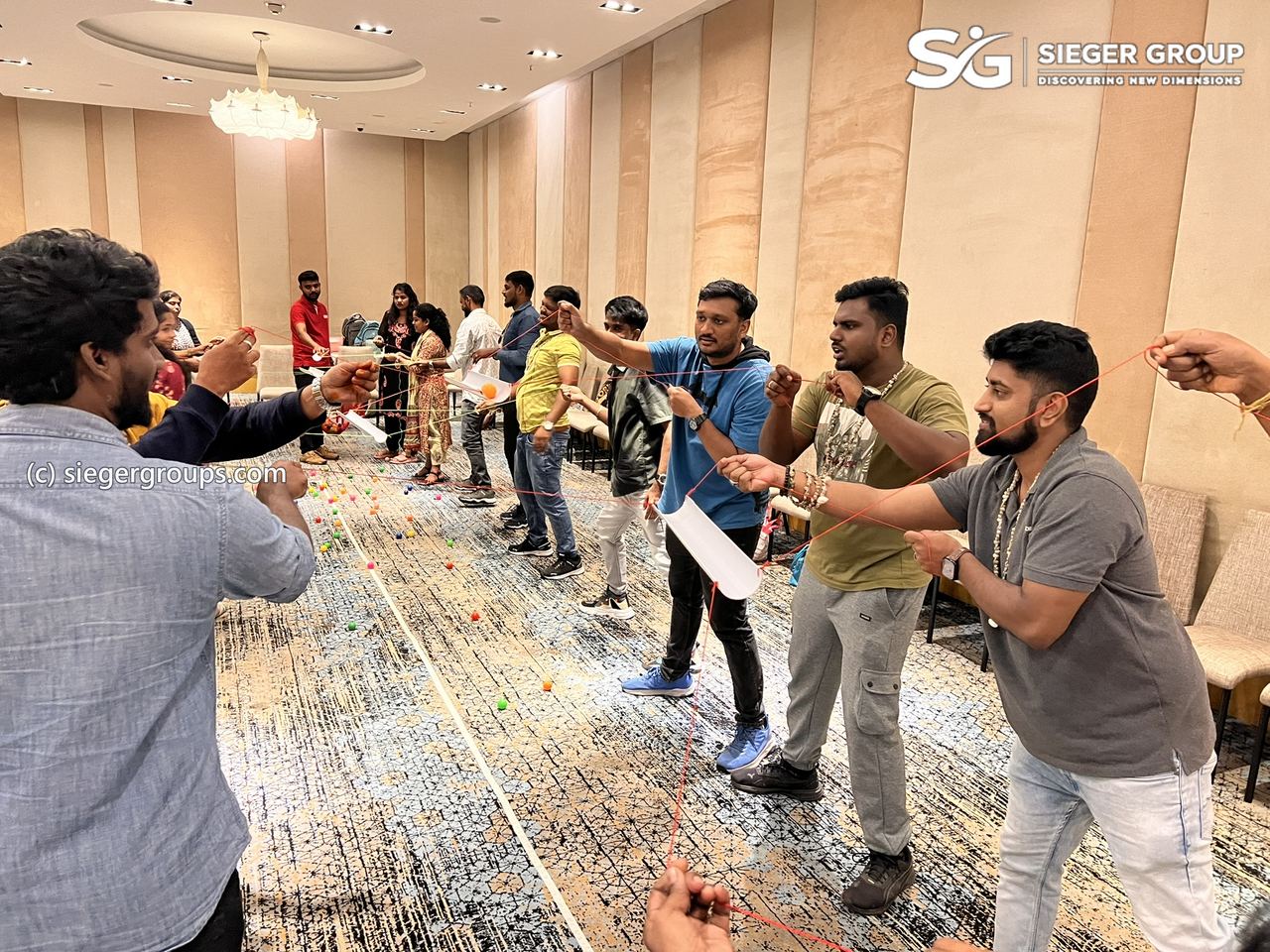
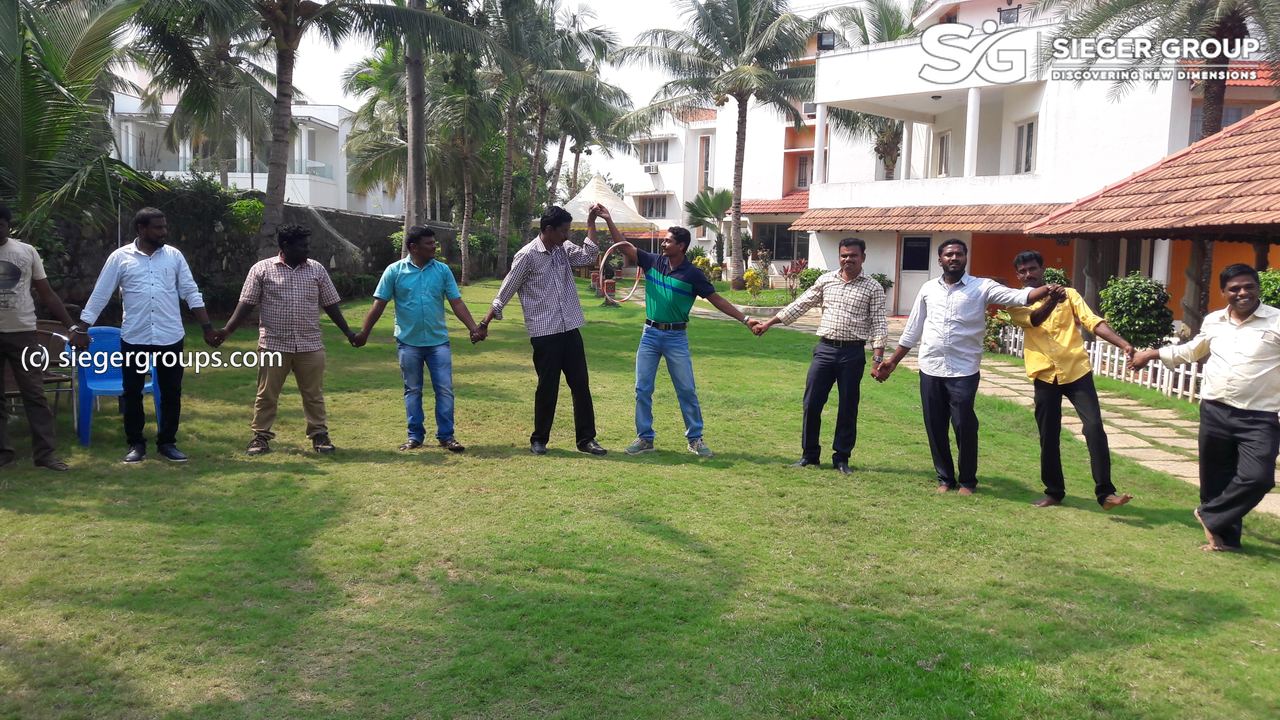
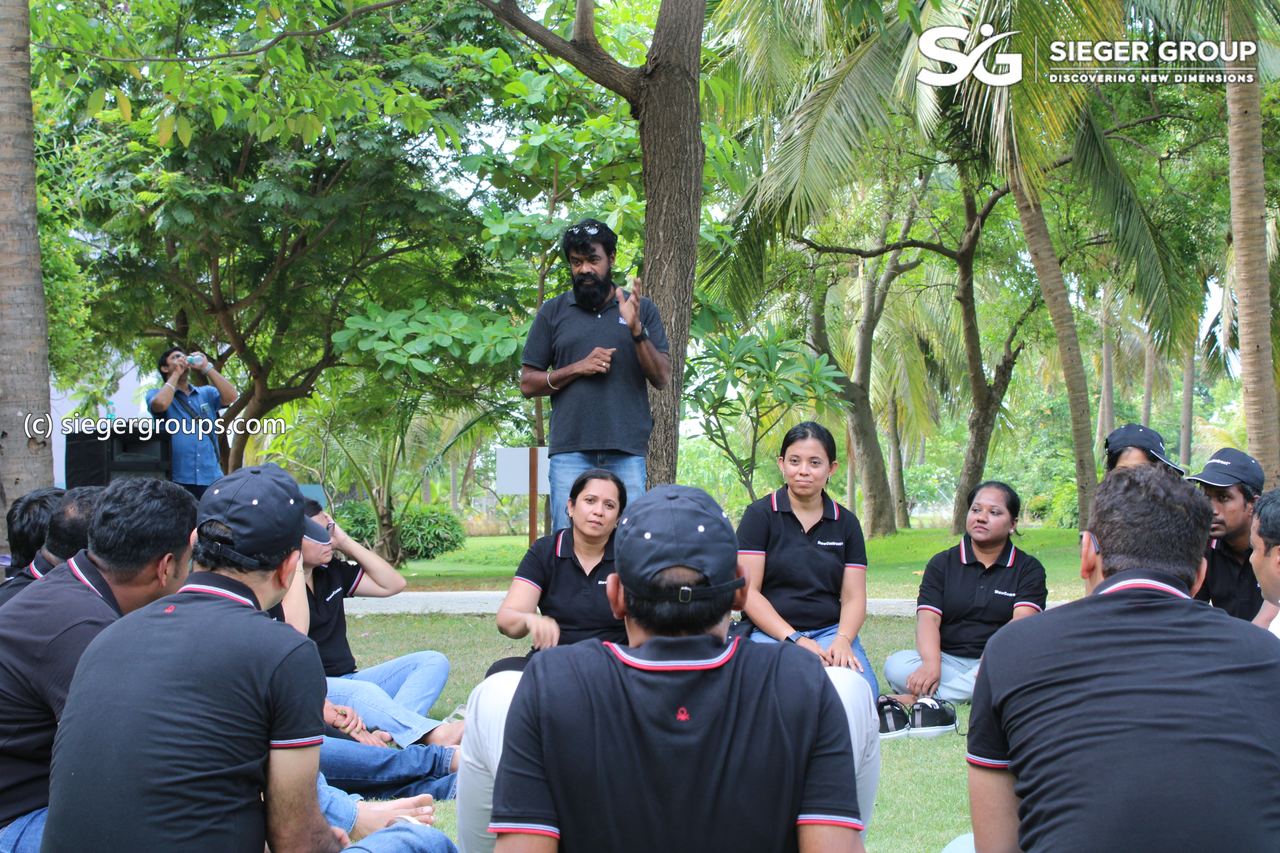
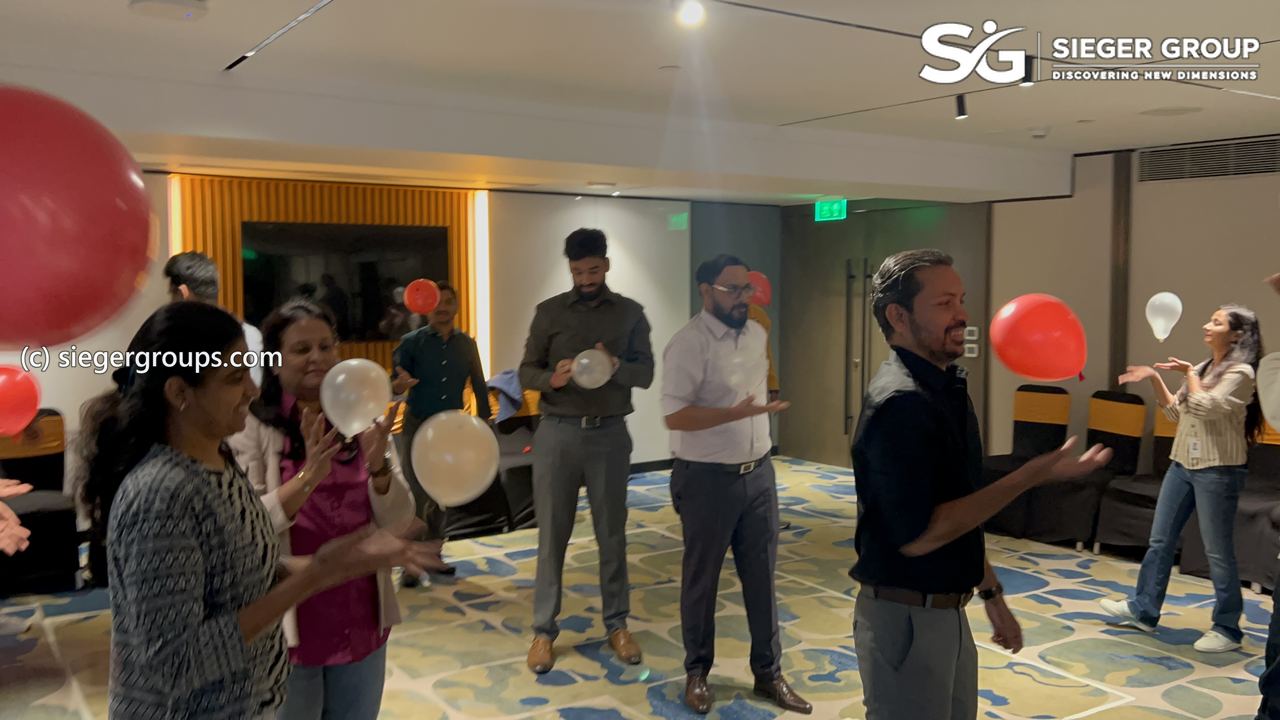
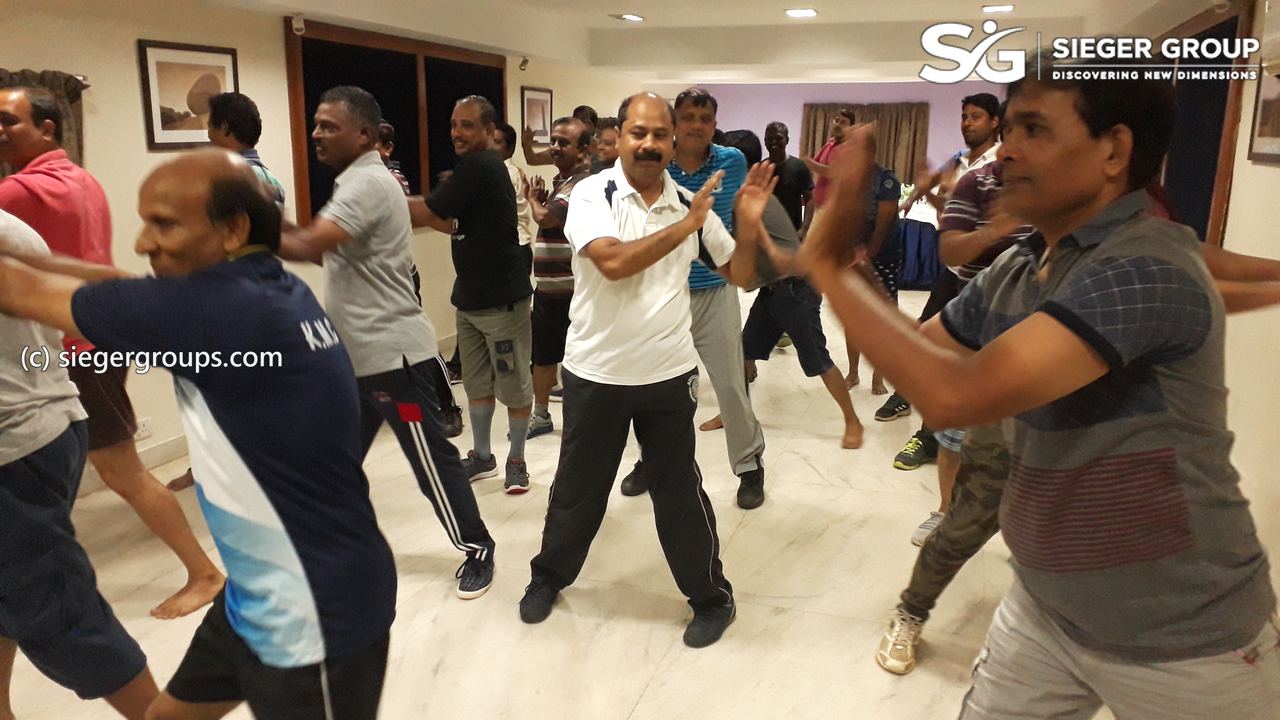
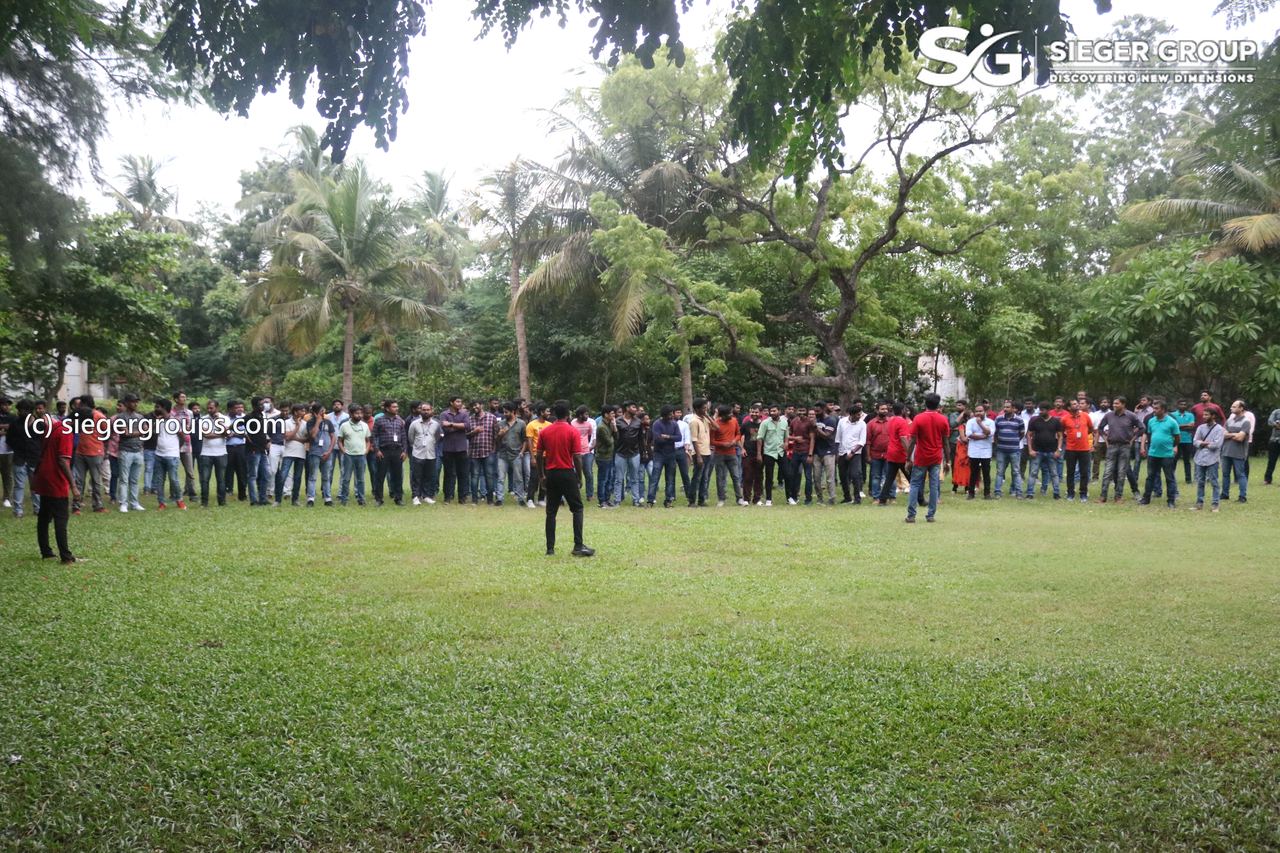
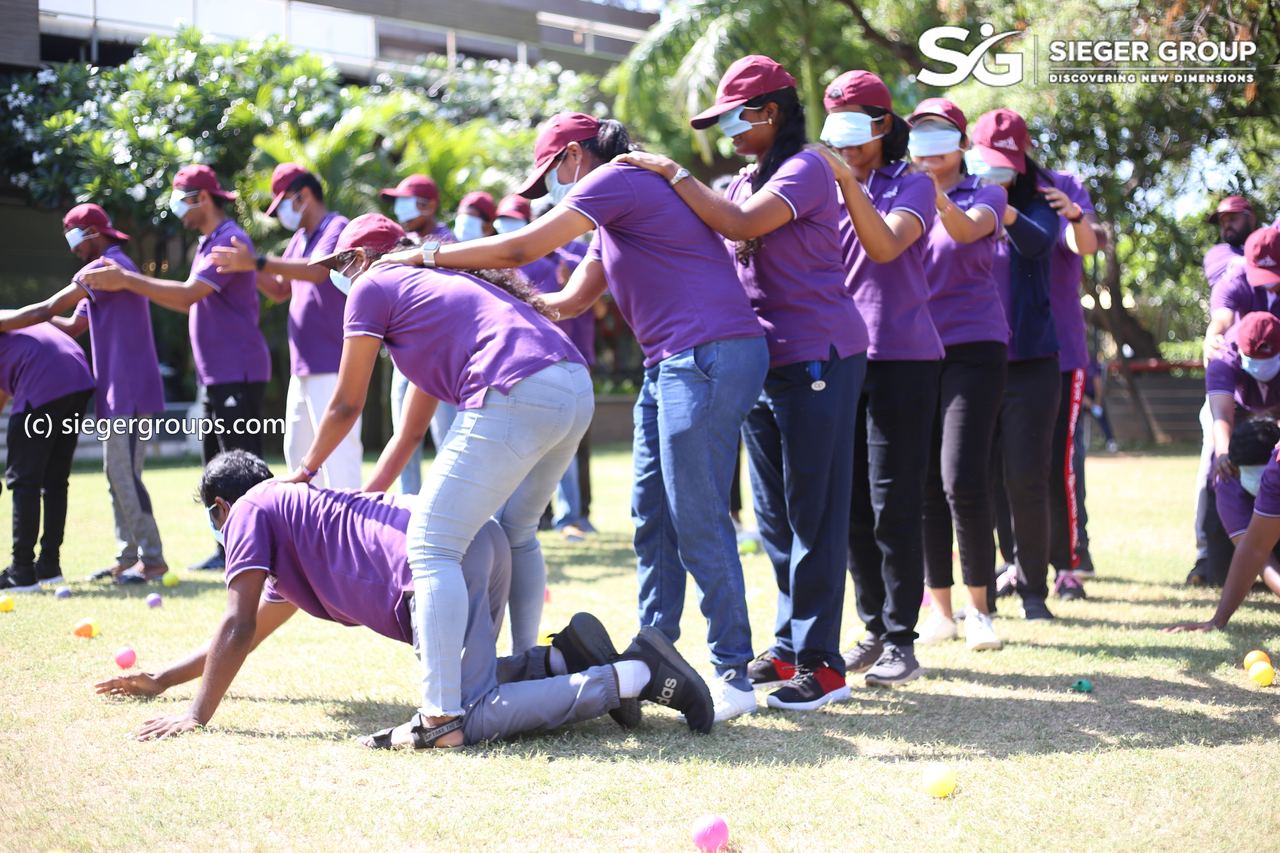
Create a personal logo using coins and small items at hand. Explain the design as a quick introduction to your interests or working style.
Reproduce individual picture sections at a larger scale, then assemble them into one image. Matching edges makes each contribution part of the shared result.
Introduce an object, interest or story to the group. Short presentations and questions give colleagues an opportunity to learn about one another.
A listening exercise invites teammates to hear another perspective before responding. Discuss what helped people explain their ideas and feel understood.
Build the tallest paper structure within the short activity window. Compare ideas, divide construction roles and adjust the design as time runs down.
Lower a lightweight stick together while maintaining the required contact. Small movement differences prompt the group to coordinate pace and communication.
Share experiences or goals from your bucket list. Listening to colleagues can reveal common interests beyond everyday work conversations.
Exchange short handwritten notes with colleagues. Use a shared prompt to start conversations across teams or introduce people who rarely work together.
A paired exercise explores comfortable eye contact and non-verbal attention. The facilitator explains the format and respects individual preferences.
Follow the facilitator's count and look-up cues. The equipment-free format provides a short change of pace between longer sessions.
A storyteller builds a tale while teammates contribute unexpected words. Changing prompts encourage quick thinking and shared creativity.
Sketch a solution on a napkin-sized canvas. Teams agree the essentials and present their concept in a concise visual form.
Demonstrate an object without naming it while teammates guess. Gestures and imaginative interpretations make this a creative warm-up.
Discuss a fictional shipwreck and agree how the group would respond. Comparing priorities creates a compact decision-making challenge.
Reflect on an experience and invite a colleague to identify a positive aspect. Discuss how different perspectives can change an interpretation.
Use the Googlism theme for a playful discussion of name-based associations. Confirm the available format rather than relying on a particular online tool.
Choose a prop and develop an improvised scene around it. Teams assign roles and turn an unexpected object into a shared performance.
Arrange milestones or personal experiences into a group timeline. Compare the entries and discuss the team's different backgrounds.
Negotiate to obtain the card pieces your group needs. Consider different priorities and agree exchanges that help complete the task.
A detective tries to identify the secret winker before the round ends. Observation and playful bluffing make this a quick guessing game.
Work together to untangle a connected arrangement of hands. Clear suggestions and patient coordination help the group account for everyone's position.
Guide a tennis ball across a tarpaulin containing holes. Coordinated movement and clear calls help the group control its route.
Move balls between buckets without using hands or arms. Teams compare approaches and coordinate contributions to the transfer task.
Complete a jigsaw when some required pieces are held by another team. Progress depends on exchanging information and agreeing how to cooperate.
Complete simple tasks in a linked-team format. Participants communicate their next move and coordinate closely with the colleagues connected to them.
Create a mummy-style costume with the supplied wrapping material. Teams agree roles and follow the facilitator's format to complete the playful design.
Build a small castle within the short activity time. The facilitator confirms materials and scoring before teams compare their constructions.
Construct a freestanding tower that supports a marshmallow. Teams experiment with a lightweight structure and adjust the design as it develops.
A shared belt-based challenge asks teammates to coordinate as one group. The facilitator explains the arrangement before participants plan their approach.
Design and fly paper aircraft in a friendly contest. Compare folds, discuss each flight and refine the designs.
Use group positions to create letters, words or shapes. Teams agree how individual contributions will form the complete picture.
Work together outdoors to create the longest combined shadow. Experiment with the group's arrangement and notice how position affects the outline.
Use these points to draw out what colleagues can learn from Quick Team Games.
Reflect on what helped participants understand a task without a lengthy explanation.
Consider how a short round offered a quick way to try a different team approach.
Share the floor or field space, group size, schedule and preferred activity level so stations and rotations can be agreed.
Adjust roles and communication as the group moves through the short formats.
Consider how a short round offered a quick way to try a different team approach.
Introduce one concise task at a time so the team can begin with shared understanding.
Which short game revealed a familiar teamwork habit?
Ask what the team would do differently if it had just one more minute.
Make first contact through a short challenge with a clear shared purpose.
Use a change of pace to see different strengths and roles in action.
Choose a mix of active, creative and observer roles around the audience and venue.
An illustrative running order for Quick Team Games. Confirm timings, breaks and participation arrangements in your event brief.
Sieger Group supports organisations with team-building experiences and facilitated programmes.
Use a short team challenge to open a meeting, reset attention or introduce a new group. Select one clear task with enough time left for a short conversation afterwards.
Ask what the team would do differently if it had just one more minute.
Coin Logo, Picture Pieces, Show and Tell, Listen Up, The Paper Tower, Helium Stick. The final selection is agreed with the organiser.
New starters and mixed departments and established teams can use this experience. Make first contact through a short challenge with a clear shared purpose.
Share the expected headcount, available space and any rotation requirements so the facilitator can propose suitable team sizes.
Allow Discuss your event schedule as a planning guide. The proposal confirms the duration, breaks and final activity mix.
Share the floor or field space, group size, schedule and preferred activity level so stations and rotations can be agreed.
Share access requirements and preferences when planning the session. The facilitator can discuss roles such as observing, recording decisions or presenting the group’s findings.
Match the quick games to the group's available time and energy.
Consider how a short round offered a quick way to try a different team approach.
Yes. Share the purpose of the offsite and which part of Quick Team Games you would like to emphasise. The facilitator can discuss how to fit the chosen elements into the wider event.
Use the enquiry form or contact Sieger Group with your preferred date, city, headcount, venue and learning objective. Include any participation or access requests in the brief.
Share your date, city, group size and the outcome you want colleagues to take away.
Request a tailored proposalTell us what you have in mind. We will help you explore a programme that fits your people and your occasion.
Still finalising the details? Share what you know.
Every team is different. Share your people, purpose and preferred setting, and we’ll translate your brief into an experience designed to connect, engage and create lasting impact.
Share your brief and preferred contact details.