Explore the available materials
Review the project brief and the salvaged items the group can use. How did the available materials shape the team’s design?
Learning focusTaking stock of materials
Teams turn an assortment of available materials into a working prototype. The brief rewards finding a useful purpose for what is already on the table.
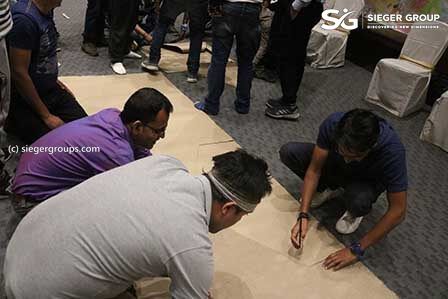
A collection of materials becomes the starting point for a design challenge. Teams decide what they can make, test their idea and demonstrate the result. Each group explains an adaptation it made when the available parts differed from what it wanted.
Name one design assumption the materials forced the team to reconsider.
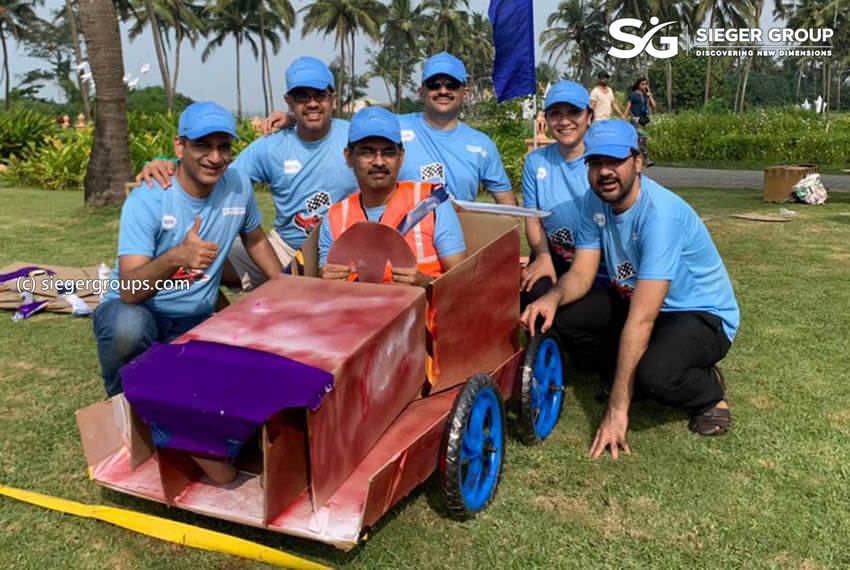
The F1 Formula film shows a related team vehicle build, from working together on a design to presenting the result.

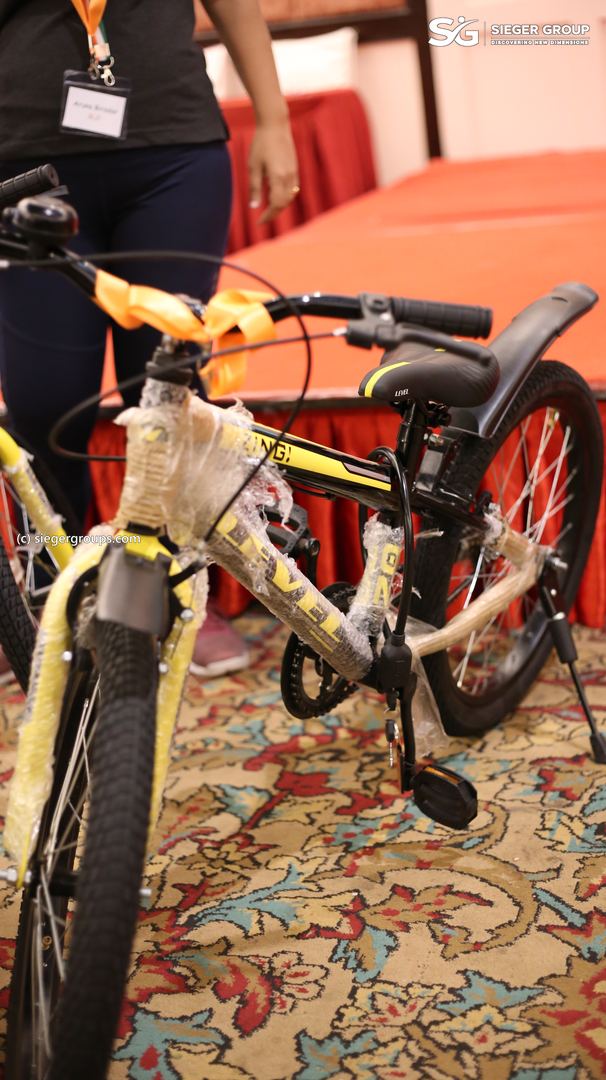
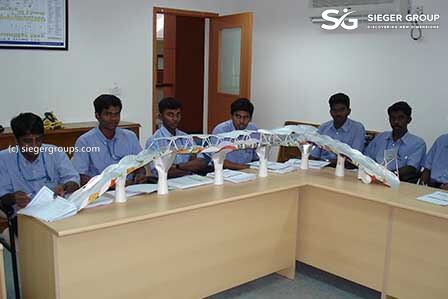
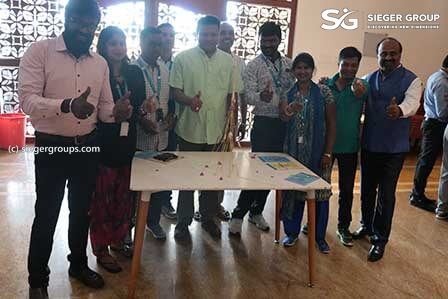
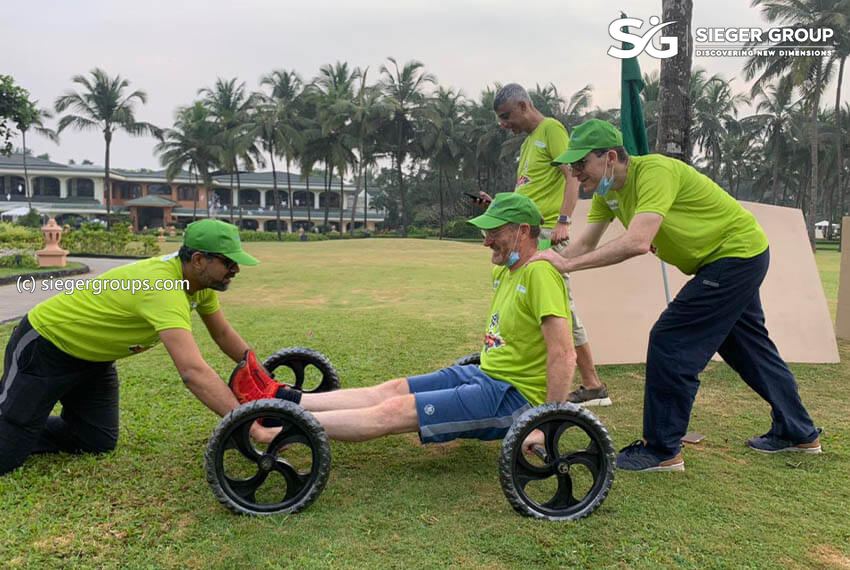
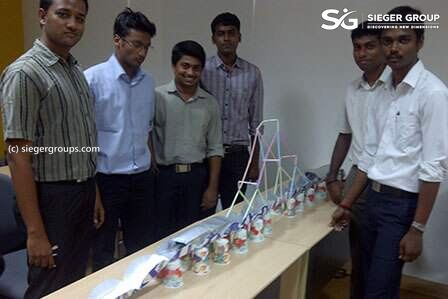
These photographs show related team sessions from the Sieger Group library.
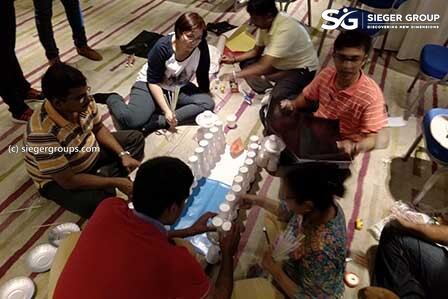
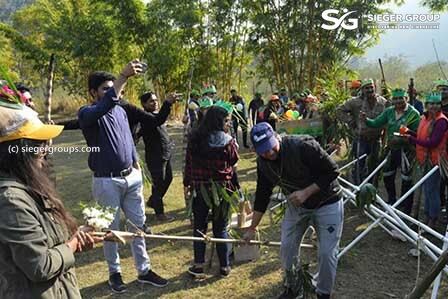
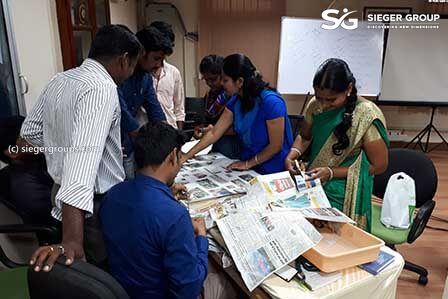
Review the project brief and the salvaged items the group can use. How did the available materials shape the team’s design?
Compare ideas against the actual materials and their possible functions. Which discarded items became useful components?
Combine components and revise the design as practical constraints emerge. What helped builders connect ideas into one working project?
Explain how the team turned available resources into a response to the brief. How did testing change the group’s first concept?
Use these points to draw out what colleagues can learn from Junkyard Project.
Reflect on which constraint led to a useful design idea.
Discuss what building revealed that the initial plan did not.
Confirm the workspace, materials, team size and any checks that must take place before the finished work is presented.
Combine components and revise the design as practical constraints emerge.
Discuss what building revealed that the initial plan did not.
Compare ideas against the actual materials and their possible functions.
How did the available materials shape the team’s design?
Name one design assumption the materials forced the team to reconsider.
Explore how decisions made by one workstream affect the people who receive its output.
Compare how designers, makers and reviewers interpret a shared brief.
Observe who owns the connections between pieces of work.
An illustrative running order for Junkyard Project. Confirm timings, breaks and participation arrangements in your event brief.
Teams work together, plan, strategize, and execute their ideas to create an object. The challenge is that they may only use the miscellaneous "junk" available to them. The parts are random, and not every team is given the same stuff.
Sieger Group supports organisations with team-building experiences and facilitated programmes.
Teams turn an assortment of available materials into a working prototype. The brief rewards finding a useful purpose for what is already on the table.
Name one design assumption the materials forced the team to reconsider.
Explore the available materials, Design around what exists, Build the proposed solution, Demonstrate the result. The final selection is agreed with the organiser.
Project and delivery teams and cross-functional colleagues can use this experience. Explore how decisions made by one workstream affect the people who receive its output.
This activity is designed for groups of 20–150. Share your expected headcount and venue so Sieger Group can confirm a suitable arrangement.
Allow 1.5–2 hours for the activity session. Sieger Group can confirm the timing against your event schedule and agreed format.
Confirm the workspace, materials, team size and any checks that must take place before the finished work is presented.
Share access requirements and preferences when planning the session. The facilitator can discuss roles such as observing, recording decisions or presenting the group’s findings.
Review the project brief and the salvaged items the group can use.
Discuss what building revealed that the initial plan did not.
Yes. Share the purpose of the offsite and which part of Junkyard Project you would like to emphasise. The facilitator can discuss how to fit the chosen elements into the wider event.
Use the enquiry form or contact Sieger Group with your preferred date, city, headcount, venue and learning objective. Include any participation or access requests in the brief.
Share your date, city, group size and the outcome you want colleagues to take away.
Request a tailored proposalTell us what you have in mind. We will help you explore a programme that fits your people and your occasion.
Still finalising the details? Share what you know.
Every team is different. Share your people, purpose and preferred setting, and we’ll translate your brief into an experience designed to connect, engage and create lasting impact.
Share your brief and preferred contact details.