Sieger Group · Team Building

Squid Game Team Challenge

A facilitated experience, designed around your team.

Squid Games Corporate Challenge is an immersive, high-energy team-building experience inspired by the global sensation—designed to push teams to think smarter, act faster, and collaborate under pressure.

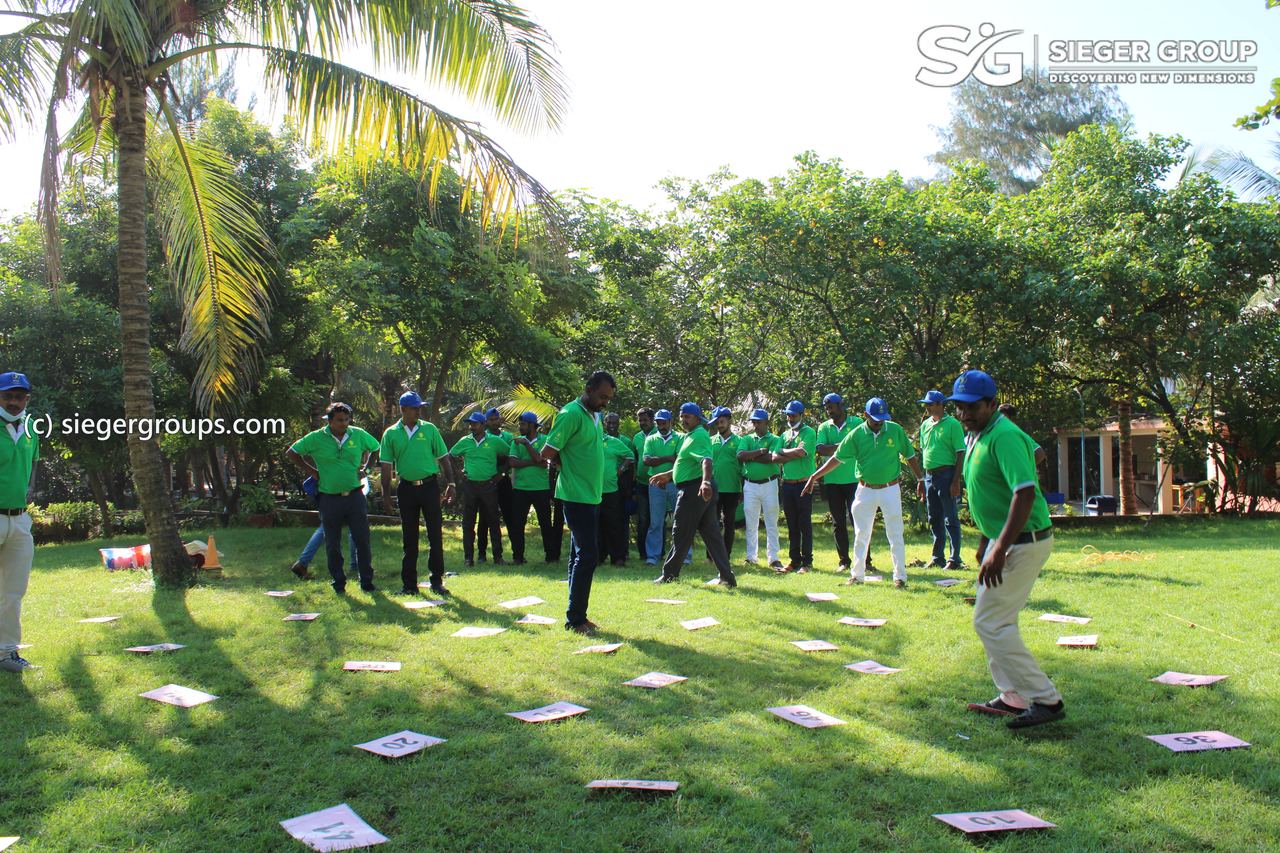
Players in green tracksuits move between pink shape markers on a lawn.

Core Squid Game Activities

Start with the six signature rounds. Red Light, Green Light gets the whole room moving, Dalgona gives careful hands a turn, and Glass Bridge brings the squad around a single decision. Save The Final Showdown for a second look at what the team learned.

Stop and go

Red Light, Green Light (Team Edition)

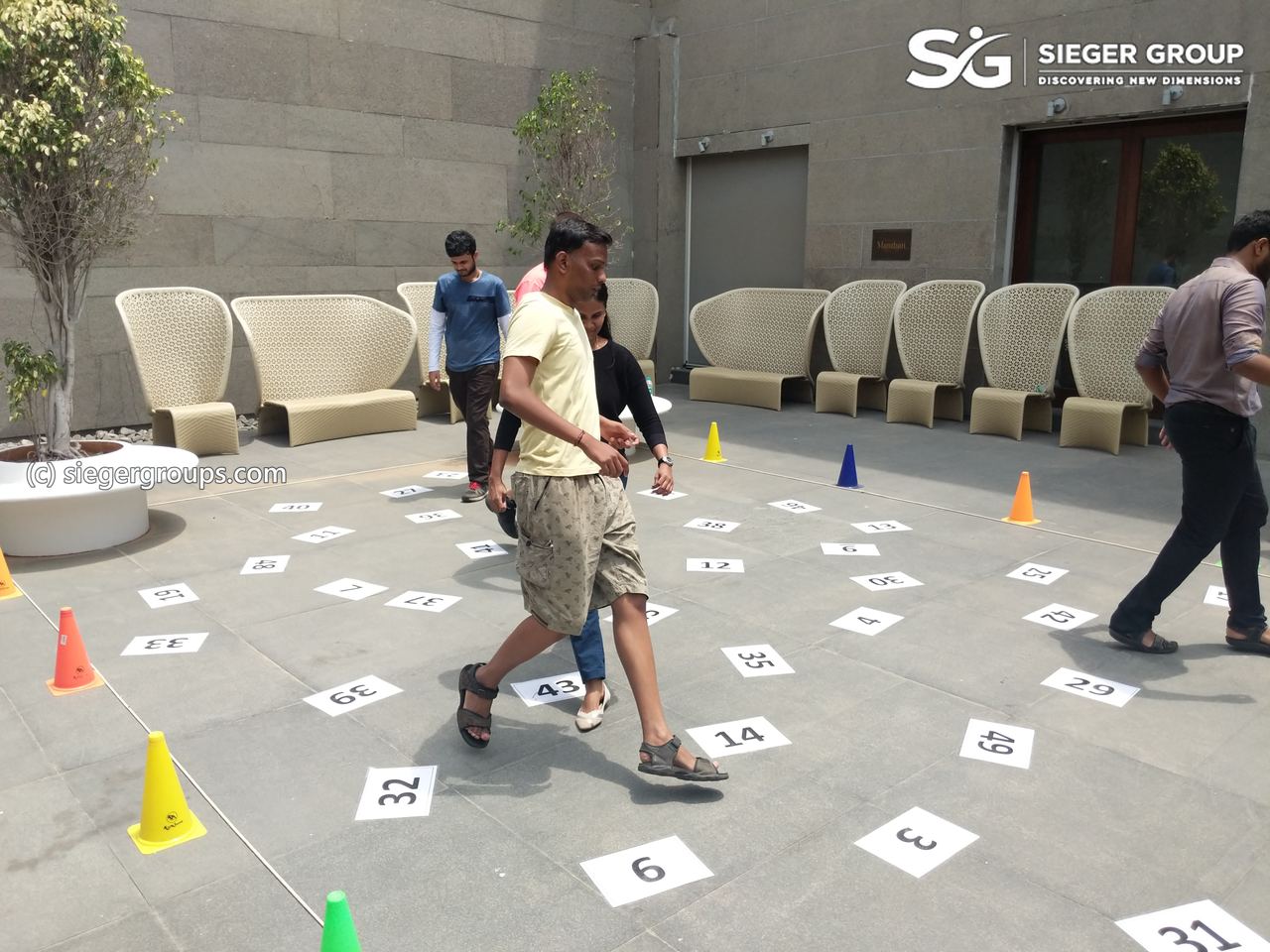
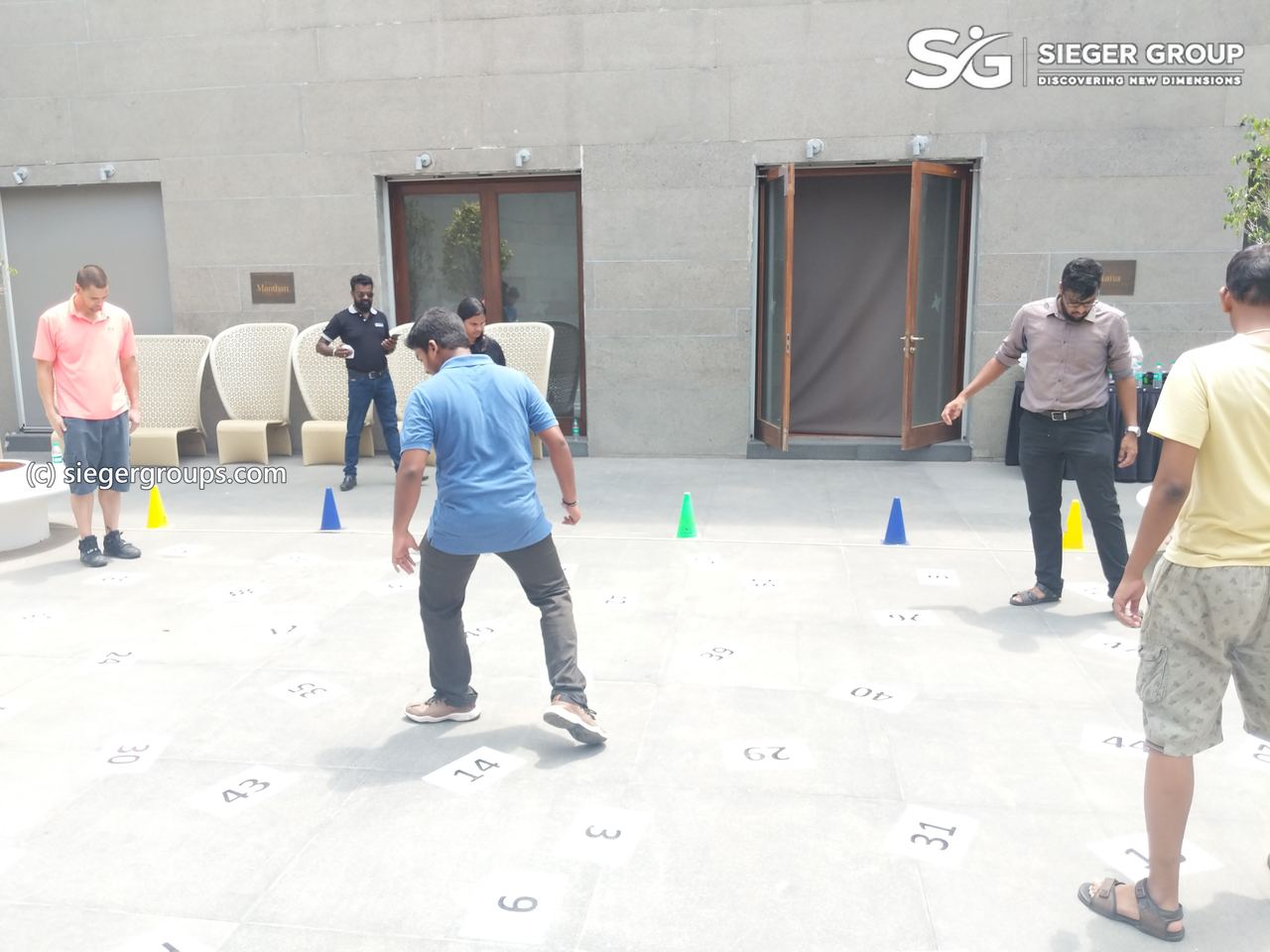
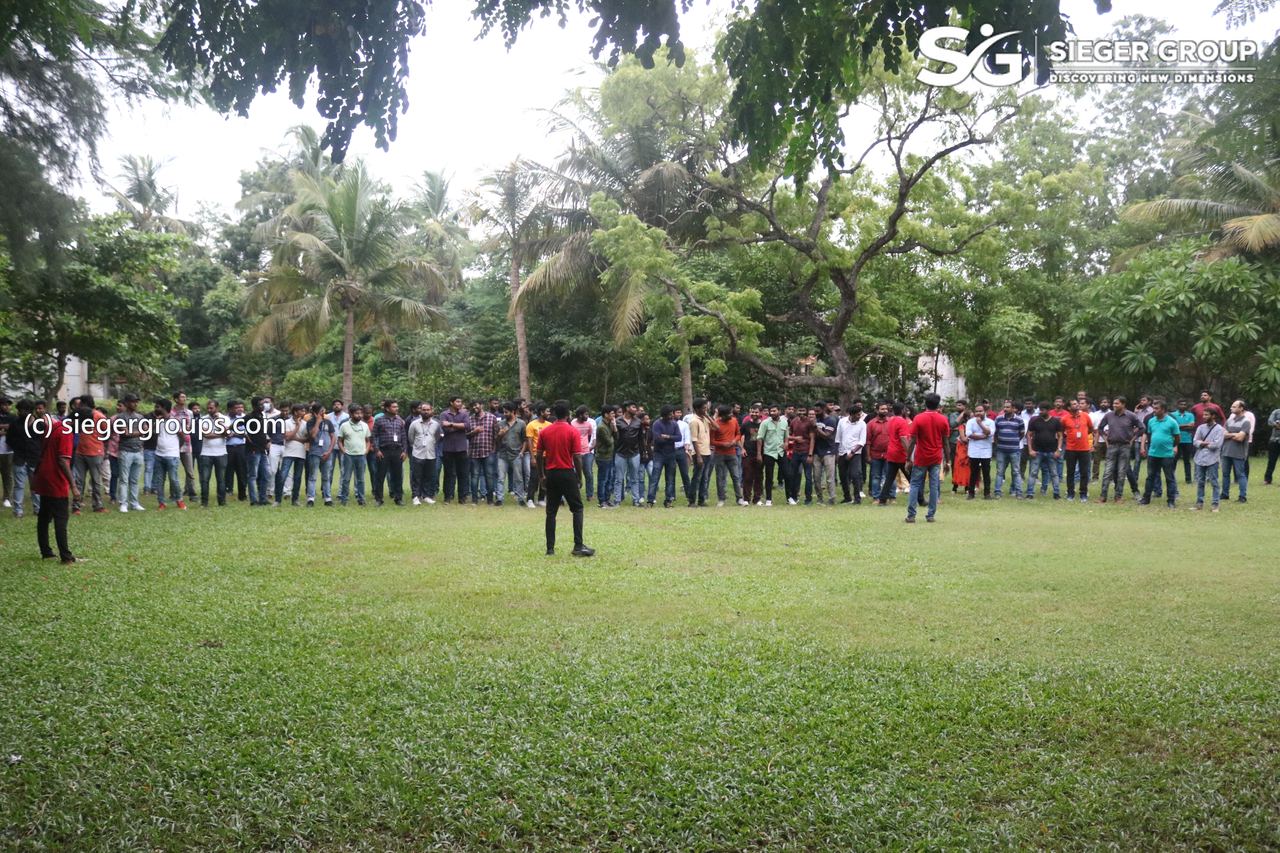
The squad crosses a marked space at walking pace. One caller gives the green signal to move and the red signal to freeze. Try a second run with a visible signal alongside the spoken one. Compare which cue reached the back of the group and how quickly the whole squad could respond.

Learning focusClear signals · Shared attention
Precision round

Honeycomb Dalgona Challenge

Each player works around the outline of a circle, triangle or more intricate shape, using the material supplied for the round. Teammates can spot a tight corner or suggest a starting point. Before the next turn, each player passes on one technique that helped keep the outline intact.

Learning focusPatience · Coaching a colleague
Rope team

Tug of War – Strategy Mode

Before the facilitated rope round, each side picks a caller and agrees on a rhythm. An observer listens for the cue and watches when the team responds together. Between turns, the squad can change one thing, such as the wording of the cue, and see whether its timing improves.

Learning focusCollective timing · Role clarity
Floor tile puzzle

Glass Bridge Puzzle

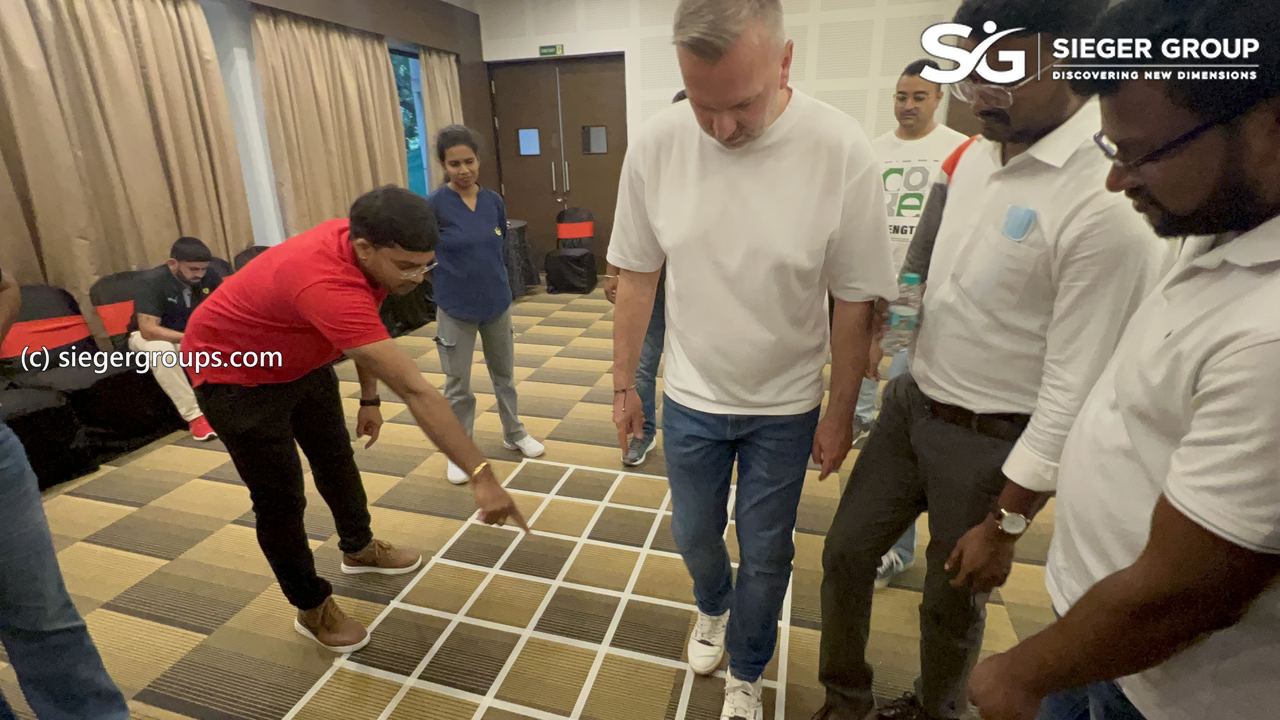
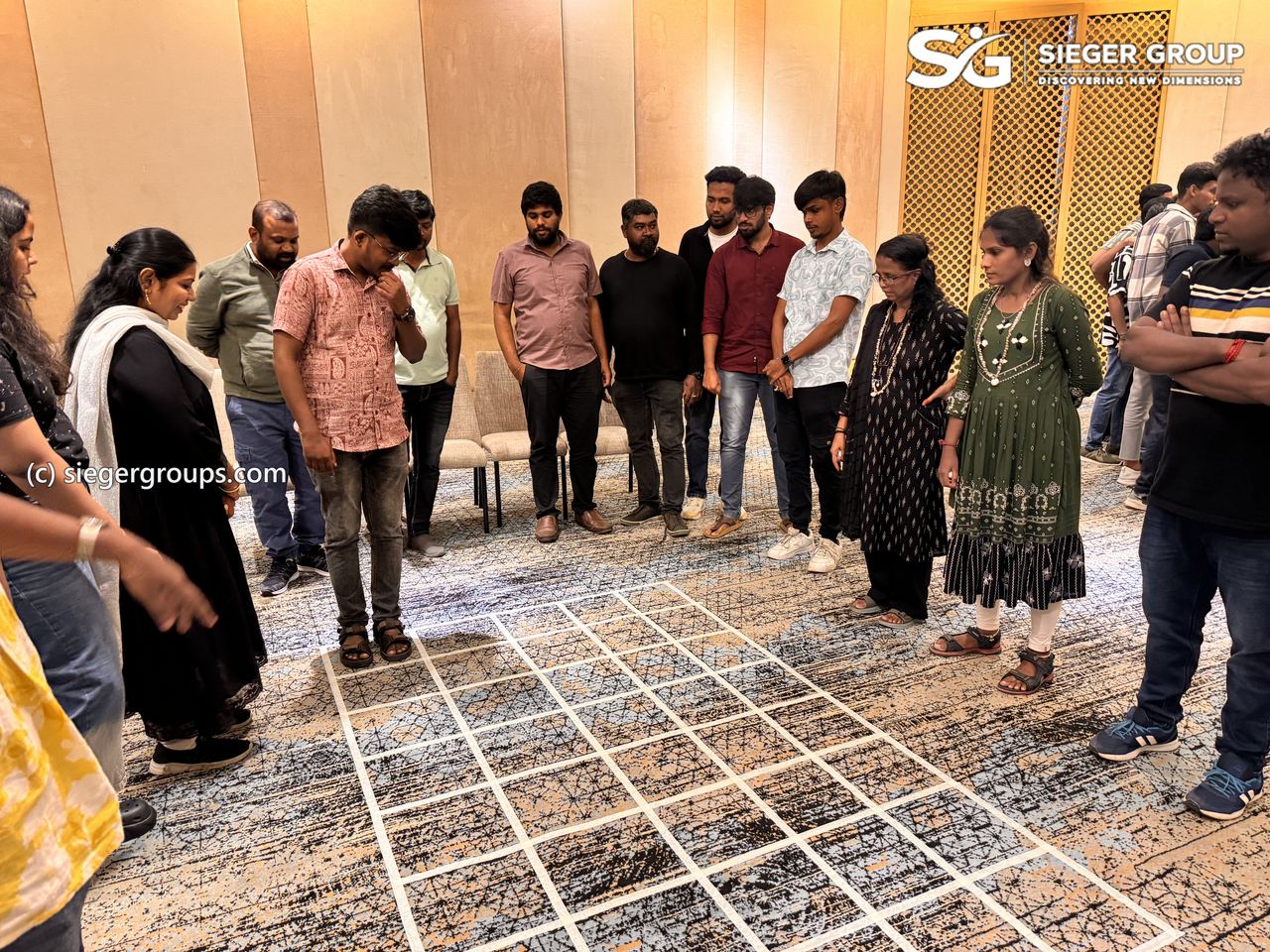
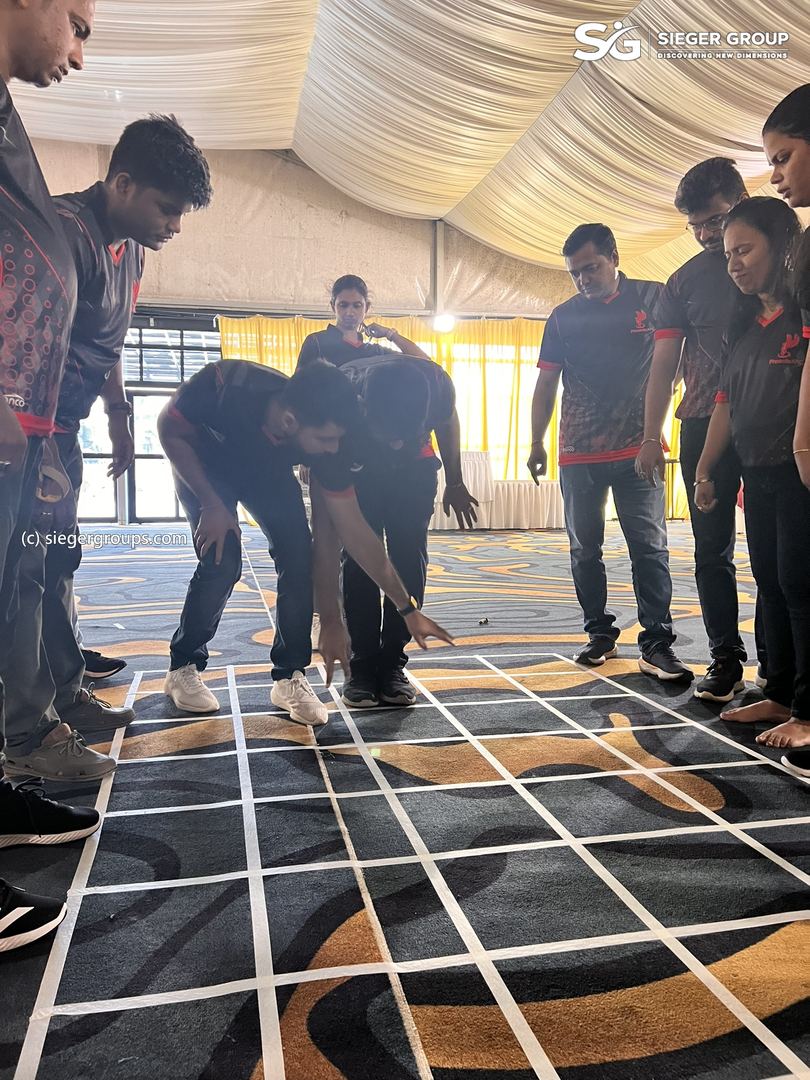
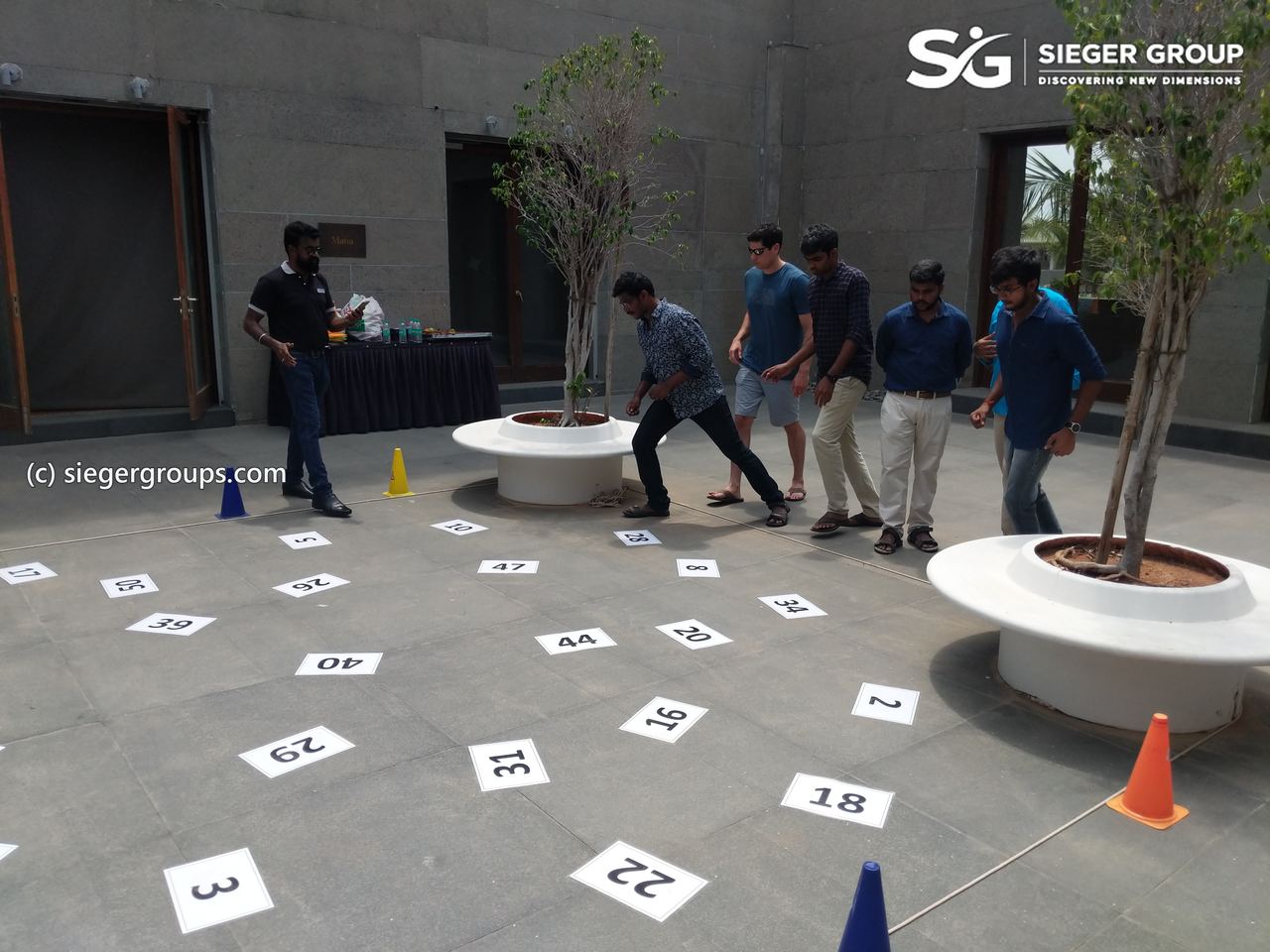
Pairs of tiles laid on the floor represent a bridge. Players use clues and the record of earlier choices to pick a route, one pair at a time. Give a teammate the job of recording each confirmed tile. When the route passes to a new navigator, see whether the record alone is clear enough to follow.

Learning focusDecisions under uncertainty · Knowledge transfer
Token tactics

Marble Madness

Pairs start a short marble game with a small allocation of pieces and an agreed scoring rule. Before each turn, partners decide how many pieces to commit and explain their choice. Swapping partners reveals how differently people judge the same offer and what makes an exchange feel fair.

Learning focusNegotiation · Weighing a trade-off
Squad finale

The Final Showdown

The facilitator brings back elements of the earlier games for one final squad task. A player who kept the bridge record might brief the group, while the rope caller gives the start signal. After the finish, teammates name one earlier discovery that changed how they played the finale.

Learning focusApplying feedback · Recognising contributions

Strategy & Brain-Based Team Challenges

Build a puzzle table around the kind of thinking you want to see. Code Breaker Race rewards a team that can explain a rule, while Team Logic Grid gives quieter players time to bring separate pieces of evidence together.

Number sequences

Code Breaker Race

A string of numbers contains the code for the next envelope. One player proposes a rule, a second checks it against the earlier numbers, and a third records the answer. The squad hands in both its code and its reasoning, so a lucky guess and a sound deduction are easy to tell apart.

Learning focusTesting assumptions · Explaining reasoning
Visual patterns

Pattern Survival Challenge

Lay out a sequence of symbol cards with one space left open. Several pieces look plausible, but only one fits every change in shape, position or orientation. Ask two players to make independent picks before comparing them. The deciding clue is often a small detail that only one player noticed.

Learning focusSpotting exceptions · Comparing evidence
Linked clues

Clue Trail Hunt

The first clue points to a marked location in the room. At each stop the squad collects an object or a fragment of the final answer. A clue keeper tracks what was found and where, giving the team a way to retrace its reasoning if the final pieces appear to disagree.

Learning focusConnecting clues · Keeping a shared record
Deduction grid

Team Logic Grid

Distribute clue slips among teammates and give the table one blank grid. A player may know which squad had the triangle, while another knows which station it visited. Players read their clues aloud and mark confirmed matches and exclusions until everyone can explain the last open square.

Learning focusCombining information · Reasoning by elimination
Shape assembly

Shape Shift Puzzle

Give the team a small set of geometric pieces and a target silhouette. One pair builds the outline while another checks edges and gaps against the target. When the picture almost fits, the checkers describe the mismatch and let the builders decide which piece to rotate or move.

Learning focusSpatial reasoning · Specific feedback
Sequence recall

Memory Survival Dash

Reveal a short sequence of symbols, cover it, and ask the squad to rebuild it from memory. For the next sequence, let players divide the work into a beginning, middle and end. Compare the two attempts, especially the places where one person's part meets the next.

Learning focusShared recall · Checking boundaries

High-Energy Mini Games

Use these short rounds between longer challenges. Survival Relay suits a group that wants to change stations, while Colour Code Rush and Shadow Match Puzzle bring the same timed format to a tabletop.

Station handovers

Survival Relay

Each teammate takes charge of one short station and passes the result to the next player. Before the relay begins, the squad agrees what each handover must include. Run the same stations again with new roles and compare where a clear handover saved time.

Learning focusHandover quality · Sequencing work
Route planning

Mission Impossible Maze

A marked maze offers several possible routes. Give the planners a route clue and ask the navigator to check it against the available paths before the squad commits. If the route ends early, return to the last confirmed junction and let another teammate explain the alternative.

Learning focusPlanning a route · Revising a decision
Guided navigation

Blindfold Strategy Walk

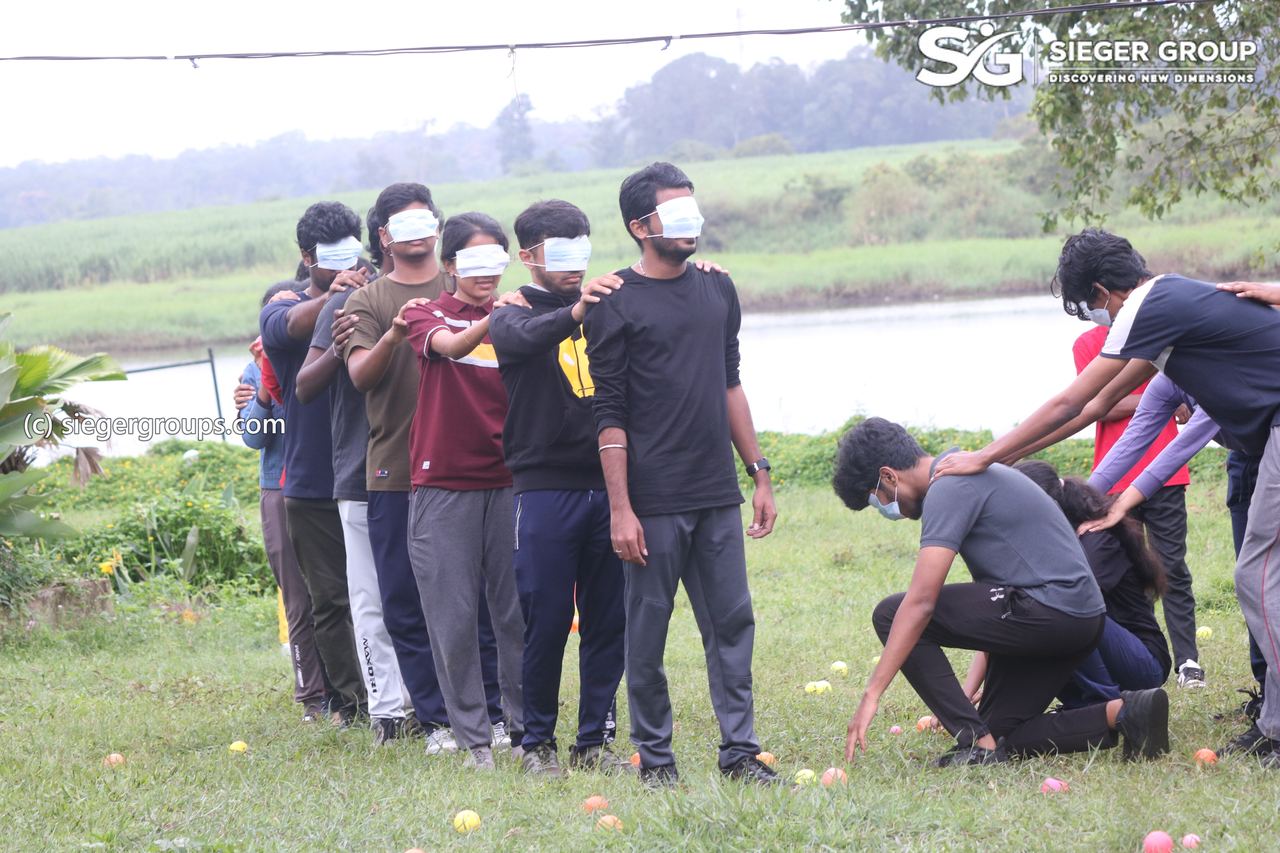
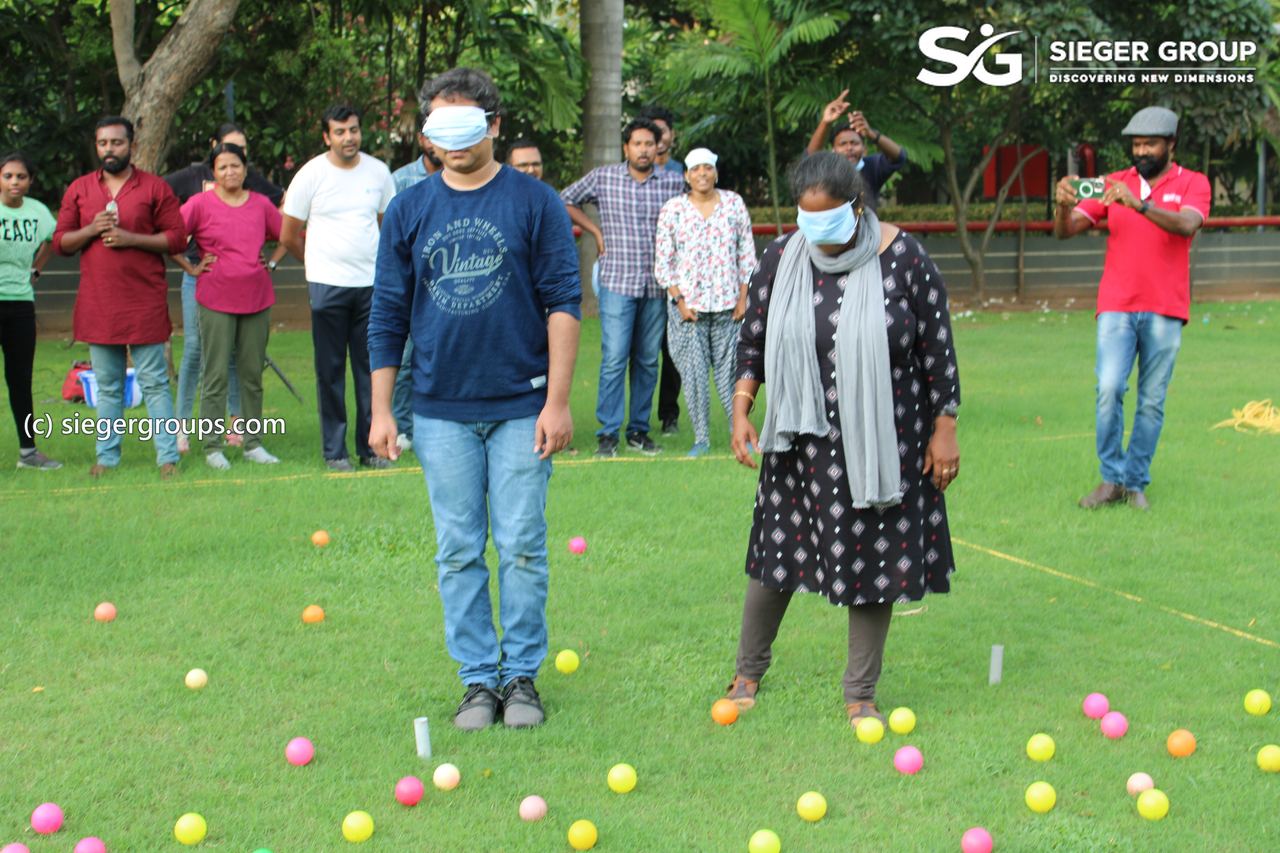
A navigator follows one guide's spoken directions along a short, clear route at walking pace. Players may also take the guide or observer role, or move a marker on a tabletop route. Afterwards, compare directions such as “left” and “your left” and identify which wording the navigator could act on.

Learning focusPrecise instructions · Checking understanding
Signal matching

Colour Code Rush

A key pairs each colour with a shape or symbol. When a short code appears, the squad arranges its cards in the matching order. Swap the reader and sorter for the next code. Teams can then compare whether reading the whole code first or calling one pair at a time worked better.

Learning focusReading a key · Accurate translation
Zone coverage

Squad Balloon Defense

The squad keeps a balloon in play inside its marked area. Players agree who covers each space and how to call for help when it drifts between two people. Pause after the first attempt to redraw the coverage plan, then see which areas the group can now reach more easily.

Learning focusAnticipation · Covering a teammate
Silhouette search

Shadow Match Puzzle

Match a set of objects or picture cards to their silhouettes before the round ends. One player sorts the obvious matches and another checks the easily confused outlines. Keep one close pair for the debrief and ask the finder which edge, angle or missing detail settled the match.

Learning focusVisual discrimination · Peer checking

Communication & Coordination Games

Choose a round that mirrors how your team works. Reverse Whisper Relay exposes what gets lost in a handover. Helium Stick Squad and Squad Cup Shift let everyone see the effect of a cue in the movement of a single shared object.

Shared directions

Human Maze Navigation

Teammates mark out the junctions of a route and guide a navigator from one to the next. Each junction has its own caller, so the squad needs a clear way to pass responsibility along. Ask the navigator where two voices overlapped and where the handover felt effortless.

Learning focusListening · Passing responsibility
Non-verbal sorting

Silent Strategy Line-up

Ask the squad to line up by birthday, from January to December, without speaking. Players invent gestures to exchange months and days, then read the dates aloud to check the order. Any misplaced pair gives the group a concrete example of a sign that meant different things to different people.

Learning focusNon-verbal cues · Confirming meaning
Squad identity

Team Emblem Build

Using the materials on their table, teammates design an emblem that says something about how their squad wants to play. Each person offers one visual idea. The group chooses which ideas to combine, then asks another team to interpret the finished emblem before revealing its intended meaning.

Learning focusCreative choice · Communicating identity
Message reconstruction

Reverse Whisper Relay

The last player in a line sees a short prompt and passes its meaning towards the front using the agreed gesture or message rule. The front player gives the final interpretation. Trace the message back through the line to find the precise handover where its meaning changed.

Learning focusMessage accuracy · Finding the source of an error
Shared movement

Helium Stick Squad

The squad supports a lightweight rod on outstretched fingers and tries to lower it together while keeping contact. It can rise even when everyone intends to move down. Pause, choose one caller and try a slower pace. Watch for the point when the rod first moves evenly.

Learning focusCollective pace · Responding to feedback
Coordinated handling

Squad Cup Shift

Players hold separate strings attached to one shared cup gripper. Together they move cups into a target arrangement. A small pull changes the grip for everyone, so the squad needs a way to signal lift, pause and release. Change callers once the first cup is in place.

Learning focusInterdependence · Timing a release
Programme overview

High-Adrenaline • Strategy Driven • Team Survival Games

Squid Games Corporate Challenge is an immersive, high-energy team-building experience inspired by the global sensation—designed to push teams to think smarter, act faster, and collaborate under pressure.

With thrilling strategy rounds, suspense-filled games, and interactive team missions, your employees will compete, laugh, learn, and bond like never before.

What makes it distinctive

A recognisable theme. A shared team challenge.

Bring the game-inspired atmosphere into an agreed mix of precision, puzzle and coordination activities. The useful story lies in how the squad interprets cues, shares techniques and chooses its next move, with a finale that brings those contributions together.

  • Thrilling & Unique: A refreshing break from regular team-building programs.
  • High Collaboration: Teams must strategize, communicate & trust each other to win.
  • Adrenaline-Packed Engagement: Fun, suspense & excitement keep every participant involved.
Shape your team brief
Teammates trace shapes in round trays while a facilitator watches.
Why this programme

Why Organisations Choose Squid Game Team Challenge

Create a themed corporate team challenge through playful coordination, puzzle and strategy rounds inspired by familiar game formats.

A clear purpose

A recognisable event theme

Give colleagues an immediate shared frame for the experience while shaping the games around the audience and the programme’s agreed participation arrangements.

Useful participation

Attention to shared signals

Explore how participants notice cues, confirm instructions and coordinate an action when timing matters to more than one person in the group.

Practical insight

Different challenge styles

Combine precision, puzzle and coordination rounds so useful contributions can come from observation, reasoning and encouragement as well as direct task attempts.

Connected choices

Visible strategic choices

Discuss how the team weighs uncertainty, available clues and possible next moves instead of assuming that acting first is always the strongest approach.

Meaningful follow-through

Support across the squad

Notice how colleagues share techniques and respond to mistakes while keeping the event atmosphere constructive and the wider group involved.

Programme benefits

Programme Benefits

Explore the behaviours and practical insights your team can review through Squid Game Team Challenge. The debrief connects observations from the experience with situations that matter to participants.

A recognisable event theme

A useful focus for the group is to give colleagues an immediate shared frame for the experience while shaping the games around the audience and the programme’s agreed participation arrangements.

Attention to shared signals

Participants can examine how to explore how participants notice cues, confirm instructions and coordinate an action when timing matters to more than one person in the group.

Different challenge styles

The review can highlight ways to combine precision, puzzle and coordination rounds so useful contributions can come from observation, reasoning and encouragement as well as direct task attempts.

Visible strategic choices

Colleagues can explore how to discuss how the team weighs uncertainty, available clues and possible next moves instead of assuming that acting first is always the strongest approach.

Support across the squad

The experience can prompt discussion of how to notice how colleagues share techniques and respond to mistakes while keeping the event atmosphere constructive and the wider group involved.

Learning between themed rounds

A practical takeaway is to try a communication or planning change in a later game so the group can compare approaches within the same shared event.

A purposeful team finale

The team can consider how to bring the theme to a close through a task that recognises coordinated effort, useful ideas and support alongside the agreed scoring format.

From experience to application

Bring the learning back to work.

Use these reflection prompts to turn Squid Game Team Challenge into a focused conversation about what happened, what it means and what to try next.

  1. Recall a signal choice

    Identify how the team interpreted a cue and discuss whether the instructions were clear enough for colleagues to coordinate the next action.

  2. Review the pace

    Choose a precision task and examine how the group balanced careful execution with the desire to make progress during the agreed round.

  3. Compare evidence at a checkpoint

    Discuss which clues supported a route or puzzle choice and how the team handled an answer that later information caused it to reconsider.

  4. Notice practical support

    Recognise a colleague who helped through observation, explanation or encouragement and identify what made that contribution useful in the themed challenge.

  5. Connect to a shared task

    Choose a work situation where checking a signal, clarifying a handover or sharing a technique could help colleagues coordinate more effectively.

  6. Agree a squad habit

    Select one communication practice from the event to try in a relevant work task and discuss how the team will review its usefulness.

Programme delivery

How the Programme Works

A suggested flow for Squid Game Team Challenge, from setting the brief to reviewing the experience. Activity choices, pace and facilitation are confirmed around your group and setting.

  1. Start with context

    Agree the purpose and participation

    Create a themed corporate team challenge through playful coordination, puzzle and strategy rounds inspired by familiar game formats. Discuss what participants should understand before approaching red light, green light (team edition), including the information, roles and choices relevant to this group.

    Attention · Coordination
  2. Find a steady approach

    Explore the selected experience

    The themed briefing introduces selected rounds and ways to participate. Teams organise roles and cues before exploring precision, puzzle and coordination games shaped for the audience and setting.

    Precision · Peer support
  3. Choose the next step together

    Compare and develop the approach

    Between rounds, colleagues compare signals, techniques and decisions. The closing challenge brings observations together through an agreed format that recognises coordinated effort alongside the group’s progress.

    Evidence · Shared decisions
  4. Make the experience useful

    Review and carry it forward

    Recognise a colleague who helped through observation, explanation or encouragement and identify what made that contribution useful in the themed challenge. Choose a work situation where checking a signal, clarifying a handover or sharing a technique could help colleagues coordinate more effectively.

    Team application · Recognition
Experiential learning outline

Experience. Reflect. Apply.

Connect Squid Game Team Challenge with purposeful practice, evidence-based reflection and a next step that fits your working context.

  1. Align the brief

    Create a themed corporate team challenge through playful coordination, puzzle and strategy rounds inspired by familiar game formats. Clarify what the group needs before beginning the selected experience.

  2. Experience the challenge

    Explore red light, green light (team edition) through the agreed format. Explore how participants notice cues, confirm instructions and coordinate an action when timing matters to more than one person in the group.

  3. Reflect on the evidence

    Review a moment when timing or precision changed the response and discuss how instructions helped colleagues act on the relevant cue while retaining the shared objective.

  4. Connect the learning

    Consider a work situation where an update affects several people and identify what they need to confirm before taking different actions on the same information.

  5. Commit to a next step

    Agree a cue or confirmation practice for shared work and clarify how the team will check that the message provides enough context for colleagues to coordinate their actions.

Who should attend

Choose the right audience for the experience.

Discuss participant experience, access needs, language preferences and the purpose of the programme before confirming suitability.

Intact and cross-functional teams

Intact and cross-functional teams interested in attention · coordination. Red Light, Green Light (Team Edition) offers one possible starting point for an agreed group experience.

Managers and emerging leaders

Managers and emerging leaders exploring precision · peer support. Select a format that fits their responsibilities, working relationships and the purpose of Squid Game Team Challenge.

Project teams and newly formed groups

Project teams and newly formed groups bringing different perspectives to evidence · shared decisions. Confirm the learning priorities and participation arrangements before choosing the activity mix.

Settings to discuss
Corporate Team BuildingLeadership OffsitesEmployee Engagement EventsAnnual Days & Celebrations
Programme schedule

An illustrative session schedule.

This sample shows how a programme could flow. Timings, breaks, activity choices and duration are agreed in the final proposal.

Example session

Brief, experience and reflect

  1. 09:30–09:45

    Welcome, context and participation

    Introduce Squid Game Team Challenge, agree the group’s purpose and discuss participation preferences. Explain the selected formats before the experience begins.

  2. 09:45–10:30

    Red Light, Green Light (Team Edition)

    Use a selected version of Red Light, Green Light (Team Edition) to explore attention · coordination. Pause to compare observations and clarify the choices that shaped progress.

  3. 10:30–11:15

    Honeycomb Dalgona Challenge

    Use a selected version of Honeycomb Dalgona Challenge to explore precision · peer support. Pause to compare observations and clarify the choices that shaped progress.

  4. 11:15–11:30

    Reflection and shared takeaways

    Review examples of a recognisable event theme and different challenge styles. Connect the observations with day-to-day team responsibilities and choose a relevant next conversation.

Planning details

A considered programme starts with the practical details.

People and participation

Share the audience profile, language preferences and access needs for Squid Game Team Challenge. Agree options that let different colleagues contribute comfortably.

Venue and resources

Discuss the available space, materials and facilitation arrangements for the selected learning exercises. Confirm the final mix of Red Light, Green Light (Team Edition) and any other chosen experiences in the brief.

Scope and delivery

Agree the focus on precision · peer support, the programme duration and which materials, facilitation and delivery arrangements are included.

Review and follow-through

Choose how to review learning between themed rounds and a purposeful team finale. Confirm any follow-up conversation or team commitment that belongs within the programme scope.

Organisations we work with

Trusted by teams across industries

Sieger Group supports organisations with team-building experiences and facilitated programmes.

Client perspectives

Testimonials

Plan with confidence

Squid Game Team Challenge FAQs

12 practical answers to help you plan your programme.

What is Squid Game Team Challenge?

Squid Games Corporate Challenge is an immersive, high-energy team-building experience inspired by the global sensation—designed to push teams to think smarter, act faster, and collaborate under pressure.

Who is this programme suitable for?

Squid Game Team Challenge can be considered for teams planning a shared experience or employee engagement event. Share roles, group size, experience levels and participation needs so suitability can be confirmed.

What can participants explore?

The existing programme outline includes: Thrilling & Unique: A refreshing break from regular team-building programs.; High Collaboration: Teams must strategize, communicate & trust each other to win.; Adrenaline-Packed Engagement: Fun, suspense & excitement keep every participant involved.. The final emphasis and activity selection should be agreed around your brief.

Can the programme be customised for our team?

Yes. Share your team context, goals and preferred tone. The proposed Squid Game Team Challenge experience can then be adapted through the activity mix, level of challenge, discussion themes and delivery format, subject to feasibility.

How long does the programme take?

Duration depends on the agreed scope, group size and setting. For Squid Game Team Challenge, allow for the briefing, activities, breaks and group review. Request a proposed agenda that fits your available time.

Where can we organise the experience?

Share your preferred city, office, venue or offsite destination in India. Squid Game Team Challenge requires a setting suited to the activities and participants. Venue access, usable space, equipment and local delivery arrangements should be confirmed before booking.

What group size works for this programme?

The appropriate group size depends on the activity structure, facilitation and available space. Tell us the expected number of participants for Squid Game Team Challenge so team sizes, rotations and staffing can be proposed.

What should participants prepare?

For Squid Game Team Challenge, the pre-event briefing should explain the schedule, clothing or equipment requirements and how to take part. Share accessibility needs and relevant participation constraints during planning so suitable arrangements can be discussed.

How are participation and inclusion considered?

Discuss access, mobility, language, sensory needs and comfort levels before confirming Squid Game Team Challenge. Agree suitable roles and alternatives where feasible. For specialist activities, confirm delivery responsibilities and participation requirements in advance.

How can we connect the programme with our objectives?

Agree the purpose of Squid Game Team Challenge before delivery. A group review can explore communication, contribution and teamwork, alongside the shared enjoyment of the event. Confirm any follow-up or evaluation support in the proposal.

What does the programme cost?

Pricing for Squid Game Team Challenge depends on participant numbers, duration, facilitation, equipment, location and agreed logistics. Request a tailored proposal that clearly states programme inclusions, venue or travel arrangements and applicable charges.

How do we enquire about Squid Game Team Challenge?

Use the enquiry form on this page or call +91 98400 97567. Include Squid Game Team Challenge, your objectives, group size, preferred dates and location. Sieger Group can then discuss suitability and prepare a proposal for your review.

Ready to plan?

Let’s shape the right programme for your people.

Share your goals, group size, preferred dates and venue. We’ll help you explore a considered programme.

Request a tailored proposal
Back to programme overview
LET'S CREATE YOUR NEXT SHARED MOMENT

What could your team
do together?

Tell us what you have in mind. We will help you explore a programme that fits your people and your occasion.

  • Your peopleGroup size, audience and participation needs.
  • Your plansDate, destination, venue and time available.
  • Your purposeTeam connection, learning or a celebration.
  • Your outcomesWhat you want your team to experience or take away.
+91 98400 97567 ↗

Still finalising the details? Share what you know.

From your brief to a considered programme

Every team is different. Share your people, purpose and preferred setting, and we’ll translate your brief into an experience designed to connect, engage and create lasting impact.

  • Choose a format suited to your participants.
  • Align the experience with your event goals.
  • Tailor the programme to your team’s needs.
  • Plan the flow, venue and logistics.
  • Create an experience people will remember.
ENQUIRE WITH SIEGER GROUP

Start the conversation.

Share your brief and preferred contact details.