Tunnel Relay
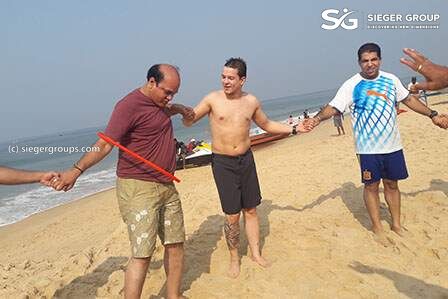
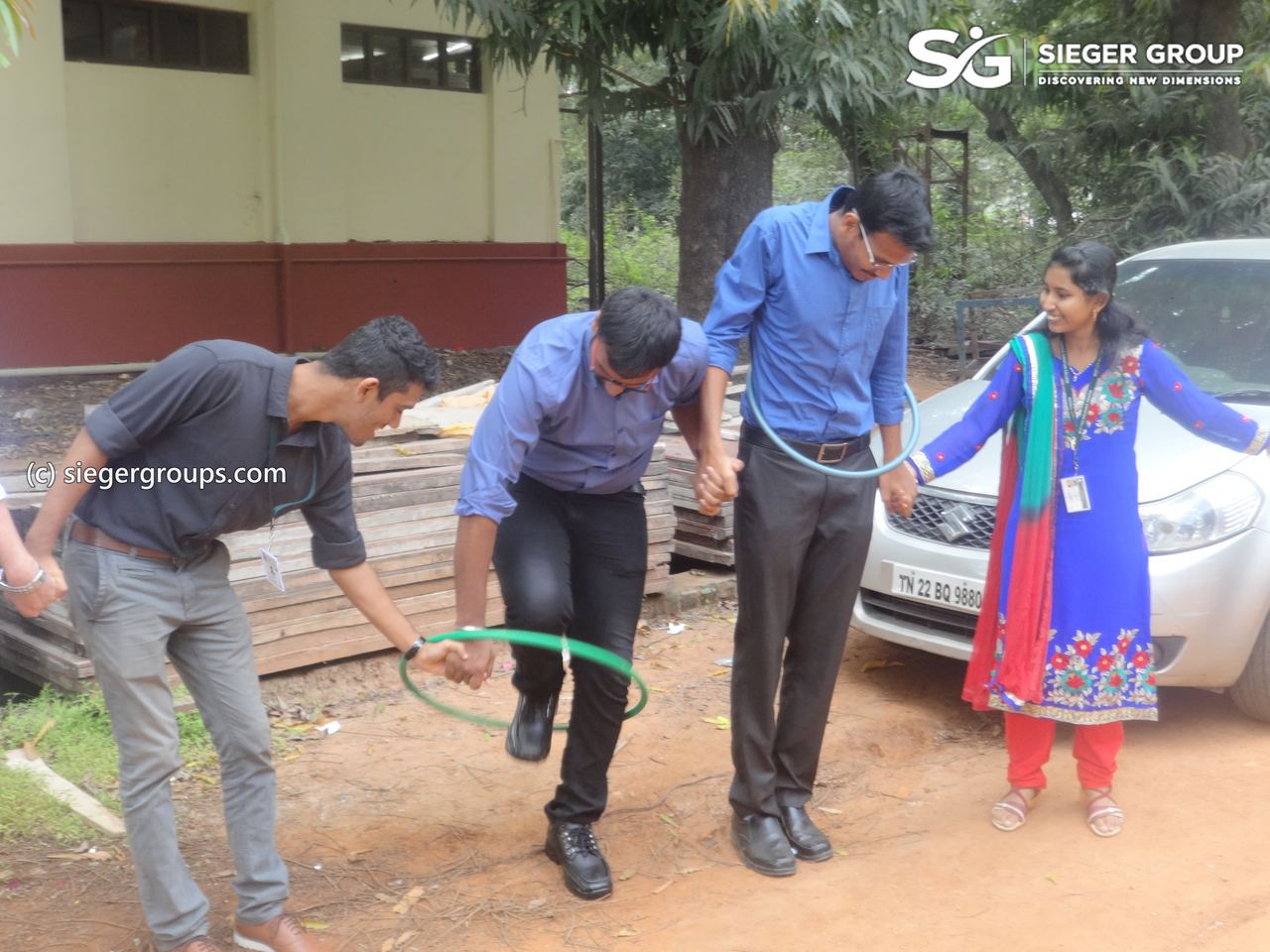
A tunnel-themed station adds a coordinated passage to the relay. The facilitator introduces the route and movement format before teams take their turns.
Learning focusTiming a transition
Build a relay from short stations that call for different strengths. How well a departing team briefs the next can matter as much as its round time.
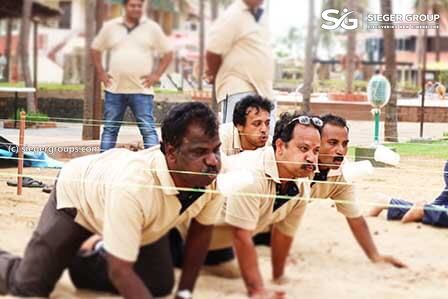
Several short races let the group try different kinds of handover. A baton relay rewards a clean exchange, while a transport-belt round demands a steady pace from everyone at once. The organiser chooses stations around the venue and participants.
Use a short handover that gives the next group one instruction and one observation.
Sieger’s Caterpillar Bulldozer recording shows the shared-belt format listed under Transport Belt. Watch how the group inside one loop has to agree on a pace.

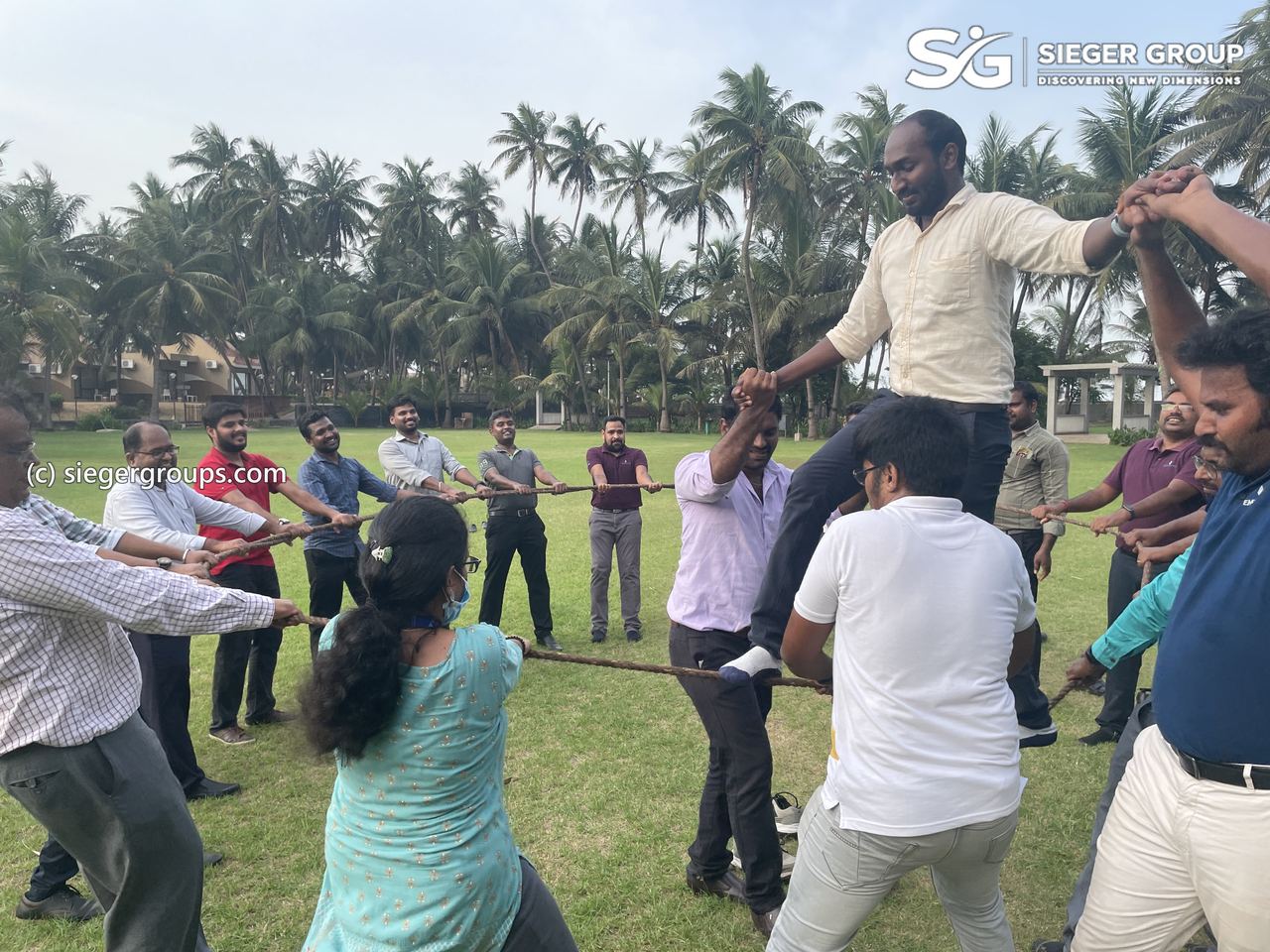
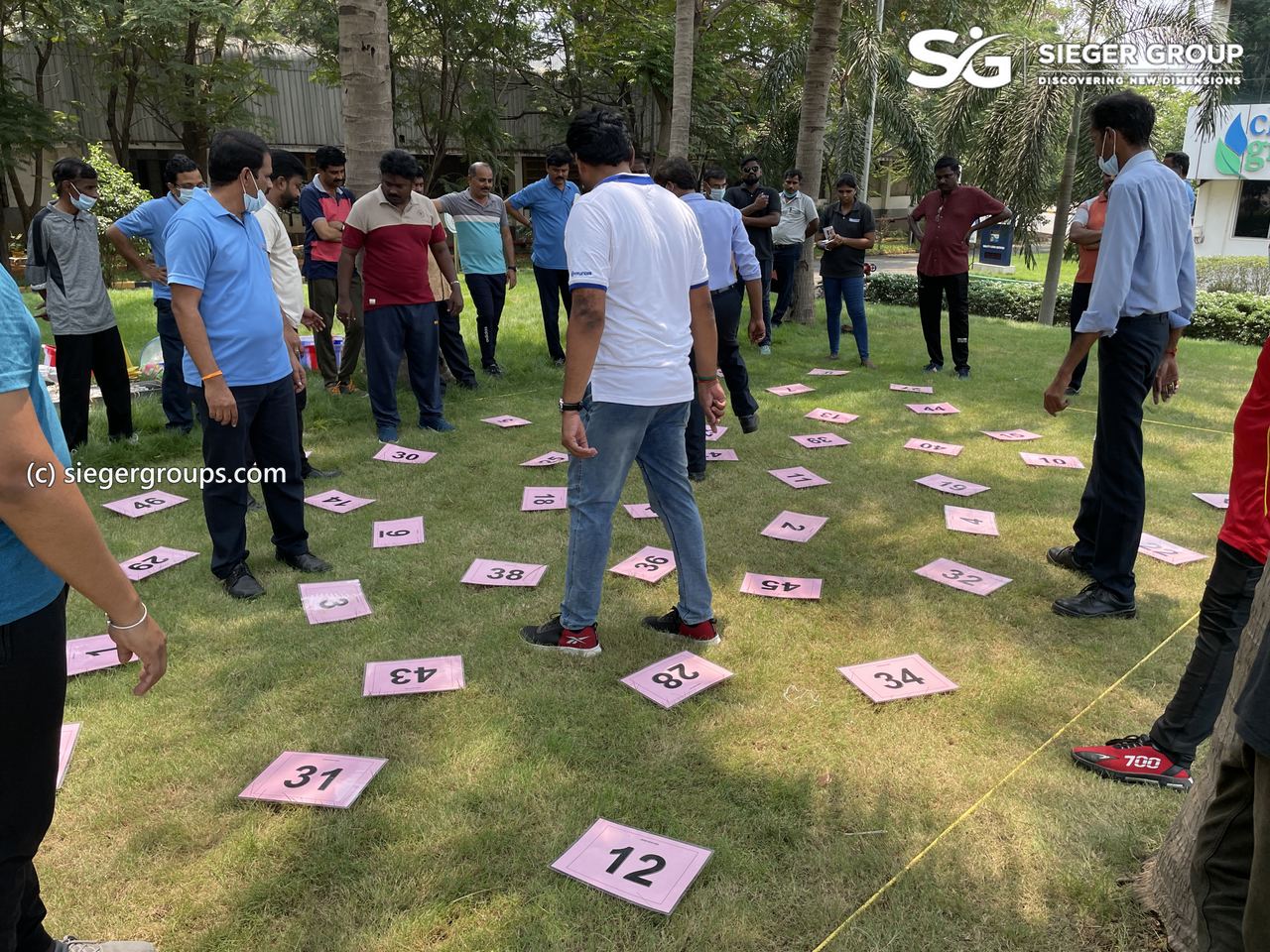
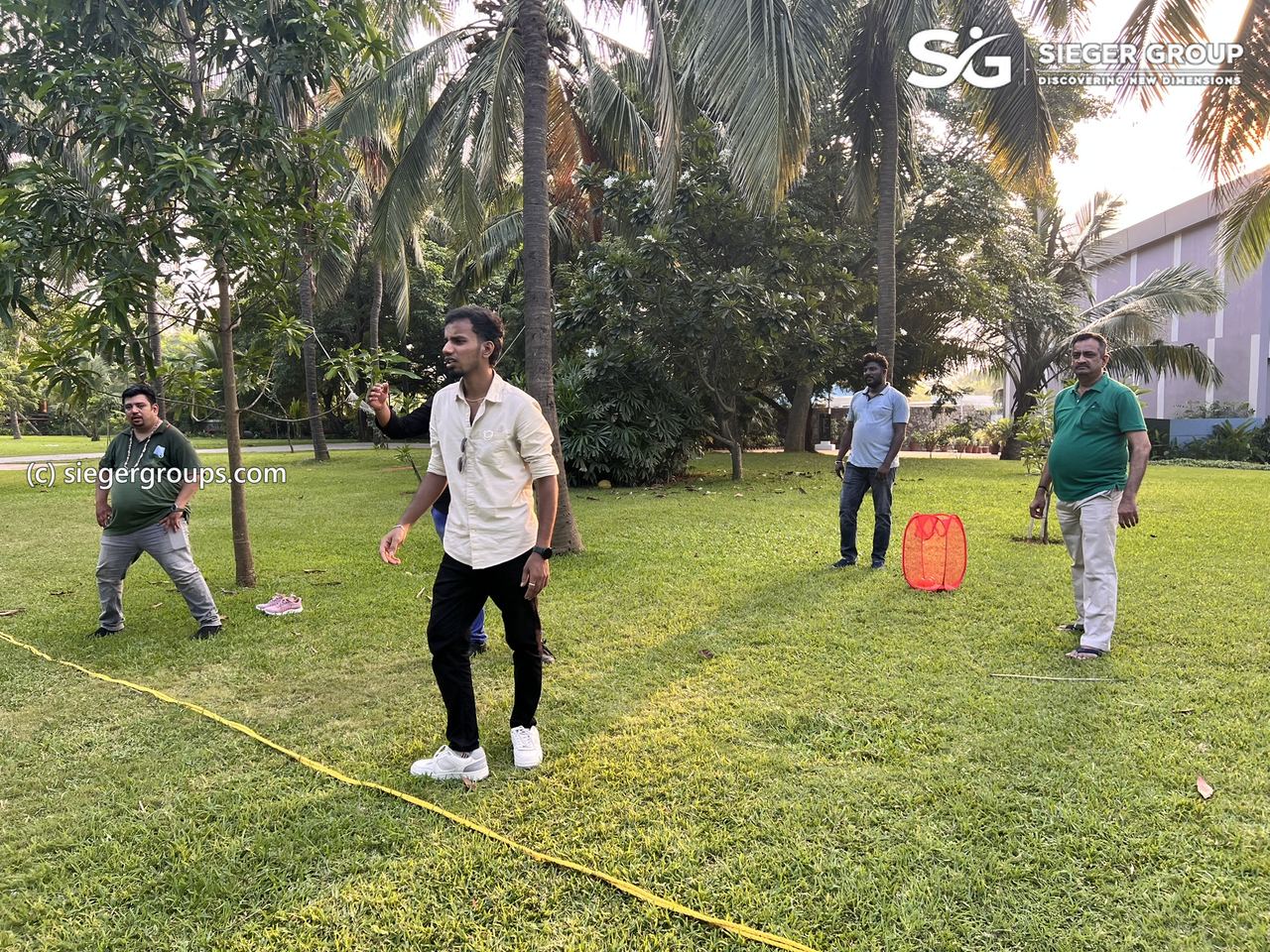
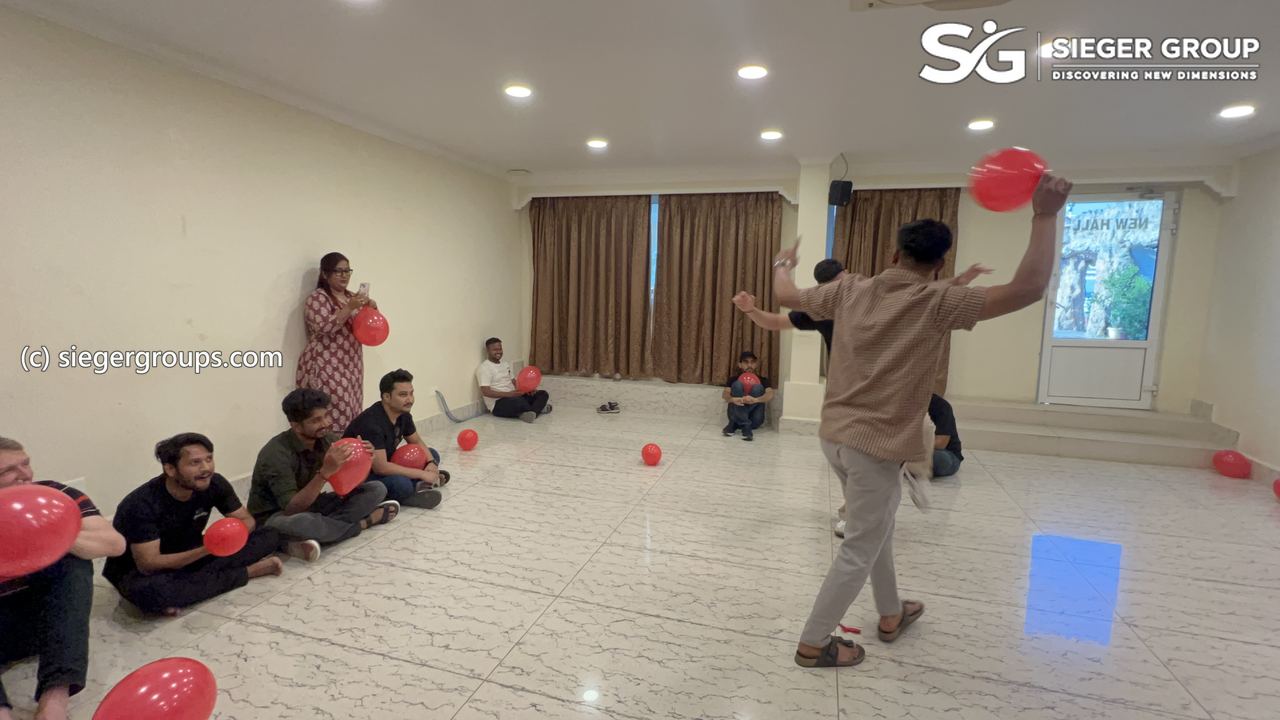
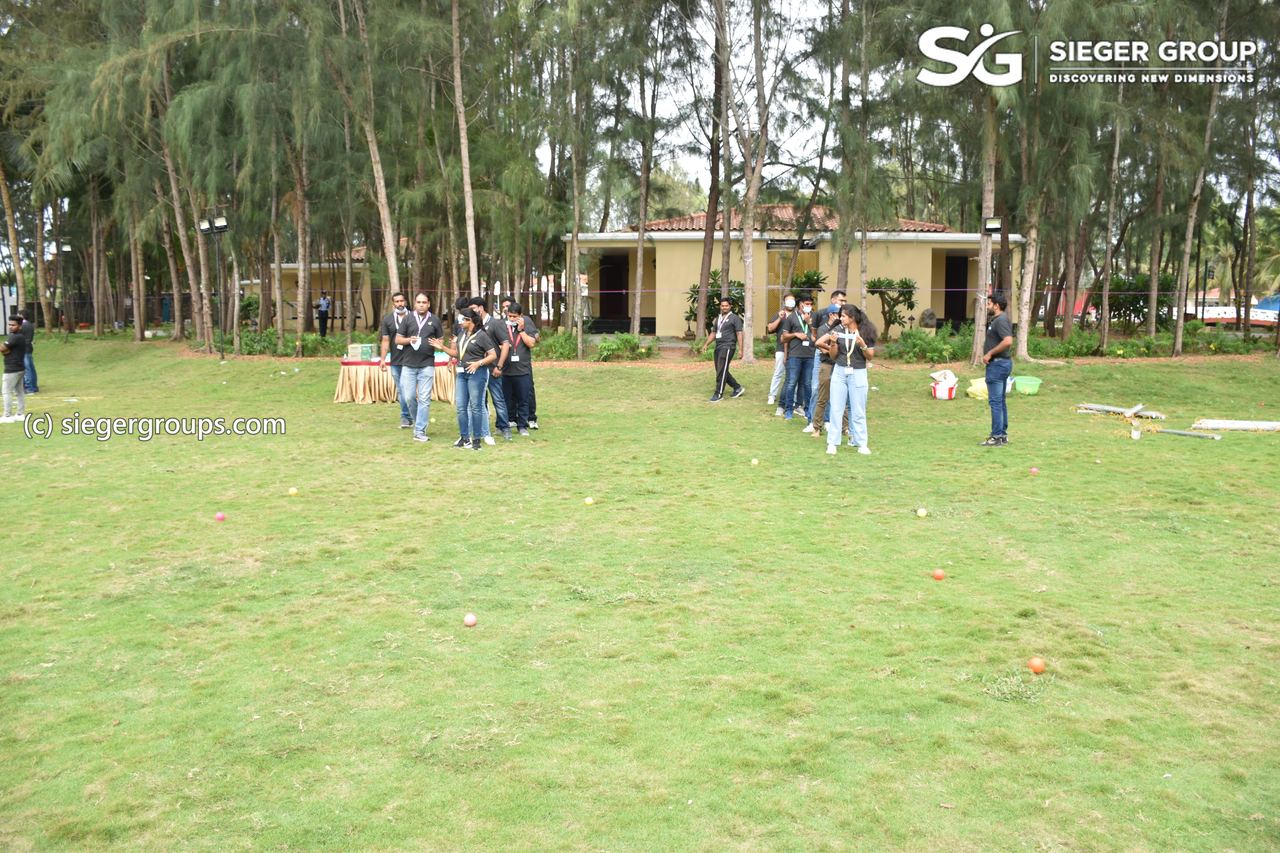
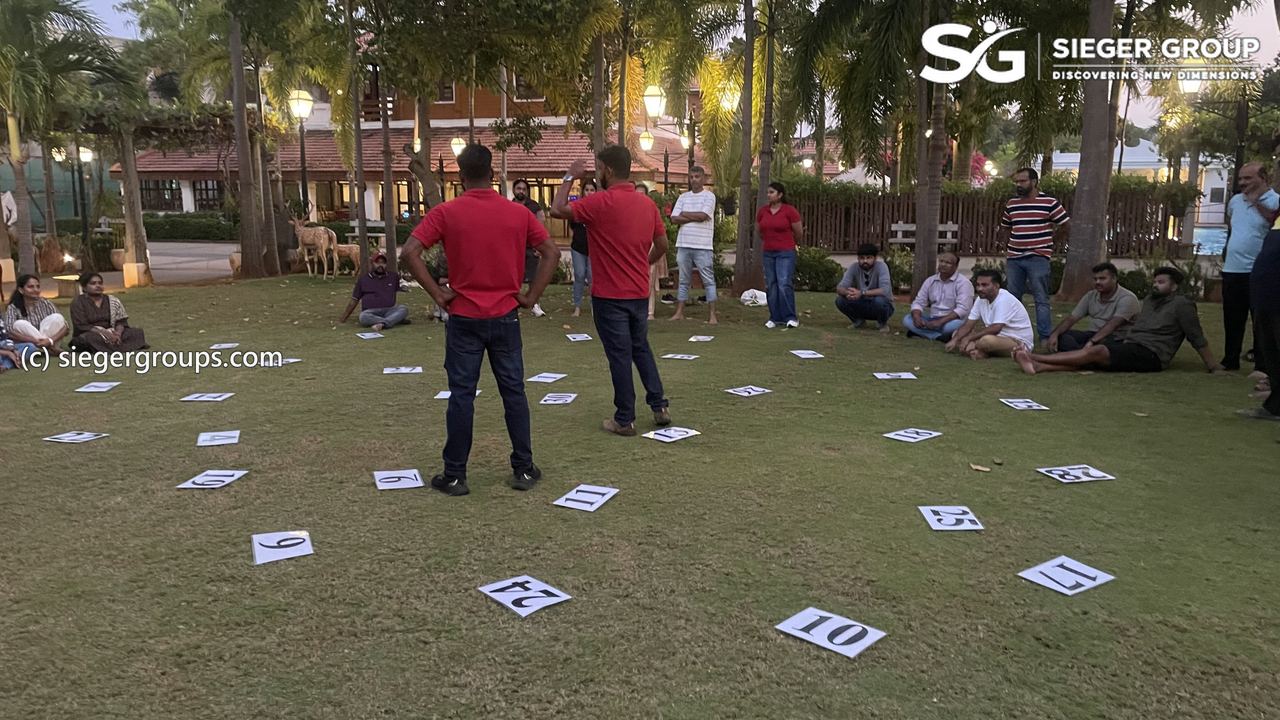
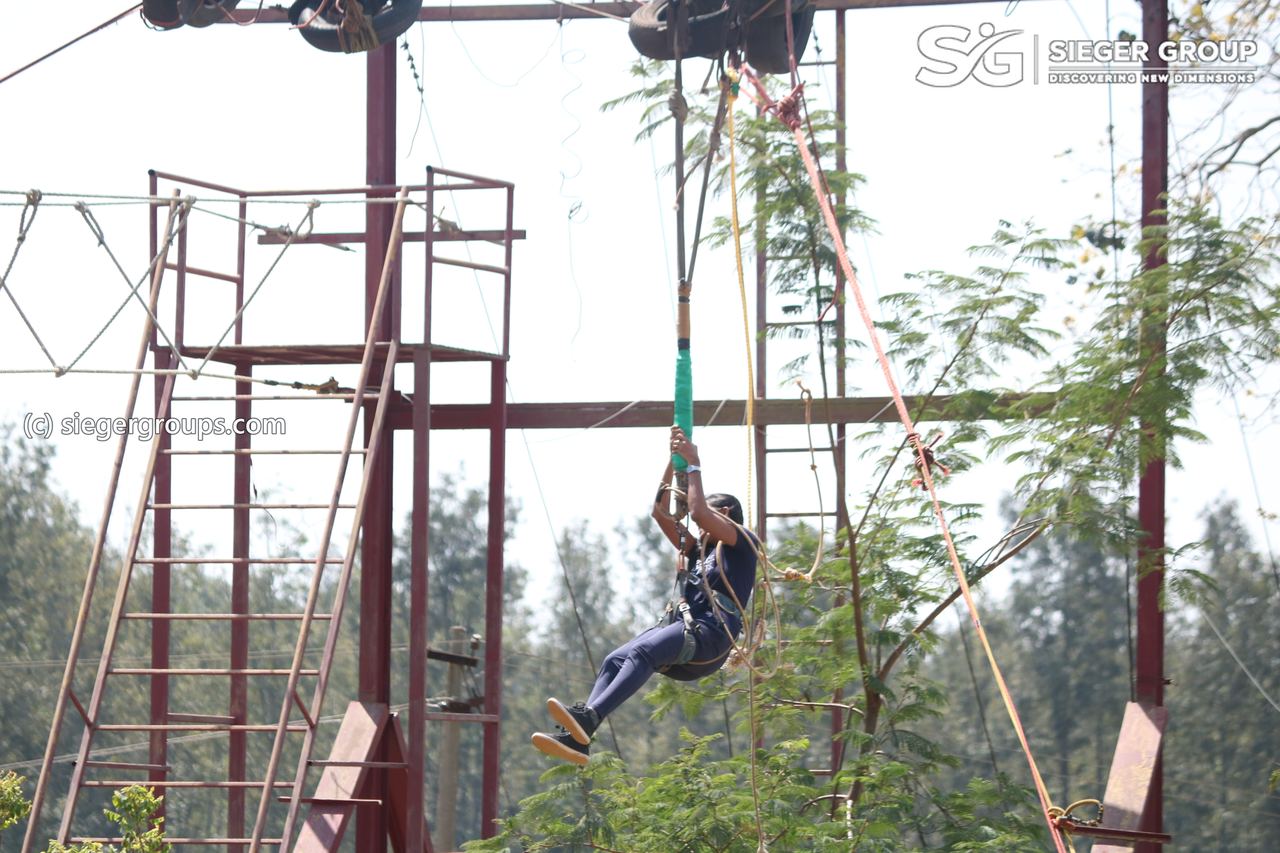
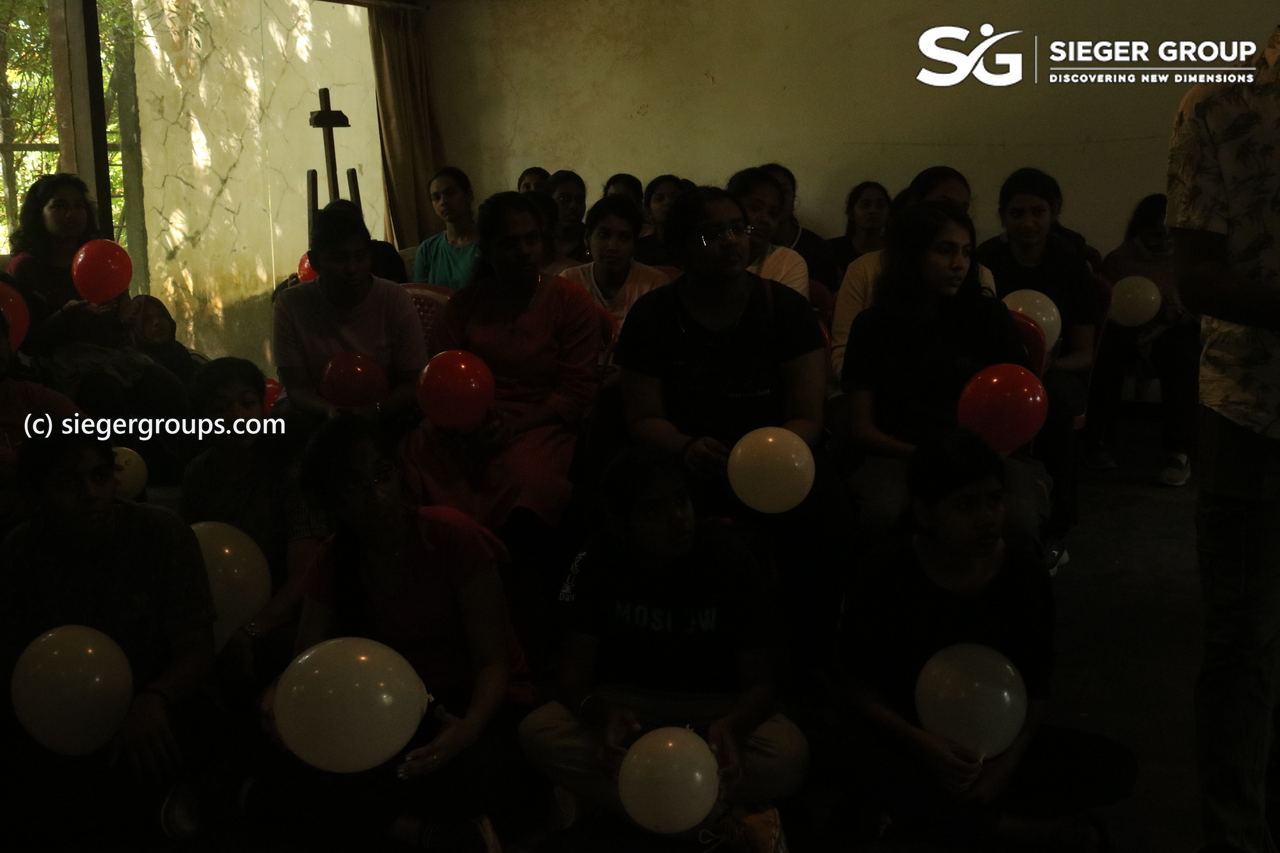
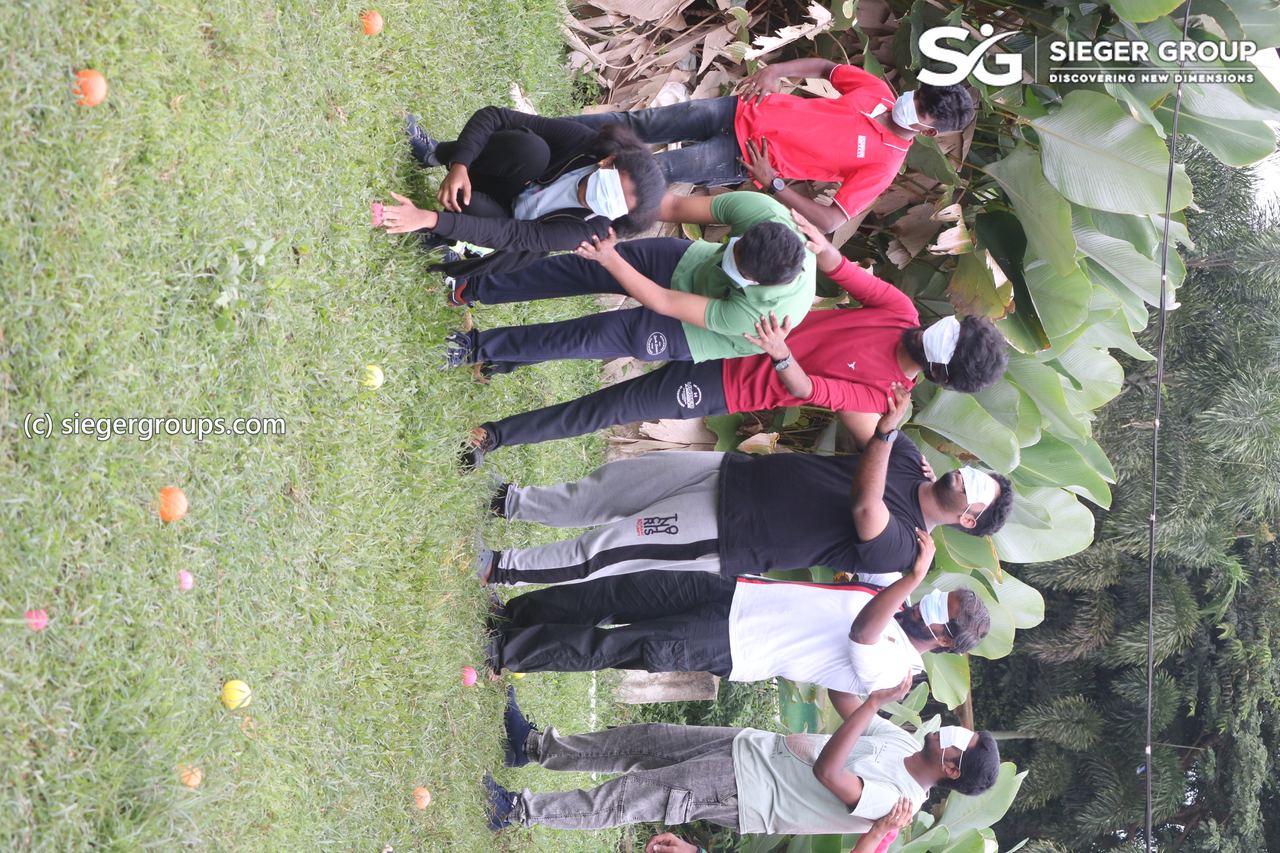
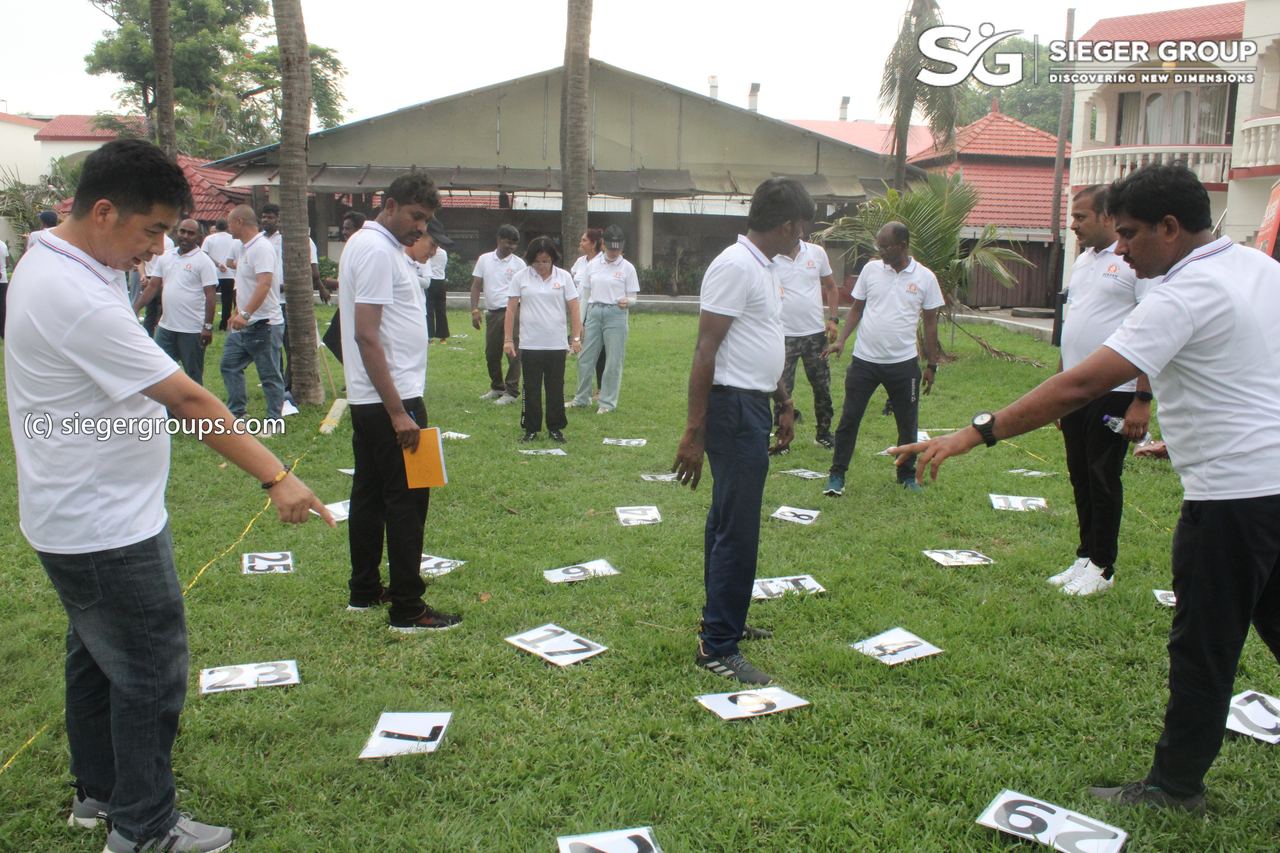
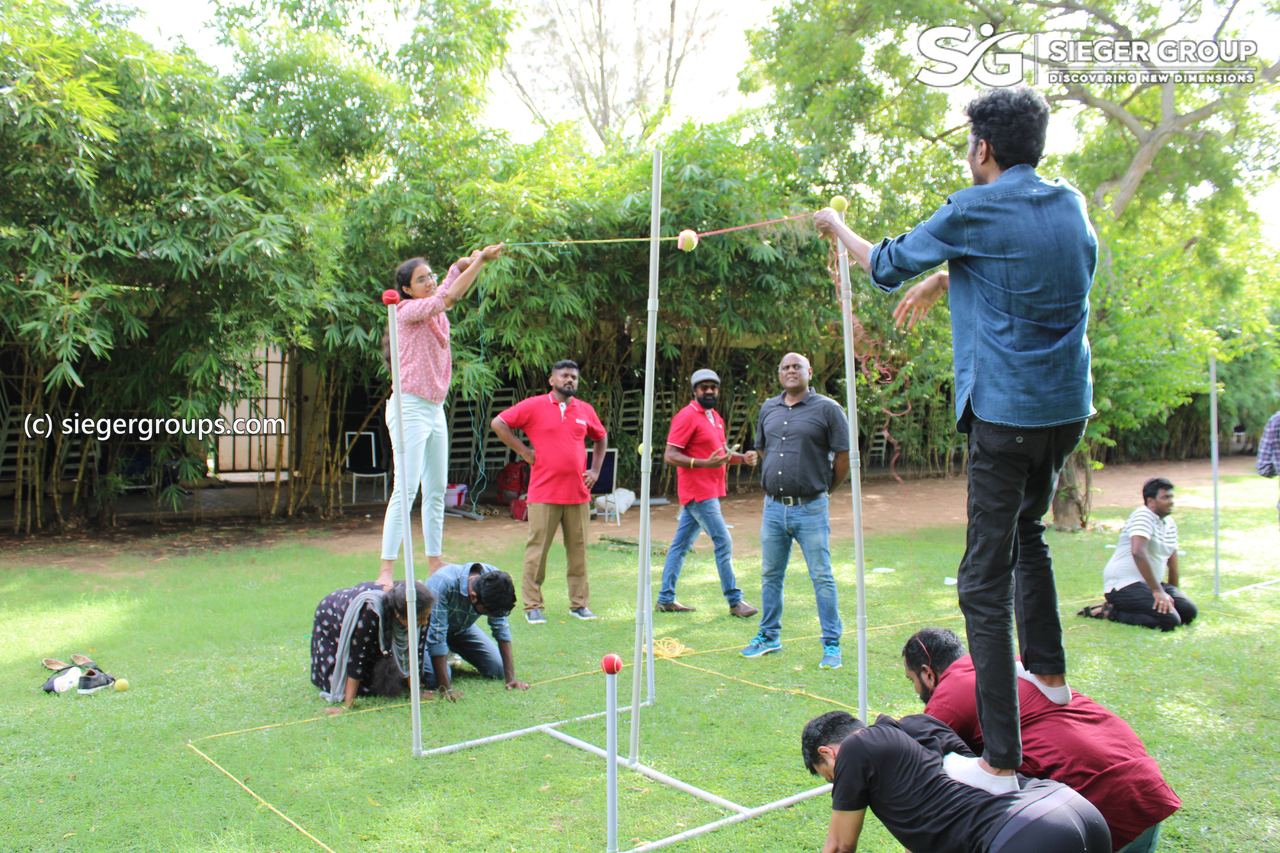
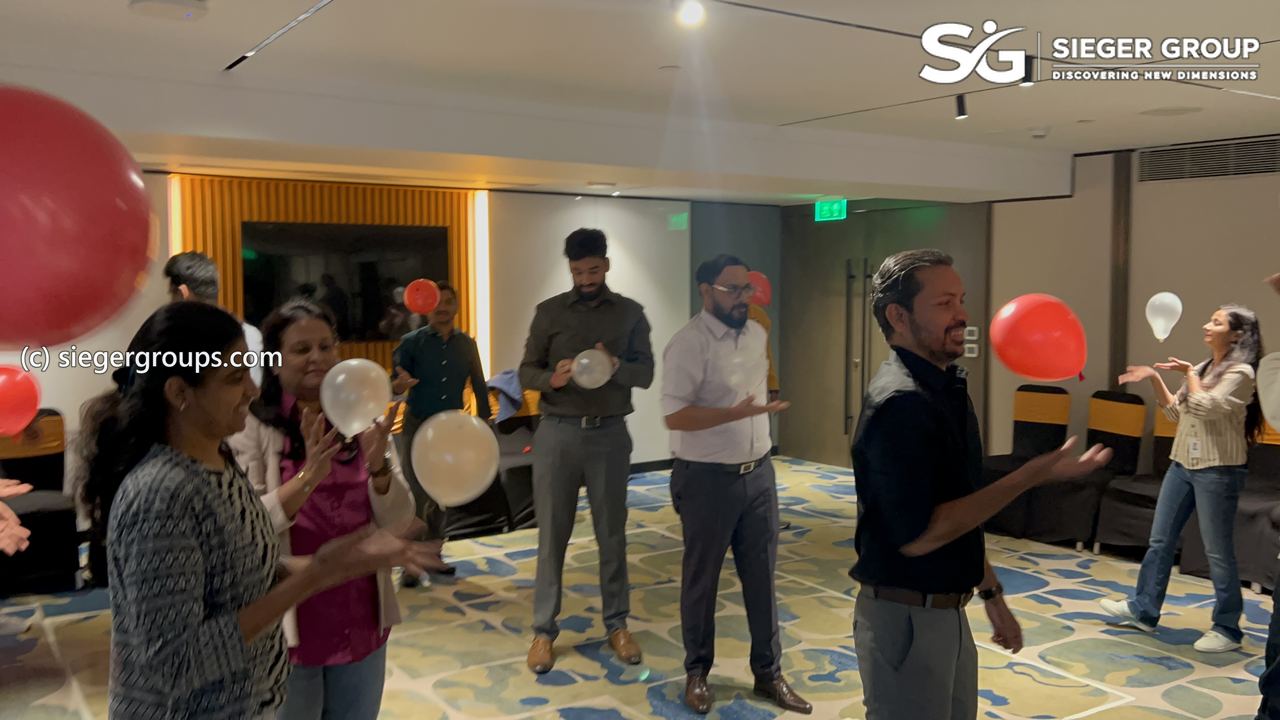
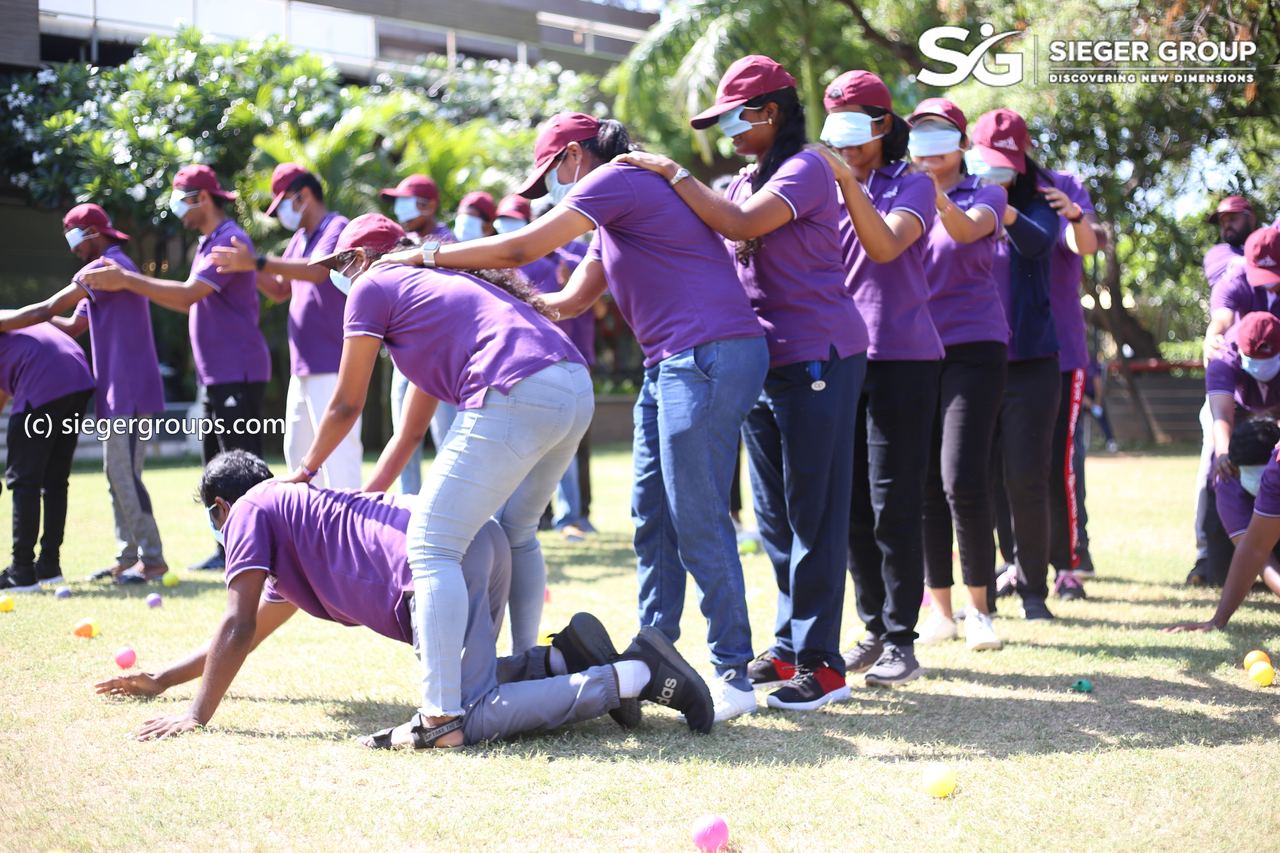
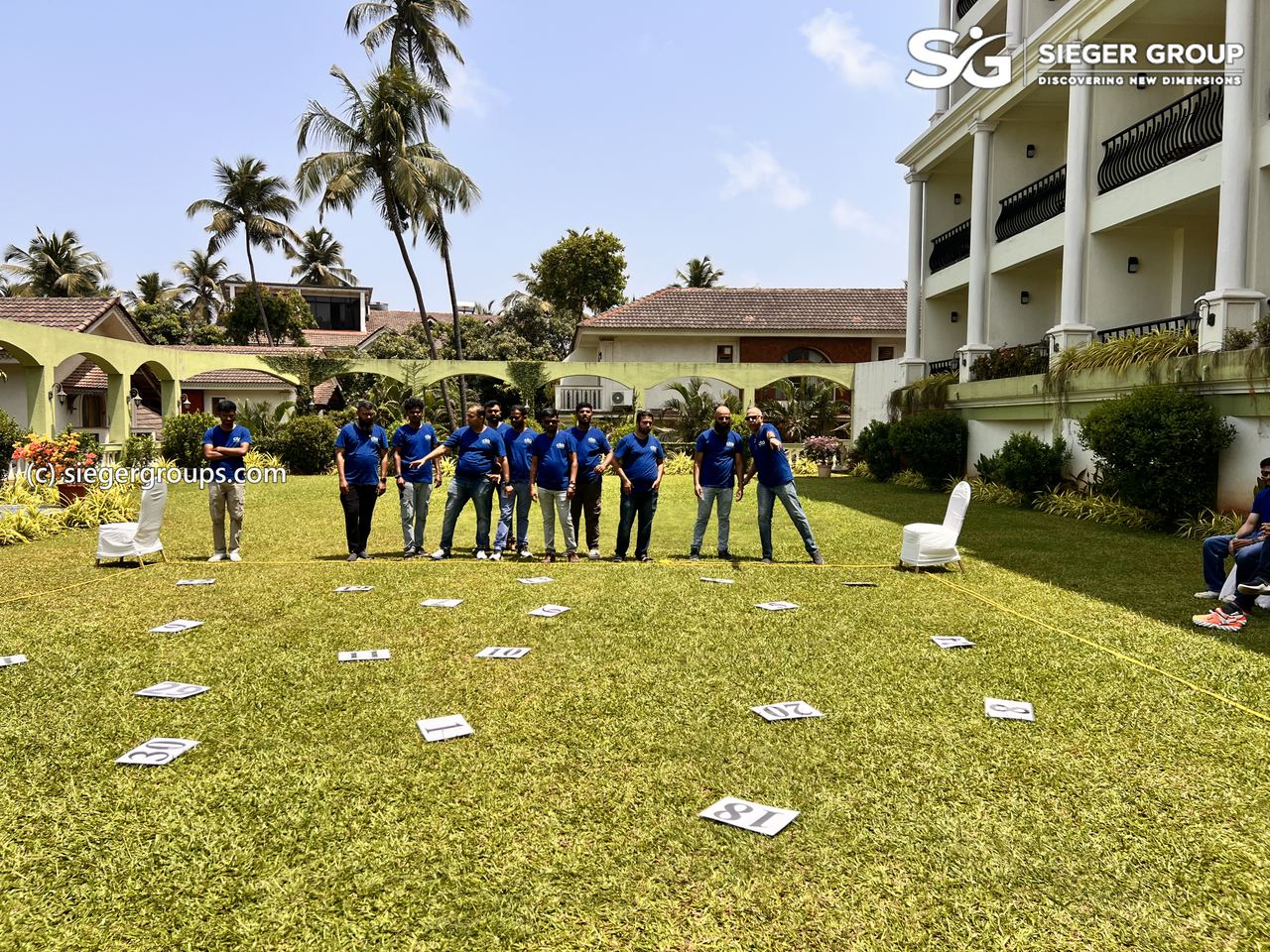
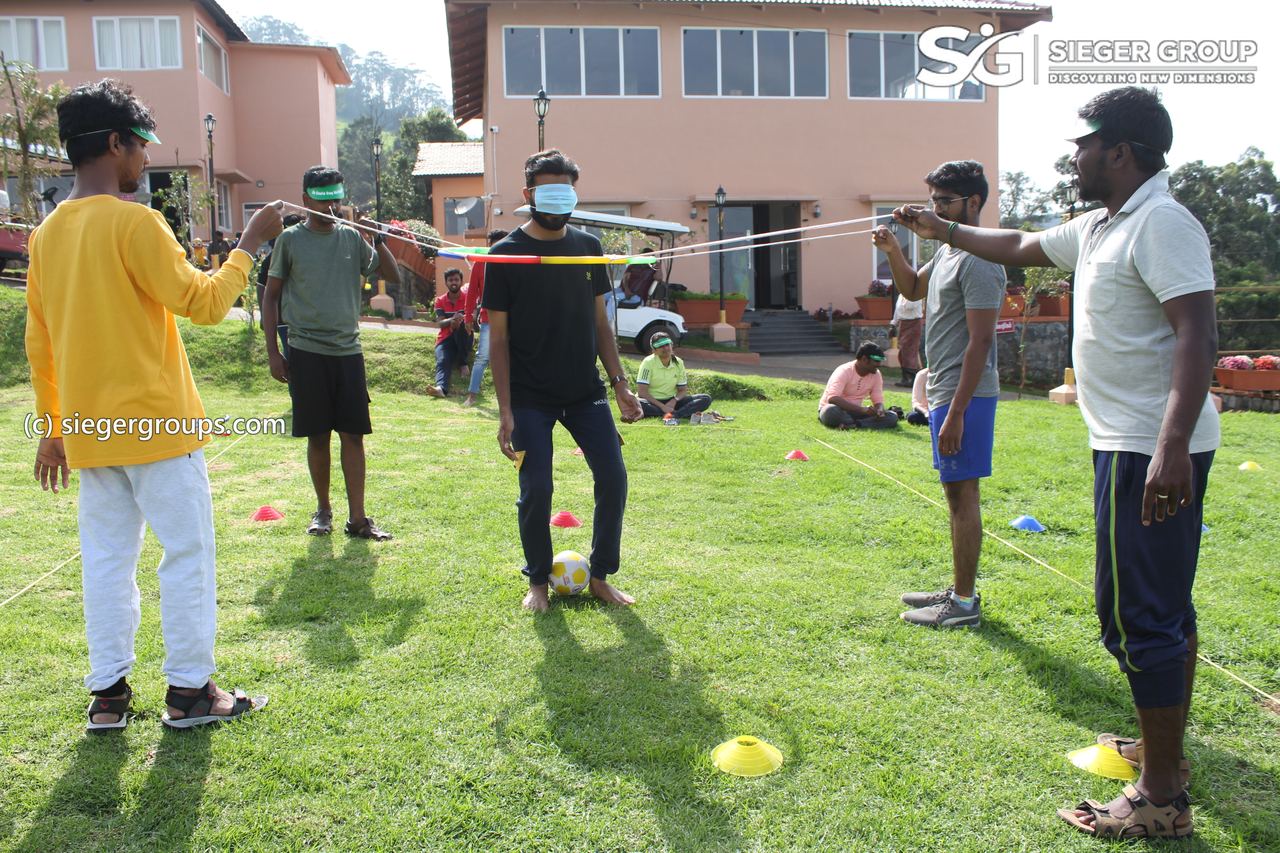
A tunnel-themed station adds a coordinated passage to the relay. The facilitator introduces the route and movement format before teams take their turns.
A bridge-themed station asks teammates to coordinate a crossing or transfer. The equipment determines the particular relay challenge.
Move as a connected formation in a centipede-style race. Shared pace and communication help teammates keep the group together.
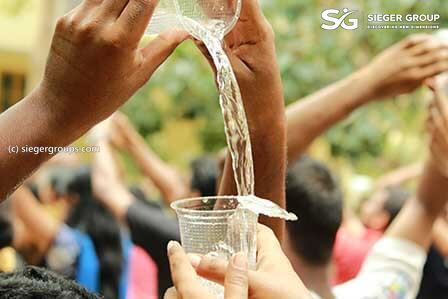
Transfer water using a sponge in a team relay. Efficient handovers help more water reach the collection point.
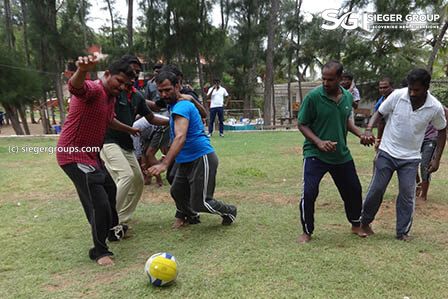
Move a ball along the route and transfer it to the next teammate. The selected carrying rules shape the challenge.
Carry a baton along the course and pass it to the next runner. Clear handovers keep the relay moving.
A tube-based station brings an equipment challenge into the relay. Teams follow the agreed transfer or movement format and coordinate each turn.
Use a wash bowl in the selected carrying or water-transfer task. The briefing explains the route, handovers and scoring.
Carry and pass a balloon through a team relay. Participants coordinate the handover while keeping the balloon intact.
A blanket-based relay asks teammates to coordinate movement around a shared piece of equipment. The facilitator explains the format before the round.
Work together on a belt-based transport challenge. Coordinated movement helps the team progress through the shared task.
A duck-themed movement station adds variety to the relay. The facilitator demonstrates the format and confirms participation options.
An island-themed station asks the team to transfer items or messages between designated points. The briefing sets out the route and resources.
Transfer water into a shared collection pool or container. Teams coordinate repeated trips and handovers to build their total.
A ride-on vehicle station adds a playful racing element. The organiser confirms equipment suitability and the designated course.
A stilt-themed relay introduces a balance-focused station. The instructor confirms suitable equipment, the course and ways to participate.
A hopping-style relay brings a different movement pattern into the race. Teams follow the marked route and handover sequence.
A skateboard-based station introduces a rolling-equipment challenge. The facilitator confirms the supported format, area and participant requirements.
Use these points to draw out what colleagues can learn from Extreme Team Relays.
Discuss how the space between tasks affected overall performance.
Consider how the relay created useful roles for more than one kind of ability.
Share the floor or field space, group size, schedule and preferred activity level so stations and rotations can be agreed.
Respond to changing station demands and communicate when the next group is ready.
Consider how the relay created useful roles for more than one kind of ability.
Match responsibilities to the tasks while agreeing how handovers will happen.
How did the team allocate different relay tasks?
Use a short handover that gives the next group one instruction and one observation.
Make first contact through a short challenge with a clear shared purpose.
Use a change of pace to see different strengths and roles in action.
Choose a mix of active, creative and observer roles around the audience and venue.
An illustrative running order for Extreme Team Relays. Confirm timings, breaks and participation arrangements in your event brief.
Sieger Group supports organisations with team-building experiences and facilitated programmes.
Build a relay from short stations that call for different strengths. How well a departing team briefs the next can matter as much as its round time.
Use a short handover that gives the next group one instruction and one observation.
Tunnel Relay, Bridge Relay, Centipede Race, Sponge Relay, Ball Relay, Pass the Baton. The final selection is agreed with the organiser.
New starters and mixed departments and established teams can use this experience. Make first contact through a short challenge with a clear shared purpose.
This activity is designed for groups of 20–500. Share your expected headcount and venue so Sieger Group can confirm a suitable arrangement.
Allow 1–3 hours for the activity session. Sieger Group can confirm the timing against your event schedule and agreed format.
Share the floor or field space, group size, schedule and preferred activity level so stations and rotations can be agreed.
Share access requirements and preferences when planning the session. The facilitator can discuss roles such as observing, recording decisions or presenting the group’s findings.
Review the selected stations and how progress passes from one challenge to the next.
Consider how the relay created useful roles for more than one kind of ability.
Yes. Share the purpose of the offsite and which part of Extreme Team Relays you would like to emphasise. The facilitator can discuss how to fit the chosen elements into the wider event.
Use the enquiry form or contact Sieger Group with your preferred date, city, headcount, venue and learning objective. Include any participation or access requests in the brief.
Share your date, city, group size and the outcome you want colleagues to take away.
Request a tailored proposalTell us what you have in mind. We will help you explore a programme that fits your people and your occasion.
Still finalising the details? Share what you know.
Every team is different. Share your people, purpose and preferred setting, and we’ll translate your brief into an experience designed to connect, engage and create lasting impact.
Share your brief and preferred contact details.