Sieger Group · Team Building

Mind Maze Challenge

A facilitated experience, designed around your team.

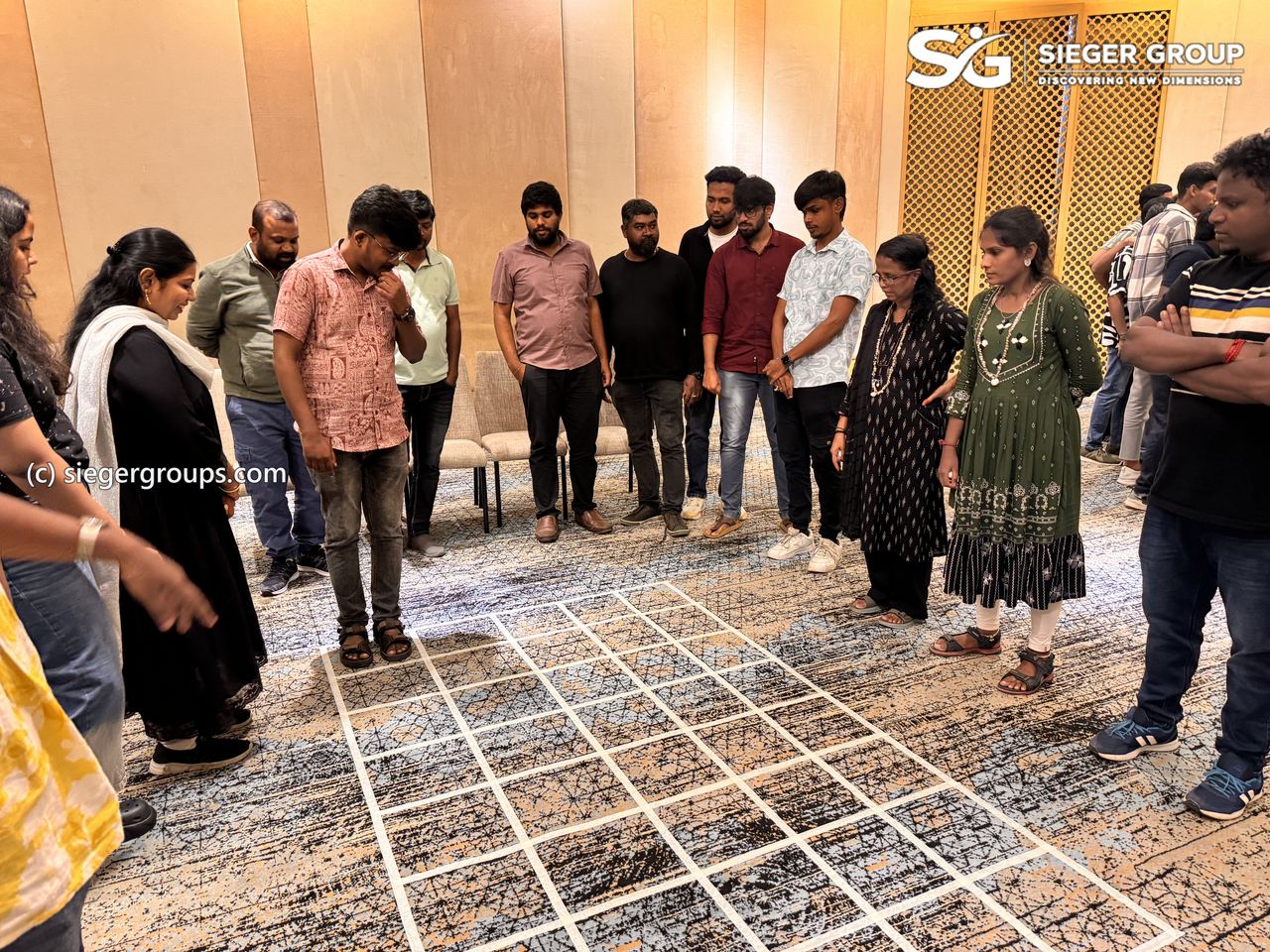
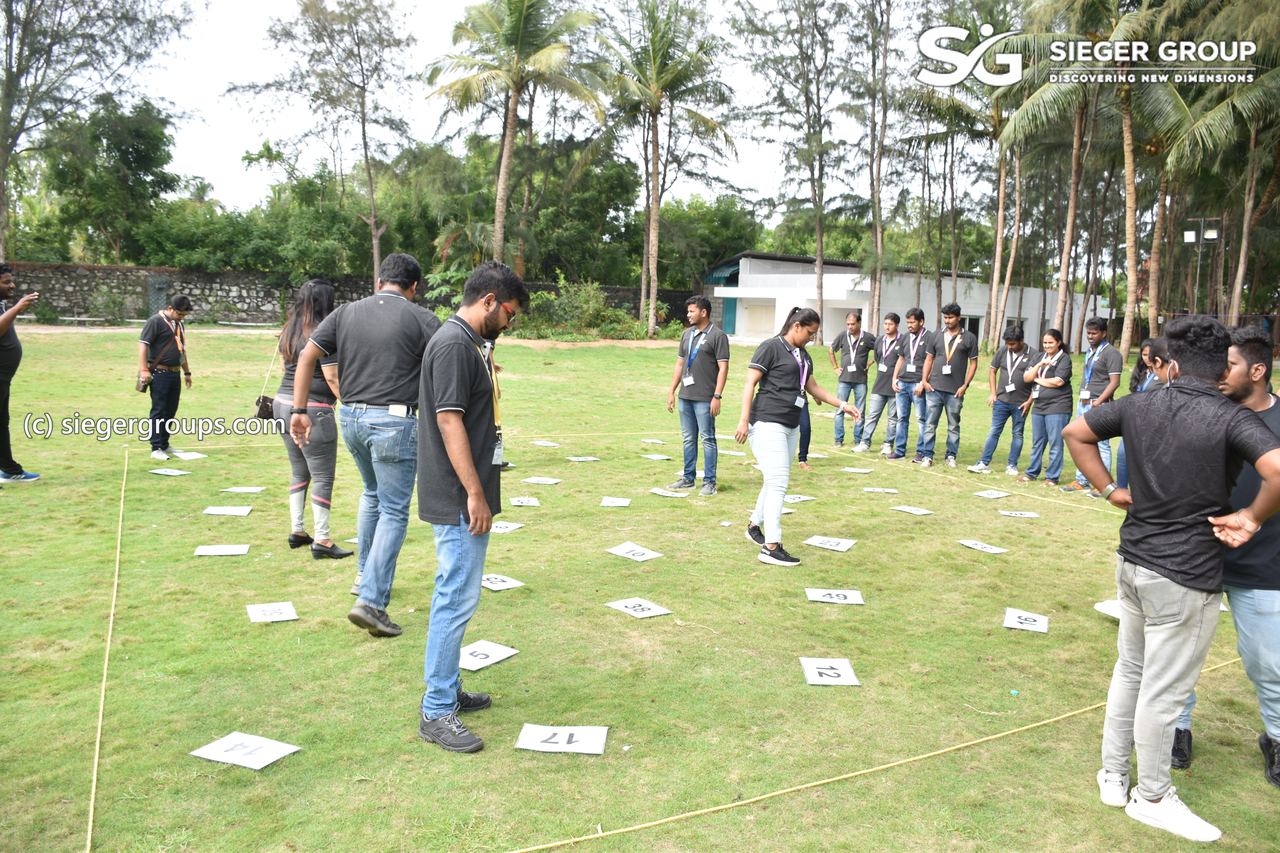
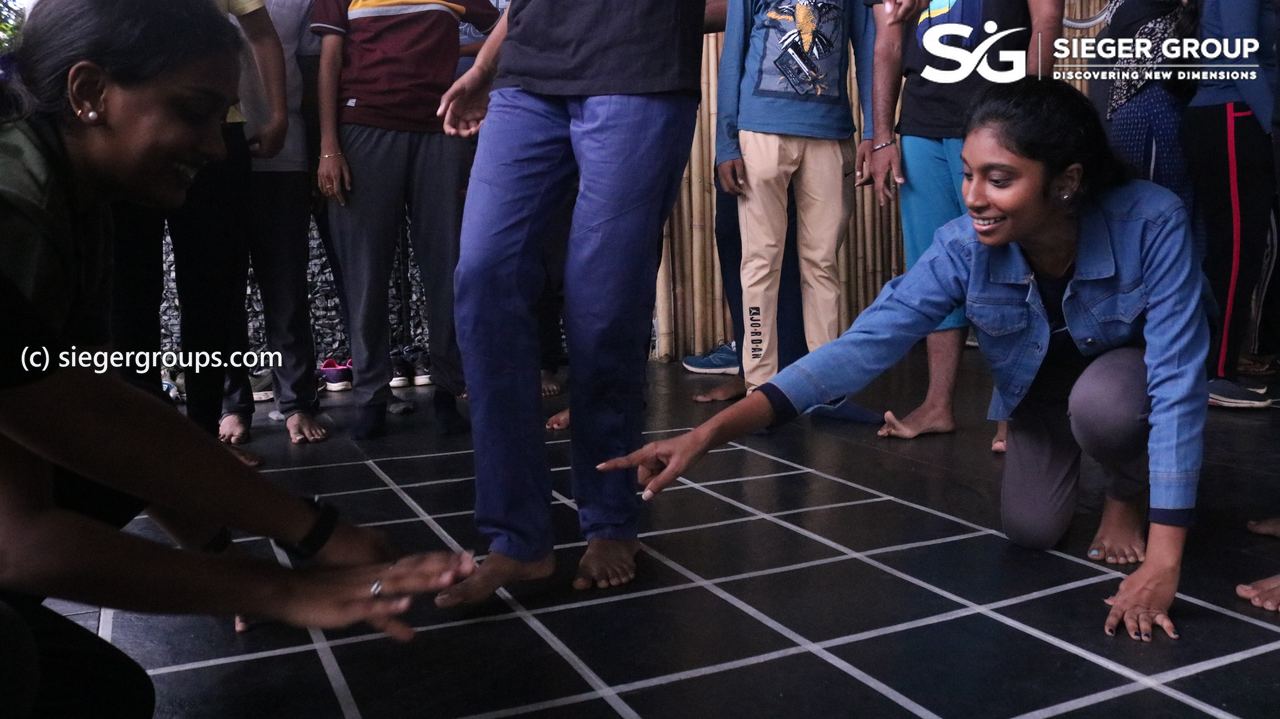
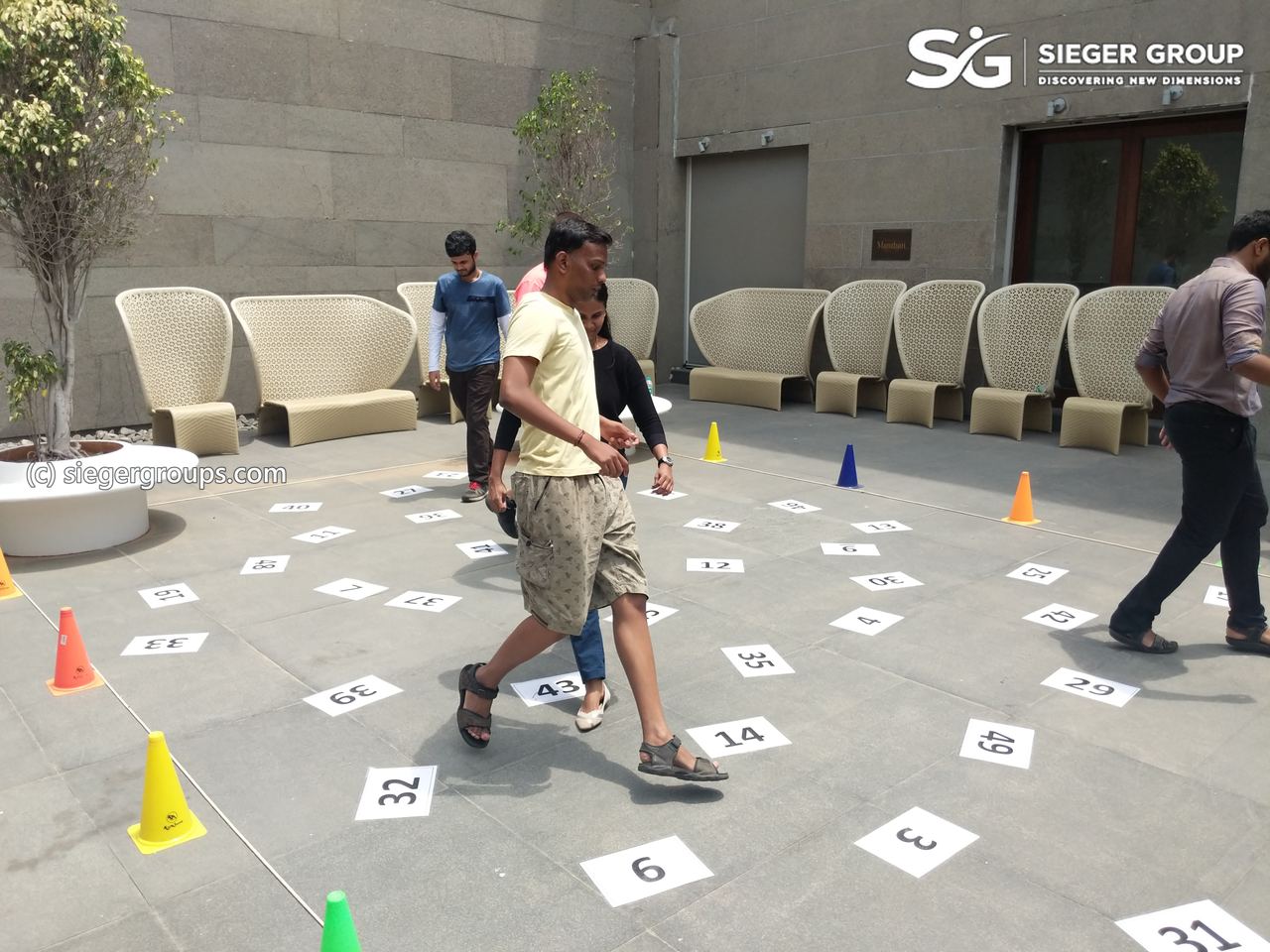
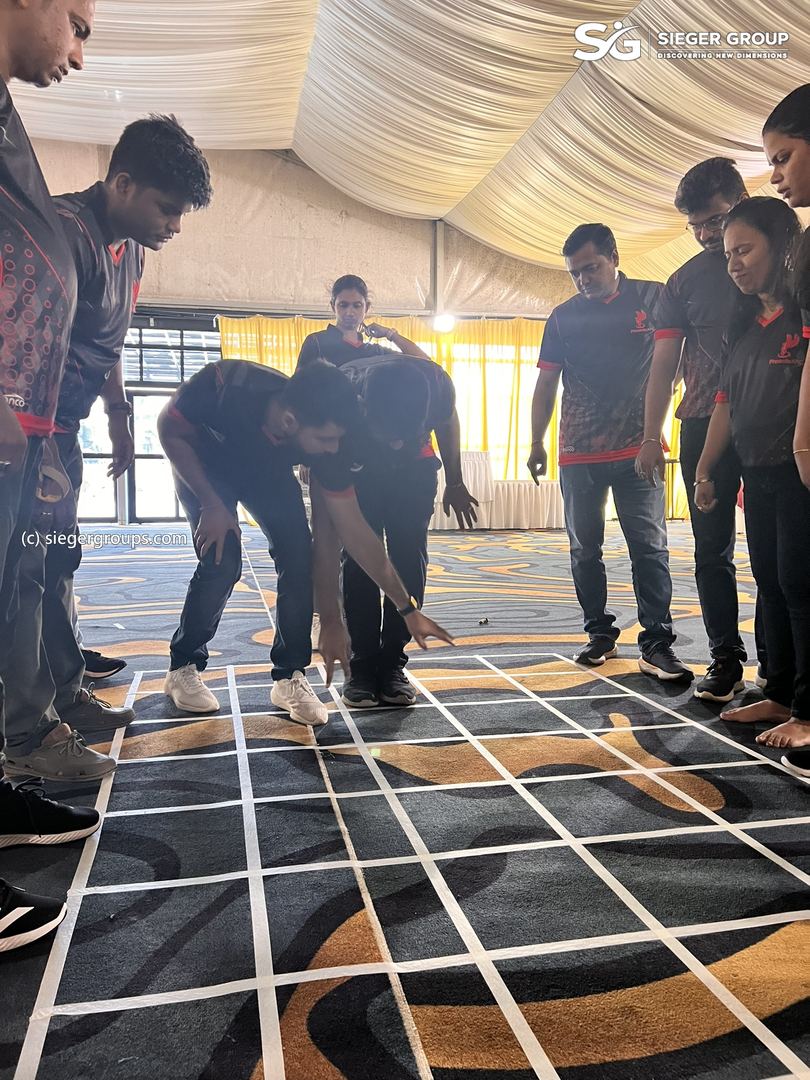
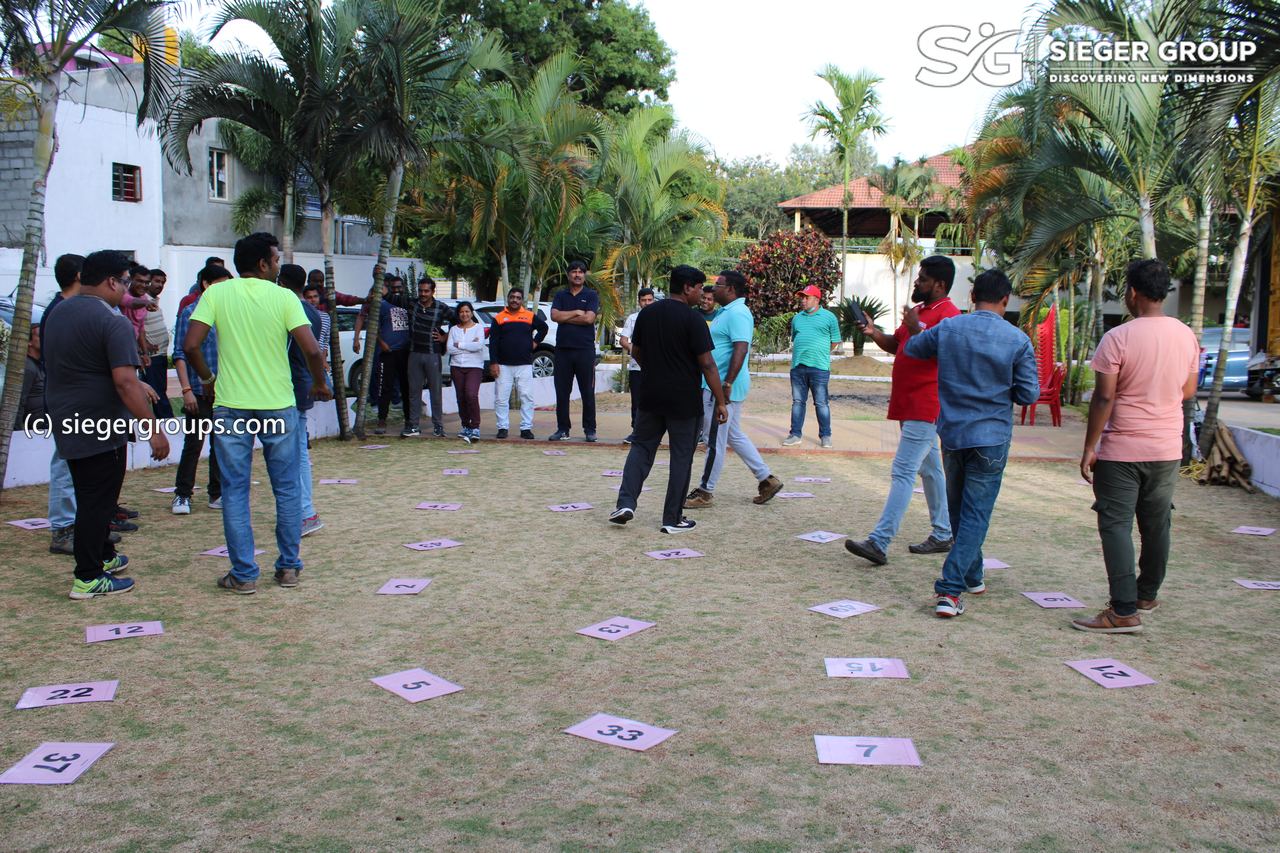
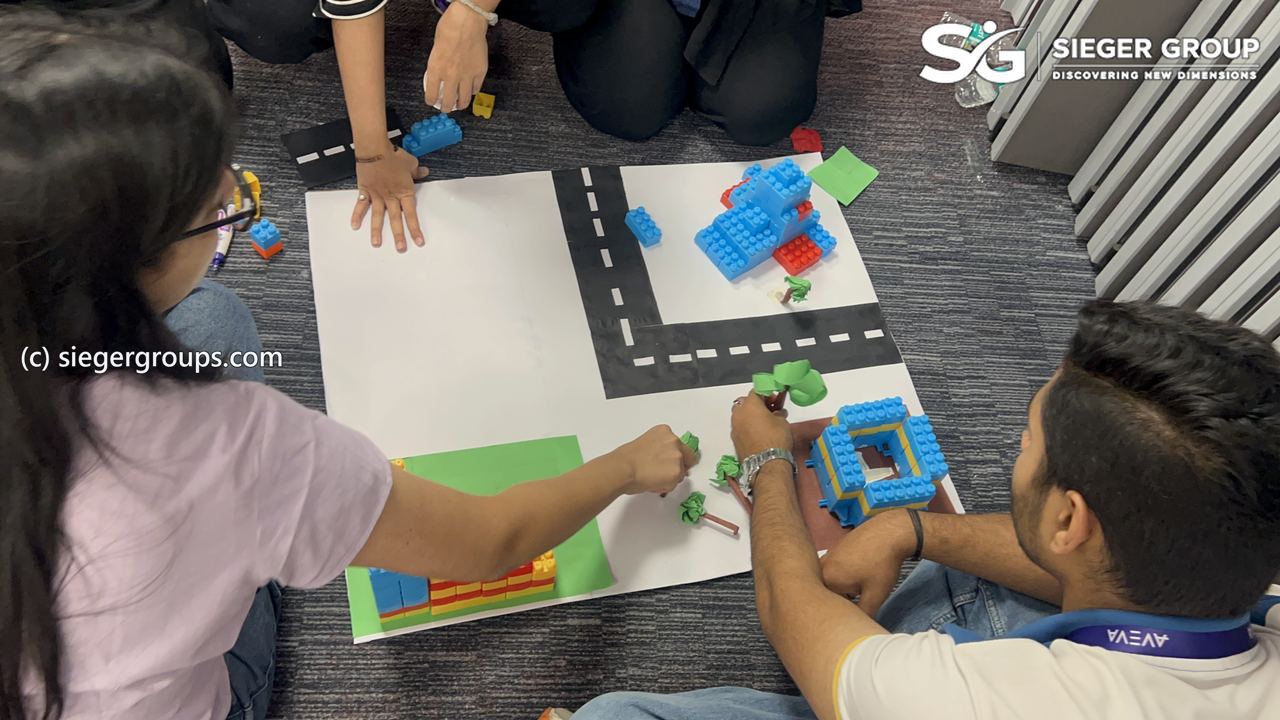
Mind Maze Challenge is a powerful experiential team-building intervention where participants navigate an evolving maze filled with logic traps, mental puzzles, decoding missions, and decision checkpoints.

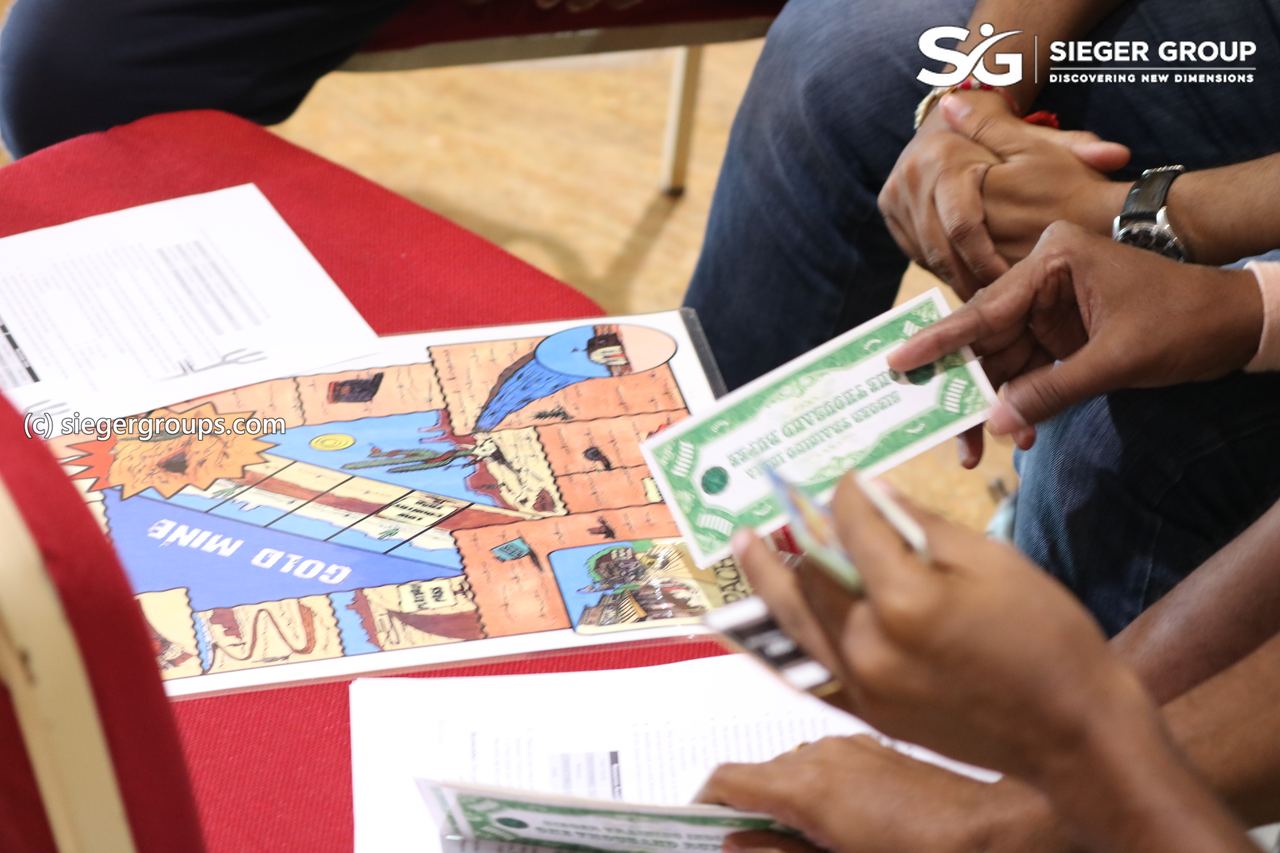
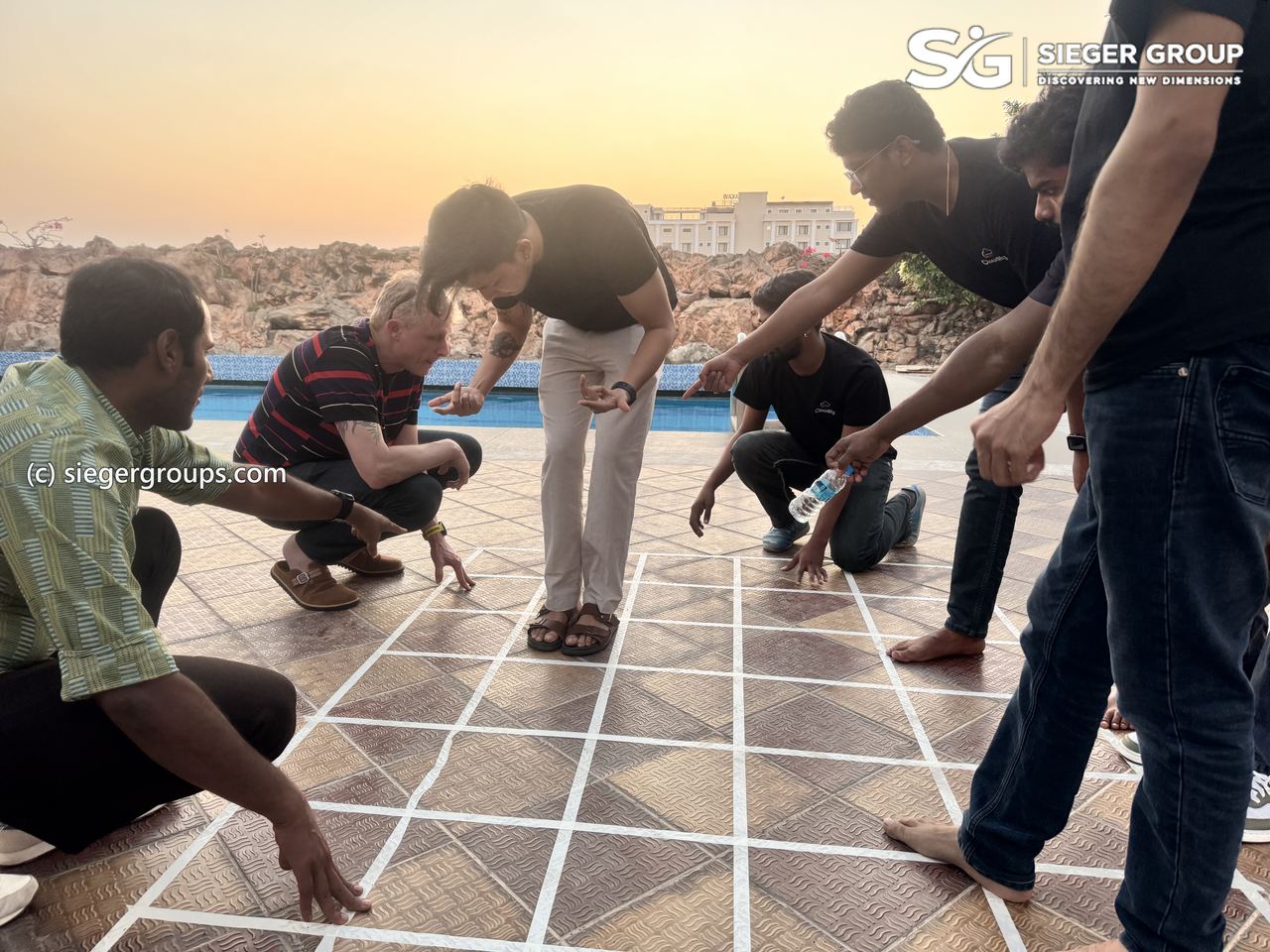
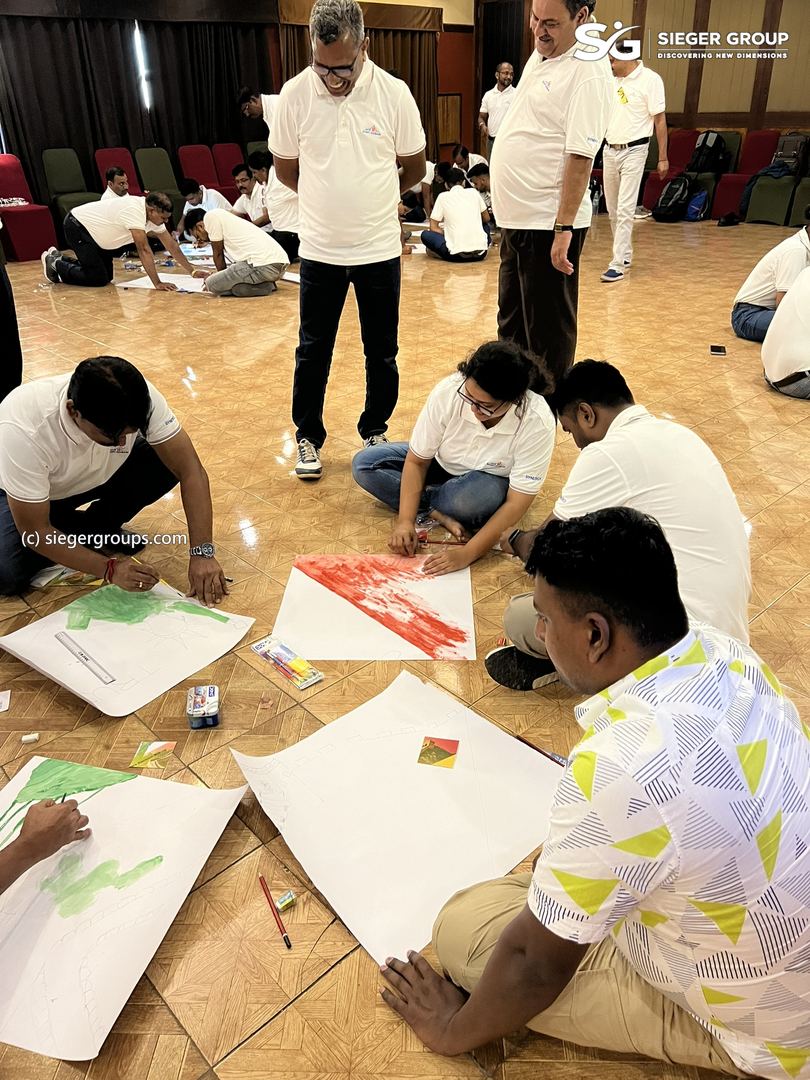
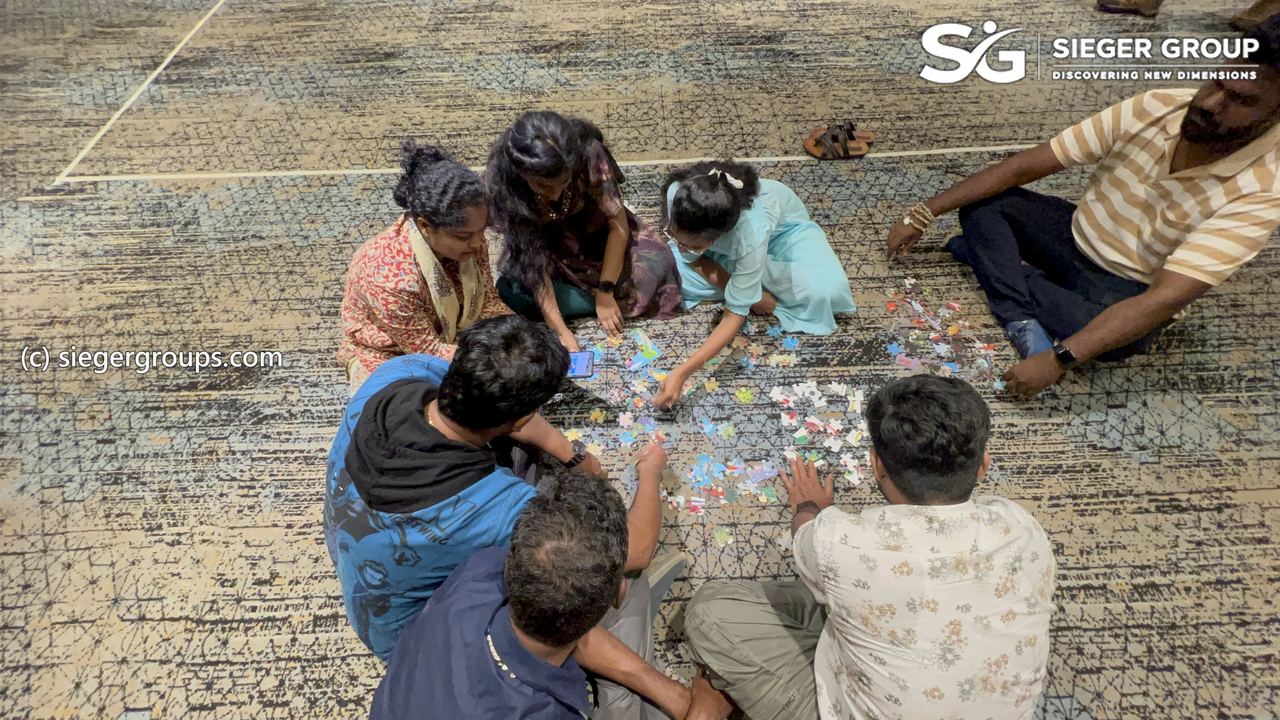
Sieger Group programme photograph — Mind Maze Challenge

Core Activities for Mind Maze Challenge

Build a route around four kinds of checkpoint: a logic problem, a decision, a pattern and a memory test. Rotate the lead at each stop so the next solution draws on a different teammate.

Look twice at the first answer

Maze Logic Traps

Teams encounter a checkpoint whose first apparent answer may not fit all the available evidence. They discuss alternative interpretations before committing to a route. The activity invites careful reasoning and gives the debrief a concrete example of how assumptions, confidence and constructive challenge shaped the next decision.

Learning focusReasoning · Assumption checks
Choose a route together

Decision Checkpoint Zones

At selected points, groups choose between routes or tasks using the information currently available. Teams explain their priorities and record what might cause them to reconsider. The review explores how the group made progress under uncertainty and whether everyone understood the reasoning behind the choice.

Learning focusDecision-making · Priorities
Test the pattern

Pattern Decode Missions

Participants study symbols, sequences or visual relationships to identify a pattern that unlocks another part of the challenge. They compare explanations and test the proposed rule against the full set of clues. The discussion examines how a shared method differs from accepting the most confident early guess.

Learning focusPattern recognition · Evidence
Keep the useful details connected

Memory Recall Tunnels

At a prepared checkpoint, teams study a set of objects, details or patterns before using what they recall in another part of the maze. Colleagues compare observations and decide which details are reliable. The review considers how information was divided, recorded and combined into the group’s next answer.

Learning focusRecall · Shared information

Communication & Trading Stations

Add these checkpoints when you want the route to depend on an exchange between teams. Players must explain what they know or negotiate for what they need.

Connect the pieces

Communication Bridges

Different teammates receive pieces of information that must be combined before the group can continue. They decide how to describe findings, check understanding and avoid losing important detail. Reflection focuses on what helped separate observations become a shared picture rather than an exchange of disconnected updates.

Learning focusInformation flow · Clarity
Make the exchange serve the task

Resource Trading Corners

Teams encounter a checkpoint where progress depends on exchanging or combining agreed resources. Participants clarify what they hold, what they need and how a proposed exchange supports the wider task. The discussion explores negotiation, transparent priorities and the difference between a local advantage and useful collective progress.

Learning focusNegotiation · Resource choices
Programme overview

Strategic Thinking • Cognitive Agility • High-Pressure Problem Solving

Mind Maze Challenge is a powerful experiential team-building intervention where participants navigate an evolving maze filled with logic traps, mental puzzles, decoding missions, and decision checkpoints.

What makes it distinctive

A clearer picture emerges when clues connect.

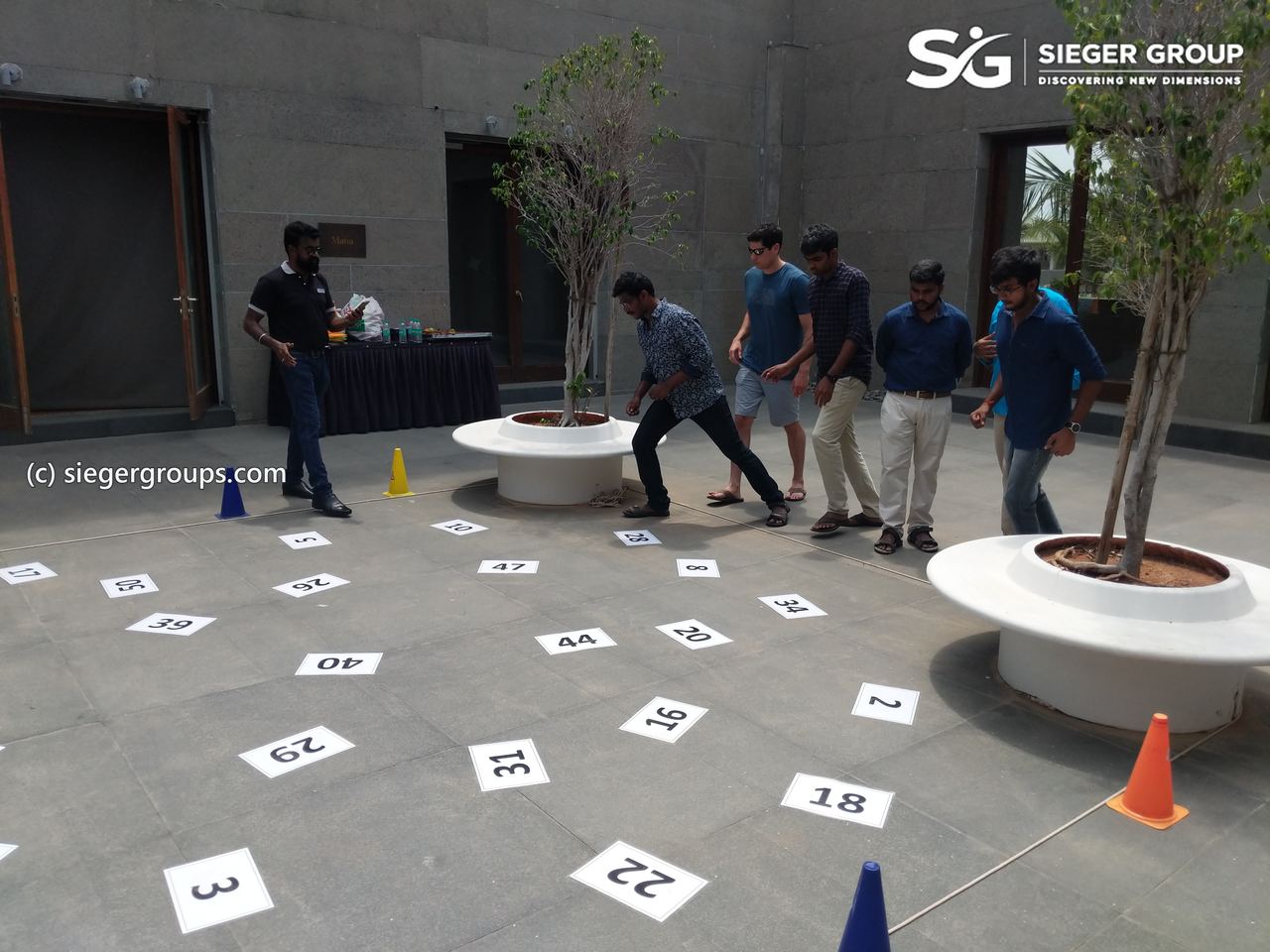
A maze-style challenge gives each new observation a reason to reach the rest of the team. Follow the choices between checkpoints, compare interpretations and examine what happens when colleagues need to revise an answer or explain why a particular route makes sense.

  • Real-Time Decision Making: Teams must analyse, decide, and act quickly as the maze evolves dynamically.
  • High Cognitive Engagement: Logic traps and decoding tasks test analytical and problem-solving capabilities.
  • Leadership Under Pressure: Maze checkpoints reveal team behaviour, ownership, clarity, and adaptability.
Shape your team brief
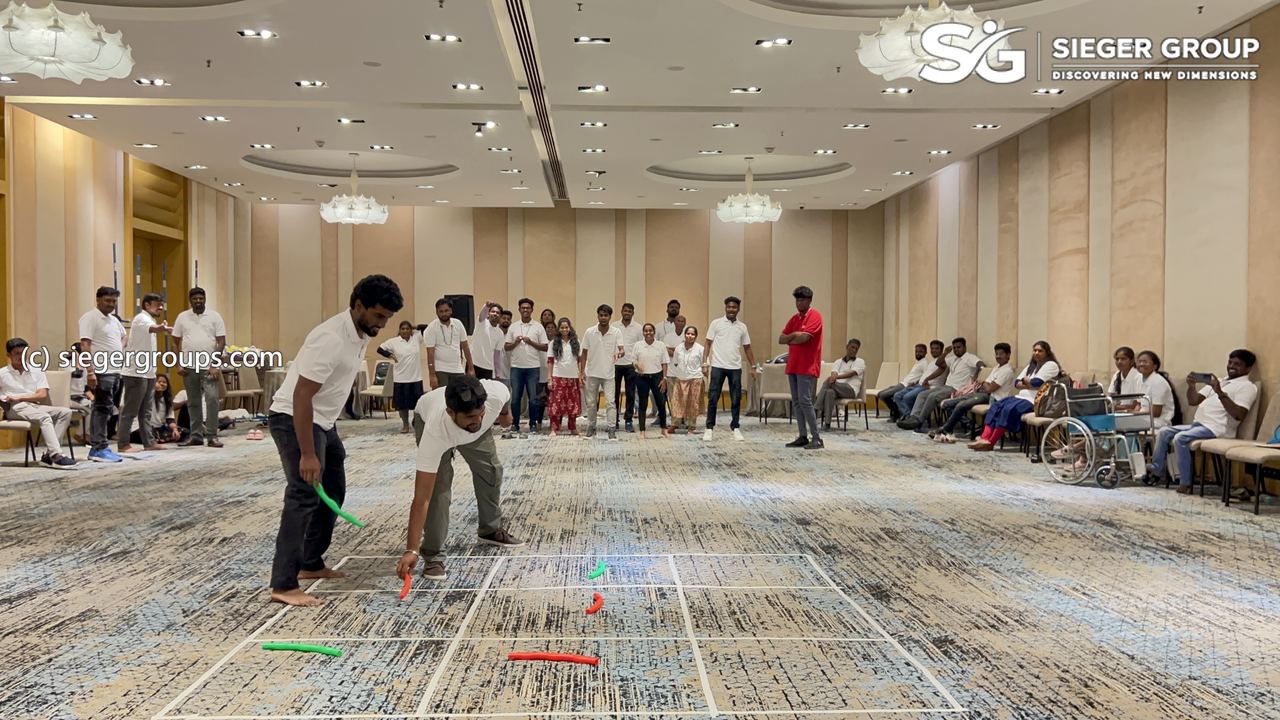
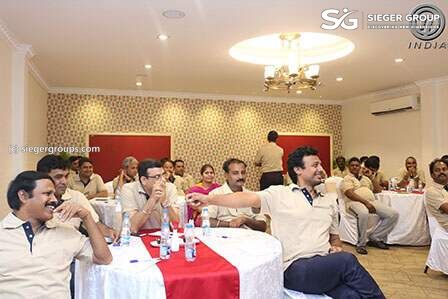
Sieger Group programme photograph — Mind Maze Challenge
Why this programme

Why Organisations Choose Mind Maze Challenge

Explore how teams navigate connected puzzles, information gaps and choices through a prepared maze-style challenge.

A clear purpose

Visible decisions in uncertainty

Observe how the group chooses a direction when information is incomplete and how it explains the reasoning to colleagues who must act together.

Useful participation

More careful clue interpretation

Compare several explanations before deciding which one is supported by the full evidence rather than a single attractive detail or confident suggestion.

Practical insight

Connected observations

Make individual discoveries available to the wider team so useful information does not remain with the colleague who first noticed it.

Connected choices

Deliberate progress choices

Discuss when to investigate, request an available hint or move to another task according to the agreed format and the group’s priorities.

Meaningful follow-through

Constructive correction

Revisit an answer when later evidence does not fit without treating a change of mind as the failure of the colleague who proposed it.

Programme benefits

Programme Benefits

Explore the behaviours and practical insights your team can review through Mind Maze Challenge. The debrief connects observations from the experience with situations that matter to participants.

Visible decisions in uncertainty

A useful focus for the group is to observe how the group chooses a direction when information is incomplete and how it explains the reasoning to colleagues who must act together.

More careful clue interpretation

Participants can examine how to compare several explanations before deciding which one is supported by the full evidence rather than a single attractive detail or confident suggestion.

Connected observations

The review can highlight ways to make individual discoveries available to the wider team so useful information does not remain with the colleague who first noticed it.

Deliberate progress choices

Colleagues can explore how to discuss when to investigate, request an available hint or move to another task according to the agreed format and the group’s priorities.

Constructive correction

The experience can prompt discussion of how to revisit an answer when later evidence does not fit without treating a change of mind as the failure of the colleague who proposed it.

Shared reasoning habits

A practical takeaway is to encourage participants to explain how they reached a conclusion so others can test the logic and contribute missing information before the next move.

A practical decision review

The team can consider how to use a specific maze checkpoint to examine assumptions, communication and ownership in a familiar workplace decision after the shared experience.

From experience to application

Bring the learning back to work.

Use these reflection prompts to turn Mind Maze Challenge into a focused conversation about what happened, what it means and what to try next.

  1. Trace a route choice

    Identify the information behind one checkpoint decision and discuss what the team knew, assumed or needed to clarify before committing to the route.

  2. Examine an attractive guess

    Recall an early answer that looked convincing and review whether the group tested it against all the clues available at that point.

  3. Notice an information bridge

    Identify how separate observations became a shared understanding and what form of explanation helped colleagues connect the pieces accurately.

  4. Connect to a work decision

    Choose a current task where assumptions, incomplete updates or unclear priorities could be made more visible before colleagues take the next step.

  5. Agree a reasoning check

    Select a question the team can ask before committing, such as which evidence supports the choice and what information could change the conclusion.

  6. Review how the choice travelled

    Discuss whether everyone affected understood the decision and its reason, then identify a clearer way to communicate the next workplace choice.

Programme delivery

How the Programme Works

A suggested flow for Mind Maze Challenge, from setting the brief to reviewing the experience. Activity choices, pace and facilitation are confirmed around your group and setting.

  1. Start with context

    Agree the purpose and participation

    Explore how teams navigate connected puzzles, information gaps and choices through a prepared maze-style challenge. Discuss what participants should understand before approaching maze logic traps, including the information, roles and choices relevant to this group.

    Reasoning · Assumption checks
  2. Choose a route together

    Explore the selected experience

    Teams enter the prepared challenge with a clear objective and information-sharing approach. Checkpoint rules are introduced while route and reasoning choices remain with the participants.

    Decision-making · Priorities
  3. Test the pattern

    Compare and develop the approach

    Progress reviews compare the group’s explanation with new clues. Teams decide whether to reconsider, seek an available hint or redirect effort before entering the next stage.

    Pattern recognition · Evidence
  4. Make the experience useful

    Review and carry it forward

    Choose a current task where assumptions, incomplete updates or unclear priorities could be made more visible before colleagues take the next step. Select a question the team can ask before committing, such as which evidence supports the choice and what information could change the conclusion.

    Information flow · Clarity
Experiential learning outline

Experience. Reflect. Apply.

Connect Mind Maze Challenge with purposeful practice, evidence-based reflection and a next step that fits your working context.

  1. Align the brief

    Explore how teams navigate connected puzzles, information gaps and choices through a prepared maze-style challenge. Clarify what the group needs before beginning the selected experience.

  2. Experience the challenge

    Explore maze logic traps through the agreed format. Compare several explanations before deciding which one is supported by the full evidence rather than a single attractive detail or confident suggestion.

  3. Reflect on the evidence

    Follow the reasoning behind one answer and notice how colleagues checked evidence when a later clue did not fit the team’s original interpretation.

  4. Connect the learning

    Choose a workplace decision depending on information held by several people and consider how explanations or revisions could become clearer before others act on them.

  5. Commit to a next step

    Define one evidence or communication check before a shared decision, including who should hear the reasoning and when changing information would prompt the group to reconsider.

Who should attend

Choose the right audience for the experience.

Discuss participant experience, access needs, language preferences and the purpose of the programme before confirming suitability.

Intact and cross-functional teams

Intact and cross-functional teams interested in reasoning · assumption checks. Maze Logic Traps offers one possible starting point for an agreed group experience.

Managers and emerging leaders

Managers and emerging leaders exploring decision-making · priorities. Select a format that fits their responsibilities, working relationships and the purpose of Mind Maze Challenge.

Project teams and newly formed groups

Project teams and newly formed groups bringing different perspectives to pattern recognition · evidence. Confirm the learning priorities and participation arrangements before choosing the activity mix.

Settings to discuss
Corporate Team BuildingLeadership OffsitesStrategy WorkshopsEmployee Engagement Programs
Programme schedule

An illustrative session schedule.

This sample shows how a programme could flow. Timings, breaks, activity choices and duration are agreed in the final proposal.

Example session

Brief, experience and reflect

  1. 09:30–09:45

    Welcome, context and participation

    Introduce Mind Maze Challenge, agree the group’s purpose and discuss participation preferences. Explain the selected formats before the experience begins.

  2. 09:45–10:30

    Maze Logic Traps

    Use a selected version of Maze Logic Traps to explore reasoning · assumption checks. Pause to compare observations and clarify the choices that shaped progress.

  3. 10:30–11:15

    Decision Checkpoint Zones

    Use a selected version of Decision Checkpoint Zones to explore decision-making · priorities. Pause to compare observations and clarify the choices that shaped progress.

  4. 11:15–11:30

    Reflection and shared takeaways

    Review examples of visible decisions in uncertainty and connected observations. Connect the observations with day-to-day team responsibilities and choose a relevant next conversation.

Planning details

A considered programme starts with the practical details.

People and participation

Share the audience profile, language preferences and access needs for Mind Maze Challenge. Agree options that let different colleagues contribute comfortably.

Venue and resources

Agree the activity zones, clue or question themes, language needs and the resources required for the selected formats. Confirm the final mix of Maze Logic Traps and any other chosen experiences in the brief.

Scope and delivery

Agree the focus on decision-making · priorities, the programme duration and which materials, facilitation and delivery arrangements are included.

Review and follow-through

Choose how to review shared reasoning habits and a practical decision review. Confirm any follow-up conversation or team commitment that belongs within the programme scope.

Organisations we work with

Trusted by teams across industries

Sieger Group supports organisations with team-building experiences and facilitated programmes.

Client perspectives

Testimonials

Plan with confidence

Mind Maze Challenge FAQs

12 practical answers to help you plan your programme.

What is Mind Maze Challenge?

Mind Maze Challenge is a powerful experiential team-building intervention where participants navigate an evolving maze filled with logic traps, mental puzzles, decoding missions, and decision checkpoints.

Who is this programme suitable for?

Mind Maze Challenge can be considered for teams planning a shared experience or employee engagement event. Share roles, group size, experience levels and participation needs so suitability can be confirmed.

What can participants explore?

The existing programme outline includes: Real-Time Decision Making: Teams must analyse, decide, and act quickly as the maze evolves dynamically.; High Cognitive Engagement: Logic traps and decoding tasks test analytical and problem-solving capabilities.; Leadership Under Pressure: Maze checkpoints reveal team behaviour, ownership, clarity, and adaptability.. The final emphasis and activity selection should be agreed around your brief.

Can the programme be customised for our team?

Yes. Share your team context, goals and preferred tone. The proposed Mind Maze Challenge experience can then be adapted through the activity mix, level of challenge, discussion themes and delivery format, subject to feasibility.

How long does the programme take?

Duration depends on the agreed scope, group size and setting. For Mind Maze Challenge, allow for the briefing, activities, breaks and group review. Request a proposed agenda that fits your available time.

Where can we organise the experience?

Share your preferred city, office, venue or offsite destination in India. Mind Maze Challenge requires a setting suited to the activities and participants. Venue access, usable space, equipment and local delivery arrangements should be confirmed before booking.

What group size works for this programme?

The appropriate group size depends on the activity structure, facilitation and available space. Tell us the expected number of participants for Mind Maze Challenge so team sizes, rotations and staffing can be proposed.

What should participants prepare?

For Mind Maze Challenge, the pre-event briefing should explain the schedule, clothing or equipment requirements and how to take part. Share accessibility needs and relevant participation constraints during planning so suitable arrangements can be discussed.

How are participation and inclusion considered?

Discuss access, mobility, language, sensory needs and comfort levels before confirming Mind Maze Challenge. Agree suitable roles and alternatives where feasible. For specialist activities, confirm delivery responsibilities and participation requirements in advance.

How can we connect the programme with our objectives?

Agree the purpose of Mind Maze Challenge before delivery. A group review can explore communication, contribution and teamwork, alongside the shared enjoyment of the event. Confirm any follow-up or evaluation support in the proposal.

What does the programme cost?

Pricing for Mind Maze Challenge depends on participant numbers, duration, facilitation, equipment, location and agreed logistics. Request a tailored proposal that clearly states programme inclusions, venue or travel arrangements and applicable charges.

How do we enquire about Mind Maze Challenge?

Use the enquiry form on this page or call +91 98400 97567. Include Mind Maze Challenge, your objectives, group size, preferred dates and location. Sieger Group can then discuss suitability and prepare a proposal for your review.

Ready to plan?

Let’s shape the right programme for your people.

Share your goals, group size, preferred dates and venue. We’ll help you explore a considered programme.

Request a tailored proposal
Back to programme overview
LET'S CREATE YOUR NEXT SHARED MOMENT

What could your team
do together?

Tell us what you have in mind. We will help you explore a programme that fits your people and your occasion.

  • Your peopleGroup size, audience and participation needs.
  • Your plansDate, destination, venue and time available.
  • Your purposeTeam connection, learning or a celebration.
  • Your outcomesWhat you want your team to experience or take away.
+91 98400 97567 ↗

Still finalising the details? Share what you know.

From your brief to a considered programme

Every team is different. Share your people, purpose and preferred setting, and we’ll translate your brief into an experience designed to connect, engage and create lasting impact.

  • Choose a format suited to your participants.
  • Align the experience with your event goals.
  • Tailor the programme to your team’s needs.
  • Plan the flow, venue and logistics.
  • Create an experience people will remember.
ENQUIRE WITH SIEGER GROUP

Start the conversation.

Share your brief and preferred contact details.