Beach Volleyball
Teams take part in the agreed volleyball format, communicate coverage and encouragement and discuss how shared positioning affects the flow of a rally.
Learning focusPositioning · communication
Shared challenges. Coastal energy. One team.
Turn a day by the coast into a shared story of teamwork. Explore 24 beach activity ideas, then shape a programme that balances friendly competition, creative thinking and meaningful connection around your people.
Build the main beach circuit around volleyball, tug of war, a sand relay, sandcastle engineering, cricket or football. Choose the mix around the available sand, the group and how much movement people want.
Teams take part in the agreed volleyball format, communicate coverage and encouragement and discuss how shared positioning affects the flow of a rally.
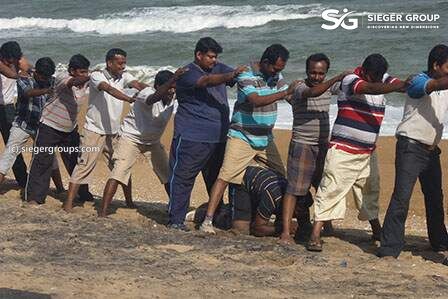
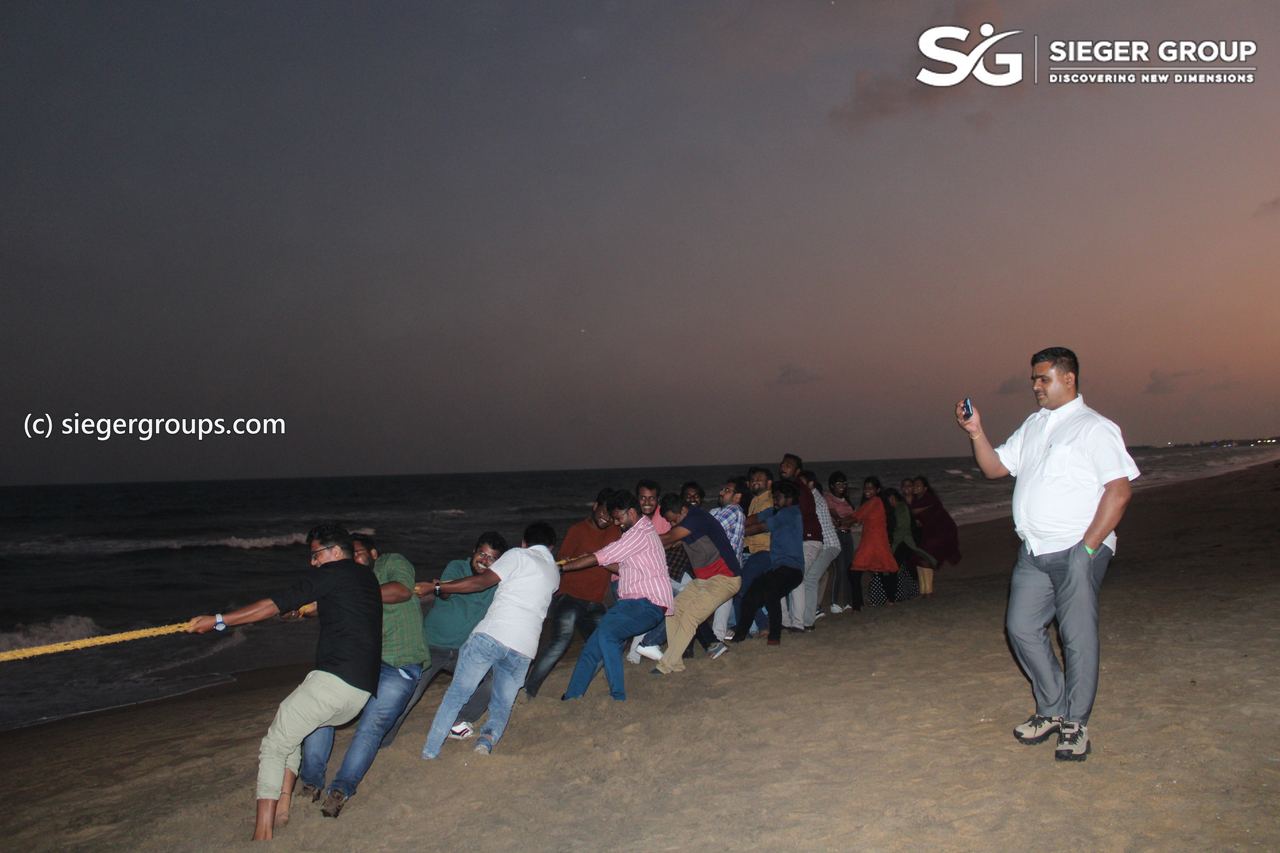
Bring the team behind one visible goal through a coordinated pulling challenge on the sand. The debrief explores timing, a shared plan and the difference between individual effort and collective direction.
Teams rotate through a sequence of short beach relay tasks, deciding how to organise their line-up and handovers. Different roles give participants ways to contribute through planning, encouragement and participation.
Groups interpret a creative construction brief, divide design and building responsibilities and adapt their structure to the available sand and agreed materials.
A relaxed cricket format brings colleagues together around short matches and rotating roles. Adapt the scoring and playing area to the group so decisions, encouragement and shared enjoyment stay central.
Small-team football rounds create an energetic setting for quick communication and coordinated movement. The proposed format can balance active play with supporting and organising roles.
Use marked stretches of sand for handovers and group movement. Choose the course length and equipment around the beach conditions on the day.
Move water through a prepared onshore relay setup using the agreed equipment and team roles. The challenge makes coordination and resource loss visible without requiring participants to enter the sea.
Move a beach ball through a marked course using a shared carrying tool or agreed contact rule. Teams discover how pacing, concise instructions and consistent support affect the result.
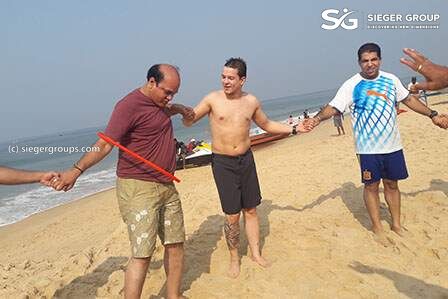
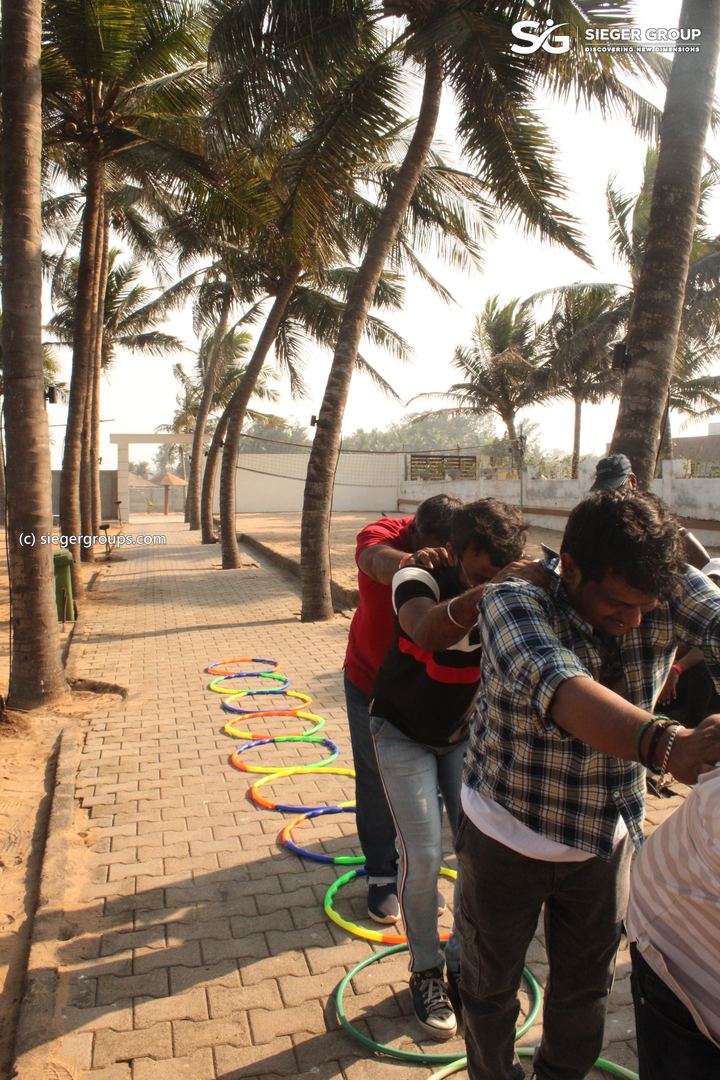
Guide a hoop through a team sequence while working within a simple set of movement rules. The group must make room for different approaches and keep the handover flowing.
A beach relay format adds playful constraints to a familiar race. Teams plan their order, encourage each participant and keep competition focused on contribution as well as the final score.
Build a programme around a selected sequence of low-level beach stations and clearly marked tasks. Teams choose roles and review how they approach transitions, changing demands and shared progress.
Selected beach activities come together in a closing round, asking colleagues to coordinate handovers and recognise the different strengths contributing to the team’s progress.
Set up small stations on the sand where a team can test its aim, decide when to play and compare tactics across turns.
Teams plan an approach to a series of marked throwing targets on the beach. Accuracy, feedback and adjustments between attempts create useful conversations about practice and responding to results.
Use a beach-friendly target arrangement to create an accessible accuracy challenge with a strategic twist. Colleagues compare approaches, share feedback and decide how to use their team’s attempts.
Plan a route through a non-contact flag-and-checkpoint challenge within the marked activity area. Teams balance speed, coordination and the information needed to make their next decision.
Combine a series of beach-ball target rounds with a team scoring strategy. Colleagues decide when to take a straightforward option and when a more demanding target is worth an attempt.
Look more closely at the shore through a photo brief, a sand design or a clue trail. Teams can also choose a coastal clean-up with an agreed collection area.
Teams follow prepared observation prompts within the agreed beach area, combine discoveries and decide how to complete tasks without disturbing the coastal setting.
Connect a series of puzzle stations across the beach, with each solution contributing to a final answer. The format rewards careful interpretation, shared reasoning and the willingness to revisit an assumption.
Create a sand artwork that expresses a team value, future ambition or shared experience. The final presentation gives colleagues a different way to discuss identity and the meaning behind their choices.
Use an agreed length of rope and a design brief to form a set of shapes on the sand. The task turns a simple visual outcome into a conversation about instructions, interpretation and checking understanding.
Arrange a set of large puzzle shapes to match a visual brief laid out on the beach. The experience creates space to compare interpretations, test ideas and recognise a useful contribution from any team member.
Observe a prepared set of objects or patterns, then reconstruct the details as a team. The task reveals how the group combines partial information and checks the confidence behind its answers.
Respond to a set of beach-themed creative prompts using agreed photography arrangements. Teams plan their story, share roles and present a selection of images that express the brief.
Where included in the venue brief, combine a coordinated clean-up activity with a shared review of contribution and community responsibility. Agree the area, materials and delivery responsibilities before the programme.
A beach programme gives colleagues room to step away from their everyday roles and work through a fresh set of shared tasks. Choose a mix of active, creative and problem-solving rounds, then use the experience to explore the behaviours that matter to your team.
Share the audience profile, language preferences and access needs for Beach Olympics. Agree options that let different colleagues contribute comfortably.
Agree the activity area, access, ground conditions and a practical alternative if the outdoor setting changes. Confirm the final mix of Beach Volleyball and any other chosen experiences in the brief.
Agree the focus on creative planning · coordination, the programme duration and which materials, facilitation and delivery arrangements are included.
Choose how to review positioning and communication and shared effort and recognition. Confirm any follow-up conversation or team commitment that belongs within the programme scope.
Consider a group task where changing conditions require colleagues to adjust roles and pace. The selected experiences connect positioning and communication with observation and shared decisions, creating a basis for discussing competition with consideration and the choices that shape beach-based team games and coastal event rounds.
Shape your coastal programme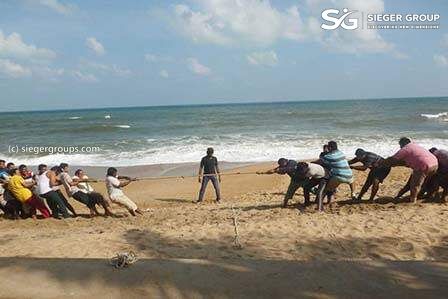
Combine open-air play with coordinated choices and shared participation. Explore how coordination on the sand, a varied activity mix and care for the setting shape beach-based team games and coastal event rounds.
Use beach-appropriate formats to give colleagues a different shared experience.
Explore how the surface and activity rules affect a team’s approach.
Combine creative, target and relay options to invite different contributions.
Agree participation choices and event rules before comparing points.
Consider the activity area and leave the beach as agreed with the venue.
Explore the behaviours and practical insights your team can review through Beach Olympics Team Building. The debrief connects observations from the experience with situations that matter to participants.
Create a shared change of setting through beach-appropriate formats that give colleagues a different reason to interact.
Adapt timing and coordination to the sand and agreed activity rules, using observations to refine the next team approach.
Invite varied contributions through creative, target and relay options selected around the group and beach venue.
Understand participation choices and event rules before comparing scores, keeping competition linked with consideration for teammates.
Pay attention to the agreed activity area and the condition in which the group leaves the coastal setting.
Combine movement, planning and encouragement in a closing beach round, recognising the different strengths behind collective progress.
Relate one adjustment made during the beach programme to a real team priority that changes as conditions develop.
Use these reflection prompts to turn Beach Olympics Team Building into a focused conversation about what happened, what it means and what to try next.
Identify a choice in Beach Volleyball that affected positioning and communication. Describe what the person did and how the group responded.
Hear more than one account of Sandcastle Engineering. Discuss which details helped colleagues understand the task and which important information arrived too late.
Choose a turning point from Beach Scavenger Hunt. Explain the options considered, the reason for the decision and what new information changed the approach.
Use a group task where changing conditions require colleagues to adjust roles and pace as the application example. Identify one moment where observation and shared decisions could change what happens next.
Review one adjustment made on the beach and relate it to a changing team priority. Name the person taking it forward and the first situation in which the group will try the change.
Bring an example from beach-based team games and coastal event rounds to the next review. Discuss what changed, what colleagues noticed and which part of the approach needs refining.
A suggested flow for Beach Olympics Team Building, from setting the brief to reviewing the experience. Activity choices, pace and facilitation are confirmed around your group and setting.
Discuss a group task where changing conditions require colleagues to adjust roles and pace. Agree what the group wants to explore about a setting with shared energy, then confirm the selected formats, roles and practical arrangements.
Teams take part in the agreed volleyball format, communicate coverage and encouragement and discuss how shared positioning affects the flow of a rally. Additional options can explore creative planning and coordination through Sandcastle Engineering, with the final activity mix agreed in the programme brief.
Examine observation and shared decisions alongside shared effort and recognition. Compare the decisions and turning points colleagues observed, including moments when a different question or contribution changed the group’s approach.
Use the review to review one adjustment made on the beach and relate it to a changing team priority. Choose a specific situation in beach-based team games and coastal event rounds, confirm who will take the action forward and decide when to compare observations.
Connect Beach Olympics Team Building with purposeful practice, evidence-based reflection and a next step that fits your working context.
Connect a setting with shared energy with a clear question about beach-based team games and coastal event rounds. Discuss a group task where changing conditions require colleagues to adjust roles and pace and agree the participation arrangements.
Groups interpret a creative construction brief, divide design and building responsibilities and adapt their structure to the available sand and agreed materials. Notice how colleagues handle creative planning and coordination while the agreed task develops.
Review a moment involving a varied activity mix. Hear the perspectives of those performing, observing and supporting the task, then compare the information available to each.
Discuss where observation and shared decisions matter in beach-based team games and coastal event rounds. Use a recent example to identify a practical decision the group could approach differently.
Select a first opportunity to review one adjustment made on the beach and relate it to a changing team priority. Agree the support needed and the evidence the group will bring to its next review.
Discuss participant experience, access needs, language preferences and the purpose of the programme before confirming suitability.
Intact and cross-functional teams interested in positioning · communication. Beach Volleyball offers one possible starting point for an agreed group experience.
Managers and emerging leaders exploring creative planning · coordination. Select a format that fits their responsibilities, working relationships and the purpose of Beach Olympics.
Project teams and newly formed groups bringing different perspectives to observation · shared decisions. Confirm the learning priorities and participation arrangements before choosing the activity mix.
An illustrative flow for planning discussions. Activities, breaks and timings are tailored to the final brief; the programme does not include all 24 activities in a single session.
Introduce Beach Olympics, agree the group’s purpose and discuss participation preferences. Explain the selected formats before the experience begins.
Use a selected version of Beach Volleyball to explore positioning · communication. Pause to compare observations and clarify the choices that shaped progress.
Use a selected version of Sandcastle Engineering to explore creative planning · coordination. Pause to compare observations and clarify the choices that shaped progress.
Review examples of a setting with shared energy and a varied activity mix. Connect the observations with day-to-day team responsibilities and choose a relevant next conversation.
Explore an agreed version of Beach Scavenger Hunt and compare approaches to observation · shared decisions. Discuss what the group changes after feedback.
Explore an agreed version of Beach Team Finale and compare approaches to shared effort · recognition. Discuss what the group changes after feedback.
Share group size, audience profile, language preferences and access requirements.
Discuss available space, travel, indoor or outdoor preferences and relevant venue constraints.
Confirm activities, facilitation, equipment, duration and inclusions in the proposal.
Agree the debrief approach and any action planning, evaluation or follow-up support required.
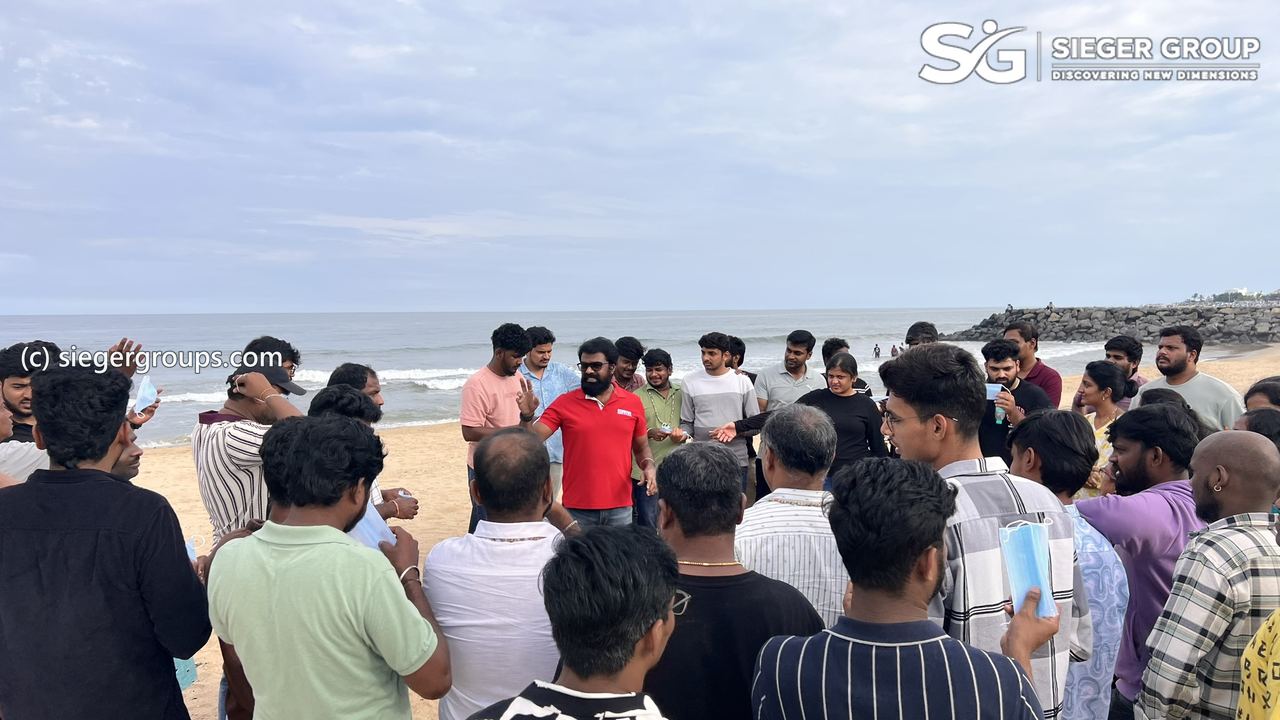
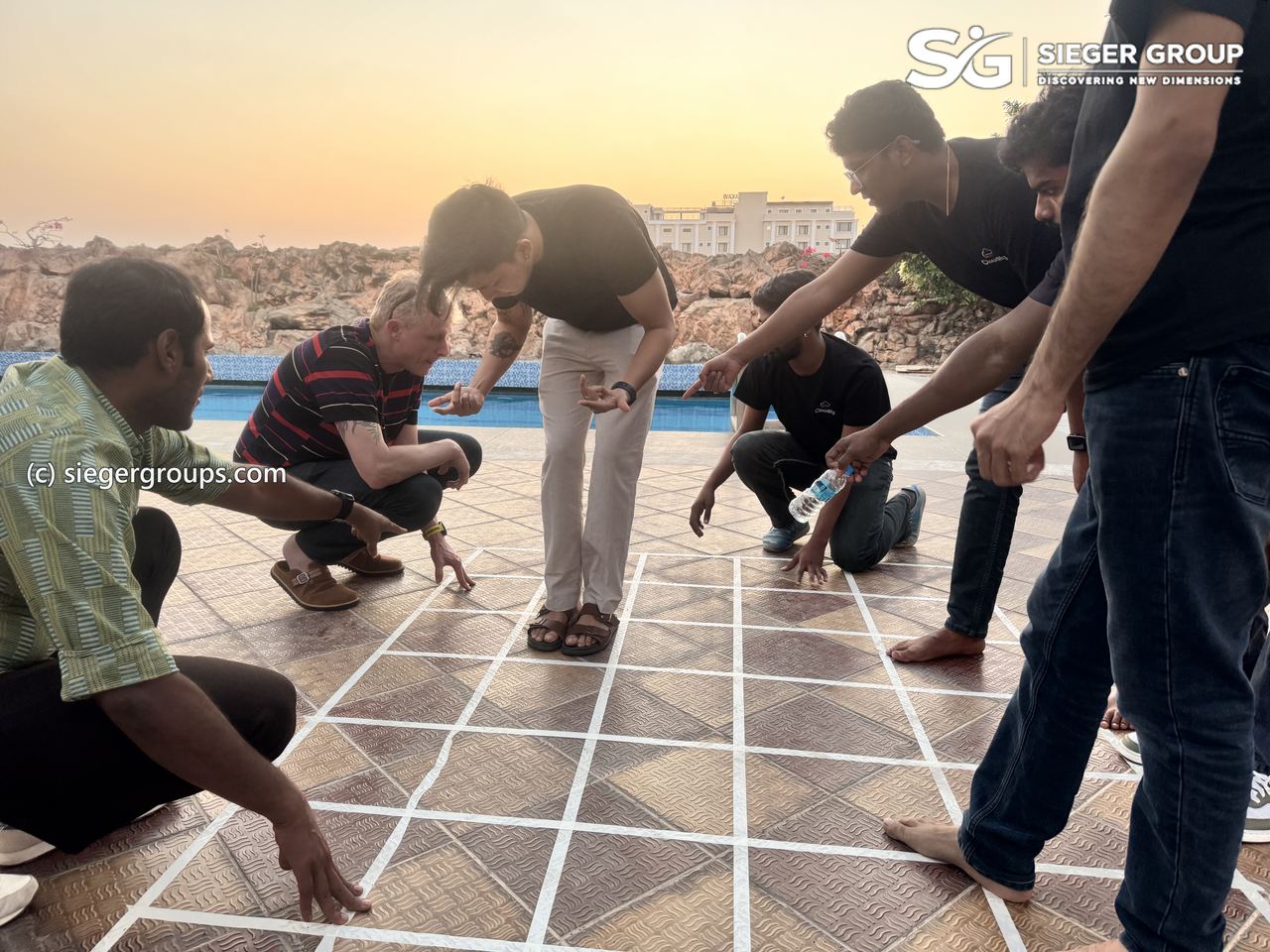
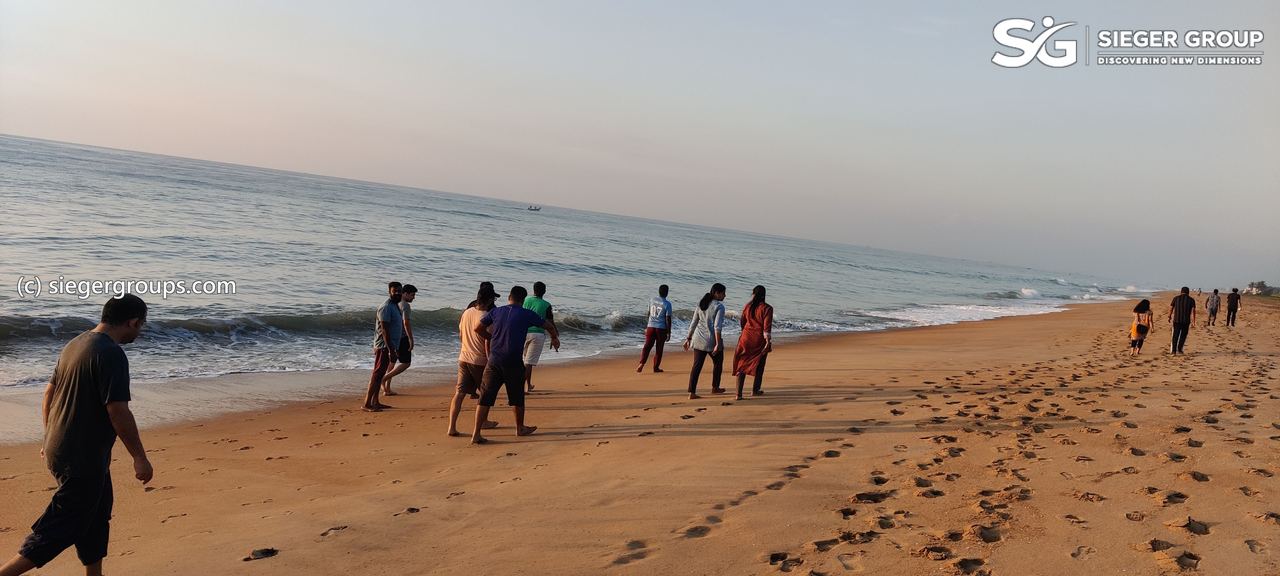
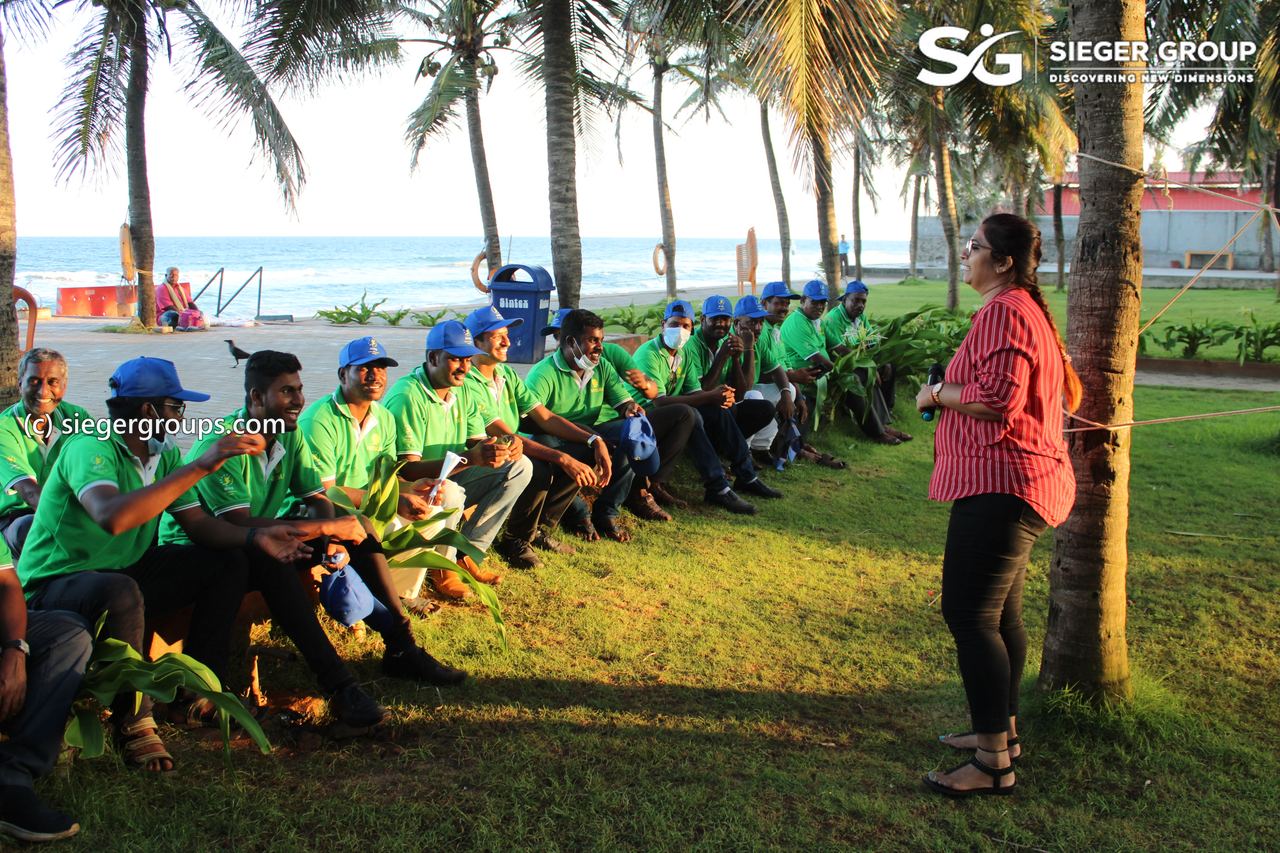
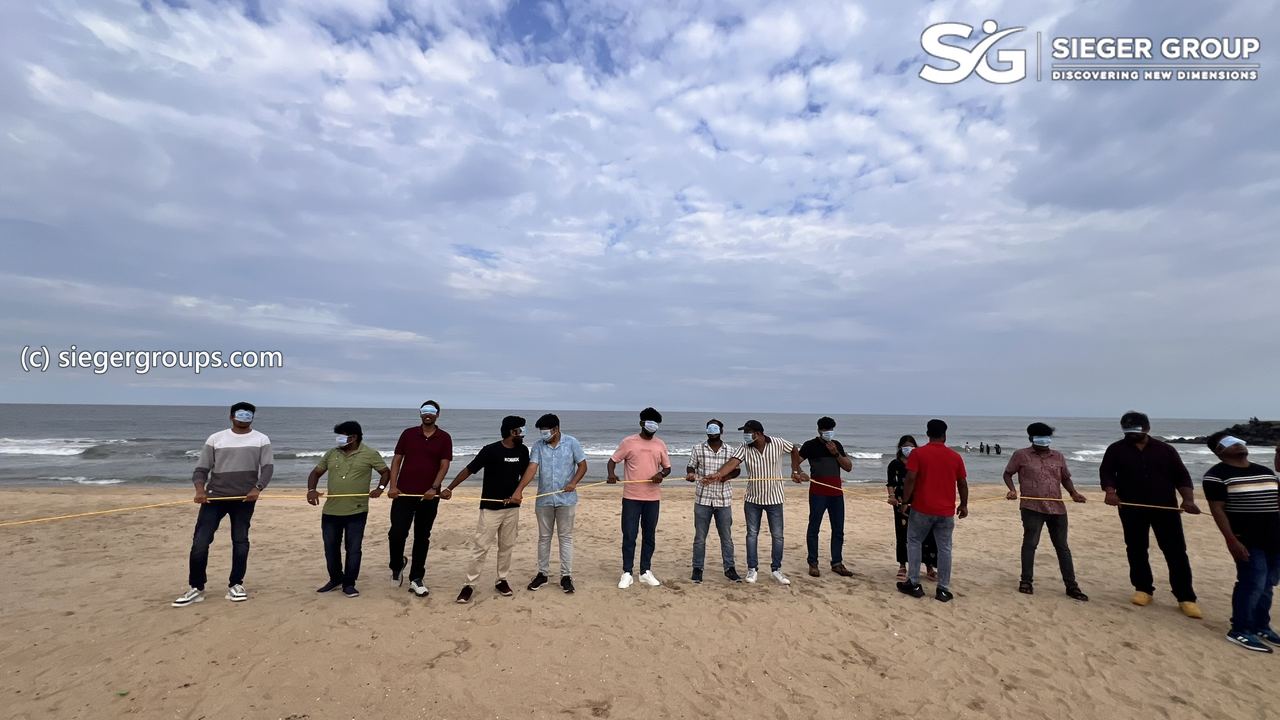
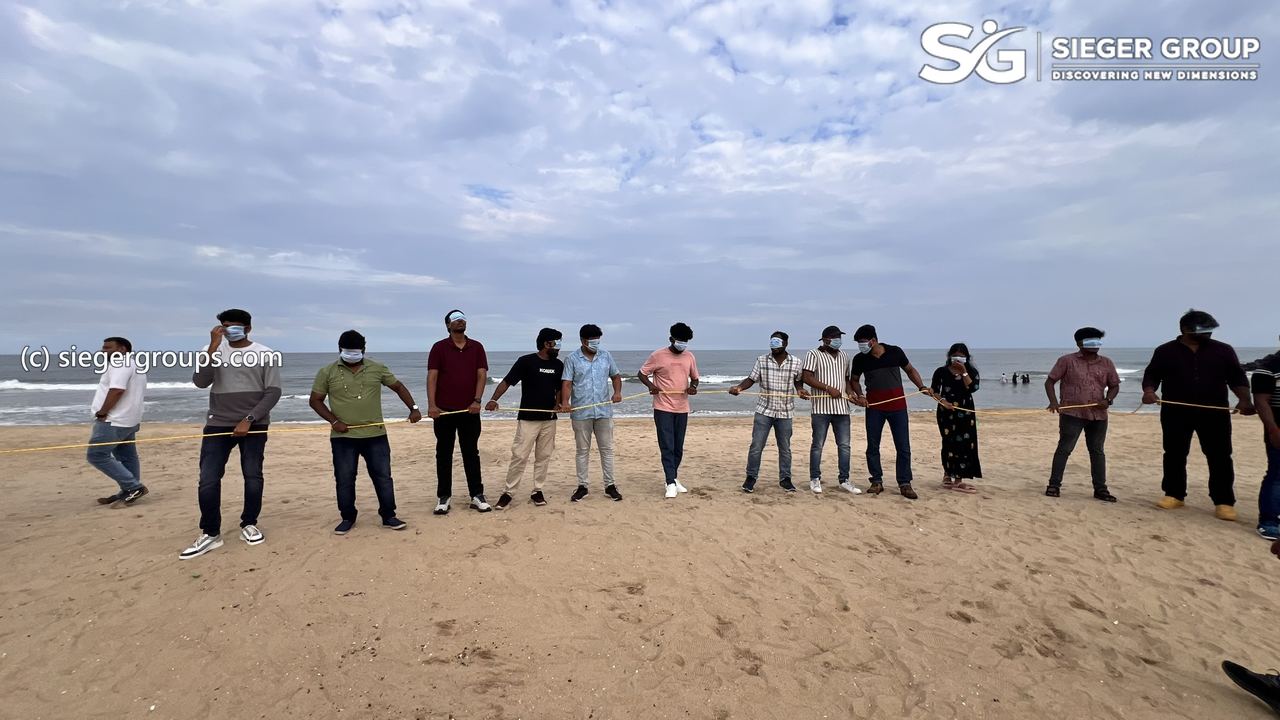
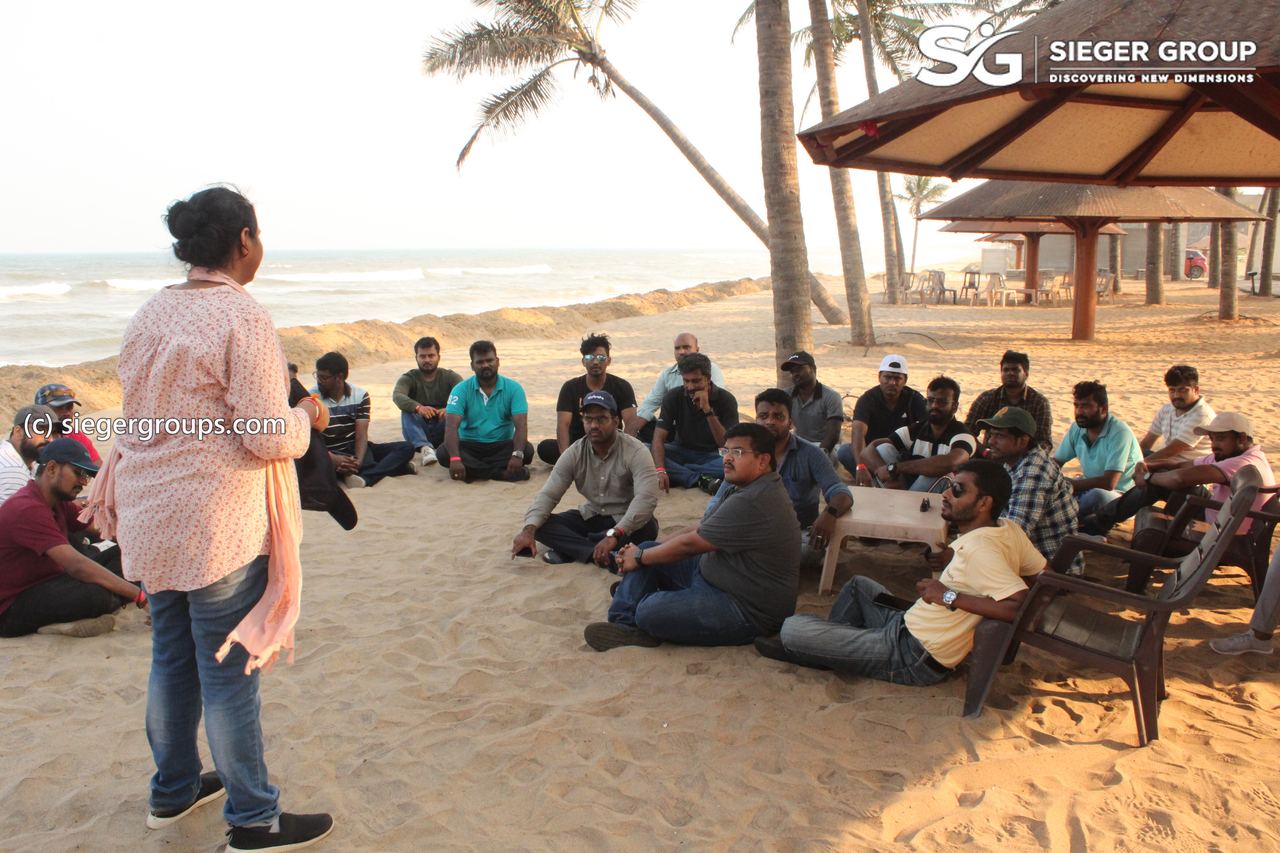
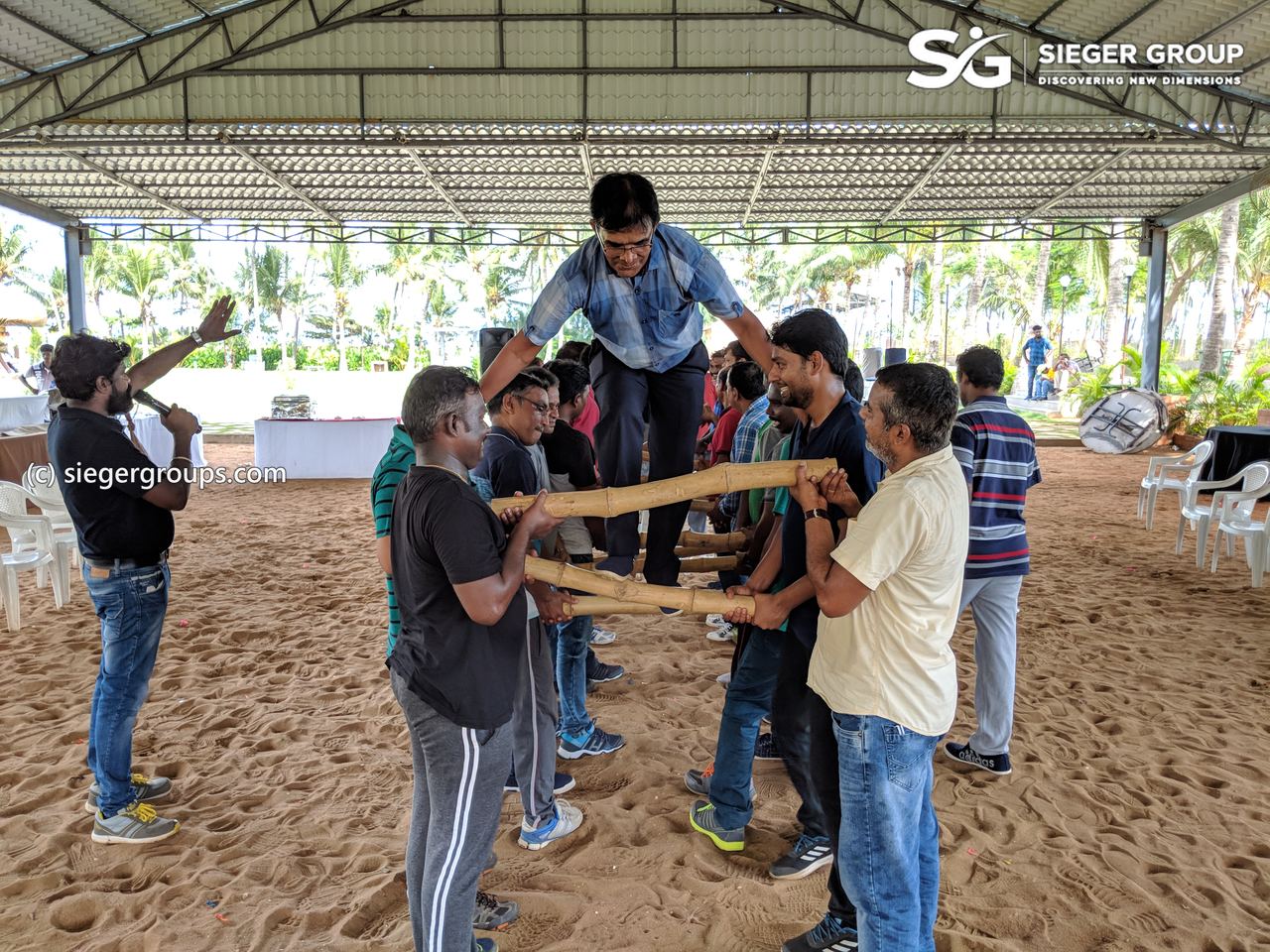
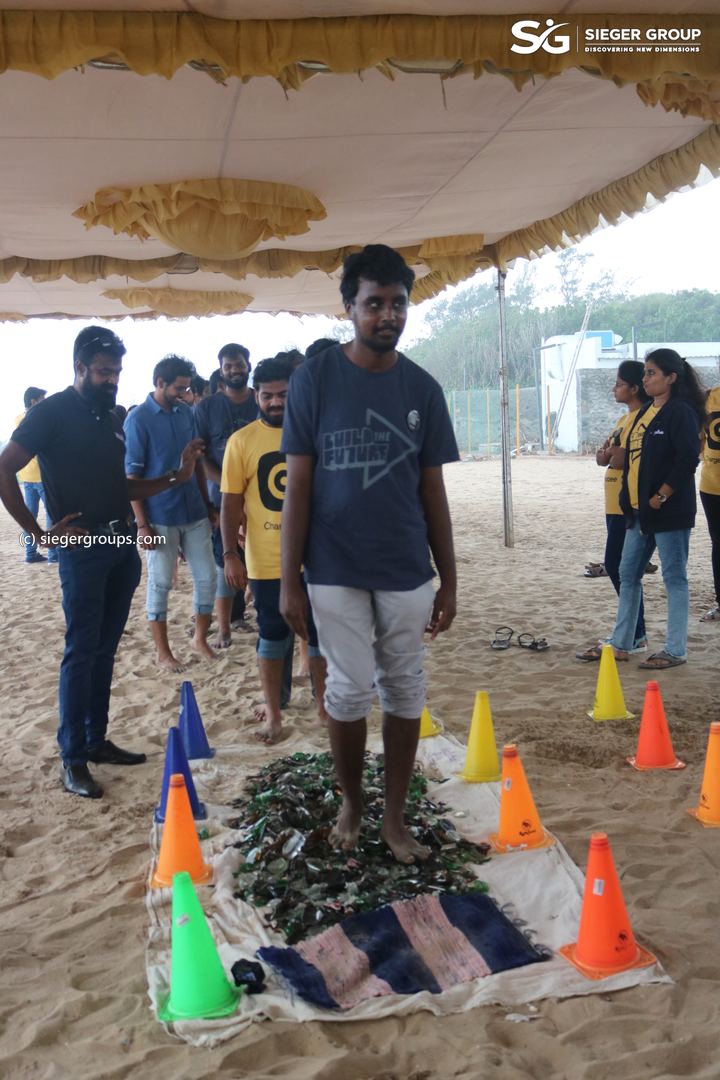
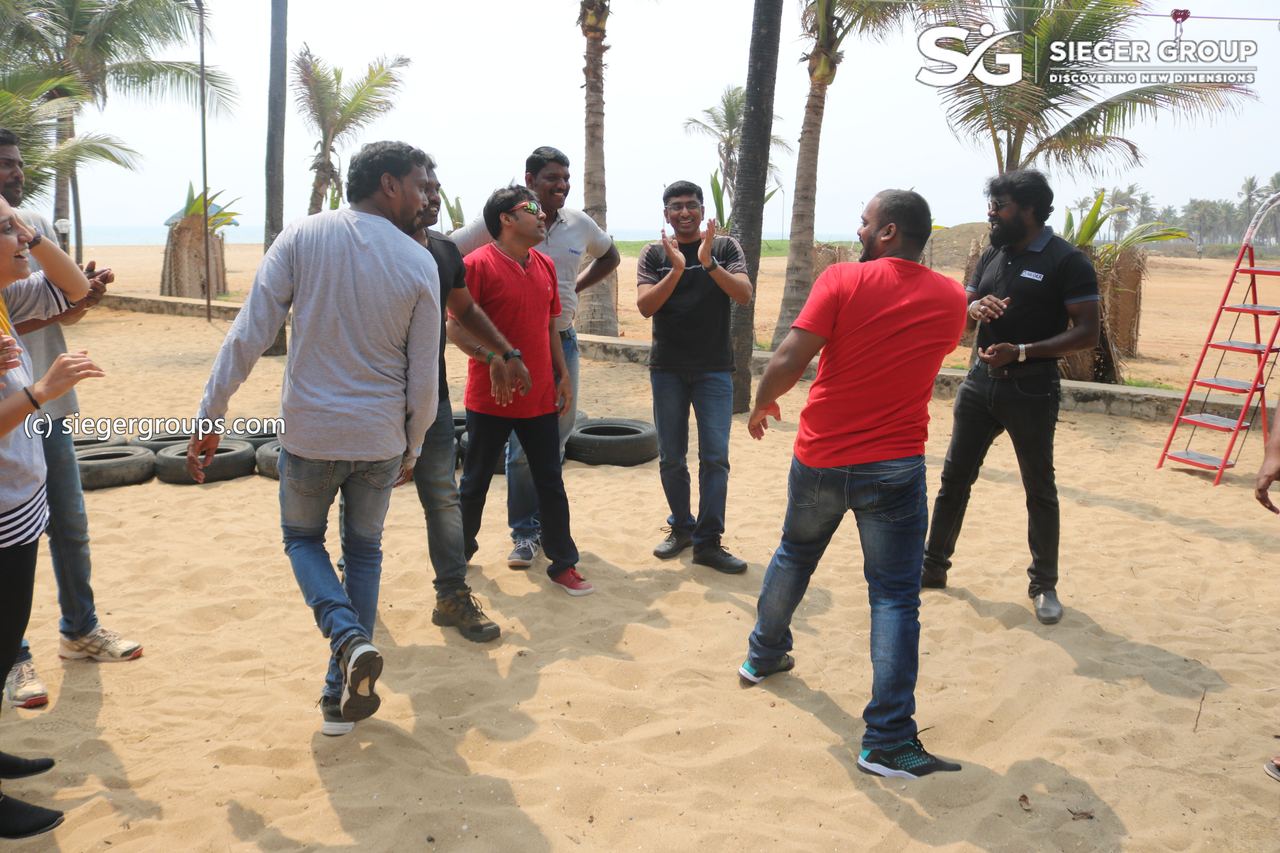
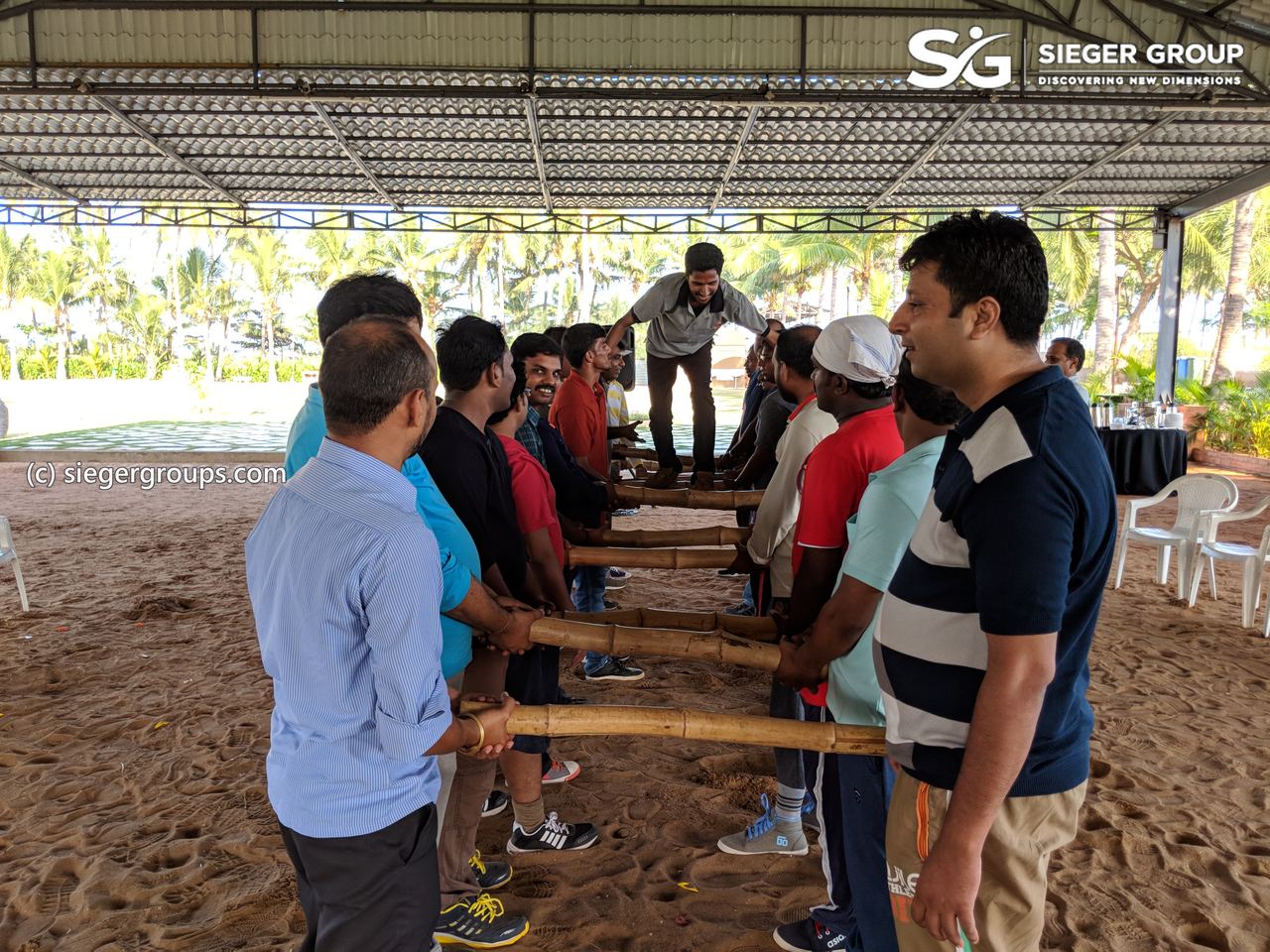
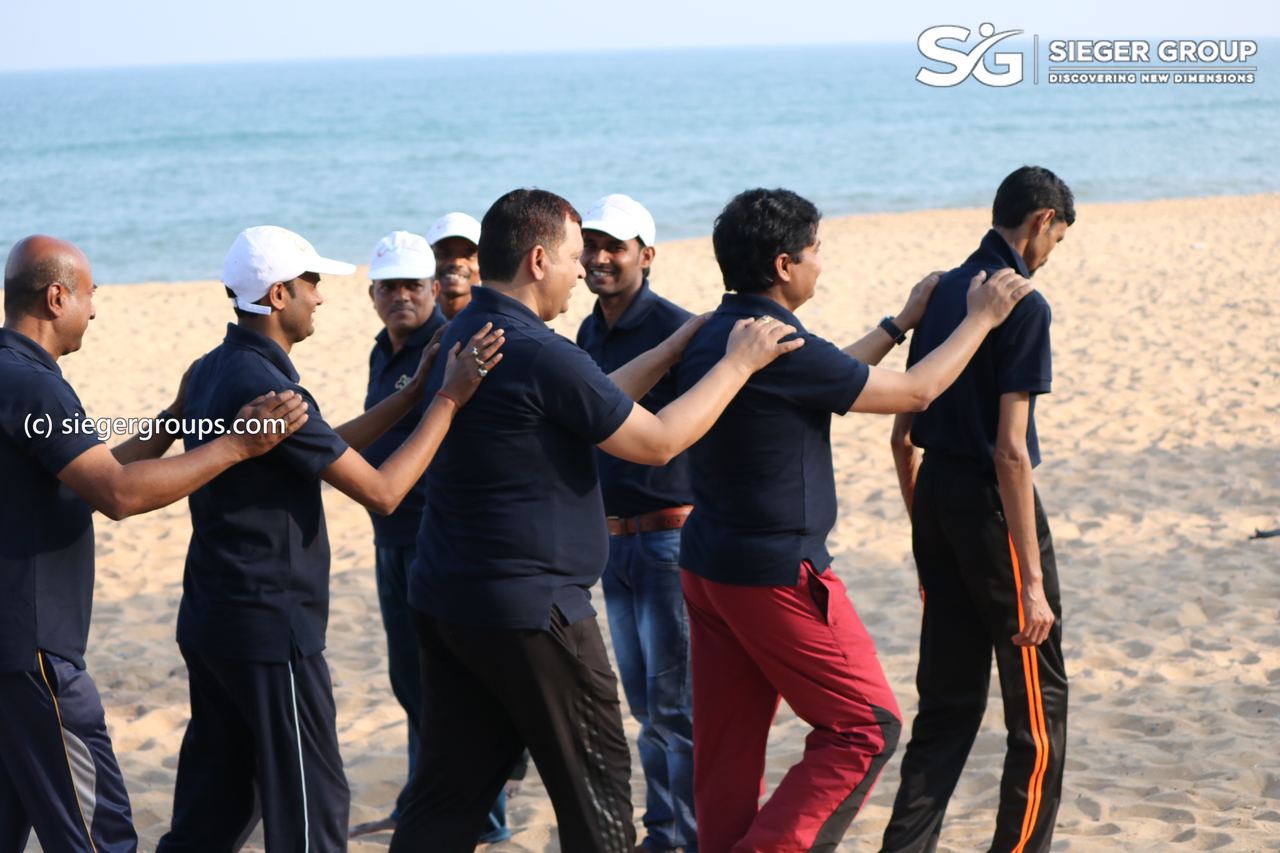
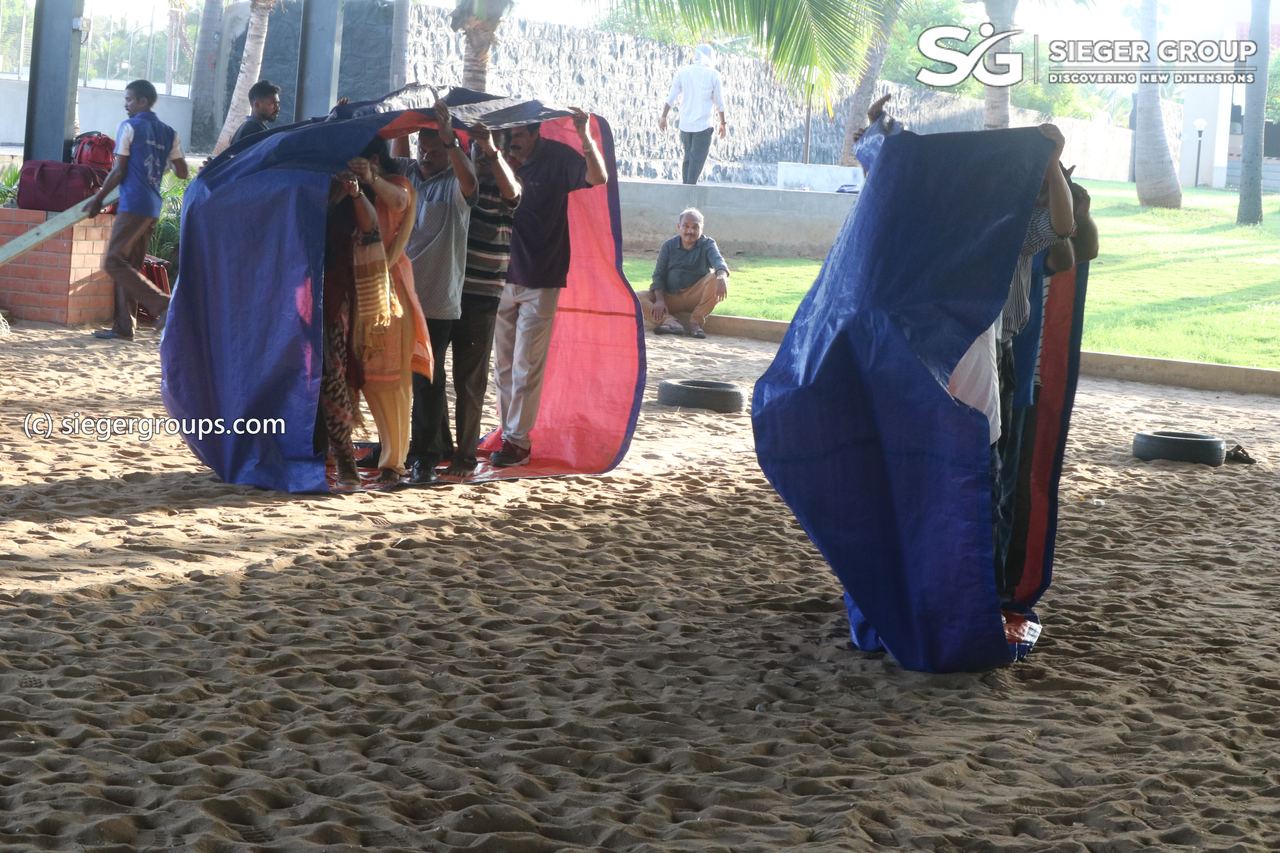
Beach-only photographs, selected for this page. The activity selection and setting for your event depend on the agreed programme brief.
Sieger Group supports organisations with team-building experiences and facilitated programmes.
Practical answers for planning your coastal team experience.
Beach Olympics brings colleagues together through a selected mix of games, creative tasks and collaborative challenges on the beach. The programme can combine shared enjoyment with facilitated reflection on communication, coordination and contribution.
The proposed menu on this page includes 24 ideas, such as Beach Volleyball, Beach Tug of War, Sand Relay Challenge, Sandcastle Engineering, Beach Cricket, Frisbee Target Challenge and Beach Puzzle Trail. Choose a suitable mix for your group; not every activity is included in every programme.
Discuss the programme for corporate teams, cross-functional groups, project teams, new colleagues and teams marking a milestone. The activity selection, pace and participation roles should reflect the people attending and the purpose of the event.
Yes. Share your objectives, group profile, preferred beach or venue and available time. The proposal can adapt the activity mix, team structure, facilitation, competition and debrief to your brief.
This proposed activity menu focuses on beach and onshore tasks. Water Bucket Relay uses a prepared onshore setup. Swimming and sea-based activities are not included in the sample menu. Confirm the location and participation requirements of the selected activities before booking.
Duration depends on the selected activities, group size, rotations, breaks and time for reflection. The half-day schedule on this page is an illustrative example. A shorter session or a wider offsite programme can be discussed in your proposal.
Discuss a beach or beachfront venue with a suitable activity area and practical arrangements for your group. Usable sand space, access, facilities, weather, shoreline conditions and the venue’s delivery requirements should be reviewed during planning.
Share access needs, comfort levels, language preferences and relevant participation constraints in the brief. Discuss suitable activity choices and alternative roles such as planning, scoring, coordination, presentation or team support.
The activity gives the group a shared experience to examine. Facilitated reviews can explore how colleagues planned, communicated, adapted and supported one another, followed by a practical connection to workplace situations and a useful next step.
Confirm the activity selection, venue arrangements, programme timing, equipment, facilitation, break plan and participation requirements. Participant communications should explain what to bring and how the agreed programme will run.
Pricing depends on group size, duration, selected activities, facilitation, equipment, venue and agreed logistics. Share your brief and budget to request a proposal with clear inclusions and applicable charges.
Use the enquiry form on this page or call +91 98400 97567. Include Beach Olympics, your group size, preferred date, beach or venue, available time and objectives so Sieger Group can discuss a suitable programme.
Share your team, preferred coast or venue, dates and purpose. We’ll help shape a considered Beach Olympics programme.
Tell us what you have in mind. We will help you explore a programme that fits your people and your occasion.
Still finalising the details? Share what you know.
Every team is different. Share your people, purpose and preferred setting, and we’ll translate your brief into an experience designed to connect, engage and create lasting impact.
Share your brief and preferred contact details.