People and participation
Share the audience profile, language preferences and access needs for Corporate Team Outings & Offsites. Agree options that let different colleagues contribute comfortably.
A shared day. A stronger connection.
Give your people a day that feels considered from the first welcome to the final shared moment. Bring together a fitting setting, a balanced activity mix and space for colleagues to connect beyond their everyday roles.
A worthwhile team outing starts with a clear sense of purpose. Is this a chance to welcome new colleagues, reconnect across teams, celebrate a milestone or explore a different way of working together? Use that purpose to shape the venue, pace and experiences.
Share the audience profile, language preferences and access needs for Corporate Team Outings & Offsites. Agree options that let different colleagues contribute comfortably.
Discuss the available space, materials and facilitation arrangements for the selected learning exercises. Confirm the final mix of Activity Weekend and any other chosen experiences in the brief.
Agree the focus on creative connection, the programme duration and which materials, facilitation and delivery arrangements are included.
Choose how to review clear planning conversations and a useful event review. Confirm any follow-up conversation or team commitment that belongs within the programme scope.
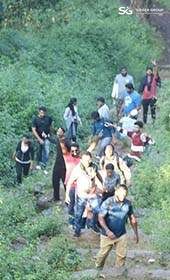
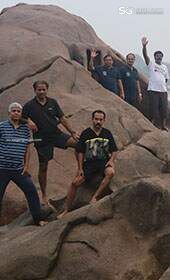
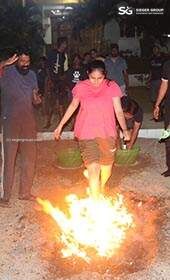
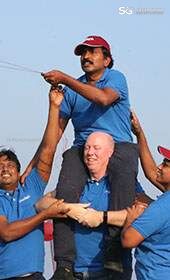
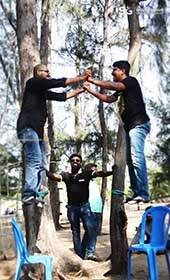
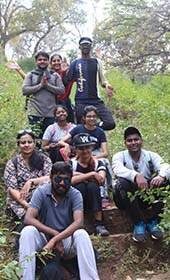
An outing feels considered when its parts belong together. The chosen setting, pace and activity mix should support the reason for bringing people together, while leaving room for conversation and different participation preferences. The planning discussion can turn a long list of possible experiences into a coherent group programme.
Shape your team brief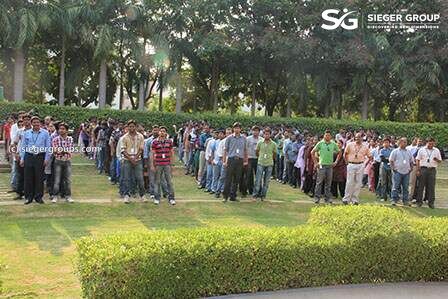
Explore how an outing brief connects setting, activity choices and shared time with the needs of the people attending. The suggested experience connects practical participation with reflection on the choices, contributions and questions that matter to this group.
Connect the outing purpose with the experience the group is being invited to share. Write the main purpose of the outing before comparing activity or destination choices.
Consider how activities, transitions and informal conversation fit into the available time. Ask what different audience groups need from the shared day or programme.
Select a mix that recognises different preferences for movement, creativity and social participation. Review whether transitions leave enough room for conversation and practical movement between sessions.
Discuss the practical relationship between the venue and the chosen activities. Compare indoor and outdoor options against the group’s actual preferences and brief.
Create opportunities to interact across familiar departmental or working boundaries. Clarify which venue arrangements influence the activity mix before finalising the programme.
These options offer different ways to explore how an outing brief connects setting, activity choices and shared time with the needs of the people attending. The final activity mix is agreed around the audience, participation requirements and programme purpose.

Plan a weekend around outdoor team challenges, shared meals and time between activities for colleagues to get to know one another.

Teams develop a story, rehearse their parts and film a short piece for a shared screening.

Colleagues play hand drums together, echo rhythmic phrases and listen for the moment to rejoin the group.
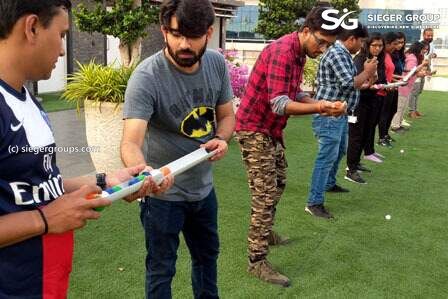
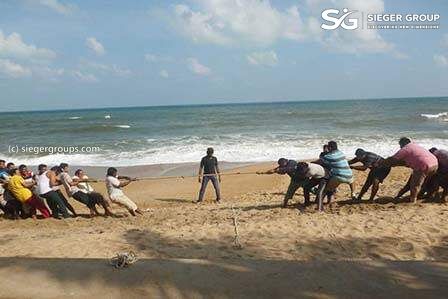
Departments compete in a selection of team events, rotating roles between relays, skill stations and the final round.
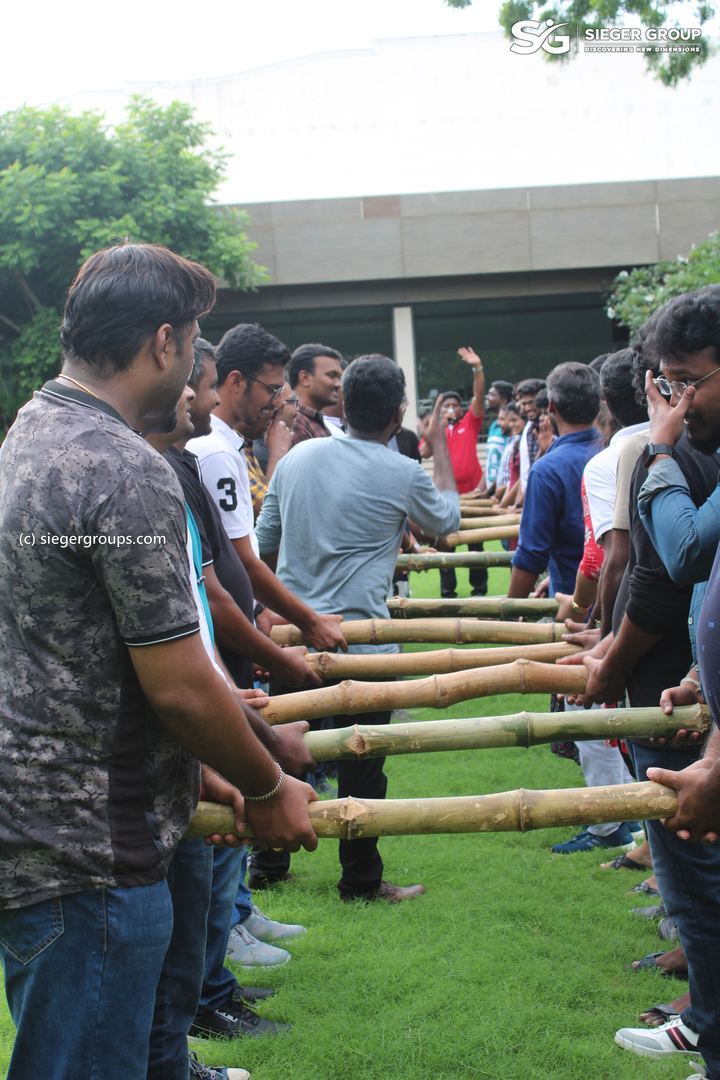
Plan a rotation of indoor and outdoor challenges so teams move between physical, creative and problem-solving tasks.
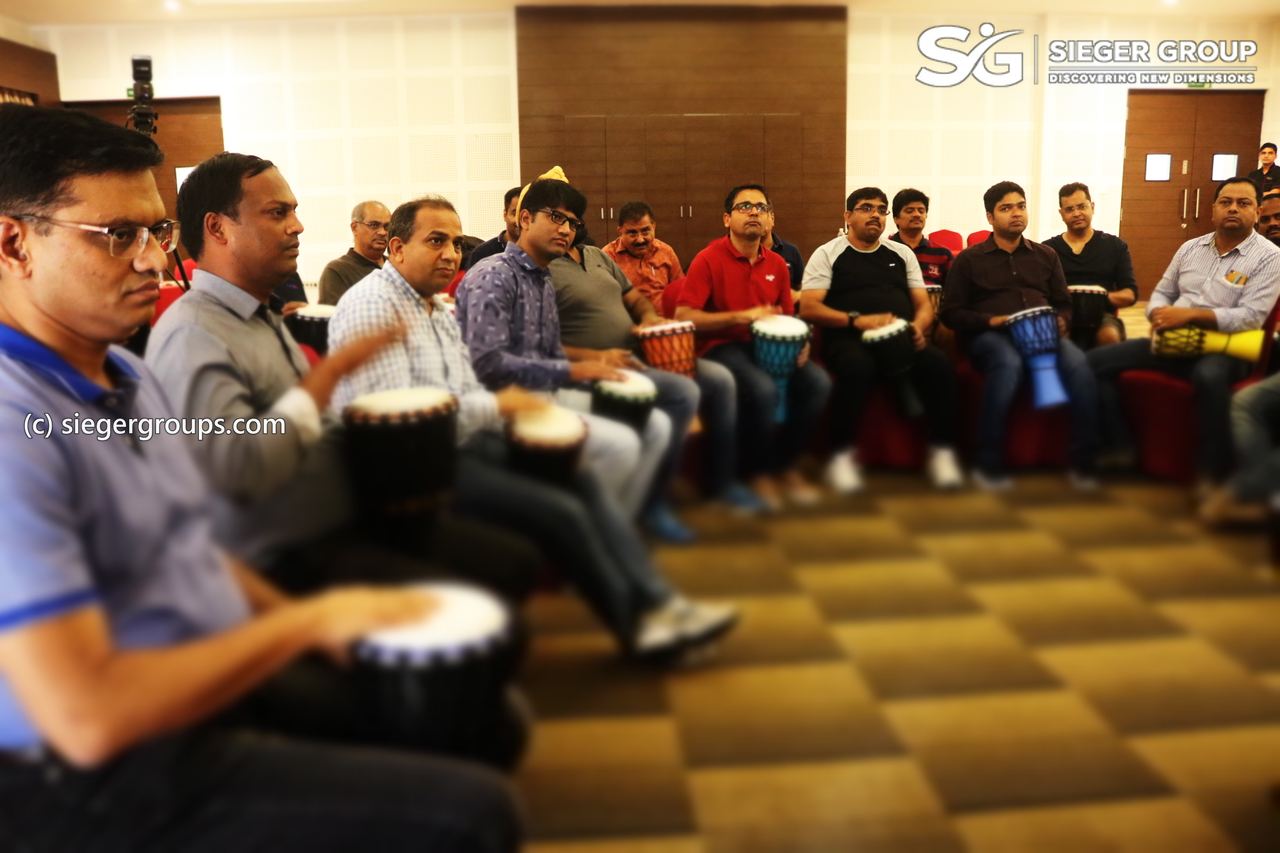
Colleagues build a common rhythm through percussion, listening and coordinated entries across the group.
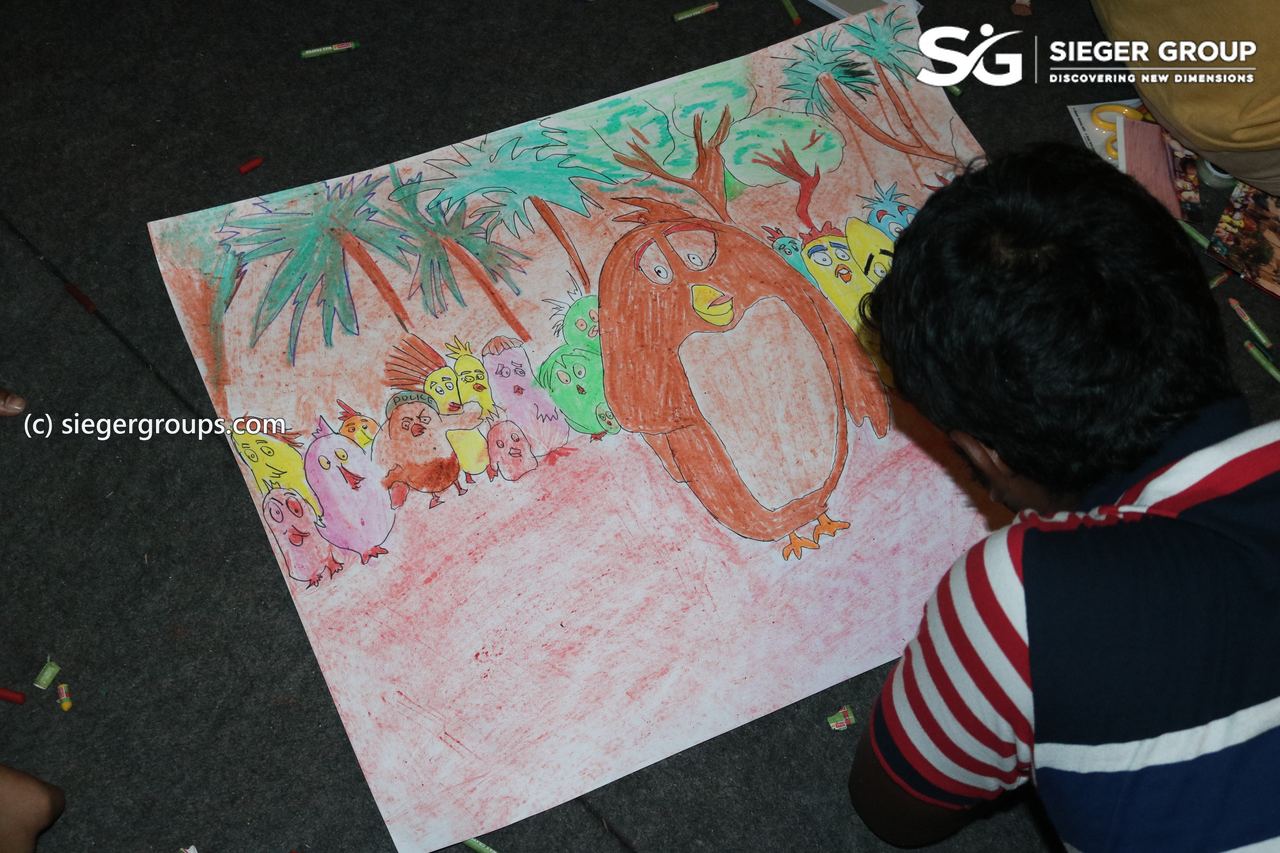
Colleagues experiment with colour and composition, create artwork in small groups and explain the choices behind the finished pieces.
Teams compare clues and follow a fictional storyline, agreeing which lead to pursue as new information appears.
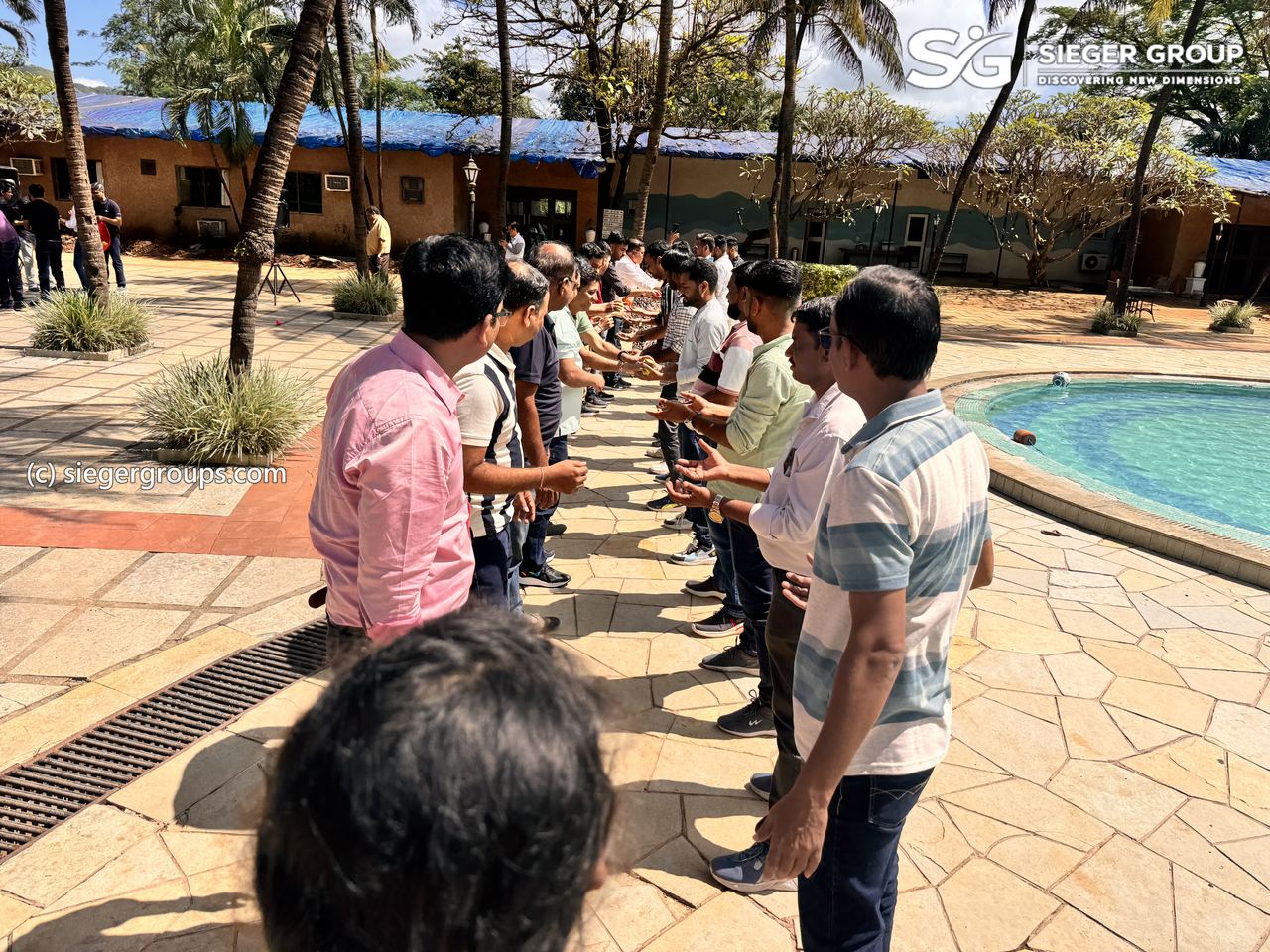
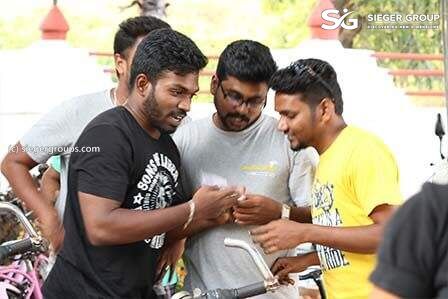
Teams follow a trail of clues and complete tasks at checkpoints. The final discovery depends on what they bring back from each stop.

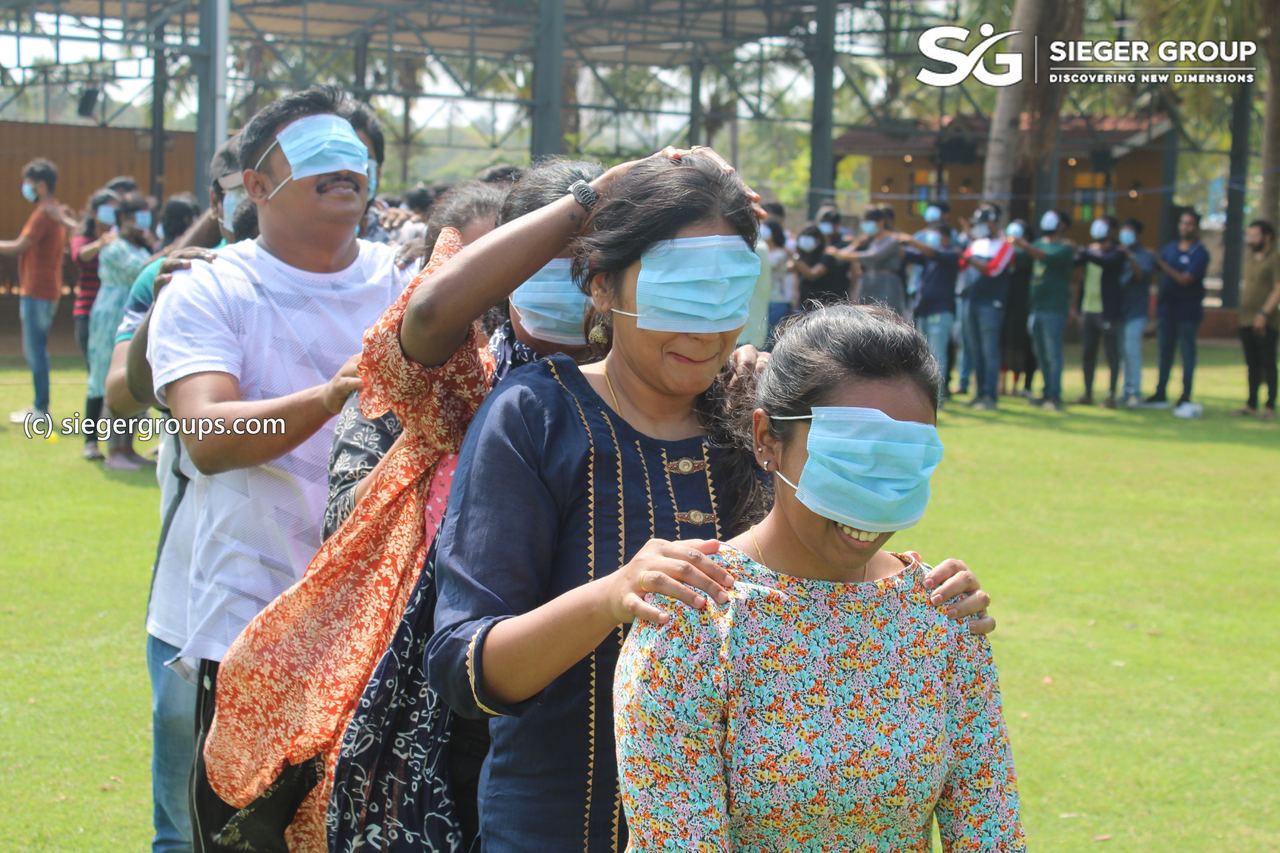
Groups switch between playful coordination games and team challenges that give everyone a turn.
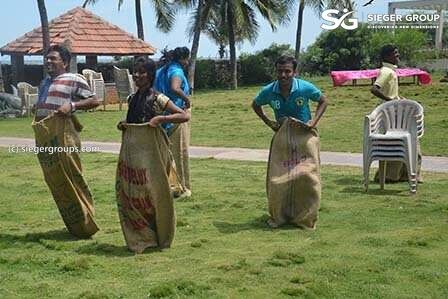
Schoolyard games and friendly relays bring colleagues together across departments for an informal sports day.

Colleagues write lyrics, rehearse a team song and bring their voices together for the performance.
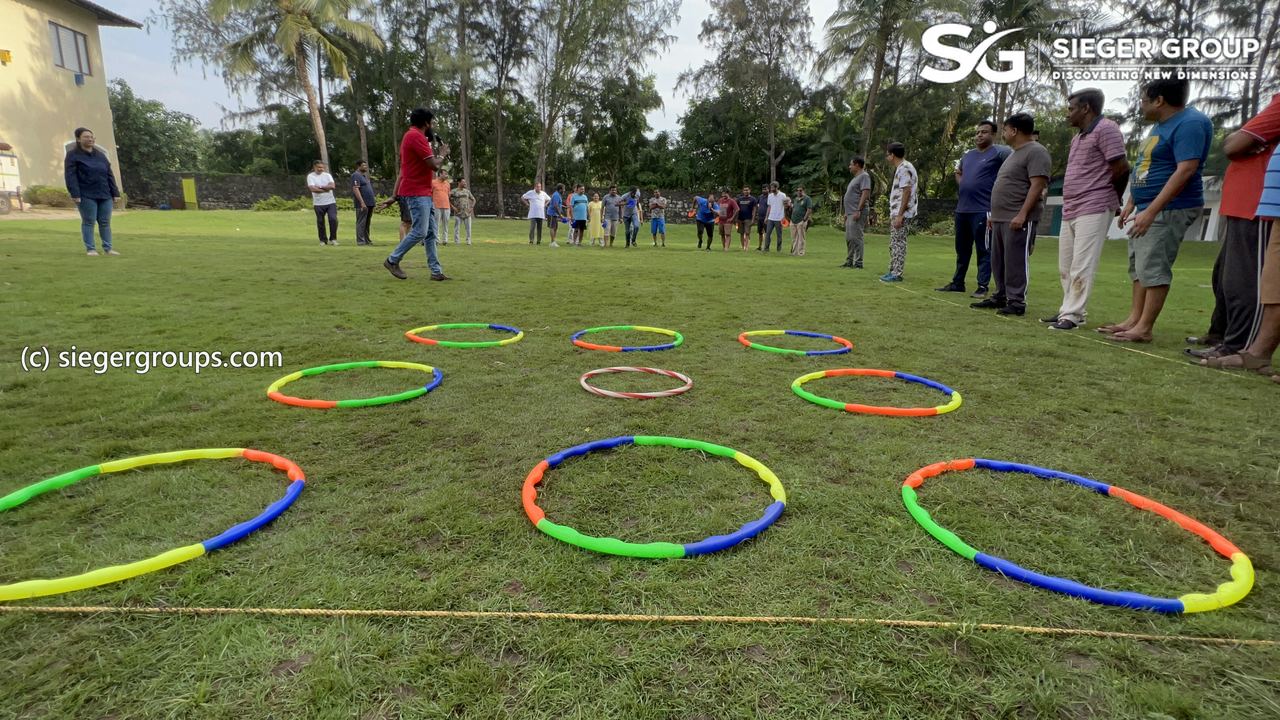
Colleagues try a selection of circus skills and practise together before sharing what they have learned.
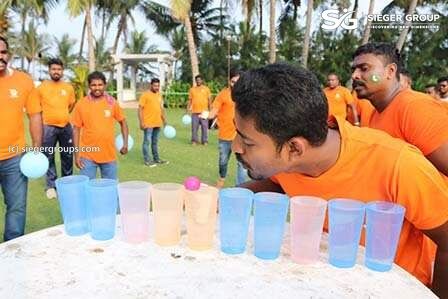
Timed tabletop games challenge players to move, stack or balance everyday objects before the minute ends.
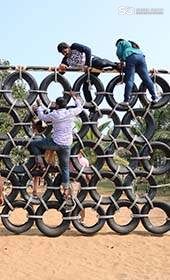
Teams rotate through instructor-led obstacle stations and coordinate support, timing and handovers on the course.
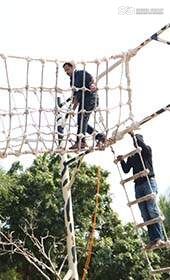
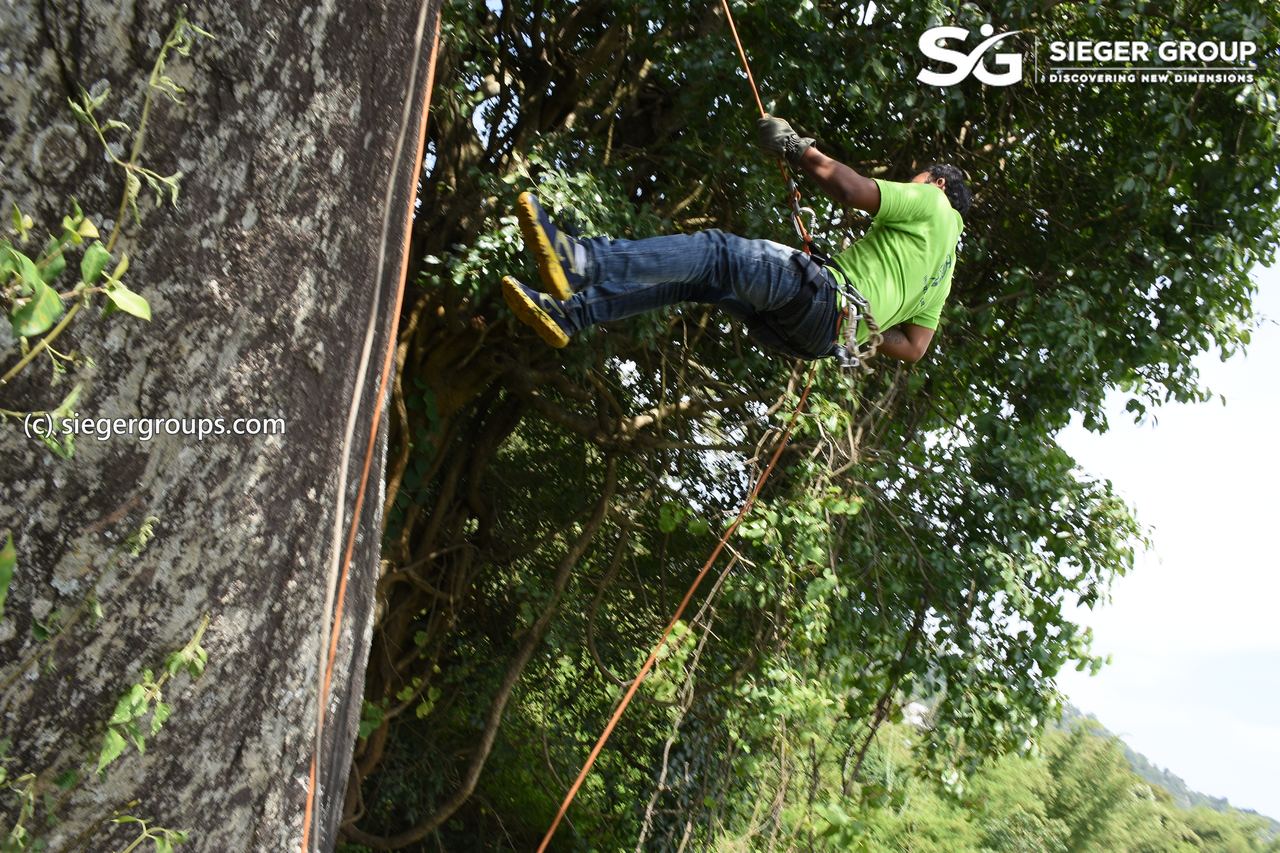
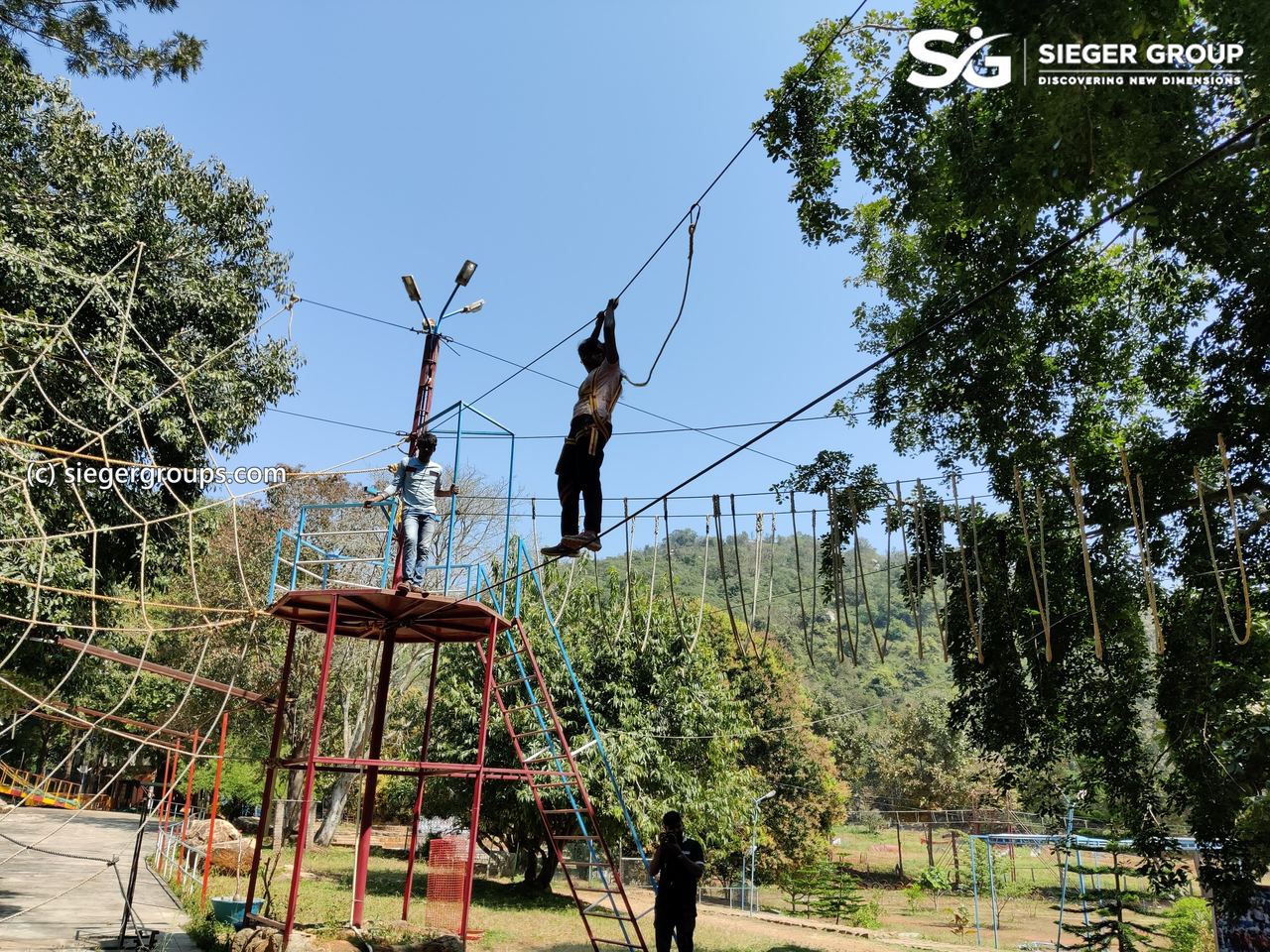
Participants choose from hosted elevated rope crossings, with ground-based roles for colleagues who prefer to observe.
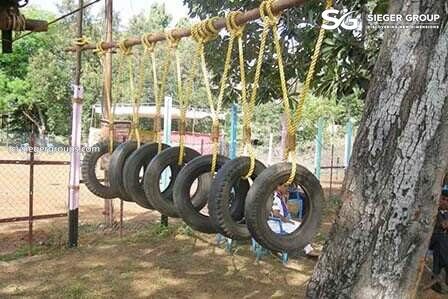
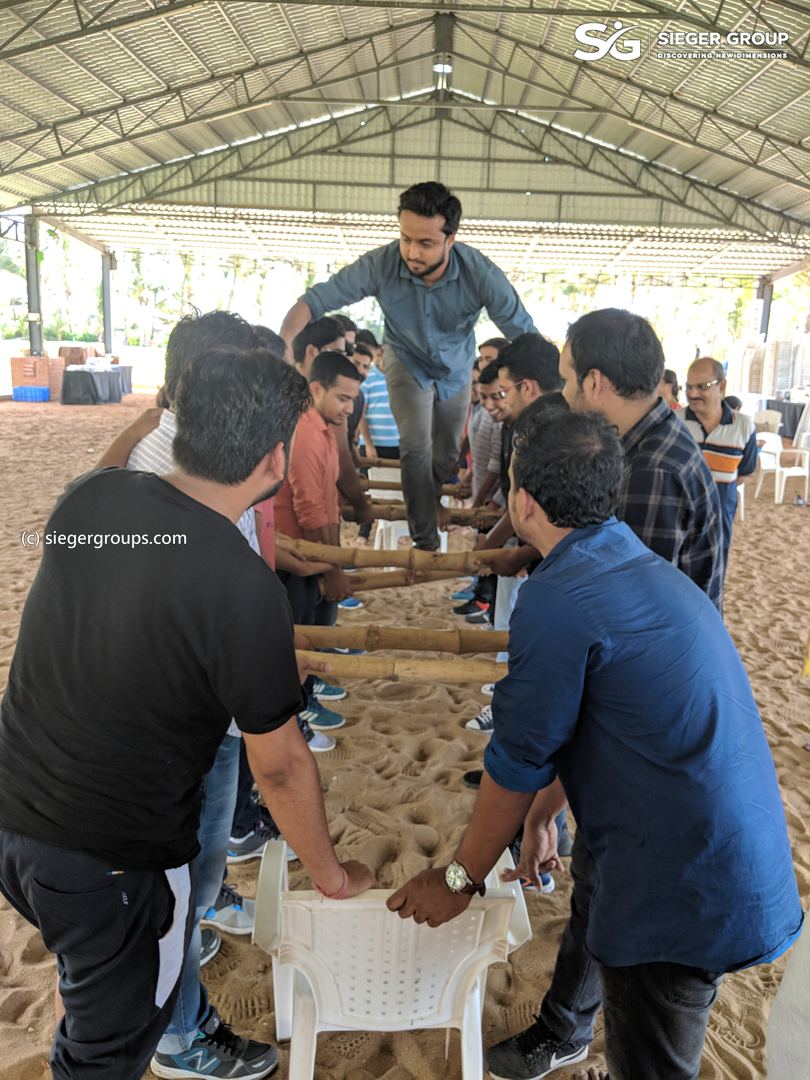
Ground-level rope challenges ask teammates to balance, communicate and coordinate the order of a crossing.

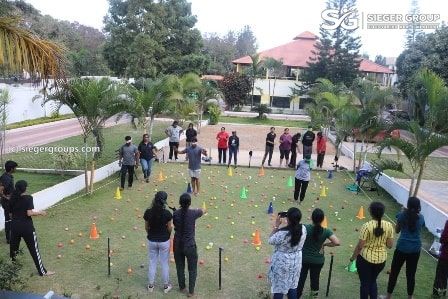
Small groups tackle creative or problem-solving challenges that fit inside a meeting or event room.

Teams head outdoors for group challenges, comparing how they coordinated movement and shared decisions.
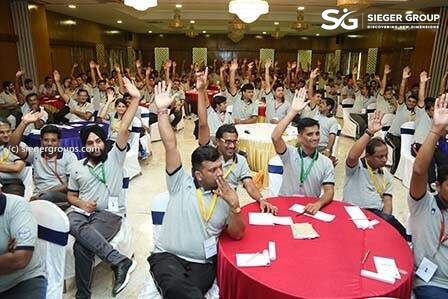
Short movement and coordination games help a group reconnect between meetings or return to a workshop ready to participate.

A hosted archery session gives colleagues time to take turns, observe and encourage one another.
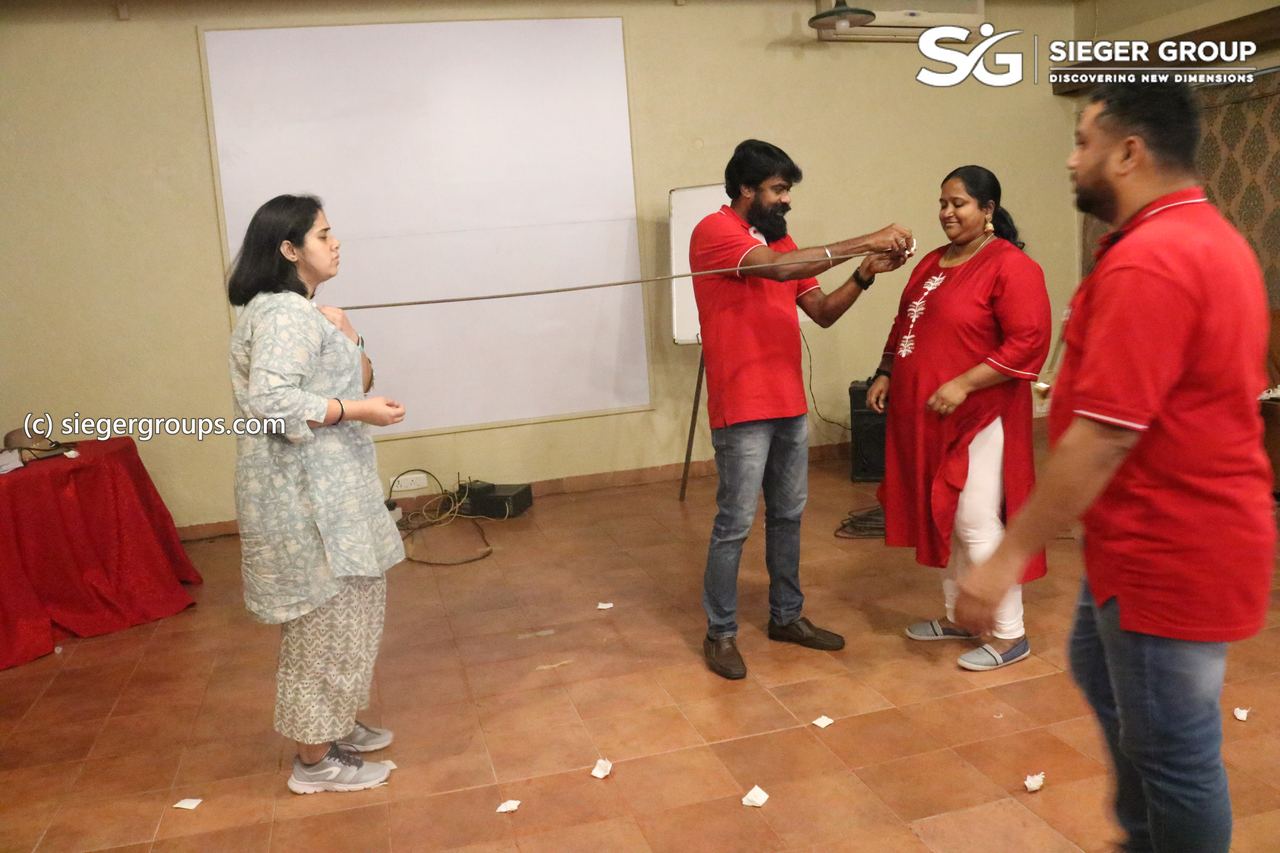
Colleagues rehearse and perform short scenes to explore how timing, expression and listening shape a shared story.
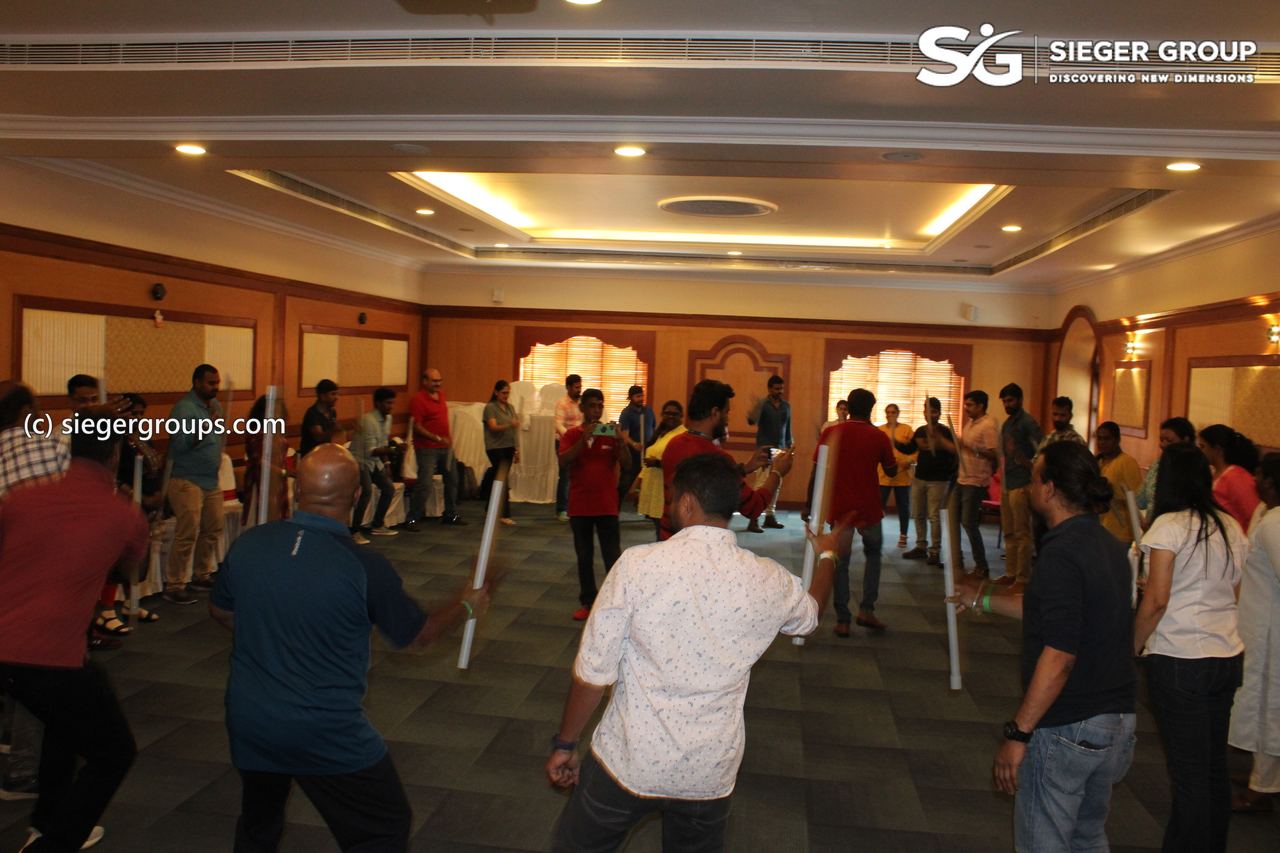
Choose music, social games and team challenges that work after the day's formal sessions.
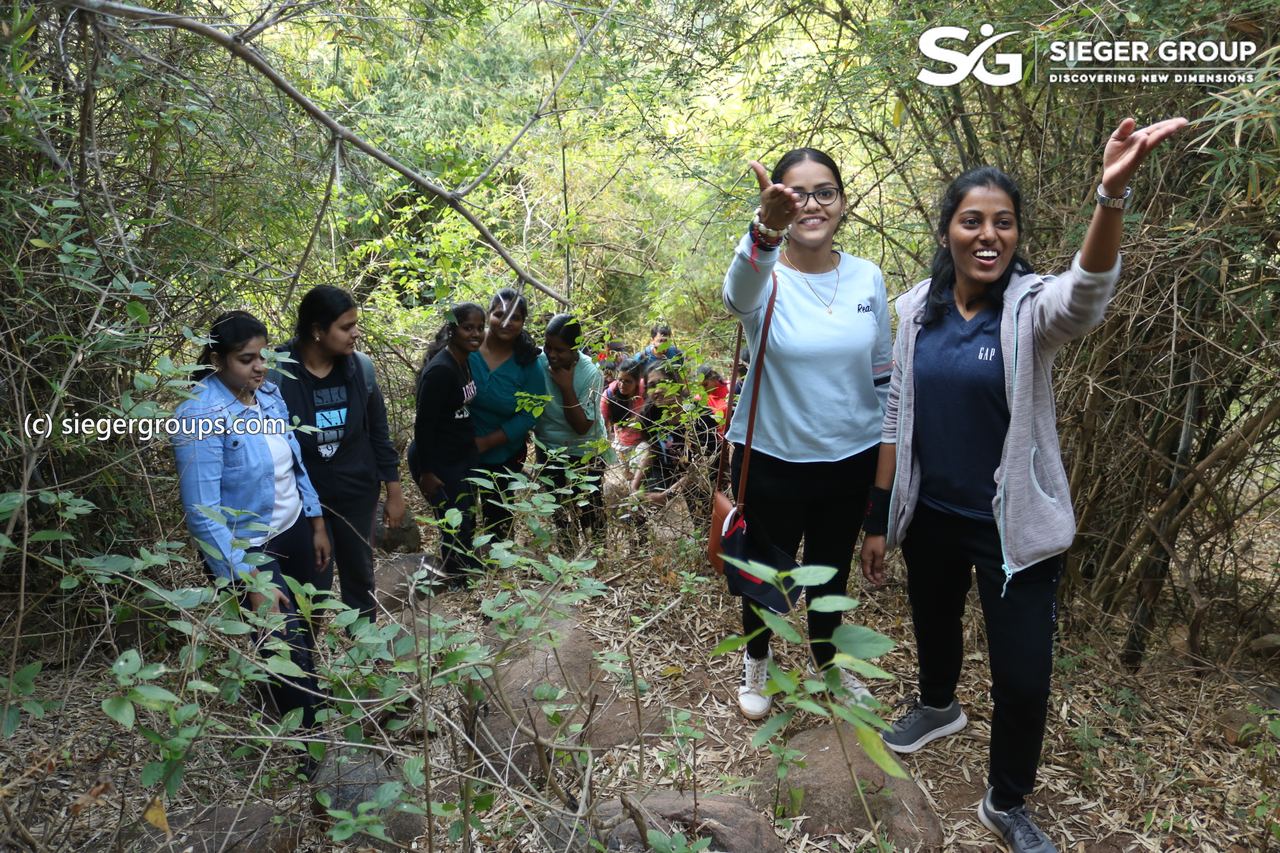
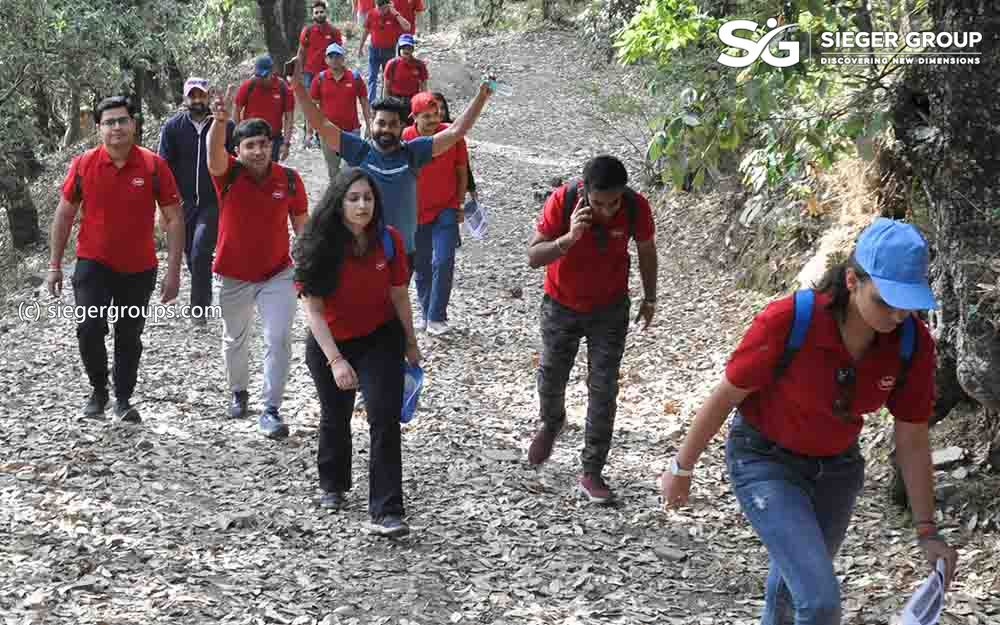
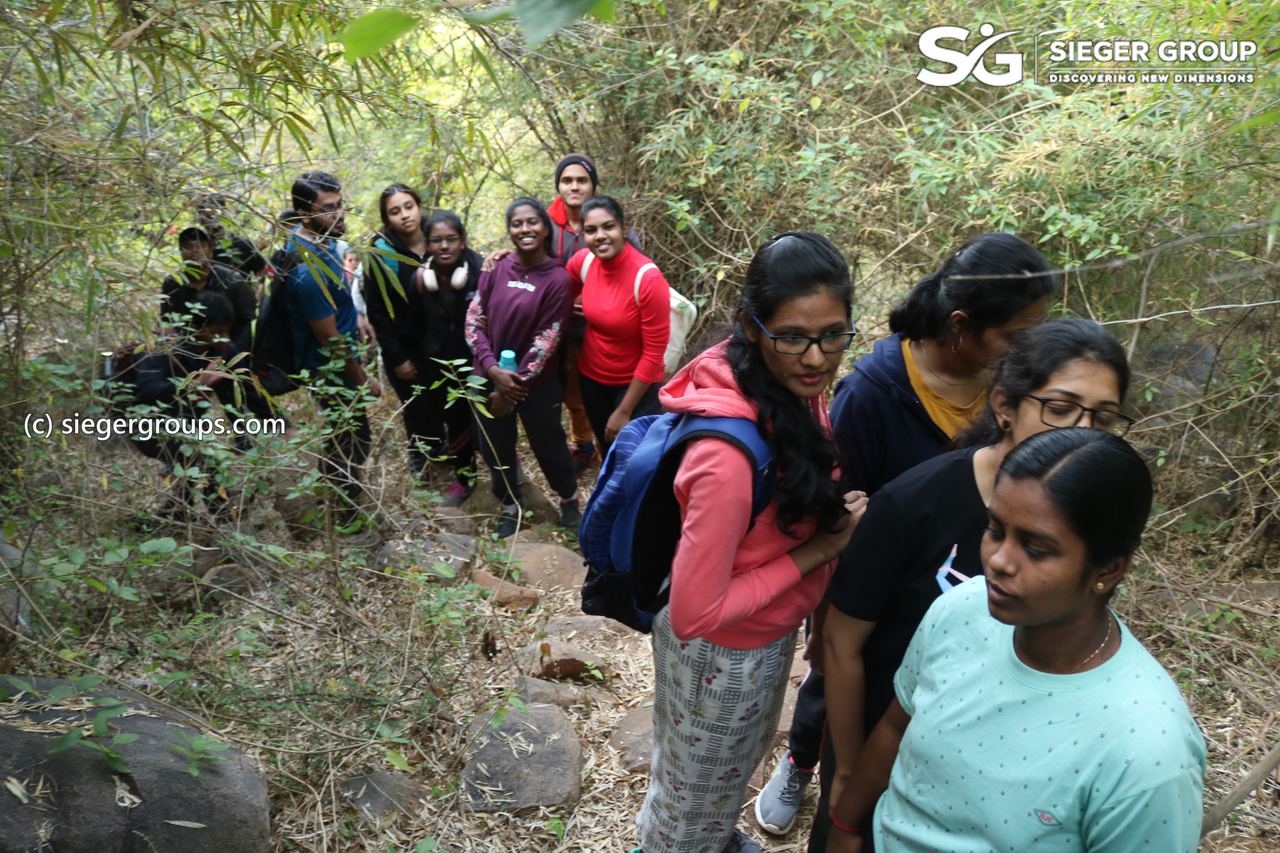
Teams follow a woodland route, share observations at landmarks and compare what different walkers noticed.
Explore the behaviours and practical insights your team can review through Corporate Team Outings & Offsites. The debrief connects observations from the experience with situations that matter to participants.
Connect the outing purpose with the experience the group is being invited to share.
Consider how activities, transitions and informal conversation fit into the available time.
Select a mix that recognises different preferences for movement, creativity and social participation.
Discuss the practical relationship between the venue and the chosen activities.
Create opportunities to interact across familiar departmental or working boundaries.
Agree priorities before comparing destination or activity options in detail.
Capture specific observations that can inform the next shared group occasion.
Use these reflection prompts to turn Corporate Team Outings & Offsites into a focused conversation about what happened, what it means and what to try next.
Write the main purpose of the outing before comparing activity or destination choices.
Ask what different audience groups need from the shared day or programme.
Review whether transitions leave enough room for conversation and practical movement between sessions.
Compare indoor and outdoor options against the group’s actual preferences and brief.
Clarify which venue arrangements influence the activity mix before finalising the programme.
Record which moments helped people connect so the next outing can build on useful evidence.
A suggested flow for Corporate Team Outings & Offsites, from setting the brief to reviewing the experience. Activity choices, pace and facilitation are confirmed around your group and setting.
Agree questions to explore about how an outing brief connects setting, activity choices and shared time with the needs of the people attending. Clarify the audience, participation preferences and suitable activity options before deciding the programme’s focus.
Consider a multi-session outing format that balances agreed group activities with practical transitions and space for conversation, reviewing how the overall sequence fits the purpose and preferences of the team. Explore programme balance as participants test an approach together.
Review moments connected with creative connection and shared discovery. Compare what different participants noticed, then discuss which decisions helped the group and which assumptions deserve another look.
Record which moments helped people connect so the next outing can build on useful evidence. Connect the observation with a relevant working or team situation, choosing a useful action and a point for discussing what happens next.
Connect Corporate Team Outings & Offsites with purposeful practice, evidence-based reflection and a next step that fits your working context.
Discuss how an outing brief connects setting, activity choices and shared time with the needs of the people attending. Choose a useful question to explore together during the agreed activity.
Explore programme balance through the selected activity. Observe how participants explain their choices and respond as the task develops around them.
Review creative connection through specific examples from the activity. Compare how different participants understood their roles and what they noticed as the task developed.
Connect an observation about shared discovery with a relevant working or team situation. Discuss what the group could keep, reconsider or try differently.
Identify a practical application: record which moments helped people connect so the next outing can build on useful evidence. Agree when to review the action and what evidence would help.
Discuss participant experience, access needs, language preferences and the purpose of the programme before confirming suitability.
Intact and cross-functional teams interested in programme balance. Activity Weekend offers one possible starting point for an agreed group experience.
Managers and emerging leaders exploring creative connection. Select a format that fits their responsibilities, working relationships and the purpose of Corporate Team Outings & Offsites.
Project teams and newly formed groups bringing different perspectives to shared discovery. Confirm the learning priorities and participation arrangements before choosing the activity mix.
This example illustrates a possible flow. The final activities, timing, breaks and inclusions are agreed in your proposal.
Introduce Corporate Team Outings & Offsites, agree the group’s purpose and discuss participation preferences. Explain the selected formats before the experience begins.
Use a selected version of Activity Weekend to explore programme balance. Pause to compare observations and clarify the choices that shaped progress.
Use a selected version of Art Workshop to explore creative connection. Pause to compare observations and clarify the choices that shaped progress.
Review examples of a clear reason to gather and choice across interests. Connect the observations with day-to-day team responsibilities and choose a relevant next conversation.
Explore an agreed version of Amazing Treasure Hunt and compare approaches to shared discovery. Discuss what the group changes after feedback.
Explore an agreed version of Indoor Team Building and compare approaches to considered selection. Discuss what the group changes after feedback.
Share group size, audience profile, language preferences and access requirements.
Discuss available space, travel, indoor or outdoor preferences and relevant venue constraints.
Confirm activities, facilitation, equipment, duration and inclusions in the proposal.
Agree the debrief approach and any action planning, evaluation or follow-up support required.
Explore a destination page or bring another location into the brief. Discuss actual venue suitability and delivery arrangements before confirming the programme.
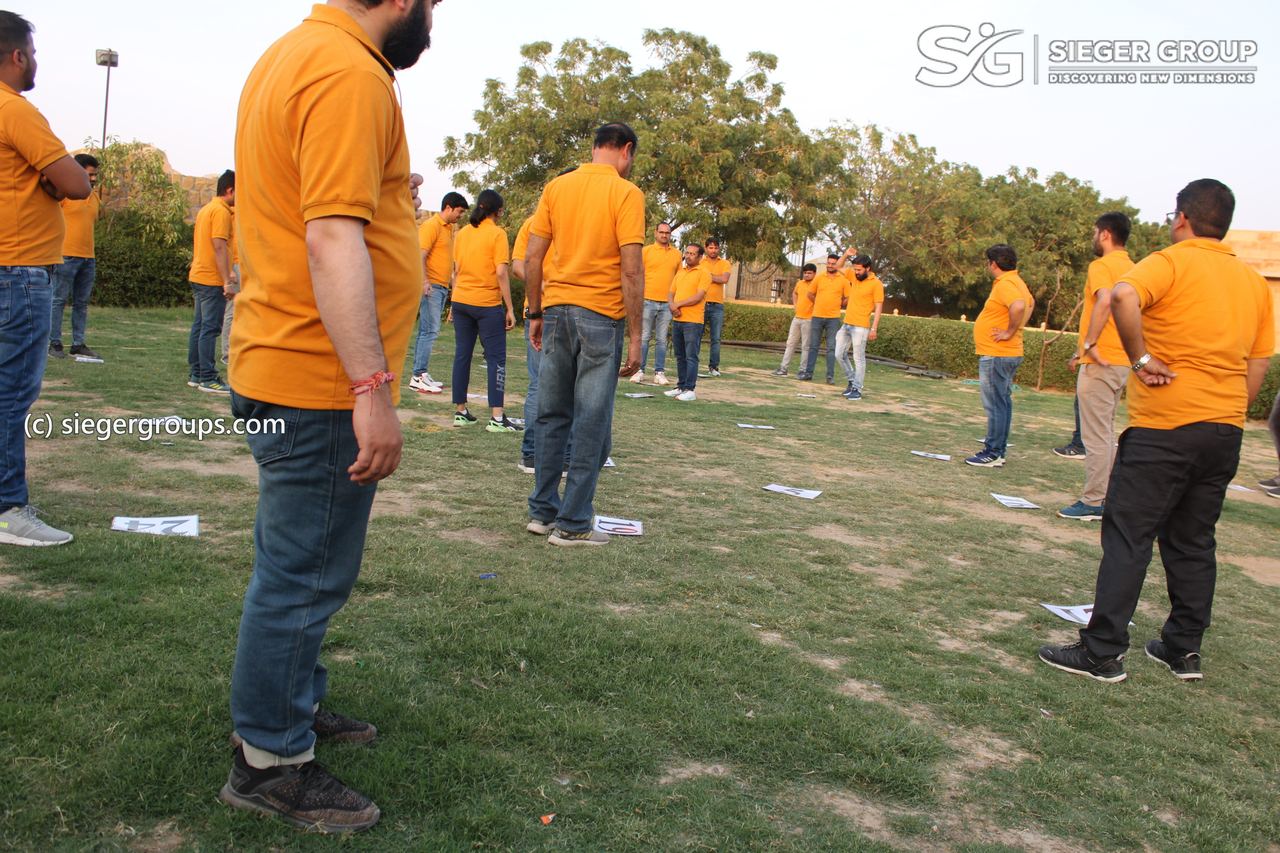
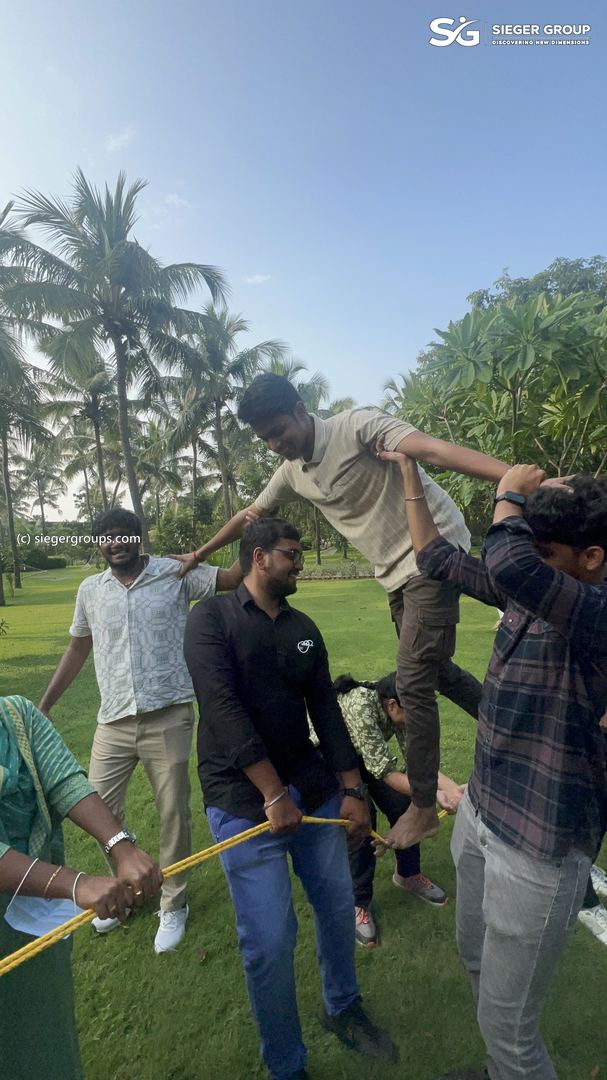
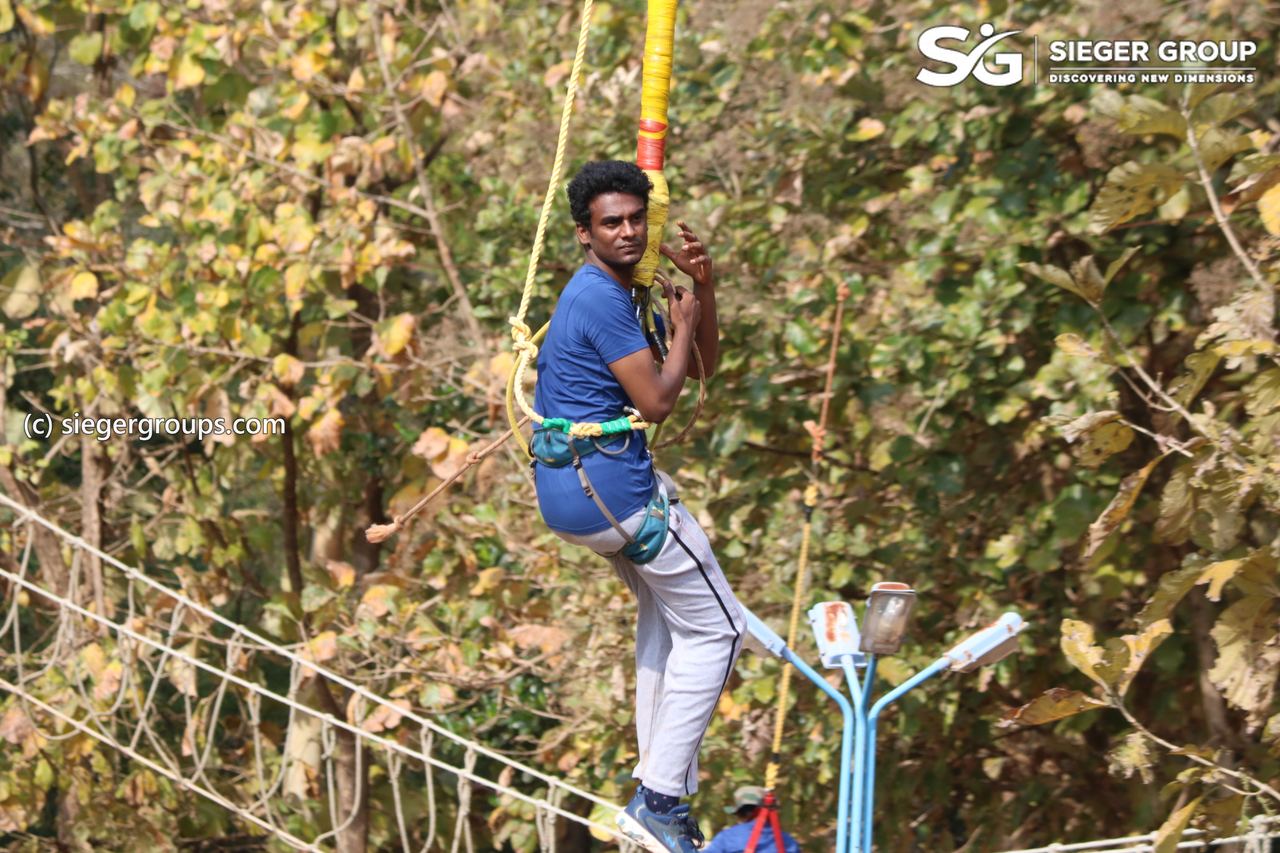
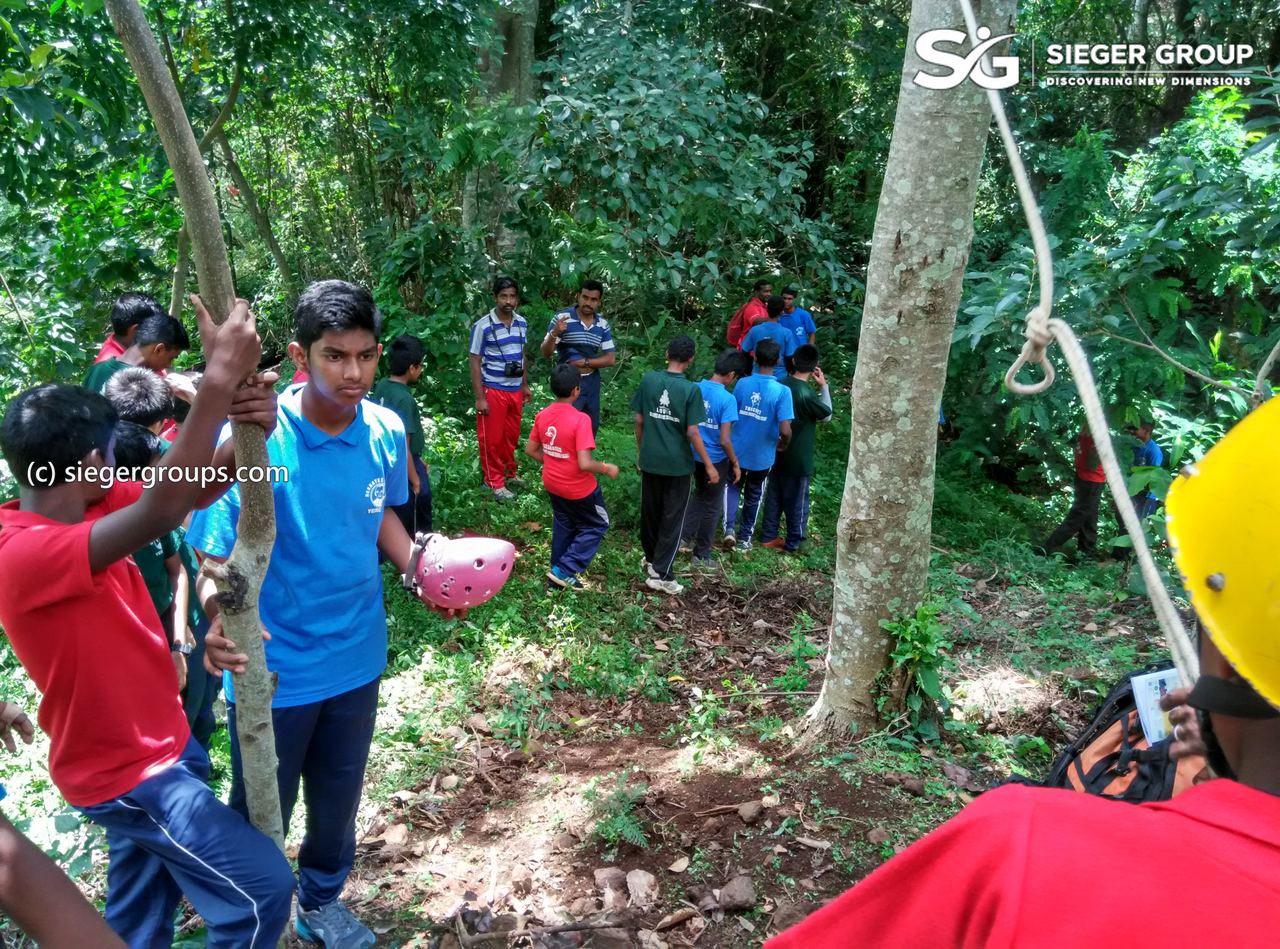
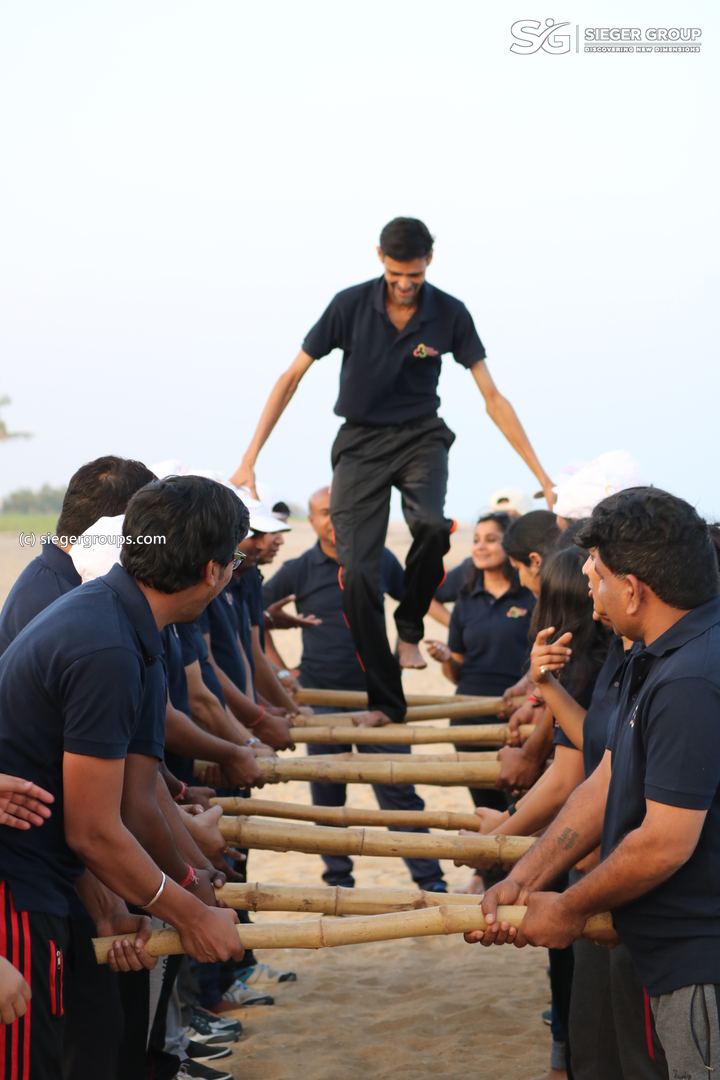
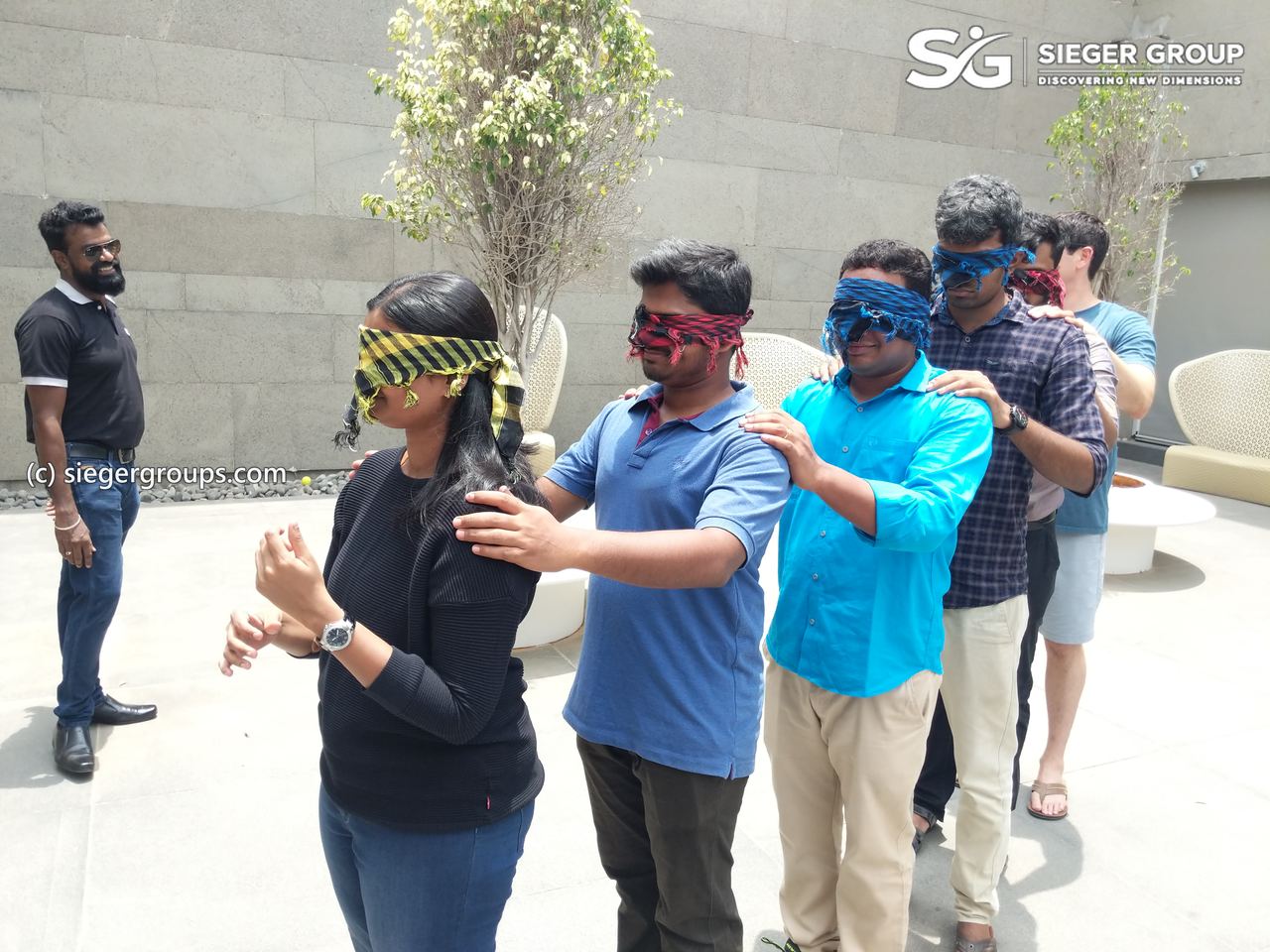
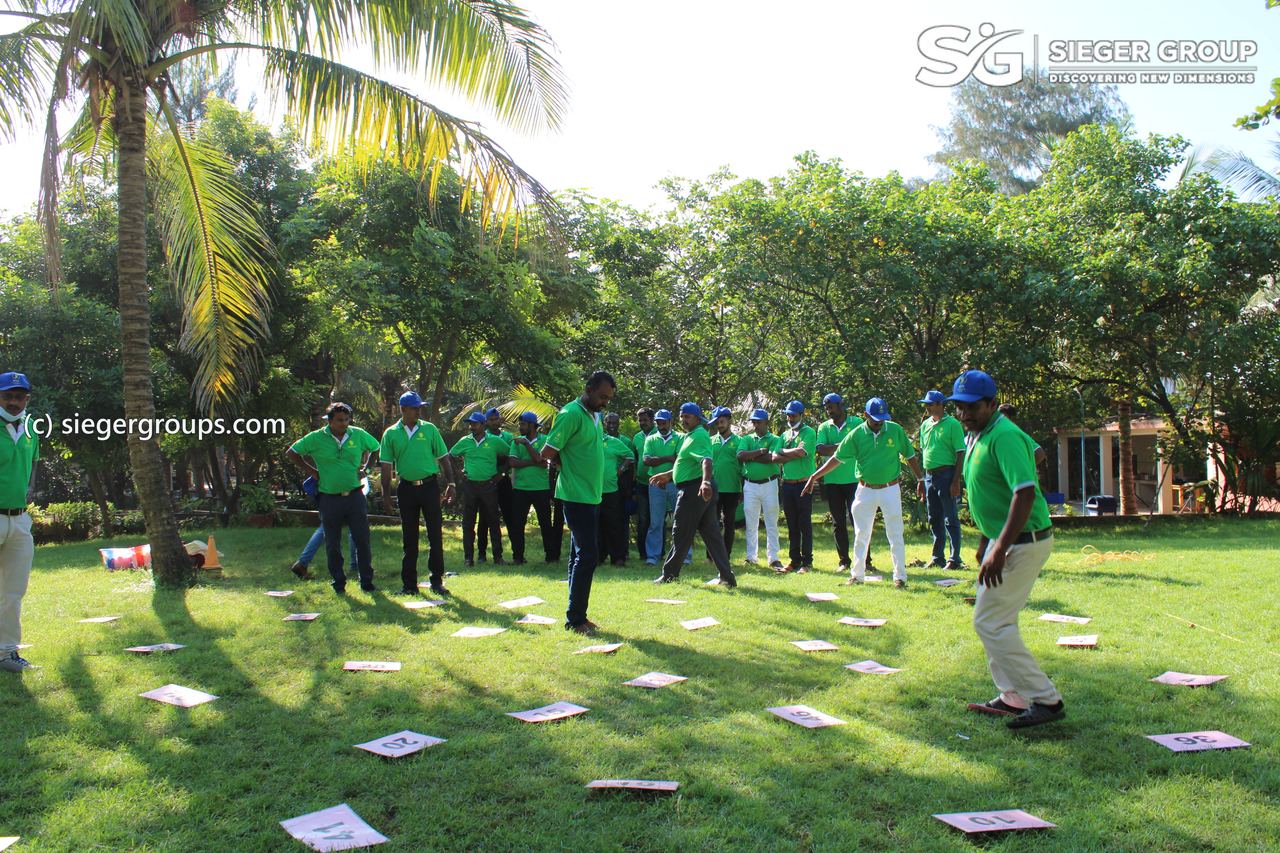
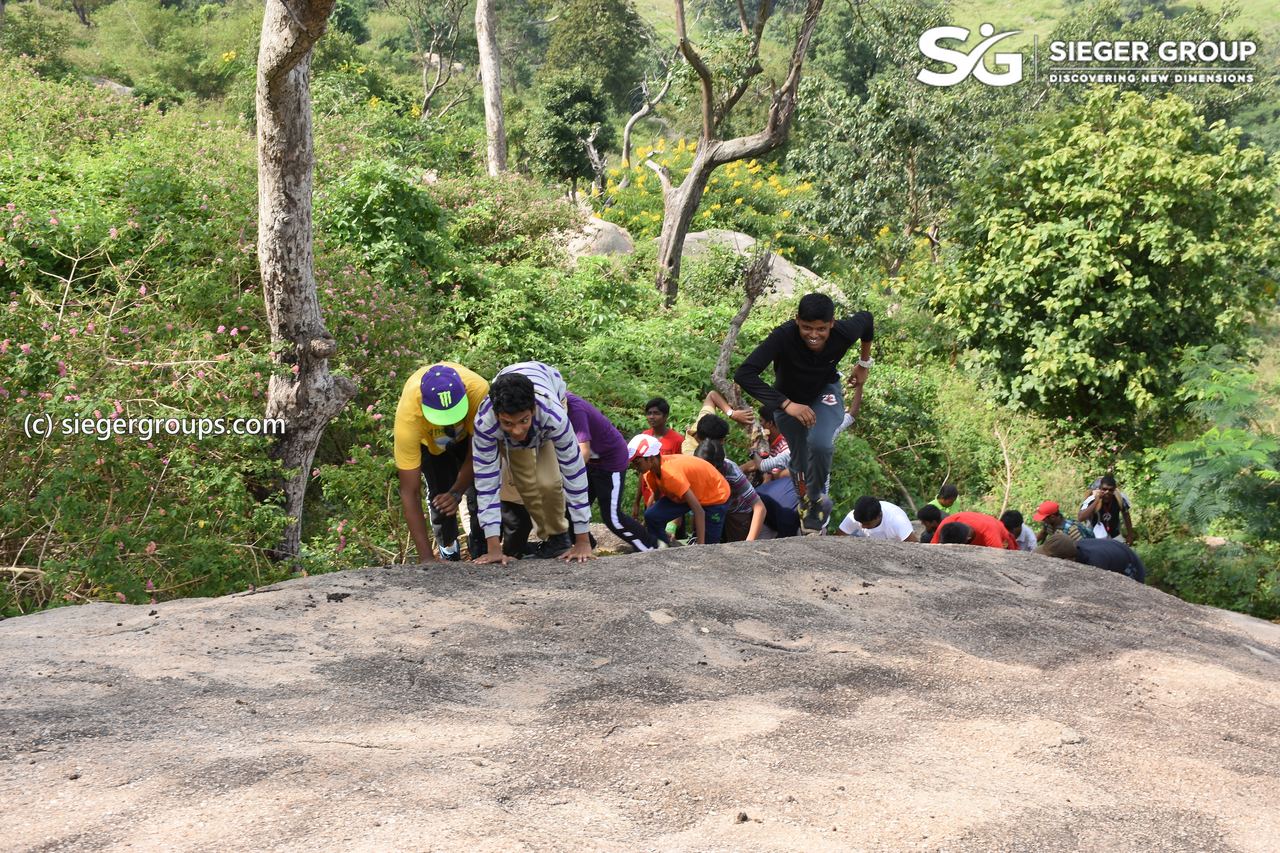
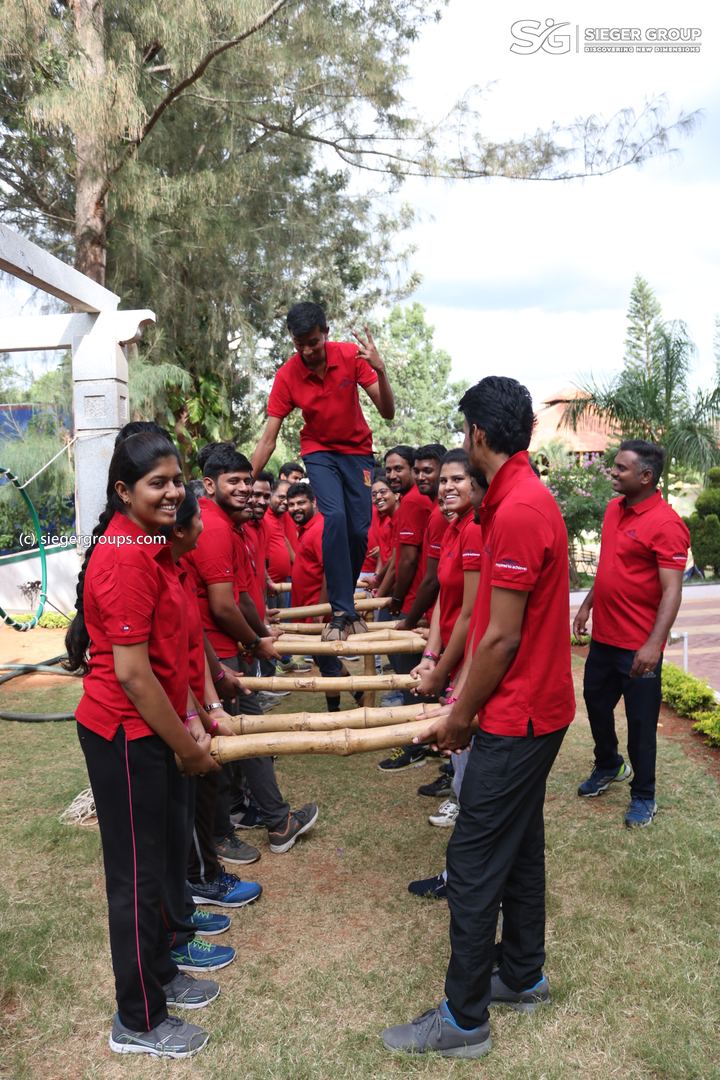
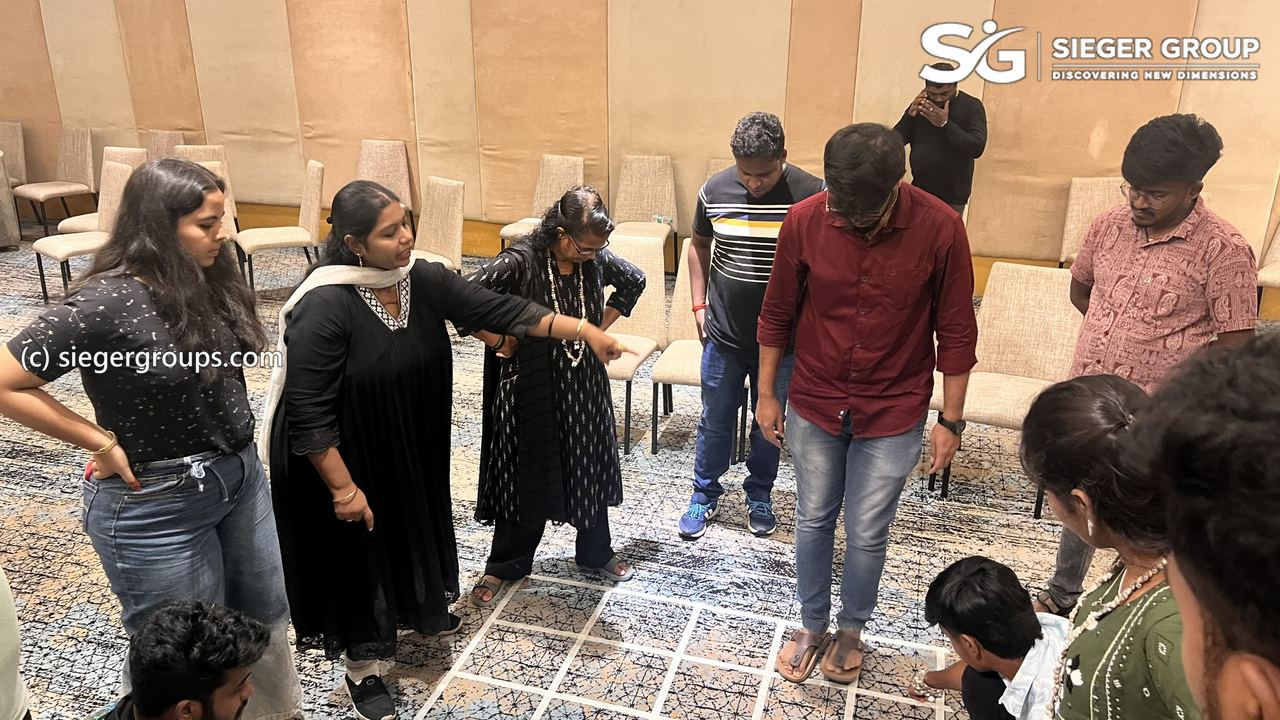
The photographs help illustrate programme settings and team experiences. Your selected activities and venue are agreed in the final brief.
Practical answers for planning your team experience.
A corporate team outing brings colleagues together outside their usual work routine for shared activities and connection. The format may focus on enjoyment, celebration, collaboration or a combination agreed in your brief.
An outing can prioritise connection and shared enjoyment. A learning-led outbound programme adds explicit learning objectives, facilitated reflection and intended workplace application. Discuss the emphasis you want before choosing the format.
This page links to 24 activity formats, including creative programmes, music, treasure hunts, team challenges, indoor options and outdoor experiences. Your outing would include an agreed selection, not every programme in the collection.
Yes. Share your people, purpose, preferred setting, time available and budget. The activity mix, pace and facilitation can then be proposed around your group and occasion.
Discuss the programme for employee teams, cross-functional groups, business units, new colleagues or teams celebrating a milestone. Share participant needs and comfort levels so the experience can be considered appropriately.
Explore the destination pages or share another preferred city or offsite setting in India. Venue suitability, access, usable space, travel and delivery logistics should be confirmed for the selected programme.
A mixed format can be discussed if the venue, schedule and programme scope support it. Agree the practical setup and any alternative arrangements in the proposal.
Duration depends on your objectives, travel plans, activity mix and the time available for informal connection. The full-day schedule on this page is an example; shorter sessions and wider offsites can be discussed.
The appropriate arrangement depends on the activities, venue, rotations and facilitation. Share your expected headcount so the proposal can address team sizes and delivery requirements.
Confirm programme timing, activity choices, participant communications, equipment, facilitation and venue requirements. Travel, meals, accommodation and any alternative format should be included only where specifically agreed.
Costs depend on the group, programme scope, duration, venue, facilitation and logistics. Request a tailored proposal that separates programme inclusions from any travel, accommodation, meals or other agreed arrangements.
Use the enquiry form or call +91 98400 97567. Share Corporate Team Outing, your objectives, headcount, preferred dates, destination and budget so Sieger Group can discuss the next steps.
Share your people, purpose, preferred date and setting. We’ll help shape a programme around your brief.
Tell us what you have in mind. We will help you explore a programme that fits your people and your occasion.
Still finalising the details? Share what you know.
Every team is different. Share your people, purpose and preferred setting, and we’ll translate your brief into an experience designed to connect, engage and create lasting impact.
Share your brief and preferred contact details.