Meet the treasure trail
Review the clue format, search area and destination objective. How did the group connect clues from different checkpoints?
Learning focusReading the trail brief
Teams follow linked clues towards a final discovery. Each new find must be interpreted in light of what colleagues learned at earlier checkpoints.
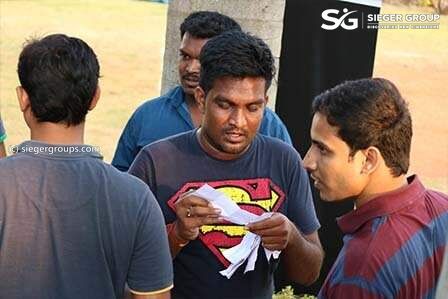
Teams follow a connected trail of clues towards a final discovery. A detail from an early station may only make sense later, so participants decide how to record and share what they find. The finish gives each team a chance to explain its route.
Keep the evidence from each checkpoint accessible so the final team can reconstruct its reasoning.
Watch how players share clues during a code-breaking task. A hunt adds movement between stations or a search for specific objects.

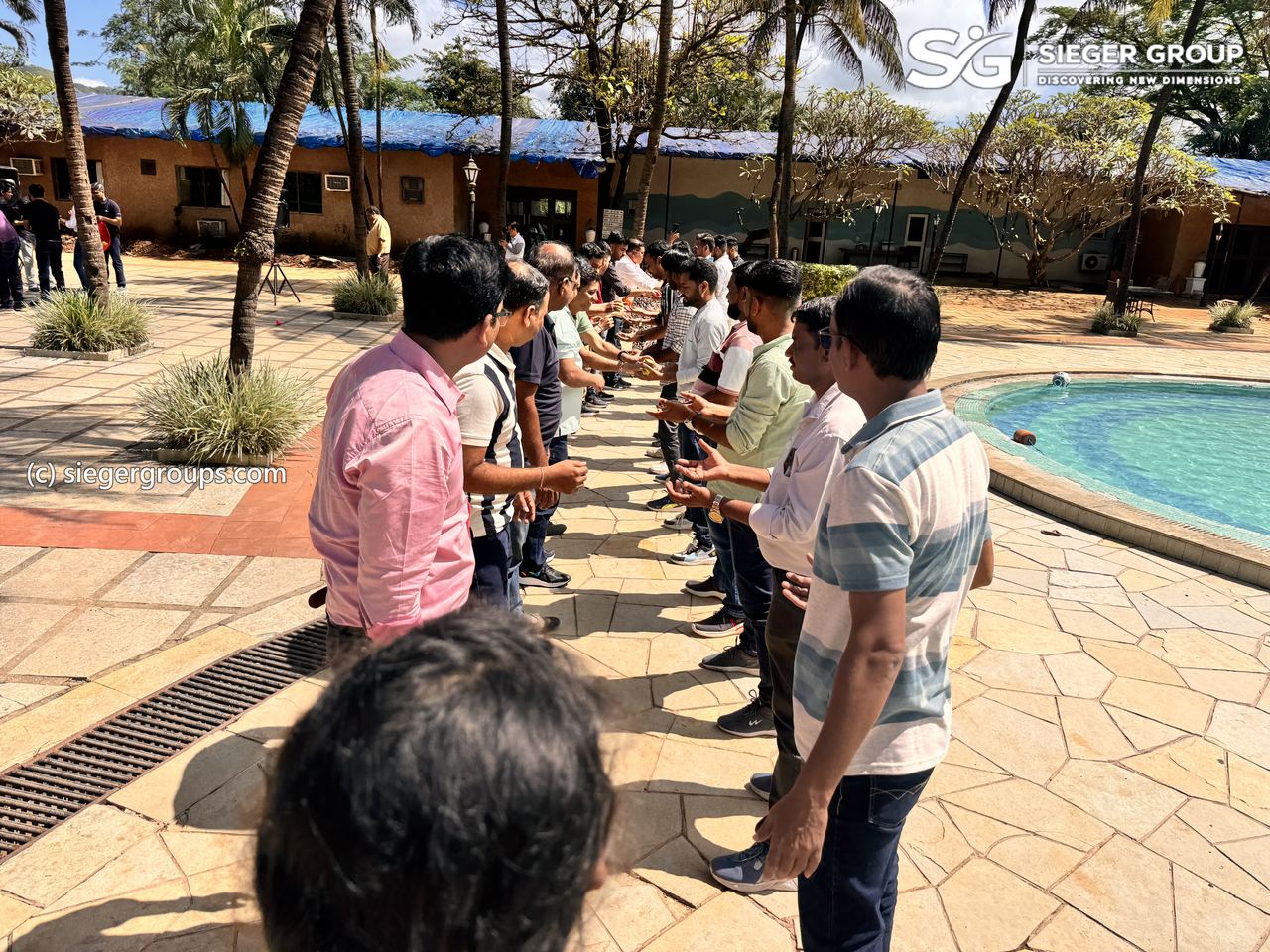
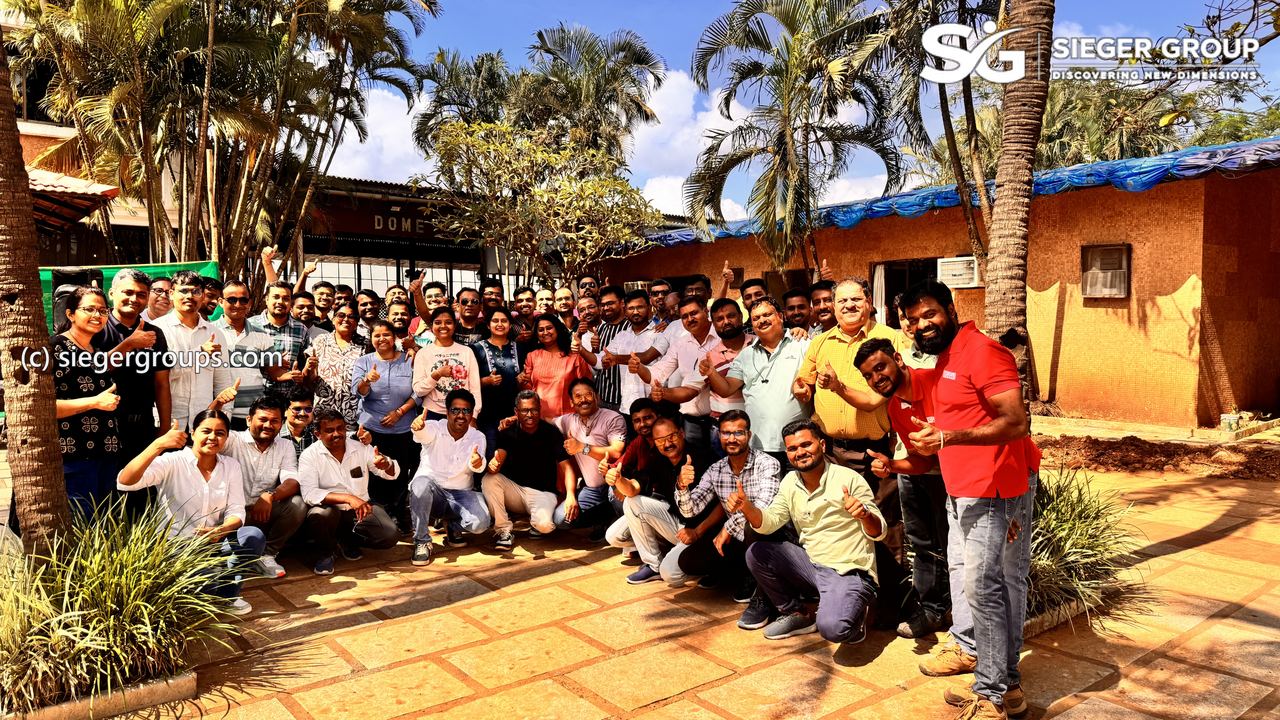
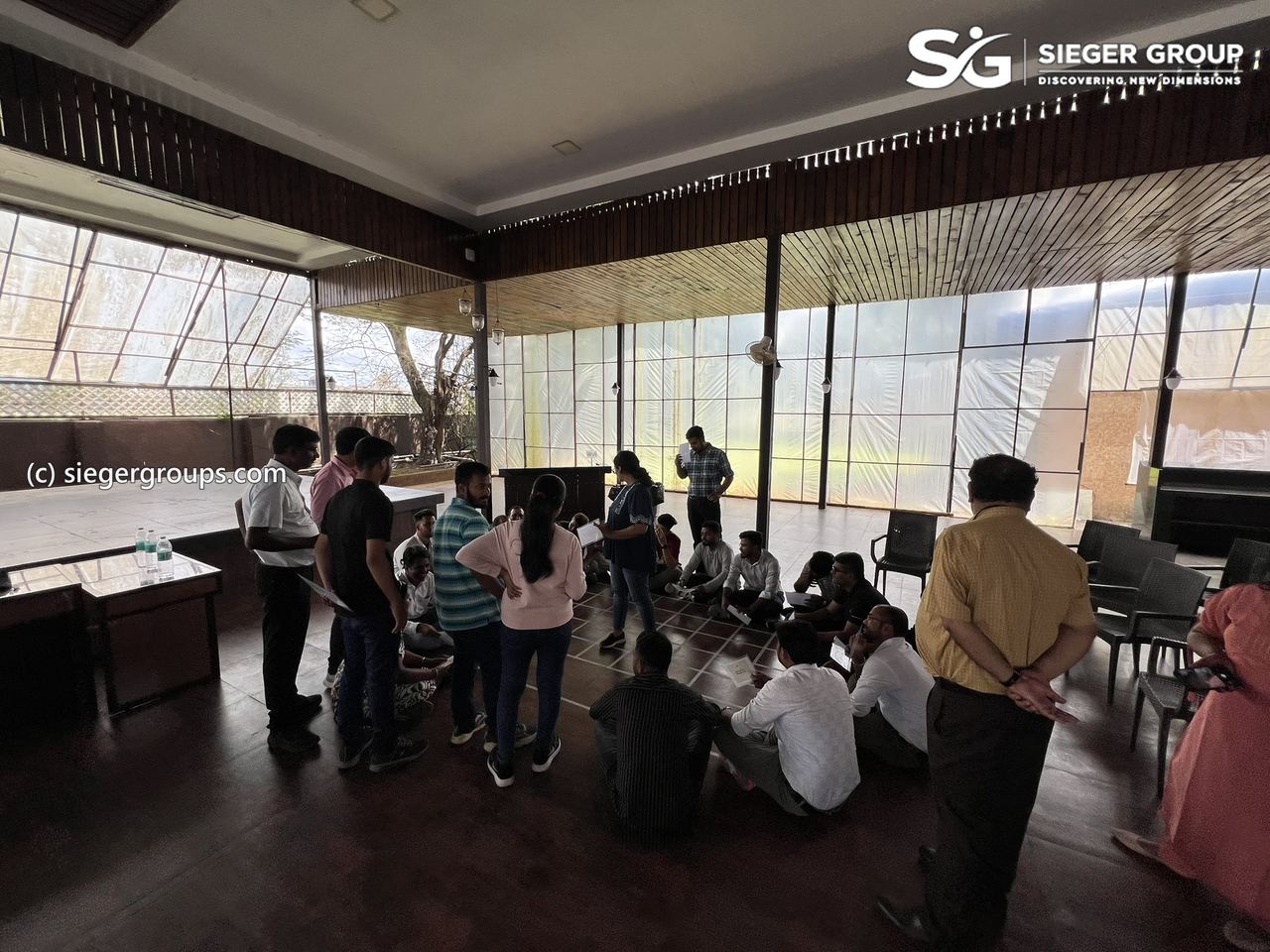
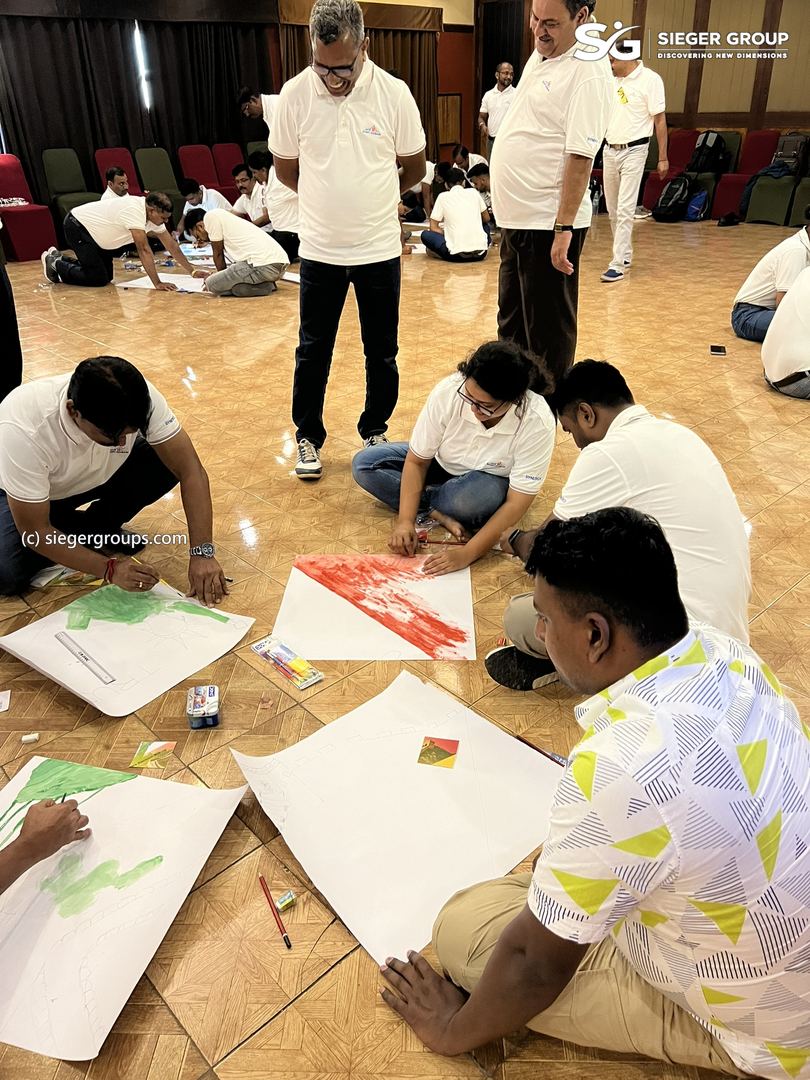
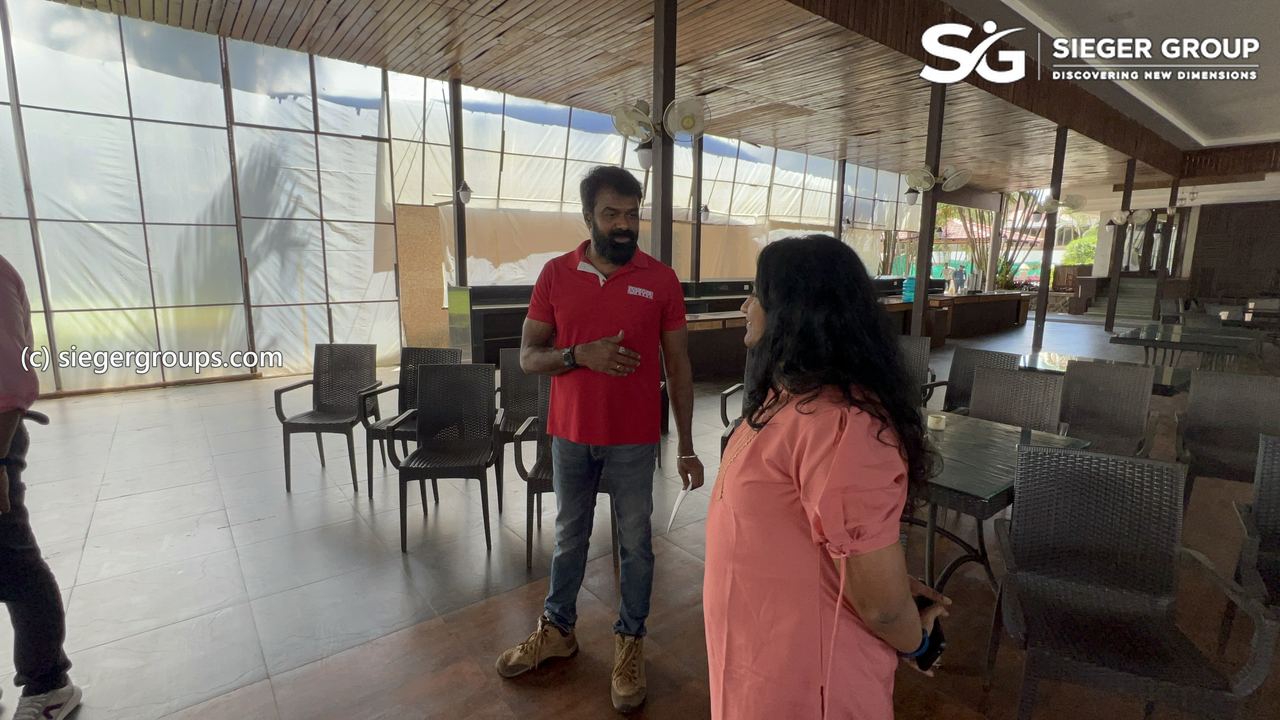
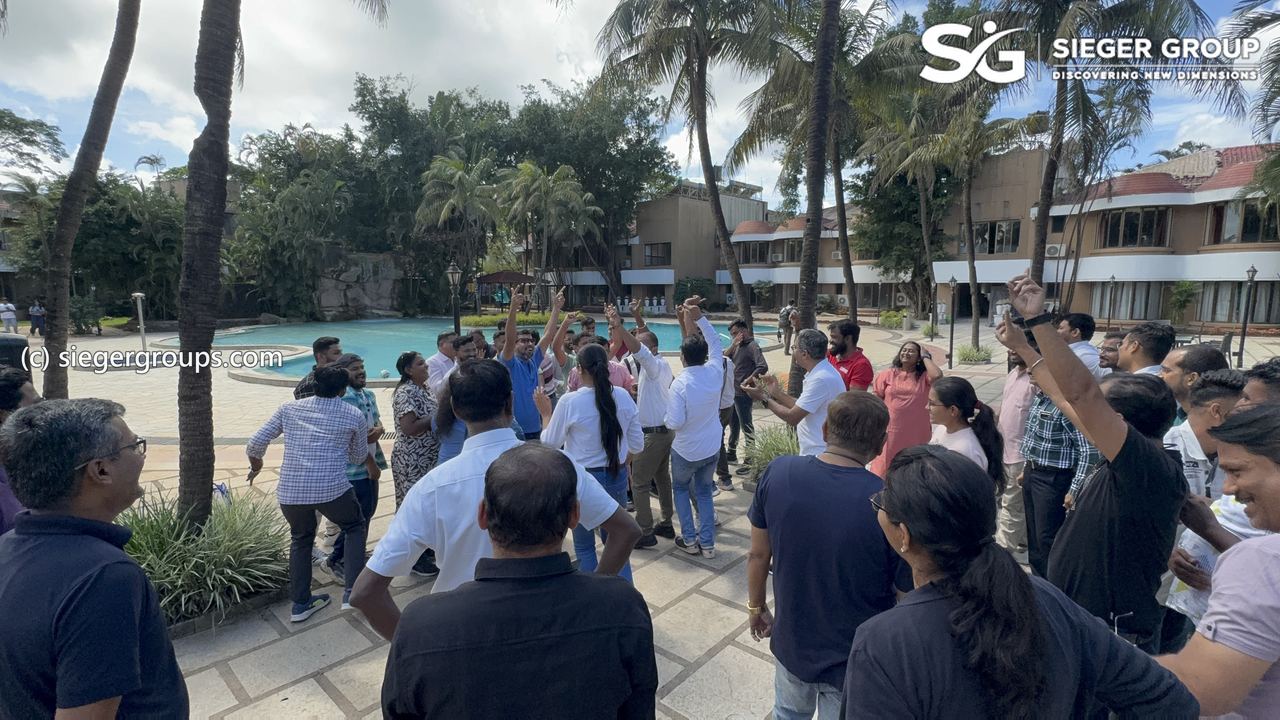
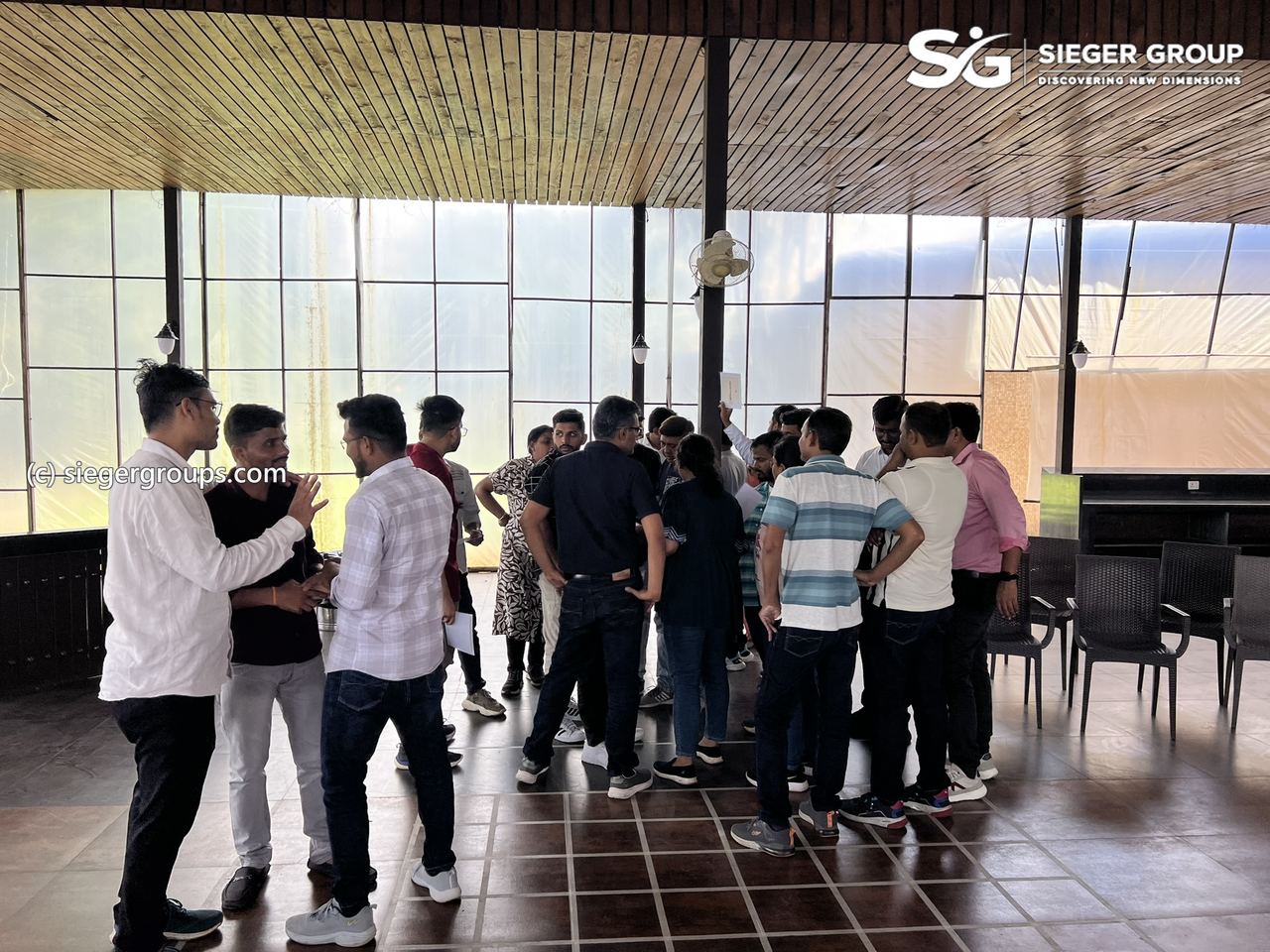
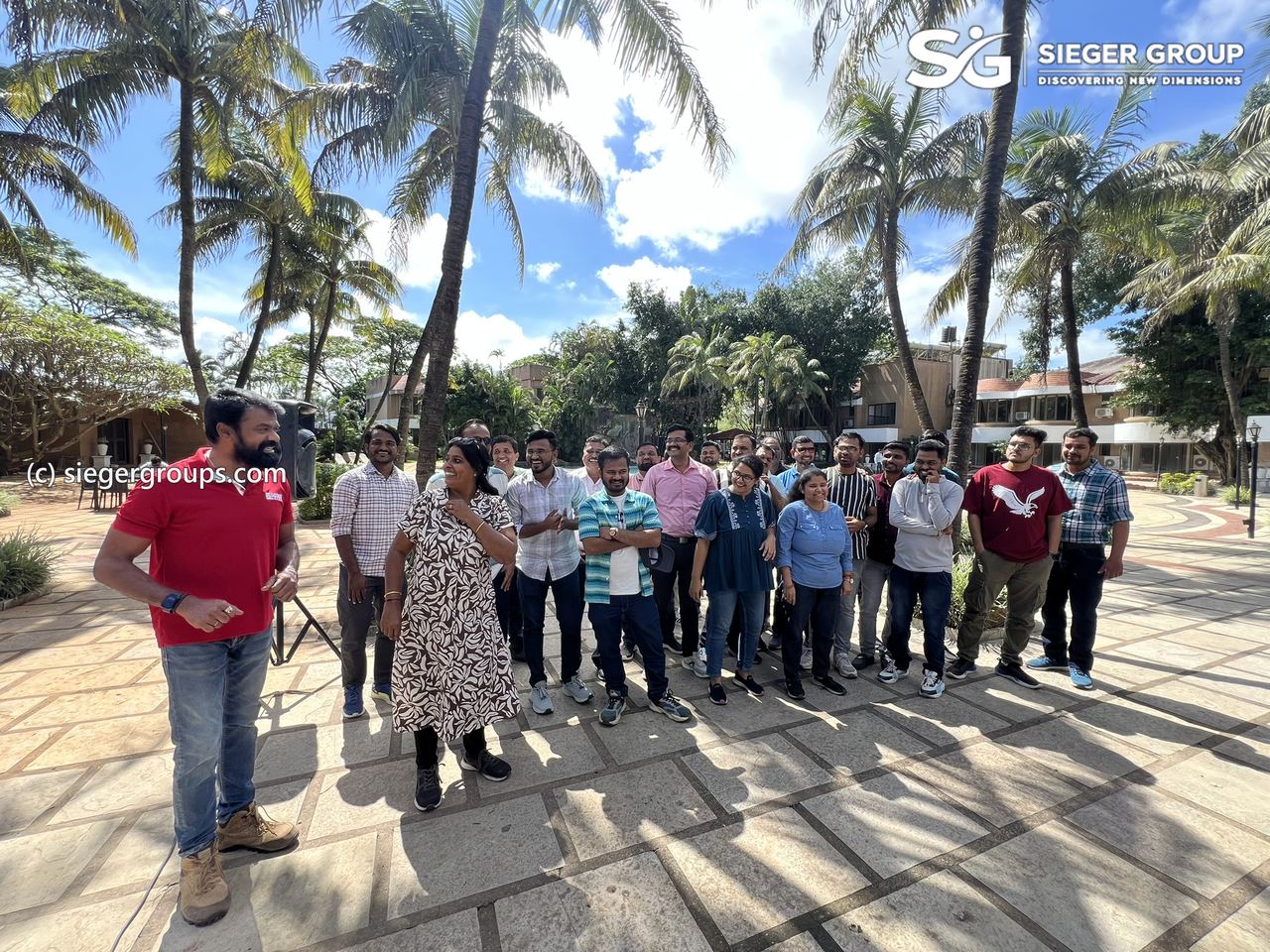
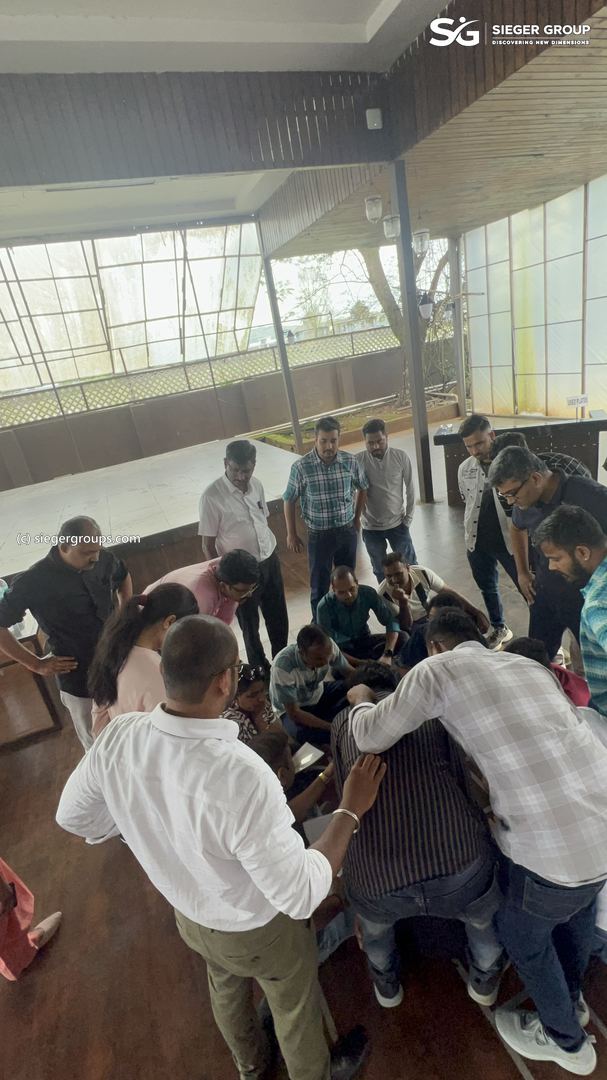
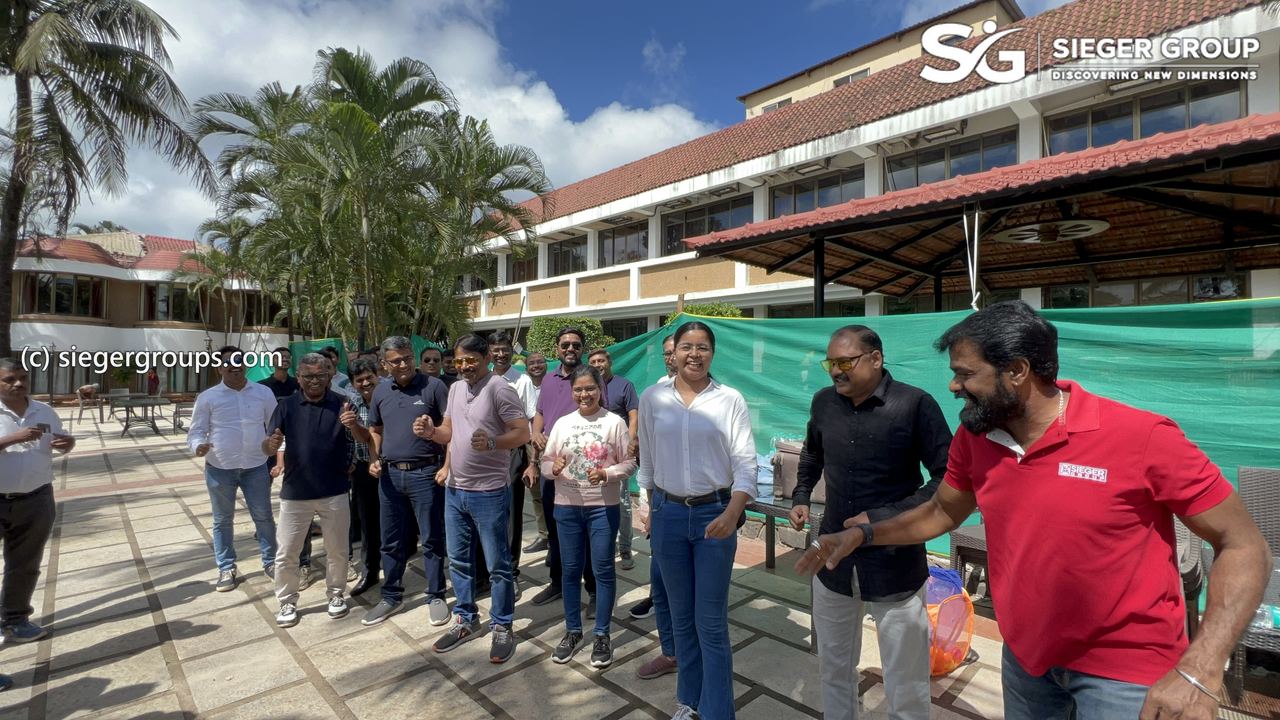
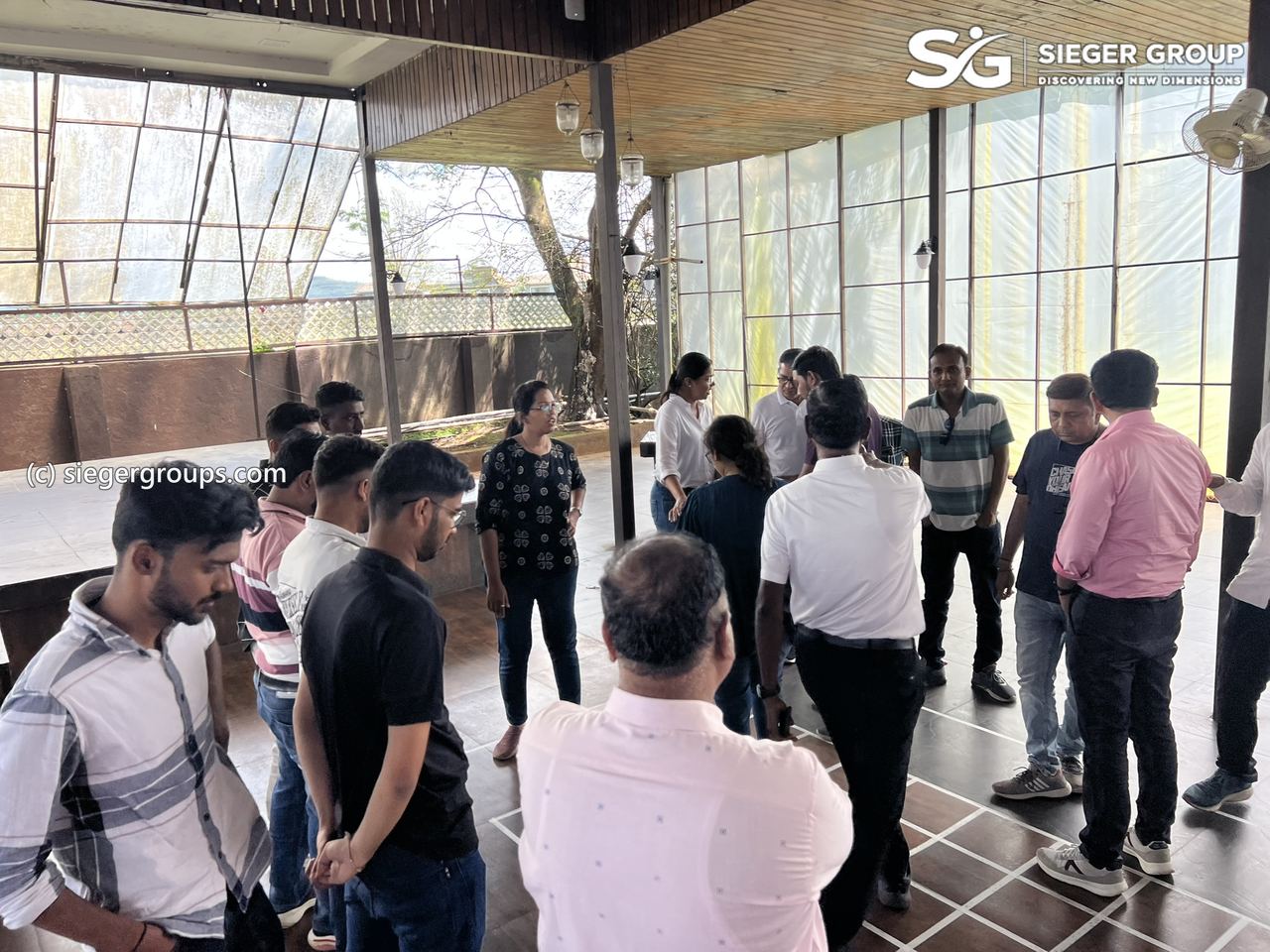
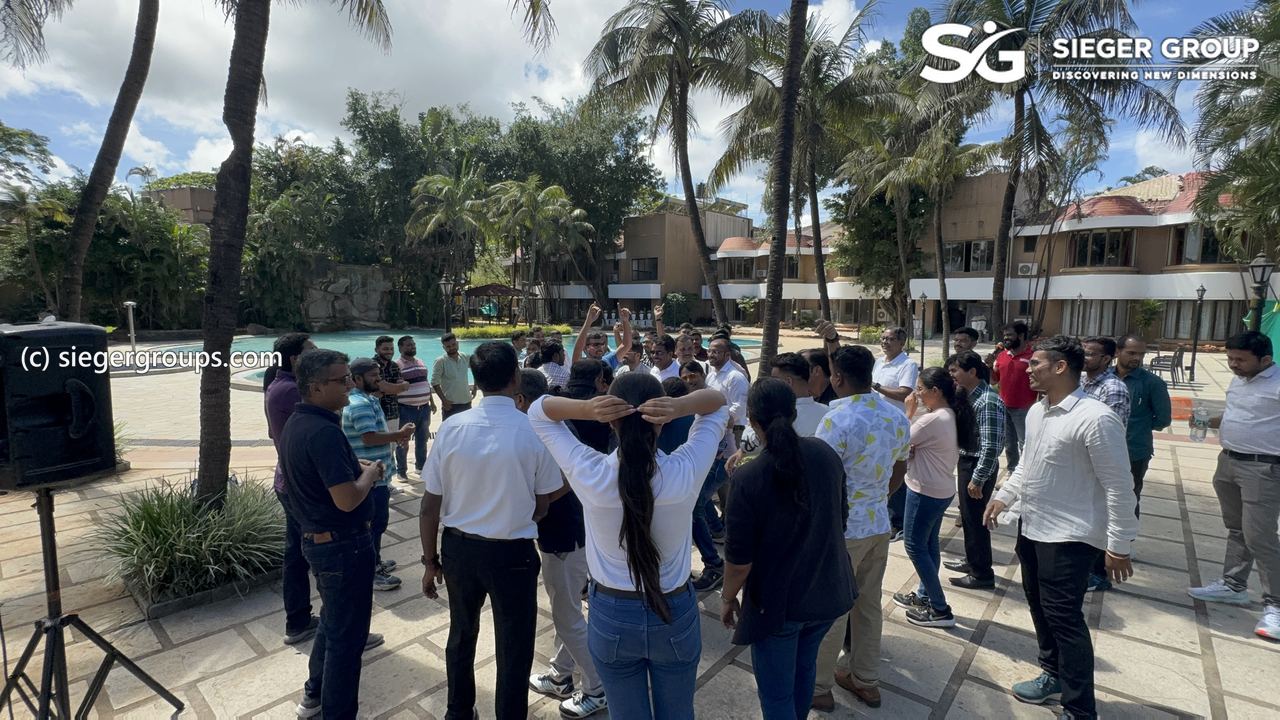
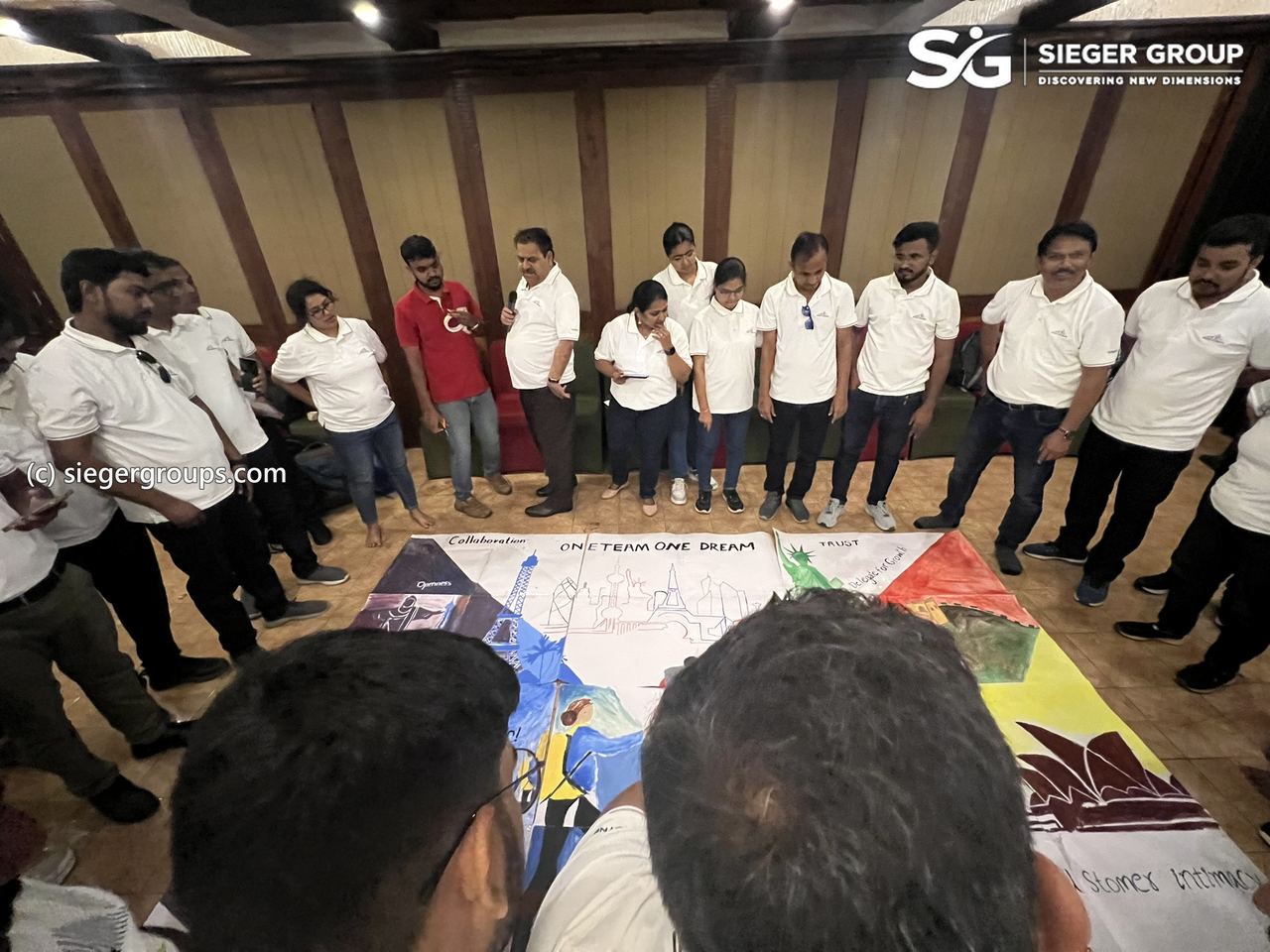
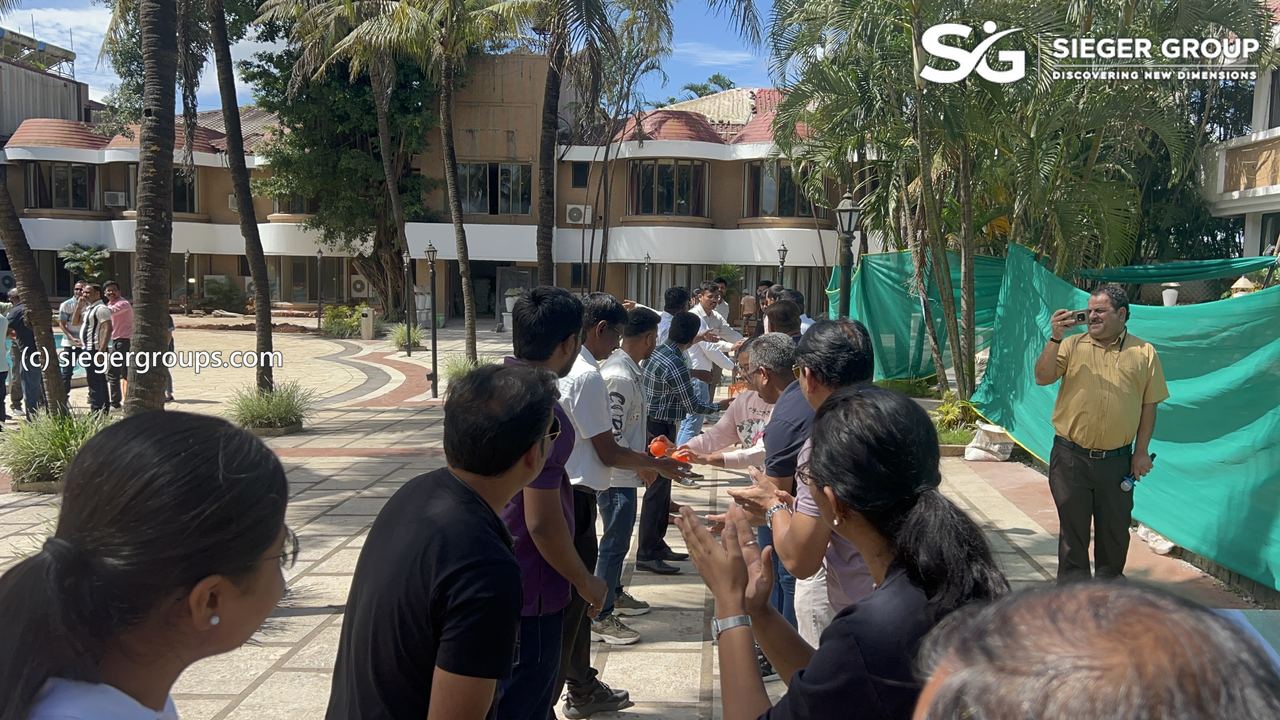
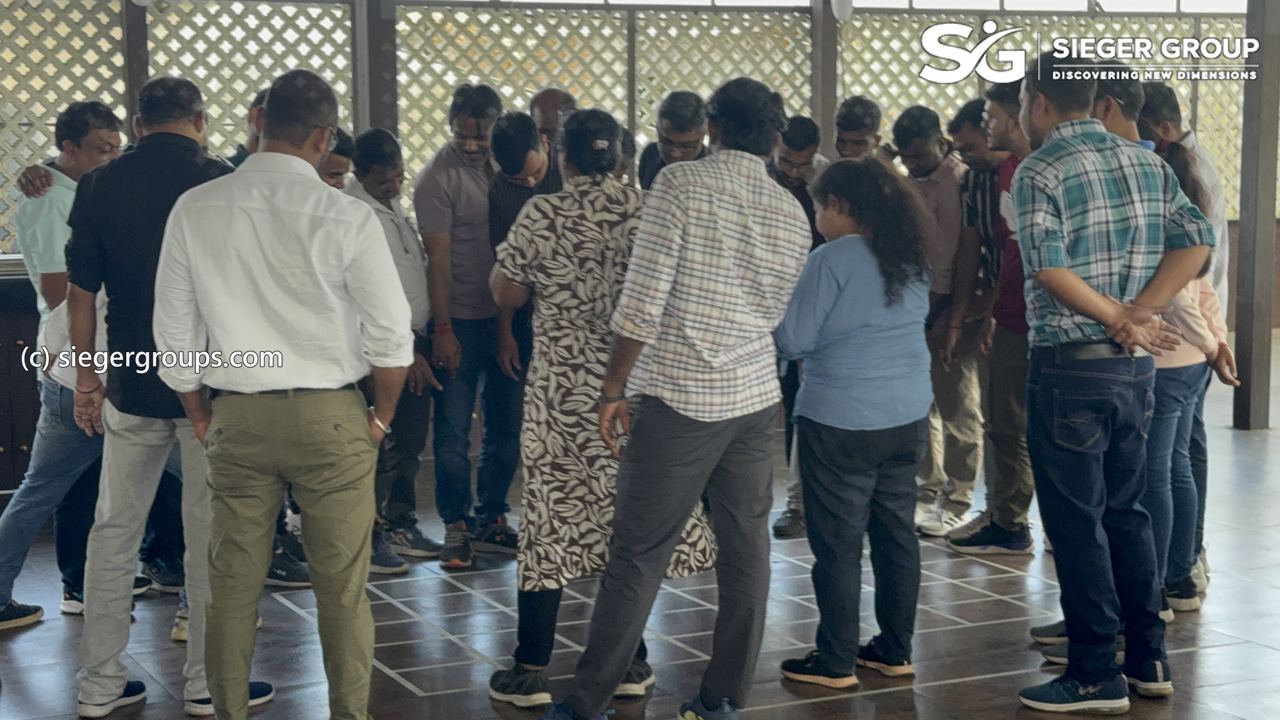
Review the clue format, search area and destination objective. How did the group connect clues from different checkpoints?
Compare possible meanings before choosing where the team will investigate. Which search decisions made useful use of everyone’s attention?
Share discoveries and revise the route as new information becomes available. What helped colleagues distinguish a promising lead from a distraction?
Discuss the clues that mattered most and the assumptions the group corrected. How did the team assemble its findings at the finish?
Use these points to draw out what colleagues can learn from Corporate Treasure Hunt.
Reflect on how the group kept everyone informed about the next lead.
Consider when continuing an idea was useful and when a clue called for a change.
Confirm the room layout, team sizes, clue visibility and any language or accessibility adjustments to the brief.
Share discoveries and revise the route as new information becomes available.
Consider when continuing an idea was useful and when a clue called for a change.
Compare possible meanings before choosing where the team will investigate.
How did the group connect clues from different checkpoints?
Keep the evidence from each checkpoint accessible so the final team can reconstruct its reasoning.
Compare how colleagues handle partial information and build a shared explanation.
Work on the handover between the people who discover evidence and the people who act on it.
Notice how a group questions a popular theory before committing to a decision.
An illustrative running order for Corporate Treasure Hunt. Confirm timings, breaks and participation arrangements in your event brief.
Treasure Hunt Team Building has been designed to improve workplace productivity and win the appreciation of both staff and management, these activity foster key values like planning, coordination, communication, leadership, innovation and collaboration. Participants learn valuable skills that be easily integrated into their working lives.
Sieger Group supports organisations with team-building experiences and facilitated programmes.
Teams follow linked clues towards a final discovery. Each new find must be interpreted in light of what colleagues learned at earlier checkpoints.
Keep the evidence from each checkpoint accessible so the final team can reconstruct its reasoning.
Meet the treasure trail, Interpret the first lead, Follow the connected clues, Explain the route to the treasure. The final selection is agreed with the organiser.
Project teams and cross-functional groups can use this experience. Compare how colleagues handle partial information and build a shared explanation.
This activity is designed for groups of 20–1000. Share your expected headcount and venue so Sieger Group can confirm a suitable arrangement.
Allow 2–4 hours for the activity session. Sieger Group can confirm the timing against your event schedule and agreed format.
Confirm the room layout, team sizes, clue visibility and any language or accessibility adjustments to the brief.
Share access requirements and preferences when planning the session. The facilitator can discuss roles such as observing, recording decisions or presenting the group’s findings.
Review the clue format, search area and destination objective.
Consider when continuing an idea was useful and when a clue called for a change.
Yes. Share the purpose of the offsite and which part of Corporate Treasure Hunt you would like to emphasise. The facilitator can discuss how to fit the chosen elements into the wider event.
Use the enquiry form or contact Sieger Group with your preferred date, city, headcount, venue and learning objective. Include any participation or access requests in the brief.
Share your date, city, group size and the outcome you want colleagues to take away.
Request a tailored proposalTell us what you have in mind. We will help you explore a programme that fits your people and your occasion.
Still finalising the details? Share what you know.
Every team is different. Share your people, purpose and preferred setting, and we’ll translate your brief into an experience designed to connect, engage and create lasting impact.
Share your brief and preferred contact details.