Understand the problem brief
Review the constraints and the information provided for the Solve It challenge. Which details helped the team understand the puzzle?
Learning focusDefining the problem
A shared problem invites several plausible approaches. Teams test an idea, record what happened and explain why they kept or changed their original reasoning.
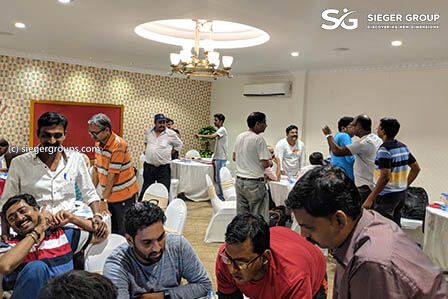
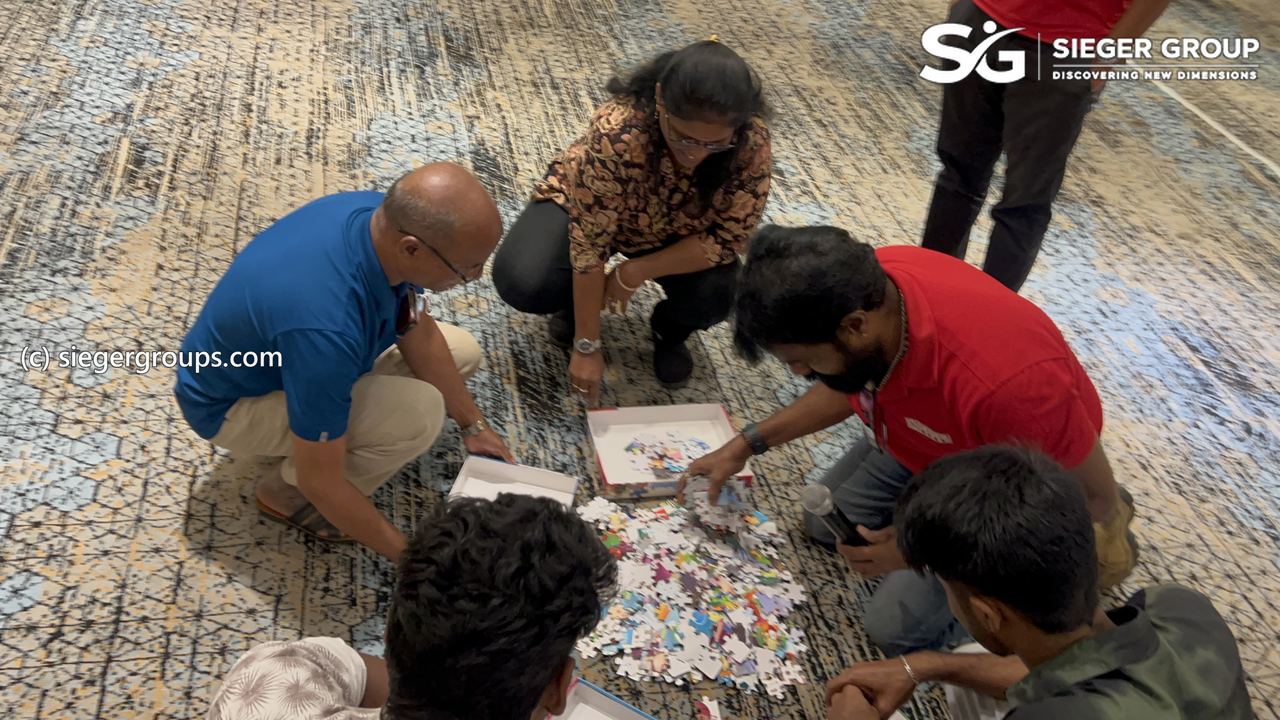
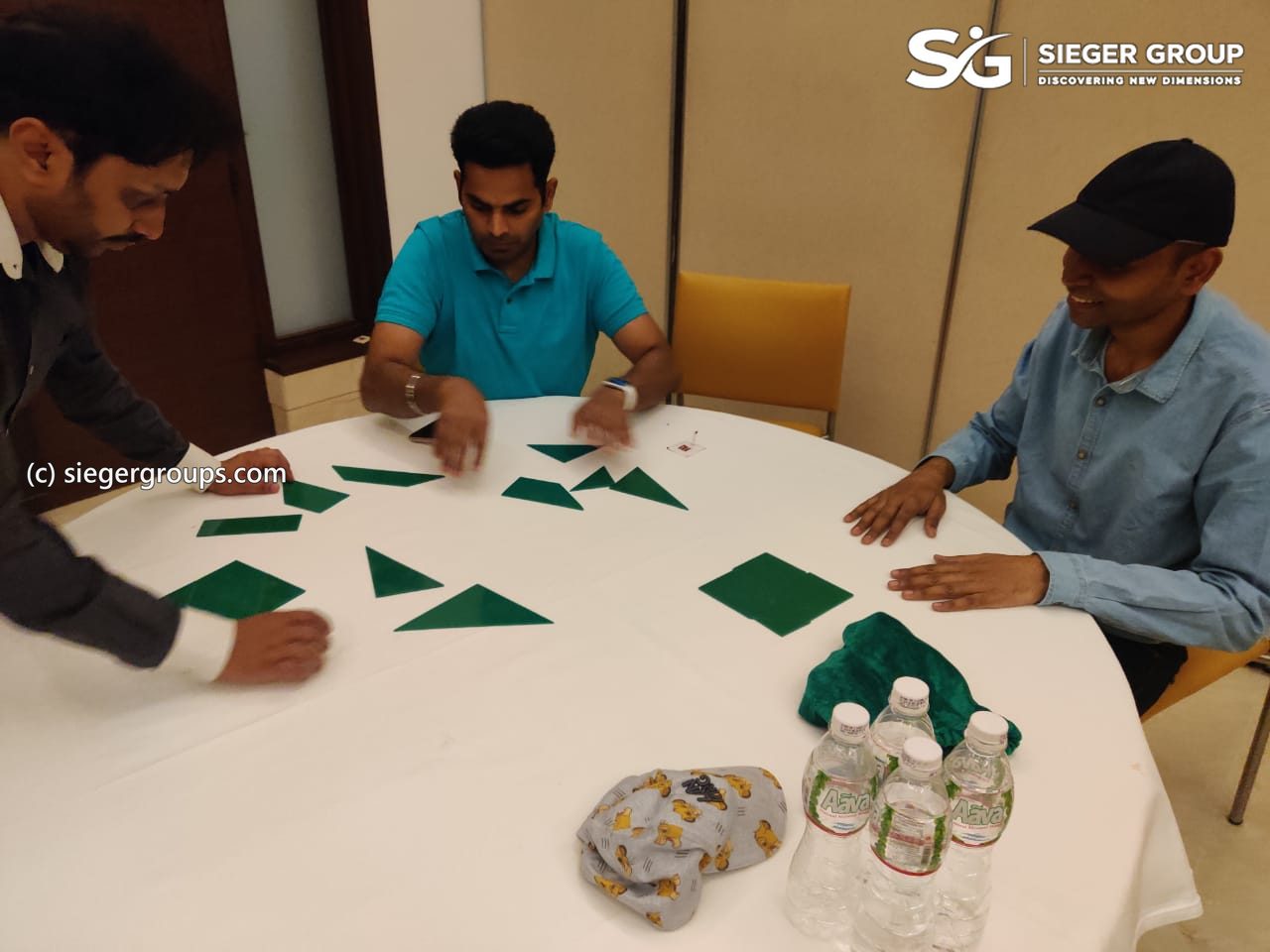
Teams receive clues and constraints that make several answers look plausible at first. They have to organise the available information and agree on a way to test a solution. The review asks which observation caused the team to change its mind.
Ask for the observation that changed a decision, rather than just the final answer.
Watch Crack the Code in action and follow how teammates pool pieces of information before committing to an answer.

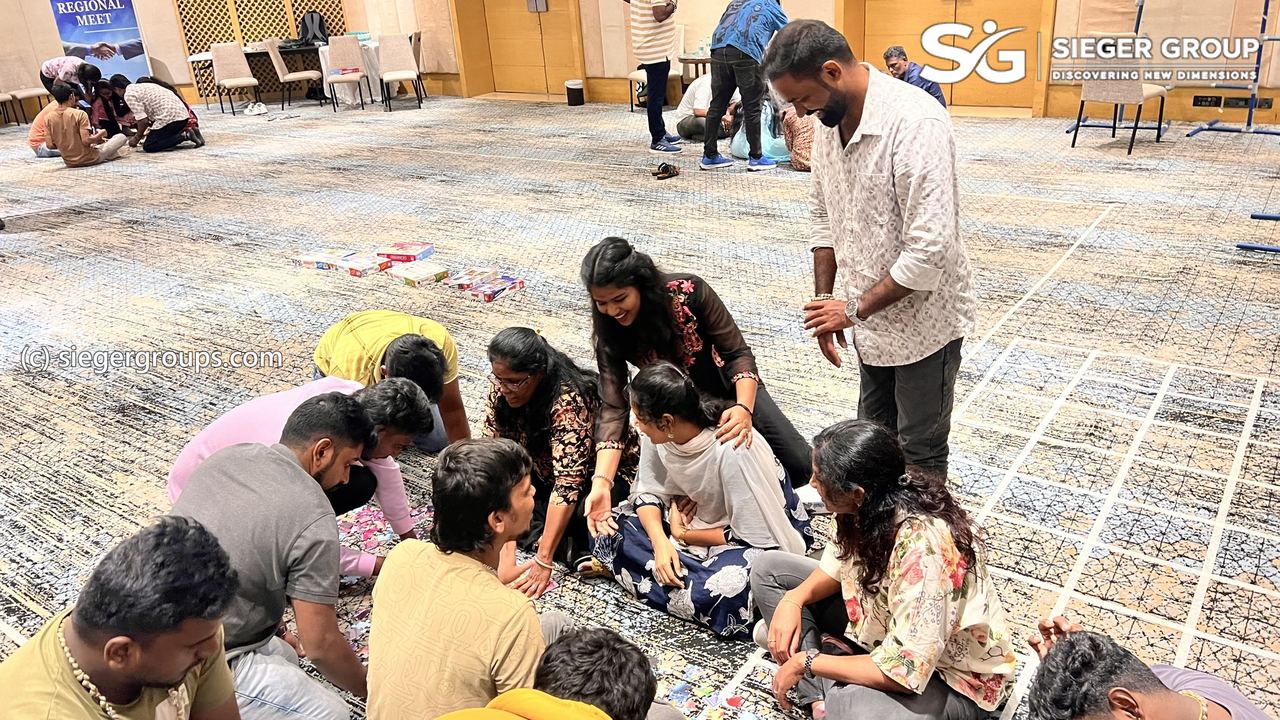
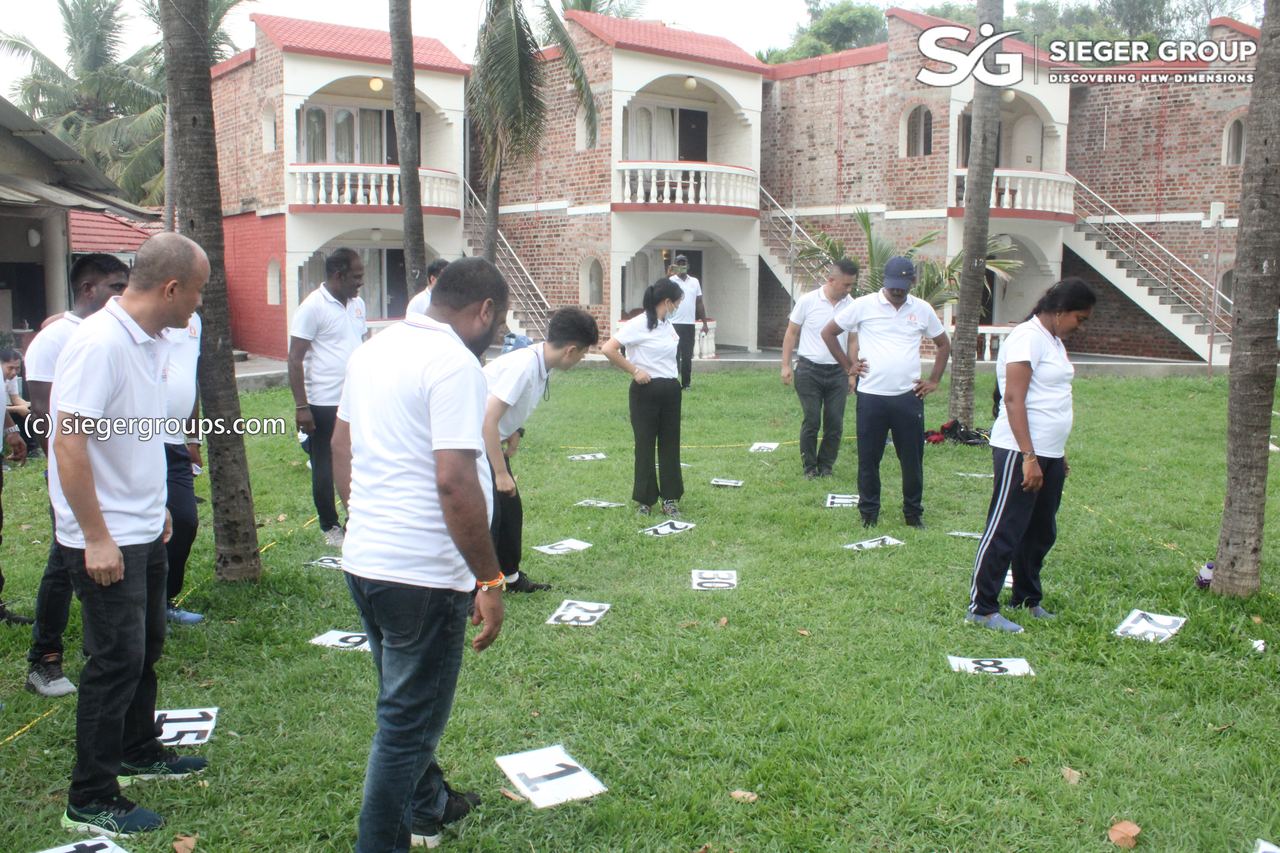
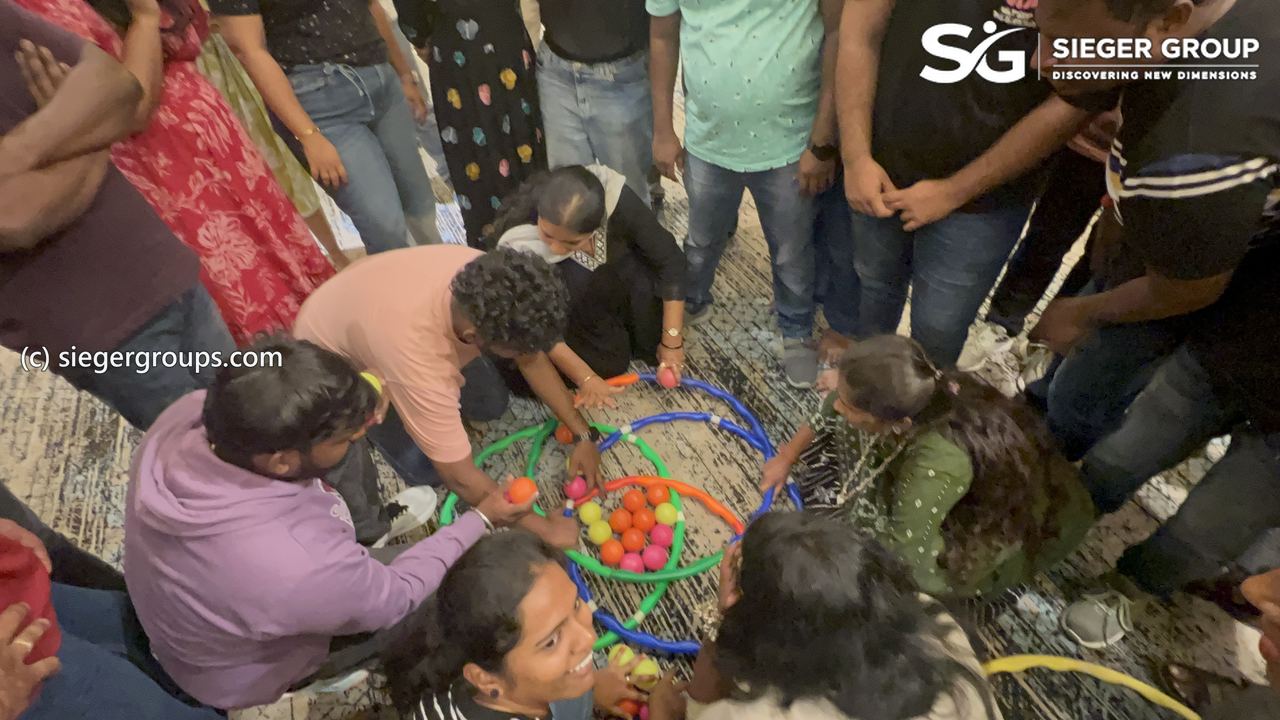
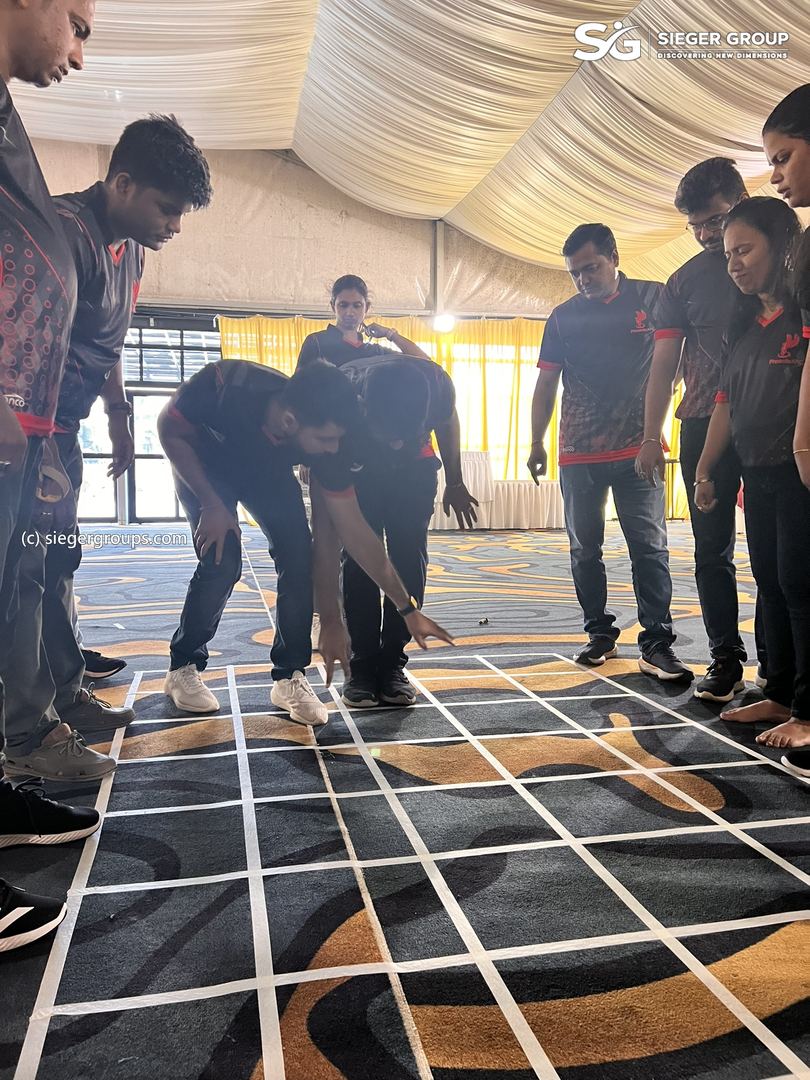
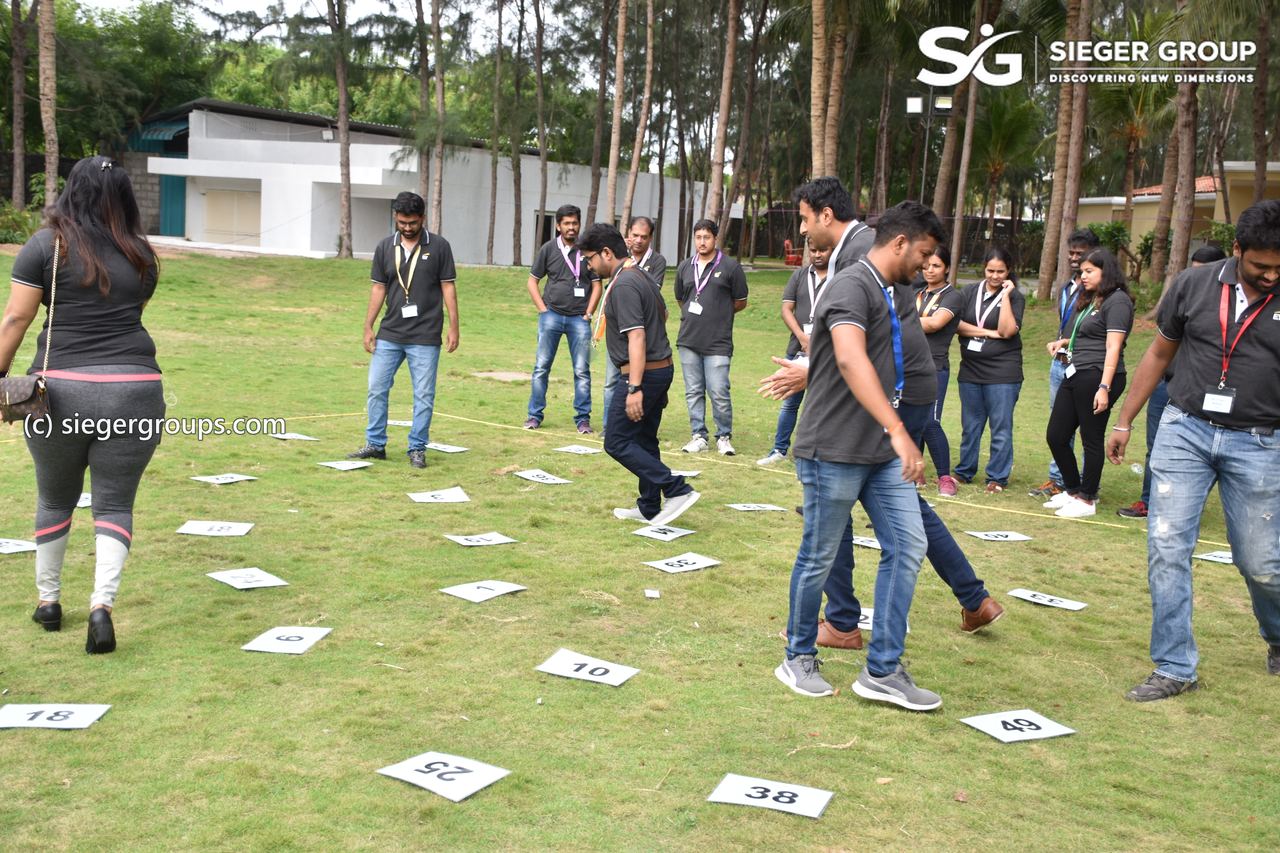
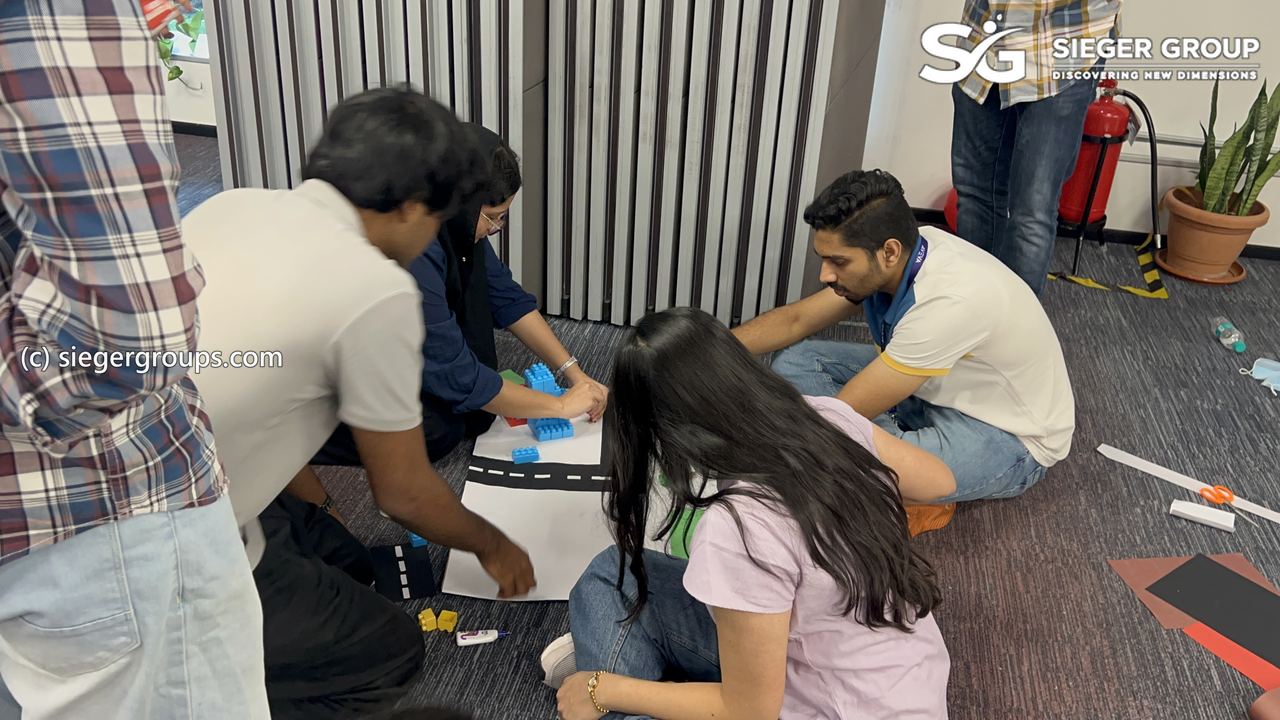
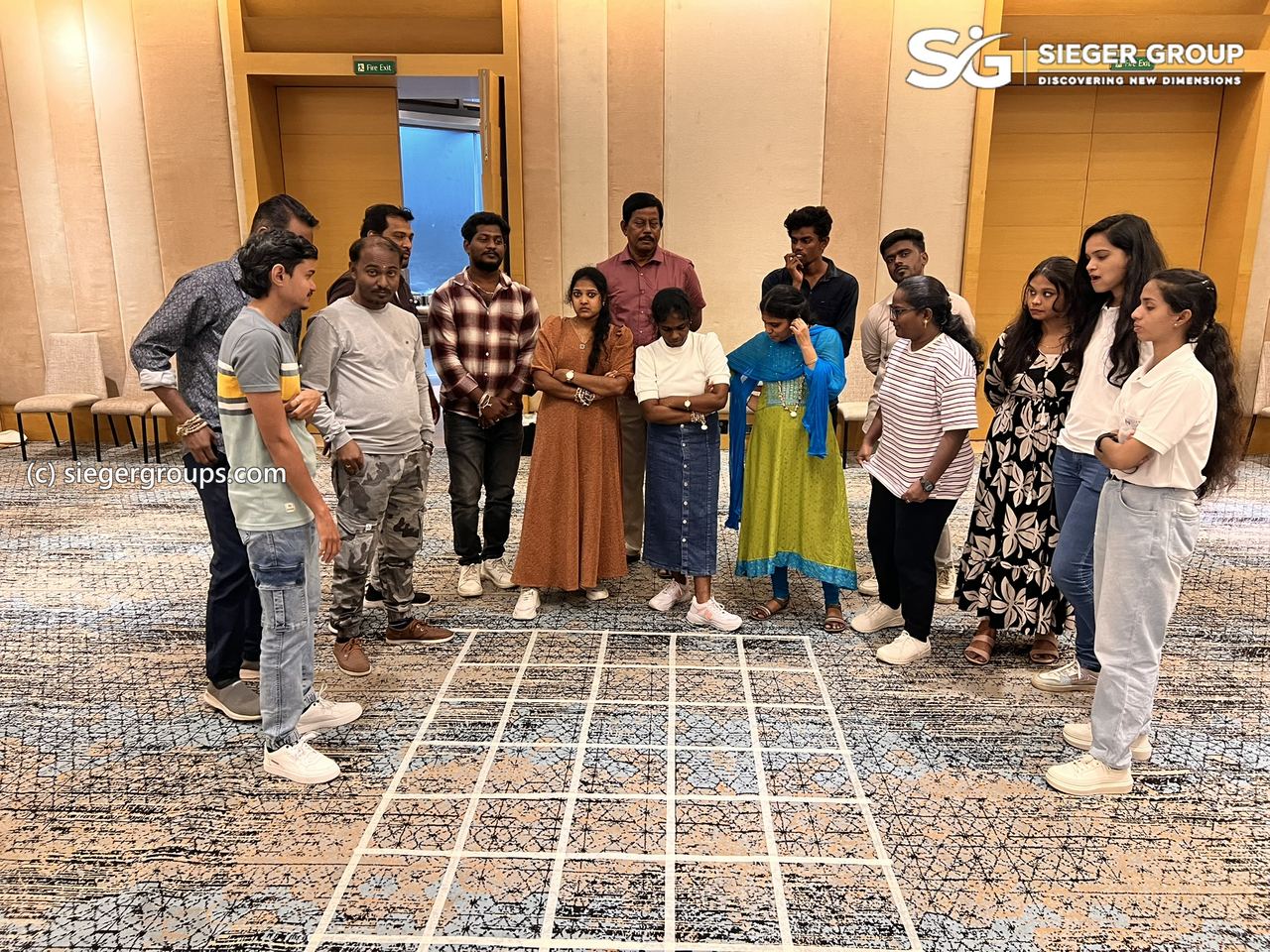
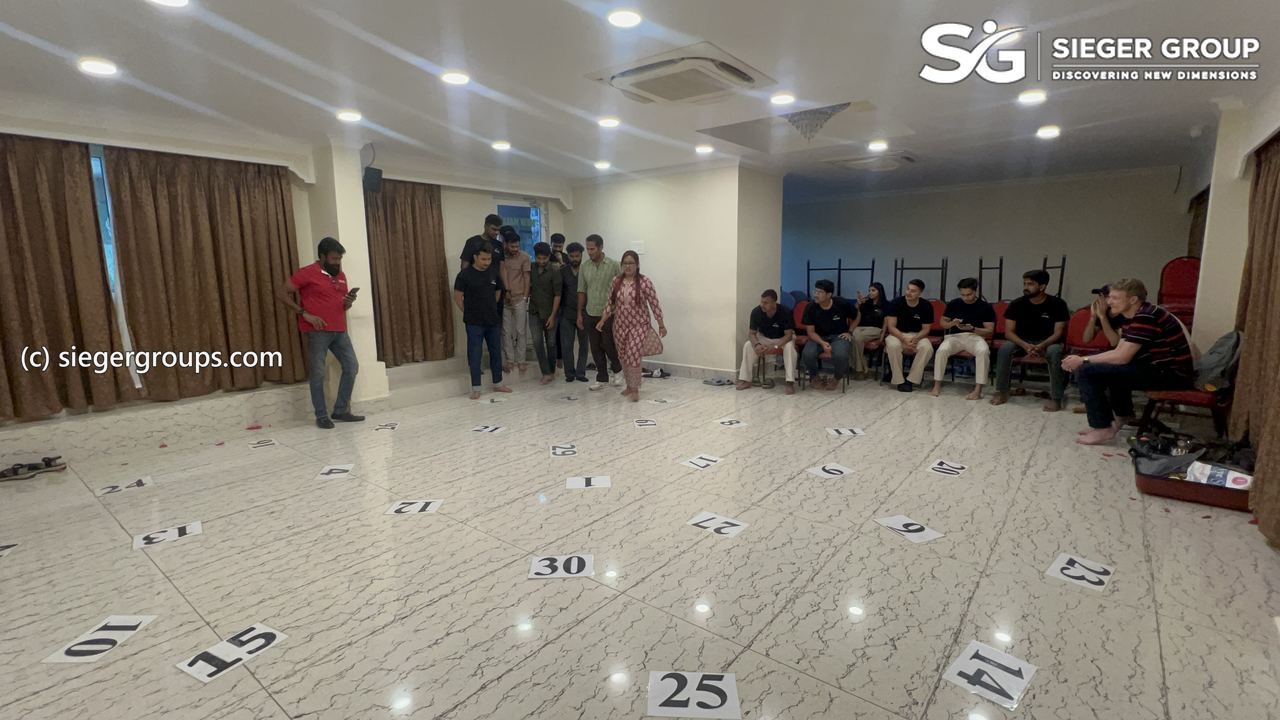
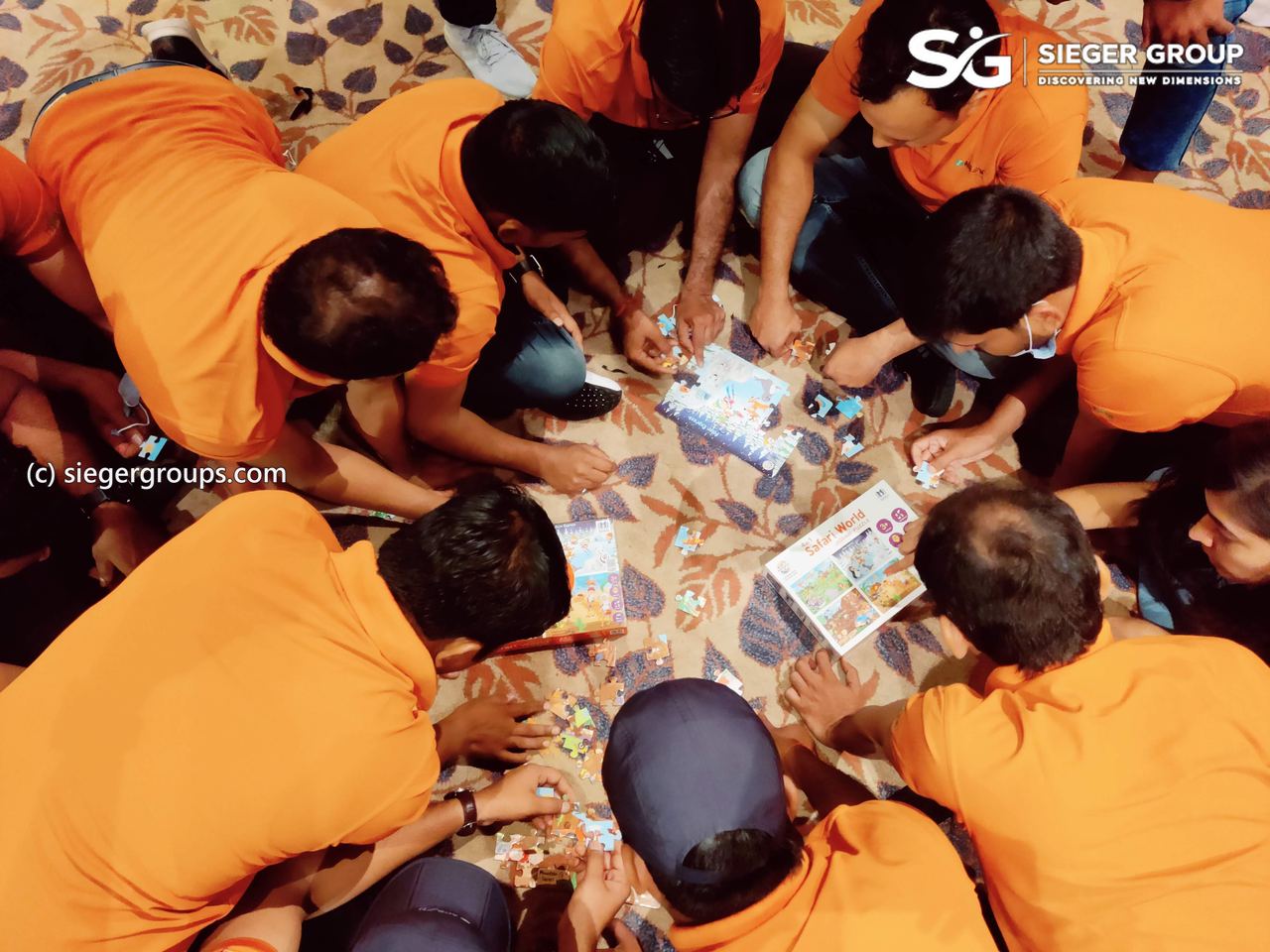
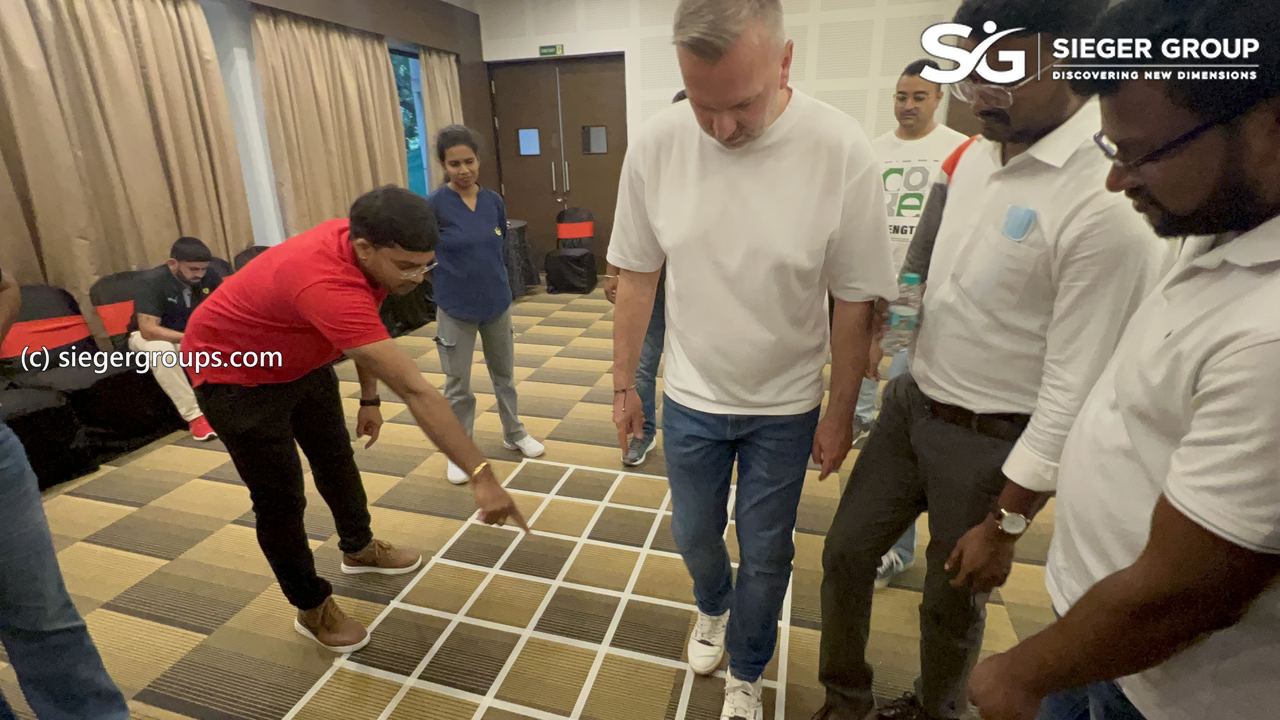
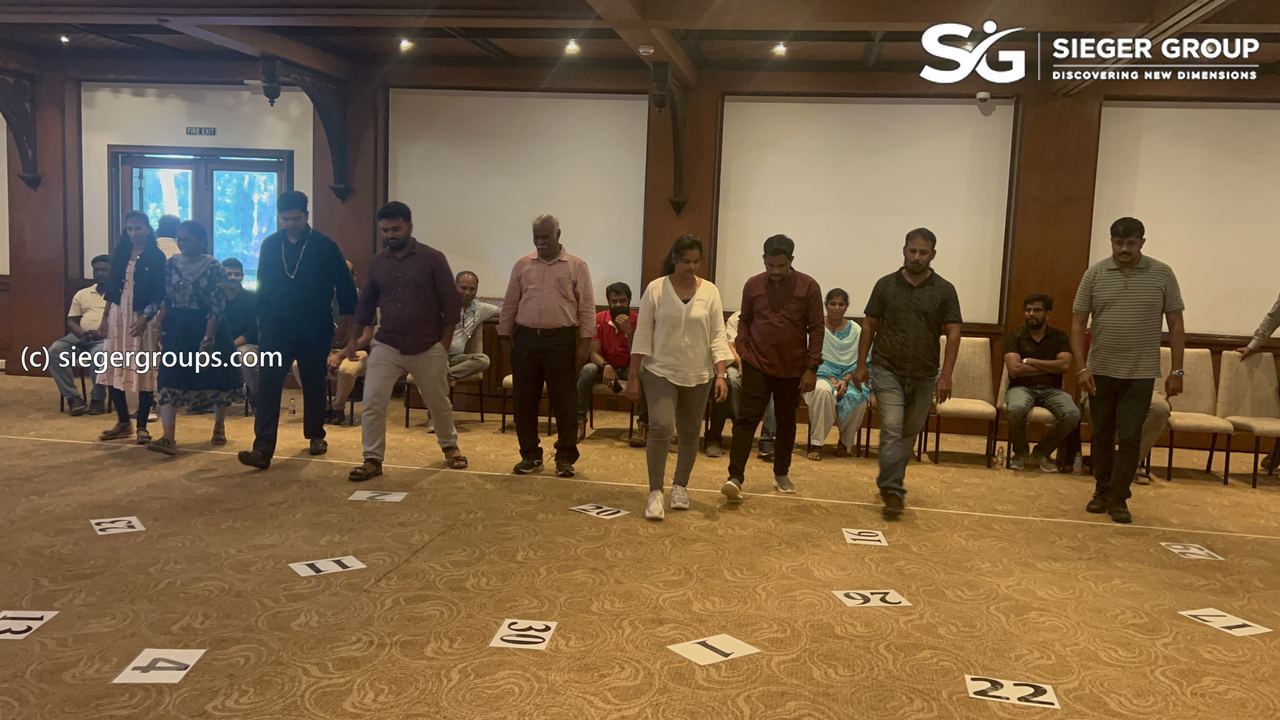
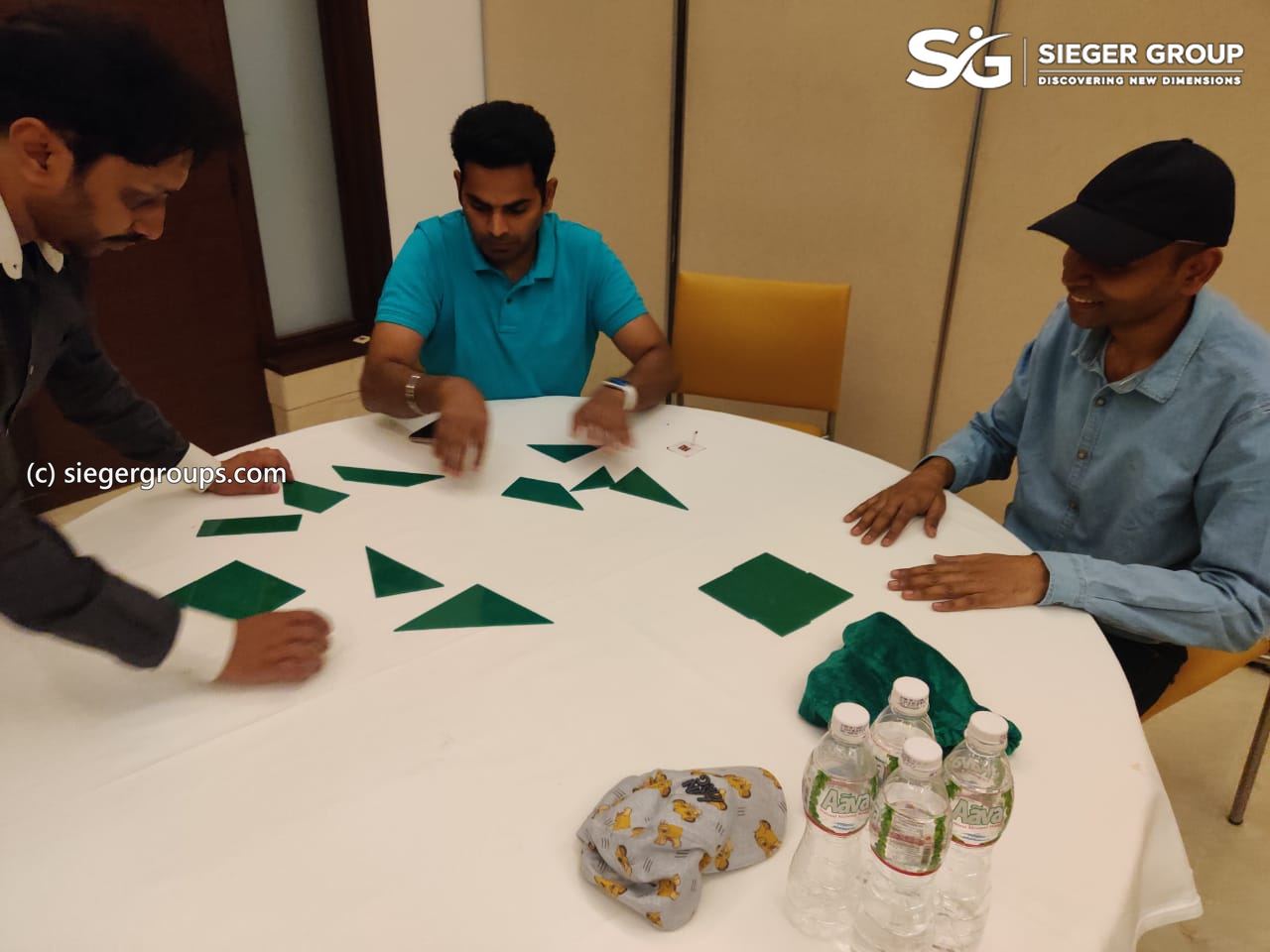
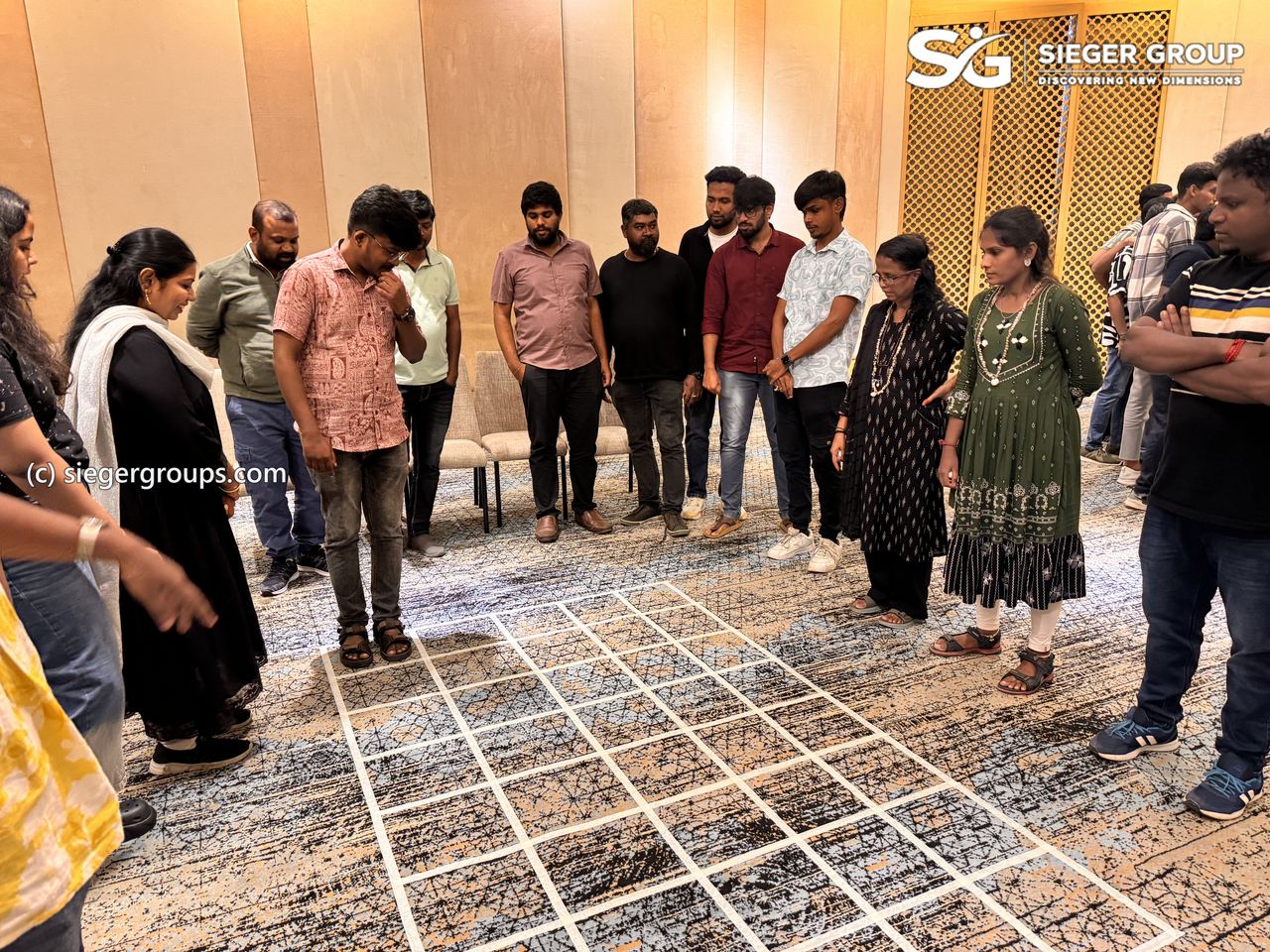
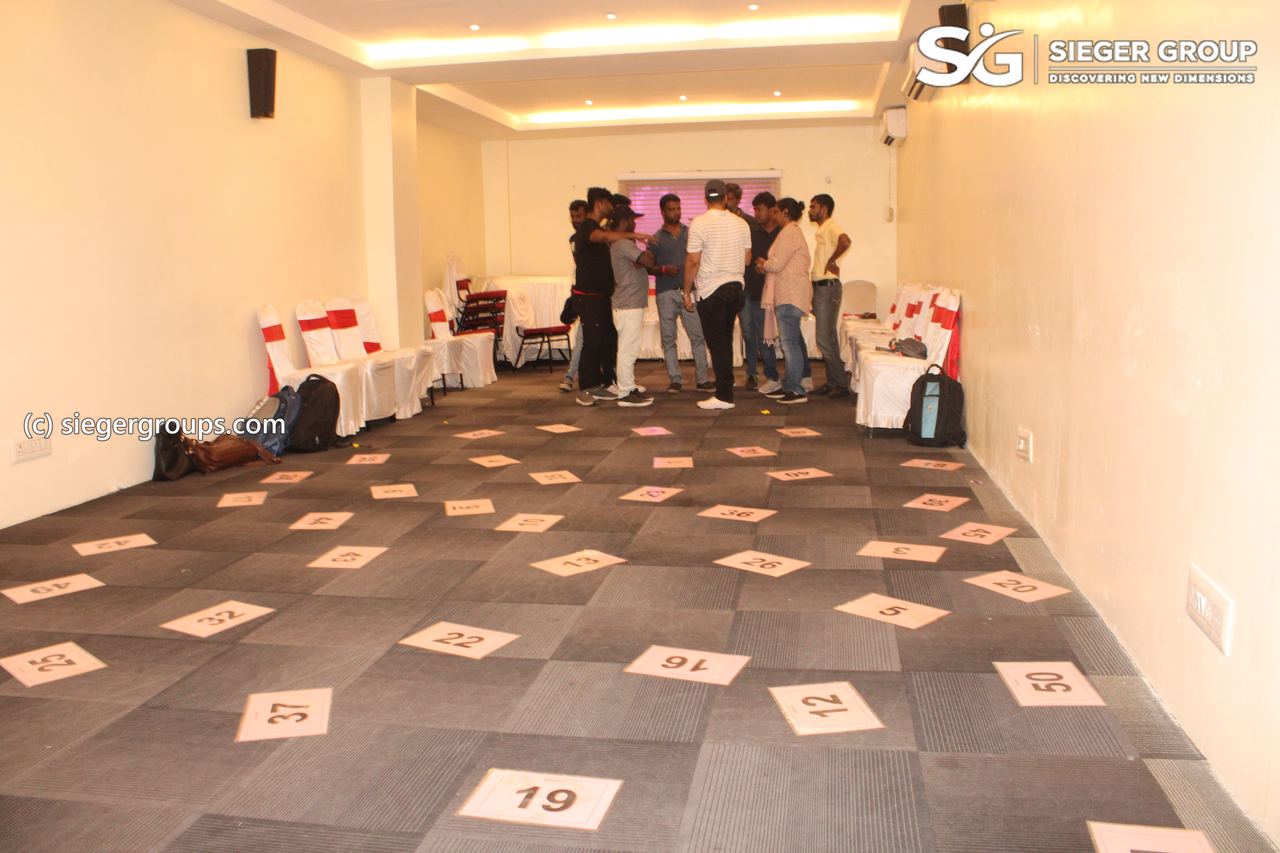
Review the constraints and the information provided for the Solve It challenge. Which details helped the team understand the puzzle?
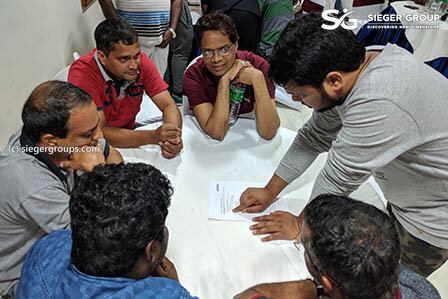
Invite different interpretations before selecting an idea to test. How did participants test an idea rather than merely defend it?
Use the task's feedback to check the approach and make adjustments. What helped the group combine partial solutions?
Discuss which observation changed the team's thinking and why. When did the team decide that a different approach was needed?
Use these points to draw out what colleagues can learn from Solve It Team Challenge.
Reflect on how explaining an idea helped colleagues improve it.
Consider what helped the team move away from an approach that was not working.
Confirm the room layout, team sizes, clue visibility and any language or accessibility adjustments to the brief.
Use the task's feedback to check the approach and make adjustments.
Consider what helped the team move away from an approach that was not working.
Invite different interpretations before selecting an idea to test.
Which details helped the team understand the puzzle?
Ask for the observation that changed a decision, rather than just the final answer.
Compare how colleagues handle partial information and build a shared explanation.
Work on the handover between the people who discover evidence and the people who act on it.
Notice how a group questions a popular theory before committing to a decision.
An illustrative running order for Solve It Team Challenge. Confirm timings, breaks and participation arrangements in your event brief.
This activity is a logical problem-solver which introduces a few constraints to emphasise the need to cooperate, to collaborate and most importantly to listen. It can be used to assess a team's dynamic, to identify current or potential leaders and to simply build culture within a team.
Sieger Group supports organisations with team-building experiences and facilitated programmes.
A shared problem invites several plausible approaches. Teams test an idea, record what happened and explain why they kept or changed their original reasoning.
Ask for the observation that changed a decision, rather than just the final answer.
Understand the problem brief, Compare possible approaches, Test and revise, Explain the solution path. The final selection is agreed with the organiser.
Project teams and cross-functional groups can use this experience. Compare how colleagues handle partial information and build a shared explanation.
This activity is designed for groups of 20–500. Share your expected headcount and venue so Sieger Group can confirm a suitable arrangement.
Allow 45–60 minutes for the activity session. Sieger Group can confirm the timing against your event schedule and agreed format.
Confirm the room layout, team sizes, clue visibility and any language or accessibility adjustments to the brief.
Share access requirements and preferences when planning the session. The facilitator can discuss roles such as observing, recording decisions or presenting the group’s findings.
Review the constraints and the information provided for the Solve It challenge.
Consider what helped the team move away from an approach that was not working.
Yes. Share the purpose of the offsite and which part of Solve It Team Challenge you would like to emphasise. The facilitator can discuss how to fit the chosen elements into the wider event.
Use the enquiry form or contact Sieger Group with your preferred date, city, headcount, venue and learning objective. Include any participation or access requests in the brief.
Share your date, city, group size and the outcome you want colleagues to take away.
Request a tailored proposalTell us what you have in mind. We will help you explore a programme that fits your people and your occasion.
Still finalising the details? Share what you know.
Every team is different. Share your people, purpose and preferred setting, and we’ll translate your brief into an experience designed to connect, engage and create lasting impact.
Share your brief and preferred contact details.