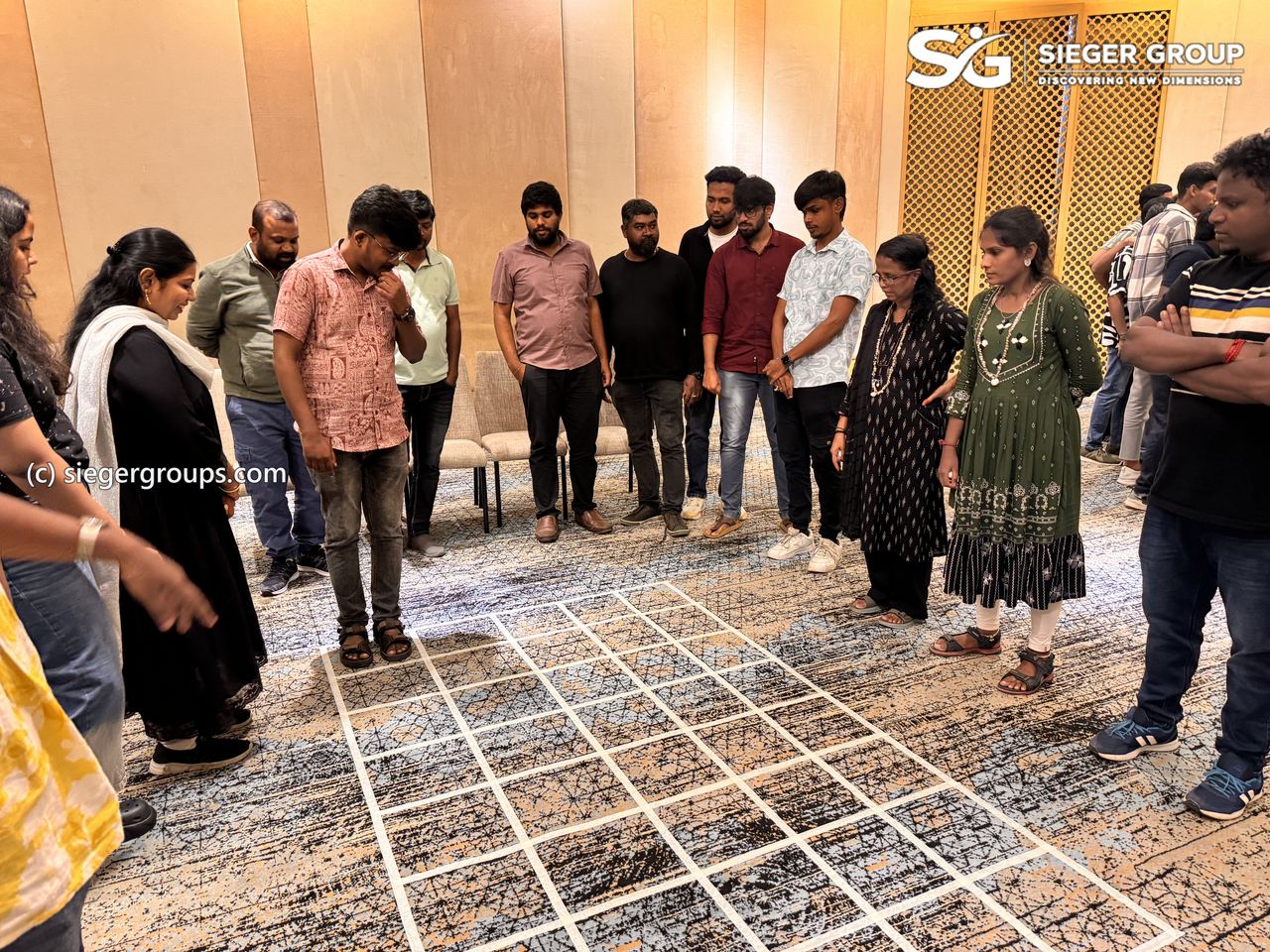
Diversity Bingo
Find colleagues who match descriptions on a bingo sheet. Each completed square starts a conversation beyond familiar workplace groups.
Learning focusFinding points of connection
Give people several ways to make a first connection, from paired introductions to quick creative tasks. Choose prompts that work across roles and levels of familiarity.
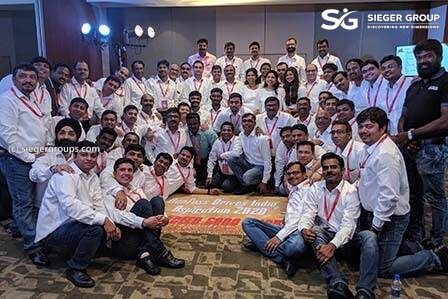
Short introductions and energisers help colleagues learn something about one another before the main event. A host can begin with pairs and then bring the room together. The choice of game depends on whether people are meeting for the first time or reconnecting.
Find an introduction that creates a useful second conversation once the game ends.
Compare an opening icebreaker with a Wabco energiser. The two recordings can help you choose a pace for a group that is meeting for the first time.


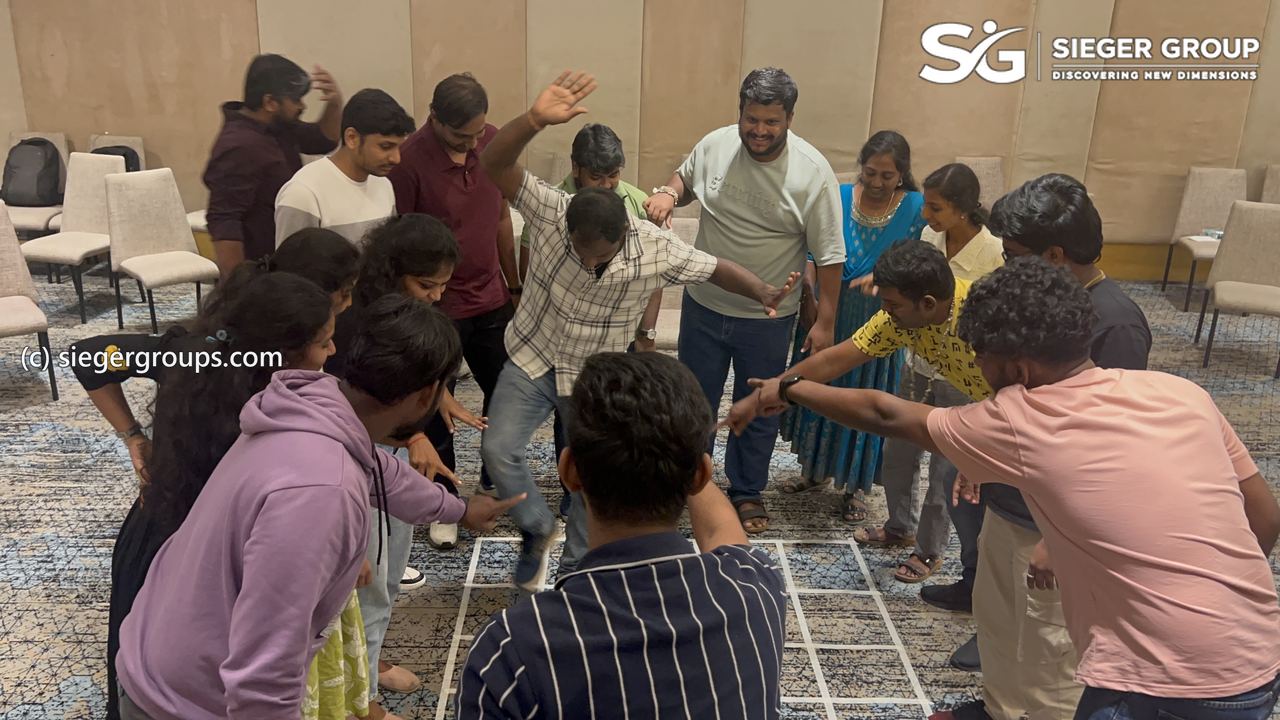
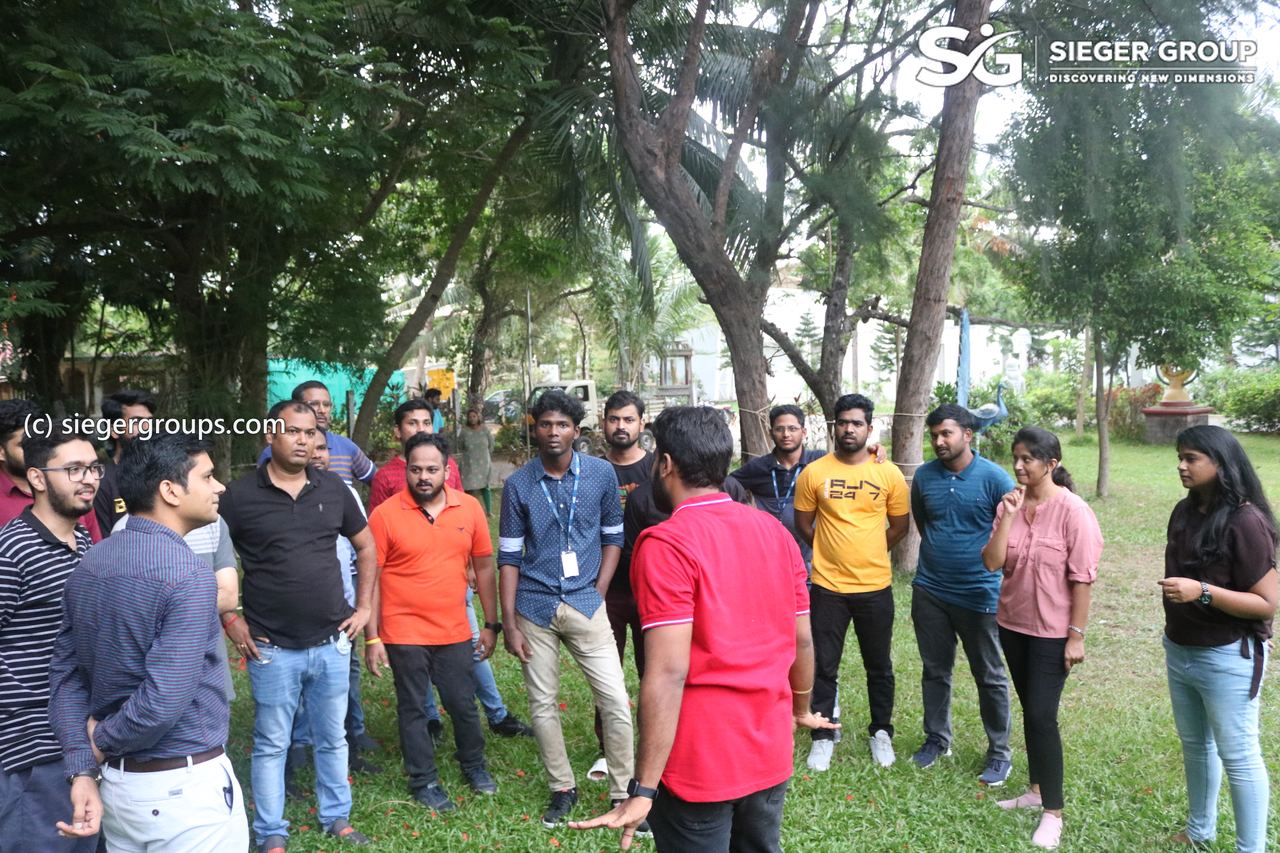
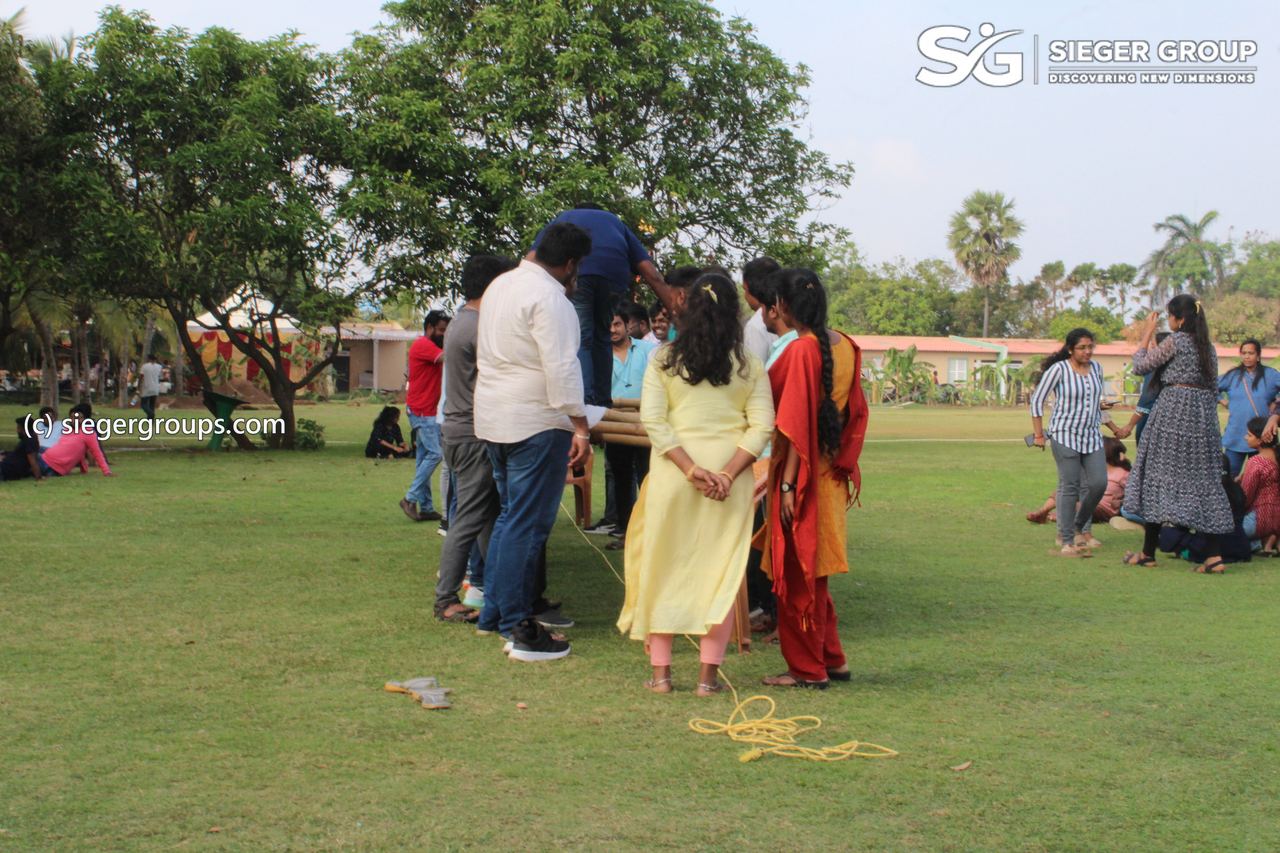
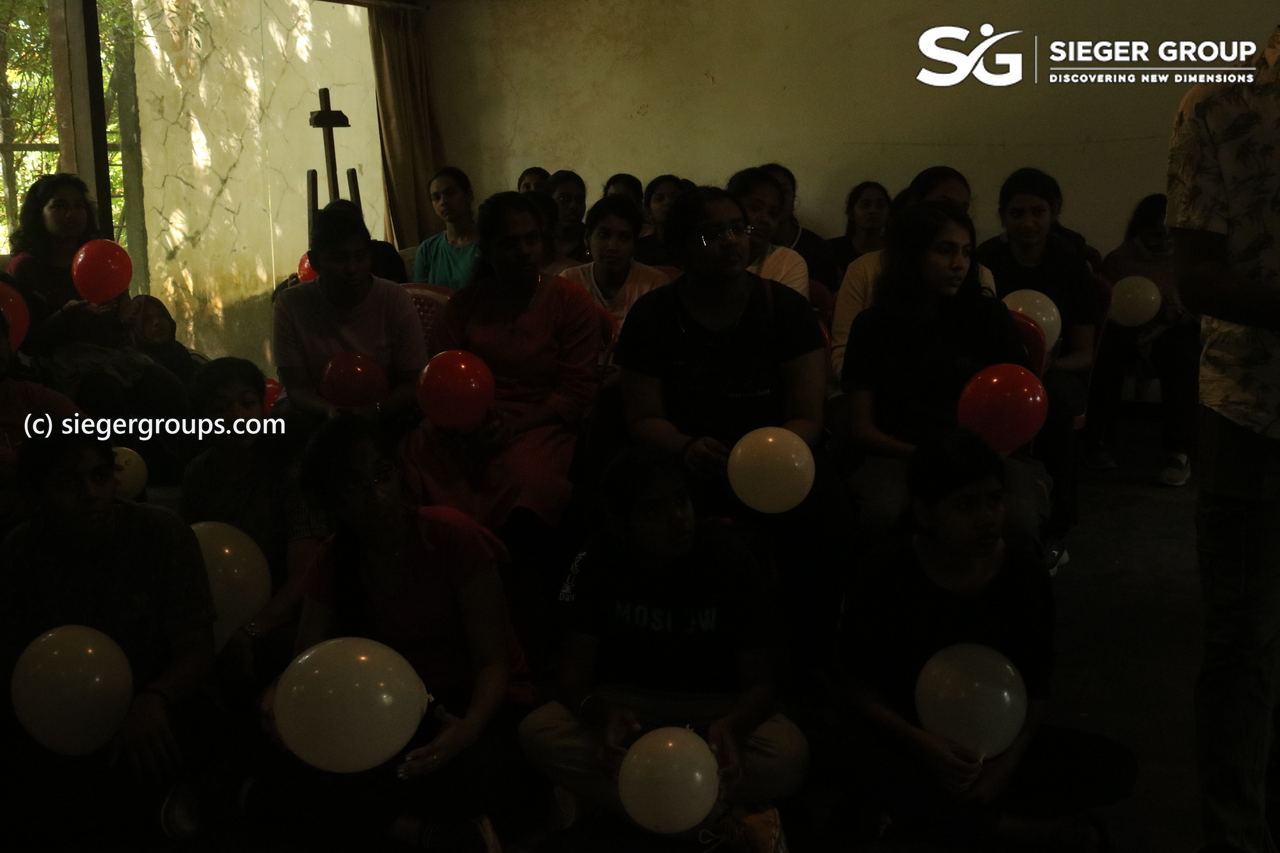
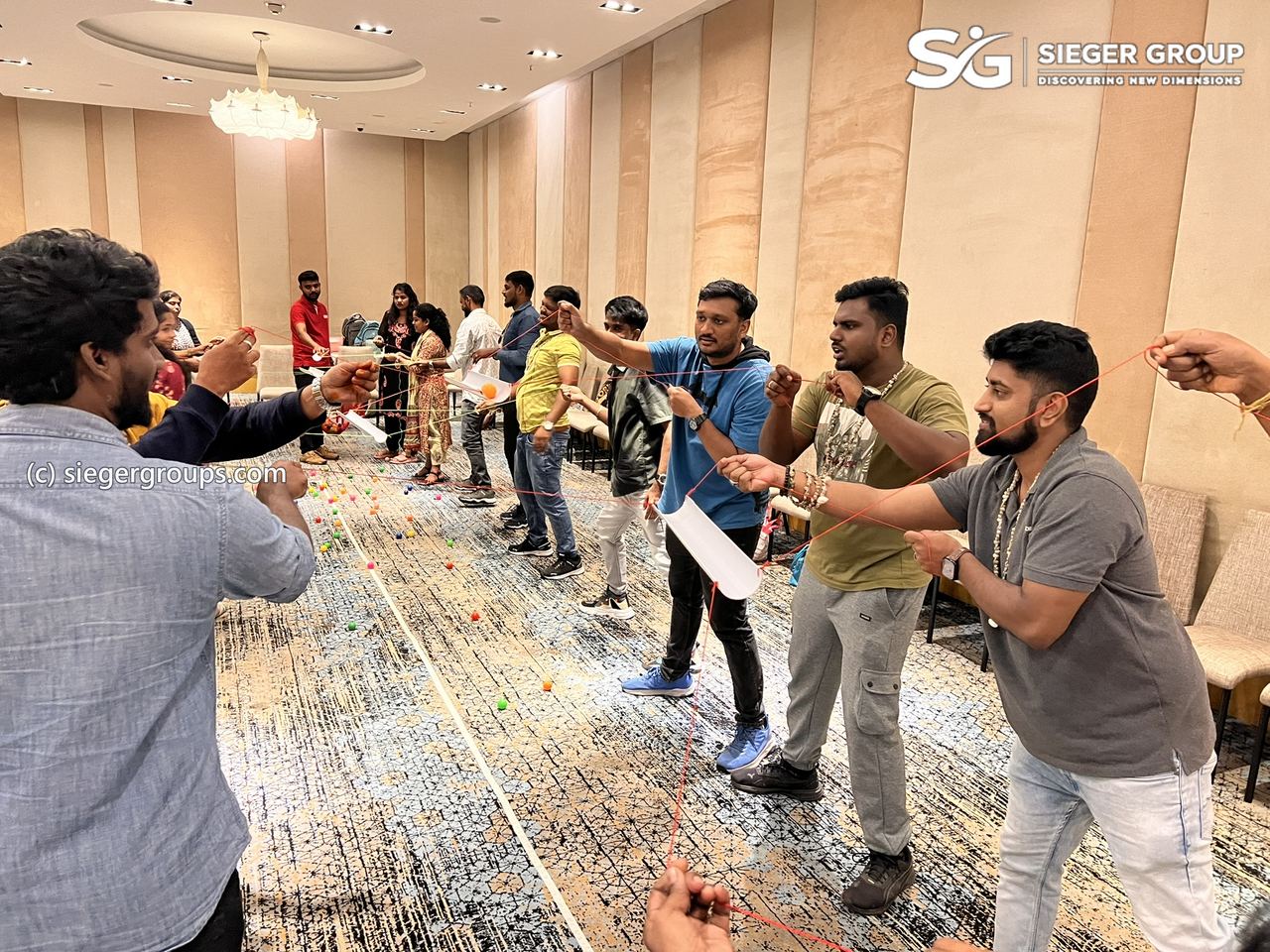
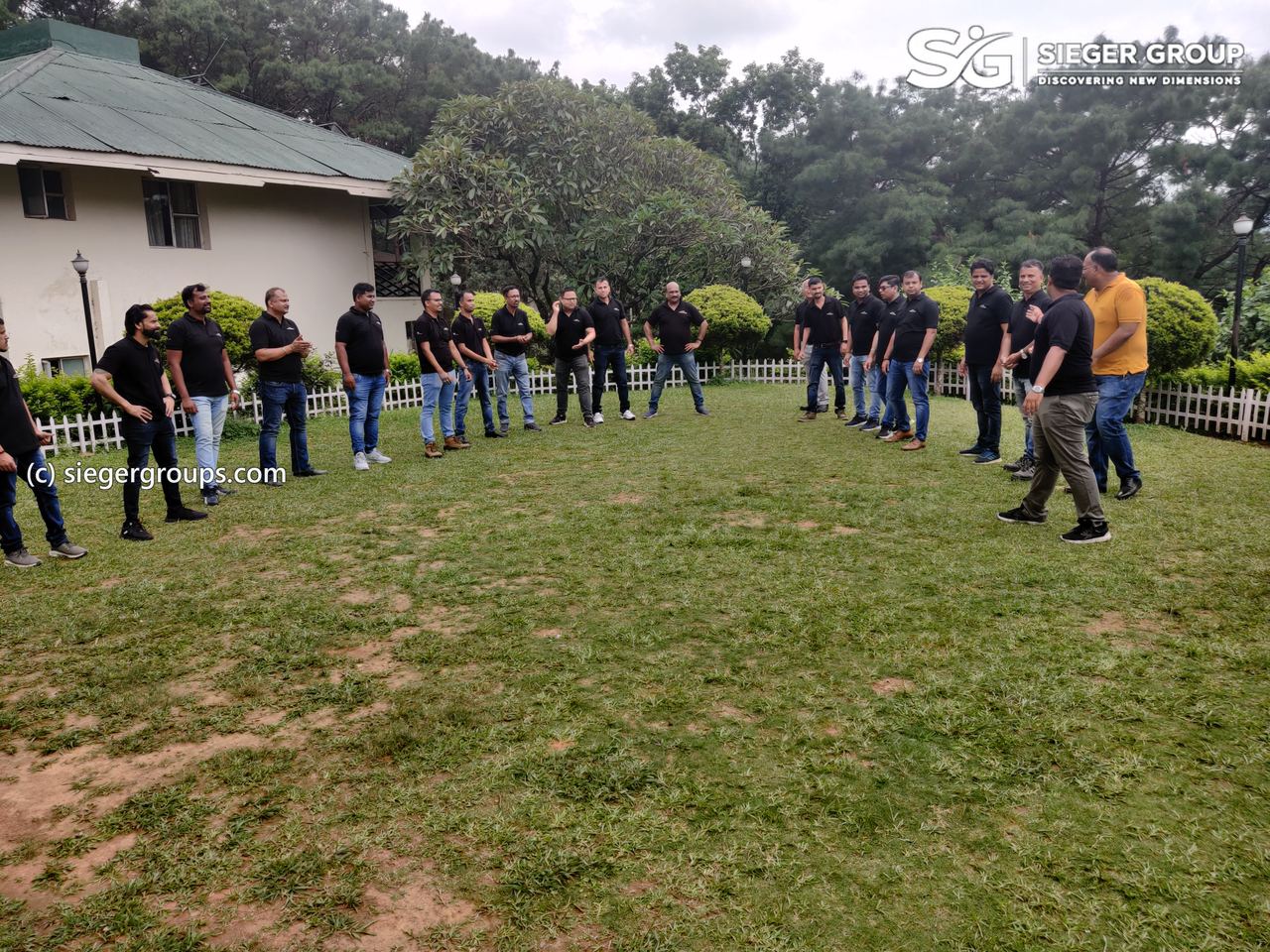
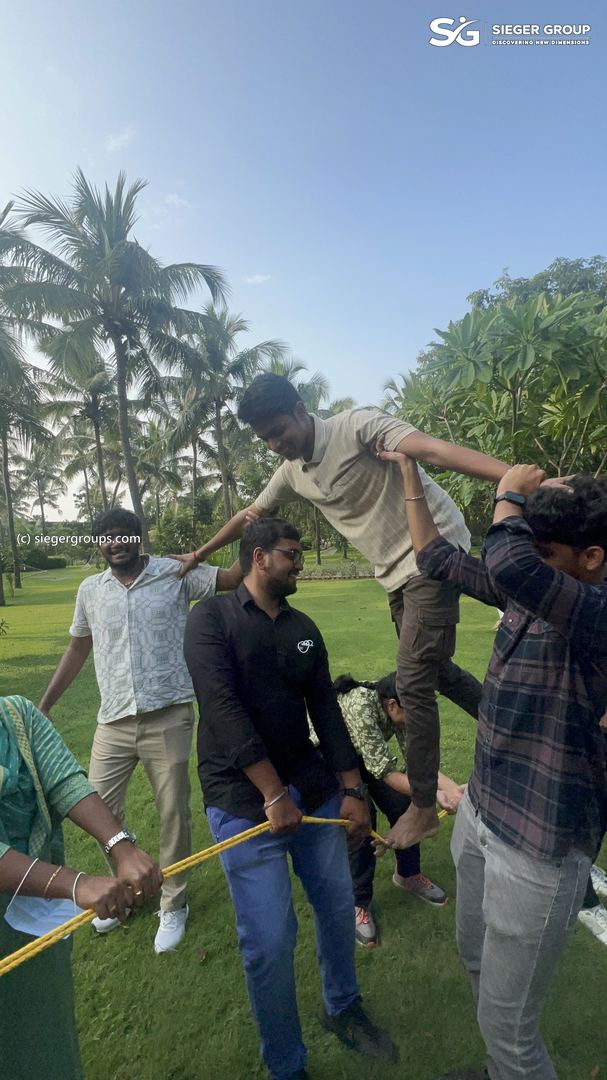
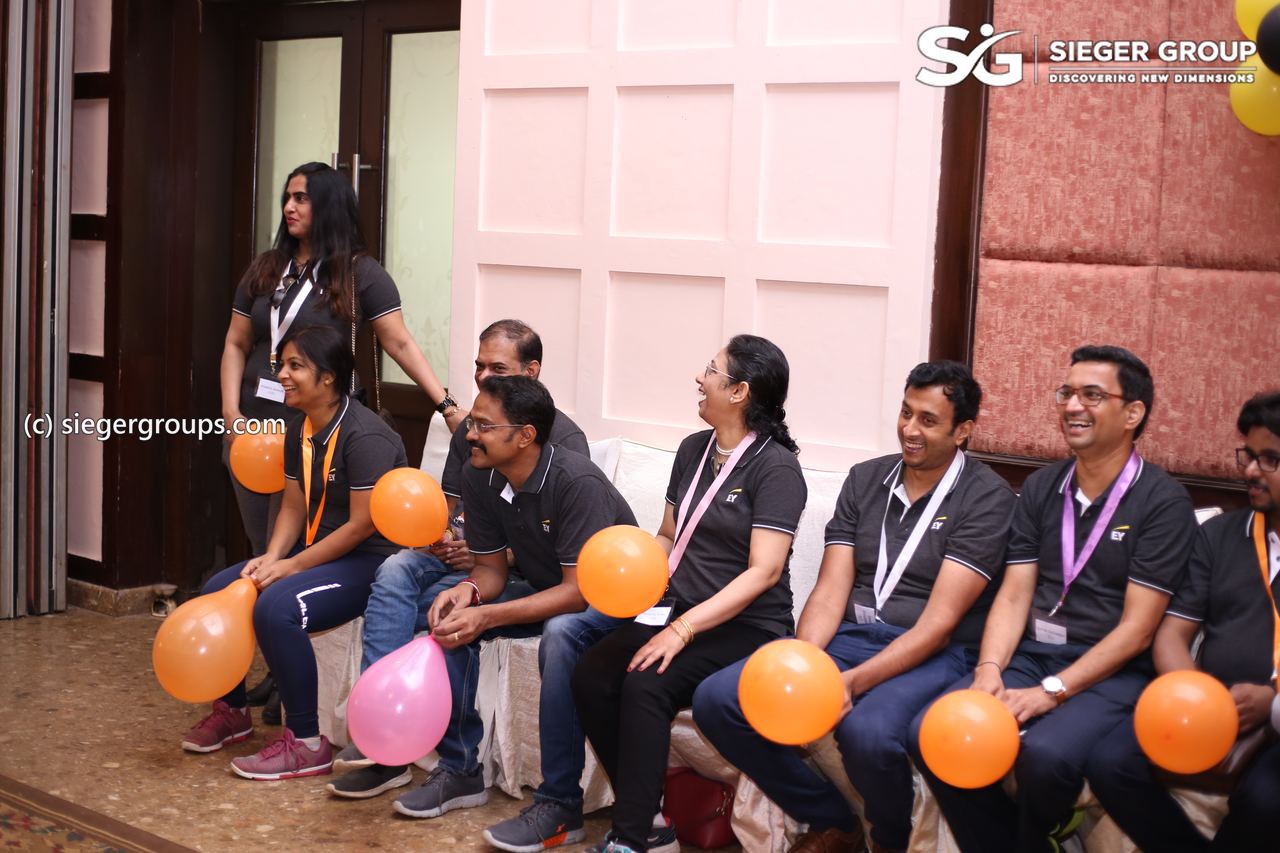
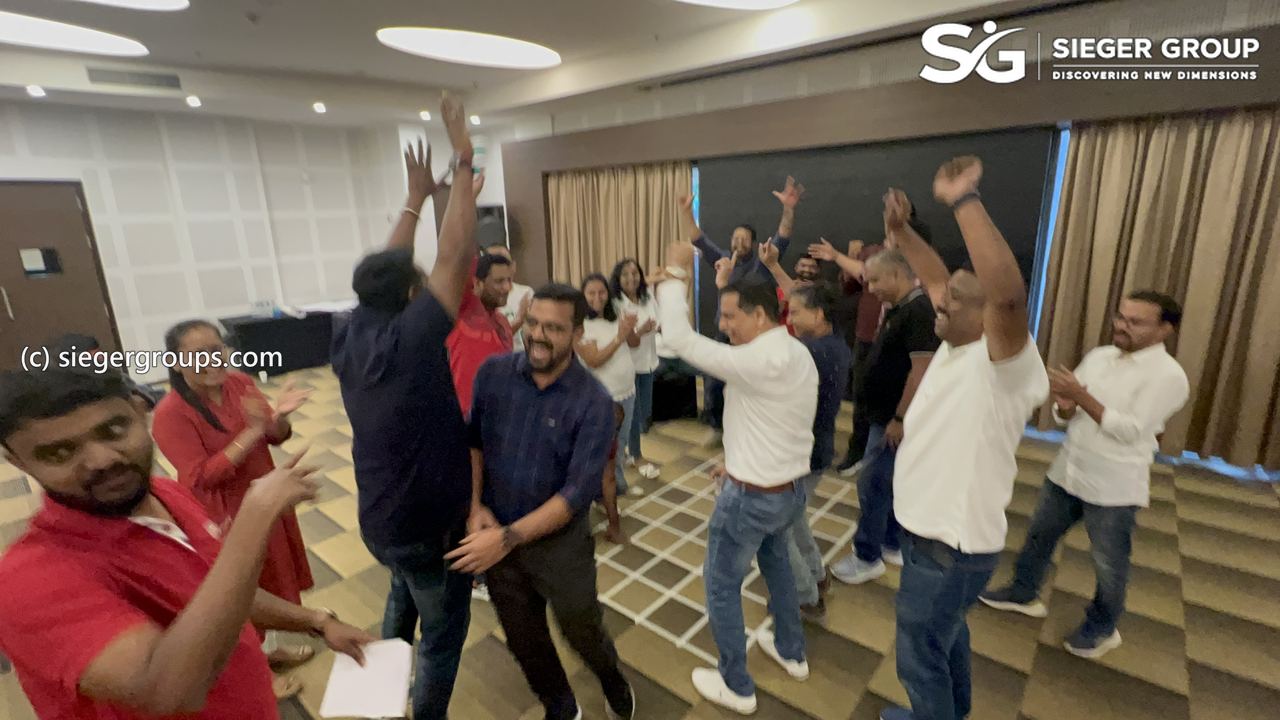
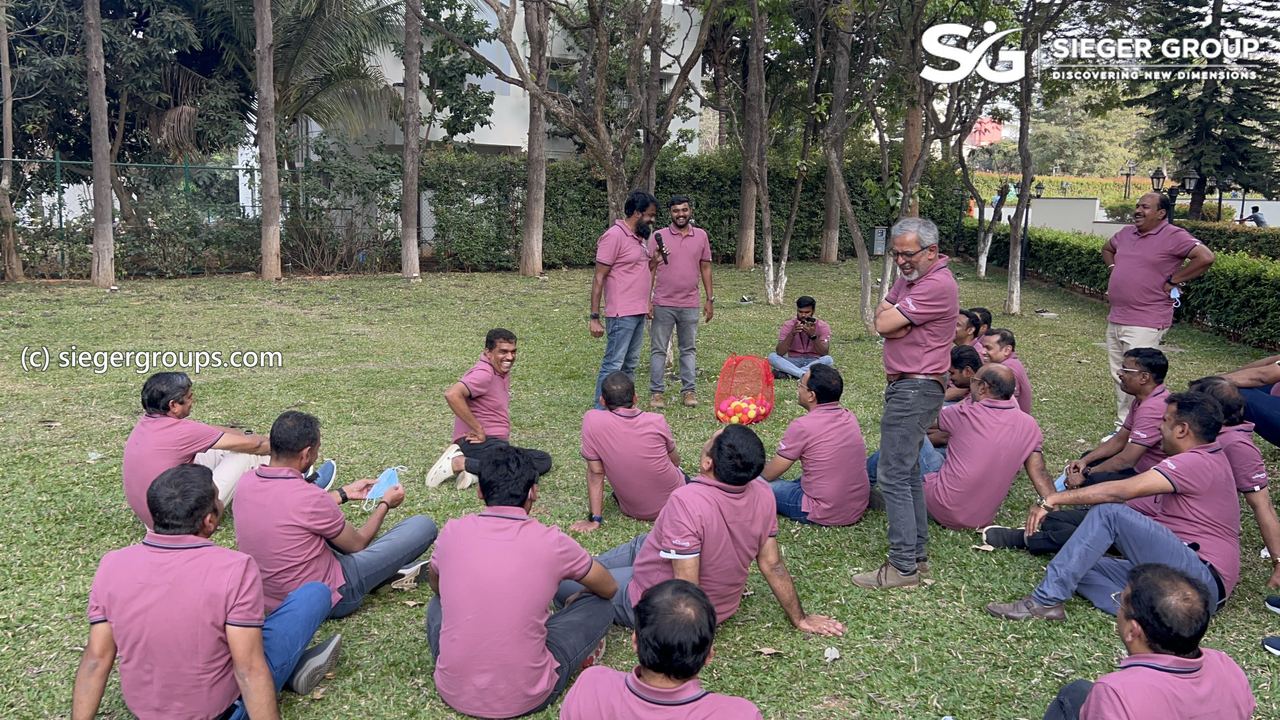
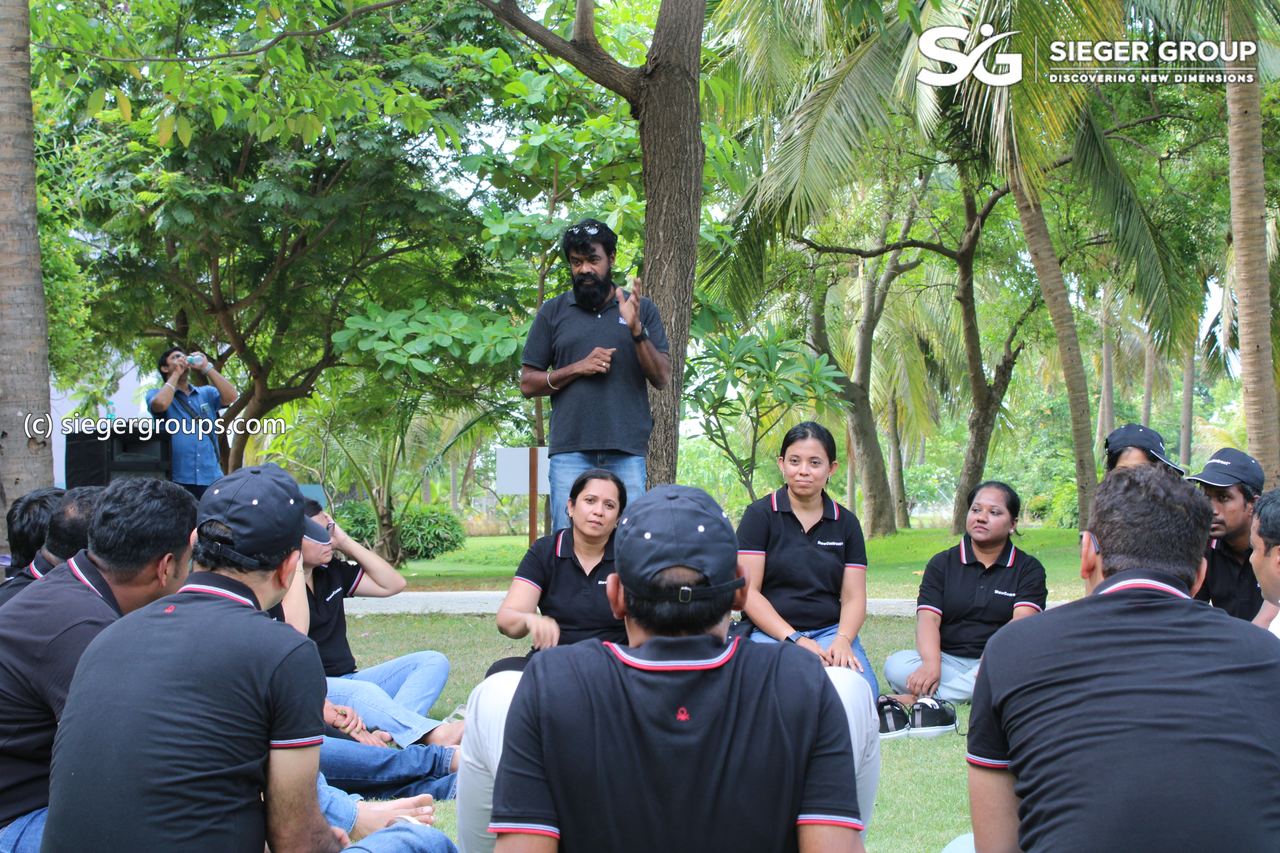
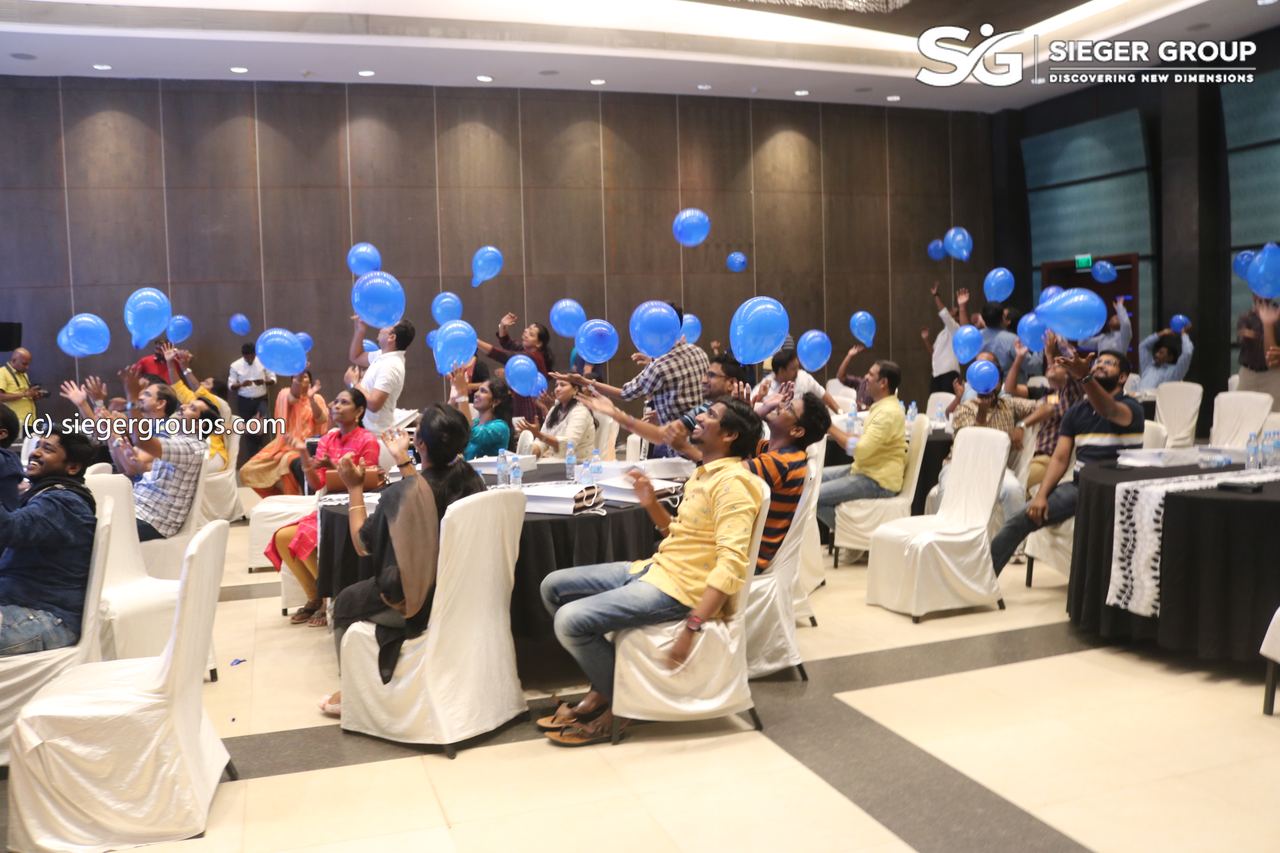
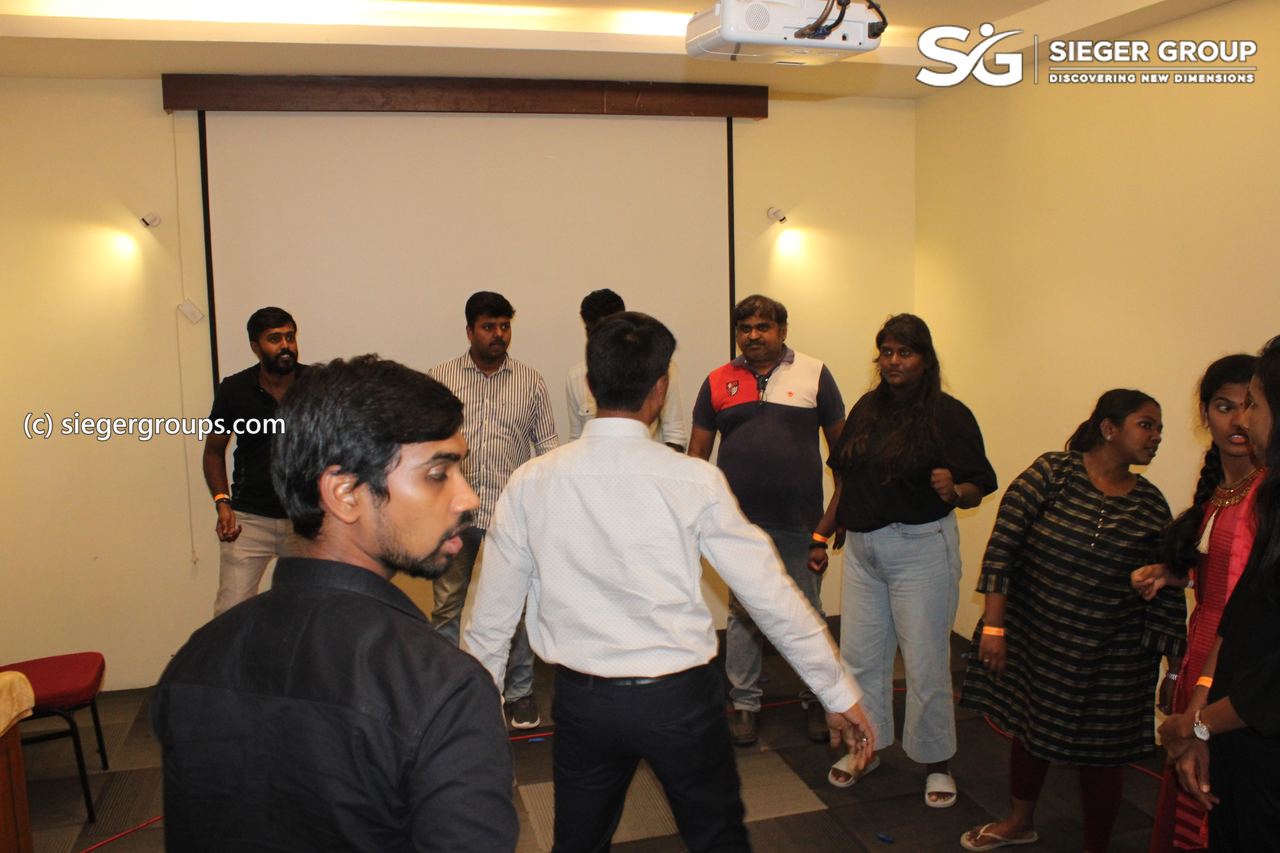
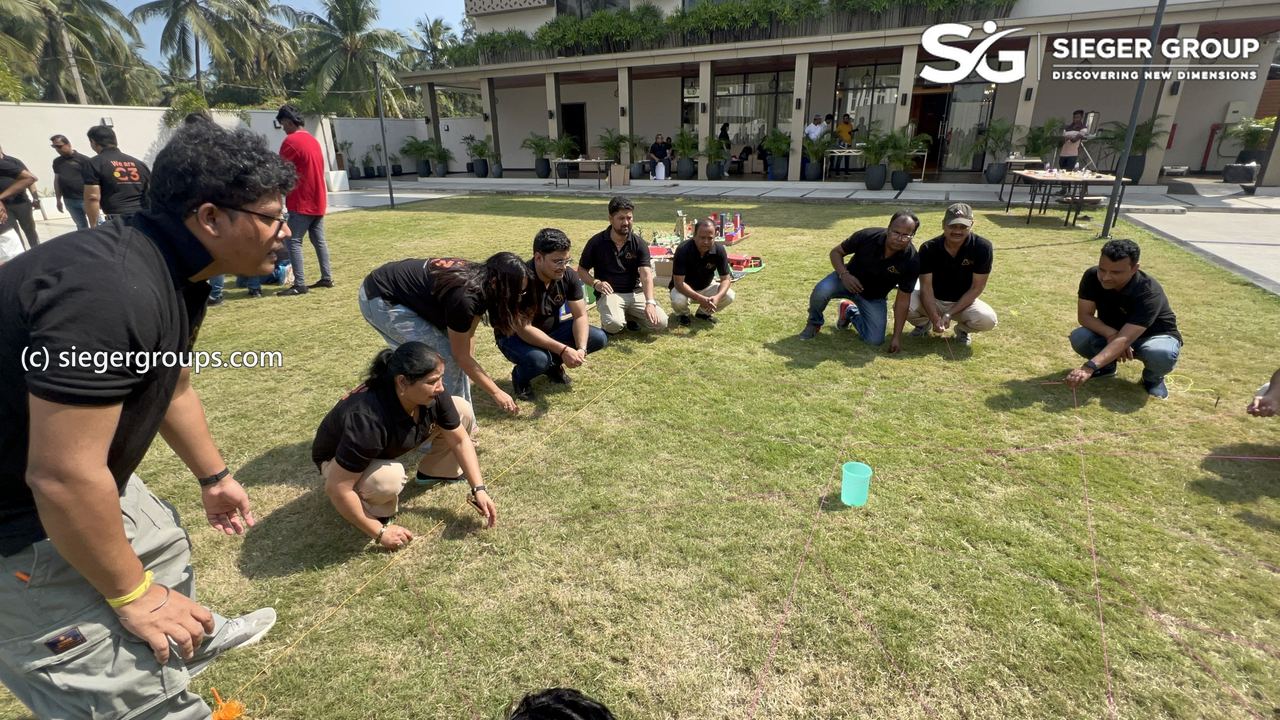
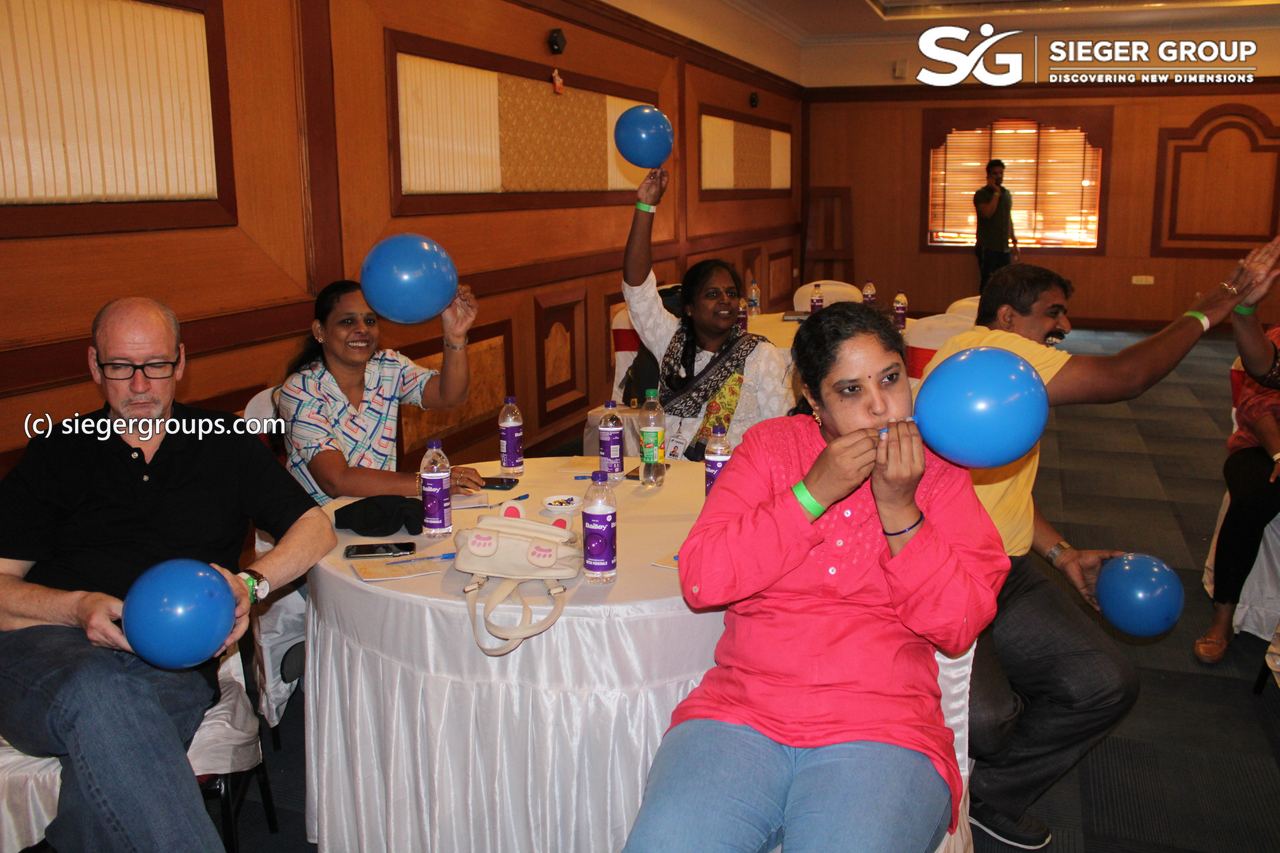
Find colleagues who match descriptions on a bingo sheet. Each completed square starts a conversation beyond familiar workplace groups.
Stand on an imaginary map according to where you grew up. Share a story or value associated with that place.
Create a personal trading card with interests beyond a job title. Exchange cards to start conversations across teams.
Introduce yourself and recall names shared earlier around the group. The growing sequence helps participants learn one another's names.
Discover shared interests alongside characteristics unique to individuals. Explore both common ground and different perspectives.
Meet colleagues through short paired conversations. Rotating partners creates several introductions within a limited time.
Create a coat of arms representing personal or team values. Explain the symbols and discuss the ideas behind the design.
Find ten things you have in common with different colleagues. Move beyond one conversation to meet several people.
Choose a cartoon character that reflects something about you and add your name. Use the choice as an introduction prompt.
Choose one word capturing your response to the meeting theme. Discuss the choices before bringing the conversation together.
Answer a light-hearted question from the facilitator. Short turns reveal interests and stories beyond everyday work roles.
Complete a light-hearted personality quiz and discuss the results. Treat answers as conversation prompts rather than fixed descriptions of people.
Share a funny photograph you are comfortable showing and tell its story. The group can guess whose photo it is first.
Build a story one contribution at a time. Continue from the previous speaker while adding an unexpected idea.
Draw an object from a bag and weave it into the story. Changing props invite imaginative contributions.
Introduce yourself with an adjective paired with your name. The group recalls the combinations in a playful memory exercise.
Choose a favourite season and explain what you enjoy about it. Explore individual preferences and experiences.
Mark your birthplace on a shared map. Use the display to start conversations about different backgrounds.
Match volunteered baby photos to the colleagues pictured. The reveal invites stories and friendly conversation.
Draw separate sections of a figure without seeing earlier contributions. Reveal the picture and enjoy how the interpretations fit together.
Use a tic-tac-toe themed introduction to discover interests or values. The facilitator explains how each square connects to the conversation.
Build a freestanding structure with a marshmallow on top. The short design challenge invites experimentation and shared decisions.
Respond to quick prompts using flashcards. Everyone has a concise way to share answers and compare perspectives.
Find colleagues whose puzzle pieces connect with yours. Assembling the image creates an easy reason to introduce yourselves.
Find items or complete prompts around the venue in mixed teams. The search helps colleagues interact across departments.
Create a crossword using participants' names and clues about them. Connect names with personal details as you solve it.
Write an anonymous introduction and fold it into a paper aircraft. Read the collected introductions and guess their authors.
Create a distinctive greeting with a partner, then combine ideas with another colleague. Agree a gesture both participants are comfortable using.
Pass an imaginary ball with accompanying sounds. Increasing the pace invites spontaneous responses and attention to the next person.
Arrange yourselves in an order set by the facilitator without speaking. Gestures and observation help establish the sequence.
Pass a whispered message along a line. Compare the final version with the original and discuss how information changed.
Pass an acted clue along a line without speaking. The last participant guesses the original prompt.
Pair the syllables of your name with movements. The group repeats the name and actions to remember each introduction.
Hum an assigned song and find colleagues humming the same tune. Matching melodies forms pairs or teams.
Take turns singing songs containing the chosen word. Teams draw on their shared musical memory.
Pass a sequence of snaps, claps and leg taps around a circle. Watch and listen as the leader changes the pattern.
Play short rounds of rock, paper and scissors. Follow the tournament and encourage the remaining players.
Introduce yourself and connect with someone sharing an interest. Each connection adds another introduction to the group chain.
Untangle a connected arrangement of hands together. The task encourages patience and awareness of others' positions.
Add another 'ha' to a growing sequence while keeping a straight face. The simple pattern creates a light-hearted group moment.
Move a hoop along a connected group without breaking the chain. Coordinate positions and timing to reach the other end.
Join a lively performance themed around a cowboy routine. The facilitator introduces actions and invites groups to entertain one another.
Use these points to draw out what colleagues can learn from Corporate Icebreaker Games.
Reflect on which opening prompt helped people contribute comfortably.
Consider how meeting colleagues changed the tone of the workshop or team session.
Share the floor or field space, group size, schedule and preferred activity level so stations and rotations can be agreed.
Move through the selected activities to create interactions beyond familiar colleagues.
Consider how meeting colleagues changed the tone of the workshop or team session.
Use clear prompts so participants can join without needing extensive preparation.
Which prompts helped people move beyond familiar introductions?
Find an introduction that creates a useful second conversation once the game ends.
Make first contact through a short challenge with a clear shared purpose.
Use a change of pace to see different strengths and roles in action.
Choose a mix of active, creative and observer roles around the audience and venue.
An illustrative running order for Corporate Icebreaker Games. Confirm timings, breaks and participation arrangements in your event brief.
Sieger Group supports organisations with team-building experiences and facilitated programmes.
Give people several ways to make a first connection, from paired introductions to quick creative tasks. Choose prompts that work across roles and levels of familiarity.
Find an introduction that creates a useful second conversation once the game ends.
Diversity Bingo, Group Map, Trading Card, Name Game, Unique and Shared, Speed Networking. The final selection is agreed with the organiser.
New starters and mixed departments and established teams can use this experience. Make first contact through a short challenge with a clear shared purpose.
Share the expected headcount, available space and any rotation requirements so the facilitator can propose suitable team sizes.
Allow Discuss your event schedule as a planning guide. The proposal confirms the duration, breaks and final activity mix.
Share the floor or field space, group size, schedule and preferred activity level so stations and rotations can be agreed.
Share access requirements and preferences when planning the session. The facilitator can discuss roles such as observing, recording decisions or presenting the group’s findings.
Choose short introductions or games that suit the group and meeting purpose.
Consider how meeting colleagues changed the tone of the workshop or team session.
Yes. Share the purpose of the offsite and which part of Corporate Icebreaker Games you would like to emphasise. The facilitator can discuss how to fit the chosen elements into the wider event.
Use the enquiry form or contact Sieger Group with your preferred date, city, headcount, venue and learning objective. Include any participation or access requests in the brief.
Share your date, city, group size and the outcome you want colleagues to take away.
Request a tailored proposalTell us what you have in mind. We will help you explore a programme that fits your people and your occasion.
Still finalising the details? Share what you know.
Every team is different. Share your people, purpose and preferred setting, and we’ll translate your brief into an experience designed to connect, engage and create lasting impact.
Share your brief and preferred contact details.