Interpret the bridge brief
Identify the span, materials and functional requirements that the model bridge must meet. Which design choices balanced span, support and available materials?
Learning focusReading the span requirement
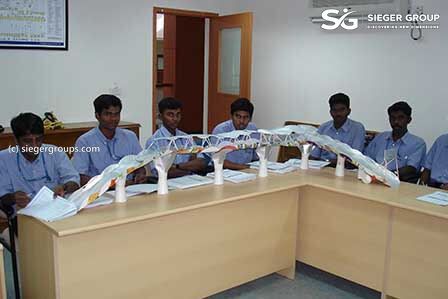
Teams design model bridge sections that must meet at the join. Separate designs become one structure only when the teams agree how their ends will connect.
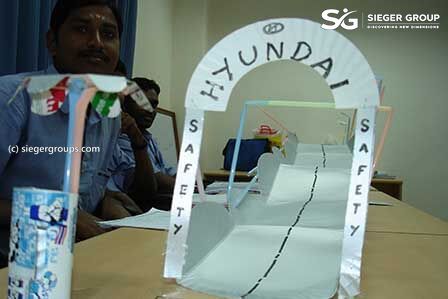
Teams build sections of a bridge that must connect at a shared join. Each crew can work well on its own and still discover a mismatch. The discussion centres on which measurements, assumptions and design changes travelled between the teams in time.
Set the connection criteria before teams start building their individual sections.
Watch the teams work on a shared structure. For your event, consider how much time to allow for design, assembly and a joint review.

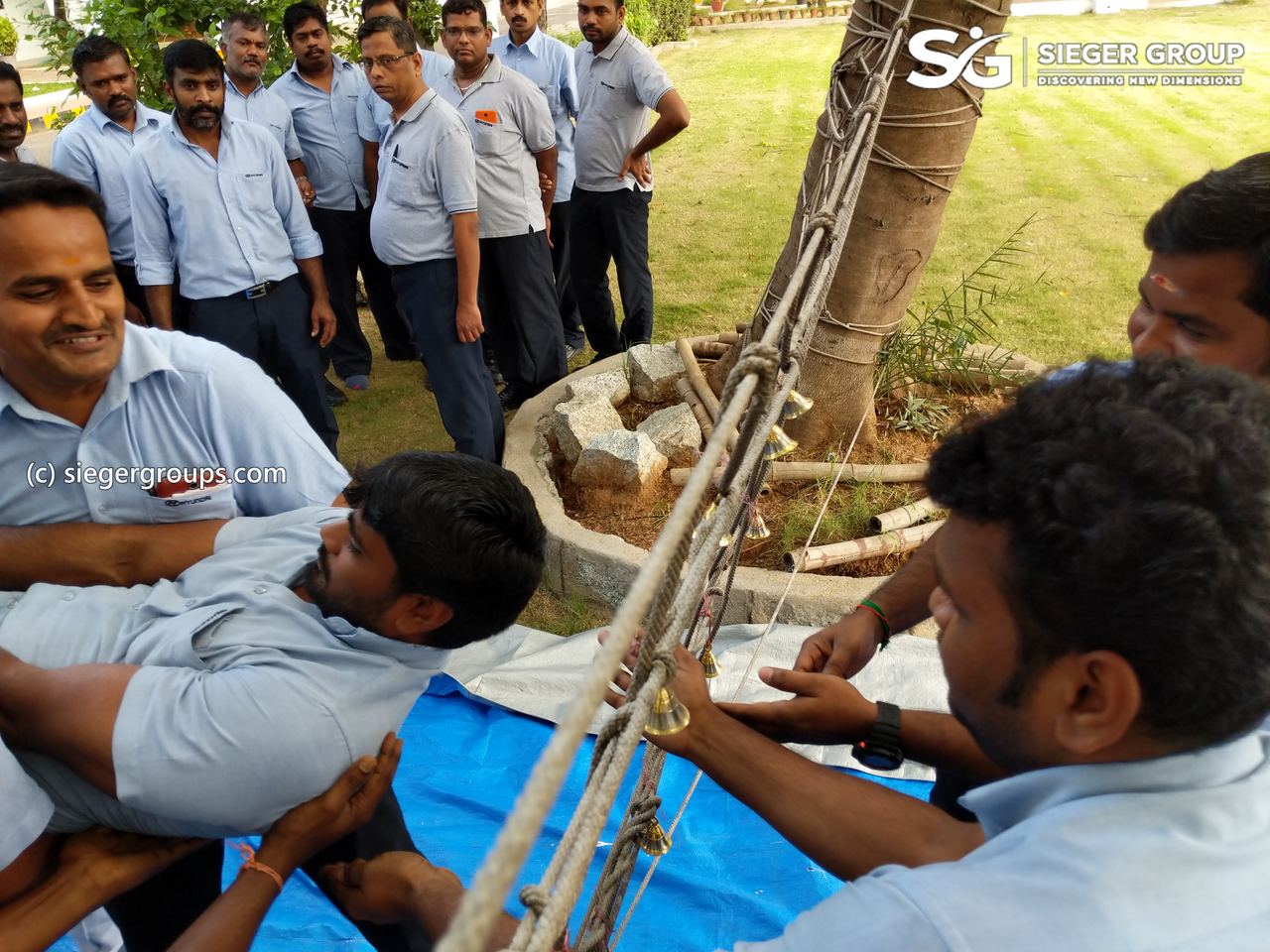
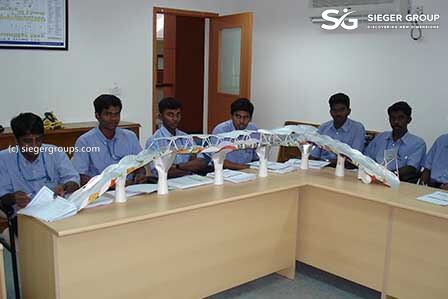
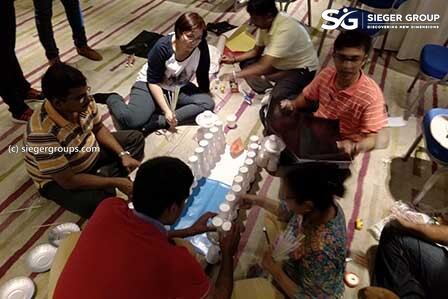
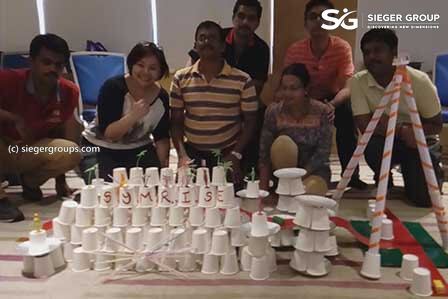
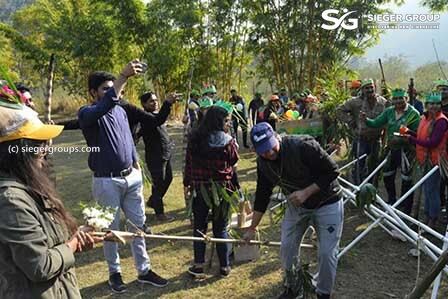
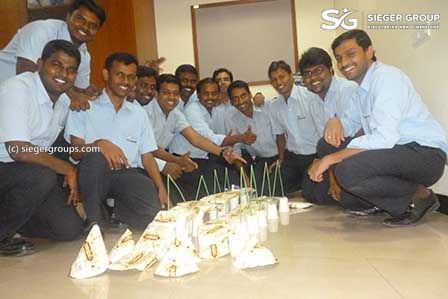
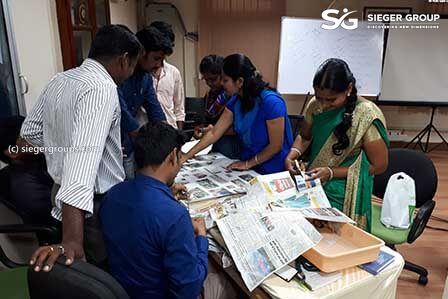
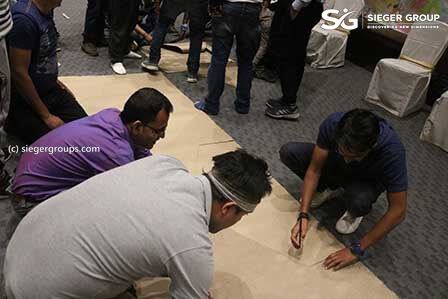
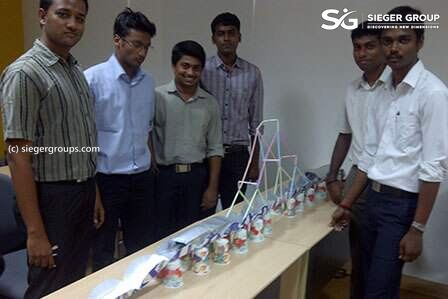
Identify the span, materials and functional requirements that the model bridge must meet. Which design choices balanced span, support and available materials?
Agree how separate sections will join before different groups begin construction. How did teams connect separately built bridge sections?
Bring the bridge sections together and use the agreed test to examine the design. What did testing reveal that discussion had missed?
Discuss which connection or assumption determined whether the complete bridge worked. How did the group decide which revision to prioritise?
Use these points to draw out what colleagues can learn from Bridge Building Challenge.
A well-built section still depends on its neighbour. Connect this to project integration.
Consider how a practical test helped the group choose between competing design ideas.
Confirm the workspace, materials, team size and any checks that must take place before the finished work is presented.
Bring the bridge sections together and use the agreed test to examine the design.
Consider how a practical test helped the group choose between competing design ideas.
Agree how separate sections will join before different groups begin construction.
Which design choices balanced span, support and available materials?
Set the connection criteria before teams start building their individual sections.
Explore how decisions made by one workstream affect the people who receive its output.
Compare how designers, makers and reviewers interpret a shared brief.
Observe who owns the connections between pieces of work.
An illustrative running order for Bridge Building Challenge. Confirm timings, breaks and participation arrangements in your event brief.
Bridge Building team activity will help your team understand and practice how to improve collaboration while building a bridge together. The activity includes a couple of constraints to challenge the team. The purpose of the activity is not just building a bridge but reflecting on how the team deals with obstacles and communication.
Sieger Group supports organisations with team-building experiences and facilitated programmes.
Teams design model bridge sections that must meet at the join. Separate designs become one structure only when the teams agree how their ends will connect.
Set the connection criteria before teams start building their individual sections.
Interpret the bridge brief, Design the connections, Assemble and test the model, Review the weak link. The final selection is agreed with the organiser.
Project and delivery teams and cross-functional colleagues can use this experience. Explore how decisions made by one workstream affect the people who receive its output.
This activity is designed for groups of 20–500. Share your expected headcount and venue so Sieger Group can confirm a suitable arrangement.
Allow 60–90 minutes for the activity session. Sieger Group can confirm the timing against your event schedule and agreed format.
Confirm the workspace, materials, team size and any checks that must take place before the finished work is presented.
Share access requirements and preferences when planning the session. The facilitator can discuss roles such as observing, recording decisions or presenting the group’s findings.
Identify the span, materials and functional requirements that the model bridge must meet.
Consider how a practical test helped the group choose between competing design ideas.
Yes. Share the purpose of the offsite and which part of Bridge Building Challenge you would like to emphasise. The facilitator can discuss how to fit the chosen elements into the wider event.
Use the enquiry form or contact Sieger Group with your preferred date, city, headcount, venue and learning objective. Include any participation or access requests in the brief.
Share your date, city, group size and the outcome you want colleagues to take away.
Request a tailored proposalTell us what you have in mind. We will help you explore a programme that fits your people and your occasion.
Still finalising the details? Share what you know.
Every team is different. Share your people, purpose and preferred setting, and we’ll translate your brief into an experience designed to connect, engage and create lasting impact.
Share your brief and preferred contact details.