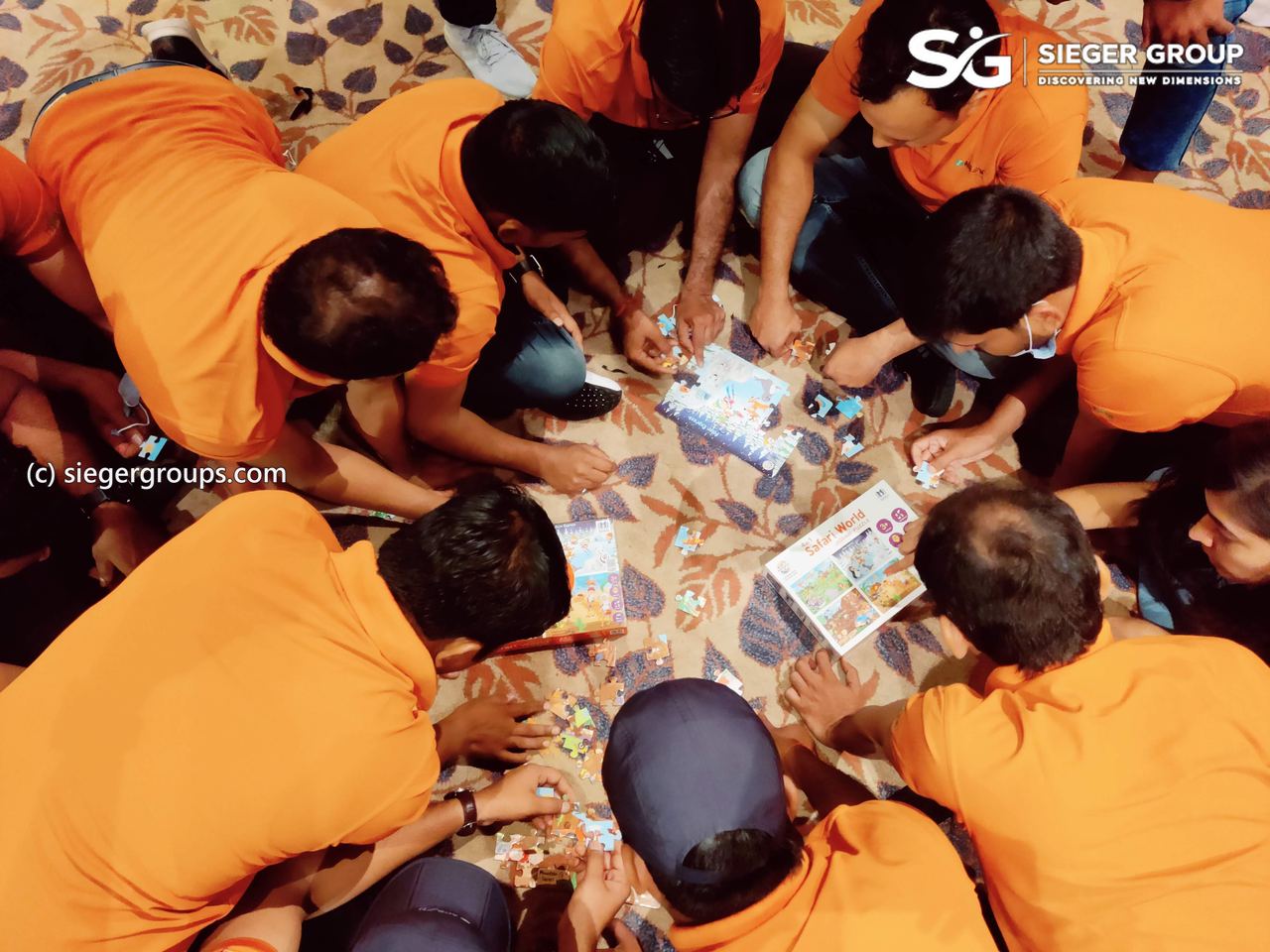
Reliability Challenge
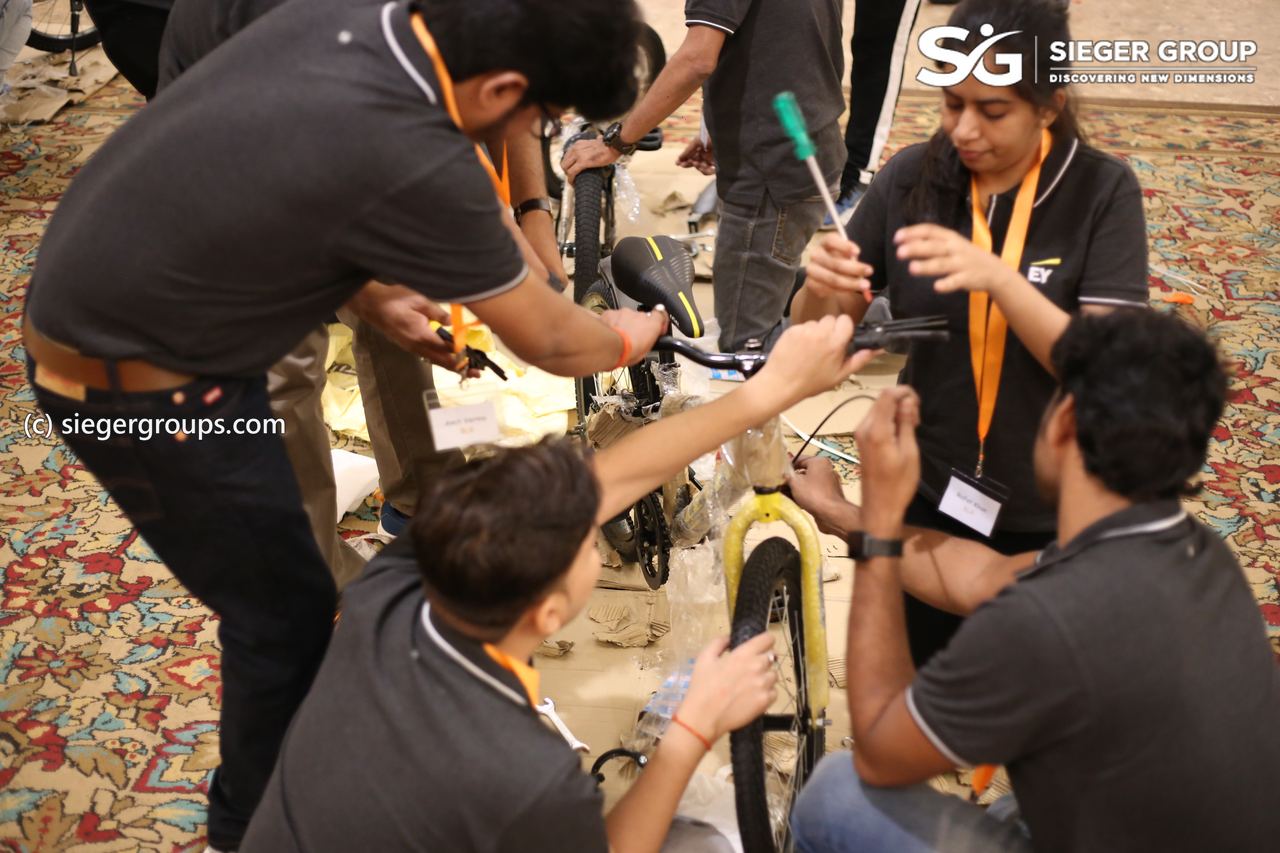
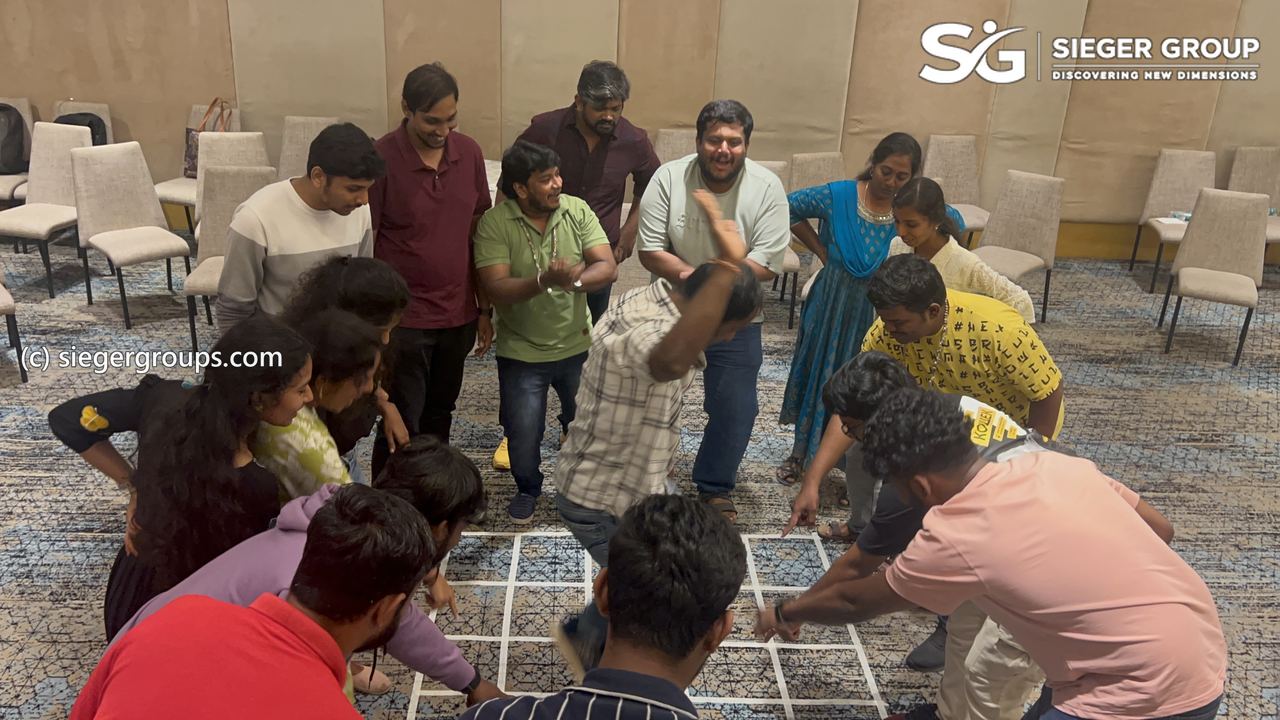
Complete a task with connected responsibilities and review how agreements, updates and follow-through influenced colleagues’ ability to depend on one another.
Learning focusReliability
Experiential learning with a clear purpose.
At Sieger Group, we believe that trust is the invisible glue that holds teams together, and relationships are the bridges that sustain growth. In every organisation, performance thrives when people feel safe, respected, and connected. This programme is designed to help teams build deeper trust, strengthen relationships, and enhance collaboration, creating an environment where individuals align their hearts, minds, and actions toward a common purpose.
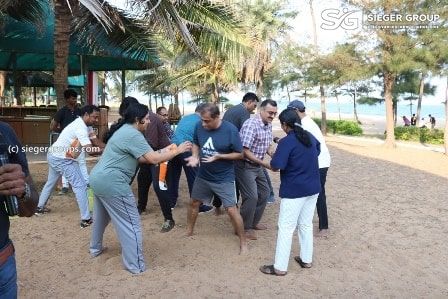
These options offer different ways to explore the everyday agreements, listening habits and repair conversations that shape working relationships. The final activity mix is agreed around the audience, participation requirements and programme purpose.
Complete a task with connected responsibilities and review how agreements, updates and follow-through influenced colleagues’ ability to depend on one another.
Exchange descriptions of a shared problem and compare understanding after clarifying questions, before offering suggestions or drawing conclusions about the situation.
Compare approaches to planning, communication and support, then agree how those differences could be accommodated during a shared team challenge.
Examine a fictional missed expectation and compare ways to acknowledge its impact while rebuilding a useful and realistic working agreement.
At Sieger Group, we believe that trust is the invisible glue that holds teams together, and relationships are the bridges that sustain growth. In every organisation, performance thrives when people feel safe, respected, and connected. This programme is designed to help teams build deeper trust, strengthen relationships, and enhance collaboration, creating an environment where individuals align their hearts, minds, and actions toward a common purpose.
Trust is easier to discuss when it is connected to observable actions. A shared challenge can reveal how colleagues keep agreements, exchange information and respond when expectations differ. Comparing those experiences provides a grounded starting point for discussing reliability, respect and relationships across ordinary working boundaries.
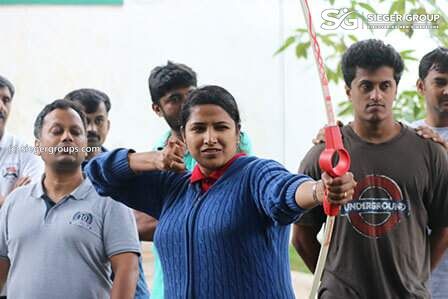
Explore the everyday agreements, listening habits and repair conversations that shape working relationships. The suggested experience connects practical participation with reflection on the choices, contributions and questions that matter to this group.
Notice how clear promises and updates influence willingness to depend on others. Ask which working agreement would make an upcoming shared task easier.
Explore the effect of attentive questions, interruptions and untested assumptions. Separate what was said from the meaning assumed during a misunderstanding.
Compare working preferences and interpretations of the same shared experience. Make one promise more explicit through a deliverable and update point.
Address a missed expectation while recognising the relationship and practical issue. Ask a clarifying question about another person’s working preference.
Notice how information and support move between separate functions or groups. Discuss a missed expectation using observable events and a proposed next agreement.
Explore the behaviours and practical insights your team can review through Trust & Relationship Building. The debrief connects observations from the experience with situations that matter to participants.
Notice how clear promises and updates influence willingness to depend on others.
Explore the effect of attentive questions, interruptions and untested assumptions.
Compare working preferences and interpretations of the same shared experience.
Address a missed expectation while recognising the relationship and practical issue.
Notice how information and support move between separate functions or groups.
Clarify different assumptions about quality, timing and support before friction develops.
Understand a colleague’s perspective before deciding what their behaviour means.
Use these reflection prompts to turn Trust & Relationship Building into a focused conversation about what happened, what it means and what to try next.
Ask which working agreement would make an upcoming shared task easier.
Separate what was said from the meaning assumed during a misunderstanding.
Make one promise more explicit through a deliverable and update point.
Ask a clarifying question about another person’s working preference.
Discuss a missed expectation using observable events and a proposed next agreement.
Improve one information-sharing arrangement with a colleague from another function.
A suggested flow for Trust & Relationship Building, from setting the brief to reviewing the experience. Activity choices, pace and facilitation are confirmed around your group and setting.
Agree questions to explore about the everyday agreements, listening habits and repair conversations that shape working relationships. Clarify the audience, participation preferences and suitable activity options before deciding the programme’s focus.
Complete a task with connected responsibilities and review how agreements, updates and follow-through influenced colleagues’ ability to depend on one another. Explore reliability as participants test an approach together.
Review moments connected with attentive listening and respectful agreements. Compare what different participants noticed, then discuss which decisions helped the group and which assumptions deserve another look.
Improve one information-sharing arrangement with a colleague from another function. Connect the observation with a relevant working or team situation, choosing a useful action and a point for discussing what happens next.
Connect Trust & Relationship Building with purposeful practice, evidence-based reflection and a next step that fits your working context.
Discuss the everyday agreements, listening habits and repair conversations that shape working relationships. Choose a useful question to explore together during the agreed activity.
Explore reliability through the selected activity. Observe how participants explain their choices and respond as the task develops around them.
Review attentive listening through specific examples from the activity. Compare how different participants understood their roles and what they noticed as the task developed.
Connect an observation about respectful agreements with a relevant working or team situation. Discuss what the group could keep, reconsider or try differently.
Identify a practical application: improve one information-sharing arrangement with a colleague from another function. Agree when to review the action and what evidence would help.
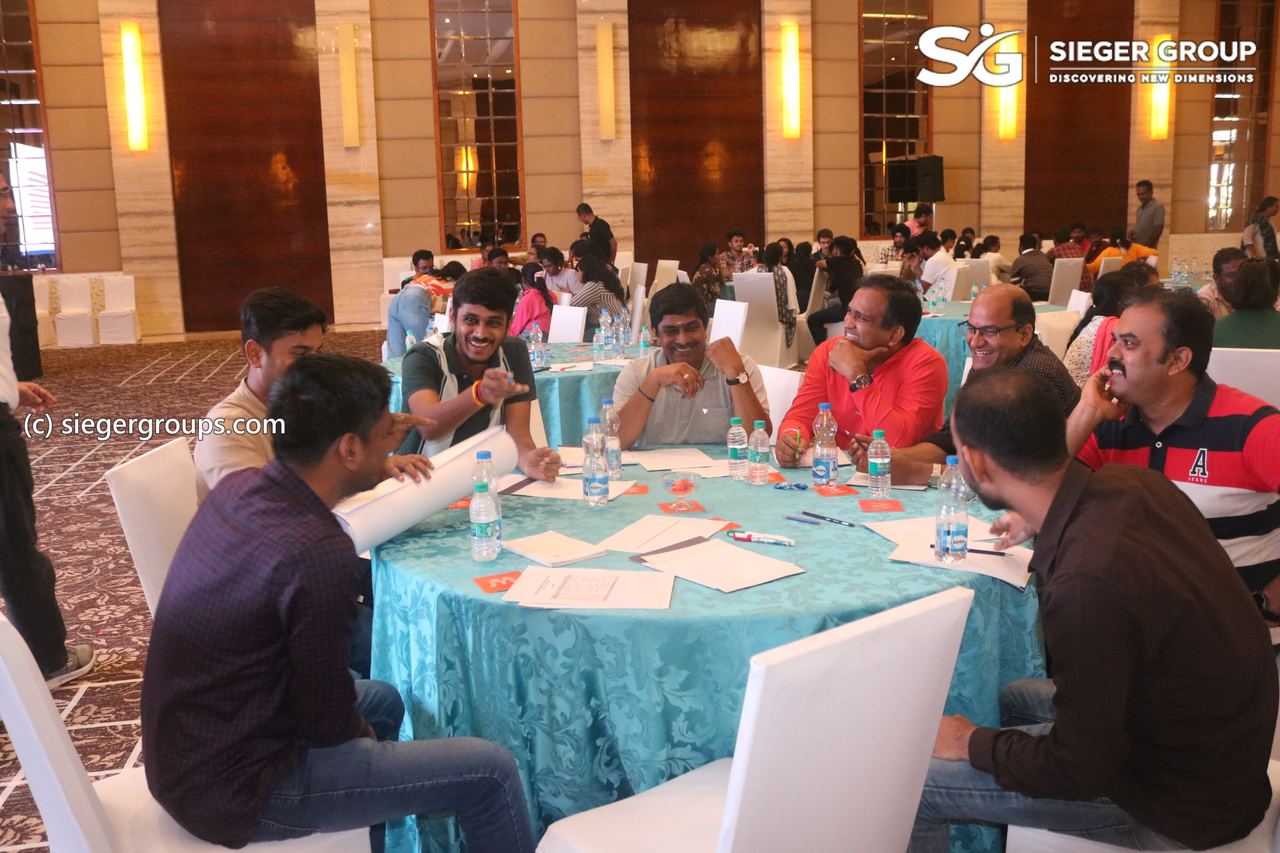
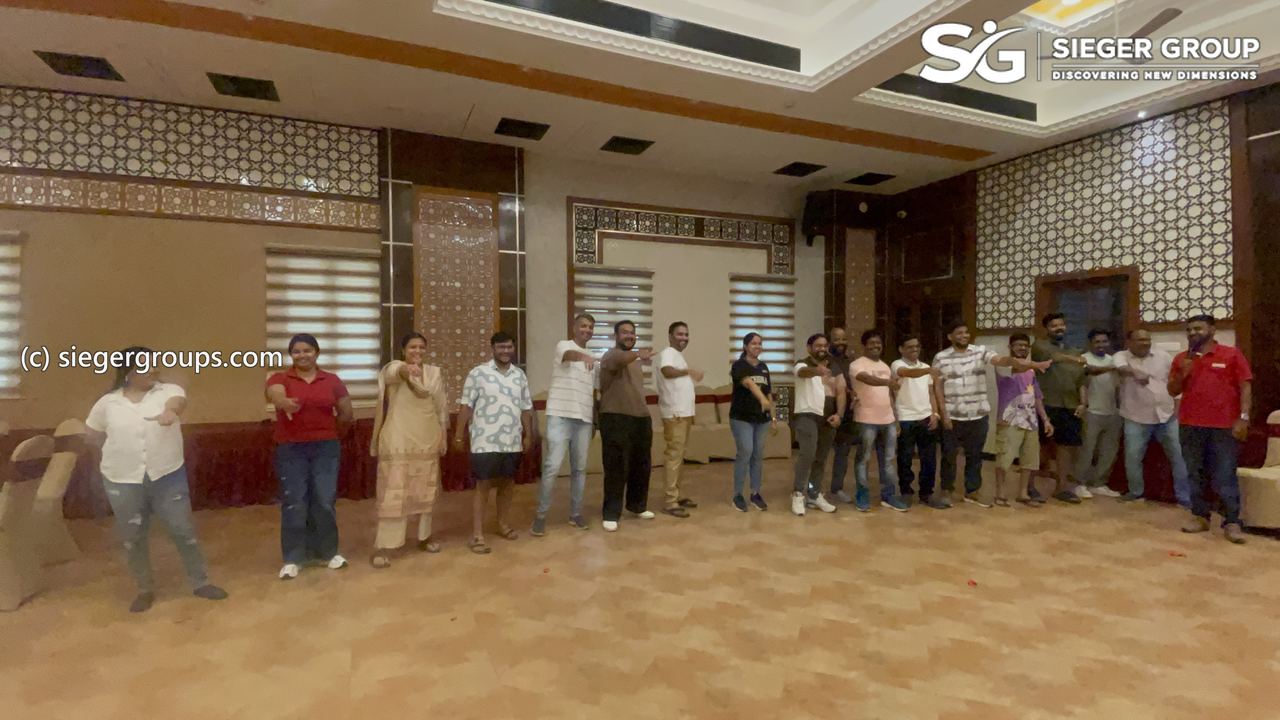
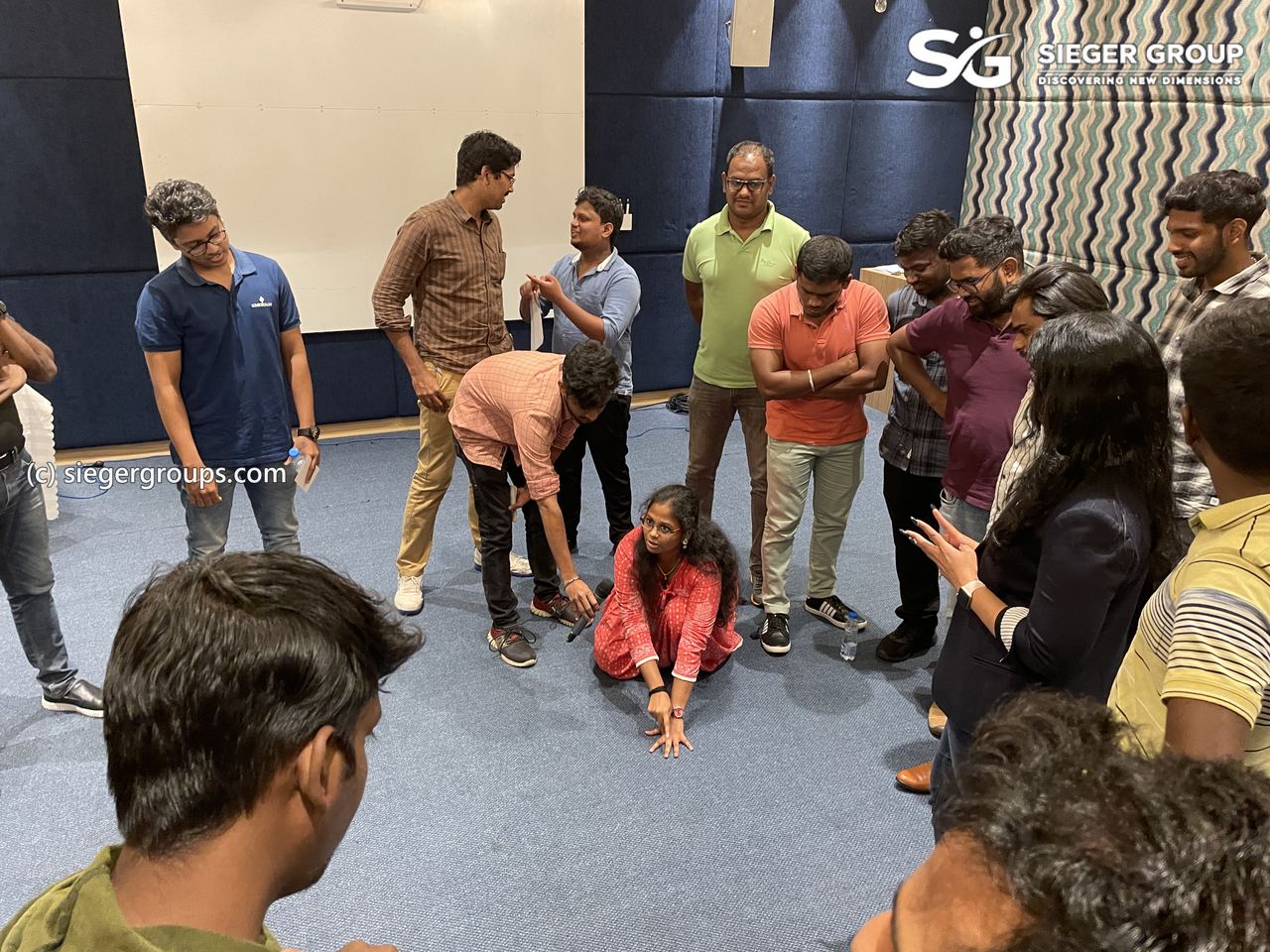
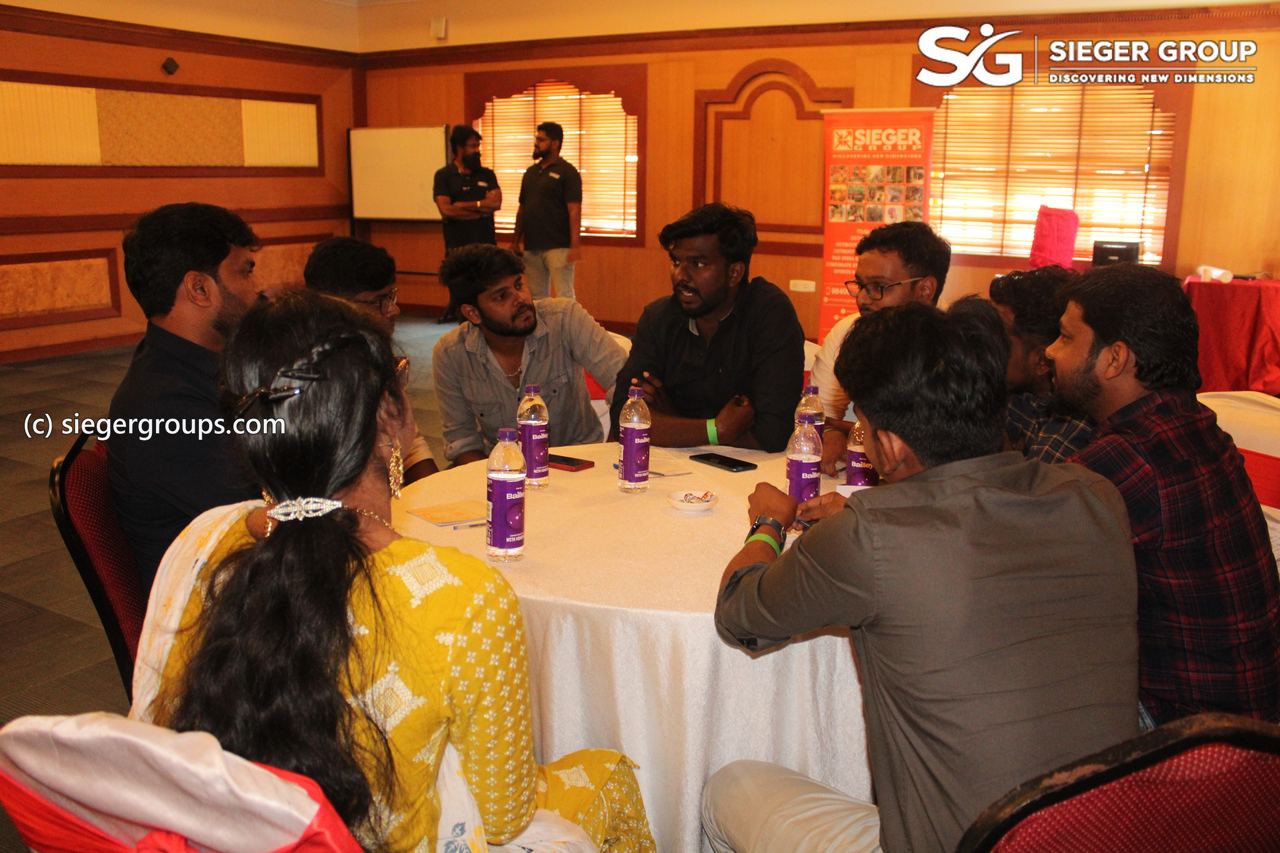
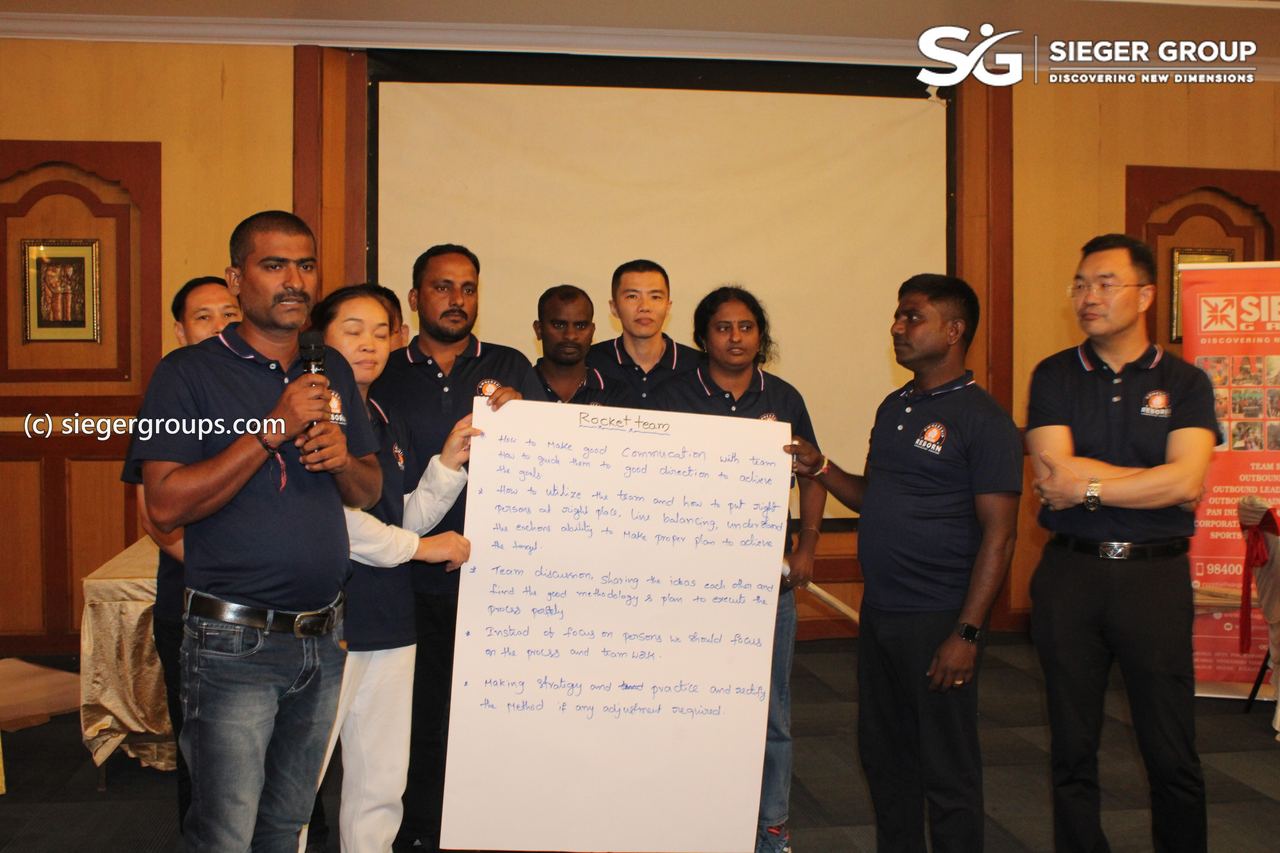
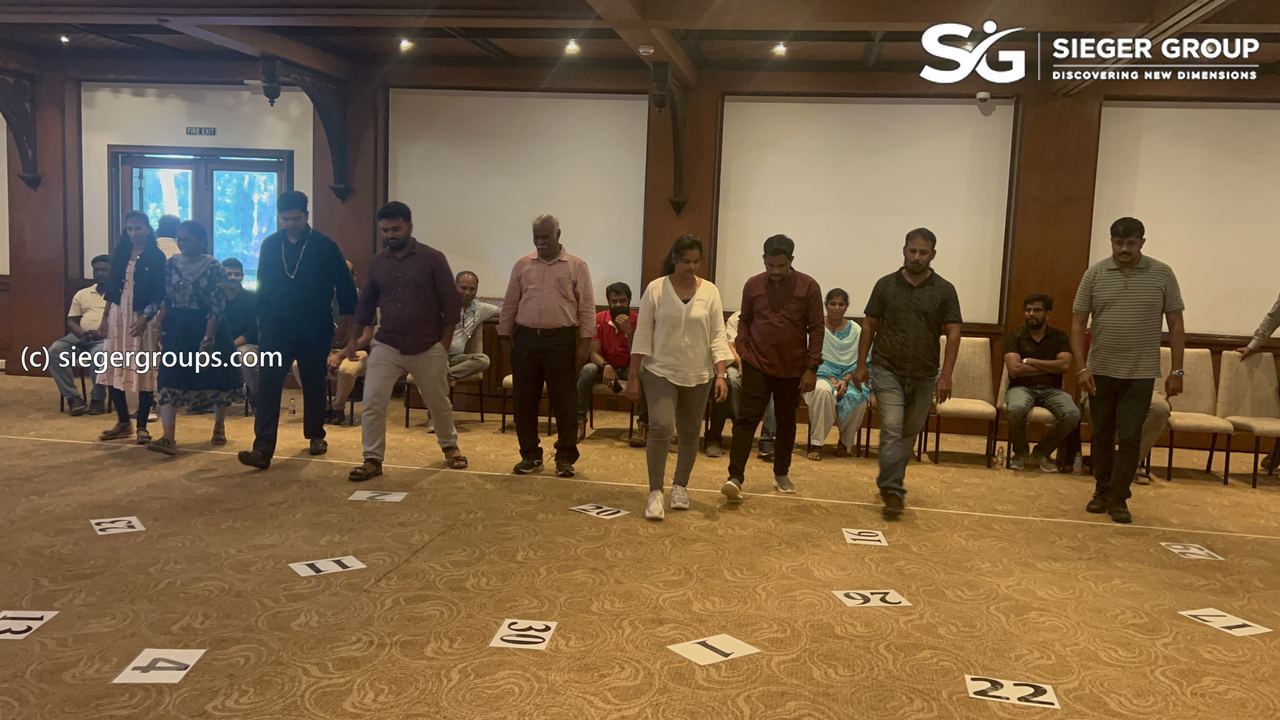
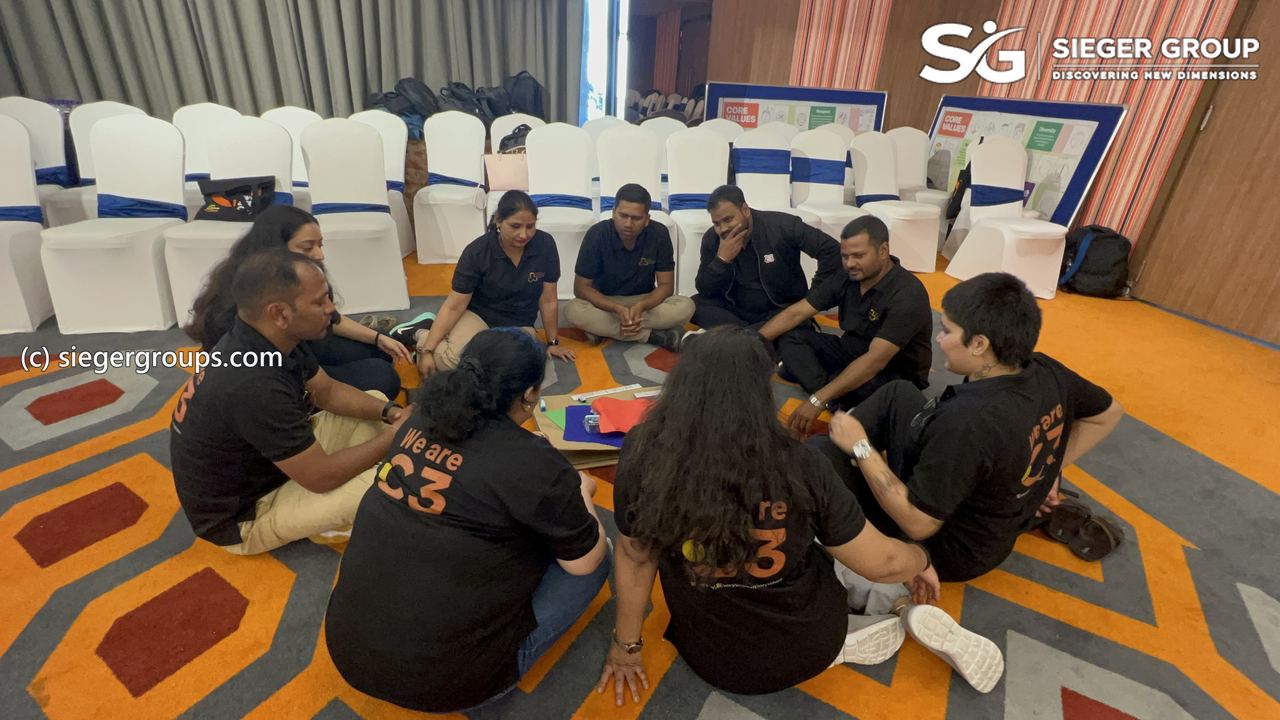
The Trust & Relationship Programme by Sieger Group is an experiential, high-energy intervention that blends adventure-based learning, reflective discussions, and structured debriefs. Participants discover how openness, credibility, and empathy shape strong professional bonds and drive team success. Our facilitators guide participants through a series of indoor and outdoor challenges that simulate real workplace dynamics, helping them understand how trust is built, lost, and regained, and how meaningful relationships improve performance and morale.
Discuss participant experience, access needs, language preferences and the purpose of the programme before confirming suitability.
Intact and cross-functional teams interested in reliability. Reliability Challenge offers one possible starting point for an agreed group experience.
Managers and emerging leaders exploring attentive listening. Select a format that fits their responsibilities, working relationships and the purpose of Trust & Relationship Building.
Project teams and newly formed groups bringing different perspectives to respectful agreements. Confirm the learning priorities and participation arrangements before choosing the activity mix.
This sample shows how a programme could flow. Timings, breaks, activity choices and duration are agreed in the final proposal.
Introduce Trust & Relationship Building, agree the group’s purpose and discuss participation preferences. Explain the selected formats before the experience begins.
Use a selected version of Reliability Challenge to explore reliability. Pause to compare observations and clarify the choices that shaped progress.
Use a selected version of Listening Partnership Exercise to explore attentive listening. Pause to compare observations and clarify the choices that shaped progress.
Review examples of reliability colleagues can see and mutual understanding. Connect the observations with day-to-day team responsibilities and choose a relevant next conversation.
Explore an agreed version of Working Preferences Exchange and compare approaches to respectful agreements. Discuss what the group changes after feedback.
Explore an agreed version of Expectation Repair Simulation and compare approaches to relationship repair. Discuss what the group changes after feedback.
Identify a situation in day-to-day team responsibilities where earlier expectation conversations would be useful. Discuss one practical adjustment and the people it affects.
Choose a next step related to more considered responses. Agree responsibility and a useful point for reviewing what happens after the programme.
Share the audience profile, language preferences and access needs for Trust & Relationship Building. Agree options that let different colleagues contribute comfortably.
Discuss the available space, materials and facilitation arrangements for the selected learning exercises. Confirm the final mix of Reliability Challenge and any other chosen experiences in the brief.
Agree the focus on attentive listening, the programme duration and which materials, facilitation and delivery arrangements are included.
Choose how to review earlier expectation conversations and more considered responses. Confirm any follow-up conversation or team commitment that belongs within the programme scope.
The final activities and setting depend on your agreed brief.
Sieger Group supports organisations with team-building experiences and facilitated programmes.
12 practical answers to help you plan your programme.
At Sieger Group, we believe that trust is the invisible glue that holds teams together, and relationships are the bridges that sustain growth. In every organisation, performance thrives when people feel safe, respected, and connected. This programme is designed to help teams build deeper trust, strengthen relationships, and enhance collaboration, creating an environment where individuals align their hearts, minds, and actions toward a common purpose.
Trust & Relationship Building can be considered for teams planning a focused learning programme. Share roles, group size, experience levels and participation needs so suitability can be confirmed.
The existing programme outline includes: Understand the psychological and behavioral foundations of trust and credibility.; Strengthen interpersonal communication and active listening skills.; build mutual respect and accountability within teams.. The final emphasis and activity selection should be agreed around your brief.
Yes. Share your team context, goals and preferred tone. The proposed Trust & Relationship Building experience can then be adapted through the activity mix, level of challenge, discussion themes and delivery format, subject to feasibility.
Duration depends on the agreed scope, group size and setting. For Trust & Relationship Building, allow for the briefing, activities, breaks and facilitated reflection and action planning. Request a proposed agenda that fits your available time.
Share your preferred city, office, venue or offsite destination in India. Trust & Relationship Building requires a setting suited to the activities and participants. Venue access, usable space, equipment and local delivery arrangements should be confirmed before booking.
The appropriate group size depends on the activity structure, facilitation and available space. Tell us the expected number of participants for Trust & Relationship Building so team sizes, rotations and staffing can be proposed.
For Trust & Relationship Building, the pre-event briefing should explain the schedule, clothing or equipment requirements and how to take part. Share accessibility needs and relevant participation constraints during planning so suitable arrangements can be discussed.
Discuss access, mobility, language, sensory needs and comfort levels before confirming Trust & Relationship Building. Agree suitable roles and alternatives where feasible. For specialist activities, confirm delivery responsibilities and participation requirements in advance.
Agree the purpose of Trust & Relationship Building before delivery. Facilitated discussion can link participant decisions and behaviours with workplace or campus situations, followed by practical action commitments. Confirm any follow-up or evaluation support in the proposal.
Pricing for Trust & Relationship Building depends on participant numbers, duration, facilitation, equipment, location and agreed logistics. Request a tailored proposal that clearly states programme inclusions, venue or travel arrangements and applicable charges.
Use the enquiry form on this page or call +91 98400 97567. Include Trust & Relationship Building, your objectives, group size, preferred dates and location. Sieger Group can then discuss suitability and prepare a proposal for your review.
Share your goals, group size, preferred dates and venue. We’ll help you explore a considered programme.
Tell us what you have in mind. We will help you explore a programme that fits your people and your occasion.
Still finalising the details? Share what you know.
Every team is different. Share your people, purpose and preferred setting, and we’ll translate your brief into an experience designed to connect, engage and create lasting impact.
Share your brief and preferred contact details.