Read the target field
Review the numbered targets and the rules for completing the sequence. How did the team plan its numbered-target sequence?
Learning focusReading the target field
Numbered targets form a shared field that teams must navigate in sequence. Between attempts, they review the route, the roles and the information everyone actually used.
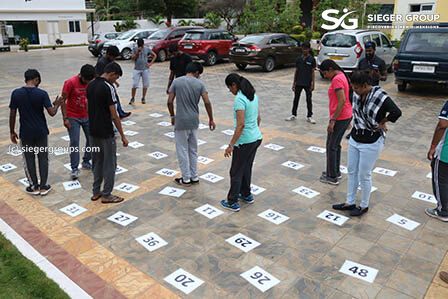
A group works through a numbered sequence under a common set of rules. Between attempts, teammates can change their roles, order or signals. Comparing two runs makes it easier to see whether an improvement came from speed or a better plan.
Change one part of the plan between rounds and compare its effect with the first attempt.
See how teammates organise a timed Keypunch round. An organiser can use it to explain how planning and a second attempt fit into the session.

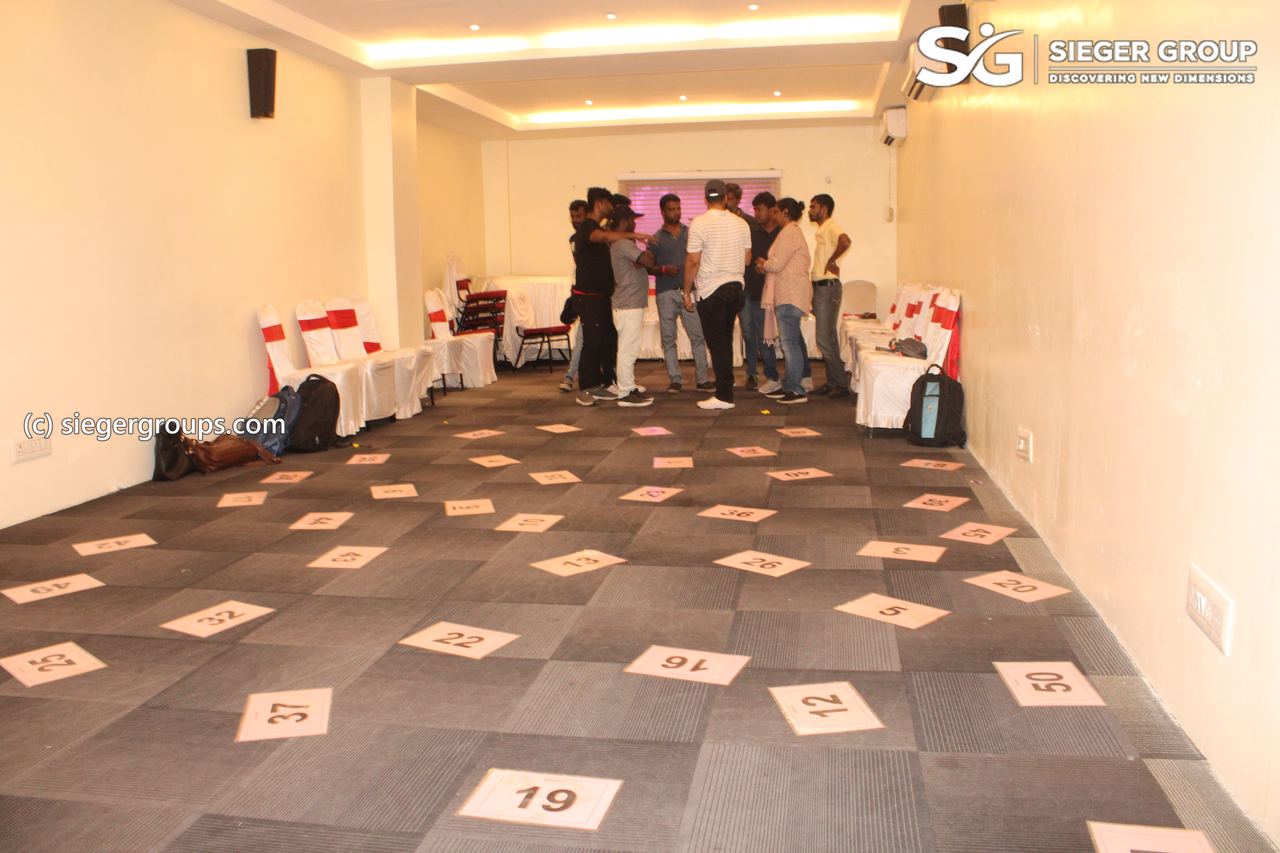
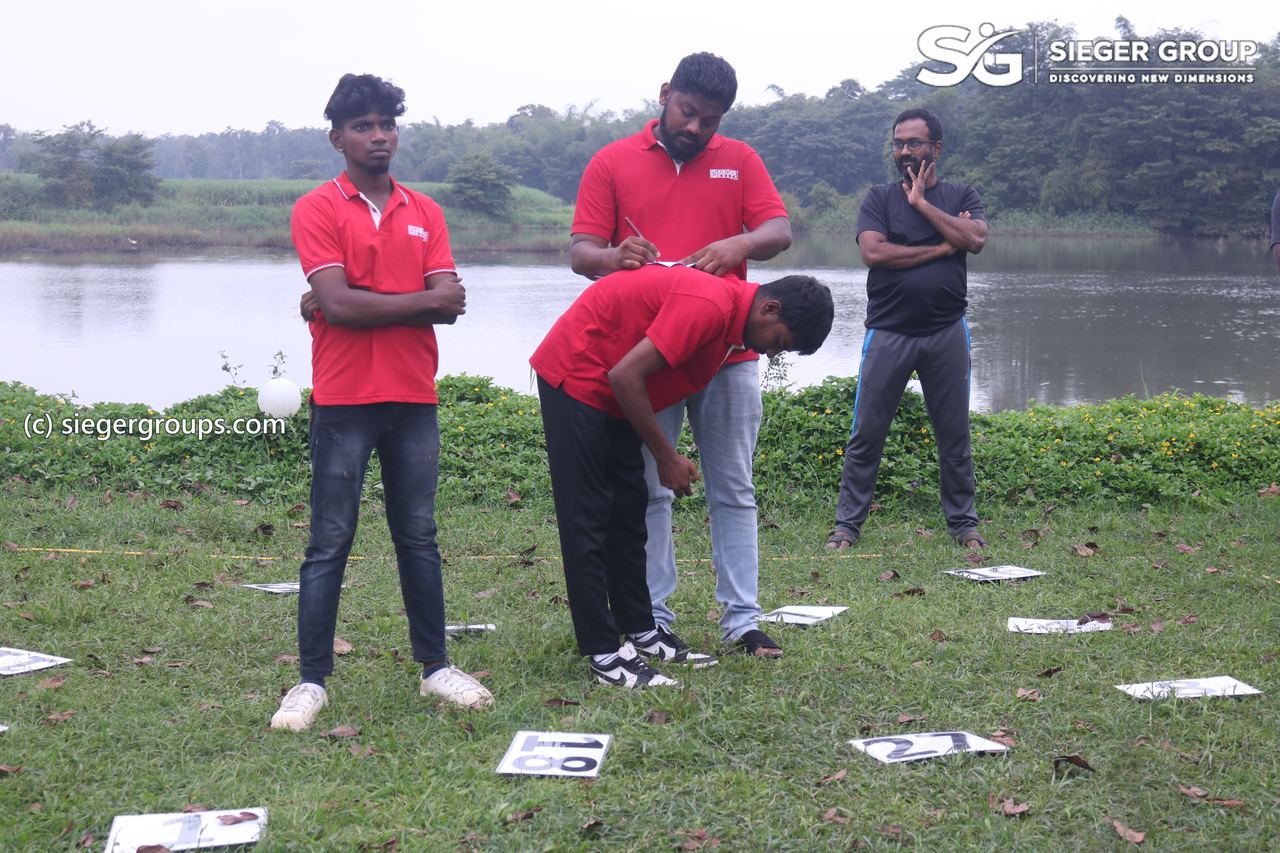
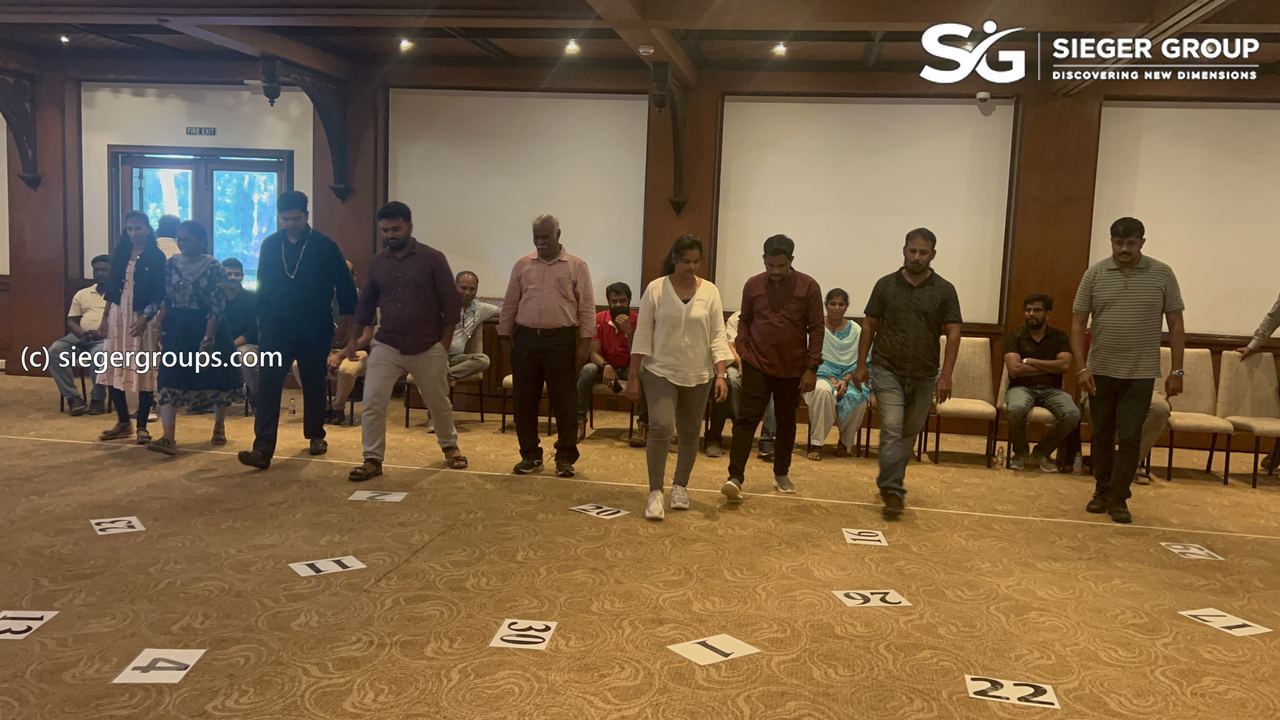
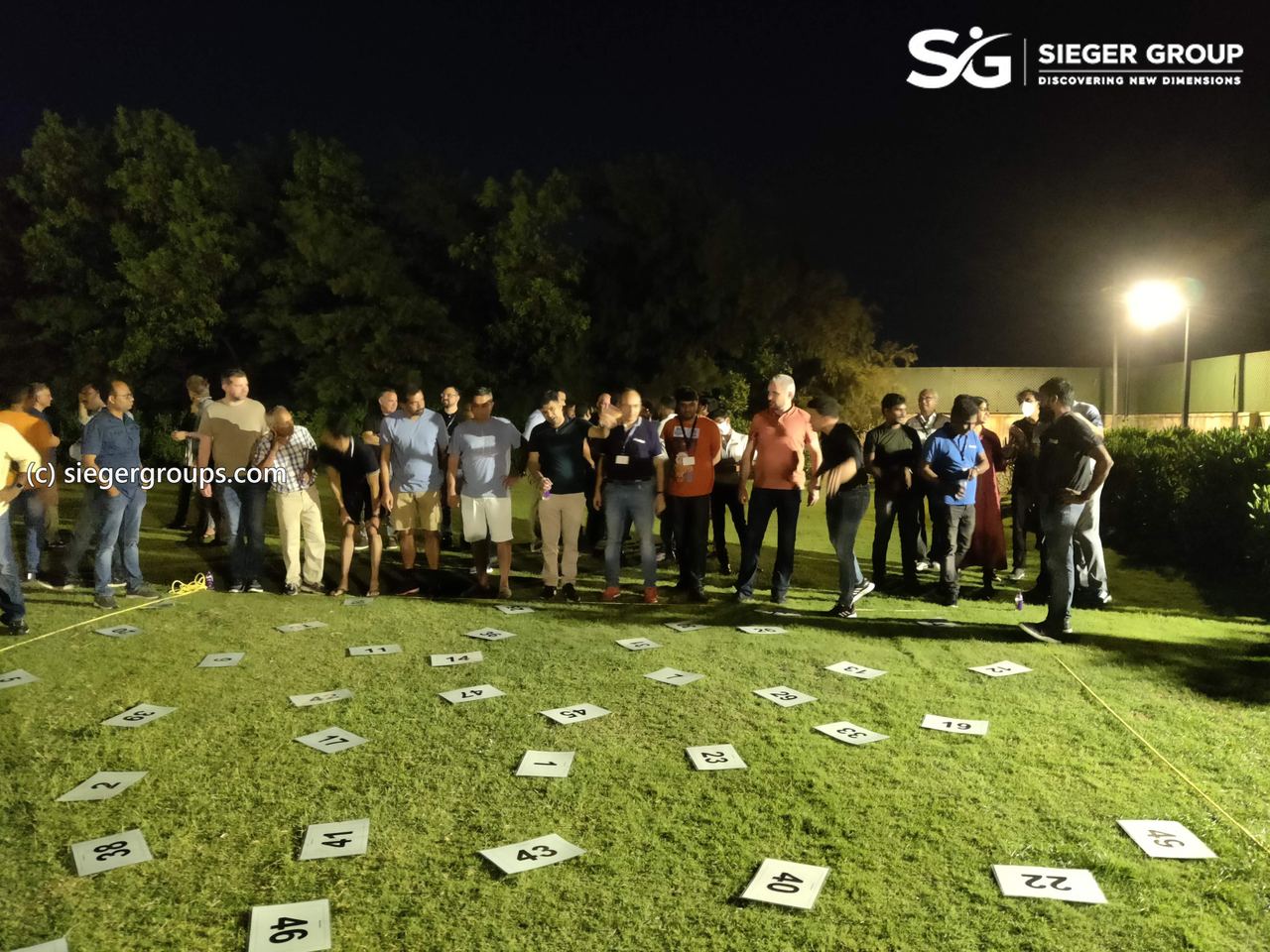
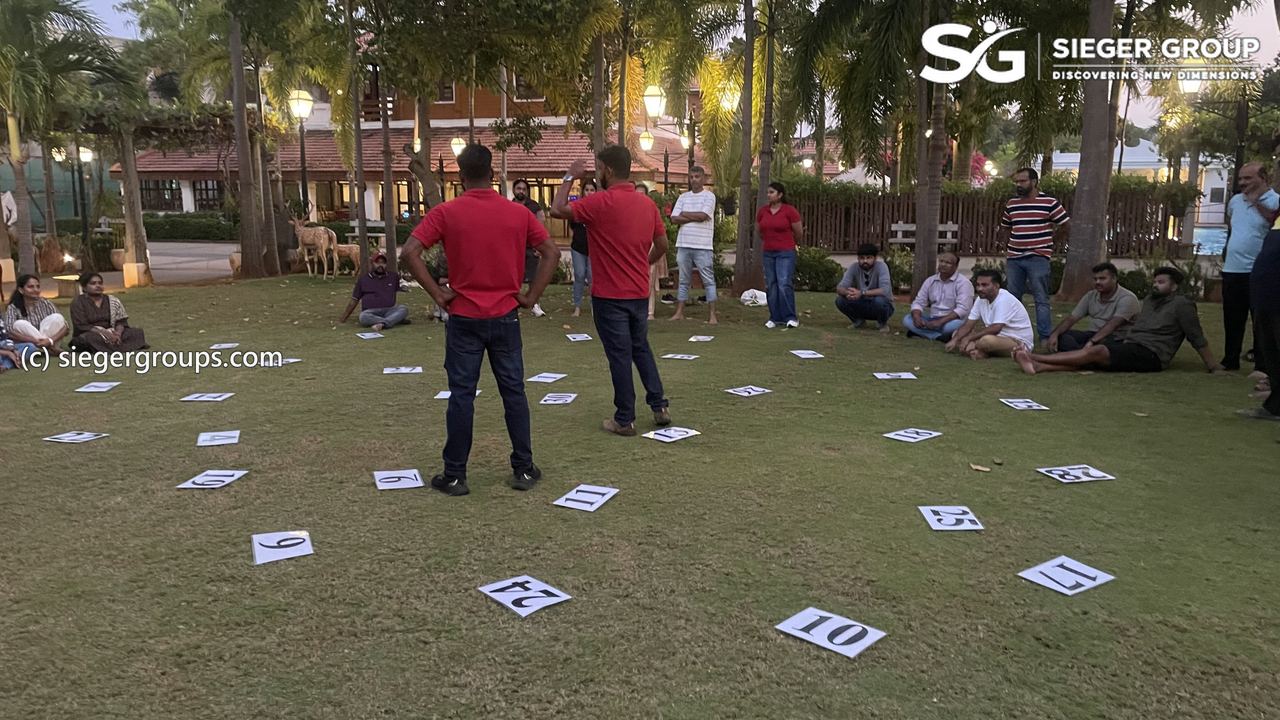
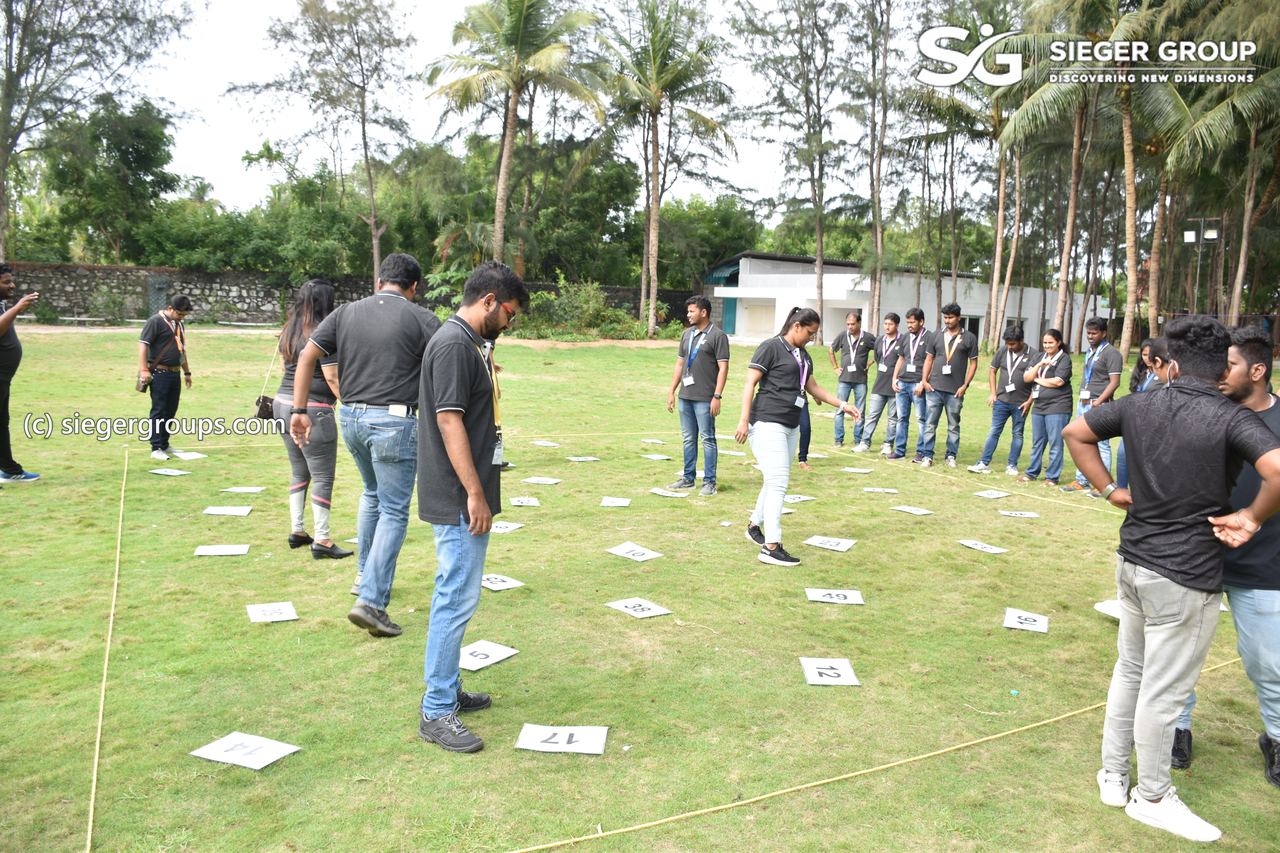
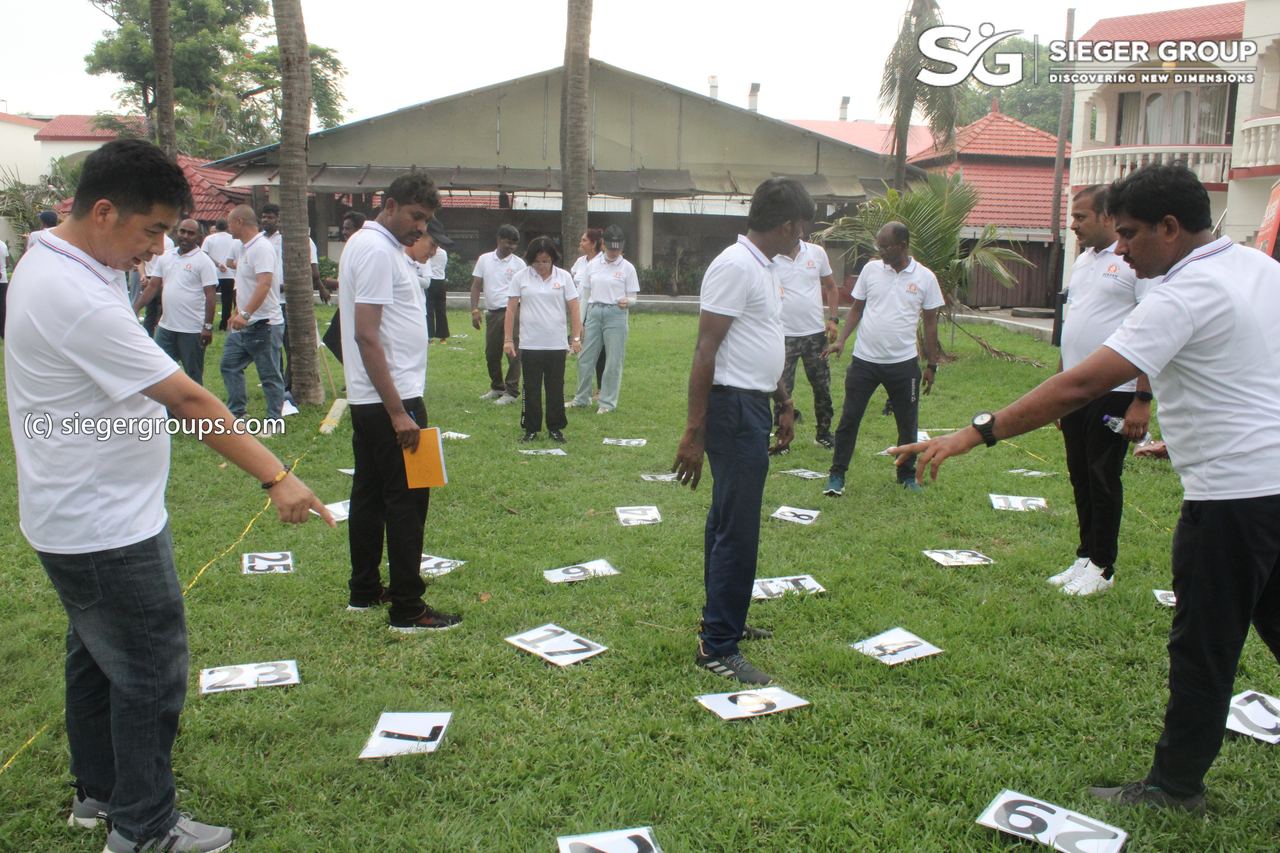
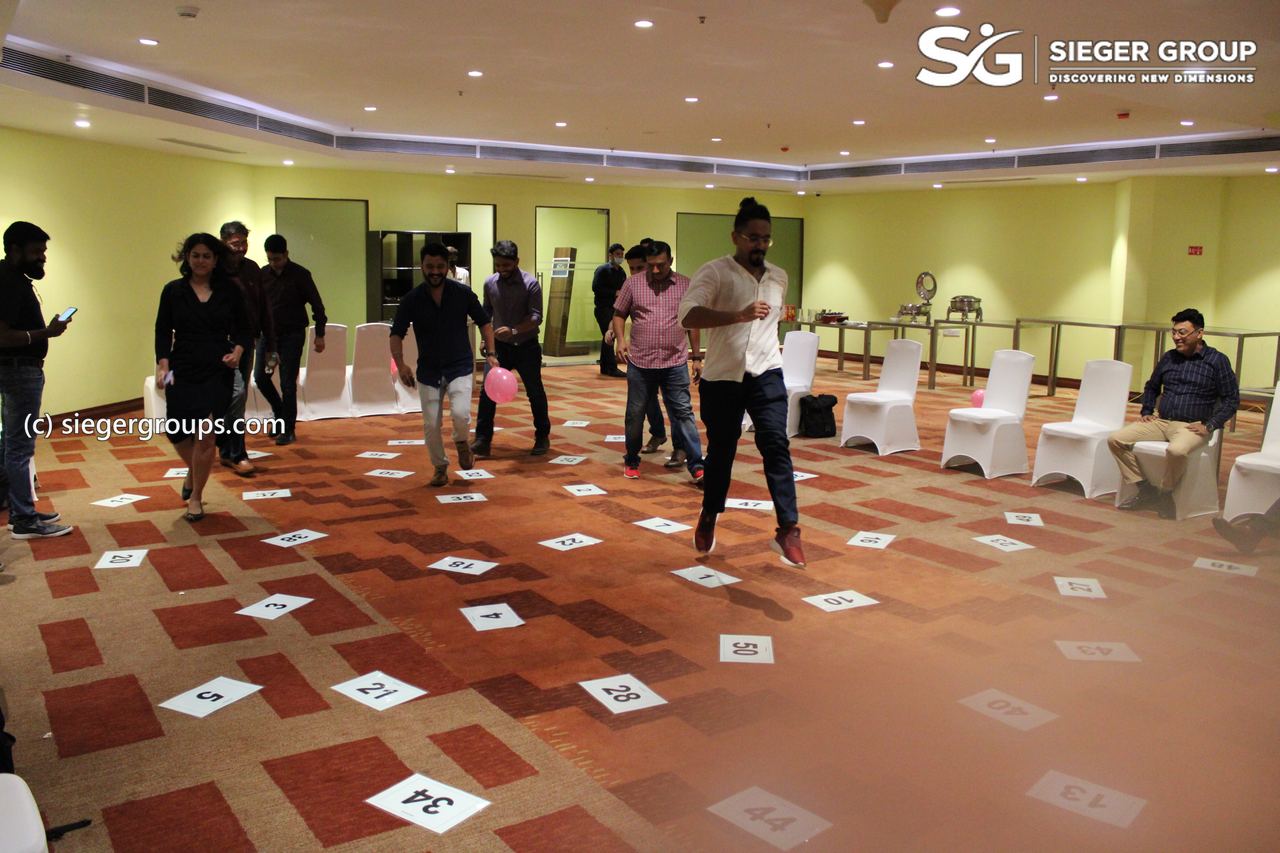
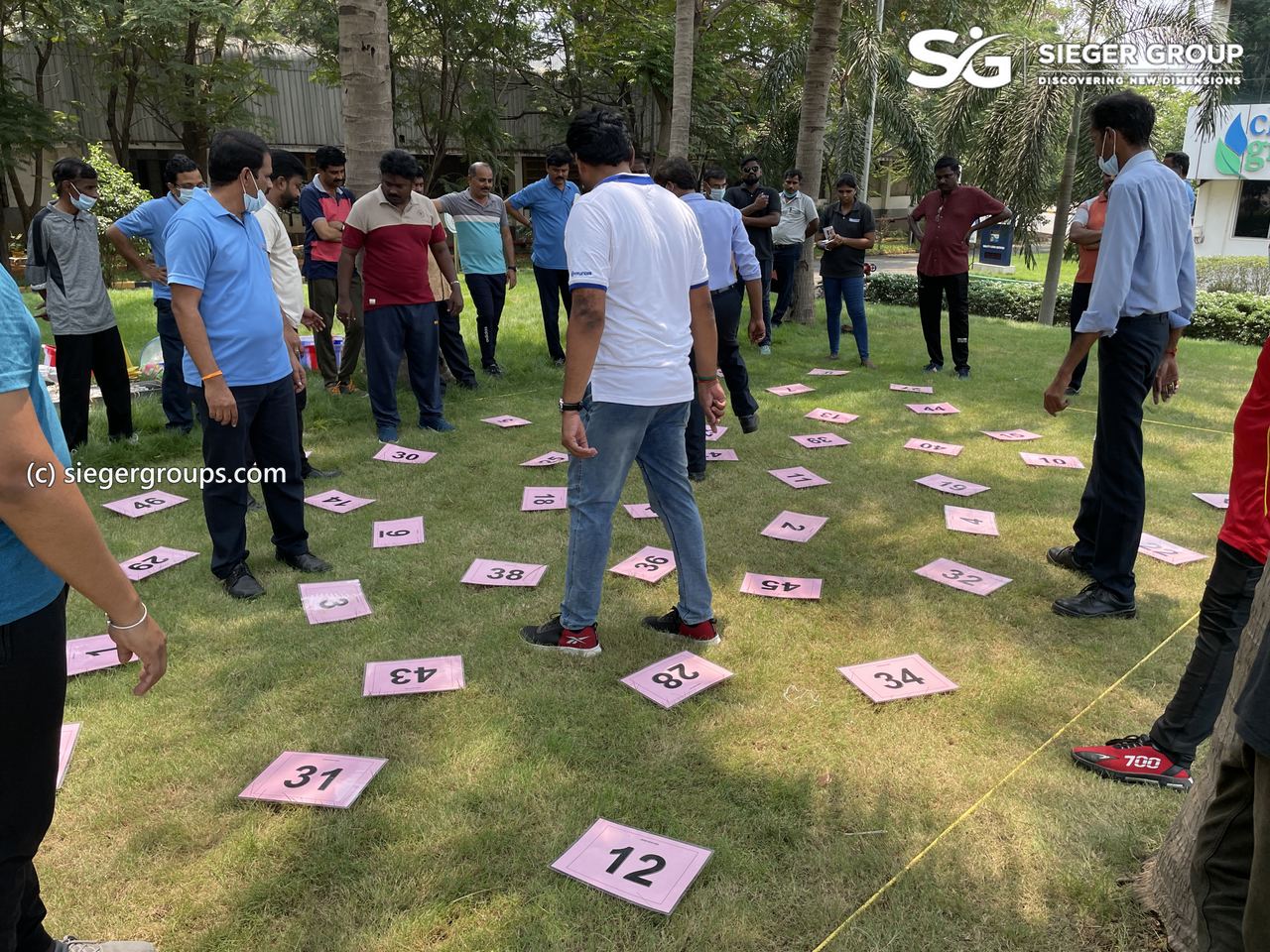
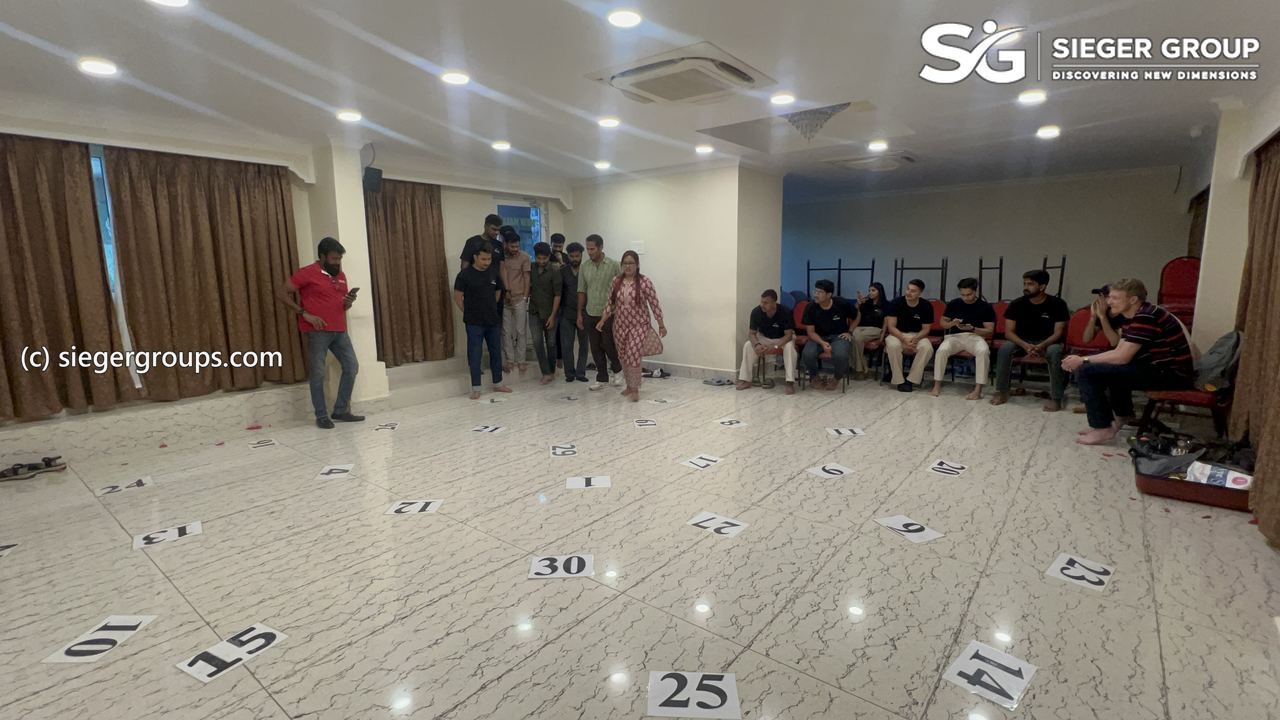
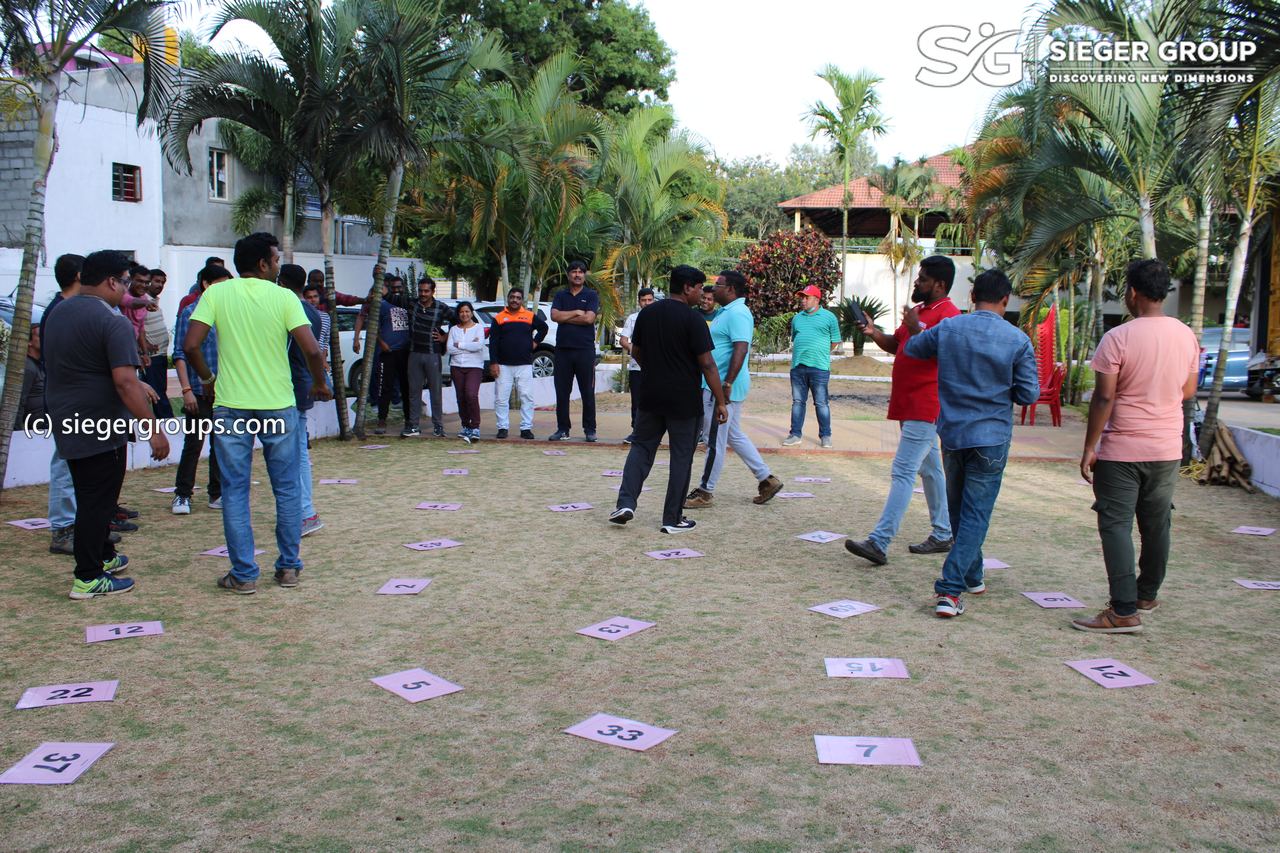
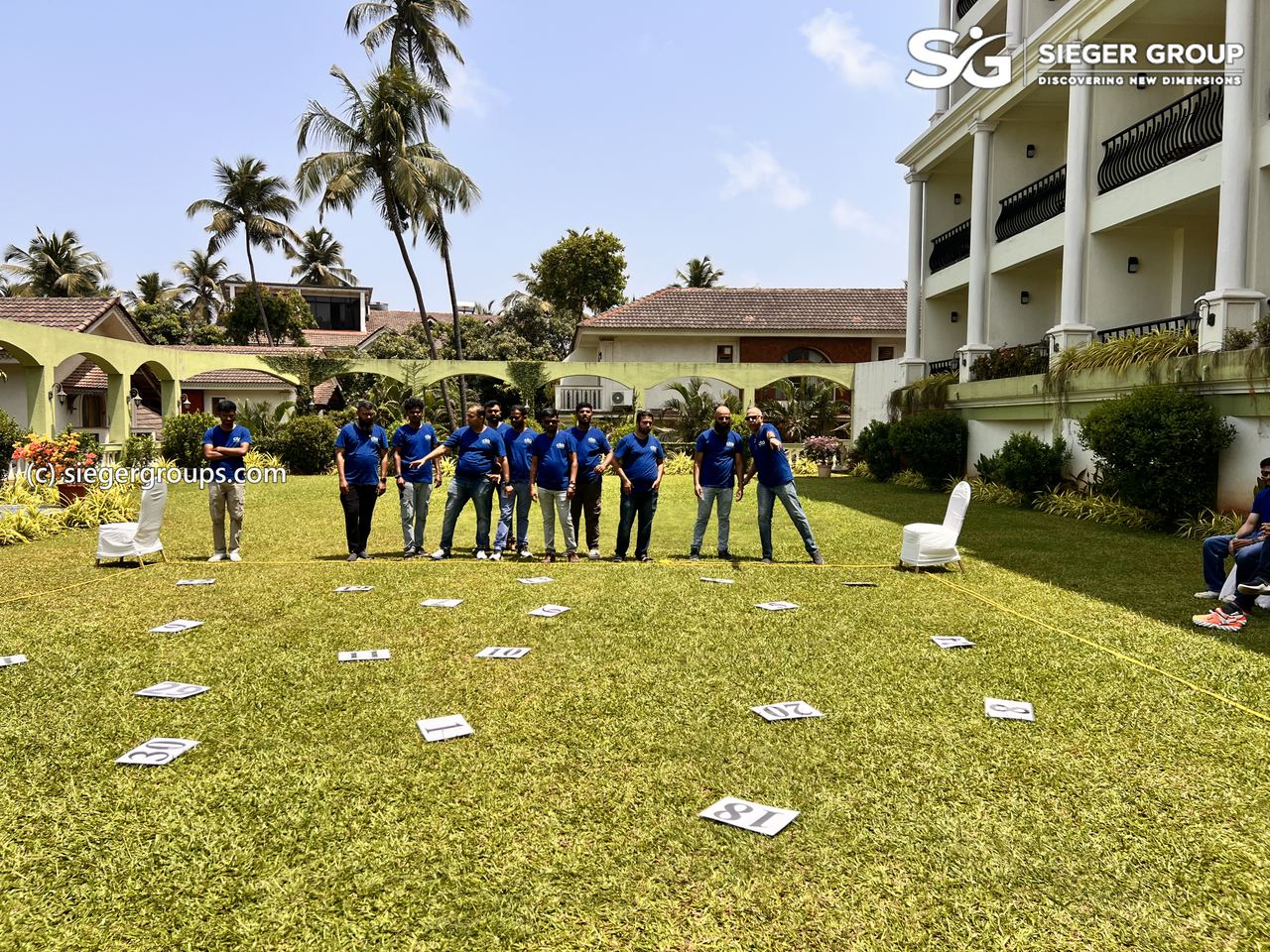
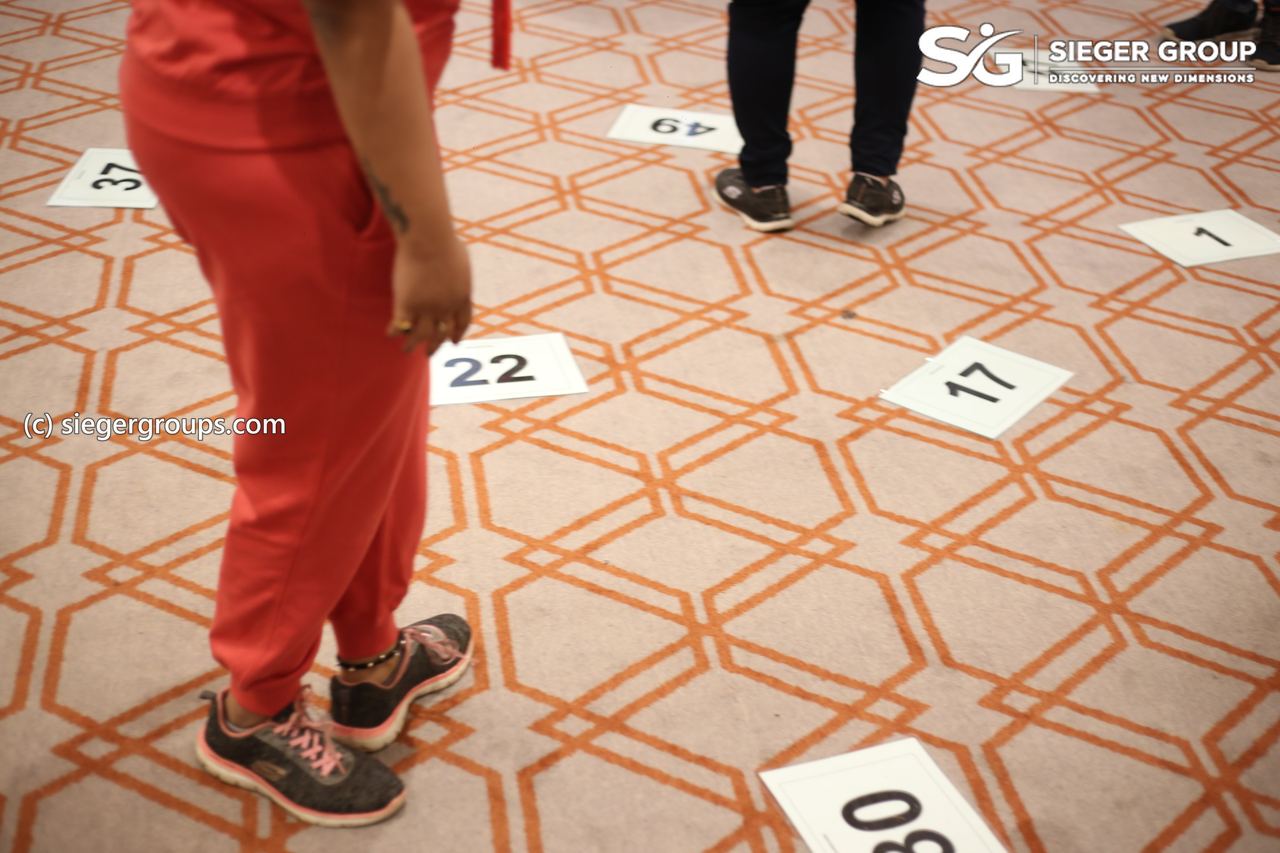
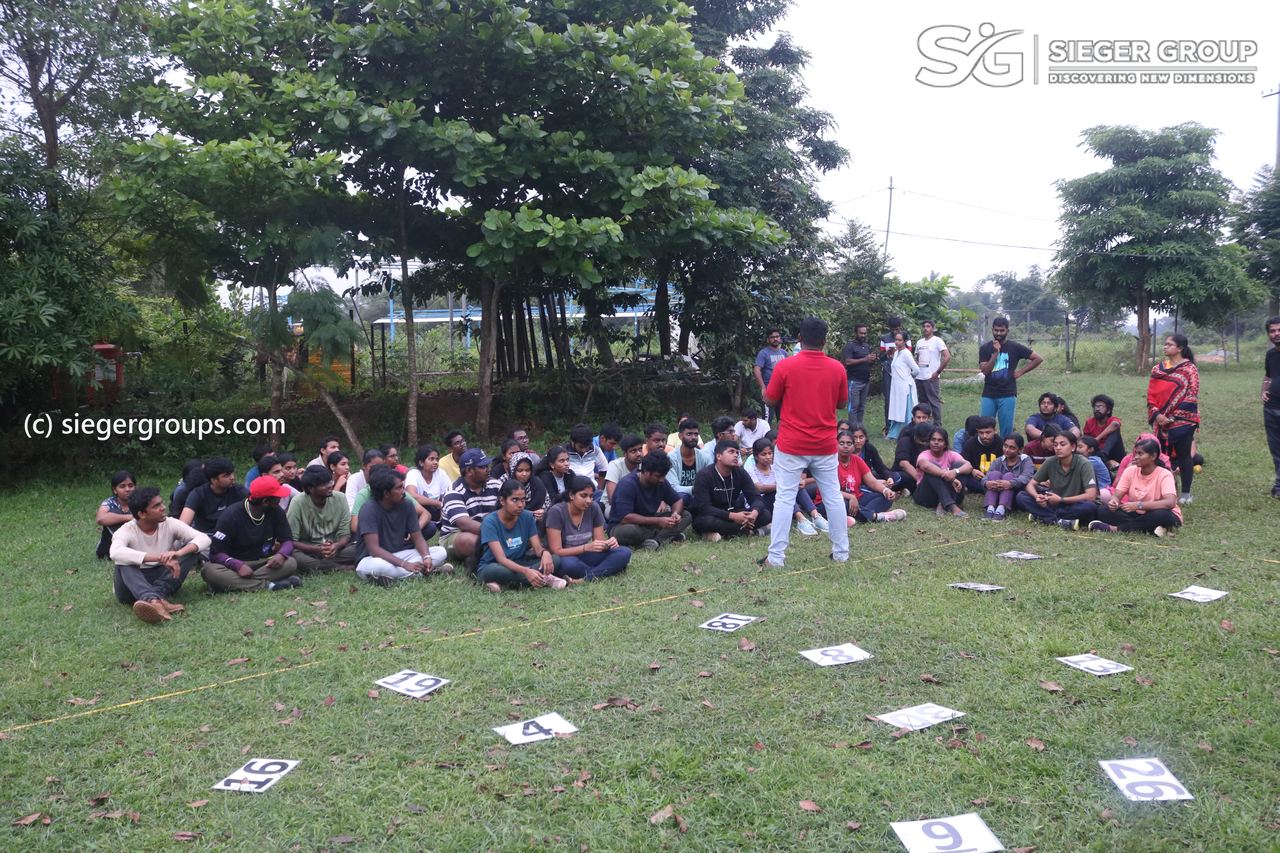
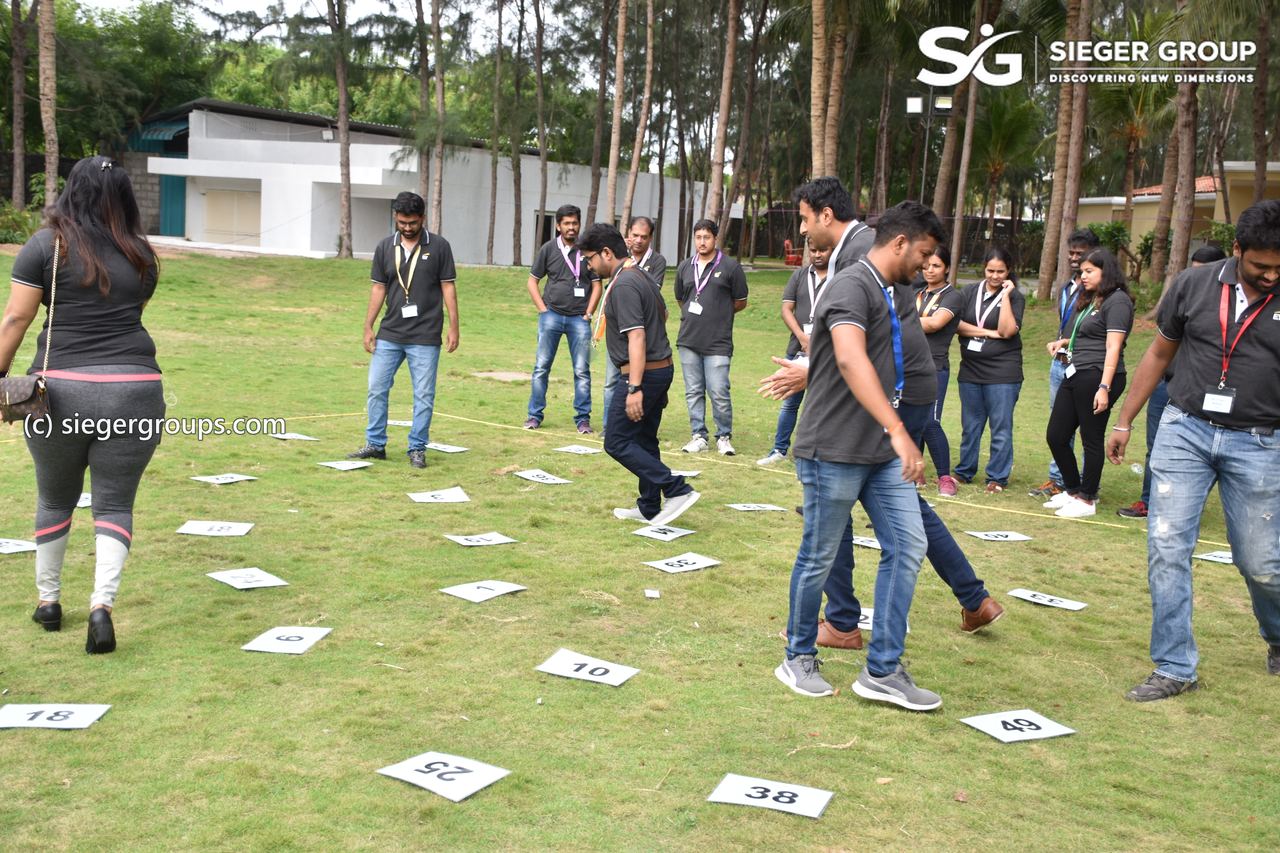
Review the numbered targets and the rules for completing the sequence. How did the team plan its numbered-target sequence?
Plan how the team will navigate the targets before the attempt begins. Which signals reduced confusion during the timed attempt?
Observe time, errors and communication, then adjust the approach where the format allows. What did the group change after reviewing an earlier round?
Discuss which improvement came from evidence gathered during the attempt. How did participants balance speed with the agreed rules?
Use these points to draw out what colleagues can learn from Keypunch Team Challenge.
Reflect on how the team identified a useful change instead of simply trying harder.
Consider how shared understanding of the next target reduced confusion.
Confirm the room layout, team sizes, clue visibility and any language or accessibility adjustments to the brief.
Observe time, errors and communication, then adjust the approach where the format allows.
Consider how shared understanding of the next target reduced confusion.
Plan how the team will navigate the targets before the attempt begins.
How did the team plan its numbered-target sequence?
Change one part of the plan between rounds and compare its effect with the first attempt.
Compare how colleagues handle partial information and build a shared explanation.
Work on the handover between the people who discover evidence and the people who act on it.
Notice how a group questions a popular theory before committing to a decision.
An illustrative running order for Keypunch Team Challenge. Confirm timings, breaks and participation arrangements in your event brief.
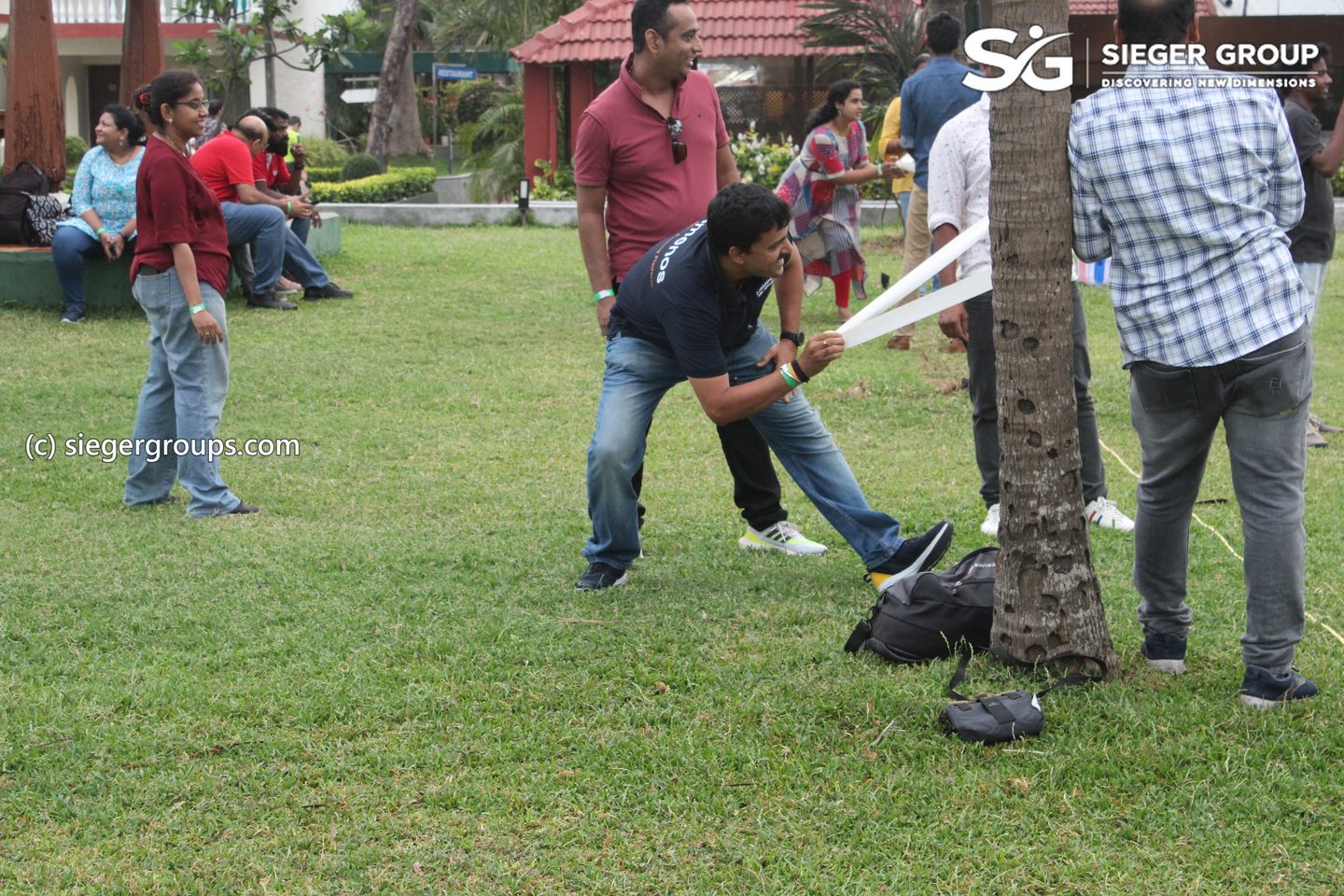
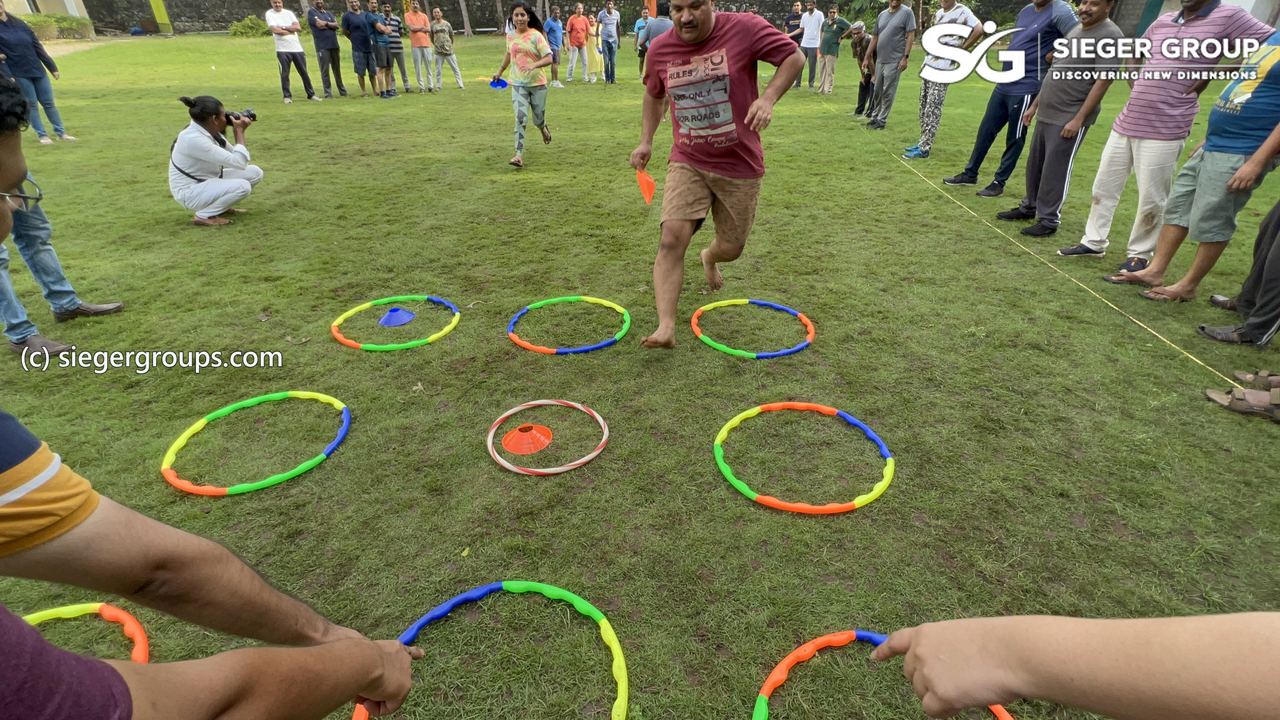
Keypunch increasingly becomes clear to be more about understanding how to use the abilities and resources within the full team to meet challenging targets and objectives. This is an ideal activity to help build a high performance team, which can be used outdoors or in a large indoor space.
Sieger Group supports organisations with team-building experiences and facilitated programmes.
Numbered targets form a shared field that teams must navigate in sequence. Between attempts, they review the route, the roles and the information everyone actually used.
Change one part of the plan between rounds and compare its effect with the first attempt.
Read the target field, Choose a route and roles, Use the round as feedback, Review the strategy change. The final selection is agreed with the organiser.
Project teams and cross-functional groups can use this experience. Compare how colleagues handle partial information and build a shared explanation.
This activity is designed for groups of 20–200. Share your expected headcount and venue so Sieger Group can confirm a suitable arrangement.
Allow 45–60 minutes for the activity session. Sieger Group can confirm the timing against your event schedule and agreed format.
Confirm the room layout, team sizes, clue visibility and any language or accessibility adjustments to the brief.
Share access requirements and preferences when planning the session. The facilitator can discuss roles such as observing, recording decisions or presenting the group’s findings.
Review the numbered targets and the rules for completing the sequence.
Consider how shared understanding of the next target reduced confusion.
Yes. Share the purpose of the offsite and which part of Keypunch Team Challenge you would like to emphasise. The facilitator can discuss how to fit the chosen elements into the wider event.
Use the enquiry form or contact Sieger Group with your preferred date, city, headcount, venue and learning objective. Include any participation or access requests in the brief.
Share your date, city, group size and the outcome you want colleagues to take away.
Request a tailored proposalTell us what you have in mind. We will help you explore a programme that fits your people and your occasion.
Still finalising the details? Share what you know.
Every team is different. Share your people, purpose and preferred setting, and we’ll translate your brief into an experience designed to connect, engage and create lasting impact.
Share your brief and preferred contact details.