Plan the campsite
Review the campsite, equipment allocation and group arrangements before setting up. How did the group divide camp responsibilities fairly?
Learning focusPlanning the shared site
A shared stay at camp makes everyday responsibilities visible. Teams organise common spaces, divide camp duties and check what another group needs before settling in.
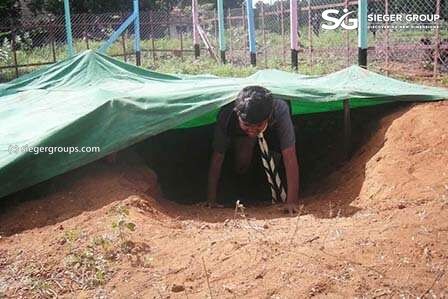
A camp brings everyday group decisions into view. Who takes responsibility for shared kit, how are tasks divided, and what should the next group know? The campsite and length of stay shape the balance between practical tasks, free time and reflection.
Compare the tasks everyone noticed with the work that happened quietly in the background.
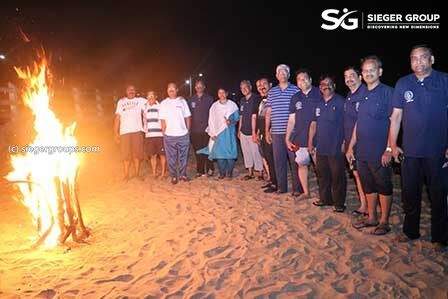
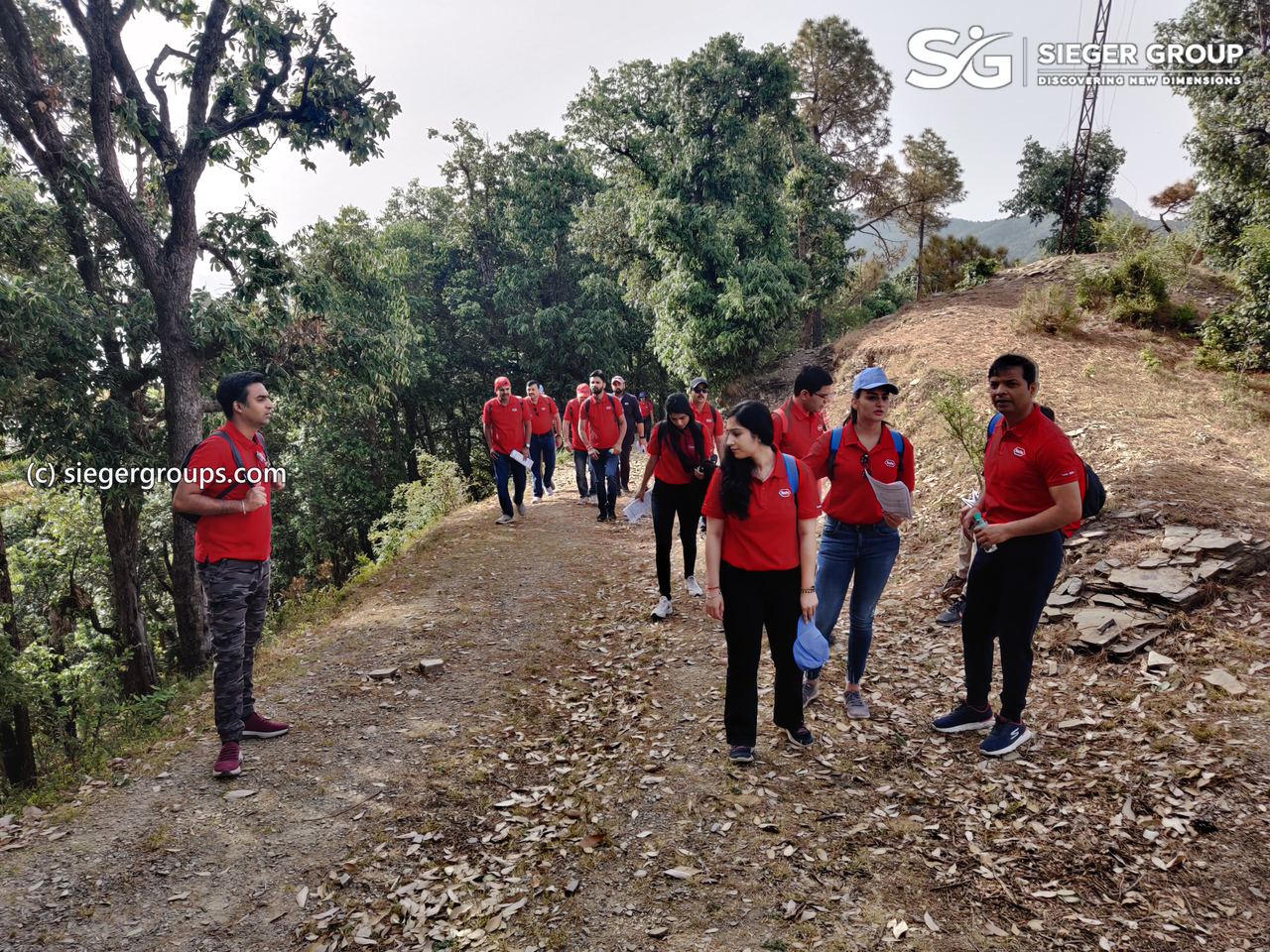
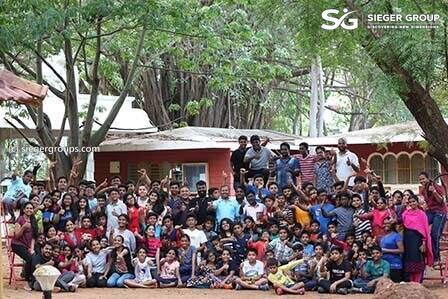
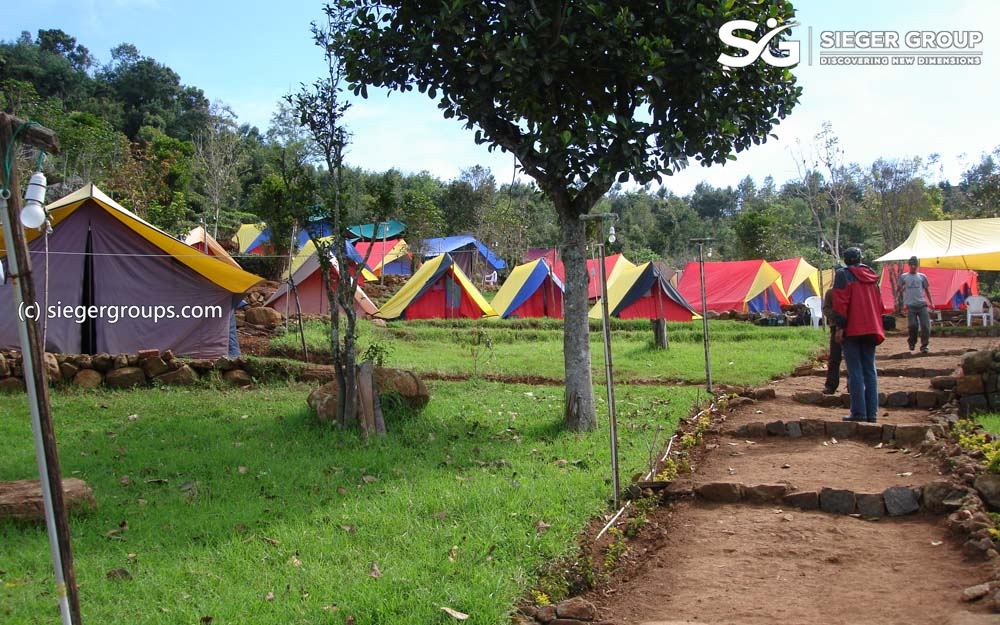
This college outbound programme was filmed at Sieger’s Yelagiri campsite. It gives organisers a view of a group arriving together and taking part on site.

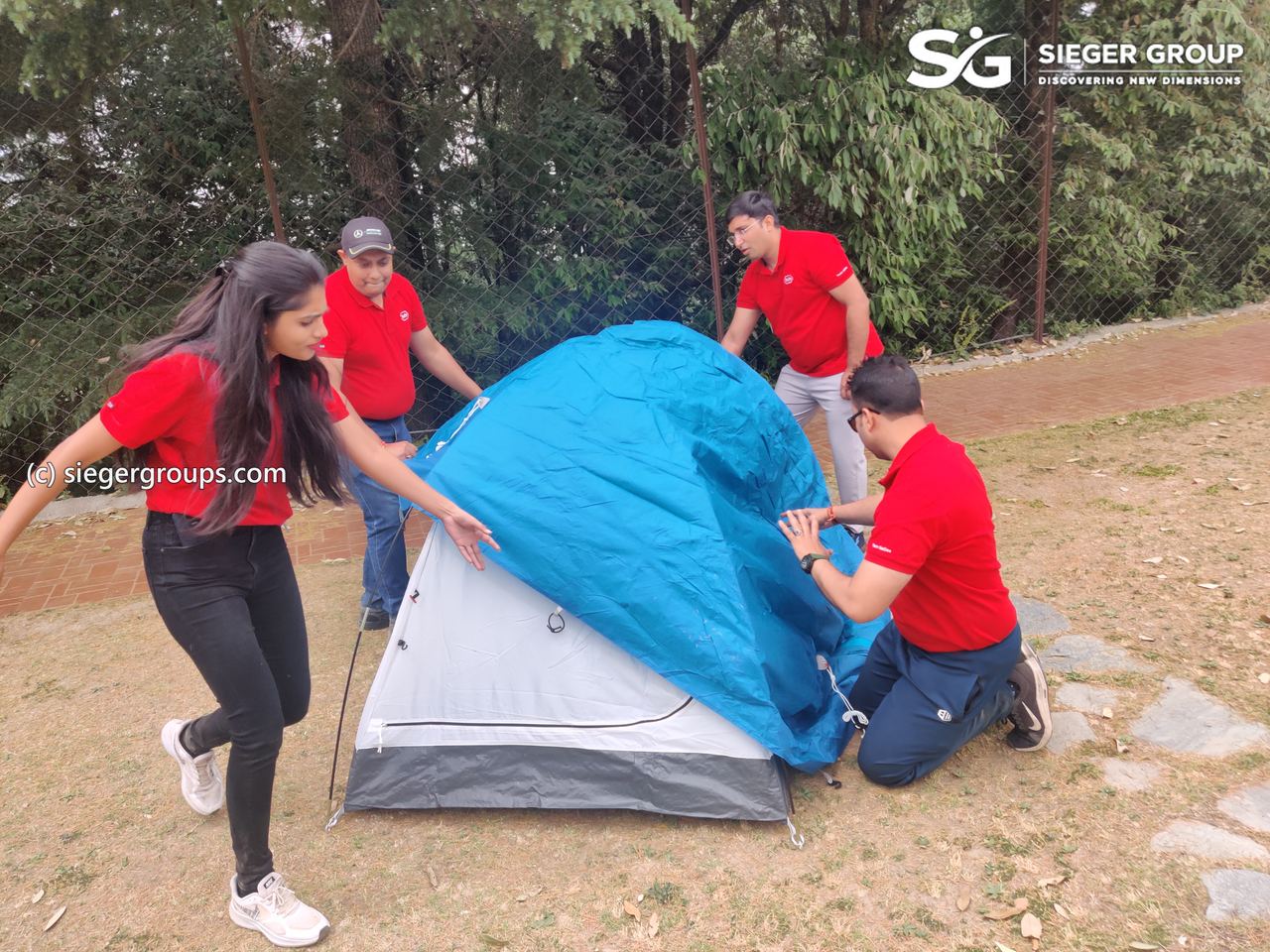
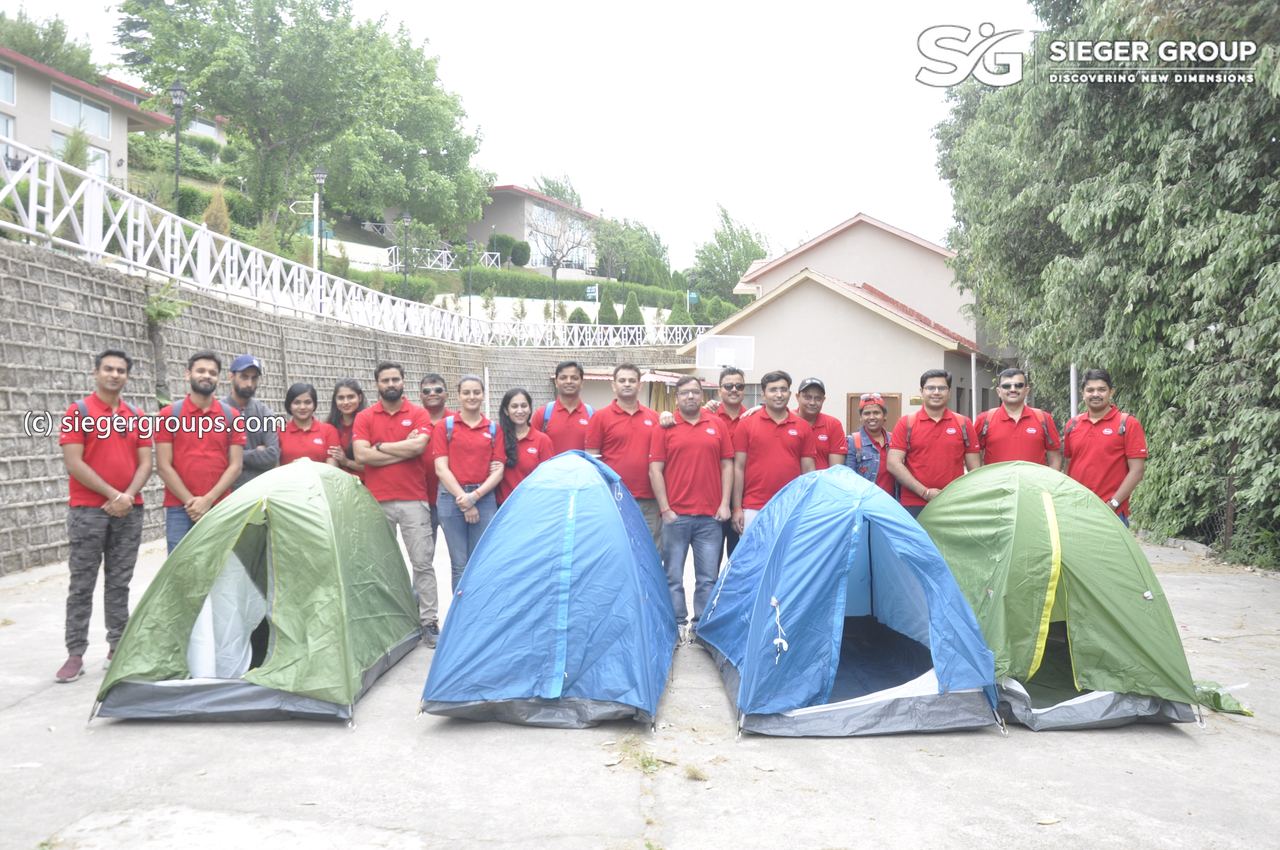
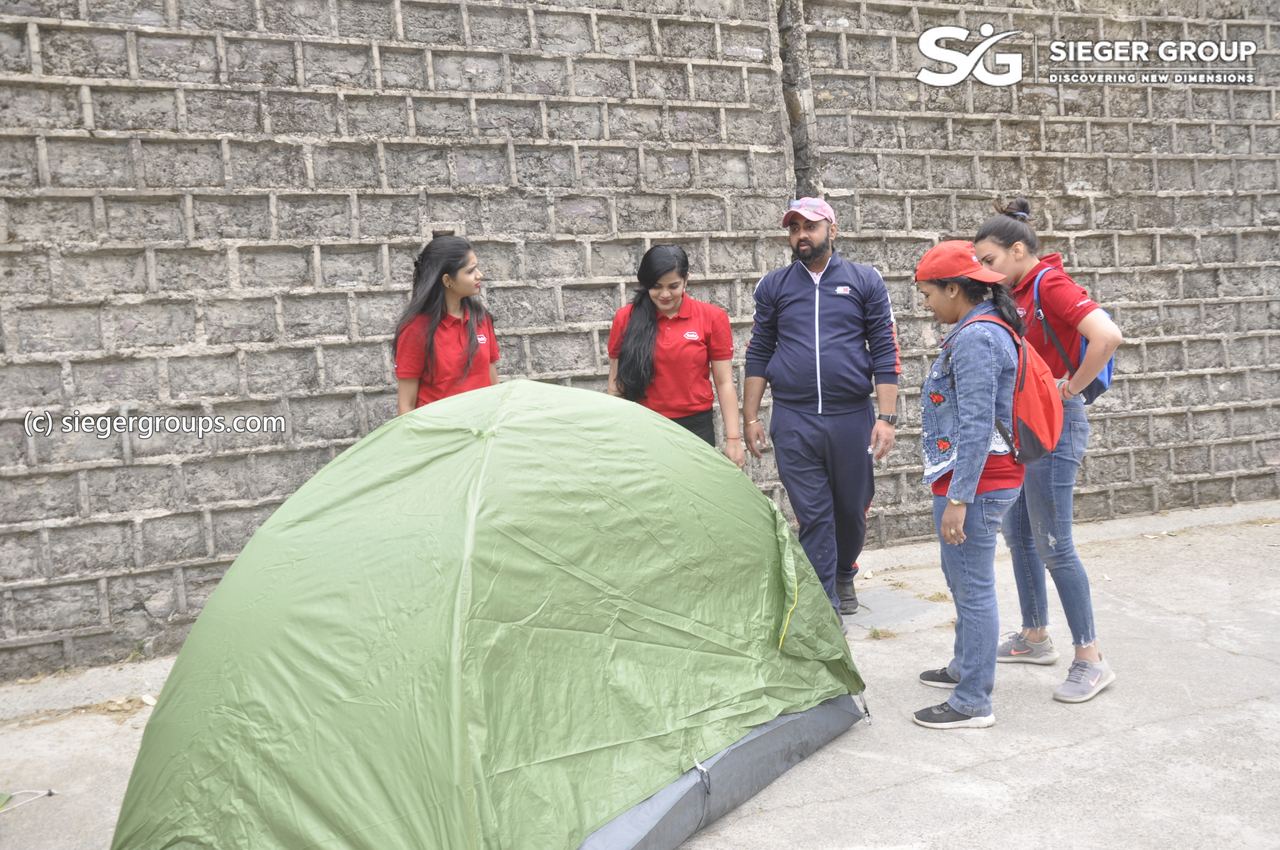
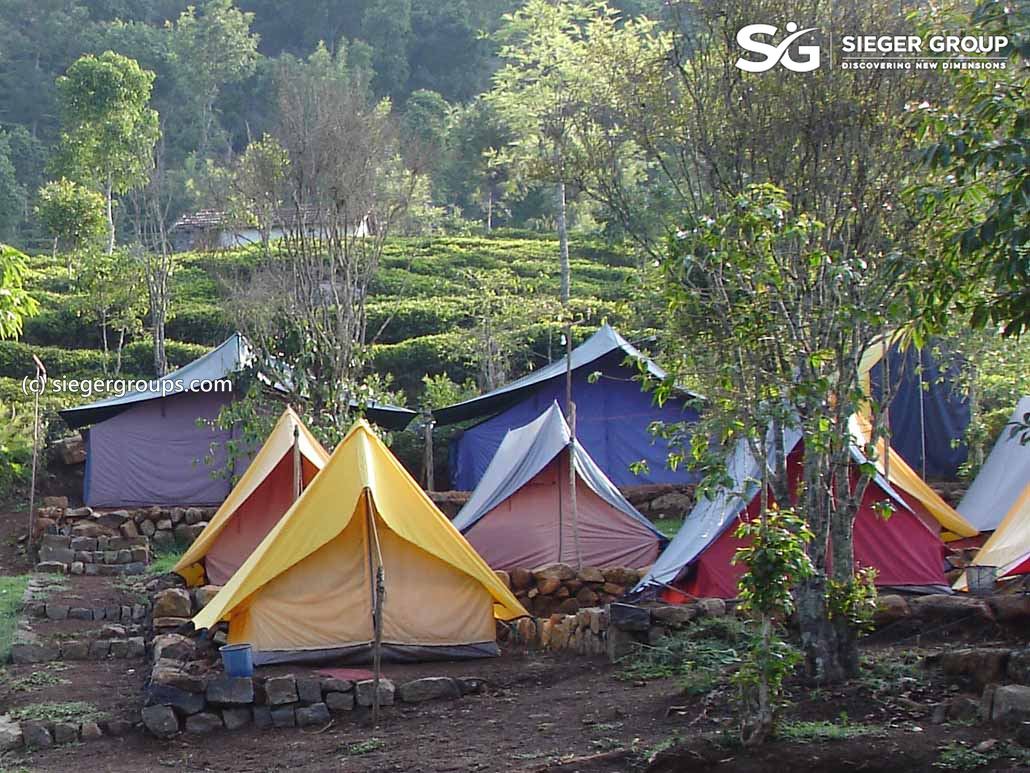
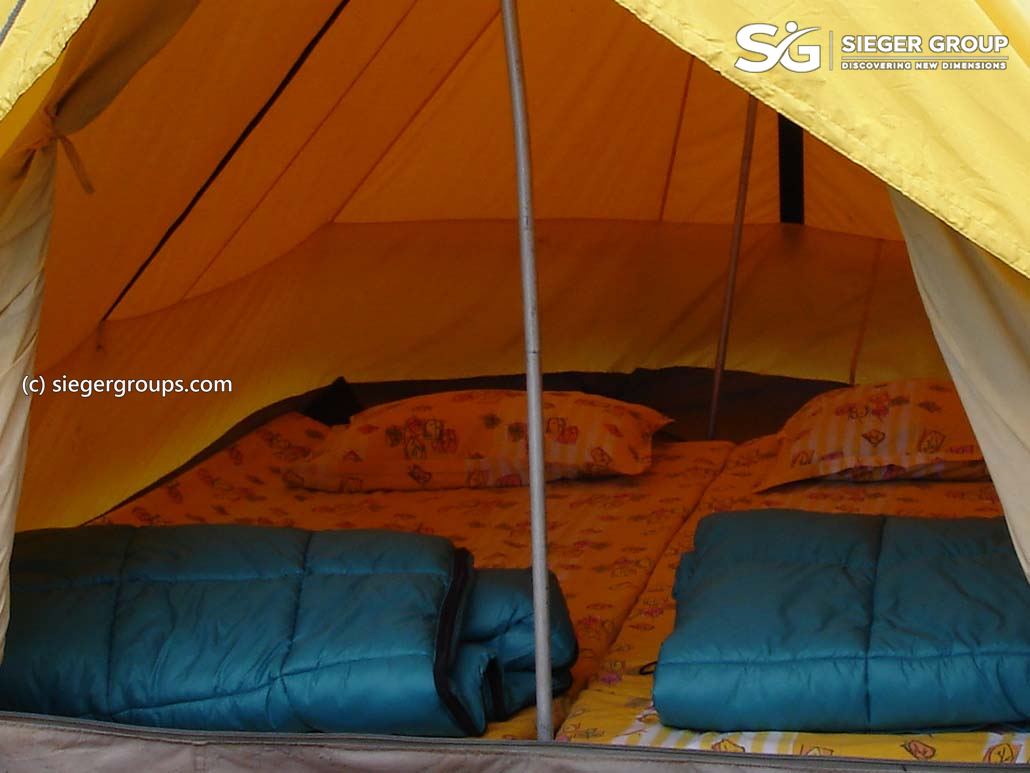
Discuss Plan the campsite with your facilitator when choosing the activities for your group.
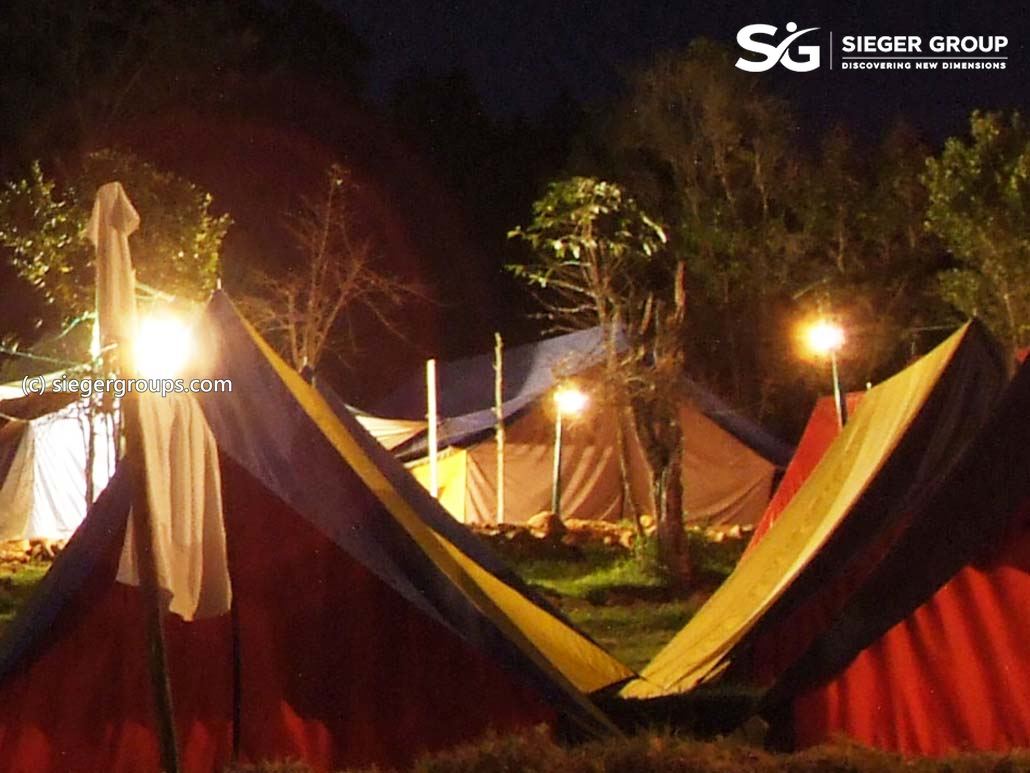
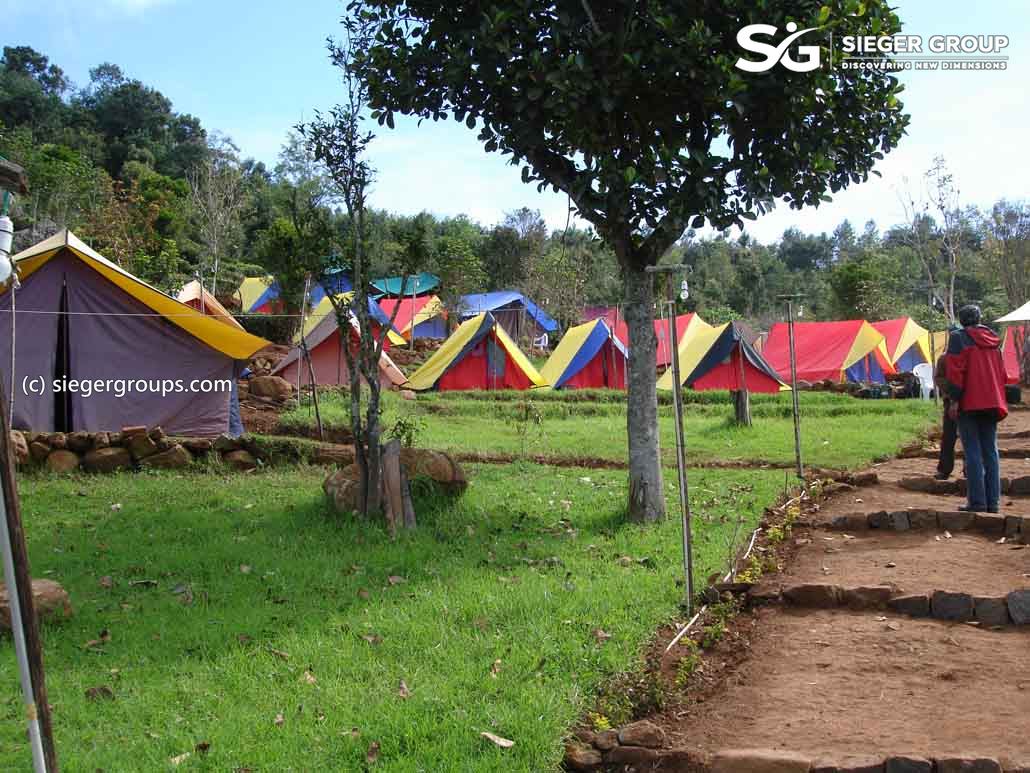
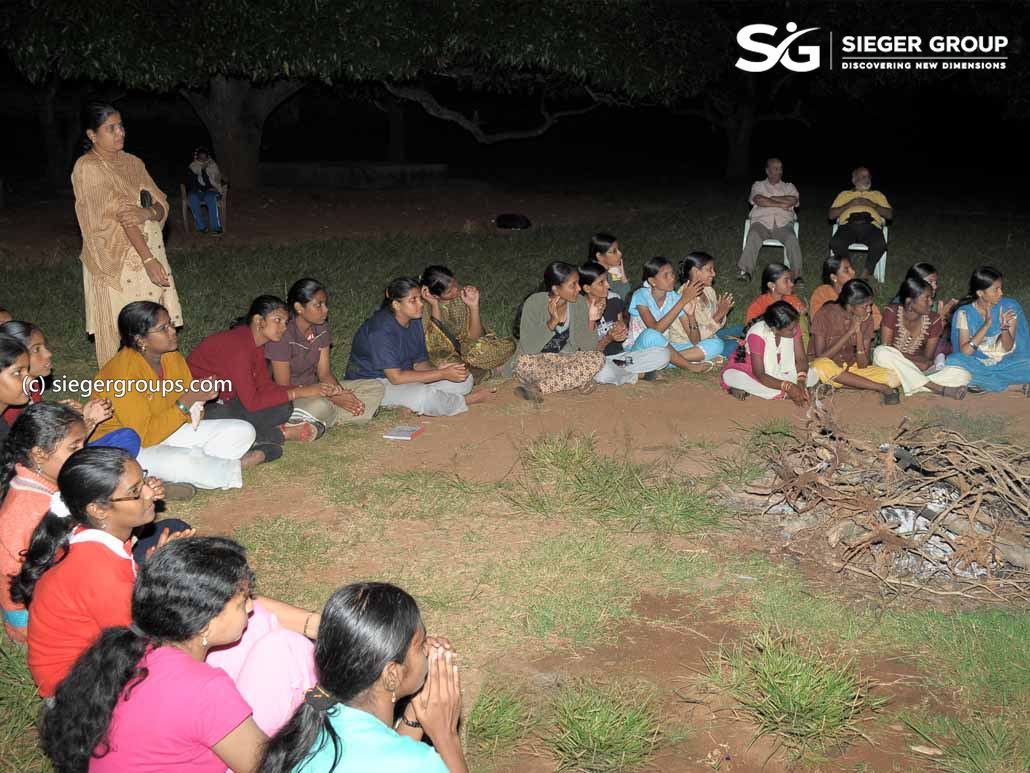
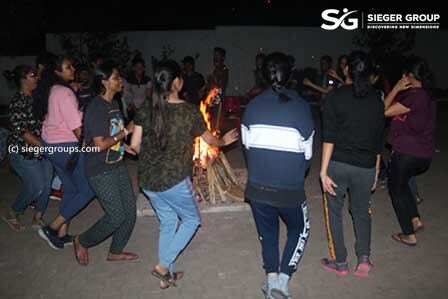
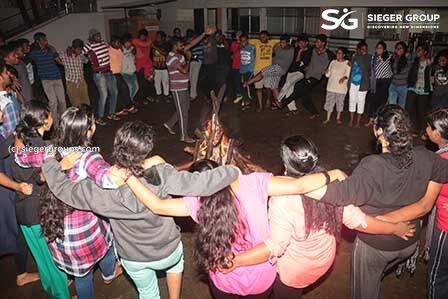
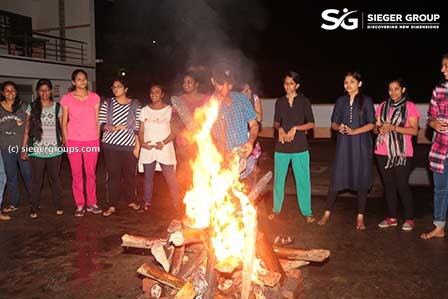
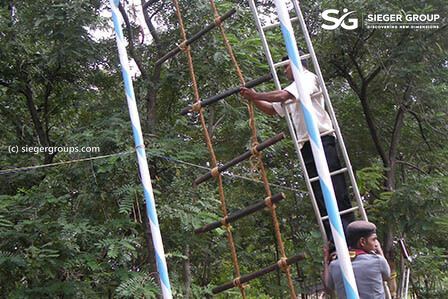
Review the campsite, equipment allocation and group arrangements before setting up. How did the group divide camp responsibilities fairly?
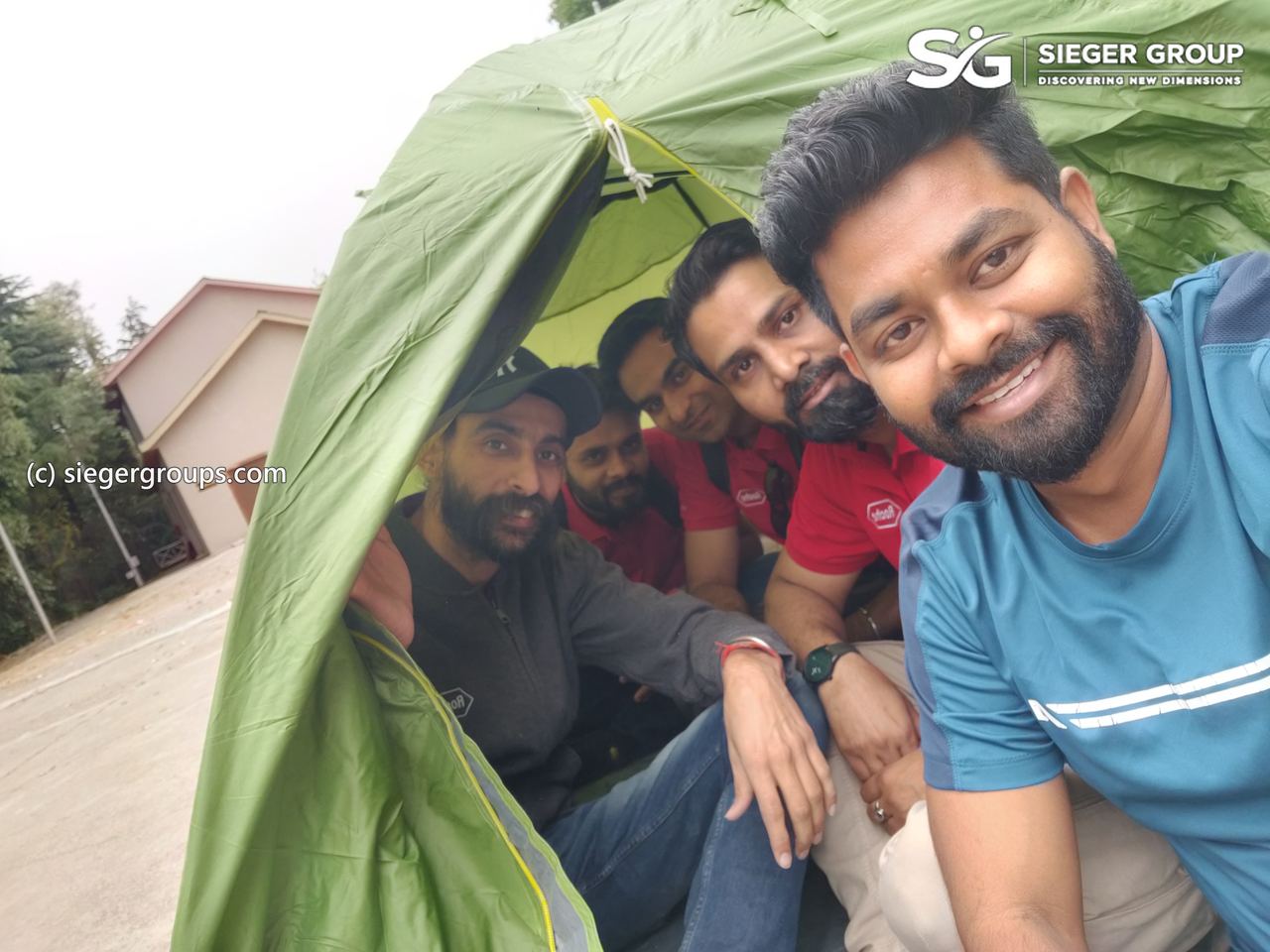
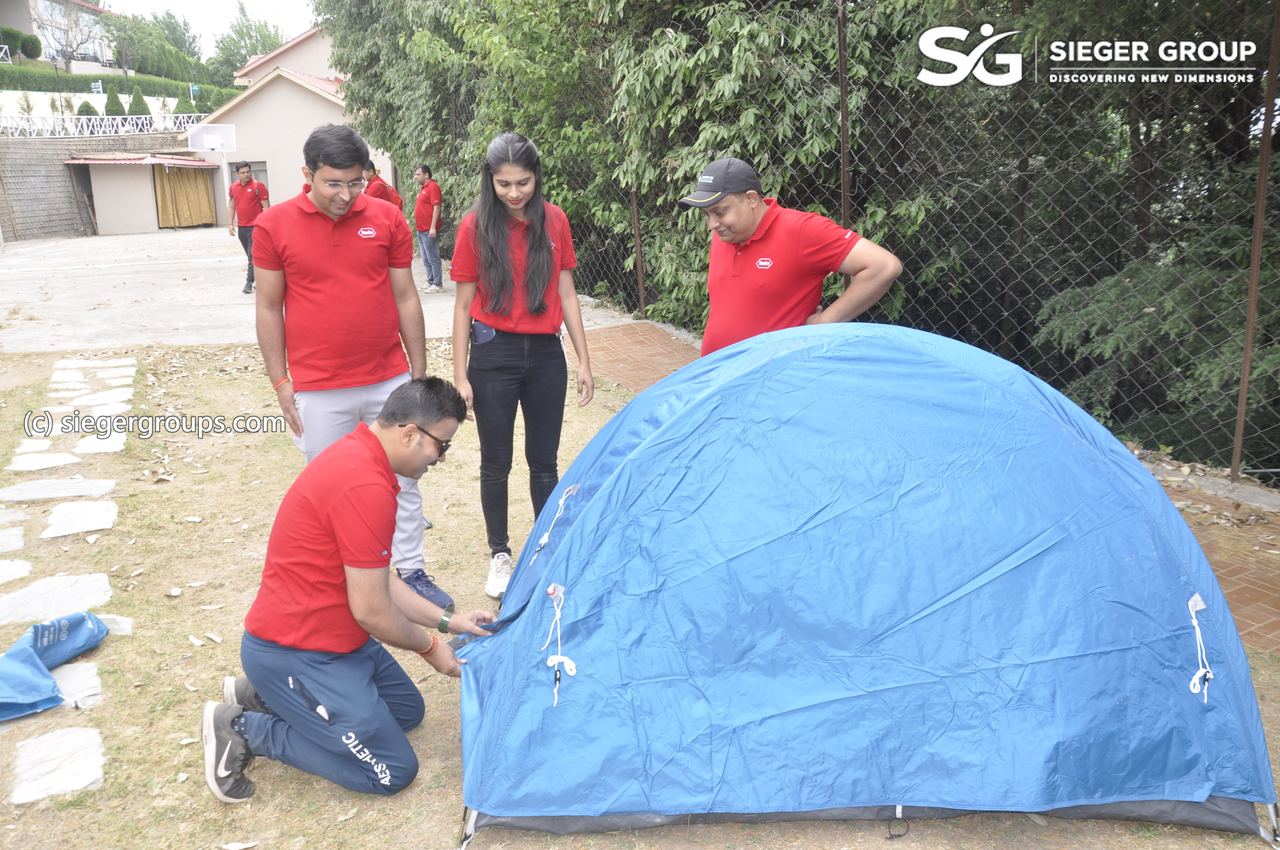
Coordinate tent setup and other agreed responsibilities so the outdoor base works for everyone. Which preparations proved useful once the team reached the campsite?
Respond together to practical needs as the camping programme develops. How did colleagues adjust when outdoor conditions changed?
Discuss which preparations made camp life smoother and which handovers needed more clarity. What helped the team care for shared equipment and space?
Use these points to draw out what colleagues can learn from Team Camping and Tenting.
Notice how small camp duties affect the comfort and organisation of the whole group.
Reflect on the difference between an assumed requirement and one discovered at the campsite.
The venue operator confirms available activities, local conditions, participation requirements and suitable alternatives.
Respond together to practical needs as the camping programme develops.
Reflect on the difference between an assumed requirement and one discovered at the campsite.
Coordinate tent setup and other agreed responsibilities so the outdoor base works for everyone.
How did the group divide camp responsibilities fairly?
Compare the tasks everyone noticed with the work that happened quietly in the background.
Plan an outdoor experience around the group’s interests, venue and participation preferences.
Observe how people communicate personal goals and respond to a colleague’s choice.
Agree site requirements, provider guidance, alternatives and observation roles before selecting activities.
An illustrative running order for Team Camping and Tenting. Confirm timings, breaks and participation arrangements in your event brief.
Camping is an outdoor recreational activity in which participants take up temporary residence in the outdoors, using tents or specially designed & erected as a temporary residence for shelter. Camping became popular in the early 20th century.
Sieger Group supports organisations with team-building experiences and facilitated programmes.
A shared stay at camp makes everyday responsibilities visible. Teams organise common spaces, divide camp duties and check what another group needs before settling in.
Compare the tasks everyone noticed with the work that happened quietly in the background.
Plan the campsite, Share the camp tasks, Live the shared plan, Review collective responsibility. The final selection is agreed with the organiser.
Corporate offsite groups and teams exploring mutual support can use this experience. Plan an outdoor experience around the group’s interests, venue and participation preferences.
This activity is designed for groups of 20–200. Share your expected headcount and venue so Sieger Group can confirm a suitable arrangement.
Allow 24–48 hours with overnight stay for the activity session. Sieger Group can confirm the timing against your event schedule and agreed format.
The venue operator confirms available activities, local conditions, participation requirements and suitable alternatives.
Yes. Discuss active and observer roles before the event. The venue or specialist provider confirms which options are suitable for the selected format.
Review the campsite, equipment allocation and group arrangements before setting up.
Reflect on the difference between an assumed requirement and one discovered at the campsite.
Yes. Share the purpose of the offsite and which part of Team Camping and Tenting you would like to emphasise. The facilitator can discuss how to fit the chosen elements into the wider event.
Use the enquiry form or contact Sieger Group with your preferred date, city, headcount, venue and learning objective. Include any participation or access requests in the brief.
Share your date, city, group size and the outcome you want colleagues to take away.
Request a tailored proposalTell us what you have in mind. We will help you explore a programme that fits your people and your occasion.
Still finalising the details? Share what you know.
Every team is different. Share your people, purpose and preferred setting, and we’ll translate your brief into an experience designed to connect, engage and create lasting impact.
Share your brief and preferred contact details.