Agree the movement cues
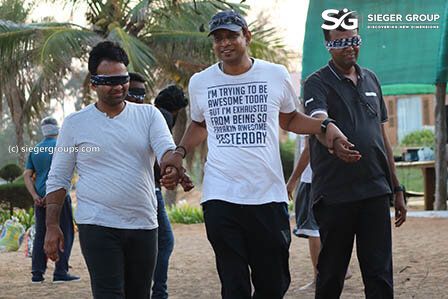
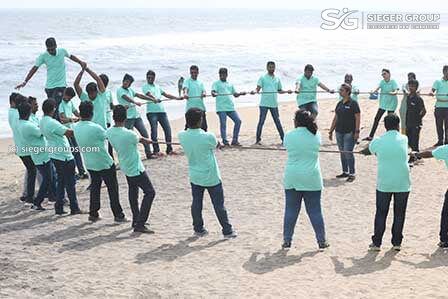
Clarify the Blind Mind formation, route boundaries and communication signals before blindfolded movement begins. Which verbal cues helped the moving formation stay connected?
Learning focusAgreeing movement cues
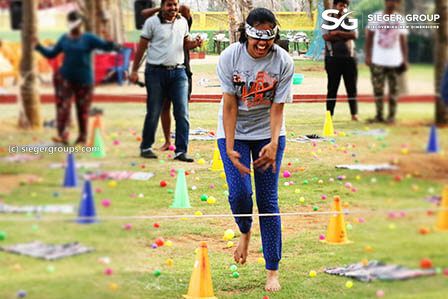
A group follows shared cues when participants have different access to visual information. Instructions that sound clear to the speaker can mean something else to the listener.
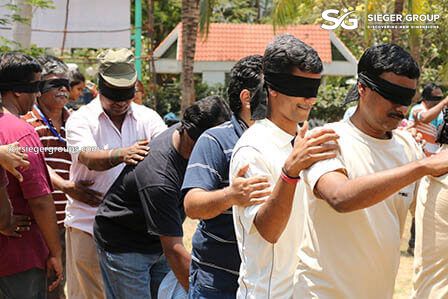
Participants work through a group challenge with different access to visual information. A direction that sounds clear to the speaker may mean something different to the listener. Colleagues practise checking what was heard before offering the next cue.
Let the listener repeat a cue in their own words before the group moves on.
Use this recording to discuss how colleagues can give a clear cue and check that it has been understood during a blindfold challenge.
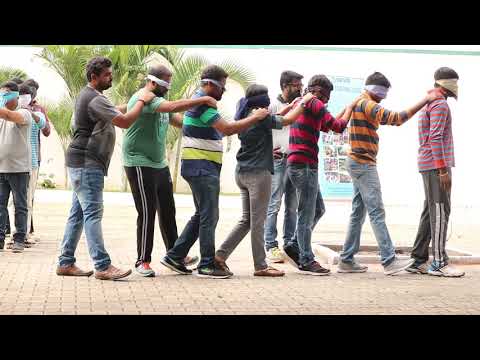
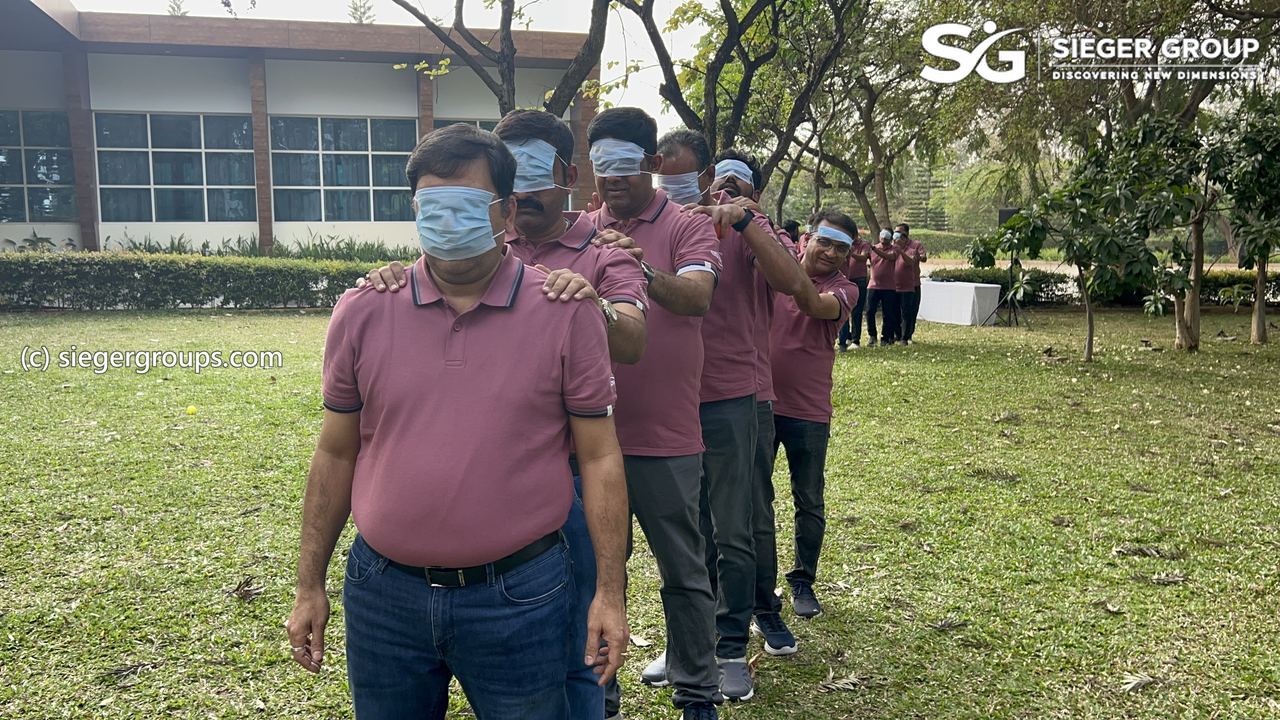
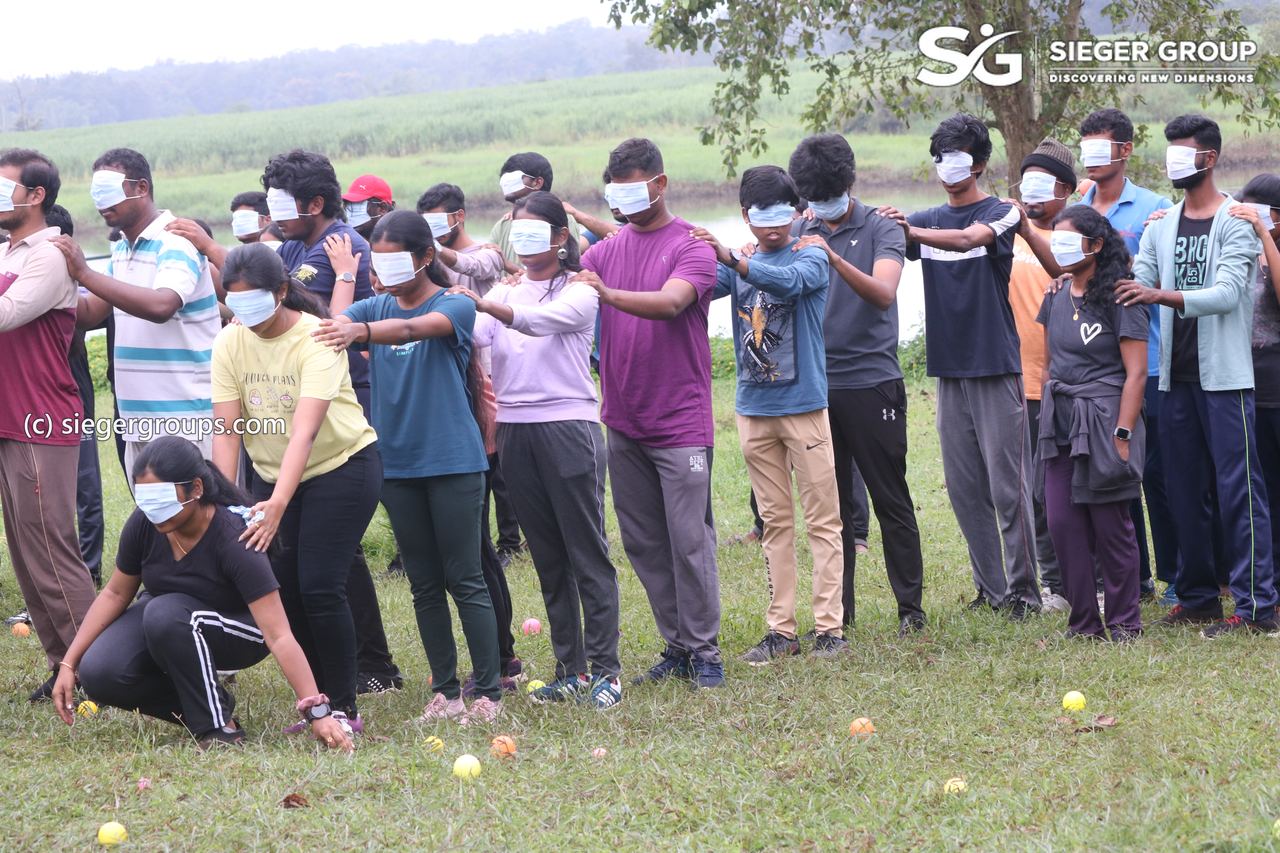
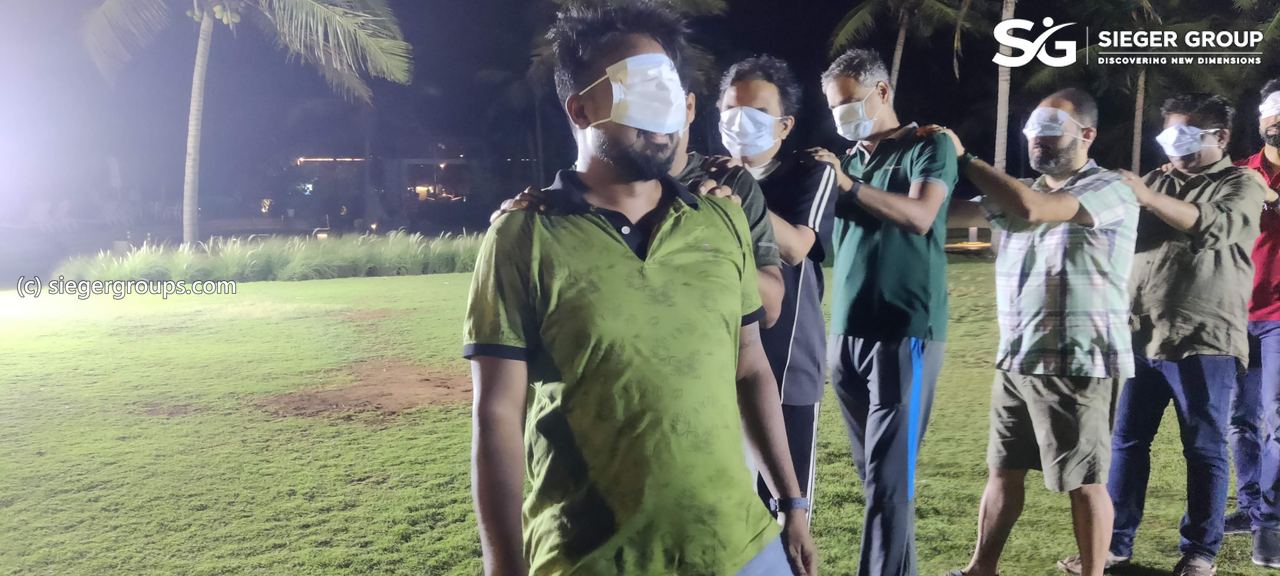
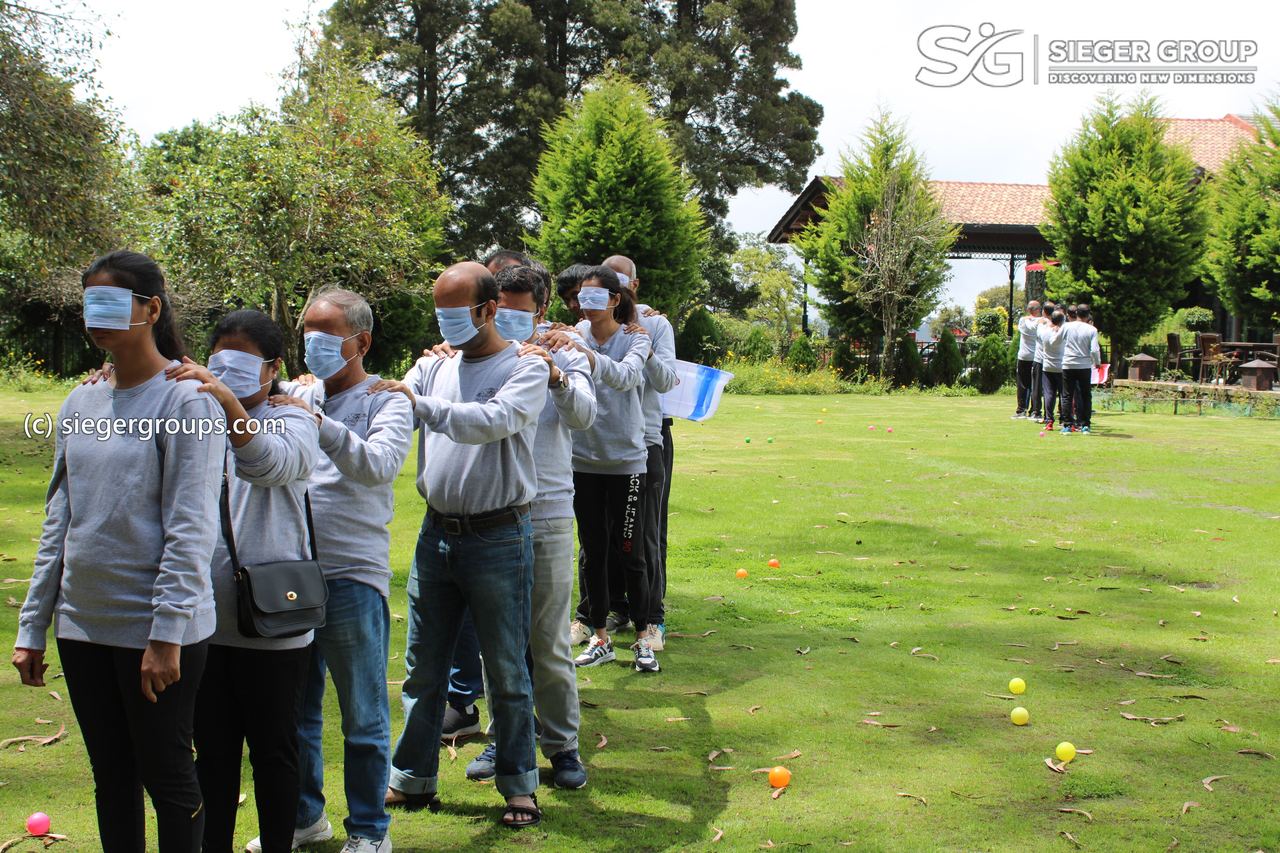
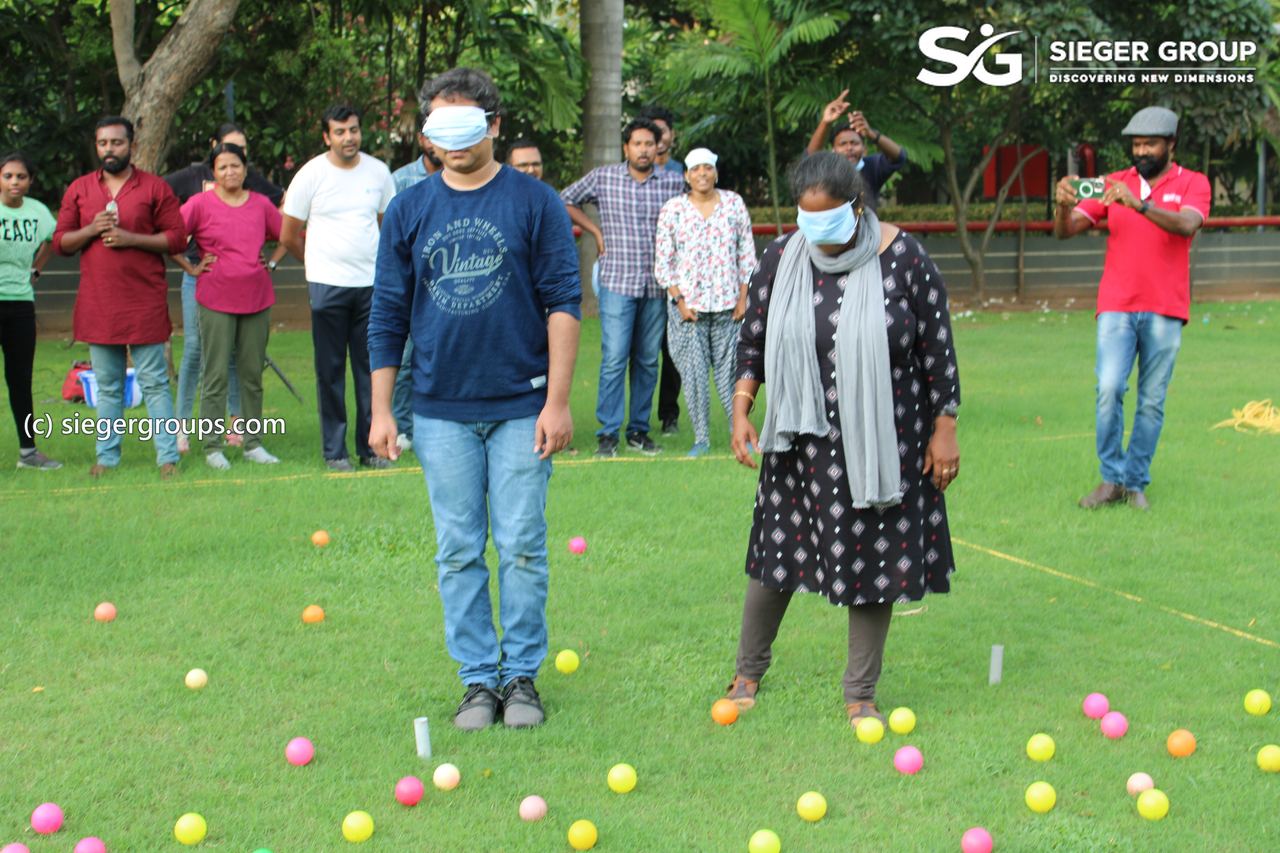
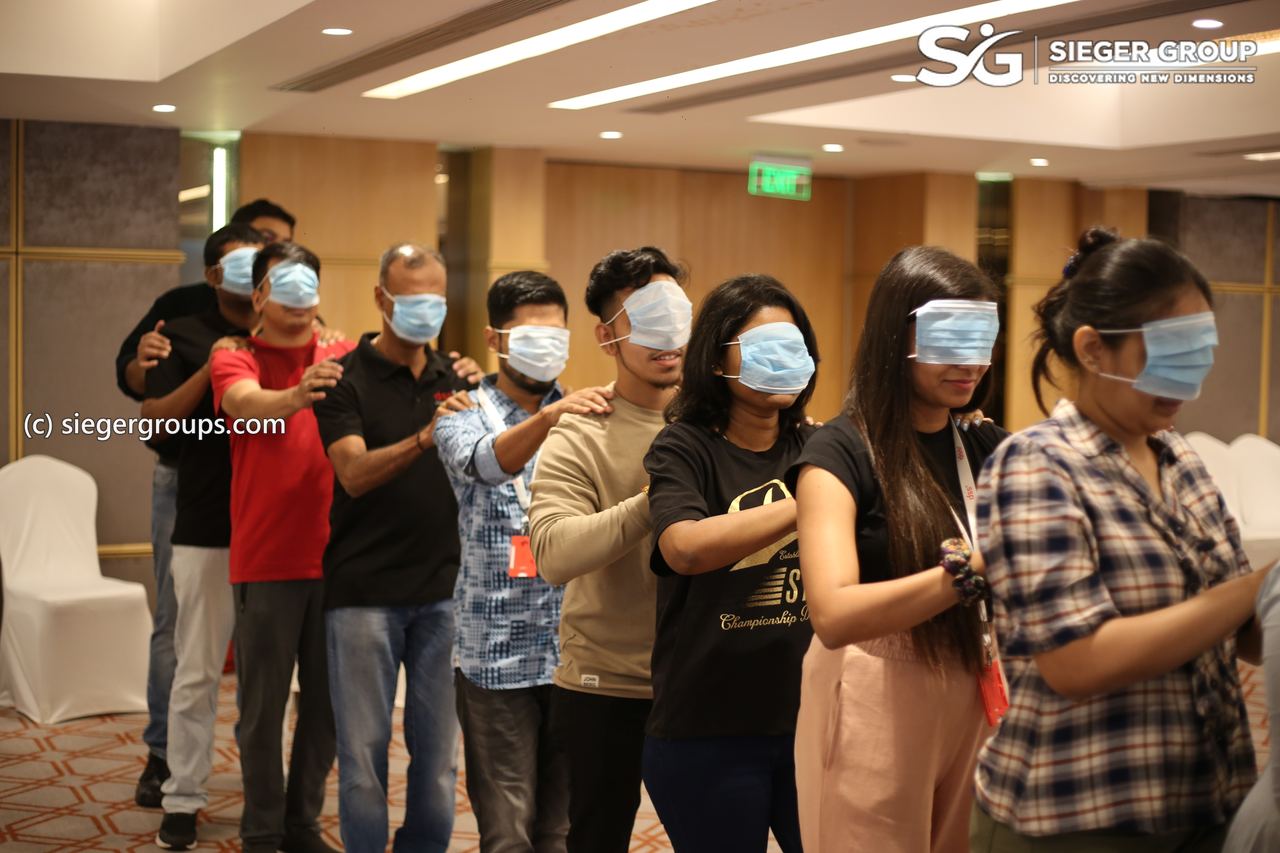
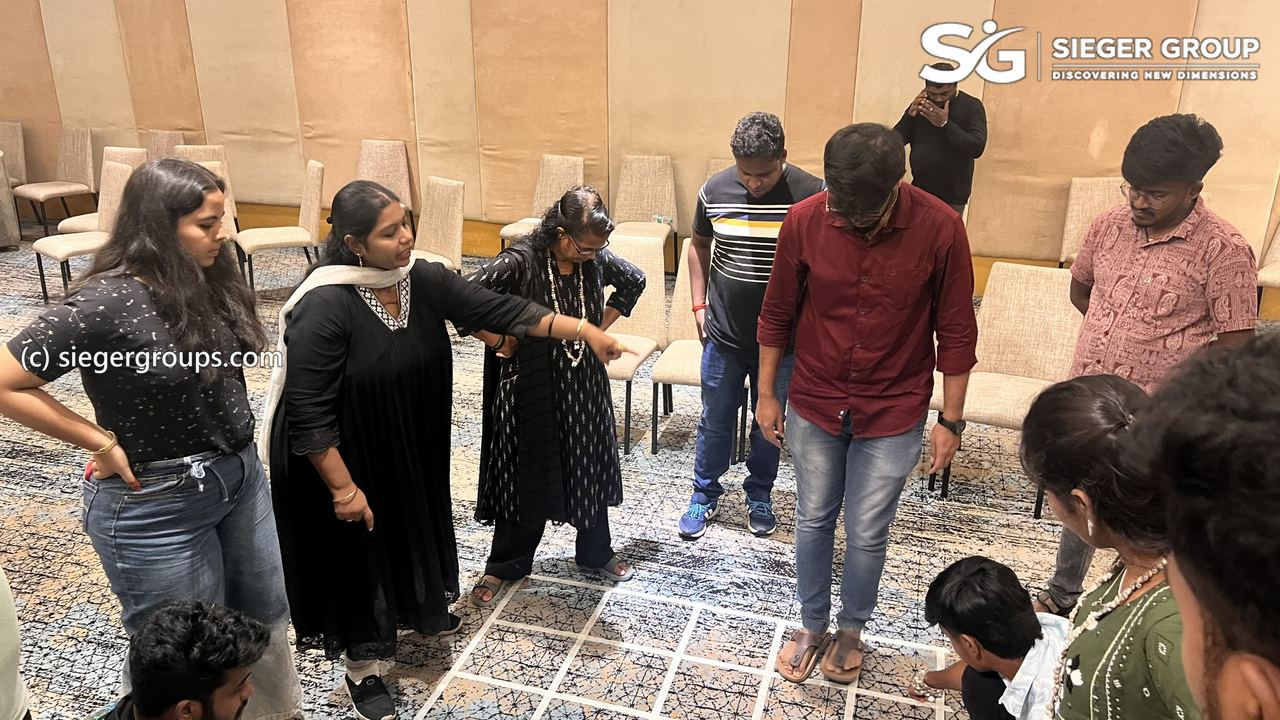
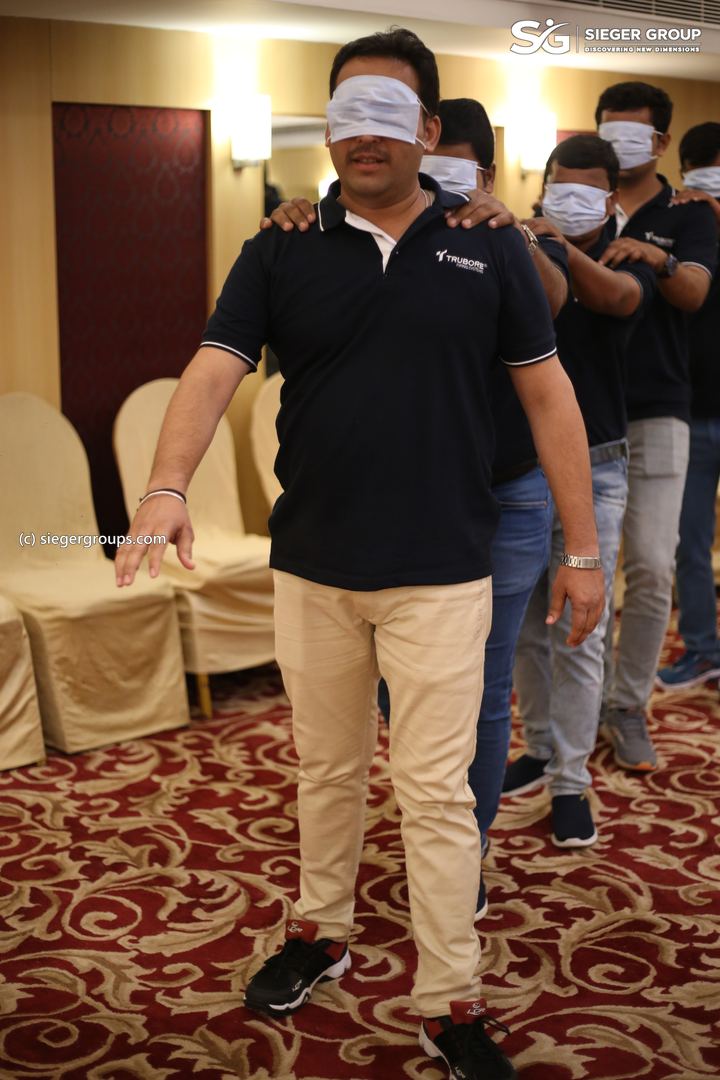
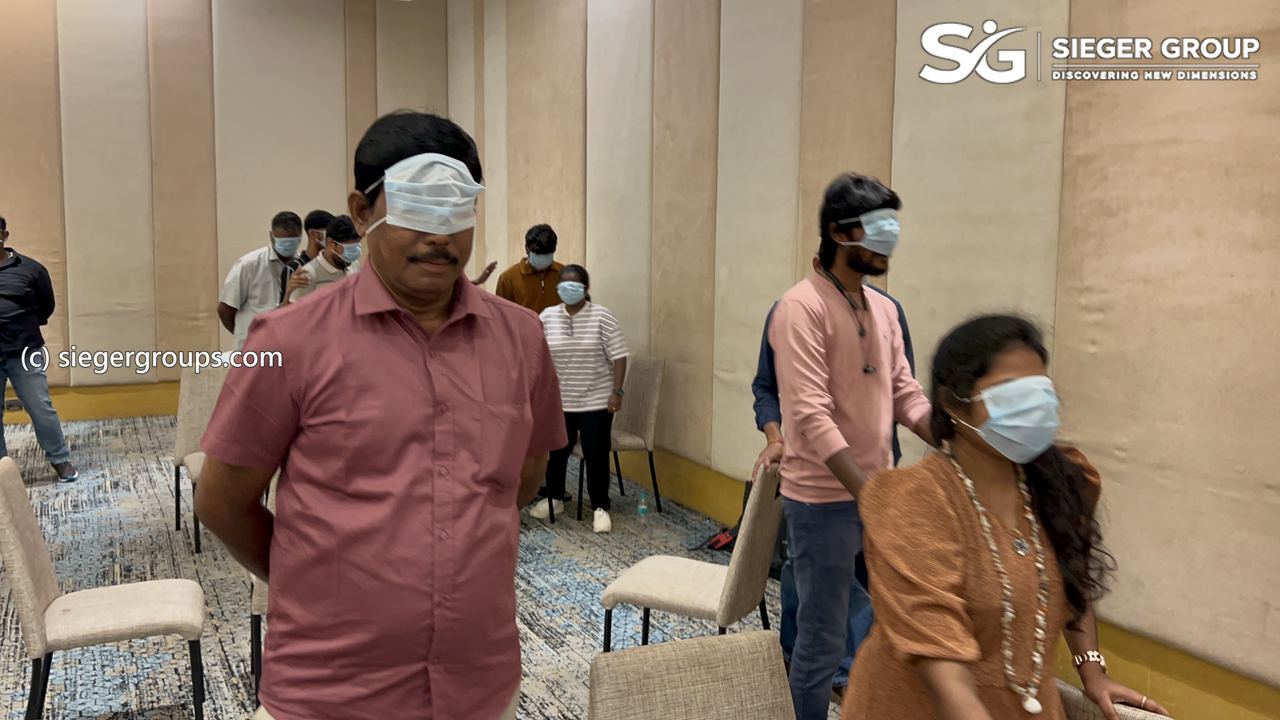
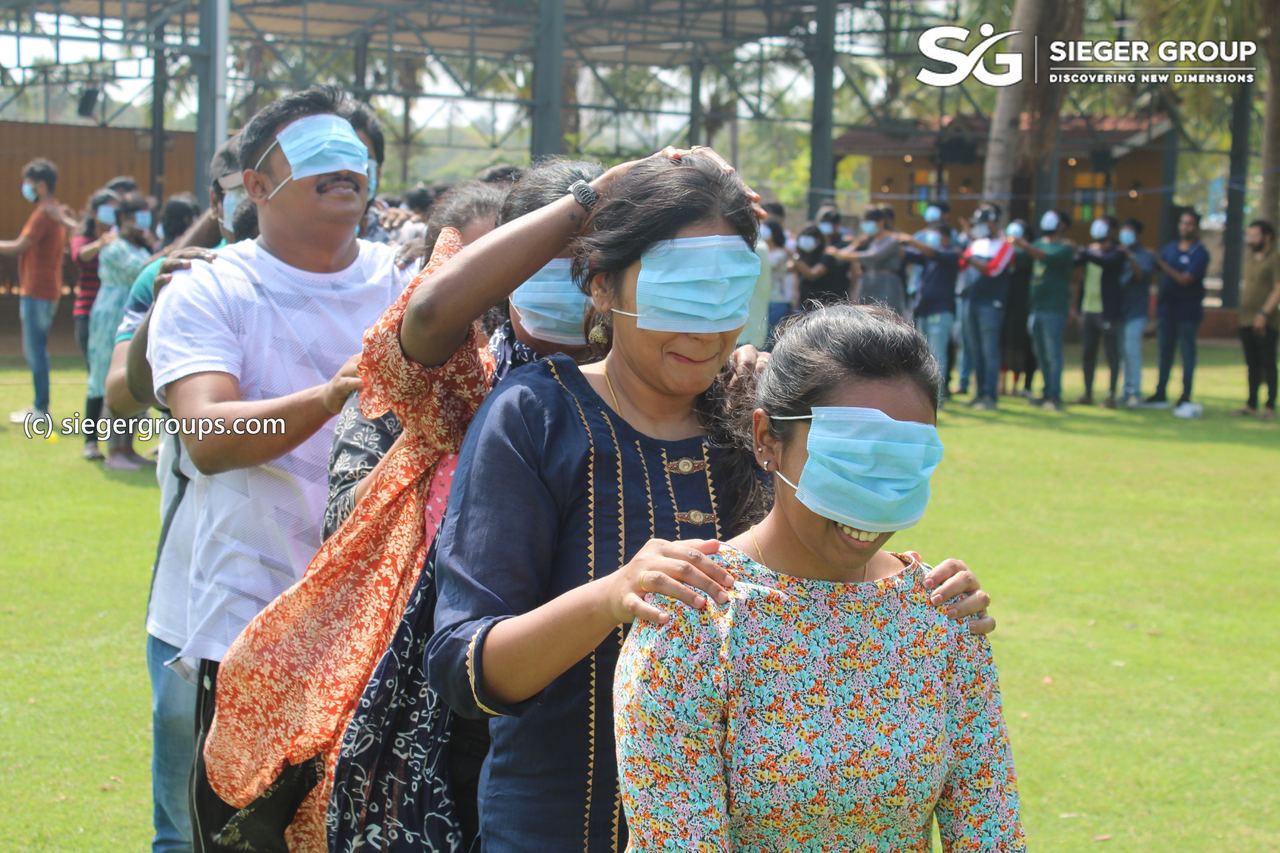
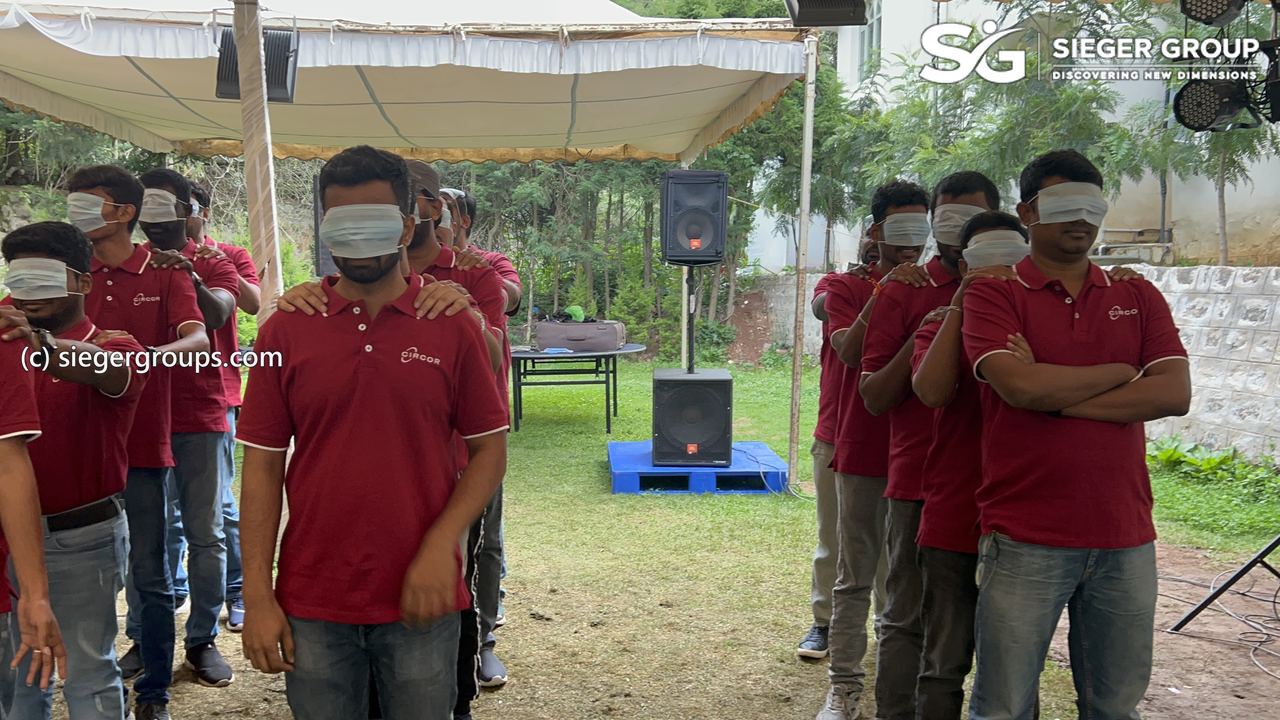
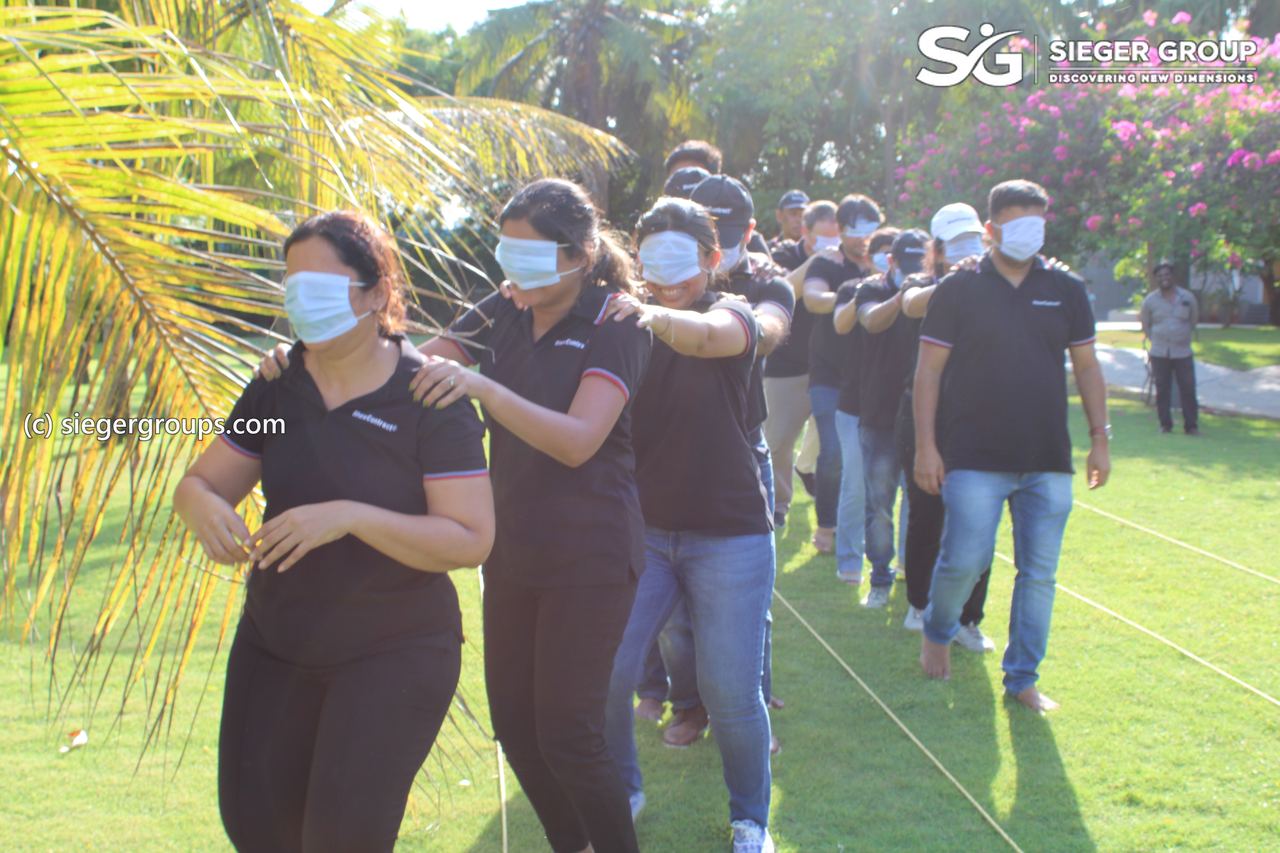
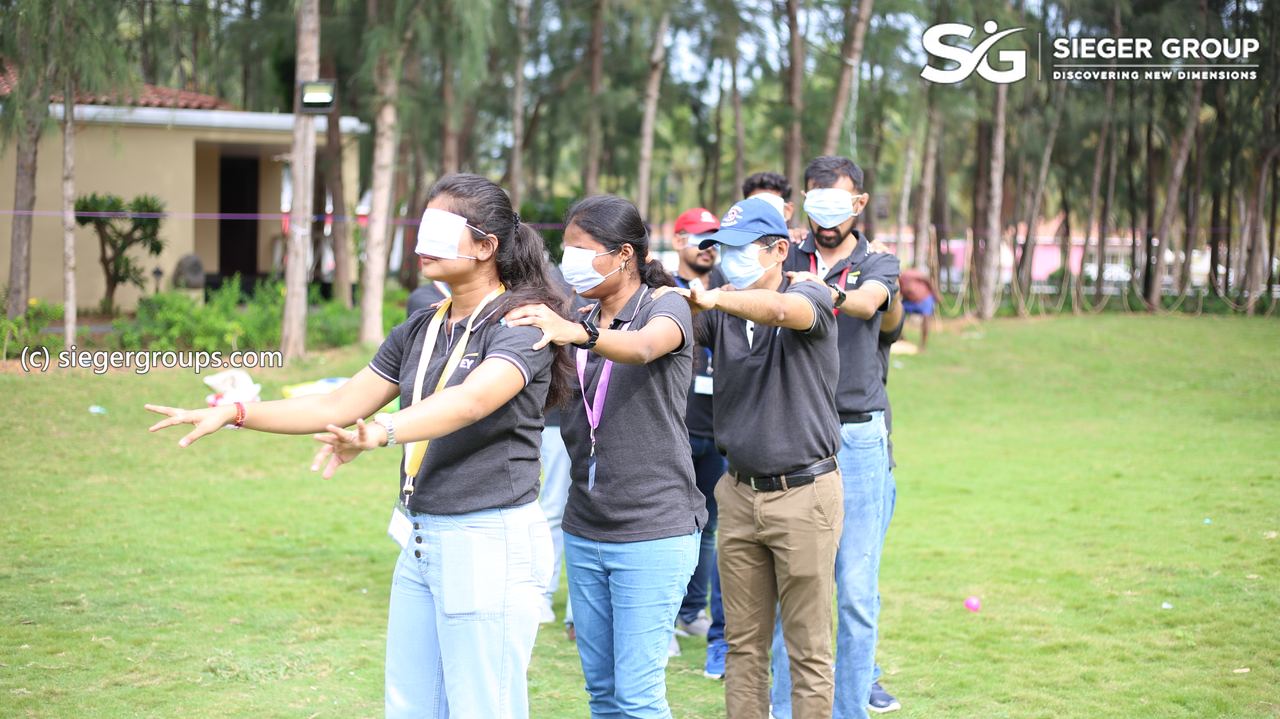
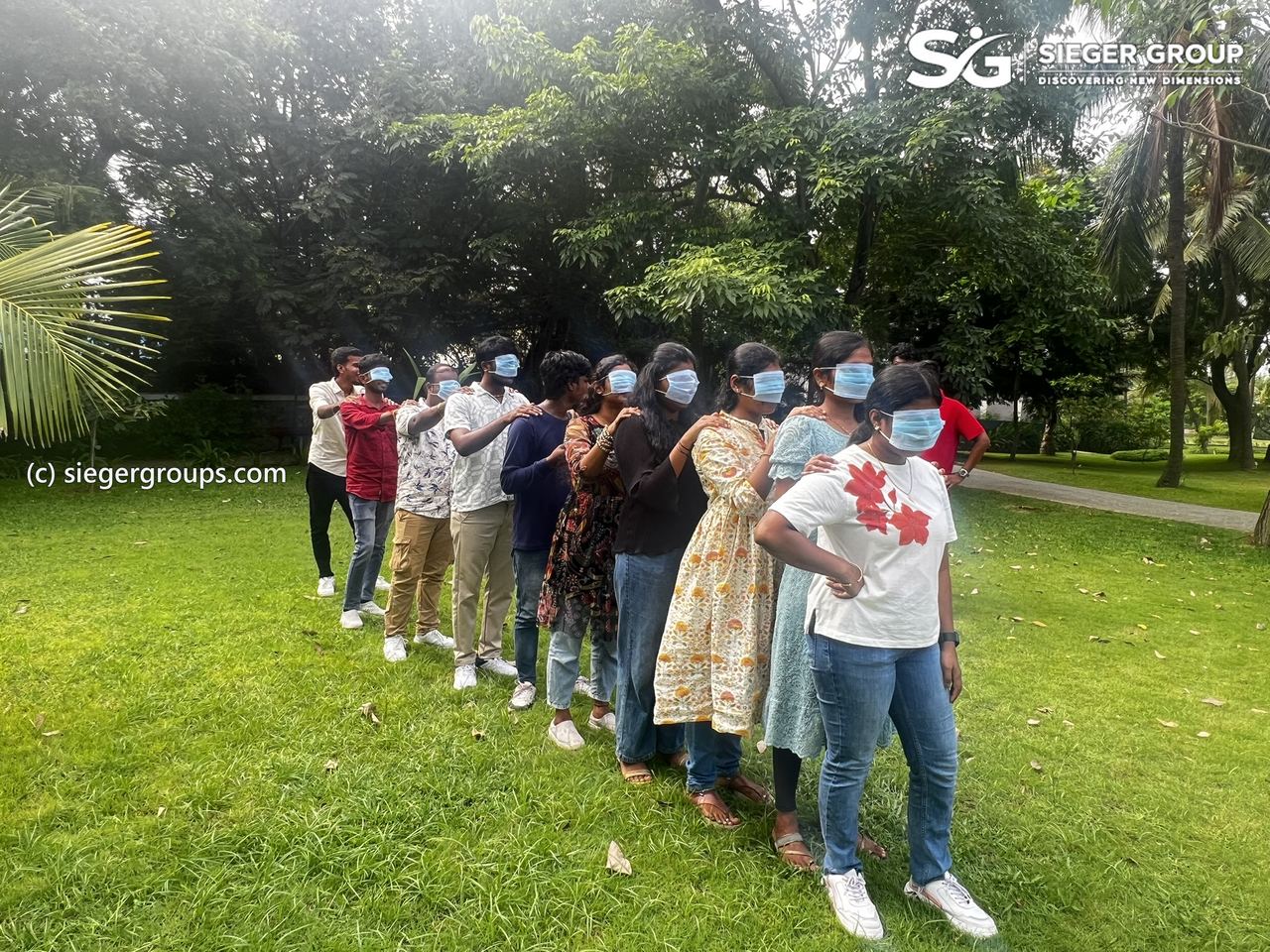
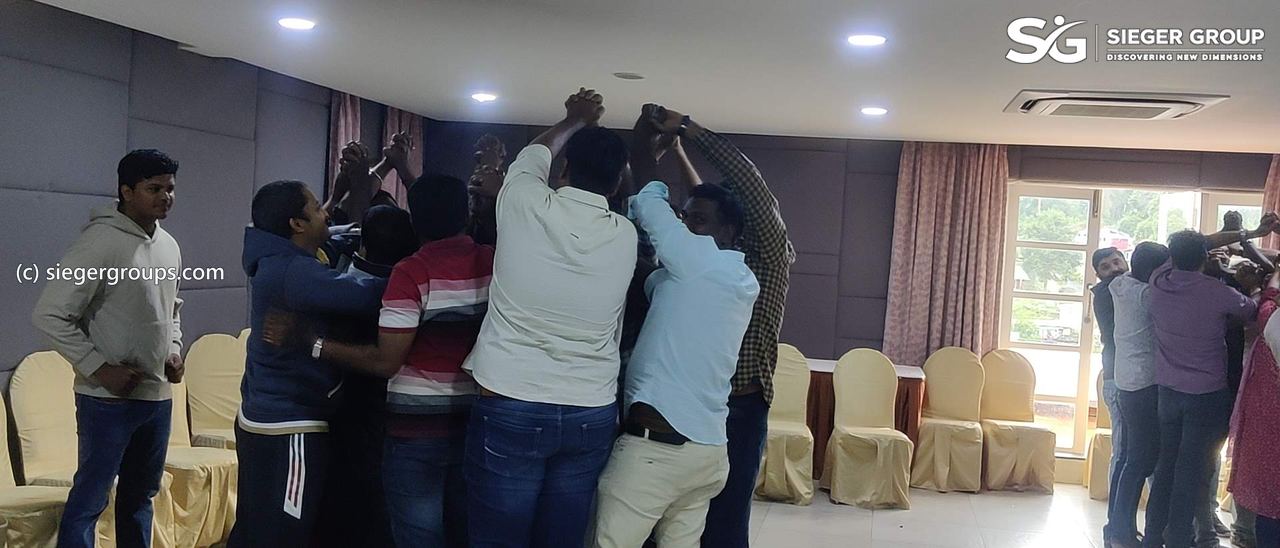
Clarify the Blind Mind formation, route boundaries and communication signals before blindfolded movement begins. Which verbal cues helped the moving formation stay connected?
Participants attend to the agreed cues while teammates help keep the connected group informed. How did participants check that guidance had been understood?
Notice how instructions reach the back of the formation when direction or pace changes. What happened when the group changed direction?
Review where a cue was clear, delayed or misunderstood and connect that experience to team communication. Which supportive actions helped teammates move without relying on sight?
Use these points to draw out what colleagues can learn from Blind Mind.
Reflect on how a short instruction changes as it passes through several people.
Discuss what a guide needs to explain when a teammate cannot see the same route.
Confirm an accessible activity space, the agreed equipment, group rotations and an observer option.
Notice how instructions reach the back of the formation when direction or pace changes.
Discuss what a guide needs to explain when a teammate cannot see the same route.
Participants attend to the agreed cues while teammates help keep the connected group informed.
Which verbal cues helped the moving formation stay connected?
Let the listener repeat a cue in their own words before the group moves on.
Practise giving short signals during work that depends on several people acting together.
Discover how colleagues prefer to give directions, receive feedback and ask for a pause.
Observe the difference between issuing an instruction and confirming that it was understood.
An illustrative running order for Blind Mind. Confirm timings, breaks and participation arrangements in your event brief.
With sight reduced in the agreed format, teammates rely on clear signals and attentive listening. The facilitator explains the route, boundaries and participation options, then helps the group agree on cues before the first move.
A clear cue. A check for understanding. A coordinated response.
As the lead changes, the group adapts to a different voice and approach. Participants practise setting a considerate pace, checking readiness and offering encouragement while respecting each colleague’s choice about taking part.
Responsibility moves through the team, one decision at a time.
The debrief examines specific moments from the challenge: an instruction that helped, a missed signal or a pause that brought the group back together. Teams can turn those observations into clearer updates and more dependable handovers at work.
Leave with a team habit to discuss, practise and review.
Sieger Group supports organisations with team-building experiences and facilitated programmes.
A group follows shared cues when participants have different access to visual information. Instructions that sound clear to the speaker can mean something else to the listener.
Let the listener repeat a cue in their own words before the group moves on.
Agree the movement cues, Listen through the formation, Respond to a change, Trace the message. The final selection is agreed with the organiser.
Operational teams and newly formed teams can use this experience. Practise giving short signals during work that depends on several people acting together.
Share the expected headcount, available space and any rotation requirements so the facilitator can propose suitable team sizes.
Allow Discuss your event schedule as a planning guide. The proposal confirms the duration, breaks and final activity mix.
Confirm an accessible activity space, the agreed equipment, group rotations and an observer option.
Share access requirements and preferences when planning the session. The facilitator can discuss roles such as observing, recording decisions or presenting the group’s findings.
Clarify the Blind Mind formation, route boundaries and communication signals before blindfolded movement begins.
Discuss what a guide needs to explain when a teammate cannot see the same route.
Yes. Share the purpose of the offsite and which part of Blind Mind you would like to emphasise. The facilitator can discuss how to fit the chosen elements into the wider event.
Use the enquiry form or contact Sieger Group with your preferred date, city, headcount, venue and learning objective. Include any participation or access requests in the brief.
Share your date, city, group size and the outcome you want colleagues to take away.
Request a tailored proposalTell us what you have in mind. We will help you explore a programme that fits your people and your occasion.
Still finalising the details? Share what you know.
Every team is different. Share your people, purpose and preferred setting, and we’ll translate your brief into an experience designed to connect, engage and create lasting impact.
Share your brief and preferred contact details.