Sieger Group · Outbound Training

Student Wellbeing & Resilience

Experiential learning with a clear purpose.

Explore student wellbeing & resilience with Sieger Group. Shape the experience around your participants, preferred setting and the outcomes that matter to your team.

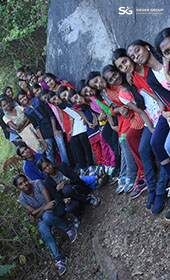
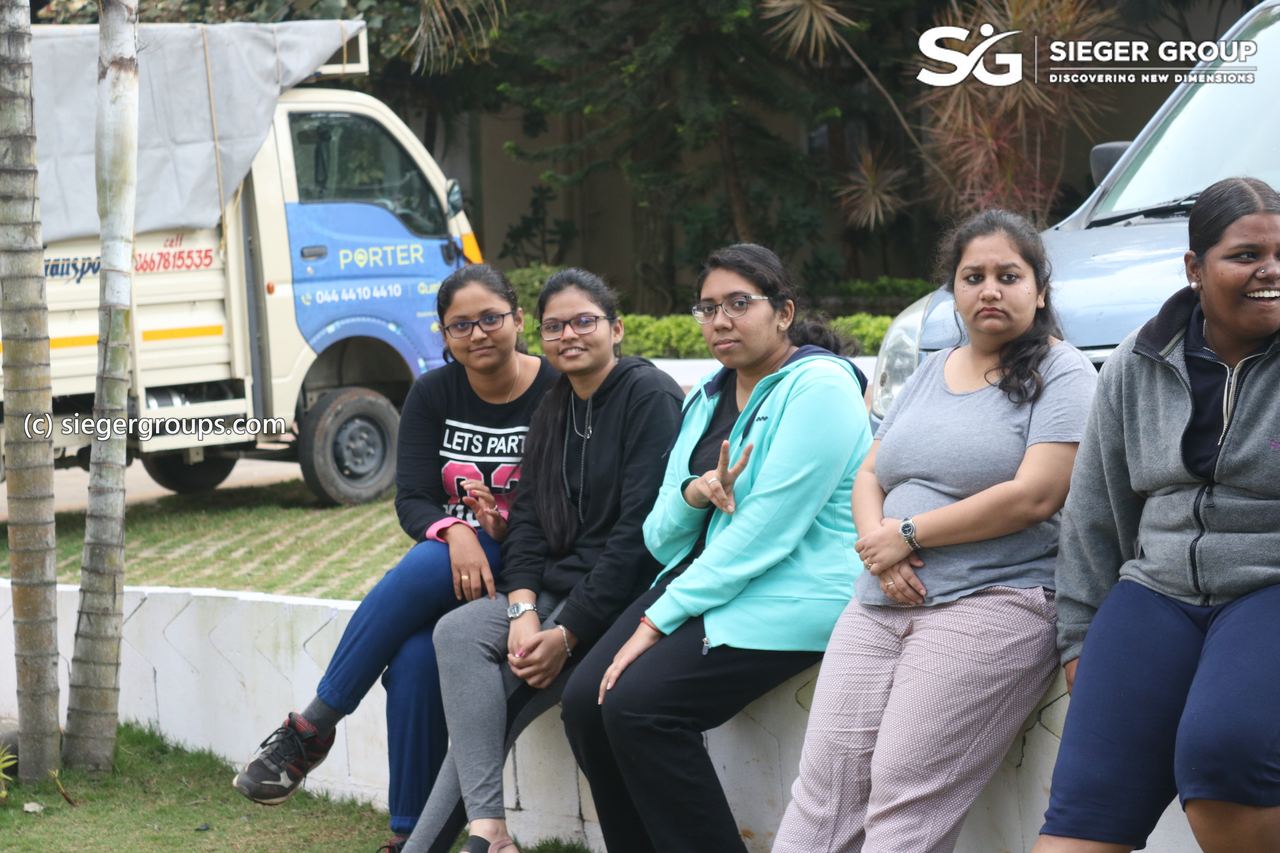
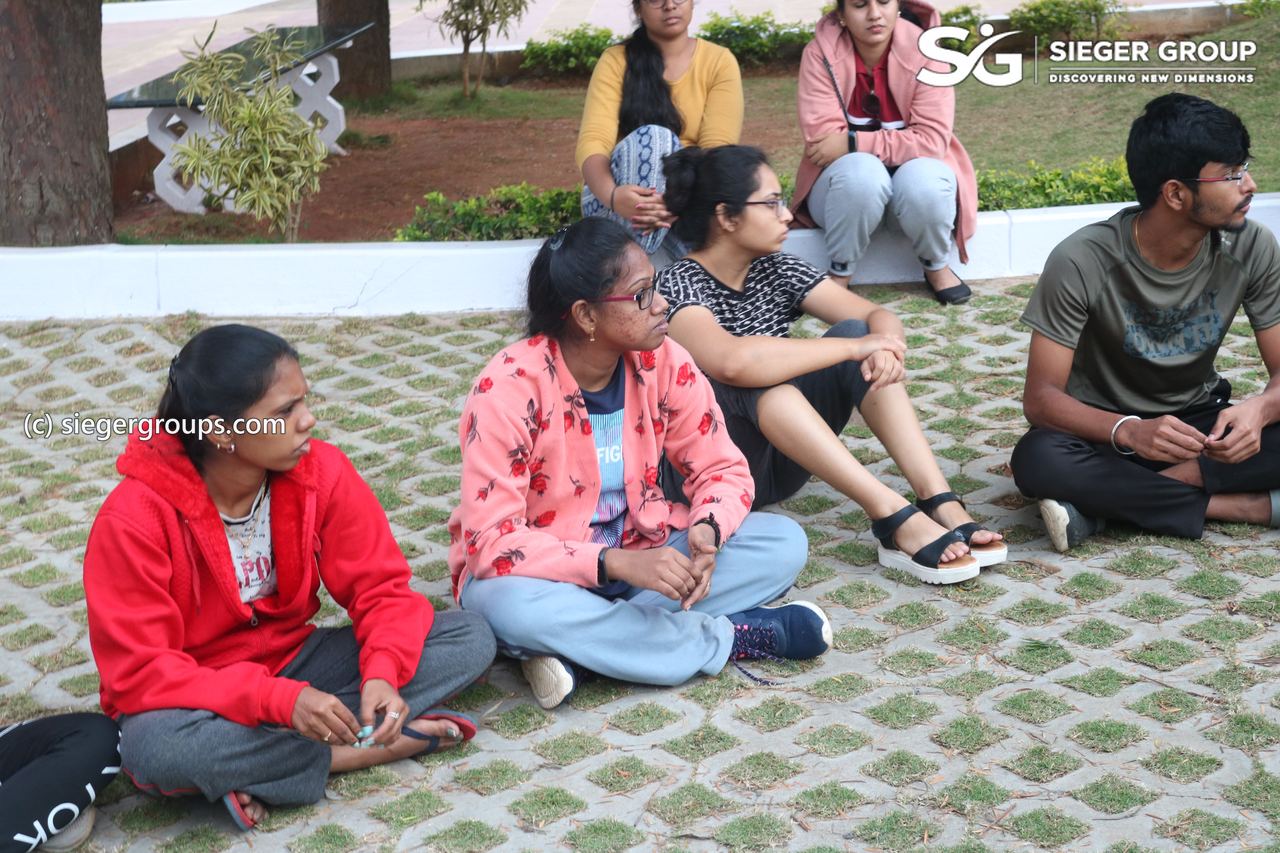
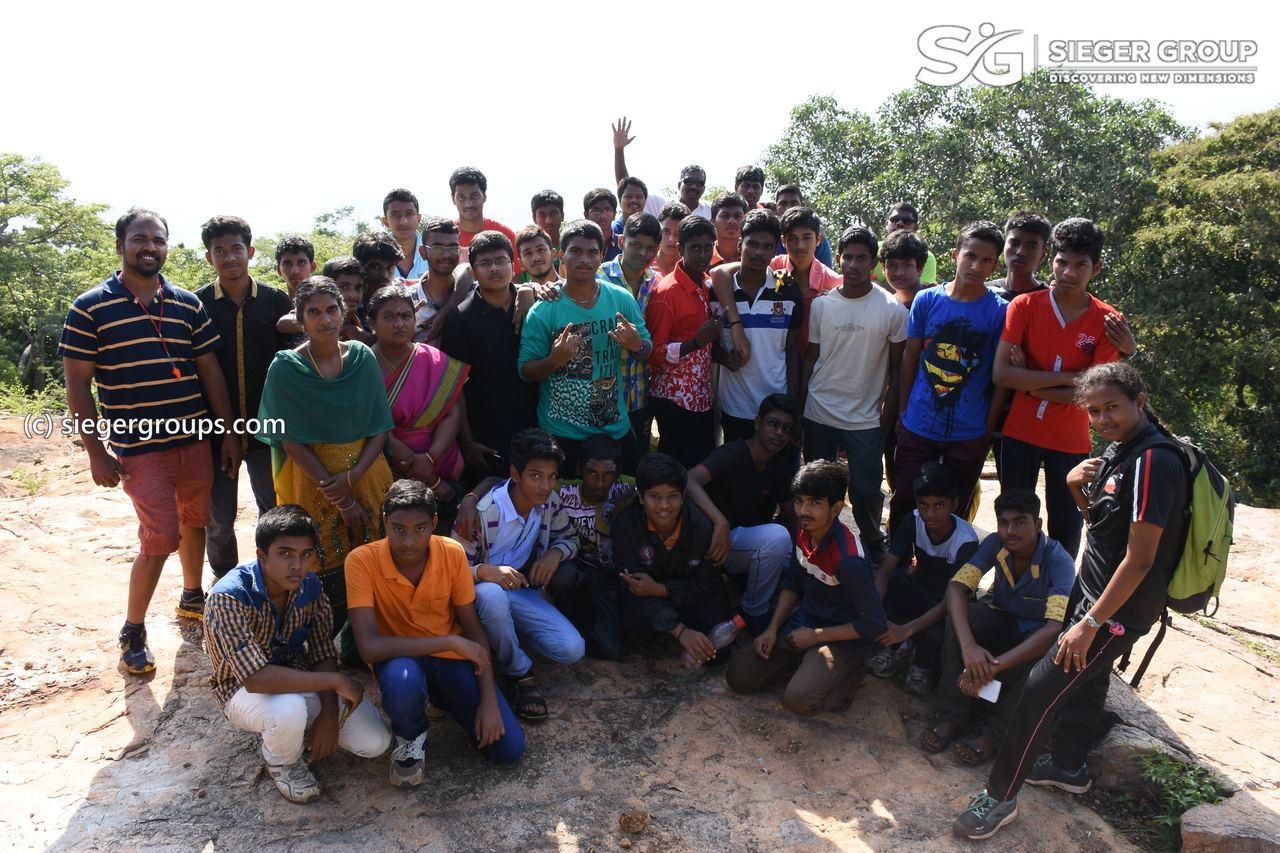
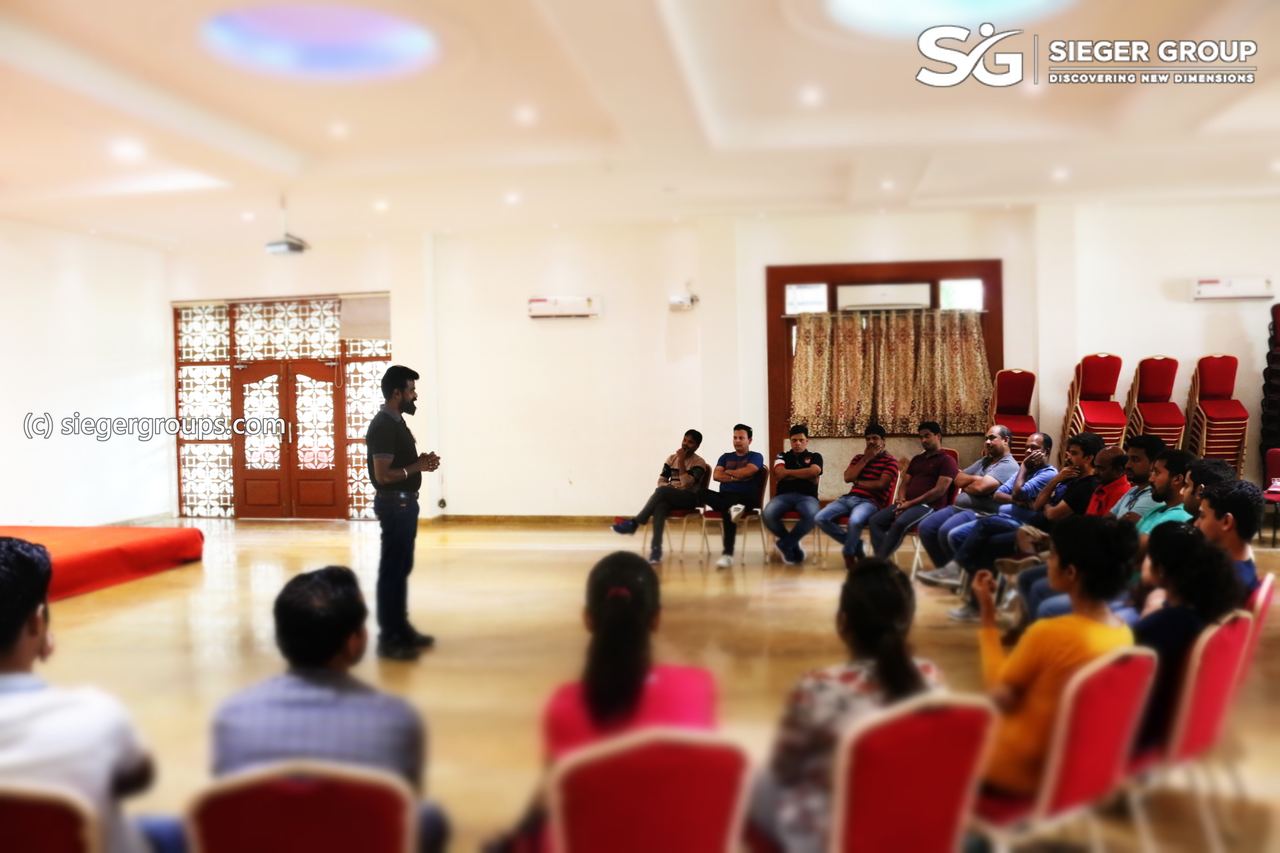
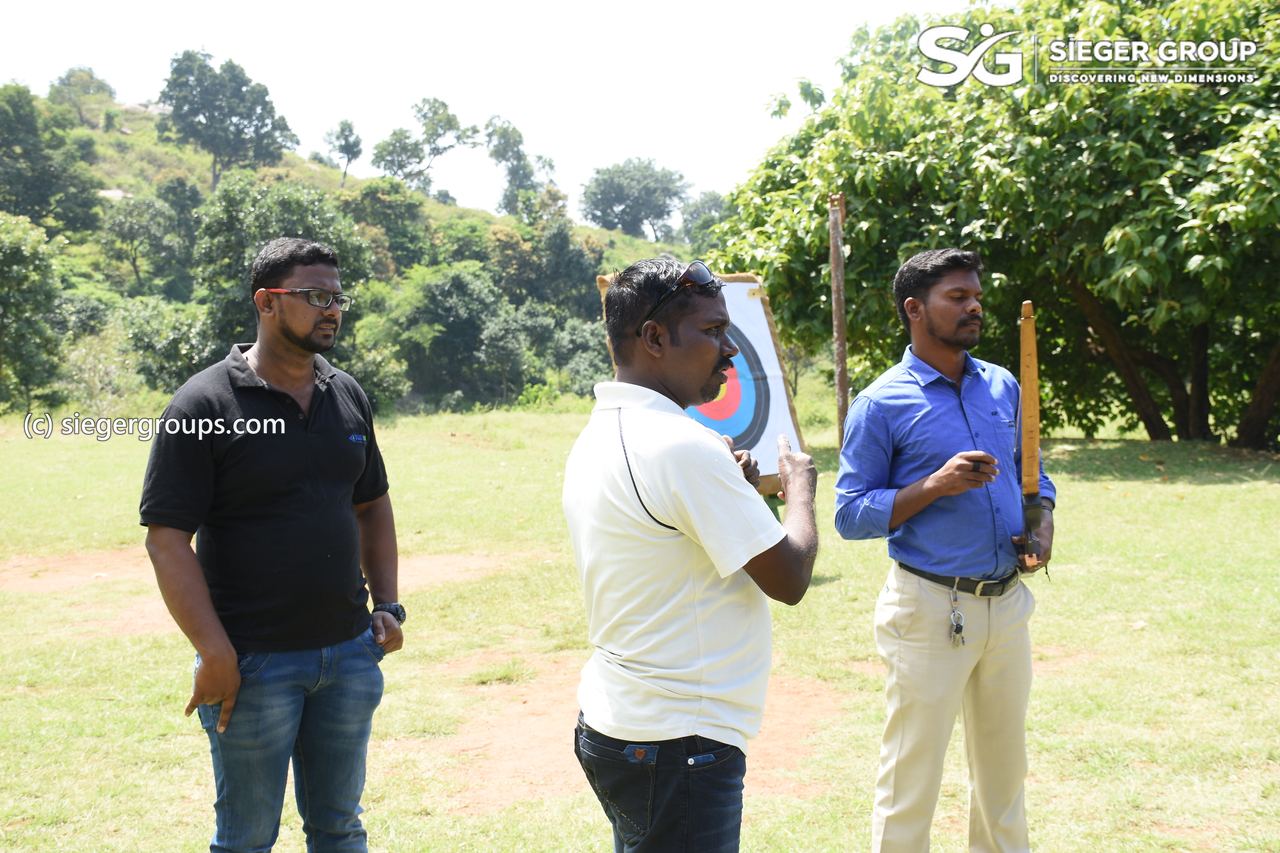
Sieger Group programme photograph — Student Wellbeing & Resilience

Core Exercises for Student Wellbeing & Resilience

Explore these options as starting points for student wellbeing & resilience. The selected formats, materials and participation arrangements are shaped around the group and agreed brief.

Make the demands visible

Study Demands Mapping

Students map a fictional or agreed study scenario with competing deadlines and responsibilities. They distinguish immediate demands from assumptions and discuss how to make the situation easier to understand. The activity invites practical planning conversations without requiring students to disclose personal difficulties or compare the seriousness of their experiences.

Learning focusPerspective · Planning
Choose the next manageable step

Pause and Prioritise

Participants try a short pause before organising a set of learning tasks. They compare what feels urgent with what needs an early decision or clarification. Reflection considers how a moment to review the whole picture might support a more considered next step during a demanding study period.

Learning focusPrioritisation · Response choice
Know where to ask

Support Network Discovery

Students explore where a fictional learner could seek academic, practical or personal support. They distinguish asking a classmate for information from approaching an appropriate campus support service. The discussion makes help-seeking options visible while respecting boundaries and avoiding expectations that peers should provide professional care.

Learning focusSupport awareness · Help-seeking
Adjust rather than carry on unchanged

Resilience Through Adaptation

Groups revisit a learning plan after an agreed change in the scenario. They identify what can be adjusted, what needs clarification and which support would be useful. The review approaches resilience as flexible responses and practical resources rather than pressure to endure difficulty without assistance.

Learning focusAdaptability · Practical resources
Programme overview

Learning through experience. Insight through reflection.

Explore student wellbeing & resilience with Sieger Group. Shape the experience around your participants, preferred setting and the outcomes that matter to your team.

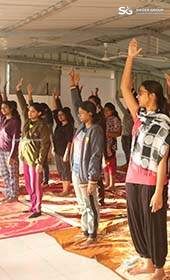
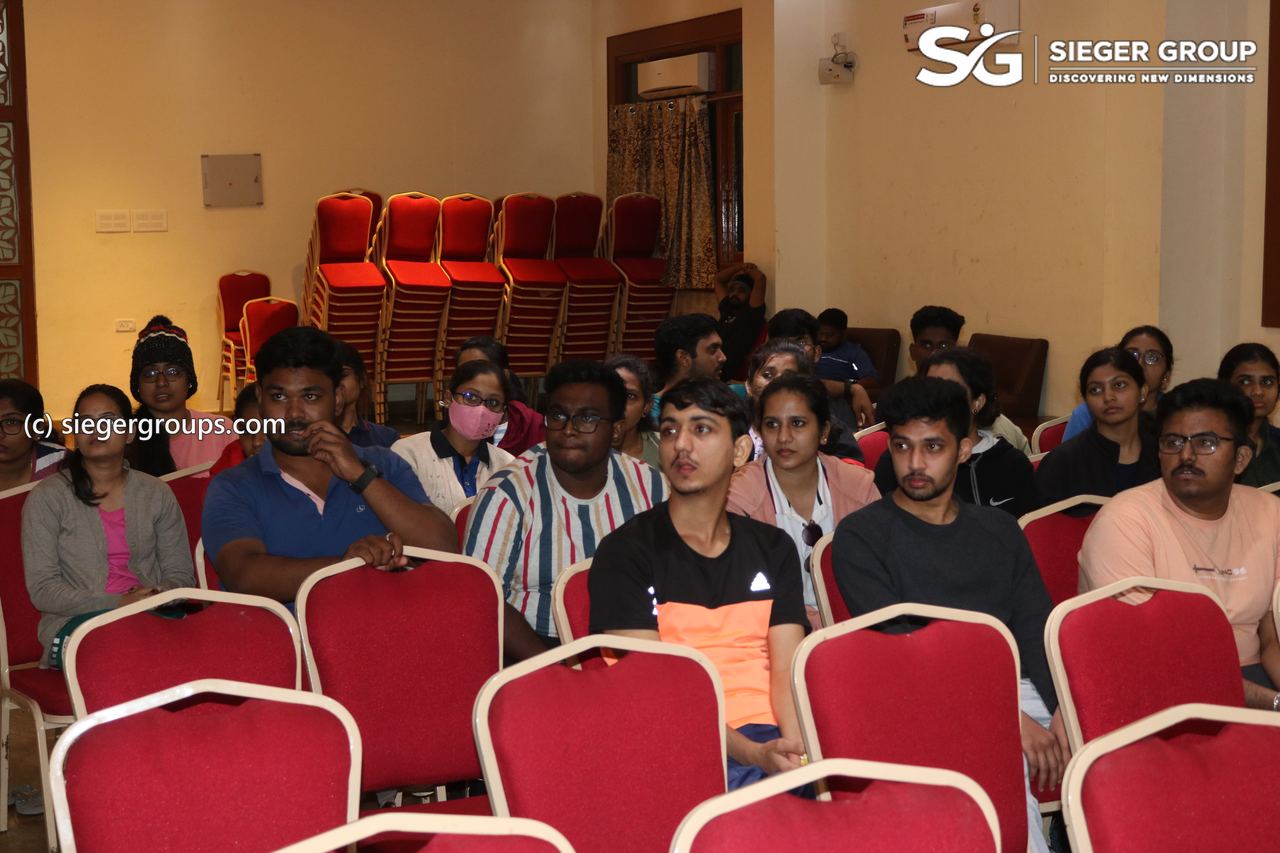
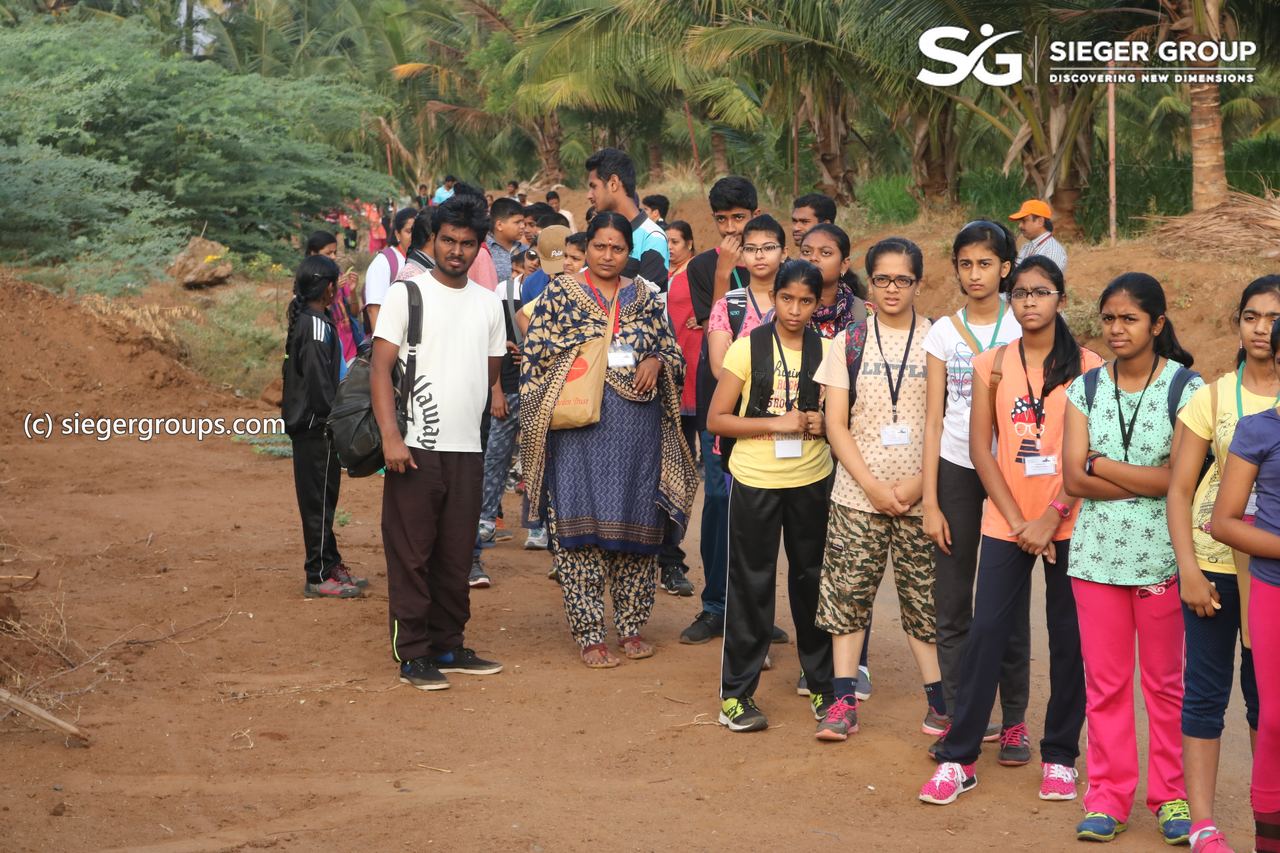
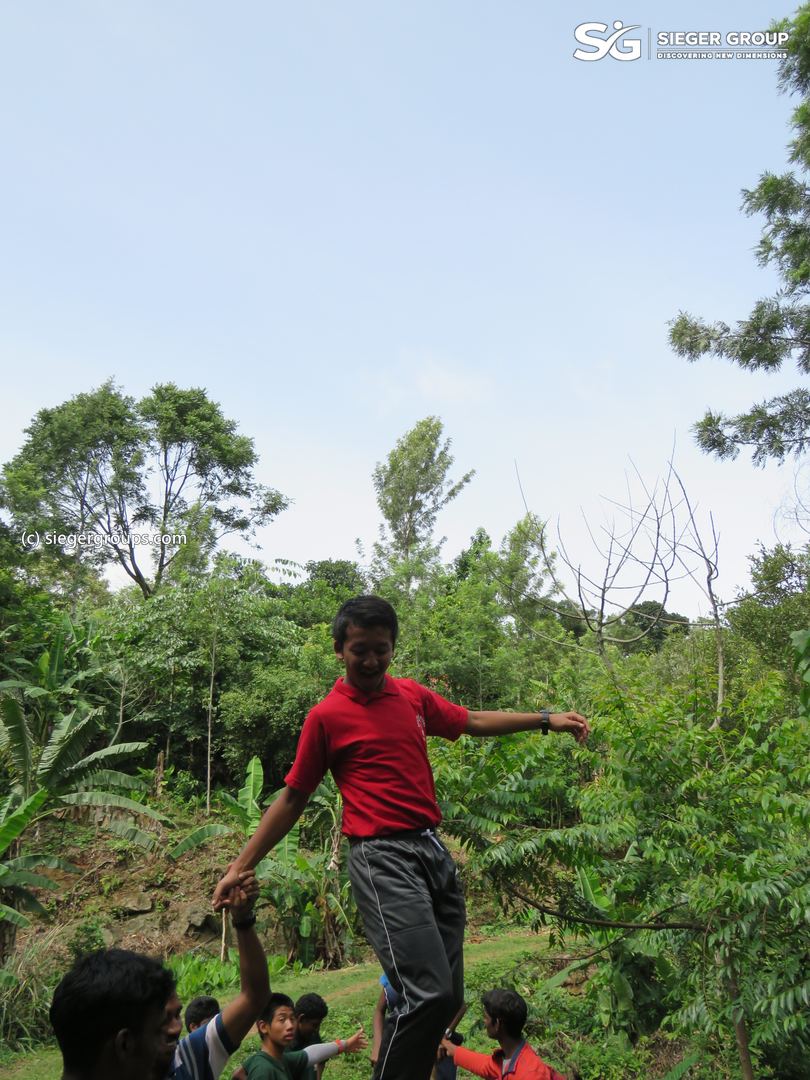
Student Wellbeing & Resilience — programme library photograph
What makes it distinctive

Understand the demand. Find a manageable next step.

A demanding study period can involve several different questions about priorities, expectations and support. Use accessible scenarios to separate those questions, explore practical responses and make appropriate help-seeking options more visible without requiring students to share personal experiences.

Shape your team brief
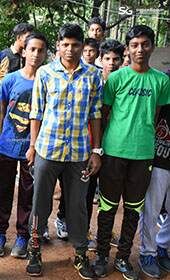
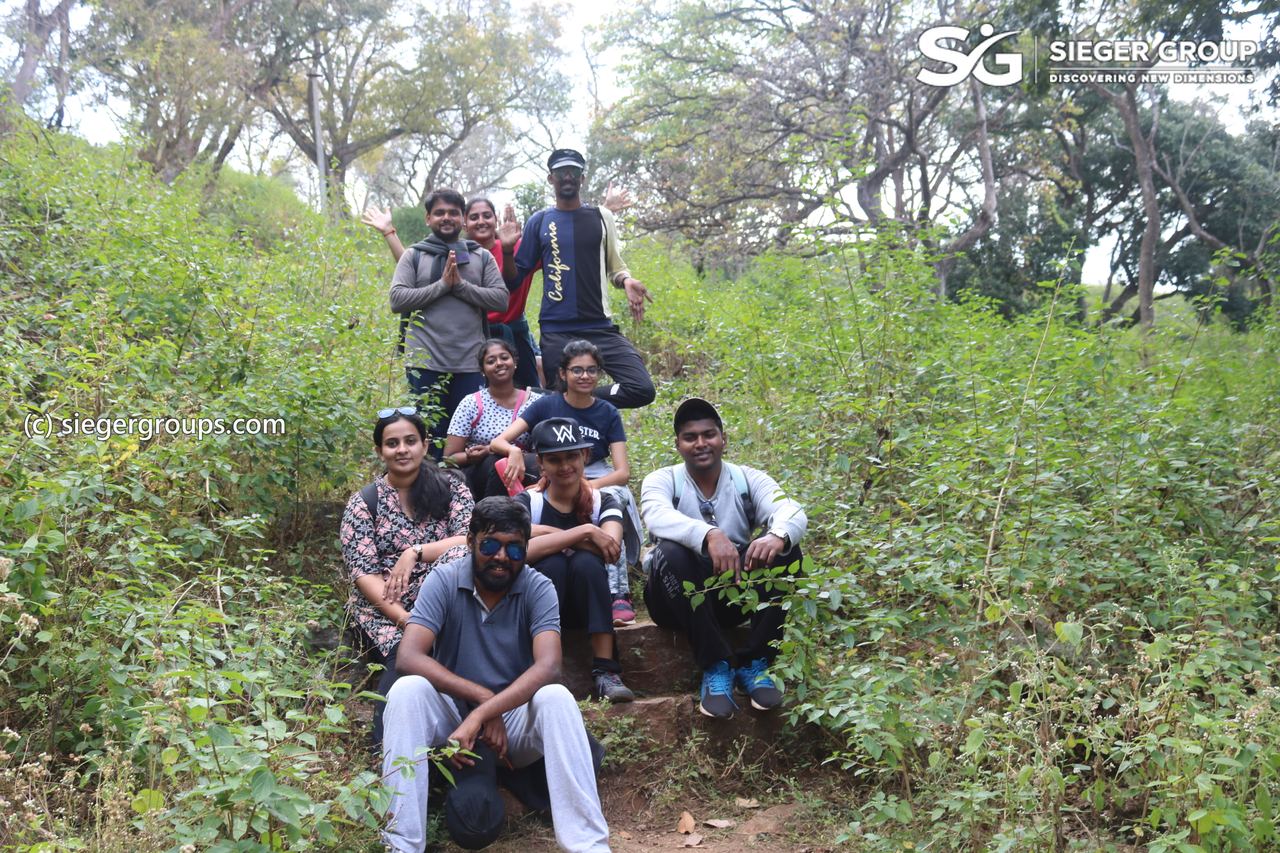
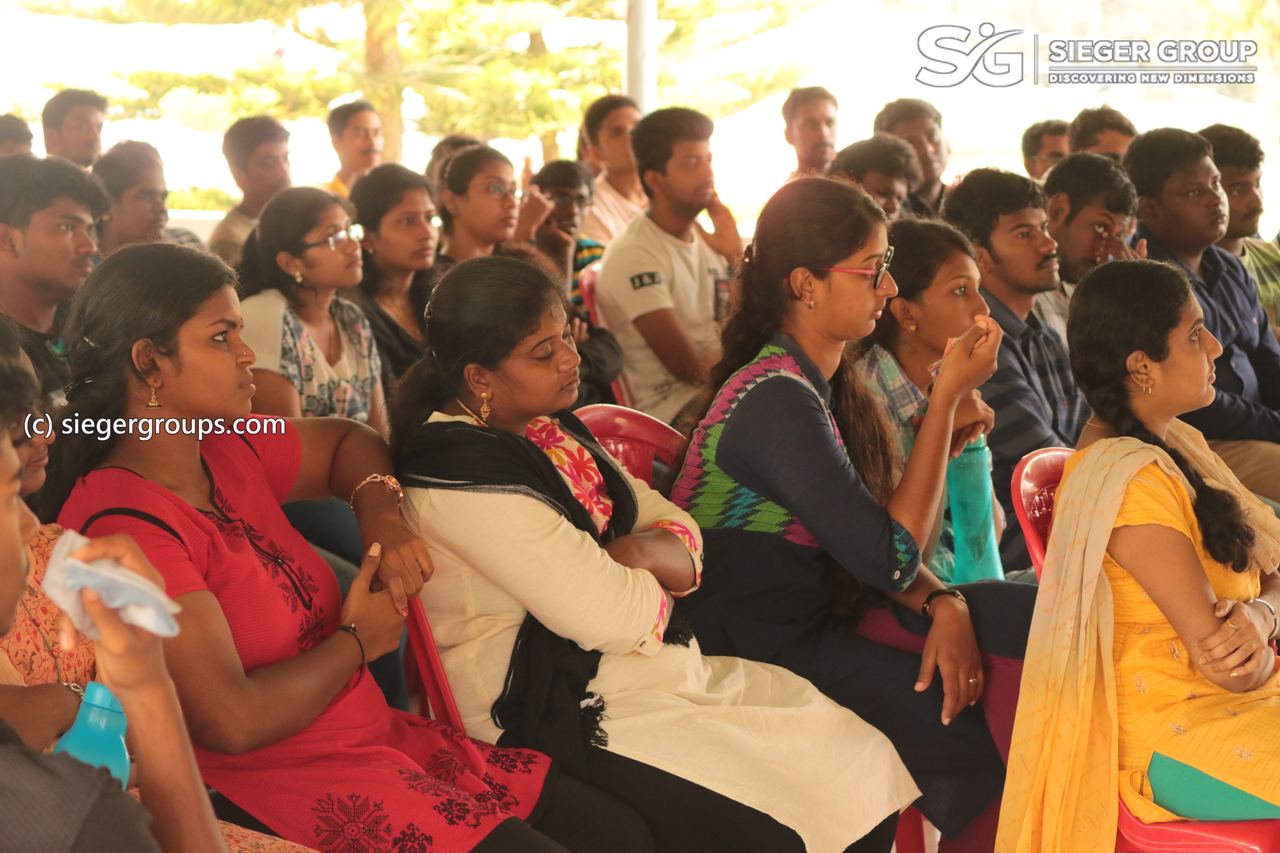
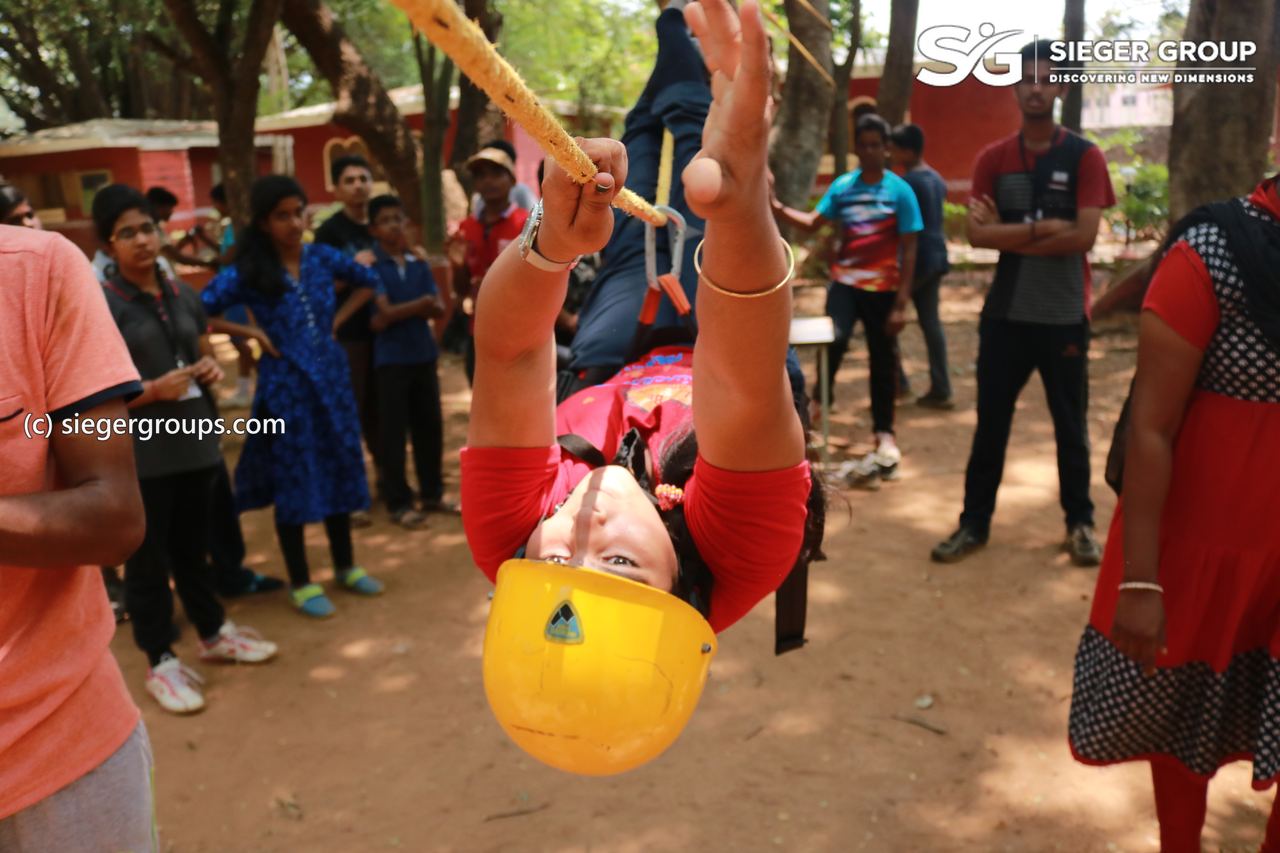
Sieger Group programme photograph — Student Wellbeing & Resilience
Why this programme

Why Choose Student Wellbeing & Resilience

Explore student routines, support-seeking and responses to demanding situations through accessible activities and non-clinical reflection.

A clear purpose

More understandable study demands

Separate tasks, expectations and assumptions in a demanding scenario so the next practical question becomes easier for the student to identify.

Useful participation

Manageable next actions

Explore how to choose a useful small step rather than treating every competing demand as something that must be solved immediately.

Practical insight

Awareness of support options

Identify where academic, practical or personal concerns could be taken and distinguish peer help from support requiring an appropriate campus service.

Connected choices

Thoughtful response to change

Consider which parts of a learning plan can be adjusted when conditions change instead of viewing every adaptation as a personal failure.

Meaningful follow-through

Respectful peer conversations

Practise listening without pressure to disclose experiences or an assumption that classmates should diagnose, solve or carry one another’s difficulties.

Programme benefits

Learning That Connects Beyond the Session

Explore the behaviours and practical insights your group can review through Student Wellbeing & Resilience. The debrief connects observations from the experience with situations that matter to participants.

More understandable study demands

A useful focus for the group is to separate tasks, expectations and assumptions in a demanding scenario so the next practical question becomes easier for the student to identify.

Manageable next actions

Participants can examine how to explore how to choose a useful small step rather than treating every competing demand as something that must be solved immediately.

Awareness of support options

The review can highlight ways to identify where academic, practical or personal concerns could be taken and distinguish peer help from support requiring an appropriate campus service.

Thoughtful response to change

Colleagues can explore how to consider which parts of a learning plan can be adjusted when conditions change instead of viewing every adaptation as a personal failure.

Respectful peer conversations

The experience can prompt discussion of how to practise listening without pressure to disclose experiences or an assumption that classmates should diagnose, solve or carry one another’s difficulties.

Practical routine experiments

A practical takeaway is to identify a study or transition habit a student can try and review personally without promising it will affect everyone in the same way.

Permission to seek clarification

The team can consider how to recognise where uncertain requirements or conflicting expectations need a question to an appropriate person rather than further unsupported guessing.

From experience to application

Carry the learning into campus life.

Use these reflection prompts to turn Student Wellbeing & Resilience into a focused conversation about what happened, what it means and what to try next.

  1. Notice a useful distinction

    Identify which part of the study scenario became clearer when tasks, assumptions and expectations were separated rather than treated as one problem.

  2. Review the next step

    Discuss how the group chose an action and whether it was manageable with the information and resources available in the scenario.

  3. Explore support boundaries

    Name a concern that belongs with an appropriate campus service and consider how students could seek guidance without expecting peers to provide professional care.

  4. Connect to a routine

    Choose a realistic study transition or planning moment where a short pause or clarification question could be tried without adding another large demand.

  5. Plan a personal experiment

    Decide what you would like to notice while trying one small routine change, keeping the choice and any personal reflection under your control.

  6. Review and adapt

    Consider what was useful, what did not fit and whether a different approach or guidance from an appropriate support point would be more helpful.

Programme delivery

How the Programme Works

A suggested flow for Student Wellbeing & Resilience, from setting the brief to reviewing the experience. Activity choices, pace and facilitation are confirmed around your group and setting.

  1. Start with context

    Agree the purpose and participation

    Explore student routines, support-seeking and responses to demanding situations through accessible activities and non-clinical reflection. Discuss what participants should understand before approaching study demands mapping, including the information, roles and choices relevant to this group.

    Perspective · Planning
  2. Choose the next manageable step

    Explore the selected experience

    Students explore planning, priorities and support through an agreed study scenario. Guidance keeps discussion practical, allowing private reflection without requiring disclosure or comparison of personal difficulties.

    Prioritisation · Response choice
  3. Know where to ask

    Compare and develop the approach

    Review separates the scenario’s demands, assumptions and guidance options. Students consider manageable responses and recognise when clarification or an appropriate support route is more useful than continued guessing.

    Support awareness · Help-seeking
  4. Make the experience useful

    Review and carry it forward

    Choose a realistic study transition or planning moment where a short pause or clarification question could be tried without adding another large demand. Decide what you would like to notice while trying one small routine change, keeping the choice and any personal reflection under your control.

    Adaptability · Practical resources
Experiential learning outline

Experience. Reflect. Apply.

Connect Student Wellbeing & Resilience with purposeful practice, evidence-based reflection and a next step that fits your learning environment.

  1. Align the brief

    Explore student routines, support-seeking and responses to demanding situations through accessible activities and non-clinical reflection. Clarify what the group needs before beginning the selected experience.

  2. Experience the challenge

    Explore study demands mapping through the agreed format. Explore how to choose a useful small step rather than treating every competing demand as something that must be solved immediately.

  3. Reflect on the evidence

    Identify where the scenario became easier to understand and whether clearer information, a smaller next action or knowing where to ask changed the group’s view.

  4. Connect the learning

    Consider a realistic study situation with competing expectations and distinguish what needs your planning from what would benefit from clarification or support from an appropriate person.

  5. Commit to a next step

    Choose a manageable personal next step and what you would like to notice, including where to seek further guidance if that approach does not fit.

Who should attend

Choose the right audience for the experience.

Discuss participant experience, access needs, language preferences and the purpose of the programme before confirming suitability.

Student and campus groups

Student and campus groups interested in perspective · planning. Study Demands Mapping offers one possible starting point for an agreed group experience.

Emerging student leaders

Emerging student leaders exploring prioritisation · response choice. Select a format that fits their responsibilities, working relationships and the purpose of Student Wellbeing & Resilience.

Faculty and programme coordinators

Faculty and programme coordinators bringing different perspectives to support awareness · help-seeking. Confirm the learning priorities and participation arrangements before choosing the activity mix.

Programme schedule

An illustrative two-day learning journey.

This sample shows how a programme could flow. Timings, breaks, activity choices and duration are agreed in the final proposal.

Day one

Explore the experience

  1. 09:15–10:30

    Welcome, context and participation

    Introduce Student Wellbeing & Resilience, agree the group’s purpose and discuss participation preferences. Explain the selected formats before the experience begins.

  2. 10:45–12:30

    Study Demands Mapping

    Use a selected version of Study Demands Mapping to explore perspective · planning. Pause to compare observations and clarify the choices that shaped progress.

  3. 13:30–15:00

    Pause and Prioritise

    Use a selected version of Pause and Prioritise to explore prioritisation · response choice. Pause to compare observations and clarify the choices that shaped progress.

  4. 15:15–17:00

    Reflection and shared takeaways

    Review examples of more understandable study demands and awareness of support options. Connect the observations with classroom, campus or learning activities and choose a relevant next conversation.

Day two

Deepen and apply the learning

  1. 09:15–10:30

    Support Network Discovery

    Explore an agreed version of Support Network Discovery and compare approaches to support awareness · help-seeking. Discuss what the group changes after feedback.

  2. 10:45–12:30

    Resilience Through Adaptation

    Explore an agreed version of Resilience Through Adaptation and compare approaches to adaptability · practical resources. Discuss what the group changes after feedback.

  3. 13:30–15:00

    Connect with learning and campus life

    Identify a situation in classroom, campus or learning activities where practical routine experiments would be useful. Discuss one practical adjustment and the people it affects.

  4. 15:15–17:00

    Commitments and review

    Choose a next step related to permission to seek clarification. Agree responsibility and a useful point for reviewing what happens after the programme.

Planning details

A considered programme starts with the practical details.

People and participation

Share the audience profile, language preferences and access needs for Student Wellbeing & Resilience. Agree options that let different colleagues contribute comfortably.

Venue and resources

Agree a suitable setting, optional participation and accessible alternatives for the selected reflective or movement-based formats. Confirm the final mix of Study Demands Mapping and any other chosen experiences in the brief.

Scope and delivery

Agree the focus on prioritisation · response choice, the programme duration and which materials, facilitation and delivery arrangements are included.

Review and follow-through

Choose how to review practical routine experiments and permission to seek clarification. Confirm any follow-up conversation or team commitment that belongs within the programme scope.

Organisations we work with

Trusted by teams across industries

Sieger Group supports organisations with team-building experiences and facilitated programmes.

Client perspectives

Testimonials

Plan with confidence

Student Wellbeing & Resilience FAQs

12 practical answers to help you plan your programme.

What is Student Wellbeing & Resilience?

Explore student wellbeing & resilience with Sieger Group. Shape the experience around your participants, preferred setting and the outcomes that matter to your team.

Who is this programme suitable for?

Discuss Student Wellbeing & Resilience for your student or campus group. Share participant ages, learning priorities, language preferences and staff supervision arrangements so the proposed experience is appropriate for the audience.

What can participants explore?

The existing programme outline includes: Explore student wellbeing & resilience with Sieger Group. Shape the experience around your participants, preferred setting and the outcomes that matter to your team.. The final emphasis and activity selection should be agreed around your brief.

Can the programme be customised for our team?

Yes. Share your team context, goals and preferred tone. The proposed Student Wellbeing & Resilience experience can then be adapted through the activity mix, level of challenge, discussion themes and delivery format, subject to feasibility.

How long does the programme take?

Duration depends on the agreed scope, group size and setting. For Student Wellbeing & Resilience, allow for the briefing, activities, breaks and facilitated reflection and action planning. Request a proposed agenda that fits your available time.

Where can we organise the experience?

Share your preferred city, office, venue or offsite destination in India. Student Wellbeing & Resilience requires a setting suited to the activities and participants. Venue access, usable space, equipment and local delivery arrangements should be confirmed before booking.

What group size works for this programme?

The appropriate group size depends on the activity structure, facilitation and available space. Tell us the expected number of participants for Student Wellbeing & Resilience so team sizes, rotations and staffing can be proposed.

What should participants prepare?

For Student Wellbeing & Resilience, the pre-event briefing should explain the schedule, clothing or equipment requirements and how to take part. Share accessibility needs and relevant participation constraints during planning so suitable arrangements can be discussed.

How are participation and inclusion considered?

Discuss access, mobility, language, sensory needs and comfort levels before confirming Student Wellbeing & Resilience. Agree suitable roles and alternatives where feasible. For specialist activities, confirm delivery responsibilities and participation requirements in advance.

How can we connect the programme with our objectives?

Agree the purpose of Student Wellbeing & Resilience before delivery. Facilitated discussion can link participant decisions and behaviours with workplace or campus situations, followed by practical action commitments. Confirm any follow-up or evaluation support in the proposal.

What does the programme cost?

Pricing for Student Wellbeing & Resilience depends on participant numbers, duration, facilitation, equipment, location and agreed logistics. Request a tailored proposal that clearly states programme inclusions, venue or travel arrangements and applicable charges.

How do we enquire about Student Wellbeing & Resilience?

Use the enquiry form on this page or call +91 98400 97567. Include Student Wellbeing & Resilience, your objectives, group size, preferred dates and location. Sieger Group can then discuss suitability and prepare a proposal for your review.

Ready to plan?

Let’s shape the right programme for your people.

Share your goals, group size, preferred dates and venue. We’ll help you explore a considered programme.

Request a tailored proposal
Back to programme overview
LET'S CREATE YOUR NEXT SHARED MOMENT

What could your team
do together?

Tell us what you have in mind. We will help you explore a programme that fits your people and your occasion.

  • Your peopleGroup size, audience and participation needs.
  • Your plansDate, destination, venue and time available.
  • Your purposeTeam connection, learning or a celebration.
  • Your outcomesWhat you want your team to experience or take away.
+91 98400 97567 ↗

Still finalising the details? Share what you know.

From your brief to a considered programme

Every team is different. Share your people, purpose and preferred setting, and we’ll translate your brief into an experience designed to connect, engage and create lasting impact.

  • Choose a format suited to your participants.
  • Align the experience with your event goals.
  • Tailor the programme to your team’s needs.
  • Plan the flow, venue and logistics.
  • Create an experience people will remember.
ENQUIRE WITH SIEGER GROUP

Start the conversation.

Share your brief and preferred contact details.