Sieger Group · Outbound Training

Psychological Safety in Teams

Experiential learning with a clear purpose.

In every great team, there’s one invisible force that makes ideas flow freely, feedback feel welcome, and mistakes become lessons instead of fears, psychological safety. It’s the shared belief that “I can speak my truth, ask for help, share a concern or even admit a mistake, and still be respected.” When this culture exists, people stop performing out of fear and start performing out of purpose. They take ownership, ask better questions, and collaborate with energy instead of caution.

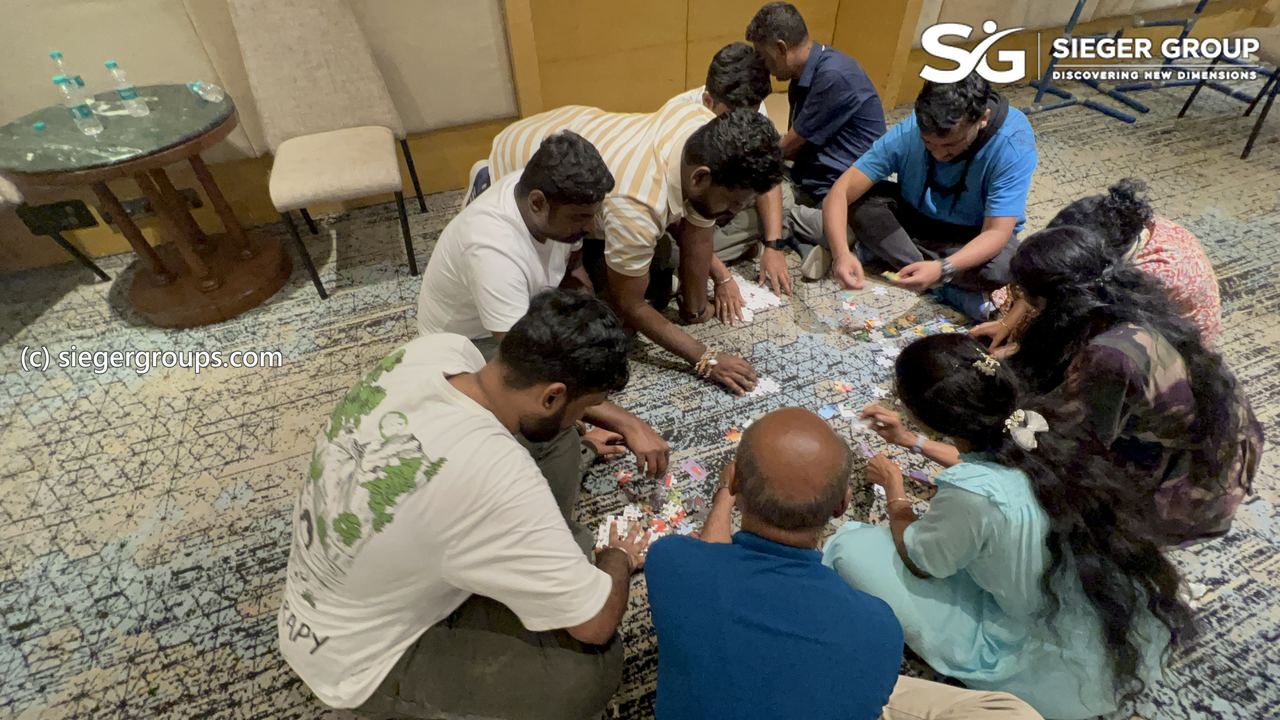
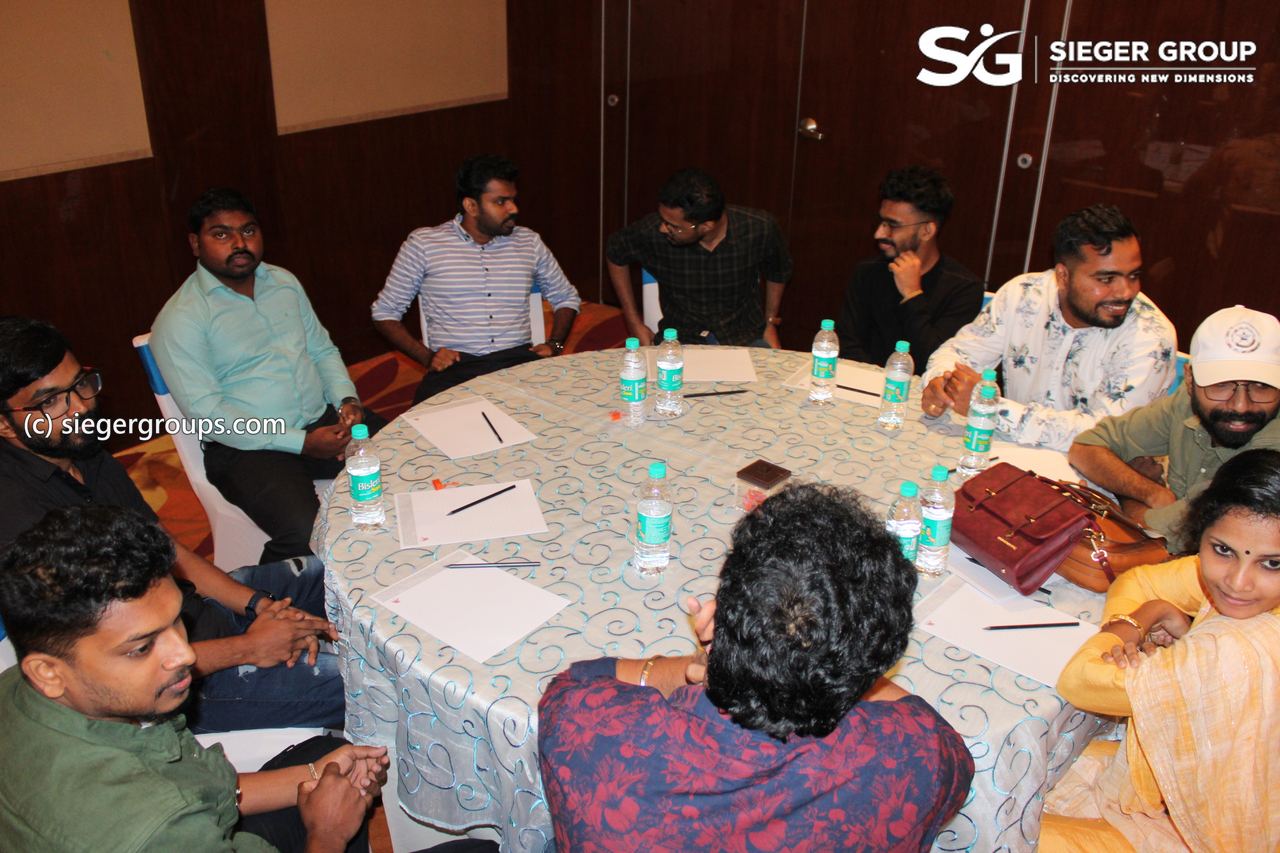
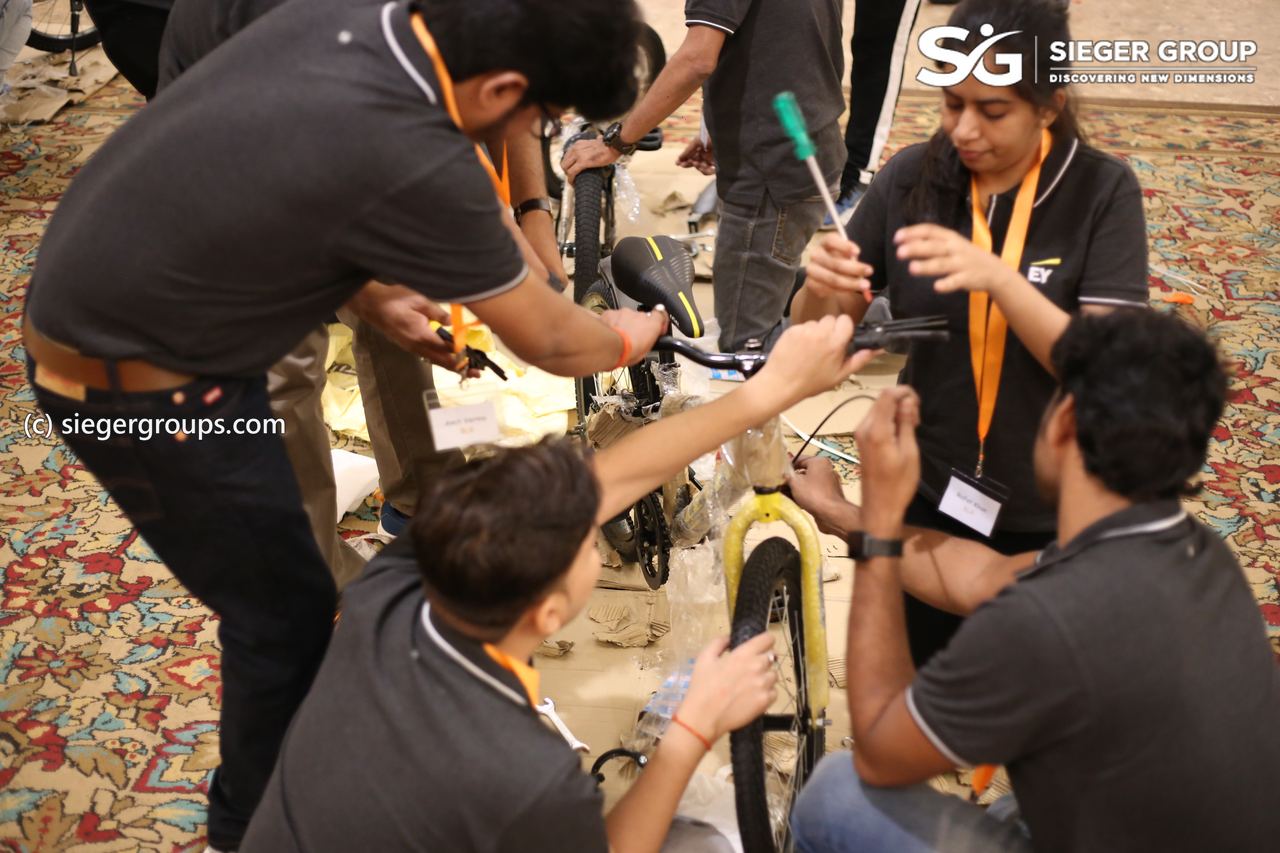
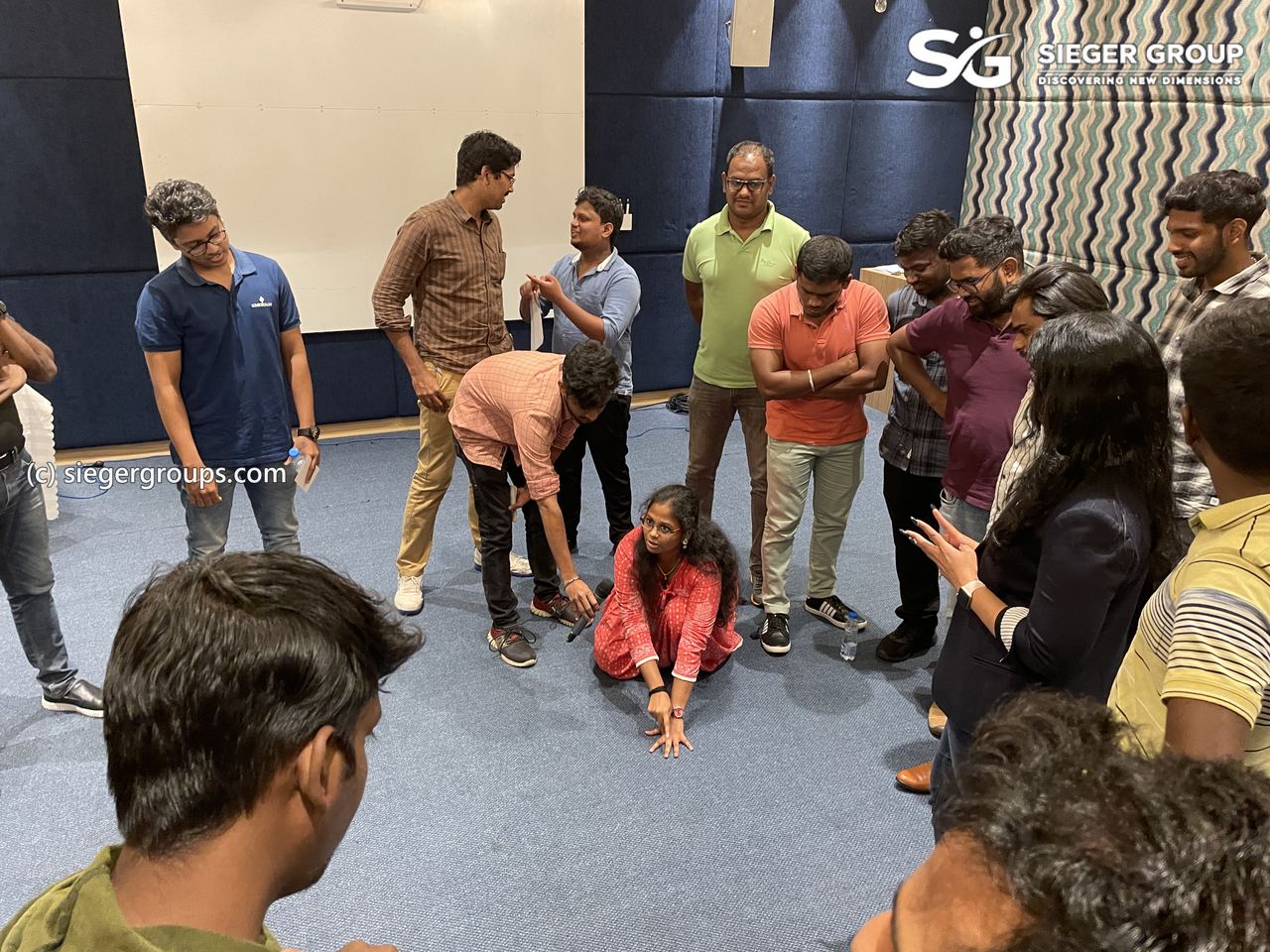
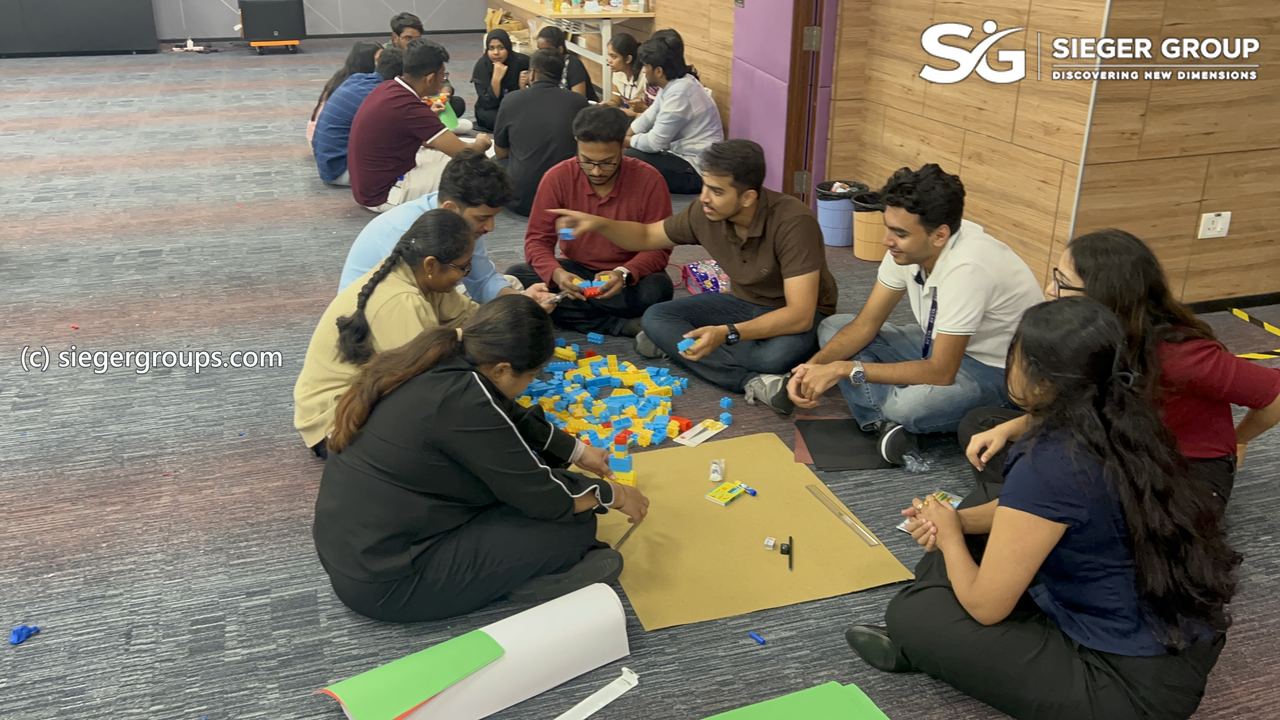
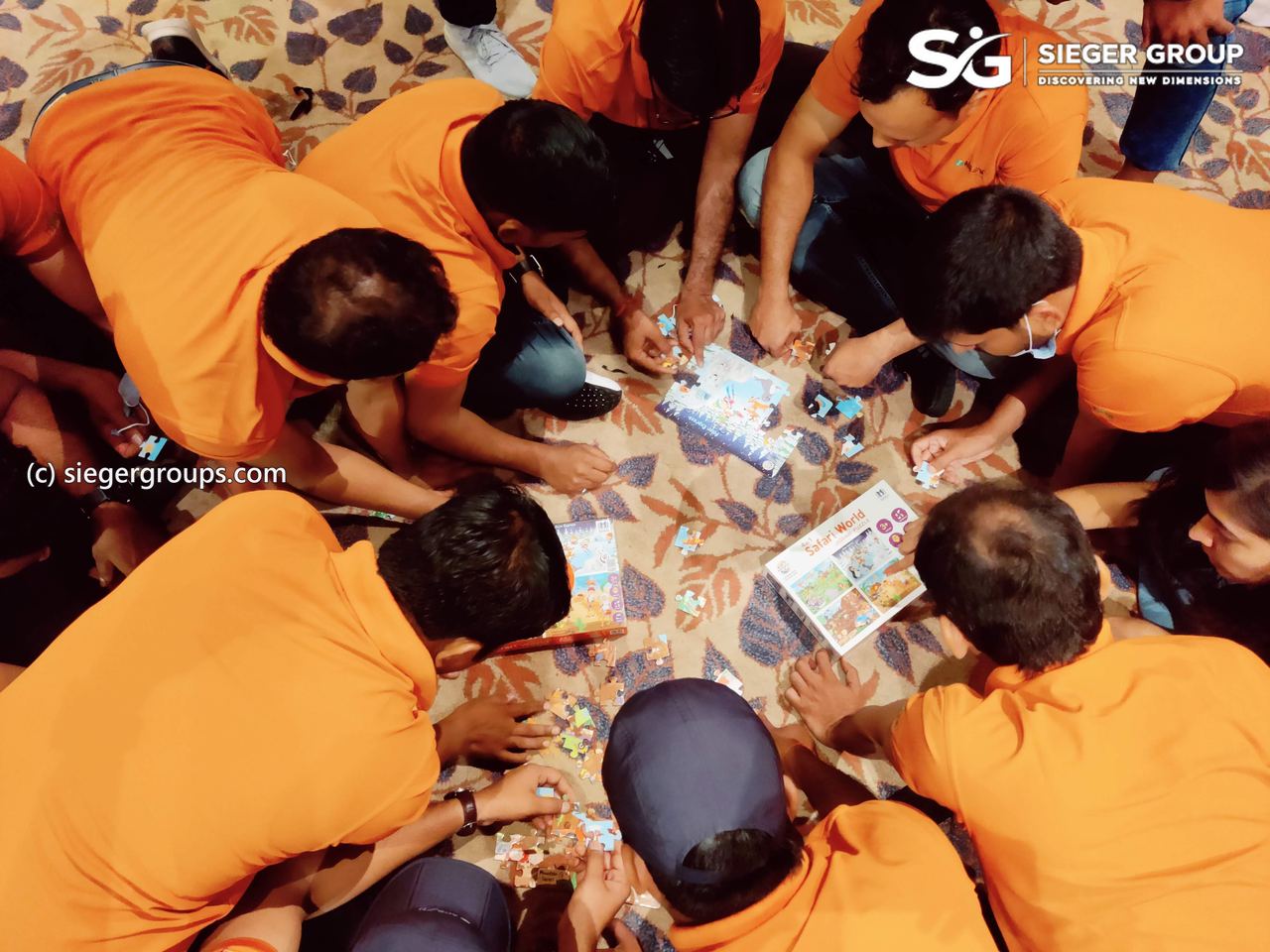
Sieger Group programme photograph — Psychological Safety in Teams

Core Exercises for Psychological Safety in Teams

Start with a crossing, a navigation task or a paired conversation. Each gives colleagues a specific moment to practise asking for help, voicing a concern or responding when someone offers a different view.

Make the concern discussable

The Trust Bridge

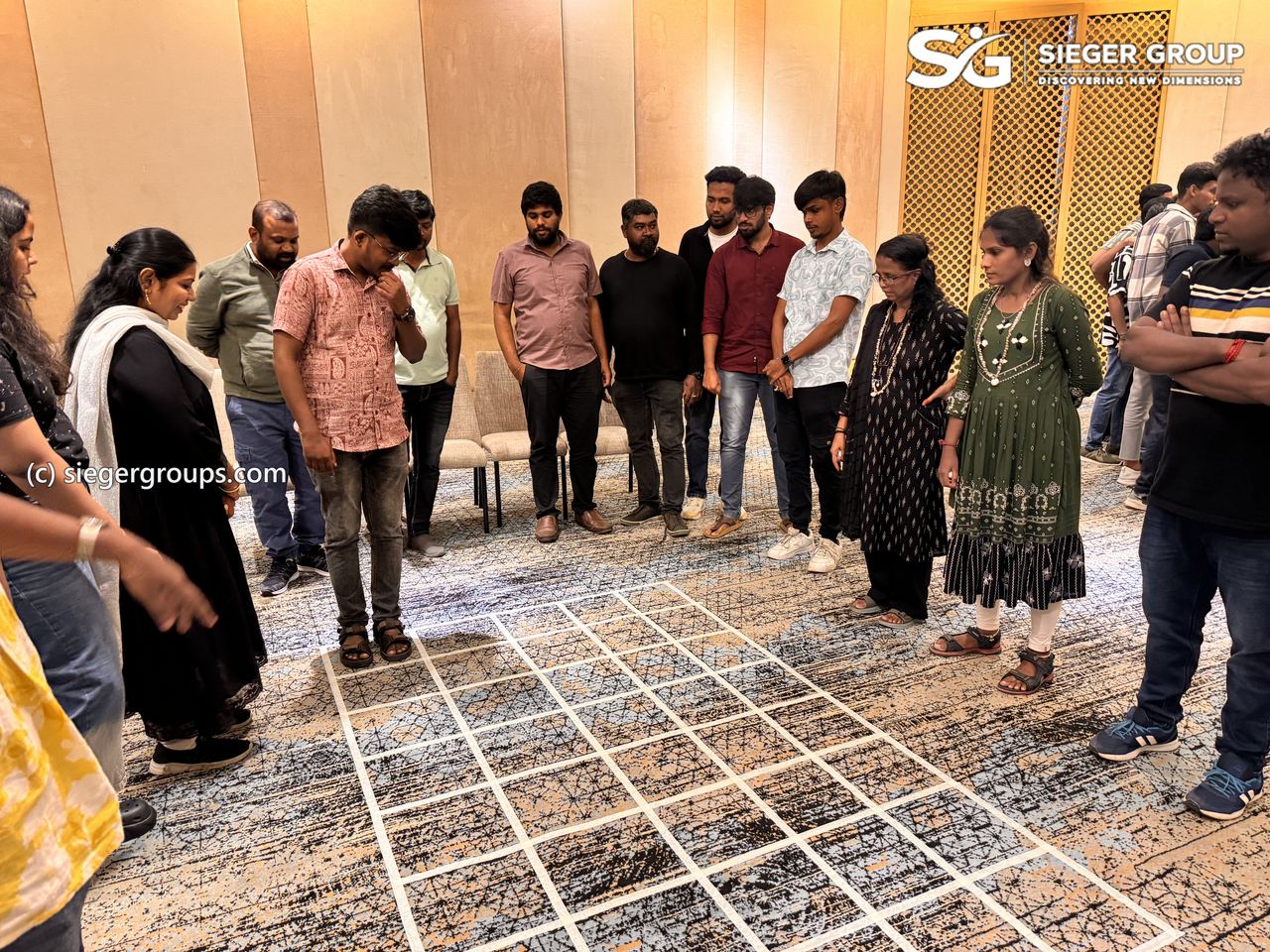
Teams work through an agreed crossing problem using limited resources, discussing possible approaches before acting. Participants practise raising a concern or asking for clarification, then review how the group responded and which contributions helped colleagues take part in the decision.

Learning focusVoice · Supportive responses
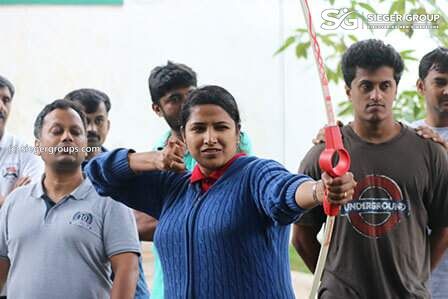
Respond to the request

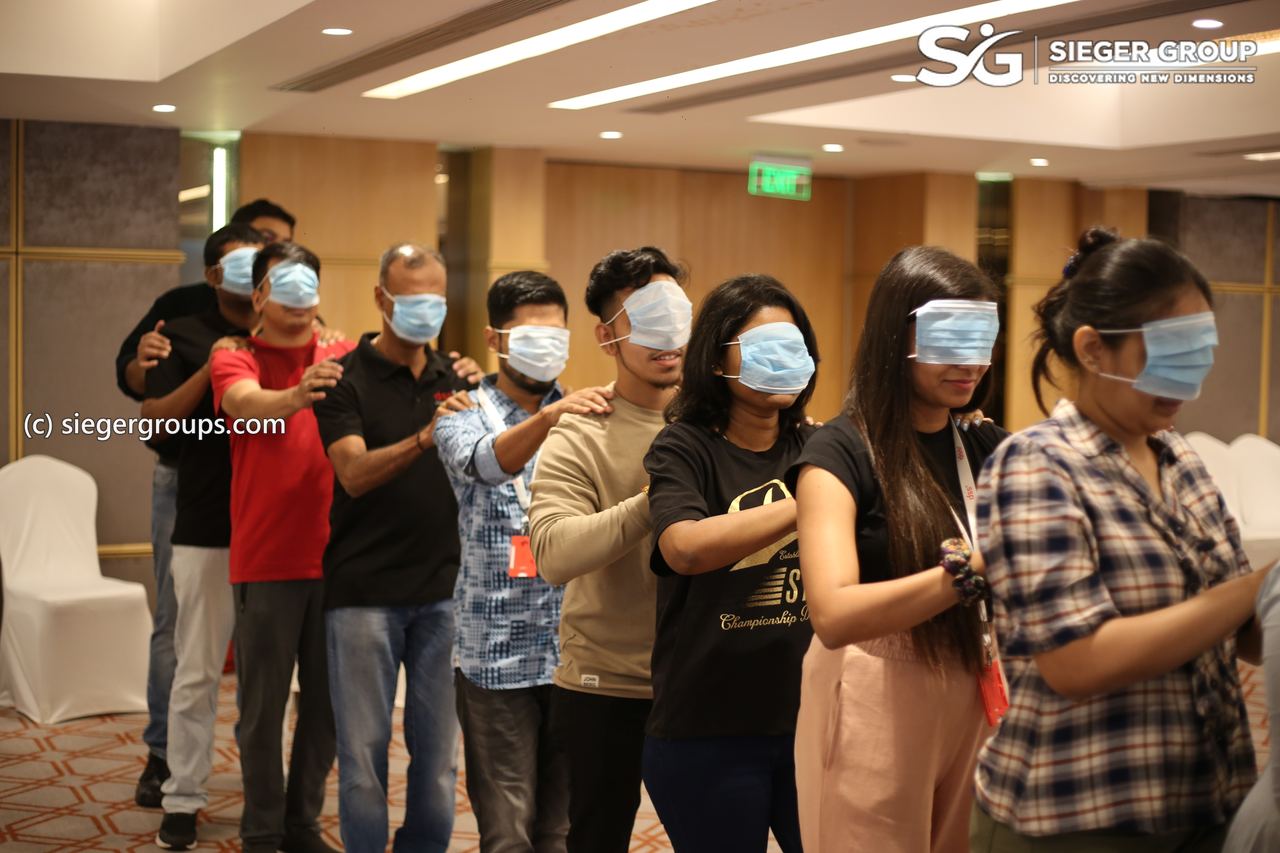
Blind Navigator

A selected task asks colleagues to provide clear verbal information to a participant working without visual cues. The group agrees participation arrangements and checks understanding throughout, reflecting on how a request for help was heard and how guidance was adjusted.

Learning focusClarity · Asking for help
Hear more than one account

Circle of Candour

An optional, structured dialogue invites participants to discuss a relevant work situation or fictional example. Colleagues practise listening, asking open questions and acknowledging different accounts, with choices about what to share and a focus on useful team behaviours.

Learning focusRespectful listening · Participation choice
Raise the issue clearly

Courage Conversations

Pairs practise a role-based conversation about feedback, a concern or a differing view. Participants compare wording and responses, exploring how to describe an issue clearly while showing that questions and alternative perspectives can receive a considered hearing.

Learning focusConstructive feedback · Respectful challenge

Facilitated Practice & Reflection

Use these sessions around the four core exercises. Agree how colleagues can speak up, observe what happens during a shared task and choose one change to try at work.

Agree how to contribute

Safe Space Design

Participants discuss what helps them ask questions, admit uncertainty and offer another view. They turn observations into working agreements for the session. The review treats these as behaviours to practise and revisit, rather than a promise that every interaction will feel comfortable.

Learning focusParticipation agreements · Trust
Notice the response

Immersive Challenges

Teams approach a shared task with incomplete information and opportunities to ask for help. Observers notice responses to questions, suggestions and errors. The task gives the group specific interactions to discuss, making the quality of those responses as useful to examine as whether an answer was found.

Learning focusSpeaking up · Team responses
Understand different experiences

Guided Reflection & Insight

Participants compare what they noticed during the same challenge, including moments when they held back or chose to contribute. Sharing is voluntary and focused on observable interactions. The discussion distinguishes intention from impact and considers which responses made useful contributions easier or harder.

Learning focusReflection · Perspective-taking
Make the agreement visible

Action Integration

Teams choose an interaction to improve, such as inviting questions before a decision or responding constructively when a difficulty is raised. They define what that behaviour would look like in a familiar meeting. Participants agree a small commitment that can be tried and discussed later.

Learning focusEveryday behaviour · Follow-through
Programme overview

Creating Courageous Conversations. Building Trust. Inspiring High-Performance Teams.

In every great team, there’s one invisible force that makes ideas flow freely, feedback feel welcome, and mistakes become lessons instead of fears, psychological safety. It’s the shared belief that “I can speak my truth, ask for help, share a concern or even admit a mistake, and still be respected.” When this culture exists, people stop performing out of fear and start performing out of purpose. They take ownership, ask better questions, and collaborate with energy instead of caution.

What makes it distinctive

The response shapes the next contribution.

A useful question or concern only helps the team when people have a workable way to raise it. Examine the everyday reactions that encourage contribution, then turn the group’s observations into clear interaction agreements that can be tried in familiar meetings.

  • Action Integration: We conclude with practical, team-specific commitments, new meeting norms, feedback rituals and leadership behaviours that sustain a culture of safety beyond the workshop.
  • Awareness of the emotional barriers that limit voice and collaboration.
  • Skills to build trust, respect and inclusion in daily interactions.
Shape your team brief
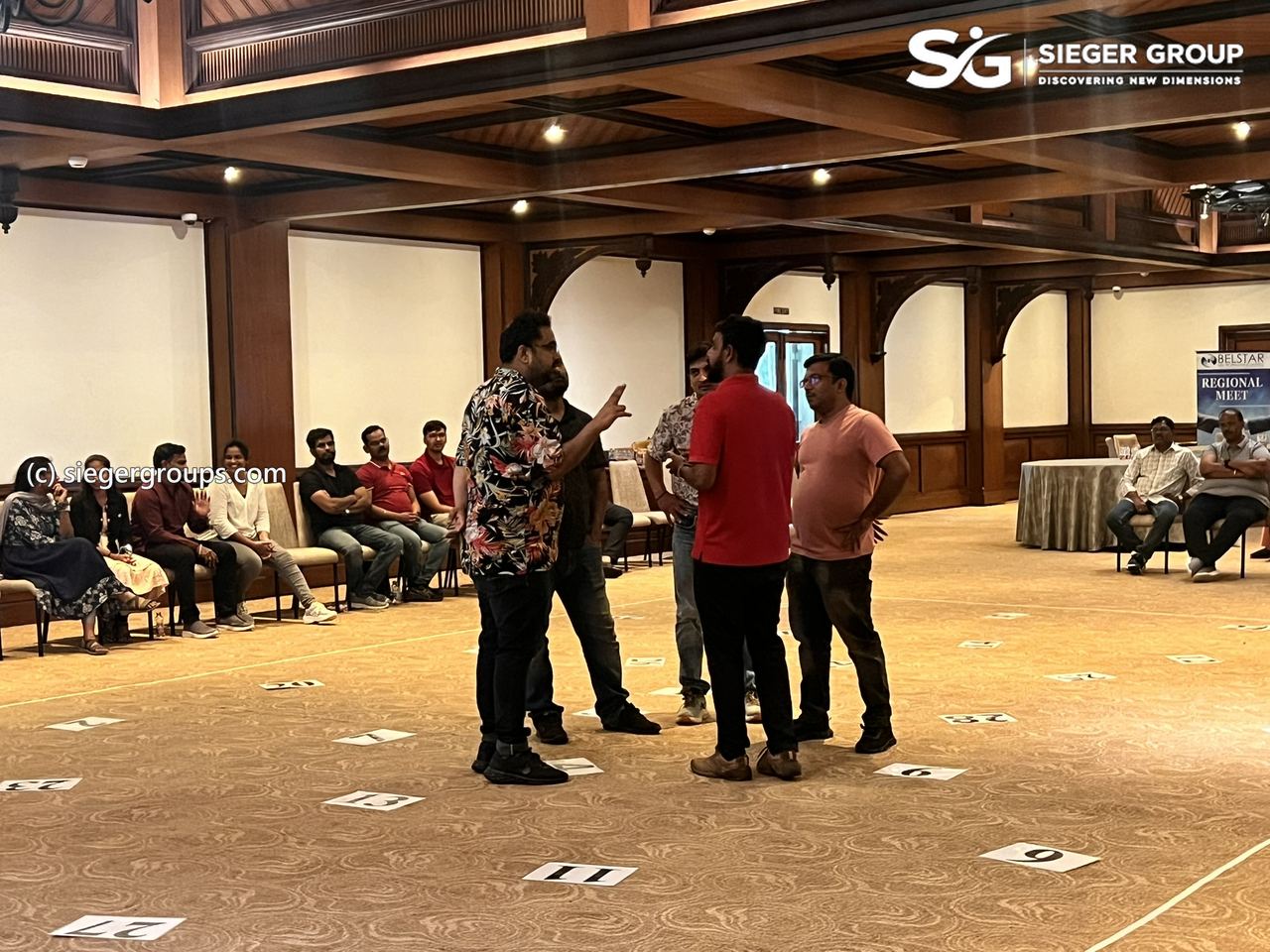
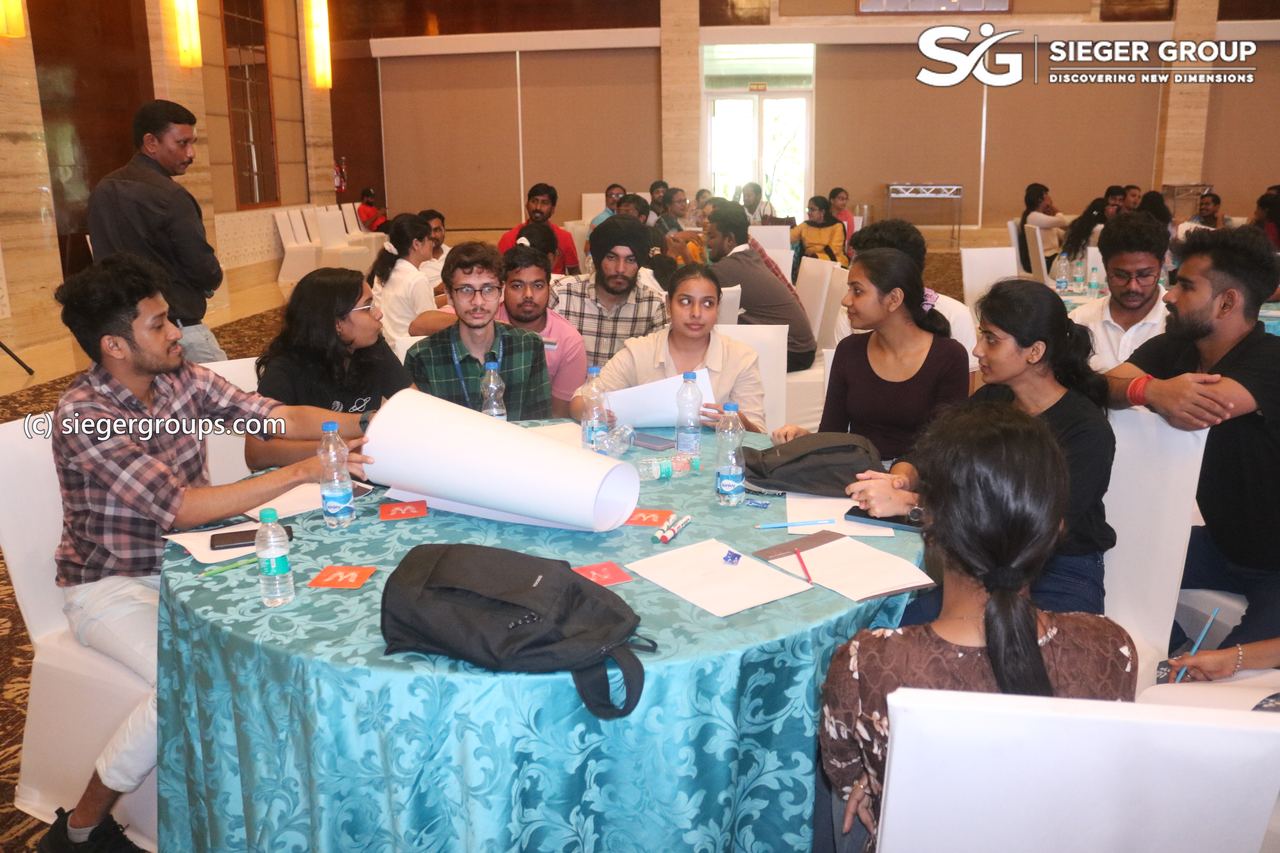
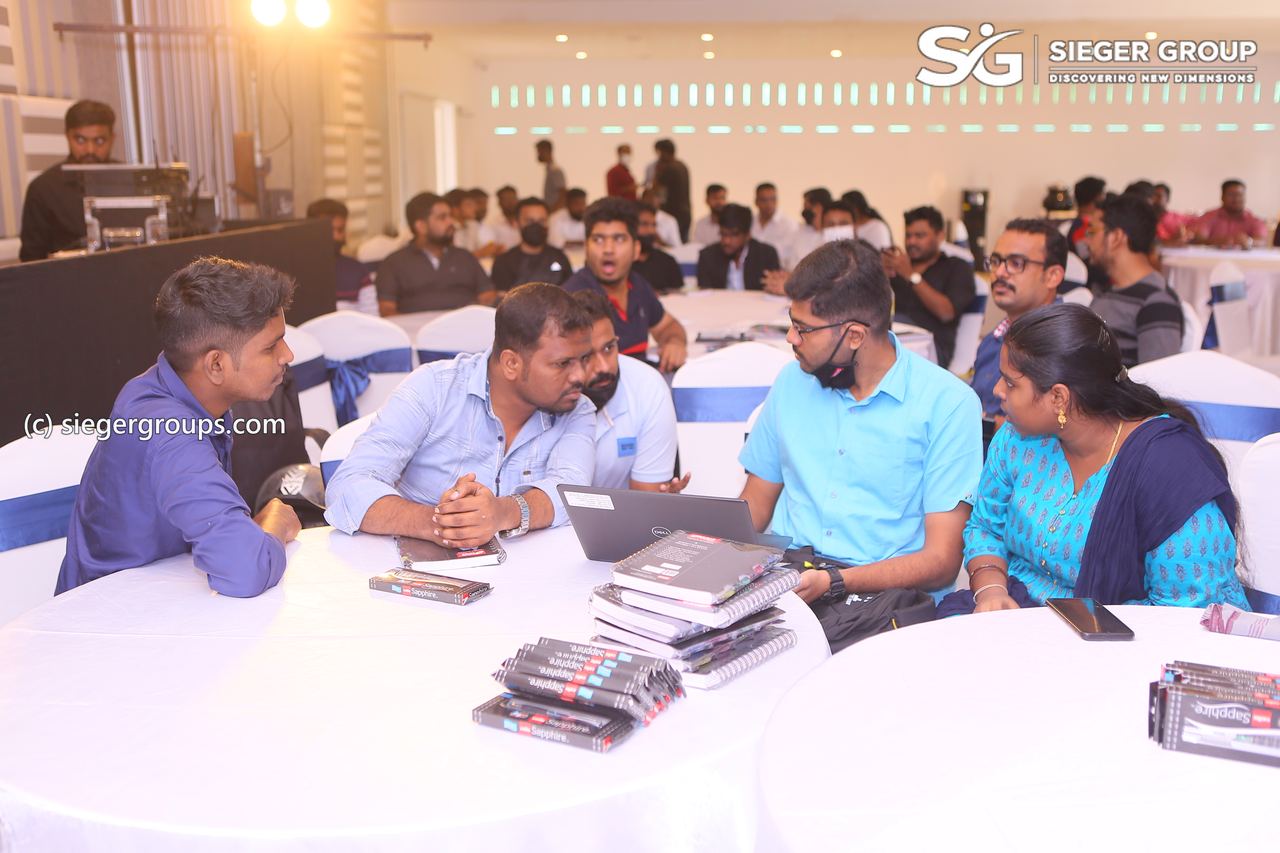
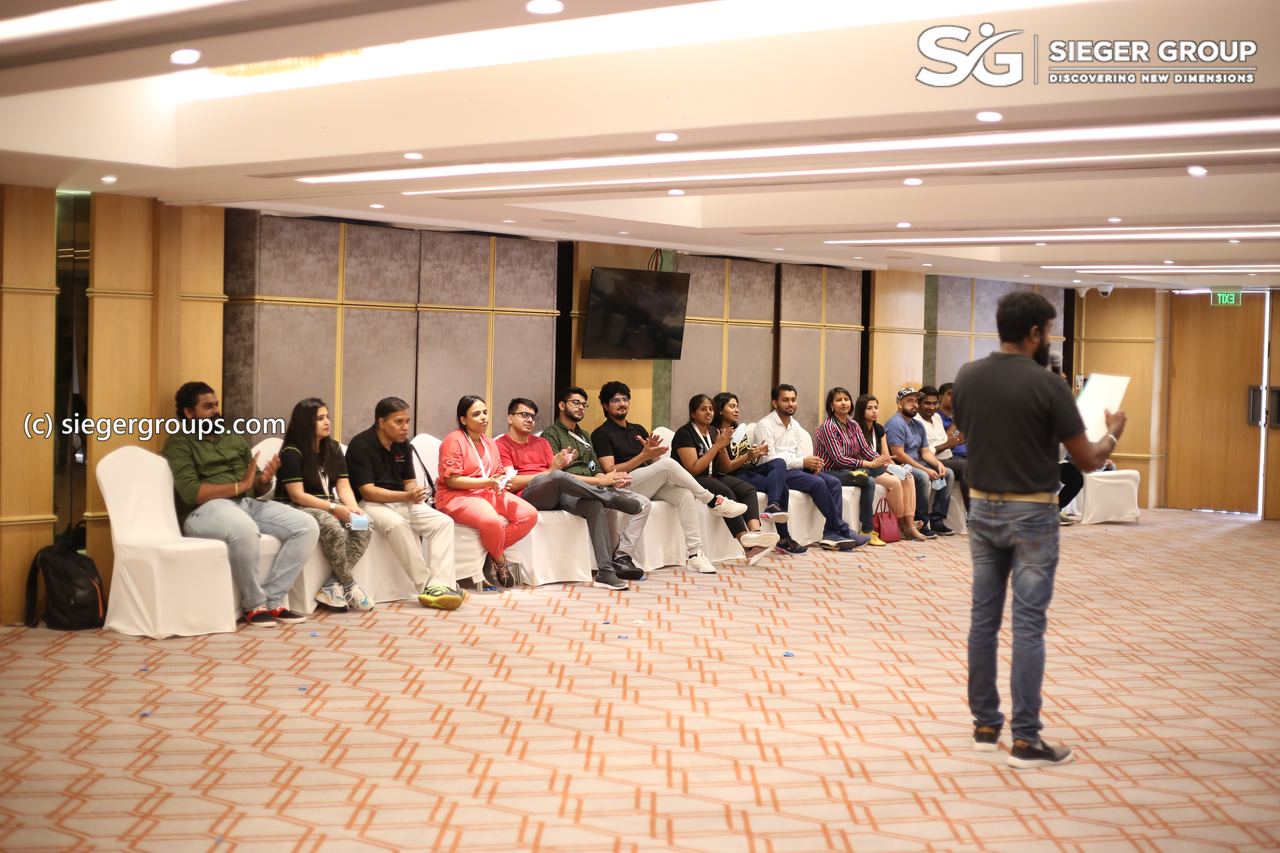
Sieger Group programme photograph — Psychological Safety in Teams
Why this programme

Why Organisations Choose Psychological Safety in Teams

Examine how questions, uncertainty, disagreement and responses to mistakes affect participation in a team.

A clear purpose

More open questions

Examine whether colleagues can seek clarification or acknowledge uncertainty without first presenting a complete and polished answer to the group.

Useful participation

Attention to everyday responses

Notice how reactions to a suggestion, mistake or concern affect whether people are likely to contribute useful information again.

Practical insight

Constructive disagreement

Express a different view while exploring another person’s reasoning and keeping the requirements of the shared task in sight.

Connected choices

Clear participation agreements

Make expectations about questions and respectful challenge explicit, then compare those agreements with what happens in the group’s actual interactions.

Meaningful follow-through

Quieter contributions recognised

Consider how preparation time, response formats and direct invitations affect whose observations become available to a shared team discussion.

Programme benefits

Programme Benefits

Explore the behaviours and practical insights your team can review through Psychological Safety in Teams. The debrief connects observations from the experience with situations that matter to participants.

More open questions

A useful focus for the group is to examine whether colleagues can seek clarification or acknowledge uncertainty without first presenting a complete and polished answer to the group.

Attention to everyday responses

Participants can examine how to notice how reactions to a suggestion, mistake or concern affect whether people are likely to contribute useful information again.

Constructive disagreement

The review can highlight ways to express a different view while exploring another person’s reasoning and keeping the requirements of the shared task in sight.

Clear participation agreements

Colleagues can explore how to make expectations about questions and respectful challenge explicit, then compare those agreements with what happens in the group’s actual interactions.

Quieter contributions recognised

The experience can prompt discussion of how to consider how preparation time, response formats and direct invitations affect whose observations become available to a shared team discussion.

Useful error conversations

A practical takeaway is to examine what a difficulty reveals about information and assumptions before moving towards blame or avoiding an uncomfortable issue.

Observable team commitments

The team can consider how to choose one meeting behaviour to try and revisit so the conversation about contribution leads to something colleagues can actually notice.

From experience to application

Bring the learning back to work.

Use these reflection prompts to turn Psychological Safety in Teams into a focused conversation about what happened, what it means and what to try next.

  1. Notice a contribution

    Recall a question or different view that helped the challenge and discuss how the response affected the next exchange between colleagues.

  2. Consider a withheld observation

    Reflect privately on something you noticed but did not share and consider what invitation might have made contributing easier in that situation.

  3. Review intention and impact

    Choose an interaction where a helpful intention had a different effect and discuss observable behaviour without judging the colleague’s character.

  4. Connect to a familiar meeting

    Identify where questions or concerns are often missed in everyday work and discuss how the team could invite that information earlier.

  5. Choose a response to practise

    Agree a behaviour such as thanking someone for raising a concern before exploring it, and define how colleagues will recognise that response.

  6. Revisit the agreement

    Check whether the chosen response was used, whose experience it affected and what the group would like to adapt in its next conversation.

Programme delivery

How the Programme Works

A suggested flow for Psychological Safety in Teams, from setting the brief to reviewing the experience. Activity choices, pace and facilitation are confirmed around your group and setting.

  1. Start with context

    Agree the purpose and participation

    Examine how questions, uncertainty, disagreement and responses to mistakes affect participation in a team. Discuss what participants should understand before approaching safe space design - we start by co-creating ground rules that build trust, including the information, roles and choices relevant to this group.

    Participation agreements · Trust
  2. Notice the response

    Explore the selected experience

    Teams approach the task using their participation agreements. Facilitation observes questions and responses while making room for different perspectives without requiring personal disclosure.

    Speaking up · Team responses
  3. Understand different experiences

    Compare and develop the approach

    Colleagues distinguish intention from the effect of a response. The group uses those observations to develop an interaction agreement for familiar team situations.

    Reflection · Perspective-taking
  4. Make the experience useful

    Review and carry it forward

    Identify where questions or concerns are often missed in everyday work and discuss how the team could invite that information earlier. Agree a behaviour such as thanking someone for raising a concern before exploring it, and define how colleagues will recognise that response.

    Everyday behaviour · Follow-through
Experiential learning outline

Experience. Reflect. Apply.

Connect Psychological Safety in Teams with purposeful practice, evidence-based reflection and a next step that fits your working context.

  1. Align the brief

    Examine how questions, uncertainty, disagreement and responses to mistakes affect participation in a team. Clarify what the group needs before beginning the selected experience.

  2. Experience the challenge

    Explore safe space design - we start by co-creating ground rules that build trust through the agreed format. Notice how reactions to a suggestion, mistake or concern affect whether people are likely to contribute useful information again.

  3. Reflect on the evidence

    Examine the response following a question or concern and discuss what it communicated about contribution and the information available to the team afterwards.

  4. Connect the learning

    Identify an everyday decision where uncertainty could be voiced earlier and consider what invitation, preparation or response would help relevant information reach the group.

  5. Commit to a next step

    Choose an observable meeting behaviour and agree how to ask colleagues for feedback about its use, including experiences that differ from the intention.

Programme details

Programme Format

Duration

½ day to 2 days (customizable)

Mode

Outdoor, indoor, or hybrid experiential format

Group Size

20 to 200 participants

Facilitation

Certified experiential trainers with behavioural expertise

Outcome

A psychologically safe, self-aware, and high-performing team culture

Programme details

Who can Attend?

Leadership teams aiming to strengthen openness and trust.
Cross-functional teams struggling with communication barriers.
New project groups that need to build psychological safety quickly.
Organizations preparing for culture transformation initiatives.
Who should attend

Choose the right audience for the experience.

Discuss participant experience, access needs, language preferences and the purpose of the programme before confirming suitability.

Intact and cross-functional teams

Intact and cross-functional teams interested in participation agreements · trust. Safe Space Design - We start by co-creating ground rules that build trust offers one possible starting point for an agreed group experience.

Managers and emerging leaders

Managers and emerging leaders exploring speaking up · team responses. Select a format that fits their responsibilities, working relationships and the purpose of Psychological Safety in Teams.

Project teams and newly formed groups

Project teams and newly formed groups bringing different perspectives to reflection · perspective-taking. Confirm the learning priorities and participation arrangements before choosing the activity mix.

Programme schedule

An illustrative two-day learning journey.

This sample shows how a programme could flow. Timings, breaks, activity choices and duration are agreed in the final proposal.

Day one

Explore the experience

  1. 09:15–10:30

    Welcome, context and participation

    Introduce Psychological Safety in Teams, agree the group’s purpose and discuss participation preferences. Explain the selected formats before the experience begins.

  2. 10:45–12:30

    Safe Space Design - We start by co-creating ground rules that build trust

    Use a selected version of Safe Space Design - We start by co-creating ground rules that build trust to explore participation agreements · trust. Pause to compare observations and clarify the choices that shaped progress.

  3. 13:30–15:00

    Immersive Challenges

    Use a selected version of Immersive Challenges to explore speaking up · team responses. Pause to compare observations and clarify the choices that shaped progress.

  4. 15:15–17:00

    Reflection and shared takeaways

    Review examples of more open questions and constructive disagreement. Connect the observations with day-to-day team responsibilities and choose a relevant next conversation.

Day two

Deepen and apply the learning

  1. 09:15–10:30

    Guided Reflection & Insight

    Explore an agreed version of Guided Reflection & Insight and compare approaches to reflection · perspective-taking. Discuss what the group changes after feedback.

  2. 10:45–12:30

    Action Integration

    Explore an agreed version of Action Integration and compare approaches to everyday behaviour · follow-through. Discuss what the group changes after feedback.

  3. 13:30–15:00

    Connect the experience with work

    Identify a situation in day-to-day team responsibilities where useful error conversations would be useful. Discuss one practical adjustment and the people it affects.

  4. 15:15–17:00

    Commitments and review

    Choose a next step related to observable team commitments. Agree responsibility and a useful point for reviewing what happens after the programme.

Planning details

A considered programme starts with the practical details.

People and participation

Share the audience profile, language preferences and access needs for Psychological Safety in Teams. Agree options that let different colleagues contribute comfortably.

Venue and resources

Discuss the available space, materials and facilitation arrangements for the selected learning exercises. Confirm the final mix of Safe Space Design - We start by co-creating ground rules that build trust and any other chosen experiences in the brief.

Scope and delivery

Agree the focus on speaking up · team responses, the programme duration and which materials, facilitation and delivery arrangements are included.

Review and follow-through

Choose how to review useful error conversations and observable team commitments. Confirm any follow-up conversation or team commitment that belongs within the programme scope.

Organisations we work with

Trusted by teams across industries

Sieger Group supports organisations with team-building experiences and facilitated programmes.

Client perspectives

Testimonials

Plan with confidence

Psychological Safety in Teams FAQs

12 practical answers to help you plan your programme.

What is Psychological Safety in Teams?

In every great team, there’s one invisible force that makes ideas flow freely, feedback feel welcome, and mistakes become lessons instead of fears, psychological safety. It’s the shared belief that “I can speak my truth, ask for help, share a concern or even admit a mistake, and still be respected.” When this culture exists, people stop performing out of fear and start performing out of purpose. They take ownership, ask better questions, and collaborate with energy instead of caution.

Who is this programme suitable for?

Psychological Safety in Teams can be considered for teams planning a focused learning programme. Share roles, group size, experience levels and participation needs so suitability can be confirmed.

What can participants explore?

The existing programme outline includes: Safe Space Design - We start by co-creating ground rules that build trust: No judgment, All voices matter, Mistakes are welcome, Reflection is valued over perfection. This foundation helps participants relax, open up, and fully engage with the process.; Immersive Challenges: Teams experience carefully crafted activities that bring real-world dynamics to life, problem-solving, communication, trust and decision-making under pressure. Each challenge is structured so that the team must rely on openness, feedback and collaboration to succeed.; Guided Reflection & Insight: After every activity, a facilitated reflection connects the experience with workplace reality. Participants discuss what helped them feel safe, what shut them down, and how to consciously create a safer climate back at work.. The final emphasis and activity selection should be agreed around your brief.

Can the programme be customised for our team?

Yes. Share your team context, goals and preferred tone. The proposed Psychological Safety in Teams experience can then be adapted through the activity mix, level of challenge, discussion themes and delivery format, subject to feasibility.

How long does the programme take?

Duration depends on the agreed scope, group size and setting. For Psychological Safety in Teams, allow for the briefing, activities, breaks and facilitated reflection and action planning. Request a proposed agenda that fits your available time.

Where can we organise the experience?

Share your preferred city, office, venue or offsite destination in India. Psychological Safety in Teams requires a setting suited to the activities and participants. Venue access, usable space, equipment and local delivery arrangements should be confirmed before booking.

What group size works for this programme?

The appropriate group size depends on the activity structure, facilitation and available space. Tell us the expected number of participants for Psychological Safety in Teams so team sizes, rotations and staffing can be proposed.

What should participants prepare?

For Psychological Safety in Teams, the pre-event briefing should explain the schedule, clothing or equipment requirements and how to take part. Share accessibility needs and relevant participation constraints during planning so suitable arrangements can be discussed.

How are participation and inclusion considered?

Discuss access, mobility, language, sensory needs and comfort levels before confirming Psychological Safety in Teams. Agree suitable roles and alternatives where feasible. For specialist activities, confirm delivery responsibilities and participation requirements in advance.

How can we connect the programme with our objectives?

Agree the purpose of Psychological Safety in Teams before delivery. Facilitated discussion can link participant decisions and behaviours with workplace or campus situations, followed by practical action commitments. Confirm any follow-up or evaluation support in the proposal.

What does the programme cost?

Pricing for Psychological Safety in Teams depends on participant numbers, duration, facilitation, equipment, location and agreed logistics. Request a tailored proposal that clearly states programme inclusions, venue or travel arrangements and applicable charges.

How do we enquire about Psychological Safety in Teams?

Use the enquiry form on this page or call +91 98400 97567. Include Psychological Safety in Teams, your objectives, group size, preferred dates and location. Sieger Group can then discuss suitability and prepare a proposal for your review.

Ready to plan?

Let’s shape the right programme for your people.

Share your goals, group size, preferred dates and venue. We’ll help you explore a considered programme.

Request a tailored proposal
Back to programme overview
LET'S CREATE YOUR NEXT SHARED MOMENT

What could your team
do together?

Tell us what you have in mind. We will help you explore a programme that fits your people and your occasion.

  • Your peopleGroup size, audience and participation needs.
  • Your plansDate, destination, venue and time available.
  • Your purposeTeam connection, learning or a celebration.
  • Your outcomesWhat you want your team to experience or take away.
+91 98400 97567 ↗

Still finalising the details? Share what you know.

From your brief to a considered programme

Every team is different. Share your people, purpose and preferred setting, and we’ll translate your brief into an experience designed to connect, engage and create lasting impact.

  • Choose a format suited to your participants.
  • Align the experience with your event goals.
  • Tailor the programme to your team’s needs.
  • Plan the flow, venue and logistics.
  • Create an experience people will remember.
ENQUIRE WITH SIEGER GROUP

Start the conversation.

Share your brief and preferred contact details.