Sieger Group · Outbound Training

Mindfulness & Mental Fitness

Experiential learning with a clear purpose.

What is Mindfulness? “Mindfulness is the basic human ability to be fully present, aware of where we are and what we’re doing, and not overly reactive or overwhelmed by what’s going on around us." Mindfulness involves non-judgment, meaning that we pay attention to our thoughts and feelings with the attitude of an impartial witness — without believing them or taking them personally. Mindfulness is a quality that every human being already possesses, it’s not something you have to conjure up, you just have to learn how to access it.

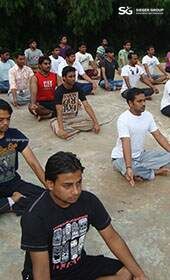
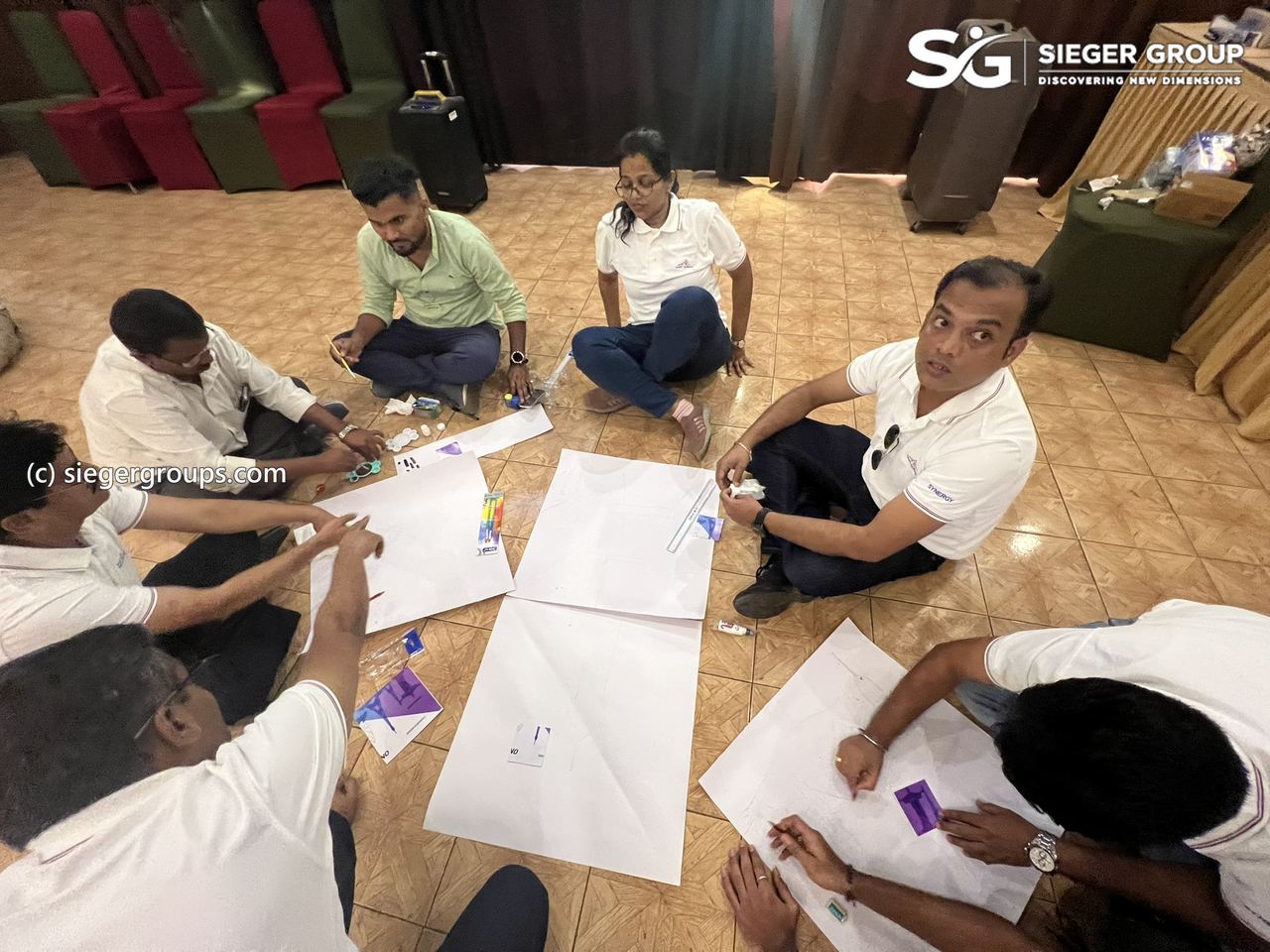
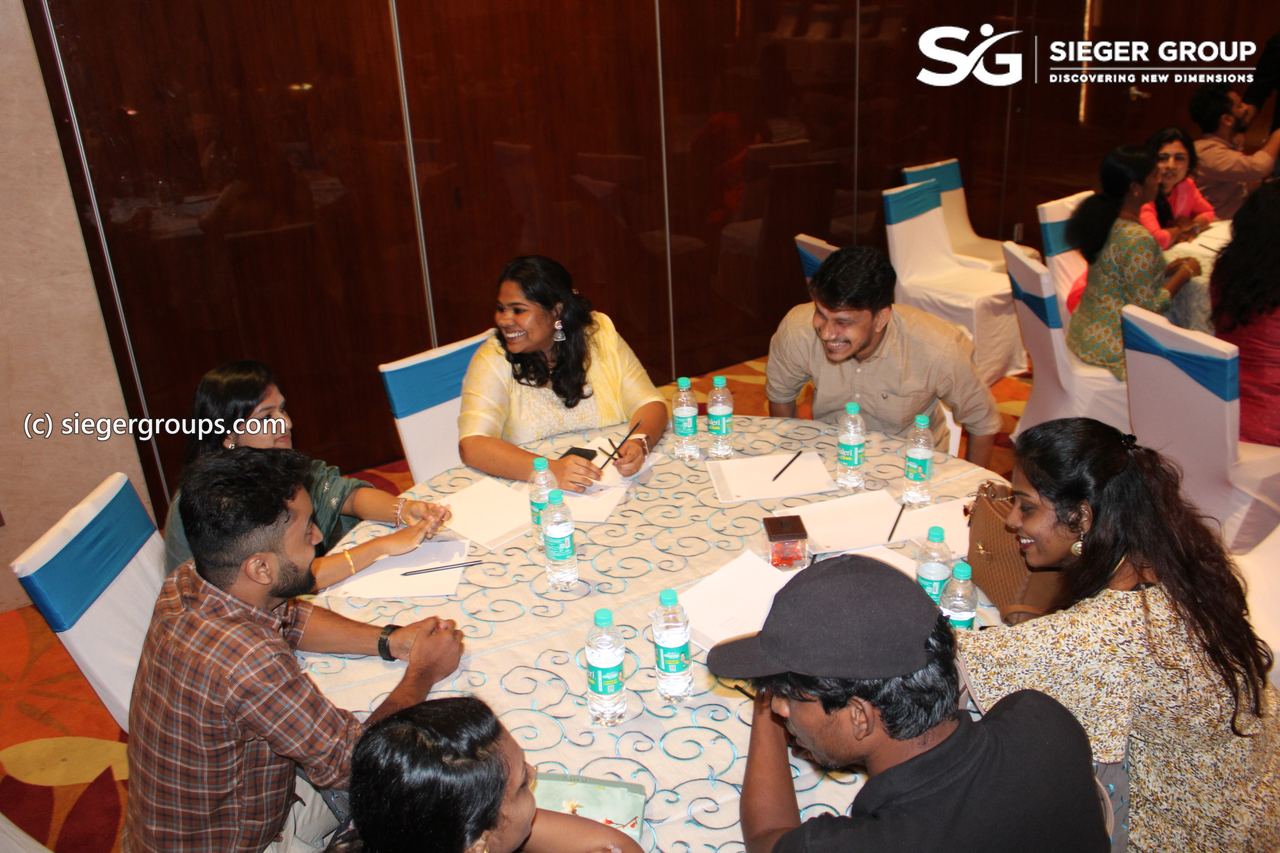
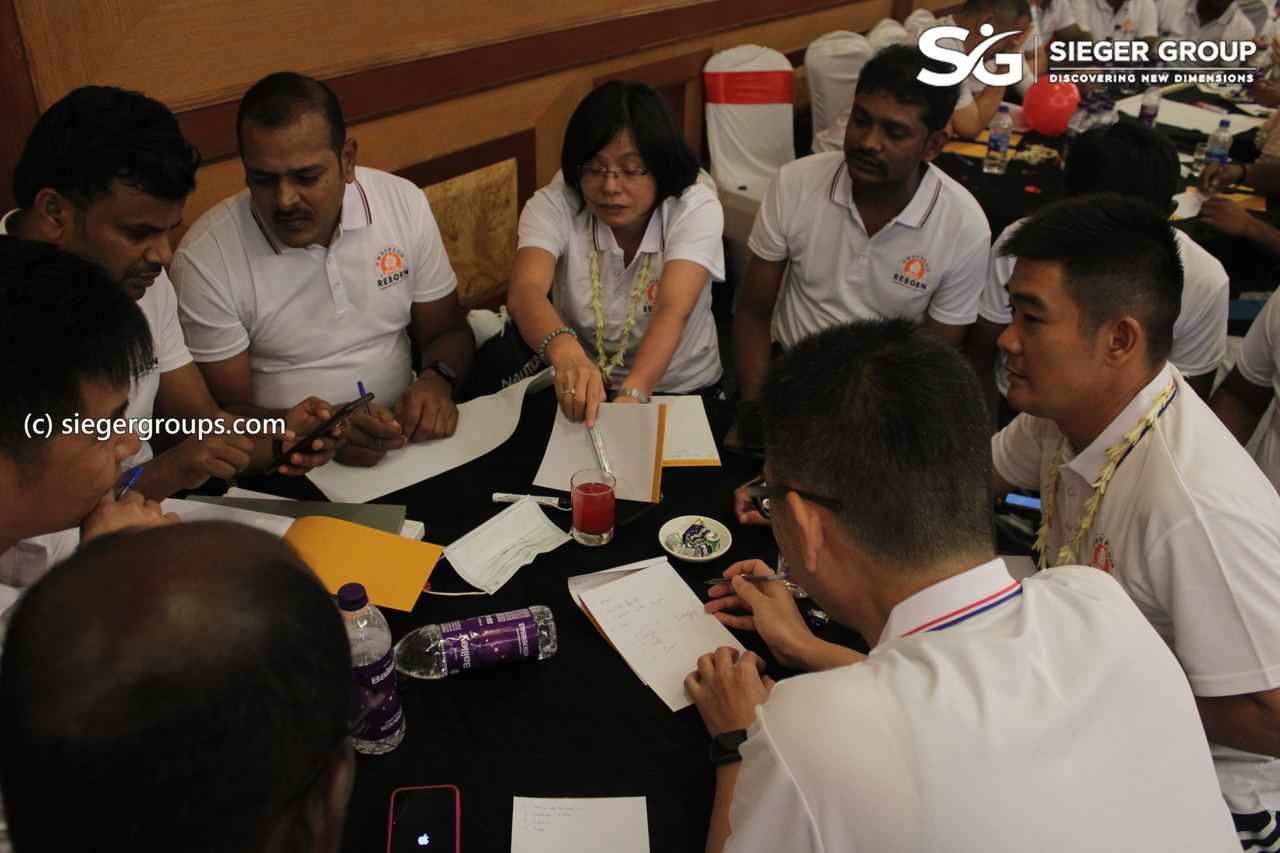
Sieger Group programme photograph — Mindfulness & Mental Fitness

Core Exercises for Mindfulness & Mental Fitness

Explore these options as starting points for mindfulness & mental fitness. The selected formats, materials and participation arrangements are shaped around the group and agreed brief.

Notice where attention goes

Attention Check-in

Participants notice where their attention is at the start of a session and practise returning to a simple agreed focus. They can keep reflections private or share observations. The exercise introduces attention as something to notice and redirect rather than a performance that must be judged.

Learning focusAwareness · Attention
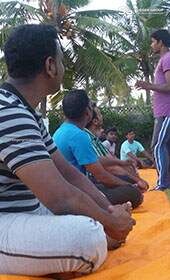
Compare different attention conditions

Mindful Task Experiment

Teams complete a simple task under different attention conditions, then compare their experience. They notice the effects of interruption, rushing and deliberate focus without treating one response as universal. The discussion connects those observations with practical choices about work routines and transitions between tasks.

Learning focusFocus · Working habits
Create room for a response

Pause and Respond Practice

Participants explore a brief pause before responding to a workplace-style prompt. They notice the difference between an immediate reaction and a considered response, choosing whether to share personal observations. Reflection examines how a small pause might create room for clearer choices in everyday interactions.

Learning focusResponse awareness · Choice
Find a realistic place to begin

Everyday Reset Planning

Colleagues identify a realistic moment in their routine where a short pause or attention reset could be useful. They discuss what might support or interrupt that habit and agree a modest experiment. The emphasis stays on accessible practice and personal choice rather than promising a clinical outcome.

Learning focusHabits · Practical application
Programme overview

MINDFULNESS REVOLUTION

What is Mindfulness? “Mindfulness is the basic human ability to be fully present, aware of where we are and what we’re doing, and not overly reactive or overwhelmed by what’s going on around us." Mindfulness involves non-judgment, meaning that we pay attention to our thoughts and feelings with the attitude of an impartial witness — without believing them or taking them personally. Mindfulness is a quality that every human being already possesses, it’s not something you have to conjure up, you just have to learn how to access it.

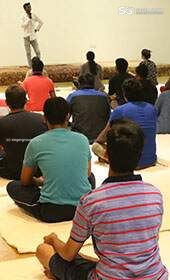
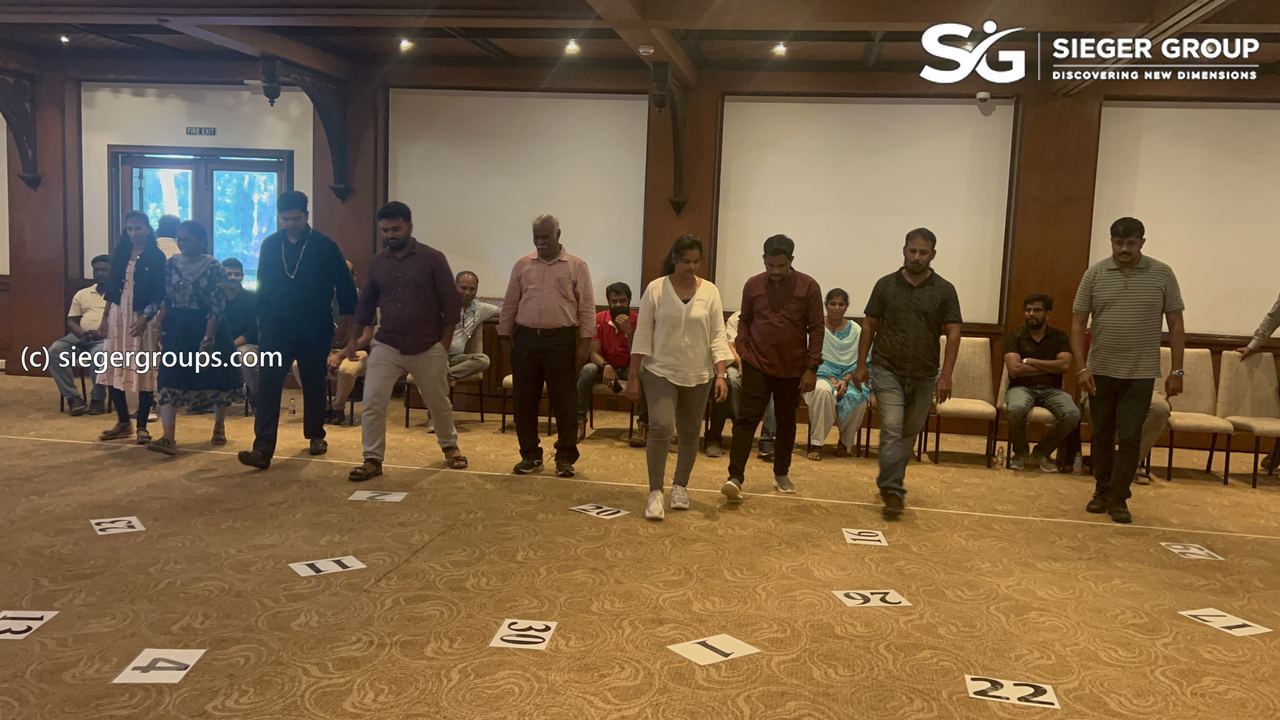
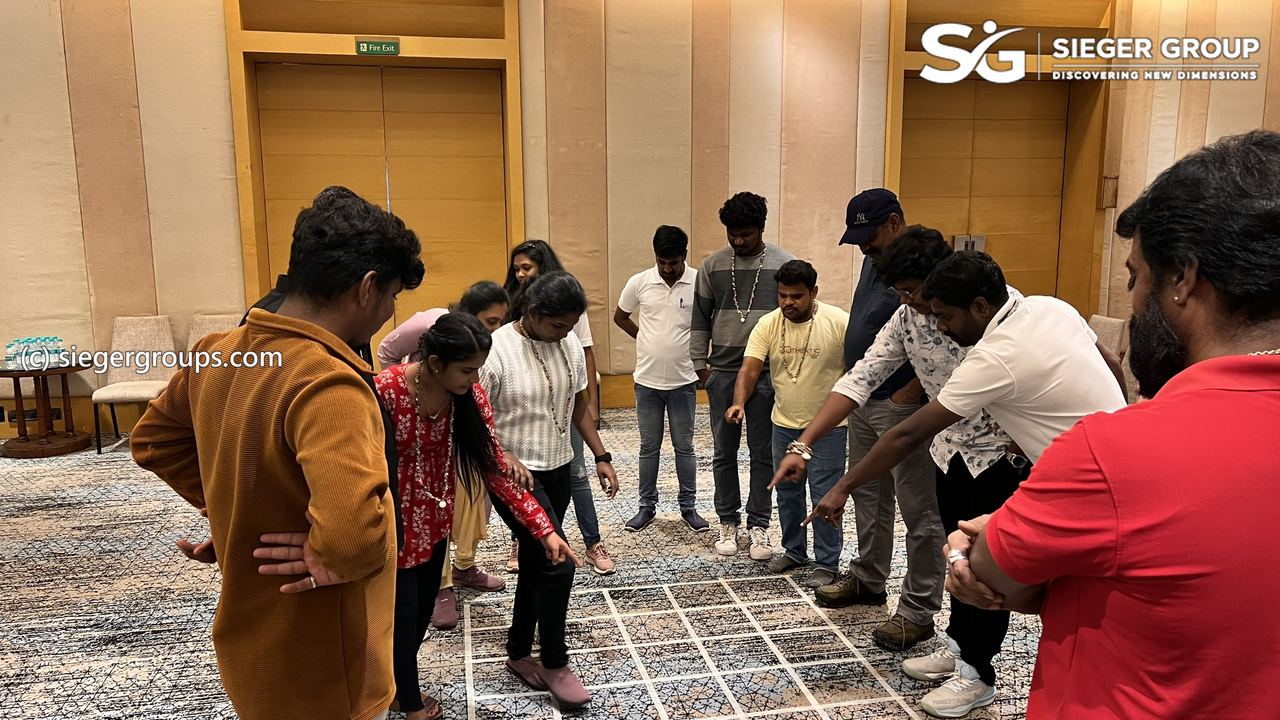
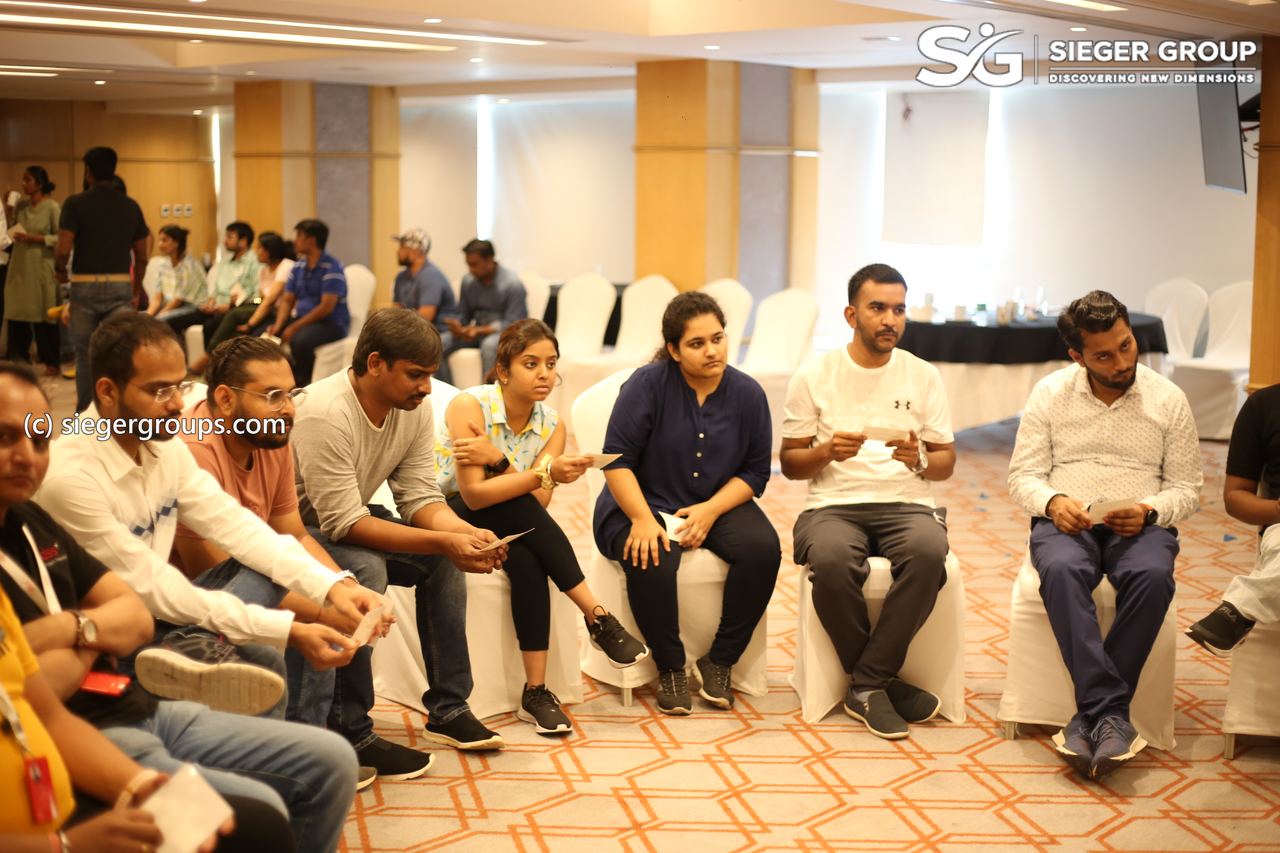
Mindfulness & Mental Fitness — programme library photograph
What makes it distinctive

Notice the moment before the next response.

Attention changes throughout an ordinary workday. Try simple practices that make those shifts easier to observe, compare personal experiences and consider where a brief pause might fit naturally before a conversation, a new task or another demand on attention.

  • Improved ability to manage Stress, Burnouts and psychological distress
  • Improved ability to pay attention, focus and concentrate
  • Increased clarity in thinking and perception
Shape your team brief
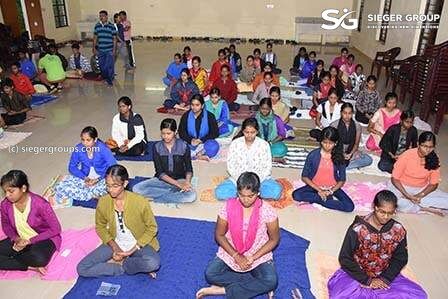
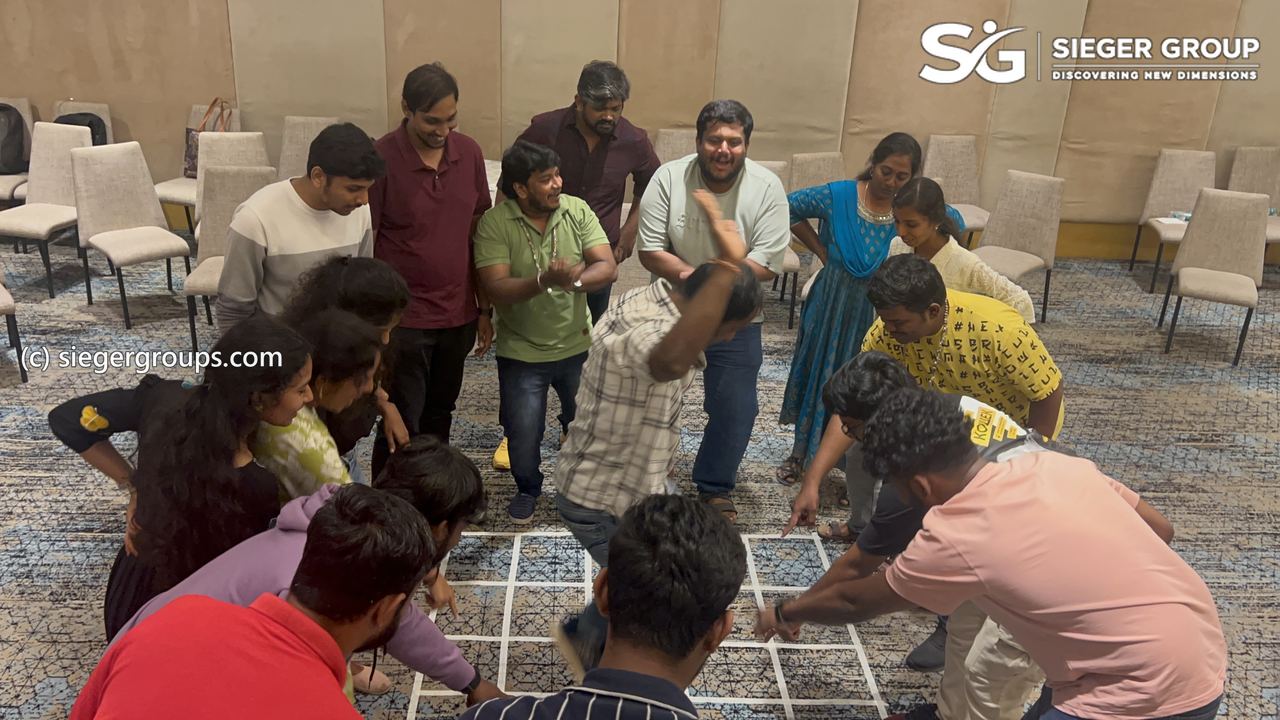
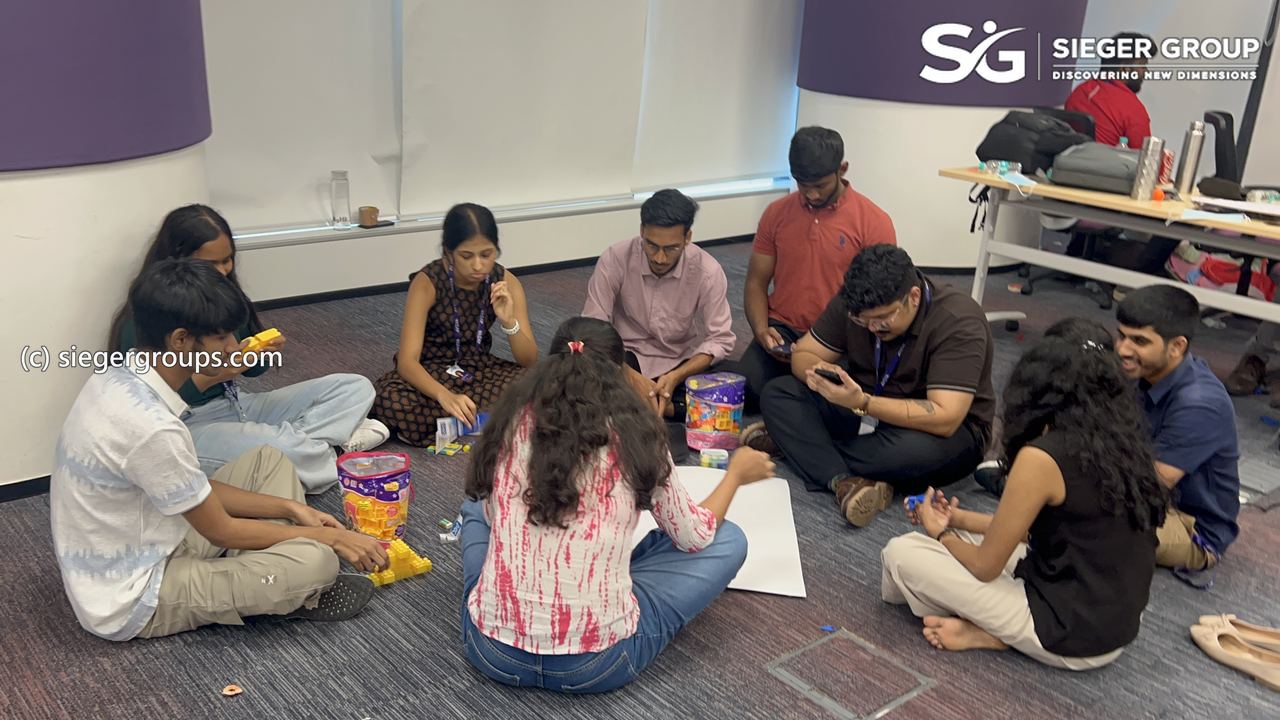
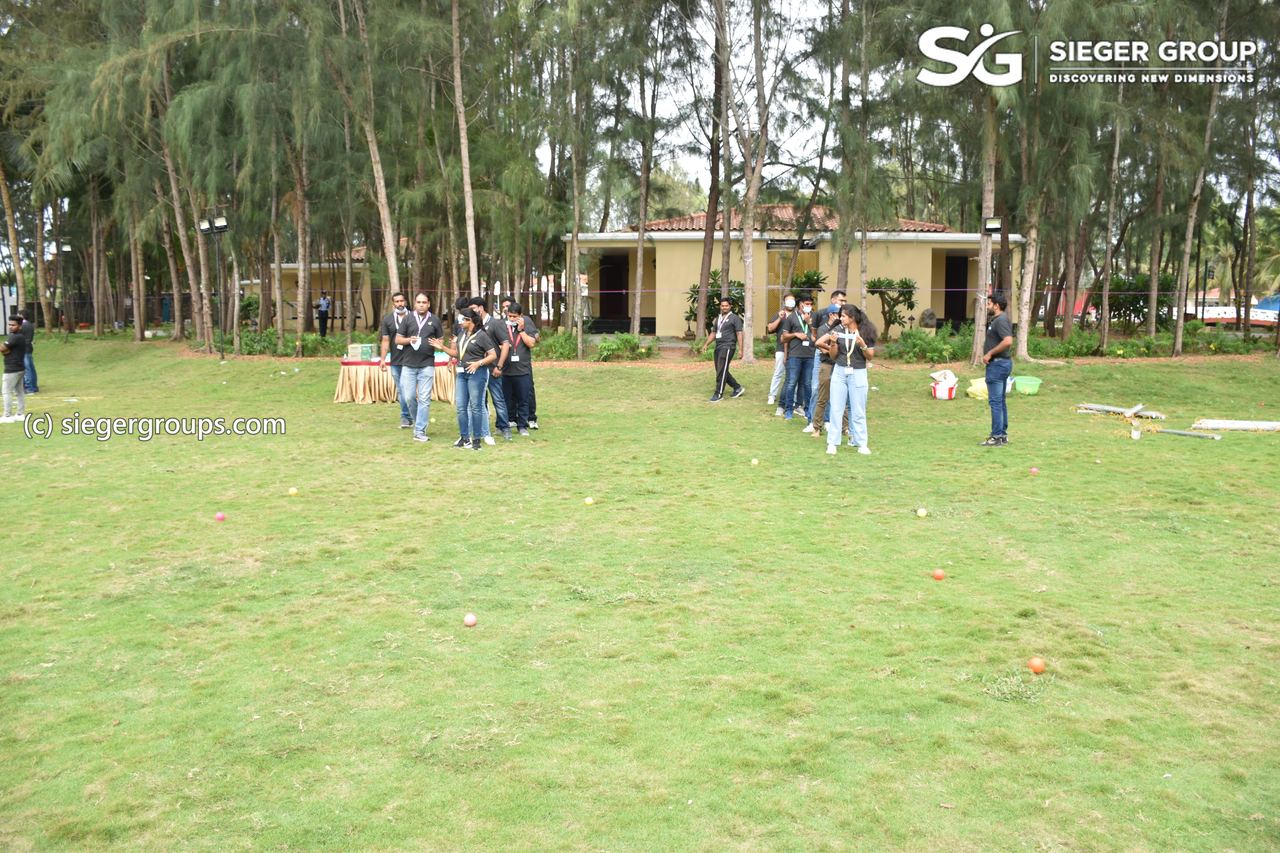
Sieger Group programme photograph — Mindfulness & Mental Fitness
Why this programme

Why Organisations Choose Mindfulness & Mental Fitness

Explore attention, everyday pauses and working habits through accessible mindfulness exercises and voluntary reflection.

A clear purpose

Attention made visible

Notice distraction and return to an agreed focus without treating a wandering mind as failure or requiring participants to disclose personal experiences.

Useful participation

A pause in the workday

Explore where a short transition could help colleagues approach the next task with more awareness of their current attention and priorities.

Practical insight

More considered responses

Practise noticing an immediate reaction before choosing how to respond in a familiar conversation or workplace-style scenario.

Connected choices

Practical observation of habits

Compare the effects of interruption and rushing during a simple task rather than assuming one concentration method suits every person equally.

Meaningful follow-through

Respect for personal choice

Offer ways to participate or reflect privately so colleagues can engage with the exercises without pressure to share internal experiences.

Programme benefits

Programme Benefits

Explore the behaviours and practical insights your team can review through Mindfulness & Mental Fitness. The debrief connects observations from the experience with situations that matter to participants.

Attention made visible

A useful focus for the group is to notice distraction and return to an agreed focus without treating a wandering mind as failure or requiring participants to disclose personal experiences.

A pause in the workday

Participants can examine how to explore where a short transition could help colleagues approach the next task with more awareness of their current attention and priorities.

More considered responses

The review can highlight ways to practise noticing an immediate reaction before choosing how to respond in a familiar conversation or workplace-style scenario.

Practical observation of habits

Colleagues can explore how to compare the effects of interruption and rushing during a simple task rather than assuming one concentration method suits every person equally.

Respect for personal choice

The experience can prompt discussion of how to offer ways to participate or reflect privately so colleagues can engage with the exercises without pressure to share internal experiences.

Realistic attention routines

A practical takeaway is to identify small practices that fit existing work rhythms and consider the conditions that make those habits easier or harder to maintain.

Reflection without promises

The team can consider how to use observations to decide what is useful for the individual while keeping the programme distinct from clinical assessment or treatment.

From experience to application

Bring the learning back to work.

Use these reflection prompts to turn Mindfulness & Mental Fitness into a focused conversation about what happened, what it means and what to try next.

  1. Observe an attention shift

    Notice what drew your attention during an exercise and what helped you return to the focus without judging the experience as success or failure.

  2. Review an interruption

    Identify how a distraction affected a simple task and compare the experience with your usual transitions between responsibilities during the day.

  3. Notice a response choice

    Reflect privately on whether a short pause changed how you approached a prompt and what that might mean for an everyday conversation.

  4. Choose a realistic moment

    Identify one routine transition where a brief reset could fit naturally, such as before opening another task or joining a meeting.

  5. Define a modest experiment

    Decide which practice you want to try, how it fits your routine and what you would like to notice while using it.

  6. Review personal usefulness

    Return to your observations and decide whether to continue, adapt or leave the practice without assuming it should work identically for everyone.

Programme delivery

How the Programme Works

A suggested flow for Mindfulness & Mental Fitness, from setting the brief to reviewing the experience. Activity choices, pace and facilitation are confirmed around your group and setting.

  1. Start with context

    Agree the purpose and participation

    Explore attention, everyday pauses and working habits through accessible mindfulness exercises and voluntary reflection. Discuss what participants should understand before approaching attention check-in, including the information, roles and choices relevant to this group.

    Awareness · Attention
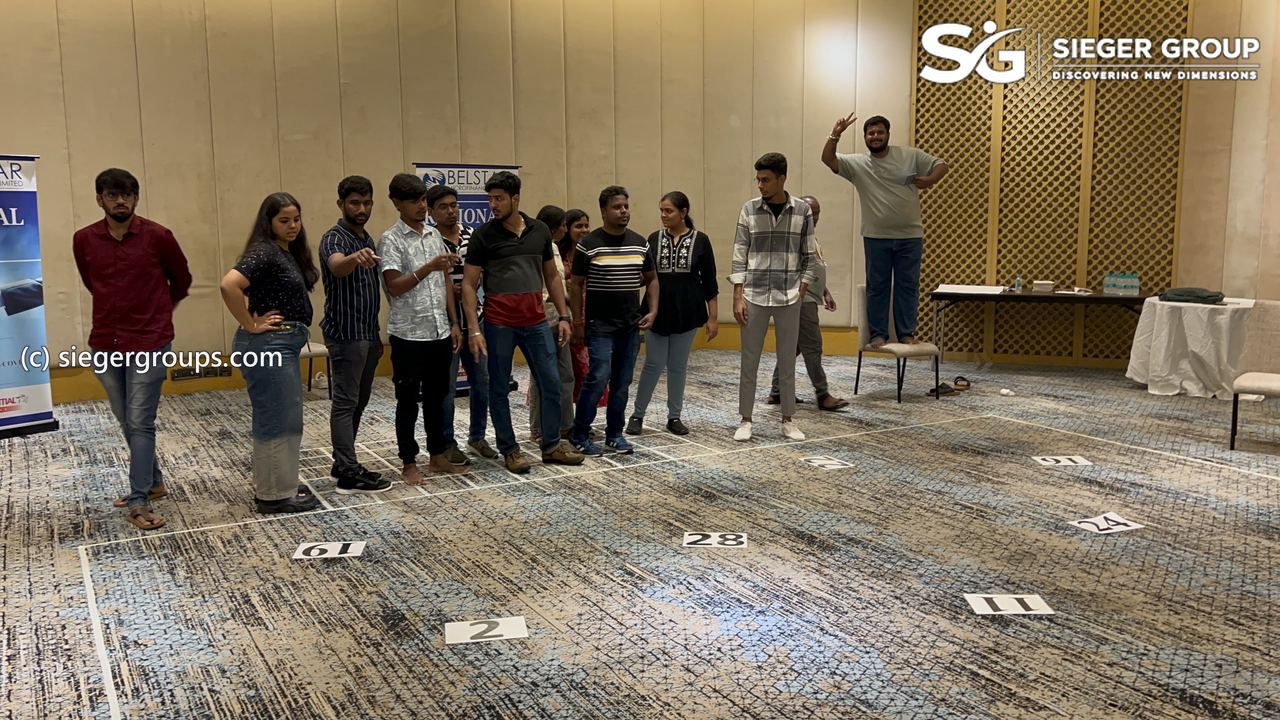
  2. Compare different attention conditions

    Explore the selected experience

    The facilitator introduces a selected attention practice with clear instructions. Colleagues explore at their own pace, keeping personal observations private or sharing them by choice.

    Focus · Working habits
  3. Create room for a response

    Compare and develop the approach

    A quiet review compares observations of attention and response. The conversation considers personal usefulness and realistic practice within existing routines rather than prescribing one shared experience.

    Response awareness · Choice
  4. Make the experience useful

    Review and carry it forward

    Identify one routine transition where a brief reset could fit naturally, such as before opening another task or joining a meeting. Decide which practice you want to try, how it fits your routine and what you would like to notice while using it.

    Habits · Practical application
Experiential learning outline

Experience. Reflect. Apply.

Connect Mindfulness & Mental Fitness with purposeful practice, evidence-based reflection and a next step that fits your working context.

  1. Align the brief

    Explore attention, everyday pauses and working habits through accessible mindfulness exercises and voluntary reflection. Clarify what the group needs before beginning the selected experience.

  2. Experience the challenge

    Explore attention check-in through the agreed format. Explore where a short transition could help colleagues approach the next task with more awareness of their current attention and priorities.

  3. Reflect on the evidence

    Observe when attention moves from the agreed focus and consider what the return reveals about noticing rather than trying to control every thought.

  4. Connect the learning

    Think about a routine transition between responsibilities and whether a short pause could help you notice the next priority before carrying the previous task into it.

  5. Commit to a next step

    Decide which aspect of attention you want to observe during an ordinary day and choose a modest practice with a personal point for reviewing its usefulness.

Who should attend

Choose the right audience for the experience.

Discuss participant experience, access needs, language preferences and the purpose of the programme before confirming suitability.

Colleagues choosing to participate

Colleagues choosing to participate interested in awareness · attention. Attention Check-in offers one possible starting point for an agreed group experience.

People leaders and team coordinators

People leaders and team coordinators exploring focus · working habits. Select a format that fits their responsibilities, working relationships and the purpose of Mindfulness & Mental Fitness.

Workplace wellbeing organisers

Workplace wellbeing organisers bringing different perspectives to response awareness · choice. Confirm the learning priorities and participation arrangements before choosing the activity mix.

Programme schedule

An illustrative two-day learning journey.

This sample shows how a programme could flow. Timings, breaks, activity choices and duration are agreed in the final proposal.

Day one

Explore the experience

  1. 09:15–10:30

    Welcome, context and participation

    Introduce Mindfulness & Mental Fitness, agree the group’s purpose and discuss participation preferences. Explain the selected formats before the experience begins.

  2. 10:45–12:30

    Attention Check-in

    Use a selected version of Attention Check-in to explore awareness · attention. Pause to compare observations and clarify the choices that shaped progress.

  3. 13:30–15:00

    Mindful Task Experiment

    Use a selected version of Mindful Task Experiment to explore focus · working habits. Pause to compare observations and clarify the choices that shaped progress.

  4. 15:15–17:00

    Reflection and shared takeaways

    Review examples of attention made visible and more considered responses. Connect the observations with day-to-day team responsibilities and choose a relevant next conversation.

Day two

Deepen and apply the learning

  1. 09:15–10:30

    Pause and Respond Practice

    Explore an agreed version of Pause and Respond Practice and compare approaches to response awareness · choice. Discuss what the group changes after feedback.

  2. 10:45–12:30

    Everyday Reset Planning

    Explore an agreed version of Everyday Reset Planning and compare approaches to habits · practical application. Discuss what the group changes after feedback.

  3. 13:30–15:00

    Connect the experience with work

    Identify a situation in day-to-day team responsibilities where realistic attention routines would be useful. Discuss one practical adjustment and the people it affects.

  4. 15:15–17:00

    Commitments and review

    Choose a next step related to reflection without promises. Agree responsibility and a useful point for reviewing what happens after the programme.

Planning details

A considered programme starts with the practical details.

People and participation

Share the audience profile, language preferences and access needs for Mindfulness & Mental Fitness. Agree options that let different colleagues contribute comfortably.

Venue and resources

Agree a suitable setting, optional participation and accessible alternatives for the selected reflective or movement-based formats. Confirm the final mix of Attention Check-in and any other chosen experiences in the brief.

Scope and delivery

Agree the focus on focus · working habits, the programme duration and which materials, facilitation and delivery arrangements are included.

Review and follow-through

Choose how to review realistic attention routines and reflection without promises. Confirm any follow-up conversation or team commitment that belongs within the programme scope.

Organisations we work with

Trusted by teams across industries

Sieger Group supports organisations with team-building experiences and facilitated programmes.

Client perspectives

Testimonials

Plan with confidence

Mindfulness & Mental Fitness FAQs

12 practical answers to help you plan your programme.

What is Mindfulness & Mental Fitness?

What is Mindfulness? “Mindfulness is the basic human ability to be fully present, aware of where we are and what we’re doing, and not overly reactive or overwhelmed by what’s going on around us." Mindfulness involves non-judgment, meaning that we pay attention to our thoughts and feelings with the attitude of an impartial witness — without believing them or taking them personally. Mindfulness is a quality that every human being already possesses, it’s not something you have to conjure up, you just have to learn how to access it.

Who is this programme suitable for?

Mindfulness & Mental Fitness can be considered for teams planning a focused learning programme. Share roles, group size, experience levels and participation needs so suitability can be confirmed.

What can participants explore?

The existing programme outline includes: Improved ability to manage Stress, Burnouts and psychological distress; Improved ability to pay attention, focus and concentrate; Increased clarity in thinking and perception. The final emphasis and activity selection should be agreed around your brief.

Can the programme be customised for our team?

Yes. Share your team context, goals and preferred tone. The proposed Mindfulness & Mental Fitness experience can then be adapted through the activity mix, level of challenge, discussion themes and delivery format, subject to feasibility.

How long does the programme take?

Duration depends on the agreed scope, group size and setting. For Mindfulness & Mental Fitness, allow for the briefing, activities, breaks and facilitated reflection and action planning. Request a proposed agenda that fits your available time.

Where can we organise the experience?

Share your preferred city, office, venue or offsite destination in India. Mindfulness & Mental Fitness requires a setting suited to the activities and participants. Venue access, usable space, equipment and local delivery arrangements should be confirmed before booking.

What group size works for this programme?

The appropriate group size depends on the activity structure, facilitation and available space. Tell us the expected number of participants for Mindfulness & Mental Fitness so team sizes, rotations and staffing can be proposed.

What should participants prepare?

For Mindfulness & Mental Fitness, the pre-event briefing should explain the schedule, clothing or equipment requirements and how to take part. Share accessibility needs and relevant participation constraints during planning so suitable arrangements can be discussed.

How are participation and inclusion considered?

Discuss access, mobility, language, sensory needs and comfort levels before confirming Mindfulness & Mental Fitness. Agree suitable roles and alternatives where feasible. For specialist activities, confirm delivery responsibilities and participation requirements in advance.

How can we connect the programme with our objectives?

Agree the purpose of Mindfulness & Mental Fitness before delivery. Facilitated discussion can link participant decisions and behaviours with workplace or campus situations, followed by practical action commitments. Confirm any follow-up or evaluation support in the proposal.

What does the programme cost?

Pricing for Mindfulness & Mental Fitness depends on participant numbers, duration, facilitation, equipment, location and agreed logistics. Request a tailored proposal that clearly states programme inclusions, venue or travel arrangements and applicable charges.

How do we enquire about Mindfulness & Mental Fitness?

Use the enquiry form on this page or call +91 98400 97567. Include Mindfulness & Mental Fitness, your objectives, group size, preferred dates and location. Sieger Group can then discuss suitability and prepare a proposal for your review.

Ready to plan?

Let’s shape the right programme for your people.

Share your goals, group size, preferred dates and venue. We’ll help you explore a considered programme.

Request a tailored proposal
Back to programme overview
LET'S CREATE YOUR NEXT SHARED MOMENT

What could your team
do together?

Tell us what you have in mind. We will help you explore a programme that fits your people and your occasion.

  • Your peopleGroup size, audience and participation needs.
  • Your plansDate, destination, venue and time available.
  • Your purposeTeam connection, learning or a celebration.
  • Your outcomesWhat you want your team to experience or take away.
+91 98400 97567 ↗

Still finalising the details? Share what you know.

From your brief to a considered programme

Every team is different. Share your people, purpose and preferred setting, and we’ll translate your brief into an experience designed to connect, engage and create lasting impact.

  • Choose a format suited to your participants.
  • Align the experience with your event goals.
  • Tailor the programme to your team’s needs.
  • Plan the flow, venue and logistics.
  • Create an experience people will remember.
ENQUIRE WITH SIEGER GROUP

Start the conversation.

Share your brief and preferred contact details.