Sieger Group · Outbound Training

High-Performance Team Learning

Experiential learning with a clear purpose.

In today’s rapidly changing business world, individual excellence is good, but collective excellence is transformational. At Sieger Training India, our High Performance Team programme integrates structured frameworks with immersive experiential learning to transform groups into high-energy, high-trust, high-performing teams that consistently exceed expectations.

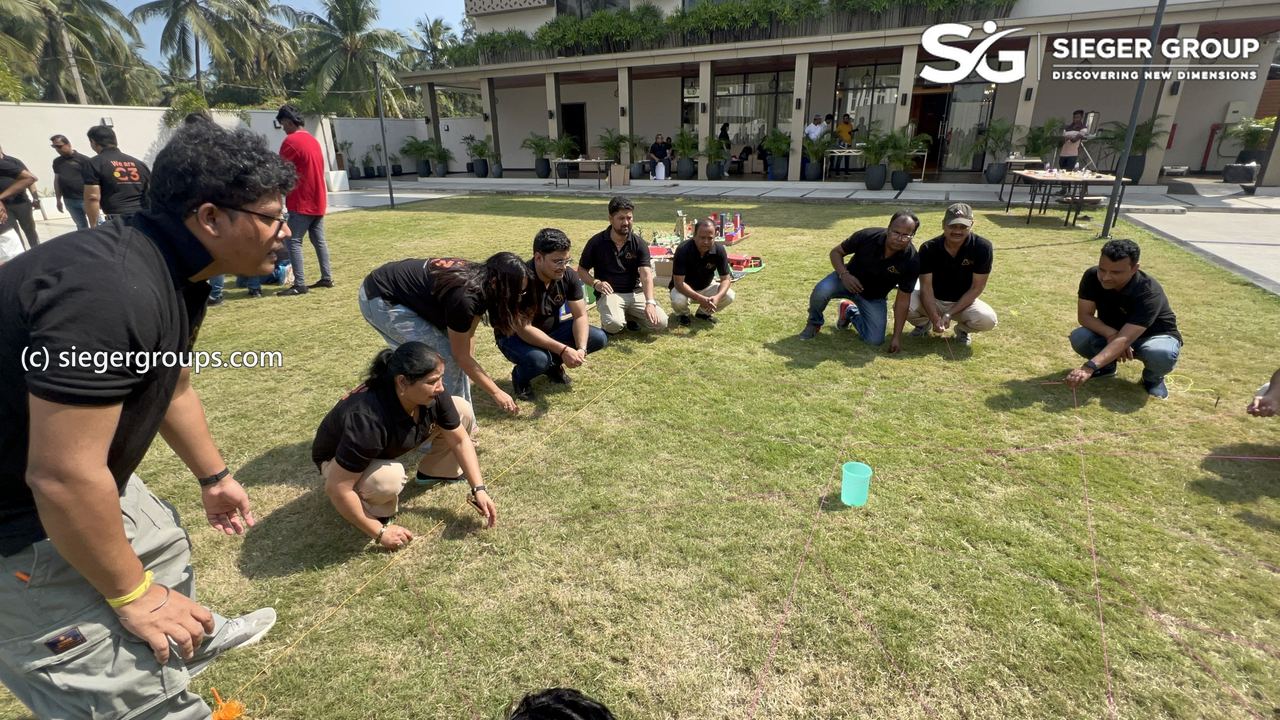
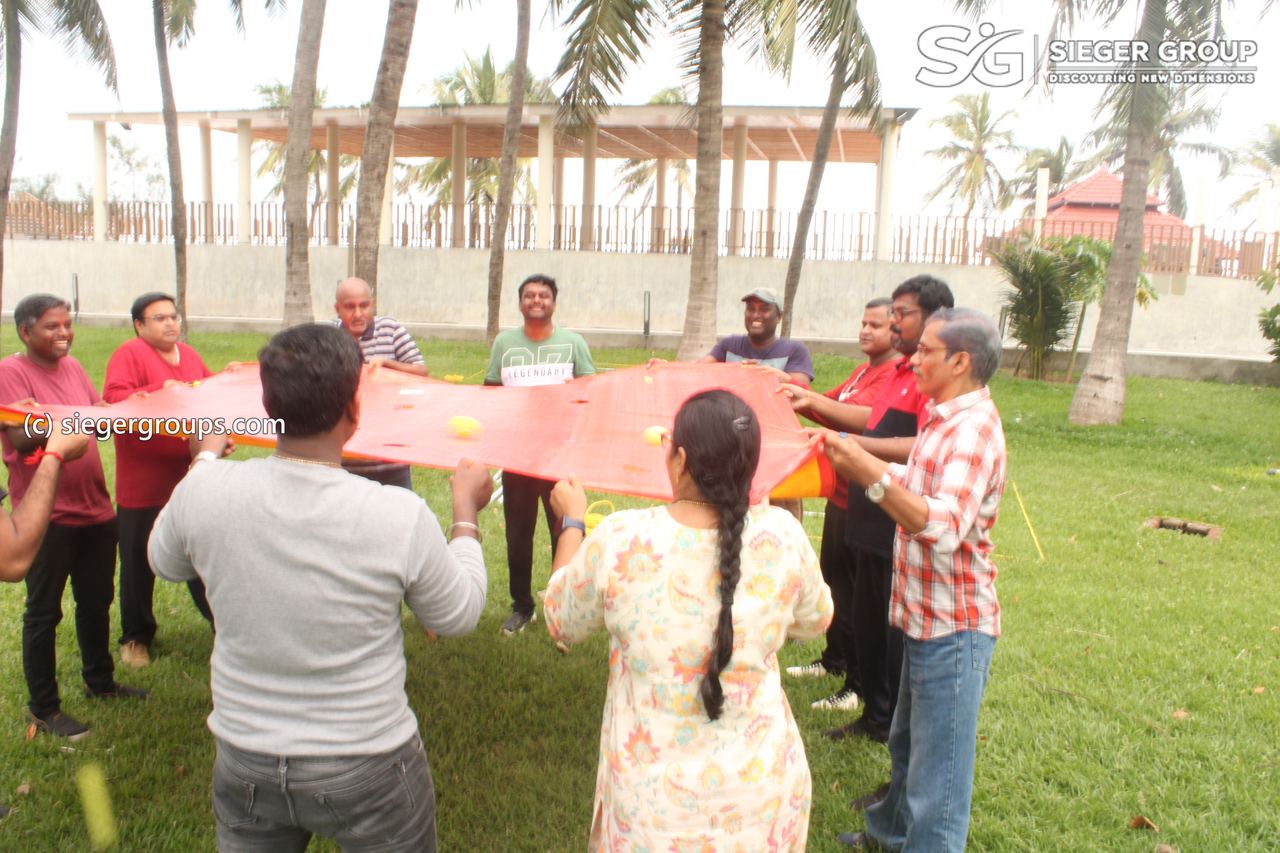
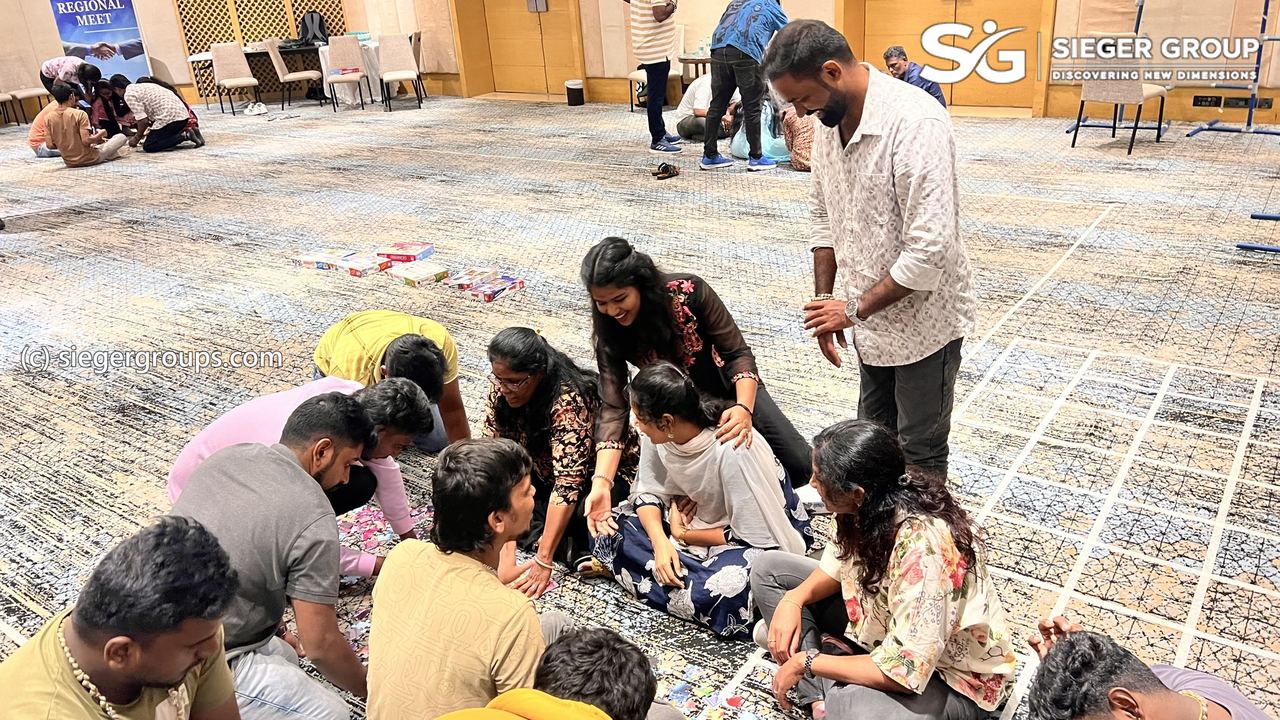
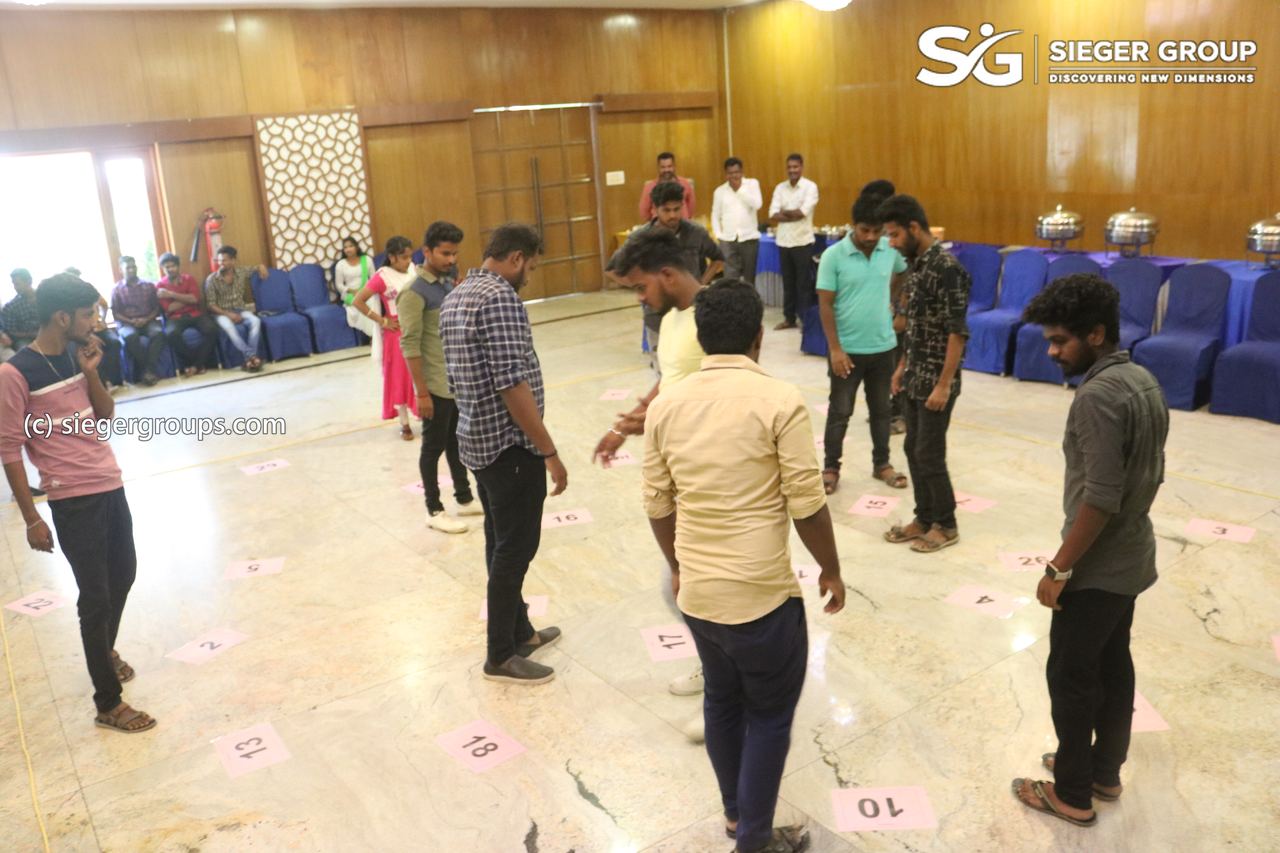
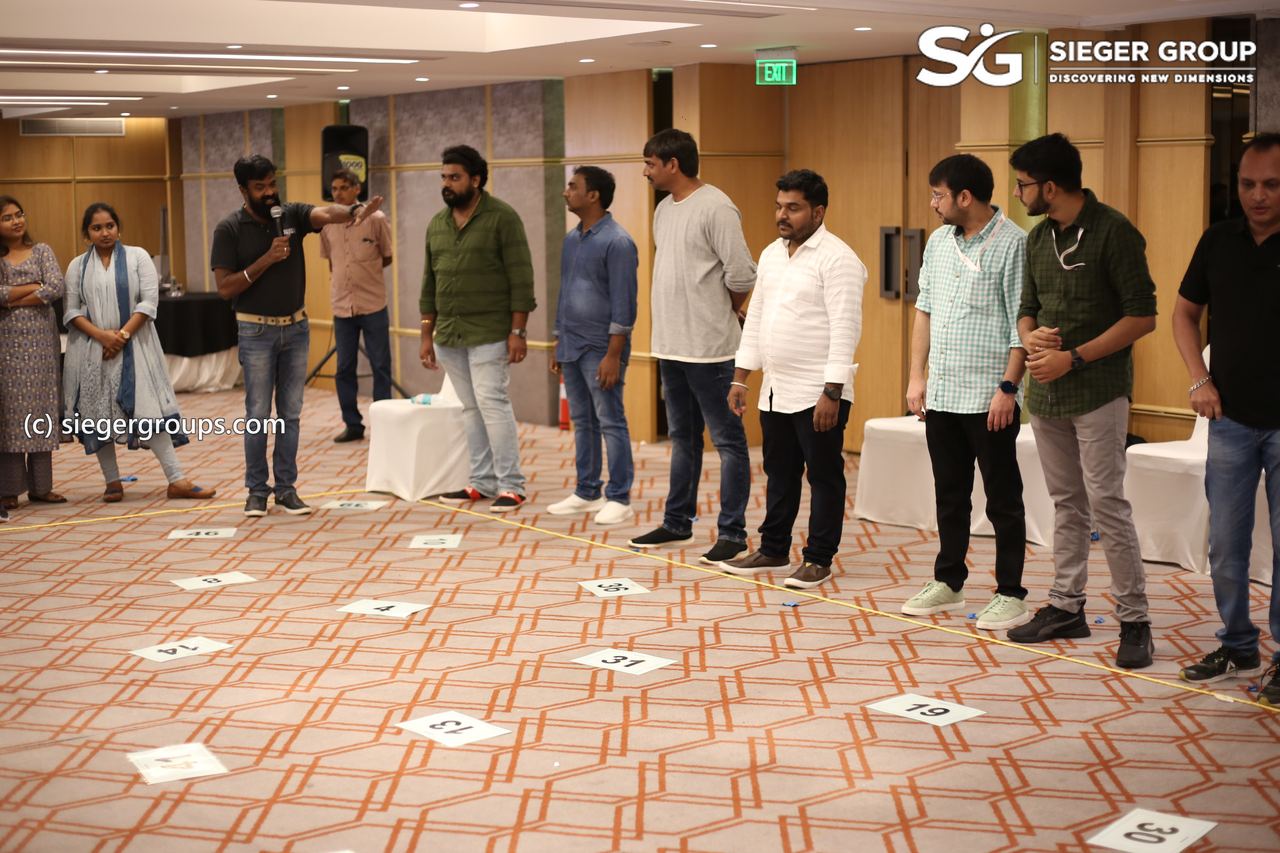
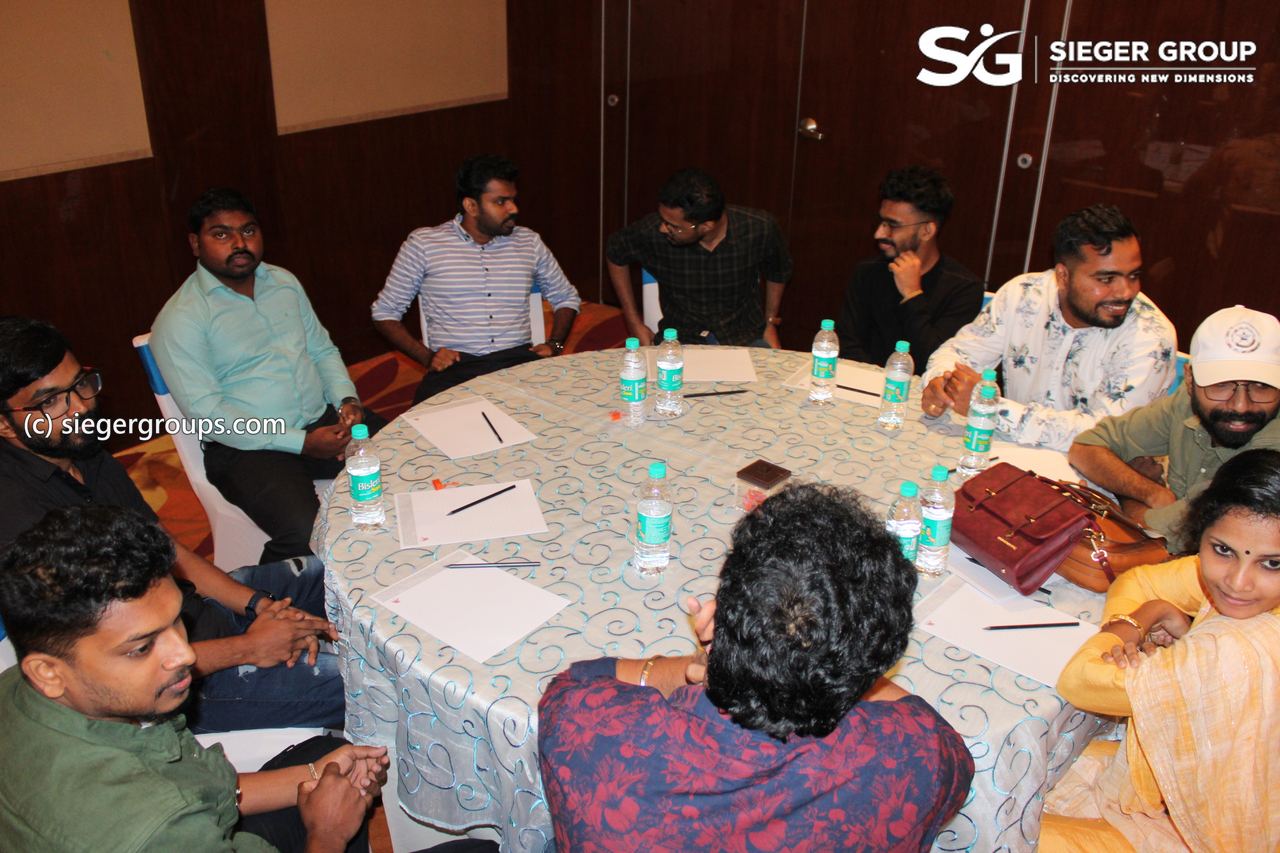
Sieger Group programme photograph — High-Performance Team Learning

Core Exercises for High-Performance Team Learning

Explore these options as starting points for high-performance team learning. The selected formats, materials and participation arrangements are shaped around the group and agreed brief.

Align before acting

Role & goal alignment

Teams agree what a useful result would look like before allocating responsibilities for a shared challenge. They compare their understanding of the goal and identify where roles overlap or leave a gap. Reflection examines how clarity at the start influenced later coordination and individual choices.

Learning focusShared direction · Role clarity

Make contribution possible

Trust & psychological safety

A task creates opportunities to ask for help, offer a different view and raise a concern about the approach. Participants observe the responses and what happens next. Reflection links those interactions with working agreements that make relevant information available even when it challenges the current plan.

Learning focusTrust · Speaking up
Keep the work connected

Effective communication & collaboration

Different participants hold information needed for a shared task. Teams decide how to keep discoveries visible, coordinate work and confirm important handovers. The activity makes communication choices observable and opens discussion of what information needs to travel, to whom and at which stage of delivery.

Learning focusInformation flow · Coordination
Respond as one team

Adaptive leadership & shared accountability

A challenge changes after the group has chosen an initial plan. Colleagues revisit priorities and responsibilities while keeping the objective in view. Reflection examines how leadership moved between participants and how the group kept commitments visible while adjusting the route towards its shared result.

Learning focusAdaptation · Accountability
Programme overview

Shared Vision • Collective Strength • Outstanding Results

In today’s rapidly changing business world, individual excellence is good, but collective excellence is transformational. At Sieger Training India, our High Performance Team programme integrates structured frameworks with immersive experiential learning to transform groups into high-energy, high-trust, high-performing teams that consistently exceed expectations.

What makes it distinctive

Connect direction with the work between people.

A shared result depends on more than separate individuals working hard. Explore how roles, decisions and information connect across a task, then review the agreements that help colleagues adapt without losing sight of the purpose they are working towards together.

  • Higher productivity, efficiency and better decision-making through coordinated teamwork.
  • Increased motivation, job satisfaction, engagement and retention among team members.
  • Enhanced creativity, innovation and resilience, teams with diverse perspectives and mutual trust generate superior solutions.
Shape your team brief
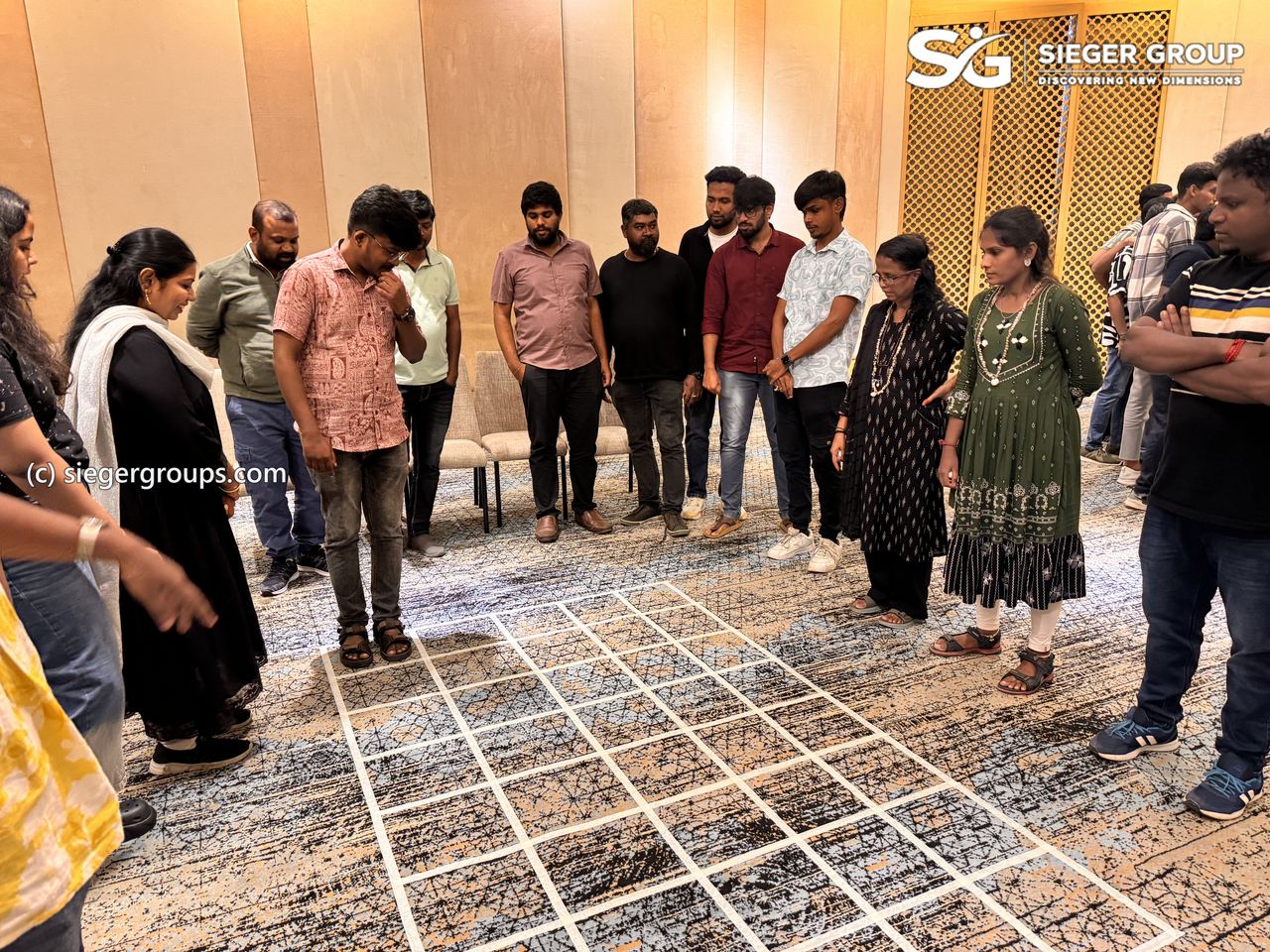
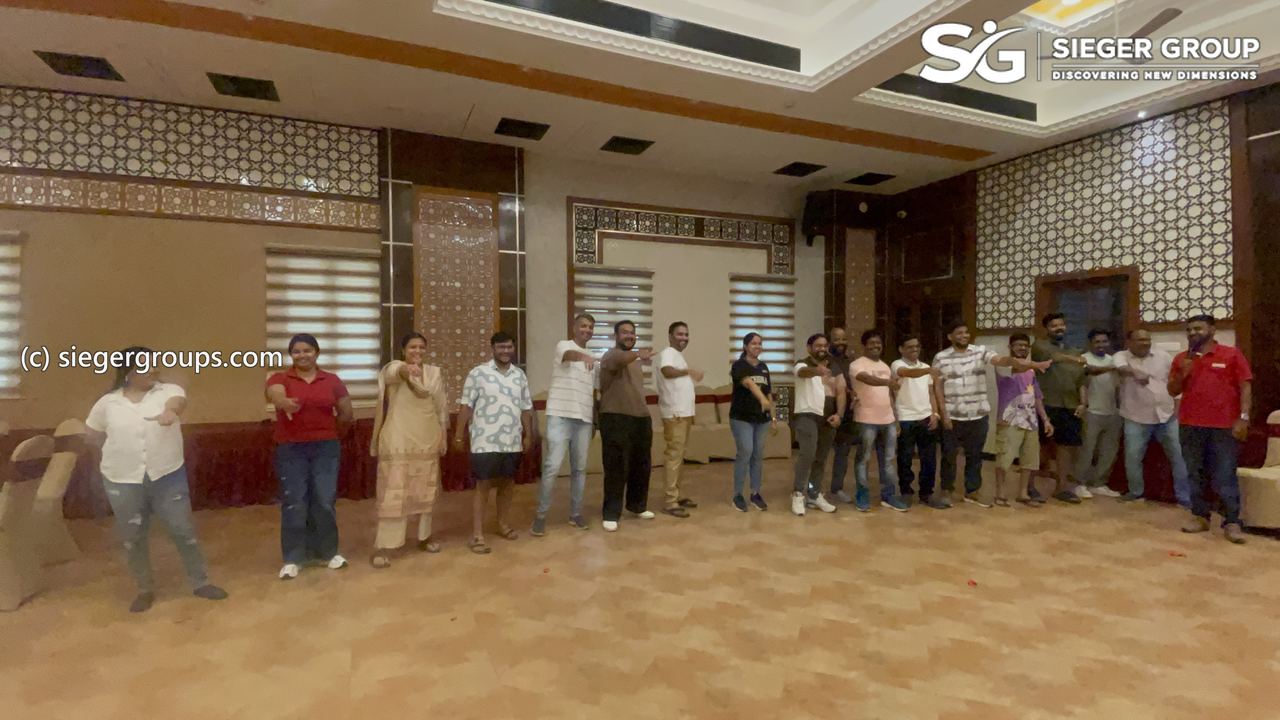
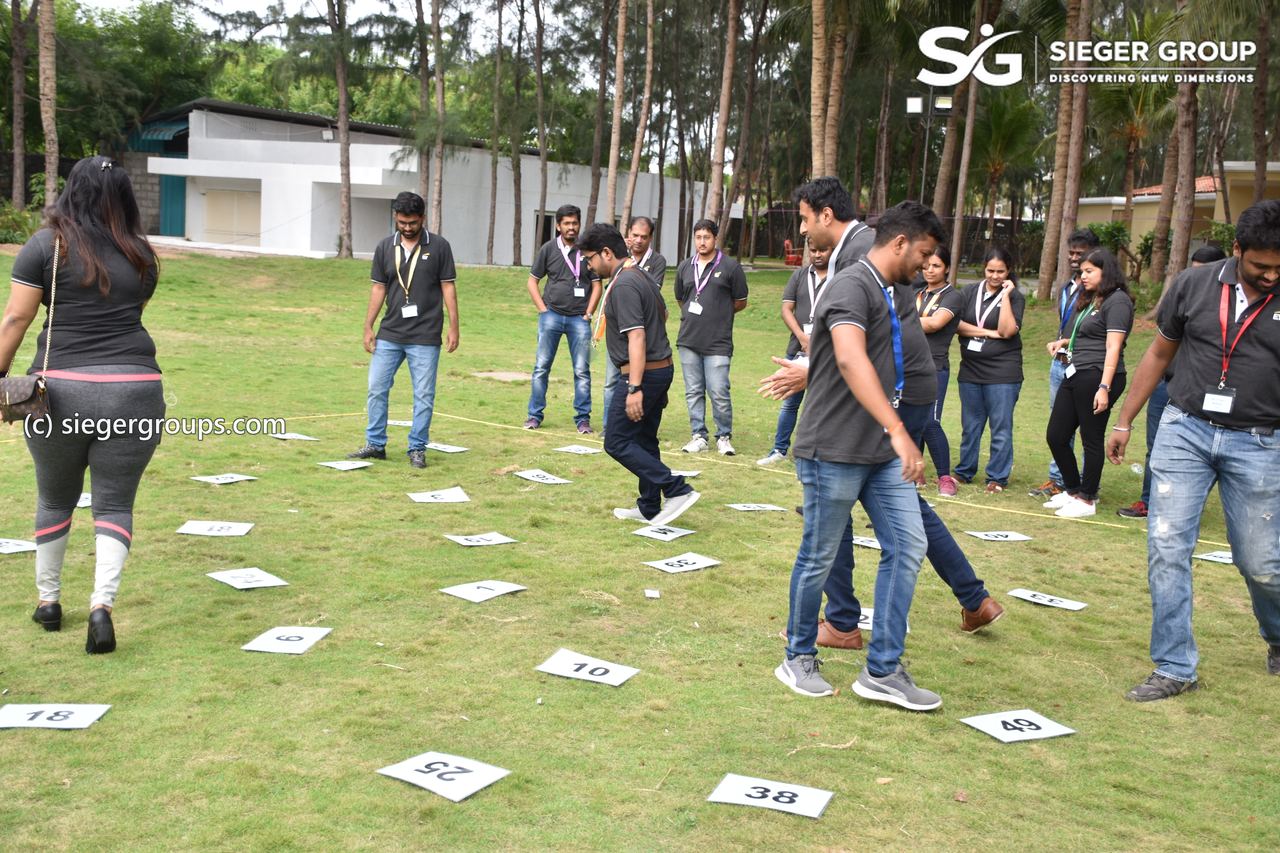
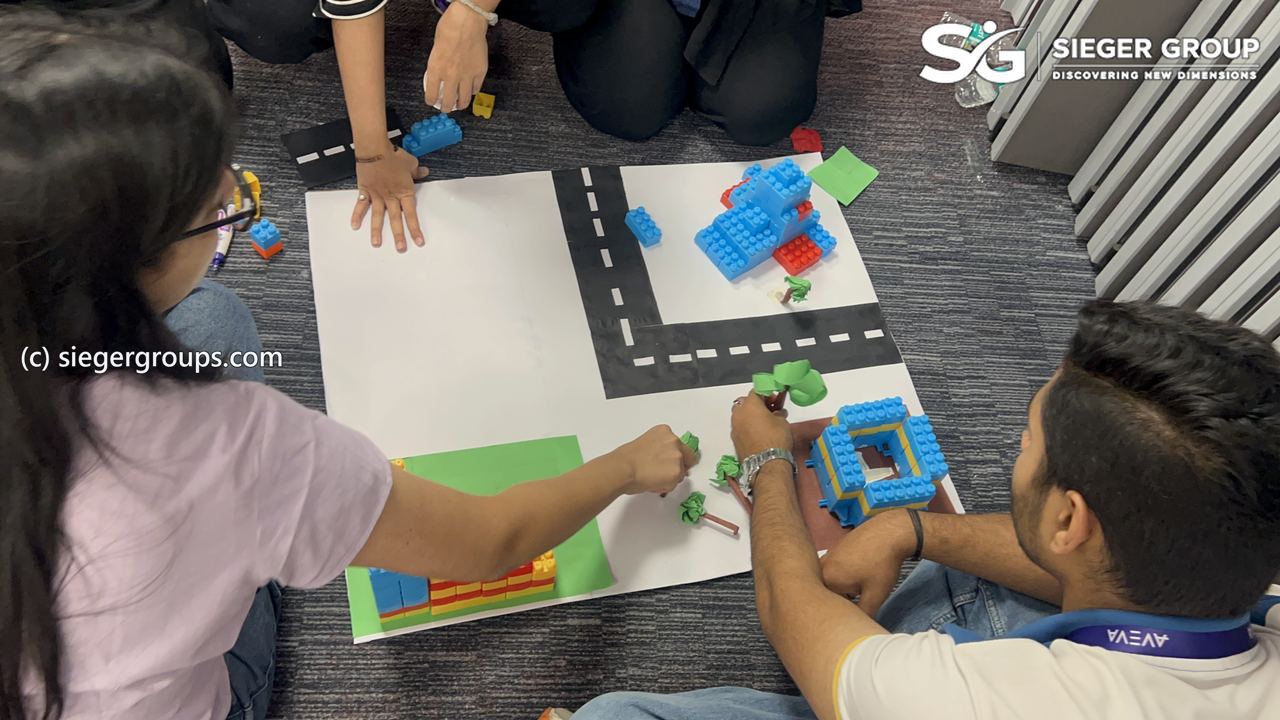
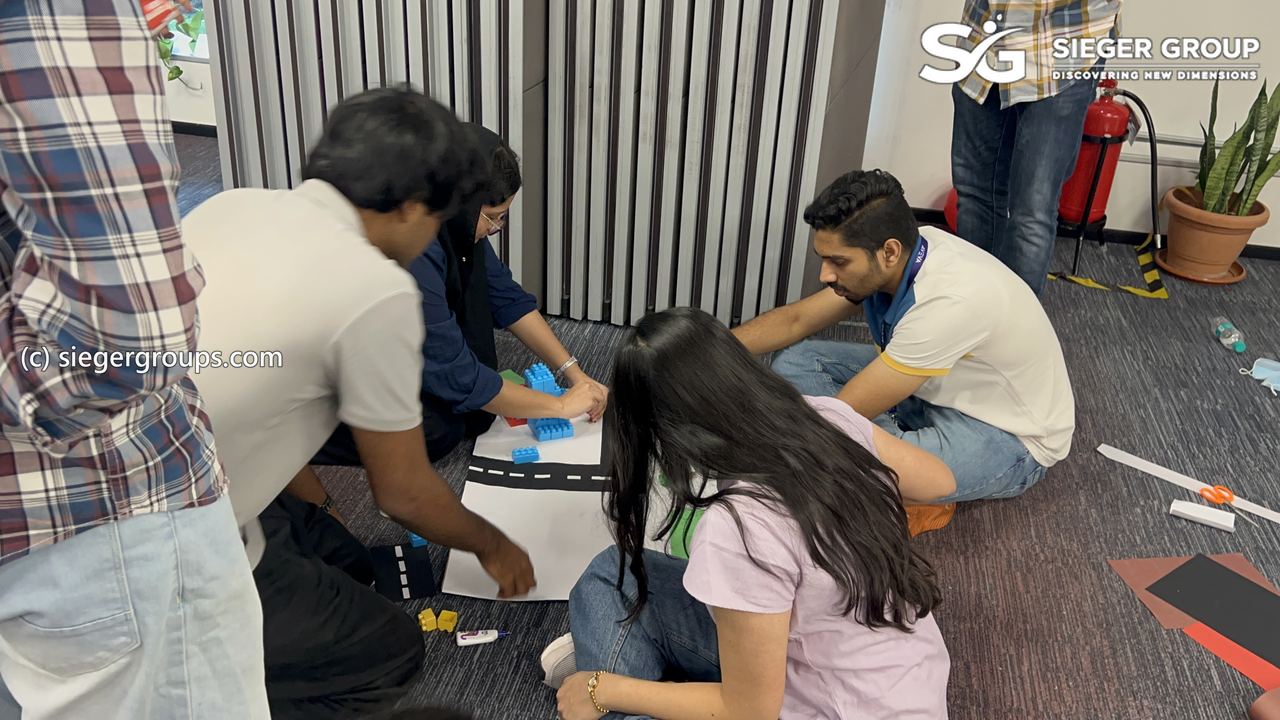
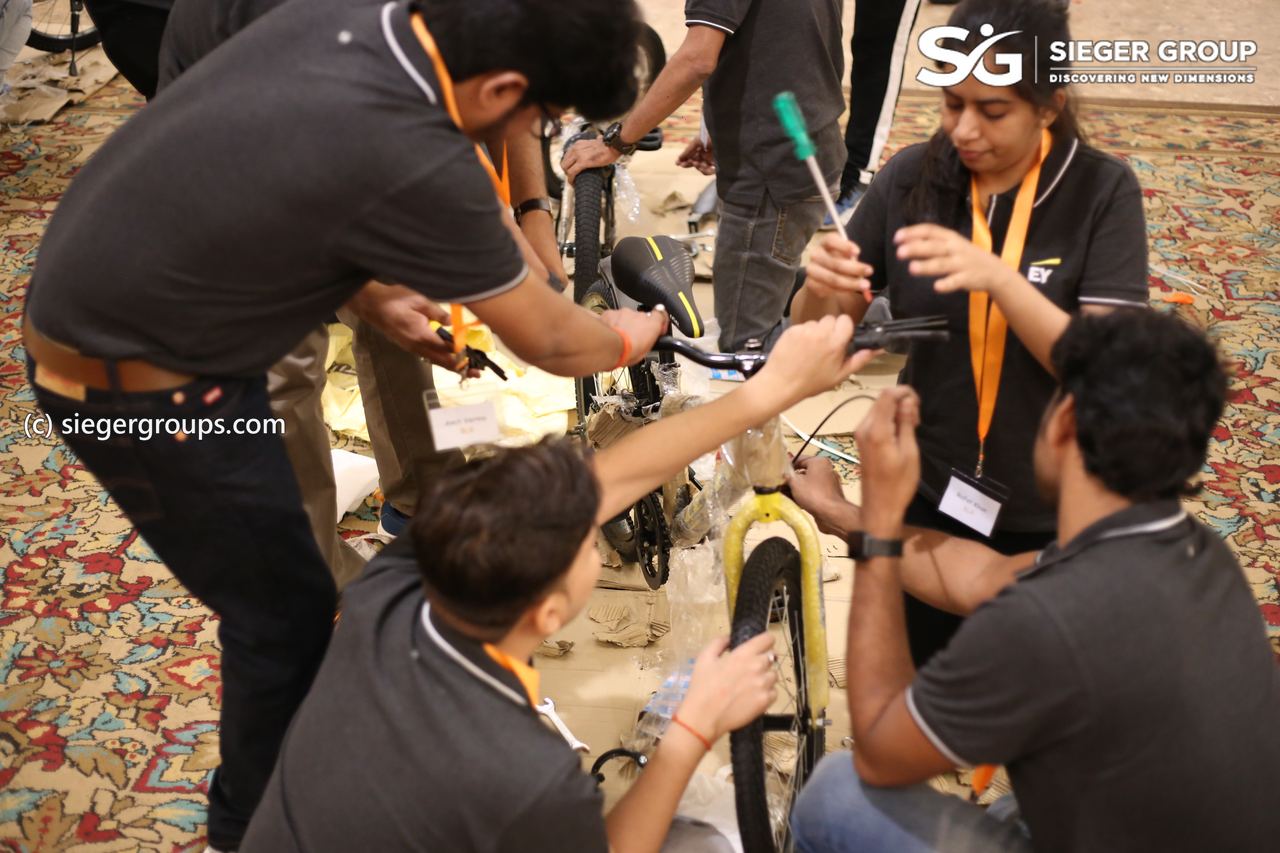
Sieger Group programme photograph — High-Performance Team Learning
Why this programme

Why Organisations Choose High-Performance Team Learning

Connect shared direction with roles, working agreements, feedback and coordinated delivery through practical team challenges.

A clear purpose

A shared definition of success

Compare what colleagues understand by a useful result before expecting their decisions and priorities to align during the group’s shared work.

Useful participation

Useful role agreements

Clarify responsibilities, dependencies and decision points, including how colleagues should respond when a gap or overlap becomes visible during delivery.

Practical insight

Constructive team challenge

Examine whether questions and concerns reach the group early enough to influence the plan instead of remaining private until difficulties grow.

Connected choices

Connected coordination habits

Agree how changes and handovers are communicated so individual effort remains connected to the work of colleagues elsewhere in the team.

Meaningful follow-through

Adaptive leadership

Notice when another person’s expertise becomes useful and discuss how the group makes room for leadership to shift with the task.

Programme benefits

Programme Benefits

Explore the behaviours and practical insights your team can review through High-Performance Team Learning. The debrief connects observations from the experience with situations that matter to participants.

A shared definition of success

A useful focus for the group is to compare what colleagues understand by a useful result before expecting their decisions and priorities to align during the group’s shared work.

Useful role agreements

Participants can examine how to clarify responsibilities, dependencies and decision points, including how colleagues should respond when a gap or overlap becomes visible during delivery.

Constructive team challenge

The review can highlight ways to examine whether questions and concerns reach the group early enough to influence the plan instead of remaining private until difficulties grow.

Connected coordination habits

Colleagues can explore how to agree how changes and handovers are communicated so individual effort remains connected to the work of colleagues elsewhere in the team.

Adaptive leadership

The experience can prompt discussion of how to notice when another person’s expertise becomes useful and discuss how the group makes room for leadership to shift with the task.

Shared ownership of progress

A practical takeaway is to review commitments and mutual support when delivery needs adjustment rather than treating every difficulty as the failure of an individual colleague.

Practical learning agreements

The team can consider how to translate an observed coordination issue into a working habit the group can try in its next shared project and review with evidence.

From experience to application

Bring the learning back to work.

Use these reflection prompts to turn High-Performance Team Learning into a focused conversation about what happened, what it means and what to try next.

  1. Compare interpretations of success

    Identify different meanings of the goal and discuss how those interpretations influenced individual choices before the group noticed or resolved the difference.

  2. Review an important handover

    Choose a point where work moved between colleagues and examine whether the next person had enough context to continue the shared task.

  3. Notice a leadership shift

    Recall when another colleague’s expertise shaped the approach and discuss what allowed that contribution to influence the group’s next decision.

  4. Connect to a shared deliverable

    Choose a current project where responsibilities, information flow or decision rights could be clarified before the next stage of work begins.

  5. Agree a coordination habit

    Select a practice such as a short change update or explicit handover check and agree the circumstances in which it should be used.

  6. Review as a team

    Use examples from the agreed habit to consider whether it helped the shared deliverable and what the group should refine next time.

Programme delivery

How the Programme Works

A suggested flow for High-Performance Team Learning, from setting the brief to reviewing the experience. Activity choices, pace and facilitation are confirmed around your group and setting.

  1. Start with context

    Agree the purpose and participation

    Connect shared direction with roles, working agreements, feedback and coordinated delivery through practical team challenges. Discuss what participants should understand before approaching role & goal alignment, including the information, roles and choices relevant to this group.

    Shared direction · Role clarity
  2. Make contribution possible

    Explore the selected experience

    The team begins with an agreed outcome and visible responsibilities. As the challenge develops, colleagues explain decisions and share information needed to coordinate separate contributions.

    Trust · Speaking up
  3. Keep the work connected

    Compare and develop the approach

    A facilitated review compares working agreements with actual behaviour. Participants refine direction, decision rights or handovers before approaching a further shared task.

    Information flow · Coordination
  4. Make the experience useful

    Review and carry it forward

    Choose a current project where responsibilities, information flow or decision rights could be clarified before the next stage of work begins. Select a practice such as a short change update or explicit handover check and agree the circumstances in which it should be used.

    Adaptation · Accountability
Experiential learning outline

Experience. Reflect. Apply.

Connect High-Performance Team Learning with purposeful practice, evidence-based reflection and a next step that fits your working context.

  1. Align the brief

    Connect shared direction with roles, working agreements, feedback and coordinated delivery through practical team challenges. Clarify what the group needs before beginning the selected experience.

  2. Experience the challenge

    Explore role & goal alignment through the agreed format. Clarify responsibilities, dependencies and decision points, including how colleagues should respond when a gap or overlap becomes visible during delivery.

  3. Reflect on the evidence

    Examine where separate effort connected or became misaligned and discuss what colleagues understood about the objective, dependency and next decision at that point.

  4. Connect the learning

    Relate the pattern to a current project and consider which working agreement would make responsibilities and changes easier for colleagues to follow during delivery.

  5. Commit to a next step

    Choose one agreement to test in shared work and define the examples that will help colleagues review whether the new habit makes coordination more useful.

Programme details

Programme Format

Duration

1 to 3 days (customizable based on team size and objectives)

Format

Experiential workshops, simulations, role-plays, collaborative problem-solving exercises, debriefing sessions and actionable team-growth plans

Participants

Teams, cross-functional groups, project teams, middle management, leadership clusters and entire departments aiming for high performance

Who should attend

Choose the right audience for the experience.

Discuss participant experience, access needs, language preferences and the purpose of the programme before confirming suitability.

Intact and cross-functional teams

Intact and cross-functional teams interested in shared direction · role clarity. Role & goal alignment offers one possible starting point for an agreed group experience.

Managers and emerging leaders

Managers and emerging leaders exploring trust · speaking up. Select a format that fits their responsibilities, working relationships and the purpose of High-Performance Team Learning.

Project teams and newly formed groups

Project teams and newly formed groups bringing different perspectives to information flow · coordination. Confirm the learning priorities and participation arrangements before choosing the activity mix.

Programme schedule

An illustrative two-day learning journey.

This sample shows how a programme could flow. Timings, breaks, activity choices and duration are agreed in the final proposal.

Day one

Explore the experience

  1. 09:15–10:30

    Welcome, context and participation

    Introduce High-Performance Team Learning, agree the group’s purpose and discuss participation preferences. Explain the selected formats before the experience begins.

  2. 10:45–12:30

    Role & goal alignment

    Use a selected version of Role & goal alignment to explore shared direction · role clarity. Pause to compare observations and clarify the choices that shaped progress.

  3. 13:30–15:00

    Trust & psychological safety

    Use a selected version of Trust & psychological safety to explore trust · speaking up. Pause to compare observations and clarify the choices that shaped progress.

  4. 15:15–17:00

    Reflection and shared takeaways

    Review examples of a shared definition of success and constructive team challenge. Connect the observations with day-to-day team responsibilities and choose a relevant next conversation.

Day two

Deepen and apply the learning

  1. 09:15–10:30

    Effective communication & collaboration

    Explore an agreed version of Effective communication & collaboration and compare approaches to information flow · coordination. Discuss what the group changes after feedback.

  2. 10:45–12:30

    Adaptive leadership & shared accountability

    Explore an agreed version of Adaptive leadership & shared accountability and compare approaches to adaptation · accountability. Discuss what the group changes after feedback.

  3. 13:30–15:00

    Connect the experience with work

    Identify a situation in day-to-day team responsibilities where shared ownership of progress would be useful. Discuss one practical adjustment and the people it affects.

  4. 15:15–17:00

    Commitments and review

    Choose a next step related to practical learning agreements. Agree responsibility and a useful point for reviewing what happens after the programme.

Planning details

A considered programme starts with the practical details.

People and participation

Share the audience profile, language preferences and access needs for High-Performance Team Learning. Agree options that let different colleagues contribute comfortably.

Venue and resources

Discuss the available space, materials and facilitation arrangements for the selected learning exercises. Confirm the final mix of Role & goal alignment and any other chosen experiences in the brief.

Scope and delivery

Agree the focus on trust · speaking up, the programme duration and which materials, facilitation and delivery arrangements are included.

Review and follow-through

Choose how to review shared ownership of progress and practical learning agreements. Confirm any follow-up conversation or team commitment that belongs within the programme scope.

Organisations we work with

Trusted by teams across industries

Sieger Group supports organisations with team-building experiences and facilitated programmes.

Client perspectives

Testimonials

Plan with confidence

High-Performance Team Learning FAQs

12 practical answers to help you plan your programme.

What is High-Performance Team Learning?

In today’s rapidly changing business world, individual excellence is good, but collective excellence is transformational. At Sieger Training India, our High Performance Team programme integrates structured frameworks with immersive experiential learning to transform groups into high-energy, high-trust, high-performing teams that consistently exceed expectations.

Who is this programme suitable for?

High-Performance Team Learning can be considered for teams planning a focused learning programme. Share roles, group size, experience levels and participation needs so suitability can be confirmed.

What can participants explore?

The existing programme outline includes: Higher productivity, efficiency and better decision-making through coordinated teamwork.; Increased motivation, job satisfaction, engagement and retention among team members.; Enhanced creativity, innovation and resilience, teams with diverse perspectives and mutual trust generate superior solutions.. The final emphasis and activity selection should be agreed around your brief.

Can the programme be customised for our team?

Yes. Share your team context, goals and preferred tone. The proposed High-Performance Team Learning experience can then be adapted through the activity mix, level of challenge, discussion themes and delivery format, subject to feasibility.

How long does the programme take?

Duration depends on the agreed scope, group size and setting. For High-Performance Team Learning, allow for the briefing, activities, breaks and facilitated reflection and action planning. Request a proposed agenda that fits your available time.

Where can we organise the experience?

Share your preferred city, office, venue or offsite destination in India. High-Performance Team Learning requires a setting suited to the activities and participants. Venue access, usable space, equipment and local delivery arrangements should be confirmed before booking.

What group size works for this programme?

The appropriate group size depends on the activity structure, facilitation and available space. Tell us the expected number of participants for High-Performance Team Learning so team sizes, rotations and staffing can be proposed.

What should participants prepare?

For High-Performance Team Learning, the pre-event briefing should explain the schedule, clothing or equipment requirements and how to take part. Share accessibility needs and relevant participation constraints during planning so suitable arrangements can be discussed.

How are participation and inclusion considered?

Discuss access, mobility, language, sensory needs and comfort levels before confirming High-Performance Team Learning. Agree suitable roles and alternatives where feasible. For specialist activities, confirm delivery responsibilities and participation requirements in advance.

How can we connect the programme with our objectives?

Agree the purpose of High-Performance Team Learning before delivery. Facilitated discussion can link participant decisions and behaviours with workplace or campus situations, followed by practical action commitments. Confirm any follow-up or evaluation support in the proposal.

What does the programme cost?

Pricing for High-Performance Team Learning depends on participant numbers, duration, facilitation, equipment, location and agreed logistics. Request a tailored proposal that clearly states programme inclusions, venue or travel arrangements and applicable charges.

How do we enquire about High-Performance Team Learning?

Use the enquiry form on this page or call +91 98400 97567. Include High-Performance Team Learning, your objectives, group size, preferred dates and location. Sieger Group can then discuss suitability and prepare a proposal for your review.

Ready to plan?

Let’s shape the right programme for your people.

Share your goals, group size, preferred dates and venue. We’ll help you explore a considered programme.

Request a tailored proposal
Back to programme overview
LET'S CREATE YOUR NEXT SHARED MOMENT

What could your team
do together?

Tell us what you have in mind. We will help you explore a programme that fits your people and your occasion.

  • Your peopleGroup size, audience and participation needs.
  • Your plansDate, destination, venue and time available.
  • Your purposeTeam connection, learning or a celebration.
  • Your outcomesWhat you want your team to experience or take away.
+91 98400 97567 ↗

Still finalising the details? Share what you know.

From your brief to a considered programme

Every team is different. Share your people, purpose and preferred setting, and we’ll translate your brief into an experience designed to connect, engage and create lasting impact.

  • Choose a format suited to your participants.
  • Align the experience with your event goals.
  • Tailor the programme to your team’s needs.
  • Plan the flow, venue and logistics.
  • Create an experience people will remember.
ENQUIRE WITH SIEGER GROUP

Start the conversation.

Share your brief and preferred contact details.