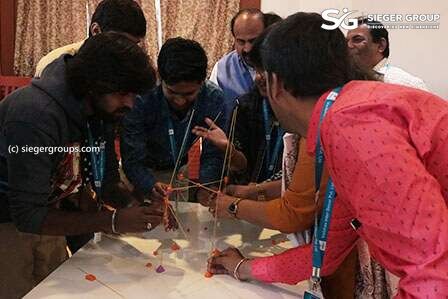
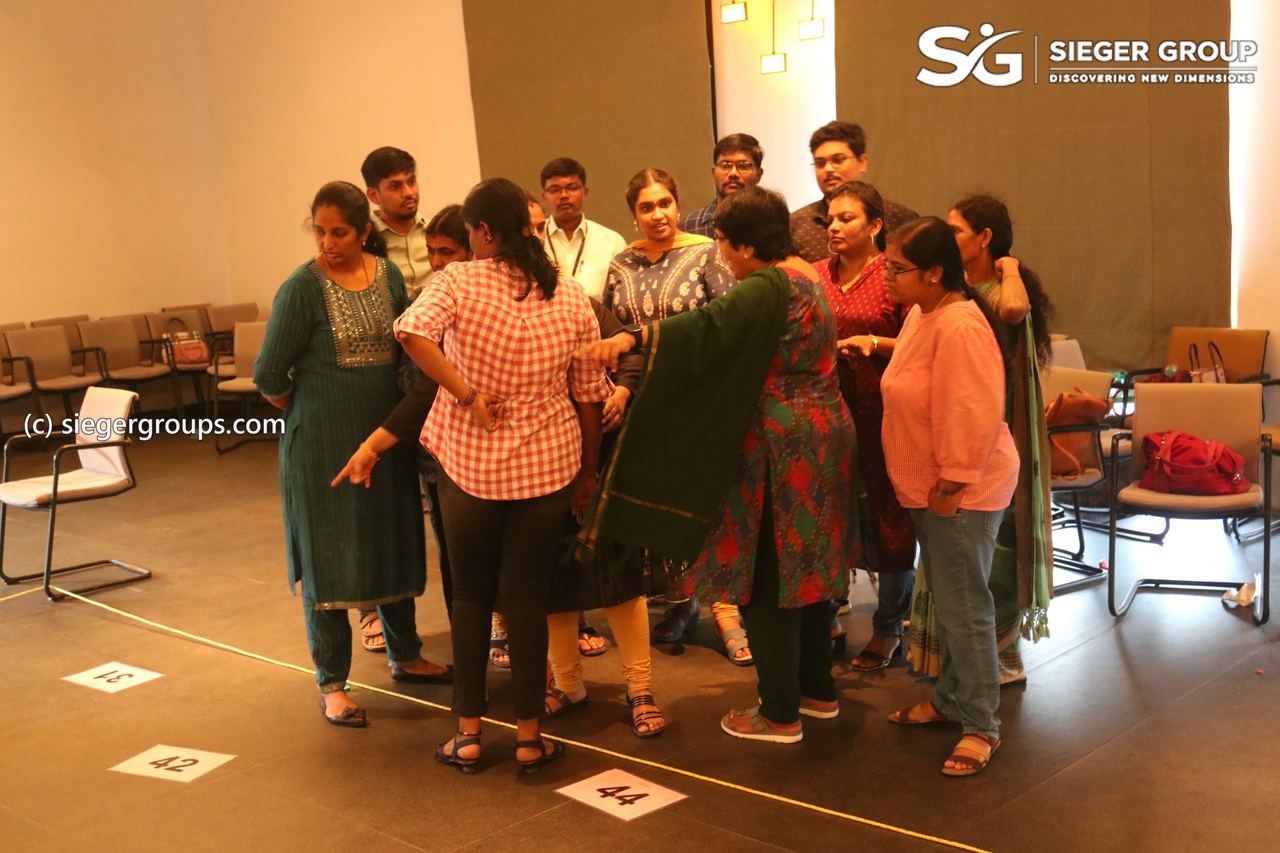
Goal Ladder Challenge
Teams convert a broad ambition into observable milestones, identify dependencies and compare which measures reveal progress rather than activity.
Learning focusMilestones · evidence
Experiential learning with a clear purpose.
What is Goal? “The object or aim of an action, to attain a specific standard of proficiency, usually within a specified time limit.” by Latham & Locke Life & work feel increasingly demanding, moving ever faster with increasing complexities, information & pace of change. We’re being asked to do more with less, in less time & work at a computer’s speed. Having rules for ‘what good looks like’ for motivating ourselves & getting things done is more important than ever. Sieger Goal Setting Outbound Learning programme is designed to improve the ability to get the best from individual and others by setting and communicating specific goals, together with giving constructive feedback.

Choose a starting point for planning and performance conversations. The suggested formats below offer different ways to turn ambition into priorities people can act on. The final selection reflects the group's priorities and participation preferences.
Teams convert a broad ambition into observable milestones, identify dependencies and compare which measures reveal progress rather than activity.
Groups receive more requests than available resources can support and agree a defensible order, explaining the trade-offs behind their choices.
Participants map individual responsibilities against one shared goal, identify missing handovers and negotiate what each role needs from the others.
Teams examine a fictional project update, separate assumptions from evidence and decide whether to change an action, measure or underlying goal.
What is Goal? “The object or aim of an action, to attain a specific standard of proficiency, usually within a specified time limit.” by Latham & Locke Life & work feel increasingly demanding, moving ever faster with increasing complexities, information & pace of change. We’re being asked to do more with less, in less time & work at a computer’s speed. Having rules for ‘what good looks like’ for motivating ourselves & getting things done is more important than ever. Sieger Goal Setting Outbound Learning programme is designed to improve the ability to get the best from individual and others by setting and communicating specific goals, together with giving constructive feedback.




Consider a planning meeting where departments interpret the same target differently. The selected experiences connect milestones and evidence with role alignment and dependencies, creating a basis for discussing priorities under constraint and the choices that shape planning and performance conversations.
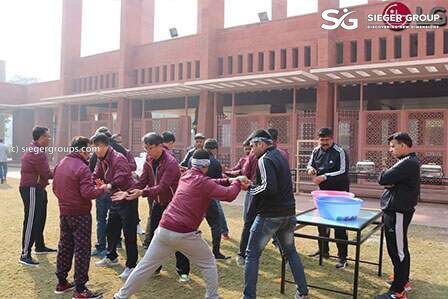
Turn ambition into priorities people can act on. Explore how alignment across roles, useful measures and review without drift shape planning and performance conversations.
Examine what a goal is intended to change before choosing measures or deadlines.
Surface the dependencies that connect individual targets with another colleague’s contribution.
Distinguish visible activity from evidence that a meaningful result has been achieved.
Choose where attention belongs when resources cannot support every competing request.
Adjust actions when evidence changes while retaining a clear intended outcome.
Explore the behaviours and practical insights your team can review through Goal Setting & Alignment. The debrief connects observations from the experience with situations that matter to participants.
Define the change a goal is meant to achieve, giving colleagues a shared reason for the target and the work behind it.
See how individual targets depend on other roles, making conflicting expectations easier to identify before they affect delivery.
Choose progress measures that reveal a useful result, rather than rewarding the volume of activity completed along the way.
Explain which priorities deserve limited time and resources, with a clearer account of the trade-offs involved.
Use review conversations to update actions and assumptions while retaining a clear view of the intended outcome.
Break an ambitious direction into observable milestones, so the team can discuss progress through evidence it understands.
Leave with a defined outcome, an accountable first milestone and a practical basis for the next planning conversation.
Use these reflection prompts to turn Goal Setting & Alignment into a focused conversation about what happened, what it means and what to try next.
Identify a choice in Goal Ladder Challenge that affected milestones and evidence. Describe what the person did and how the group responded.
Hear more than one account of Competing Priorities Simulation. Discuss which details helped colleagues understand the task and which important information arrived too late.
Choose a turning point from Alignment Map. Explain the options considered, the reason for the decision and what new information changed the approach.
Use a planning meeting where departments interpret the same target differently as the application example. Identify one moment where role alignment and dependencies could change what happens next.
Record one shared outcome, its evidence of progress and the first accountable milestone. Name the person taking it forward and the first situation in which the group will try the change.
Bring an example from planning and performance conversations to the next review. Discuss what changed, what colleagues noticed and which part of the approach needs refining.
A suggested flow for Goal Setting & Alignment, from setting the brief to reviewing the experience. Activity choices, pace and facilitation are confirmed around your group and setting.
Discuss a planning meeting where departments interpret the same target differently. Agree what the group wants to explore about purpose before targets, then confirm the selected formats, roles and practical arrangements.
Teams convert a broad ambition into observable milestones, identify dependencies and compare which measures reveal progress rather than activity. Additional options can explore prioritisation and trade-offs through Competing Priorities Simulation, with the final activity mix agreed in the programme brief.
Examine role alignment and dependencies alongside review and adaptation. Compare the decisions and turning points colleagues observed, including moments when a different question or contribution changed the group’s approach.
Use the review to record one shared outcome, its evidence of progress and the first accountable milestone. Choose a specific situation in planning and performance conversations, confirm who will take the action forward and decide when to compare observations.
Connect Goal Setting & Alignment with purposeful practice, evidence-based reflection and a next step that fits your working context.
Connect purpose before targets with a clear question about planning and performance conversations. Discuss a planning meeting where departments interpret the same target differently and agree the participation arrangements.
Groups receive more requests than available resources can support and agree a defensible order, explaining the trade-offs behind their choices. Notice how colleagues handle prioritisation and trade-offs while the agreed task develops.
Review a moment involving useful measures. Hear the perspectives of those performing, observing and supporting the task, then compare the information available to each.
Discuss where role alignment and dependencies matter in planning and performance conversations. Use a recent example to identify a practical decision the group could approach differently.
Select a first opportunity to record one shared outcome, its evidence of progress and the first accountable milestone. Agree the support needed and the evidence the group will bring to its next review.
Discuss participant experience, access needs, language preferences and the purpose of the programme before confirming suitability.
Intact and cross-functional teams interested in milestones · evidence. Goal Ladder Challenge offers one possible starting point for an agreed group experience.
Managers and emerging leaders exploring prioritisation · trade-offs. Select a format that fits their responsibilities, working relationships and the purpose of Goal Setting & Alignment.
Project teams and newly formed groups bringing different perspectives to role alignment · dependencies. Confirm the learning priorities and participation arrangements before choosing the activity mix.
This sample shows how a programme could flow. Timings, breaks, activity choices and duration are agreed in the final proposal.
Introduce Goal Setting & Alignment, agree the group’s purpose and discuss participation preferences. Explain the selected formats before the experience begins.
Use a selected version of Goal Ladder Challenge to explore milestones · evidence. Pause to compare observations and clarify the choices that shaped progress.
Use a selected version of Competing Priorities Simulation to explore prioritisation · trade-offs. Pause to compare observations and clarify the choices that shaped progress.
Review examples of purpose before targets and useful measures. Connect the observations with day-to-day team responsibilities and choose a relevant next conversation.
Explore an agreed version of Alignment Map and compare approaches to role alignment · dependencies. Discuss what the group changes after feedback.
Explore an agreed version of Progress Review Lab and compare approaches to review · adaptation. Discuss what the group changes after feedback.
Identify a situation in day-to-day team responsibilities where milestones and evidence would be useful. Discuss one practical adjustment and the people it affects.
Choose a next step related to review and adaptation. Agree responsibility and a useful point for reviewing what happens after the programme.
Share the audience profile, language preferences and access needs for Goal Setting & Alignment. Agree options that let different colleagues contribute comfortably.
Discuss the available space, materials and facilitation arrangements for the selected learning exercises. Confirm the final mix of Goal Ladder Challenge and any other chosen experiences in the brief.
Agree the focus on prioritisation · trade-offs, the programme duration and which materials, facilitation and delivery arrangements are included.
Choose how to review milestones and evidence and review and adaptation. Confirm any follow-up conversation or team commitment that belongs within the programme scope.
The final activities and setting depend on your agreed brief.
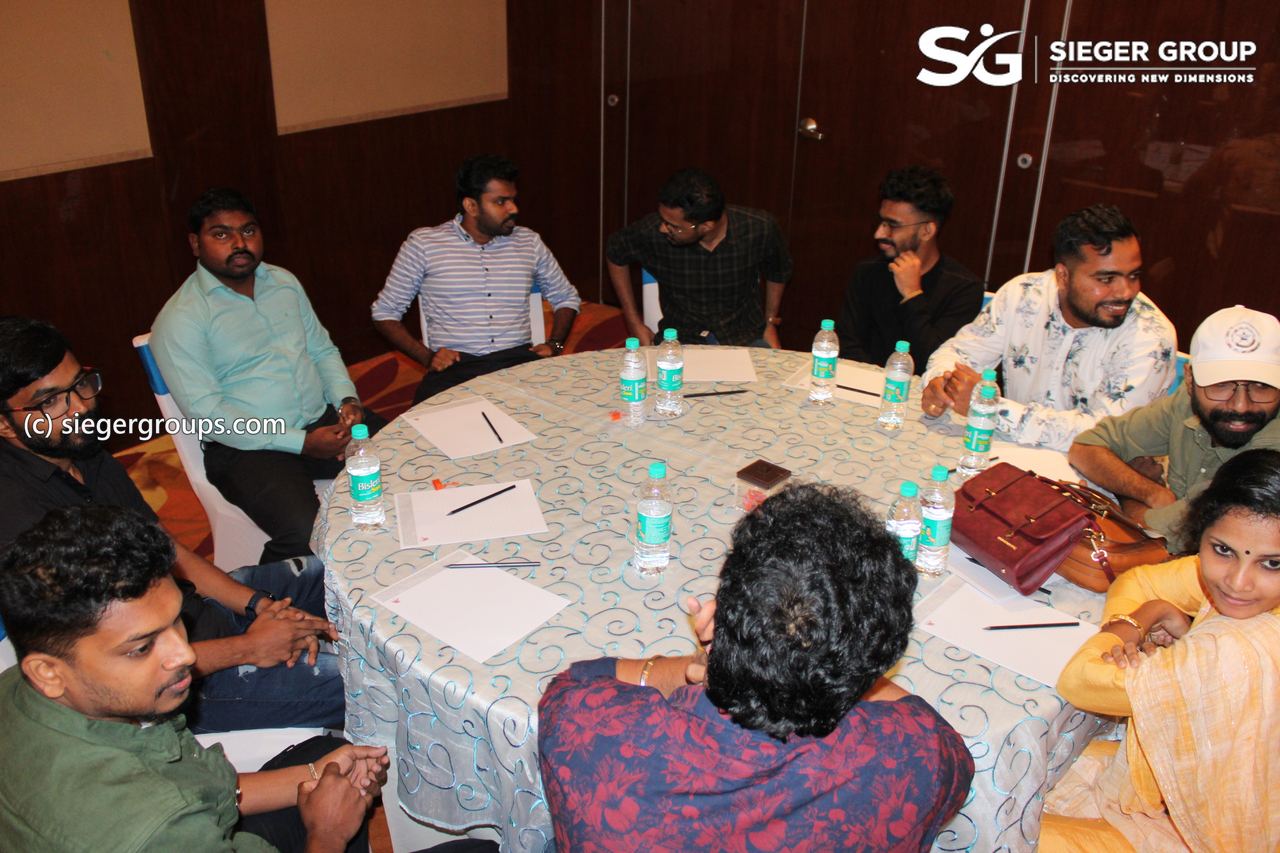
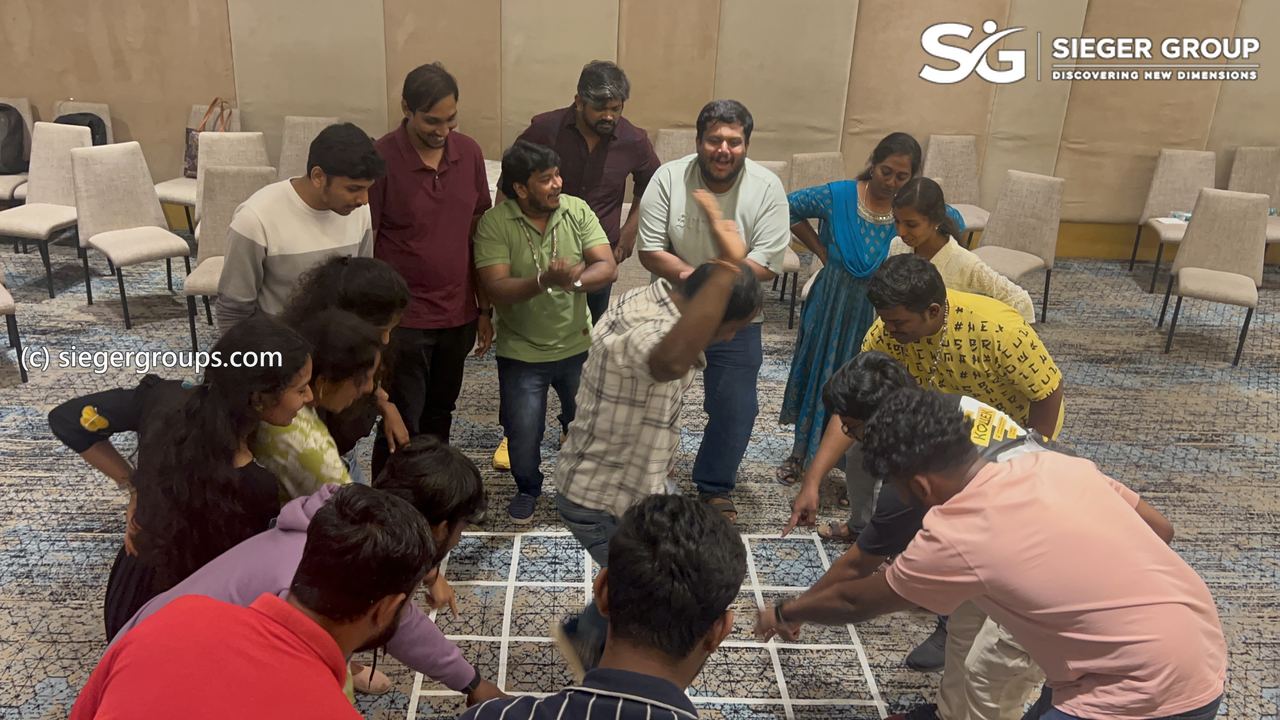
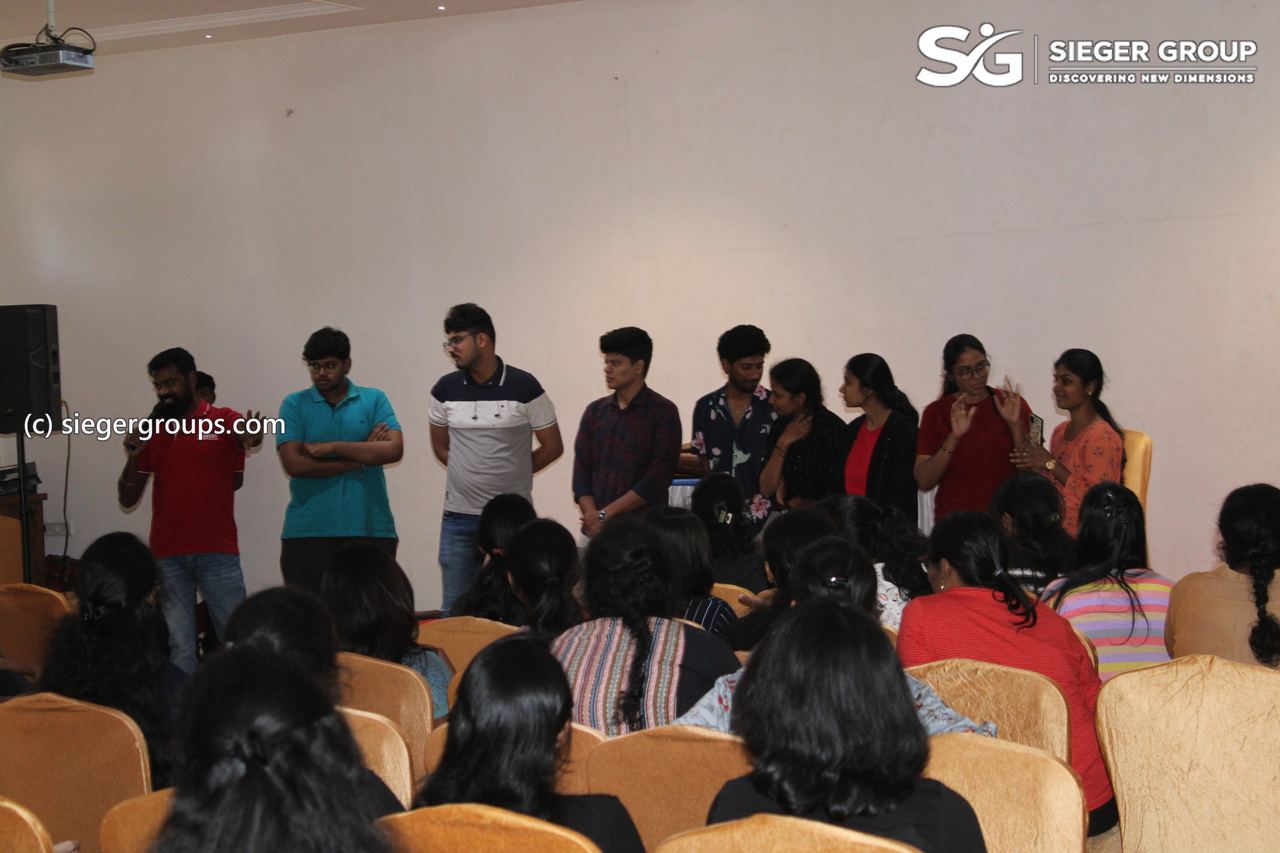

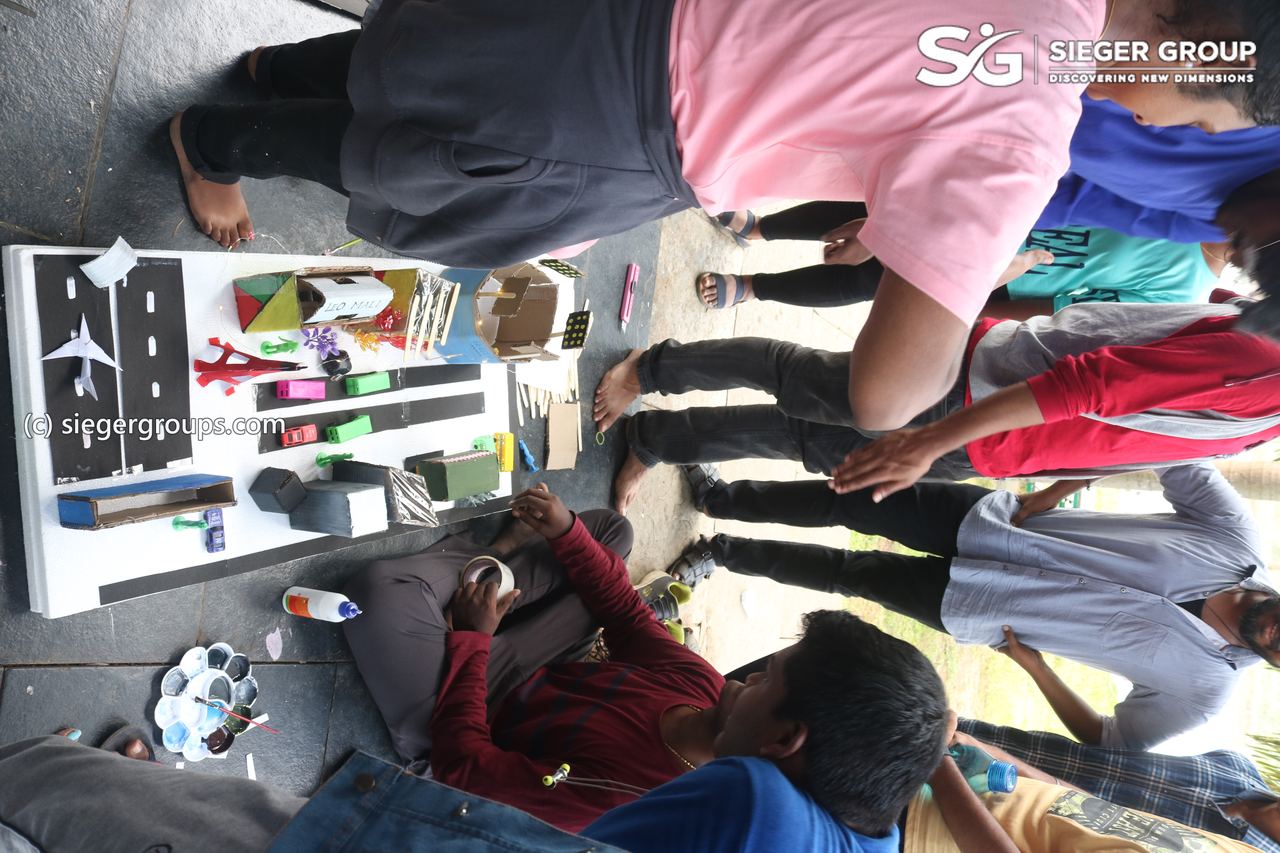

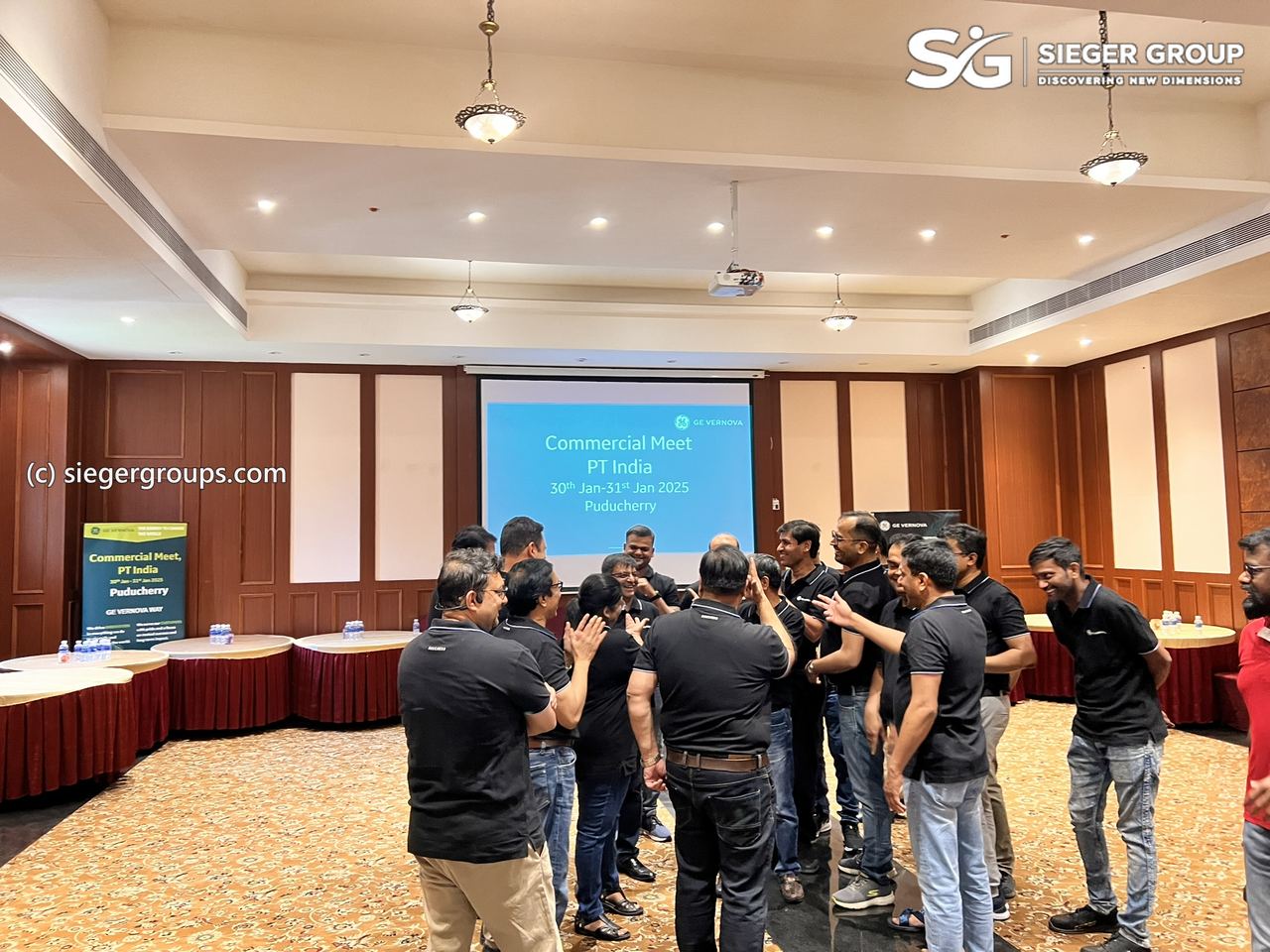
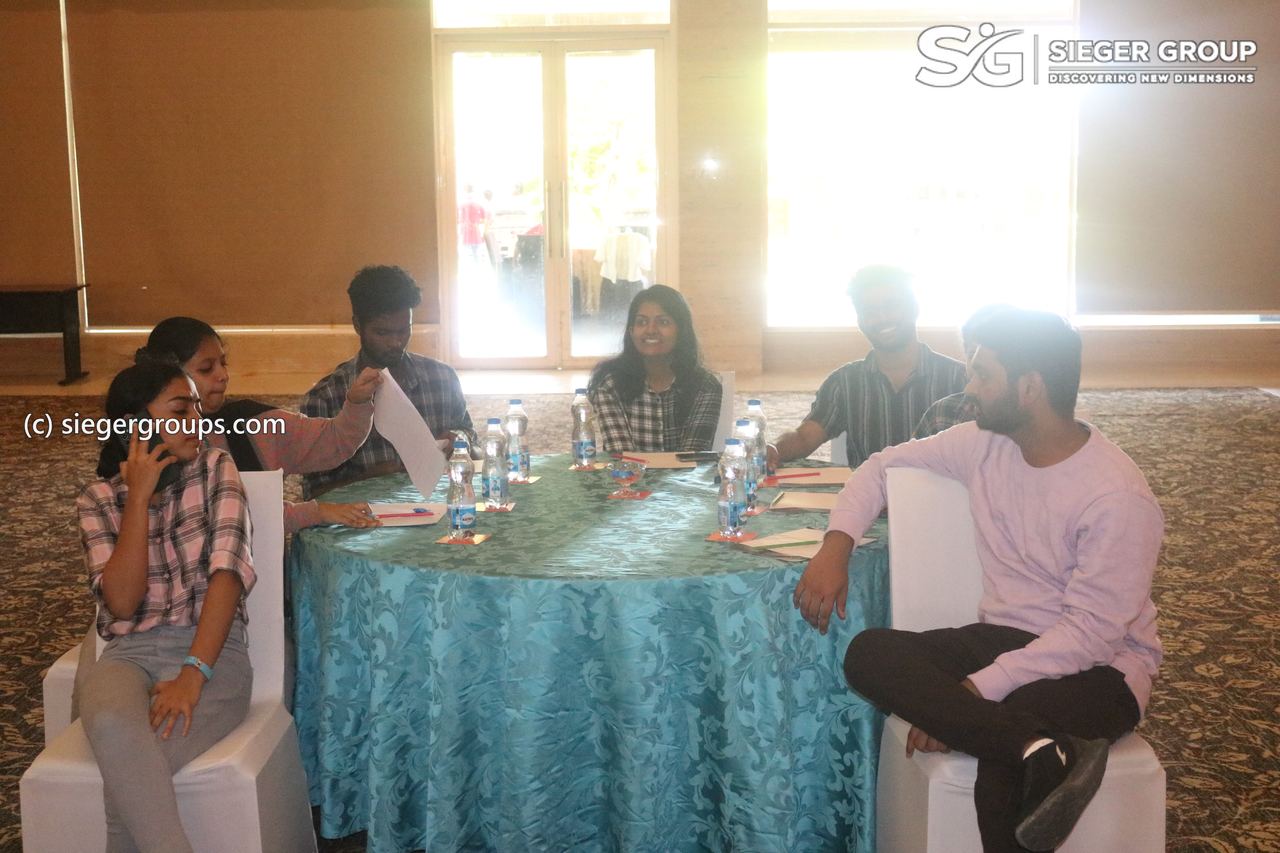
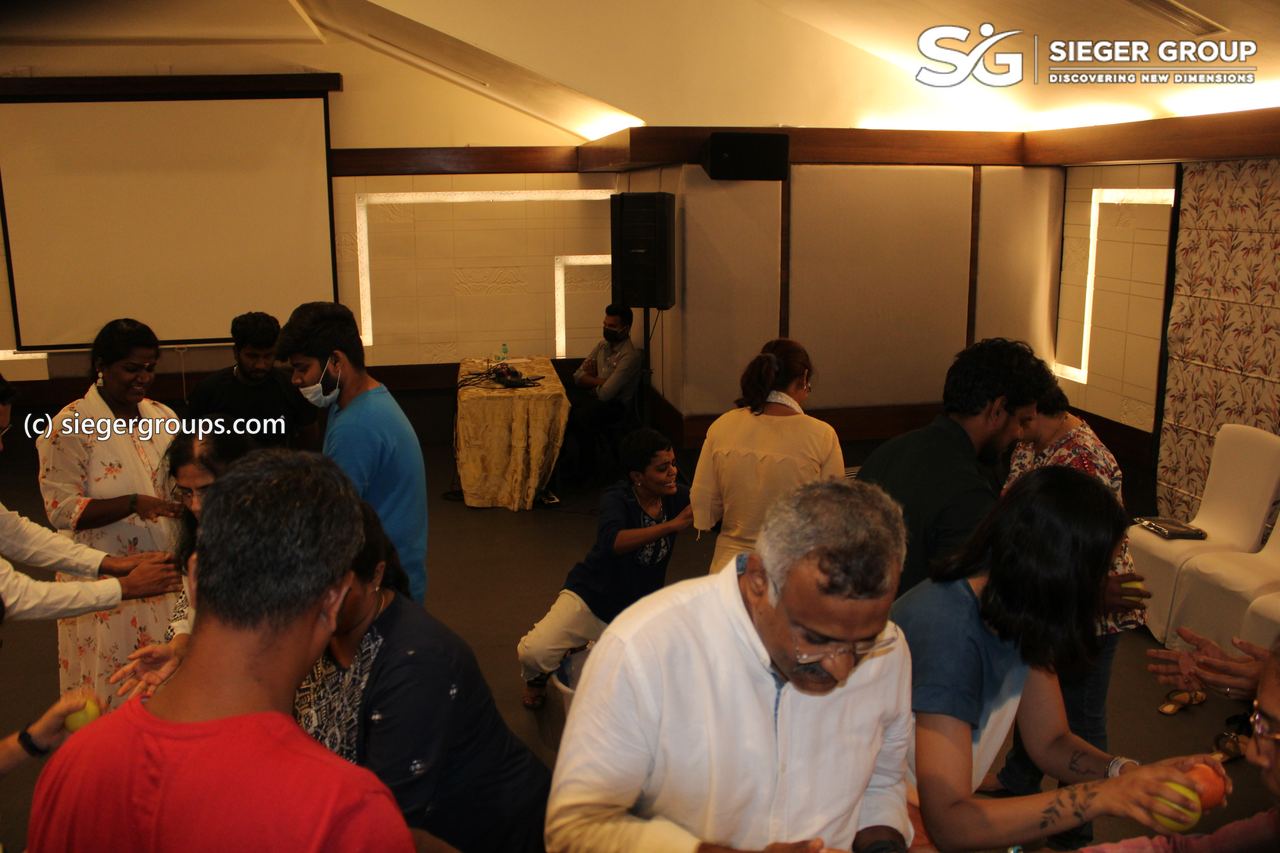
Sieger Group supports organisations with team-building experiences and facilitated programmes.
12 practical answers to help you plan your programme.
What is Goal? “The object or aim of an action, to attain a specific standard of proficiency, usually within a specified time limit.” by Latham & Locke Life & work feel increasingly demanding, moving ever faster with increasing complexities, information & pace of change. We’re being asked to do more with less, in less time & work at a computer’s speed. Having rules for ‘what good looks like’ for motivating ourselves & getting things done is more important than ever. Sieger Goal Setting Outbound Learning programme is designed to improve the ability to get the best from individual and others by setting and communicating specific goals, together with giving constructive feedback.
Goal Setting & Alignment can be considered for teams planning a focused learning programme. Share roles, group size, experience levels and participation needs so suitability can be confirmed.
The existing programme outline includes: Understand the importance of ‘Goal Setting’.; Understand the psychology of Goal Setting.; Initiate the Goal Setting process.. The final emphasis and activity selection should be agreed around your brief.
Yes. Share your team context, goals and preferred tone. The proposed Goal Setting & Alignment experience can then be adapted through the activity mix, level of challenge, discussion themes and delivery format, subject to feasibility.
Duration depends on the agreed scope, group size and setting. For Goal Setting & Alignment, allow for the briefing, activities, breaks and facilitated reflection and action planning. Request a proposed agenda that fits your available time.
Share your preferred city, office, venue or offsite destination in India. Goal Setting & Alignment requires a setting suited to the activities and participants. Venue access, usable space, equipment and local delivery arrangements should be confirmed before booking.
The appropriate group size depends on the activity structure, facilitation and available space. Tell us the expected number of participants for Goal Setting & Alignment so team sizes, rotations and staffing can be proposed.
For Goal Setting & Alignment, the pre-event briefing should explain the schedule, clothing or equipment requirements and how to take part. Share accessibility needs and relevant participation constraints during planning so suitable arrangements can be discussed.
Discuss access, mobility, language, sensory needs and comfort levels before confirming Goal Setting & Alignment. Agree suitable roles and alternatives where feasible. For specialist activities, confirm delivery responsibilities and participation requirements in advance.
Agree the purpose of Goal Setting & Alignment before delivery. Facilitated discussion can link participant decisions and behaviours with workplace or campus situations, followed by practical action commitments. Confirm any follow-up or evaluation support in the proposal.
Pricing for Goal Setting & Alignment depends on participant numbers, duration, facilitation, equipment, location and agreed logistics. Request a tailored proposal that clearly states programme inclusions, venue or travel arrangements and applicable charges.
Use the enquiry form on this page or call +91 98400 97567. Include Goal Setting & Alignment, your objectives, group size, preferred dates and location. Sieger Group can then discuss suitability and prepare a proposal for your review.
Share your goals, group size, preferred dates and venue. We’ll help you explore a considered programme.
Tell us what you have in mind. We will help you explore a programme that fits your people and your occasion.
Still finalising the details? Share what you know.
Every team is different. Share your people, purpose and preferred setting, and we’ll translate your brief into an experience designed to connect, engage and create lasting impact.
Share your brief and preferred contact details.