Sieger Group · Outbound Training

Diversity, Equity & Inclusion

Experiential learning with a clear purpose.

In today’s global and culturally dynamic workplace, inclusion is not an option, it is a strategic advantage. At Sieger Group, we believe that Diversity, Equity & Inclusion (DEI) is the foundation of a thriving workplace where every individual feels respected, valued and empowered. Through our experiential DEI programmes, participants explore bias awareness, inclusive behaviours, equitable decision-making and collaborative communication, enabling organisations to build stronger teams, higher trust and a culture where every voice matters.

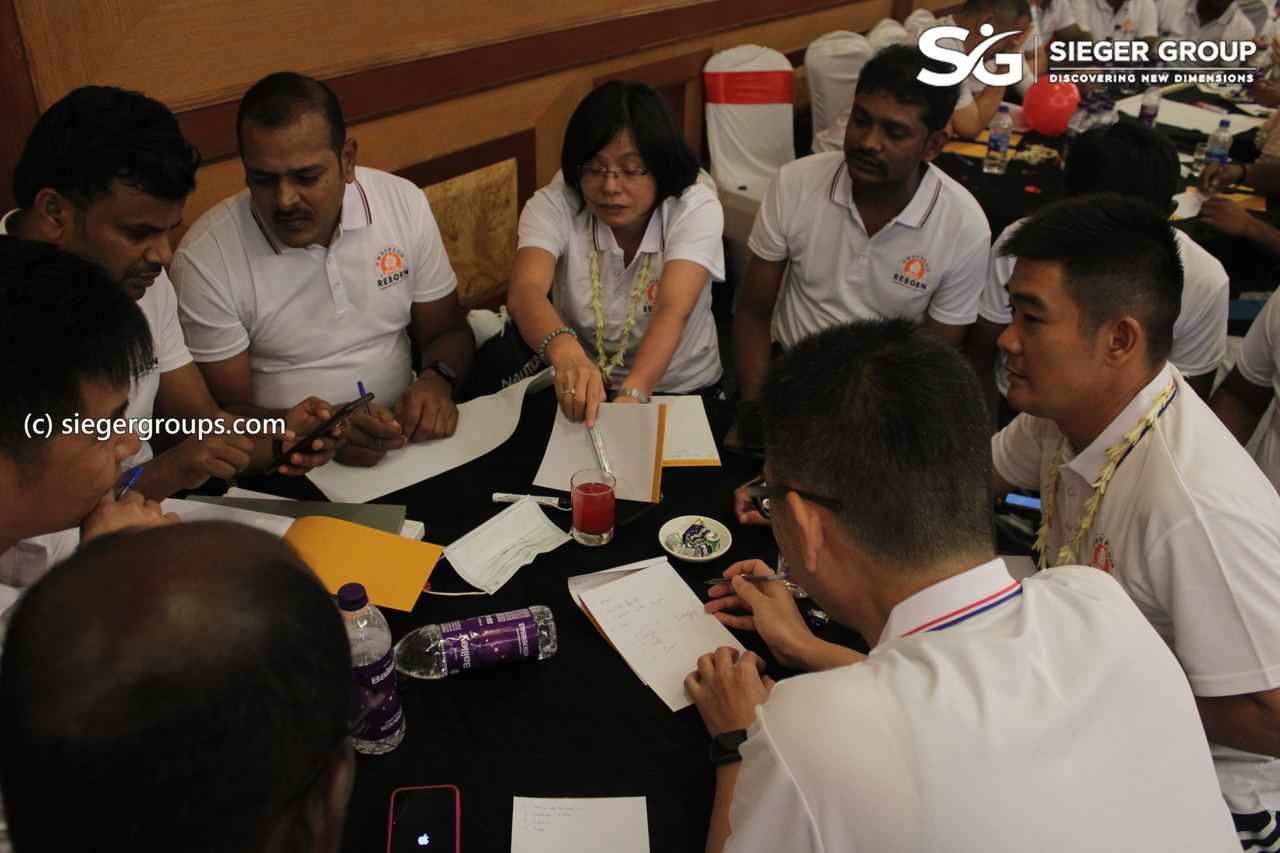
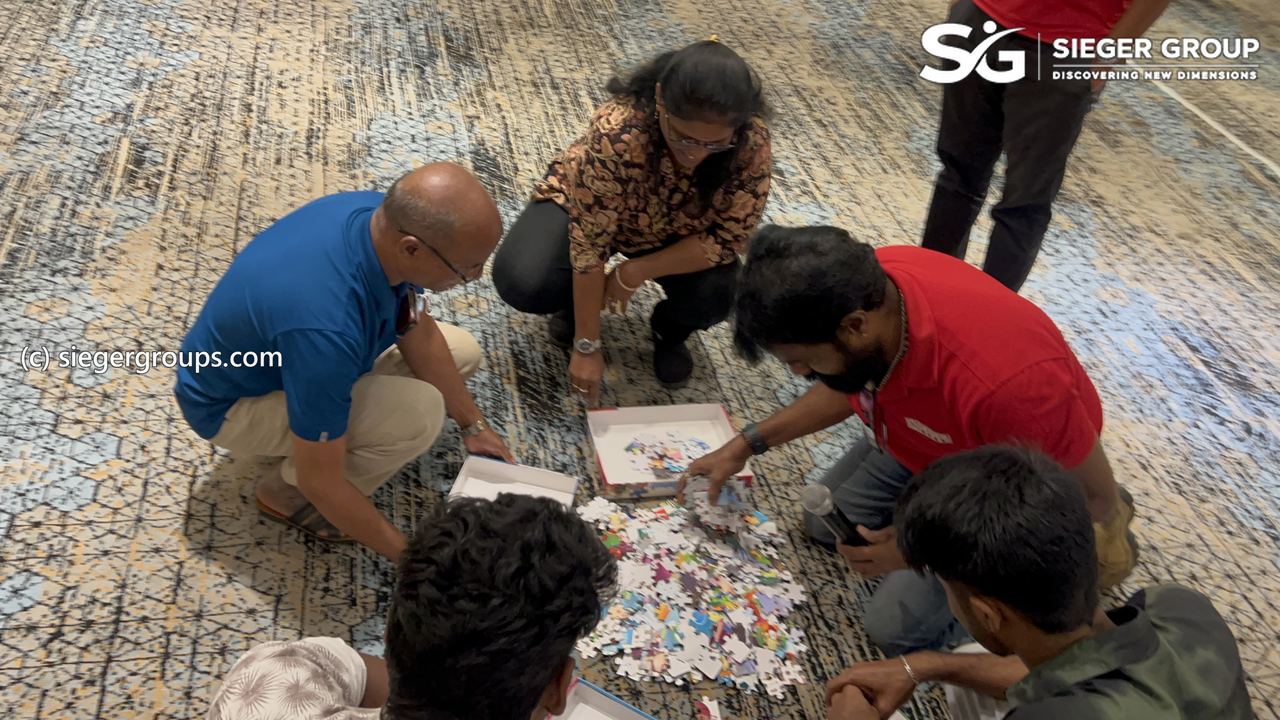
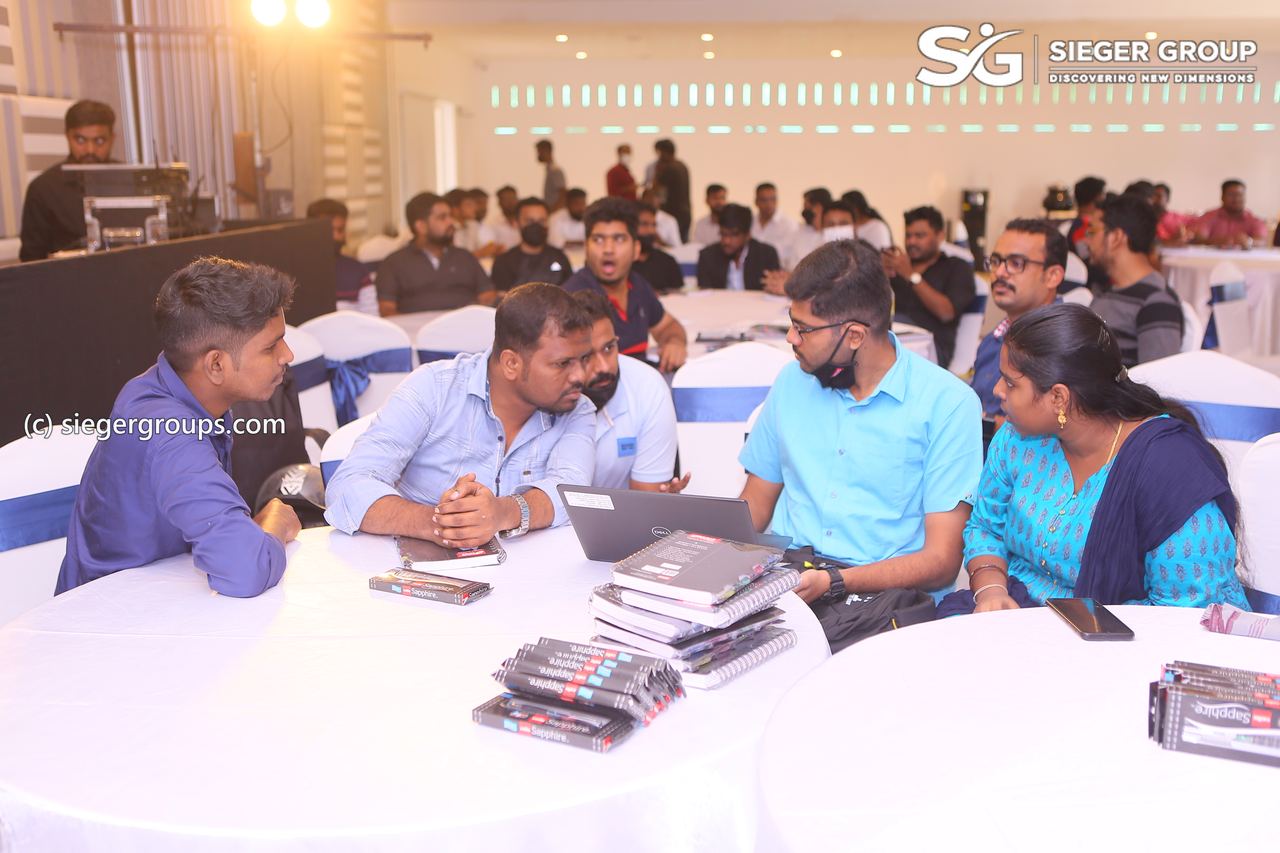
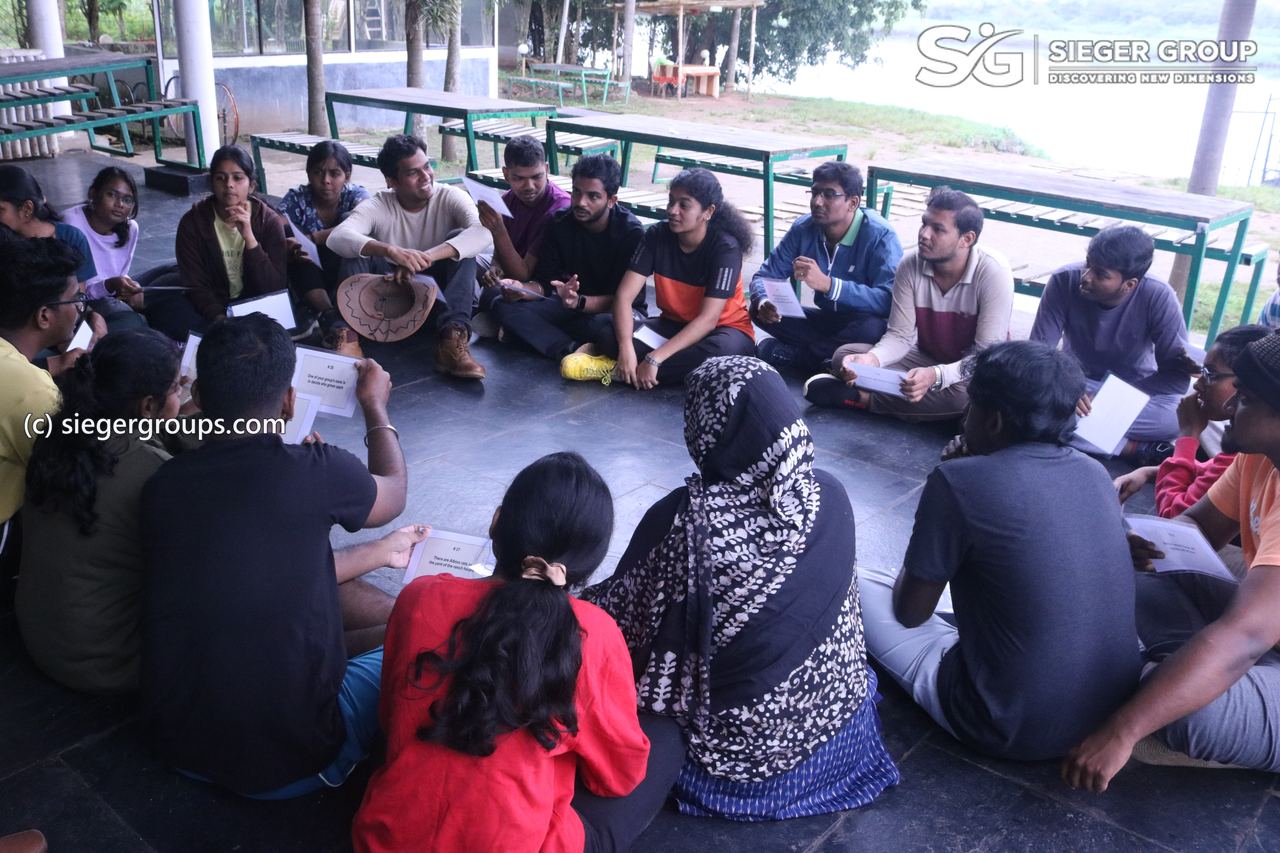
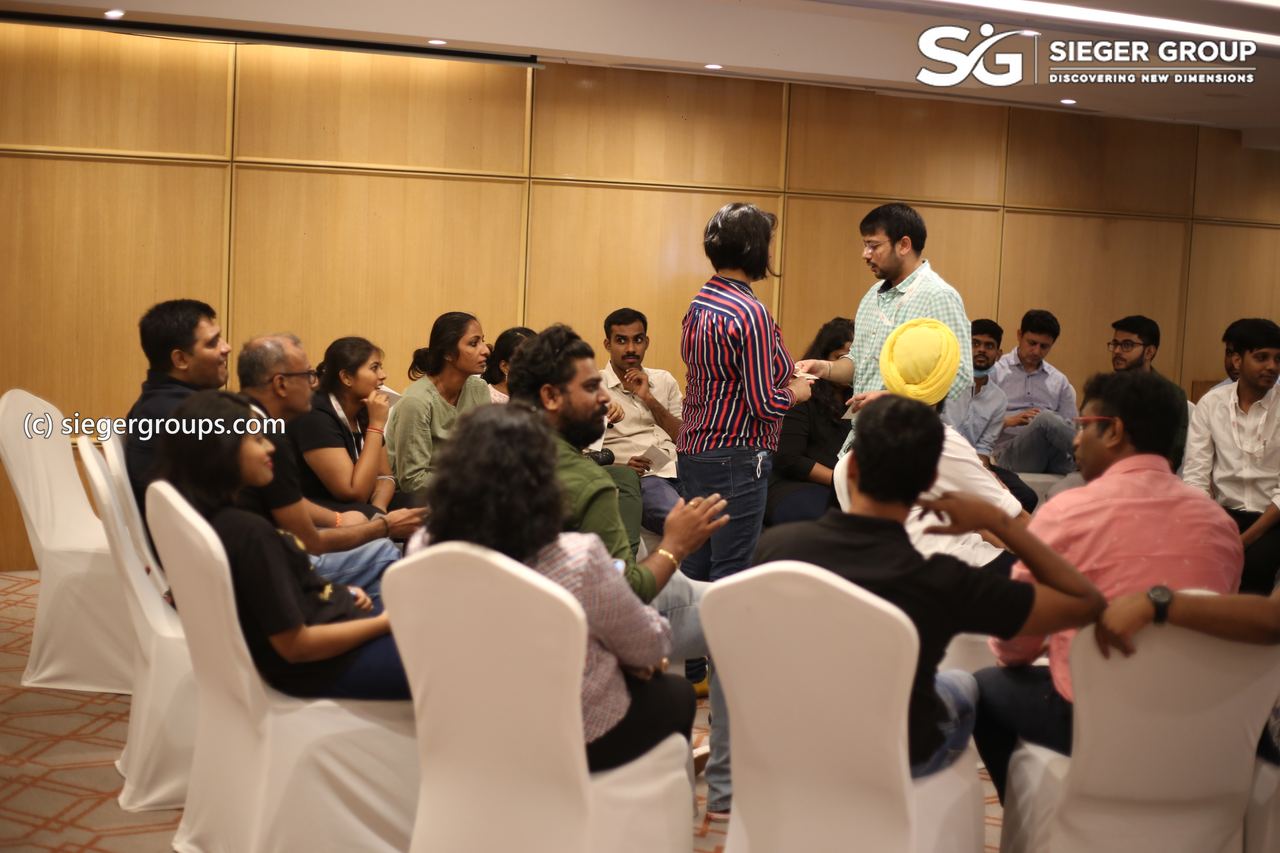
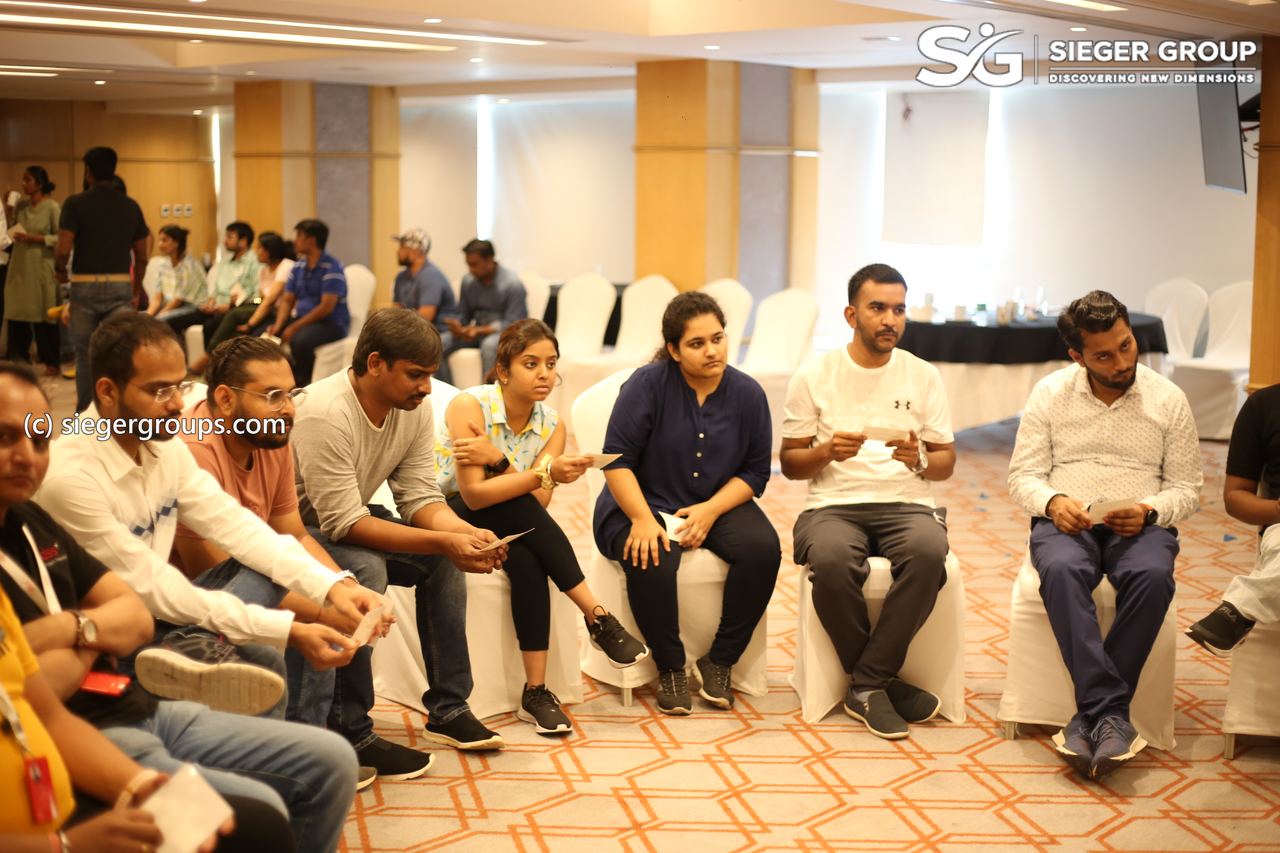
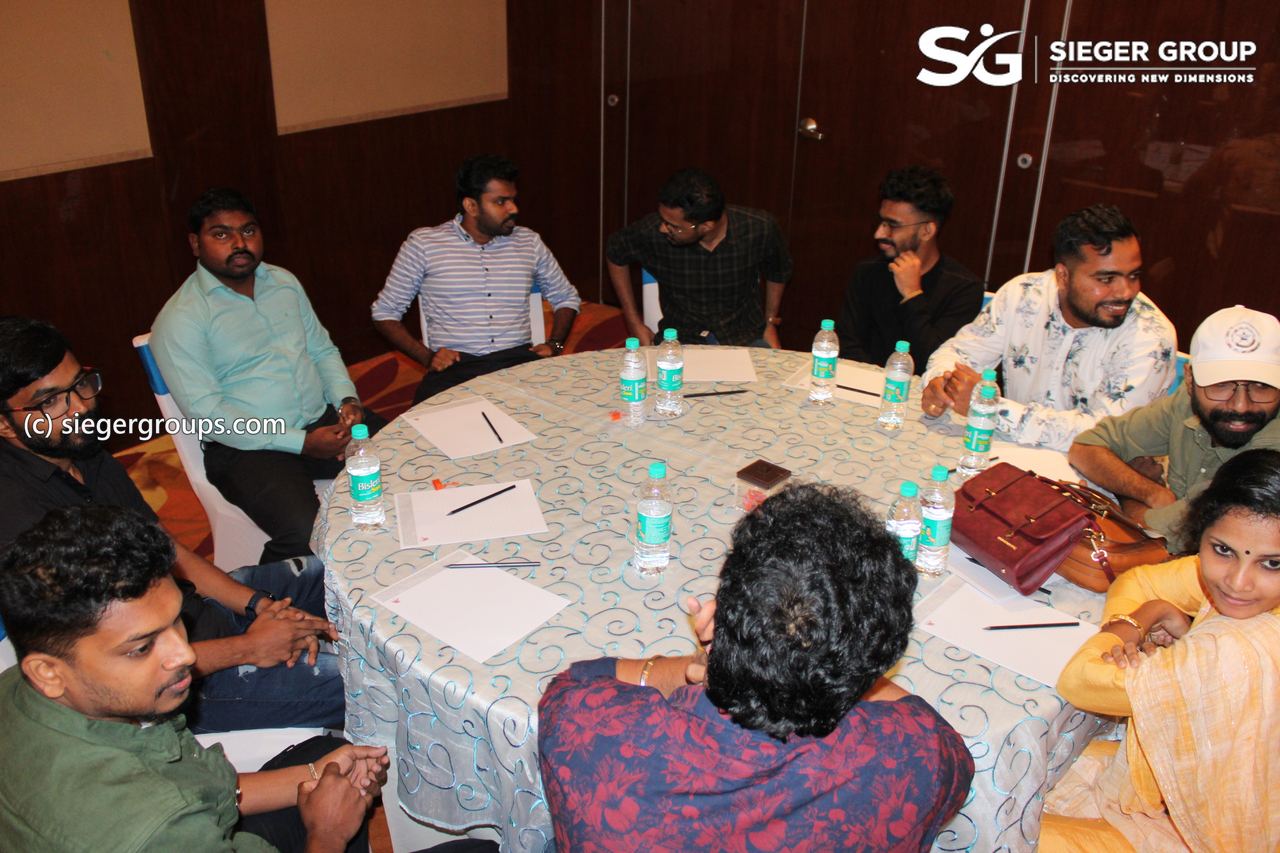
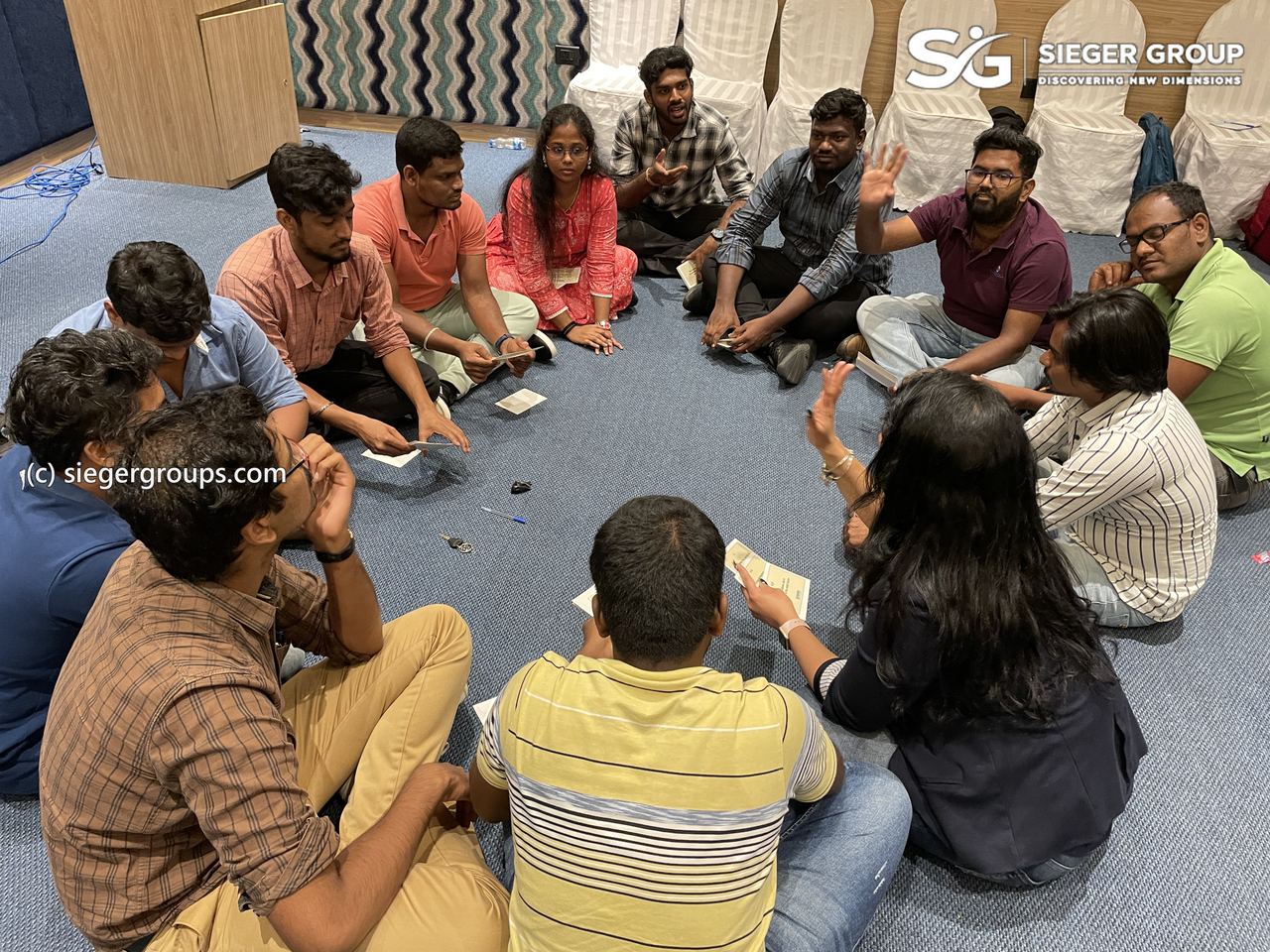
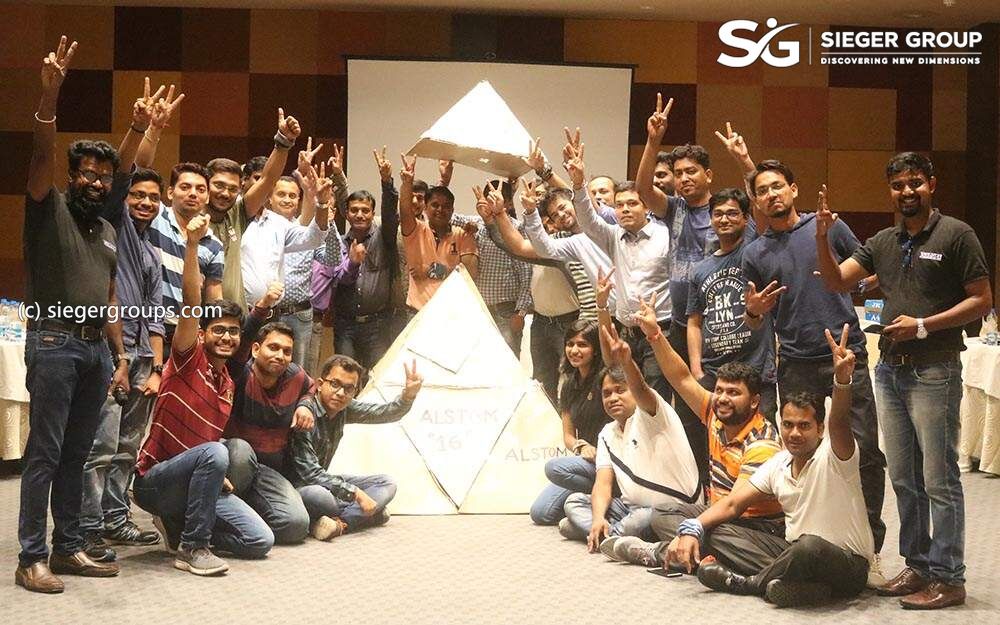
Sieger Group programme photograph — Diversity, Equity & Inclusion

Core Exercises for Diversity, Equity & Inclusion

Explore these options as starting points for diversity, equity & inclusion. The selected formats, materials and participation arrangements are shaped around the group and agreed brief.

Question the first interpretation

Awareness of Identity & Bias

Teams interpret an ambiguous scenario before comparing how they reached their conclusions. They examine which details they noticed and which assumptions filled the gaps. The activity invites discussion of bias in interpretation without asking colleagues to represent an entire identity group or disclose personal experiences.

Learning focusAssumptions · Awareness
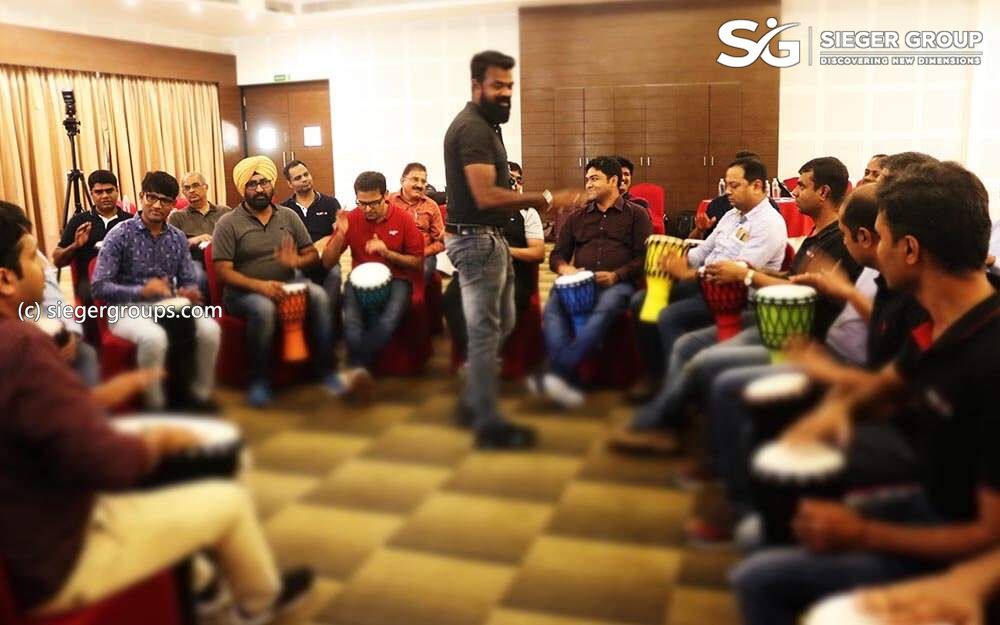
Stay curious about difference

Inclusive Mindsets

Participants work with contrasting views on a shared challenge and ask questions before evaluating an unfamiliar approach. They explore how a group can remain curious without expecting immediate agreement. Reflection focuses on language and responses that helped colleagues explain their reasoning and feel heard.

Learning focusCuriosity · Perspective-taking
Examine the conditions

Equity in Action

Teams approach a task in which information or resources are distributed differently. They examine how access affects each participant’s options and discuss adjustments to the process. Reflection distinguishes treating people identically from understanding the conditions they need in order to contribute to a shared task.

Learning focusAccess · Fair process
Design for contribution

Inclusive Communication

Groups share instructions and make a decision using more than one participation method. They consider language, pace and opportunities to prepare or seek clarification. The task provides evidence about which choices opened contribution and which unintentionally restricted who could take part in the discussion.

Learning focusAccessible participation · Communication
Programme overview

Building Respect • Empowering Voices • Creating Inclusive Cultures

In today’s global and culturally dynamic workplace, inclusion is not an option, it is a strategic advantage. At Sieger Group, we believe that Diversity, Equity & Inclusion (DEI) is the foundation of a thriving workplace where every individual feels respected, valued and empowered. Through our experiential DEI programmes, participants explore bias awareness, inclusive behaviours, equitable decision-making and collaborative communication, enabling organisations to build stronger teams, higher trust and a culture where every voice matters.

What makes it distinctive

Look at the process, not only the intention.

Different colleagues may encounter different conditions in the same task. Explore assumptions, access and participation through shared experiences, using what becomes visible to discuss practical adjustments in how information is provided, questions are invited and decisions are made.

  • Inclusive teams demonstrate stronger trust, communication and engagement. DEI helps eliminate micro-inequities, biases and behaviours that create exclusion.
  • Equitable workplaces acknowledge that people start from different places. DEI equips leaders to design fair processes, decision-making and opportunities.
  • Diversity fuels innovation — different perspectives challenge assumptions, expand ideas and lead to better solutions and results.
Shape your team brief
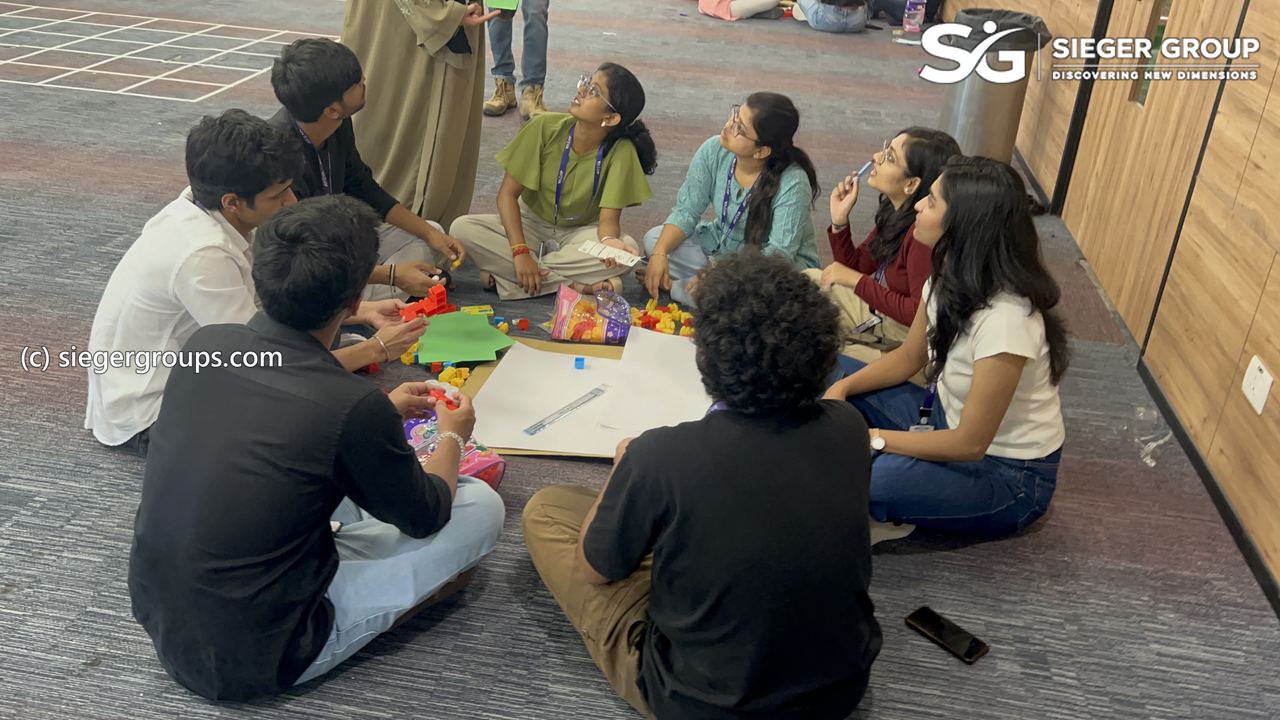
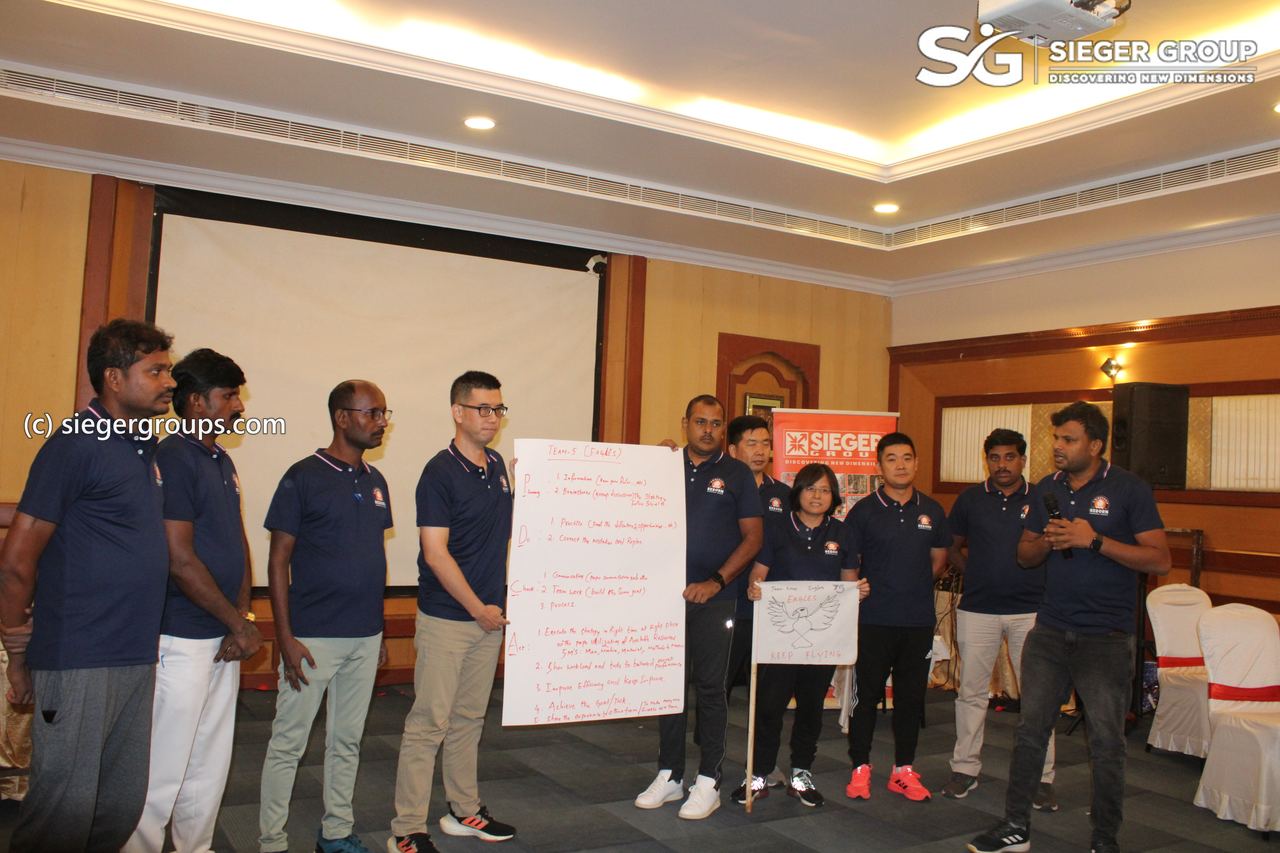
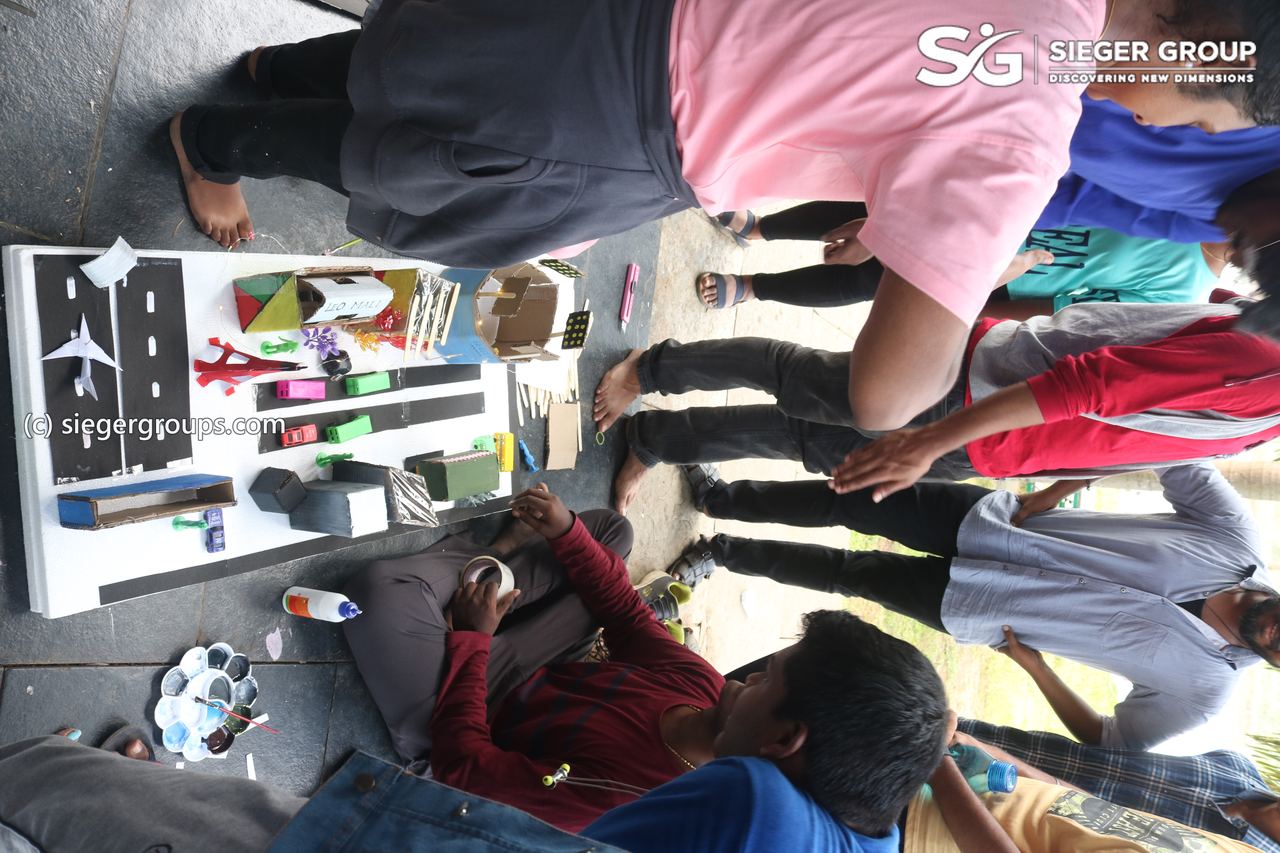
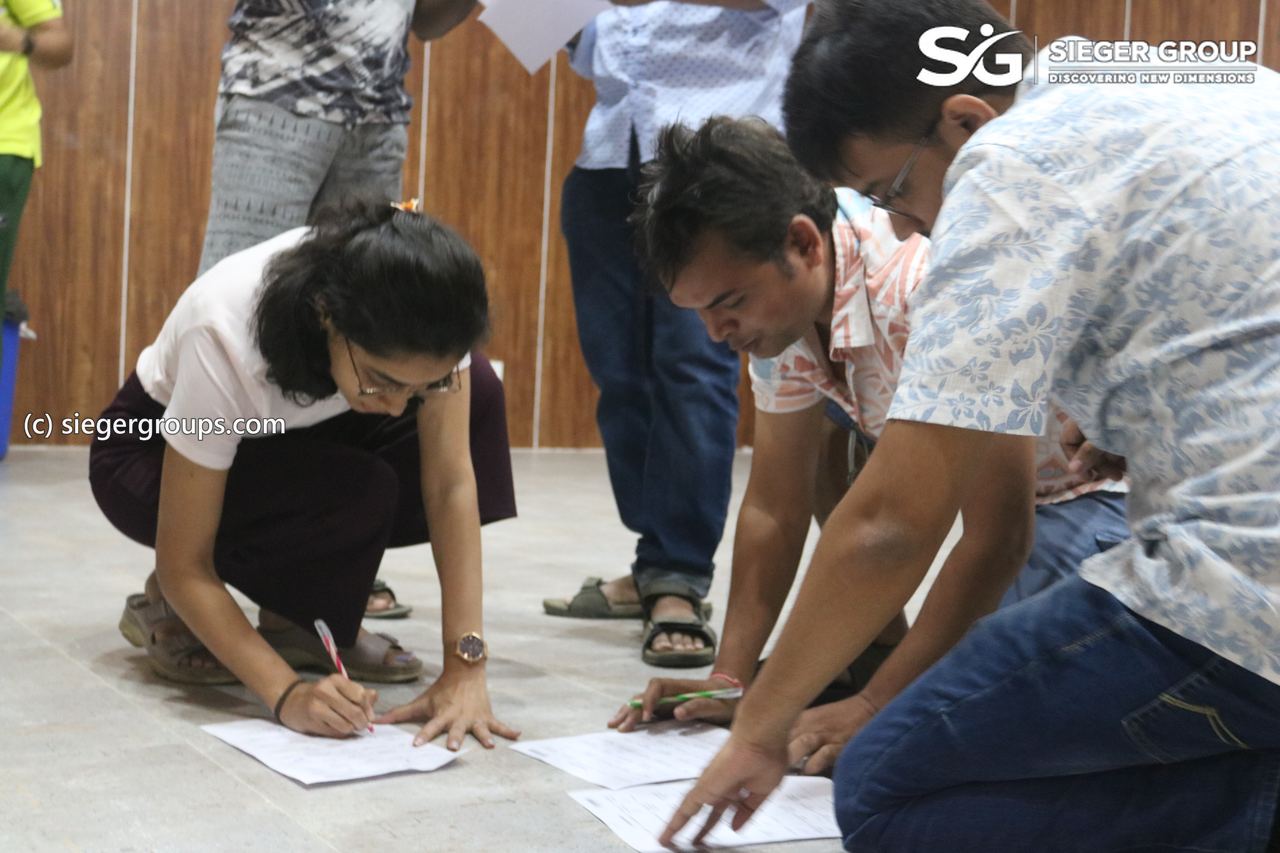
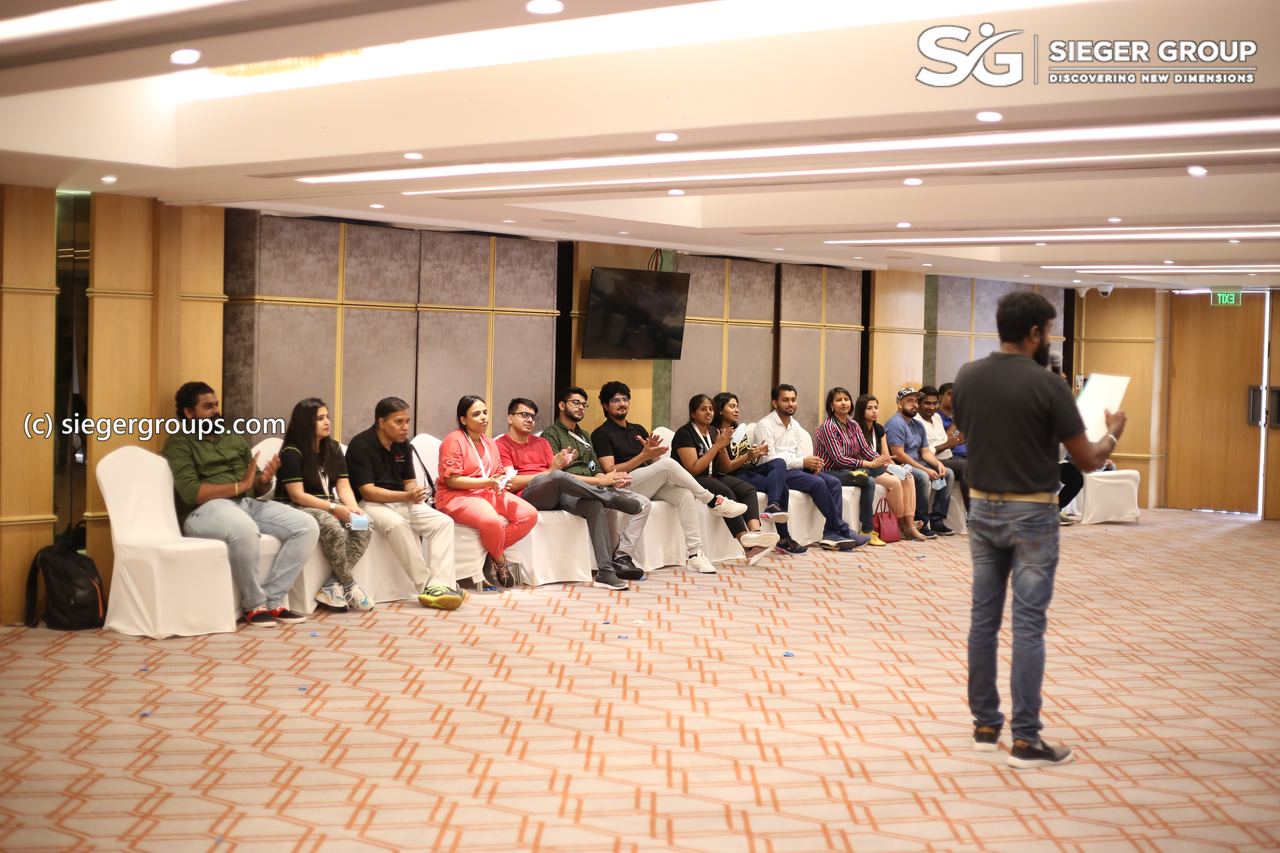
Sieger Group programme photograph — Diversity, Equity & Inclusion
Why this programme

Why Organisations Choose Diversity, Equity & Inclusion

Examine how perspectives, access, assumptions and everyday decisions influence the opportunity to contribute to shared work.

A clear purpose

More visible assumptions

Explore how information gaps are interpreted and identify when an untested belief about a person is influencing the shared decision.

Useful participation

Different perspectives heard

Ask questions that help colleagues explain their reasoning without requiring them to speak for an entire community or identity group.

Practical insight

Attention to access

Consider who can use the resources and participation methods provided and who may need a different route into the task.

Connected choices

Fairer group processes

Examine opportunities and constraints before judging contributions or assuming that identical treatment produces an equitable experience for every participant.

Meaningful follow-through

Inclusive communication choices

Explore language, pace and response formats that can make a meeting or activity easier for different people to join.

Programme benefits

Programme Benefits

Explore the behaviours and practical insights your team can review through Diversity, Equity & Inclusion. The debrief connects observations from the experience with situations that matter to participants.

More visible assumptions

A useful focus for the group is to explore how information gaps are interpreted and identify when an untested belief about a person is influencing the shared decision.

Different perspectives heard

Participants can examine how to ask questions that help colleagues explain their reasoning without requiring them to speak for an entire community or identity group.

Attention to access

The review can highlight ways to consider who can use the resources and participation methods provided and who may need a different route into the task.

Fairer group processes

Colleagues can explore how to examine opportunities and constraints before judging contributions or assuming that identical treatment produces an equitable experience for every participant.

Inclusive communication choices

The experience can prompt discussion of how to explore language, pace and response formats that can make a meeting or activity easier for different people to join.

Respectful challenge

A practical takeaway is to discuss disagreements while considering dignity, curiosity and the effect of the group’s language on someone else’s opportunity to participate.

An actionable inclusion habit

The team can consider how to select one everyday process to adjust and identify how colleagues will review whose contribution became easier as a result.

From experience to application

Bring the learning back to work.

Use these reflection prompts to turn Diversity, Equity & Inclusion into a focused conversation about what happened, what it means and what to try next.

  1. Name an assumption

    Identify where the group filled a gap with a belief and discuss what evidence or question would have improved its interpretation.

  2. Listen to another perspective

    Recall an explanation that changed your understanding and consider which response helped the speaker develop their point during the shared task.

  3. Examine participation conditions

    Review how access to information or time shaped the challenge and distinguish process barriers from conclusions about a person’s ability.

  4. Connect to a routine process

    Choose a meeting, induction or allocation decision where the team could examine who has access and how participation is invited.

  5. Agree a practical adjustment

    Select a change such as sharing context in advance or offering different response formats, and clarify who will arrange that adjustment.

  6. Review whose voice was heard

    Ask which perspectives became more visible after the adjustment, what remains difficult and what the group should change in its next attempt.

Programme delivery

How the Programme Works

A suggested flow for Diversity, Equity & Inclusion, from setting the brief to reviewing the experience. Activity choices, pace and facilitation are confirmed around your group and setting.

  1. Start with context

    Agree the purpose and participation

    Examine how perspectives, access, assumptions and everyday decisions influence the opportunity to contribute to shared work. Discuss what participants should understand before approaching awareness of identity & bias, including the information, roles and choices relevant to this group.

    Assumptions · Awareness
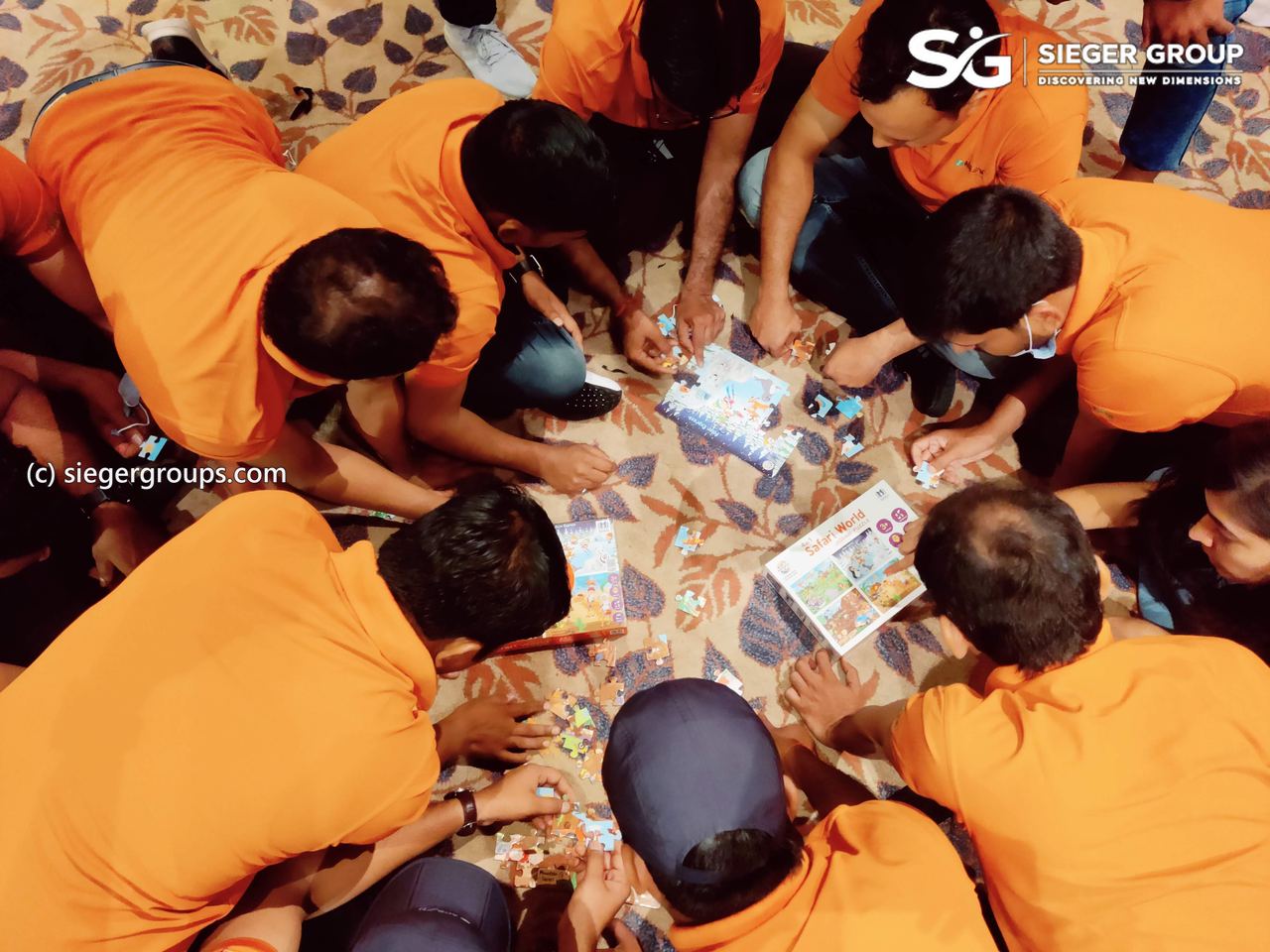
  2. Stay curious about difference

    Explore the selected experience

    Teams explore contrasting interpretations and participation conditions. Questions about access and assumptions remain grounded in the scenario, without expecting participants to explain an identity or community.

    Curiosity · Perspective-taking
  3. Examine the conditions

    Compare and develop the approach

    The review examines whose information influenced the result and which conditions shaped that influence, then connects observations with practical communication and participation adjustments.

    Access · Fair process
  4. Make the experience useful

    Review and carry it forward

    Choose a meeting, induction or allocation decision where the team could examine who has access and how participation is invited. Select a change such as sharing context in advance or offering different response formats, and clarify who will arrange that adjustment.

    Accessible participation · Communication
Experiential learning outline

Experience. Reflect. Apply.

Connect Diversity, Equity & Inclusion with purposeful practice, evidence-based reflection and a next step that fits your working context.

  1. Align the brief

    Examine how perspectives, access, assumptions and everyday decisions influence the opportunity to contribute to shared work. Clarify what the group needs before beginning the selected experience.

  2. Experience the challenge

    Explore awareness of identity & bias through the agreed format. Ask questions that help colleagues explain their reasoning without requiring them to speak for an entire community or identity group.

  3. Reflect on the evidence

    Notice when the same task offered different opportunities to participants and explore what the process enabled before drawing conclusions about an individual’s contribution or capability.

  4. Connect the learning

    Choose a familiar process and consider whose experience is least visible within it, identifying what would help those people contribute their perspective meaningfully.

  5. Commit to a next step

    Define an inclusion adjustment and its intended question, then agree how feedback from people affected will inform the next revision of the process.

Programme details

Programme Format

Duration

1 to 2 days (customisable)

Format

Experiential activities, simulations, case studies, role-plays, storytelling, debriefing sessions and action-planning.

Participants

Leaders, managers, HR teams, project groups, cross-functional teams, and employees at all levels.

Who should attend

Choose the right audience for the experience.

Discuss participant experience, access needs, language preferences and the purpose of the programme before confirming suitability.

Intact and cross-functional teams

Intact and cross-functional teams interested in assumptions · awareness. Awareness of Identity & Bias offers one possible starting point for an agreed group experience.

Managers and emerging leaders

Managers and emerging leaders exploring curiosity · perspective-taking. Select a format that fits their responsibilities, working relationships and the purpose of Diversity, Equity & Inclusion.

Project teams and newly formed groups

Project teams and newly formed groups bringing different perspectives to access · fair process. Confirm the learning priorities and participation arrangements before choosing the activity mix.

Programme schedule

An illustrative two-day learning journey.

This sample shows how a programme could flow. Timings, breaks, activity choices and duration are agreed in the final proposal.

Day one

Explore the experience

  1. 09:15–10:30

    Welcome, context and participation

    Introduce Diversity, Equity & Inclusion, agree the group’s purpose and discuss participation preferences. Explain the selected formats before the experience begins.

  2. 10:45–12:30

    Awareness of Identity & Bias

    Use a selected version of Awareness of Identity & Bias to explore assumptions · awareness. Pause to compare observations and clarify the choices that shaped progress.

  3. 13:30–15:00

    Inclusive Mindsets

    Use a selected version of Inclusive Mindsets to explore curiosity · perspective-taking. Pause to compare observations and clarify the choices that shaped progress.

  4. 15:15–17:00

    Reflection and shared takeaways

    Review examples of more visible assumptions and attention to access. Connect the observations with day-to-day team responsibilities and choose a relevant next conversation.

Day two

Deepen and apply the learning

  1. 09:15–10:30

    Equity in Action

    Explore an agreed version of Equity in Action and compare approaches to access · fair process. Discuss what the group changes after feedback.

  2. 10:45–12:30

    Inclusive Communication

    Explore an agreed version of Inclusive Communication and compare approaches to accessible participation · communication. Discuss what the group changes after feedback.

  3. 13:30–15:00

    Connect the experience with work

    Identify a situation in day-to-day team responsibilities where respectful challenge would be useful. Discuss one practical adjustment and the people it affects.

  4. 15:15–17:00

    Commitments and review

    Choose a next step related to an actionable inclusion habit. Agree responsibility and a useful point for reviewing what happens after the programme.

Planning details

A considered programme starts with the practical details.

People and participation

Share the audience profile, language preferences and access needs for Diversity, Equity & Inclusion. Agree options that let different colleagues contribute comfortably.

Venue and resources

Discuss the available space, materials and facilitation arrangements for the selected learning exercises. Confirm the final mix of Awareness of Identity & Bias and any other chosen experiences in the brief.

Scope and delivery

Agree the focus on curiosity · perspective-taking, the programme duration and which materials, facilitation and delivery arrangements are included.

Review and follow-through

Choose how to review respectful challenge and an actionable inclusion habit. Confirm any follow-up conversation or team commitment that belongs within the programme scope.

Organisations we work with

Trusted by teams across industries

Sieger Group supports organisations with team-building experiences and facilitated programmes.

Client perspectives

Testimonials

Plan with confidence

Diversity, Equity & Inclusion FAQs

12 practical answers to help you plan your programme.

What is Diversity, Equity & Inclusion?

In today’s global and culturally dynamic workplace, inclusion is not an option, it is a strategic advantage. At Sieger Group, we believe that Diversity, Equity & Inclusion (DEI) is the foundation of a thriving workplace where every individual feels respected, valued and empowered. Through our experiential DEI programmes, participants explore bias awareness, inclusive behaviours, equitable decision-making and collaborative communication, enabling organisations to build stronger teams, higher trust and a culture where every voice matters.

Who is this programme suitable for?

Diversity, Equity & Inclusion can be considered for teams planning a focused learning programme. Share roles, group size, experience levels and participation needs so suitability can be confirmed.

What can participants explore?

The existing programme outline includes: Inclusive teams demonstrate stronger trust, communication and engagement. DEI helps eliminate micro-inequities, biases and behaviours that create exclusion.; Equitable workplaces acknowledge that people start from different places. DEI equips leaders to design fair processes, decision-making and opportunities.; Diversity fuels innovation — different perspectives challenge assumptions, expand ideas and lead to better solutions and results.. The final emphasis and activity selection should be agreed around your brief.

Can the programme be customised for our team?

Yes. Share your team context, goals and preferred tone. The proposed Diversity, Equity & Inclusion experience can then be adapted through the activity mix, level of challenge, discussion themes and delivery format, subject to feasibility.

How long does the programme take?

Duration depends on the agreed scope, group size and setting. For Diversity, Equity & Inclusion, allow for the briefing, activities, breaks and facilitated reflection and action planning. Request a proposed agenda that fits your available time.

Where can we organise the experience?

Share your preferred city, office, venue or offsite destination in India. Diversity, Equity & Inclusion requires a setting suited to the activities and participants. Venue access, usable space, equipment and local delivery arrangements should be confirmed before booking.

What group size works for this programme?

The appropriate group size depends on the activity structure, facilitation and available space. Tell us the expected number of participants for Diversity, Equity & Inclusion so team sizes, rotations and staffing can be proposed.

What should participants prepare?

For Diversity, Equity & Inclusion, the pre-event briefing should explain the schedule, clothing or equipment requirements and how to take part. Share accessibility needs and relevant participation constraints during planning so suitable arrangements can be discussed.

How are participation and inclusion considered?

Discuss access, mobility, language, sensory needs and comfort levels before confirming Diversity, Equity & Inclusion. Agree suitable roles and alternatives where feasible. For specialist activities, confirm delivery responsibilities and participation requirements in advance.

How can we connect the programme with our objectives?

Agree the purpose of Diversity, Equity & Inclusion before delivery. Facilitated discussion can link participant decisions and behaviours with workplace or campus situations, followed by practical action commitments. Confirm any follow-up or evaluation support in the proposal.

What does the programme cost?

Pricing for Diversity, Equity & Inclusion depends on participant numbers, duration, facilitation, equipment, location and agreed logistics. Request a tailored proposal that clearly states programme inclusions, venue or travel arrangements and applicable charges.

How do we enquire about Diversity, Equity & Inclusion?

Use the enquiry form on this page or call +91 98400 97567. Include Diversity, Equity & Inclusion, your objectives, group size, preferred dates and location. Sieger Group can then discuss suitability and prepare a proposal for your review.

Ready to plan?

Let’s shape the right programme for your people.

Share your goals, group size, preferred dates and venue. We’ll help you explore a considered programme.

Request a tailored proposal
Back to programme overview
LET'S CREATE YOUR NEXT SHARED MOMENT

What could your team
do together?

Tell us what you have in mind. We will help you explore a programme that fits your people and your occasion.

  • Your peopleGroup size, audience and participation needs.
  • Your plansDate, destination, venue and time available.
  • Your purposeTeam connection, learning or a celebration.
  • Your outcomesWhat you want your team to experience or take away.
+91 98400 97567 ↗

Still finalising the details? Share what you know.

From your brief to a considered programme

Every team is different. Share your people, purpose and preferred setting, and we’ll translate your brief into an experience designed to connect, engage and create lasting impact.

  • Choose a format suited to your participants.
  • Align the experience with your event goals.
  • Tailor the programme to your team’s needs.
  • Plan the flow, venue and logistics.
  • Create an experience people will remember.
ENQUIRE WITH SIEGER GROUP

Start the conversation.

Share your brief and preferred contact details.