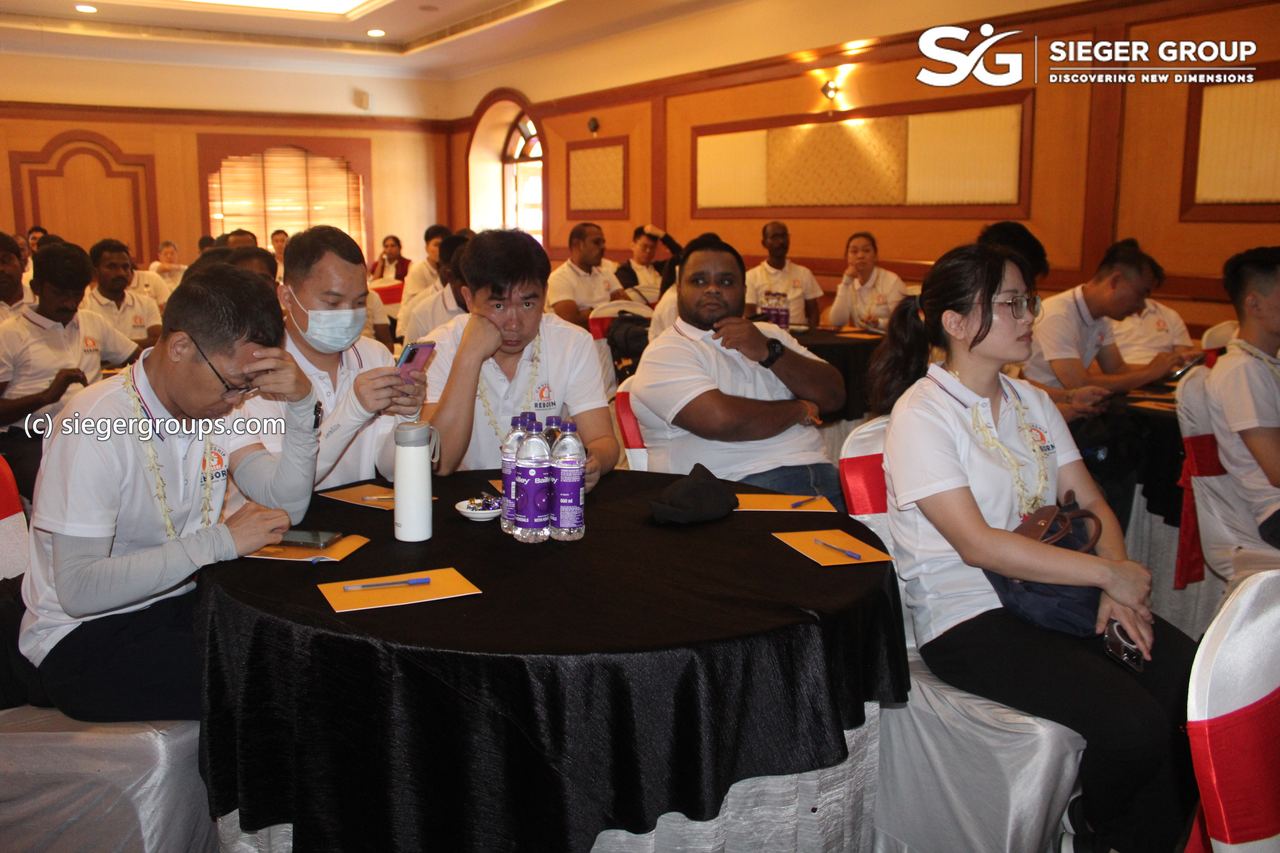
Improve your communication skills
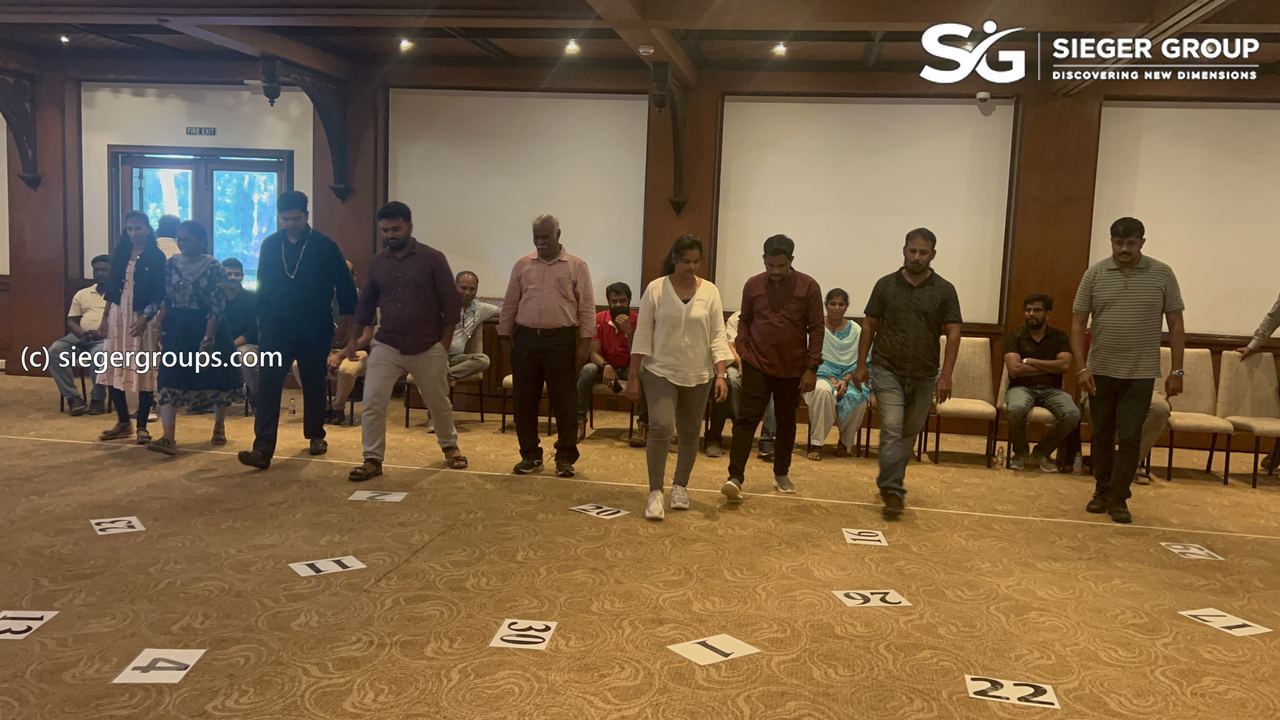
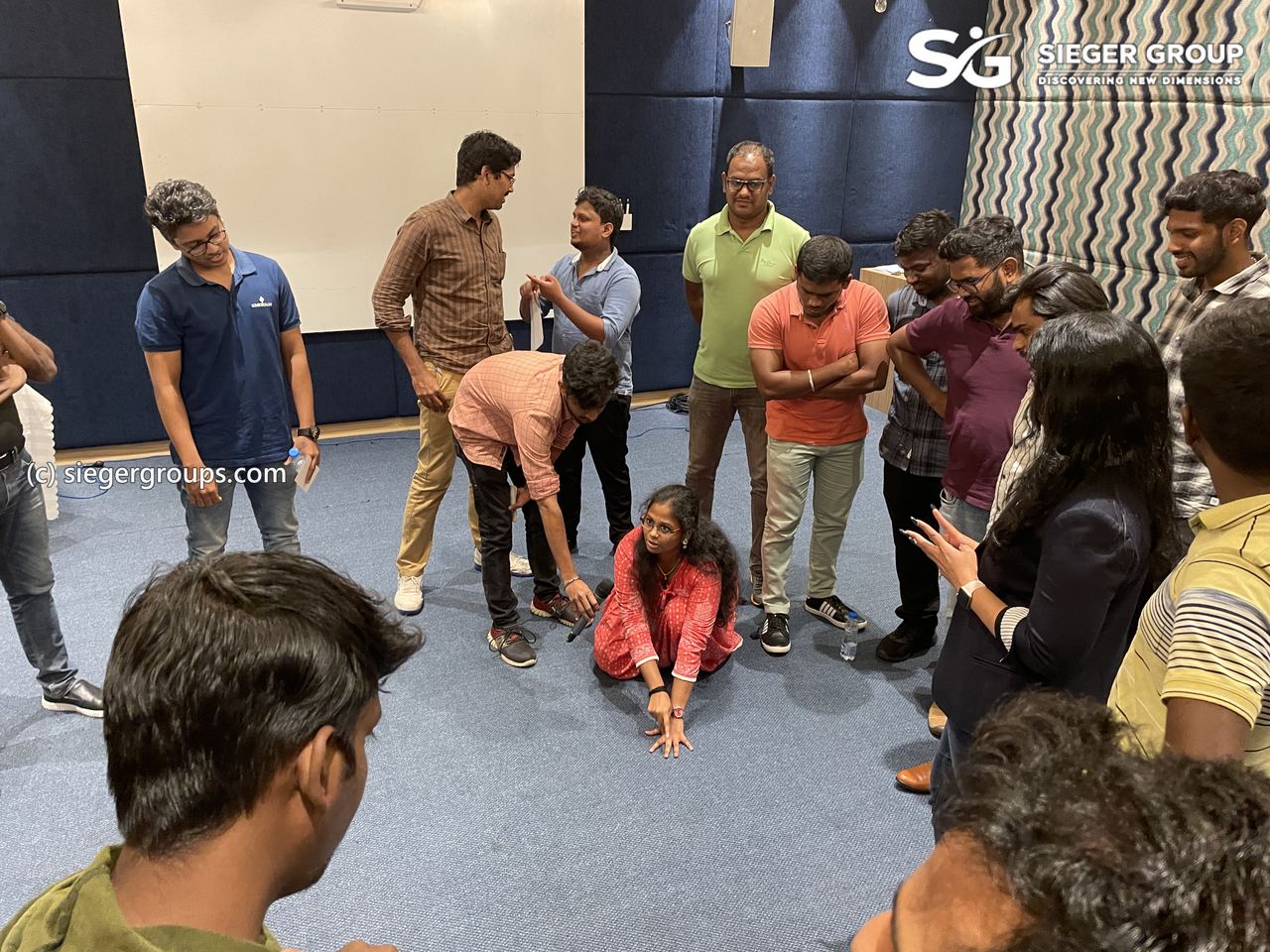
Participants compare an incomplete task description with the listener’s interpretation, then try clearer wording and confirmation questions before another attempt.
Learning focusMessage clarity · listening
Experiential learning with a clear purpose.
What is Communication? Communication is defined as transferring information to produce greater understanding. It can be done vocally (through verbal exchanges), through written media (books, websites, and magazines), visually (using graphs, charts, and maps) or non-verbally (body language, gestures, pitch of voice, and tone). Sieger Outbound Learning on Communication and Interpersonal Skills helps participants to develop the ability to communicate effectively with superiors, colleagues, and staff, no matter what industry the person work in. People in the digital age must know how to effectively convey and receive messages in person as well as digital media.
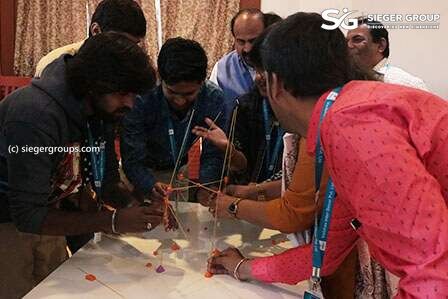
Choose a starting point for workplace conversations and handovers. The suggested formats below offer different ways to make messages easier to interpret, question and act upon. The final selection reflects the group's priorities and participation preferences.
Participants compare an incomplete task description with the listener’s interpretation, then try clearer wording and confirmation questions before another attempt.
Groups turn vague praise into specific recognition, naming the action, its effect and the contribution made without guessing personal motives.
A short operational brief passes through several colleagues before the final team acts; participants track where information changed or disappeared.
Pairs present a proposal to people with different concerns, adjusting examples and questions while retaining an honest account of the requested decision.
What is Communication? Communication is defined as transferring information to produce greater understanding. It can be done vocally (through verbal exchanges), through written media (books, websites, and magazines), visually (using graphs, charts, and maps) or non-verbally (body language, gestures, pitch of voice, and tone). Sieger Outbound Learning on Communication and Interpersonal Skills helps participants to develop the ability to communicate effectively with superiors, colleagues, and staff, no matter what industry the person work in. People in the digital age must know how to effectively convey and receive messages in person as well as digital media.





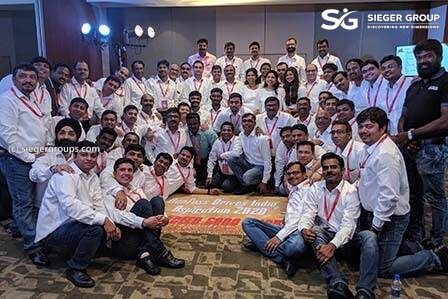
Consider a project handover that leaves the receiving team uncertain about the next action. The selected experiences connect message clarity and listening with handover and confirmation, creating a basis for discussing feedback people can use and the choices that shape workplace conversations and handovers.
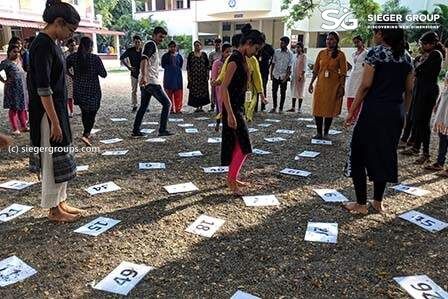
Make messages easier to interpret, question and act upon. Explore how listening beyond reply, influence through relevance and recognition with substance shape workplace conversations and handovers.
Choose the detail a listener needs to understand a decision or next action.
Notice how questions and accurate summaries change the quality of an exchange.
Connect a proposal with the concerns and responsibilities of the people hearing it.
Describe observable behaviour and its effect before offering a specific request.
Make appreciation precise enough to identify the contribution that was valuable.
Explore the behaviours and practical insights your team can review through Communication & Influence Skills. The debrief connects observations from the experience with situations that matter to participants.
Give listeners the information they need to understand a request, make a decision or complete the next action.
Use questions and accurate summaries to check meaning, creating space for concerns that an immediate reply may miss.
Present a proposal in terms that address the listener’s responsibilities and concerns while keeping the requested decision explicit.
Make feedback easier to act on by describing the behaviour, its effect and a specific request for what happens next.
Recognise a colleague’s contribution precisely, connecting appreciation with an action the team can understand and repeat.
Identify where a message changes during a handover and agree how important details will be checked before action begins.
Create a concise briefing habit that includes the purpose, the requested action and an opportunity to confirm understanding.
Use these reflection prompts to turn Communication & Influence Skills into a focused conversation about what happened, what it means and what to try next.
Identify a choice in Improve your communication skills that affected message clarity and listening. Describe what the person did and how the group responded.
Hear more than one account of The proper use of praise, appreciation and thanks. Discuss which details helped colleagues understand the task and which important information arrived too late.
Choose a turning point from Briefing Relay. Explain the options considered, the reason for the decision and what new information changed the approach.
Use a project handover that leaves the receiving team uncertain about the next action as the application example. Identify one moment where handover and confirmation could change what happens next.
Close a briefing with a concise summary, an understanding check and a named next step. Name the person taking it forward and the first situation in which the group will try the change.
Bring an example from workplace conversations and handovers to the next review. Discuss what changed, what colleagues noticed and which part of the approach needs refining.
A suggested flow for Communication & Influence Skills, from setting the brief to reviewing the experience. Activity choices, pace and facilitation are confirmed around your group and setting.
Discuss a project handover that leaves the receiving team uncertain about the next action. Agree what the group wants to explore about clarity with purpose, then confirm the selected formats, roles and practical arrangements.
Participants compare an incomplete task description with the listener’s interpretation, then try clearer wording and confirmation questions before another attempt. Additional options can explore recognition and specificity through The proper use of praise, appreciation and thanks, with the final activity mix agreed in the programme brief.
Examine handover and confirmation alongside audience awareness and influence. Compare the decisions and turning points colleagues observed, including moments when a different question or contribution changed the group’s approach.
Use the review to close a briefing with a concise summary, an understanding check and a named next step. Choose a specific situation in workplace conversations and handovers, confirm who will take the action forward and decide when to compare observations.
Connect Communication & Influence Skills with purposeful practice, evidence-based reflection and a next step that fits your working context.
Connect clarity with purpose with a clear question about workplace conversations and handovers. Discuss a project handover that leaves the receiving team uncertain about the next action and agree the participation arrangements.
Groups turn vague praise into specific recognition, naming the action, its effect and the contribution made without guessing personal motives. Notice how colleagues handle recognition and specificity while the agreed task develops.
Review a moment involving influence through relevance. Hear the perspectives of those performing, observing and supporting the task, then compare the information available to each.
Discuss where handover and confirmation matter in workplace conversations and handovers. Use a recent example to identify a practical decision the group could approach differently.
Select a first opportunity to close a briefing with a concise summary, an understanding check and a named next step. Agree the support needed and the evidence the group will bring to its next review.
Discuss participant experience, access needs, language preferences and the purpose of the programme before confirming suitability.
Intact and cross-functional teams interested in message clarity · listening. Improve your communication skills offers one possible starting point for an agreed group experience.
Managers and emerging leaders exploring recognition · specificity. Select a format that fits their responsibilities, working relationships and the purpose of Communication & Influence Skills.
Project teams and newly formed groups bringing different perspectives to handover · confirmation. Confirm the learning priorities and participation arrangements before choosing the activity mix.
This sample shows how a programme could flow. Timings, breaks, activity choices and duration are agreed in the final proposal.
Introduce Communication & Influence Skills, agree the group’s purpose and discuss participation preferences. Explain the selected formats before the experience begins.
Use a selected version of Improve your communication skills to explore message clarity · listening. Pause to compare observations and clarify the choices that shaped progress.
Use a selected version of The proper use of praise, appreciation and thanks to explore recognition · specificity. Pause to compare observations and clarify the choices that shaped progress.
Review examples of clarity with purpose and influence through relevance. Connect the observations with day-to-day team responsibilities and choose a relevant next conversation.
Explore an agreed version of Briefing Relay and compare approaches to handover · confirmation. Discuss what the group changes after feedback.
Explore an agreed version of Influence Conversation Lab and compare approaches to audience awareness · influence. Discuss what the group changes after feedback.
Identify a situation in day-to-day team responsibilities where message clarity and listening would be useful. Discuss one practical adjustment and the people it affects.
Choose a next step related to audience awareness and influence. Agree responsibility and a useful point for reviewing what happens after the programme.
Share the audience profile, language preferences and access needs for Communication & Influence Skills. Agree options that let different colleagues contribute comfortably.
Discuss the available space, materials and facilitation arrangements for the selected learning exercises. Confirm the final mix of Improve your communication skills and any other chosen experiences in the brief.
Agree the focus on recognition · specificity, the programme duration and which materials, facilitation and delivery arrangements are included.
Choose how to review message clarity and listening and audience awareness and influence. Confirm any follow-up conversation or team commitment that belongs within the programme scope.
The final activities and setting depend on your agreed brief.
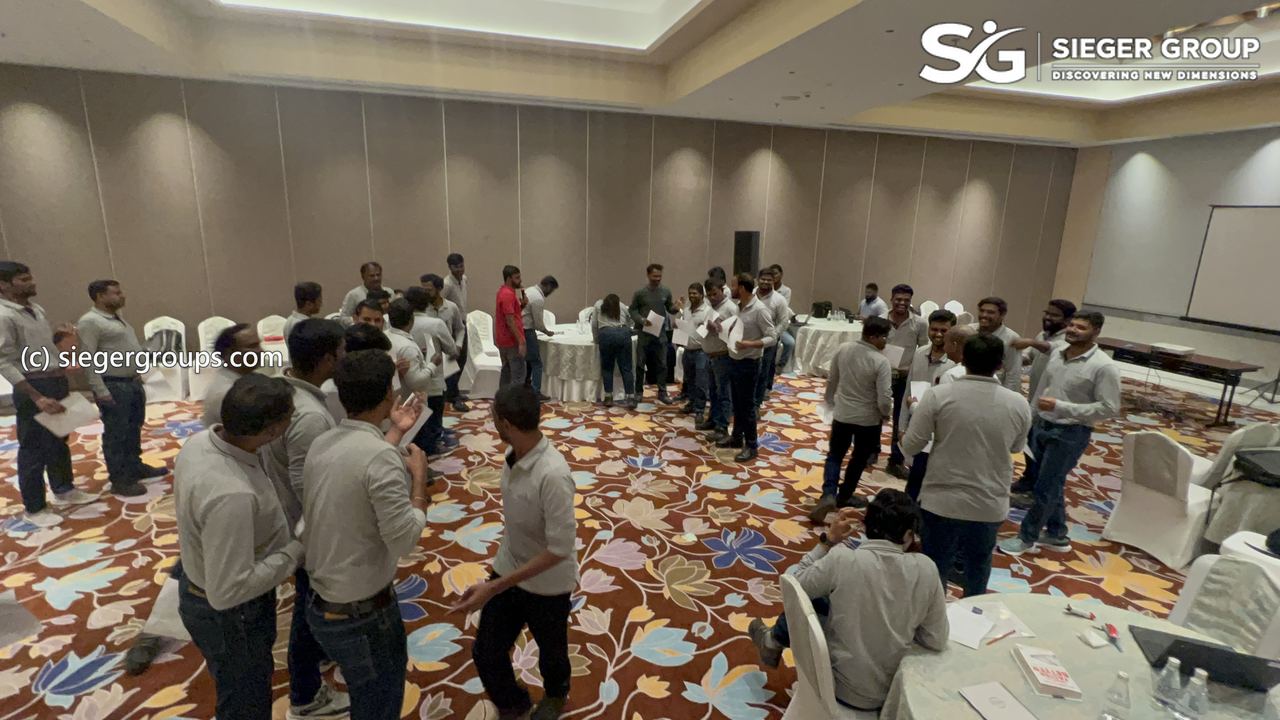
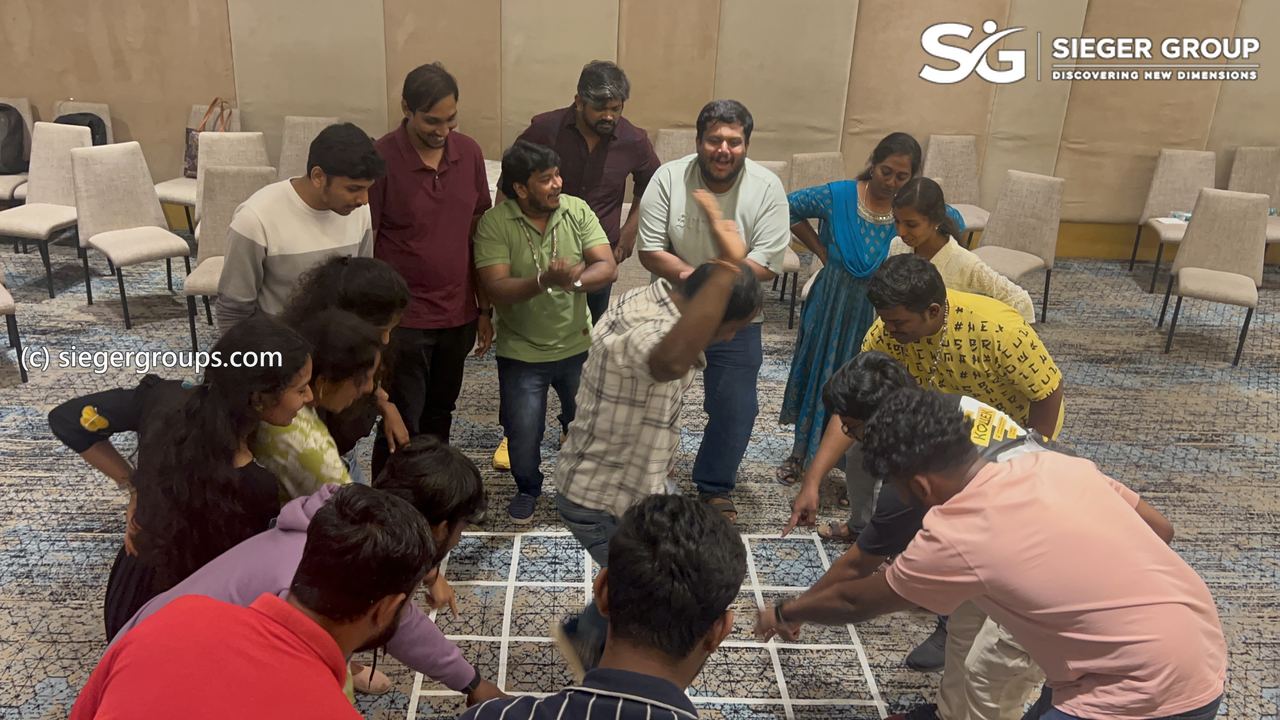
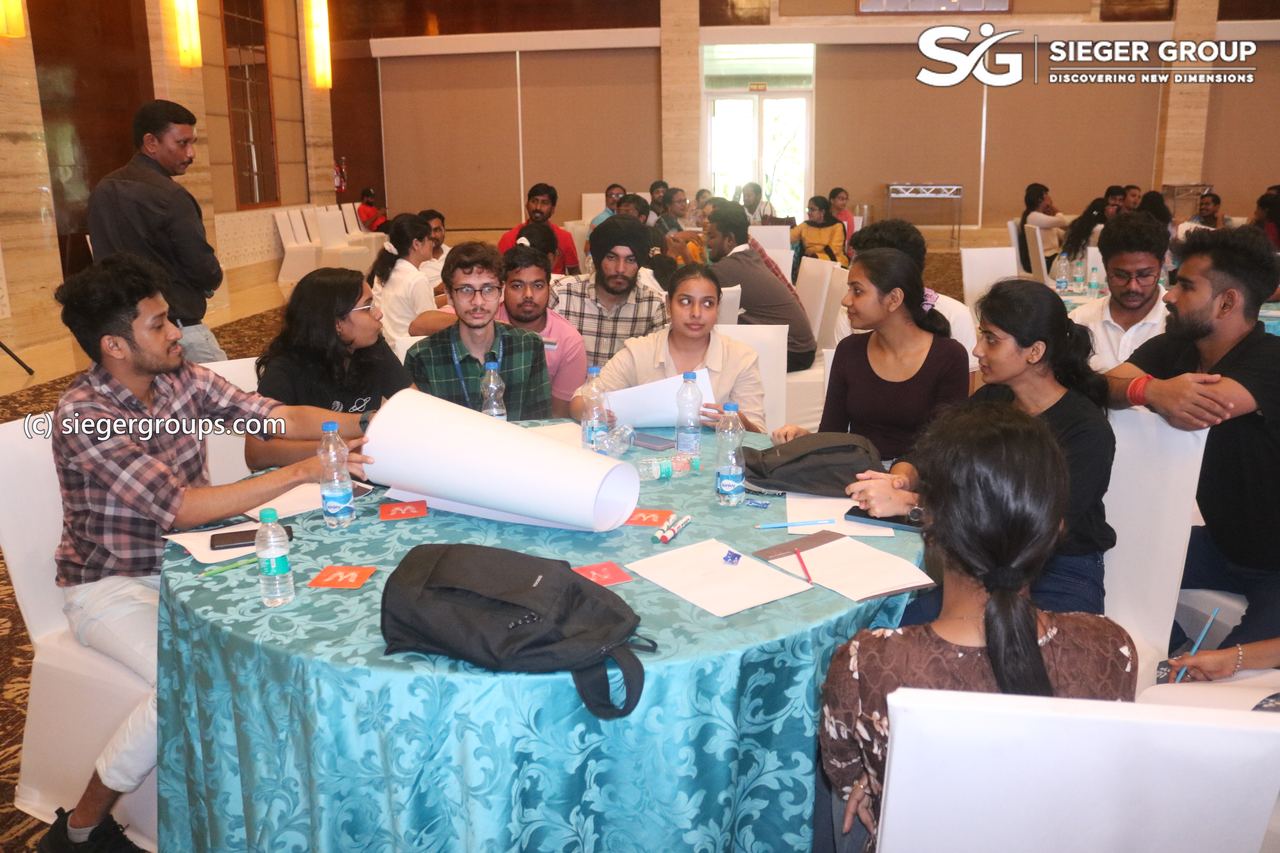
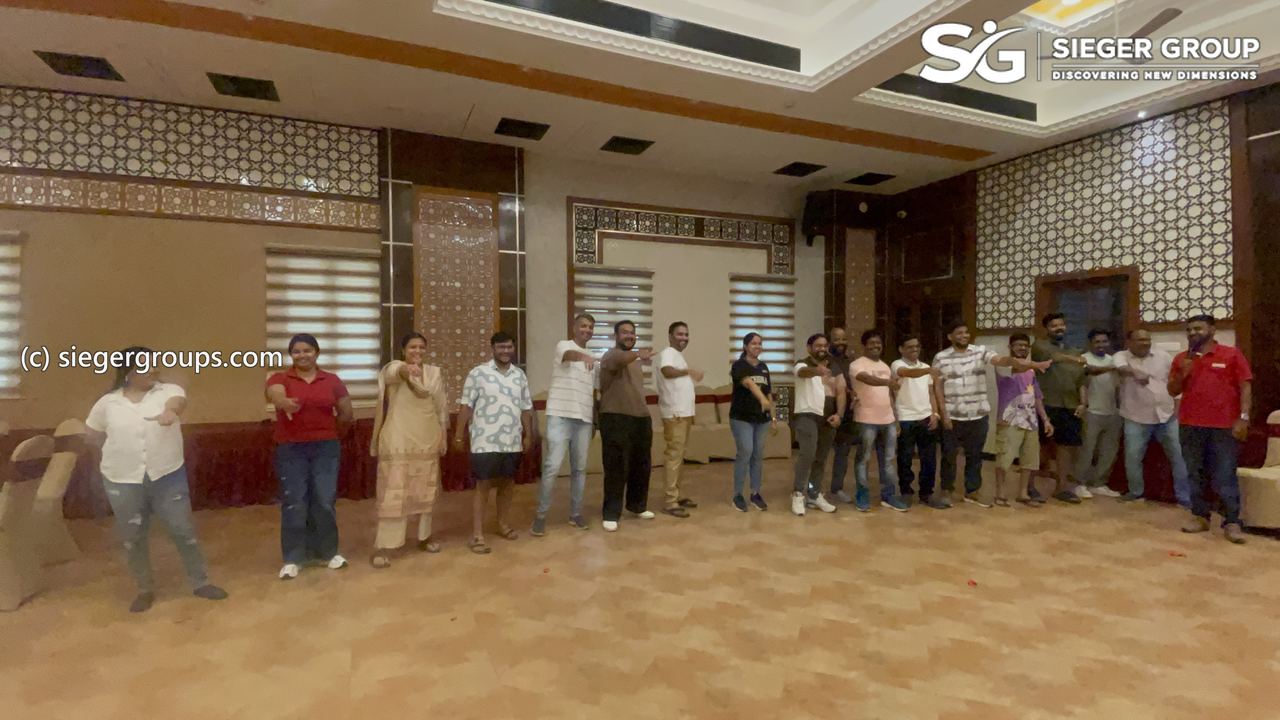
Sieger Group supports organisations with team-building experiences and facilitated programmes.
12 practical answers to help you plan your programme.
What is Communication? Communication is defined as transferring information to produce greater understanding. It can be done vocally (through verbal exchanges), through written media (books, websites, and magazines), visually (using graphs, charts, and maps) or non-verbally (body language, gestures, pitch of voice, and tone). Sieger Outbound Learning on Communication and Interpersonal Skills helps participants to develop the ability to communicate effectively with superiors, colleagues, and staff, no matter what industry the person work in. People in the digital age must know how to effectively convey and receive messages in person as well as digital media.
Communication & Influence Skills can be considered for teams planning a focused learning programme. Share roles, group size, experience levels and participation needs so suitability can be confirmed.
The existing programme outline includes: Identify people’s communication styles and needs; Utilise effective communication skills to build strong relationships; Recognise body language, gestures, voice and tones. The final emphasis and activity selection should be agreed around your brief.
Yes. Share your team context, goals and preferred tone. The proposed Communication & Influence Skills experience can then be adapted through the activity mix, level of challenge, discussion themes and delivery format, subject to feasibility.
Duration depends on the agreed scope, group size and setting. For Communication & Influence Skills, allow for the briefing, activities, breaks and facilitated reflection and action planning. Request a proposed agenda that fits your available time.
Share your preferred city, office, venue or offsite destination in India. Communication & Influence Skills requires a setting suited to the activities and participants. Venue access, usable space, equipment and local delivery arrangements should be confirmed before booking.
The appropriate group size depends on the activity structure, facilitation and available space. Tell us the expected number of participants for Communication & Influence Skills so team sizes, rotations and staffing can be proposed.
For Communication & Influence Skills, the pre-event briefing should explain the schedule, clothing or equipment requirements and how to take part. Share accessibility needs and relevant participation constraints during planning so suitable arrangements can be discussed.
Discuss access, mobility, language, sensory needs and comfort levels before confirming Communication & Influence Skills. Agree suitable roles and alternatives where feasible. For specialist activities, confirm delivery responsibilities and participation requirements in advance.
Agree the purpose of Communication & Influence Skills before delivery. Facilitated discussion can link participant decisions and behaviours with workplace or campus situations, followed by practical action commitments. Confirm any follow-up or evaluation support in the proposal.
Pricing for Communication & Influence Skills depends on participant numbers, duration, facilitation, equipment, location and agreed logistics. Request a tailored proposal that clearly states programme inclusions, venue or travel arrangements and applicable charges.
Use the enquiry form on this page or call +91 98400 97567. Include Communication & Influence Skills, your objectives, group size, preferred dates and location. Sieger Group can then discuss suitability and prepare a proposal for your review.
Share your goals, group size, preferred dates and venue. We’ll help you explore a considered programme.
Tell us what you have in mind. We will help you explore a programme that fits your people and your occasion.
Still finalising the details? Share what you know.
Every team is different. Share your people, purpose and preferred setting, and we’ll translate your brief into an experience designed to connect, engage and create lasting impact.
Share your brief and preferred contact details.