Interpretation Exchange
Compare contrasting readings of a fictional event, distinguish observations from assumptions and discuss how each interpretation could shape the next response someone chooses.
Learning focusPerspective awareness
Experiential learning with a clear purpose.
What is Attitude? “An Attitude may be defined as the mental state of an individual, which prepares him to react or make him behave in a particular pre-determined way. Being employable is not just about whether we have the right skills; it is about how we present ourself to employers. We may have very good experience, but if we do not know how to present ourself well, then we will not get recognisation. Therefore, we need to make sure that we are presentable, smart and possess the attitude to impress. Sieger Attitude Reengineering Outbound Learning programme is designed to improve the ability to stand out from the crowd and adopt the right attitude so that we can excel in any situations.

These options offer different ways to explore the assumptions and interpretations that influence a person’s next response. The final activity mix is agreed around the audience, participation requirements and programme purpose.
Compare contrasting readings of a fictional event, distinguish observations from assumptions and discuss how each interpretation could shape the next response someone chooses.
Encounter an unexpected task variation and compare immediate reactions with more considered options available before deciding what action would help the group proceed.
Review an imperfect first attempt, describe what the evidence shows and agree one specific adjustment to explore rather than making broad judgements about ability.
Sort concerns by what participants can influence, contribute to or raise with others before identifying one useful action within the situation they currently face.
What is Attitude? “An Attitude may be defined as the mental state of an individual, which prepares him to react or make him behave in a particular pre-determined way. Being employable is not just about whether we have the right skills; it is about how we present ourself to employers. We may have very good experience, but if we do not know how to present ourself well, then we will not get recognisation. Therefore, we need to make sure that we are presentable, smart and possess the attitude to impress. Sieger Attitude Reengineering Outbound Learning programme is designed to improve the ability to stand out from the crowd and adopt the right attitude so that we can excel in any situations.





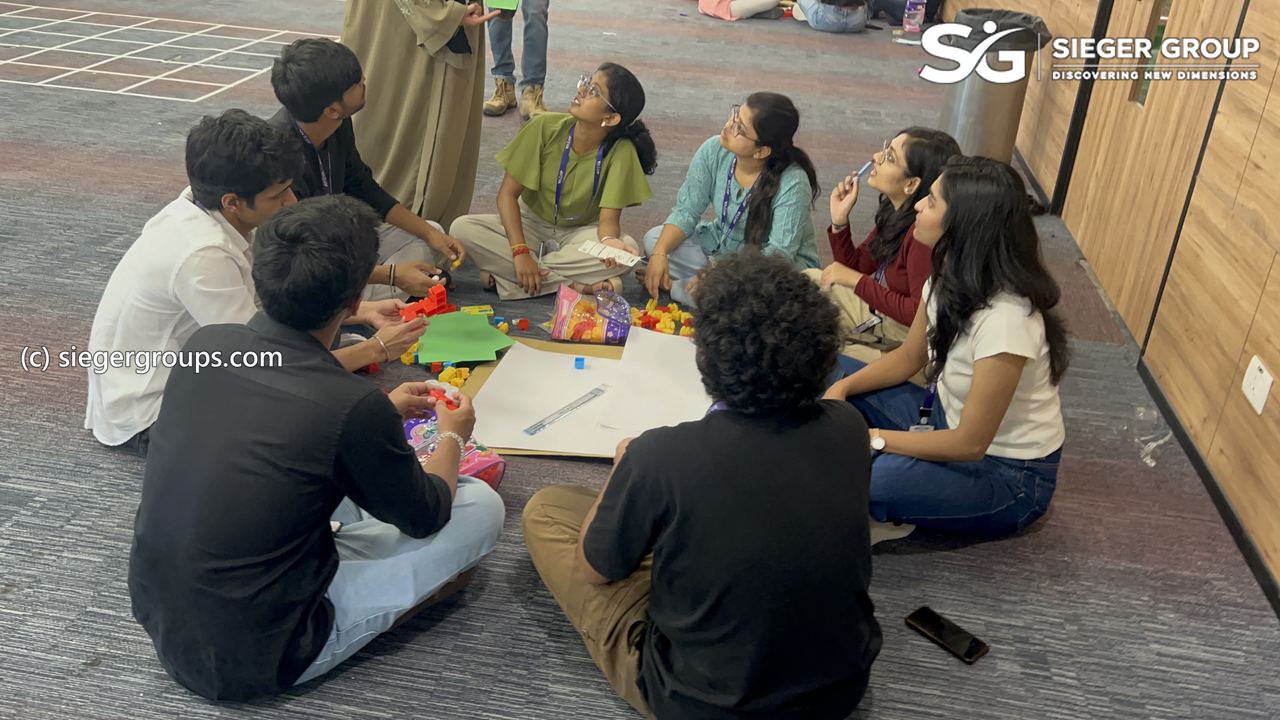
The same event can produce different interpretations and different choices. An unfamiliar task provides a way to explore that gap without labelling people as permanently positive or negative. Participants can examine what they noticed, what they assumed and which response would serve the situation more constructively.

Explore the assumptions and interpretations that influence a person’s next response. The suggested experience connects practical participation with reflection on the choices, contributions and questions that matter to this group.
Distinguish the event from the explanation immediately attached to it. Notice a recurring interpretation of a colleague and identify supporting evidence.
Create room to compare useful options before reacting to a difficulty. Rehearse a response that keeps a familiar pressure conversation task-focused.
Examine an imperfect attempt for information about a different approach. Replace a broad self-judgement with an observable action to practise differently.
Notice how language and effort affect the atmosphere colleagues experience. Ask what behaviour a colleague noticed when offering recent feedback.
Compare explanations before deciding what another person’s behaviour means. Choose an influenceable concern and define a realistic next action.
Explore the behaviours and practical insights your team can review through Transformational Mindset Program. The debrief connects observations from the experience with situations that matter to participants.
Distinguish the event from the explanation immediately attached to it.
Create room to compare useful options before reacting to a difficulty.
Examine an imperfect attempt for information about a different approach.
Notice how language and effort affect the atmosphere colleagues experience.
Compare explanations before deciding what another person’s behaviour means.
Discuss actions and choices instead of fixed judgements about personal capability.
Separate a colleague’s observation from assumptions about why they offered it.
Use these reflection prompts to turn Transformational Mindset Program into a focused conversation about what happened, what it means and what to try next.
Notice a recurring interpretation of a colleague and identify supporting evidence.
Rehearse a response that keeps a familiar pressure conversation task-focused.
Replace a broad self-judgement with an observable action to practise differently.
Ask what behaviour a colleague noticed when offering recent feedback.
Choose an influenceable concern and define a realistic next action.
Review which question might have opened a conversation to another interpretation.
A suggested flow for Transformational Mindset Program, from setting the brief to reviewing the experience. Activity choices, pace and facilitation are confirmed around your group and setting.
Agree questions to explore about the assumptions and interpretations that influence a person’s next response. Clarify the audience, participation preferences and suitable activity options before deciding the programme’s focus.
Compare contrasting readings of a fictional event, distinguish observations from assumptions and discuss how each interpretation could shape the next response someone chooses. Explore perspective awareness as participants test an approach together.
Review moments connected with deliberate action and learning orientation. Compare what different participants noticed, then discuss which decisions helped the group and which assumptions deserve another look.
Review which question might have opened a conversation to another interpretation. Connect the observation with a relevant working or team situation, choosing a useful action and a point for discussing what happens next.
Connect Transformational Mindset Program with purposeful practice, evidence-based reflection and a next step that fits your working context.
Discuss the assumptions and interpretations that influence a person’s next response. Choose a useful question to explore together during the agreed activity.
Explore perspective awareness through the selected activity. Observe how participants explain their choices and respond as the task develops around them.
Review deliberate action through specific examples from the activity. Compare how different participants understood their roles and what they noticed as the task developed.
Connect an observation about learning orientation with a relevant working or team situation. Discuss what the group could keep, reconsider or try differently.
Identify a practical application: review which question might have opened a conversation to another interpretation. Agree when to review the action and what evidence would help.
Discuss participant experience, access needs, language preferences and the purpose of the programme before confirming suitability.
Intact and cross-functional teams interested in perspective awareness. Interpretation Exchange offers one possible starting point for an agreed group experience.
Managers and emerging leaders exploring deliberate action. Select a format that fits their responsibilities, working relationships and the purpose of Transformational Mindset Program.
Project teams and newly formed groups bringing different perspectives to learning orientation. Confirm the learning priorities and participation arrangements before choosing the activity mix.
This sample shows how a programme could flow. Timings, breaks, activity choices and duration are agreed in the final proposal.
Introduce Transformational Mindset Program, agree the group’s purpose and discuss participation preferences. Explain the selected formats before the experience begins.
Use a selected version of Interpretation Exchange to explore perspective awareness. Pause to compare observations and clarify the choices that shaped progress.
Use a selected version of Response Choice Challenge to explore deliberate action. Pause to compare observations and clarify the choices that shaped progress.
Review examples of awareness of assumptions and learning orientation. Connect the observations with day-to-day team responsibilities and choose a relevant next conversation.
Explore an agreed version of Feedback Reframe Lab and compare approaches to learning orientation. Discuss what the group changes after feedback.
Explore an agreed version of Influence Circle Exercise and compare approaches to agency and contribution. Discuss what the group changes after feedback.
Identify a situation in day-to-day team responsibilities where specific self-reflection would be useful. Discuss one practical adjustment and the people it affects.
Choose a next step related to considered feedback conversations. Agree responsibility and a useful point for reviewing what happens after the programme.
Share the audience profile, language preferences and access needs for Transformational Mindset Program. Agree options that let different colleagues contribute comfortably.
Discuss the available space, materials and facilitation arrangements for the selected learning exercises. Confirm the final mix of Interpretation Exchange and any other chosen experiences in the brief.
Agree the focus on deliberate action, the programme duration and which materials, facilitation and delivery arrangements are included.
Choose how to review specific self-reflection and considered feedback conversations. Confirm any follow-up conversation or team commitment that belongs within the programme scope.
The final activities and setting depend on your agreed brief.
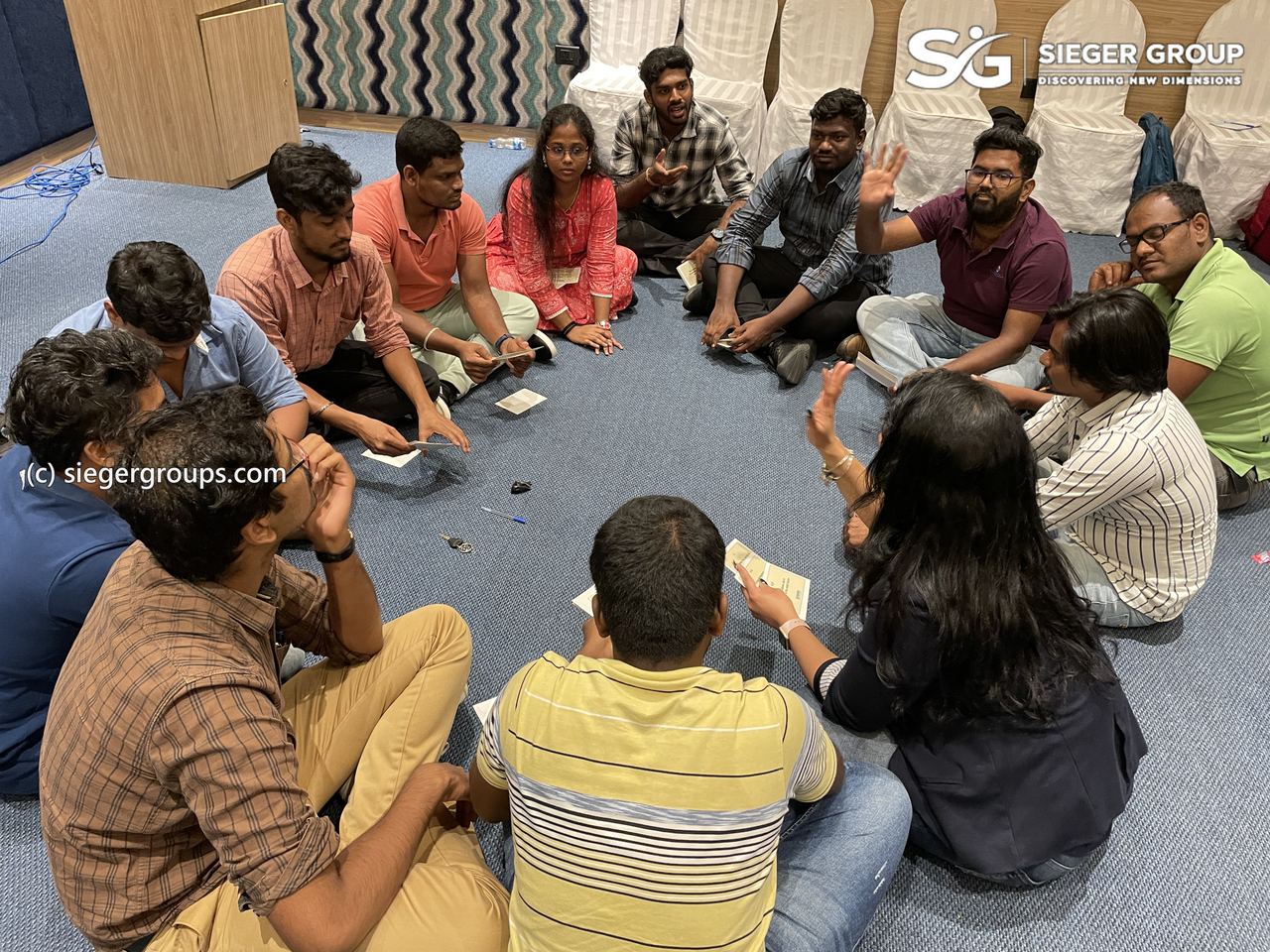
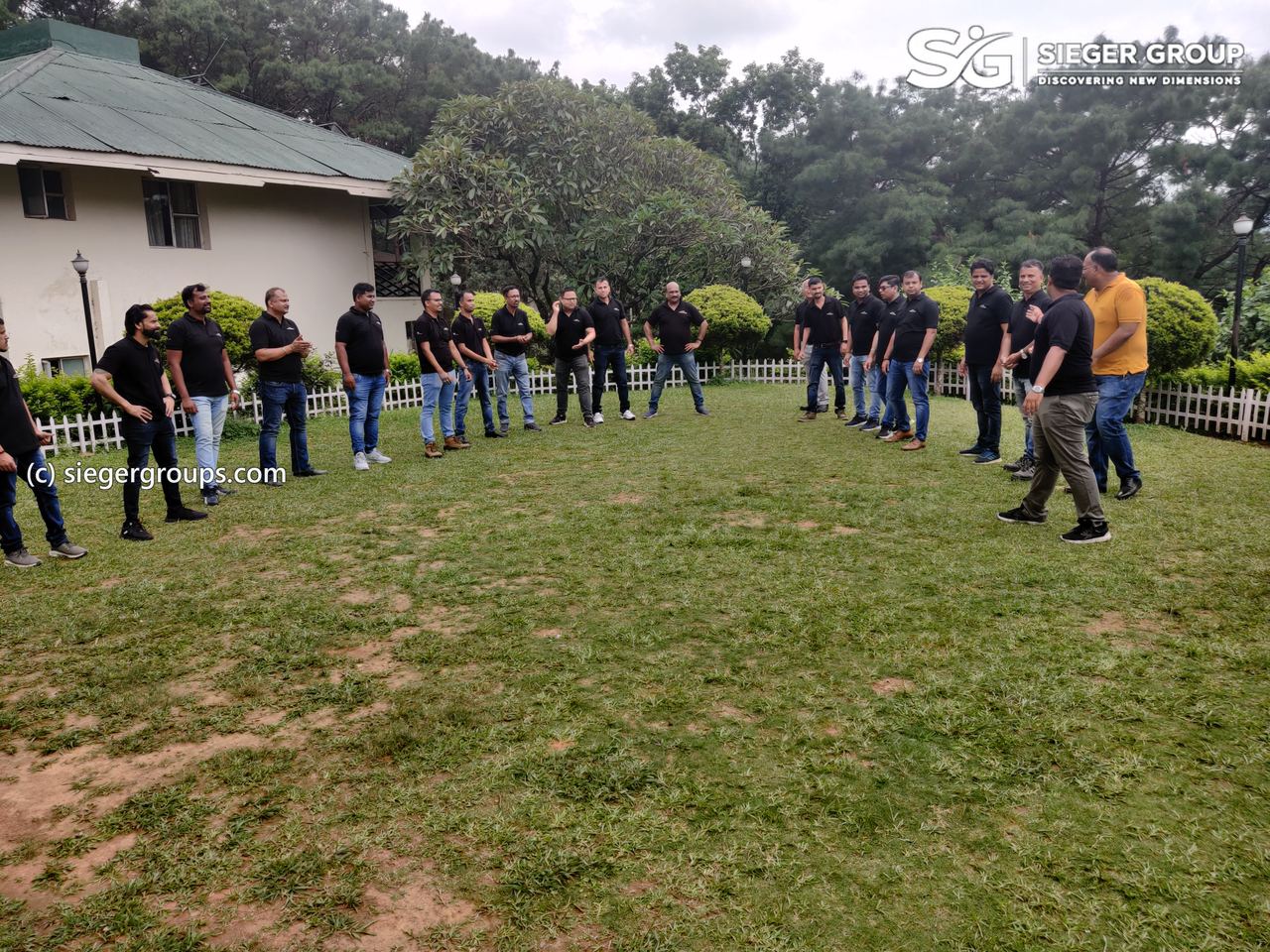
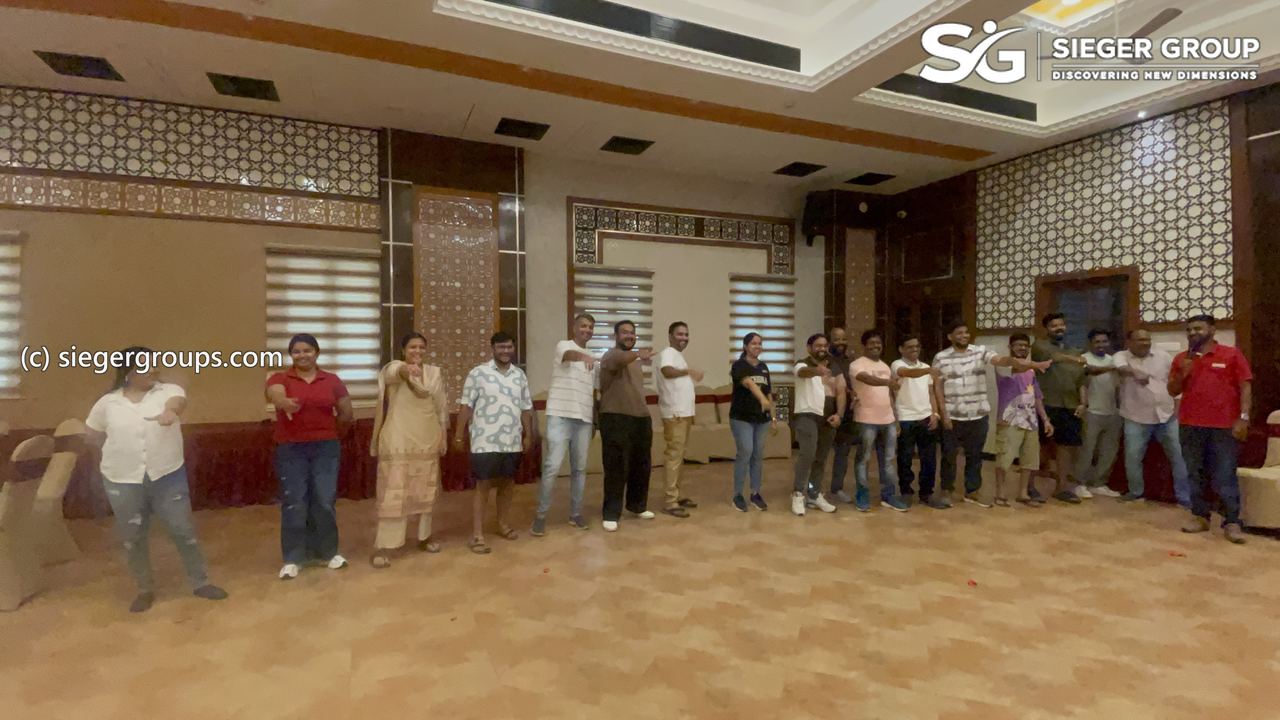
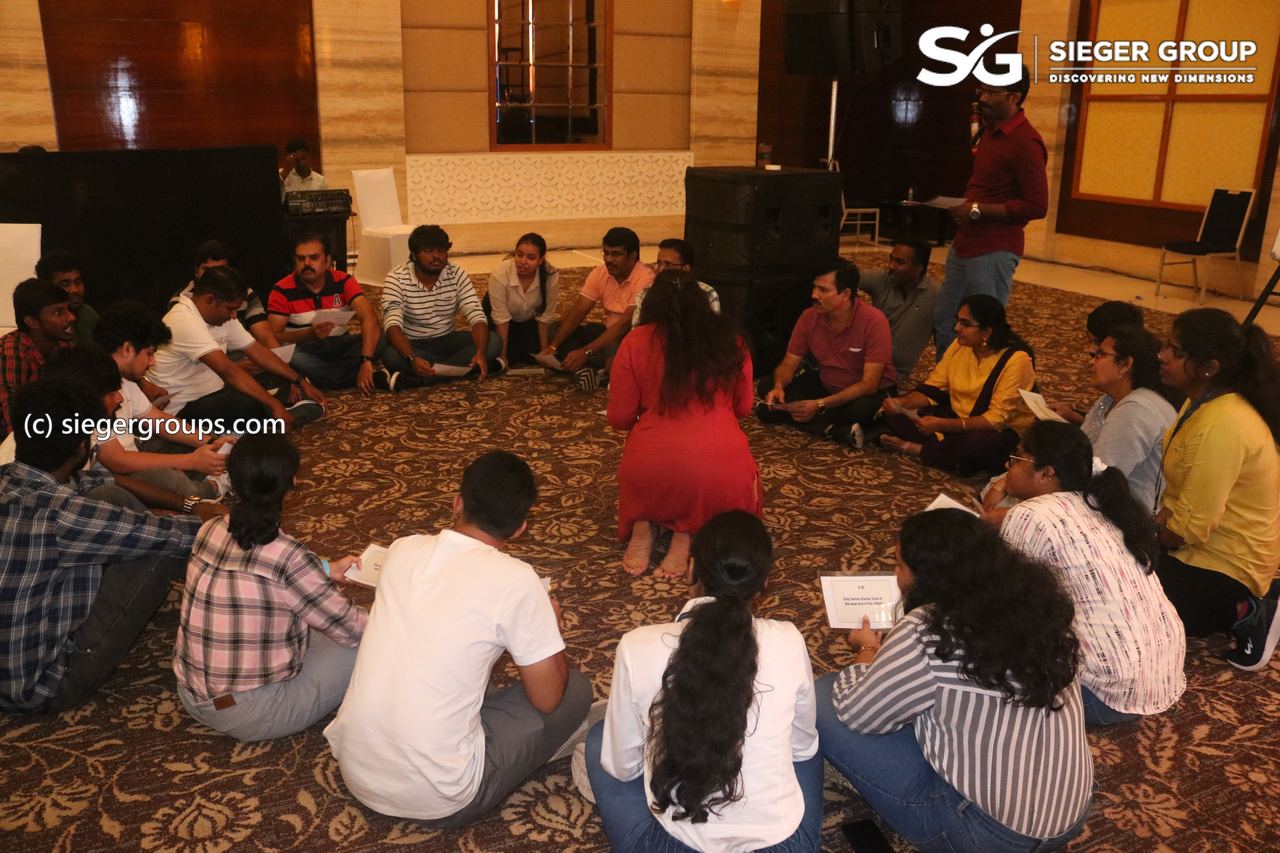
Sieger Group supports organisations with team-building experiences and facilitated programmes.
12 practical answers to help you plan your programme.
What is Attitude? “An Attitude may be defined as the mental state of an individual, which prepares him to react or make him behave in a particular pre-determined way. Being employable is not just about whether we have the right skills; it is about how we present ourself to employers. We may have very good experience, but if we do not know how to present ourself well, then we will not get recognisation. Therefore, we need to make sure that we are presentable, smart and possess the attitude to impress. Sieger Attitude Reengineering Outbound Learning programme is designed to improve the ability to stand out from the crowd and adopt the right attitude so that we can excel in any situations.
Transformational Mindset Program can be considered for teams planning a focused learning programme. Share roles, group size, experience levels and participation needs so suitability can be confirmed.
The existing programme outline includes: Understanding and Recognise the importance of attitude; Positive attitude is the way to dedicate and the way to think; Developing our attitude attributes. The final emphasis and activity selection should be agreed around your brief.
Yes. Share your team context, goals and preferred tone. The proposed Transformational Mindset Program experience can then be adapted through the activity mix, level of challenge, discussion themes and delivery format, subject to feasibility.
Duration depends on the agreed scope, group size and setting. For Transformational Mindset Program, allow for the briefing, activities, breaks and facilitated reflection and action planning. Request a proposed agenda that fits your available time.
Share your preferred city, office, venue or offsite destination in India. Transformational Mindset Program requires a setting suited to the activities and participants. Venue access, usable space, equipment and local delivery arrangements should be confirmed before booking.
The appropriate group size depends on the activity structure, facilitation and available space. Tell us the expected number of participants for Transformational Mindset Program so team sizes, rotations and staffing can be proposed.
For Transformational Mindset Program, the pre-event briefing should explain the schedule, clothing or equipment requirements and how to take part. Share accessibility needs and relevant participation constraints during planning so suitable arrangements can be discussed.
Discuss access, mobility, language, sensory needs and comfort levels before confirming Transformational Mindset Program. Agree suitable roles and alternatives where feasible. For specialist activities, confirm delivery responsibilities and participation requirements in advance.
Agree the purpose of Transformational Mindset Program before delivery. Facilitated discussion can link participant decisions and behaviours with workplace or campus situations, followed by practical action commitments. Confirm any follow-up or evaluation support in the proposal.
Pricing for Transformational Mindset Program depends on participant numbers, duration, facilitation, equipment, location and agreed logistics. Request a tailored proposal that clearly states programme inclusions, venue or travel arrangements and applicable charges.
Use the enquiry form on this page or call +91 98400 97567. Include Transformational Mindset Program, your objectives, group size, preferred dates and location. Sieger Group can then discuss suitability and prepare a proposal for your review.
Share your goals, group size, preferred dates and venue. We’ll help you explore a considered programme.
Tell us what you have in mind. We will help you explore a programme that fits your people and your occasion.
Still finalising the details? Share what you know.
Every team is different. Share your people, purpose and preferred setting, and we’ll translate your brief into an experience designed to connect, engage and create lasting impact.
Share your brief and preferred contact details.