Sieger Group · Team Building

Yoga Team Challenge

A facilitated experience, designed around your team.

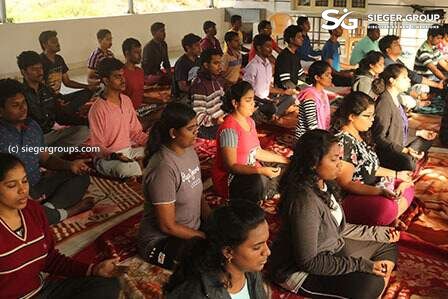
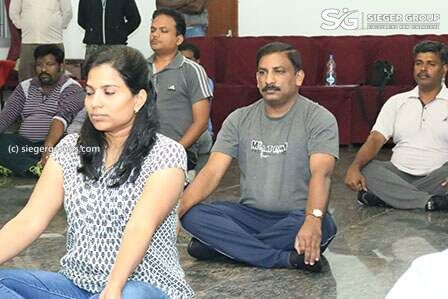
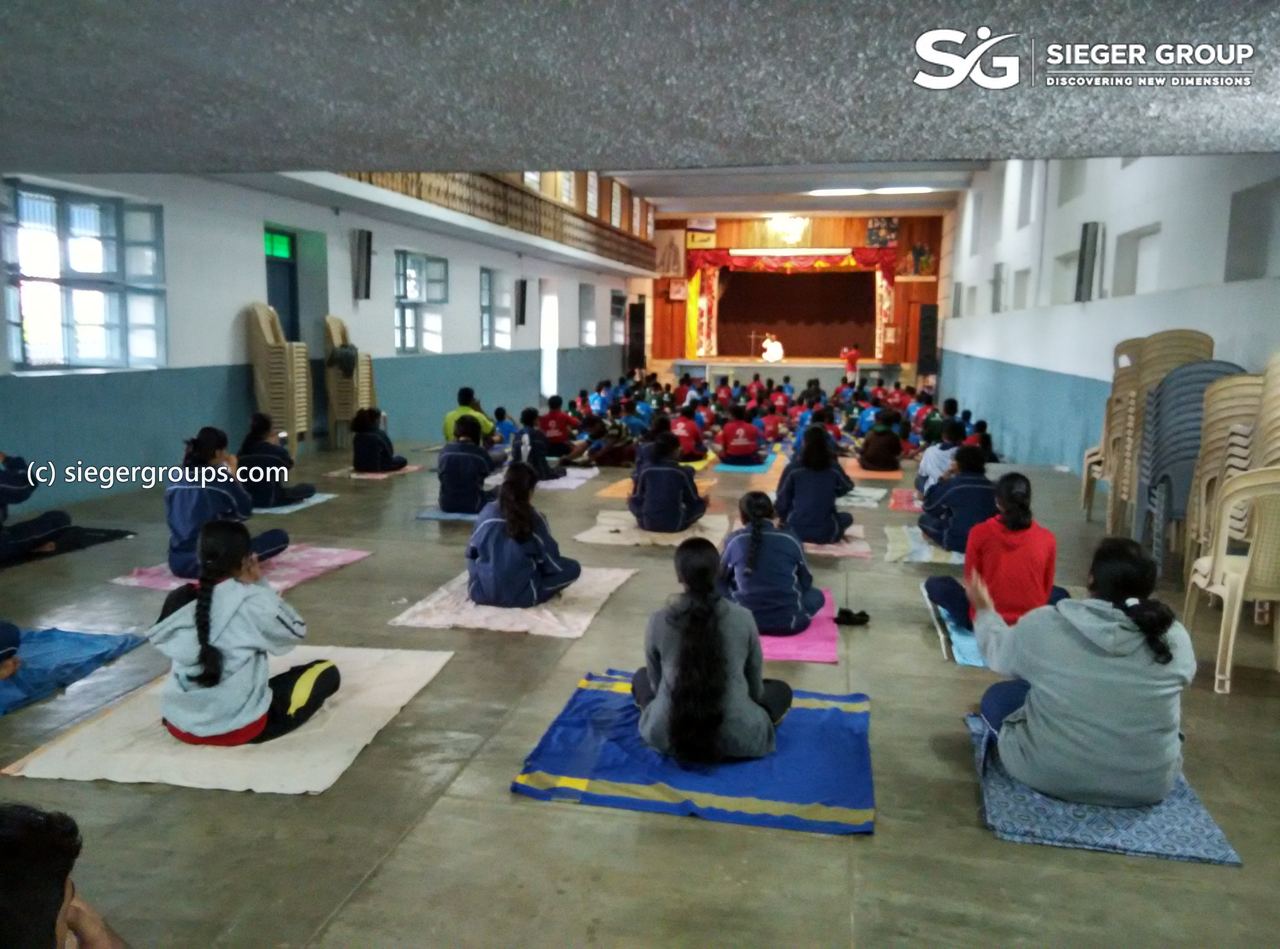
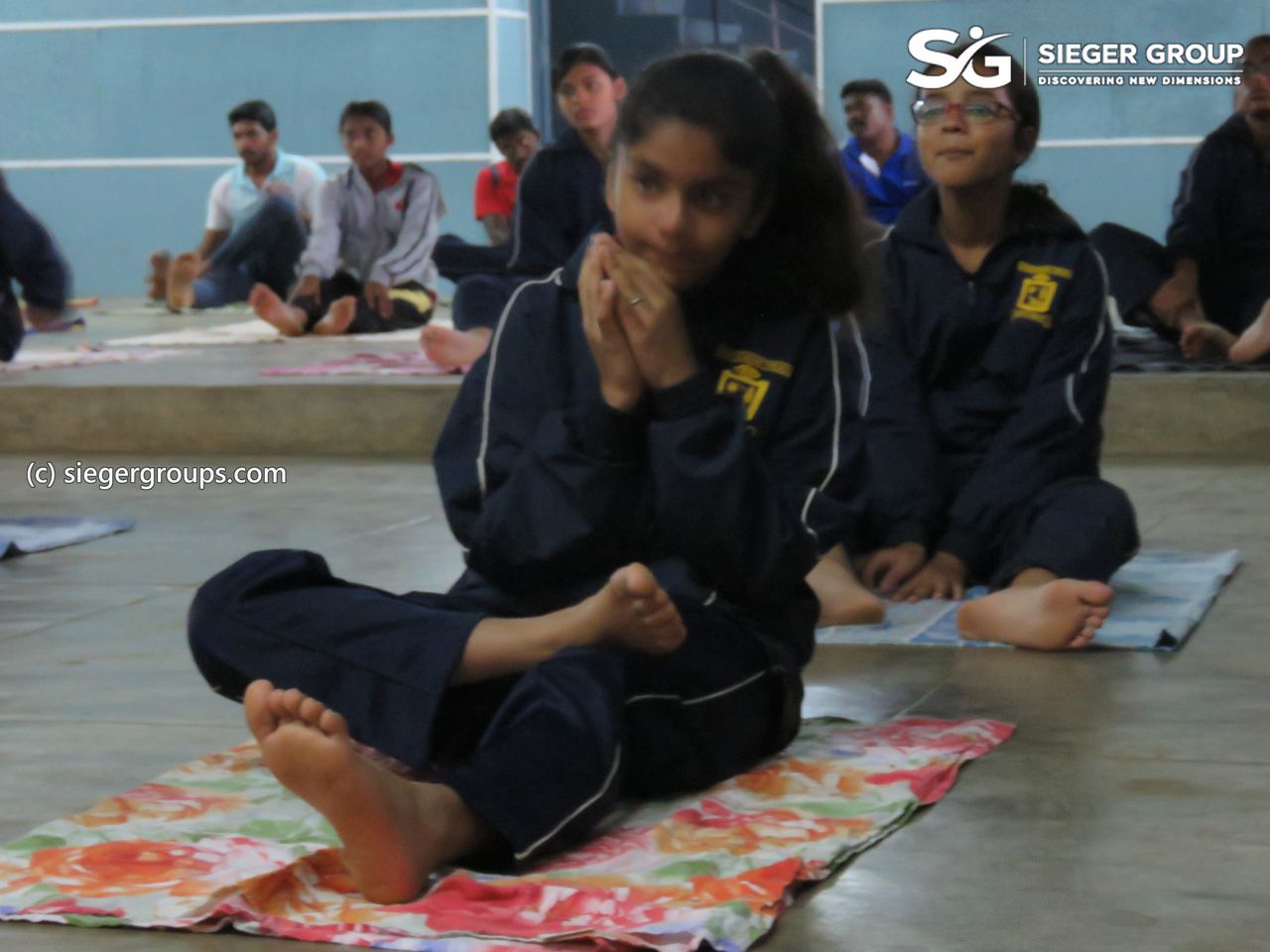
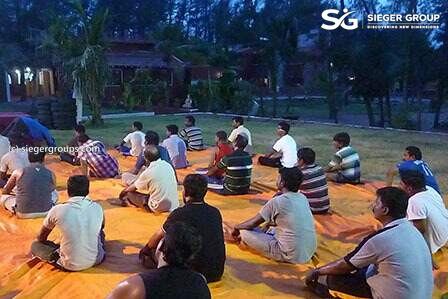
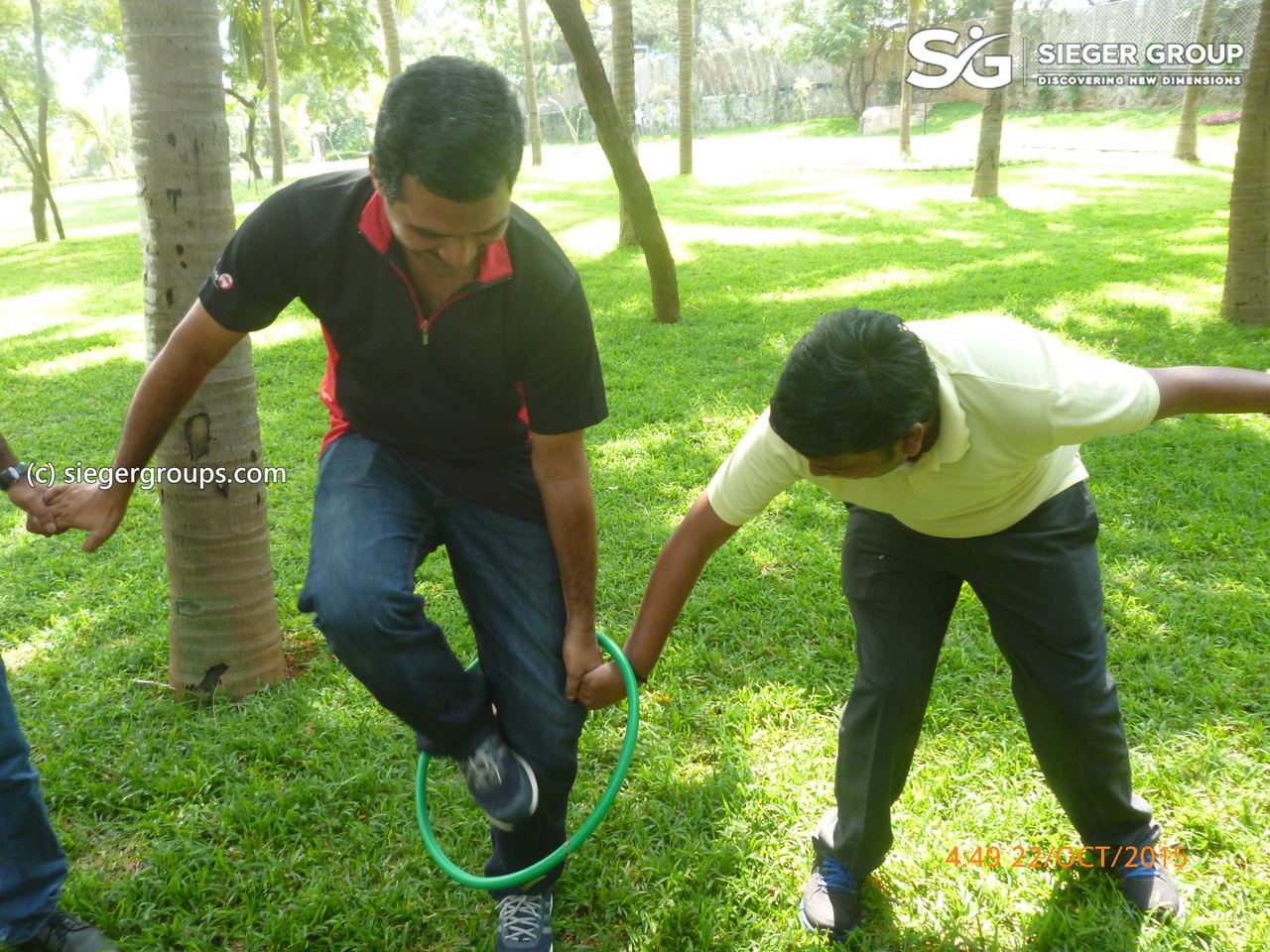
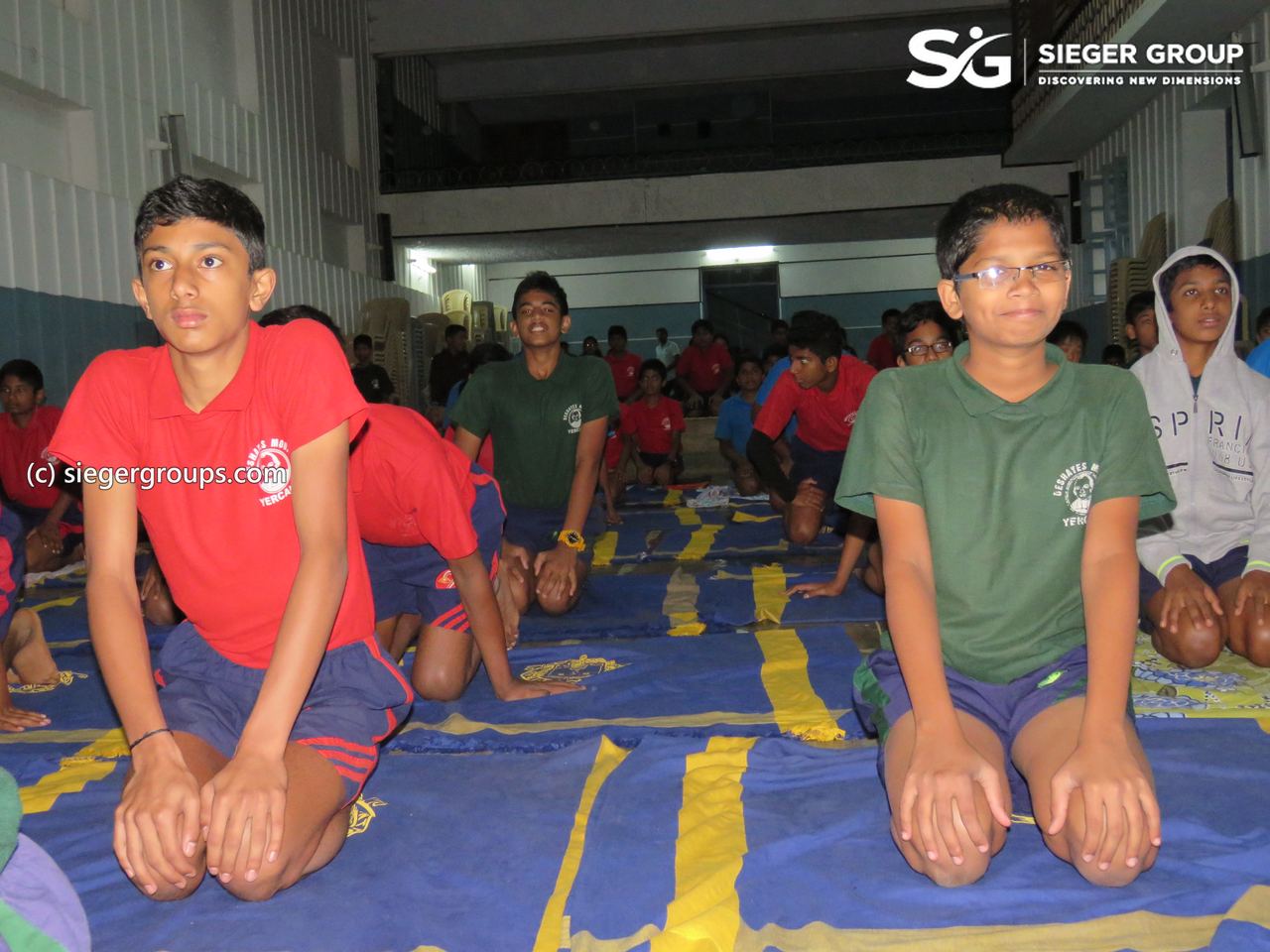
Yoga Team Building Programme administer the fundamentals in creating a high-performance, problem solving, and motivated team, specifically structured to build employee morale within the workplace while promoting better physical and mental health. This programme is created to promote unity utilizing yoga as the process to guide a group of many into a cohesive unit of one. The aim of team building yoga, is to perform a series of challenging movements that are not possible as individuals, but require pair work, or in some cases an entire team of people.

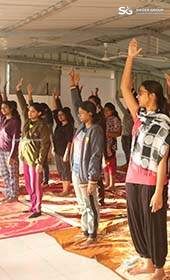
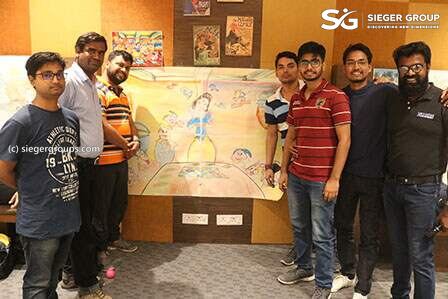
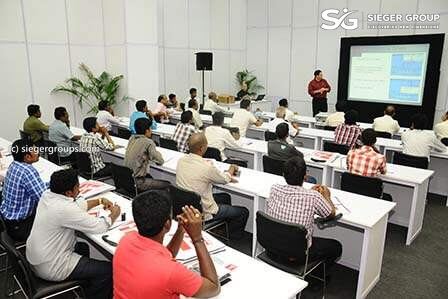
Sieger Group programme photograph — Yoga Team Challenge

Yoga Session

Core Activities for Yoga Team Challenge

Explore these options as starting points for yoga team challenge. The selected formats, materials and participation arrangements are shaped around the group and agreed brief.

Find a workable starting point

Movement and Posture Exploration

Participants follow a selection of movements or postures guided for the session, with options and participation arrangements discussed beforehand. Colleagues can notice how pace and attention affect their own experience. The emphasis is on exploring the practice within personal comfort rather than comparing range, balance or appearance with others.

Learning focusMovement awareness · Personal pace
Take a moment to notice

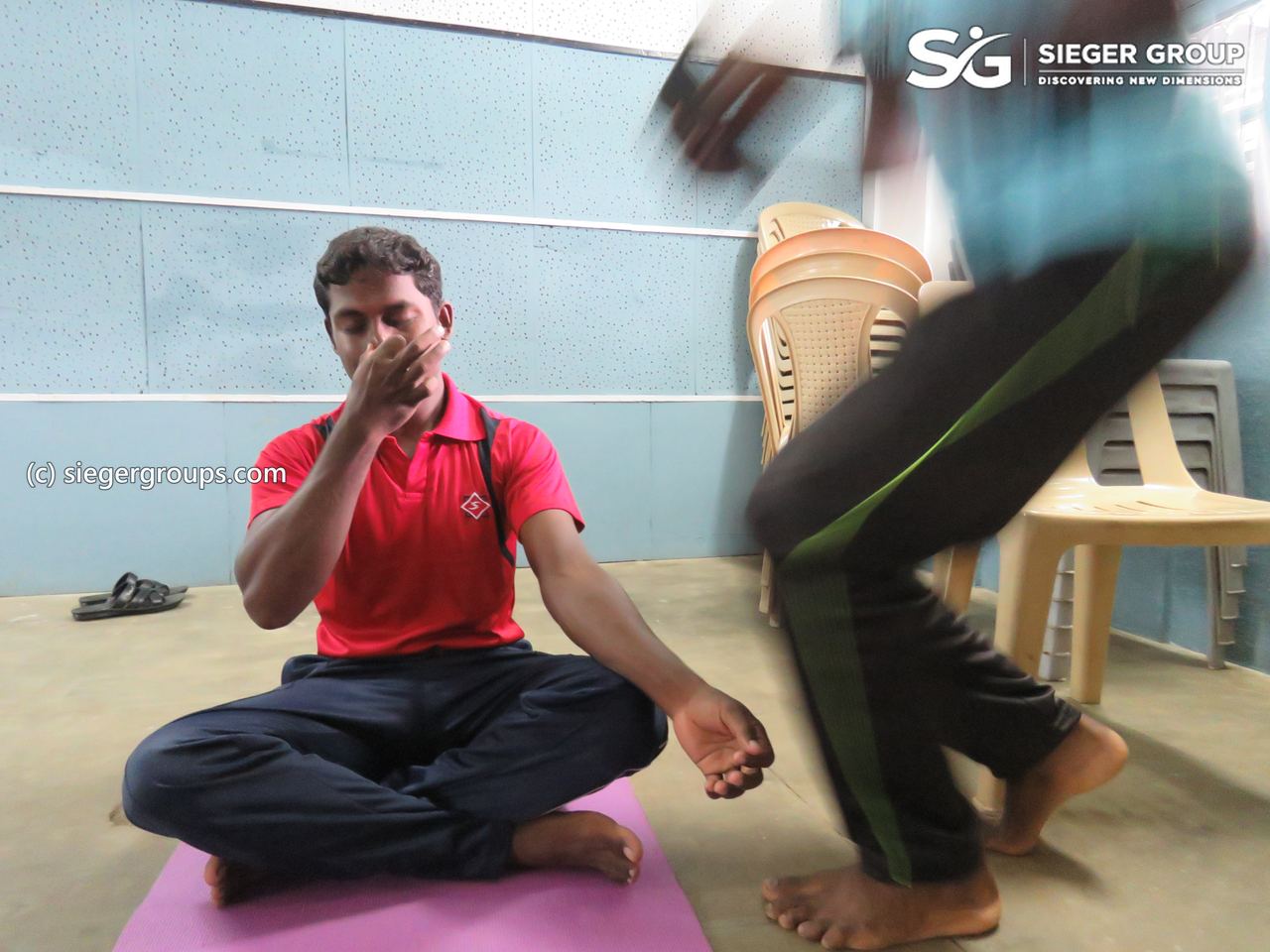
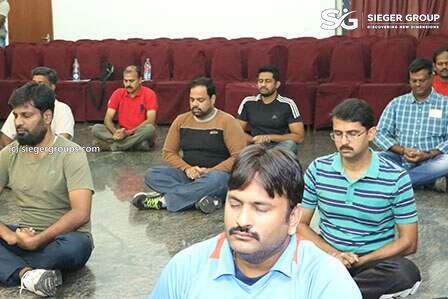
Breath and Attention Practice

A guided exercise invites participants to notice their breathing and choose a simple focus for attention. Personal observations can remain private. The activity introduces a quiet shared moment while recognising that people may experience the same practice differently and may choose an alternative way to participate.

Learning focusAwareness · Attention
Move with clear guidance

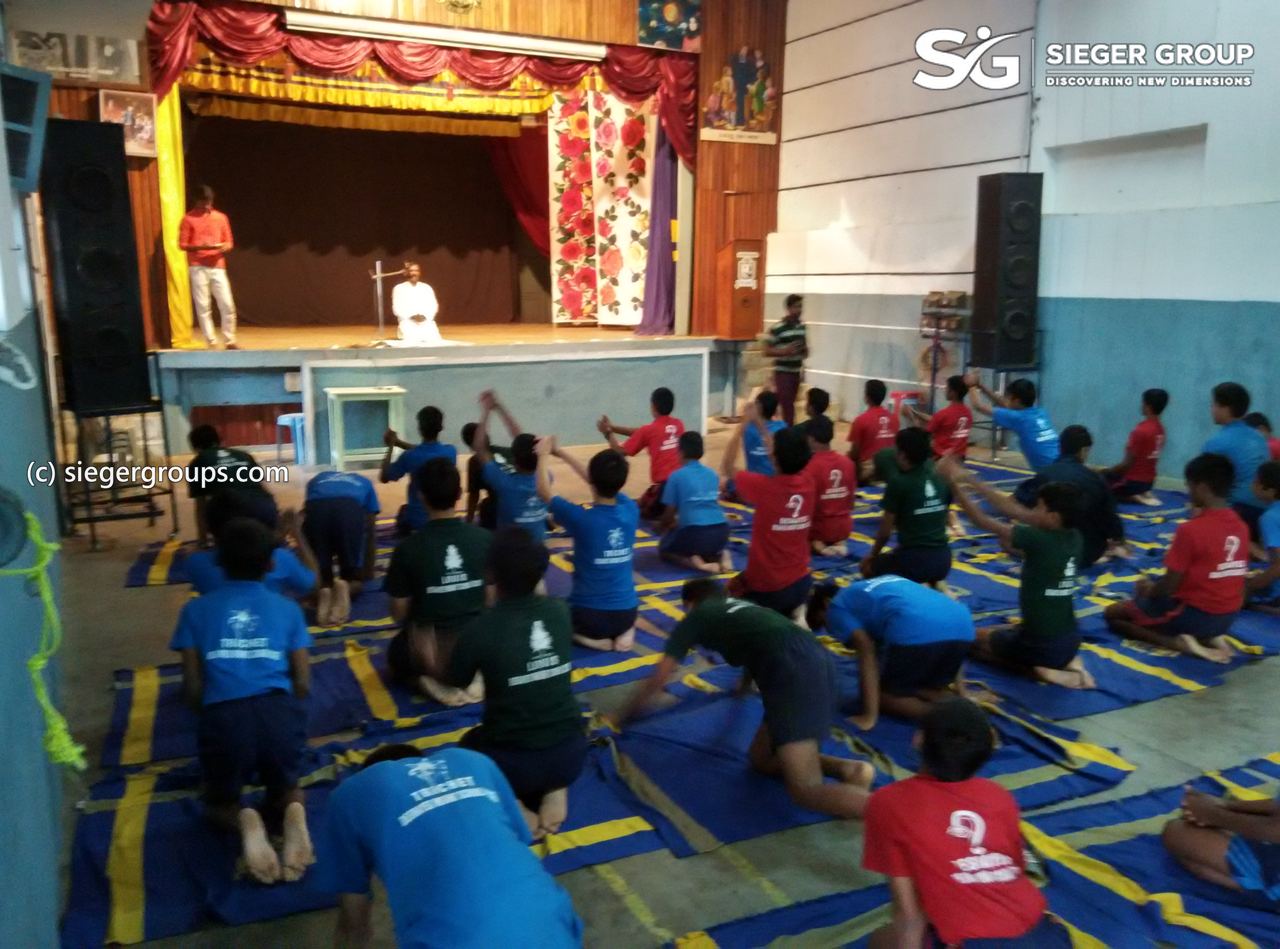
Coordinated Group Sequence

The group explores a short movement sequence with clear guidance and an appropriate pace. Participants notice transitions and how instructions support their understanding of the practice. The shared format can prompt a conversation about listening and consideration while keeping individual participation choices separate from expectations about team performance.

Learning focusListening · Shared pace
Choose what to take forward

Personal Practice Reflection

Participants consider which aspect of the session they found useful or interesting and whether they would like to explore it again. Sharing remains optional. The closing discussion focuses on a realistic next step or question about the practice rather than asking colleagues to make health claims or judge anyone else’s response.

Learning focusReflection · Personal choice

Programme overview

YOGA TEAM BUILDING

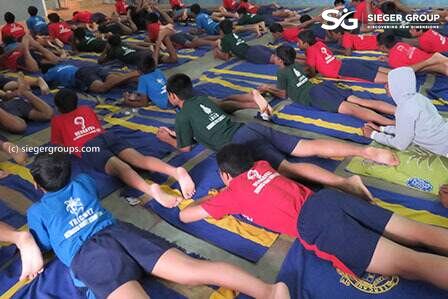
Yoga Team Building Programme administer the fundamentals in creating a high-performance, problem solving, and motivated team, specifically structured to build employee morale within the workplace while promoting better physical and mental health. This programme is created to promote unity utilizing yoga as the process to guide a group of many into a cohesive unit of one. The aim of team building yoga, is to perform a series of challenging movements that are not possible as individuals, but require pair work, or in some cases an entire team of people.

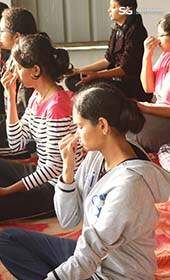
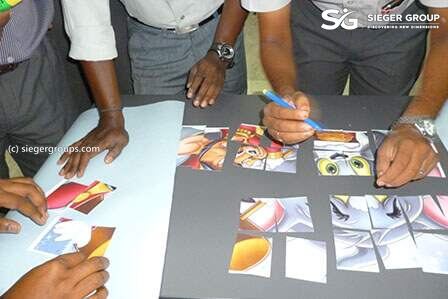
Yoga Team Challenge — programme library photograph
What makes it distinctive

A shared practice with space for individual experience.

Clear guidance and a considerate pace can create an approachable setting for exploring movement and attention. Give participants different ways to join, notice what they find useful and close with a personal reflection that respects the varied experience of colleagues in the group.

  • Create a positive energy within the team and company
  • Improve motivation
  • Optimize teamwork
Shape your team brief
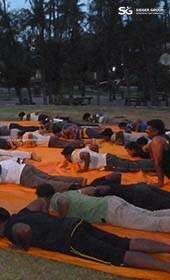
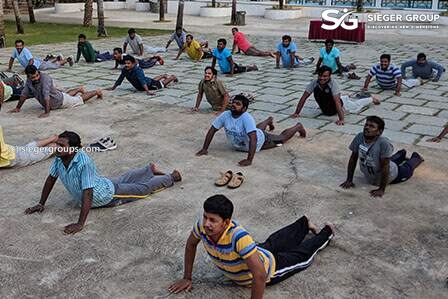
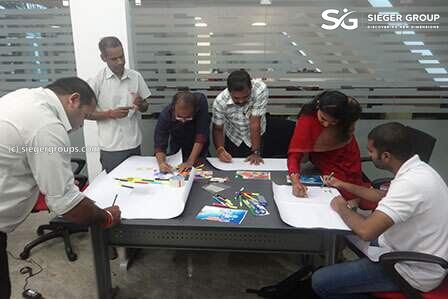
Sieger Group programme photograph — Yoga Team Challenge
Why this programme

Why Organisations Choose Yoga Team Challenge

Create a shared yoga experience around accessible movement, attention and participation choices shaped to the group and agreed setting.

A clear purpose

A different shared pace

Offer colleagues a quieter movement-based experience where attention and participation can be explored outside the usual pattern of meetings and work tasks.

Useful participation

Respect for personal experience

Recognise that comfort, preferences and the experience of a practice vary between participants, so comparison does not become the purpose of the session.

Practical insight

Attention to clear guidance

Notice how demonstrations and instructions support understanding when people explore a movement or transition that may be unfamiliar to them.

Connected choices

A moment for observation

Create space to notice personal attention and movement without requiring colleagues to describe internal experiences or perform a particular response for the group.

Meaningful follow-through

Consideration within the group

Explore how a shared activity can accommodate different paces and participation choices while maintaining a considerate and welcoming atmosphere for colleagues.

Programme benefits

Programme Benefits

Explore the behaviours and practical insights your team can review through Yoga Team Challenge. The debrief connects observations from the experience with situations that matter to participants.

A different shared pace

A useful focus for the group is to offer colleagues a quieter movement-based experience where attention and participation can be explored outside the usual pattern of meetings and work tasks.

Respect for personal experience

Participants can examine how to recognise that comfort, preferences and the experience of a practice vary between participants, so comparison does not become the purpose of the session.

Attention to clear guidance

The review can highlight ways to notice how demonstrations and instructions support understanding when people explore a movement or transition that may be unfamiliar to them.

A moment for observation

Colleagues can explore how to create space to notice personal attention and movement without requiring colleagues to describe internal experiences or perform a particular response for the group.

Consideration within the group

The experience can prompt discussion of how to explore how a shared activity can accommodate different paces and participation choices while maintaining a considerate and welcoming atmosphere for colleagues.

Realistic practice choices

A practical takeaway is to identify a modest aspect of the session a participant may wish to explore further rather than prescribing the same routine to every member of the team.

A thoughtful closing reflection

The team can consider how to invite observations and questions that help people decide what they take from the experience while keeping the programme separate from clinical advice or treatment.

From experience to application

Bring the learning back to work.

Use these reflection prompts to turn Yoga Team Challenge into a focused conversation about what happened, what it means and what to try next.

  1. Notice your own pace

    Reflect on which part of the practice felt comfortable or unfamiliar and consider what guidance helped you choose a suitable way to participate.

  2. Review a useful instruction

    Identify a cue or demonstration that clarified a movement and consider what made the explanation easier for you to follow during the session.

  3. Respect different experiences

    Notice how colleagues may respond differently to the same practice and consider how the group can remain welcoming without expecting one shared reaction.

  4. Connect to everyday transitions

    Identify a realistic pause or movement opportunity in your routine that you would like to consider, without treating the choice as an obligation for others.

  5. Choose a personal next step

    Decide whether there is a question, practice or appropriate source of guidance you would like to explore after the session at your own pace.

  6. Review personal usefulness

    Return to your observations and choose whether to continue, adjust or leave an element of the experience according to what fits your circumstances.

Programme delivery

How the Programme Works

A suggested flow for Yoga Team Challenge, from setting the brief to reviewing the experience. Activity choices, pace and facilitation are confirmed around your group and setting.

  1. Start with context

    Agree the purpose and participation

    Create a shared yoga experience around accessible movement, attention and participation choices shaped to the group and agreed setting. Discuss what participants should understand before approaching movement and posture exploration, including the information, roles and choices relevant to this group.

    Movement awareness · Personal pace
  2. Take a moment to notice

    Explore the selected experience

    The facilitator introduces the practice with clear guidance, a considerate pace and participation options. Colleagues explore within those arrangements, recognising that one instruction can lead to different personal experiences.

    Awareness · Attention
  3. Move with clear guidance

    Compare and develop the approach

    The session closes with private reflection or a voluntary shared observation. Participants identify useful guidance and consider any question they would like to explore appropriately after the group session.

    Listening · Shared pace
  4. Make the experience useful

    Review and carry it forward

    Identify a realistic pause or movement opportunity in your routine that you would like to consider, without treating the choice as an obligation for others. Decide whether there is a question, practice or appropriate source of guidance you would like to explore after the session at your own pace.

    Reflection · Personal choice
Experiential learning outline

Experience. Reflect. Apply.

Connect Yoga Team Challenge with purposeful practice, evidence-based reflection and a next step that fits your working context.

  1. Align the brief

    Create a shared yoga experience around accessible movement, attention and participation choices shaped to the group and agreed setting. Clarify what the group needs before beginning the selected experience.

  2. Experience the challenge

    Explore movement and posture exploration through the agreed format. Recognise that comfort, preferences and the experience of a practice vary between participants, so comparison does not become the purpose of the session.

  3. Reflect on the evidence

    Notice a cue that clarified a movement or transition and consider how attention, pace and personal comfort shaped the way you chose to participate in that moment.

  4. Connect the learning

    Think about an ordinary pause in your routine and consider whether an element of the session interests you enough to explore further at your own pace.

  5. Commit to a next step

    Choose a personal question or observation to take forward, deciding whether to revisit a practice, seek appropriate guidance or retain what you noticed about your own experience.

Programme details

The Advantages of the Yoga Team Building Activity would be:

Create a positive energy within the team and company
Improve motivation
Optimize teamwork
Reduce stress
Get to know one another
Improve communication
Increase employee dedication to the companies' growth and success
Identify the strengths of each member in the team
Creates a sense of belonging
Mobilize and tighten team spirit
Encourage collaboration in the team
Increase trust among the team members
Sharing of a common vision
Stimulate creativity
And lots of fun!
Who should attend

Choose the right audience for the experience.

Discuss participant experience, access needs, language preferences and the purpose of the programme before confirming suitability.

Colleagues choosing to participate

Colleagues choosing to participate interested in movement awareness · personal pace. Movement and Posture Exploration offers one possible starting point for an agreed group experience.

People leaders and team coordinators

People leaders and team coordinators exploring awareness · attention. Select a format that fits their responsibilities, working relationships and the purpose of Yoga Team Challenge.

Workplace wellbeing organisers

Workplace wellbeing organisers bringing different perspectives to listening · shared pace. Confirm the learning priorities and participation arrangements before choosing the activity mix.

Programme schedule

An illustrative session schedule.

This sample shows how a programme could flow. Timings, breaks, activity choices and duration are agreed in the final proposal.

Example session

Brief, experience and reflect

  1. 09:30–09:45

    Welcome, context and participation

    Introduce Yoga Team Challenge, agree the group’s purpose and discuss participation preferences. Explain the selected formats before the experience begins.

  2. 09:45–10:30

    Movement and Posture Exploration

    Use a selected version of Movement and Posture Exploration to explore movement awareness · personal pace. Pause to compare observations and clarify the choices that shaped progress.

  3. 10:30–11:15

    Breath and Attention Practice

    Use a selected version of Breath and Attention Practice to explore awareness · attention. Pause to compare observations and clarify the choices that shaped progress.

  4. 11:15–11:30

    Reflection and shared takeaways

    Review examples of a different shared pace and attention to clear guidance. Connect the observations with day-to-day team responsibilities and choose a relevant next conversation.

Planning details

A considered programme starts with the practical details.

People and participation

Share the audience profile, language preferences and access needs for Yoga Team Challenge. Agree options that let different colleagues contribute comfortably.

Venue and resources

Agree a suitable setting, optional participation and accessible alternatives for the selected reflective or movement-based formats. Confirm the final mix of Movement and Posture Exploration and any other chosen experiences in the brief.

Scope and delivery

Agree the focus on awareness · attention, the programme duration and which materials, facilitation and delivery arrangements are included.

Review and follow-through

Choose how to review realistic practice choices and a thoughtful closing reflection. Confirm any follow-up conversation or team commitment that belongs within the programme scope.

Organisations we work with

Trusted by teams across industries

Sieger Group supports organisations with team-building experiences and facilitated programmes.

Client perspectives

Testimonials

Plan with confidence

Yoga Team Challenge FAQs

12 practical answers to help you plan your programme.

What is Yoga Team Challenge?

Yoga Team Building Programme administer the fundamentals in creating a high-performance, problem solving, and motivated team, specifically structured to build employee morale within the workplace while promoting better physical and mental health. This programme is created to promote unity utilizing yoga as the process to guide a group of many into a cohesive unit of one. The aim of team building yoga, is to perform a series of challenging movements that are not possible as individuals, but require pair work, or in some cases an entire team of people.

Who is this programme suitable for?

Yoga Team Challenge can be considered for teams planning a shared experience or employee engagement event. Share roles, group size, experience levels and participation needs so suitability can be confirmed.

What can participants explore?

The existing programme outline includes: Create a positive energy within the team and company; Improve motivation; Optimize teamwork. The final emphasis and activity selection should be agreed around your brief.

Can the programme be customised for our team?

Yes. Share your team context, goals and preferred tone. The proposed Yoga Team Challenge experience can then be adapted through the activity mix, level of challenge, discussion themes and delivery format, subject to feasibility.

How long does the programme take?

Duration depends on the agreed scope, group size and setting. For Yoga Team Challenge, allow for the briefing, activities, breaks and group review. Request a proposed agenda that fits your available time.

Where can we organise the experience?

Share your preferred city, office, venue or offsite destination in India. Yoga Team Challenge requires a setting suited to the activities and participants. Venue access, usable space, equipment and local delivery arrangements should be confirmed before booking.

What group size works for this programme?

The appropriate group size depends on the activity structure, facilitation and available space. Tell us the expected number of participants for Yoga Team Challenge so team sizes, rotations and staffing can be proposed.

What should participants prepare?

For Yoga Team Challenge, the pre-event briefing should explain the schedule, clothing or equipment requirements and how to take part. Share accessibility needs and relevant participation constraints during planning so suitable arrangements can be discussed.

How are participation and inclusion considered?

Discuss access, mobility, language, sensory needs and comfort levels before confirming Yoga Team Challenge. Agree suitable roles and alternatives where feasible. For specialist activities, confirm delivery responsibilities and participation requirements in advance.

How can we connect the programme with our objectives?

Agree the purpose of Yoga Team Challenge before delivery. A group review can explore communication, contribution and teamwork, alongside the shared enjoyment of the event. Confirm any follow-up or evaluation support in the proposal.

What does the programme cost?

Pricing for Yoga Team Challenge depends on participant numbers, duration, facilitation, equipment, location and agreed logistics. Request a tailored proposal that clearly states programme inclusions, venue or travel arrangements and applicable charges.

How do we enquire about Yoga Team Challenge?

Use the enquiry form on this page or call +91 98400 97567. Include Yoga Team Challenge, your objectives, group size, preferred dates and location. Sieger Group can then discuss suitability and prepare a proposal for your review.

Ready to plan?

Let’s shape the right programme for your people.

Share your goals, group size, preferred dates and venue. We’ll help you explore a considered programme.

Request a tailored proposal
Back to programme overview
LET'S CREATE YOUR NEXT SHARED MOMENT

What could your team
do together?

Tell us what you have in mind. We will help you explore a programme that fits your people and your occasion.

  • Your peopleGroup size, audience and participation needs.
  • Your plansDate, destination, venue and time available.
  • Your purposeTeam connection, learning or a celebration.
  • Your outcomesWhat you want your team to experience or take away.
+91 98400 97567 ↗

Still finalising the details? Share what you know.

From your brief to a considered programme

Every team is different. Share your people, purpose and preferred setting, and we’ll translate your brief into an experience designed to connect, engage and create lasting impact.

  • Choose a format suited to your participants.
  • Align the experience with your event goals.
  • Tailor the programme to your team’s needs.
  • Plan the flow, venue and logistics.
  • Create an experience people will remember.
ENQUIRE WITH SIEGER GROUP

Start the conversation.

Share your brief and preferred contact details.