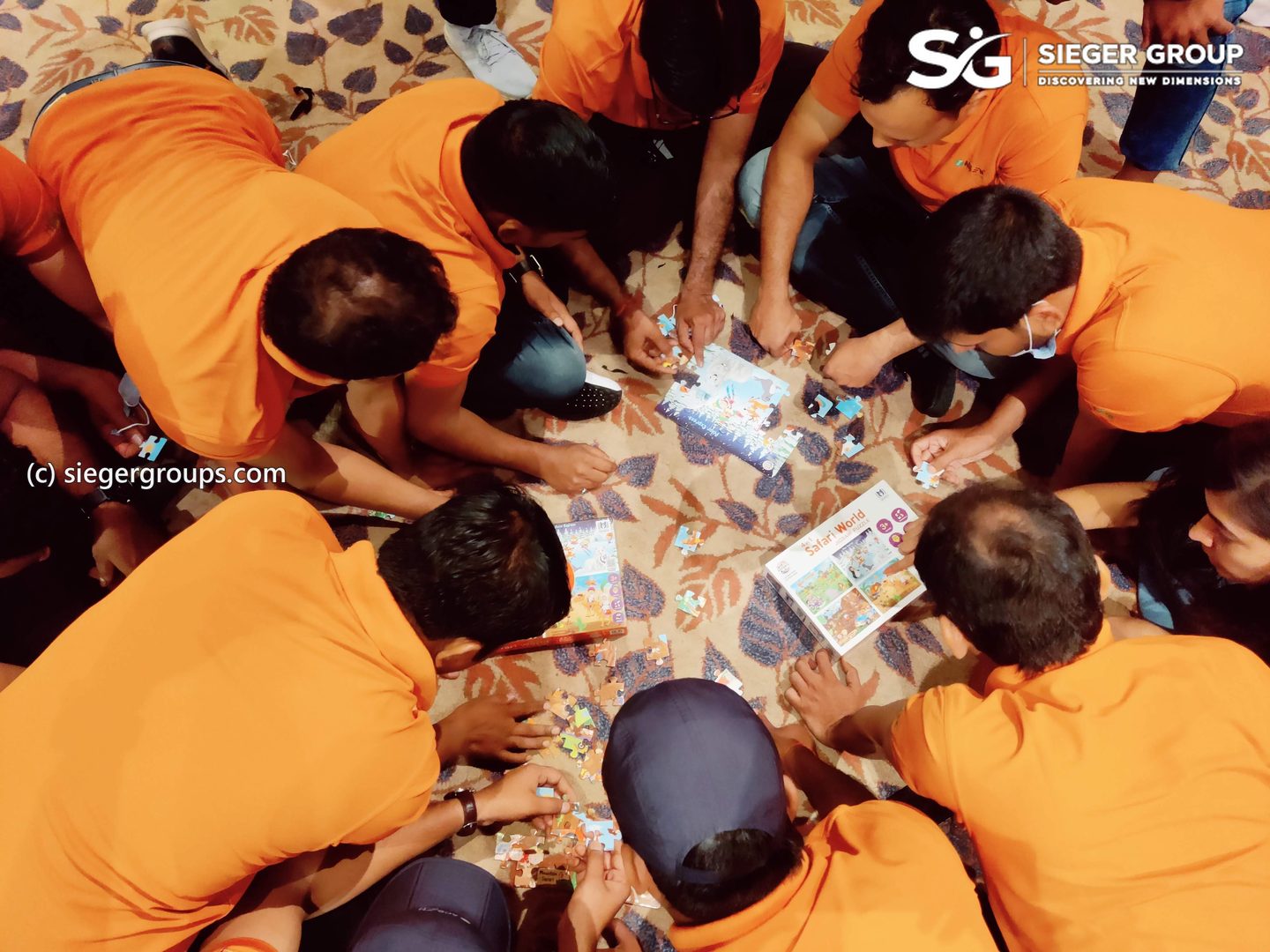
People and participation
Share the audience profile, language preferences and access needs for Treasure Hunt & Scavenger Hunt. Agree options that let different colleagues contribute comfortably.
Clues. Choices. Shared discoveries.
Give your team a challenge worth solving together. Follow a trail of clues, connect different observations and turn a shared search into an experience of communication, creative thinking and collective achievement.
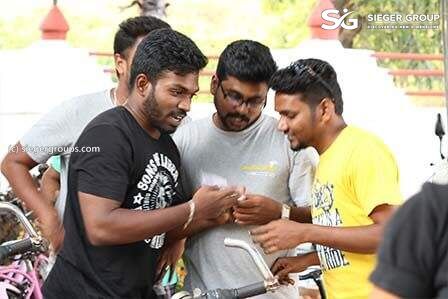
A well-designed hunt gives every colleague a useful part to play. Some notice a detail, others question an assumption, organise the next move or bring scattered information together. The experience creates concrete moments for discussing how your team works.
Share the audience profile, language preferences and access needs for Treasure Hunt & Scavenger Hunt. Agree options that let different colleagues contribute comfortably.
Agree the activity zones, clue or question themes, language needs and the resources required for the selected formats. Confirm the final mix of Classic Clue Trail and any other chosen experiences in the brief.
Agree the focus on prioritisation · coordination, the programme duration and which materials, facilitation and delivery arrangements are included.
Choose how to review recognition along the trail and a practical shared review. Confirm any follow-up conversation or team commitment that belongs within the programme scope.
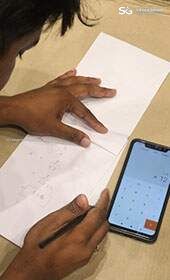
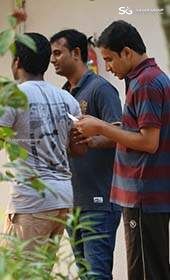


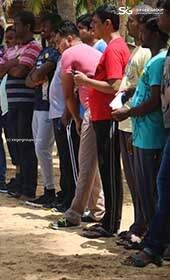
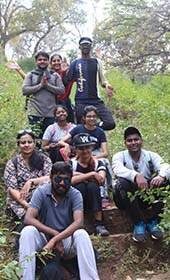
An answer matters because of what it helps the group understand next. Connect observations, route choices and puzzle solutions into a shared search, then use the finale to recognise the questions, decisions and practical support that made the discovery possible.
Shape your team brief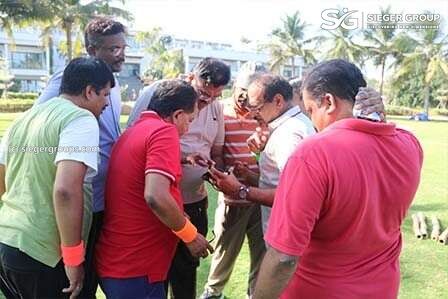
Give teams a trail worth solving together, where clues, observation and decisions connect different strengths into a shared discovery.
Invite observation, reasoning and organising contributions so the team can notice useful input beyond the person who first reaches a checkpoint or answer.
Connect separate discoveries with one agreed destination or final challenge so colleagues understand how their individual findings contribute to the wider hunt.
Encourage participants to explain why an answer fits the available evidence rather than relying on a confident suggestion that others cannot examine.
Make the group’s decisions about routes, attention and information-sharing part of the experience instead of judging only which team finishes first.
Notice how the group revisits an assumption when later information conflicts with it and whether that revision reaches everyone affected by the decision.
Explore these options as starting points for treasure hunt & scavenger hunt. The selected formats, materials and participation arrangements are shaped around the group and agreed brief.
Teams follow a prepared sequence in which each solved clue points towards another discovery. Colleagues compare observations and agree what an answer means before moving on. The format makes shared reasoning visible and gives the debrief specific moments to discuss how the group handled uncertainty, evidence and competing interpretations.
Groups explore an agreed area in response to a prepared list of observations or evidence to collect. They decide how to divide attention and keep findings visible to teammates. The challenge invites planning and resourcefulness while keeping movement, photography and collection choices within the programme’s agreed venue and participation arrangements.
Respond to a series of creative prompts using agreed photography arrangements. Teams plan a visual story, share roles and present the reasoning behind their chosen images.
Teams work through word, pattern or logic challenges that contribute information to a later solution. Participants explain their methods and compare possible answers before accepting a code. The review explores how useful reasoning travels through the group and what happens when a later clue challenges an earlier conclusion.
Turn a suitable office or indoor venue into a sequence of clues and collaborative checkpoints. The compact setting can support a focused experience within a wider meeting or team event.
Explore an agreed resort, campus or event venue through a custom discovery brief. Teams connect details from different locations and build a shared picture of the setting.
Use a clearly agreed city route to combine local observation with team challenges. Route planning, access and the practical delivery arrangements form part of the programme design.
Adapt the search to a suitable beach or coastal venue, using an agreed activity area and onshore checkpoints. The setting adds a different rhythm to the group’s planning and communication.
Translate an organisation’s themes into clues, examples and collaborative tasks. The closing discussion connects the experience with how those values show up in everyday work.
Combine the clue trail with short team tasks at selected checkpoints. Participants must organise different contributions rather than relying on one person to solve every stage.
Introduce a prepared resource-exchange element into the hunt, where teams compare needs and choices. The review focuses on communication, trade-offs and the effect of a decision on others.
The closing task asks teams to connect the clues or objects gathered throughout the hunt. They organise evidence, agree an interpretation and complete the shared discovery. The finale provides a concrete basis for recognising contributions and reflecting on how different observations, decisions and support shaped the route to the finish.
Explore the behaviours and practical insights your team can review through Treasure Hunt & Scavenger Hunt. The debrief connects observations from the experience with situations that matter to participants.
A useful focus for the group is to invite observation, reasoning and organising contributions so the team can notice useful input beyond the person who first reaches a checkpoint or answer.
Participants can examine how to connect separate discoveries with one agreed destination or final challenge so colleagues understand how their individual findings contribute to the wider hunt.
The review can highlight ways to encourage participants to explain why an answer fits the available evidence rather than relying on a confident suggestion that others cannot examine.
Colleagues can explore how to make the group’s decisions about routes, attention and information-sharing part of the experience instead of judging only which team finishes first.
The experience can prompt discussion of how to notice how the group revisits an assumption when later information conflicts with it and whether that revision reaches everyone affected by the decision.
A practical takeaway is to acknowledge useful questions, careful observations and support that moved the group forward, including contributions less visible than the final discovery.
The team can consider how to use specific checkpoints and decisions to discuss a familiar collaboration issue and choose an action the team can examine beyond the event.
Use these reflection prompts to turn Treasure Hunt & Scavenger Hunt into a focused conversation about what happened, what it means and what to try next.
Identify which observation moved the hunt forward and discuss how that information reached the colleagues who needed it for the next decision.
Recall why the team selected one checkpoint or search strategy and examine the evidence, priorities and assumptions behind that choice.
Choose a clue that caused the group to reconsider an earlier conclusion and discuss how the revised understanding was communicated through the team.
Select a work situation where useful discoveries or decisions often remain with one colleague instead of becoming available to everyone affected.
Choose a clear update or confirmation habit from the trail and identify a practical shared task where the team can try it next.
Return to the agreed habit using examples from work, recognising different contributions and deciding which part of the approach the group should refine.
A suggested flow for Treasure Hunt & Scavenger Hunt, from setting the brief to reviewing the experience. Activity choices, pace and facilitation are confirmed around your group and setting.
Give teams a trail worth solving together, where clues, observation and decisions connect different strengths into a shared discovery. Discuss what participants should understand before approaching classic clue trail, including the information, roles and choices relevant to this group.
The briefing introduces the agreed search area, clue format and objective. Colleagues organise discovery-sharing before setting out, while the facilitator manages checkpoints and clarifies the selected event arrangements.
As the trail develops, teams connect findings and revise interpretations when evidence changes. The finale combines gathered information before a review explores the contributions and decisions behind the discovery.
Select a work situation where useful discoveries or decisions often remain with one colleague instead of becoming available to everyone affected. Choose a clear update or confirmation habit from the trail and identify a practical shared task where the team can try it next.
Connect Treasure Hunt & Scavenger Hunt with purposeful practice, evidence-based reflection and a next step that fits your working context.
Give teams a trail worth solving together, where clues, observation and decisions connect different strengths into a shared discovery. Clarify what the group needs before beginning the selected experience.
Explore classic clue trail through the agreed format. Connect separate discoveries with one agreed destination or final challenge so colleagues understand how their individual findings contribute to the wider hunt.
Examine when an individual observation changed the group’s direction and discuss how that information became available and its meaning was checked before the team moved on.
Consider work where separate findings must become one shared picture and identify what colleagues should explain alongside an update so others can use the information meaningfully.
Agree an information-sharing practice for a shared assignment, defining how the team will check that a discovery or changed decision reaches everyone whose next action depends on it.
Discuss participant experience, access needs, language preferences and the purpose of the programme before confirming suitability.
Intact and cross-functional teams interested in reasoning · shared decisions. Classic Clue Trail offers one possible starting point for an agreed group experience.
Managers and emerging leaders exploring prioritisation · coordination. Select a format that fits their responsibilities, working relationships and the purpose of Treasure Hunt & Scavenger Hunt.
Project teams and newly formed groups bringing different perspectives to logic · information-sharing. Confirm the learning priorities and participation arrangements before choosing the activity mix.
This example illustrates a possible flow. The final activities, timing, breaks and inclusions are agreed in your proposal.
Introduce Treasure Hunt & Scavenger Hunt, agree the group’s purpose and discuss participation preferences. Explain the selected formats before the experience begins.
Use a selected version of Classic Clue Trail to explore reasoning · shared decisions. Pause to compare observations and clarify the choices that shaped progress.
Use a selected version of Outdoor Scavenger Hunt to explore prioritisation · coordination. Pause to compare observations and clarify the choices that shaped progress.
Review examples of different strengths in one search and purposeful clue conversations. Connect the observations with day-to-day team responsibilities and choose a relevant next conversation.
Explore an agreed version of Puzzle & Cipher Hunt and compare approaches to logic · information-sharing. Discuss what the group changes after feedback.
Explore an agreed version of The Final Discovery Challenge and compare approaches to evidence · collective achievement. Discuss what the group changes after feedback.
Share group size, audience profile, language preferences and access requirements.
Discuss available space, travel, indoor or outdoor preferences and relevant venue constraints.
Confirm activities, facilitation, equipment, duration and inclusions in the proposal.
Agree the debrief approach and any action planning, evaluation or follow-up support required.
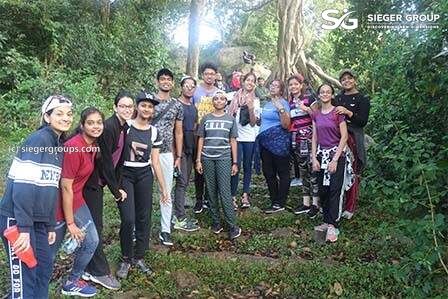
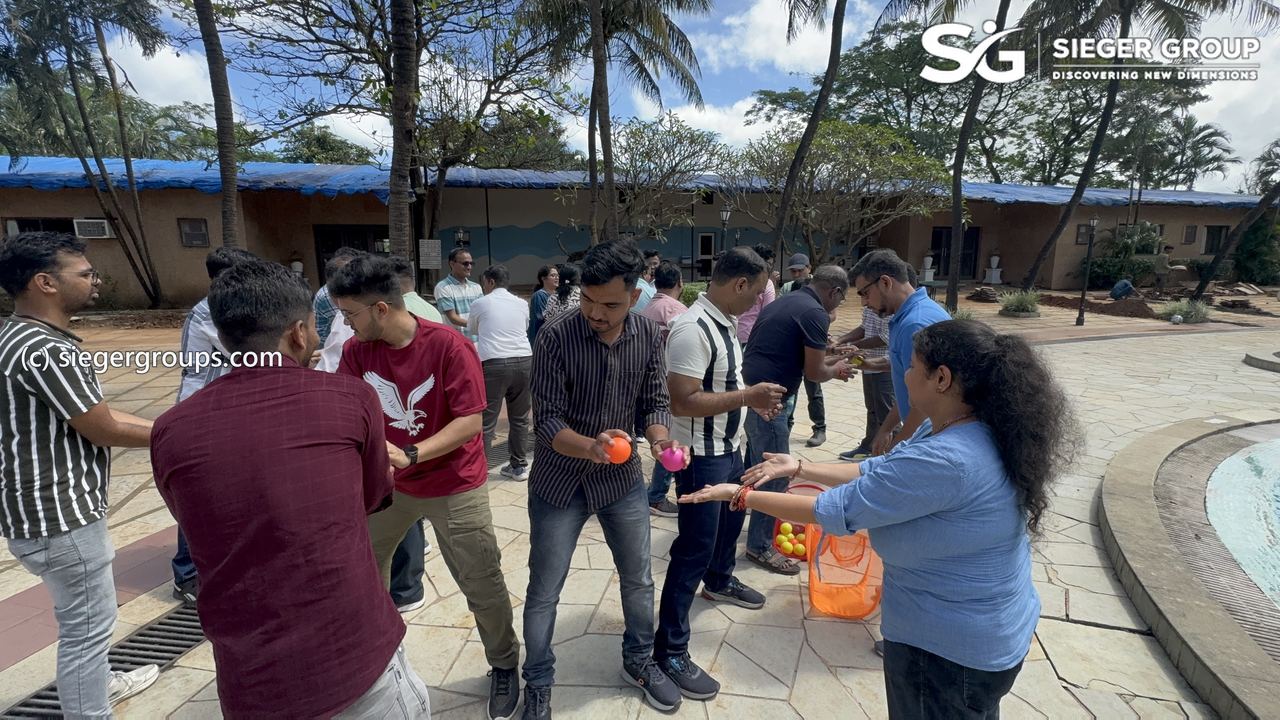
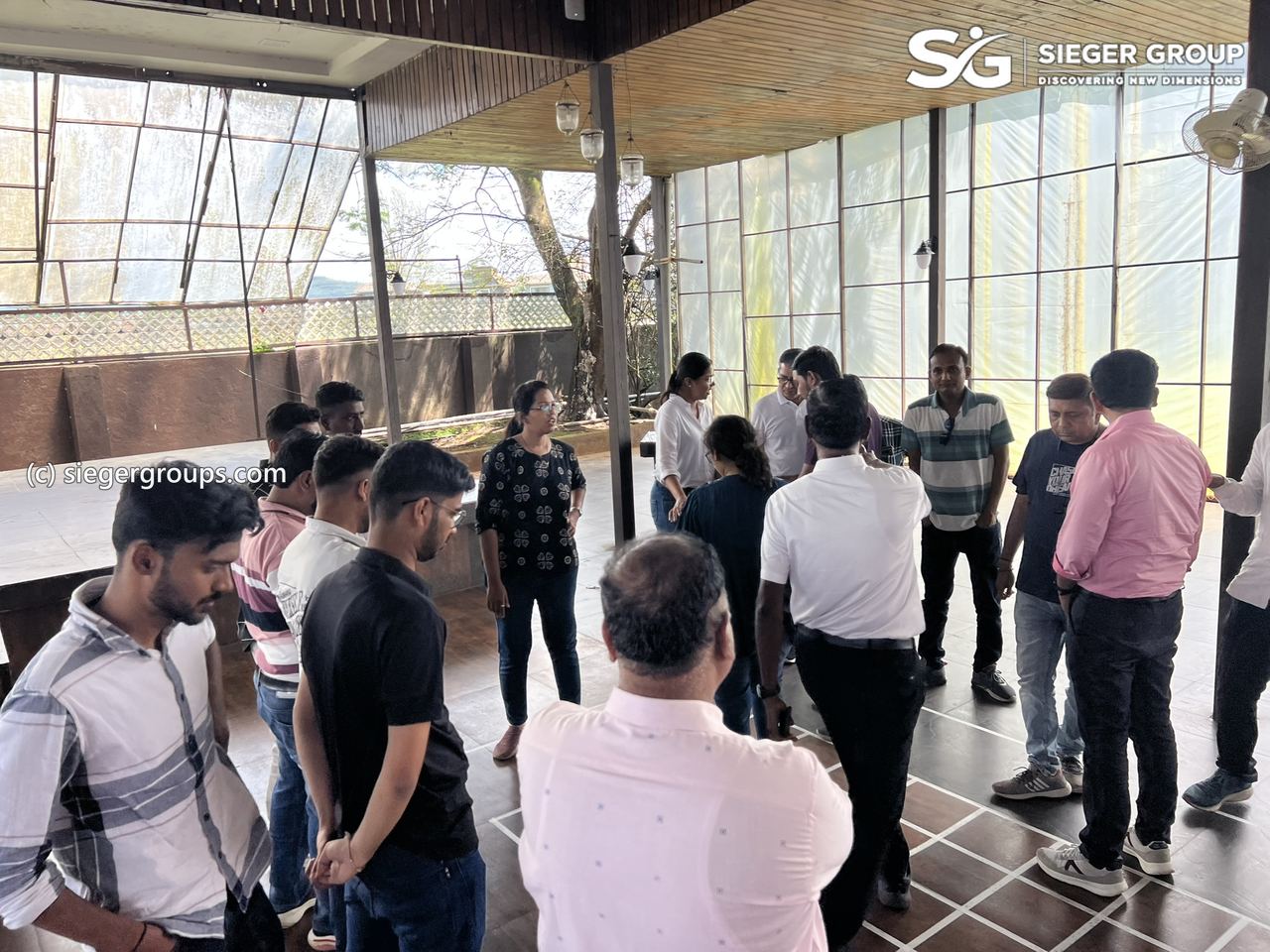
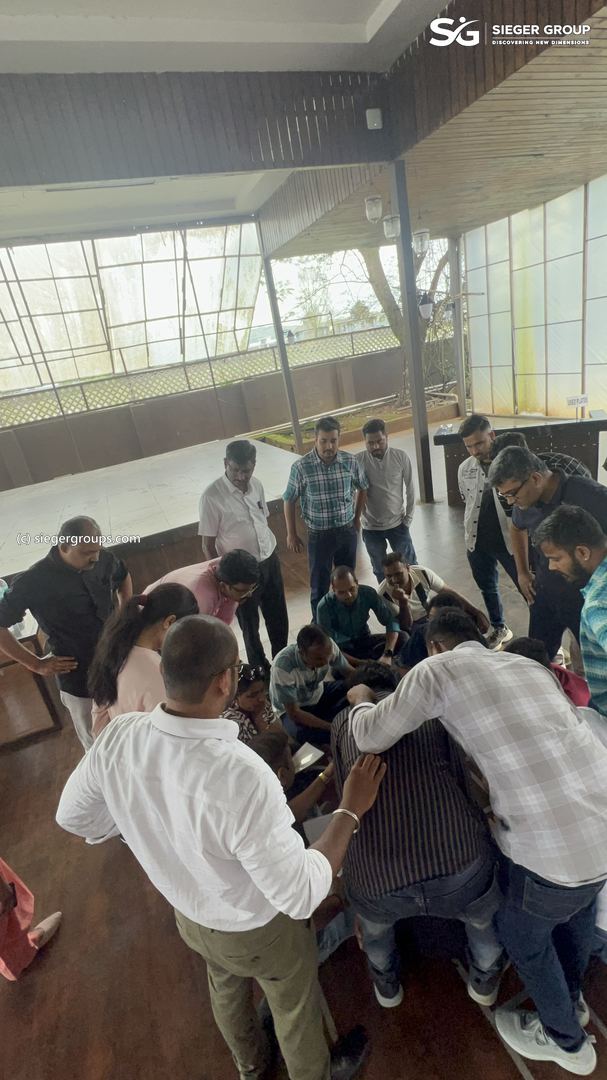
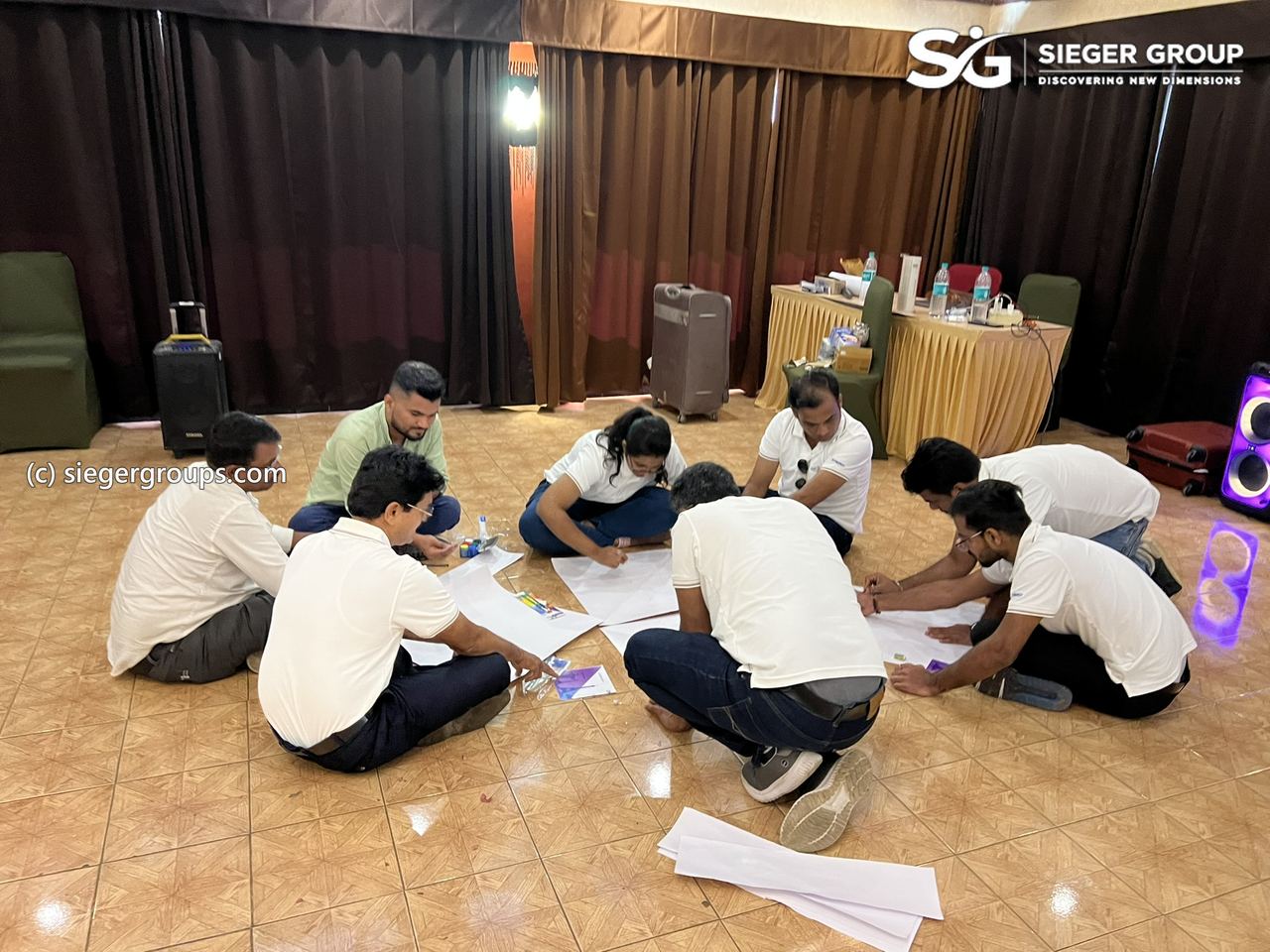
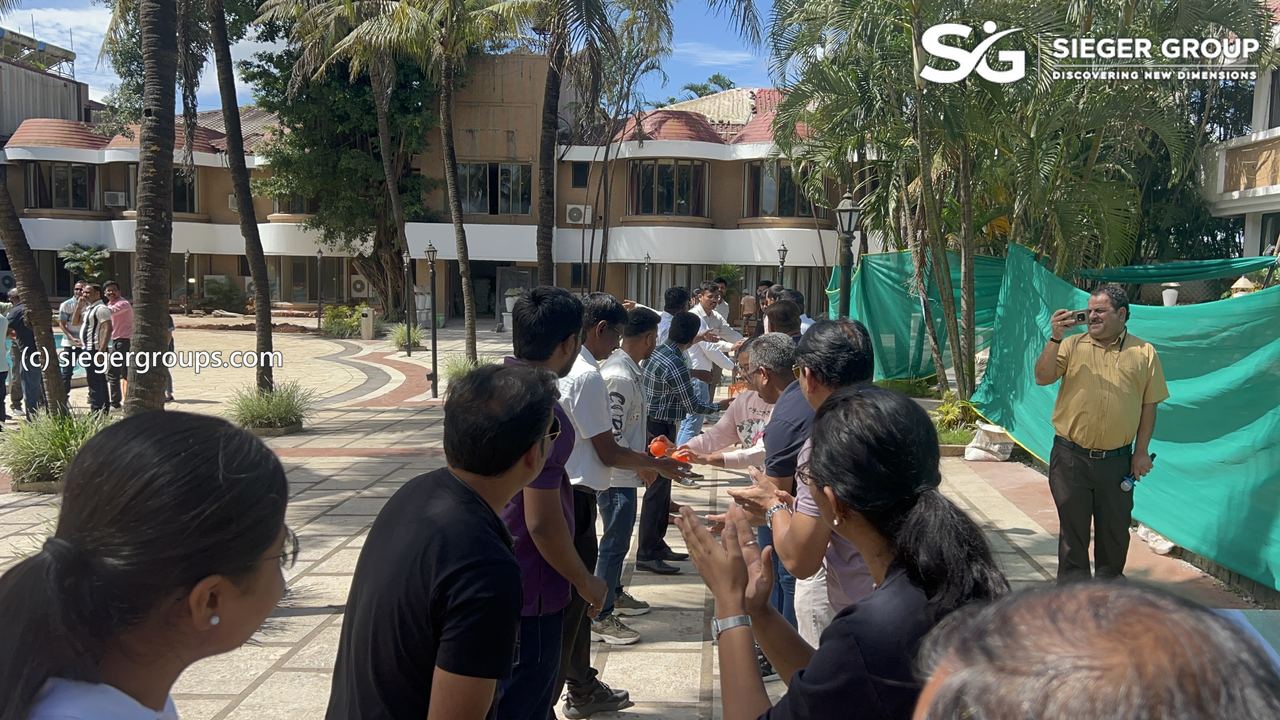
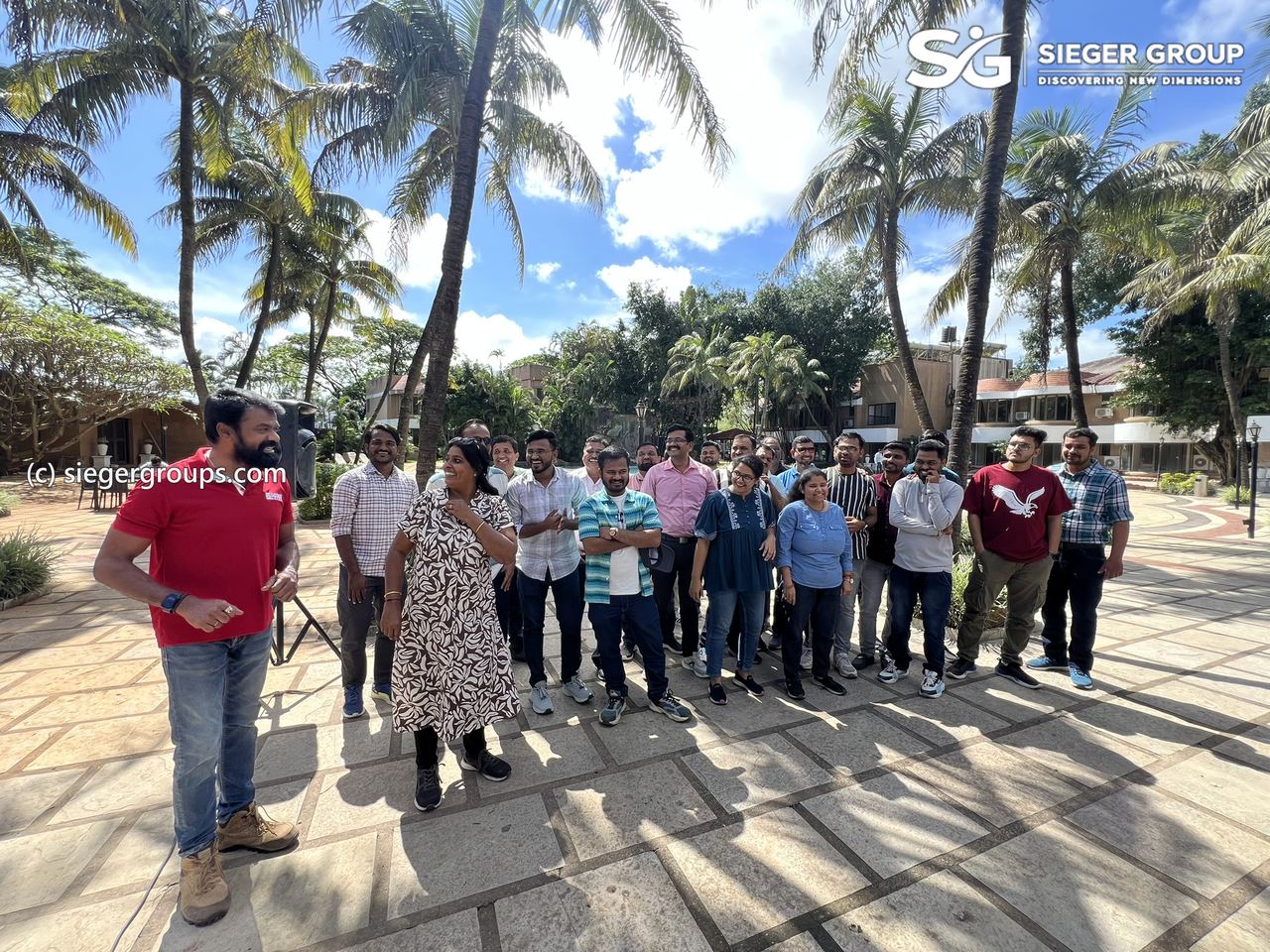
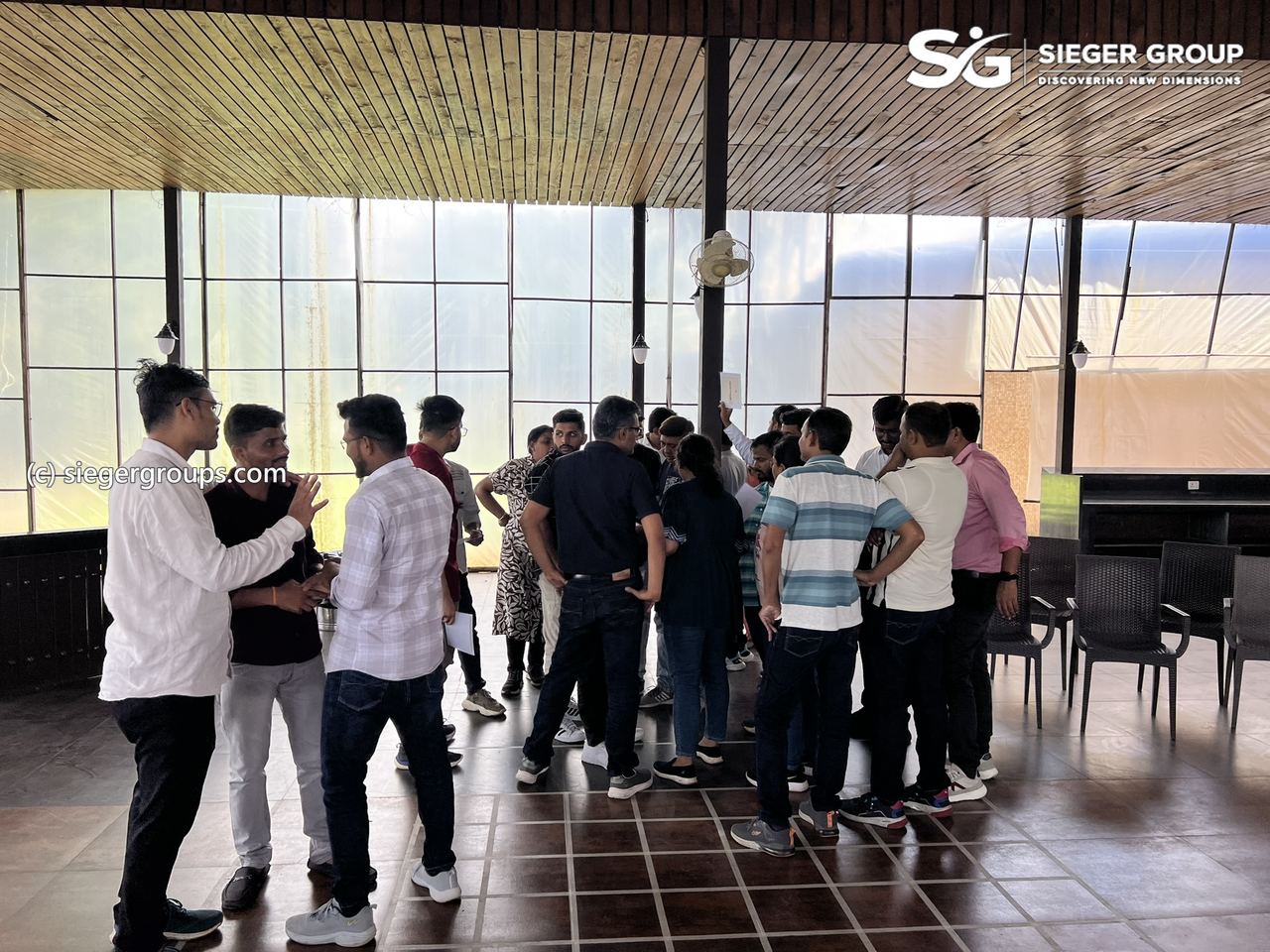
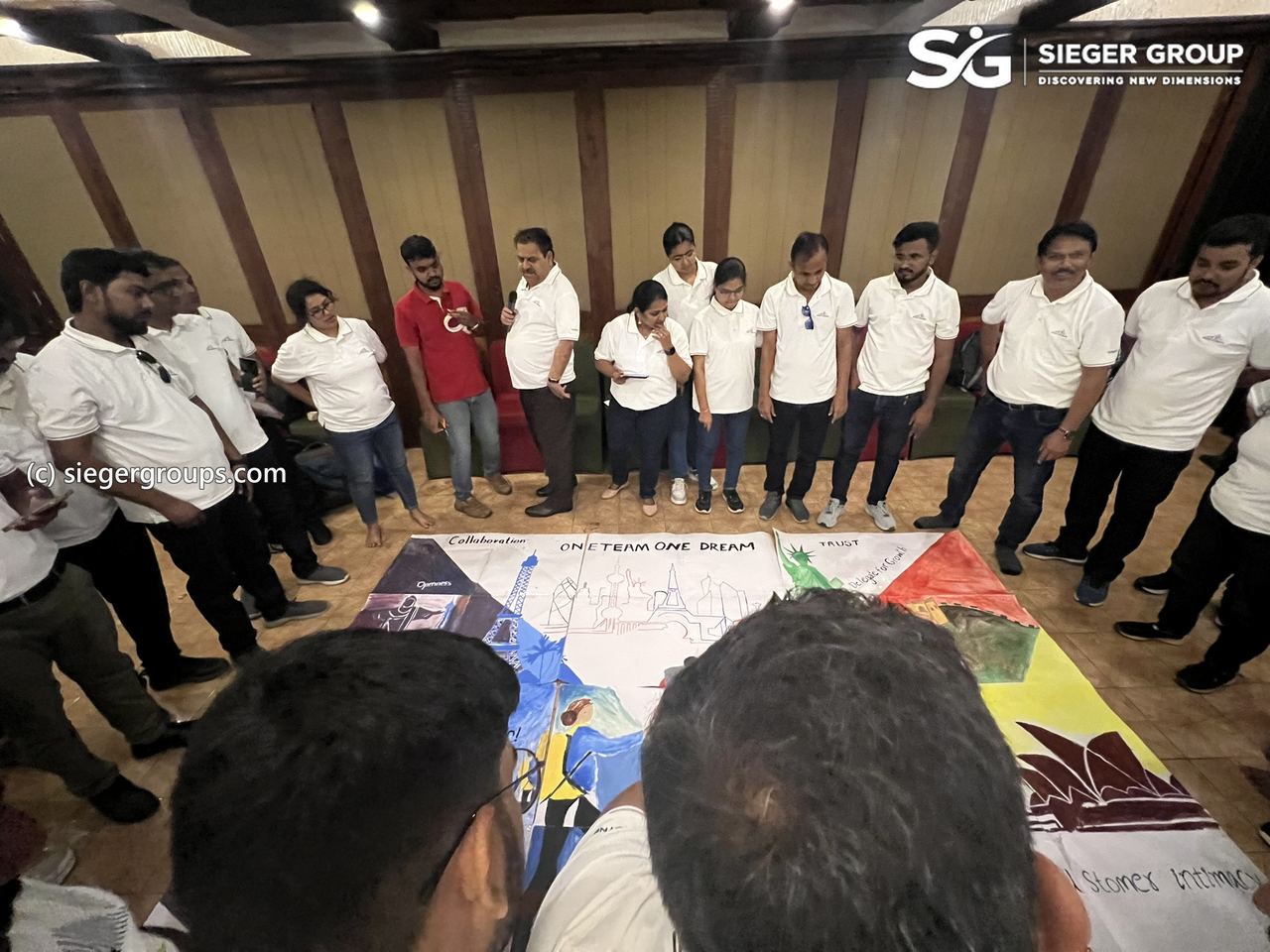
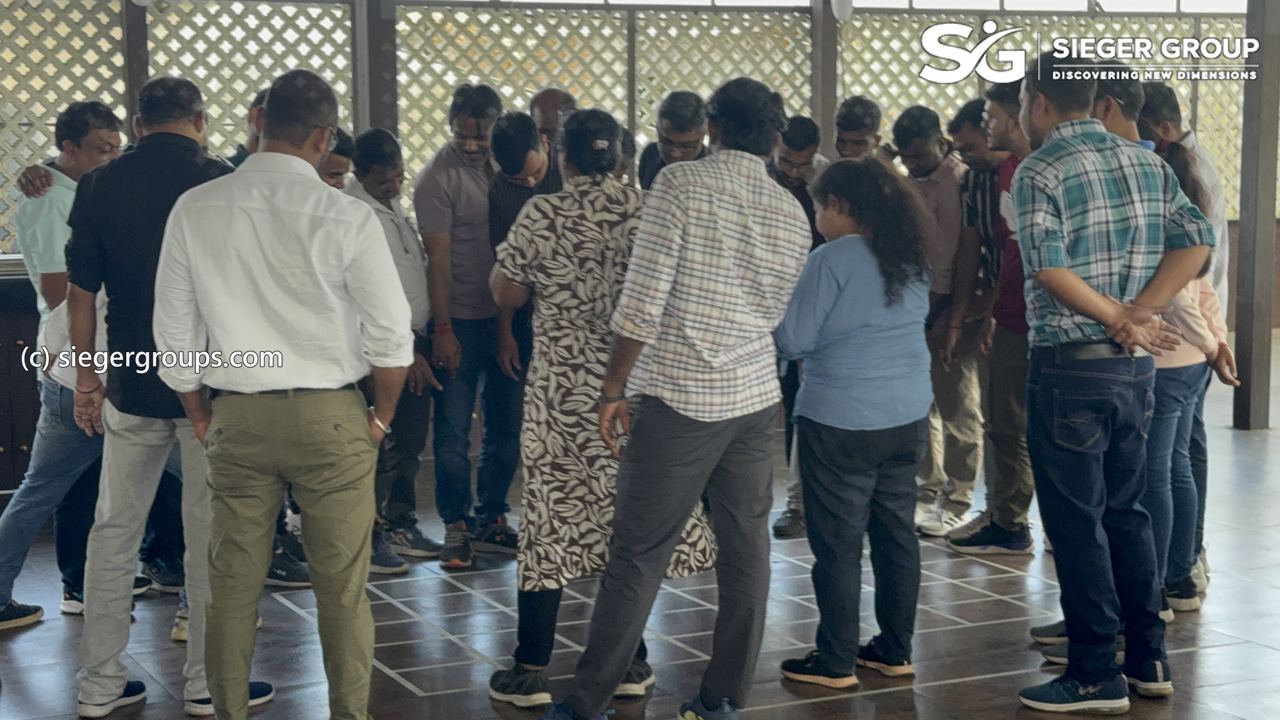
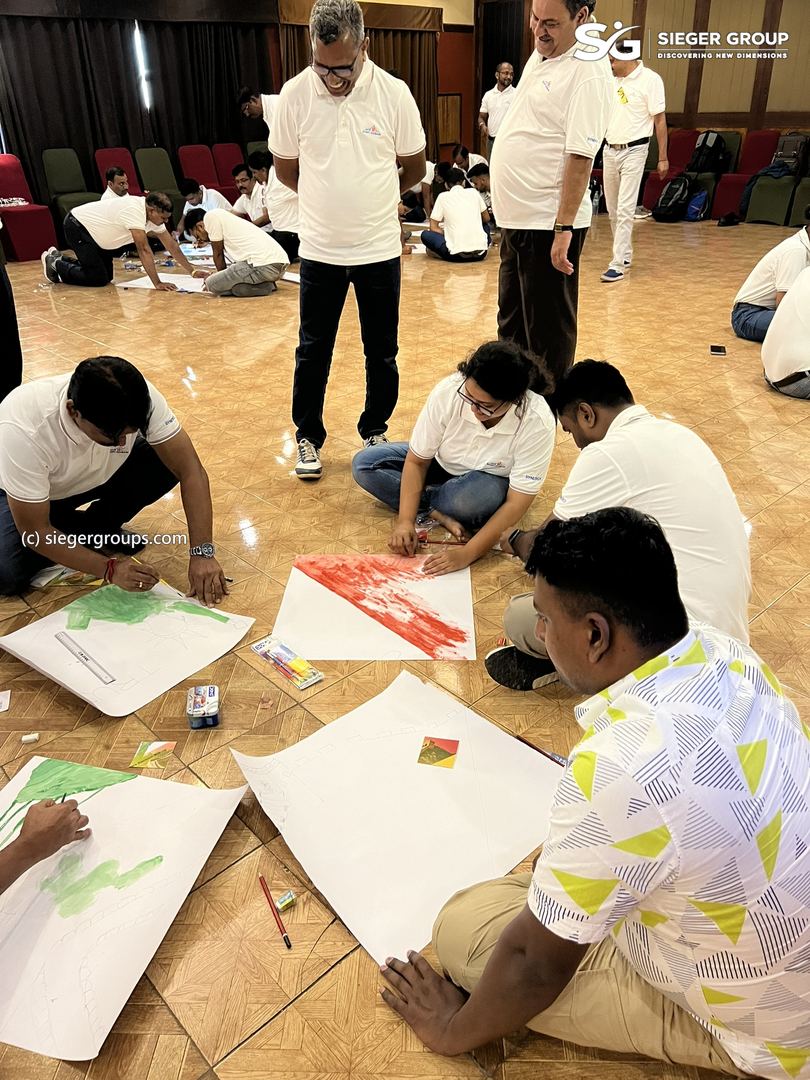
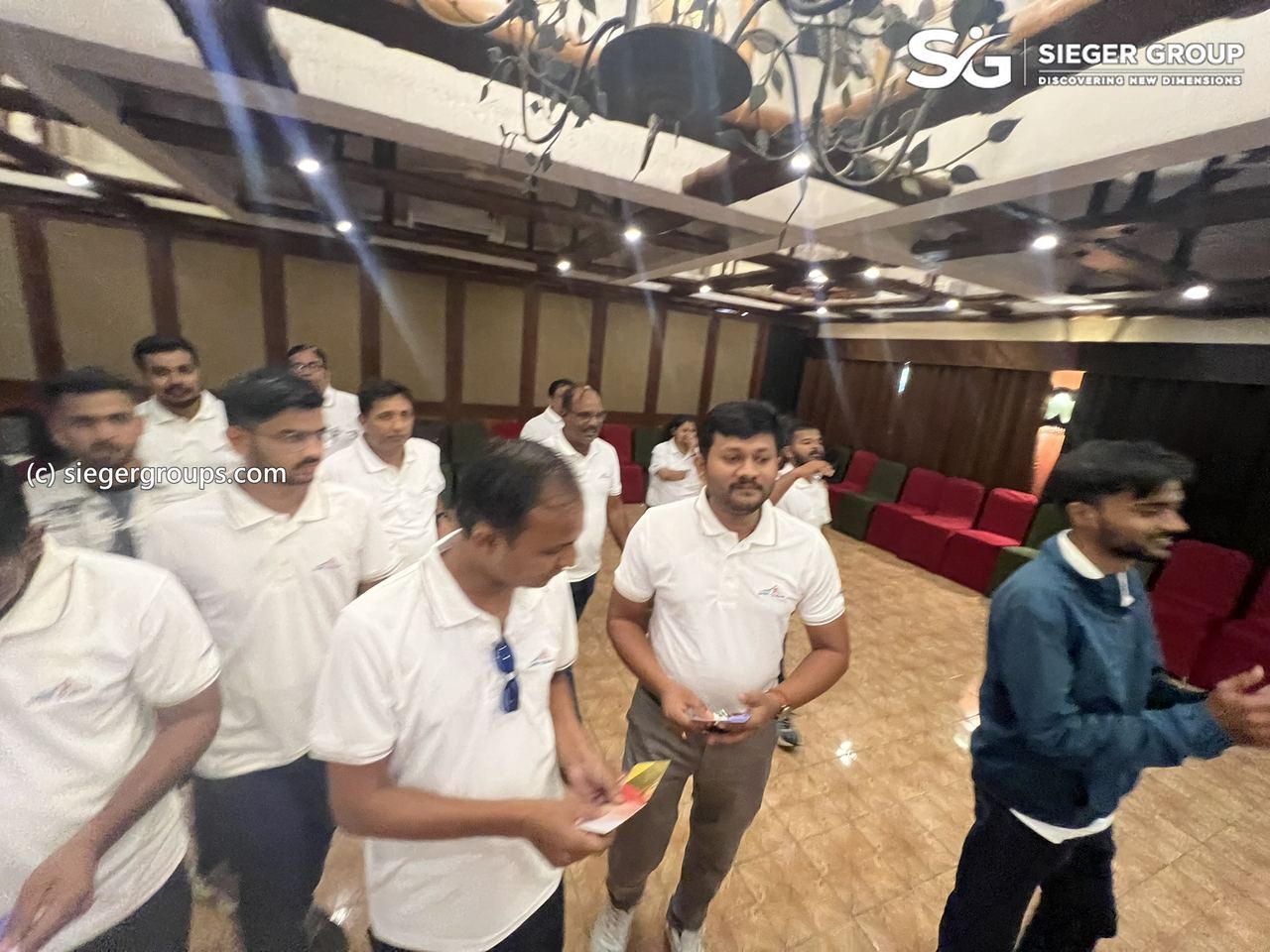
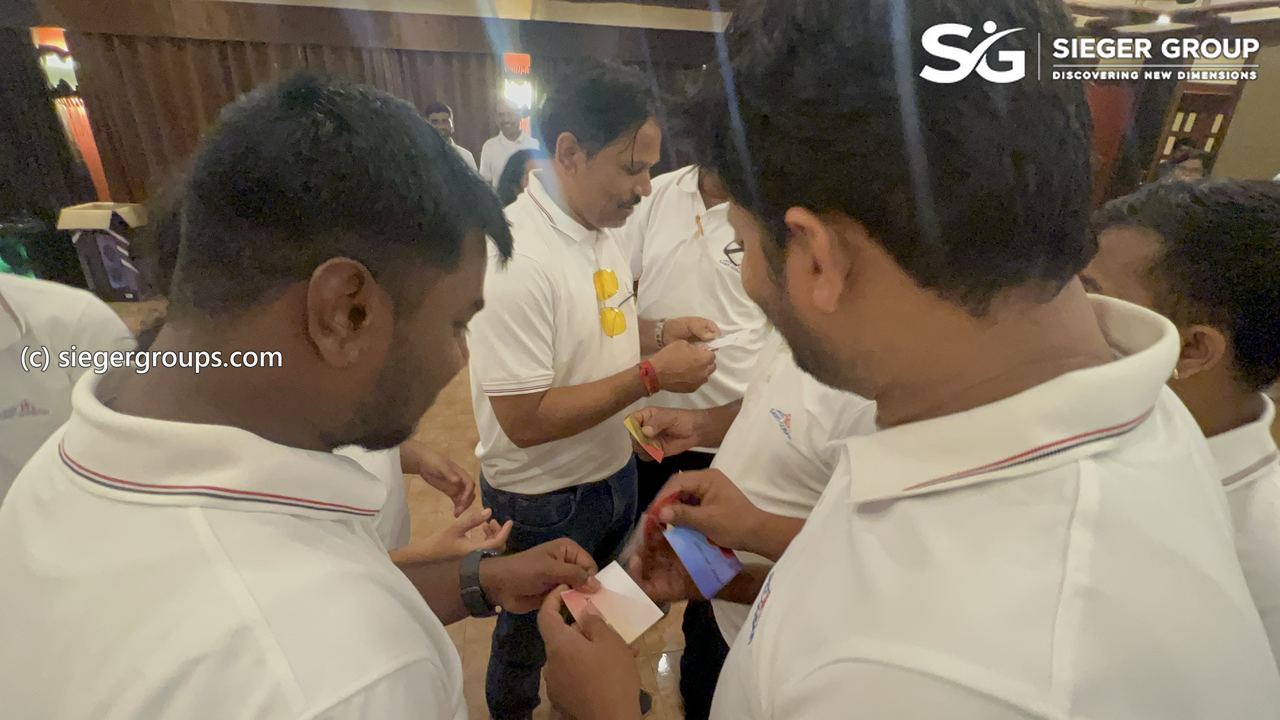
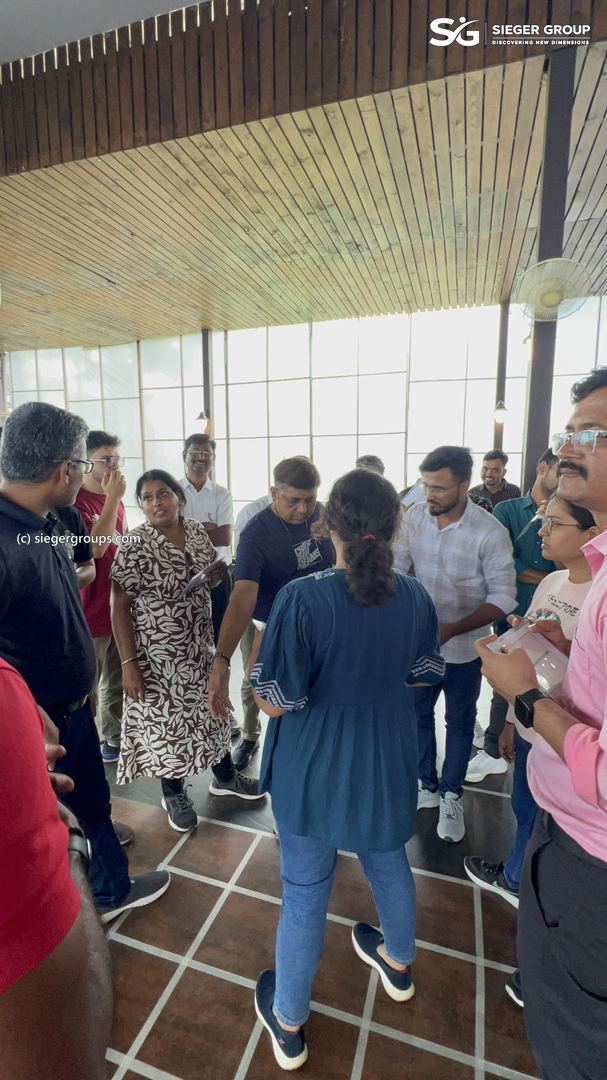
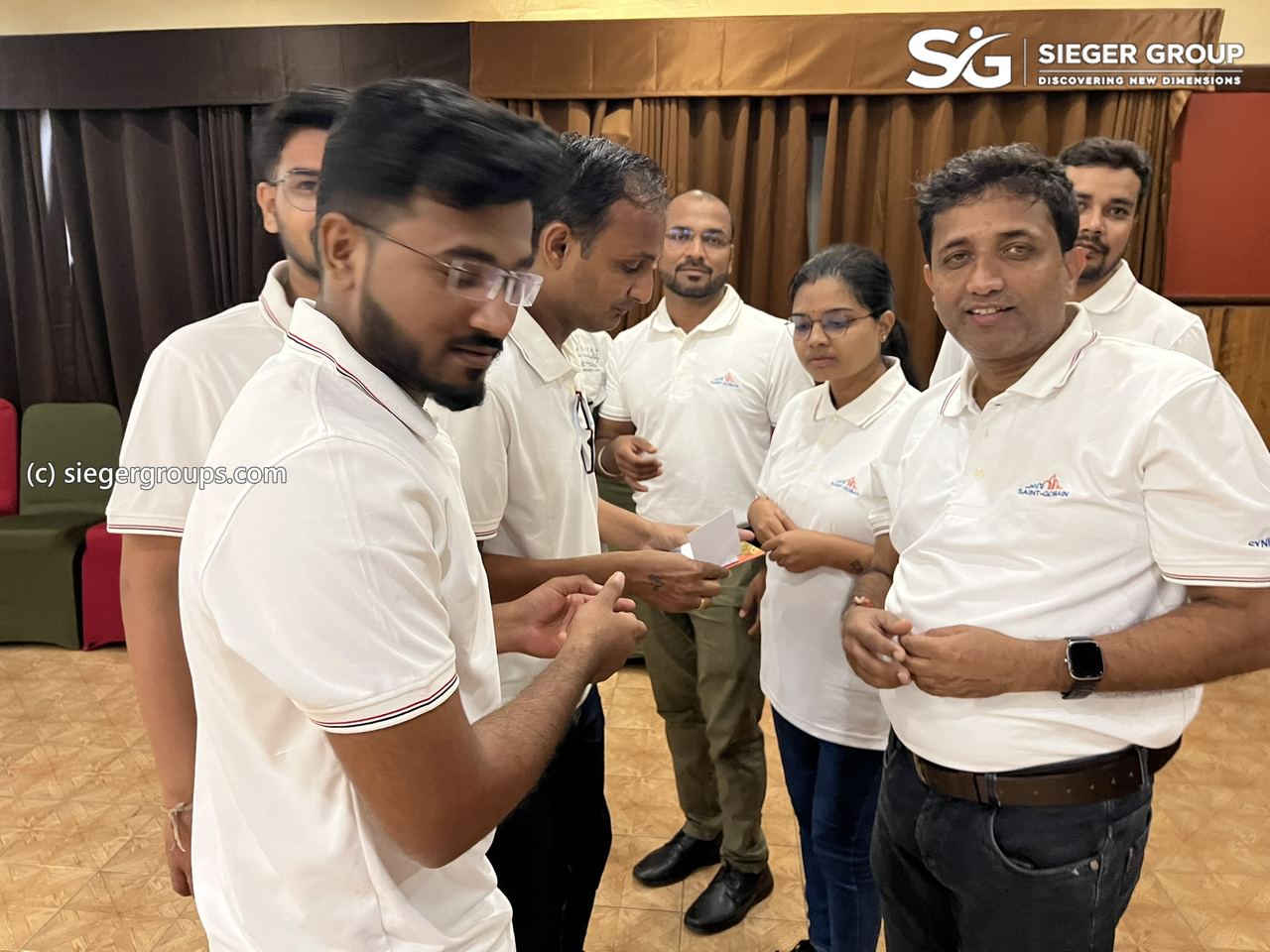
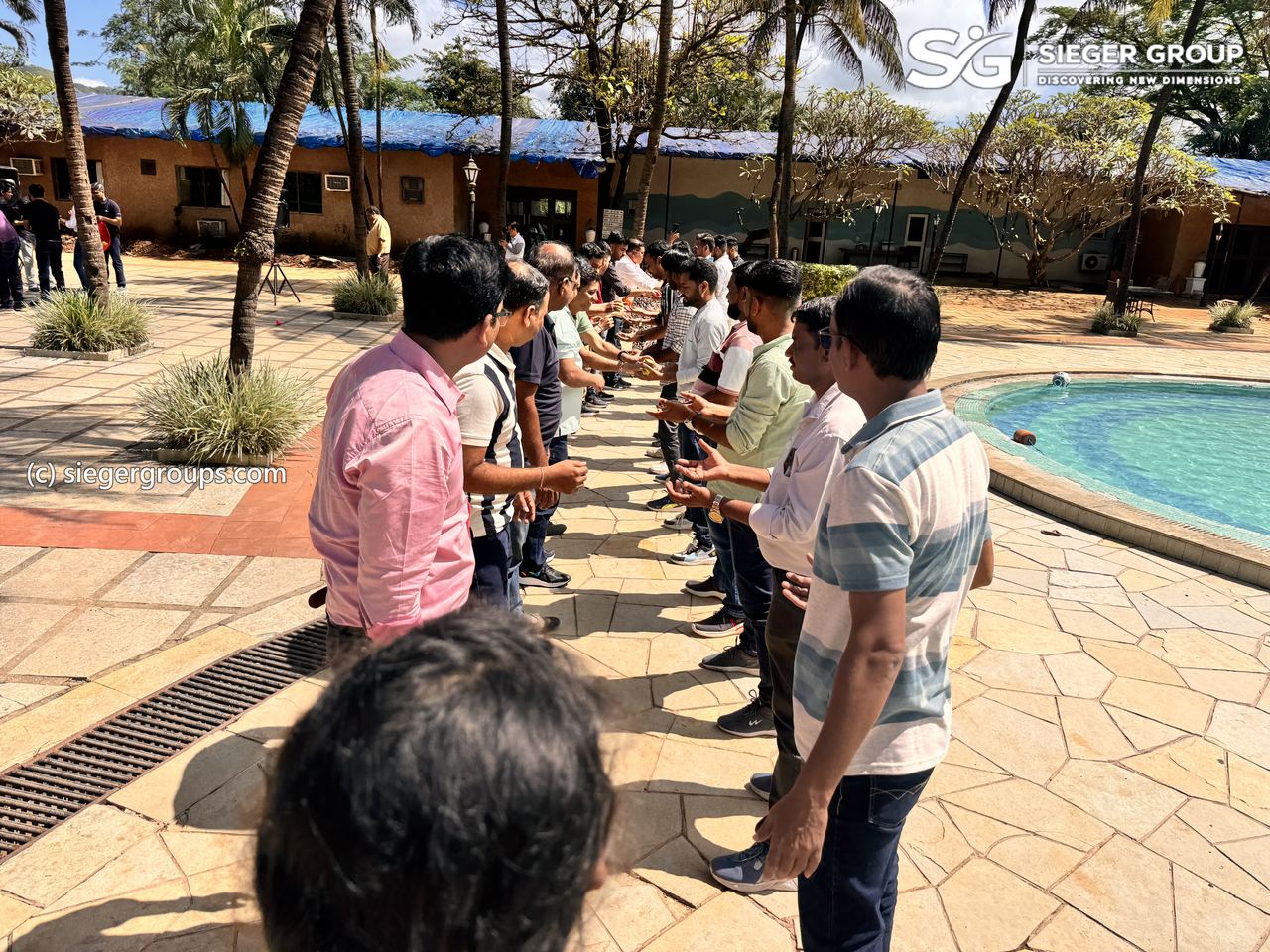
The photographs help illustrate programme settings and team experiences. Your selected activities and venue are agreed in the final brief.
Practical answers for planning your team experience.
A corporate treasure hunt is a facilitated team experience built around clues, discoveries and a shared finish. Teams interpret information, make choices and complete the agreed challenges together. The format can be shaped around your venue, participants and objectives.
A clue-led treasure hunt typically links one discovery to the next. A scavenger hunt usually gives teams a prepared set of observations, items or evidence to find. The two approaches can be combined in a customised programme.
This page offers 12 proposed formats and challenge ideas, including classic clue trails, outdoor scavenger hunts, photo quests, puzzle hunts, indoor hunts, venue discovery and coastal formats. The final selection depends on the programme brief.
Discuss the hunt for corporate teams, cross-functional groups, new colleagues or teams meeting for an offsite. Share participant experience, language preferences and access needs so the format and route can be considered appropriately.
Yes. Discuss your organisation’s themes, event purpose and the kind of connections you want participants to make. Custom clue content, checkpoint tasks and review questions can be proposed around that brief.
An indoor format can be discussed for a suitable office or event venue. The available space, access arrangements and practical restrictions influence the clue design and team rotations.
Discuss an agreed resort, campus, coastal setting or city route. Route access, boundaries, usable space and delivery arrangements need to be confirmed for the selected location.
Duration depends on the route, number of clues, group size and time available for review. The half-day schedule on this page is an example. A shorter session or a wider offsite format can be discussed.
The technology requirements depend on the proposed format. Discuss whether the experience will use printed clues, photography or other agreed tools. Do not assume that an app, device or connectivity is included unless it is specified in the proposal.
Facilitated reviews use examples from the shared task to explore how the group communicated, tested ideas, organised roles and made decisions. Participants can connect these observations with workplace situations and agree a useful next step.
Pricing depends on the route or venue, duration, participant numbers, clue preparation, facilitation, equipment and agreed logistics. Request a tailored proposal with the programme inclusions clearly stated.
Use the enquiry form or call +91 98400 97567. Mention Treasure Hunt, your group size, preferred date, venue or location, available time and objectives so Sieger Group can discuss a suitable format.
Share your people, purpose, preferred date and setting. We’ll help shape a programme around your brief.
Tell us what you have in mind. We will help you explore a programme that fits your people and your occasion.
Still finalising the details? Share what you know.
Every team is different. Share your people, purpose and preferred setting, and we’ll translate your brief into an experience designed to connect, engage and create lasting impact.
Share your brief and preferred contact details.