Understand the flight controls
Practise the controls and stopping procedure under facilitator guidance.
Control. Align. Land.
A focused flight challenge built around accuracy, feedback and controlled execution rather than speed alone.
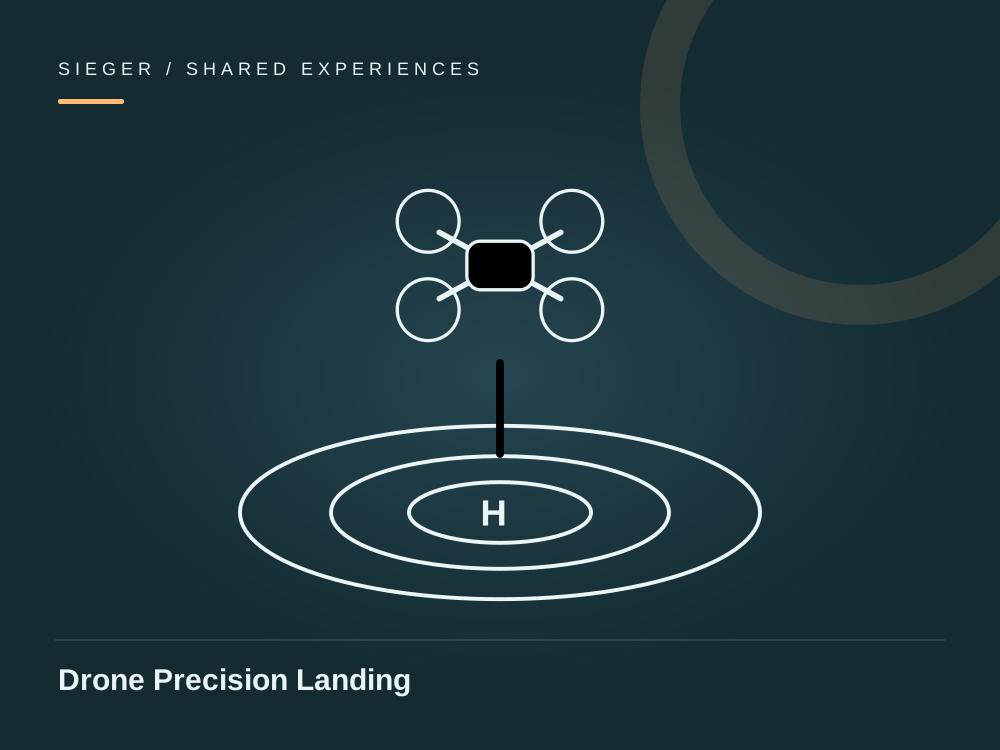
Teams must land a drone inside progressively smaller target zones while managing communication, battery constraints and changing instructions.
Agree the mission rules and success criteria during the briefing, then let your team choose its approach.
A practical progression from the first decision to the final demonstration.
Practise the controls and stopping procedure under facilitator guidance.
Agree short, unambiguous calls between pilot, navigator and spotter.
Use the larger landing zone to establish a repeatable approach.
Attempt the defined zones while balancing accuracy and available flight time.
Discuss the direction of each miss and change the approach deliberately.
Give the pilot short observations that can improve the next approach.
Develop a repeatable method for entering the landing zone.
Make clear decisions while monitoring position and flight time.
Use the pattern of misses to choose a deliberate adjustment.
Precision landing is a simple physical metaphor for execution quality: small communication errors can create large performance differences.
Plan Drone Precision Landing around your participants, the available time and the decisions you want them to practise.
Group sizes and timings are planning guides. Equipment, technical depth and venue suitability are confirmed in the proposal.
Planning details for Drone Precision Landing. Bring any additional requirements into your conversation with Sieger.
Yes, if the event format allows sufficient practice and safety supervision.
Landing accuracy, successful attempts, communication discipline and controlled execution.
Yes. Difficulty, narrative, scoring, team size, duration, venue layout and the workplace behaviour being explored can all be customised.
Yes. The experience can be combined with electronics, drones, robotics, STEM, software, AI and mechanical challenges to create a larger technology challenge journey.
The current planning format is 20–60 participants, organised into teams of 4–6. Confirm the final group size with Sieger so equipment, facilitator coverage and team rotations can be planned.
The indicative activity duration is 60–75 min. Briefing, practice, team presentations and debrief requirements can affect the final agenda; agree the complete session timing during planning.
The proposed kit includes Prop-guarded drone, Target mats, Flight markers, Score zones, and Pilot / spotter briefing cards. Confirm the final equipment list, participant devices and venue requirements with the programme team.
The existing format is designed with leadership teams, operations teams, sales teams, high-performance groups in mind. Share participants’ experience levels so the technical depth and facilitation can be matched to the group.
The facilitator can use the agreed challenge rules, team decisions and observed results to guide the debrief. The discussion connects feedback culture, precision execution, calm decision making to situations your team encounters at work.
Send your preferred date, location, participant count and learning objective through the enquiry form or call +91 98400 97567. Sieger can discuss the suitable format, equipment, venue needs and proposal.
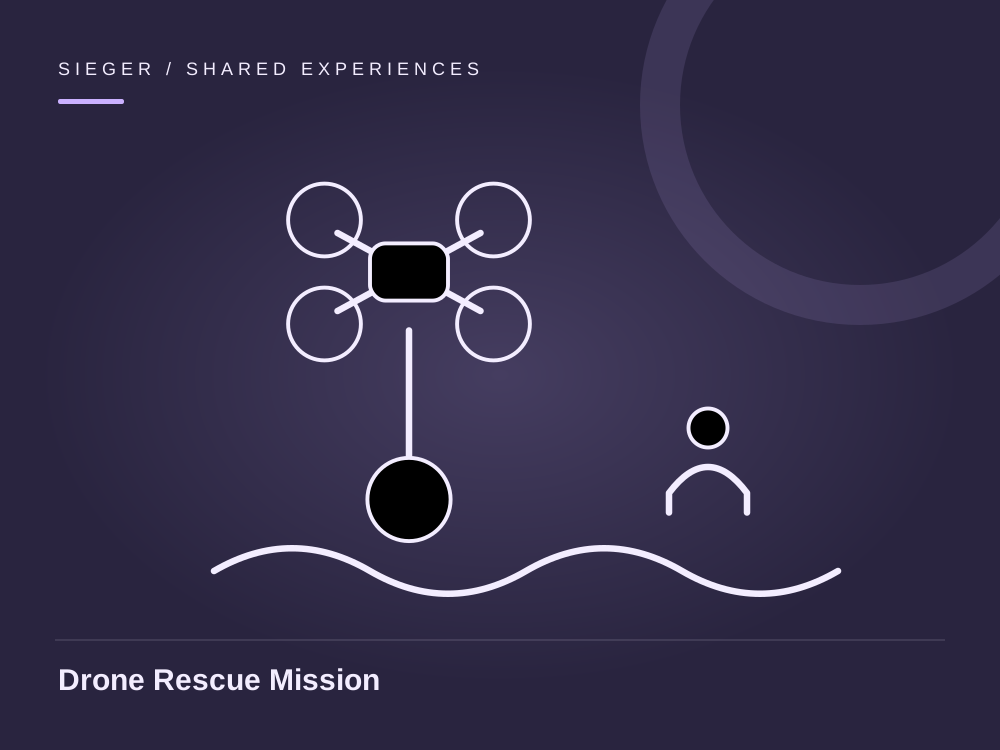
A controlled drone mission where teams plan a rescue route, navigate obstacles and recover a simulated target or payload.
Explore the experience ↗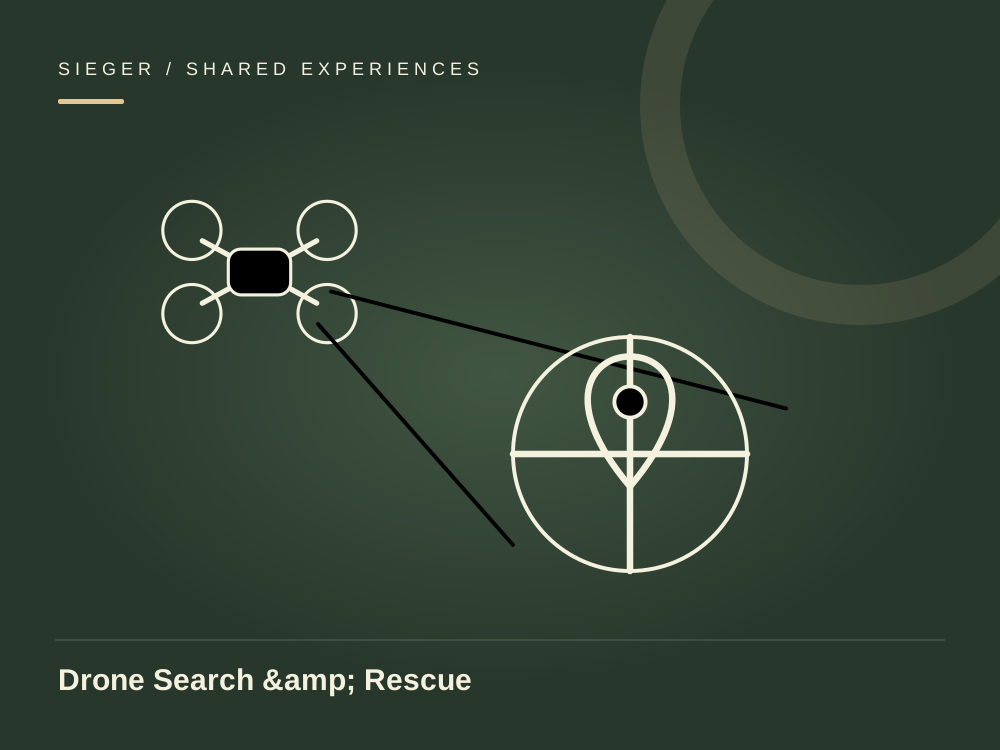
An aerial reconnaissance experience where teams use a drone to locate targets, interpret visual information and coordinate a response.
Explore the experience ↗
A precision logistics mission where teams must transport a payload through a controlled drone course and deliver it to the correct destination.
Explore the experience ↗Tell us what you have in mind. We will help you explore a programme that fits your people and your occasion.
Still finalising the details? Share what you know.
Every team is different. Share your people, purpose and preferred setting, and we’ll translate your brief into an experience designed to connect, engage and create lasting impact.
Share your brief and preferred contact details.
Choose an experience that connects your people, your purpose and the possibilities of technology.