Improvisation Partnership
Respond to a short shared scenario and develop a colleague’s contribution before introducing the next idea, reviewing what helped the exchange remain connected and understandable.
Learning focusListening and responsiveness
A facilitated experience, designed around your team.
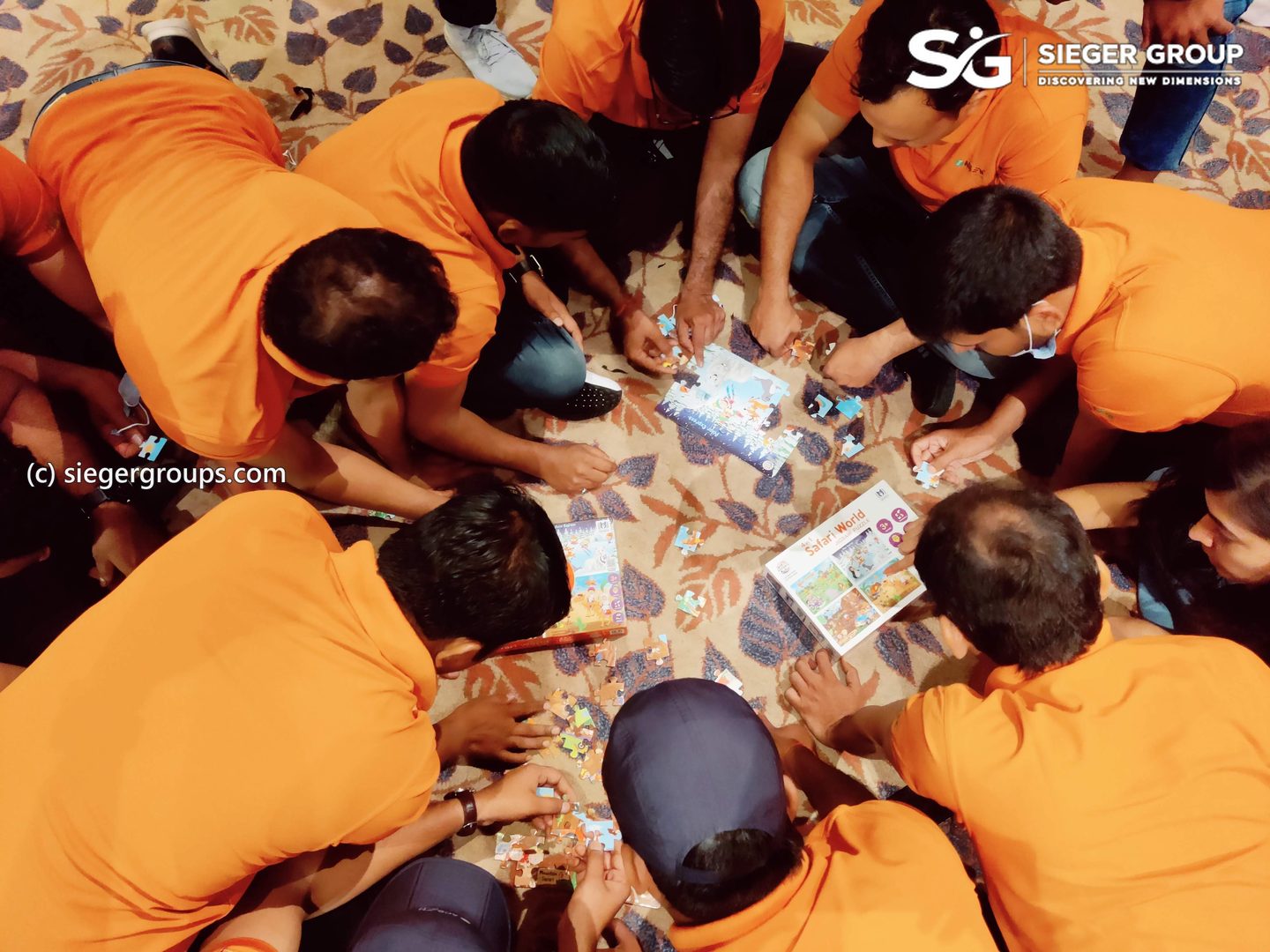
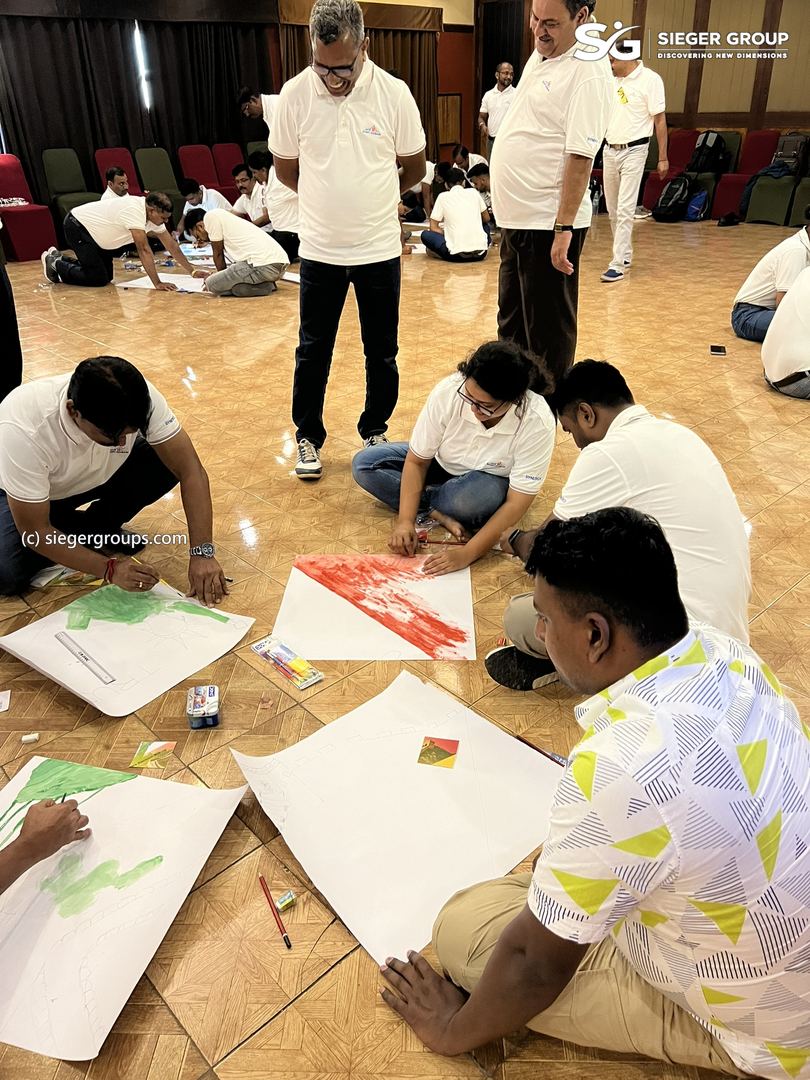
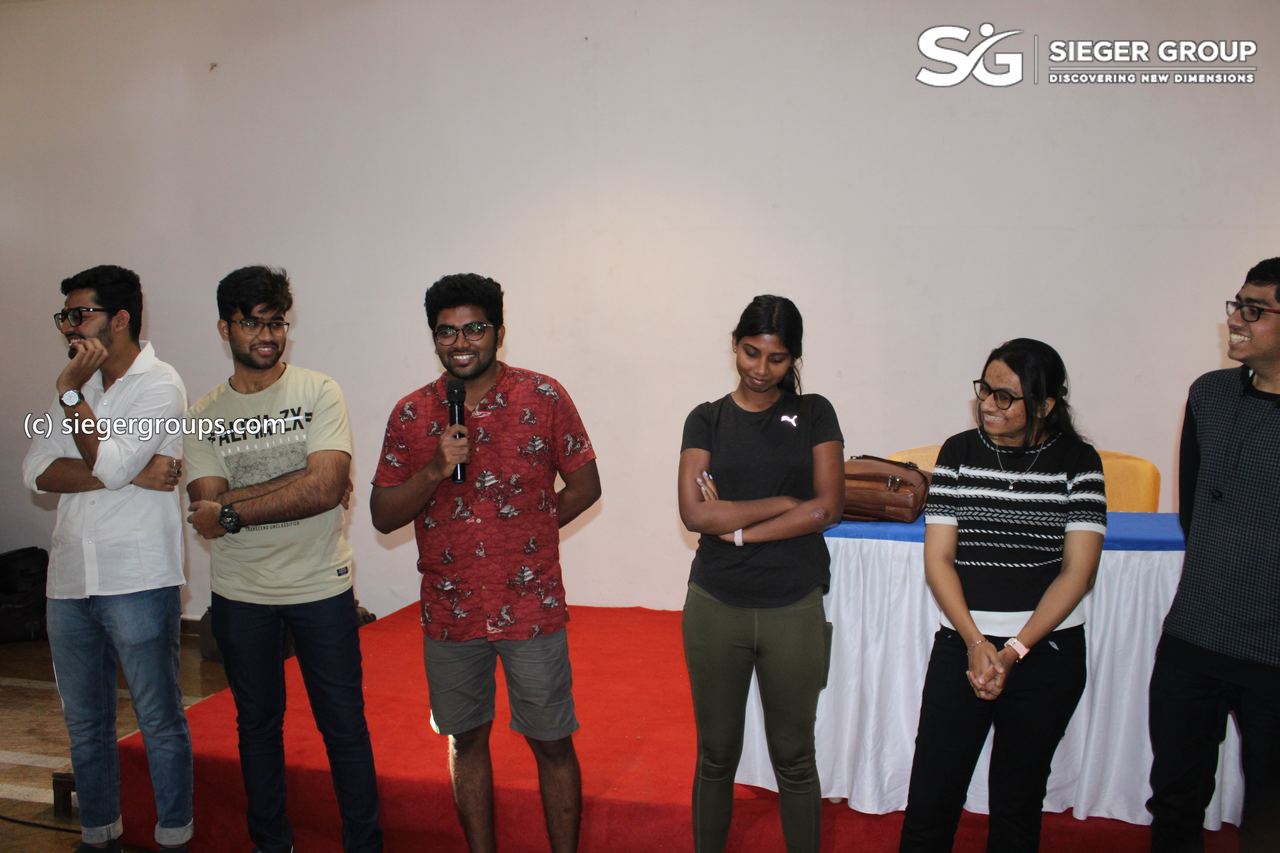
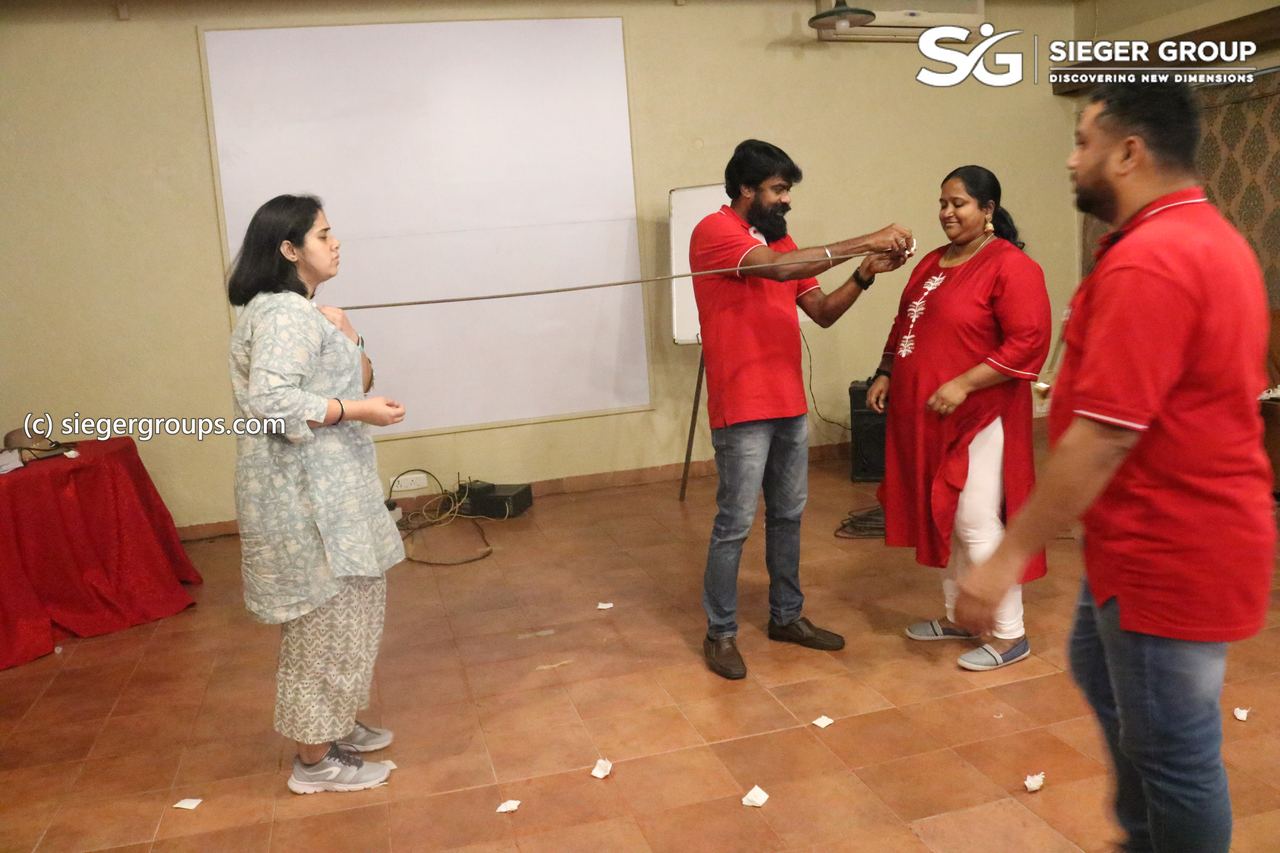
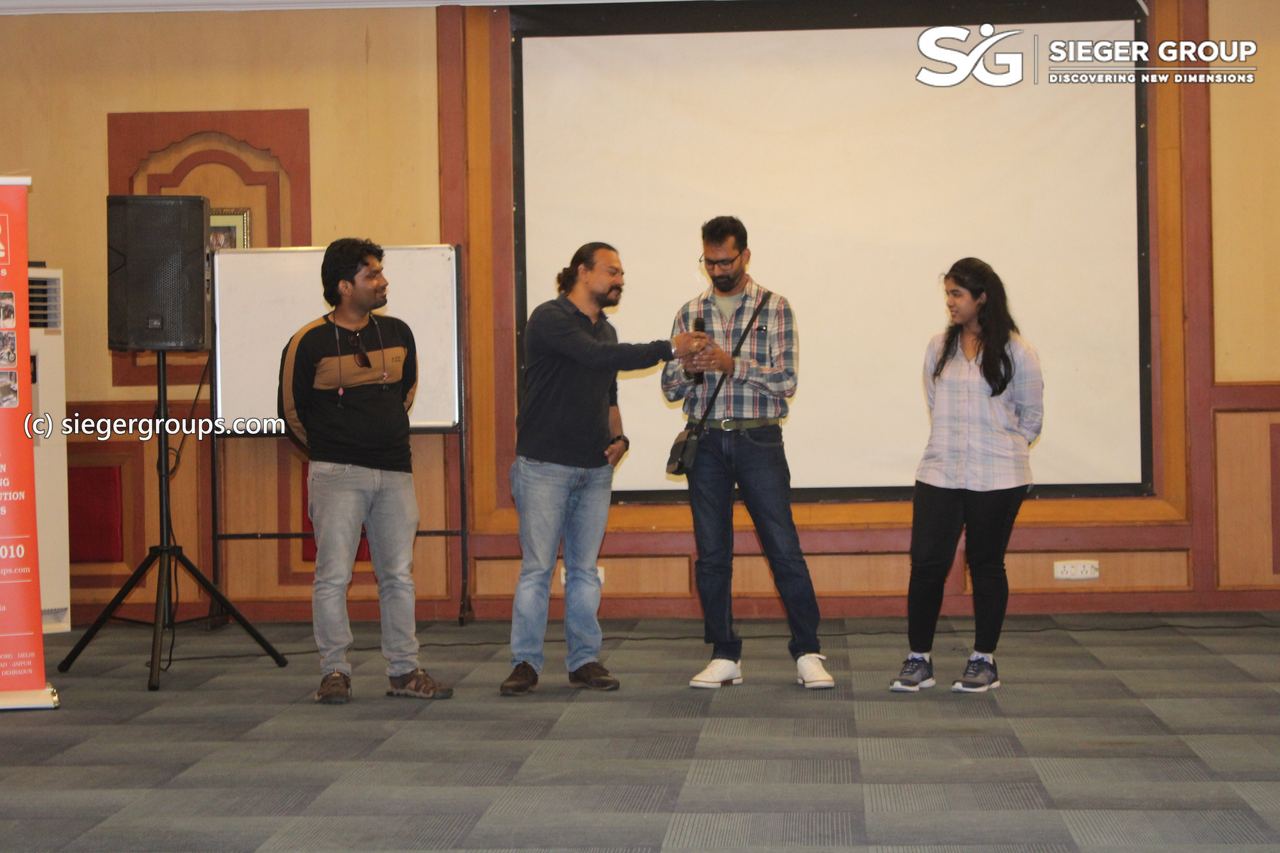
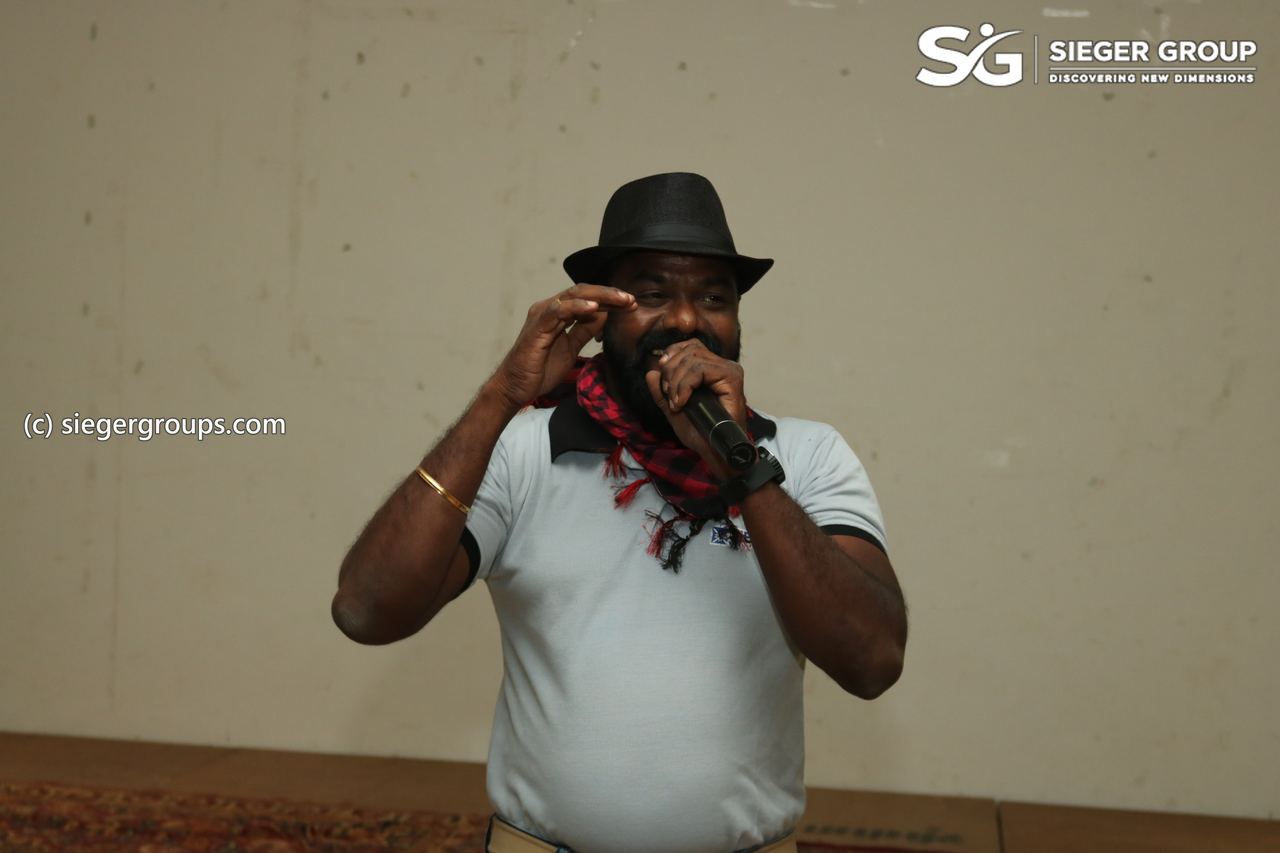
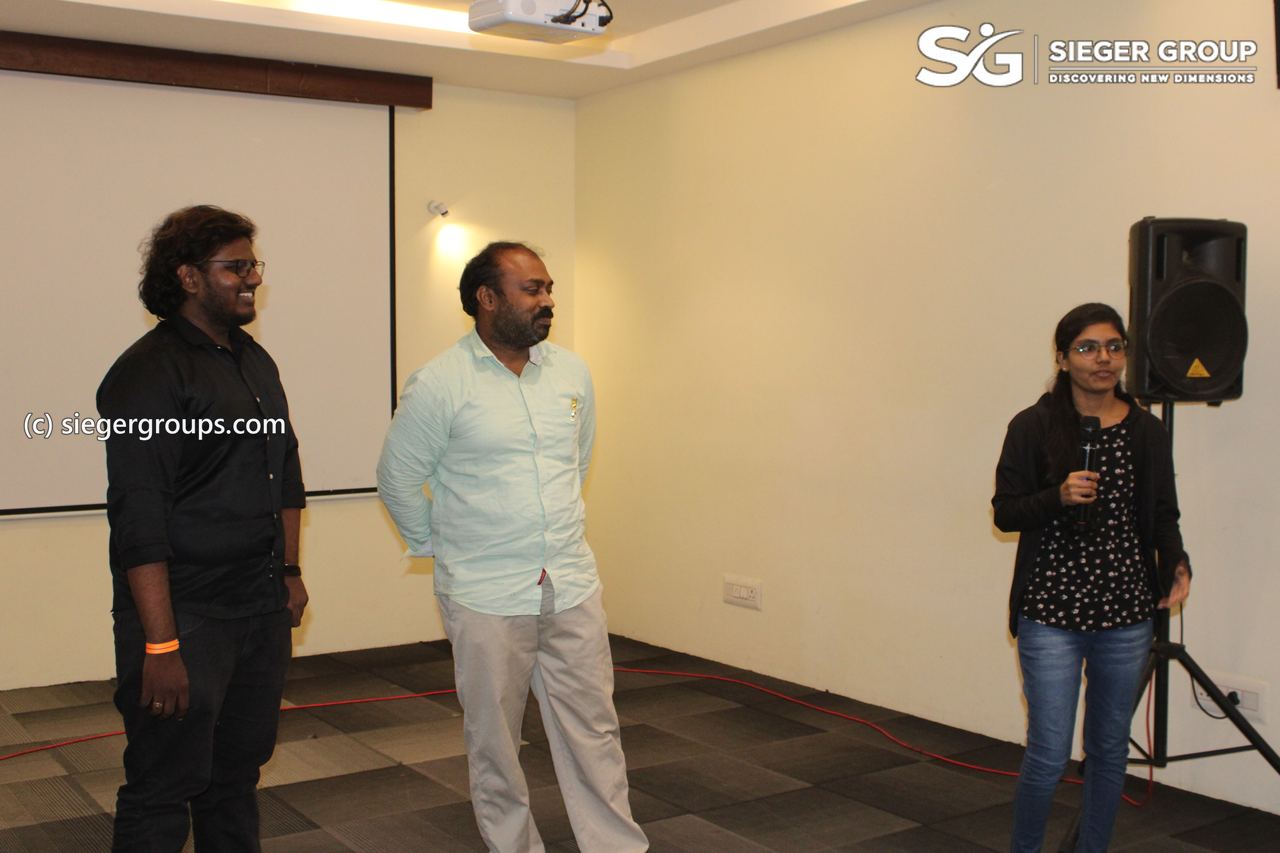
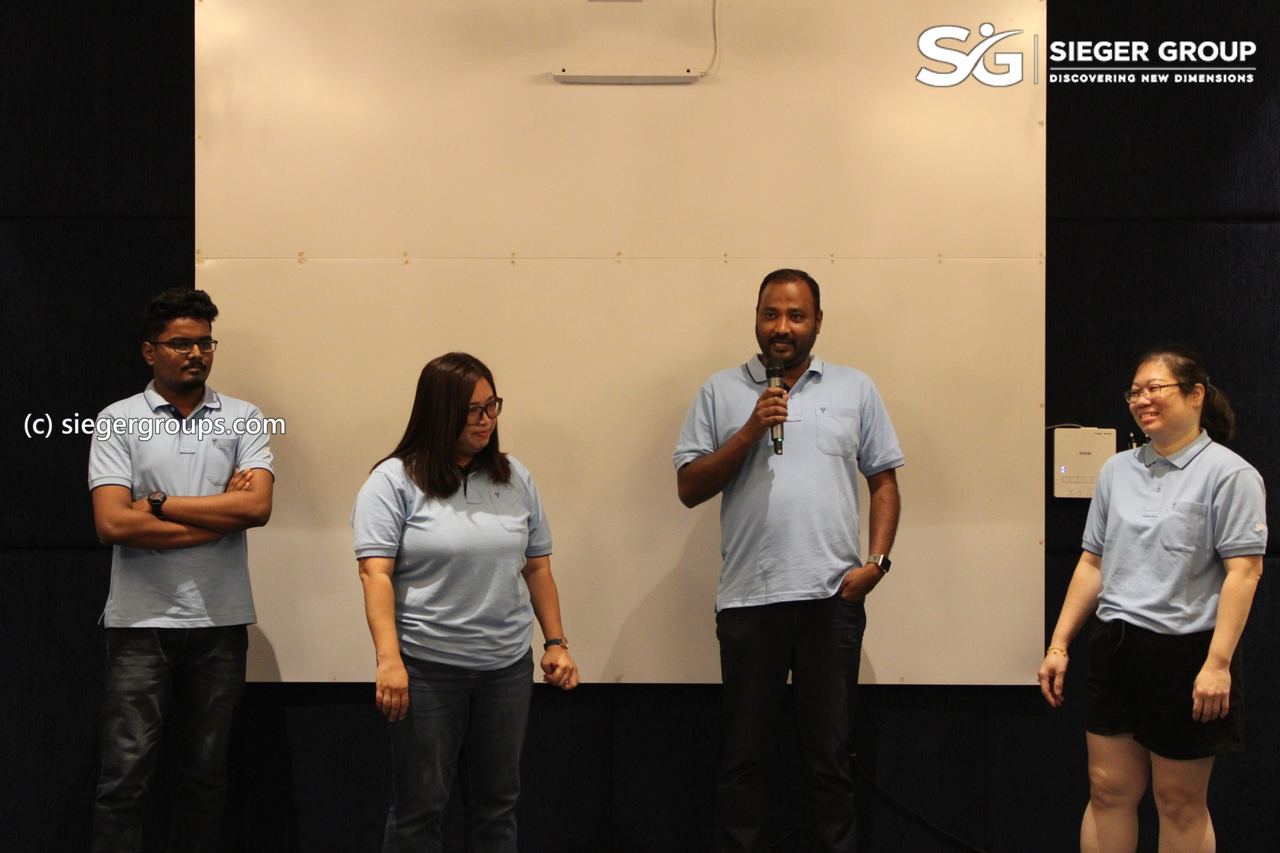
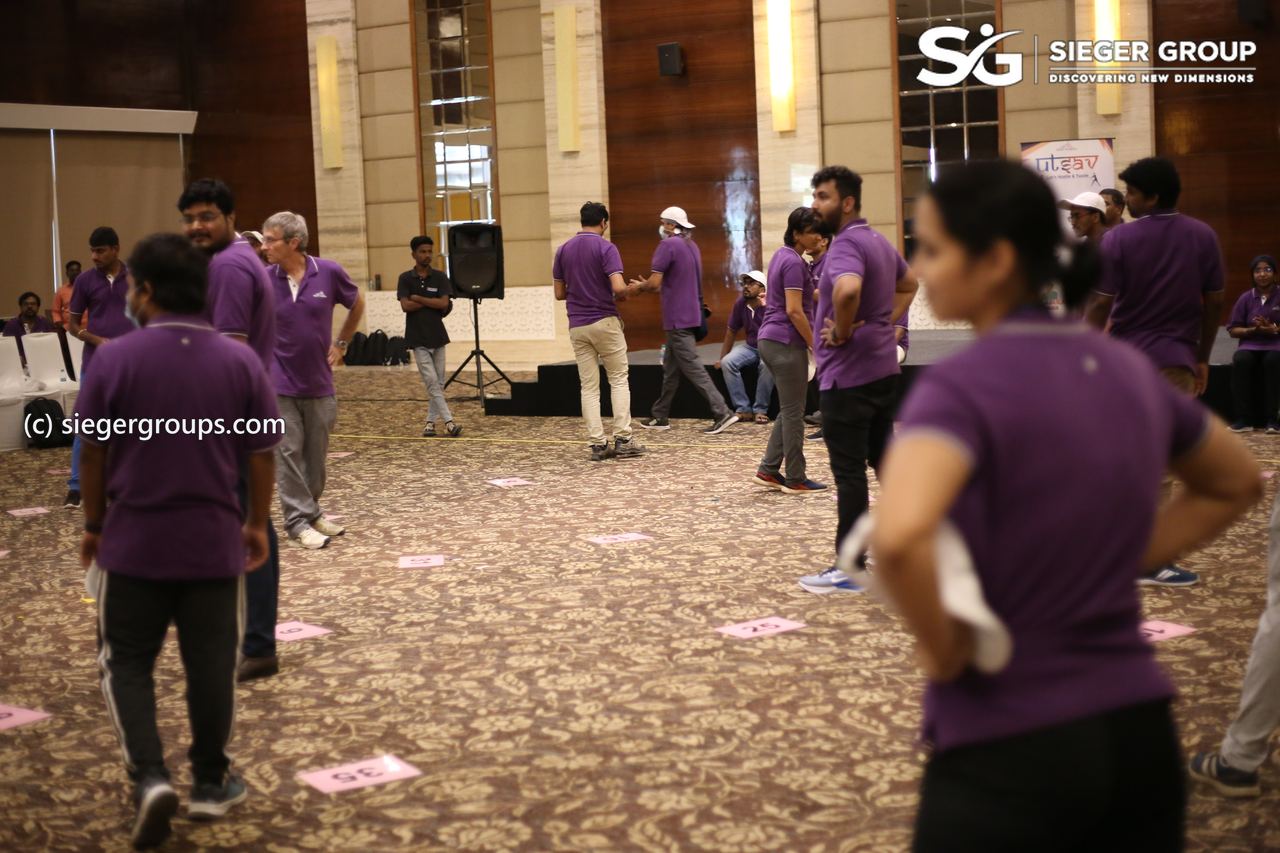
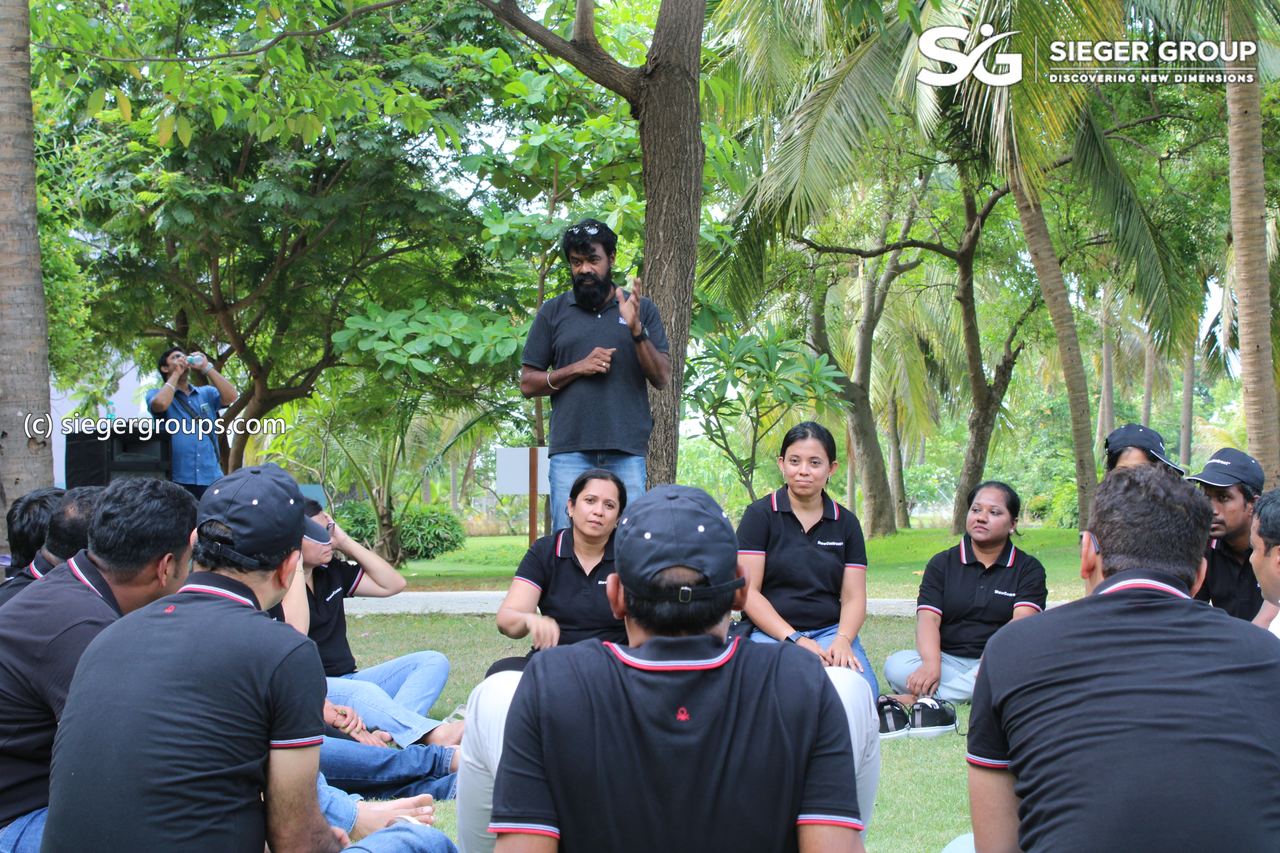
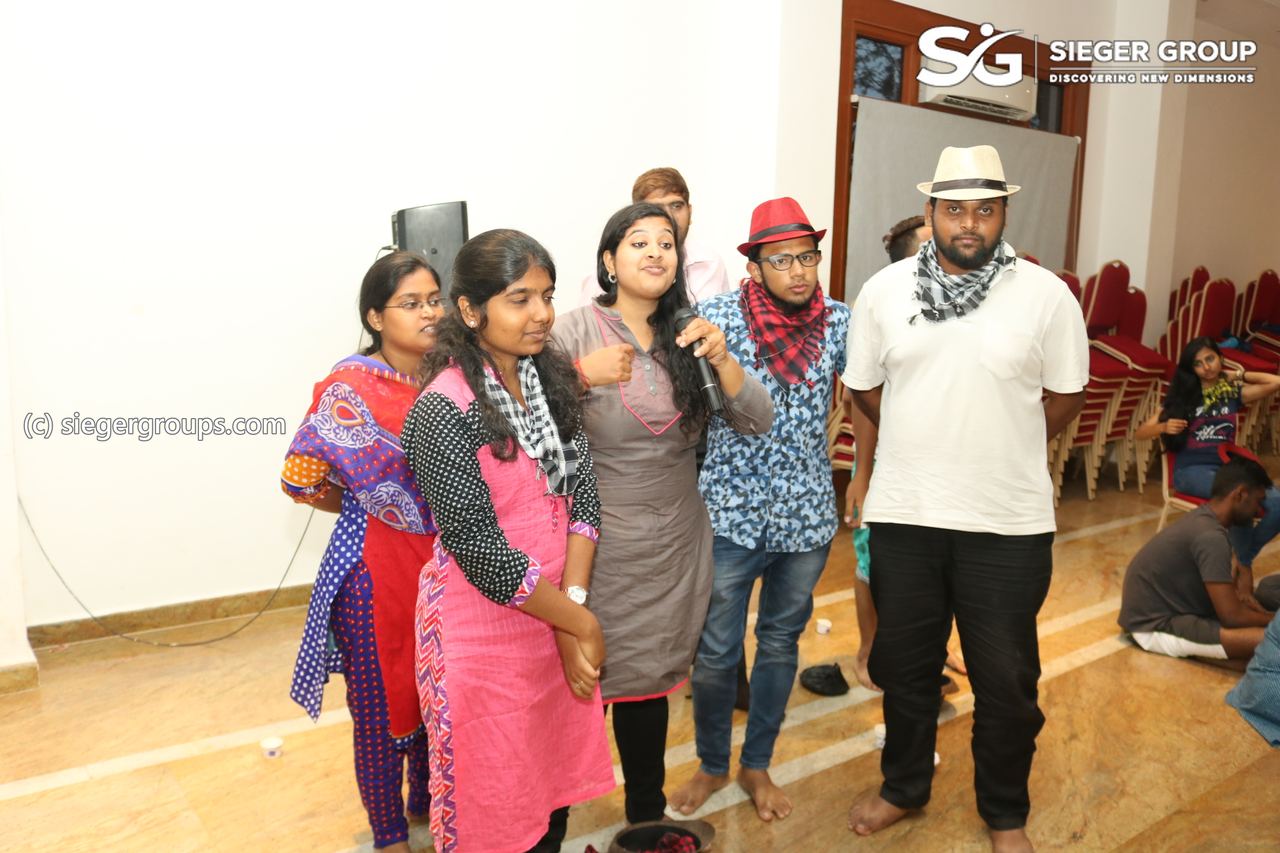
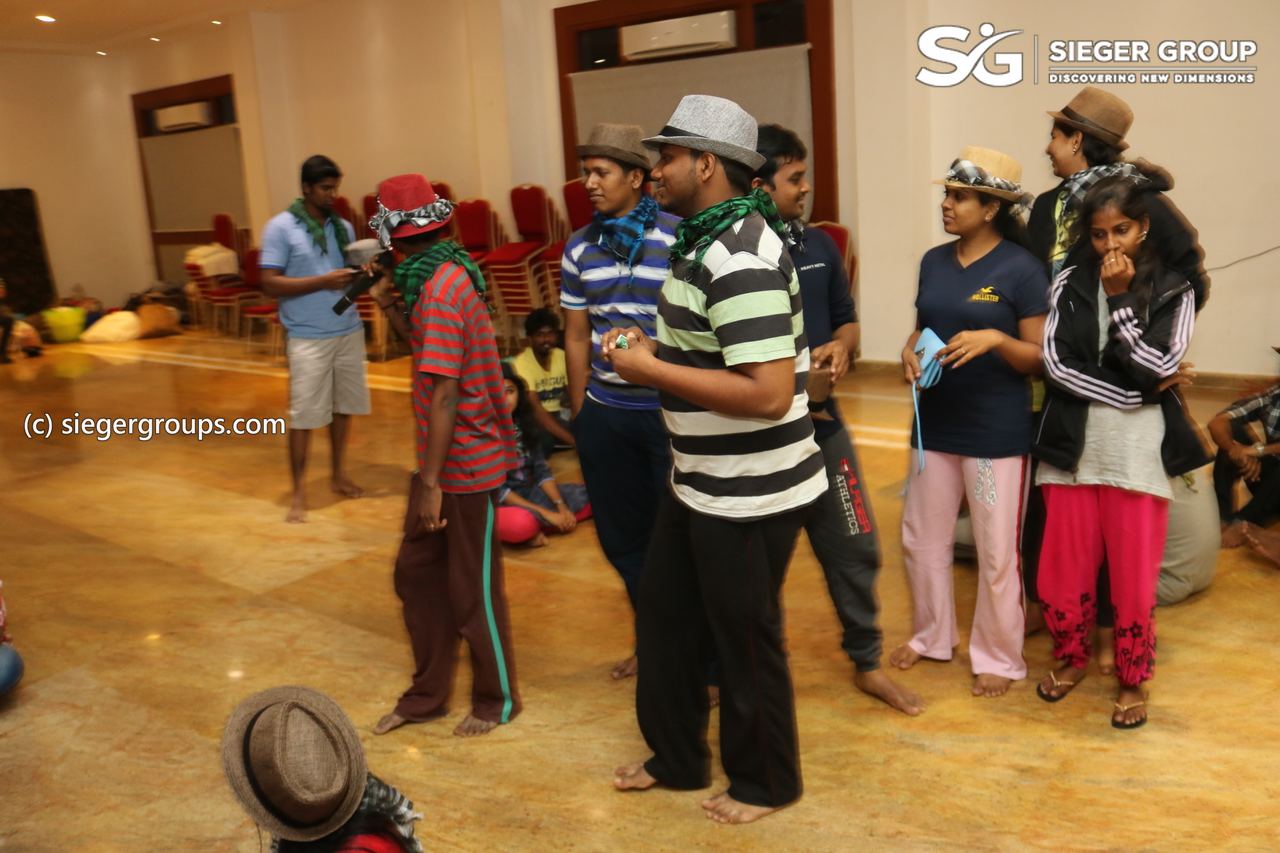
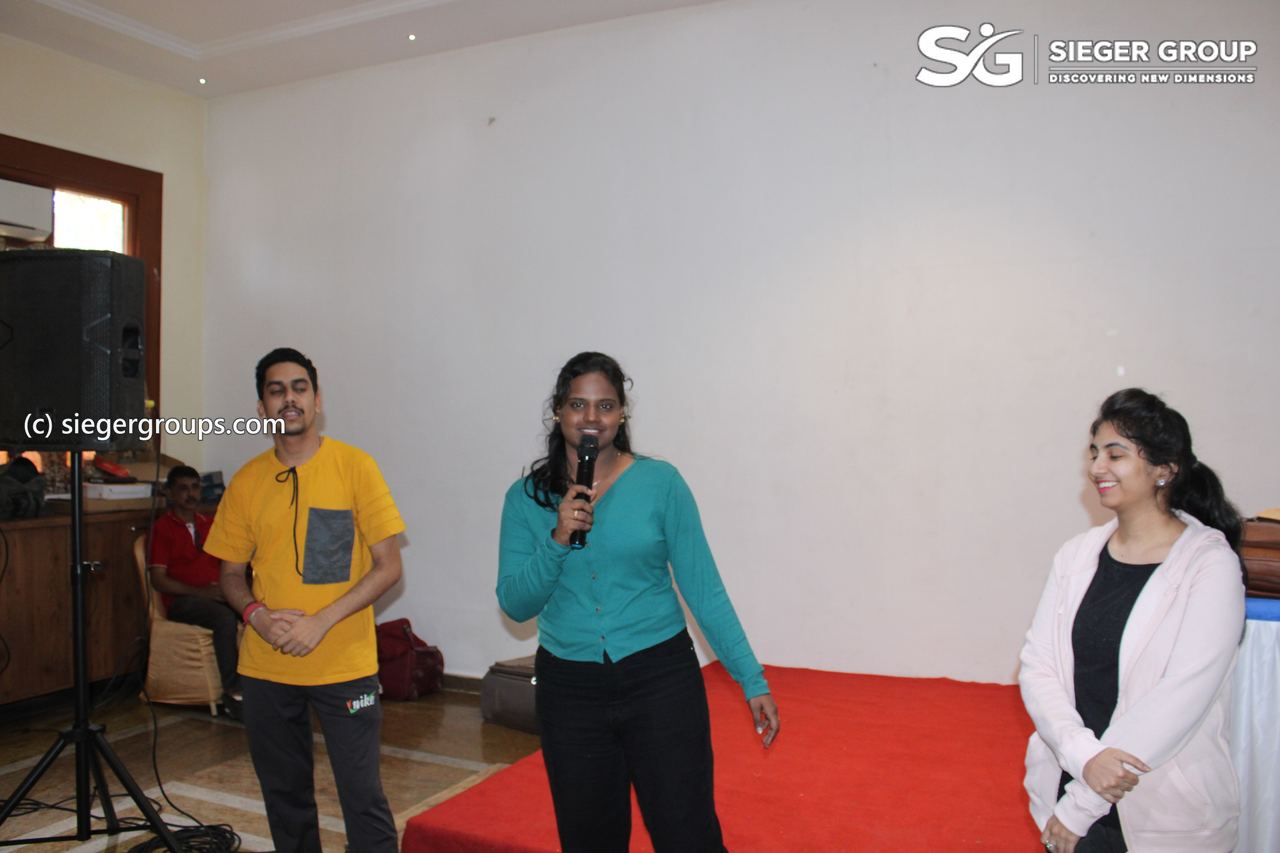
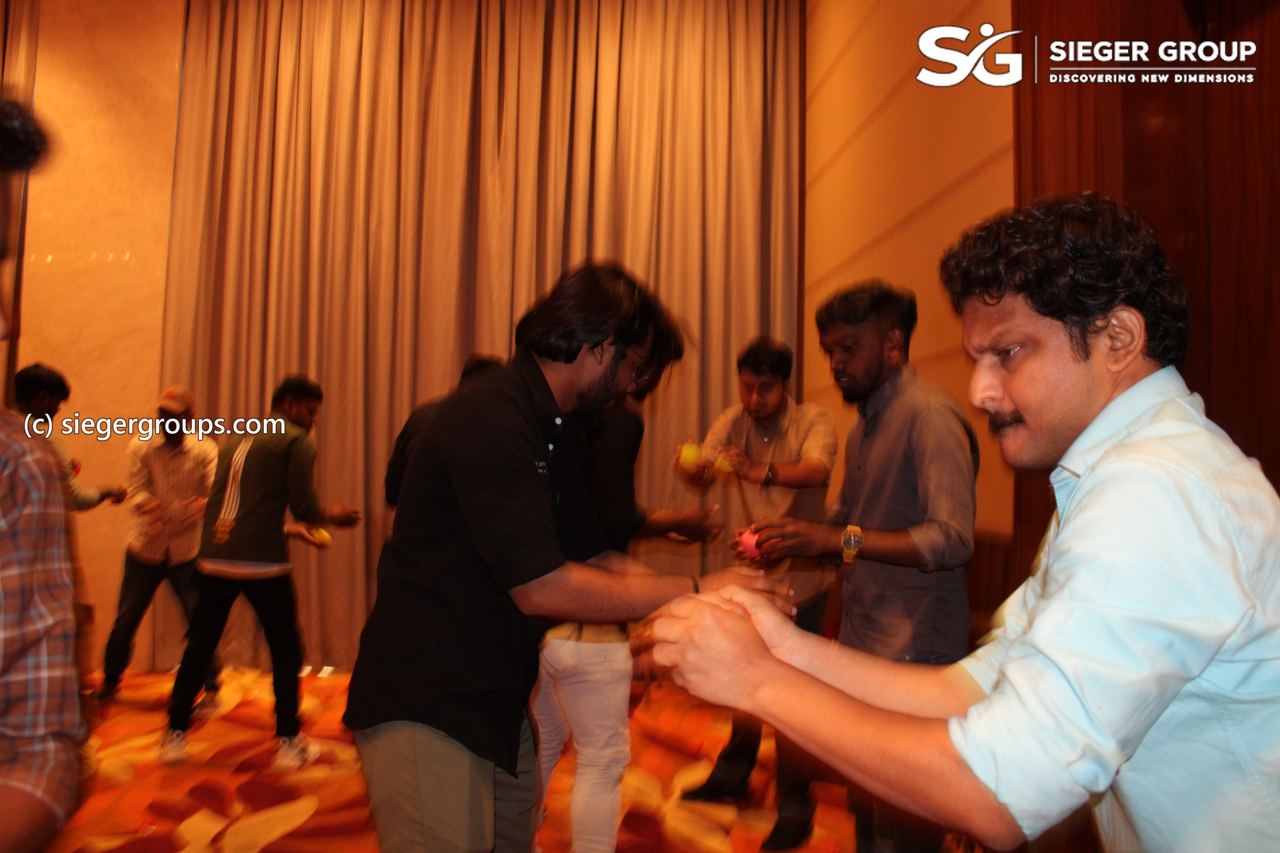
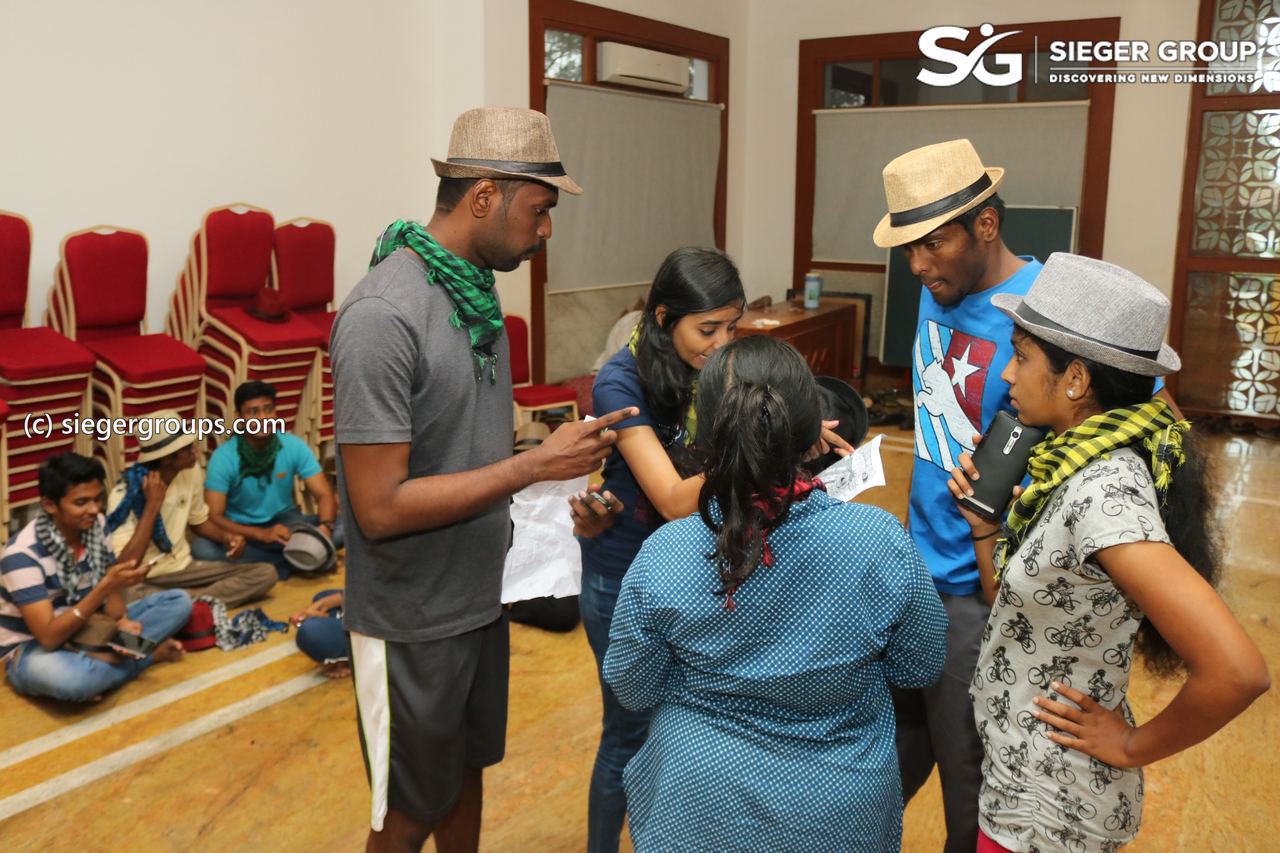
Theatre Training Team Building is more and more used by companies. That’s because, thanks to its apparent levity and its infinite possibilities of expression, it lets appear imaginary characters and situations that in many cases help bringing to surface and solving hidden tensions. From playing a scene to performing a real mini show, it’s always a fun and engaging way to make a team.
These options offer different ways to explore how listening, expression and shared storytelling influence the way colleagues respond to one another. The final activity mix is agreed around the audience, participation requirements and programme purpose.
Respond to a short shared scenario and develop a colleague’s contribution before introducing the next idea, reviewing what helped the exchange remain connected and understandable.
Create a brief fictional workplace scene and compare how tone, timing and perspective influence the way an interaction is interpreted by different members of the group.
Build a story through successive contributions, keeping track of what has already been established while finding a meaningful way to move the narrative forward together.
Develop a short ensemble sequence using agreed verbal or non-verbal cues and discuss how attention, preparation and responsiveness affect the group’s coordination during the performance.
Theatre Training Team Building is more and more used by companies. That’s because, thanks to its apparent levity and its infinite possibilities of expression, it lets appear imaginary characters and situations that in many cases help bringing to surface and solving hidden tensions. From playing a scene to performing a real mini show, it’s always a fun and engaging way to make a team.
A theatre exercise gives a team something immediate to respond to: an offer, a gesture or an unfinished story. Participants can explore what happens when they listen closely, accept another person’s contribution and develop the next moment together, without needing prior performance experience or a polished final production.
Shape your team brief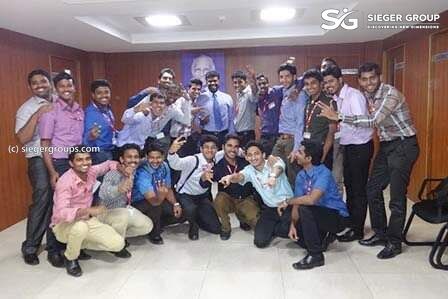
Explore how listening, expression and shared storytelling influence the way colleagues respond to one another. The suggested experience connects practical participation with reflection on the choices, contributions and questions that matter to this group.
Notice the offer in another person’s contribution before introducing your own idea. Pause to understand a colleague’s contribution before replacing it with your preferred idea.
Compare how tone and gesture change the meaning of the same words. Notice how tone changes the meaning of a familiar workplace phrase.
Develop a story without depending on one person to supply every useful idea. Invite a teammate to develop an unfinished proposal rather than evaluating it immediately.
Consider a fictional interaction from roles with different priorities and assumptions. Revisit a fictional interaction from the perspective least represented in your discussion.
Explore an agreed contribution without treating performance experience as a prerequisite. Agree a clear cue for handovers during the next shared presentation.
Explore the behaviours and practical insights your team can review through Theatre Team Building. The debrief connects observations from the experience with situations that matter to participants.
Notice the offer in another person’s contribution before introducing your own idea.
Compare how tone and gesture change the meaning of the same words.
Develop a story without depending on one person to supply every useful idea.
Consider a fictional interaction from roles with different priorities and assumptions.
Explore an agreed contribution without treating performance experience as a prerequisite.
Use shared cues to understand when to contribute and when to support others.
Try an unfamiliar expression within an agreed activity brief and review the experience.
Use these reflection prompts to turn Theatre Team Building into a focused conversation about what happened, what it means and what to try next.
Pause to understand a colleague’s contribution before replacing it with your preferred idea.
Notice how tone changes the meaning of a familiar workplace phrase.
Invite a teammate to develop an unfinished proposal rather than evaluating it immediately.
Revisit a fictional interaction from the perspective least represented in your discussion.
Agree a clear cue for handovers during the next shared presentation.
Ask how the team supported participation when someone tried an unfamiliar contribution.
A suggested flow for Theatre Team Building, from setting the brief to reviewing the experience. Activity choices, pace and facilitation are confirmed around your group and setting.
Agree questions to explore about how listening, expression and shared storytelling influence the way colleagues respond to one another. Clarify the audience, participation preferences and suitable activity options before deciding the programme’s focus.
Respond to a short shared scenario and develop a colleague’s contribution before introducing the next idea, reviewing what helped the exchange remain connected and understandable. Explore listening and responsiveness as participants test an approach together.
Review moments connected with perspective and expression and collective storytelling. Compare what different participants noticed, then discuss which decisions helped the group and which assumptions deserve another look.
Ask how the team supported participation when someone tried an unfamiliar contribution. Connect the observation with a relevant working or team situation, choosing a useful action and a point for discussing what happens next.
Connect Theatre Team Building with purposeful practice, evidence-based reflection and a next step that fits your working context.
Discuss how listening, expression and shared storytelling influence the way colleagues respond to one another. Choose a useful question to explore together during the agreed activity.
Explore listening and responsiveness through the selected activity. Observe how participants explain their choices and respond as the task develops around them.
Review perspective and expression through specific examples from the activity. Compare how different participants understood their roles and what they noticed as the task developed.
Connect an observation about collective storytelling with a relevant working or team situation. Discuss what the group could keep, reconsider or try differently.
Identify a practical application: ask how the team supported participation when someone tried an unfamiliar contribution. Agree when to review the action and what evidence would help.
Discuss participant experience, access needs, language preferences and the purpose of the programme before confirming suitability.
Intact and cross-functional teams interested in listening and responsiveness. Improvisation Partnership offers one possible starting point for an agreed group experience.
Managers and emerging leaders exploring perspective and expression. Select a format that fits their responsibilities, working relationships and the purpose of Theatre Team Building.
Project teams and newly formed groups bringing different perspectives to collective storytelling. Confirm the learning priorities and participation arrangements before choosing the activity mix.
This sample shows how a programme could flow. Timings, breaks, activity choices and duration are agreed in the final proposal.
Introduce Theatre Team Building, agree the group’s purpose and discuss participation preferences. Explain the selected formats before the experience begins.
Use a selected version of Improvisation Partnership to explore listening and responsiveness. Pause to compare observations and clarify the choices that shaped progress.
Use a selected version of Workplace Scene Exploration to explore perspective and expression. Pause to compare observations and clarify the choices that shaped progress.
Review examples of listening before responding and shared creative responsibility. Connect the observations with day-to-day team responsibilities and choose a relevant next conversation.
Share the audience profile, language preferences and access needs for Theatre Team Building. Agree options that let different colleagues contribute comfortably.
Discuss materials, working surfaces, sound or presentation arrangements and how colleagues can contribute in different roles. Confirm the final mix of Improvisation Partnership and any other chosen experiences in the brief.
Agree the focus on perspective and expression, the programme duration and which materials, facilitation and delivery arrangements are included.
Choose how to review responsive coordination and constructive creative risk. Confirm any follow-up conversation or team commitment that belongs within the programme scope.
The final activities and setting depend on your agreed brief.

Sieger Group supports organisations with team-building experiences and facilitated programmes.
12 practical answers to help you plan your programme.
Theatre Training Team Building is more and more used by companies. That’s because, thanks to its apparent levity and its infinite possibilities of expression, it lets appear imaginary characters and situations that in many cases help bringing to surface and solving hidden tensions. From playing a scene to performing a real mini show, it’s always a fun and engaging way to make a team.
Theatre Team Building can be considered for teams planning a shared experience or employee engagement event. Share roles, group size, experience levels and participation needs so suitability can be confirmed.
The existing programme outline includes: Theatre Training Team Building is more and more used by companies. That’s because, thanks to its apparent levity and its infinite possibilities of expression, it lets appear imaginary characters and situations that in many cases help bringing to surface and solving hidden tensions. From playing a scene to performing a real mini show, it’s always a fun and engaging way to make a team.. The final emphasis and activity selection should be agreed around your brief.
Yes. Share your team context, goals and preferred tone. The proposed Theatre Team Building experience can then be adapted through the activity mix, level of challenge, discussion themes and delivery format, subject to feasibility.
Duration depends on the agreed scope, group size and setting. For Theatre Team Building, allow for the briefing, activities, breaks and group review. Request a proposed agenda that fits your available time.
Share your preferred city, office, venue or offsite destination in India. Theatre Team Building requires a setting suited to the activities and participants. Venue access, usable space, equipment and local delivery arrangements should be confirmed before booking.
The appropriate group size depends on the activity structure, facilitation and available space. Tell us the expected number of participants for Theatre Team Building so team sizes, rotations and staffing can be proposed.
For Theatre Team Building, the pre-event briefing should explain the schedule, clothing or equipment requirements and how to take part. Share accessibility needs and relevant participation constraints during planning so suitable arrangements can be discussed.
Discuss access, mobility, language, sensory needs and comfort levels before confirming Theatre Team Building. Agree suitable roles and alternatives where feasible. For specialist activities, confirm delivery responsibilities and participation requirements in advance.
Agree the purpose of Theatre Team Building before delivery. A group review can explore communication, contribution and teamwork, alongside the shared enjoyment of the event. Confirm any follow-up or evaluation support in the proposal.
Pricing for Theatre Team Building depends on participant numbers, duration, facilitation, equipment, location and agreed logistics. Request a tailored proposal that clearly states programme inclusions, venue or travel arrangements and applicable charges.
Use the enquiry form on this page or call +91 98400 97567. Include Theatre Team Building, your objectives, group size, preferred dates and location. Sieger Group can then discuss suitability and prepare a proposal for your review.
Share your goals, group size, preferred dates and venue. We’ll help you explore a considered programme.
Tell us what you have in mind. We will help you explore a programme that fits your people and your occasion.
Still finalising the details? Share what you know.
Every team is different. Share your people, purpose and preferred setting, and we’ll translate your brief into an experience designed to connect, engage and create lasting impact.
Share your brief and preferred contact details.