Singing and Songwriting Team Building
Write lyrics together and bring them to life through a song. Teams agree the message, contribute ideas and rehearse their performance.
Learning focusDeveloping shared lyrics
Choose a drum circle, songwriting exercise or ensemble challenge around the group’s appetite for performance. Listening and making space for others run through all three formats.
A team-song challenge gives a group something to create and perform together. Karaoke offers a different format, with colleagues taking individual or shared turns. The host can choose the balance around the audience, event setting and available time.
Compare a moment when adding a sound helped the group with one when listening helped more.
Compare a team-song activity with a karaoke evening. One builds a group contribution while the other gives individual performers time in front of their colleagues.


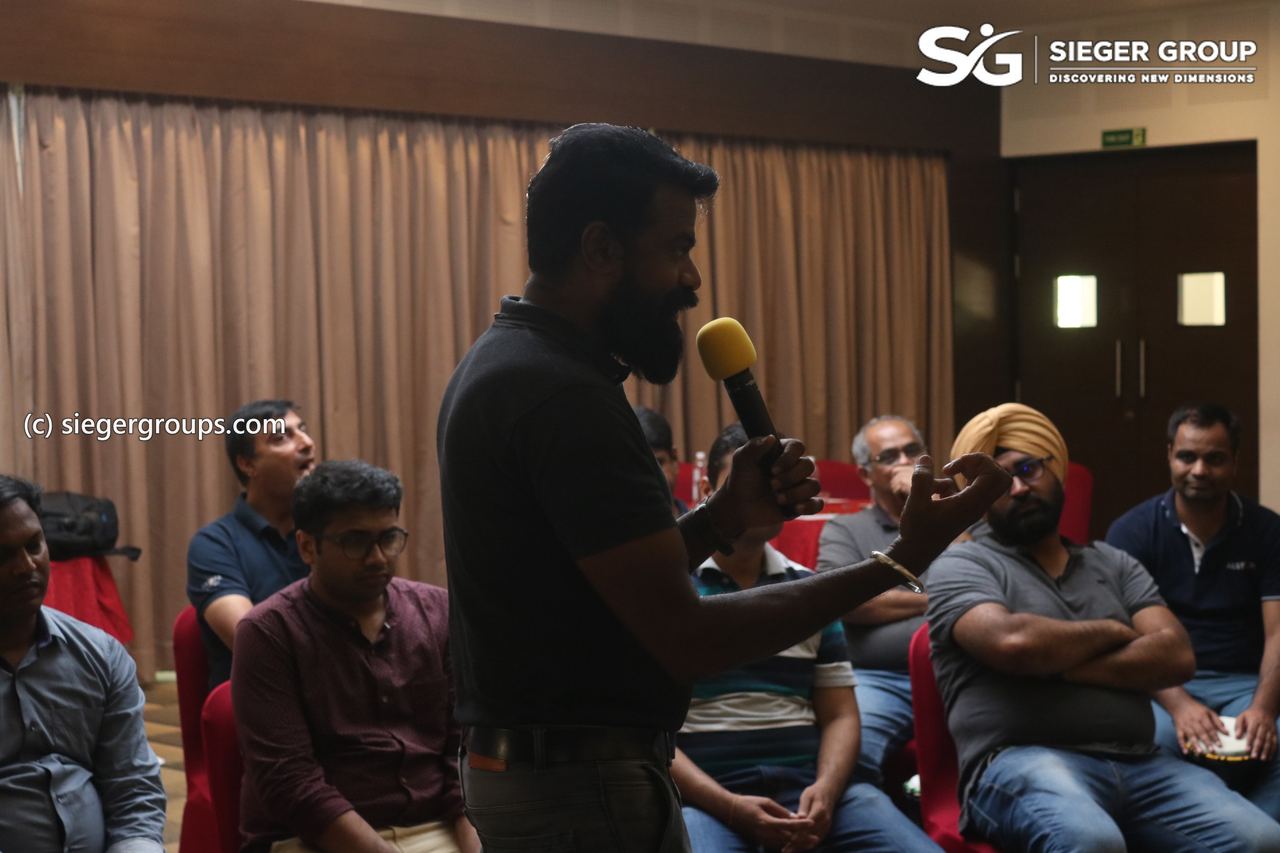
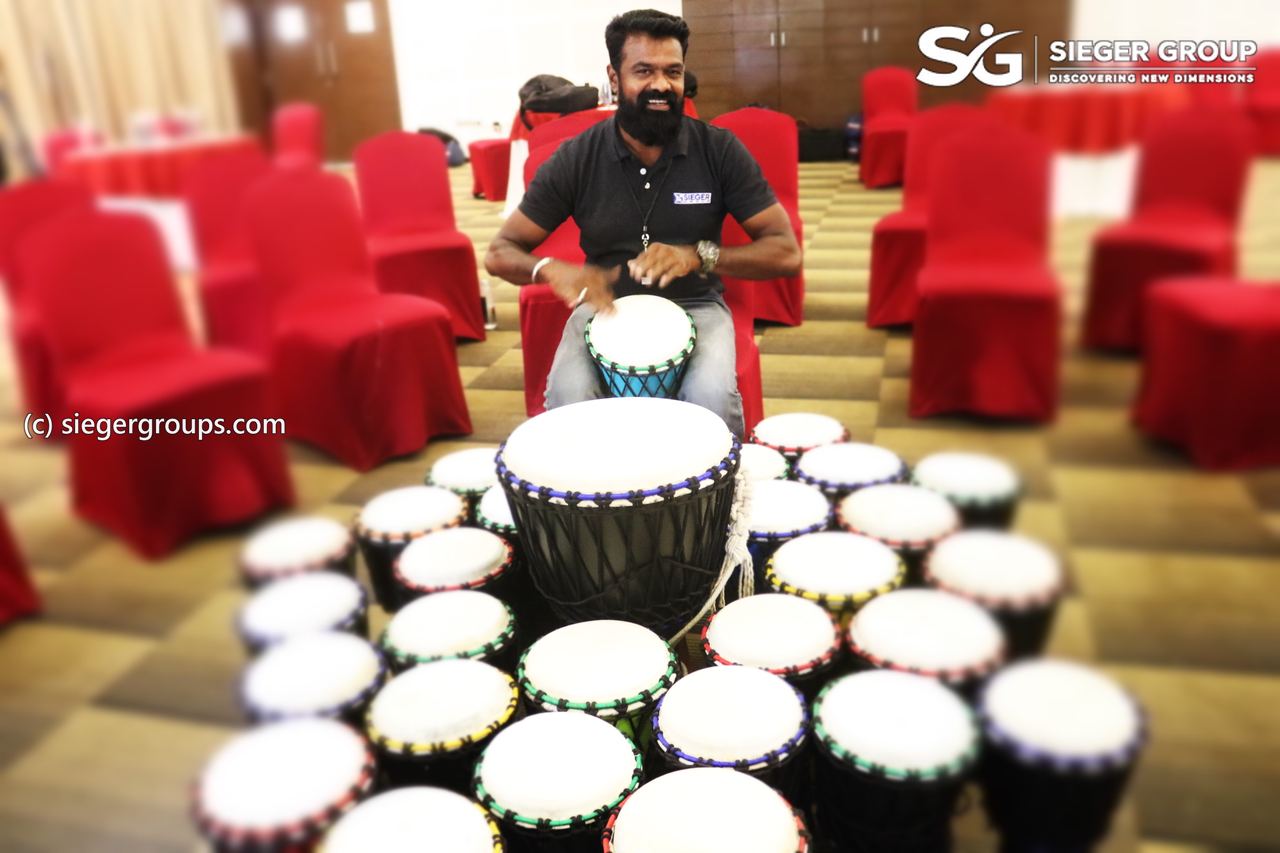
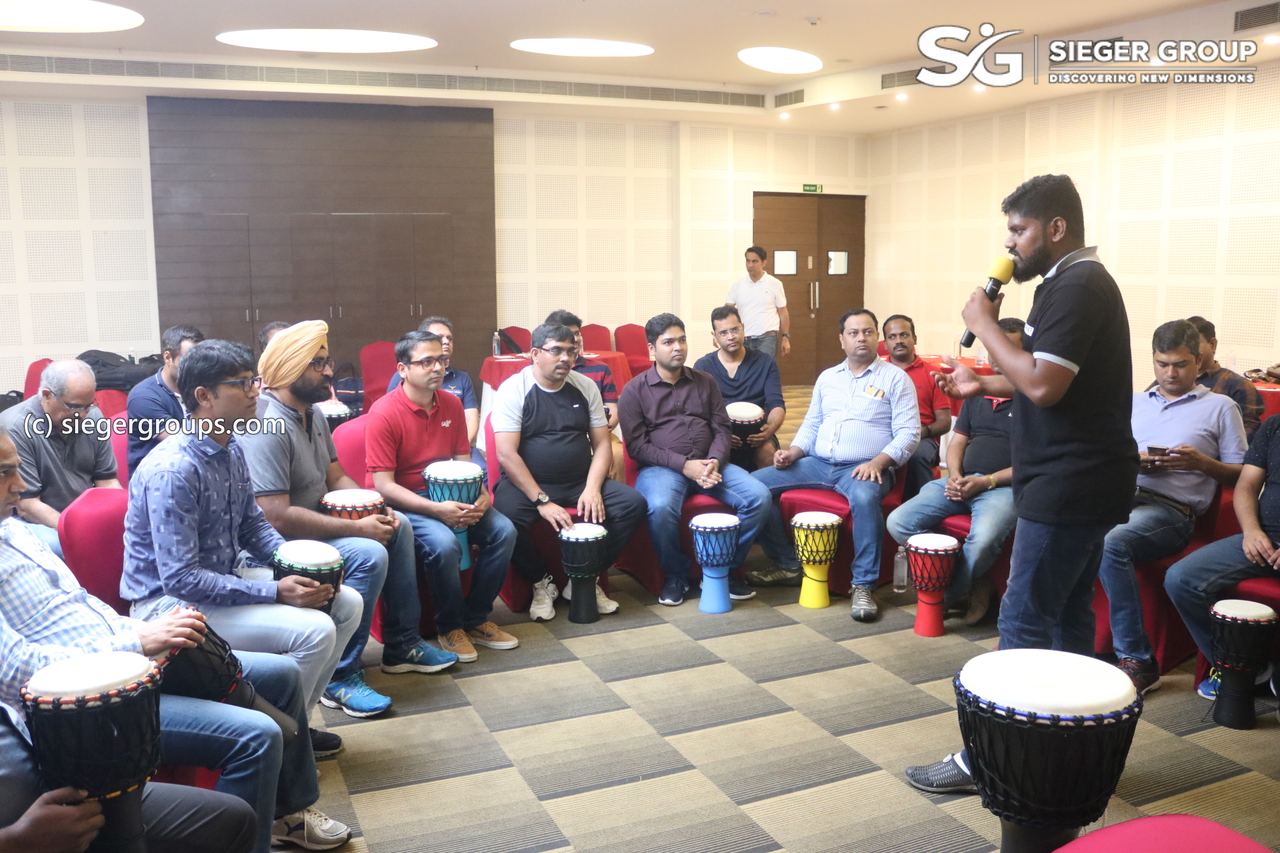
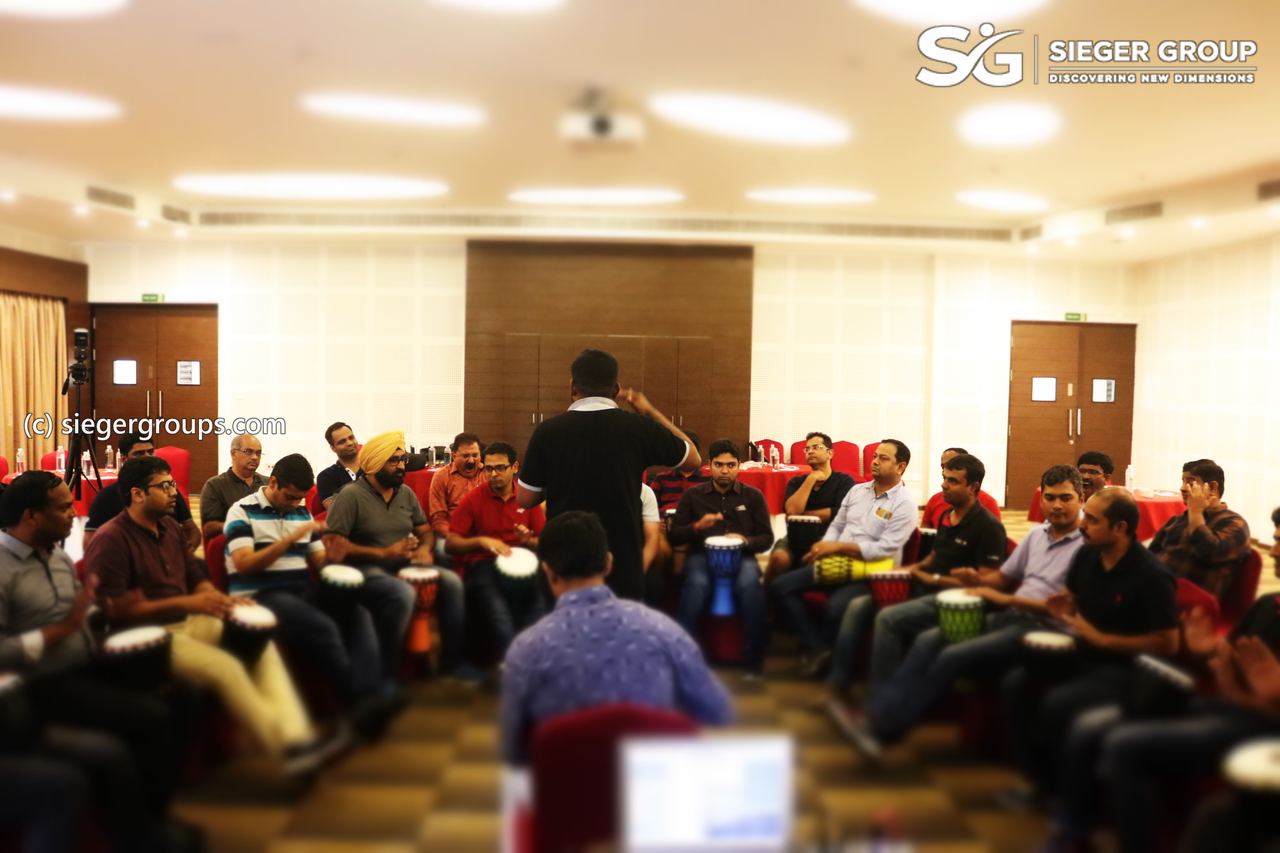
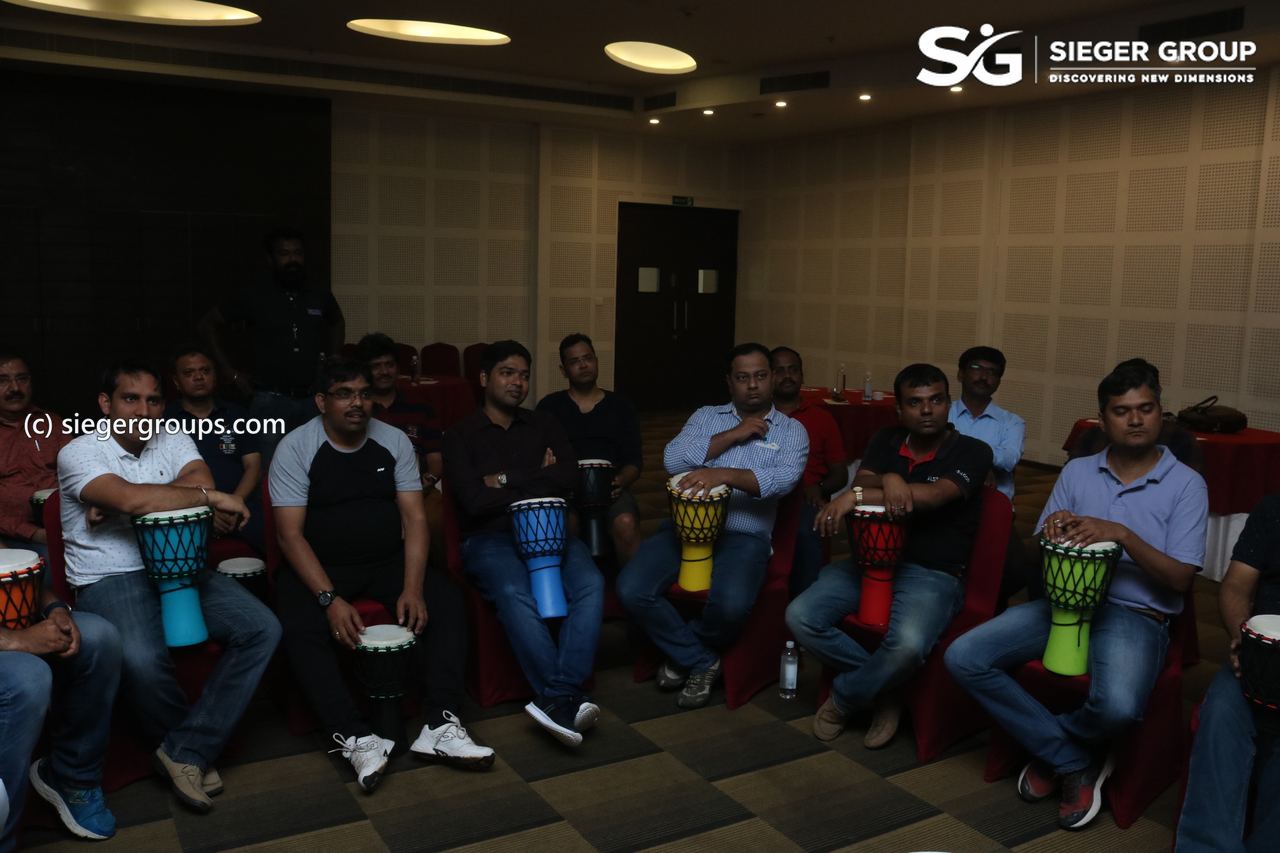
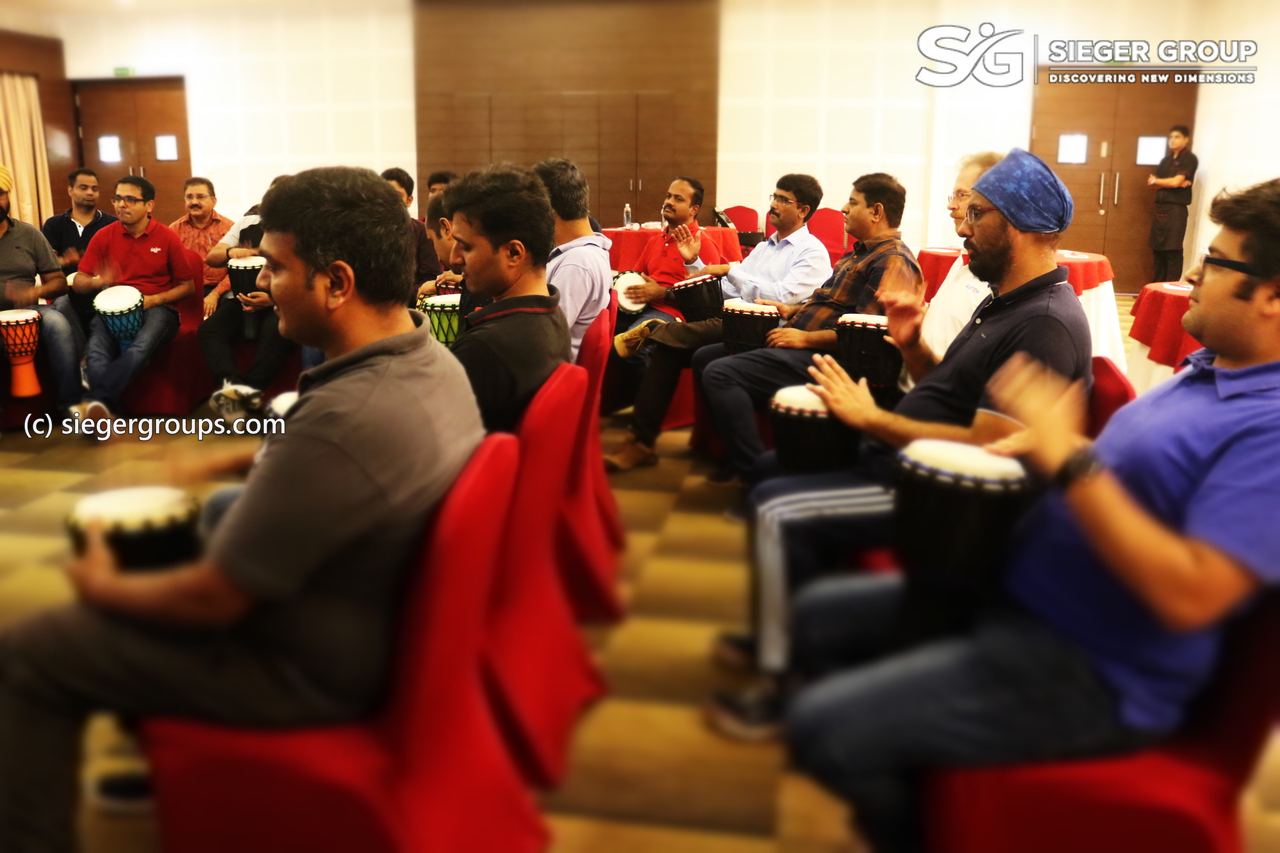
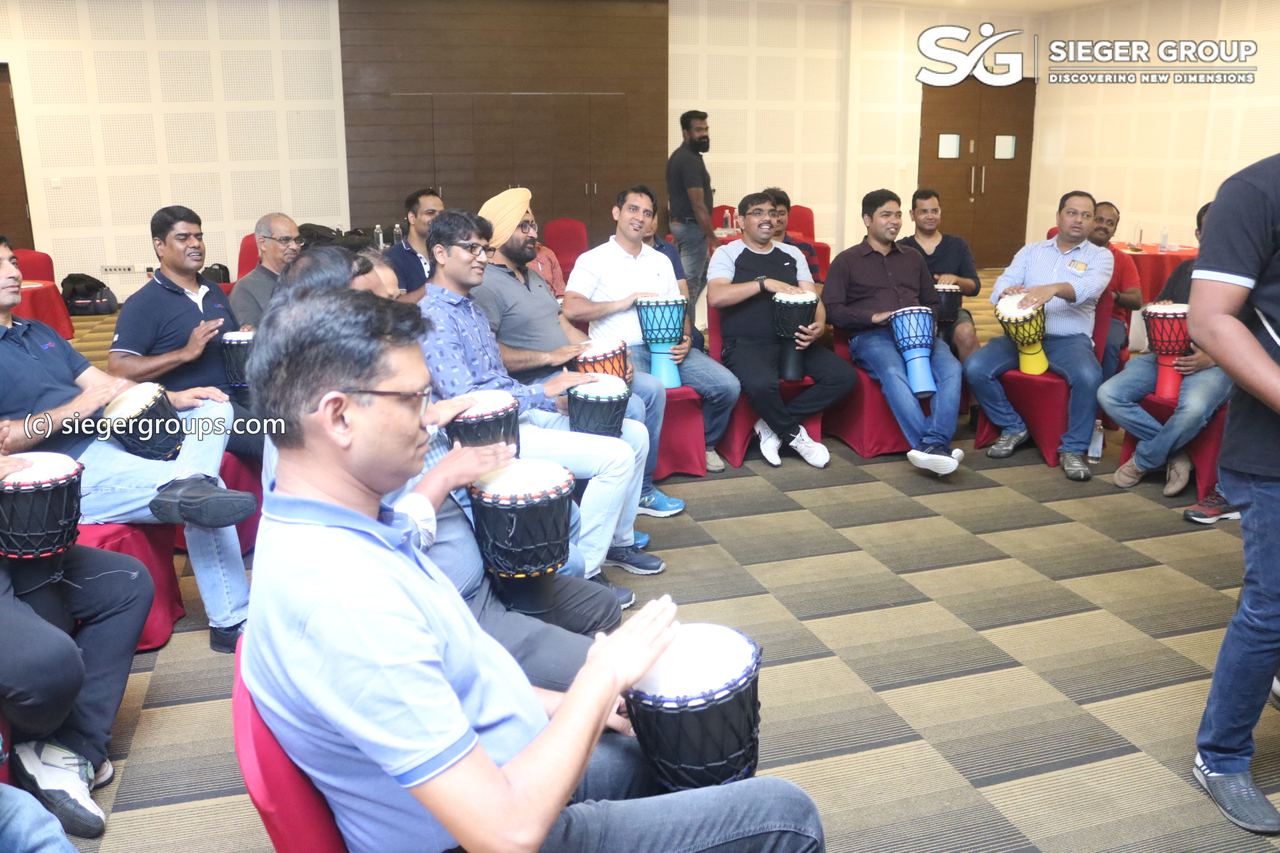
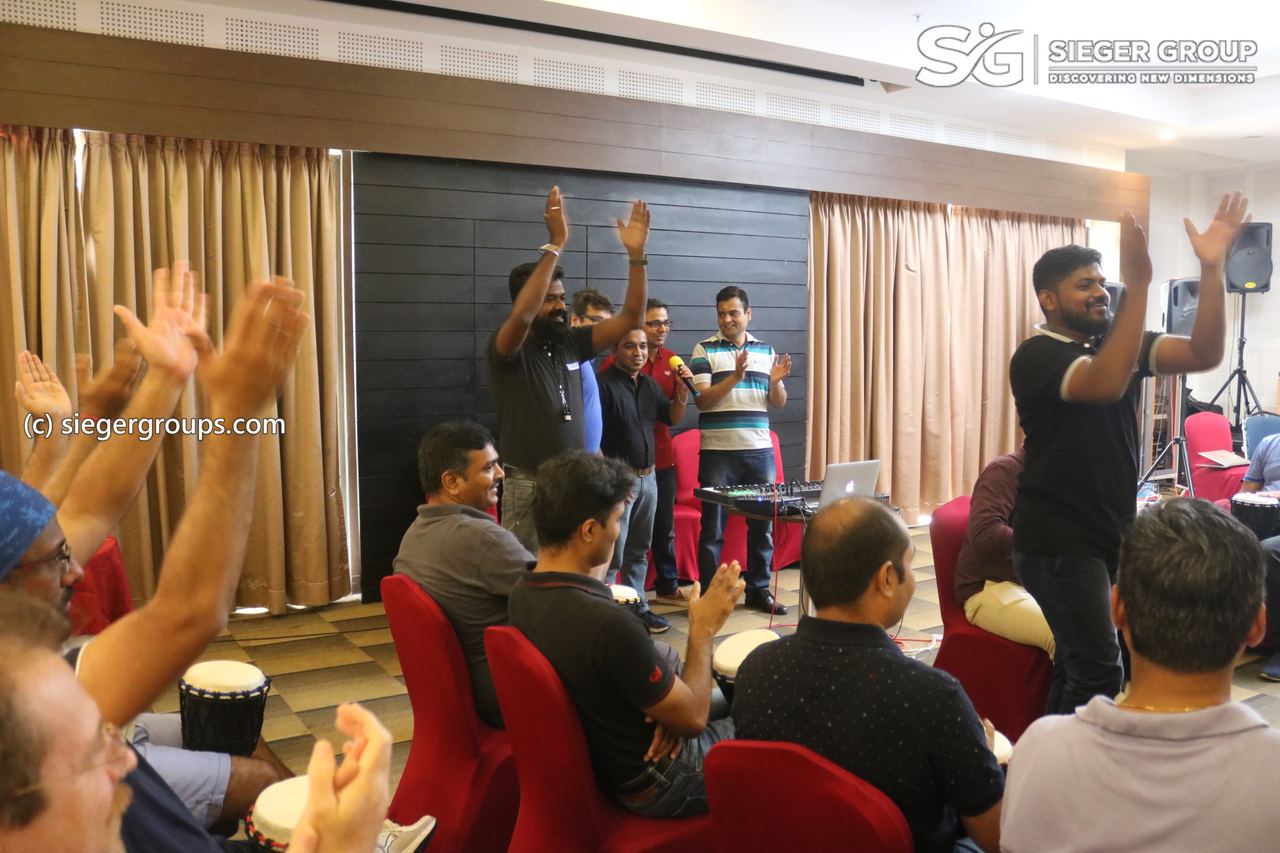
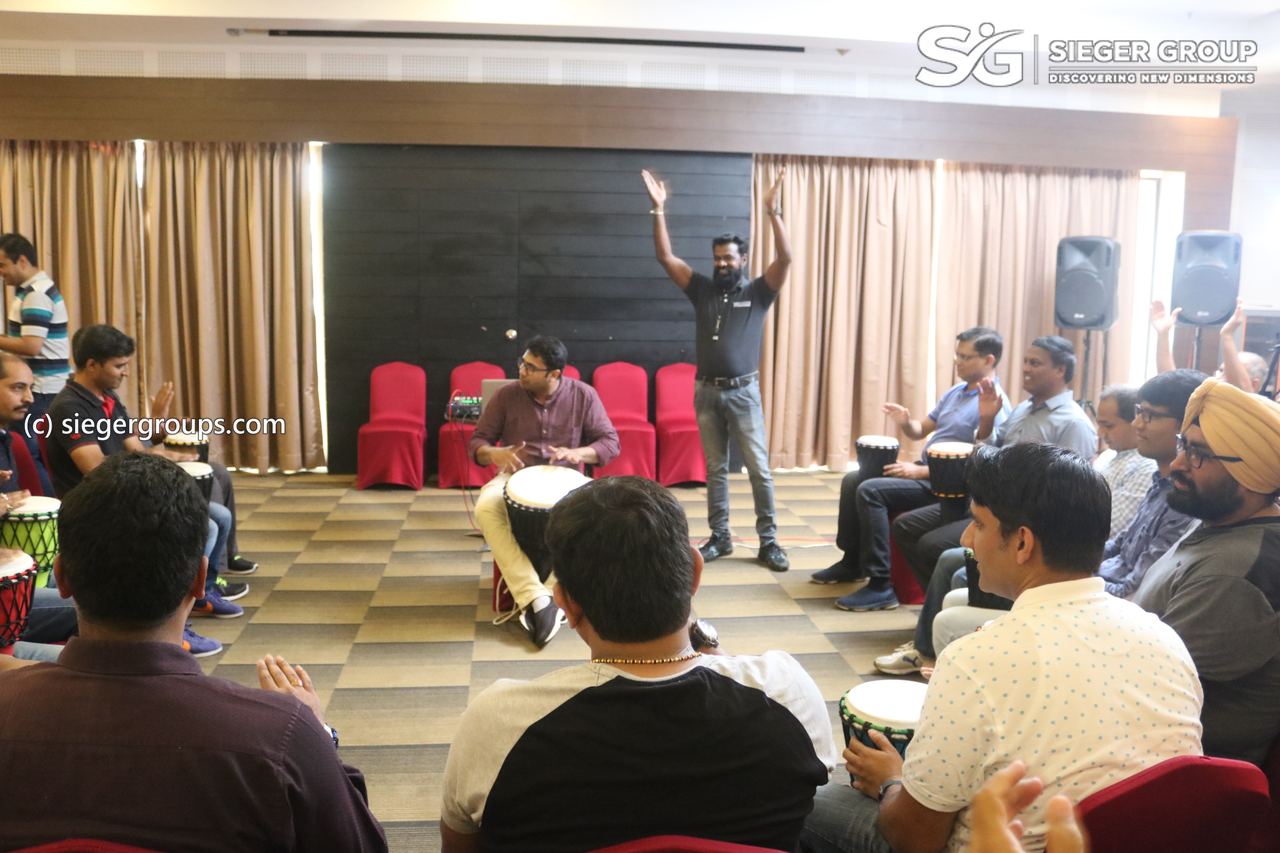
Notice how a participant listens before entering a rhythm. Repeating a short phrase together gives the group a shared reference when another part joins in.
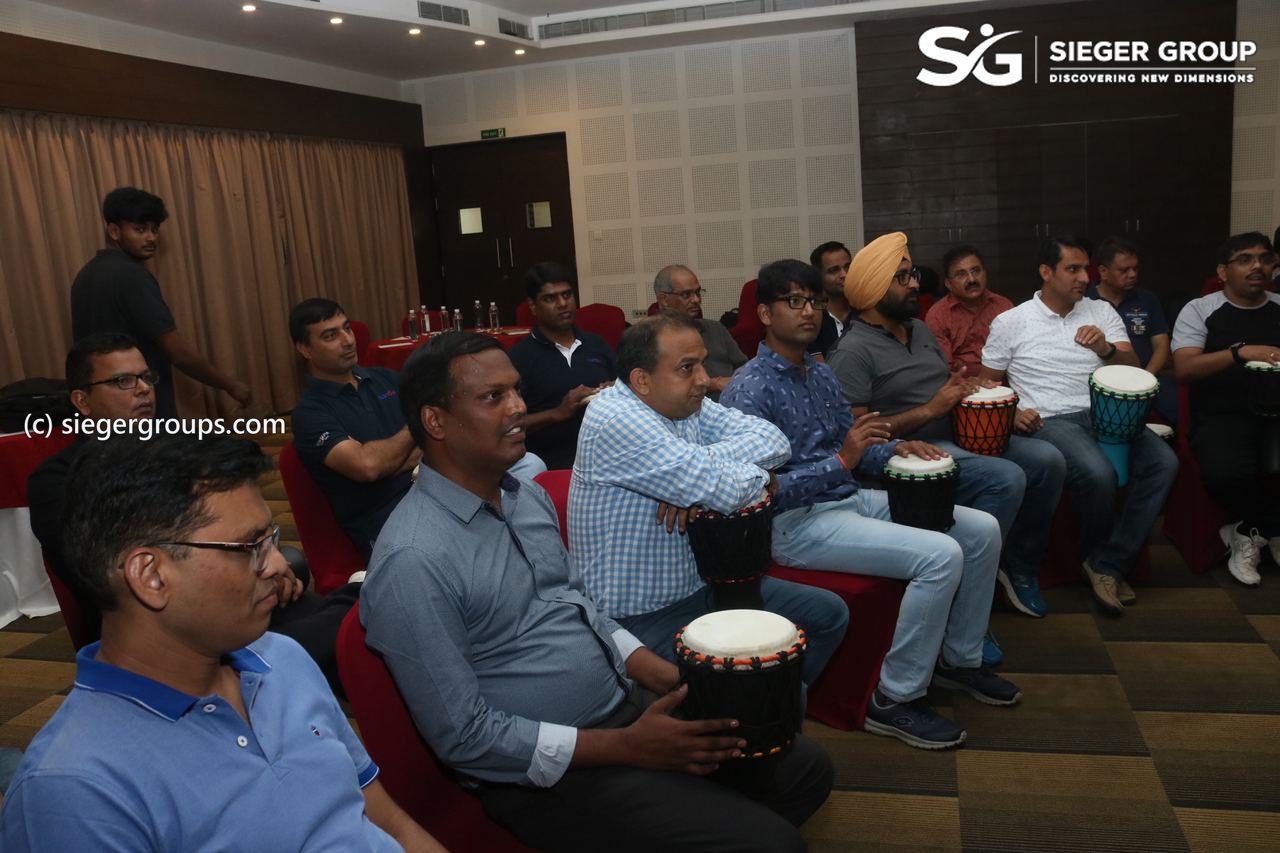
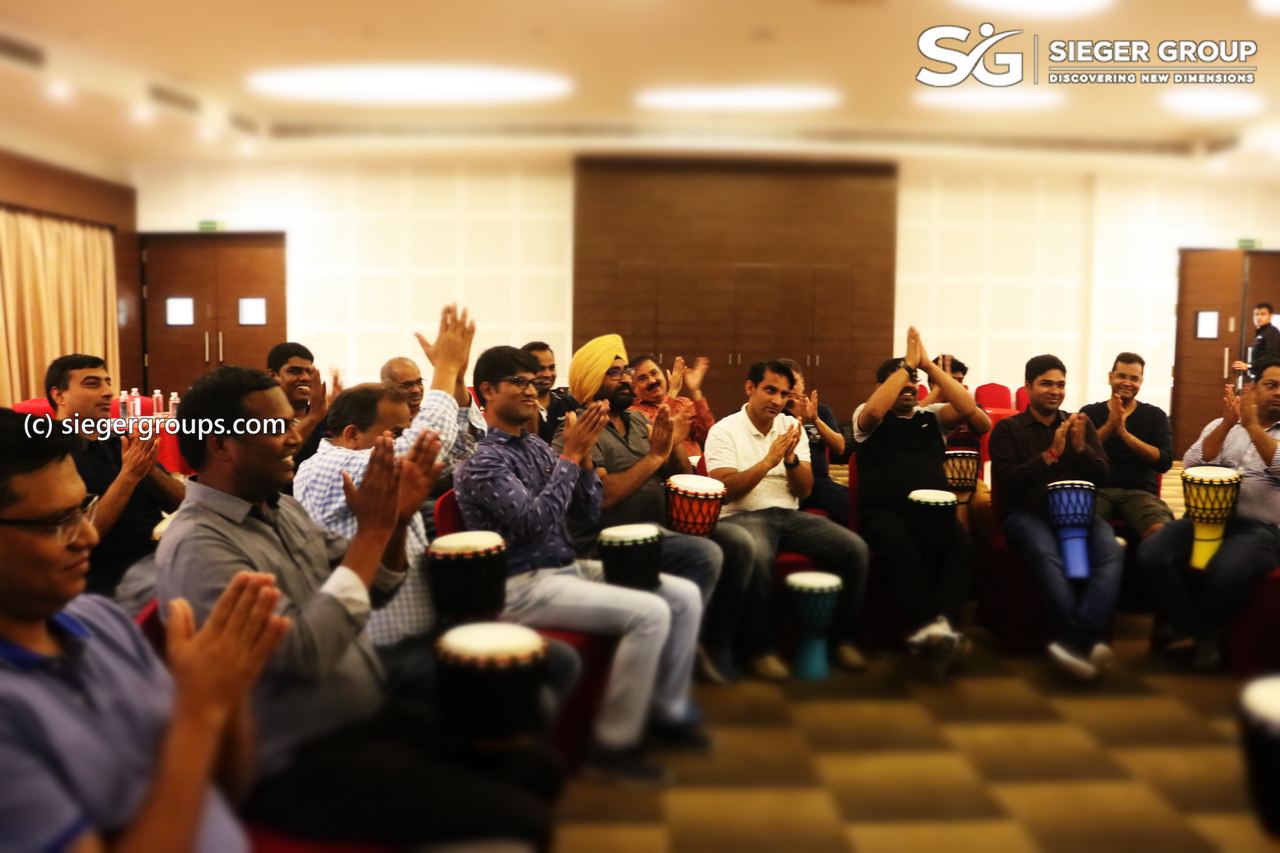
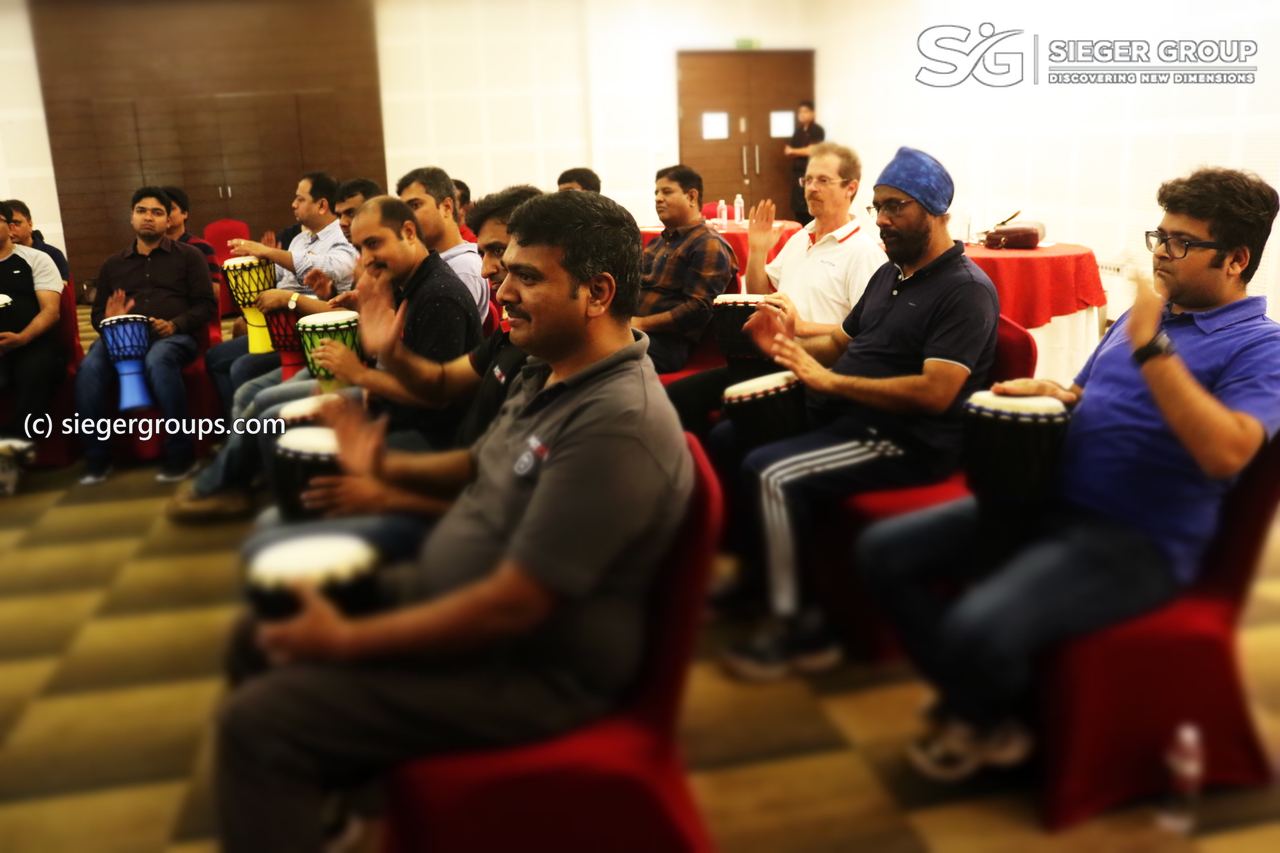
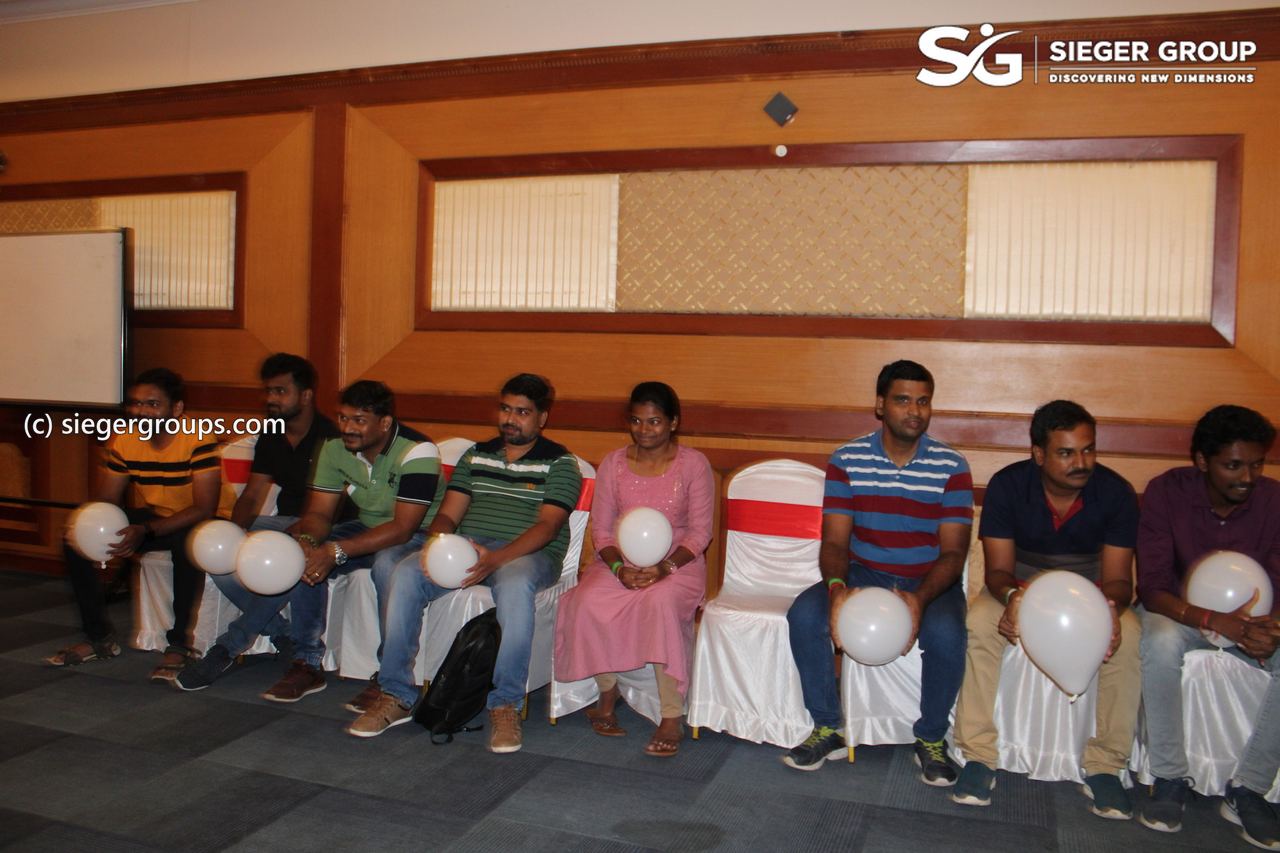
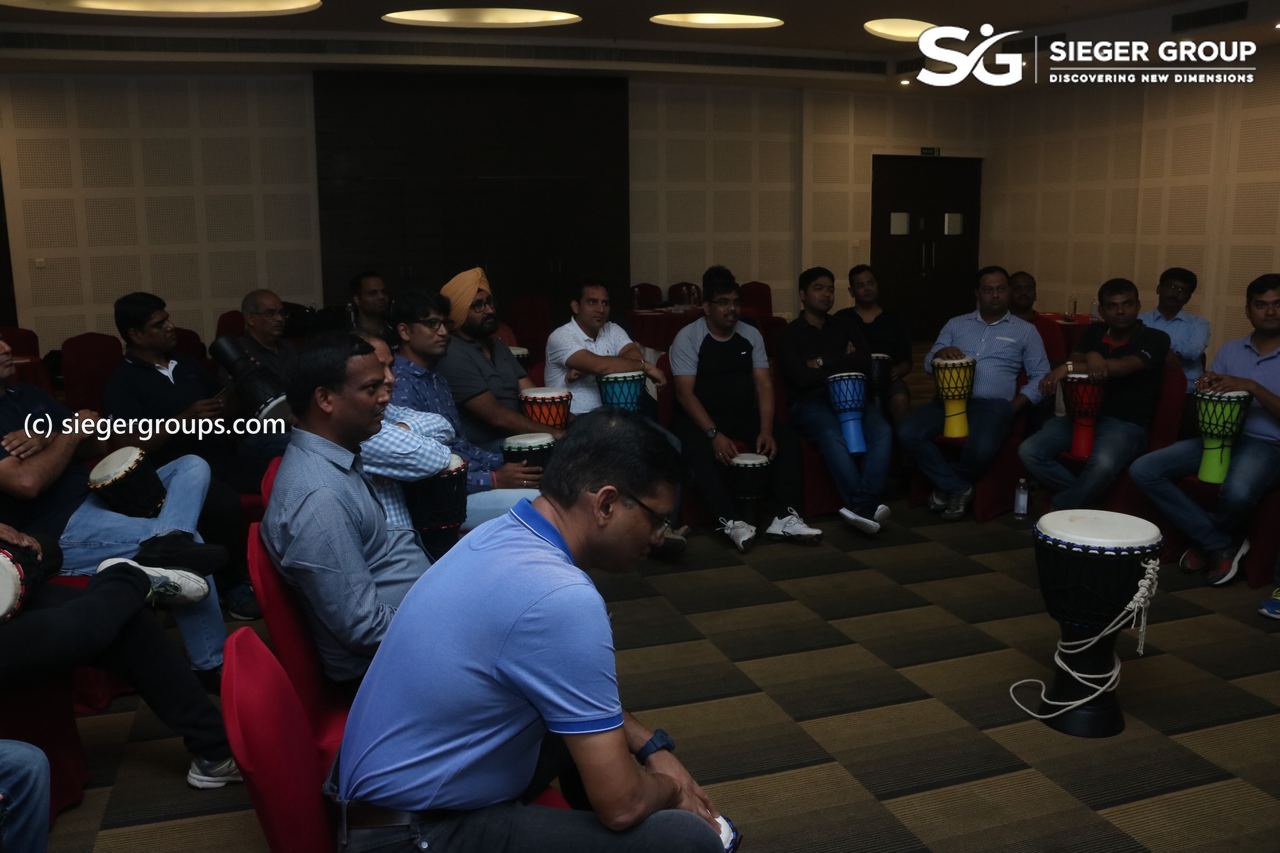
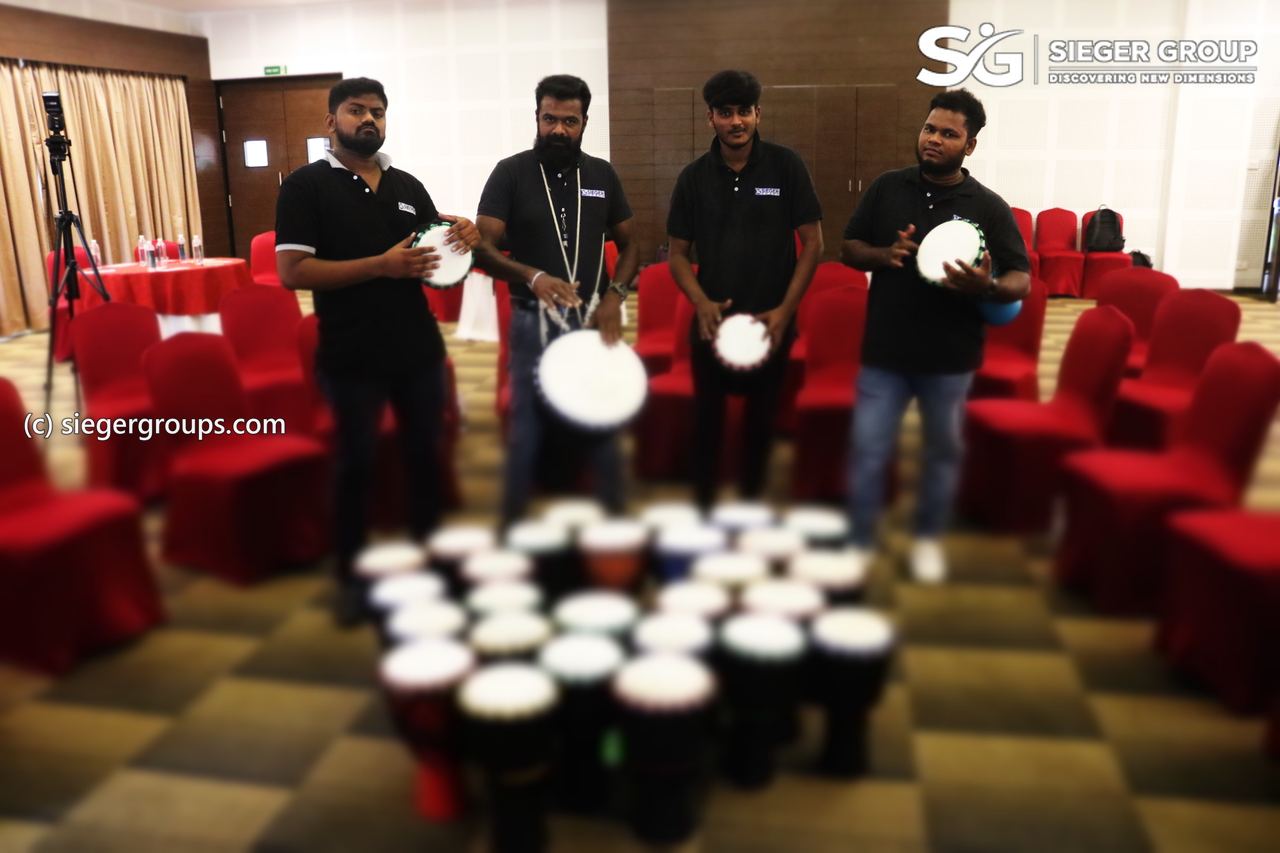
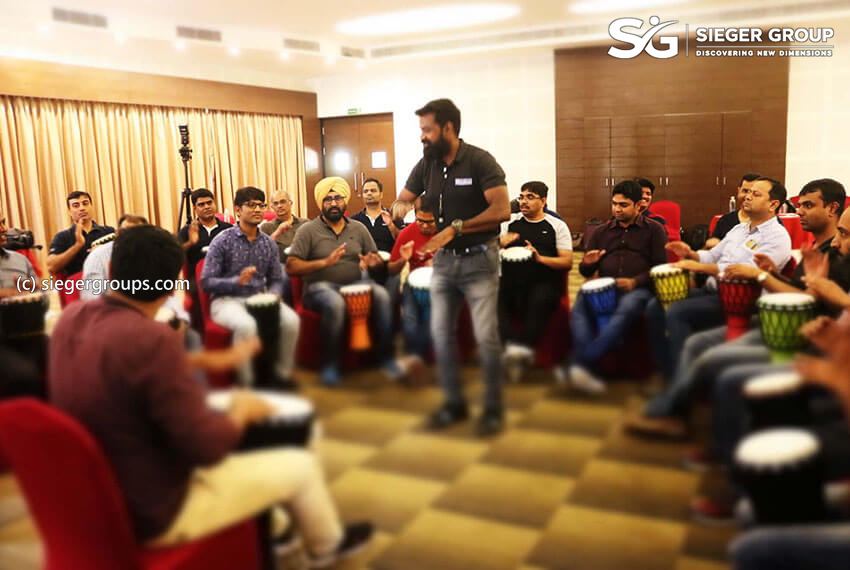
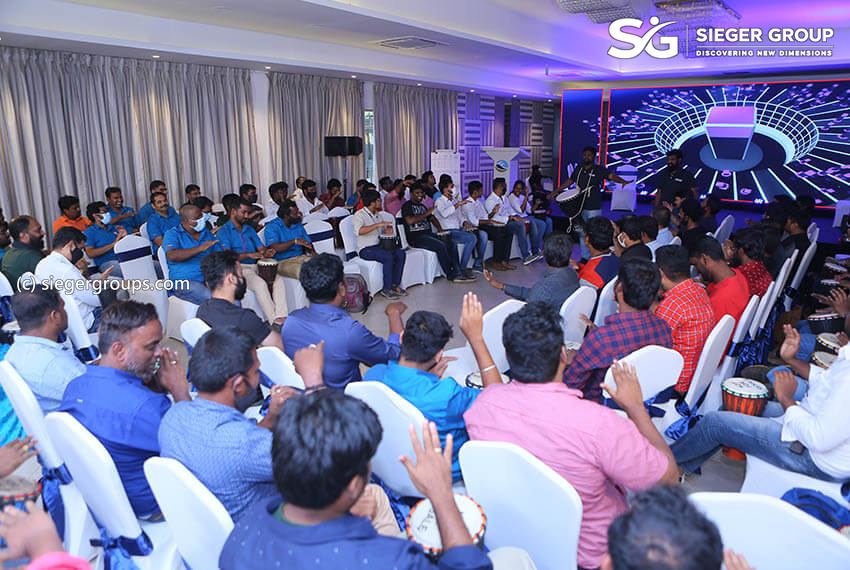
Write lyrics together and bring them to life through a song. Teams agree the message, contribute ideas and rehearse their performance.
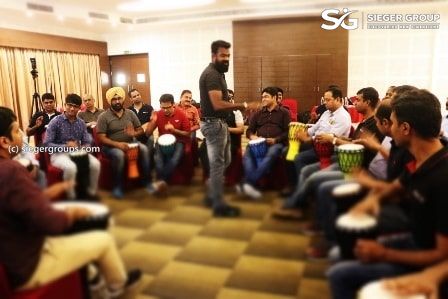
Join a drum circle and respond to rhythms introduced by the facilitator. Individual parts combine into an evolving percussion arrangement.
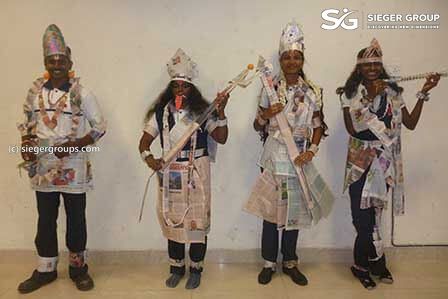
Create a musical piece using selected reused objects as instruments. Explore different sounds and combine them into a shared performance.
Create an anthem around the company's purpose, values or event theme. Participants turn a shared message into lyrics and a group performance.
Build a shared rhythm through facilitated drumming. Listening to surrounding instruments helps participants coordinate their contribution with the circle.
Use claps, taps and body sounds to create rhythmic patterns. The facilitator guides separate contributions into a group arrangement.
Learn a selected song and perform it together. Guided rehearsal gives colleagues a shared musical focus and a chance to listen to one another.
Plan a lip-sync performance with costumes, movement and a chosen song. Teams coordinate scenes and timing across different creative roles.
Choose songs for a relaxed karaoke session. Colleagues can sing, join a group number or enjoy supporting the performers.
Explore company culture through collaborative songwriting. Teams discuss what their values mean and express those ideas in music and lyrics.
Rehearse a gospel-style choral piece. Listening across the choir and responding to guidance help individual voices form a shared sound.
Develop a song expressing a brand message or company story. Teams contribute lyrics and rehearse, with recording options discussed during planning.
Create and present songs in a team performance format. Participants divide writing, rehearsal and presentation roles before sharing their work.
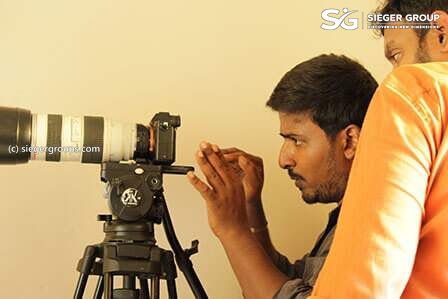
Plan and film a team music video. Roles include performance, costume and scene planning, with production arrangements and deliverables agreed in advance.
Present singing or dancing talents in a friendly talent-show format. Teams prepare their acts and support one another during the performances.
Take on music-themed performance challenges. Singing, dancing and team presentation bring variety to a lively group competition.
Combine instruments and selected sound-making objects into a corporate orchestra. Different sections respond to cues as the whole performance develops.
Learn and rehearse a group dance sequence. Teams coordinate movement and support different starting points before presenting their routine.
Bring a music break into the programme. Participants can clap, sing or dance as they choose, creating a lively change of pace.
Learn a simple harmonica part and play alongside colleagues. Guided practice introduces the instrument before the group combines its contributions.
Play pitched percussion tubes in different musical groups. Follow rhythmic cues and combine individual notes into one coordinated tune.
Follow different clapping patterns in a group percussion performance. Colour-coded groups respond to cues and build towards a shared finale.
Use these points to draw out what colleagues can learn from Musical Team Building Activities.
Reflect on how listening to others changed the way you participated.
Consider how musical cues helped the group coordinate without lengthy explanation.
Agree a creative brief, working space, materials and a way for every team to present or discuss its work.
Coordinate timing and contributions as the group sound develops.
Consider how musical cues helped the group coordinate without lengthy explanation.
Explore how participants will respond to the musical direction.
How did participants listen for changes in the shared rhythm?
Compare a moment when adding a sound helped the group with one when listening helped more.
Explore the different interpretations people bring to the same theme.
Make something colleagues can discuss together when they return to work.
Notice how the group lets more than one voice shape the final piece.
An illustrative running order for Musical Team Building Activities. Confirm timings, breaks and participation arrangements in your event brief.
Sieger Group supports organisations with team-building experiences and facilitated programmes.
Choose a drum circle, songwriting exercise or ensemble challenge around the group’s appetite for performance. Listening and making space for others run through all three formats.
Compare a moment when adding a sound helped the group with one when listening helped more.
Singing and Songwriting Team Building, Rhythmic Team Building, Junkyard Items Musical Team Building, Team Anthem, Drumming Team Building, Body Percussion Team Building. The final selection is agreed with the organiser.
Cross-functional groups and teams at an offsite can use this experience. Explore the different interpretations people bring to the same theme.
Share the expected headcount, available space and any rotation requirements so the facilitator can propose suitable team sizes.
Allow Discuss your event schedule as a planning guide. The proposal confirms the duration, breaks and final activity mix.
Agree a creative brief, working space, materials and a way for every team to present or discuss its work.
Share access requirements and preferences when planning the session. The facilitator can discuss roles such as observing, recording decisions or presenting the group’s findings.
Introduce the selected rhythm, singing or performance activity and how the group will join.
Consider how musical cues helped the group coordinate without lengthy explanation.
Yes. Share the purpose of the offsite and which part of Musical Team Building Activities you would like to emphasise. The facilitator can discuss how to fit the chosen elements into the wider event.
Use the enquiry form or contact Sieger Group with your preferred date, city, headcount, venue and learning objective. Include any participation or access requests in the brief.
Share your date, city, group size and the outcome you want colleagues to take away.
Request a tailored proposalTell us what you have in mind. We will help you explore a programme that fits your people and your occasion.
Still finalising the details? Share what you know.
Every team is different. Share your people, purpose and preferred setting, and we’ll translate your brief into an experience designed to connect, engage and create lasting impact.
Share your brief and preferred contact details.