Logic and Pattern Round
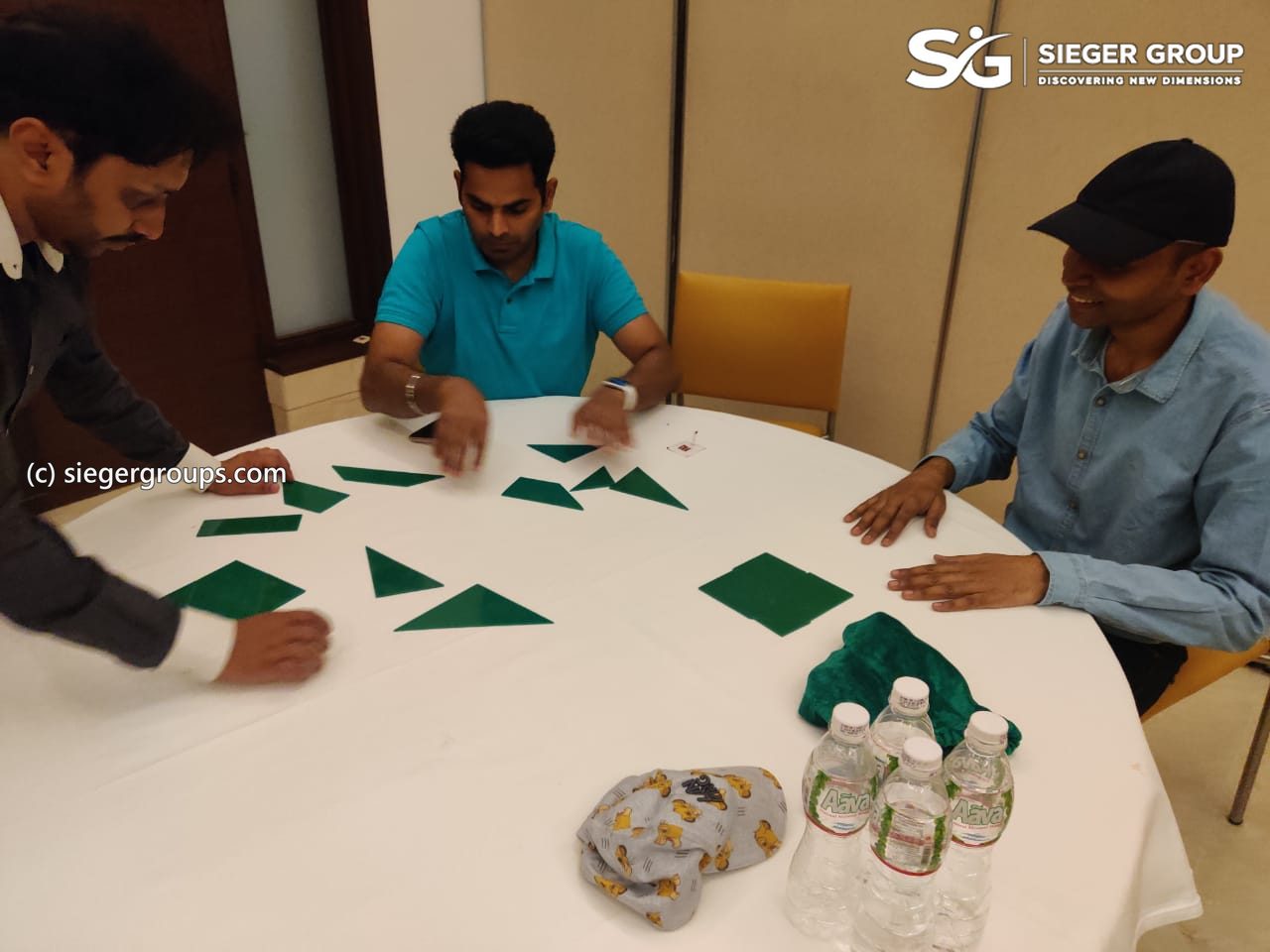
Teams propose a rule for a sequence and test it against every example. A competing explanation must account for the same evidence.
Learning focusTesting a rule
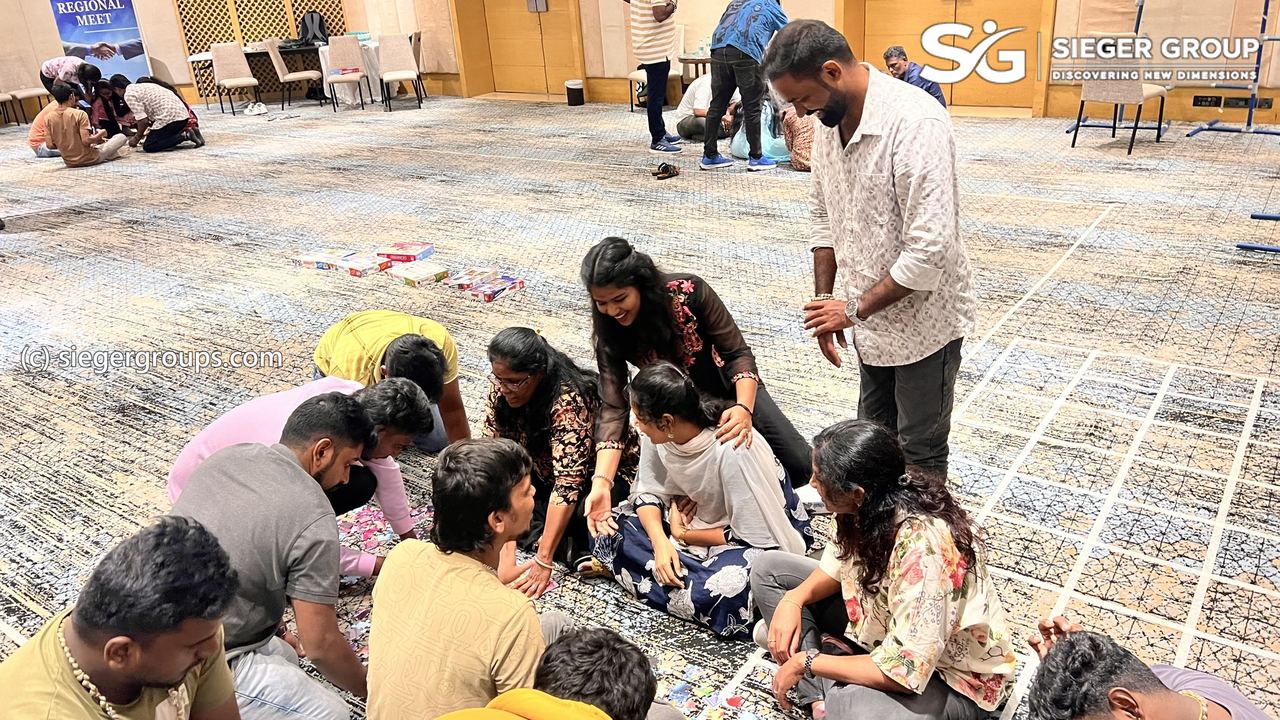
A sequence of logic, memory and coordination rounds rewards different strengths. Teams decide when to trust a quick answer and when to test it before the finale.
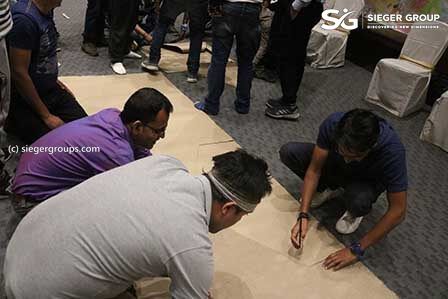
A sequence of logic, memory and coordination rounds gives different teammates a chance to lead. The finale draws on information and decisions from earlier stations. The review asks what the group remembered together that one person could have missed.
Choose a team checking habit that improved accuracy without slowing every decision.
Compare a code challenge with Keypunch. These two formats illustrate the different problem-solving demands a Krypton Factor programme can combine.


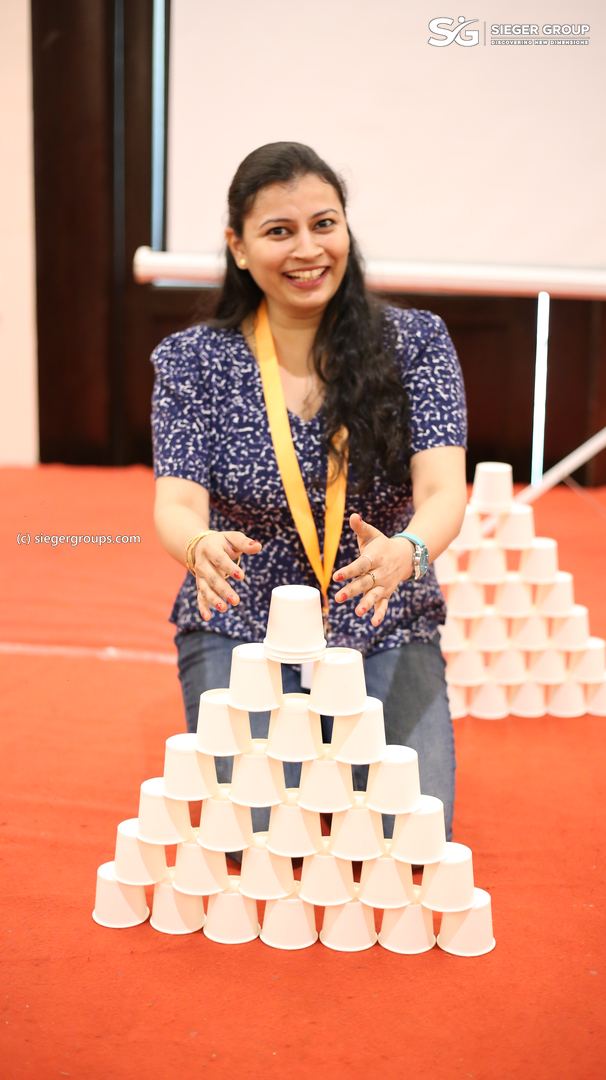

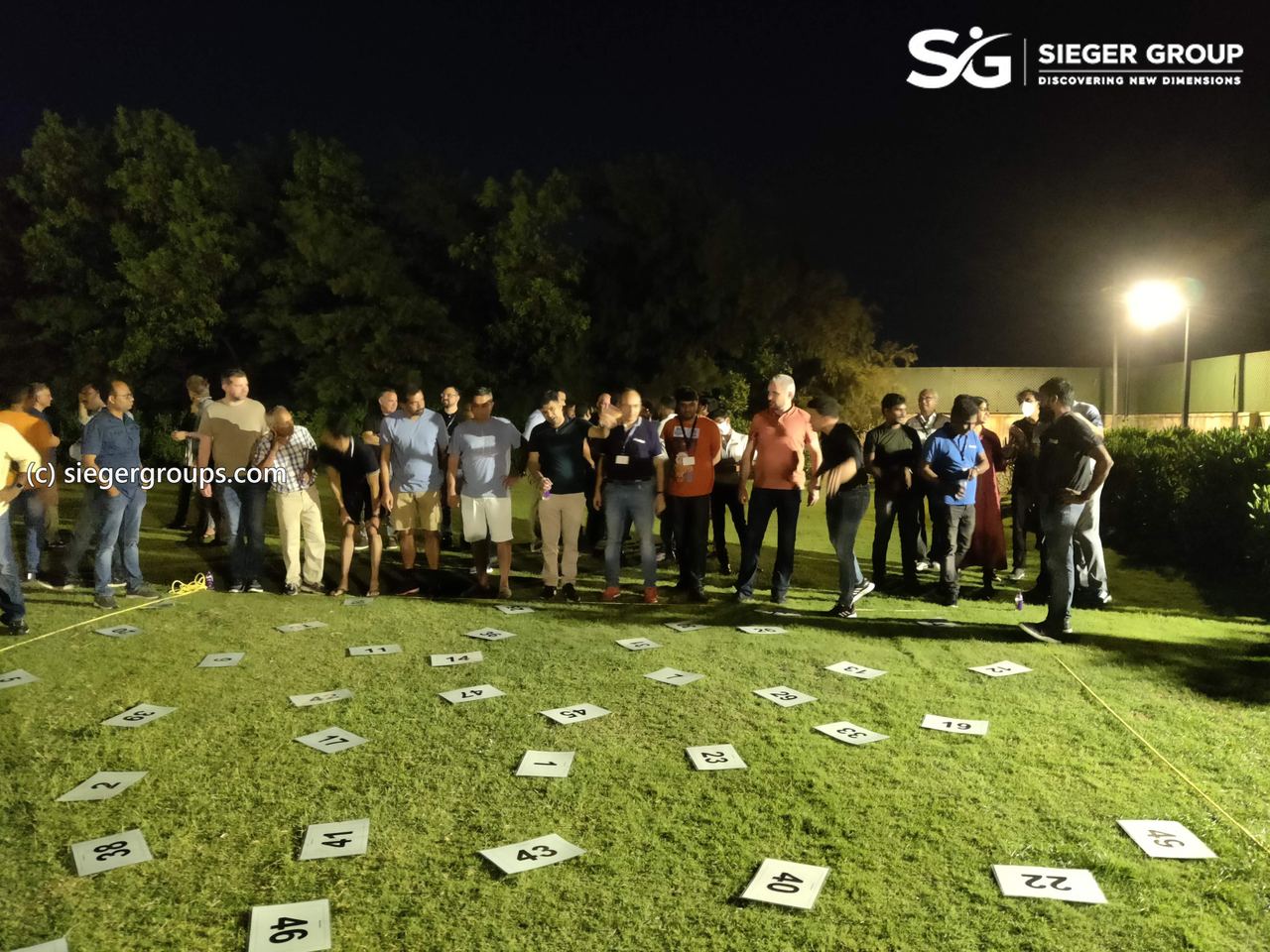
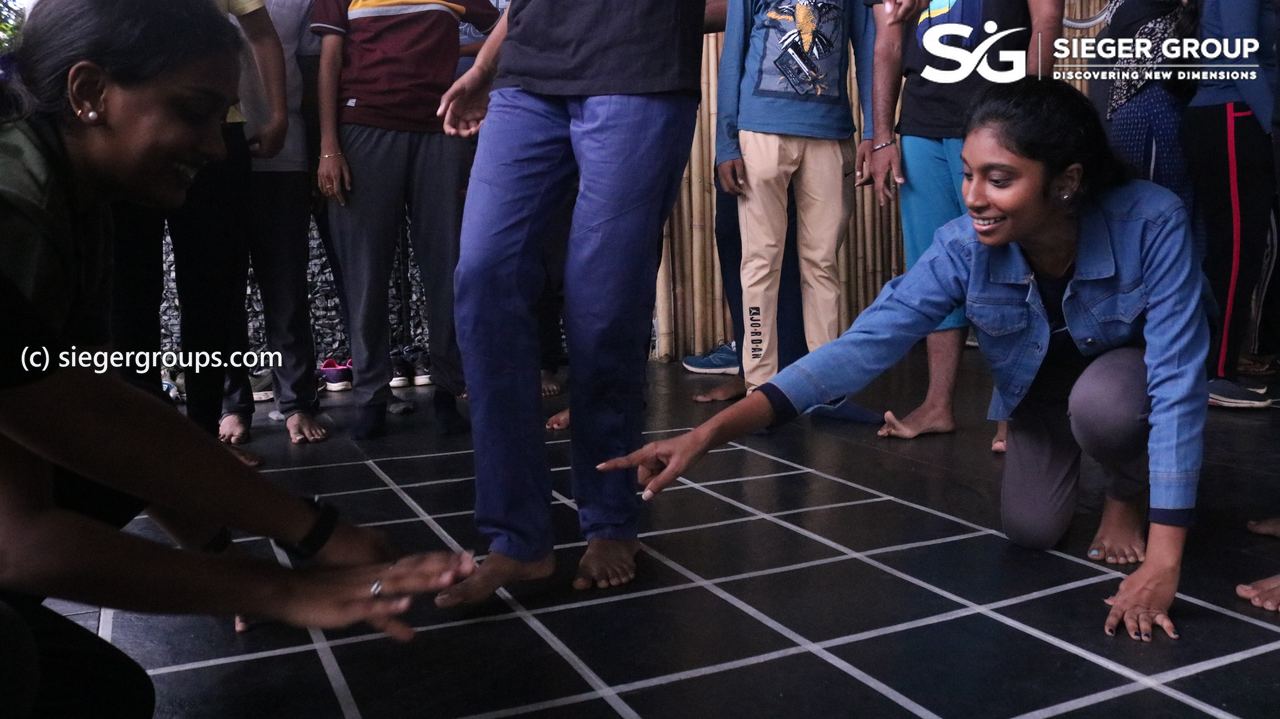

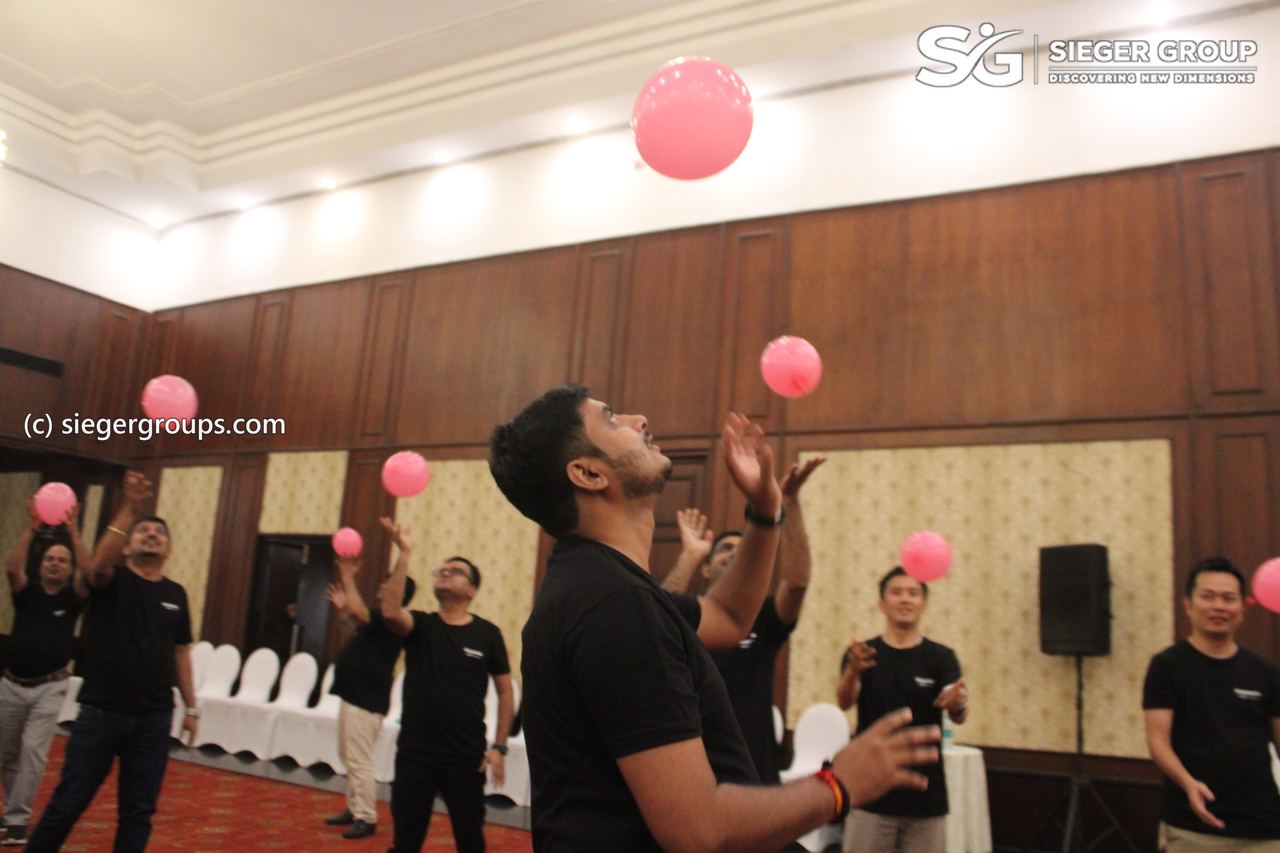
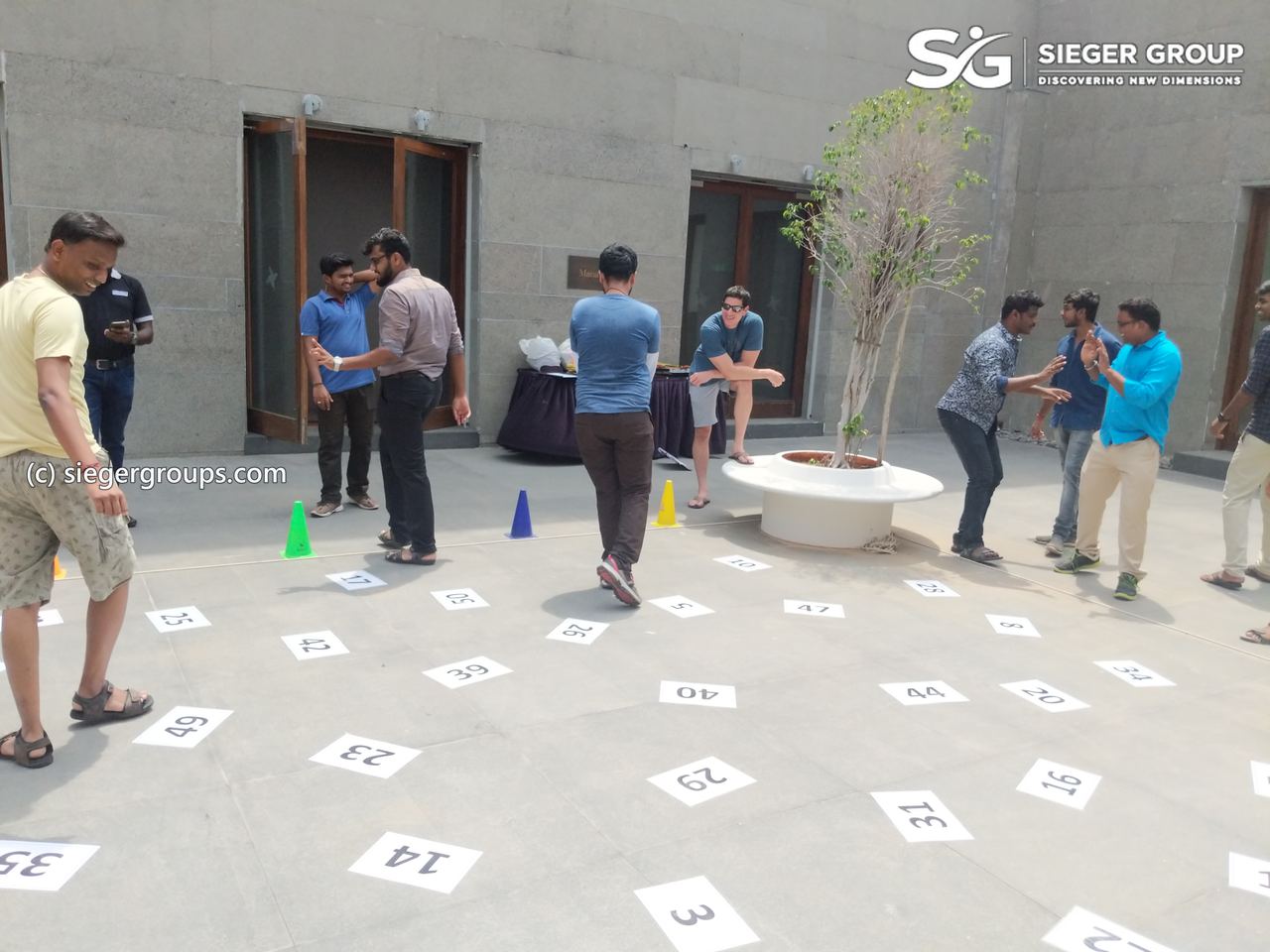
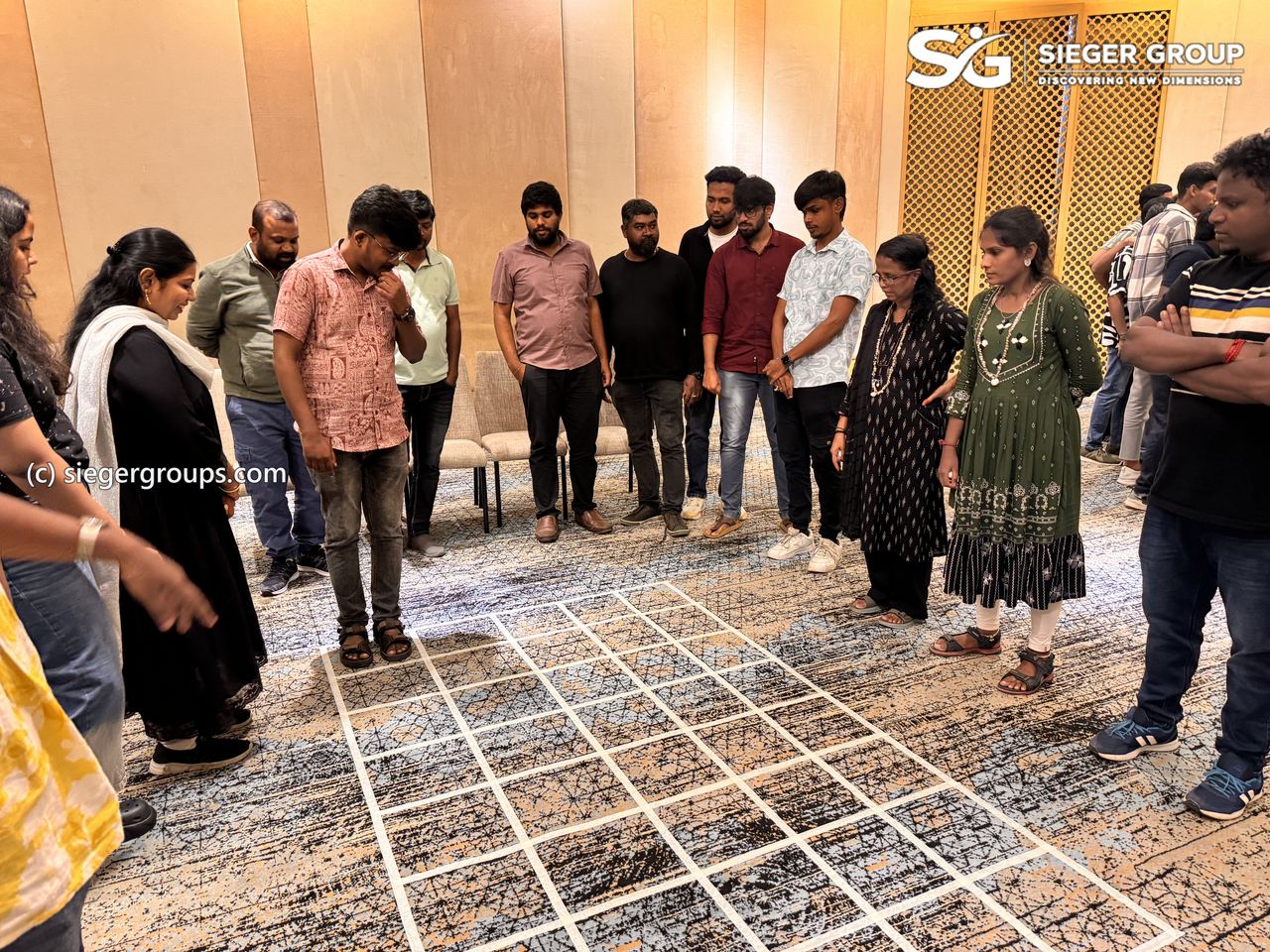

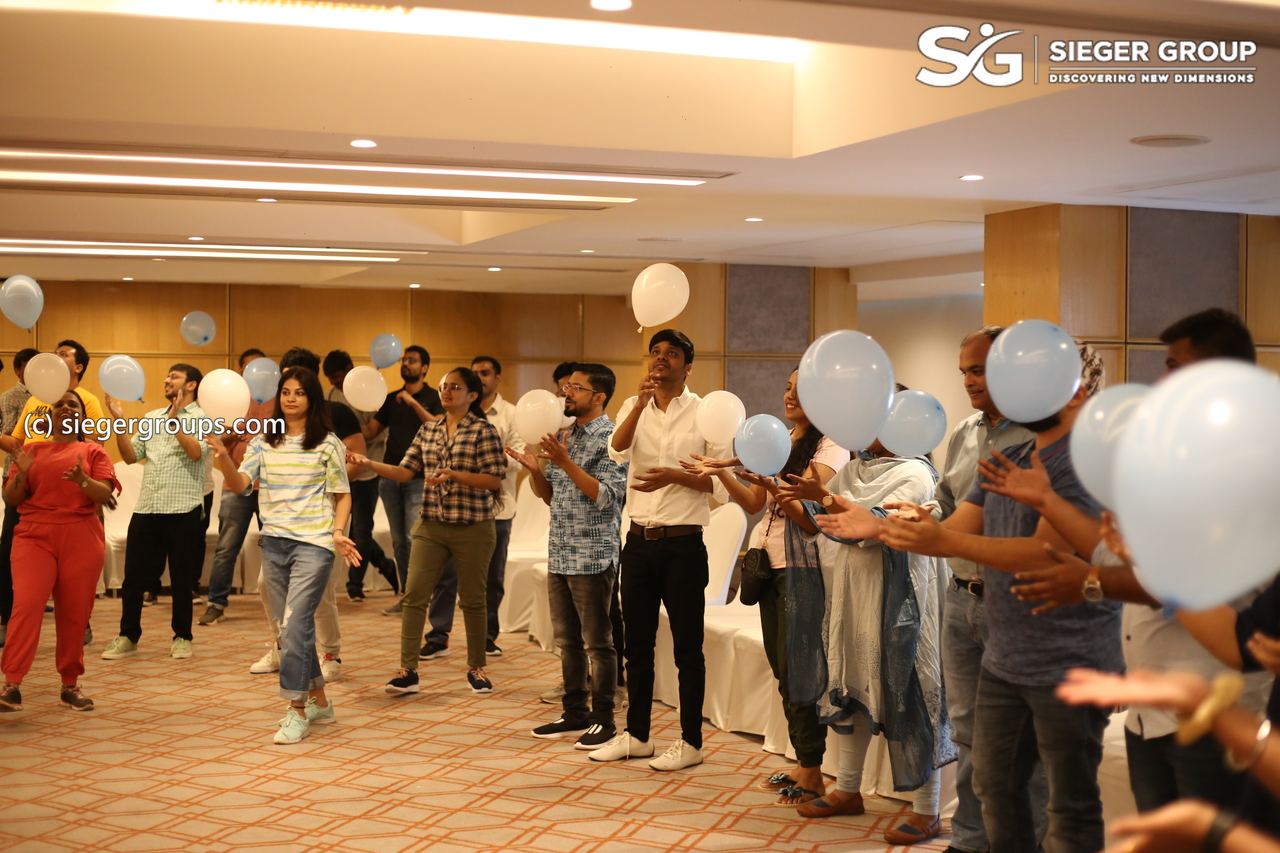
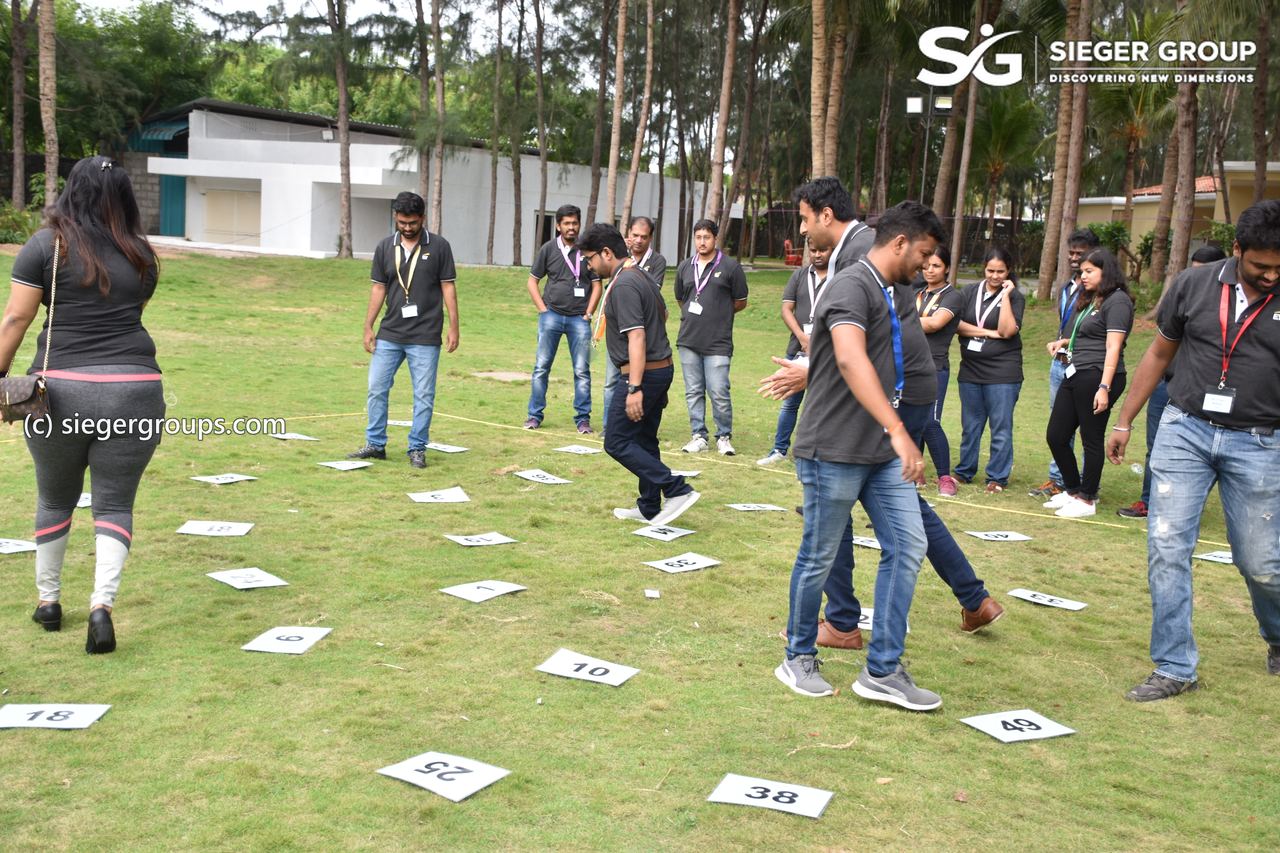
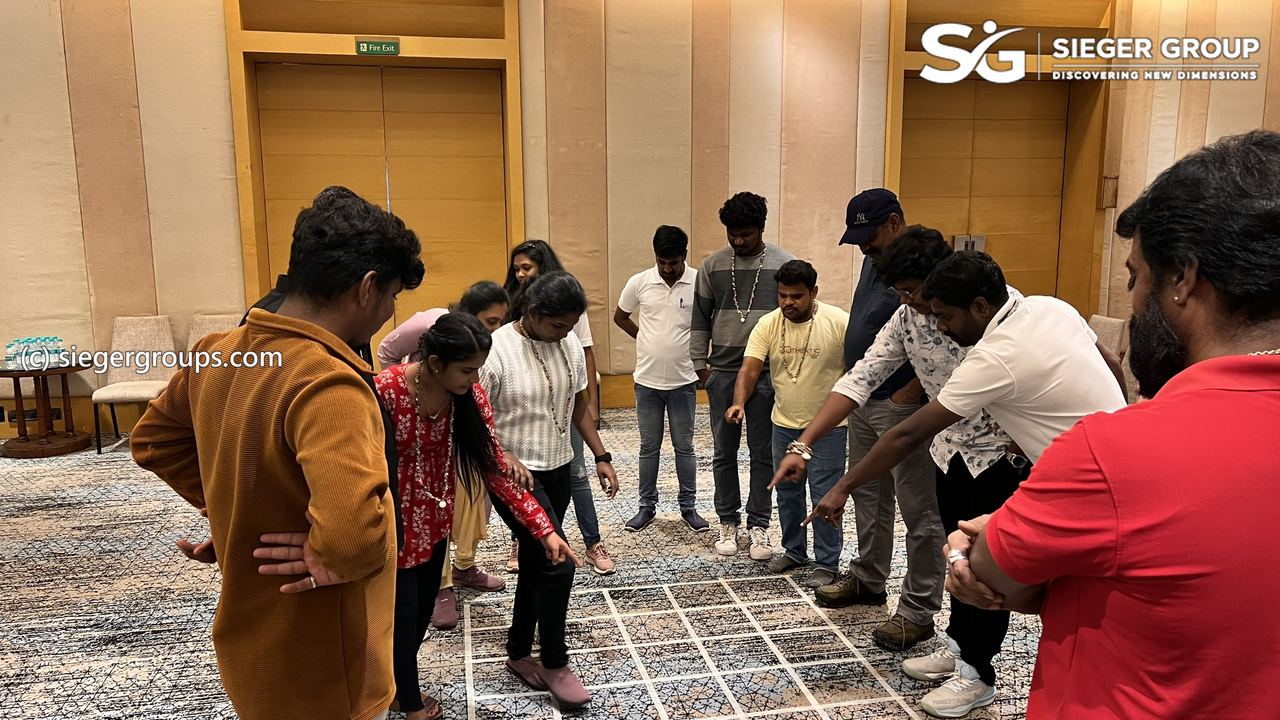

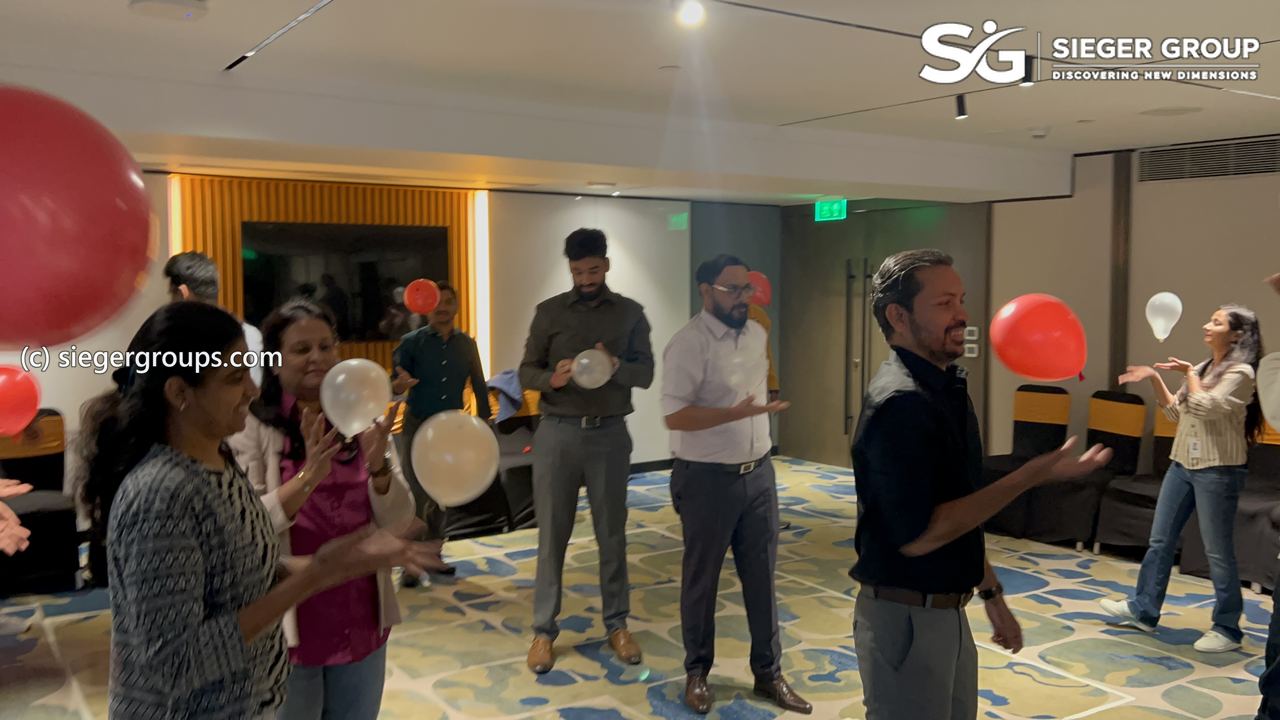
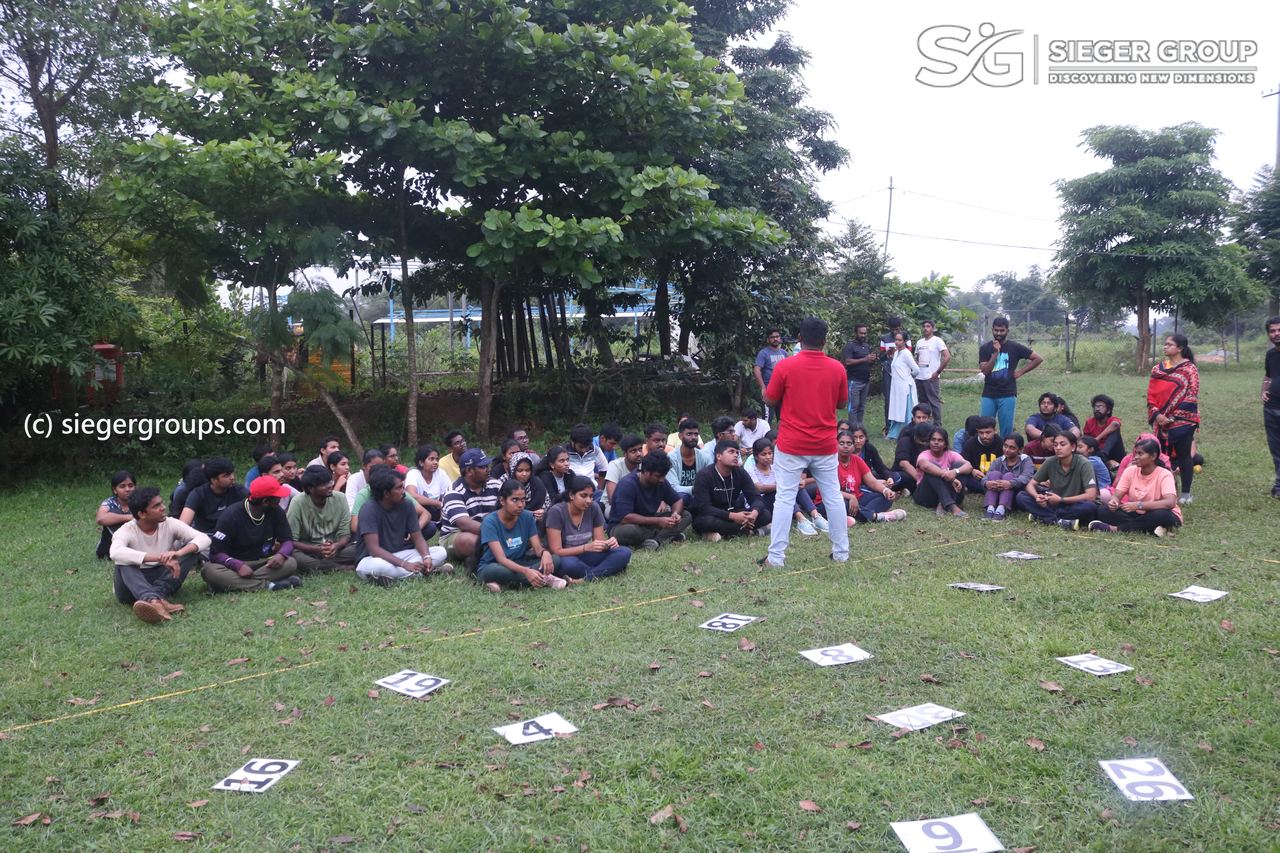
Teams propose a rule for a sequence and test it against every example. A competing explanation must account for the same evidence.
Colleagues compare details from a prepared display. They distinguish what someone remembers seeing from what the group has inferred.
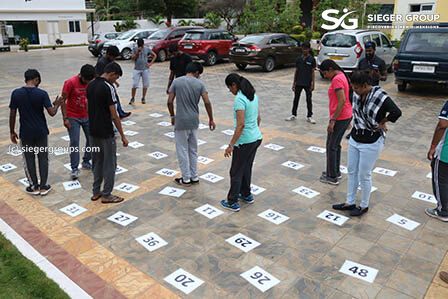
A practical station asks the team to agree roles and timing. Observers record which cue started the group together.
The closing task draws on reasoning and coordination. Teams revisit an earlier round to decide who should lead each part.
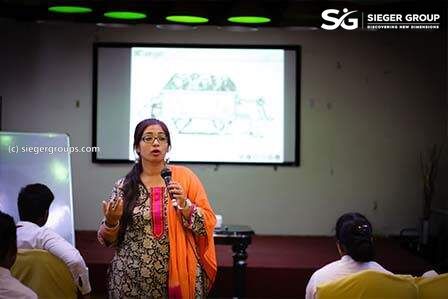
Use these points to draw out what colleagues can learn from Krypton Factor Team Challenge.
A team can explain why a rule fits every example and identify the evidence that would challenge it.
Switching from memory to coordination gives another colleague a reason to lead and shows how the group handles the change.
Confirm the mix of tabletop and movement tasks, scoring, team sizes and arrangements for changing stations.
A practical station asks the team to agree roles and timing. Observers record which cue started the group together.
Switching from memory to coordination gives another colleague a reason to lead and shows how the group handles the change.
Colleagues compare details from a prepared display. They distinguish what someone remembers seeing from what the group has inferred.
Which piece of evidence changed your mind?
Choose a team checking habit that improved accuracy without slowing every decision.
Choose a team checking habit that improved accuracy without slowing every decision.
Identify an occasion when a change of leader improved the group’s decision between rounds.
Confirm the mix of tabletop and movement tasks, scoring, team sizes and arrangements for changing stations.
An illustrative running order for Krypton Factor Team Challenge. Confirm timings, breaks and participation arrangements in your event brief.
Sieger Group supports organisations with team-building experiences and facilitated programmes.
A sequence of logic, memory and coordination rounds rewards different strengths. Teams decide when to trust a quick answer and when to test it before the finale.
A team can explain why a rule fits every example and identify the evidence that would challenge it. Switching from memory to coordination gives another colleague a reason to lead and shows how the group handles the change.
Logic and Pattern Round, Memory and Observation Test, Coordination Challenge, Combined Team Finale. The final selection is agreed with the organiser.
This format suits project teams, mixed-department groups and emerging leaders.
Share the expected headcount, available space and any rotation requirements so the facilitator can propose suitable team sizes.
Agree the duration around the briefing, chosen activities and review. The sample schedule on this page sets out the sequence.
Confirm the mix of tabletop and movement tasks, scoring, team sizes and arrangements for changing stations.
Share access requirements and preferences when planning the session. The facilitator can discuss roles such as observing, recording decisions or presenting the group’s findings.
Teams propose a rule for a sequence and test it against every example. A competing explanation must account for the same evidence.
Switching from memory to coordination gives another colleague a reason to lead and shows how the group handles the change.
Agree whether accuracy, completion or collaboration will count before the first round. The facilitator can explain each round’s criteria to all teams.
Use the enquiry form or contact Sieger Group with your preferred date, city, headcount, venue and learning objective. Include any participation or access requests in the brief.
Share your date, city, group size and the outcome you want colleagues to take away.
Request a tailored proposalTell us what you have in mind. We will help you explore a programme that fits your people and your occasion.
Still finalising the details? Share what you know.
Every team is different. Share your people, purpose and preferred setting, and we’ll translate your brief into an experience designed to connect, engage and create lasting impact.
Share your brief and preferred contact details.