Sieger Group · Team Building

Mini Office Olympics

A facilitated experience, designed around your team.

Office Olympics & Mini Office Olympics are high-energy, interactive corporate games designed to boost teamwork, communication, problem-solving, and workplace bonding.

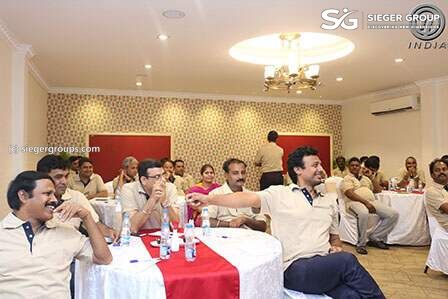
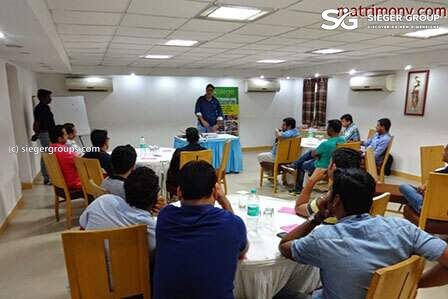
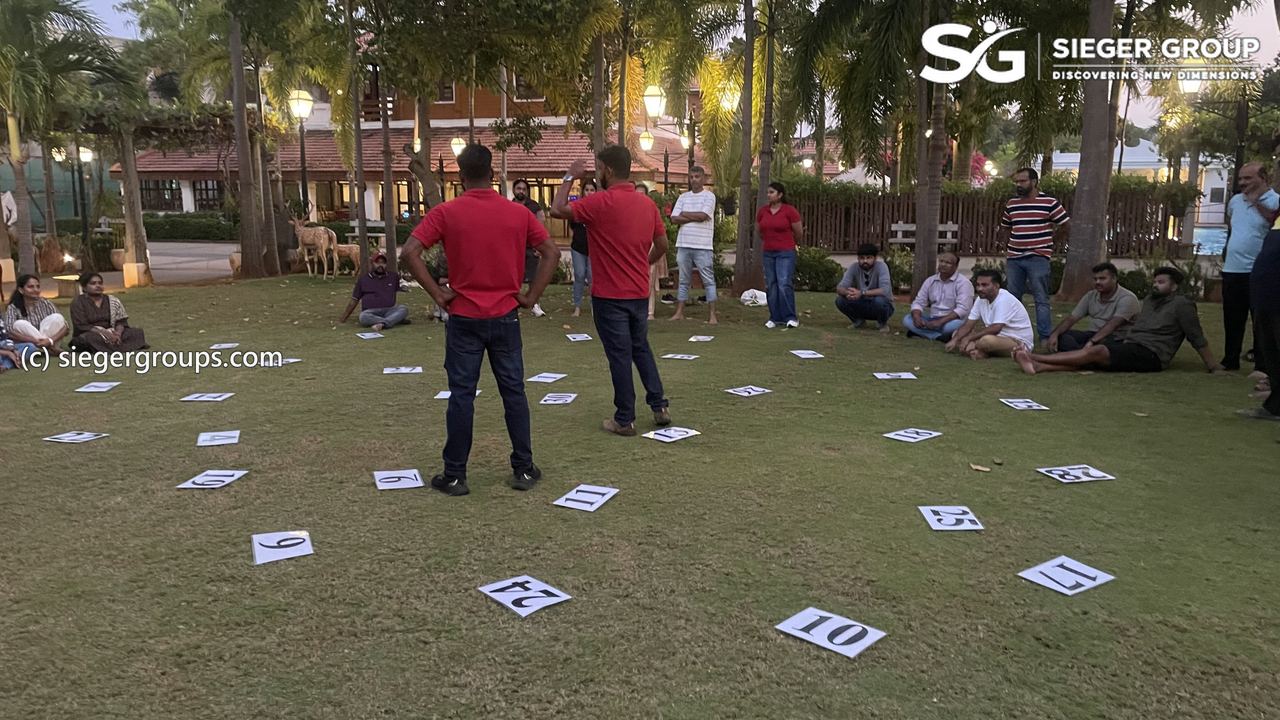
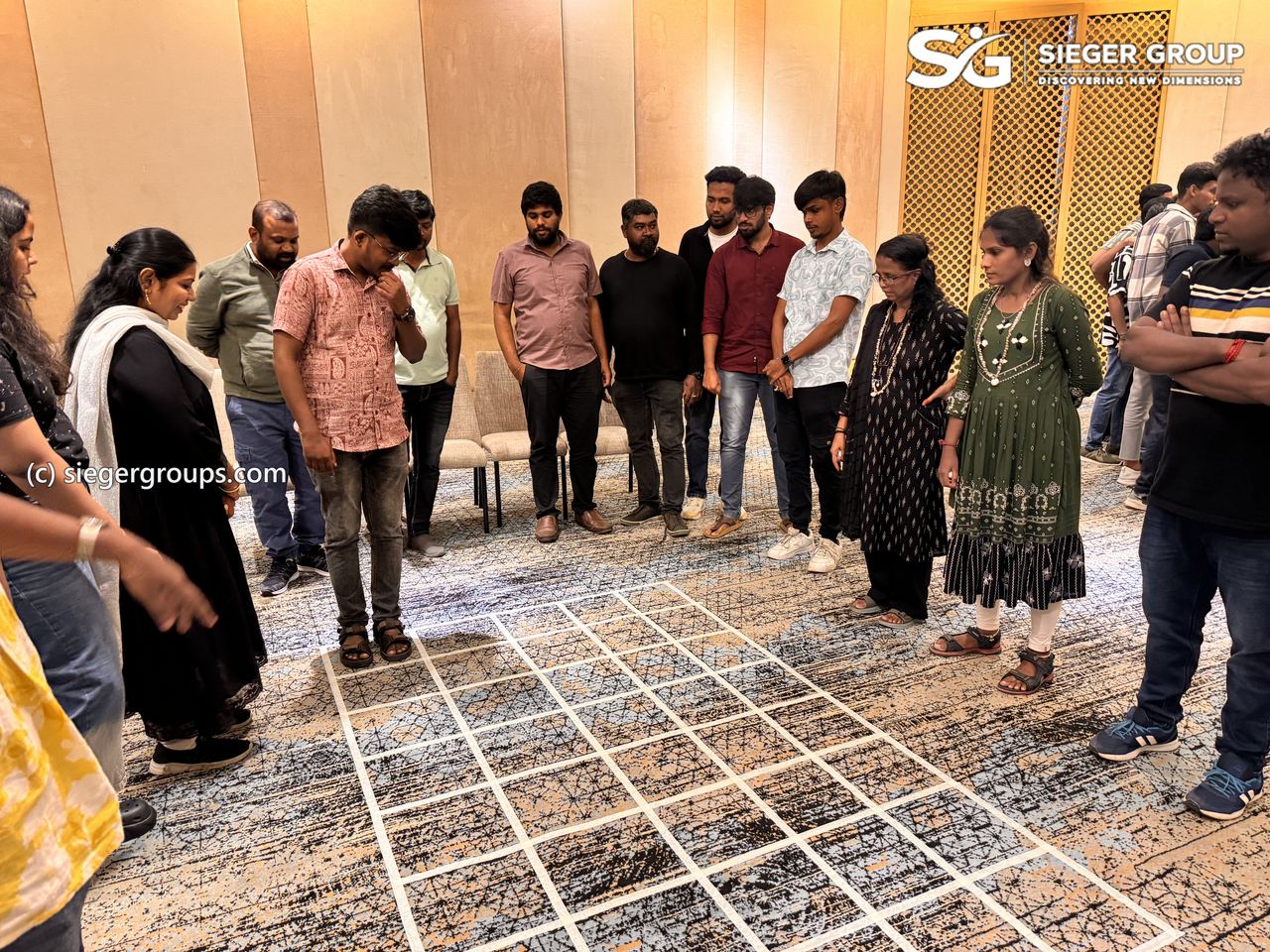
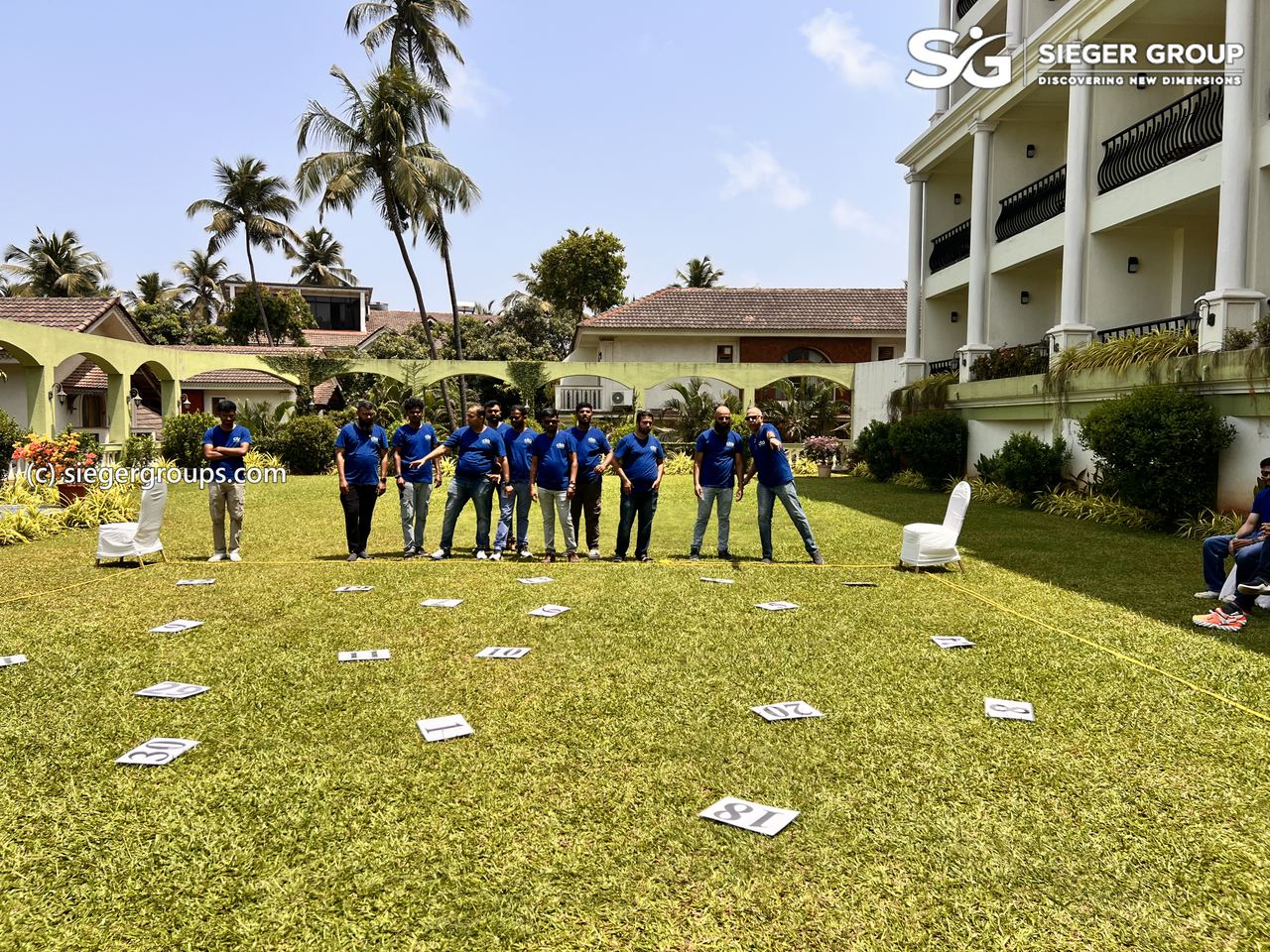
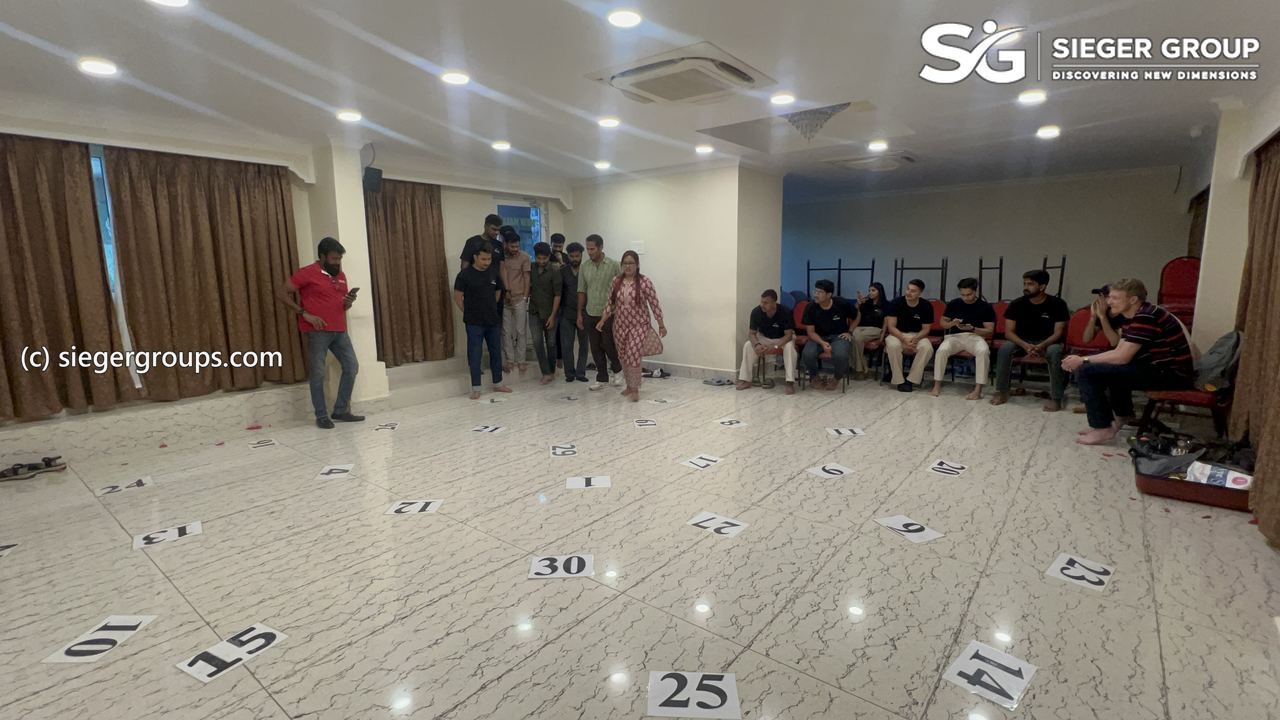
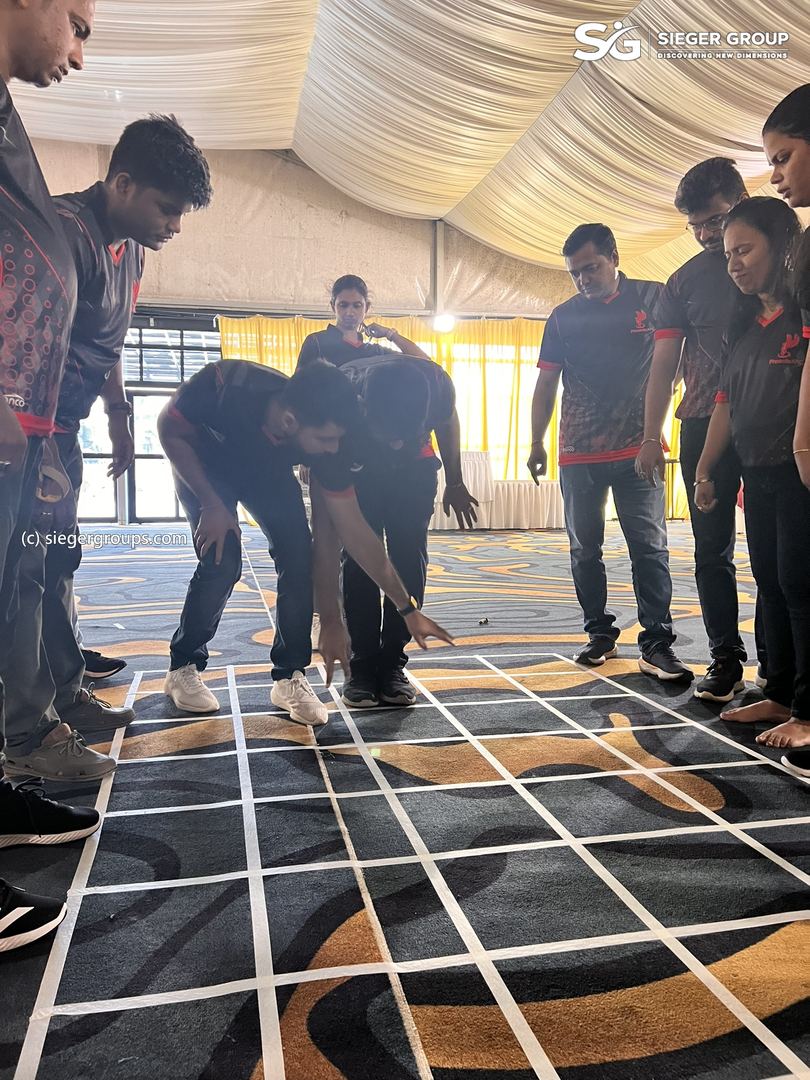
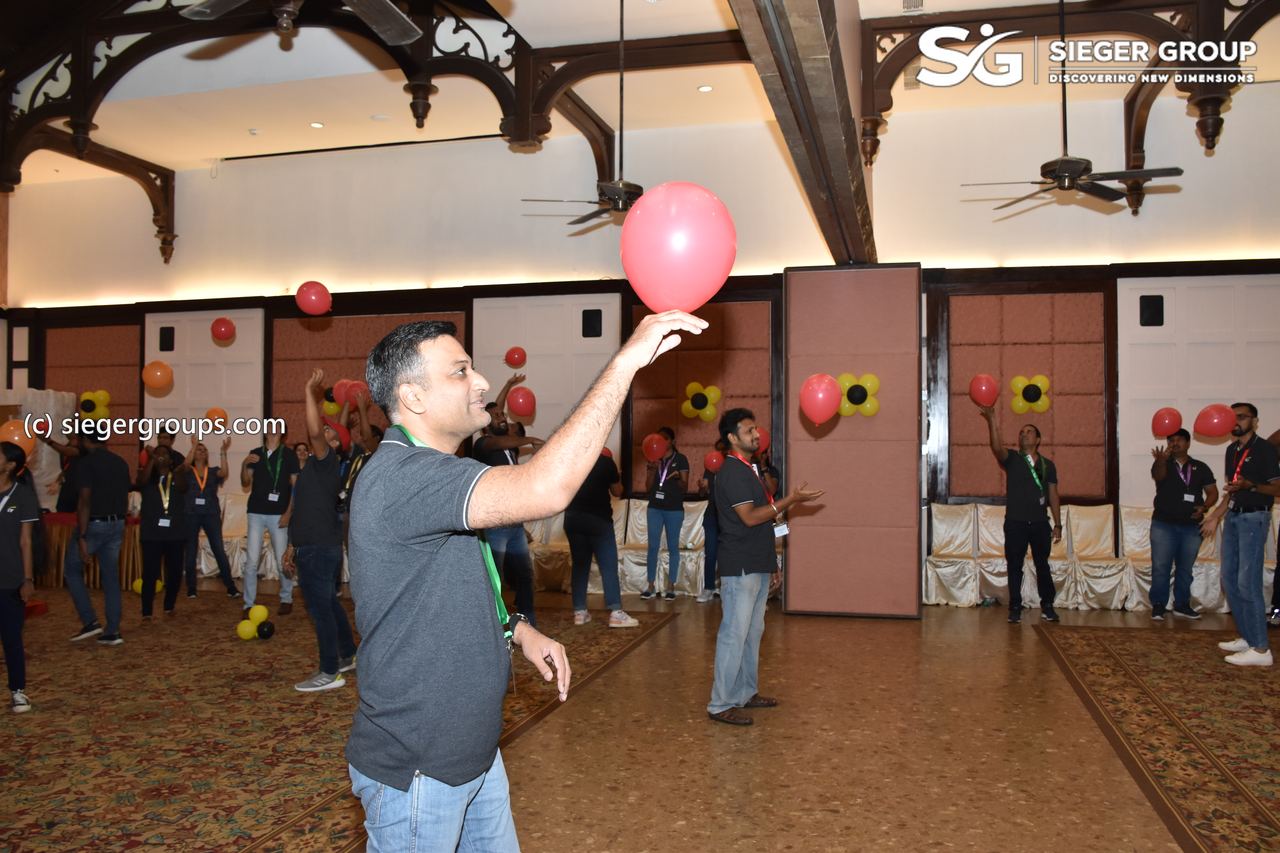
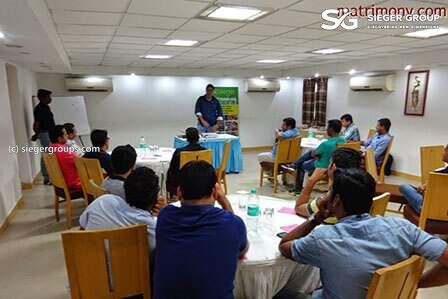
Sieger Group programme photograph — Mini Office Olympics

Core Office Olympics Activities

Start with familiar office objects and a scoreboard everyone can follow. Pick a mix of movement, sorting, building and precision rounds so that different teammates can contribute to the result.

Find the rowing rhythm

Chair Rowing Race

A rowing-inspired office challenge gives teams a shared rhythm and a sequence of cues to follow. The facilitator can adapt the format to the furniture, space and participation arrangements agreed for the event. Colleagues compare how timing and clear signals help separate actions become coordinated effort.

Learning focusShared rhythm · Clear signals
Learn from the last throw

Office Ring Toss

Teams plan a compact target task, review patterns in their attempts and share suggestions for adjusting distance, pace or release between rounds.

Learning focusFeedback · adaptation
Make the next turn clear

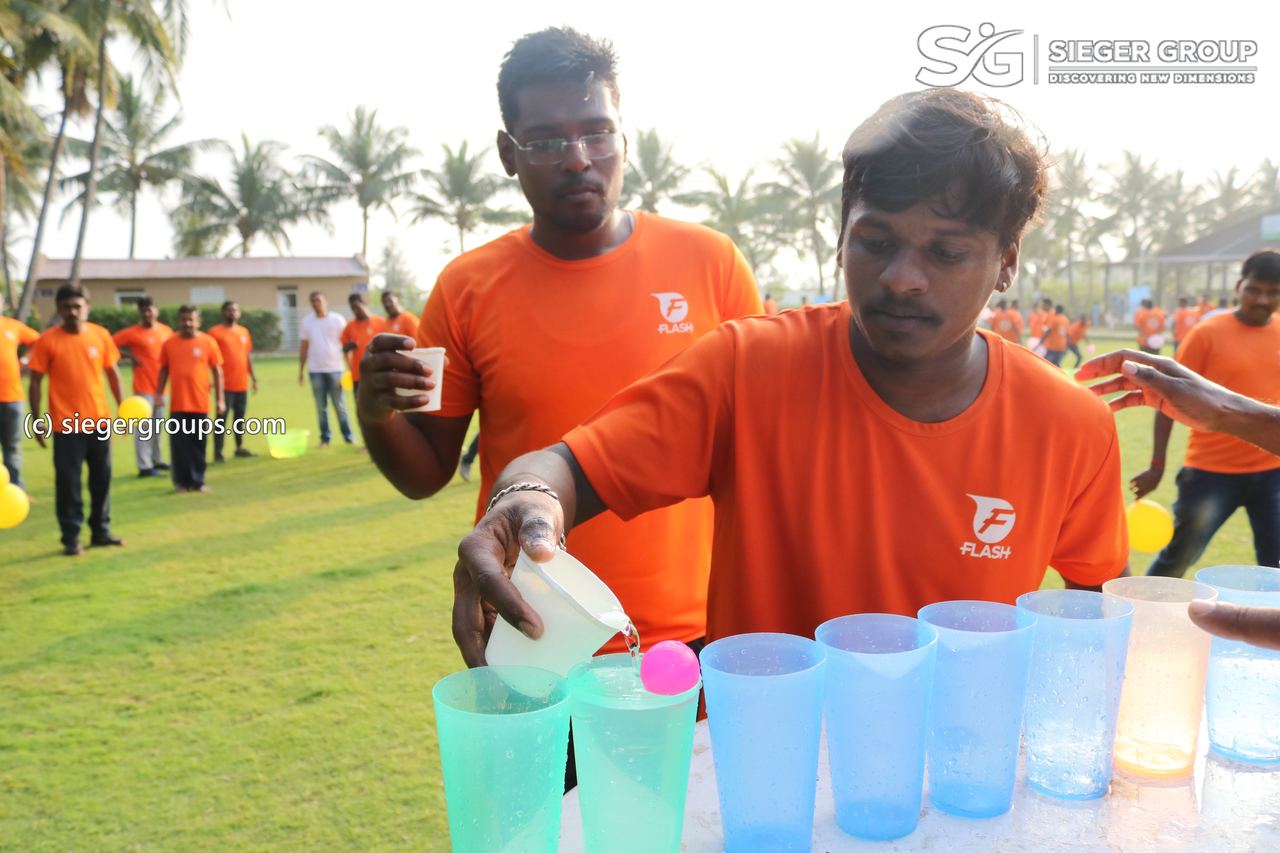
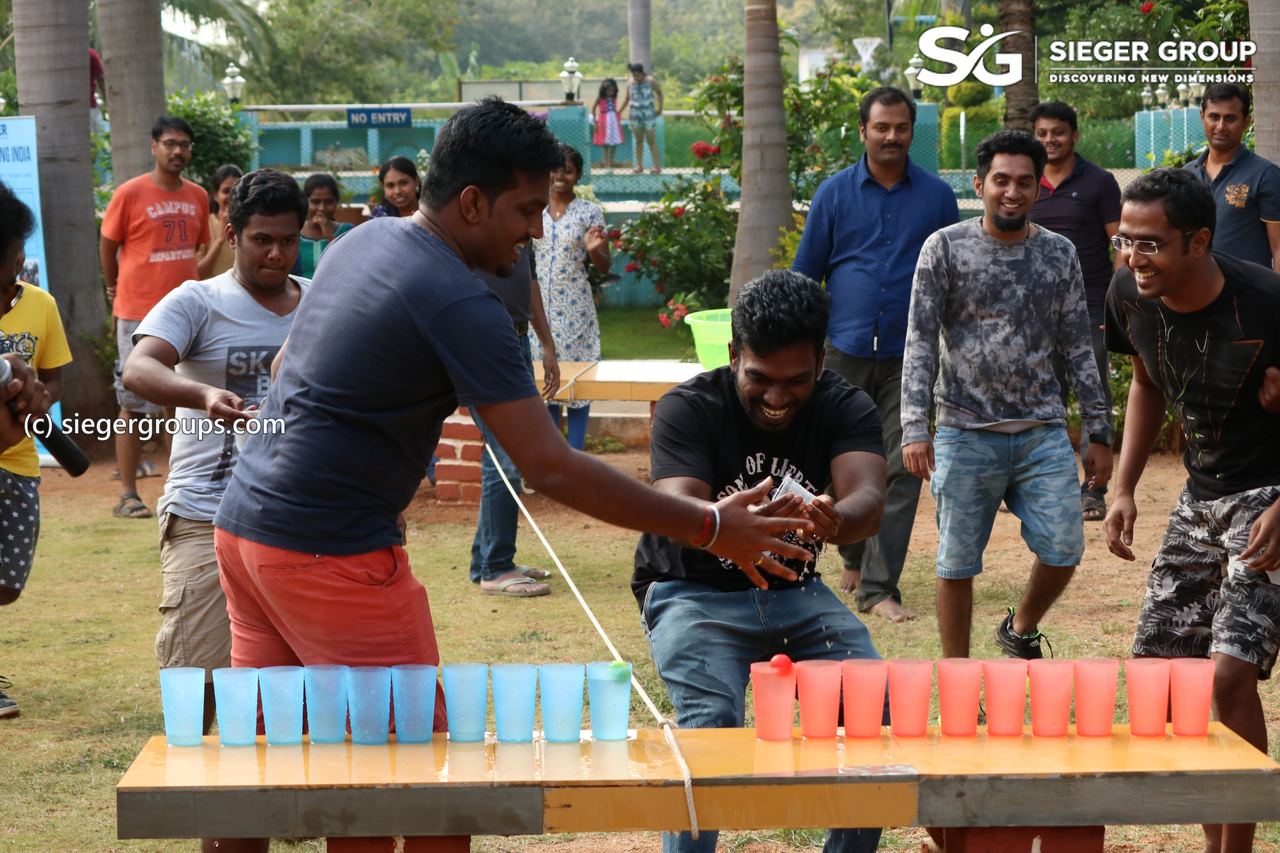
Flip the Cup Relay

Teams work through an agreed cup-flipping sequence, deciding how to share turns and communicate when the next person should begin. Participants can observe techniques and offer focused suggestions. The relay creates a compact example of timing, recovery after an unsuccessful attempt and support that helps rather than distracts.

Learning focusTiming · Peer support
Balance speed with order

Speed Sorting Challenge

Groups organise a mixed collection against stated categories, agree roles and check accuracy before deciding whether a faster method still preserves the standard.

Learning focusOrganisation · accuracy
Make the structure work together

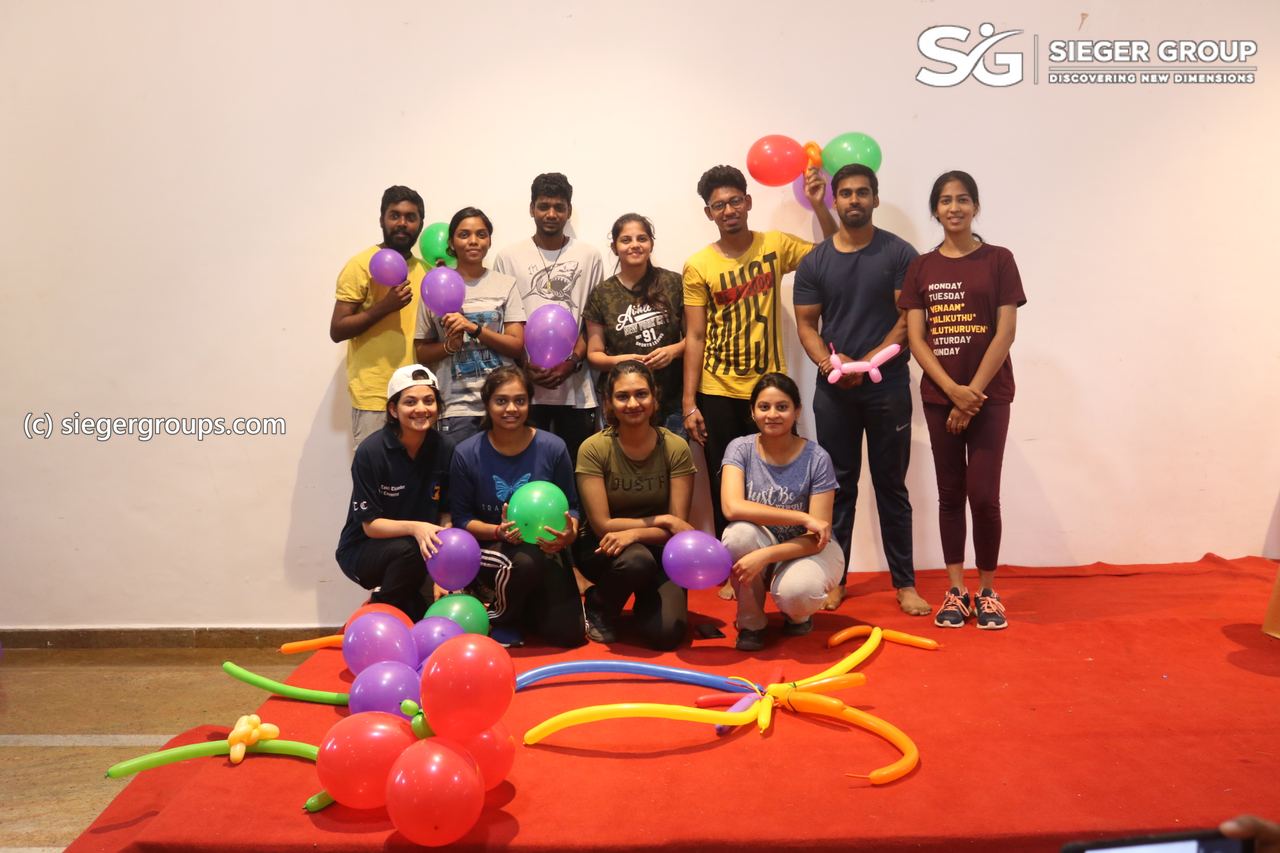
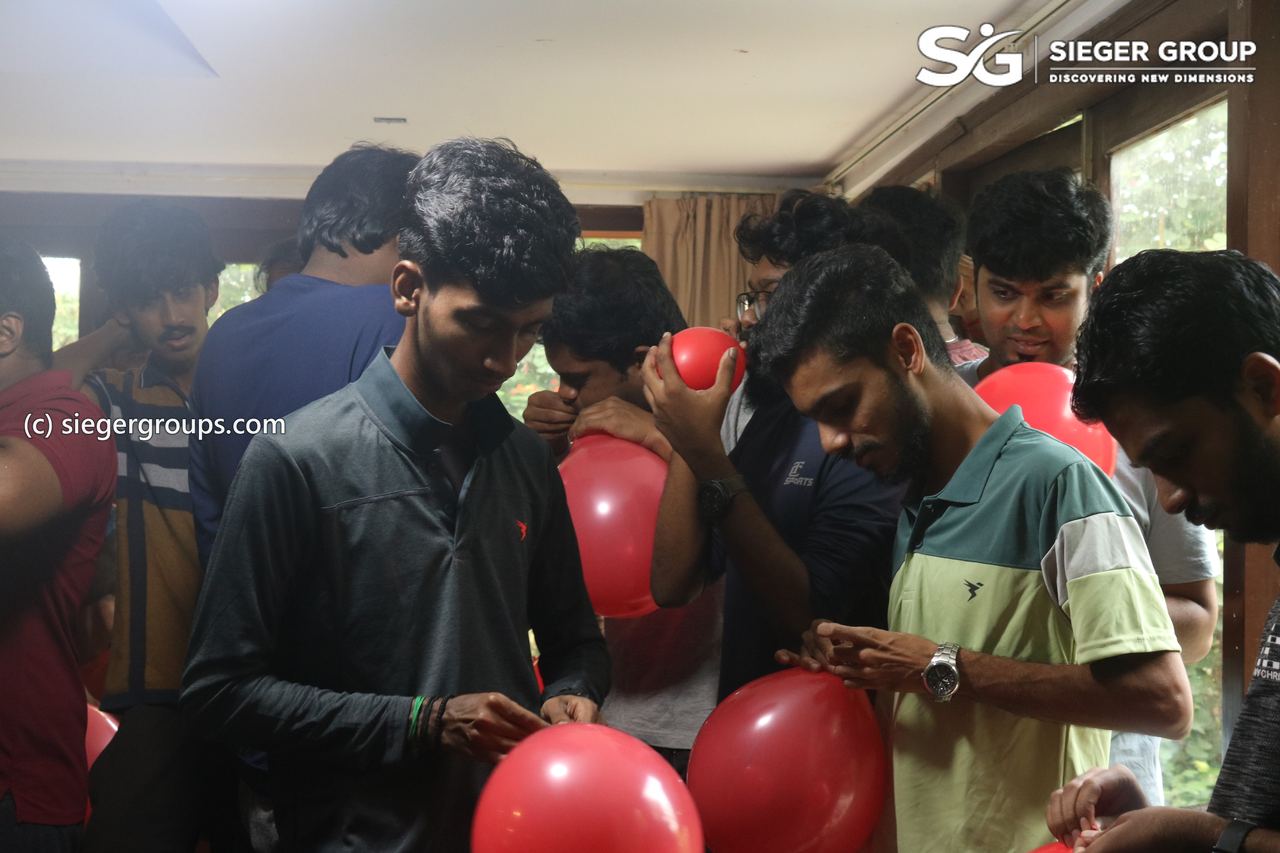
Balloon Tower Build

Teams create a freestanding structure from agreed balloons and connecting materials. They decide on a design, share making roles and test whether the result meets the brief. The review explores how colleagues connected separate ideas and responded when a practical test revealed a weakness in the construction.

Learning focusCreative planning · Testing
Learn from the previous turn

Desktop Bowling

Colleagues use a prepared small-scale bowling setup and agree how attempts will be organised. Teams observe the line, pace and result of a turn before suggesting an adjustment. The familiar format creates an approachable setting for taking turns, sharing techniques and recognising progress across different levels of experience.

Learning focusObservation · Shared technique
Find a pace the group can follow

Helium Stick Mini

Teams work together to lower a lightweight rod through the agreed contact and movement rules. Colleagues compare what they intend with what the shared object actually does. The activity invites a focused discussion of competing instructions, collective pace and small adjustments made in response to the group’s experience.

Learning focusCollective control · Shared pace

Brain-Based Office Olympics Challenges

Set up a quiet table for these ten rounds. A pair can share a pencil and a logic grid, while a larger team can pass a story around the table. Choose a mix of memory, reasoning and communication games so different teammates get a turn to lead.

Recall the scene

7-Second Memory Test

Show a photograph of a busy desk for seven seconds, then cover it. Give each team a blank sheet to record what was there and where it sat. Reveal the photograph and award separate points for the right object and its position. This gives sharp observers and careful listeners different ways to contribute.

Learning focusVisual memory · Attention to detail
Build a word chain

Rapid Connections Game

Draw two unrelated word cards, such as “calendar” and “bridge”. The team has 30 seconds to link them through a short chain of ideas. A different player explains each link, and another team can ask how the ideas connect. Score a chain when everyone can follow the reasoning from start to finish.

Learning focusAssociative thinking · Explaining reasoning
Read the code

Cipher Decode Race

Give each team a coded sentence, a letter key and one pencil. One player reads the symbols, another translates and a third checks the emerging message. To finish, the team must use the decoded instruction to identify the correct object on the table. A plausible guess only earns points if the message supports it.

Learning focusPattern recognition · Verification
Eliminate the impossible

Logic Grid Survival

Teams receive a blank grid and clues about a fictional office event. They might need to match four colleagues to four meeting rooms. Mark confirmed matches and rule out impossible ones as the clues are read aloud. Award the round when the team completes the grid and can explain the deduction that settled its final square.

Learning focusDeduction · Evidence checking
Follow the clue trail

Office Treasure Loop

Hide clue envelopes at marked stations around a meeting room. Each answer points to the next station, and each envelope contains a letter to collect. The trail ends back at the starting table, where the team arranges its letters into the final word. For a seated round, lay the same envelopes across one table.

Learning focusInformation sharing · Sequencing
Reverse the message

Mirror Writing Challenge

Start with a short message printed in mirror writing. One teammate reads it aloud while another records the answer. Then swap roles and write a reversed clue for a neighbouring team to solve. Use a pocket mirror for the reveal and score each message that another team can read accurately.

Learning focusVisual perception · Peer checking
Describe from memory

Back-to-Back Drawing from Memory

Let one partner study a simple arrangement of shapes for ten seconds, then put the picture away. Sitting back to back, that partner describes it while the other sketches. Reveal the original and compare shape, position and orientation. A second round with roles reversed shows which instructions made the biggest difference.

Learning focusSpatial language · Active listening
Assemble the picture

Jigsaw Race

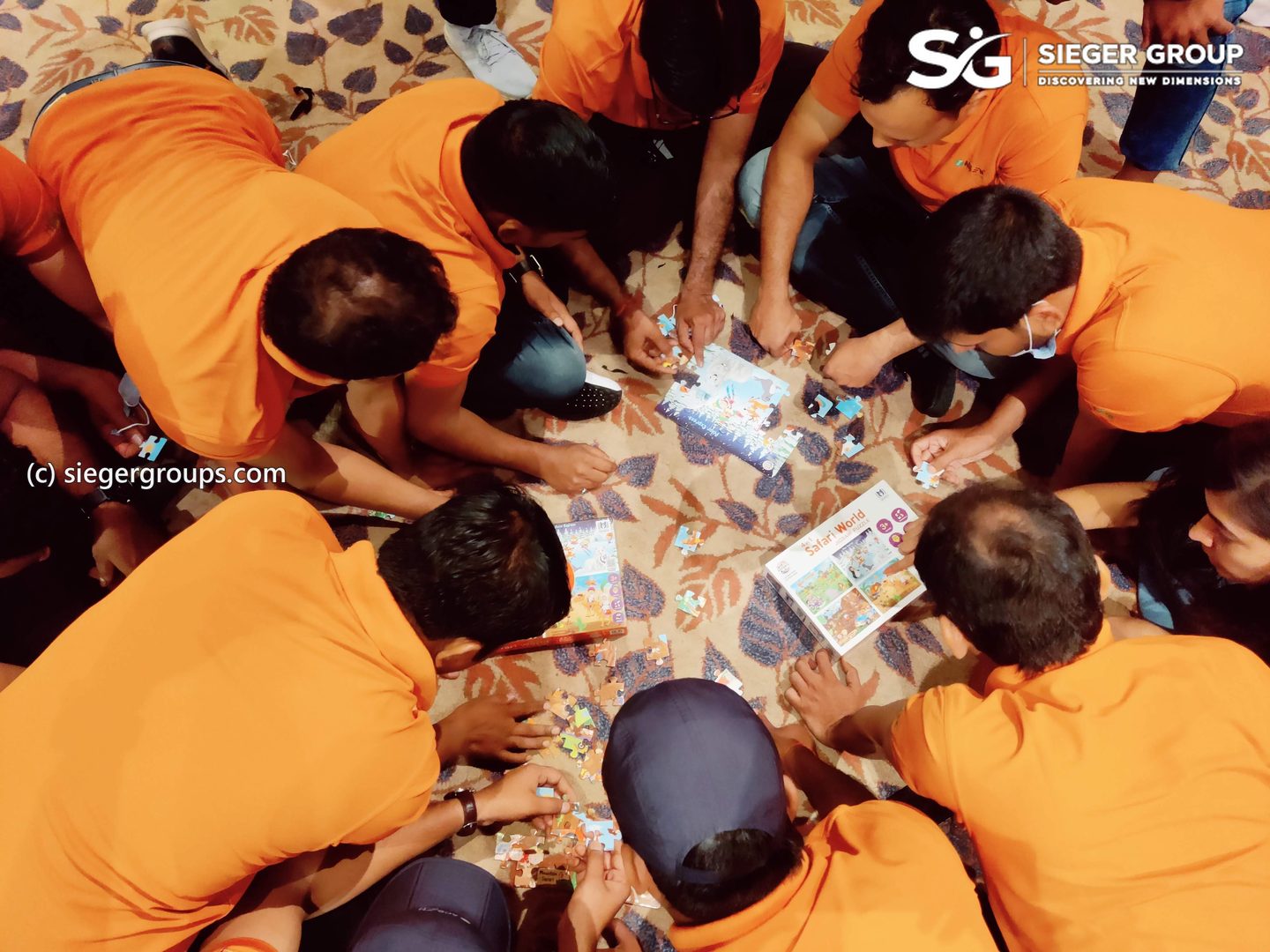
Give each team an identical small jigsaw in a tray. Before the clock starts, teammates decide who will sort the pieces, build the border and check promising joins. Stop the clock when the final piece fits. For a shorter heat, use a picture of one section as the shared finish target.

Learning focusTask allocation · Visual matching
Remember the sequence

Memory Chain Story

The first player starts an office story with one detail, such as a missing blue folder. Each teammate repeats the growing sequence in order and adds one new detail that follows the story. Count the longest accurate chain. On the next attempt, let the team try a different way of remembering the order.

Learning focusListening · Collective recall
Find the missing piece

Pattern Hunt

Arrange cards into three unfinished sequences using shapes, directions or numbers. Teams choose the missing card for each row and explain the rule to the scorer. Finish with a swap round in which each team creates a pattern for another table. Credit an alternative answer when its rule fits every card in the row.

Learning focusRule testing · Reasoning aloud

Competitive Relay & Physical Mini Office Olympics

Pick a tabletop station for a meeting room or a walking relay for a clear indoor lane. Brief each team on the handover and the finish condition before starting. Teams can rotate the player, timekeeper and scorer roles so everyone has a way to take part.

Move the cup with air

Cup & Straw Sprint

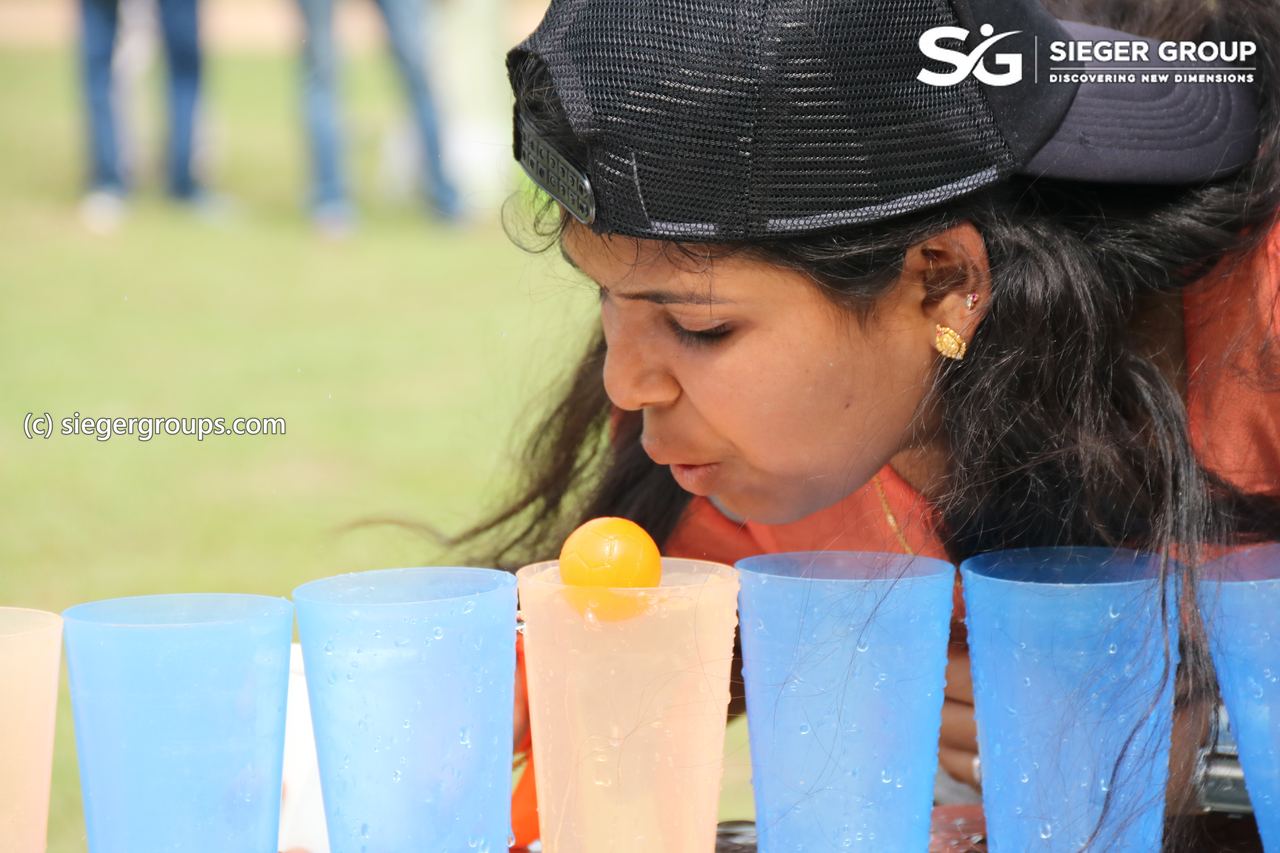
Mark a start and finish on a smooth table. Each player uses their own straw to move an upturned paper cup along one stretch of the course with short puffs of air. At the halfway mark, a teammate takes over with a fresh straw. Time the team from its first puff until the cup crosses the line.

Learning focusBreath control · Relay timing
Carry the book steadily

Book Balance Relay

Place a turning marker a short walk from the start. The first player balances a light paperback on their head, walks around the marker and returns it to the next teammate. If the book slips, pause and reset at that spot. The relay finishes when everyone completes a leg and the book reaches the starting table.

Learning focusBalance · Controlled pace
Deliver the ball

Ping Pong Transport Race

Set a bowl of table tennis balls at one end of a lane and an empty bowl at the other. Each teammate carries one ball on a handheld spoon. A dropped ball returns to the last handover point. Count the balls delivered within the round, giving teams a reason to choose a steady pace.

Learning focusSteady handling · Clean handovers
Cross the marked lines

Pencil Jump Challenge

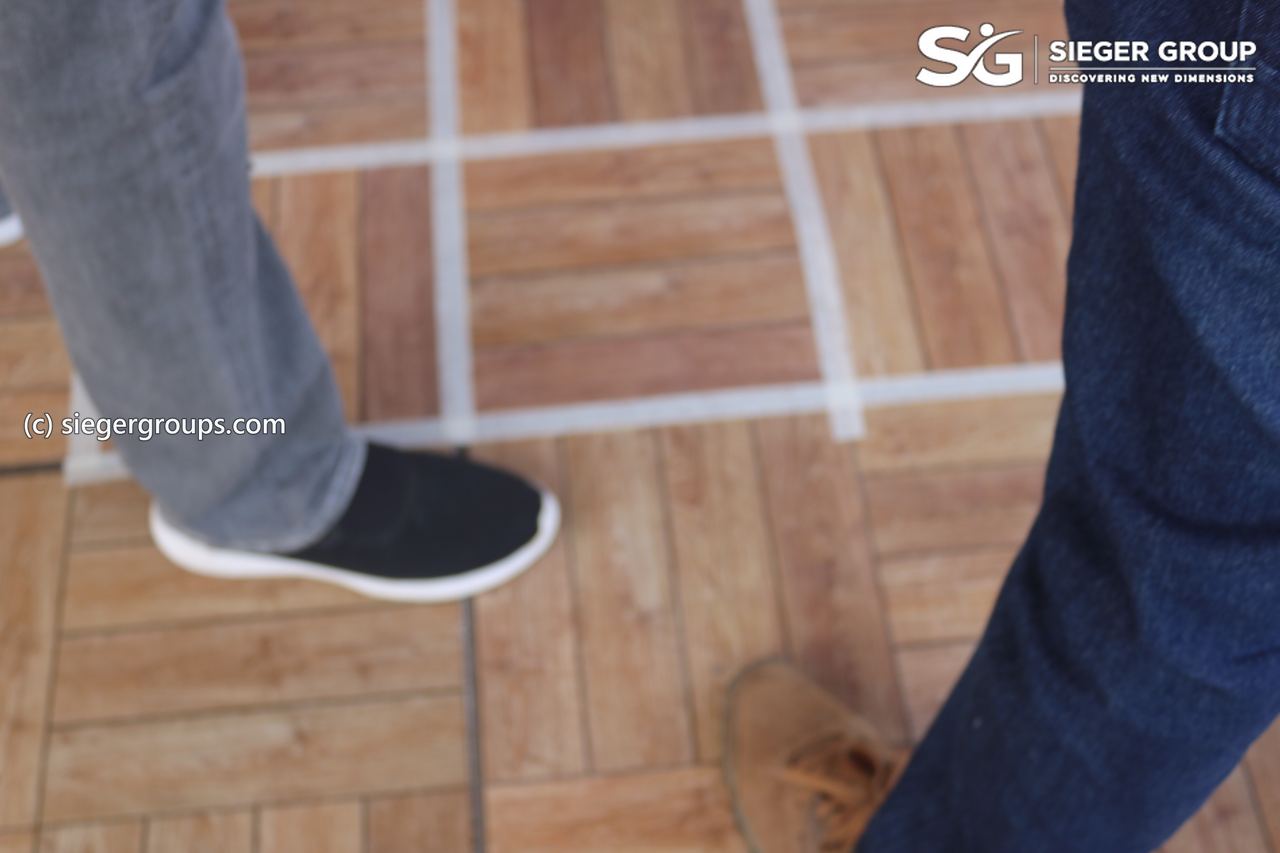
Lay three parallel tape lines on the floor and balance an unsharpened pencil across an open palm. Players cross the lines with small two-foot hops or agreed steps, then pass the pencil to a partner for the return. A clean crossing earns a point. Shorten the gaps to suit the group and the room.

Learning focusMovement control · Concentration
Maintain a bounce streak

Rubber Ball Bounce Count

Give each player the same soft ball and a marked floor square. Over 30 seconds, count each bounce caught cleanly inside the square. A missed catch breaks the streak, but the player can start another. Add each teammate’s longest streak to the team total so a controlled rhythm counts for more than a frantic start.

Learning focusRhythm · Recovery after mistakes
Separate one sheet at a time

Tissue Pull Challenge

Set out equally filled tissue boxes and an empty tray for each team. Players take short turns drawing one tissue at a time with one hand and laying it in the tray. At the handover, the next player takes over the same box. Count intact, individually separated tissues when the timer sounds.

Learning focusFine motor control · Turn-taking
Transfer the cotton

Cotton Ball Pickup

Set two shallow bowls a handspan apart. Using a handheld spoon, the first player transfers cotton balls from one bowl to the other until the handover signal. The next player continues from the same position. Score the balls resting inside the receiving bowl, and use identical bowl spacing at every table.

Learning focusHand–eye coordination · Consistency
Build a freestanding tower

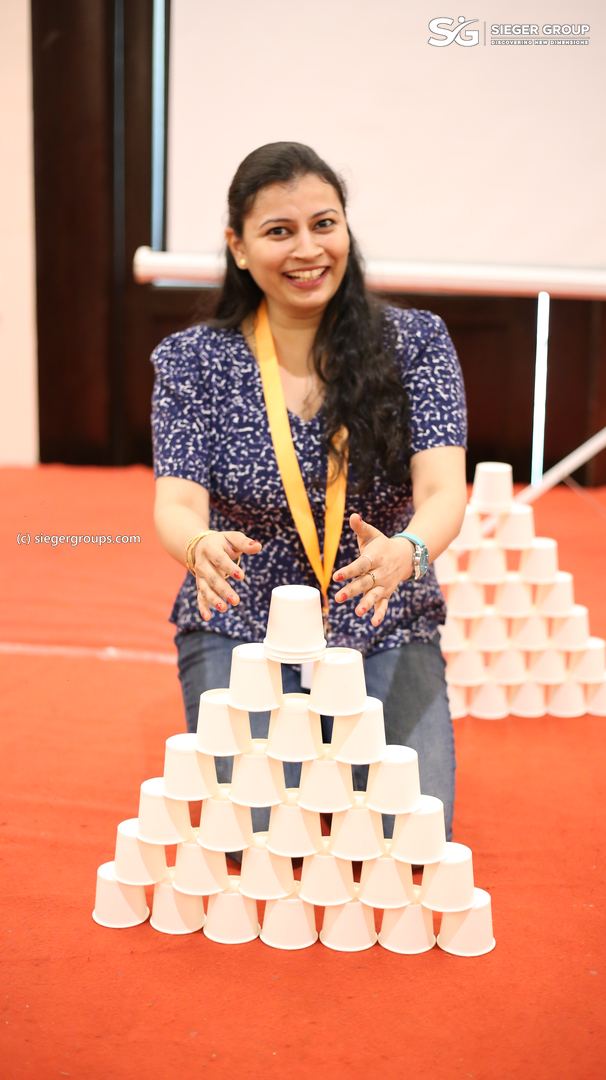
Quick Build Tower

Give each team an equal stack of paper cups. Players take turns adding one cup to a freestanding tower while their teammates suggest where the next support should go. When time is called, everyone steps back. Measure the tallest tower that stands on its own for five seconds.

Learning focusStructural planning · Shared decisions
Collect the code in order

Treasure Box Unlock

Place a coded box at the finish table and give each relay station one short clue. Each returning player brings a digit and tells the next runner where it belongs in the code. The final teammate arranges the digits and opens the box. Every leg contributes information the finisher needs.

Learning focusAccurate handovers · Sequencing
Complete the marked route

Mini Obstacle Sprint

Mark a short indoor route with cones, a taped stepping pattern and a beanbag drop. One teammate weaves through the cones, follows the marked steps and places the beanbag in a basket before tagging the next player. Use walking pace in meeting rooms and count the laps completed in the correct order.

Learning focusRoute recall · Team pacing

Aim, Balance & Desk Sports

Set up compact stations where placement, balance or control of a familiar office object determines the result.

Choose a considered attempt

Rubber Band Archery

Participants use the agreed target setup and event rules to practise controlled aiming, compare technique and learn from watching another colleague’s attempt.

Learning focusPrecision · peer observation
Choose an approach to the target

Stapler Shot Put

A shot-put-style office challenge uses purpose-selected lightweight props and an agreed target or scoring area. Teams compare approaches and explain what they changed between attempts. The emphasis is on playful judgement and observation, with the materials and layout chosen for the event rather than ordinary equipment assumed suitable.

Learning focusObservation · Judgement
Read the next move

Desk Hockey

Teams use a prepared tabletop hockey-style setup with agreed equipment, playing area and rules. Colleagues plan how to connect their moves and adapt as the round develops. The format brings a familiar sporting idea into a small-space challenge that invites coordination, observation and shared enjoyment.

Learning focusTeam play · Adaptability
Notice the small adjustment

Pencil Balance Marathon

Participants explore an agreed balancing task using a pencil or suitable alternative prop. They compare how attention, pace and small adjustments influence an attempt. Teams can contribute through observation and encouragement, then discuss which feedback was useful and how they responded when the first approach did not hold.

Learning focusConcentration · Adaptation
Aim with a reason

Folder Frisbee

A flying-disc-style office task invites participants to aim a suitable prepared prop towards an agreed target. Teams observe attempts, compare techniques and discuss how distance or direction affects the result. The challenge gives colleagues a playful setting to test an adjustment and explain what they learned from it.

Learning focusAccuracy · Experimentation
Build, observe and refine

Marshmallow Catapult

Teams develop a simple launcher concept using materials and a target setup selected for the event. They compare how design changes affect accuracy within the agreed format. The making task connects imaginative ideas with testing, recording observations and choosing which adjustment deserves another attempt.

Learning focusPractical invention · Evidence
Give the next flight a purpose

Paper Plane Accuracy Throw

Teams fold paper planes and aim them towards an agreed scoring area. They compare how a design or launch adjustment changes the result and choose what to try next. The challenge combines practical making with evidence-based discussion, giving colleagues a visible way to compare ideas against the same brief.

Learning focusDesign choices · Accuracy

Team Builds & Tabletop Design

Give squads time to compare designs, test a small structure and hand a shared object from one teammate to another.

Test what the design can support

Coin Bridge Challenge

Groups use coins or suitable agreed materials to explore a small bridge-building brief. They discuss arrangement and stability, test the structure against the task criteria and revise the design. The activity invites careful observation and makes the relationship between an appealing idea and a workable construction visible.

Learning focusDesign reasoning · Iteration
Build one considered layer at a time

Cube Stack Challenge

Groups build a stack using cubes, dice or the agreed small materials for the task. They decide how to divide building and observation roles and compare the result with the brief. The activity invites discussion of careful handling, shared instructions and adapting the design after an unstable attempt.

Learning focusPlanning · Precision
Make the shared idea visible

Post-It Art Competition

Teams create a pattern, symbol or image from sticky notes in response to an agreed theme. Colleagues connect individual ideas with the overall design and decide how to explain the result. The task highlights visual planning, shared meaning and the practical coordination behind one collective picture.

Learning focusVisual thinking · Co-creation
Build a symbol with a story

Team Symbol Build

Groups use agreed office-style materials to create a symbol representing a shared idea or team theme. They compare interpretations and choose how different contributions should appear in the final model. The activity gives colleagues a concrete reason to discuss meaning, resourcefulness and the choices behind a collective result.

Learning focusShared identity · Creative choices
Make the next move a shared decision

Team Stack & Shift

Groups move or arrange objects using an agreed method and constraints selected for the event. They plan the sequence, share roles and decide how to signal the next action. The challenge makes coordination visible and gives the review specific examples of how one person’s move affects the rest.

Learning focusCoordination · Sequence planning
Move the tool as one team

Coordination Cups

Participants use strings and an agreed gripping tool to lift or arrange cups as a group. They coordinate tension, direction and timing through clear cues. The mechanism makes each contribution visible and allows colleagues to examine what happens when instructions compete or one movement is made before others are ready.

Learning focusShared signals · Interdependence

Movement & Communication Games

Use these short rounds to practise directions, unspoken cues and handovers. Select seated or moving formats around the room available.

Give the details a structure

Sticky Note Scramble

Groups organise a collection of sticky notes into categories or a sequence defined by the brief. They compare interpretations and explain where an item belongs before accepting the arrangement. The task highlights shared criteria, information organisation and how a quick check can resolve differences in understanding.

Learning focusShared criteria · Information organisation
Keep attention with the task

Paper Plate Sprint

A short balance-and-movement task uses paper plates within the route and participation arrangements agreed for the group. Teams discuss pace and how to offer useful cues during an attempt. The activity makes concentration and encouragement part of the shared game rather than focusing only on finishing quickly.

Learning focusBalance · Considerate encouragement
Express, observe and decode

Emoji Expression Relay

Participants communicate an agreed emoji or expression through a short non-verbal performance that teammates interpret. The group compares the intended message with the answer received. The relay invites creativity and shared laughter while opening a conversation about visual cues, assumptions and checking meaning.

Learning focusNon-verbal cues · Interpretation
Connect the group rhythm

Team Skipping Rope Loop

A rope-based rhythm challenge asks participants to coordinate around the format selected for the venue and group. Teams agree signals and suitable participation roles before trying the sequence. The review considers how pace, preparation and encouragement helped colleagues understand when and how to contribute.

Learning focusTiming · Coordination
Make the route understandable

Blind Maze Walk

A guided navigation task separates route information from the person following it, using participation options and a layout agreed for the session. Teams focus on descriptions, questions and confirmation. Reflection examines how useful guidance differs from several competing instructions and what helps someone request clarification.

Learning focusClear guidance · Trust
Consider the effect of each move

Human Knot Mini

A selected connection-and-sequencing task invites a small group to work towards an agreed untangling goal. The format can be adapted to participation preferences and available space. Colleagues discuss options, consider how one move affects others and practise checking a shared plan before acting.

Learning focusShared planning · Dependencies
Follow what happens to the message

Whisper Relay Race

An agreed message moves through a sequence of participants before the final version is compared with the original. Teams explore how detail and meaning change during successive handovers. The discussion focuses on listening and clarification, using the shared experience to examine where important information can be lost.

Learning focusListening · Information transfer
Check the meaning behind the symbol

Pass-the-Message Emoji Edition

Teams translate an agreed prompt into emoji-style clues and pass the interpretation through the group. Colleagues compare the final meaning with the starting idea and explain the cues they relied on. The task explores how symbols can help communication while also inviting different assumptions about the same message.

Learning focusVisual communication · Shared meaning
Agree a silent way to organise

The Silent Line-Up

Participants organise themselves into a sequence using a suitable agreed criterion and non-verbal communication. The group chooses how to ask questions, confirm positions and resolve uncertainty without spoken instructions. Reflection considers how colleagues made information visible and whether everyone understood the shared method before the line was complete.

Learning focusNon-verbal coordination · Clarity
Check the order together

Reverse Spelling Bee

Teams work together to produce the reverse sequence of letters in an agreed word. Participants can divide checking and response roles, compare methods and explain how they verified an answer. The format turns a familiar language task into a practical challenge about attention, shared checking and clear sequencing.

Learning focusAttention · Shared checking
Describe what others need

Back-to-Back Drawing

One colleague describes an unseen image while another draws, then they compare results and discuss how questions affected their understanding.

Learning focusClarity · listening

Programme overview

Fun Corporate Games • Energy Boosters • Team Collaboration

Office Olympics & Mini Office Olympics are high-energy, interactive corporate games designed to boost teamwork, communication, problem-solving, and workplace bonding.

From skill-based contests to fast-paced mini challenges, each activity pushes teams to strategize, compete, laugh, and collaborate in a fun experiential learning environment.

What makes it distinctive

Turn familiar materials into opportunities for inventive teamwork.

Consider an office task repeated using a familiar method without checking its effectiveness. The selected experiences connect precision and peer observation with organisation and accuracy, creating a basis for discussing playful shared competition and the choices that shape playful office challenges and coordinated rounds.

  • Breaks Workplace Monotony: A refreshing burst of excitement, movement, and creativity.
  • Builds Stronger Teams: Enhances communication, trust, bonding & teamwork.
  • Boosts Engagement Levels: High-energy challenges inspire positivity & collaboration.
Shape your team brief
Sieger Group programme photograph — Mini Office Olympics
Why this programme

Why Organisations Choose Mini Office Olympics

Turn familiar materials into opportunities for inventive teamwork. Explore how different routes to contribute, technique before repetition and a fresh view of colleagues shape playful office challenges and coordinated rounds.

Choose a considered attempt

Everyday materials reimagined

Explore how simple office objects can support an inventive shared task.

Learn from the last throw

Different routes to contribute

Combine thinking and coordination rather than relying on one kind of ability.

Balance speed with order

Technique before repetition

Use observations from one attempt to improve the next method.

Describe what others need

Playful shared competition

Agree a scoring structure while keeping the event welcoming and cooperative.

Carry the insight forward

A fresh view of colleagues

Notice strengths less visible in routine workplace interactions.

Programme benefits

Programme Benefits

Explore the behaviours and practical insights your team can review through Mini Office Olympics. The debrief connects observations from the experience with situations that matter to participants.

Everyday materials reimagined

Approach familiar materials with fresh ideas, exploring how constraints can prompt a different method for a simple shared task.

Different routes to contribute

Recognise contributions across thinking, precision, coordination and creativity rather than one measure of physical speed.

Technique before repetition

Compare attempts and share a useful technical observation that another colleague can test in the next round.

Playful shared competition

Understand the agreed scoring structure while keeping the event cooperative and welcoming to varied participation preferences.

A fresh view of colleagues

Notice strengths and working styles that may be less visible in the group’s normal office roles.

Precision and peer observation

Practise describing an image or task clearly enough for another person to act, then use questions to check what they understood.

Clarity and listening

Bring a short review habit into routine work: name one observation, adjust the method and check the next result.

From experience to application

Bring the learning back to work.

Use these reflection prompts to turn Mini Office Olympics into a focused conversation about what happened, what it means and what to try next.

  1. Notice a specific contribution

    Identify a choice in Rubber Band Archery that affected precision and peer observation. Describe what the person did and how the group responded.

  2. Compare different observations

    Hear more than one account of Office Ring Toss. Discuss which details helped colleagues understand the task and which important information arrived too late.

  3. Revisit a difficult decision

    Choose a turning point from Speed Sorting Challenge. Explain the options considered, the reason for the decision and what new information changed the approach.

  4. Connect with an everyday situation

    Use an office task repeated using a familiar method without checking its effectiveness as the application example. Identify one moment where organisation and accuracy could change what happens next.

  5. Choose a manageable next action

    Try a short review between attempts and record the most useful suggestion. Name the person taking it forward and the first situation in which the group will try the change.

  6. Review the first attempt

    Bring an example from playful office challenges and coordinated rounds to the next review. Discuss what changed, what colleagues noticed and which part of the approach needs refining.

Programme delivery

How the Programme Works

A suggested flow for Mini Office Olympics, from setting the brief to reviewing the experience. Activity choices, pace and facilitation are confirmed around your group and setting.

  1. Begin with the real need

    Purpose, participation & briefing

    Discuss an office task repeated using a familiar method without checking its effectiveness. Agree what the group wants to explore about everyday materials reimagined, then confirm the selected formats, roles and practical arrangements.

    Everyday materials reimagined
  2. Choose a considered attempt

    Selected experiences in action

    Participants use the agreed target setup and event rules to practise controlled aiming, compare technique and learn from watching another colleague’s attempt. Additional options can explore feedback and adaptation through Office Ring Toss, with the final activity mix agreed in the programme brief.

    Precision and peer observation
  3. Examine the evidence

    Review the choices that mattered

    Examine organisation and accuracy alongside clarity and listening. Compare the decisions and turning points colleagues observed, including moments when a different question or contribution changed the group’s approach.

    Playful shared competition
  4. Carry one insight forward

    Agree an application to try

    Use the review to try a short review between attempts and record the most useful suggestion. Choose a specific situation in playful office challenges and coordinated rounds, confirm who will take the action forward and decide when to compare observations.

    Clarity and listening
Experiential learning outline

Experience. Reflect. Apply.

Connect Mini Office Olympics with purposeful practice, evidence-based reflection and a next step that fits your working context.

  1. Align the brief

    Connect everyday materials reimagined with a clear question about playful office challenges and coordinated rounds. Discuss an office task repeated using a familiar method without checking its effectiveness and agree the participation arrangements.

  2. Experience the challenge

    Teams plan a compact target task, review patterns in their attempts and share suggestions for adjusting distance, pace or release between rounds. Notice how colleagues handle feedback and adaptation while the agreed task develops.

  3. Reflect on the evidence

    Review a moment involving technique before repetition. Hear the perspectives of those performing, observing and supporting the task, then compare the information available to each.

  4. Connect the learning

    Discuss where organisation and accuracy matter in playful office challenges and coordinated rounds. Use a recent example to identify a practical decision the group could approach differently.

  5. Commit to a next step

    Select a first opportunity to try a short review between attempts and record the most useful suggestion. Agree the support needed and the evidence the group will bring to its next review.

Programme details

Bring Office Olympics to Your Workplace

A vibrant, energetic and engaging corporate experience that improves collaboration, communication, creativity and team spirit. Perfect for employee engagement programs, offsites and team-building days.

Who should attend

Choose the right audience for the experience.

Discuss participant experience, access needs, language preferences and the purpose of the programme before confirming suitability.

Intact and cross-functional teams

Intact and cross-functional teams interested in precision · peer observation. Rubber Band Archery offers one possible starting point for an agreed group experience.

Managers and emerging leaders

Managers and emerging leaders exploring feedback · adaptation. Select a format that fits their responsibilities, working relationships and the purpose of Mini Office Olympics.

Project teams and newly formed groups

Project teams and newly formed groups bringing different perspectives to organisation · accuracy. Confirm the learning priorities and participation arrangements before choosing the activity mix.

Settings to discuss
Corporate Team BuildingEmployee Engagement DaysLeadership Meets & OffsitesAnnual Events & Team Celebrations
Programme schedule

An illustrative session schedule.

This sample shows how a programme could flow. Timings, breaks, activity choices and duration are agreed in the final proposal.

Example session

Brief, experience and reflect

  1. 09:30–09:45

    Welcome, context and participation

    Introduce Mini Office Olympics, agree the group’s purpose and discuss participation preferences. Explain the selected formats before the experience begins.

  2. 09:45–10:30

    Rubber Band Archery

    Use a selected version of Rubber Band Archery to explore precision · peer observation. Pause to compare observations and clarify the choices that shaped progress.

  3. 10:30–11:15

    Office Ring Toss

    Use a selected version of Office Ring Toss to explore feedback · adaptation. Pause to compare observations and clarify the choices that shaped progress.

  4. 11:15–11:30

    Reflection and shared takeaways

    Review examples of everyday materials reimagined and technique before repetition. Connect the observations with day-to-day team responsibilities and choose a relevant next conversation.

Planning details

A considered programme starts with the practical details.

People and participation

Share the audience profile, language preferences and access needs for Mini Office Olympics. Agree options that let different colleagues contribute comfortably.

Venue and resources

Discuss the available space, materials and facilitation arrangements for the selected learning exercises. Confirm the final mix of Rubber Band Archery and any other chosen experiences in the brief.

Scope and delivery

Agree the focus on feedback · adaptation, the programme duration and which materials, facilitation and delivery arrangements are included.

Review and follow-through

Choose how to review precision and peer observation and clarity and listening. Confirm any follow-up conversation or team commitment that belongs within the programme scope.

Organisations we work with

Trusted by teams across industries

Sieger Group supports organisations with team-building experiences and facilitated programmes.

Client perspectives

Testimonials

Plan with confidence

Mini Office Olympics FAQs

12 practical answers to help you plan your programme.

What is Mini Office Olympics?

Office Olympics & Mini Office Olympics are high-energy, interactive corporate games designed to boost teamwork, communication, problem-solving, and workplace bonding.

Who is this programme suitable for?

Mini Office Olympics can be considered for teams planning a shared experience or employee engagement event. Share roles, group size, experience levels and participation needs so suitability can be confirmed.

What can participants explore?

The existing programme outline includes: Breaks Workplace Monotony: A refreshing burst of excitement, movement, and creativity.; Builds Stronger Teams: Enhances communication, trust, bonding & teamwork.; Boosts Engagement Levels: High-energy challenges inspire positivity & collaboration.. The final emphasis and activity selection should be agreed around your brief.

Can the programme be customised for our team?

Yes. Share your team context, goals and preferred tone. The proposed Mini Office Olympics experience can then be adapted through the activity mix, level of challenge, discussion themes and delivery format, subject to feasibility.

How long does the programme take?

Duration depends on the agreed scope, group size and setting. For Mini Office Olympics, allow for the briefing, activities, breaks and group review. Request a proposed agenda that fits your available time.

Where can we organise the experience?

Share your preferred city, office, venue or offsite destination in India. Mini Office Olympics requires a setting suited to the activities and participants. Venue access, usable space, equipment and local delivery arrangements should be confirmed before booking.

What group size works for this programme?

The appropriate group size depends on the activity structure, facilitation and available space. Tell us the expected number of participants for Mini Office Olympics so team sizes, rotations and staffing can be proposed.

What should participants prepare?

For Mini Office Olympics, the pre-event briefing should explain the schedule, clothing or equipment requirements and how to take part. Share accessibility needs and relevant participation constraints during planning so suitable arrangements can be discussed.

How are participation and inclusion considered?

Discuss access, mobility, language, sensory needs and comfort levels before confirming Mini Office Olympics. Agree suitable roles and alternatives where feasible. For specialist activities, confirm delivery responsibilities and participation requirements in advance.

How can we connect the programme with our objectives?

Agree the purpose of Mini Office Olympics before delivery. A group review can explore communication, contribution and teamwork, alongside the shared enjoyment of the event. Confirm any follow-up or evaluation support in the proposal.

What does the programme cost?

Pricing for Mini Office Olympics depends on participant numbers, duration, facilitation, equipment, location and agreed logistics. Request a tailored proposal that clearly states programme inclusions, venue or travel arrangements and applicable charges.

How do we enquire about Mini Office Olympics?

Use the enquiry form on this page or call +91 98400 97567. Include Mini Office Olympics, your objectives, group size, preferred dates and location. Sieger Group can then discuss suitability and prepare a proposal for your review.

Ready to plan?

Let’s shape the right programme for your people.

Share your goals, group size, preferred dates and venue. We’ll help you explore a considered programme.

Request a tailored proposal
Back to programme overview
LET'S CREATE YOUR NEXT SHARED MOMENT

What could your team
do together?

Tell us what you have in mind. We will help you explore a programme that fits your people and your occasion.

  • Your peopleGroup size, audience and participation needs.
  • Your plansDate, destination, venue and time available.
  • Your purposeTeam connection, learning or a celebration.
  • Your outcomesWhat you want your team to experience or take away.
+91 98400 97567 ↗

Still finalising the details? Share what you know.

From your brief to a considered programme

Every team is different. Share your people, purpose and preferred setting, and we’ll translate your brief into an experience designed to connect, engage and create lasting impact.

  • Choose a format suited to your participants.
  • Align the experience with your event goals.
  • Tailor the programme to your team’s needs.
  • Plan the flow, venue and logistics.
  • Create an experience people will remember.
ENQUIRE WITH SIEGER GROUP

Start the conversation.

Share your brief and preferred contact details.