Codebreaker Challenge
Teams combine symbols, patterns or prepared ciphers to interpret mission information, comparing the reasoning behind suggestions before committing to a shared solution.
Learning focusReasoning · information sharing
A facilitated experience, designed around your team.
This immersive programme combines role-based missions, code-breaking puzzles, timed physical tasks and scenario-driven problems to develop leadership, collaboration, and situational decision-making.
Frame the fictional event around code puzzles, shared clues, role changes and a team strategy brief. Each station leaves the squad with a result it can explain to the next group.
Teams combine symbols, patterns or prepared ciphers to interpret mission information, comparing the reasoning behind suggestions before committing to a shared solution.
This fictional puzzle uses prepared clues and a simulated mission prop to create a shared sequencing problem. Teams compare interpretations, check their proposed order and decide how to respond when the available information is incomplete, focusing on calm communication and verification.
Participants gather clues distributed across an agreed mission area, decide how to record findings and assemble the information needed for the next task.
A mission round changes who coordinates, gathers information or completes a task, asking colleagues to transfer responsibility clearly. Teams review which details the incoming role needed and how their approach adapted when a different participant began guiding the next stage.
Teams develop a concise plan from a mission brief, explain it to their colleagues and begin the selected task. A change in the scenario invites them to revisit priorities and communicate the revised approach, making planning and adaptation visible together.
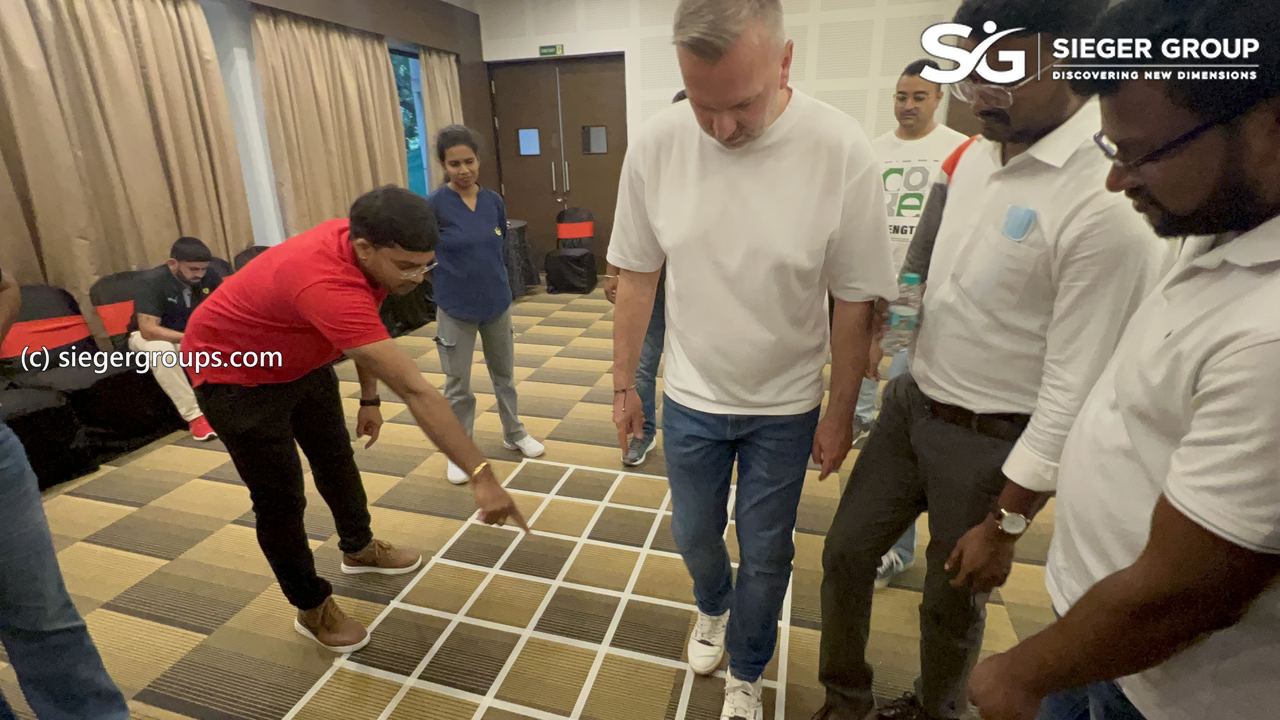
Keep the decisions on the game board. Teams compare fictional clues and diagrams, choose a route and explain which piece of information changed their answer.
A fictional entry mission asks teams to plan a route through an agreed activity zone while responding to detection markers in the game. Colleagues allocate roles, explain their intended sequence and review how clearly the plan reached everyone before execution.
Where the agreed format includes drone imagery or an approved operator-led demonstration, teams interpret the supplied view to identify fictional mission locations. Participants compare observations and explain which evidence supports their next decision rather than assuming every visible detail is relevant.
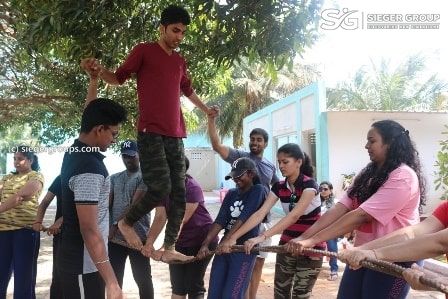
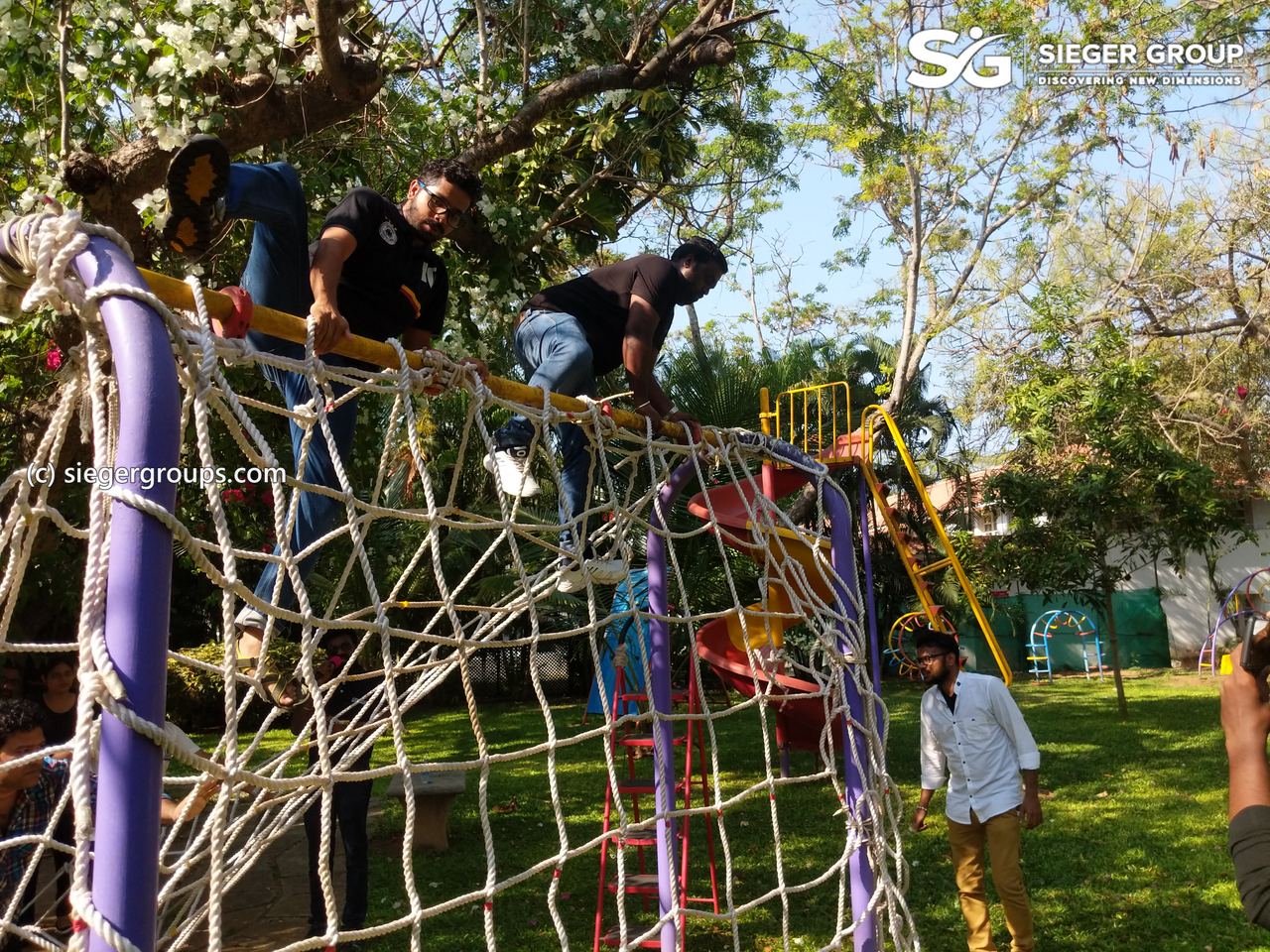
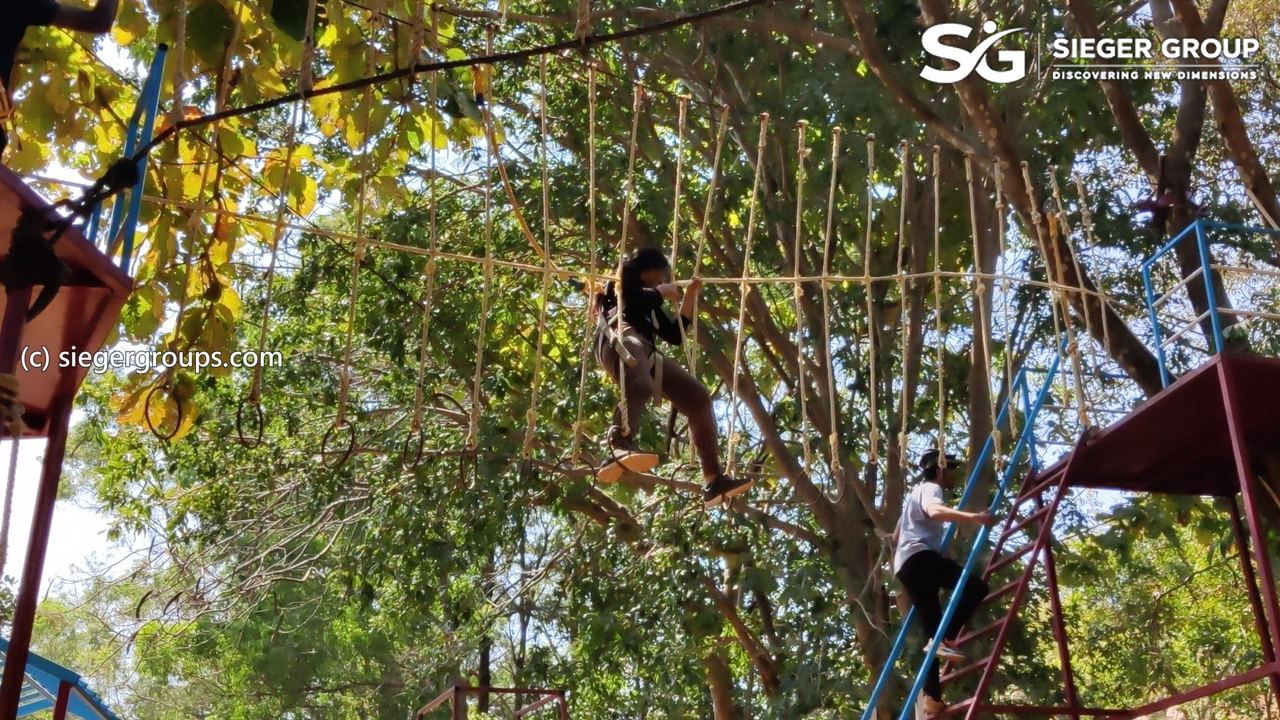
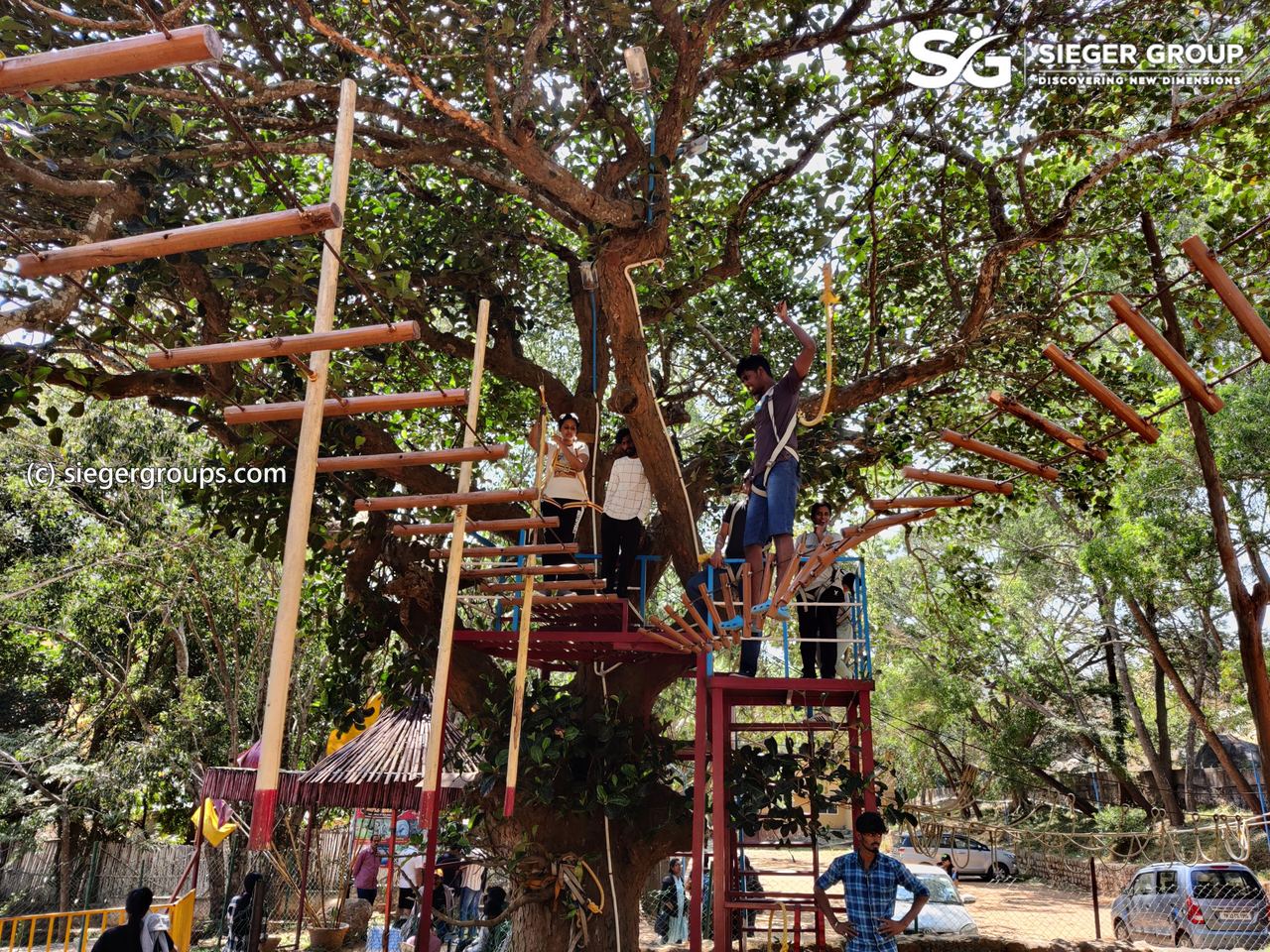
A fictional boundary task asks teams to use the supplied materials to complete an agreed crossing problem. Colleagues compare proposals, select a practical approach and explain the sequence before beginning, focusing on resourcefulness and clear responsibilities within the organised game.
Within the fictional mission theme, teams develop a creative disguise or visual blending concept from agreed materials. They discuss the purpose, divide design responsibilities and present how their choices respond to the brief, combining imagination with a shared explanation.
Participants interpret prepared fictional transmissions using patterns, symbols or coded messages. The team compares explanations and tests a proposed reading against the full clue set, reviewing how clearly reasoning was shared and when another colleague’s interpretation changed the answer.
A prepared activity map uses fictional hot and cold zones to shape a route decision. Teams combine the supplied clues, compare possible paths and update their plan as the scenario develops, discussing how they communicated changes to colleagues holding different responsibilities.
An agreed visual briefing presents layered or mixed-image clues within the mission theme; the exact display format is confirmed during planning. Teams separate observations from interpretations and combine the useful details into a shared explanation of the task ahead.
These event stations use marked routes, game props and agreed cues. Teams can rotate a caller, a navigator and an observer between rounds.
A short, agreed obstacle sequence adds movement to the fictional mission format. Participants follow the activity briefing, organise transitions and communicate readiness between sections, then discuss how pace affected coordination and whether a clearer plan would support the next attempt.
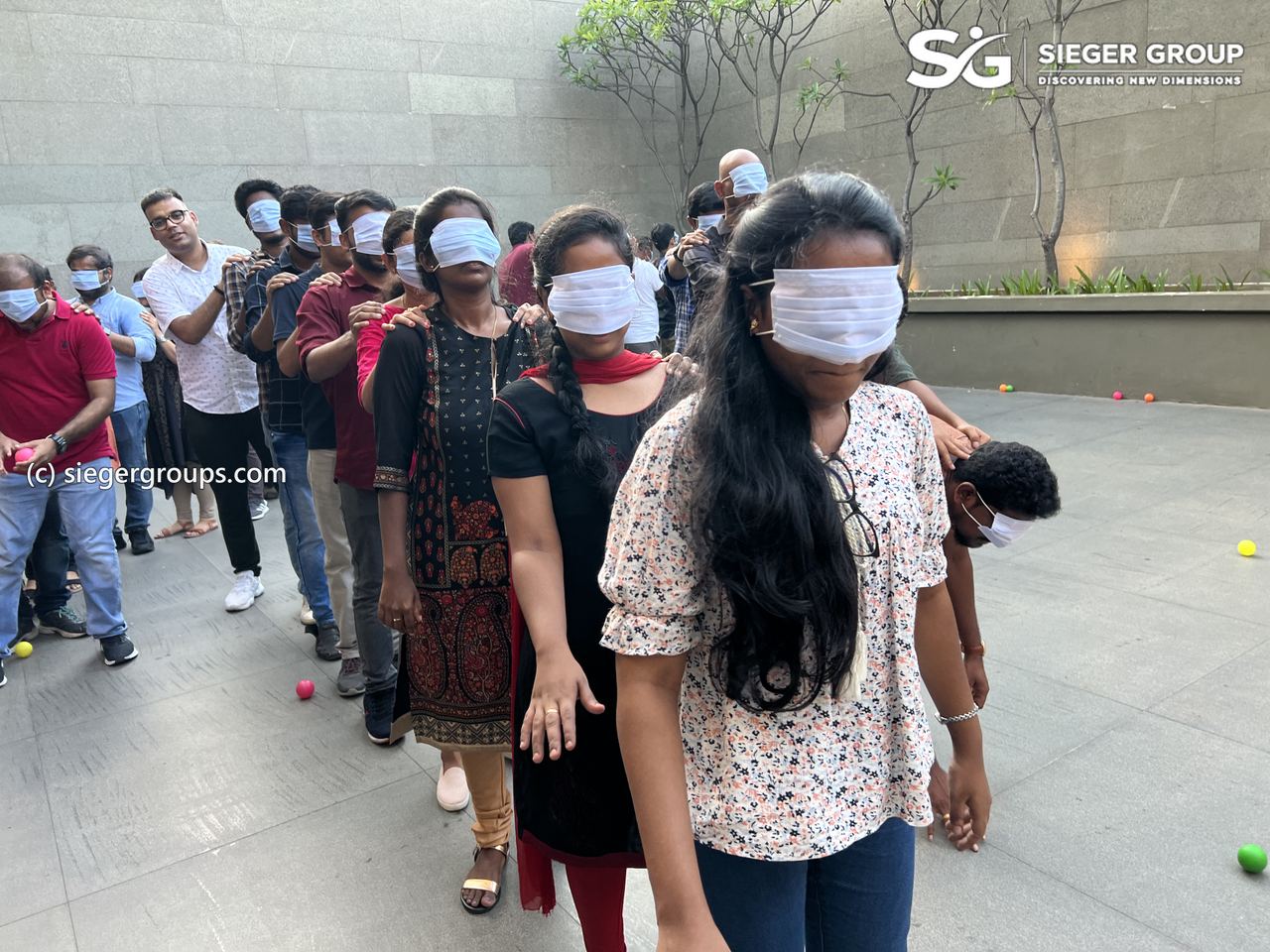
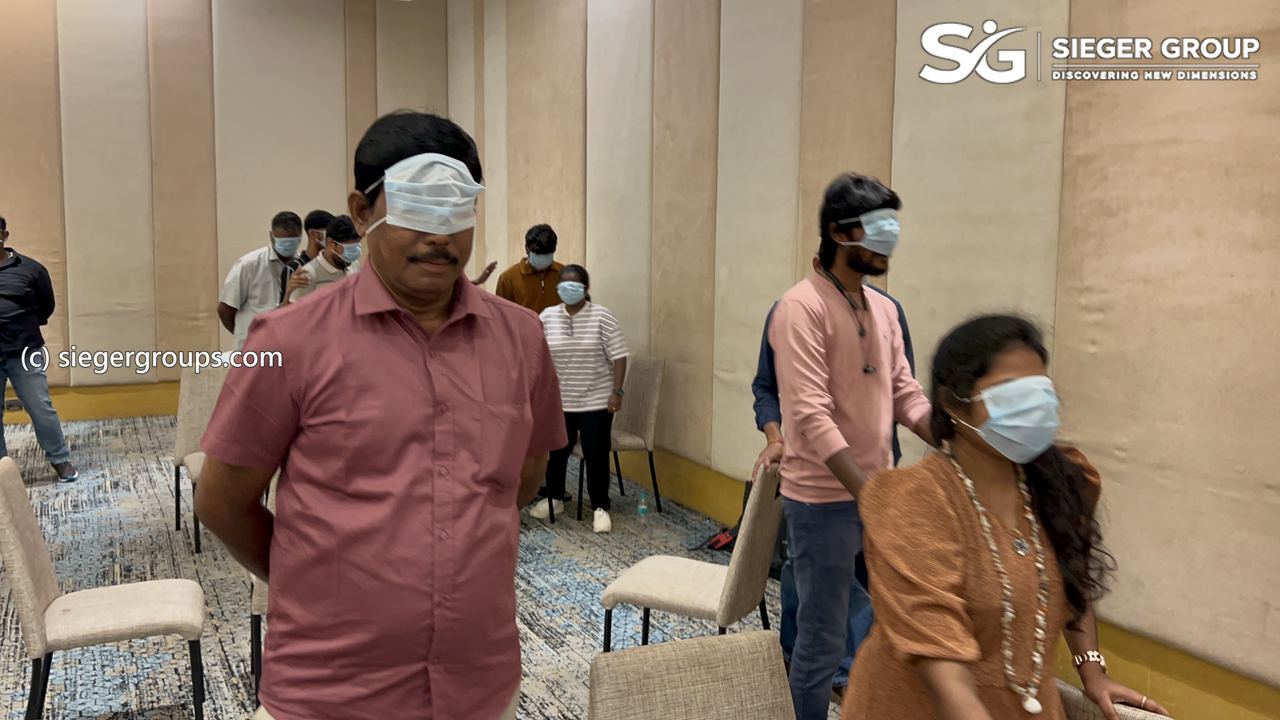
A staged communication constraint changes how colleagues can pass information, inviting them to test alternative methods and check whether the message remains accurate.
A rope-based fictional laser field creates a route-planning challenge within the agreed setup. Teams examine the available path, communicate observations and coordinate their approach to the marked lines, discussing how preparation and precise instructions affected their progress.
Teams follow prepared clues to locate a fictional exchange point and complete the agreed information handover. The game asks participants to keep track of what must be passed, who receives it and how the team confirms that the message remains complete.
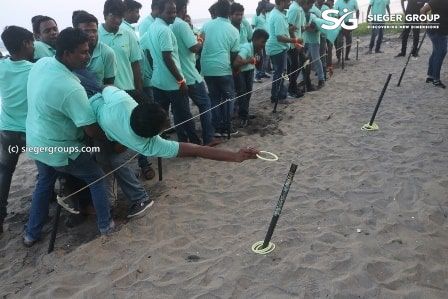
A selected transport task asks colleagues to move mission objects while working within an agreed communication or noise constraint. Teams choose signals, coordinate timing and check readiness, examining how much of their usual coordination depends on information that remains unspoken.
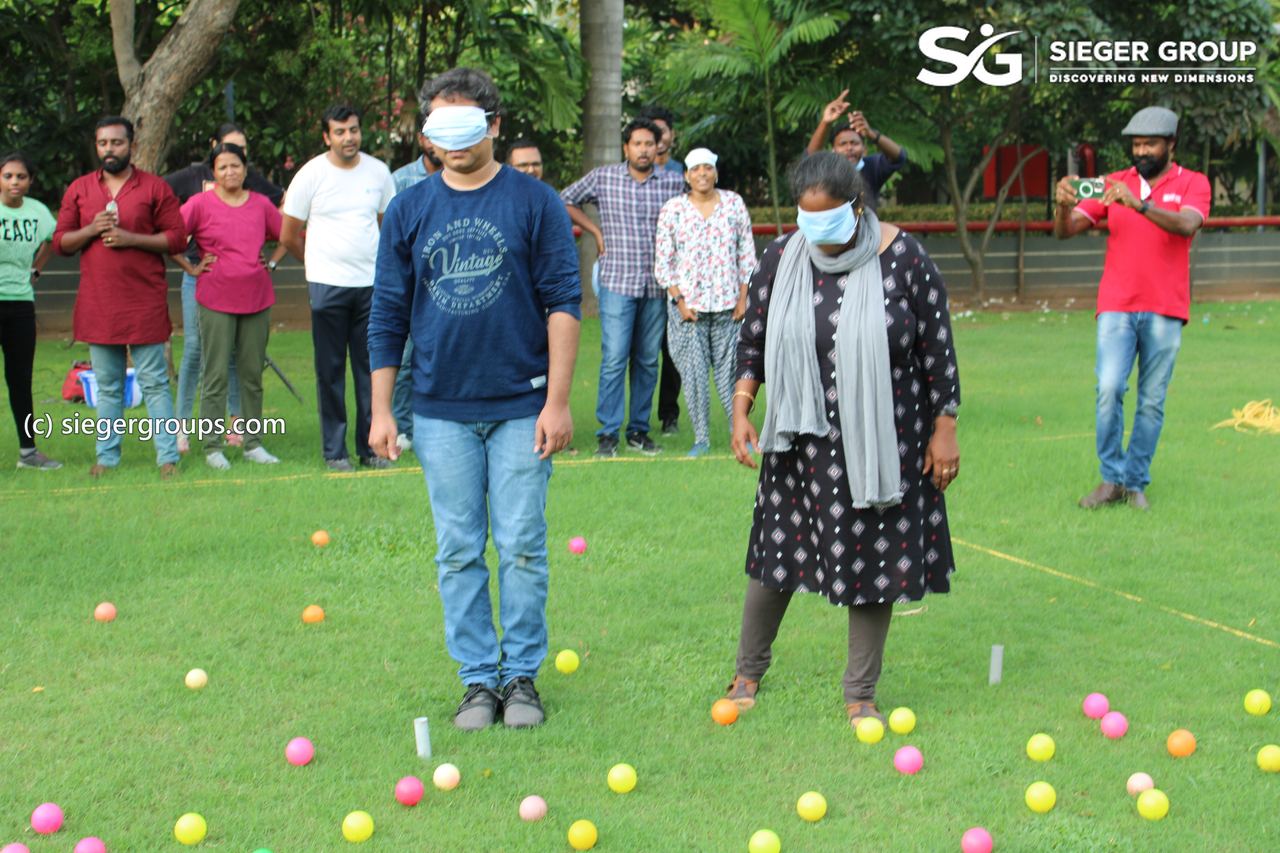
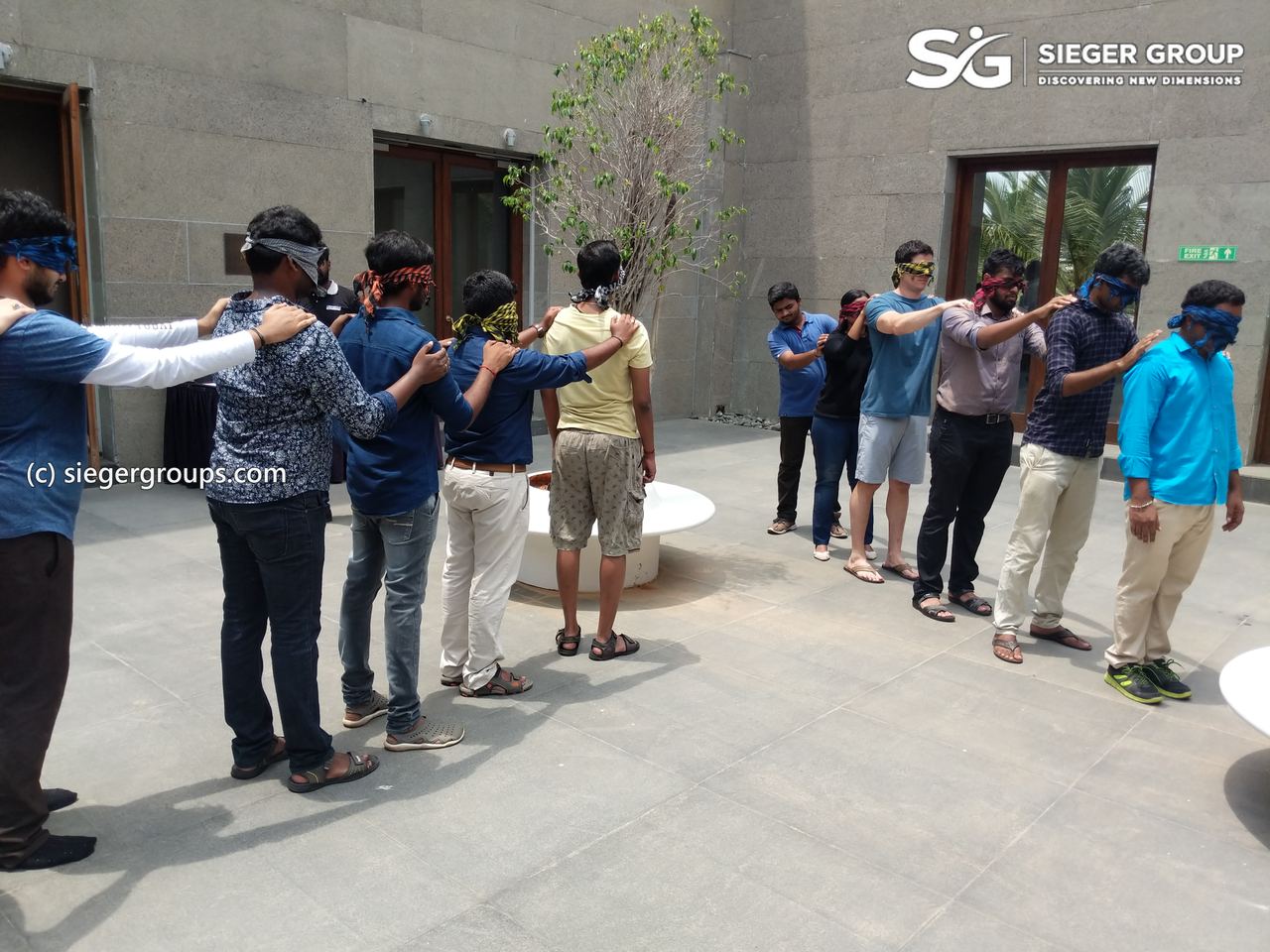
A participant completes the selected task without visual information while colleagues use the agreed instructions to guide the activity. Teams review the precision of their language and how they confirmed understanding, with participation choices and the organised setup established beforehand.
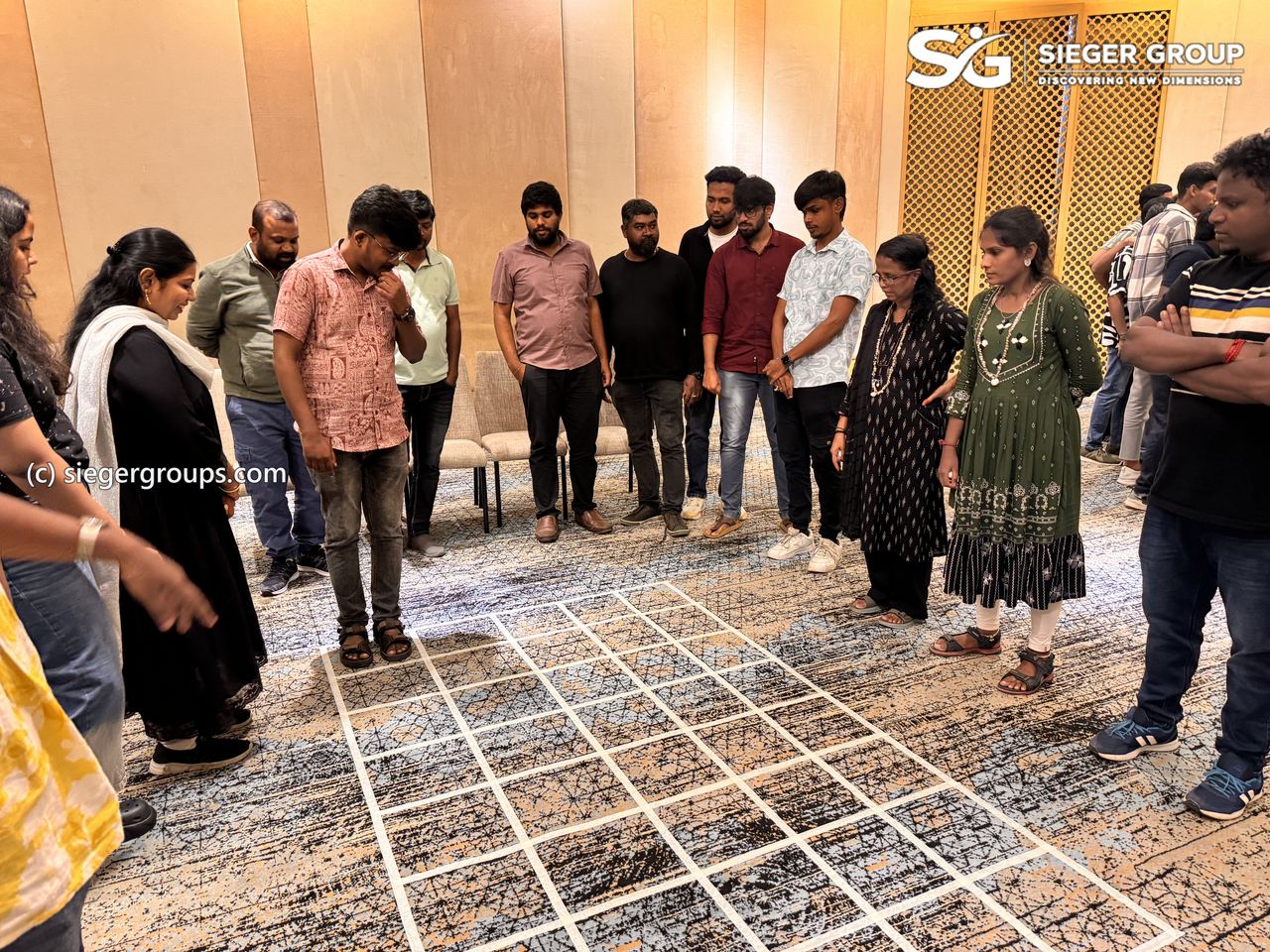
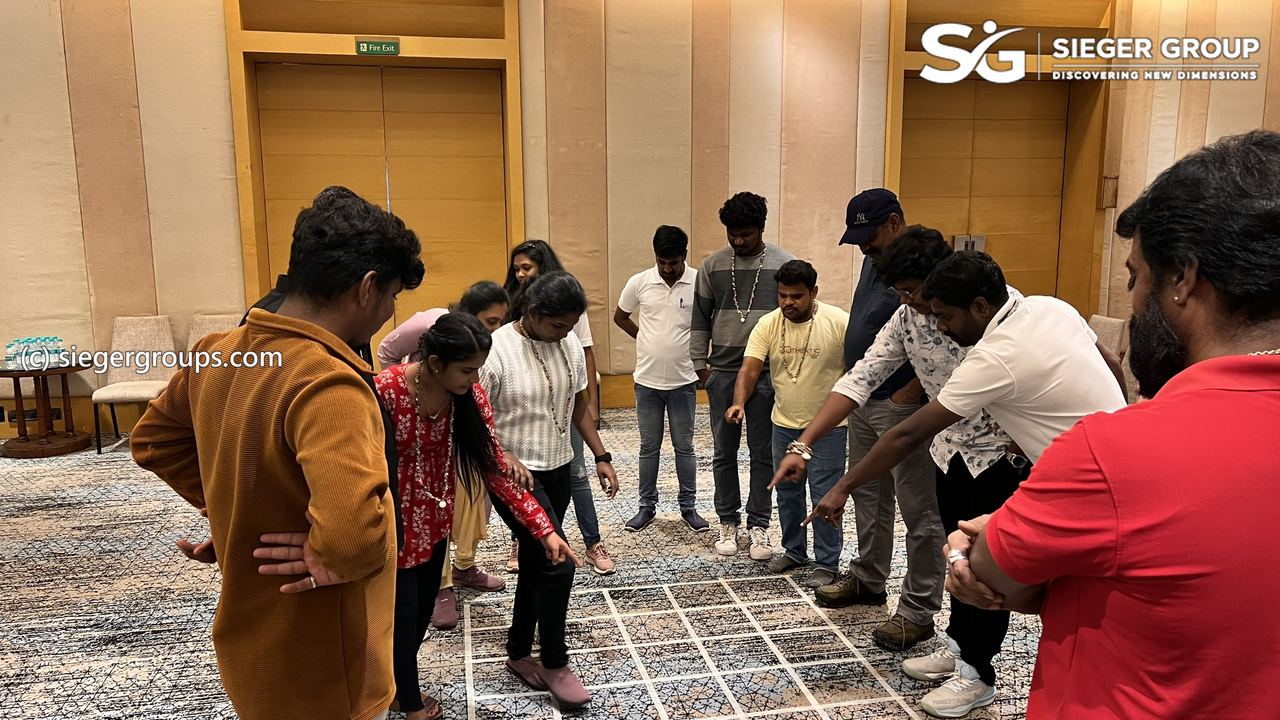
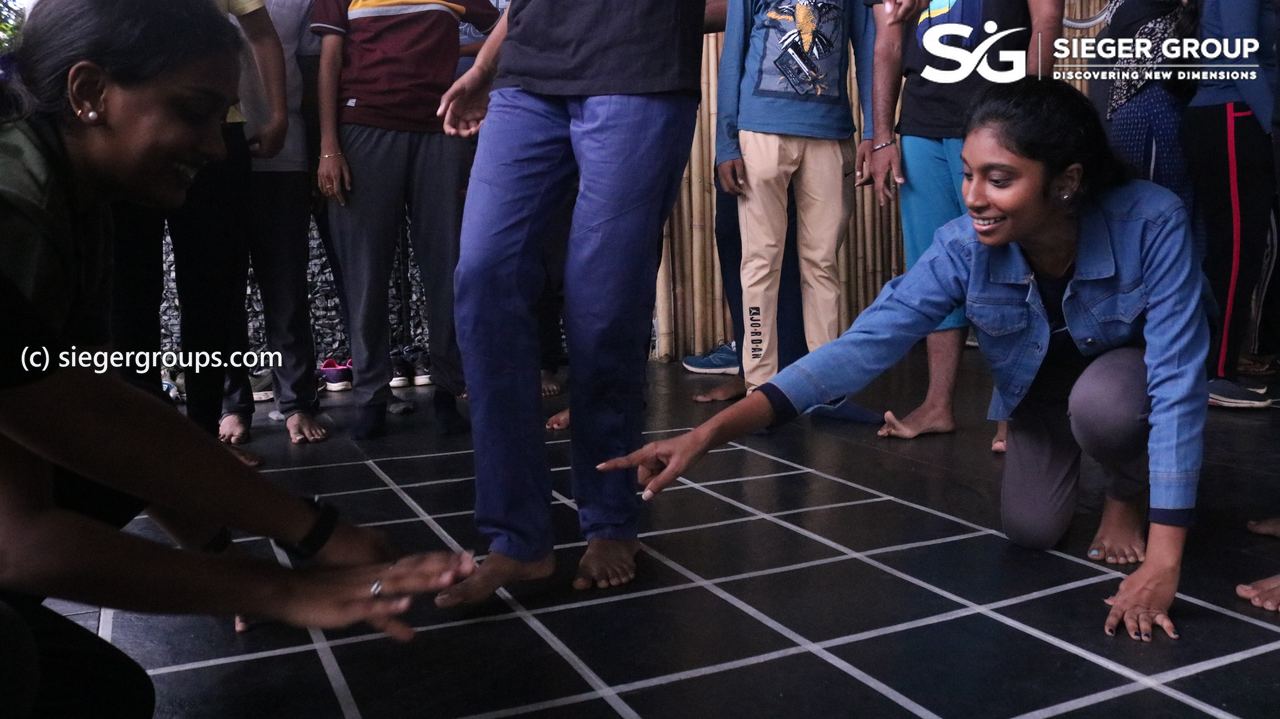
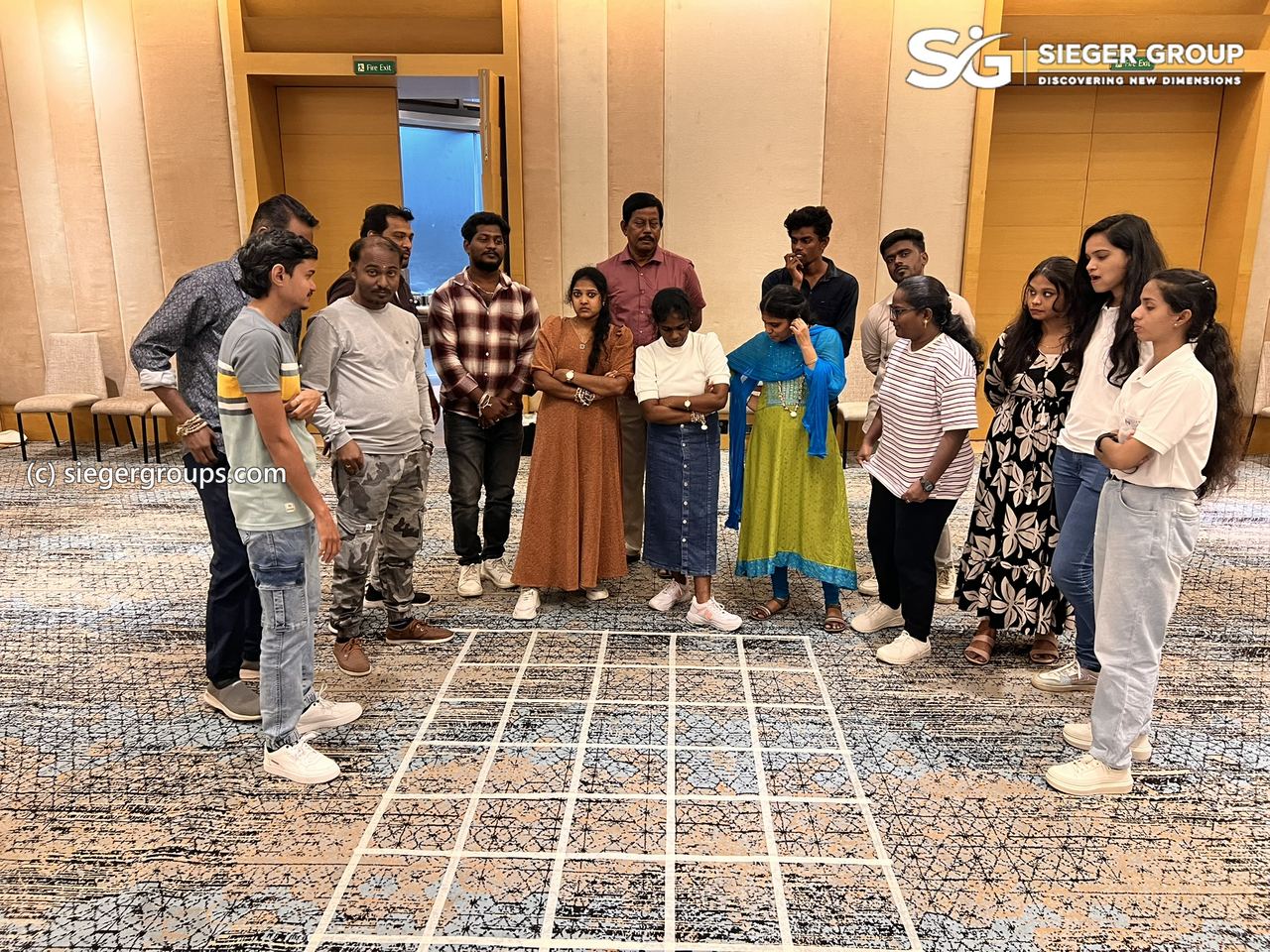
Prepared clues indicate a valid sequence across marked game positions in this fictional route puzzle. Teams compare possible patterns and share what they have learned, discussing how to record evidence and avoid repeating an assumption that an earlier attempt already challenged.
A marked fictional minefield uses designated game positions and prepared clues to create a route puzzle. Colleagues share observations, track which choices have been tested and agree the next move, reflecting on how well learning from one attempt reached the whole team.
Use tabletop props and story cards for these fictional scenarios. Change the brief between rounds and ask the squad to hand over its reasoning.
Within a clearly fictional mission, teams coordinate an agreed rescue objective using the provided scenario and activity arrangements. Participants organise responsibilities and timing, then examine whether everyone understood the objective, changing information and the point at which the plan needed review.
A fictional mission asks the group to identify and retrieve a designated object from the agreed activity area. Teams interpret the brief, assign useful roles and coordinate the handover, reviewing whether their attention stayed on the actual objective as conditions changed.
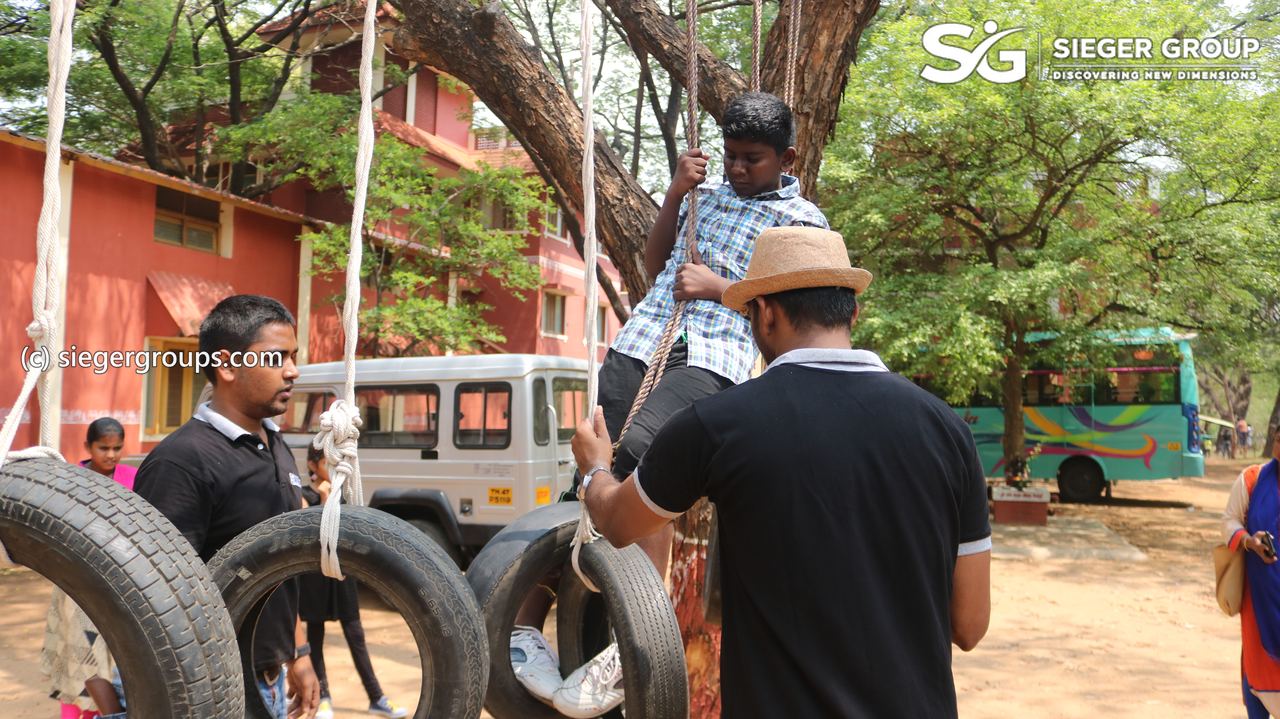
Teams move a clearly fictional mission prop through an agreed course while responding to the task’s handling constraints. Participants coordinate their pace and signals, then discuss how preparation, readiness checks and communication influenced the group’s ability to maintain a shared method.
This fictional mission can use an agreed carrier-building or prop-transport task selected by the facilitator. Teams coordinate materials, explain their design and arrange the next handover, reviewing how different roles contributed to a practical solution within the provided activity setup.
A simulated puzzle station presents a sequence of prepared tasks that must be interpreted and completed within the fictional mission. Teams clarify the rules, allocate attention and check one another’s reasoning, exploring how a calm and organised method supports collective progress.
A new piece of fictional mission information asks teams to reassess their plan, clarify what still applies and explain which responsibilities or priorities should change.
This immersive programme combines role-based missions, code-breaking puzzles, timed physical tasks and scenario-driven problems to develop leadership, collaboration, and situational decision-making.
Consider a project where new information arrives after colleagues have committed to a plan. The selected experiences connect reasoning and information sharing with clarity and adaptation, creating a basis for discussing adaptation to a twist and the choices that shape fictional mission tasks and puzzle-led team simulations.
Coordinate information and decisions within a clearly agreed mission brief. Explore how information across roles, decisions under constraint and reflection beyond the theme shape fictional mission tasks and puzzle-led team simulations.
Identify the objective before becoming absorbed in individual clues or tasks.
Explore how separate pieces of intelligence become useful only when shared.
Discuss what to prioritise when time and resources cannot cover every option.
Revisit an assumption when new mission information changes the situation.
Connect fictional mission choices with real coordination and handover habits.
Explore the behaviours and practical insights your team can review through Mission Impossible. The debrief connects observations from the experience with situations that matter to participants.
Keep the fictional mission objective visible while dividing attention between clues, information gathering and individual tasks.
Connect intelligence held by different roles so the team can build a complete picture before committing to a decision.
Explain how limited time and resources influence priorities, making the reasoning behind an operational choice visible to others.
Recognise which assumption a mission twist changes and update the plan without losing the parts that remain relevant.
Use the fictional theme as a starting point for a practical discussion about real handovers and shared decisions.
Test whether a message remains accurate when the normal communication method changes, identifying a useful confirmation step.
Agree how revised decisions and responsibilities will reach every affected colleague when new project information appears.
Use these reflection prompts to turn Mission Impossible into a focused conversation about what happened, what it means and what to try next.
Identify a choice in Codebreaker Challenge that affected reasoning and information sharing. Describe what the person did and how the group responded.
Hear more than one account of Intel Hunt. Discuss which details helped colleagues understand the task and which important information arrived too late.
Choose a turning point from Communication Blackout. Explain the options considered, the reason for the decision and what new information changed the approach.
Use a project where new information arrives after colleagues have committed to a plan as the application example. Identify one moment where clarity and adaptation could change what happens next.
State which assumptions changed and agree how the revised decision will reach every role. Name the person taking it forward and the first situation in which the group will try the change.
Bring an example from fictional mission tasks and puzzle-led team simulations to the next review. Discuss what changed, what colleagues noticed and which part of the approach needs refining.
A suggested flow for Mission Impossible, from setting the brief to reviewing the experience. Activity choices, pace and facilitation are confirmed around your group and setting.
Discuss a project where new information arrives after colleagues have committed to a plan. Agree what the group wants to explore about purpose in the mission, then confirm the selected formats, roles and practical arrangements.
Teams combine symbols, patterns or prepared ciphers to interpret mission information, comparing the reasoning behind suggestions before committing to a shared solution. Additional options can explore observation and synthesis through Intel Hunt, with the final activity mix agreed in the programme brief.
Examine clarity and adaptation alongside adaptive planning and ownership. Compare the decisions and turning points colleagues observed, including moments when a different question or contribution changed the group’s approach.
Use the review to state which assumptions changed and agree how the revised decision will reach every role. Choose a specific situation in fictional mission tasks and puzzle-led team simulations, confirm who will take the action forward and decide when to compare observations.
Connect Mission Impossible with purposeful practice, evidence-based reflection and a next step that fits your working context.
Connect purpose in the mission with a clear question about fictional mission tasks and puzzle-led team simulations. Discuss a project where new information arrives after colleagues have committed to a plan and agree the participation arrangements.
Participants gather clues distributed across an agreed mission area, decide how to record findings and assemble the information needed for the next task. Notice how colleagues handle observation and synthesis while the agreed task develops.
Review a moment involving decisions under constraint. Hear the perspectives of those performing, observing and supporting the task, then compare the information available to each.
Discuss where clarity and adaptation matter in fictional mission tasks and puzzle-led team simulations. Use a recent example to identify a practical decision the group could approach differently.
Select a first opportunity to state which assumptions changed and agree how the revised decision will reach every role. Agree the support needed and the evidence the group will bring to its next review.
Discuss participant experience, access needs, language preferences and the purpose of the programme before confirming suitability.
Intact and cross-functional teams interested in reasoning · information sharing. Codebreaker Challenge offers one possible starting point for an agreed group experience.
Managers and emerging leaders exploring observation · synthesis. Select a format that fits their responsibilities, working relationships and the purpose of Mission Impossible.
Project teams and newly formed groups bringing different perspectives to clarity · adaptation. Confirm the learning priorities and participation arrangements before choosing the activity mix.
This sample shows how a programme could flow. Timings, breaks, activity choices and duration are agreed in the final proposal.
Introduce Mission Impossible, agree the group’s purpose and discuss participation preferences. Explain the selected formats before the experience begins.
Use a selected version of Codebreaker Challenge to explore reasoning · information sharing. Pause to compare observations and clarify the choices that shaped progress.
Use a selected version of Intel Hunt to explore observation · synthesis. Pause to compare observations and clarify the choices that shaped progress.
Review examples of purpose in the mission and decisions under constraint. Connect the observations with day-to-day team responsibilities and choose a relevant next conversation.
Share the audience profile, language preferences and access needs for Mission Impossible. Agree options that let different colleagues contribute comfortably.
Discuss the available space, materials and facilitation arrangements for the selected learning exercises. Confirm the final mix of Codebreaker Challenge and any other chosen experiences in the brief.
Agree the focus on observation · synthesis, the programme duration and which materials, facilitation and delivery arrangements are included.
Choose how to review reasoning and information sharing and adaptive planning and ownership. Confirm any follow-up conversation or team commitment that belongs within the programme scope.
The final activities and setting depend on your agreed brief.
Sieger Group supports organisations with team-building experiences and facilitated programmes.
12 practical answers to help you plan your programme.
This immersive programme combines role-based missions, code-breaking puzzles, timed physical tasks and scenario-driven problems to develop leadership, collaboration, and situational decision-making.
Mission Impossible can be considered for teams planning a shared experience or employee engagement event. Share roles, group size, experience levels and participation needs so suitability can be confirmed.
The existing programme outline includes: Real-World Simulation: Scenario-driven missions mimic workplace complexity & ambiguity.; Role-Based Leadership: Participants take tactical roles to practise leadership under pressure.; Strategic Communication: Successful missions depend on clear, timely information sharing.. The final emphasis and activity selection should be agreed around your brief.
Yes. Share your team context, goals and preferred tone. The proposed Mission Impossible experience can then be adapted through the activity mix, level of challenge, discussion themes and delivery format, subject to feasibility.
Duration depends on the agreed scope, group size and setting. For Mission Impossible, allow for the briefing, activities, breaks and group review. Request a proposed agenda that fits your available time.
Share your preferred city, office, venue or offsite destination in India. Mission Impossible requires a setting suited to the activities and participants. Venue access, usable space, equipment and local delivery arrangements should be confirmed before booking.
The appropriate group size depends on the activity structure, facilitation and available space. Tell us the expected number of participants for Mission Impossible so team sizes, rotations and staffing can be proposed.
For Mission Impossible, the pre-event briefing should explain the schedule, clothing or equipment requirements and how to take part. Share accessibility needs and relevant participation constraints during planning so suitable arrangements can be discussed.
Discuss access, mobility, language, sensory needs and comfort levels before confirming Mission Impossible. Agree suitable roles and alternatives where feasible. For specialist activities, confirm delivery responsibilities and participation requirements in advance.
Agree the purpose of Mission Impossible before delivery. A group review can explore communication, contribution and teamwork, alongside the shared enjoyment of the event. Confirm any follow-up or evaluation support in the proposal.
Pricing for Mission Impossible depends on participant numbers, duration, facilitation, equipment, location and agreed logistics. Request a tailored proposal that clearly states programme inclusions, venue or travel arrangements and applicable charges.
Use the enquiry form on this page or call +91 98400 97567. Include Mission Impossible, your objectives, group size, preferred dates and location. Sieger Group can then discuss suitability and prepare a proposal for your review.
Share your goals, group size, preferred dates and venue. We’ll help you explore a considered programme.
Tell us what you have in mind. We will help you explore a programme that fits your people and your occasion.
Still finalising the details? Share what you know.
Every team is different. Share your people, purpose and preferred setting, and we’ll translate your brief into an experience designed to connect, engage and create lasting impact.
Share your brief and preferred contact details.