Sieger Group · Team Building

Mindfulness & Meditation

A facilitated experience, designed around your team.

Supports mental clarity: Helps teams stay centred and focused. Reduces stress: Calming practices ease tension and emotional load. Improves emotional balance: Encourages thoughtful responses instead of reactive behaviour. Strengthens wellbeing: Refreshes the mind and restores personal energy. Enhances teamwork: A peaceful shared experience builds connection.

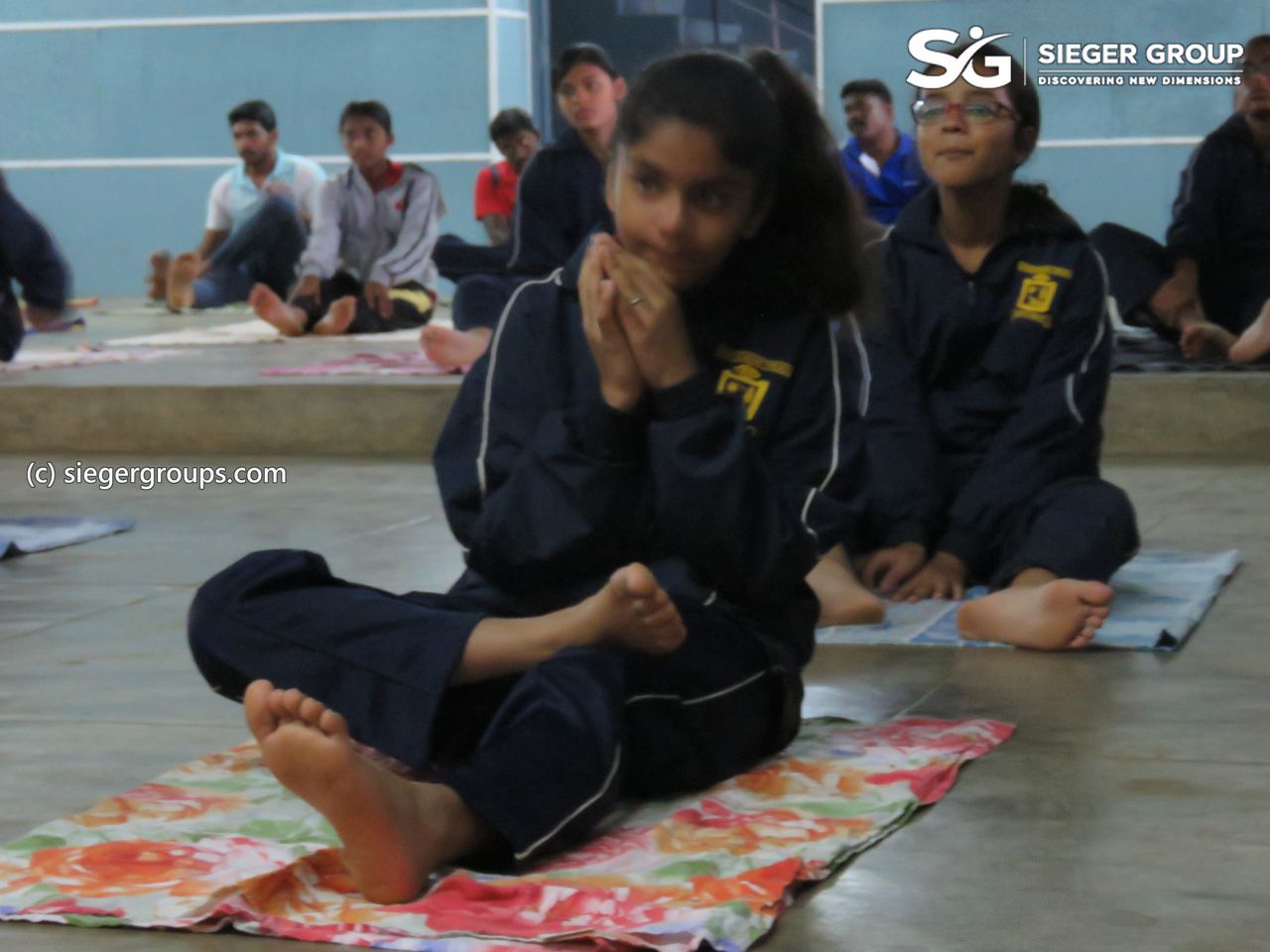
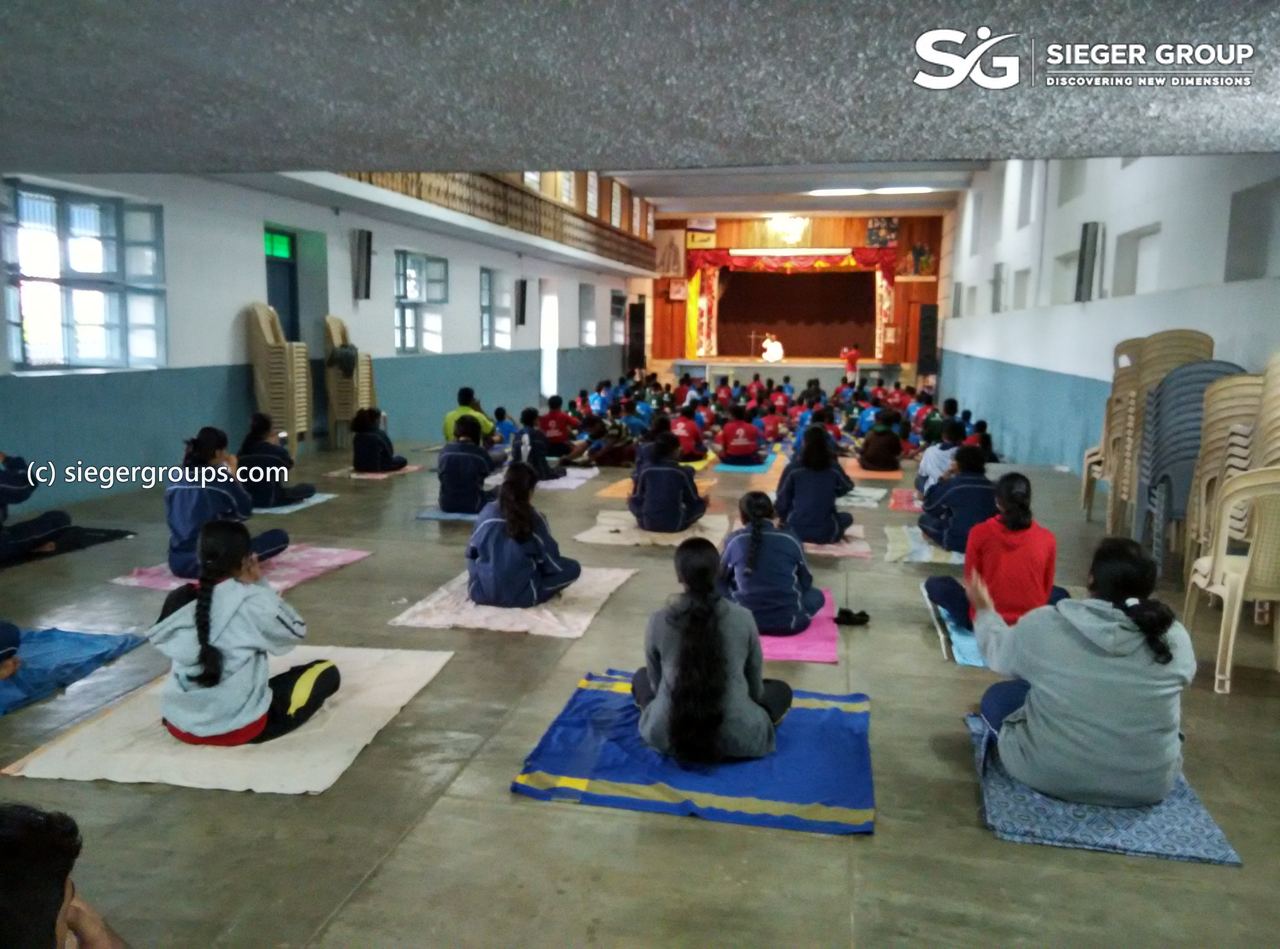
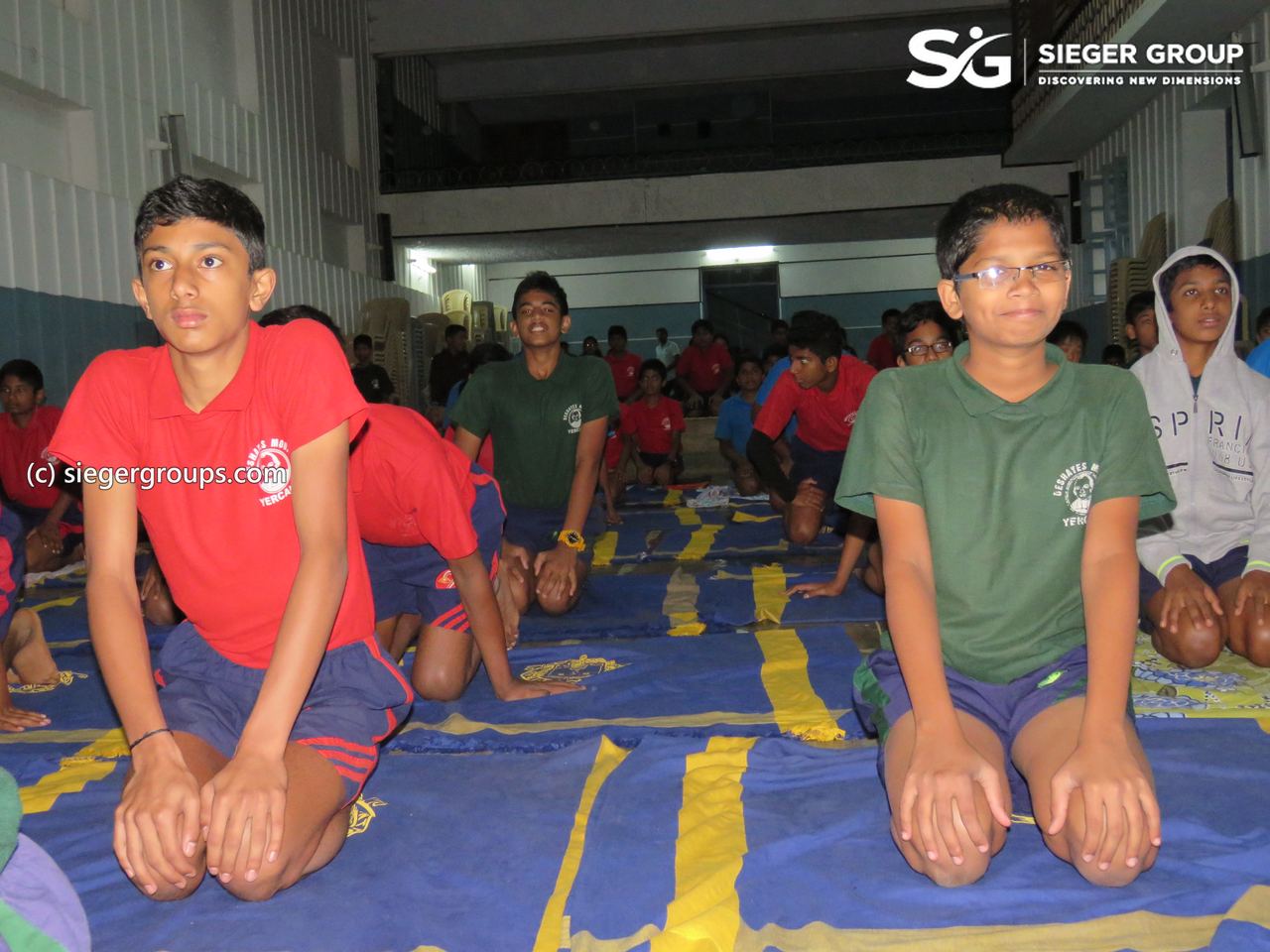
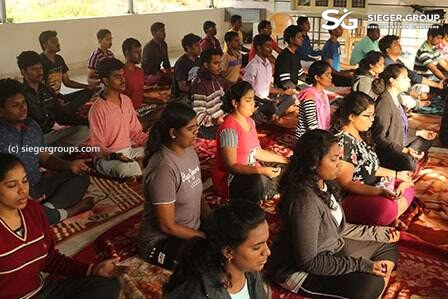
Sieger Group programme photograph — Mindfulness & Meditation

Core Activities for Mindfulness & Meditation

Begin with a choice of breath awareness, body relaxation, quiet sitting or noticing thoughts. A short guided session gives participants time to find an approach they feel comfortable using.

Notice the present focus

Breath Awareness

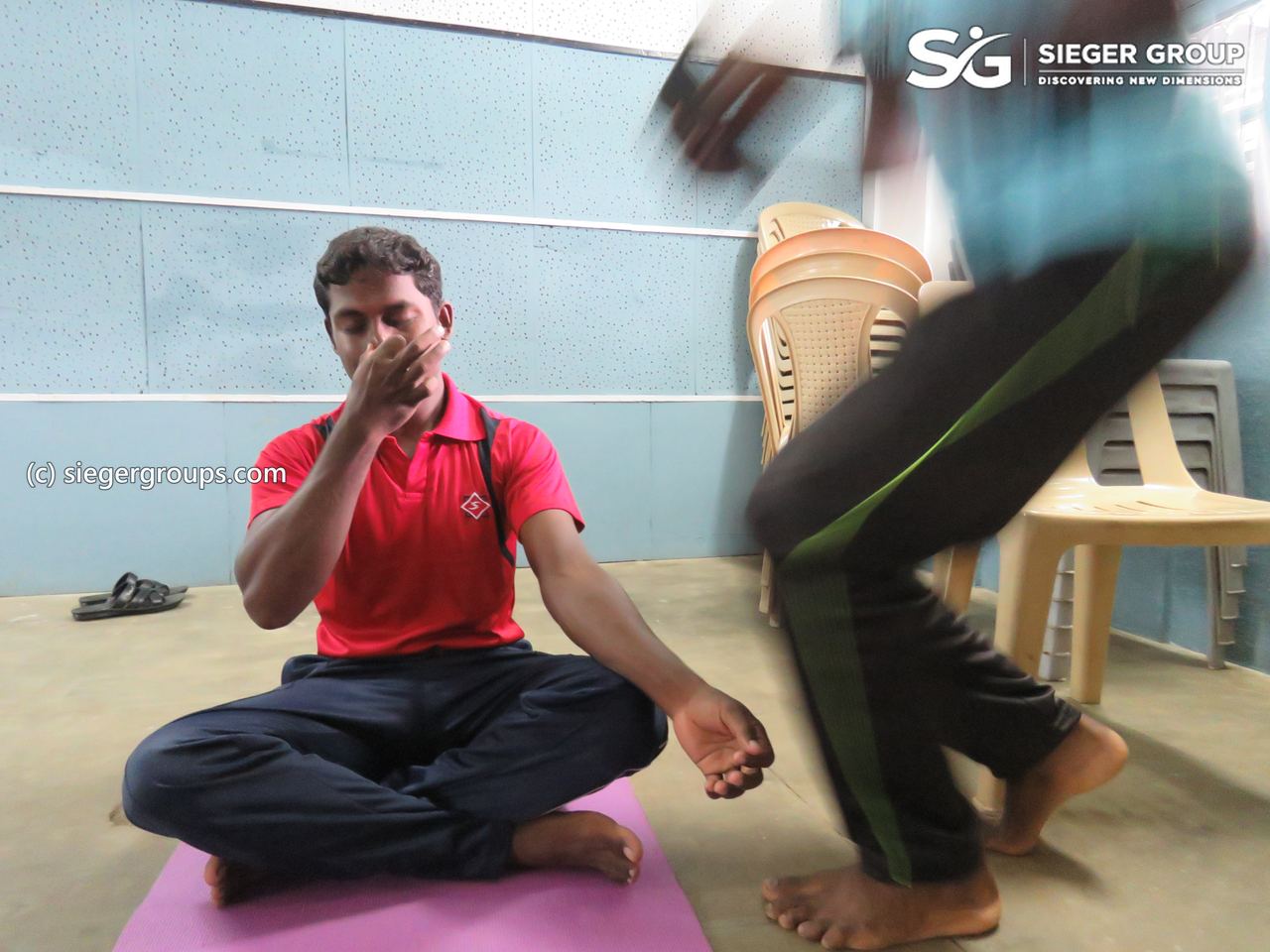
Participants are invited to notice their breathing as one possible focus for attention during a guided practice. The exercise allows observation without a requirement to produce a particular feeling. Colleagues can reflect privately on what they noticed and choose an alternative focus or participation approach where appropriate.

Learning focusAttention · Personal awareness
Notice the experience of pausing

Body Relaxation Practice

A guided practice invites participants to notice physical sensations and explore a comfortable pause within the session arrangements. They can choose another way to participate or keep their observations private. The closing reflection concerns what they noticed personally, without requiring a particular feeling or presenting the exercise as treatment.

Learning focusPersonal awareness · Participation choice
Explore a simple point of focus

Quiet Sitting Practice

Participants explore a period of quiet sitting with clear guidance and an agreed point of attention. The practice allows different observations and does not require discussion of personal thoughts. Colleagues can consider what made the instructions understandable and whether this form of pause is something they wish to explore again.

Learning focusAttention · Quiet reflection
Notice without needing to follow

Thought Observation

A guided reflection invites participants to notice thoughts as they arise and return to an agreed point of attention. The practice does not require sharing the content of personal thoughts. The discussion can explore noticing distraction and choosing a response without turning the experience into a judgement of concentration ability.

Learning focusObservation · Response choice

Guided Imagery, Gratitude & Movement

These alternatives give participants a choice of an image, a private reflection or gentle movement as the focus of their attention.

Choose how to engage with the prompt

Calming Visualisation

A facilitator offers an optional guided imagery prompt as one way to focus attention during the session. Participants can choose a different focus and decide whether to share any observations. Reflection explores how they experienced the instructions, leaving personal interpretations and any next step with the individual.

Learning focusImagery · Personal reflection
Recognise a specific moment

Gratitude Reflection

Participants consider an everyday contribution, experience or source of support they appreciate. They decide whether to keep the reflection private or share a suitable observation with colleagues. The activity provides a quiet opportunity to recognise meaning in specific moments without requiring participants to disclose personal circumstances or feel a prescribed emotion.

Learning focusAppreciation · Reflection
Explore attention through movement

Slow Movement Awareness

A selected movement practice invites participants to notice pace, transitions and attention within the guidance for the session. Participation options can be discussed with the facilitator. The activity offers a different route into awareness for colleagues who prefer a practical focus and prompts personal reflection about what they observed.

Learning focusMovement · Awareness
Programme overview

Why Organisations Choose Mindfulness Meditation

Supports mental clarity: Helps teams stay centred and focused. Reduces stress: Calming practices ease tension and emotional load. Improves emotional balance: Encourages thoughtful responses instead of reactive behaviour. Strengthens wellbeing: Refreshes the mind and restores personal energy. Enhances teamwork: A peaceful shared experience builds connection.

Supports mental clarity

Helps teams stay centred and focused.

Reduces stress

Calming practices ease tension and emotional load.

Improves emotional balance

Encourages thoughtful responses instead of reactive behaviour.

Strengthens wellbeing

Refreshes the mind and restores personal energy.

Enhances teamwork

A peaceful shared experience builds connection.

What makes it distinctive

A simple focus, explored at your own pace.

Quiet practices offer a chance to notice attention without having to explain every personal observation to the group. Explore an agreed selection of guided exercises, then consider what felt useful, what raised a question and whether any element belongs in an ordinary routine.

  • Supports mental clarity: Helps teams stay centred and focused.
  • Reduces stress: Calming practices ease tension and emotional load.
  • Improves emotional balance: Encourages thoughtful responses instead of reactive behaviour.
Shape your team brief
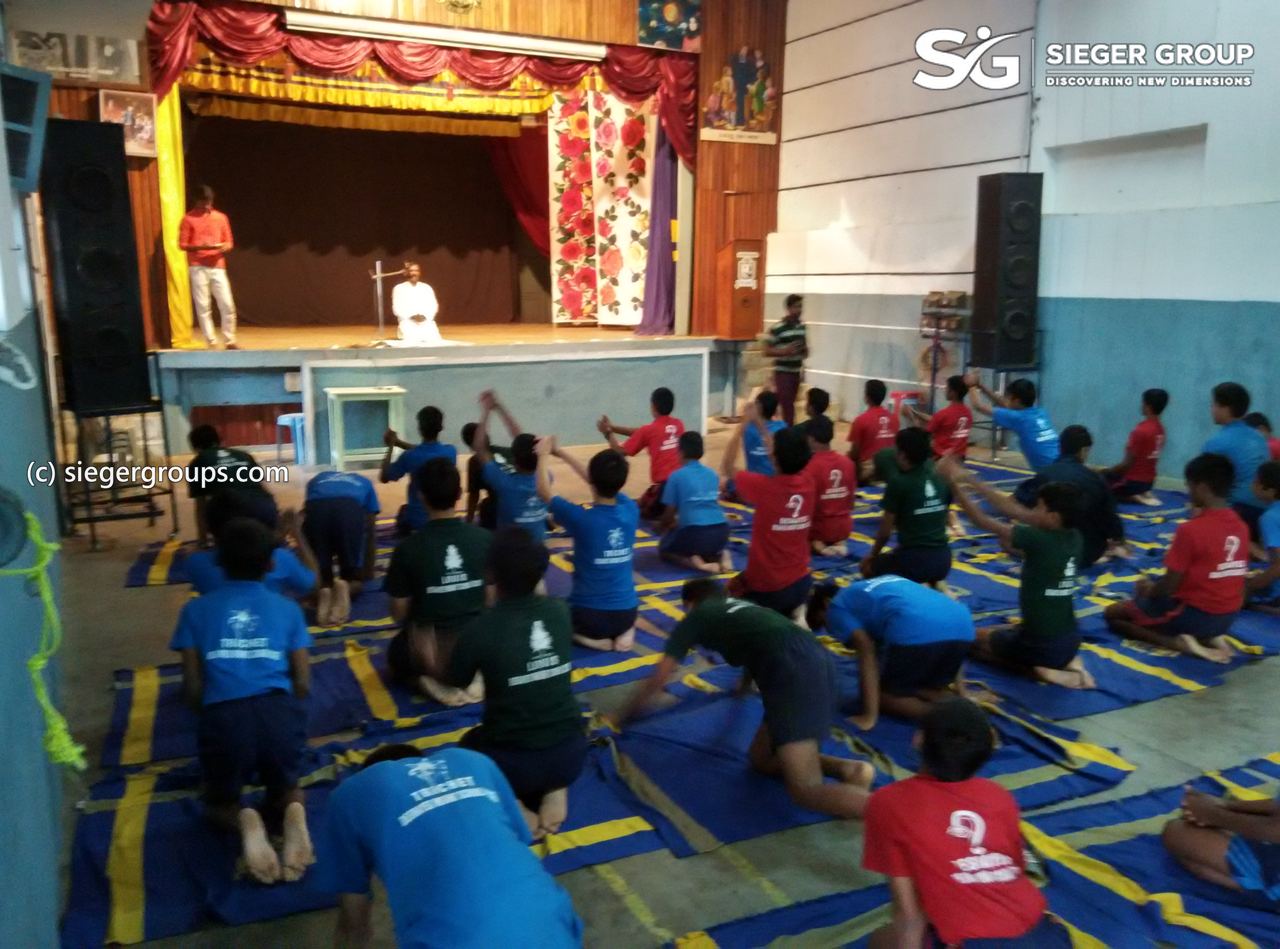
Sieger Group programme photograph — Mindfulness & Meditation
Why this programme

Why Organisations Choose Mindfulness & Meditation

Explore simple attention practices through clear guidance, quiet reflection and space for participants to choose what is useful to them.

A clear purpose

Simple routes into attention

Introduce clear practices that participants can explore through an agreed focus rather than assuming prior knowledge or requiring a particular meditation experience.

Useful participation

A quiet shared occasion

Create room for colleagues to pause together while allowing personal observations and internal experiences to remain private if they prefer.

Practical insight

Awareness of distraction

Notice where attention moves and practise returning to a chosen focus without treating distraction as a failure that needs public correction.

Connected choices

Respect for different responses

Recognise that people may find different practices useful or unfamiliar and offer choice instead of expecting the group to experience one prescribed effect.

Meaningful follow-through

Specific appreciation

Use a voluntary reflection to notice an actual moment or contribution that mattered rather than asking colleagues to produce general positivity on demand.

Programme benefits

Programme Benefits

Explore the behaviours and practical insights your team can review through Mindfulness & Meditation. The debrief connects observations from the experience with situations that matter to participants.

Simple routes into attention

A useful focus for the group is to introduce clear practices that participants can explore through an agreed focus rather than assuming prior knowledge or requiring a particular meditation experience.

A quiet shared occasion

Participants can examine how to create room for colleagues to pause together while allowing personal observations and internal experiences to remain private if they prefer.

Awareness of distraction

The review can highlight ways to notice where attention moves and practise returning to a chosen focus without treating distraction as a failure that needs public correction.

Respect for different responses

Colleagues can explore how to recognise that people may find different practices useful or unfamiliar and offer choice instead of expecting the group to experience one prescribed effect.

Specific appreciation

The experience can prompt discussion of how to use a voluntary reflection to notice an actual moment or contribution that mattered rather than asking colleagues to produce general positivity on demand.

Practical personal exploration

A practical takeaway is to identify which elements a participant might want to explore again and which questions would benefit from appropriate guidance after the shared session.

A reflective closing conversation

The team can consider how to discuss what participants noticed and wish to take forward while avoiding assumptions that a group practice provides a clinical assessment or treatment.

From experience to application

Bring the learning back to work.

Use these reflection prompts to turn Mindfulness & Meditation into a focused conversation about what happened, what it means and what to try next.

  1. Notice a focus choice

    Reflect on which point of attention was useful for you and what helped you return when your attention moved elsewhere during the practice.

  2. Review the instruction

    Identify a phrase or demonstration that made an exercise easier to understand and consider which guidance you would find useful before trying it again.

  3. Recognise personal boundaries

    Consider what you were comfortable keeping private or sharing, and how the session’s participation choices supported your preferred way of engaging.

  4. Connect to a realistic moment

    Identify a transition in your routine where you might choose to pause briefly and notice your attention before beginning another task.

  5. Choose an element to explore

    Decide whether there is a practice or question you want to take forward, keeping the next step modest and relevant to your own experience.

  6. Review without comparison

    Consider what was useful for you and whether to adapt or leave the practice, without assuming another colleague’s response should determine your choice.

Programme delivery

How the Programme Works

A suggested flow for Mindfulness & Meditation, from setting the brief to reviewing the experience. Activity choices, pace and facilitation are confirmed around your group and setting.

  1. Start with context

    Agree the purpose and participation

    Explore simple attention practices through clear guidance, quiet reflection and space for participants to choose what is useful to them. Discuss what participants should understand before approaching breath awareness, including the information, roles and choices relevant to this group.

    Attention · Personal awareness
  2. Notice without needing to follow

    Explore the selected experience

    Guidance introduces a focus and participation choices for each practice. The session leaves space for quiet exploration without requiring colleagues to share thoughts or produce a particular feeling for the group.

    Observation · Response choice
  3. Recognise a specific moment

    Compare and develop the approach

    Closing reflection invites observations about instructions and the experience of attention. Participants decide what to share and whether any question or practice is worth exploring beyond the shared session.

    Appreciation · Reflection
  4. Make the experience useful

    Review and carry it forward

    Identify a transition in your routine where you might choose to pause briefly and notice your attention before beginning another task. Decide whether there is a practice or question you want to take forward, keeping the next step modest and relevant to your own experience.

    Movement · Awareness
Experiential learning outline

Experience. Reflect. Apply.

Connect Mindfulness & Meditation with purposeful practice, evidence-based reflection and a next step that fits your working context.

  1. Align the brief

    Explore simple attention practices through clear guidance, quiet reflection and space for participants to choose what is useful to them. Clarify what the group needs before beginning the selected experience.

  2. Experience the challenge

    Explore breath awareness through the agreed format. Create room for colleagues to pause together while allowing personal observations and internal experiences to remain private if they prefer.

  3. Reflect on the evidence

    Observe how the exercise invited a return to the chosen focus and consider what you noticed about that return without comparing it with another participant’s experience.

  4. Connect the learning

    Identify a realistic moment to notice attention before beginning another responsibility and consider which form of practice, if any, could fit that particular routine or setting.

  5. Commit to a next step

    Decide on a modest personal next step from the session and keep the choice open to revision as you observe whether the practice fits your circumstances and preferences.

Programme details

Mindfulness Meditation to Your Team

A peaceful, refreshing experience that nurtures calm focus, emotional balance and clarity. Ideal for corporate teams looking to support wellbeing and reduce stress.

Who should attend

Choose the right audience for the experience.

Discuss participant experience, access needs, language preferences and the purpose of the programme before confirming suitability.

Colleagues choosing to participate

Colleagues choosing to participate interested in attention · personal awareness. Breath Awareness offers one possible starting point for an agreed group experience.

People leaders and team coordinators

People leaders and team coordinators exploring observation · response choice. Select a format that fits their responsibilities, working relationships and the purpose of Mindfulness & Meditation.

Workplace wellbeing organisers

Workplace wellbeing organisers bringing different perspectives to appreciation · reflection. Confirm the learning priorities and participation arrangements before choosing the activity mix.

Settings to discuss
Corporate Wellbeing ProgramsEmployee Engagement EventsLeadership RetreatsStress Reduction SessionsWorkplace Wellness Initiatives
Programme schedule

An illustrative session schedule.

This sample shows how a programme could flow. Timings, breaks, activity choices and duration are agreed in the final proposal.

Example session

Brief, experience and reflect

  1. 09:30–09:45

    Welcome, context and participation

    Introduce Mindfulness & Meditation, agree the group’s purpose and discuss participation preferences. Explain the selected formats before the experience begins.

  2. 09:45–10:30

    Breath Awareness

    Use a selected version of Breath Awareness to explore attention · personal awareness. Pause to compare observations and clarify the choices that shaped progress.

  3. 10:30–11:15

    Thought Observation

    Use a selected version of Thought Observation to explore observation · response choice. Pause to compare observations and clarify the choices that shaped progress.

  4. 11:15–11:30

    Reflection and shared takeaways

    Review examples of simple routes into attention and awareness of distraction. Connect the observations with day-to-day team responsibilities and choose a relevant next conversation.

Planning details

A considered programme starts with the practical details.

People and participation

Share the audience profile, language preferences and access needs for Mindfulness & Meditation. Agree options that let different colleagues contribute comfortably.

Venue and resources

Agree a suitable setting, optional participation and accessible alternatives for the selected reflective or movement-based formats. Confirm the final mix of Breath Awareness and any other chosen experiences in the brief.

Scope and delivery

Agree the focus on observation · response choice, the programme duration and which materials, facilitation and delivery arrangements are included.

Review and follow-through

Choose how to review practical personal exploration and a reflective closing conversation. Confirm any follow-up conversation or team commitment that belongs within the programme scope.

Organisations we work with

Trusted by teams across industries

Sieger Group supports organisations with team-building experiences and facilitated programmes.

Client perspectives

Testimonials

Plan with confidence

Mindfulness & Meditation FAQs

12 practical answers to help you plan your programme.

What is Mindfulness & Meditation?

Supports mental clarity: Helps teams stay centred and focused. Reduces stress: Calming practices ease tension and emotional load. Improves emotional balance: Encourages thoughtful responses instead of reactive behaviour. Strengthens wellbeing: Refreshes the mind and restores personal energy. Enhances teamwork: A peaceful shared experience builds connection.

Who is this programme suitable for?

Mindfulness & Meditation can be considered for teams planning a shared experience or employee engagement event. Share roles, group size, experience levels and participation needs so suitability can be confirmed.

What can participants explore?

The existing programme outline includes: Supports mental clarity: Helps teams stay centred and focused.; Reduces stress: Calming practices ease tension and emotional load.; Improves emotional balance: Encourages thoughtful responses instead of reactive behaviour.. The final emphasis and activity selection should be agreed around your brief.

Can the programme be customised for our team?

Yes. Share your team context, goals and preferred tone. The proposed Mindfulness & Meditation experience can then be adapted through the activity mix, level of challenge, discussion themes and delivery format, subject to feasibility.

How long does the programme take?

Duration depends on the agreed scope, group size and setting. For Mindfulness & Meditation, allow for the briefing, activities, breaks and group review. Request a proposed agenda that fits your available time.

Where can we organise the experience?

Share your preferred city, office, venue or offsite destination in India. Mindfulness & Meditation requires a setting suited to the activities and participants. Venue access, usable space, equipment and local delivery arrangements should be confirmed before booking.

What group size works for this programme?

The appropriate group size depends on the activity structure, facilitation and available space. Tell us the expected number of participants for Mindfulness & Meditation so team sizes, rotations and staffing can be proposed.

What should participants prepare?

For Mindfulness & Meditation, the pre-event briefing should explain the schedule, clothing or equipment requirements and how to take part. Share accessibility needs and relevant participation constraints during planning so suitable arrangements can be discussed.

How are participation and inclusion considered?

Discuss access, mobility, language, sensory needs and comfort levels before confirming Mindfulness & Meditation. Agree suitable roles and alternatives where feasible. For specialist activities, confirm delivery responsibilities and participation requirements in advance.

How can we connect the programme with our objectives?

Agree the purpose of Mindfulness & Meditation before delivery. A group review can explore communication, contribution and teamwork, alongside the shared enjoyment of the event. Confirm any follow-up or evaluation support in the proposal.

What does the programme cost?

Pricing for Mindfulness & Meditation depends on participant numbers, duration, facilitation, equipment, location and agreed logistics. Request a tailored proposal that clearly states programme inclusions, venue or travel arrangements and applicable charges.

How do we enquire about Mindfulness & Meditation?

Use the enquiry form on this page or call +91 98400 97567. Include Mindfulness & Meditation, your objectives, group size, preferred dates and location. Sieger Group can then discuss suitability and prepare a proposal for your review.

Ready to plan?

Let’s shape the right programme for your people.

Share your goals, group size, preferred dates and venue. We’ll help you explore a considered programme.

Request a tailored proposal
Back to programme overview
LET'S CREATE YOUR NEXT SHARED MOMENT

What could your team
do together?

Tell us what you have in mind. We will help you explore a programme that fits your people and your occasion.

  • Your peopleGroup size, audience and participation needs.
  • Your plansDate, destination, venue and time available.
  • Your purposeTeam connection, learning or a celebration.
  • Your outcomesWhat you want your team to experience or take away.
+91 98400 97567 ↗

Still finalising the details? Share what you know.

From your brief to a considered programme

Every team is different. Share your people, purpose and preferred setting, and we’ll translate your brief into an experience designed to connect, engage and create lasting impact.

  • Choose a format suited to your participants.
  • Align the experience with your event goals.
  • Tailor the programme to your team’s needs.
  • Plan the flow, venue and logistics.
  • Create an experience people will remember.
ENQUIRE WITH SIEGER GROUP

Start the conversation.

Share your brief and preferred contact details.