Sieger Group · Team Building

Obstacle Courses

A facilitated experience, designed around your team.

Bring your team together through a structured obstacle-course experience that makes coordination, encouragement and shared responsibility visible. Sieger Group shapes the programme around your group, venue and learning priorities, with participation requirements agreed before delivery.

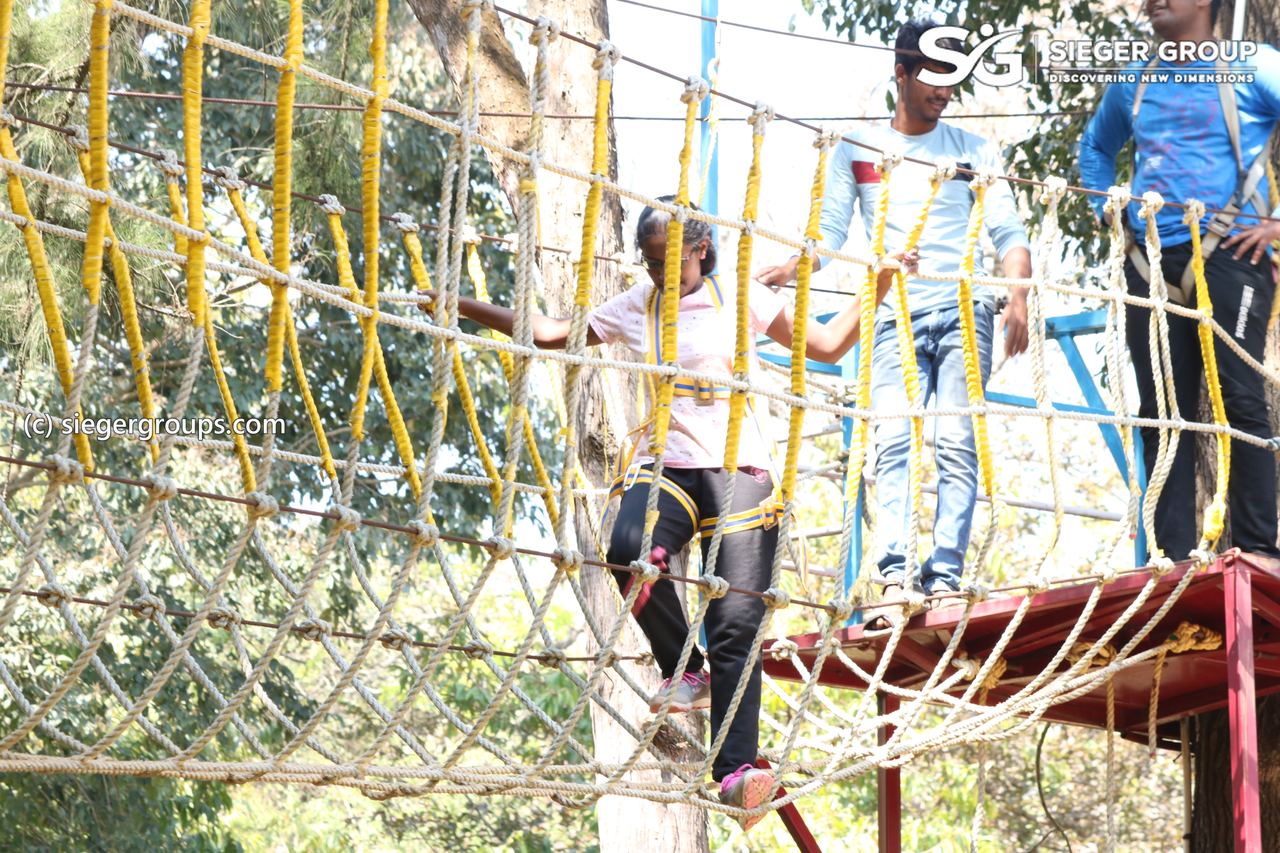
Sieger Group programme photograph — Obstacle Courses

Core Obstacle Course Activities

Select from six course elements that introduce low movement, balance and confidence at different points on a circuit. Venue staff confirm the installed obstacles, choice of roles and briefing for the group.

Progress with the group in mind

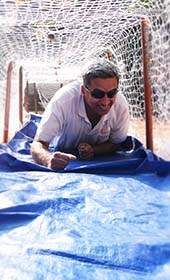
Belly Crawl

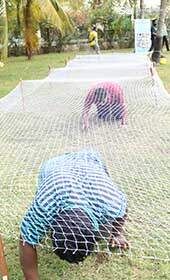
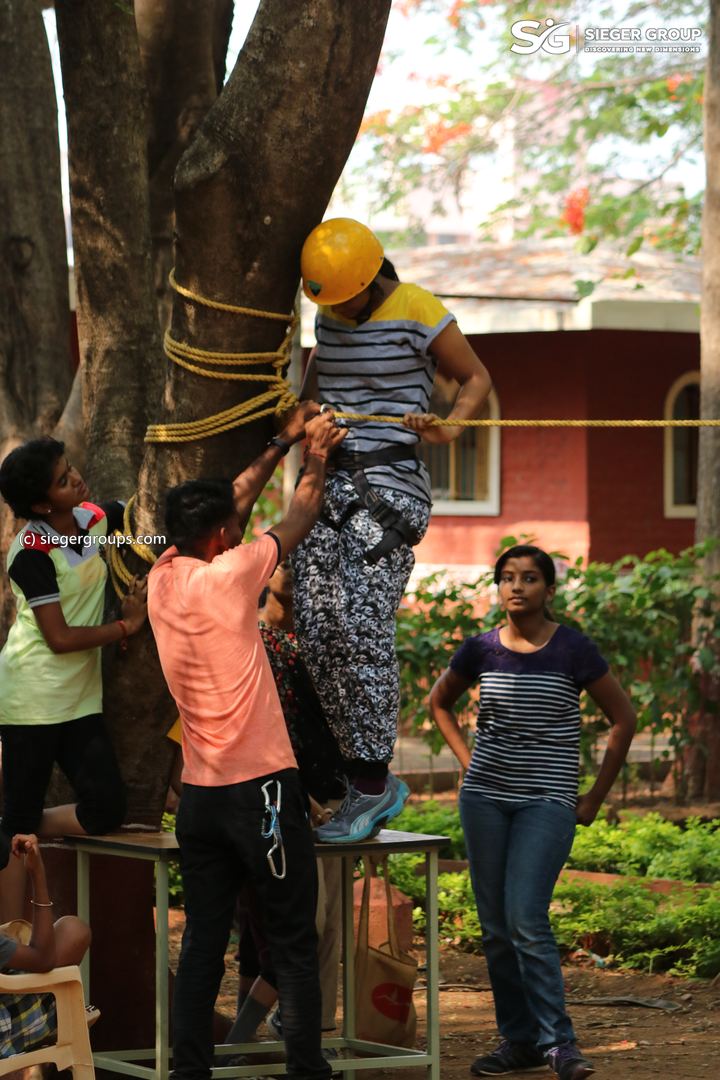
Participants approach a low crawl element after the facilitator explains the task and agreed participation arrangements. Teams discuss pace, spacing and how to encourage one another without rushing. The review considers how people communicated needs and kept attention on completing the challenge as a group.

Learning focusPersistence · Choosing a manageable pace
Offer the support that helps

Easy Balancer

An agreed balance element invites concentration, controlled movement and clear attention to the briefing. Colleagues can discuss what information or encouragement is helpful while someone attempts the task. Reflection explores the difference between useful support and distracting instructions, with participation roles adapted to the group and course.

Learning focusSteady attention · Monitoring progress

High Step-over

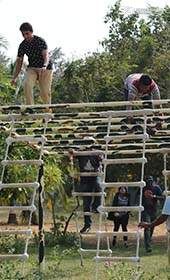
A sequence of step-over obstacles that calls for rhythm, deliberate movement and coordination as participants negotiate the course.

Learning focusJudging spacing · Regulating rhythm

Six Vaults

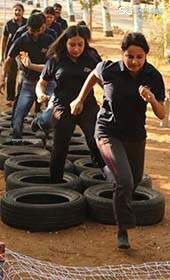
A series of vaulting elements that gives participants a consistent task through which to explore focus, persistence and personal progress.

Learning focusRepetition · Reviewing each attempt
Check the next move

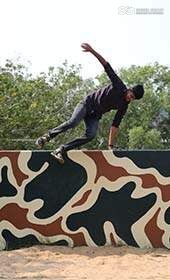
Jump and Land

Participants engage with a selected jump-and-landing element only within the activity briefing and course arrangements agreed for the programme. Teams notice how preparation, attention and clear signals affect the experience. Reflection connects those observations with checking readiness and respecting individual participation decisions during a shared challenge.

Learning focusFocus · Recognising the end of a turn

Confidence Climb

A climbing element that invites participants to consider their approach to a progressive challenge and the encouragement they find useful.

Learning focusSetting an individual goal · Encouragement

Balance, Timing & Traverses

These course elements change the rhythm or surface of the crossing. Observers can look for the moment a participant asks for a pause or encouragement.

Respond to a changing position

Swinger

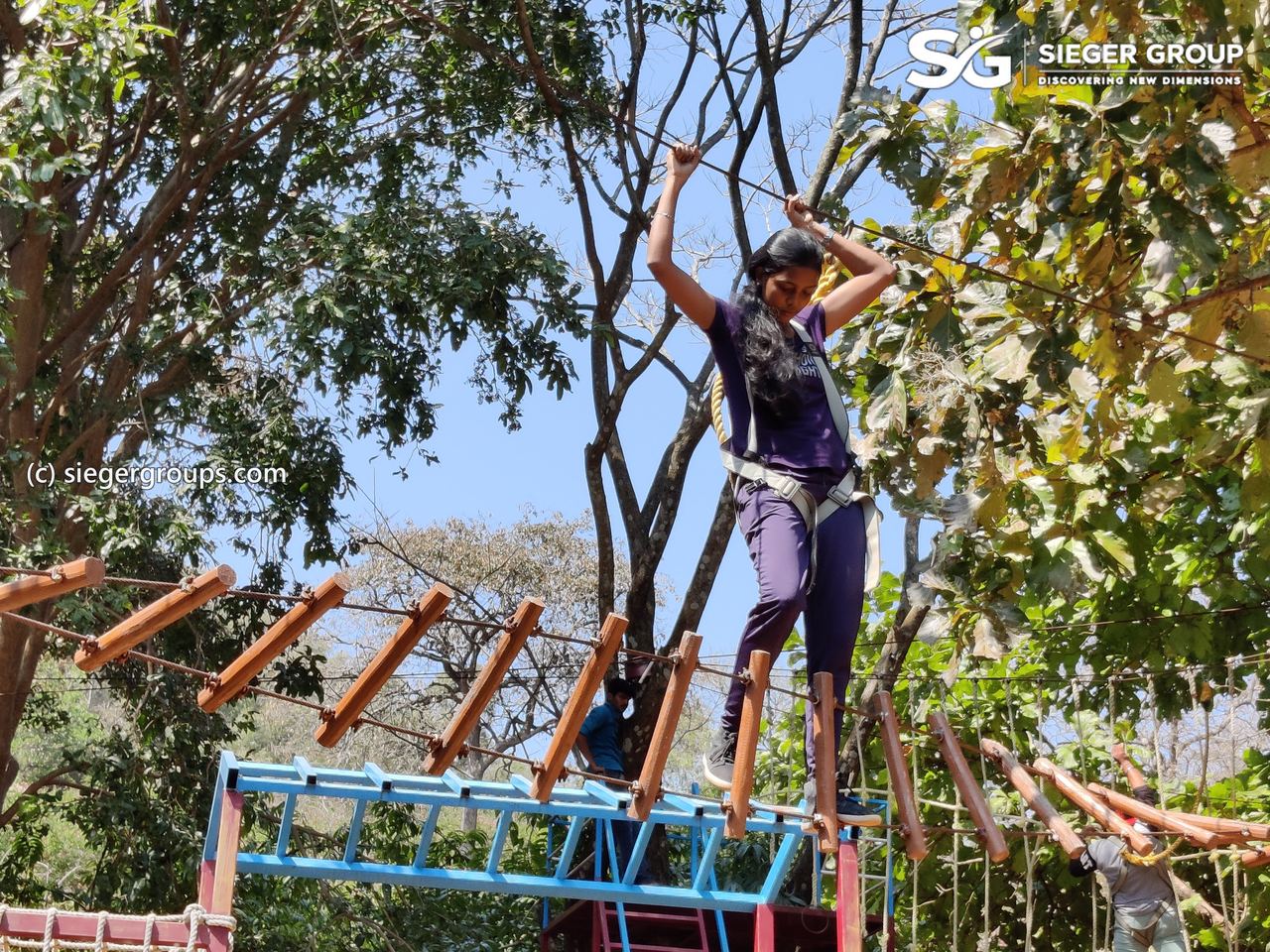
A selected moving-log element introduces a changing balance task within the course arrangements explained by the facilitator. Participants consider pace and useful support before attempting it. Colleagues can notice how observations and encouragement help someone adjust, then discuss what adaptability looked like in that specific shared experience.

Learning focusExpressing readiness · Choosing the moment

Low Wire

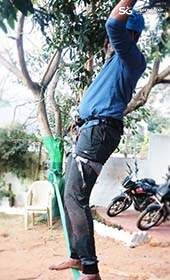
A low-clearance challenge that requires participants to adjust their movement and stay attentive to the task and its constraints.

Learning focusAwareness of clearances · Controlled movement

Swing, Stop, and Jump

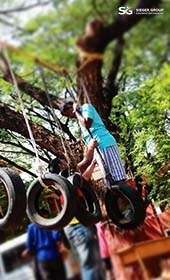
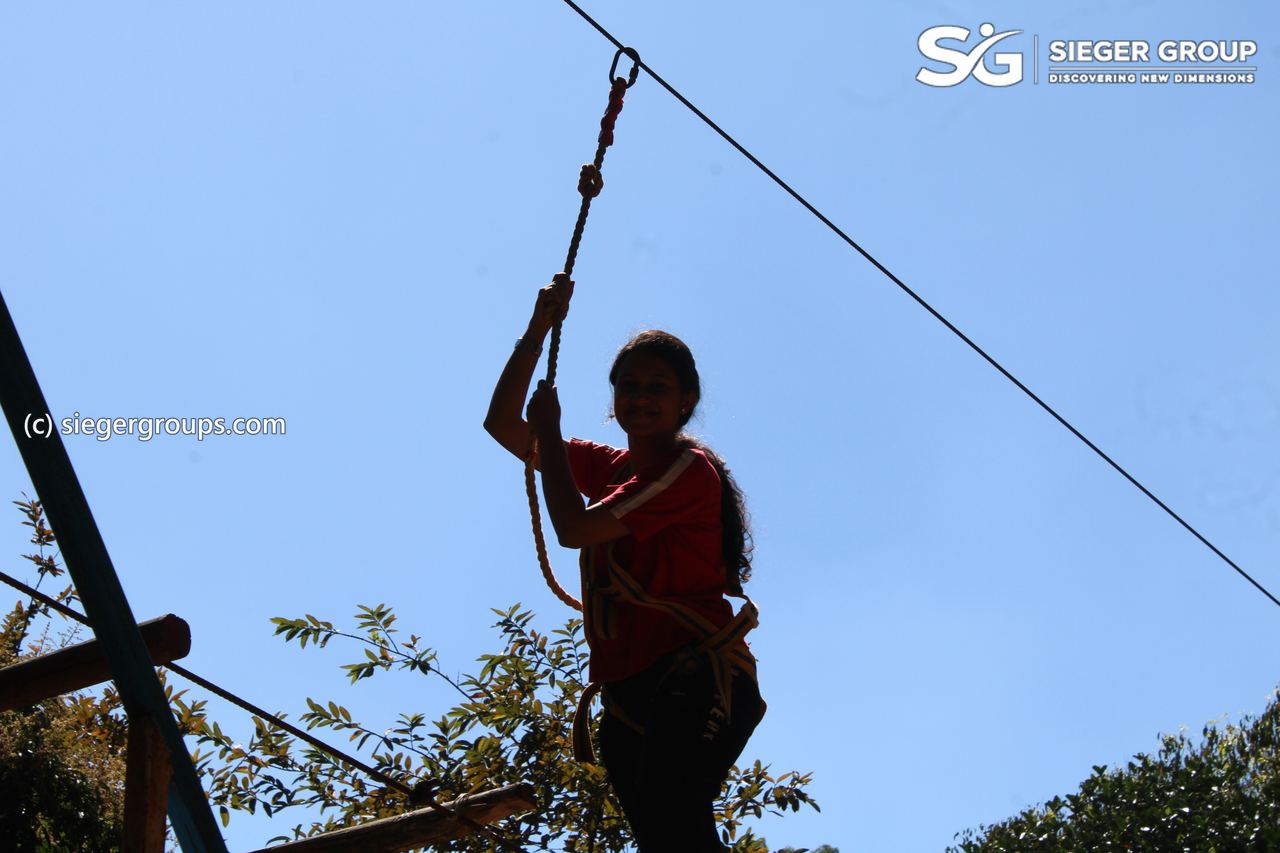
A rope-and-platform element that combines a sequence of actions, creating a practical discussion about preparation, timing and readiness.

Learning focusRecognising transitions · Pausing on cue

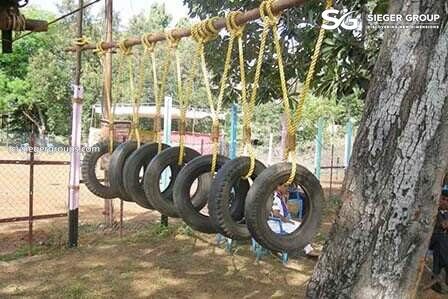
Belly Robber

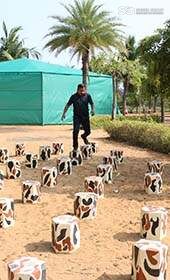
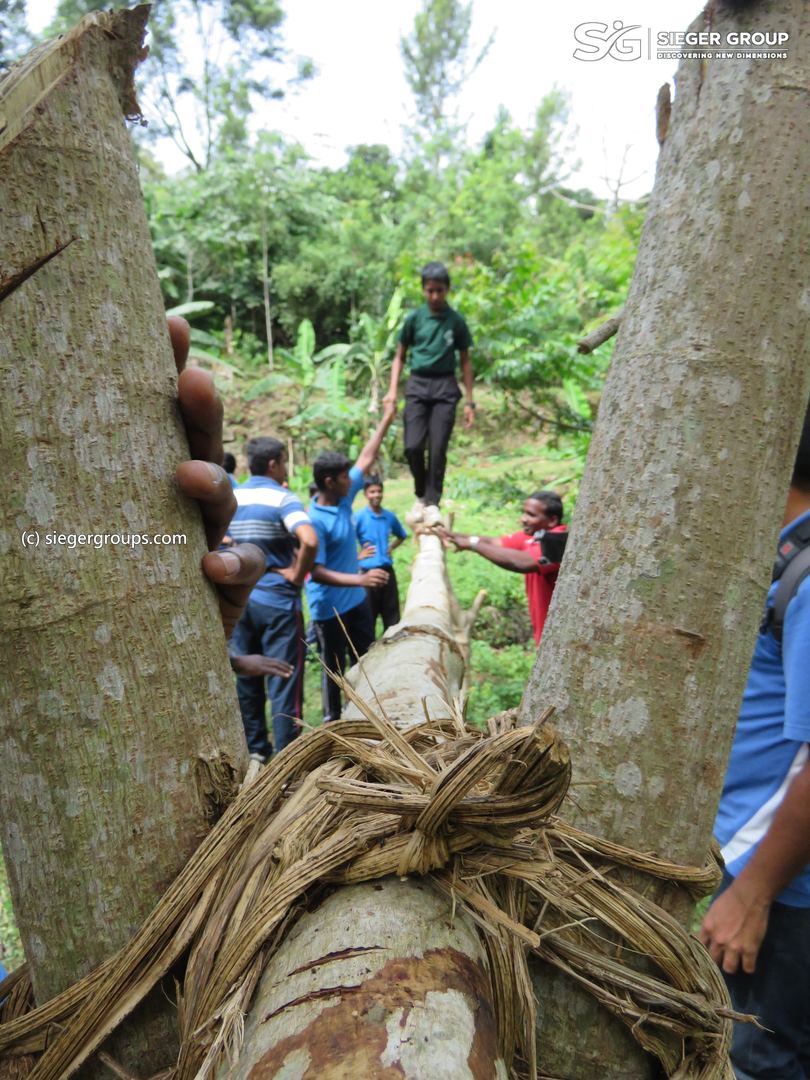
A horizontal-log crossing that calls for deliberate movement and sustained attention as participants make their way across the element.

Learning focusSustained attention to a horizontal crossing

Climbs & Combined Obstacles

For groups choosing a climbing element, the venue briefing determines the available routes and participation options. Use the debrief to compare preparation across different obstacles.

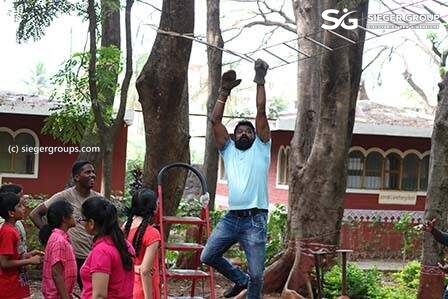
Wall Hanger

A combined wall and traverse element that places emphasis on planning a sequence, maintaining concentration and responding to changing demands.

Learning focusRecognising personal limits · Seeking support
Prepare before the attempt

Inclining Wall

Teams consider how to approach an inclined wall element under the venue’s agreed operating arrangements. Before attempting it, colleagues clarify roles, sequence and communication. The debrief examines preparation, shared judgement and how the group responds when someone asks for assistance or chooses a different participation role.

Learning focusPreparation · Adjusting to a change of angle
Clarify the next stage together

Skyscraper

The multi-level course element invites preparation around the briefing, sequence and participation roles agreed with the venue. Teams clarify how to communicate and consider other participants while approaching the task. Reflection examines cooperation and the information colleagues need before the next part of a shared challenge.

Learning focusBreaking a multi-stage task into decisions

The Tough One

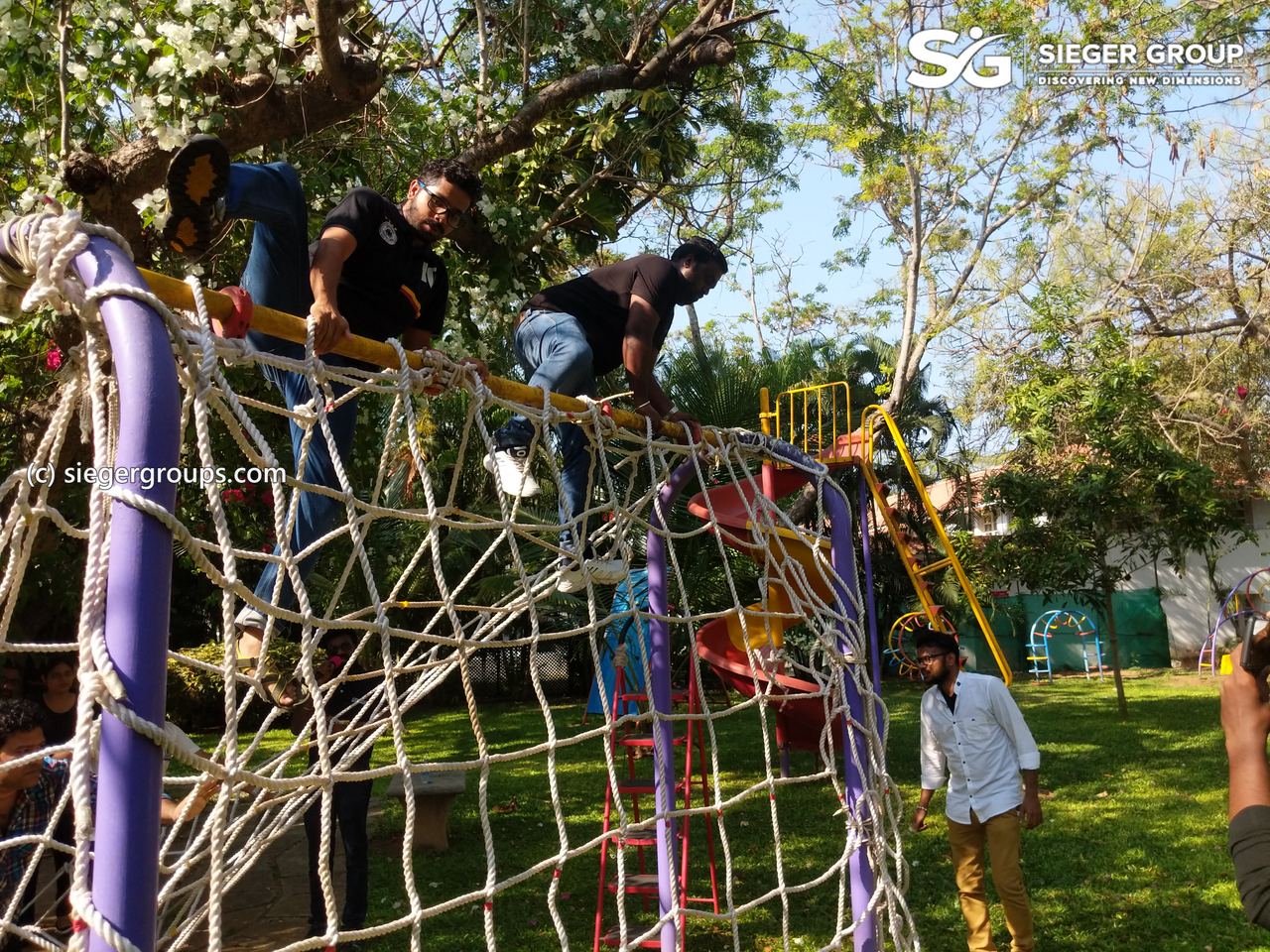
A combined course element with climbing, traversing and descent components, bringing several challenge types into one sustained experience.

Learning focusLinking stages · Maintaining concentration
Programme overview

Obstacle courses for corporate teams

A structured obstacle programme creates a different setting for colleagues to communicate, coordinate and support one another. The activity mix can explore ownership, persistence and team decision-making through a shared physical challenge.

Programme design should reflect participant needs and the chosen venue. Agree the course elements, facilitation, alternative participation roles and practical arrangements before the event.

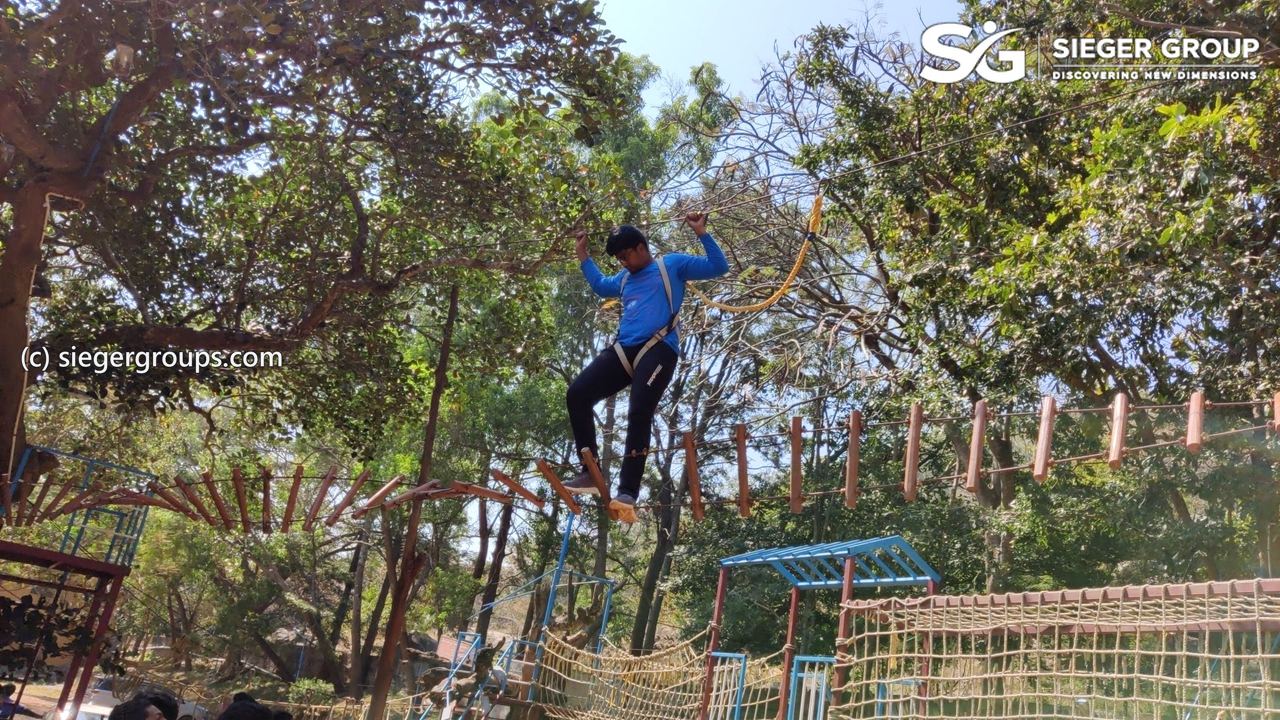
Obstacle Courses — programme library photograph
What makes it distinctive

The course is shared. So is the preparation.

An obstacle programme brings attention to how teams brief, encourage and coordinate around an unfamiliar task. Use selected elements to observe those choices, recognising the information and support contributions that help the group approach the experience together.

Shape your team brief
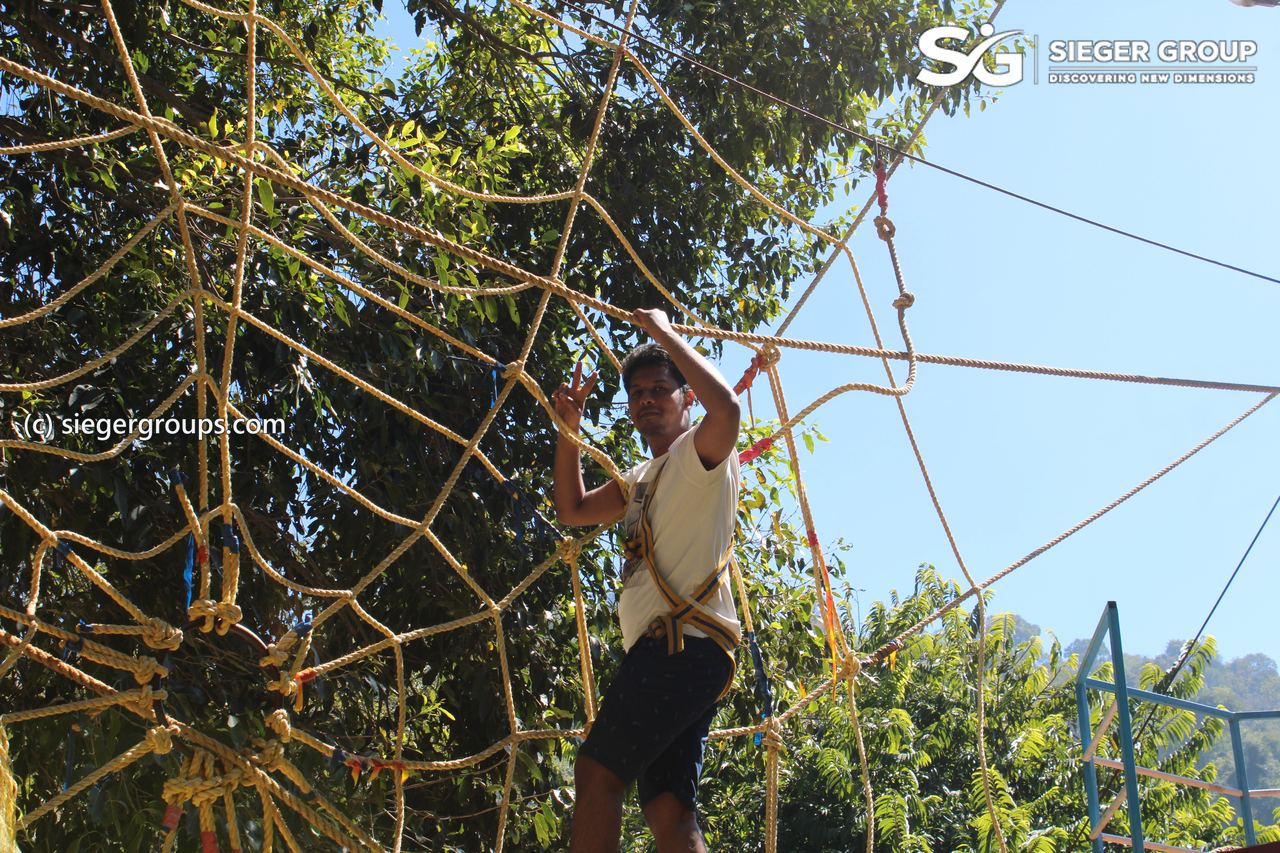
Sieger Group programme photograph — Obstacle Courses
Why this programme

Why Organisations Choose Obstacle Courses

Explore coordination, encouragement and shared responsibility through an obstacle programme agreed around the group and venue.

A clear purpose

Preparation made visible

Observe how teams clarify an unfamiliar physical task, its sequence and participation arrangements before moving from discussion to an agreed attempt.

Useful participation

Useful encouragement

Notice which messages help someone participate and which create distraction or pressure, keeping the colleague’s stated needs and choices in view.

Practical insight

Shared course coordination

Consider pace and communication across an obstacle sequence so participants understand where their own progress connects with the rest of the group.

Connected choices

Respect for different roles

Recognise planning, observation and support contributions alongside attempts at course elements rather than treating physical confidence as the only valuable contribution.

Meaningful follow-through

Adaptation through feedback

Review the approach after an element and decide what should change in the team’s preparation or communication before continuing to another challenge.

Programme benefits

Programme Benefits

Explore the behaviours and practical insights your team can review through Obstacle Courses. The debrief connects observations from the experience with situations that matter to participants.

Preparation made visible

A useful focus for the group is to observe how teams clarify an unfamiliar physical task, its sequence and participation arrangements before moving from discussion to an agreed attempt.

Useful encouragement

Participants can examine how to notice which messages help someone participate and which create distraction or pressure, keeping the colleague’s stated needs and choices in view.

Shared course coordination

The review can highlight ways to consider pace and communication across an obstacle sequence so participants understand where their own progress connects with the rest of the group.

Respect for different roles

Colleagues can explore how to recognise planning, observation and support contributions alongside attempts at course elements rather than treating physical confidence as the only valuable contribution.

Adaptation through feedback

The experience can prompt discussion of how to review the approach after an element and decide what should change in the team’s preparation or communication before continuing to another challenge.

Practical conversations about responsibility

A practical takeaway is to examine how participants raise concerns, ask for assistance and check the information needed before an agreed group action takes place.

Relevant learning transfer

The team can consider how to connect a specific obstacle-course interaction with preparation, encouragement or handover habits in an appropriate workplace situation after the shared experience.

From experience to application

Bring the learning back to work.

Use these reflection prompts to turn Obstacle Courses into a focused conversation about what happened, what it means and what to try next.

  1. Recall the preparation

    Identify what the group clarified before one obstacle and discuss which unanswered question would have been useful to raise before beginning the attempt.

  2. Notice supportive language

    Recall a message that helped someone focus or participate and consider why it was more useful than a general instruction to move faster.

  3. Review an adaptation

    Discuss what the team changed after an element and whether the revised approach reached everyone affected before the group continued.

  4. Connect to shared readiness

    Choose a work task where checking context, responsibilities or assistance needs before action could prevent avoidable uncertainty for colleagues.

  5. Agree a preparation habit

    Select one question or signal the team can use before an important handover or coordinated action and define who should respond to it.

  6. Review participation respectfully

    Ask how the agreed habit helped different colleagues contribute and adjust it using their observations rather than assumptions about confidence or ability.

Programme delivery

How the Programme Works

A suggested flow for Obstacle Courses, from setting the brief to reviewing the experience. Activity choices, pace and facilitation are confirmed around your group and setting.

  1. Start with context

    Agree the purpose and participation

    Explore coordination, encouragement and shared responsibility through an obstacle programme agreed around the group and venue. Discuss what participants should understand before approaching belly crawl, including the information, roles and choices relevant to this group.

    Pace · Mutual support
  2. Offer the support that helps

    Explore the selected experience

    The course elements are introduced through the agreed venue briefing. Teams prepare roles and messages, paying attention to how colleagues request support and confirm the next action.

    Focus · Considerate encouragement
  3. Prepare before the attempt

    Compare and develop the approach

    Between elements, the group reviews preparation and encouragement. Specific observations become an adjustment for the next challenge, connecting shared responsibility with how different roles support participation.

    Planning · Shared judgement
  4. Make the experience useful

    Review and carry it forward

    Choose a work task where checking context, responsibilities or assistance needs before action could prevent avoidable uncertainty for colleagues. Select one question or signal the team can use before an important handover or coordinated action and define who should respond to it.

    Readiness · Clear signals
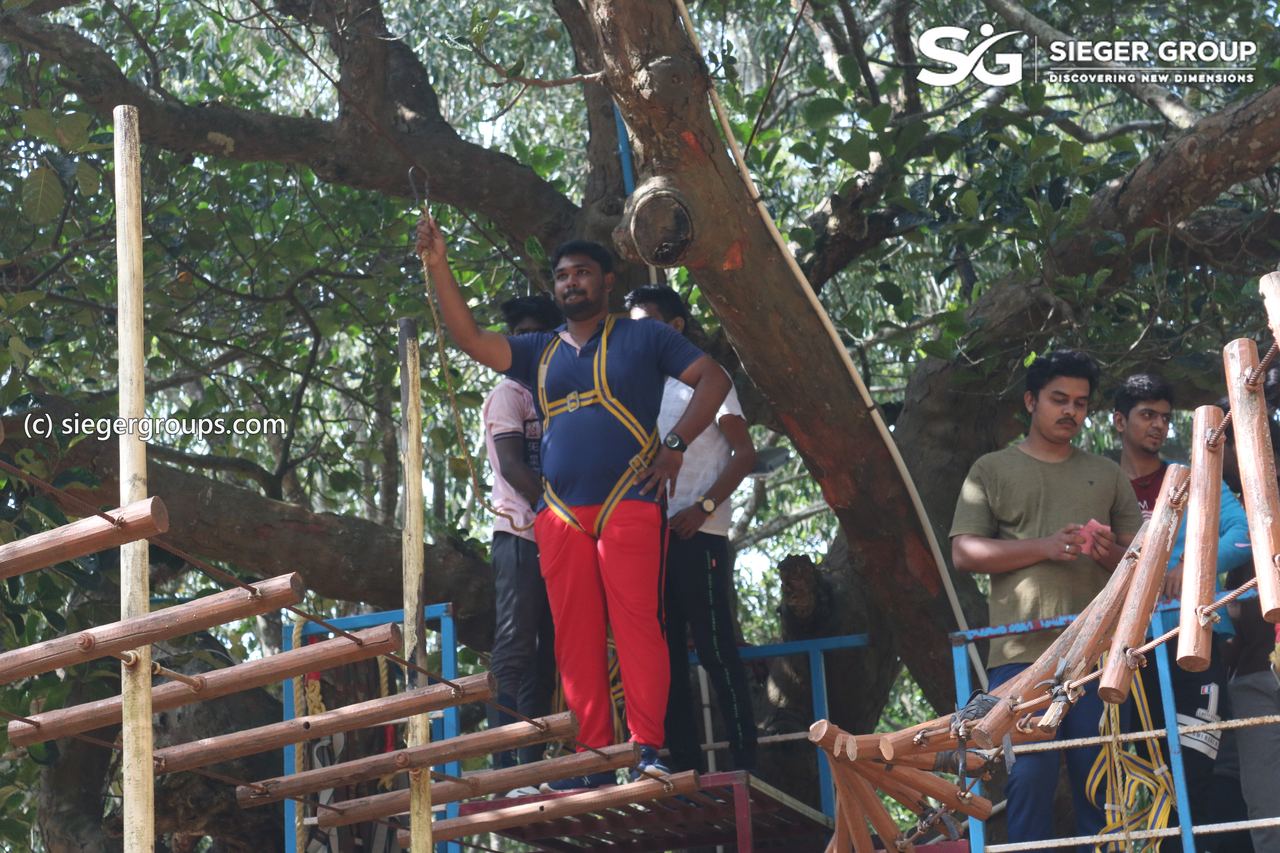
Obstacle Courses — programme library photograph
Experiential learning outline

Experience. Reflect. Apply.

Connect Obstacle Courses with purposeful practice, evidence-based reflection and a next step that fits your working context.

  1. Align the brief

    Explore coordination, encouragement and shared responsibility through an obstacle programme agreed around the group and venue. Clarify what the group needs before beginning the selected experience.

  2. Experience the challenge

    Explore belly crawl through the agreed format. Notice which messages help someone participate and which create distraction or pressure, keeping the colleague’s stated needs and choices in view.

  3. Reflect on the evidence

    Examine how the group knew it was ready for an element and which question or preparation action gave colleagues information they needed before moving.

  4. Connect the learning

    Consider a task where people depend on one another’s readiness and discuss which question from the course would clarify context or assistance needs in that work setting.

  5. Commit to a next step

    Agree a preparation check for the chosen work task and define its purpose, inviting feedback from the colleagues who will need to use it together.

Who should attend

Choose the right audience for the experience.

Discuss participant experience, access needs, language preferences and the purpose of the programme before confirming suitability.

Intact and cross-functional teams

Intact and cross-functional teams interested in pace · mutual support. Belly Crawl offers one possible starting point for an agreed group experience.

Managers and emerging leaders

Managers and emerging leaders exploring focus · considerate encouragement. Select a format that fits their responsibilities, working relationships and the purpose of Obstacle Courses.

Project teams and newly formed groups

Project teams and newly formed groups bringing different perspectives to planning · shared judgement. Confirm the learning priorities and participation arrangements before choosing the activity mix.

Programme schedule

An illustrative session schedule.

This sample shows how a programme could flow. Timings, breaks, activity choices and duration are agreed in the final proposal.

Example session

Brief, experience and reflect

  1. 09:30–09:45

    Welcome, context and participation

    Introduce Obstacle Courses, agree the group’s purpose and discuss participation preferences. Explain the selected formats before the experience begins.

  2. 09:45–10:30

    Belly Crawl

    Use a selected version of Belly Crawl to explore pace · mutual support. Pause to compare observations and clarify the choices that shaped progress.

  3. 10:30–11:15

    Easy Balancer

    Use a selected version of Easy Balancer to explore focus · considerate encouragement. Pause to compare observations and clarify the choices that shaped progress.

  4. 11:15–11:30

    Reflection and shared takeaways

    Review examples of preparation made visible and shared course coordination. Connect the observations with day-to-day team responsibilities and choose a relevant next conversation.

Planning details

A considered programme starts with the practical details.

People and participation

Share the audience profile, language preferences and access needs for Obstacle Courses. Agree options that let different colleagues contribute comfortably.

Venue and resources

Confirm the chosen venue, course availability, relevant provider arrangements and participation options for the selected elements. Confirm the final mix of Belly Crawl and any other chosen experiences in the brief.

Scope and delivery

Agree the focus on focus · considerate encouragement, the programme duration and which materials, facilitation and delivery arrangements are included.

Review and follow-through

Choose how to review practical conversations about responsibility and relevant learning transfer. Confirm any follow-up conversation or team commitment that belongs within the programme scope.

Organisations we work with

Trusted by teams across industries

Sieger Group supports organisations with team-building experiences and facilitated programmes.

Client perspectives

Testimonials

Plan with confidence

Obstacle Courses FAQs

12 practical answers to help you plan your programme.

What is Obstacle Courses?

Obstacle courses allow participants to transcend office politics and share a common experience that serve as a benchmark for future performance. Participants are mentally and physically challenged, using hard work and the encouragement of a hard core Sieger Instuctors. Participants repeatedly achieve what they previously thought was impossible. Sieger Team has designed several programs geared for our clients. Our team will customize any programme to fit your organisational goals.

Who is this programme suitable for?

Obstacle Courses can be considered for teams planning a shared experience or employee engagement event. Share roles, group size, experience levels and participation needs so suitability can be confirmed.

What can participants explore?

The existing programme outline includes: Obstacle courses allow participants to transcend office politics and share a common experience that serve as a benchmark for future performance. Participants are mentally and physically challenged, using hard work and the encouragement of a hard core Sieger Instuctors. Participants repeatedly achieve what they previously thought was impossible. Sieger Team has designed several programs geared for our clients. Our team will customize any programme to fit your organisational goals.. The final emphasis and activity selection should be agreed around your brief.

Can the programme be customised for our team?

Yes. Share your team context, goals and preferred tone. The proposed Obstacle Courses experience can then be adapted through the activity mix, level of challenge, discussion themes and delivery format, subject to feasibility.

How long does the programme take?

Duration depends on the agreed scope, group size and setting. For Obstacle Courses, allow for the briefing, activities, breaks and group review. Request a proposed agenda that fits your available time.

Where can we organise the experience?

Share your preferred city, office, venue or offsite destination in India. Obstacle Courses requires a setting suited to the activities and participants. Venue access, usable space, equipment and local delivery arrangements should be confirmed before booking.

What group size works for this programme?

The appropriate group size depends on the activity structure, facilitation and available space. Tell us the expected number of participants for Obstacle Courses so team sizes, rotations and staffing can be proposed.

What should participants prepare?

For Obstacle Courses, the pre-event briefing should explain the schedule, clothing or equipment requirements and how to take part. Share accessibility needs and relevant participation constraints during planning so suitable arrangements can be discussed.

How are participation and inclusion considered?

Discuss access, mobility, language, sensory needs and comfort levels before confirming Obstacle Courses. Agree suitable roles and alternatives where feasible. For specialist activities, confirm delivery responsibilities and participation requirements in advance.

How can we connect the programme with our objectives?

Agree the purpose of Obstacle Courses before delivery. A group review can explore communication, contribution and teamwork, alongside the shared enjoyment of the event. Confirm any follow-up or evaluation support in the proposal.

What does the programme cost?

Pricing for Obstacle Courses depends on participant numbers, duration, facilitation, equipment, location and agreed logistics. Request a tailored proposal that clearly states programme inclusions, venue or travel arrangements and applicable charges.

How do we enquire about Obstacle Courses?

Use the enquiry form on this page or call +91 98400 97567. Include Obstacle Courses, your objectives, group size, preferred dates and location. Sieger Group can then discuss suitability and prepare a proposal for your review.

Ready to plan?

Let’s shape the right programme for your people.

Share your goals, group size, preferred dates and venue. We’ll help you explore a considered programme.

Request a tailored proposal
Back to programme overview
LET'S CREATE YOUR NEXT SHARED MOMENT

What could your team
do together?

Tell us what you have in mind. We will help you explore a programme that fits your people and your occasion.

  • Your peopleGroup size, audience and participation needs.
  • Your plansDate, destination, venue and time available.
  • Your purposeTeam connection, learning or a celebration.
  • Your outcomesWhat you want your team to experience or take away.
+91 98400 97567 ↗

Still finalising the details? Share what you know.

From your brief to a considered programme

Every team is different. Share your people, purpose and preferred setting, and we’ll translate your brief into an experience designed to connect, engage and create lasting impact.

  • Choose a format suited to your participants.
  • Align the experience with your event goals.
  • Tailor the programme to your team’s needs.
  • Plan the flow, venue and logistics.
  • Create an experience people will remember.
ENQUIRE WITH SIEGER GROUP

Start the conversation.

Share your brief and preferred contact details.