Sieger Group · Team Building

Indoor Treasure Hunt

A facilitated experience, designed around your team.

Indoor Treasure Hunt is a dynamic team-building programme designed to enhance collaboration, problem-solving, leadership, & communication skills through interactive indoor missions & puzzle challenges.

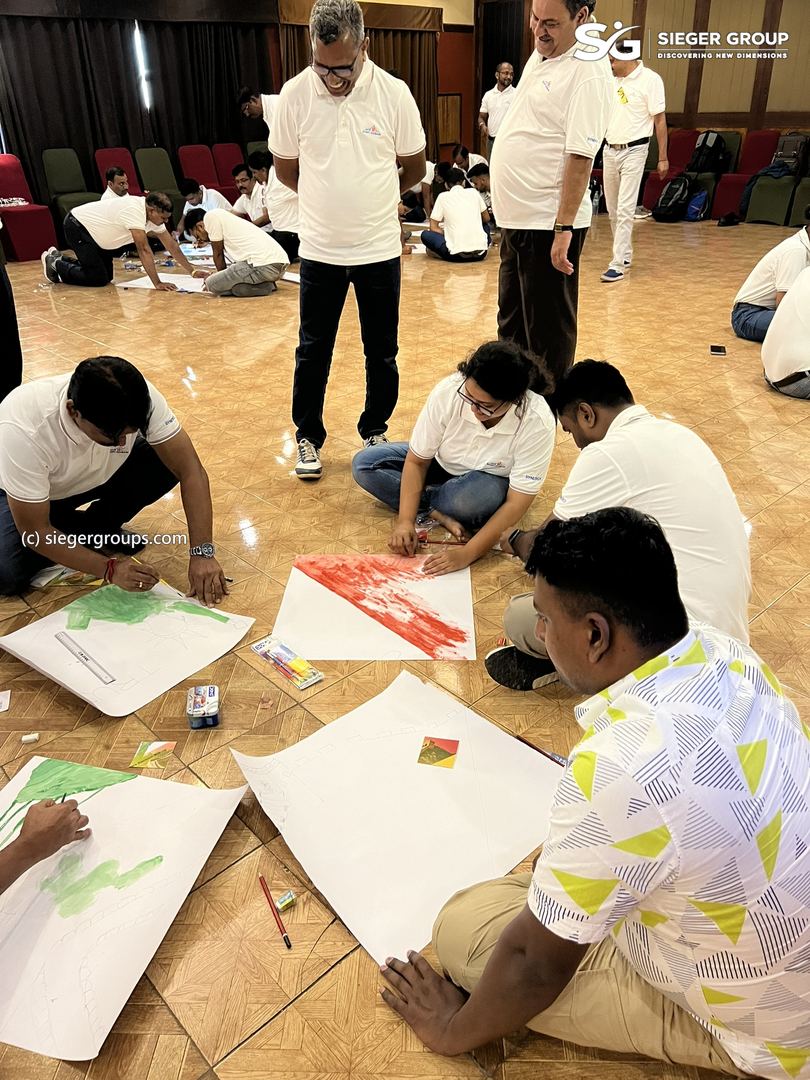
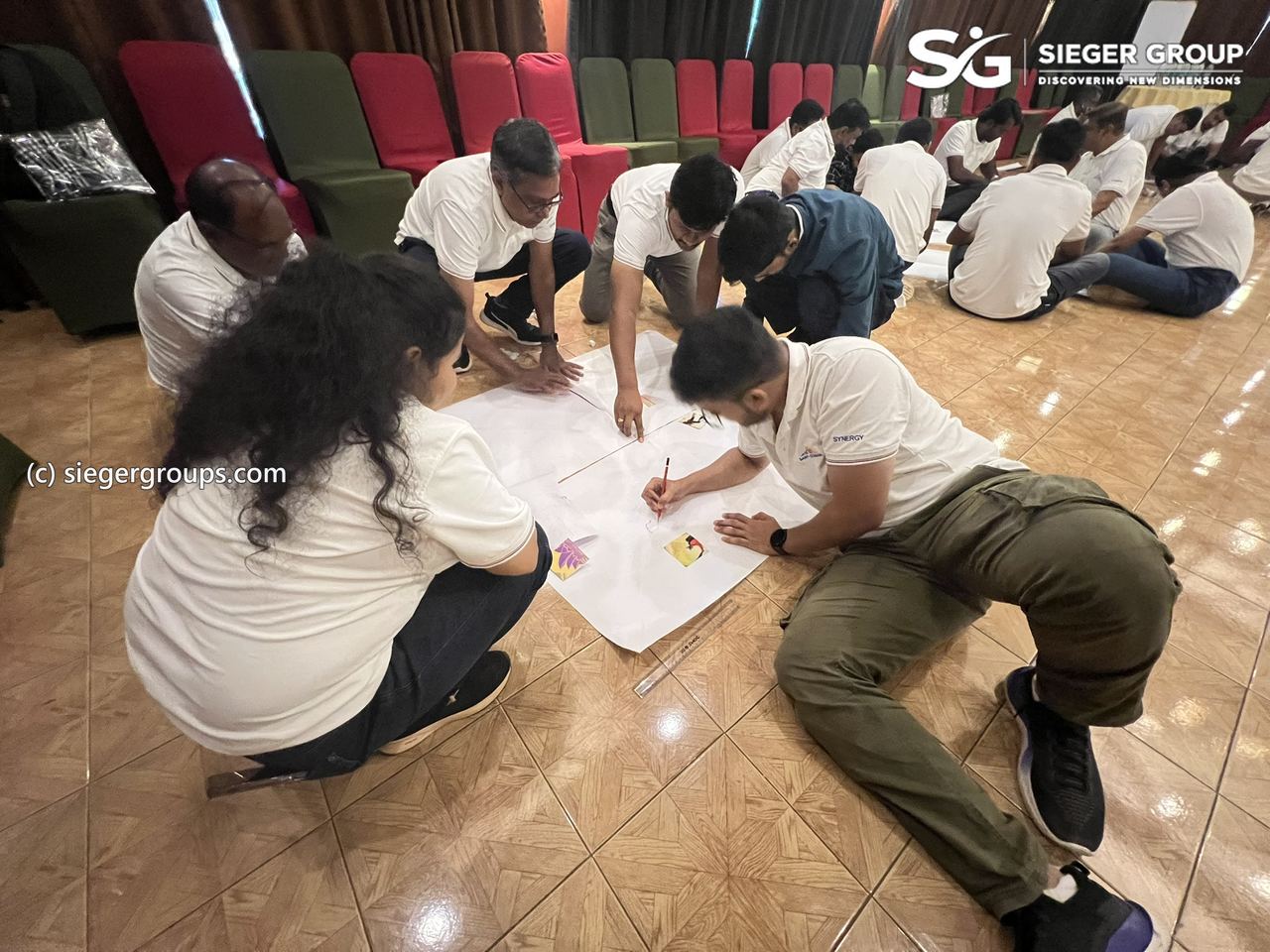
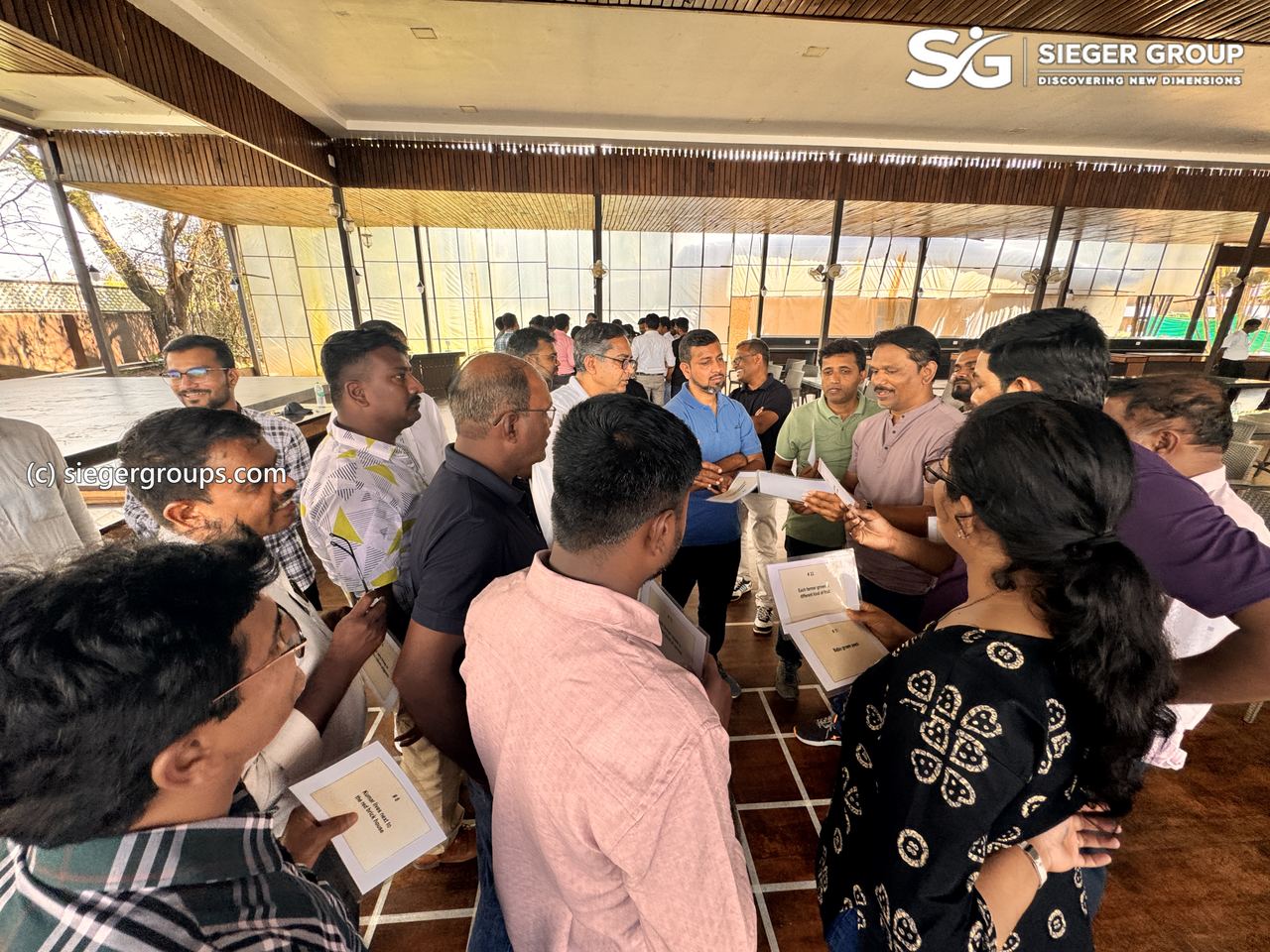
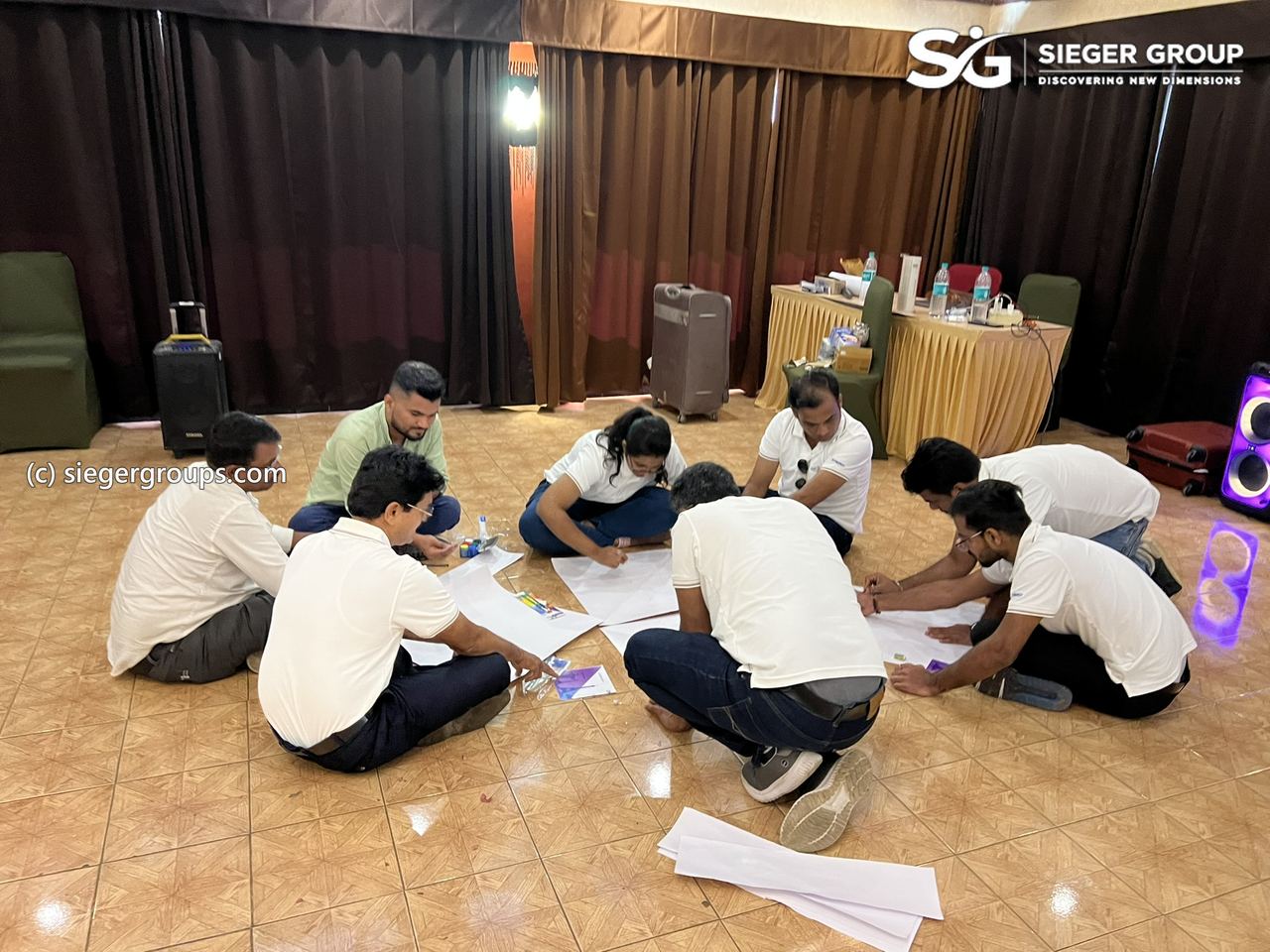
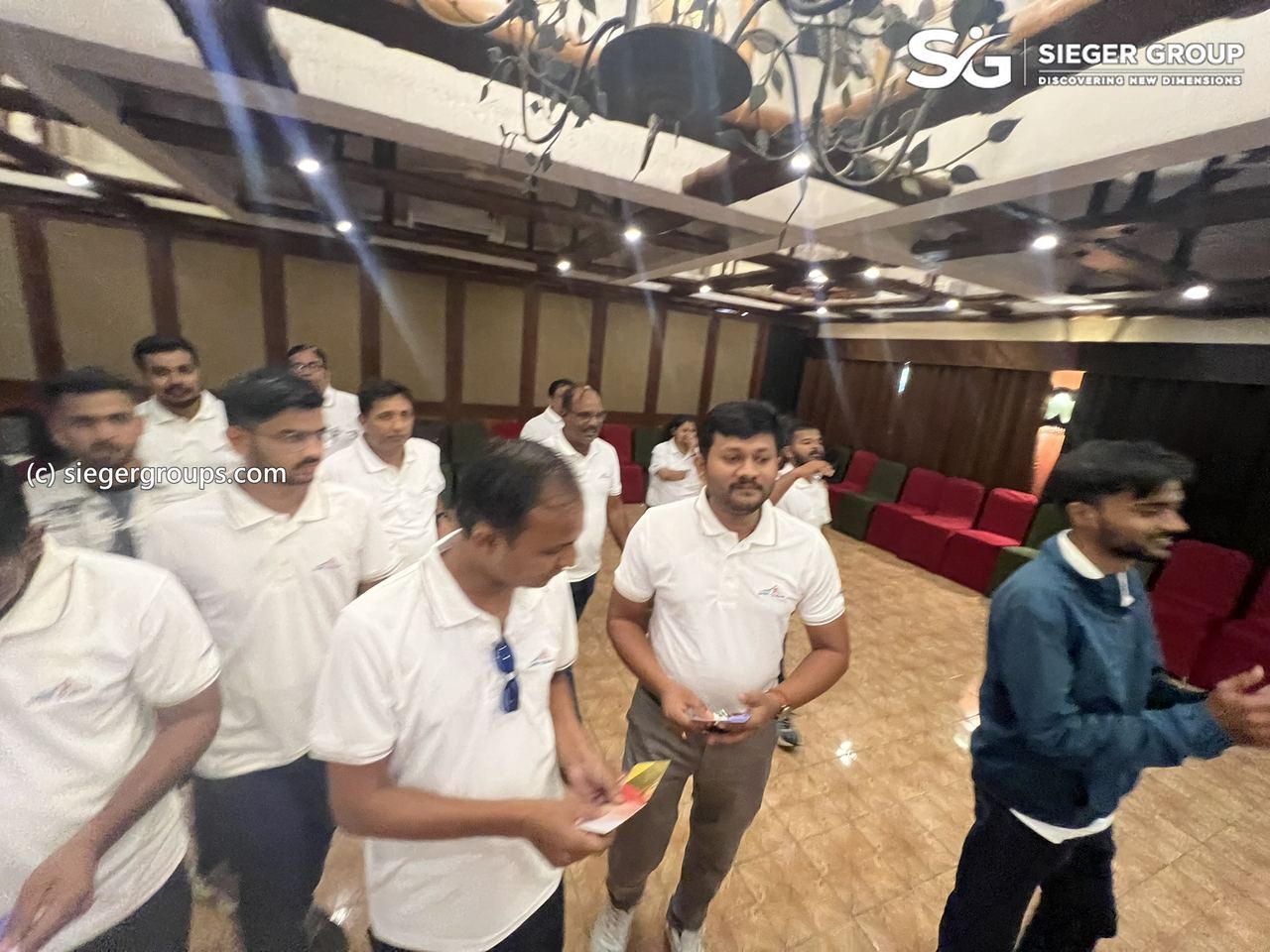
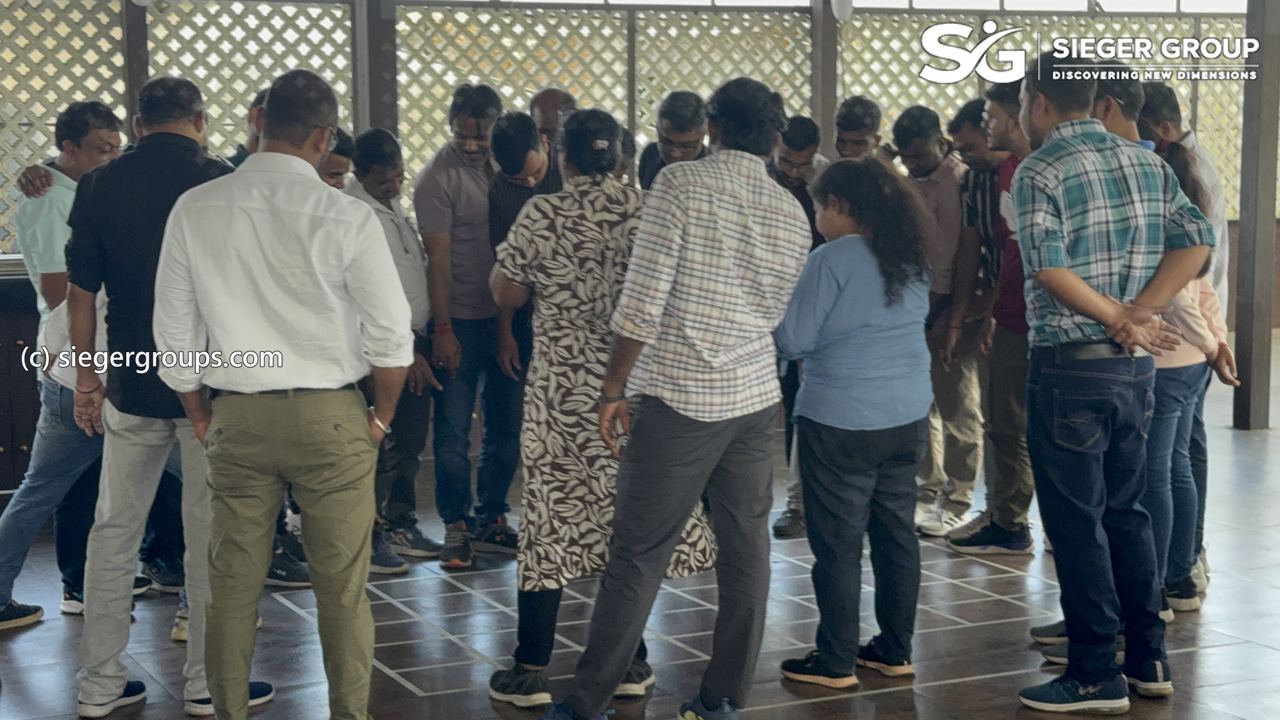
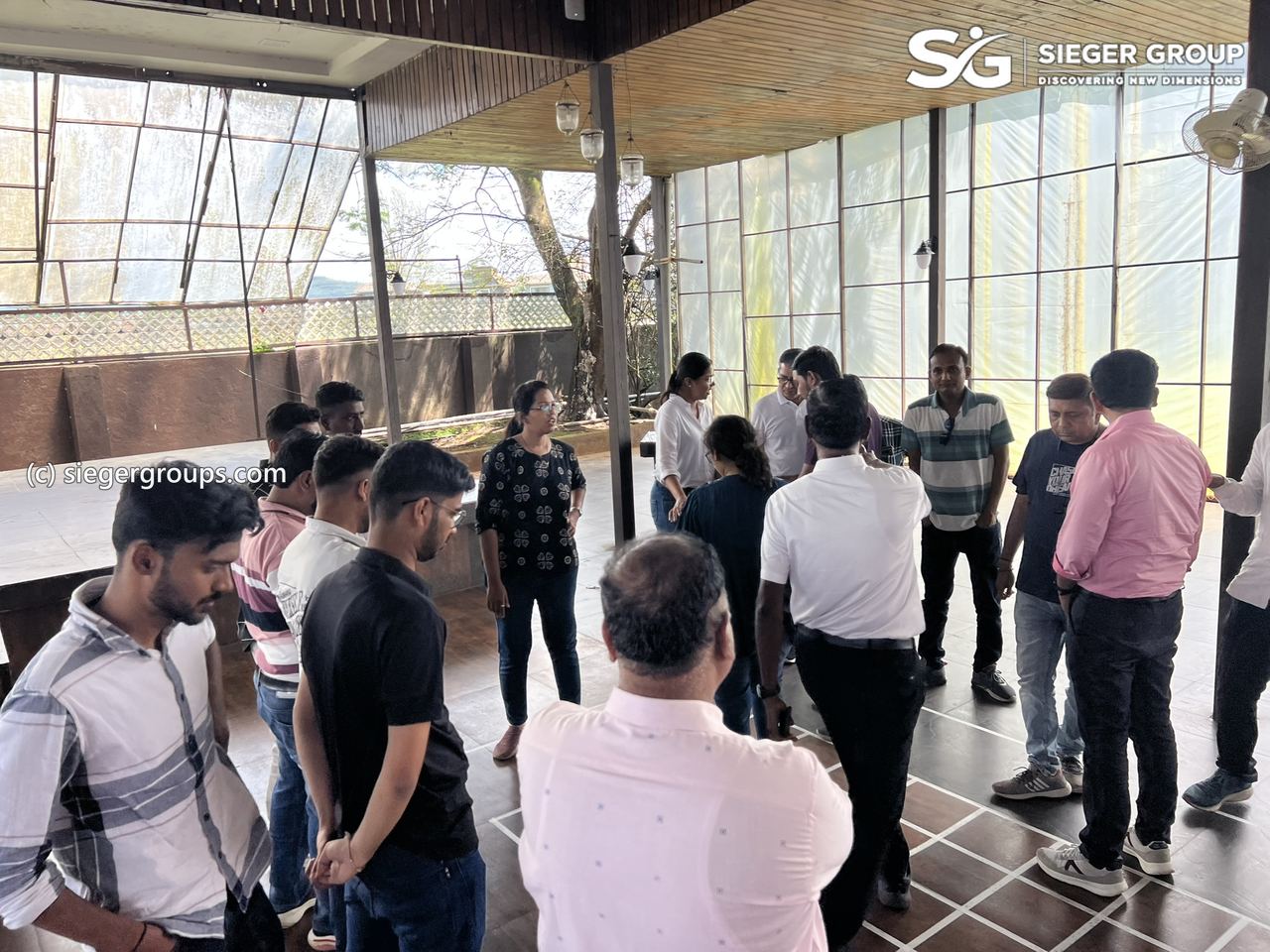
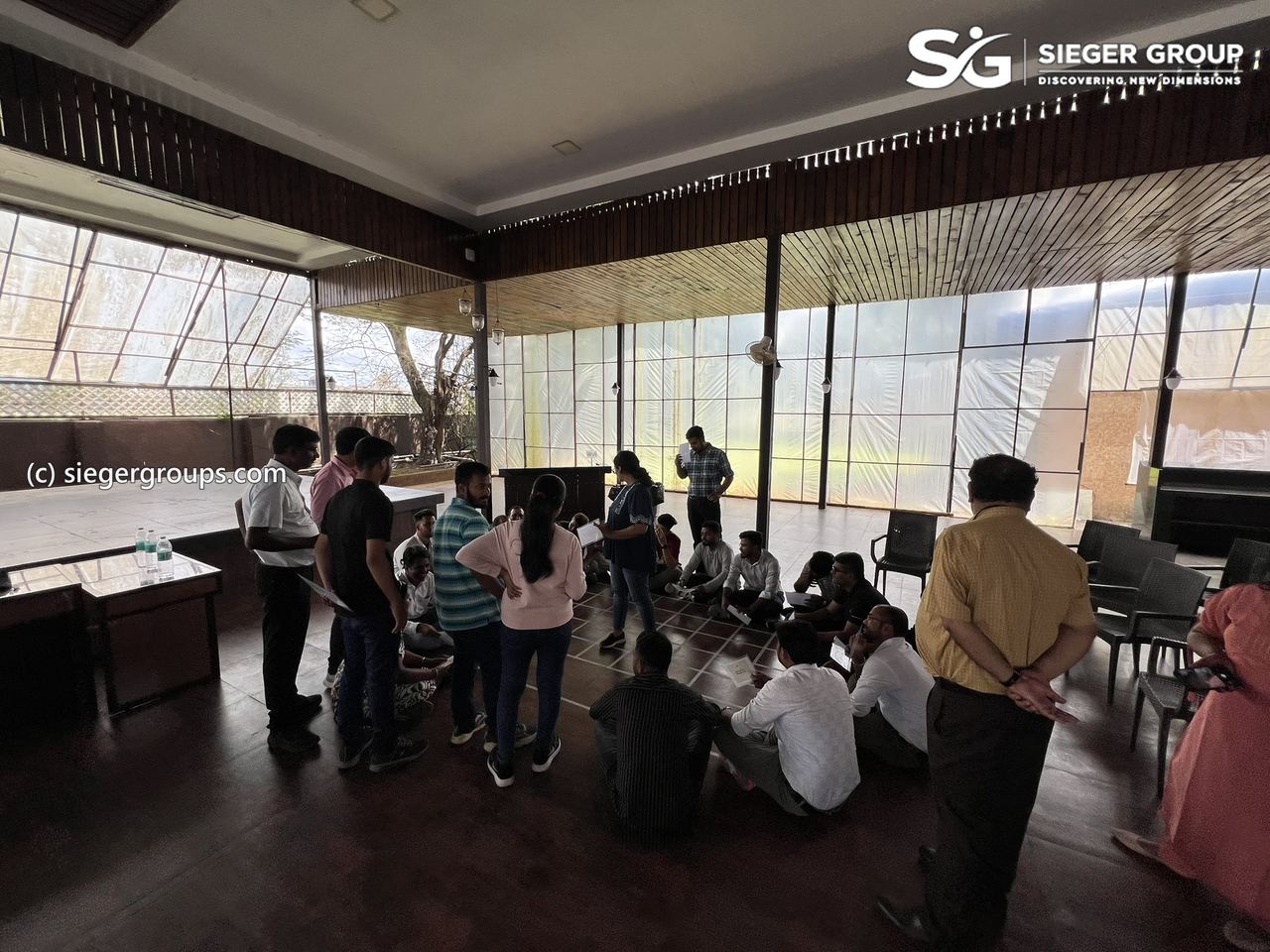
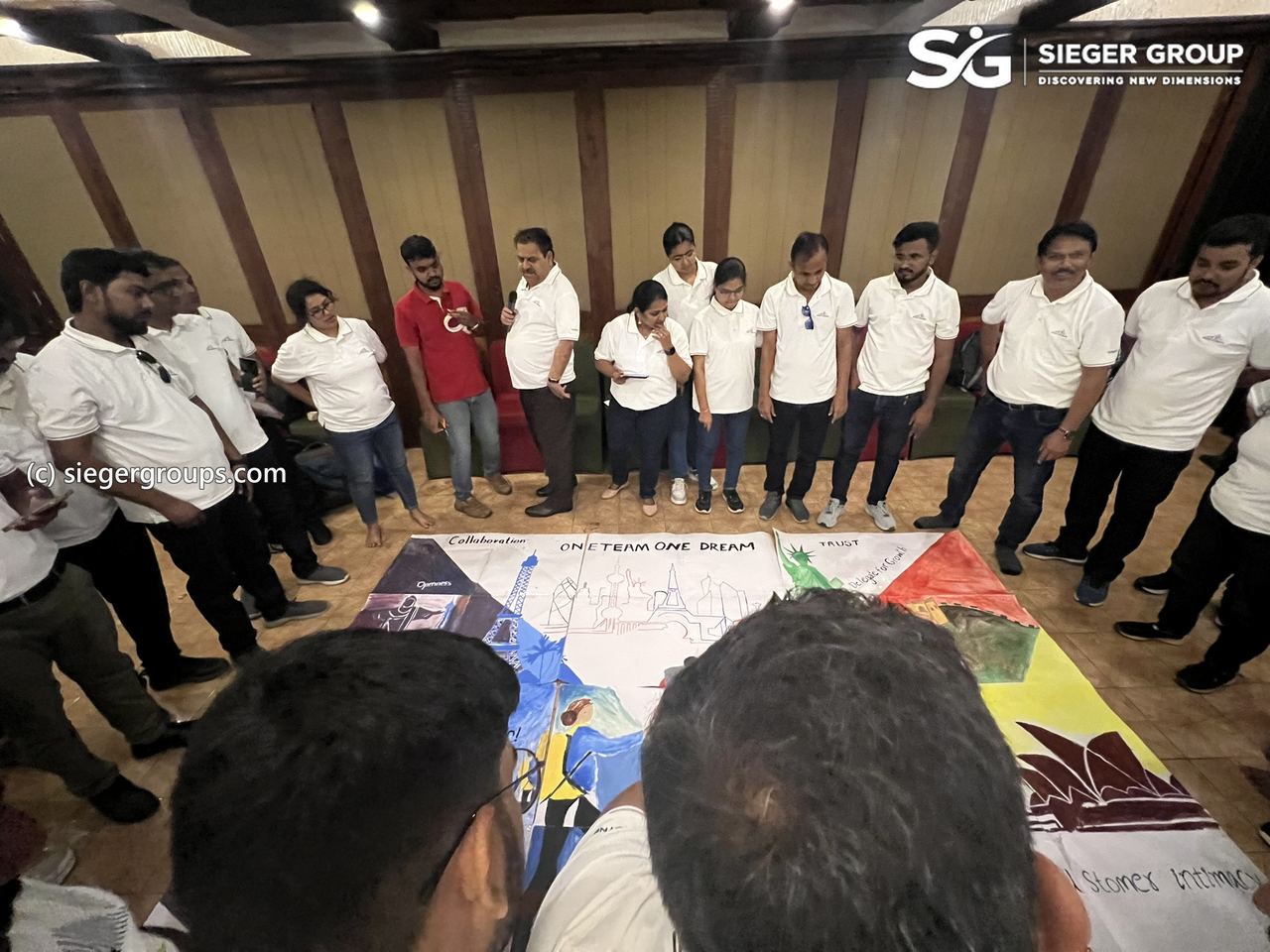
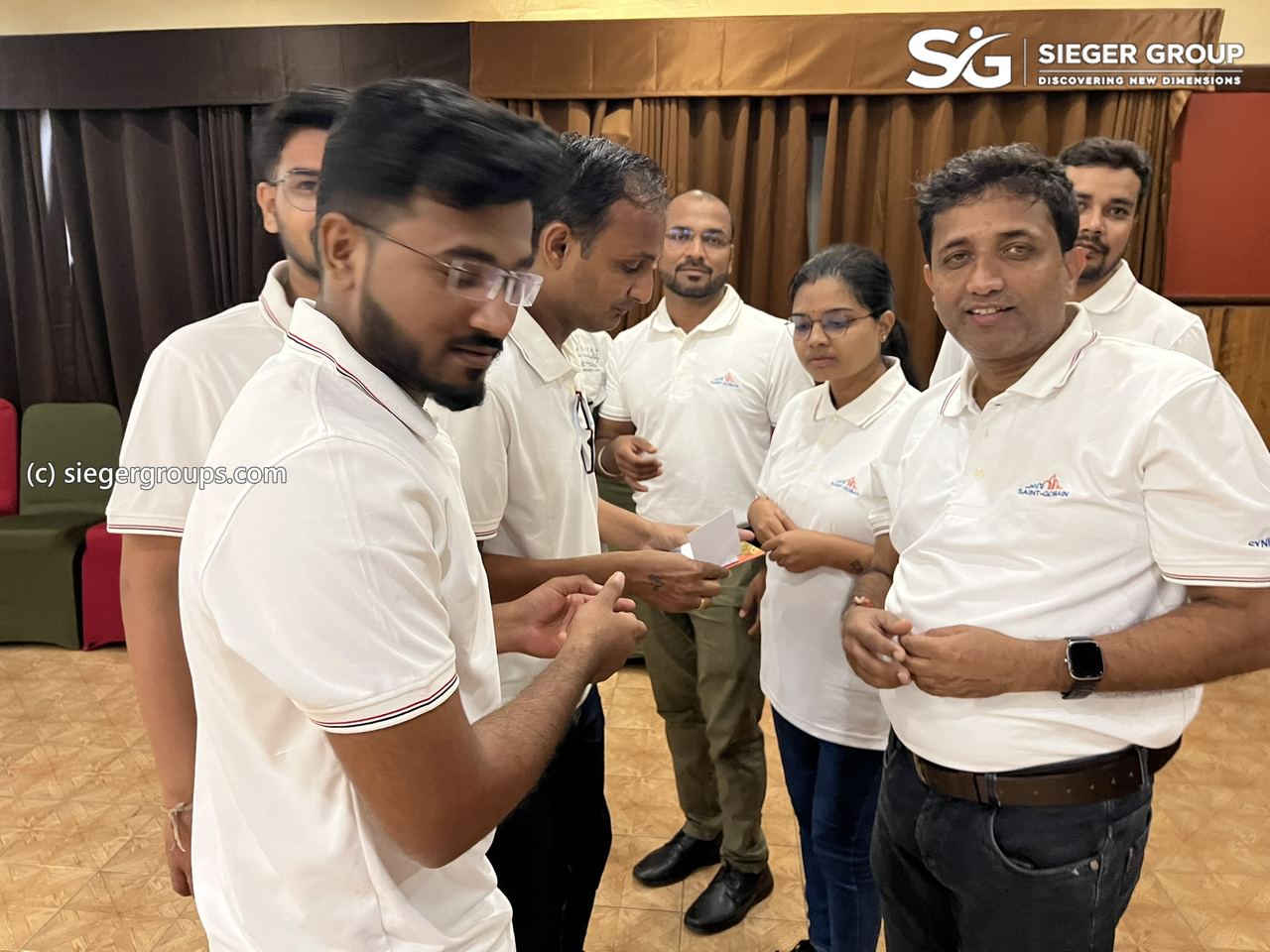
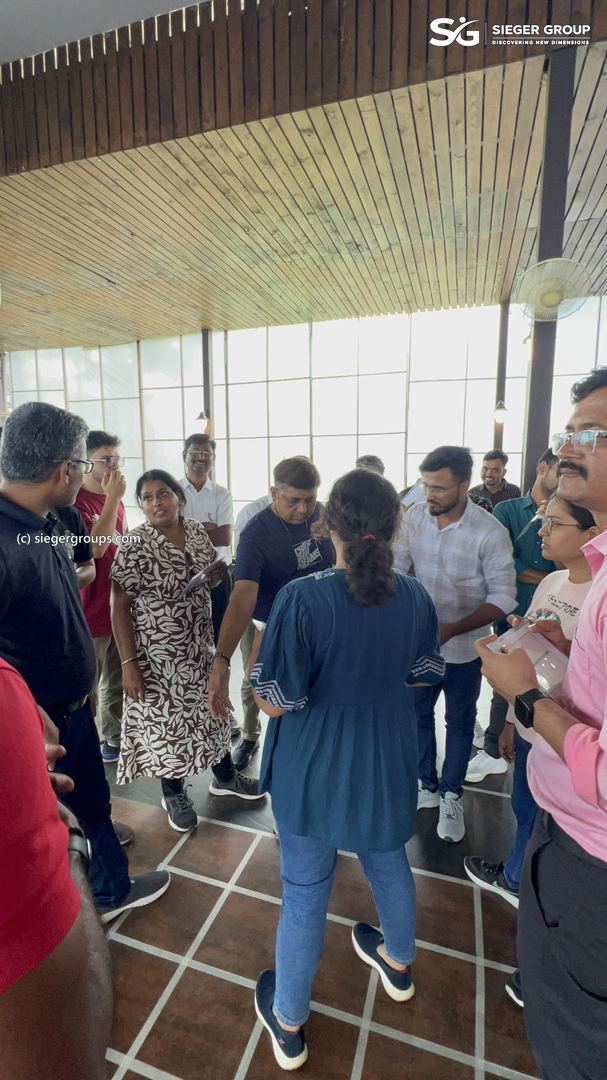
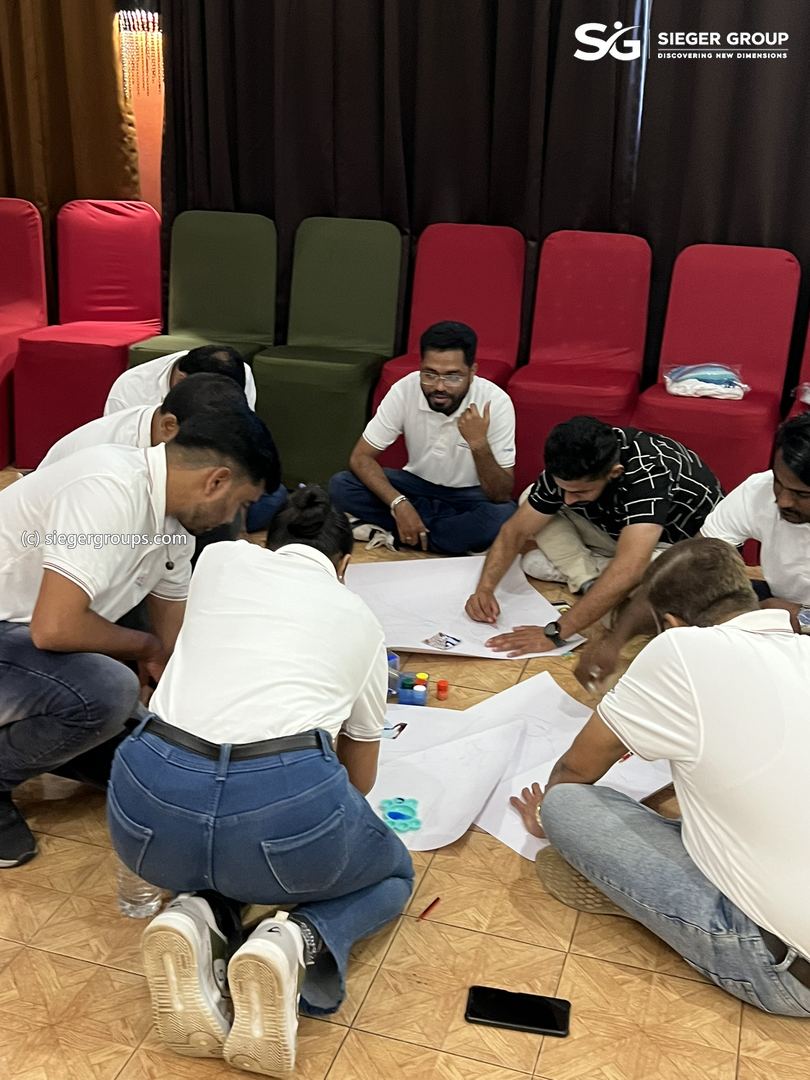
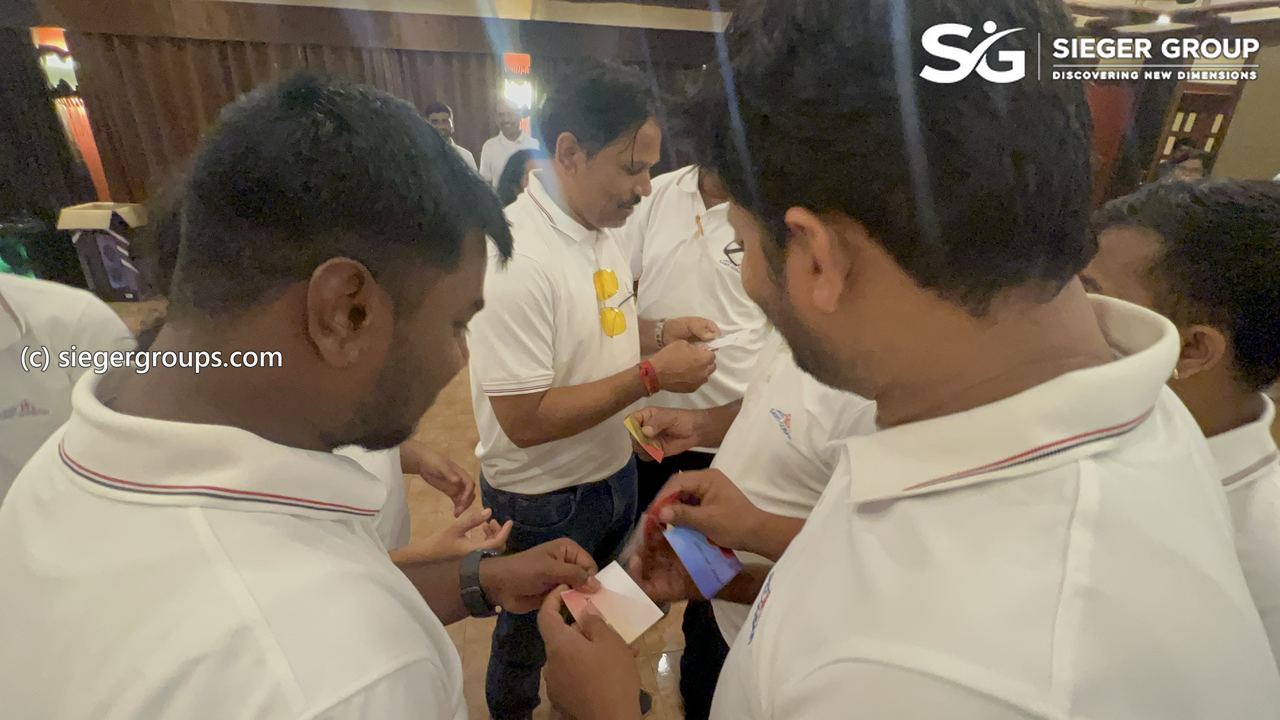
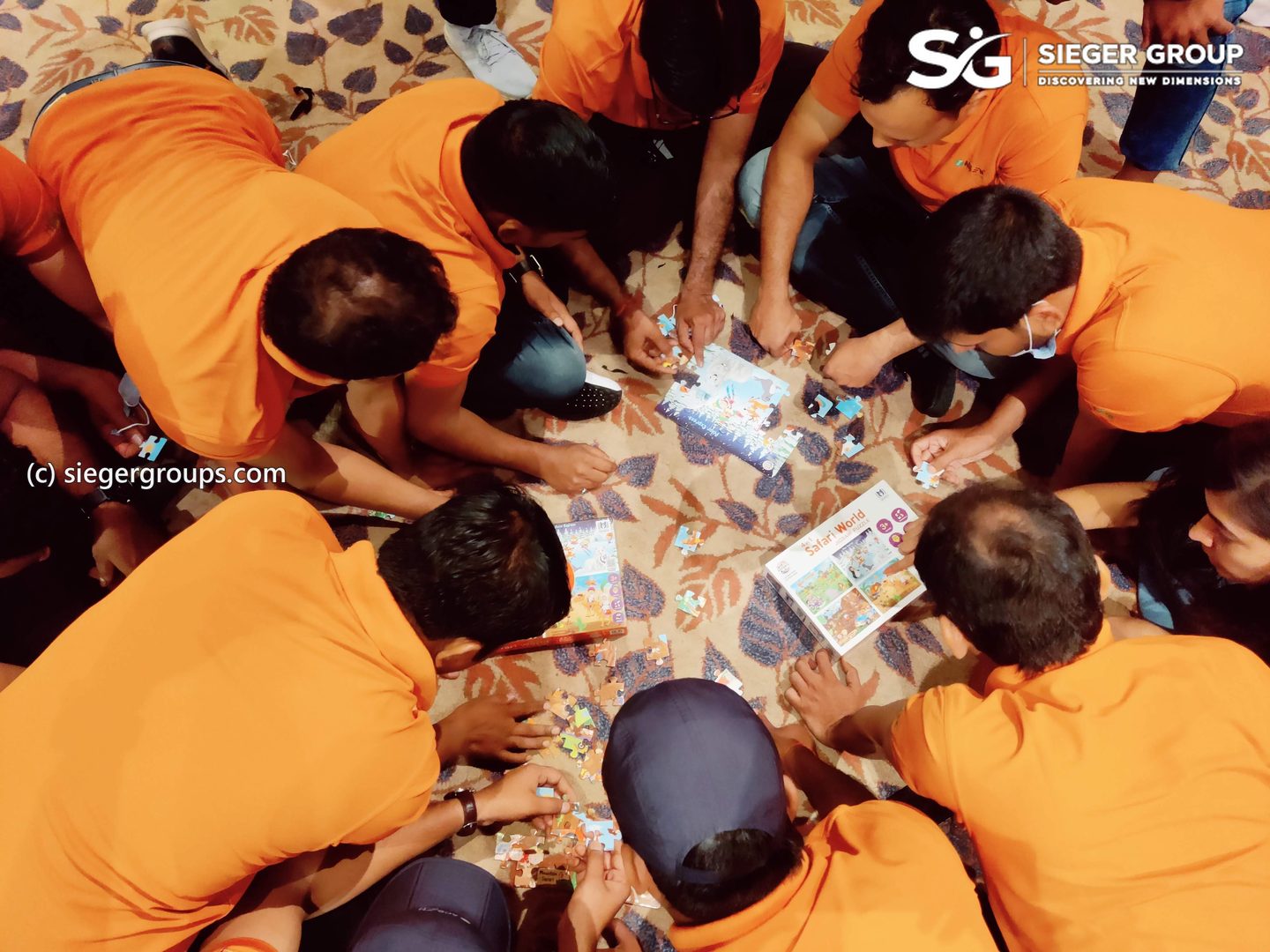
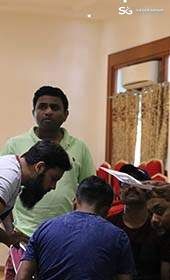
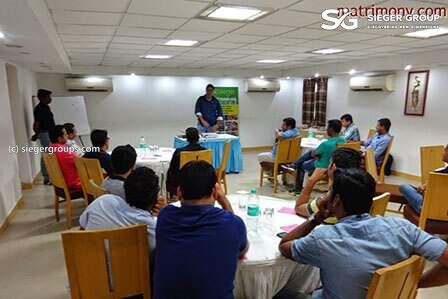
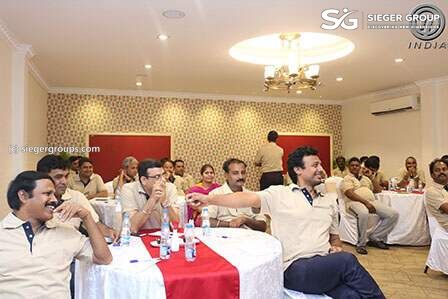
Sieger Group programme photograph — Indoor Treasure Hunt

Core Indoor Treasure Hunt Activities

Build the main trail around a hidden clue, a puzzle lock, a map and a riddle. Choose rooms, stations and clue difficulty around the venue, then add communication or finale rounds to suit the team.

Spot the hidden detail

Hidden Clue Hunt

Teams explore designated areas to uncover clues concealed in everyday objects, visual details or prepared displays. Finding an item is only the beginning: colleagues must compare observations and decide which information matters before moving on. The challenge encourages systematic searching, shared updates and attention to detail, while giving quieter observers and confident organisers equally useful roles.

Learning focusObservation · Shared awareness
Crack the code

Puzzle Lock Challenge

A locked box or coded envelope holds the next stage of the hunt. Teams work through a combination of riddles, number patterns and visual prompts to discover the correct code. Participants must explain their reasoning, check assumptions and bring separate answers together. The format creates a practical opportunity to discuss analytical thinking, constructive challenge and the value of verifying a solution before acting.

Learning focusReasoning · Constructive challenge
Navigate the clues

Mystery Map Quest

Using a simplified plan of the agreed indoor venue, teams interpret symbols, match landmarks and identify the route to successive checkpoints. Some clues may reveal a location, while others provide information needed later in the trail. Colleagues must organise what they know and agree where to go next, exploring planning, resource allocation and the importance of keeping everyone informed as a task develops.

Learning focusPlanning · Team coordination
Think beyond the obvious

Riddle Race

Teams work through a series of word-based and lateral-thinking riddles within an agreed time window. They decide whether to pursue a difficult clue, request an available hint or move to another task, depending on the scoring format. The experience encourages creative interpretation and calm prioritisation, followed by reflection on how the team handled competing ideas and maintained progress when an answer was not immediately clear.

Learning focusCreative thinking · Prioritisation

Communication & Recall Rounds

Pass a clue between teammates, pool what each person remembers and draw on knowledge from across the table.

Pool your knowledge

Team Trivia Hunt

Teams answer a varied set of questions to earn clue fragments, hints or access to another challenge. Topics can draw on general knowledge, visual recognition or approved company information supplied for the event. The task rewards the breadth of knowledge within the group and invites participants to consult one another, balance confidence with evidence and recognise expertise beyond their usual workplace roles.

Learning focusKnowledge sharing · Inclusion
Pass the message

Communication Relay

Different participants receive separate pieces of information and must pass them along using an agreed communication rule. One round might allow spoken descriptions only; another might rely on sketches or gestures. The receiving team uses the message to solve a clue. Comparing the original information with the final interpretation opens a useful conversation about clarity, listening, confirmation and how meaning changes during a handover.

Learning focusClarity · Active listening
Remember the pattern

Memory Treasure Trail

Participants study a display of objects, images or a short sequence, then use what they recall to complete the next task. Teams can divide observation roles, compare recollections and agree which details are reliable. The activity explores how colleagues organise information and support one another when individual memory is incomplete, with accuracy and a shared method taking priority over guessing.

Learning focusRecall · Information sharing

Linked Puzzles & the Treasure Finale

Build towards a finish in which a physical object, a chain of deductions or evidence from earlier rounds unlocks the last task.

Build from the clues

Object Assembly Challenge

Teams collect components or instructions from different checkpoints, then combine them to recreate a model, arrangement or pattern. Some participants may hold the reference image while others assemble the pieces, making clear descriptions essential. The challenge brings role allocation, spatial reasoning and quality checks into one shared task, illustrating why access to information and a common understanding of the goal matter during execution.

Learning focusRole clarity · Execution
Connect the evidence

Logic Chain Hunt

Each solved puzzle reveals a fact, symbol or code required for the next stage. Teams need to record their answers carefully, connect evidence across rounds and revisit earlier assumptions when a later clue does not fit. This linked format encourages disciplined problem-solving and shared ownership of information, helping the group examine how small errors or missed updates can affect a wider sequence of work.

Learning focusCritical thinking · Shared ownership
Unlock the finale

Treasure Finale

The closing challenge brings together the clue fragments, objects or codes earned throughout the hunt. Teams organise their evidence, agree a final interpretation and complete the last task to reveal the treasure. A facilitated debrief then reviews the choices behind their progress, recognises contributions and connects the experience to practical habits such as clearer handovers, inclusive decisions and shared accountability.

Learning focusReflection · Shared accountability
Programme overview

Engaging Team Games, Puzzle Hunts & Strategy-Based Collaborative Missions

Indoor Treasure Hunt is a dynamic team-building programme designed to enhance collaboration, problem-solving, leadership, & communication skills through interactive indoor missions & puzzle challenges.

Teams work together to decode clues, strategize, execute plans, & achieve objectives—building trust, teamwork, & engagement in a fun, experiential learning format.

What makes it distinctive

A shared experience with a clear purpose.

The value of Indoor Treasure Hunt comes from the way participants approach the experience together. Explore how colleagues communicate, organise their contribution and respond when the task changes.

  • Teamwork & Collaboration: Activities require coordinated effort, aligning teams toward shared goals.
  • Leadership & Accountability: Participants rotate leadership roles and learn to guide teams with clarity & confidence.
  • Strategic Thinking & Execution: Clues & puzzles demand planning, prioritization, & resource management.
Shape your team brief
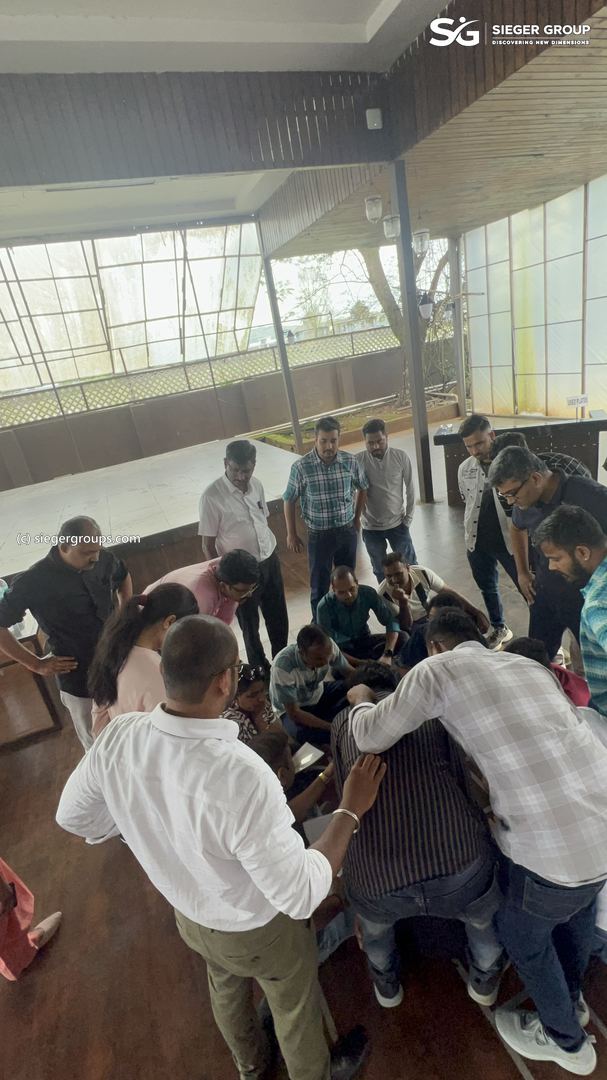
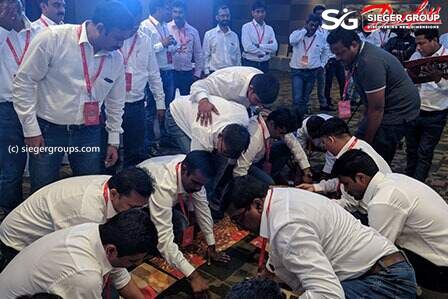
Sieger Group programme photograph — Indoor Treasure Hunt
Programme details

Why Organisations Choose Indoor Treasure Hunt

A shared challenge. Different strengths. Practical moments of teamwork that give colleagues something to reflect on together.

Shared purpose

Teamwork & Collaboration

Work towards one shared outcome while bringing different strengths into play. Teams connect observations, divide responsibilities and support one another as the hunt unfolds.

Different perspectives.
One team moving forward.
Take ownership

Leadership & Accountability

Take turns guiding the group, clarifying the next step and following through on agreed roles. Participants can explore how leadership emerges through contribution and responsibility.

Plan & adapt

Strategic Thinking & Execution

Choose a route, prioritise clues and adapt when new information appears. The hunt gives teams a practical setting to balance a clear plan with flexible decisions.

Connect clearly

Communication Excellence

Explain discoveries, check understanding and connect information held by different teammates. Each round creates opportunities to practise clearer messages and more attentive listening.

Shared energy

Fun & Engagement

Create a shared experience beyond everyday work routines. Varied challenges invite colleagues to contribute, celebrate progress and build familiarity across roles and departments.

Programme details

Programme Benefits

Use the experience to start better conversations about how your team works. The facilitated review connects moments from the hunt with practical habits colleagues can take back to their day.

Beyond the final clue

Bring the learning
back to work.

Turn observations from the hunt into a small, shared commitment your team can put into practice.

  1. 01

    Notice what helped

    Identify a moment when listening, sharing information or supporting a colleague moved the team forward. Describe the action and its effect so the discussion stays grounded in what actually happened.

  2. 02

    Make room for every perspective

    Invite each participant to share one observation, including colleagues who took quieter roles. Compare what different people noticed and recognise contributions that might otherwise be overlooked.

  3. 03

    Review a difficult moment

    Choose a clue or decision that slowed the group down. Discuss which information was missing, what assumptions were made and what helped the team find a way forward.

  4. 04

    Connect it to your work

    Relate the experience to a project handover, meeting or cross-team decision. Identify where clearer updates, shared responsibilities or a better check for understanding could make a practical difference.

  5. 05

    Agree one practical change

    Choose a specific action the team can try in its next shared task. Agree who will take it forward, what support is needed and what useful progress would look like.

  6. 06

    Return to the commitment

    Set a time to revisit the agreed action. Share what was tried, discuss what changed and decide whether to continue, adjust the approach or explore another improvement together.

A useful closing question

What should we do differently when we work together tomorrow?

Stronger team connections

Bring departments and working styles together through shared tasks, reciprocal support and a clear group objective.

More considered problem-solving

Compare evidence, test assumptions and combine different perspectives before choosing the next step.

Clearer communication

Practise concise updates, active listening and checking understanding when several clues compete for attention.

Ownership in action

Make responsibilities visible, encourage colleagues to step forward and review how commitments were followed through.

Fresh thinking & adaptability

Explore alternative approaches, respond to changing information and build on ideas contributed by others.

Better information sharing

Keep clues, decisions and progress visible to everyone. Teams can explore simple ways to reduce missed updates and make handovers more reliable.

More inclusive decisions

Invite different viewpoints before committing to an answer. Notice how giving each colleague space to contribute can broaden the options a team considers.

From experience to application

Close with a team debrief and choose one useful change to try together—such as clearer handovers, more inclusive decisions or a shared way to track commitments.

Try it in your next team meeting

Before moving to a decision, ask each colleague to share one relevant fact or concern. Summarise what the group knows, check any assumptions and confirm who owns the next action. Review whether this made the handover clearer.

Programme details

How the Programme Works

From the first briefing to the final reflection, each stage gives your team a clear purpose and a new way to contribute. The flow is adapted to the agreed venue, group and programme brief.

  1. Start with clarity

    Briefing & Team Formation

    Set the scene with a clear purpose, an introduction to the hunt and an agreed way of working. Teams explore the rules, divide initial responsibilities and discuss how they will share discoveries, helping each participant find a useful role.

    A shared starting point
  2. Follow the evidence

    Live Treasure Hunt Rounds

    Move through a connected series of clues, puzzles and indoor challenges. Colleagues compare observations, test interpretations and adapt their approach as new information appears. Each round creates opportunities to explore how the team organises its efforts and keeps everyone involved.

    Clues become shared decisions
  3. Balance pace with precision

    Score-Based Competition

    Use an agreed scoring framework to give the hunt a clear competitive structure. Teams weigh accuracy, progress and available hints when deciding their next move, creating a practical setting to examine prioritisation, decision-making and responses to time pressure.

    Progress with purpose
  4. Turn moments into meaning

    Reflection & Insights

    Revisit the decisions, conversations and turning points that shaped the experience. Teams discuss what supported progress, where information was missed and how different contributions helped. Connect those observations to a relevant workplace situation and identify one practical action to explore further.

    A useful next step
Experiential learning outline

Experience. Reflect. Apply.

A suggested learning structure for Indoor Treasure Hunt, adapted to your brief and the selected format.

  1. Align the brief

    Agree the purpose, participants and the behaviours or team experiences worth exploring.

  2. Experience the challenge

    Take part in teamwork & collaboration with clear instructions, roles and participation arrangements.

  3. Reflect on the evidence

    Review what happened, what people noticed and how the group responded to the task.

  4. Connect the learning

    Relate the experience to team priorities, workplace conversations and day-to-day collaboration.

  5. Commit to a next step

    Identify a useful action, shared commitment or conversation to take forward.

Who should attend

Choose the right audience for the experience.

Discuss participant experience, access needs, language preferences and the purpose of the programme before confirming suitability.

Intact and cross-functional teams

Colleagues who want a shared experience of working across roles and perspectives.

Managers and emerging leaders

Groups exploring communication, contribution and the way team decisions are made.

Project teams and newly formed groups

People building familiarity, role clarity and a practical way of working together.

Programme schedule

An illustrative session schedule.

This sample shows how a programme could flow. Timings, breaks, activity choices and duration are agreed in the final proposal.

Example session

Brief, experience and reflect

  1. 09:30–09:45

    Welcome and activity briefing

    Introduce the purpose, explain the format and confirm participation arrangements.

  2. 09:45–10:30

    Teamwork & Collaboration

    Begin the agreed experience, with space for different roles and contributions.

  3. 10:30–11:15

    Further rounds and team adaptation

    Continue the activity or an agreed variation, using a short review to refine the approach.

  4. 11:15–11:30

    Debrief and shared takeaways

    Reflect on the experience, recognise contributions and identify a useful takeaway.

Planning details

A considered programme starts with the practical details.

People and participation

Share group size, audience profile, language preferences and access requirements.

Venue and format

Discuss available space, travel, indoor or outdoor preferences and relevant venue constraints.

Scope and delivery

Confirm activities, facilitation, equipment, duration and inclusions in the proposal.

Review and follow-through

Agree the debrief approach and any action planning, evaluation or follow-up support required.

Organisations we work with

Trusted by teams across industries

Sieger Group supports organisations with team-building experiences and facilitated programmes.

Client perspectives

Testimonials

Plan with confidence

Indoor Treasure Hunt FAQs

12 practical answers to help you plan your programme.

What is Indoor Treasure Hunt?

Indoor Treasure Hunt is a dynamic team-building programme designed to enhance collaboration, problem-solving, leadership, & communication skills through interactive indoor missions & puzzle challenges.

Who is this programme suitable for?

Indoor Treasure Hunt can be considered for teams planning a shared experience or employee engagement event. Share roles, group size, experience levels and participation needs so suitability can be confirmed.

What can participants explore?

The existing programme outline includes: Teamwork & Collaboration: Activities require coordinated effort, aligning teams toward shared goals.; Leadership & Accountability: Participants rotate leadership roles and learn to guide teams with clarity & confidence.; Strategic Thinking & Execution: Clues & puzzles demand planning, prioritization, & resource management.. The final emphasis and activity selection should be agreed around your brief.

Can the programme be customised for our team?

Yes. Share your team context, goals and preferred tone. The proposed Indoor Treasure Hunt experience can then be adapted through the activity mix, level of challenge, discussion themes and delivery format, subject to feasibility.

How long does the programme take?

Duration depends on the agreed scope, group size and setting. For Indoor Treasure Hunt, allow for the briefing, activities, breaks and group review. Request a proposed agenda that fits your available time.

Where can we organise the experience?

Share your preferred city, office, venue or offsite destination in India. Indoor Treasure Hunt requires a setting suited to the activities and participants. Venue access, usable space, equipment and local delivery arrangements should be confirmed before booking.

What group size works for this programme?

The appropriate group size depends on the activity structure, facilitation and available space. Tell us the expected number of participants for Indoor Treasure Hunt so team sizes, rotations and staffing can be proposed.

What should participants prepare?

For Indoor Treasure Hunt, the pre-event briefing should explain the schedule, clothing or equipment requirements and how to take part. Share accessibility needs and relevant participation constraints during planning so suitable arrangements can be discussed.

How are participation and inclusion considered?

Discuss access, mobility, language, sensory needs and comfort levels before confirming Indoor Treasure Hunt. Agree suitable roles and alternatives where feasible. For specialist activities, confirm delivery responsibilities and participation requirements in advance.

How can we connect the programme with our objectives?

Agree the purpose of Indoor Treasure Hunt before delivery. A group review can explore communication, contribution and teamwork, alongside the shared enjoyment of the event. Confirm any follow-up or evaluation support in the proposal.

What does the programme cost?

Pricing for Indoor Treasure Hunt depends on participant numbers, duration, facilitation, equipment, location and agreed logistics. Request a tailored proposal that clearly states programme inclusions, venue or travel arrangements and applicable charges.

How do we enquire about Indoor Treasure Hunt?

Use the enquiry form on this page or call +91 98400 97567. Include Indoor Treasure Hunt, your objectives, group size, preferred dates and location. Sieger Group can then discuss suitability and prepare a proposal for your review.

Ready to plan?

Let’s shape the right programme for your people.

Share your goals, group size, preferred dates and venue. We’ll help you explore a considered programme.

Request a tailored proposal
Back to programme overview
LET'S CREATE YOUR NEXT SHARED MOMENT

What could your team
do together?

Tell us what you have in mind. We will help you explore a programme that fits your people and your occasion.

  • Your peopleGroup size, audience and participation needs.
  • Your plansDate, destination, venue and time available.
  • Your purposeTeam connection, learning or a celebration.
  • Your outcomesWhat you want your team to experience or take away.
+91 98400 97567 ↗

Still finalising the details? Share what you know.

From your brief to a considered programme

Every team is different. Share your people, purpose and preferred setting, and we’ll translate your brief into an experience designed to connect, engage and create lasting impact.

  • Choose a format suited to your participants.
  • Align the experience with your event goals.
  • Tailor the programme to your team’s needs.
  • Plan the flow, venue and logistics.
  • Create an experience people will remember.
ENQUIRE WITH SIEGER GROUP

Start the conversation.

Share your brief and preferred contact details.