Sieger Group · Team Building

Community Garden Project

A facilitated experience, designed around your team.

The Community Garden Project is a hands-on CSR initiative where corporate teams create sustainable garden spaces, plant saplings and transform community environments through teamwork and purposeful contribution.

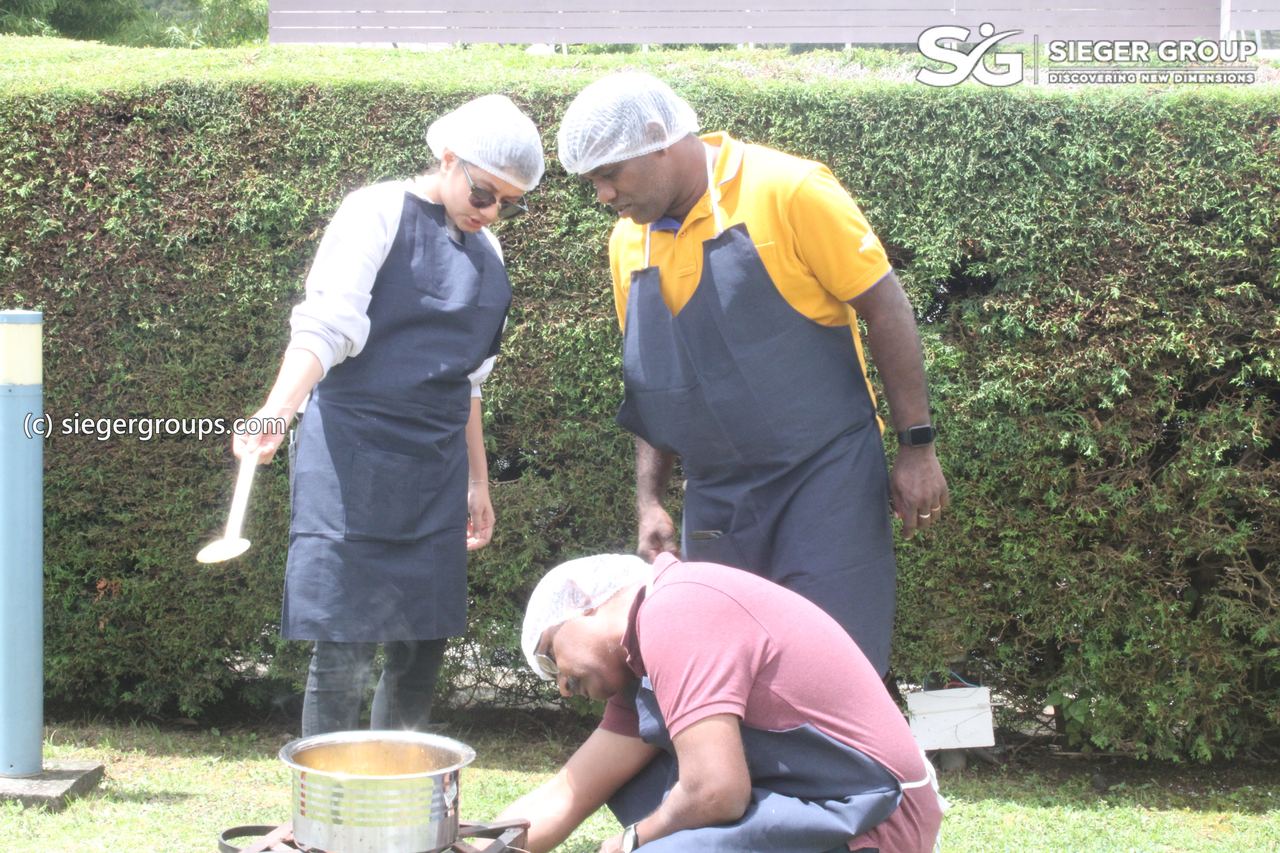
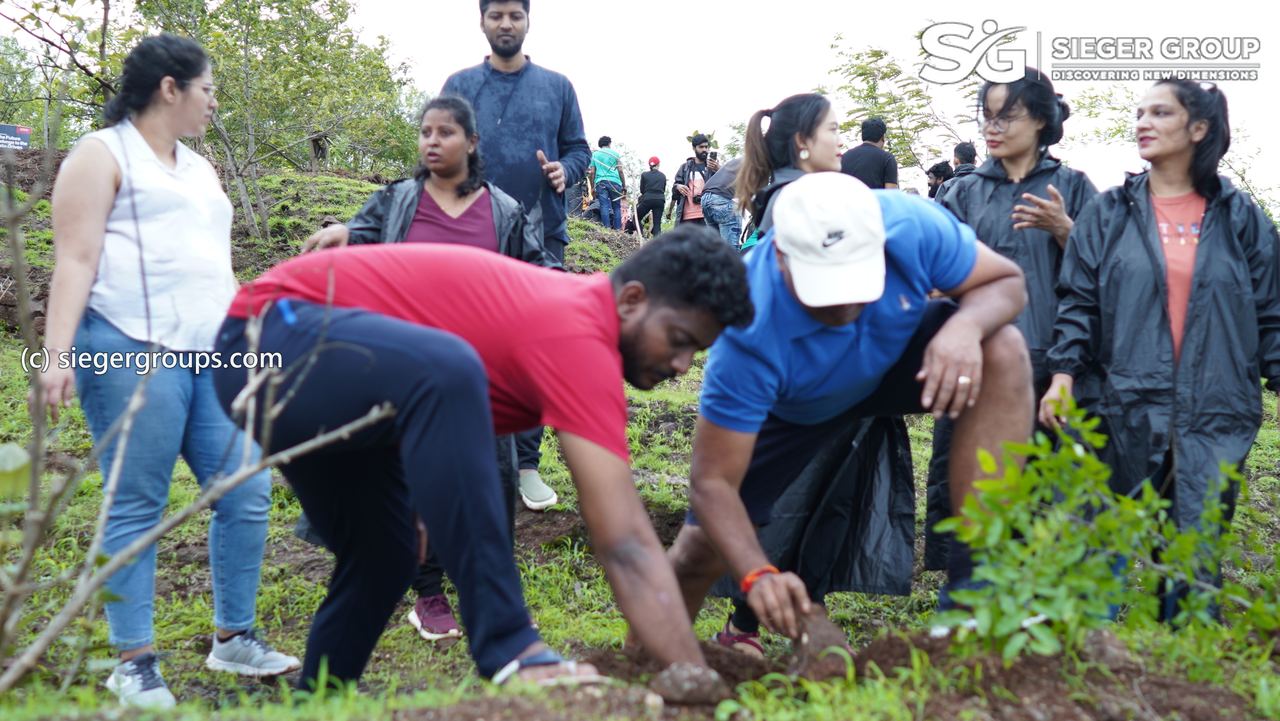
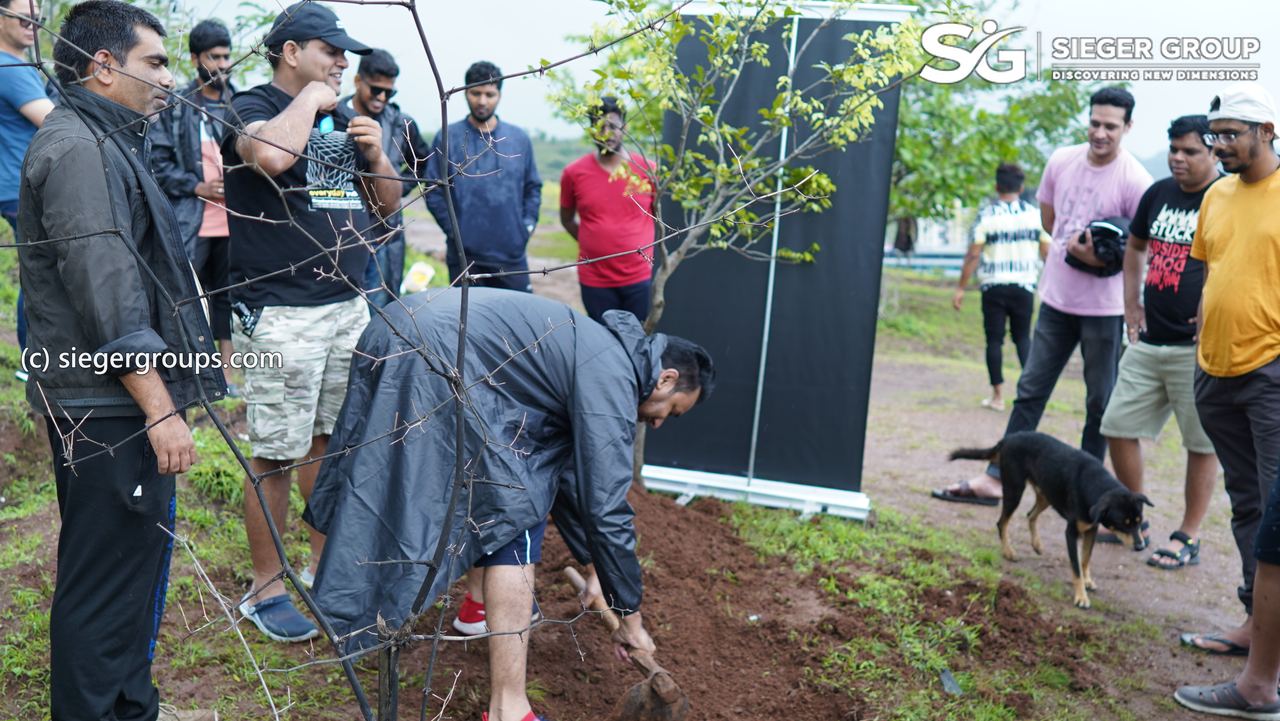
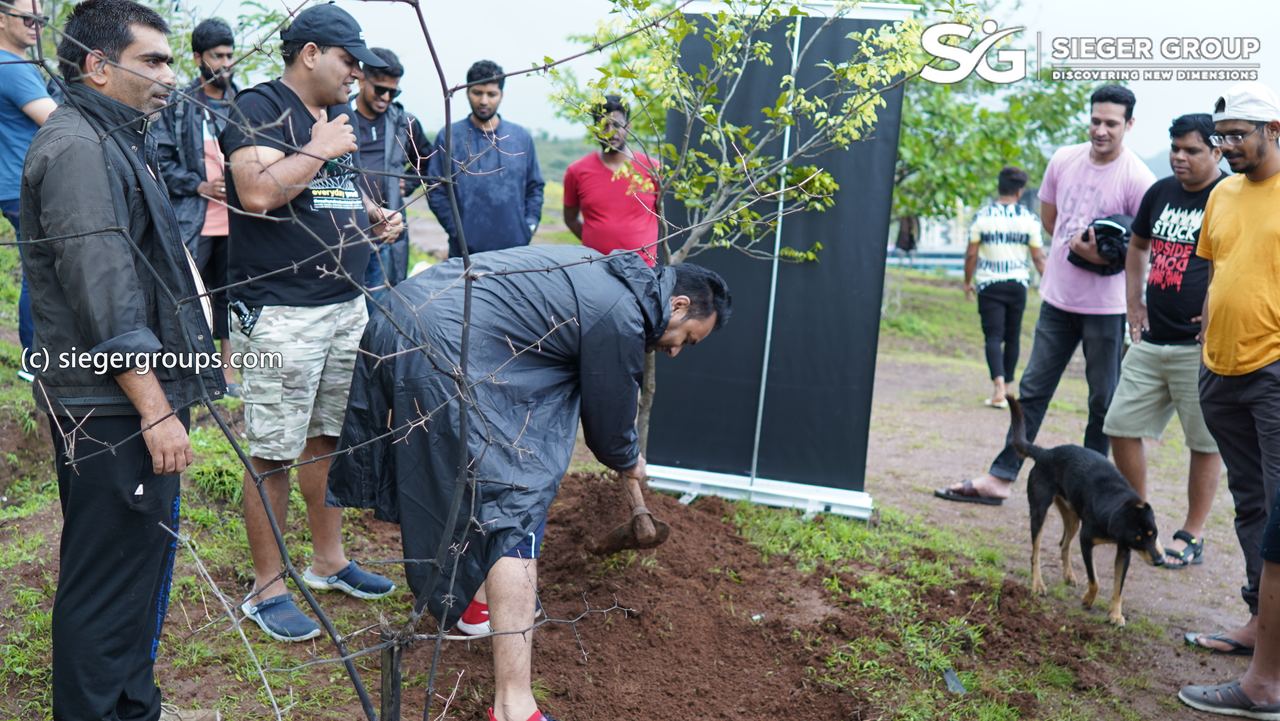
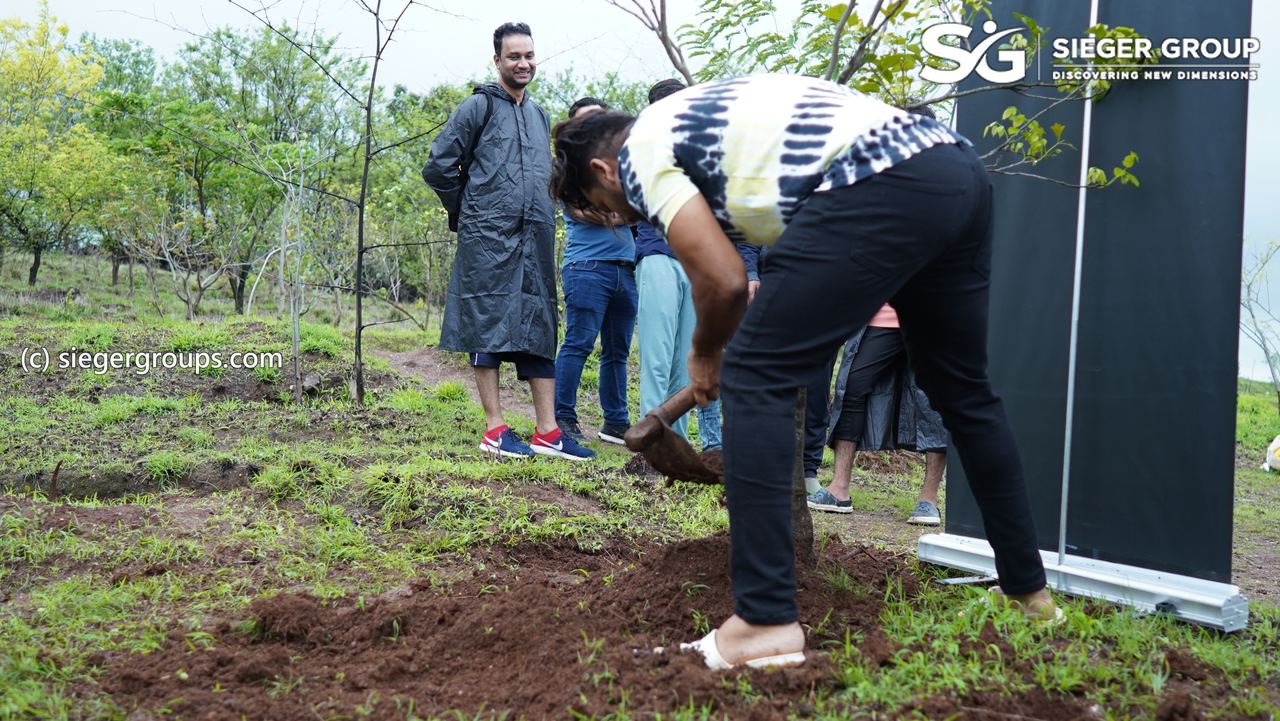
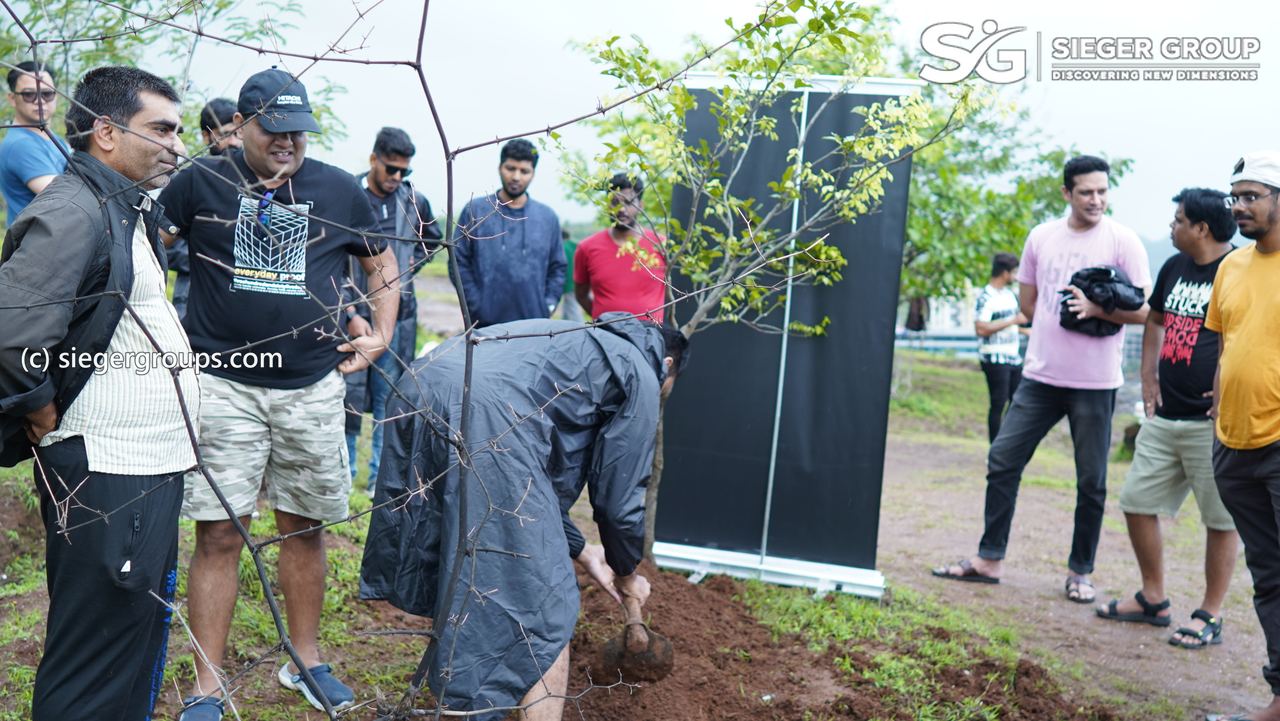
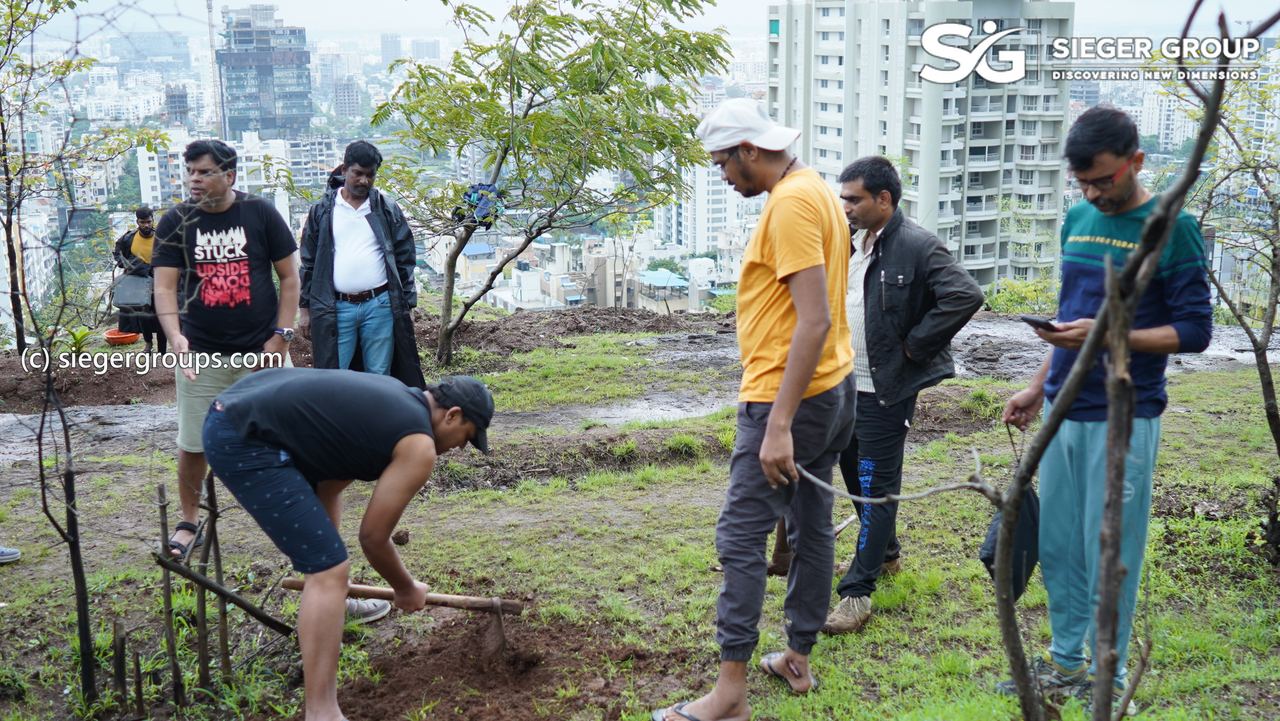
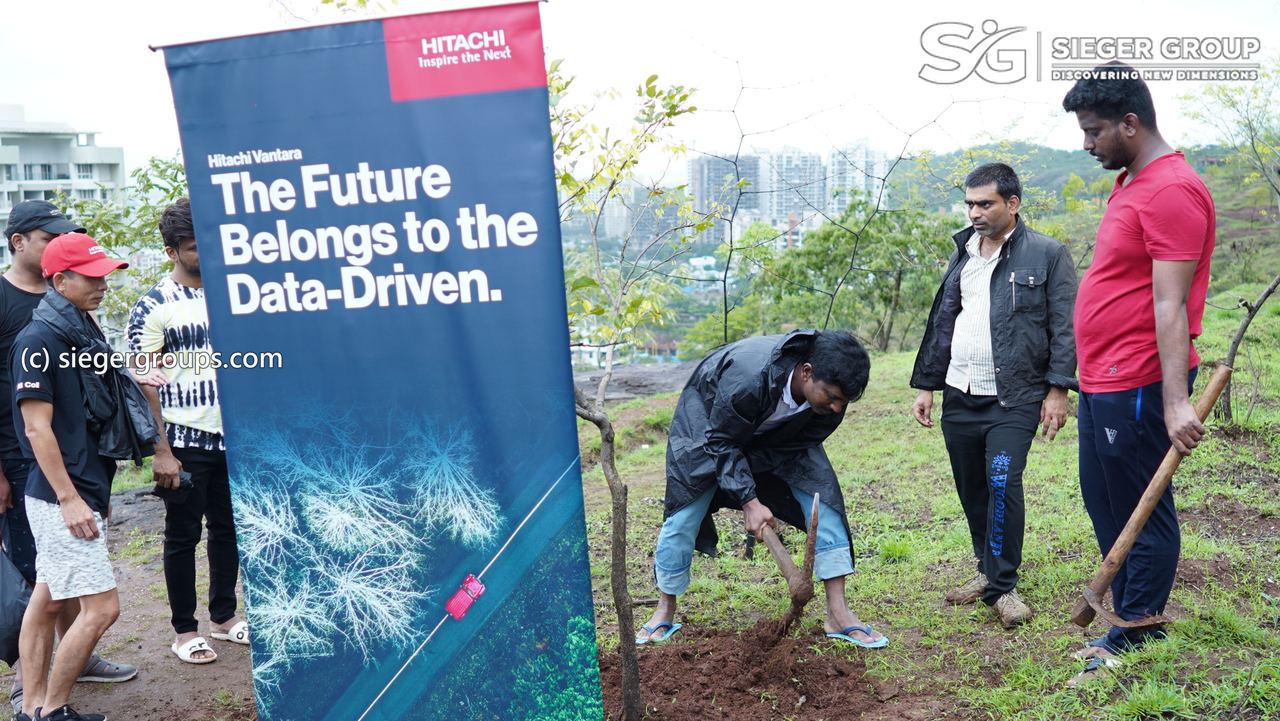
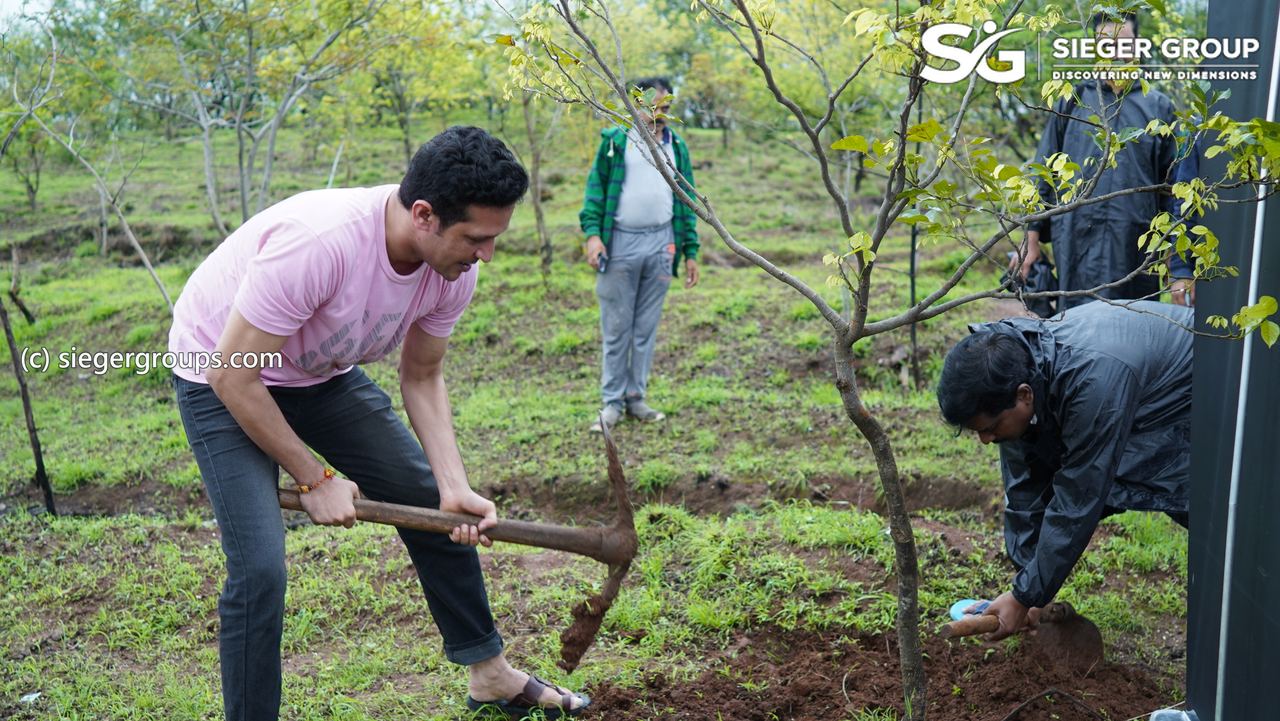
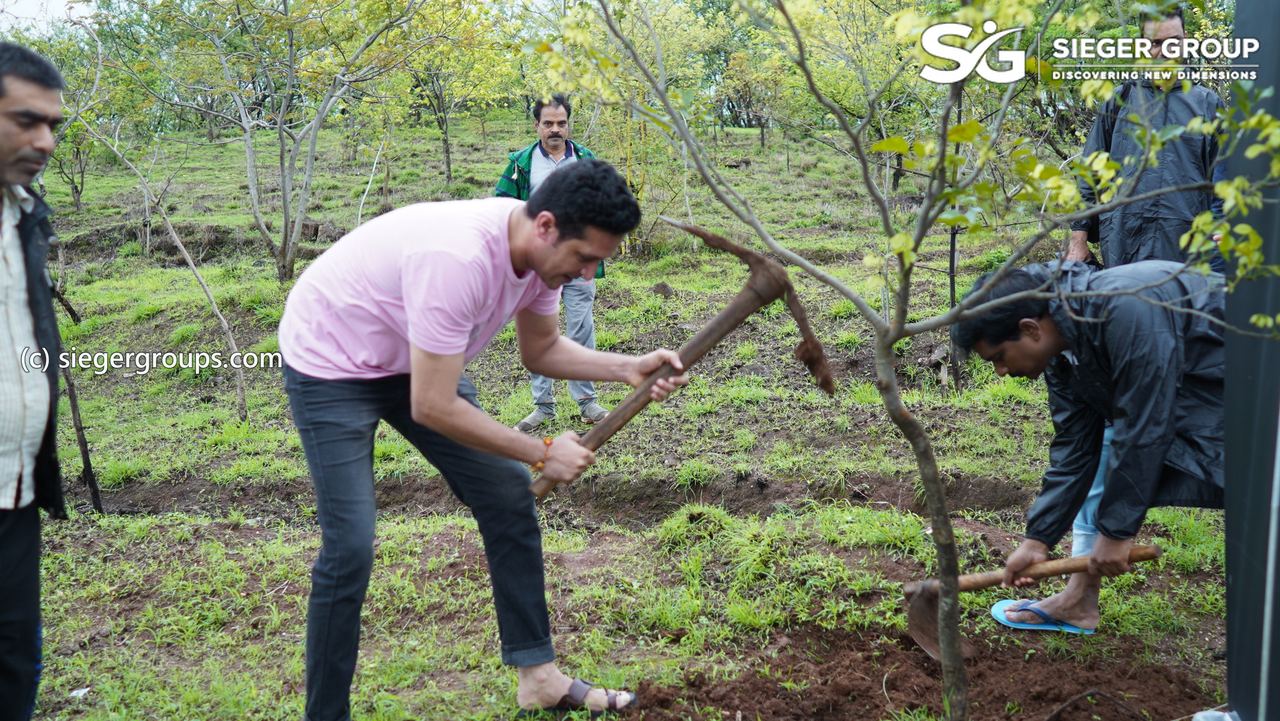
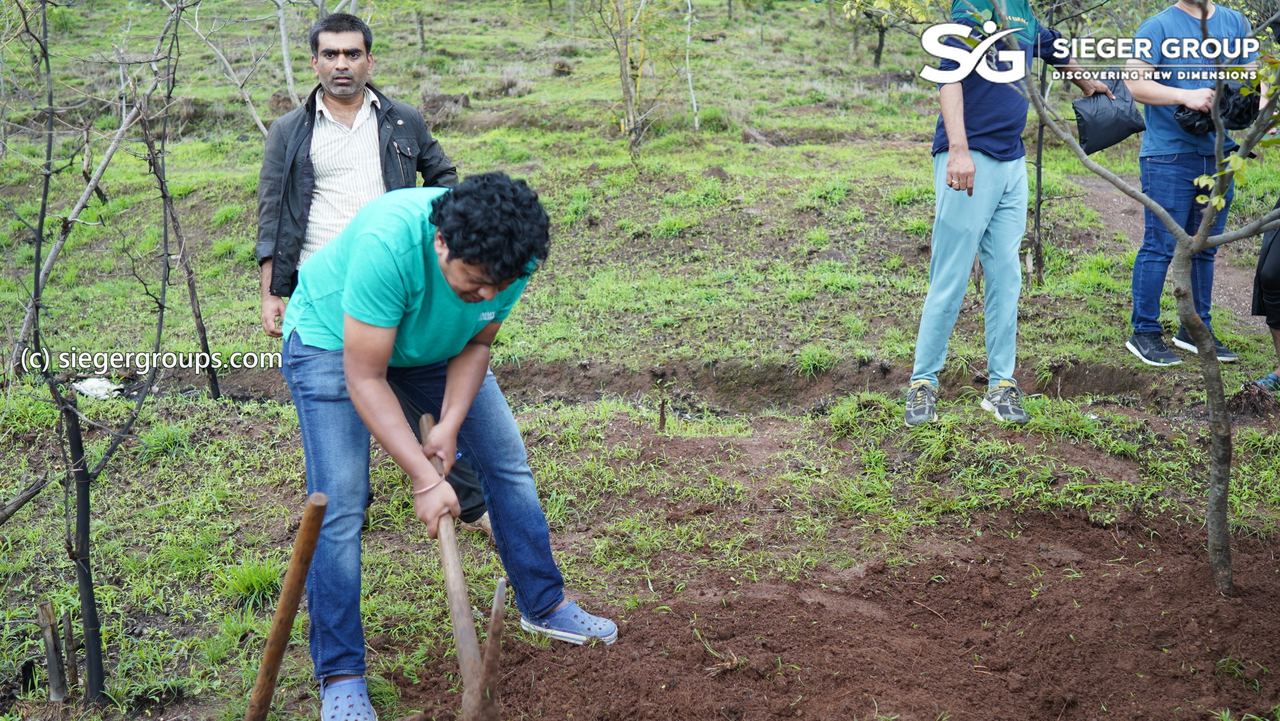
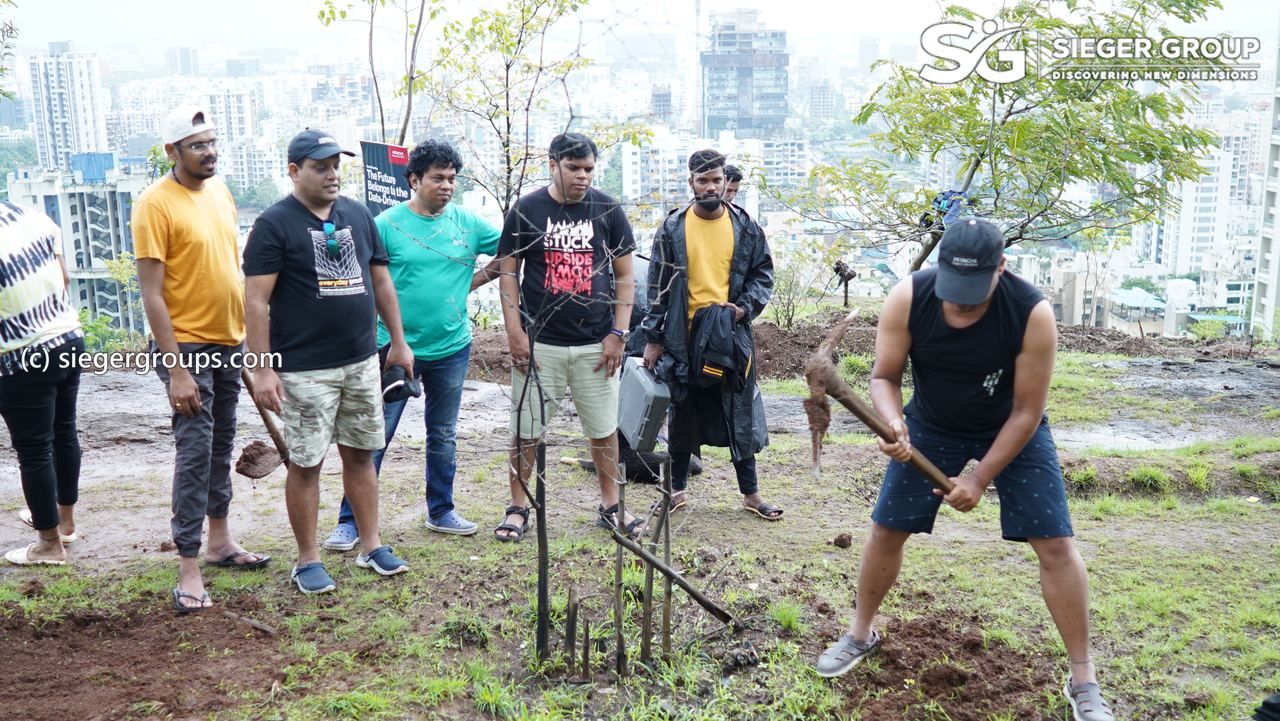
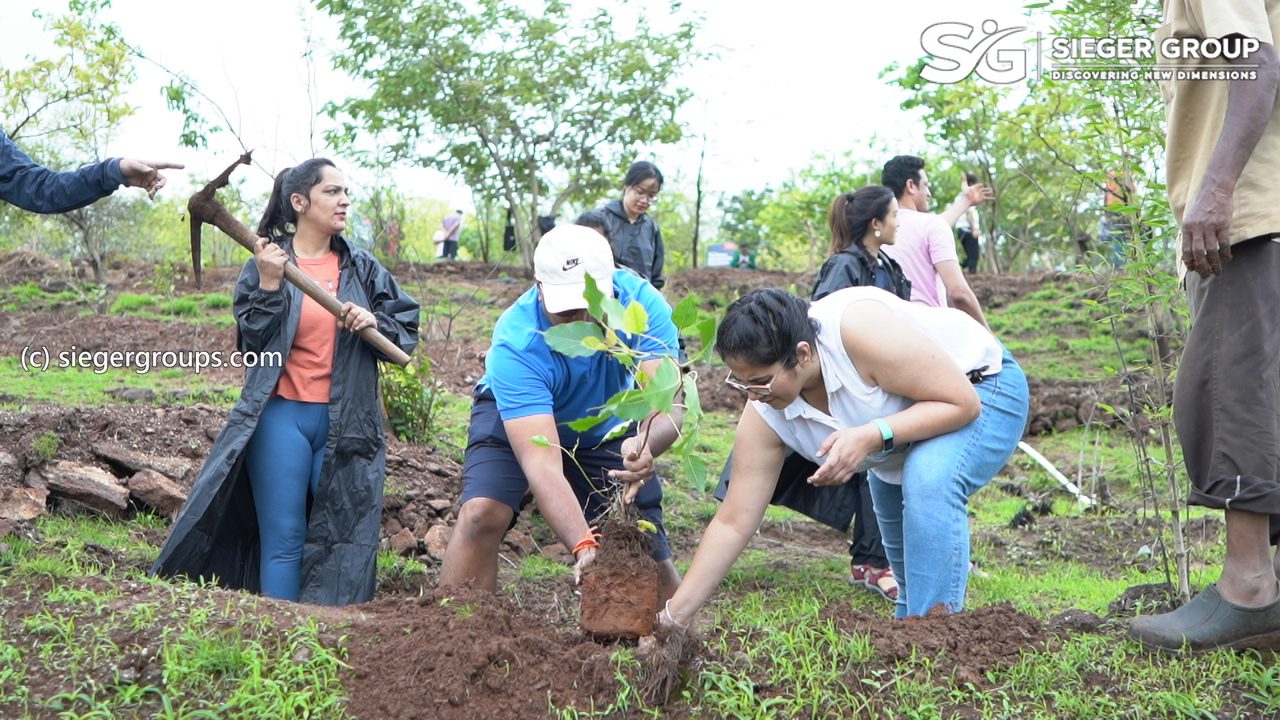
Sieger Group programme photograph — Community Garden Project

Core Activities for Community Garden Project

Begin with the garden bed, soil and planting choices. Divide responsibilities so the team preparing a bed knows what the next group plans to plant and how it will be cared for.

Prepare a useful foundation

Garden Bed Construction

Teams support the agreed bed-building task using the supplied design, materials and supervision, coordinating preparation and checking how their work connects with later planting.

Learning focusPractical planning · coordination
Get ready for the next stage

Soil Preparation

Participants complete the agreed soil-preparation work under the project brief, share responsibilities and confirm readiness before the next team begins its planting contribution.

Learning focusSequencing · handover
Think beyond planting day

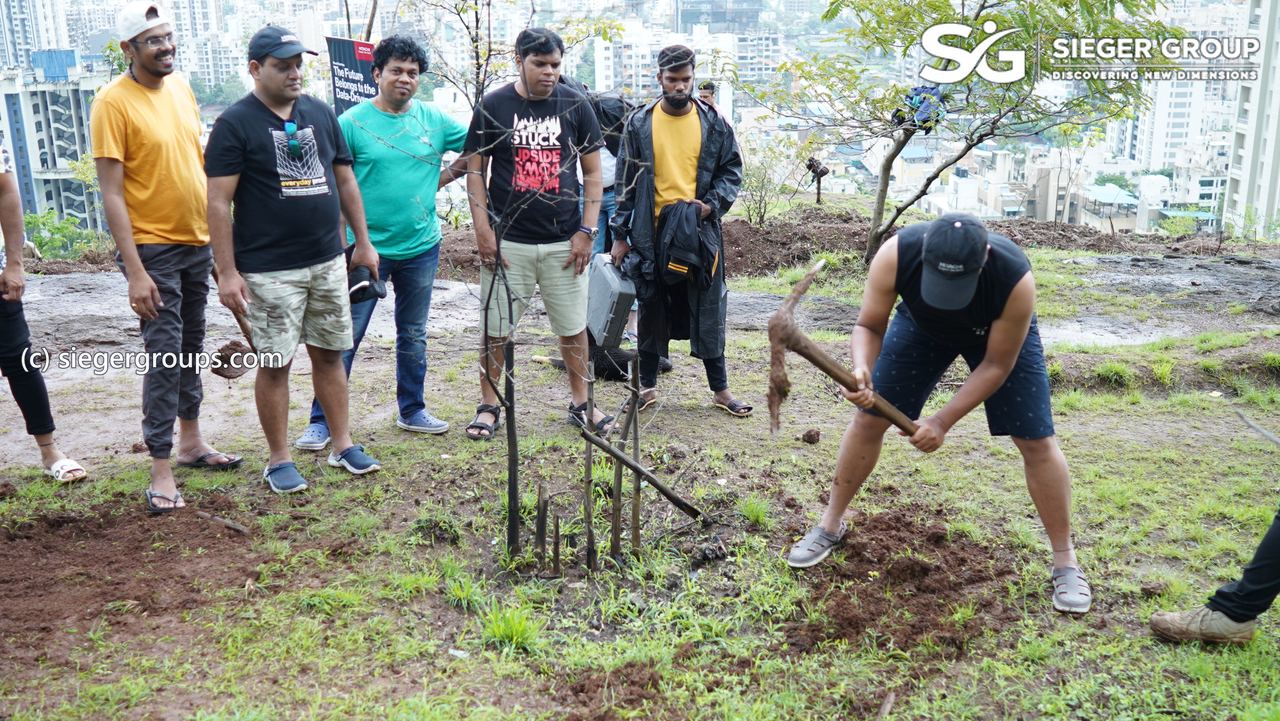
Sapling Plantation

Groups work with planting choices and methods agreed by the garden partner, coordinate materials and discuss the care responsibilities required after the event.

Learning focusShared care · follow-through
Plan for the growing space

Herb & Vegetable Patch

Teams contribute to an edible planting area using the choices and layout agreed with the garden partner. Participants coordinate preparation and planting responsibilities, then clarify who will maintain the patch and what information the receiving team needs after the event.

Learning focusShared care · Practical coordination

Garden Care, Signage & Handover

Once the planting is in place, make the space easier for the next gardener to care for. Agree what to label, what to clear and who will follow up.

Connect the work with aftercare

Mulching & Watering

Under the garden partner’s guidance, colleagues complete the agreed mulching or watering tasks and discuss how those responsibilities fit the wider care plan. The group organises materials, shares updates and confirms which work remains for the regular garden team.

Learning focusSequencing · Ongoing care
Make the garden easier to use

Garden Art & Signboards

Teams create agreed garden signs or visual elements, considering useful information, readability and the partner’s needs before presenting the completed pieces for handover.

Learning focusCreative contribution · usability
Leave a usable space

Clean Up & Waste Sorting

Teams prepare or finish the garden area through an agreed clean-up and sorting brief. Participants identify the designated disposal arrangements, coordinate the work between groups and check that the space is ready for the partner’s next planned use.

Learning focusOrganisation · Environmental responsibility
Show the work and next steps

Impact Showcase

The team records completed garden work in the format agreed with the receiving partner, using appropriate photographs or a short project account. Colleagues distinguish what was delivered from what remains to be maintained, creating a clear and useful handover story.

Learning focusAccurate reporting · Accountability
Programme overview

CSR Volunteering - Sustainable Green Spaces - Team Contribution & Community Impact

The Community Garden Project is a hands-on CSR initiative where corporate teams create sustainable garden spaces, plant saplings and transform community environments through teamwork and purposeful contribution.

This programme brings employees together to support local schools, communities and public spaces while fostering collaboration, responsibility and environmental awareness.

What makes it distinctive

Build a useful contribution around the receiving garden’s agreed needs.

Consider a practical project whose visible completion overlooks the people responsible for ongoing care. The selected experiences connect practical planning and coordination with shared care and follow-through, creating a basis for discussing learning through shared work and the choices that shape community gardening and coordinated practical volunteering.

  • Meaningful CSR Engagement: Employees contribute directly to community welfare.
  • Environmental Sustainability: Helps create and maintain long lasting green spaces.
  • Team Bonding: Collaboration improves naturally through shared hands-on tasks.
Shape your team brief
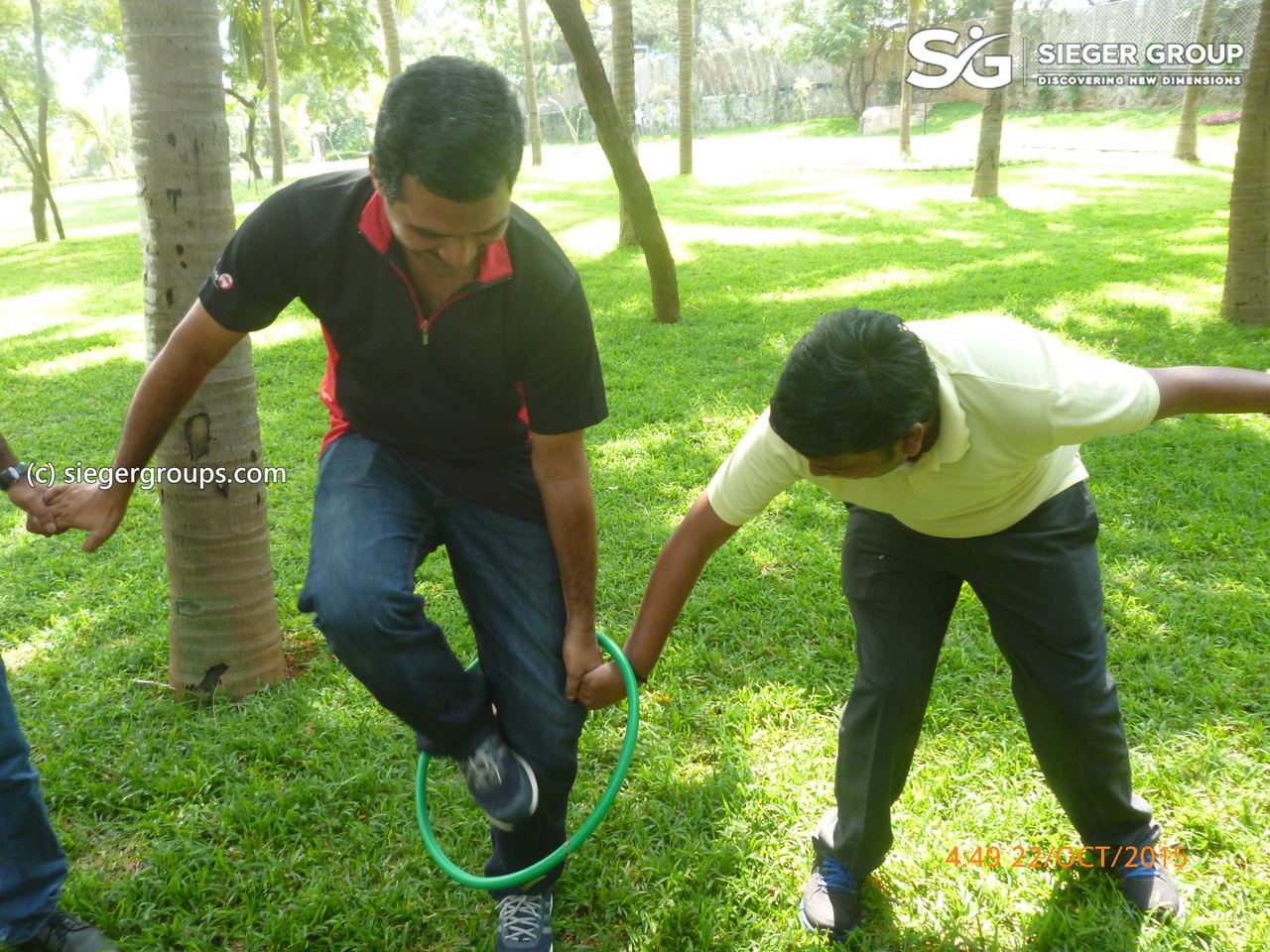
Sieger Group programme photograph — Community Garden Project
Why this programme

Why Organisations Choose Community Garden Project

Build a useful contribution around the receiving garden’s agreed needs. Explore how roles across practical tasks, care beyond the event and a considered handover shape community gardening and coordinated practical volunteering.

Prepare a useful foundation

Purpose rooted in place

Understand the garden brief before choosing what to plant or construct.

Get ready for the next stage

Roles across practical tasks

Coordinate preparation, planting and finishing work so contributions connect.

Think beyond planting day

Care beyond the event

Consider who will maintain the area and what support they need.

Make the garden easier to use

Learning through shared work

Notice planning and communication while colleagues complete visible tasks together.

Consider the wider context

A considered handover

Confirm the community partner receives usable work and clear next steps.

Programme benefits

Programme Benefits

Explore the behaviours and practical insights your team can review through Community Garden Project. The debrief connects observations from the experience with situations that matter to participants.

Purpose rooted in place

Understand the receiving garden’s priorities before selecting construction or planting tasks, giving the work a useful purpose in that place.

Roles across practical tasks

Connect preparation, planting and finishing responsibilities so each group knows what it must receive and what it should hand over.

Care beyond the event

Identify who will care for the garden after the event and which information or resources they need from volunteers.

Learning through shared work

Observe planning and communication during a visible practical task, using examples to discuss how colleagues coordinate their efforts.

A considered handover

Confirm that completed work is usable and that the receiving partner understands the next steps associated with its care.

Practical planning and coordination

Consider readability and usefulness when creating signs or visual elements, connecting creative ideas with the people who will use the garden.

Creative contribution and usability

Record one maintenance responsibility and the information the receiving garden team needs to continue the work after the handover.

From experience to application

Bring the learning back to work.

Use these reflection prompts to turn Community Garden Project into a focused conversation about what happened, what it means and what to try next.

  1. Notice a specific contribution

    Identify a choice in Garden Bed Construction that affected practical planning and coordination. Describe what the person did and how the group responded.

  2. Compare different observations

    Hear more than one account of Soil Preparation. Discuss which details helped colleagues understand the task and which important information arrived too late.

  3. Revisit a difficult decision

    Choose a turning point from Sapling Plantation. Explain the options considered, the reason for the decision and what new information changed the approach.

  4. Connect with the partner brief

    Use a practical project whose visible completion overlooks the people responsible for ongoing care as the application example. Identify one moment where shared care and follow-through could change what happens next.

  5. Choose a manageable next action

    Confirm one maintenance responsibility and the information needed by the receiving garden team. Name the person taking it forward and the first situation in which the group will try the change.

  6. Review the first attempt

    Bring an example from community gardening and coordinated practical volunteering to the next review. Discuss what changed, what colleagues noticed and which part of the approach needs refining.

Programme delivery

How the Programme Works

A suggested flow for Community Garden Project, from setting the brief to reviewing the experience. Activity choices, pace and facilitation are confirmed around your group and setting.

  1. Begin with the real need

    Purpose, participation & briefing

    Discuss a practical project whose visible completion overlooks the people responsible for ongoing care. Agree what the group wants to explore about purpose rooted in place, then confirm the selected formats, roles and practical arrangements.

    Purpose rooted in place
  2. Prepare a useful foundation

    Selected experiences in action

    Teams support the agreed bed-building task using the supplied design, materials and supervision, coordinating preparation and checking how their work connects with later planting. Additional options can explore sequencing and handover through Soil Preparation, with the final activity mix agreed in the programme brief.

    Practical planning and coordination
  3. Examine the evidence

    Review the choices that mattered

    Examine shared care and follow-through alongside creative contribution and usability. Compare the decisions and turning points colleagues observed, including moments when a different question or contribution changed the group’s approach.

    Learning through shared work
  4. Carry one insight forward

    Agree the next responsible step

    Use the review to confirm one maintenance responsibility and the information needed by the receiving garden team. Choose a specific situation in community gardening and coordinated practical volunteering, confirm who will take the action forward and decide when to compare observations.

    Creative contribution and usability
Experiential learning outline

Experience. Reflect. Apply.

Connect Community Garden Project with purposeful practice, evidence-based reflection and a next step that fits your working context.

  1. Align the brief

    Connect purpose rooted in place with a clear question about community gardening and coordinated practical volunteering. Discuss a practical project whose visible completion overlooks the people responsible for ongoing care and agree the participation arrangements.

  2. Experience the challenge

    Participants complete the agreed soil-preparation work under the project brief, share responsibilities and confirm readiness before the next team begins its planting contribution. Notice how colleagues handle sequencing and handover while the agreed task develops.

  3. Reflect on the evidence

    Review a moment involving care beyond the event. Hear the perspectives of those performing, observing and supporting the task, then compare the information available to each.

  4. Connect the learning

    Discuss where shared care and follow-through matter in community gardening and coordinated practical volunteering. Use a recent example to identify a practical decision the group could approach differently.

  5. Commit to a next step

    Select a first opportunity to confirm one maintenance responsibility and the information needed by the receiving garden team. Agree the support needed and the evidence the group will bring to its next review.

Who should attend

Choose the right audience for the experience.

Discuss participant experience, access needs, language preferences and the purpose of the programme before confirming suitability.

Employee volunteer groups

Employee volunteer groups interested in practical planning · coordination. Garden Bed Construction offers one possible starting point for an agreed group experience.

CSR and people teams

CSR and people teams exploring sequencing · handover. Select a format that fits their responsibilities, working relationships and the purpose of Community Garden Project.

Cross-functional project groups

Cross-functional project groups bringing different perspectives to shared care · follow-through. Confirm the learning priorities and participation arrangements before choosing the activity mix.

Programme schedule

An illustrative session schedule.

This sample shows how a programme could flow. Timings, breaks, activity choices and duration are agreed in the final proposal.

Example session

Brief, experience and reflect

  1. 09:30–09:45

    Welcome, context and participation

    Introduce Community Garden Project, agree the group’s purpose and discuss participation preferences. Explain the selected formats before the experience begins.

  2. 09:45–10:30

    Garden Bed Construction

    Use a selected version of Garden Bed Construction to explore practical planning · coordination. Pause to compare observations and clarify the choices that shaped progress.

  3. 10:30–11:15

    Soil Preparation

    Use a selected version of Soil Preparation to explore sequencing · handover. Pause to compare observations and clarify the choices that shaped progress.

  4. 11:15–11:30

    Reflection and shared takeaways

    Review examples of purpose rooted in place and care beyond the event. Connect the observations with day-to-day team responsibilities and choose a relevant next conversation.

Planning details

A considered programme starts with the practical details.

People and participation

Share the audience profile, language preferences and access needs for Community Garden Project. Agree options that let different colleagues contribute comfortably.

Venue and resources

Define the partner-approved scope, volunteer roles, materials and responsibility for handing over the contribution. Confirm the final mix of Garden Bed Construction and any other chosen experiences in the brief.

Scope and delivery

Agree the focus on sequencing · handover, the programme duration and which materials, facilitation and delivery arrangements are included.

Review and follow-through

Choose how to review practical planning and coordination and creative contribution and usability. Confirm any follow-up conversation or team commitment that belongs within the programme scope.

Organisations we work with

Trusted by teams across industries

Sieger Group supports organisations with team-building experiences and facilitated programmes.

Client perspectives

Testimonials

Plan with confidence

Community Garden Project FAQs

12 practical answers to help you plan your programme.

What is Community Garden Project?

The Community Garden Project is a hands-on CSR initiative where corporate teams create sustainable garden spaces, plant saplings and transform community environments through teamwork and purposeful contribution.

Who is this programme suitable for?

Community Garden Project can be considered for teams planning a shared experience or employee engagement event. Share roles, group size, experience levels and participation needs so suitability can be confirmed.

What can participants explore?

The existing programme outline includes: Meaningful CSR Engagement: Employees contribute directly to community welfare.; Environmental Sustainability: Helps create and maintain long lasting green spaces.; Team Bonding: Collaboration improves naturally through shared hands-on tasks.. The final emphasis and activity selection should be agreed around your brief.

Can the programme be customised for our team?

Yes. Share your team context, goals and preferred tone. The proposed Community Garden Project experience can then be adapted through the activity mix, level of challenge, discussion themes and delivery format, subject to feasibility.

How long does the programme take?

Duration depends on the agreed scope, group size and setting. For Community Garden Project, allow for the briefing, activities, breaks and group review. Request a proposed agenda that fits your available time.

Where can we organise the experience?

Share your preferred city, office, venue or offsite destination in India. Community Garden Project requires a setting suited to the activities and participants. Venue access, usable space, equipment and local delivery arrangements should be confirmed before booking.

What group size works for this programme?

The appropriate group size depends on the activity structure, facilitation and available space. Tell us the expected number of participants for Community Garden Project so team sizes, rotations and staffing can be proposed.

What should participants prepare?

For Community Garden Project, the pre-event briefing should explain the schedule, clothing or equipment requirements and how to take part. Share accessibility needs and relevant participation constraints during planning so suitable arrangements can be discussed.

How are participation and inclusion considered?

Discuss access, mobility, language, sensory needs and comfort levels before confirming Community Garden Project. Agree suitable roles and alternatives where feasible. For specialist activities, confirm delivery responsibilities and participation requirements in advance.

How can we connect the programme with our objectives?

Agree the purpose of Community Garden Project before delivery. A group review can explore communication, contribution and teamwork, alongside the shared enjoyment of the event. Confirm any follow-up or evaluation support in the proposal.

What does the programme cost?

Pricing for Community Garden Project depends on participant numbers, duration, facilitation, equipment, location and agreed logistics. Request a tailored proposal that clearly states programme inclusions, venue or travel arrangements and applicable charges.

How do we enquire about Community Garden Project?

Use the enquiry form on this page or call +91 98400 97567. Include Community Garden Project, your objectives, group size, preferred dates and location. Sieger Group can then discuss suitability and prepare a proposal for your review.

Ready to plan?

Let’s shape the right programme for your people.

Share your goals, group size, preferred dates and venue. We’ll help you explore a considered programme.

Request a tailored proposal
Back to programme overview
LET'S CREATE YOUR NEXT SHARED MOMENT

What could your team
do together?

Tell us what you have in mind. We will help you explore a programme that fits your people and your occasion.

  • Your peopleGroup size, audience and participation needs.
  • Your plansDate, destination, venue and time available.
  • Your purposeTeam connection, learning or a celebration.
  • Your outcomesWhat you want your team to experience or take away.
+91 98400 97567 ↗

Still finalising the details? Share what you know.

From your brief to a considered programme

Every team is different. Share your people, purpose and preferred setting, and we’ll translate your brief into an experience designed to connect, engage and create lasting impact.

  • Choose a format suited to your participants.
  • Align the experience with your event goals.
  • Tailor the programme to your team’s needs.
  • Plan the flow, venue and logistics.
  • Create an experience people will remember.
ENQUIRE WITH SIEGER GROUP

Start the conversation.

Share your brief and preferred contact details.