Sieger Group · Team Building

Costume & Fashion Challenge

A facilitated experience, designed around your team.

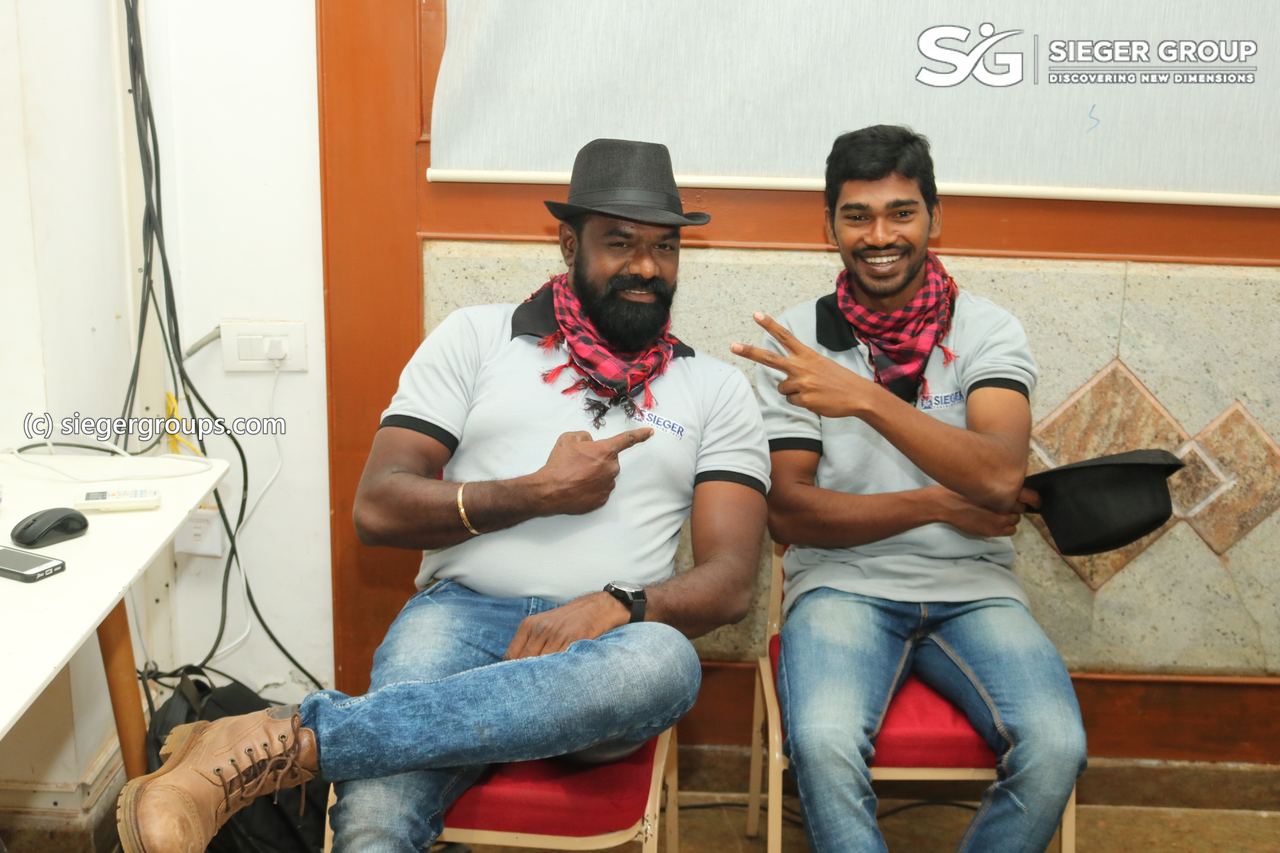
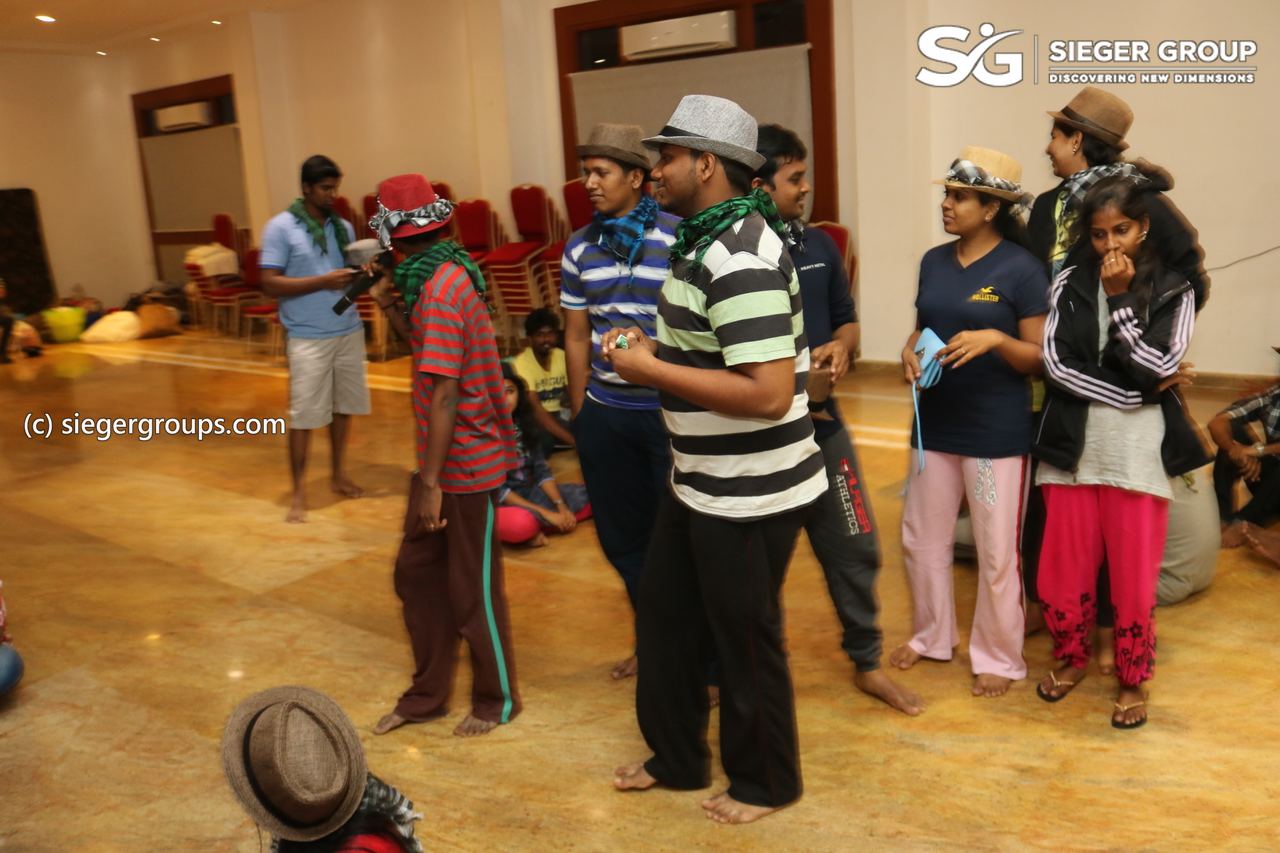
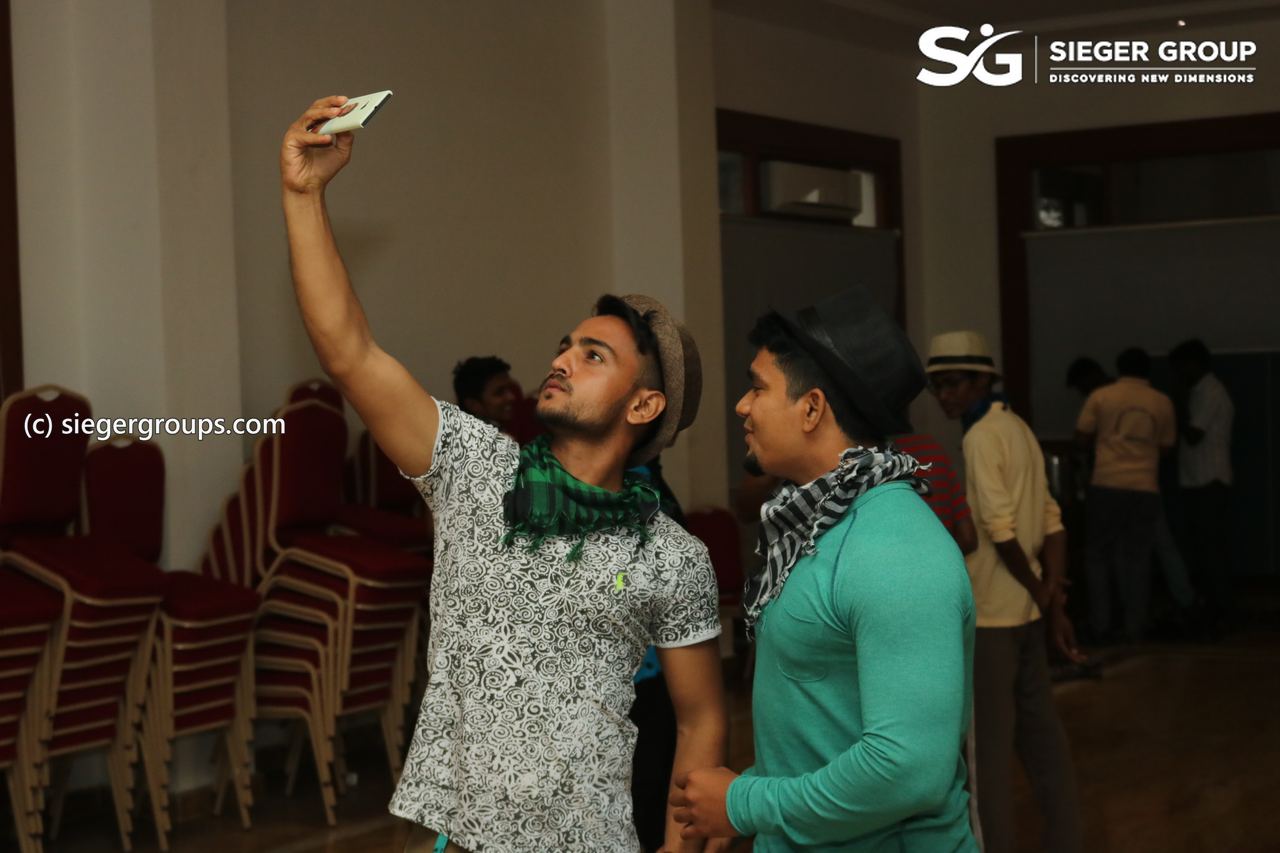
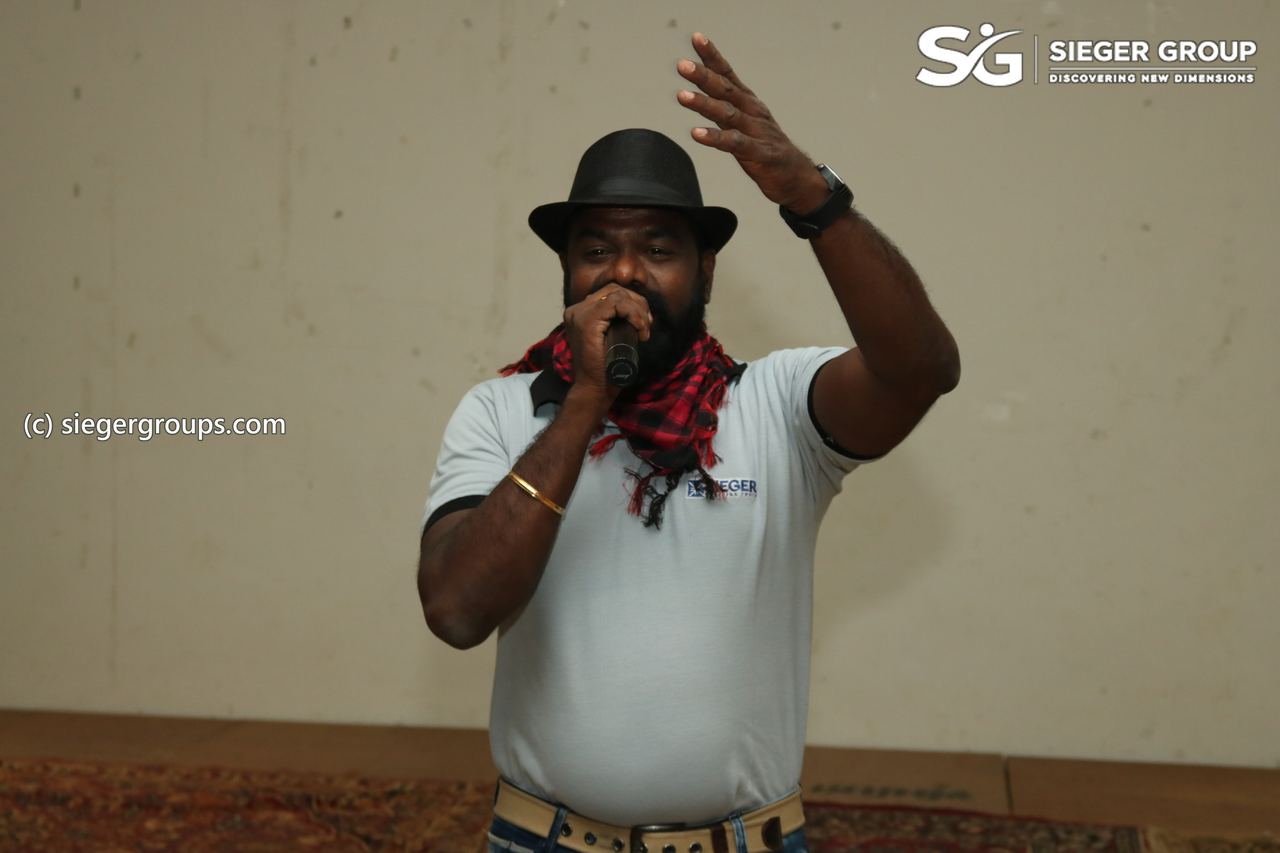
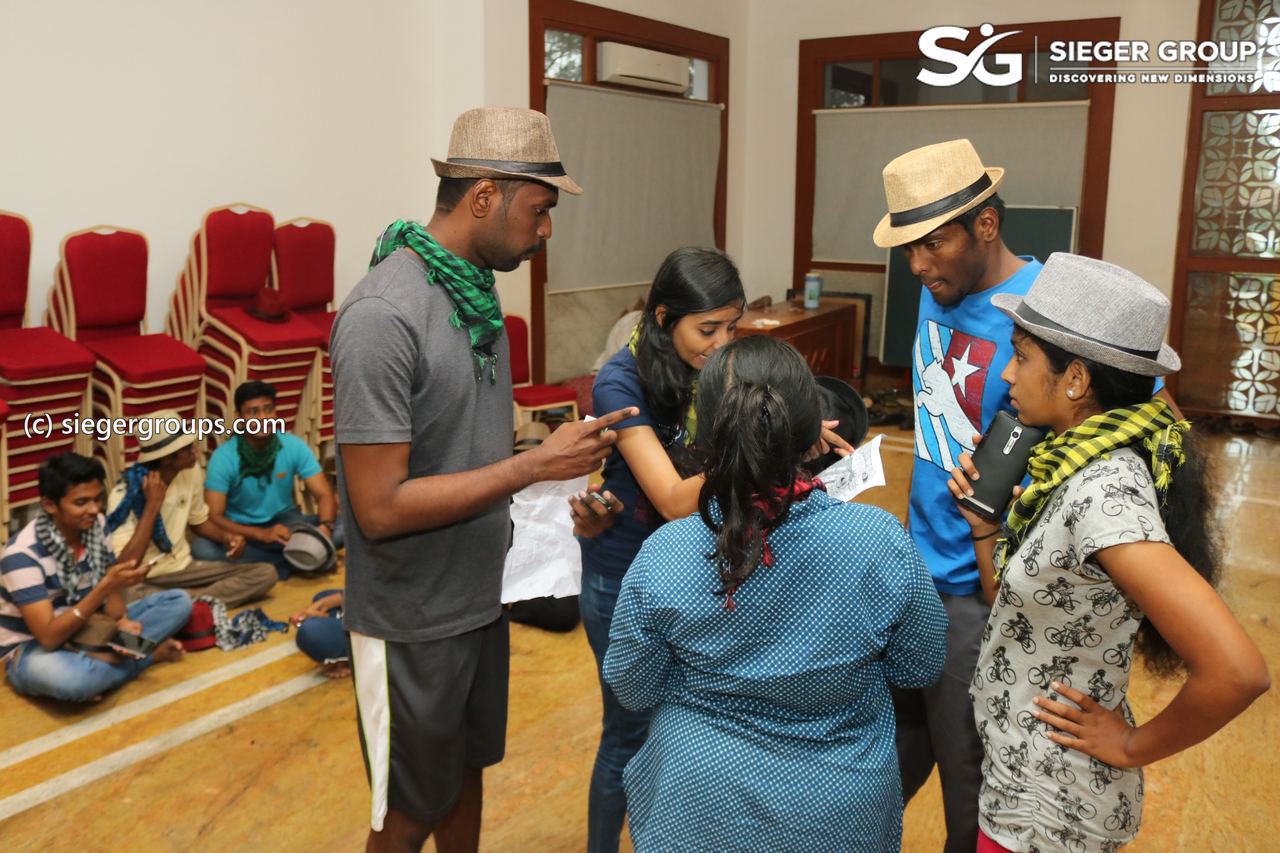
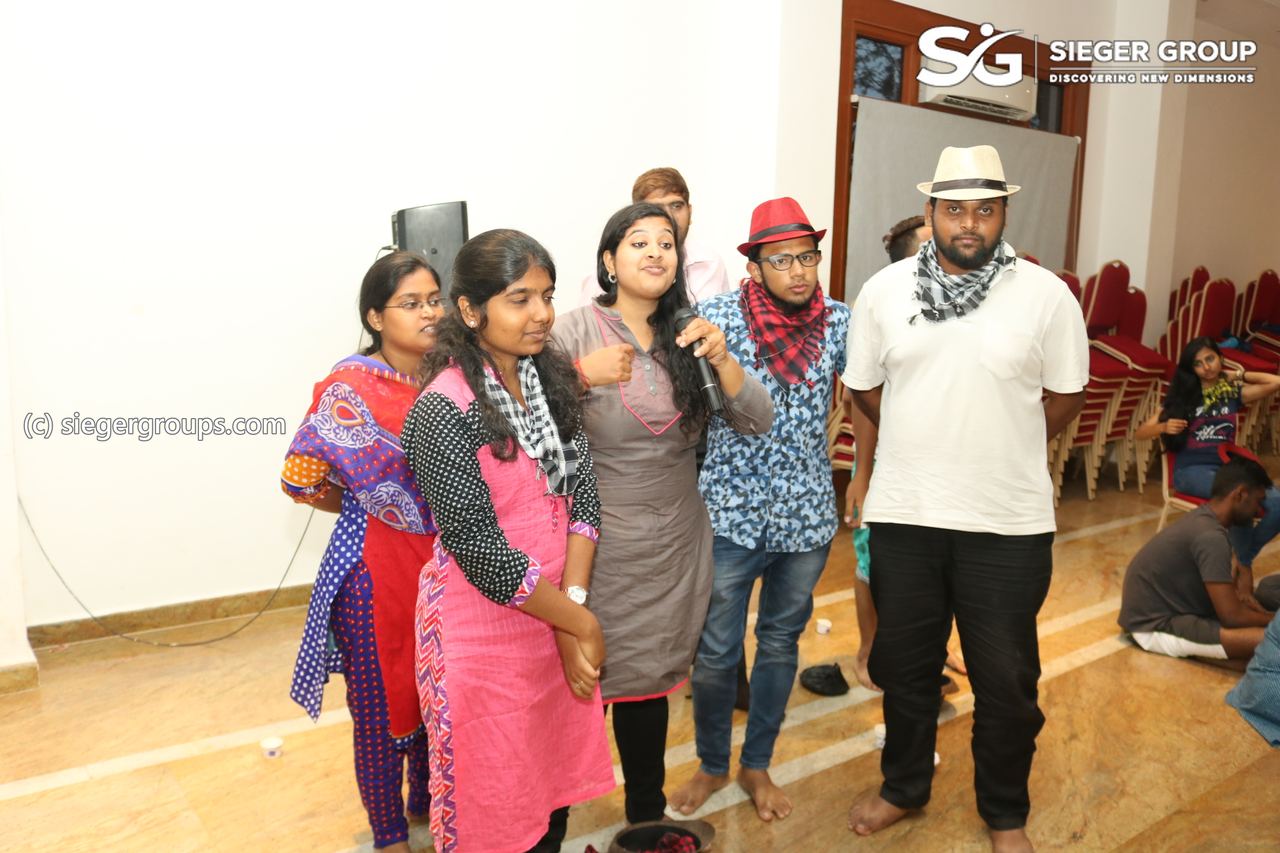
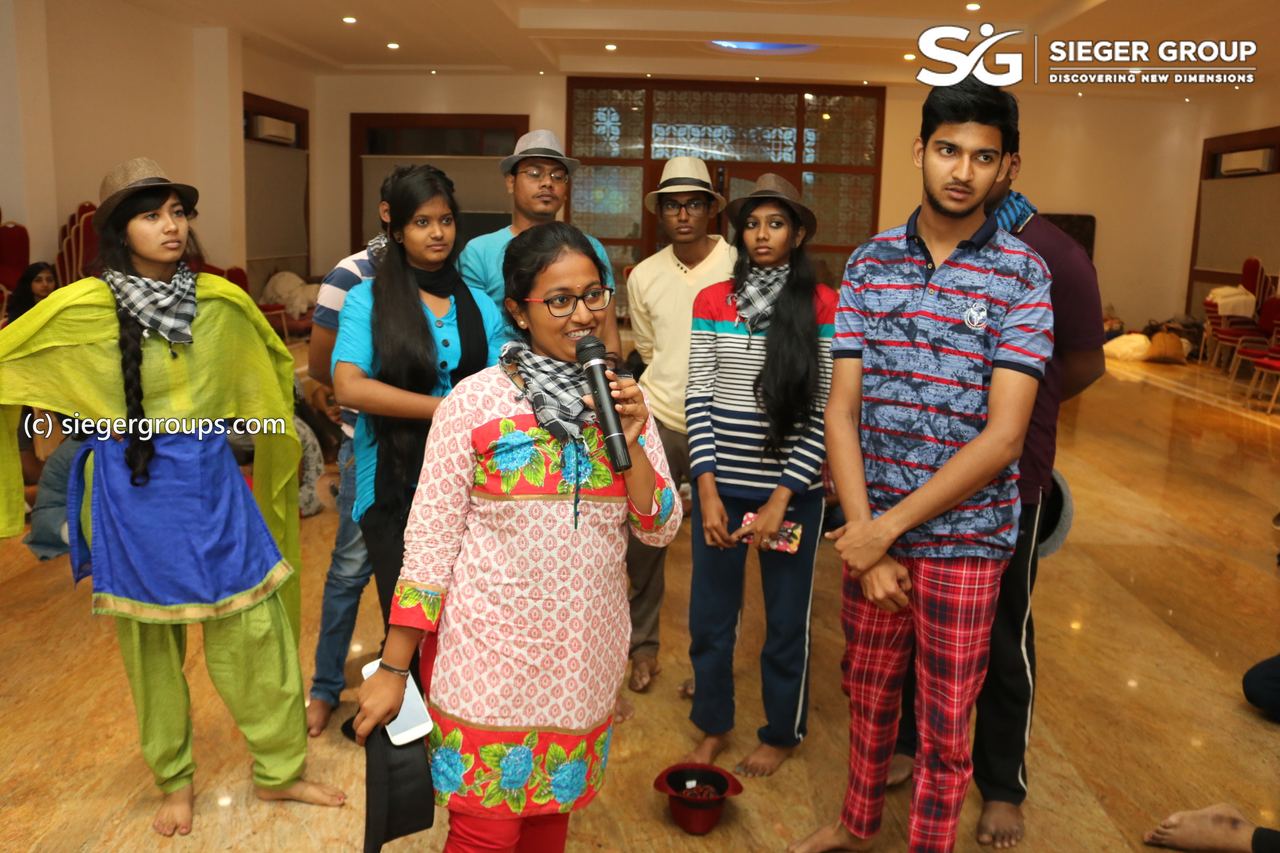
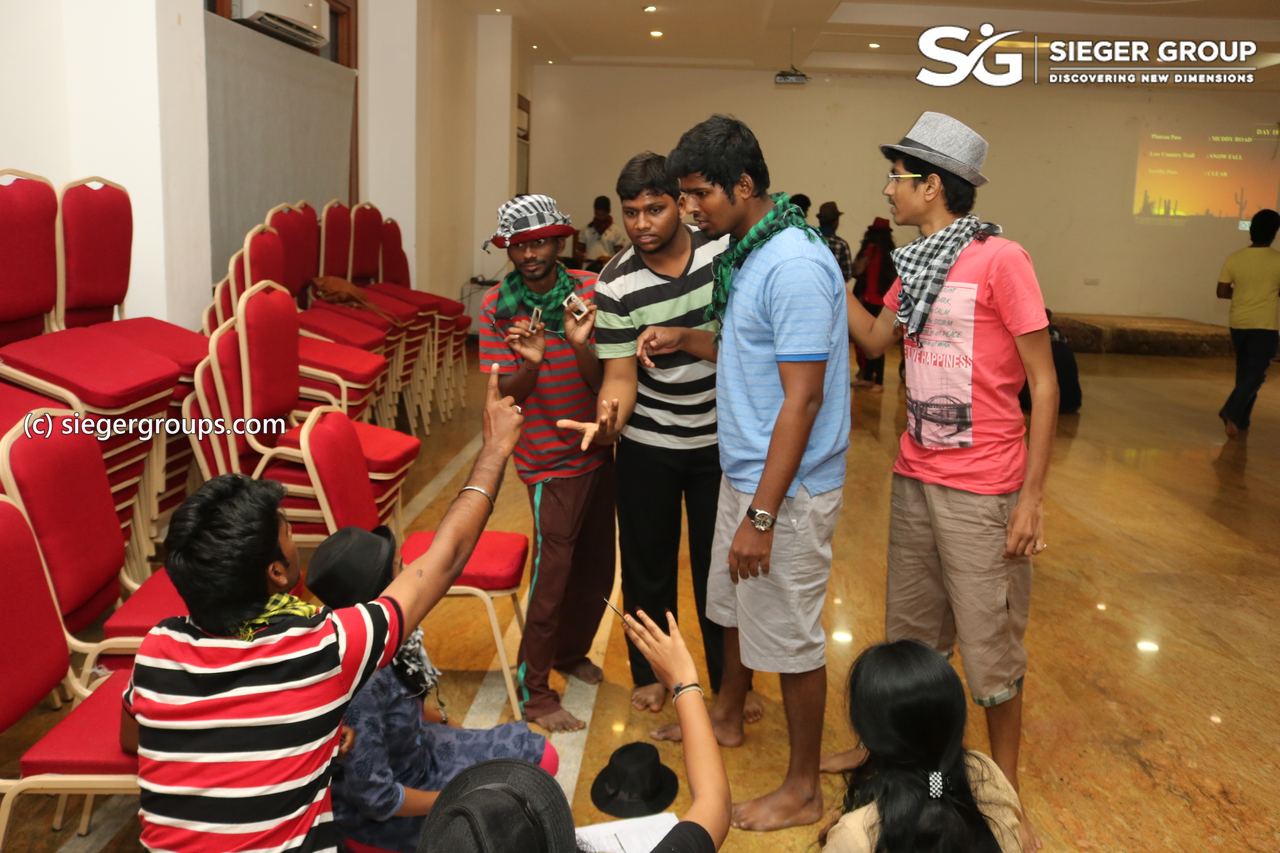
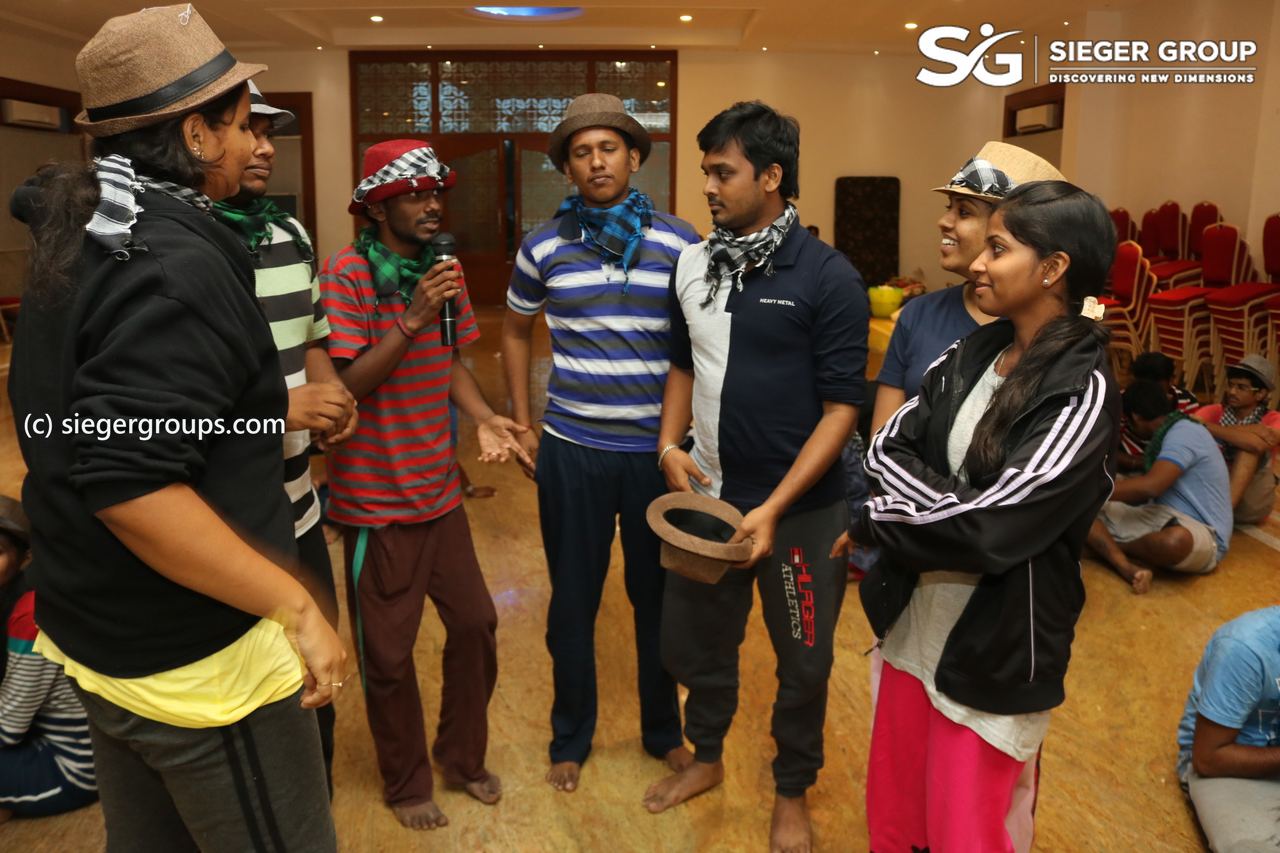
Costume & Fashion is a vibrant corporate team activity that blends creativity, collaboration and style, where teams design costumes, coordinate themes and present in a fun fashion runway.

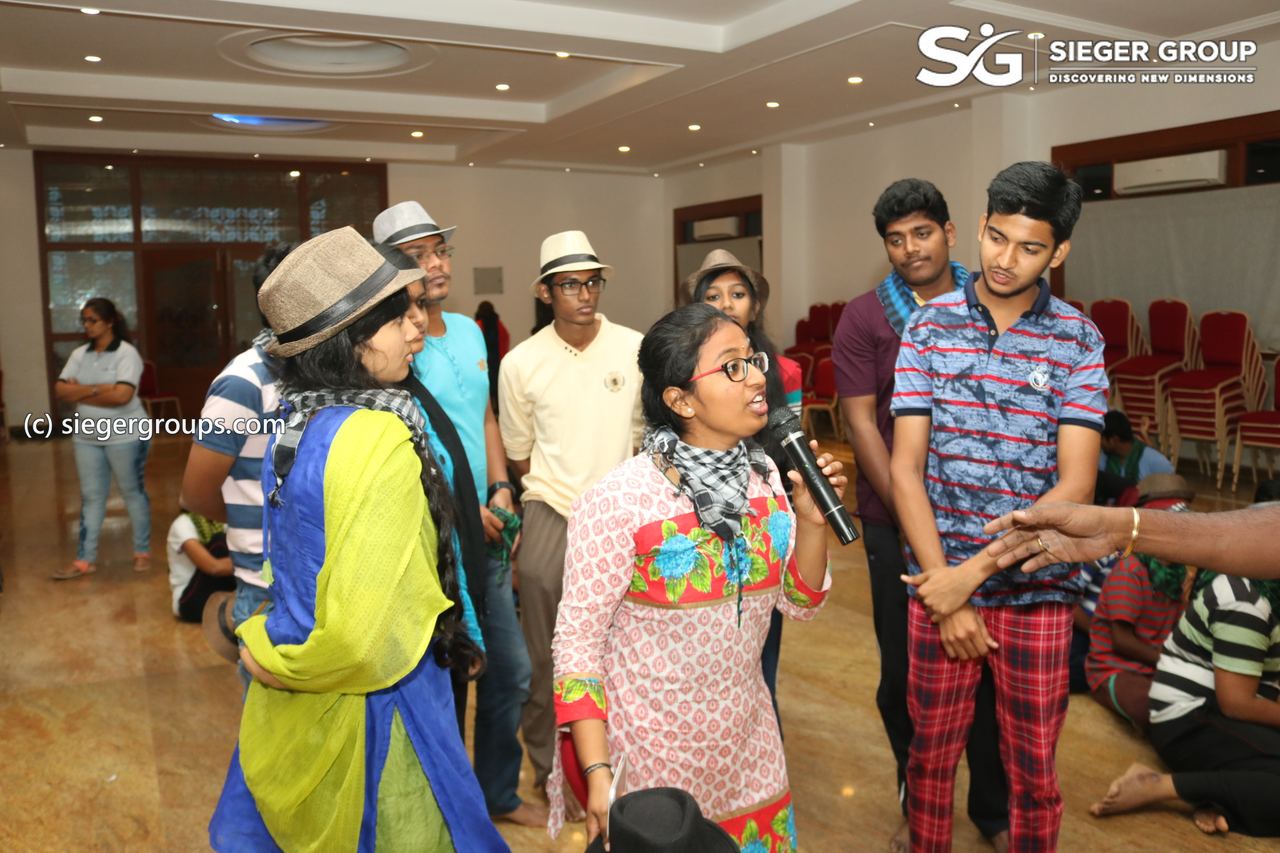
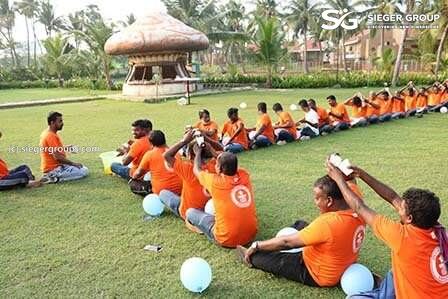
Sieger Group programme photograph — Costume & Fashion Challenge

Core Activities for Costume & Fashion Challenge

Start with a theme, a character or a mascot brief. Teams choose a look, decide how to make it with the available materials and prepare to explain their choices on the runway.

Turn the theme into a concept

Theme-Based Costume Design

Teams interpret a creative theme and plan how an outfit or collection will communicate it using agreed materials. Colleagues compare ideas, choose a visual direction and share making responsibilities. The discussion examines how the group negotiated design choices and kept different contributions connected with the original brief.

Learning focusDesign choices · Collaboration
Give the design a story

Runway Fashion Show

Teams plan how to introduce and present their designs, with agreed roles for modelling, hosting, styling or backstage coordination. The format invites participants to contribute according to the event brief and their preferences. The shared presentation makes both creative decisions and the work of coordinating an appearance visible.

Learning focusPresentation · Coordination
Bring the character to life

Role-Play Characters & Skits

Groups develop a short character or scene that extends the costume theme into a story. They agree the message, divide preparation roles and rehearse how the pieces connect. The activity creates another route for expression while giving the team a clear reason to align visual choices, timing and presentation.

Learning focusStorytelling · Expression
Turn different pieces into one idea

Mix & Match Challenge

Groups receive an agreed collection of props or materials and develop a costume concept that connects the separate pieces. Teams explain how they interpreted the brief and decide which elements to emphasise. The activity invites resourceful design and a practical conversation about finding coherence within an unusual starting point.

Learning focusResourcefulness · Design coherence
Give the team idea a character

Corporate Mascot Creation

Teams develop a mascot concept that represents an agreed organisational or team theme. Participants discuss the qualities they want to communicate and combine costume, prop or visual ideas into a shared design. Presenting the mascot gives colleagues a reason to explain what the symbol means and how it was chosen.

Learning focusShared identity · Visual expression

Accessories, Styling & Runway Extras

Add a prop-making table, a fashion quiz or a photo brief while squads develop their looks. The closing showcase gives each team a chance to explain a design choice.

Bring another kind of expertise

Fashion Quiz & Style Trivia

Teams compare answers to selected questions about fashion, visual styles or suitable popular-culture references. Colleagues explain what they know and how a clue influenced their answer. The quiz offers a change of pace within the making programme and a route into participation beyond designing or presenting a costume.

Learning focusKnowledge-sharing · Participation
Make the details matter

Accessory & Prop Crafting

Participants create accessories or props that support the team’s chosen theme. They consider how separate pieces will work together and what can be made with the resources available. The task gives practical makers and visual thinkers a useful contribution while prompting conversation about detail, consistency and resourceful design.

Learning focusMaking · Resourcefulness
Give the design a campaign story

Photo Shoot & Fashion Blogging

Groups plan a short visual story around their agreed costume theme, using suitable photography and sharing arrangements. Teams decide how styling, setting and captions connect with the message. The task extends the creative brief into communication and invites colleagues to explain choices beyond the appearance of an individual outfit.

Learning focusVisual storytelling · Communication
Prepare the change before the cue

Quick Change Relay

A relay-style making or styling task asks teams to assemble agreed costume elements in a clear sequence. Participants decide how preparation, handovers and presentation roles will connect. The format adds a playful coordination challenge while making organisation and useful cues part of the experience rather than focusing only on speed.

Learning focusPreparation · Coordinated handovers
Celebrate the idea and the effort

Final Best Costume & Team Award

The showcase can close with recognition against criteria agreed for the occasion, such as interpretation of the theme, resourceful making or shared presentation. Teams explain their design choices and acknowledge supporting roles. The format celebrates the creative process as well as the visible result presented to the group.

Learning focusRecognition · Shared criteria
Programme overview

Creative Costume Challenges • Fashion Runway • Team Creativity & Fun

Costume & Fashion is a vibrant corporate team activity that blends creativity, collaboration and style, where teams design costumes, coordinate themes and present in a fun fashion runway.

Perfect for corporate events, parties, offsites and team-building outings, this activity brings out creativity, coordination, team spirit and an unforgettable fun experience.

What makes it distinctive

A shared theme becomes a collective expression.

An outfit or scene takes shape through many small choices about design, materials and presentation. Give those decisions a common purpose, making room for different creative contributions while keeping the finished piece connected with the audience and story the team wants to reach.

  • Unleashes Creativity & Innovation: Teams conceptualise themes, design costumes, and bring ideas to life.
  • Fosters Collaboration & Teamwork: Coordinating design, role-play and presentation encourages communication & unity.
  • Inclusive & Fun for All: Everyone can participate, irrespective of age or fitness, making it ideal for mix of employees.
Shape your team brief
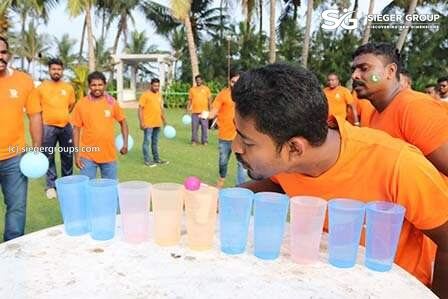
Sieger Group programme photograph — Costume & Fashion Challenge
Why this programme

Why Organisations Choose Costume & Fashion Challenge

Turn an agreed theme into a shared design and presentation experience with creative roles across making, styling and storytelling.

A clear purpose

Creative choices made together

Compare interpretations of a theme and build a shared direction instead of allowing a single early idea to determine every design decision.

Useful participation

Resourceful use of materials

Explore what can be achieved with the agreed materials and use practical constraints to prompt invention rather than a search for an ideal resource.

Practical insight

A wider range of contribution

Connect design, making, styling, hosting and presentation roles so colleagues can add value through different interests and preferences during the creative project.

Connected choices

Coherent visual storytelling

Link accessories, costume and presentation with one theme so the result communicates a story rather than a set of disconnected decorative elements.

Meaningful follow-through

Coordination around a showcase

Agree cues, roles and preparation steps that allow the team’s separate pieces to come together in a shared presentation at the right moment.

Programme benefits

Programme Benefits

Explore the behaviours and practical insights your team can review through Costume & Fashion Challenge. The debrief connects observations from the experience with situations that matter to participants.

Creative choices made together

A useful focus for the group is to compare interpretations of a theme and build a shared direction instead of allowing a single early idea to determine every design decision.

Resourceful use of materials

Participants can examine how to explore what can be achieved with the agreed materials and use practical constraints to prompt invention rather than a search for an ideal resource.

A wider range of contribution

The review can highlight ways to connect design, making, styling, hosting and presentation roles so colleagues can add value through different interests and preferences during the creative project.

Coherent visual storytelling

Colleagues can explore how to link accessories, costume and presentation with one theme so the result communicates a story rather than a set of disconnected decorative elements.

Coordination around a showcase

The experience can prompt discussion of how to agree cues, roles and preparation steps that allow the team’s separate pieces to come together in a shared presentation at the right moment.

Constructive creative feedback

A practical takeaway is to offer questions and suggestions in relation to the brief, recognising that a different aesthetic preference is not the same as a design failing its purpose.

Recognition of the whole process

The team can consider how to celebrate practical preparation and idea-building alongside the visible showcase so contributions behind the final appearance are acknowledged by the group.

From experience to application

Bring the learning back to work.

Use these reflection prompts to turn Costume & Fashion Challenge into a focused conversation about what happened, what it means and what to try next.

  1. Recall a design choice

    Identify how the group selected its theme interpretation and whether different suggestions were explored before the final visual direction was agreed.

  2. Notice material resourcefulness

    Choose an instance where an available material prompted a useful design idea and discuss how that changed the group’s approach to the brief.

  3. Review a presentation dependency

    Identify a moment when styling, making or hosting needed to connect and examine how the team kept that information clear across roles.

  4. Connect to a shared creative brief

    Choose a workplace project where colleagues need to combine interpretations while keeping decisions grounded in the intended audience and purpose.

  5. Agree a feedback question

    Select a useful question from the design process that the team can apply before judging or dismissing another colleague’s developing idea.

  6. Recognise the complete contribution

    Discuss how to acknowledge planning, production and support roles when the group next presents a visible outcome to colleagues or clients.

Programme delivery

How the Programme Works

A suggested flow for Costume & Fashion Challenge, from setting the brief to reviewing the experience. Activity choices, pace and facilitation are confirmed around your group and setting.

  1. Start with context

    Agree the purpose and participation

    Turn an agreed theme into a shared design and presentation experience with creative roles across making, styling and storytelling. Discuss what participants should understand before approaching theme-based costume design, including the information, roles and choices relevant to this group.

    Design choices · Collaboration
  2. Make the details matter

    Explore the selected experience

    The brief sets the theme, materials and presentation format. Teams share making, styling and storytelling roles while connecting design choices with the effect they want the piece to create.

    Making · Resourcefulness
  3. Give the design a story

    Compare and develop the approach

    A preparation review connects separate details before the showcase. Colleagues discuss consistency, rehearse presentation and recognise the practical work that turns an imaginative concept into an audience experience.

    Presentation · Coordination
  4. Make the experience useful

    Review and carry it forward

    Choose a workplace project where colleagues need to combine interpretations while keeping decisions grounded in the intended audience and purpose. Select a useful question from the design process that the team can apply before judging or dismissing another colleague’s developing idea.

    Storytelling · Expression
Experiential learning outline

Experience. Reflect. Apply.

Connect Costume & Fashion Challenge with purposeful practice, evidence-based reflection and a next step that fits your working context.

  1. Align the brief

    Turn an agreed theme into a shared design and presentation experience with creative roles across making, styling and storytelling. Clarify what the group needs before beginning the selected experience.

  2. Experience the challenge

    Explore theme-based costume design through the agreed format. Explore what can be achieved with the agreed materials and use practical constraints to prompt invention rather than a search for an ideal resource.

  3. Reflect on the evidence

    Examine a design choice changed by colleagues’ combined ideas and discuss how the team kept its theme clear while making room for different visual preferences.

  4. Connect the learning

    Consider a creative project with several interpretations of one brief and identify a shared criterion that would keep feedback from becoming only a comparison of personal tastes.

  5. Commit to a next step

    Choose a feedback practice for the next design task, defining the question it should answer and the contributions needed before the team can select a useful direction.

Who should attend

Choose the right audience for the experience.

Discuss participant experience, access needs, language preferences and the purpose of the programme before confirming suitability.

Intact and cross-functional teams

Intact and cross-functional teams interested in design choices · collaboration. Theme-Based Costume Design offers one possible starting point for an agreed group experience.

Managers and emerging leaders

Managers and emerging leaders exploring making · resourcefulness. Select a format that fits their responsibilities, working relationships and the purpose of Costume & Fashion Challenge.

Project teams and newly formed groups

Project teams and newly formed groups bringing different perspectives to presentation · coordination. Confirm the learning priorities and participation arrangements before choosing the activity mix.

Programme schedule

An illustrative session schedule.

This sample shows how a programme could flow. Timings, breaks, activity choices and duration are agreed in the final proposal.

Example session

Brief, experience and reflect

  1. 09:30–09:45

    Welcome, context and participation

    Introduce Costume & Fashion Challenge, agree the group’s purpose and discuss participation preferences. Explain the selected formats before the experience begins.

  2. 09:45–10:30

    Theme-Based Costume Design

    Use a selected version of Theme-Based Costume Design to explore design choices · collaboration. Pause to compare observations and clarify the choices that shaped progress.

  3. 10:30–11:15

    Accessory & Prop Crafting

    Use a selected version of Accessory & Prop Crafting to explore making · resourcefulness. Pause to compare observations and clarify the choices that shaped progress.

  4. 11:15–11:30

    Reflection and shared takeaways

    Review examples of creative choices made together and a wider range of contribution. Connect the observations with day-to-day team responsibilities and choose a relevant next conversation.

Planning details

A considered programme starts with the practical details.

People and participation

Share the audience profile, language preferences and access needs for Costume & Fashion Challenge. Agree options that let different colleagues contribute comfortably.

Venue and resources

Discuss materials, working surfaces, sound or presentation arrangements and how colleagues can contribute in different roles. Confirm the final mix of Theme-Based Costume Design and any other chosen experiences in the brief.

Scope and delivery

Agree the focus on making · resourcefulness, the programme duration and which materials, facilitation and delivery arrangements are included.

Review and follow-through

Choose how to review constructive creative feedback and recognition of the whole process. Confirm any follow-up conversation or team commitment that belongs within the programme scope.

Organisations we work with

Trusted by teams across industries

Sieger Group supports organisations with team-building experiences and facilitated programmes.

Client perspectives

Testimonials

Plan with confidence

Costume & Fashion Challenge FAQs

12 practical answers to help you plan your programme.

What is Costume & Fashion Challenge?

Costume & Fashion is a vibrant corporate team activity that blends creativity, collaboration and style, where teams design costumes, coordinate themes and present in a fun fashion runway.

Who is this programme suitable for?

Costume & Fashion Challenge can be considered for teams planning a shared experience or employee engagement event. Share roles, group size, experience levels and participation needs so suitability can be confirmed.

What can participants explore?

The existing programme outline includes: Unleashes Creativity & Innovation: Teams conceptualise themes, design costumes, and bring ideas to life.; Fosters Collaboration & Teamwork: Coordinating design, role-play and presentation encourages communication & unity.; Inclusive & Fun for All: Everyone can participate, irrespective of age or fitness, making it ideal for mix of employees.. The final emphasis and activity selection should be agreed around your brief.

Can the programme be customised for our team?

Yes. Share your team context, goals and preferred tone. The proposed Costume & Fashion Challenge experience can then be adapted through the activity mix, level of challenge, discussion themes and delivery format, subject to feasibility.

How long does the programme take?

Duration depends on the agreed scope, group size and setting. For Costume & Fashion Challenge, allow for the briefing, activities, breaks and group review. Request a proposed agenda that fits your available time.

Where can we organise the experience?

Share your preferred city, office, venue or offsite destination in India. Costume & Fashion Challenge requires a setting suited to the activities and participants. Venue access, usable space, equipment and local delivery arrangements should be confirmed before booking.

What group size works for this programme?

The appropriate group size depends on the activity structure, facilitation and available space. Tell us the expected number of participants for Costume & Fashion Challenge so team sizes, rotations and staffing can be proposed.

What should participants prepare?

For Costume & Fashion Challenge, the pre-event briefing should explain the schedule, clothing or equipment requirements and how to take part. Share accessibility needs and relevant participation constraints during planning so suitable arrangements can be discussed.

How are participation and inclusion considered?

Discuss access, mobility, language, sensory needs and comfort levels before confirming Costume & Fashion Challenge. Agree suitable roles and alternatives where feasible. For specialist activities, confirm delivery responsibilities and participation requirements in advance.

How can we connect the programme with our objectives?

Agree the purpose of Costume & Fashion Challenge before delivery. A group review can explore communication, contribution and teamwork, alongside the shared enjoyment of the event. Confirm any follow-up or evaluation support in the proposal.

What does the programme cost?

Pricing for Costume & Fashion Challenge depends on participant numbers, duration, facilitation, equipment, location and agreed logistics. Request a tailored proposal that clearly states programme inclusions, venue or travel arrangements and applicable charges.

How do we enquire about Costume & Fashion Challenge?

Use the enquiry form on this page or call +91 98400 97567. Include Costume & Fashion Challenge, your objectives, group size, preferred dates and location. Sieger Group can then discuss suitability and prepare a proposal for your review.

Ready to plan?

Let’s shape the right programme for your people.

Share your goals, group size, preferred dates and venue. We’ll help you explore a considered programme.

Request a tailored proposal
Back to programme overview
LET'S CREATE YOUR NEXT SHARED MOMENT

What could your team
do together?

Tell us what you have in mind. We will help you explore a programme that fits your people and your occasion.

  • Your peopleGroup size, audience and participation needs.
  • Your plansDate, destination, venue and time available.
  • Your purposeTeam connection, learning or a celebration.
  • Your outcomesWhat you want your team to experience or take away.
+91 98400 97567 ↗

Still finalising the details? Share what you know.

From your brief to a considered programme

Every team is different. Share your people, purpose and preferred setting, and we’ll translate your brief into an experience designed to connect, engage and create lasting impact.

  • Choose a format suited to your participants.
  • Align the experience with your event goals.
  • Tailor the programme to your team’s needs.
  • Plan the flow, venue and logistics.
  • Create an experience people will remember.
ENQUIRE WITH SIEGER GROUP

Start the conversation.

Share your brief and preferred contact details.