Sieger Group · Team Building

Community Service Challenge

A facilitated experience, designed around your team.

A high-impact CSR initiative that empowers corporate teams to contribute meaningfully to society through structured volunteering and powerful community service projects.

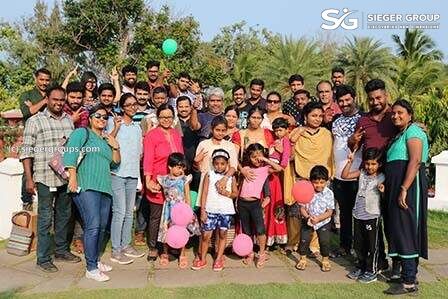
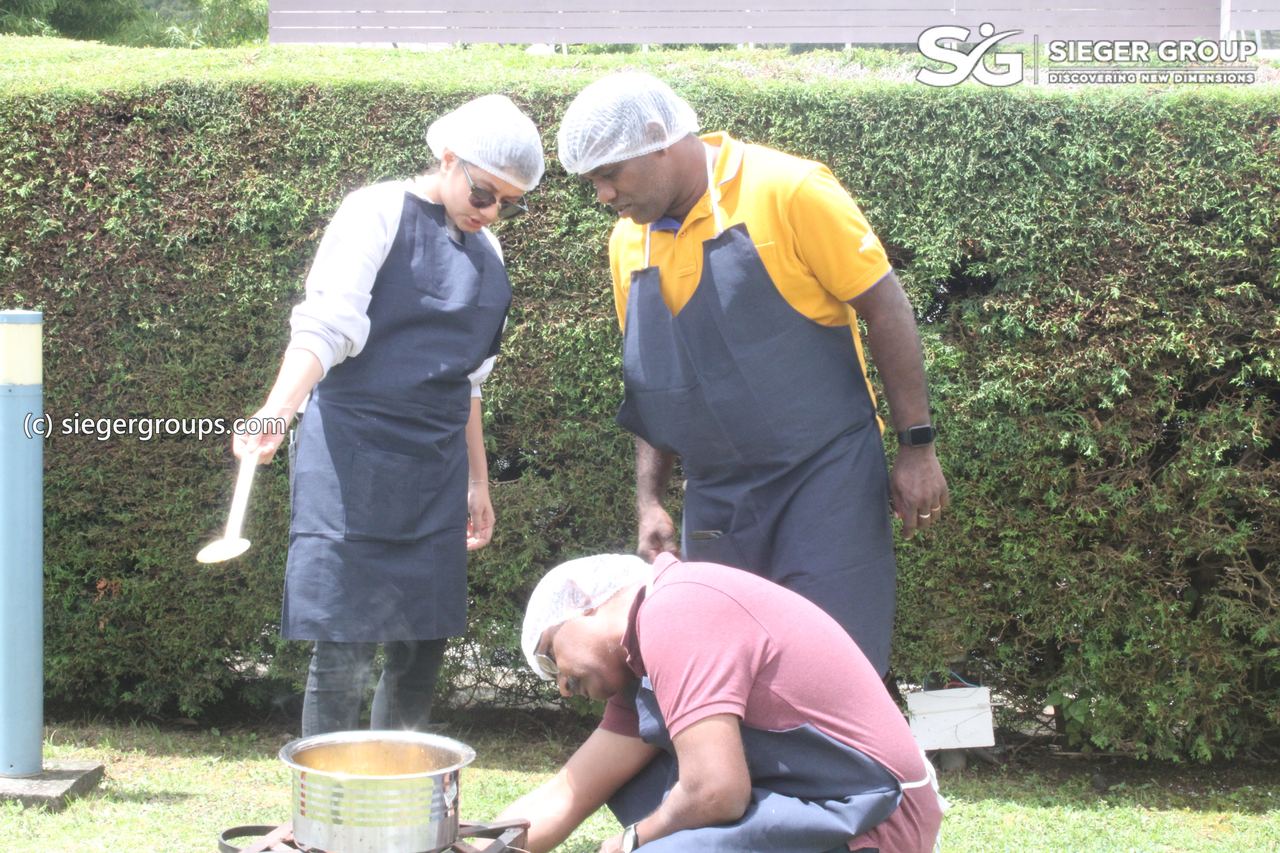
Sieger Group programme photograph — Community Service Challenge

Core Activities for Community Service Challenge

Discuss four practical starting points with a local partner: assistive-device support, an essentials drive, a community library or relief-kit preparation. Let the partner identify which contribution it can put to use.

Support the requested need

Assistive Device Support

Teams can support a partner-led initiative by coordinating the collection, preparation or handover of requested mobility-support items. The receiving organisation defines the need and distribution arrangements, while volunteers organise a useful contribution and review how clearly responsibilities were shared.

Learning focusPartner coordination · Useful contribution
Collect what is actually needed

Cloth & Essentials Drive

A partner-defined collection brief identifies the clothing or essential items that will be useful to the receiving community. Volunteers organise contributions, check them against the agreed requirements and prepare a clear handover, discussing how coordination affects the usefulness of the donation.

Learning focusOrganisation · Recipient needs
Make the resource usable

Community Library Setup

Teams support a library-related task agreed with the partner, such as organising suitable materials or preparing a usable space. Participants clarify who will use the resource and how it will be managed afterwards. The activity connects practical coordination with the importance of understanding an actual need before deciding what to contribute.

Learning focusPartner needs · Practical organisation
Follow the agreed specification

Emergency Relief Kit Preparation

Colleagues assemble kits to an agreed specification supplied or confirmed by the relevant partner. They organise materials, check contents and clarify how completed kits should be handed over. The task makes accuracy and coordination important while keeping decisions about distribution and recipient needs with the appropriate organisation.

Learning focusAccuracy · Coordinated service

Environmental Action & Animal Care

Select an initiative around an existing partner project, then agree what volunteers can complete and who will look after the work afterwards.

Work to the agreed clean-up plan

Beach & Public Space Cleanup

Colleagues work within an agreed public-space clean-up brief, coordinating zones, materials and the designated waste arrangements. Teams compare their findings and confirm the handover with the organising partner, connecting the visible work with the wider responsibilities of caring for the location.

Learning focusEnvironmental care · Coordination
Consider the next use

Eco-Brick & Recycling Projects

Teams explore a recycling or reuse activity selected with the project partner, using the agreed materials and completion requirements. Participants discuss how the finished work will be used or handled, linking creative participation with a practical end point for the project.

Learning focusResource awareness · Project follow-through
Build in the handover

Green Campus Development

An agreed green-space project gives volunteers a practical contribution to a school or community institution. Colleagues coordinate preparation and planting or finishing tasks, then confirm who will care for the area and what information the receiving team needs after the event.

Learning focusShared planning · Ongoing care
Make the purpose clear

Rainwater Harvesting Awareness

Teams can support an awareness initiative using material and examples agreed by the relevant project partner. Participants help make the conservation message understandable to its audience and discuss how the session connects with the location’s actual water-use priorities.

Learning focusAudience understanding · Conservation awareness
Support the welfare team

Street Animal Feeding & Care Support

Volunteers work with a local animal-welfare organisation to support tasks it has identified and agreed. The partner guides the contribution and handling arrangements, while colleagues coordinate resources and discuss how their effort can fit the organisation’s ongoing care activities.

Learning focusPartner-led volunteering · Follow-through
Think beyond the planting day

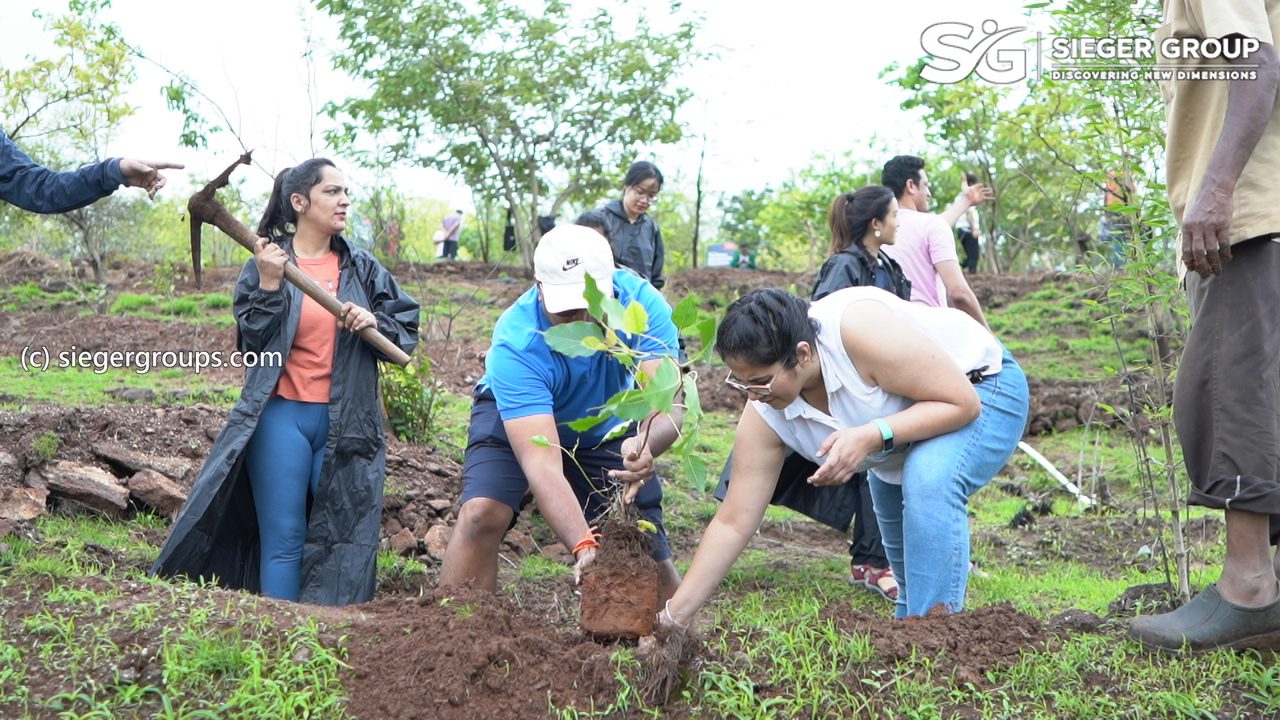
Tree Plantation Drives

An agreed planting project brings volunteers together around locations and planting choices confirmed by the receiving partner. Teams coordinate materials and responsibilities, then discuss the care and follow-up needed after planting so the contribution has a clear handover.

Learning focusCoordination · Shared care
Connect the message with practice

Waste Management Education

Teams support a partner-approved awareness session on sorting, recycling or local disposal arrangements. Colleagues help present the agreed message clearly, use relevant examples and check understanding, connecting the event with the waste practices participants can actually use in that setting.

Learning focusClear explanation · Local relevance

Learning, Skills & Community Arts

Work with a host organisation to identify the learners, materials and ongoing support for a workshop, school project or community artwork.

Match skills with the brief

Community Skill Development Workshops

Where requested by a community partner, colleagues contribute to a workshop around an agreed practical skill such as digital literacy or career preparation. The group matches volunteer experience with the session brief and reviews whether the material is useful and accessible to the learners.

Learning focusKnowledge sharing · Learner relevance
Create with the community in mind

Community Wall Art & Mural Painting

Teams contribute to an approved visual project developed in discussion with the site or community partner. Colleagues agree preparation, materials and roles before beginning the work. The activity invites creative cooperation while keeping the intended audience, permission arrangements and ongoing use of the space central to design choices.

Learning focusCo-creation · Respectful planning
Begin with the school’s request

Rural School Support

A school-led brief identifies useful contributions such as learning materials, classroom improvements or agreed beautification work. Volunteers organise roles and resources around that request, then confirm the completed handover with staff and reflect on how their effort supported the school’s priorities.

Learning focusSchool partnership · Practical support
Make the equipment useful

Sports Kit Distribution & Coaching

The receiving partner agrees which equipment and activity support will be useful to its participants. Volunteers coordinate the kit handover and contribute to the selected session within their appropriate roles, focusing on participation, clear instructions and a considered shared experience.

Learning focusParticipation · Partner coordination
Support an agreed learning need

STEM & Digital Learning Support

Volunteers support an agreed learning activity suited to the partner’s audience and arrangements. Teams clarify the purpose, materials and appropriate roles before delivery. The experience encourages preparation and responsive communication, with content and participation shaped by the relevant educators or programme leads rather than assumptions about what recipients need.

Learning focusPreparation · Learning support
Build around the learners’ priorities

Women Empowerment Workshops

A partner-led workshop is shaped around the participants’ stated interests and the expertise required for the selected subject. Volunteers can coordinate resources or contribute appropriate professional experience, keeping the learning practical and leaving participants space to define their own questions and goals.

Learning focusParticipant voice · Relevant expertise

Donation Drives & Awareness Events

Support the host’s collection or awareness plan through agreed volunteer roles and a practical handover.

Share the approved information

Blood Donation Support (Non-Collection Campus Drives)

This awareness format supports voluntary registration through authorised blood-bank channels without on-site collection. Teams can coordinate approved information and event messages, making the route for questions clear and respecting individual choice about whether and how to participate.

Learning focusAccurate communication · Voluntary participation
Follow the partner’s delivery plan

Food Donation Drives

Volunteers support the partner’s agreed packing and distribution plan for meals or grocery kits. Teams coordinate requested contents, materials and handovers according to the delivery brief, focusing on an organised contribution that fits the recipient requirements and the partner’s process.

Learning focusCoordination · Respectful contribution
Help the session run well

Health & Hygiene Awareness Camps

An appropriate partner leads the awareness content and agrees how volunteers can support the session. Colleagues may help organise approved materials, participant flow or event communication, focusing their contribution on a clear and respectful learning environment for the intended audience.

Learning focusPartner support · Clear communication
Programme overview

Social Responsibility – Community Development – Sustainability – Purpose Driven Team Engagement

A high-impact CSR initiative that empowers corporate teams to contribute meaningfully to society through structured volunteering and powerful community service projects.

What makes it distinctive

Begin with the need. Contribute with purpose.

Useful service connects the group’s effort with an agreed requirement from the receiving partner. Plan roles, materials and completion checks around that need, then give the handover and remaining responsibilities the same attention as the shared activity itself.

  • High Community Impact: Addresses critical needs such as environment, education, health and sustainability.
  • Purpose Driven Engagement: Employees experience the power of giving back as one united team.
  • ESG & CSR Alignment: Strengthens organisational commitments to environmental and social governance goals.
Shape your team brief
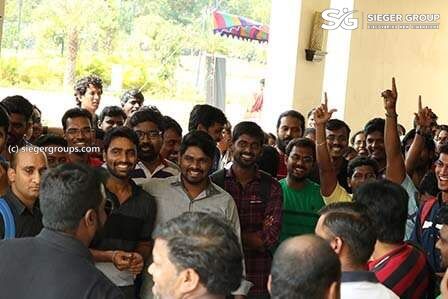
Sieger Group programme photograph — Community Service Challenge
Why this programme

Why Organisations Choose Community Service Challenge

Build team participation around an agreed community need, useful volunteer roles and a clear handover with the relevant partner.

A clear purpose

Community needs first

Begin with the partner’s priorities and clarify what would be useful before choosing an activity simply because it suits an internal team preference.

Useful participation

Purposeful volunteer roles

Identify responsibilities that make practical use of colleagues’ contributions while respecting the arrangements and expertise of the organisation receiving the support.

Practical insight

Coordination around service

Organise materials, checks and handovers so a shared task produces something the partner can use according to the agreed brief.

Connected choices

Thoughtful learning and listening

Ask questions about the intended audience and context rather than assuming that enthusiasm or professional experience automatically provides the right answer.

Meaningful follow-through

Responsible contribution choices

Consider permission, suitability and ongoing use when selecting materials or creative work, keeping the community partner involved in decisions that affect its setting.

Programme benefits

Programme Benefits

Explore the behaviours and practical insights your team can review through Community Service Challenge. The debrief connects observations from the experience with situations that matter to participants.

Community needs first

A useful focus for the group is to begin with the partner’s priorities and clarify what would be useful before choosing an activity simply because it suits an internal team preference.

Purposeful volunteer roles

Participants can examine how to identify responsibilities that make practical use of colleagues’ contributions while respecting the arrangements and expertise of the organisation receiving the support.

Coordination around service

The review can highlight ways to organise materials, checks and handovers so a shared task produces something the partner can use according to the agreed brief.

Thoughtful learning and listening

Colleagues can explore how to ask questions about the intended audience and context rather than assuming that enthusiasm or professional experience automatically provides the right answer.

Responsible contribution choices

The experience can prompt discussion of how to consider permission, suitability and ongoing use when selecting materials or creative work, keeping the community partner involved in decisions that affect its setting.

Clearer completion and handover

A practical takeaway is to review the agreed work, outstanding points and next responsibilities before colleagues treat the event as finished or communicate what the activity achieved.

Practical follow-through

The team can consider how to identify a realistic next action within the agreed relationship, keeping responsibility clear and distinguishing volunteer participation from unverified long-term impact.

From experience to application

Bring the learning back to work.

Use these reflection prompts to turn Community Service Challenge into a focused conversation about what happened, what it means and what to try next.

  1. Recall the stated need

    Identify what the partner asked for and discuss how that requirement influenced the activity choices or materials used by the group.

  2. Review a service dependency

    Choose a point where preparation, checking or coordination affected whether the contribution would be useful to the receiving organisation.

  3. Notice an assumption

    Identify something the team initially presumed about the audience or setting and discuss which partner conversation provided a more reliable basis.

  4. Connect effort with usefulness

    Compare what colleagues enjoyed doing with what the agreed brief required, recognising where those aims aligned and where the team needed to adjust.

  5. Agree the next responsibility

    Confirm who owns any remaining handover or support action and how the group will communicate with the partner through the agreed channel.

  6. Review the contribution honestly

    Describe what was completed and learned, seek relevant partner feedback and avoid presenting attendance or a completed task as proof of wider social impact.

Programme delivery

How the Programme Works

A suggested flow for Community Service Challenge, from setting the brief to reviewing the experience. Activity choices, pace and facilitation are confirmed around your group and setting.

  1. Start with context

    Agree the purpose and participation

    Build team participation around an agreed community need, useful volunteer roles and a clear handover with the relevant partner. Discuss what participants should understand before approaching community library setup, including the information, roles and choices relevant to this group.

    Partner needs · Practical organisation
  2. Follow the agreed specification

    Explore the selected experience

    The agreed partner need sets the volunteer roles and task requirements. Teams organise materials and checks around that purpose, asking for guidance when a choice affects the receiving organisation or audience.

    Accuracy · Coordinated service
  3. Create with the community in mind

    Compare and develop the approach

    The review compares the contribution with its specification and resolves unfinished handover points. Closing discussion recognises cooperation while keeping communication grounded in completed work and relevant partner feedback.

    Co-creation · Respectful planning
  4. Make the experience useful

    Review and carry it forward

    Compare what colleagues enjoyed doing with what the agreed brief required, recognising where those aims aligned and where the team needed to adjust. Confirm who owns any remaining handover or support action and how the group will communicate with the partner through the agreed channel.

    Preparation · Learning support
Experiential learning outline

Experience. Reflect. Apply.

Connect Community Service Challenge with purposeful practice, evidence-based reflection and a next step that fits your working context.

  1. Align the brief

    Build team participation around an agreed community need, useful volunteer roles and a clear handover with the relevant partner. Clarify what the group needs before beginning the selected experience.

  2. Experience the challenge

    Explore community library setup through the agreed format. Identify responsibilities that make practical use of colleagues’ contributions while respecting the arrangements and expertise of the organisation receiving the support.

  3. Reflect on the evidence

    Notice where the partner’s requirement changed the group’s first idea and discuss how listening influenced the actual activity rather than adding context to a fixed plan.

  4. Connect the learning

    Consider how the organisation selects service activities and identify what information from the receiving partner should shape the next choice of materials, volunteer roles or contribution.

  5. Commit to a next step

    Confirm one responsibility from the agreed activity, including what completion means to the partner and how the team will communicate it through the appropriate agreed channel.

Programme details

Transform Your Team Through Social Impact

Invite your teams to take part in meaningful, hands-on community projects that leave a lasting positive impact and inspire a stronger, purpose-driven workplace culture.

Who should attend

Choose the right audience for the experience.

Discuss participant experience, access needs, language preferences and the purpose of the programme before confirming suitability.

Employee volunteer groups

Employee volunteer groups interested in partner needs · practical organisation. Community Library Setup offers one possible starting point for an agreed group experience.

CSR and people teams

CSR and people teams exploring accuracy · coordinated service. Select a format that fits their responsibilities, working relationships and the purpose of Community Service Challenge.

Cross-functional project groups

Cross-functional project groups bringing different perspectives to co-creation · respectful planning. Confirm the learning priorities and participation arrangements before choosing the activity mix.

Programme schedule

An illustrative session schedule.

This sample shows how a programme could flow. Timings, breaks, activity choices and duration are agreed in the final proposal.

Example session

Brief, experience and reflect

  1. 09:30–09:45

    Welcome, context and participation

    Introduce Community Service Challenge, agree the group’s purpose and discuss participation preferences. Explain the selected formats before the experience begins.

  2. 09:45–10:30

    Community Library Setup

    Use a selected version of Community Library Setup to explore partner needs · practical organisation. Pause to compare observations and clarify the choices that shaped progress.

  3. 10:30–11:15

    Emergency Relief Kit Preparation

    Use a selected version of Emergency Relief Kit Preparation to explore accuracy · coordinated service. Pause to compare observations and clarify the choices that shaped progress.

  4. 11:15–11:30

    Reflection and shared takeaways

    Review examples of community needs first and coordination around service. Connect the observations with day-to-day team responsibilities and choose a relevant next conversation.

Planning details

A considered programme starts with the practical details.

People and participation

Share the audience profile, language preferences and access needs for Community Service Challenge. Agree options that let different colleagues contribute comfortably.

Venue and resources

Define the partner-approved scope, volunteer roles, materials and responsibility for handing over the contribution. Confirm the final mix of Community Library Setup and any other chosen experiences in the brief.

Scope and delivery

Agree the focus on accuracy · coordinated service, the programme duration and which materials, facilitation and delivery arrangements are included.

Review and follow-through

Choose how to review clearer completion and handover and practical follow-through. Confirm any follow-up conversation or team commitment that belongs within the programme scope.

Organisations we work with

Trusted by teams across industries

Sieger Group supports organisations with team-building experiences and facilitated programmes.

Client perspectives

Testimonials

Plan with confidence

Community Service Challenge FAQs

12 practical answers to help you plan your programme.

What is Community Service Challenge?

A high-impact CSR initiative that empowers corporate teams to contribute meaningfully to society through structured volunteering and powerful community service projects.

Who is this programme suitable for?

Community Service Challenge can be considered for teams planning a shared experience or employee engagement event. Share roles, group size, experience levels and participation needs so suitability can be confirmed.

What can participants explore?

The existing programme outline includes: High Community Impact: Addresses critical needs such as environment, education, health and sustainability.; Purpose Driven Engagement: Employees experience the power of giving back as one united team.; ESG & CSR Alignment: Strengthens organisational commitments to environmental and social governance goals.. The final emphasis and activity selection should be agreed around your brief.

Can the programme be customised for our team?

Yes. Share your team context, goals and preferred tone. The proposed Community Service Challenge experience can then be adapted through the activity mix, level of challenge, discussion themes and delivery format, subject to feasibility.

How long does the programme take?

Duration depends on the agreed scope, group size and setting. For Community Service Challenge, allow for the briefing, activities, breaks and group review. Request a proposed agenda that fits your available time.

Where can we organise the experience?

Share your preferred city, office, venue or offsite destination in India. Community Service Challenge requires a setting suited to the activities and participants. Venue access, usable space, equipment and local delivery arrangements should be confirmed before booking.

What group size works for this programme?

The appropriate group size depends on the activity structure, facilitation and available space. Tell us the expected number of participants for Community Service Challenge so team sizes, rotations and staffing can be proposed.

What should participants prepare?

For Community Service Challenge, the pre-event briefing should explain the schedule, clothing or equipment requirements and how to take part. Share accessibility needs and relevant participation constraints during planning so suitable arrangements can be discussed.

How are participation and inclusion considered?

Discuss access, mobility, language, sensory needs and comfort levels before confirming Community Service Challenge. Agree suitable roles and alternatives where feasible. For specialist activities, confirm delivery responsibilities and participation requirements in advance.

How can we connect the programme with our objectives?

Agree the purpose of Community Service Challenge before delivery. A group review can explore communication, contribution and teamwork, alongside the shared enjoyment of the event. Confirm any follow-up or evaluation support in the proposal.

What does the programme cost?

Pricing for Community Service Challenge depends on participant numbers, duration, facilitation, equipment, location and agreed logistics. Request a tailored proposal that clearly states programme inclusions, venue or travel arrangements and applicable charges.

How do we enquire about Community Service Challenge?

Use the enquiry form on this page or call +91 98400 97567. Include Community Service Challenge, your objectives, group size, preferred dates and location. Sieger Group can then discuss suitability and prepare a proposal for your review.

Ready to plan?

Let’s shape the right programme for your people.

Share your goals, group size, preferred dates and venue. We’ll help you explore a considered programme.

Request a tailored proposal
Back to programme overview
LET'S CREATE YOUR NEXT SHARED MOMENT

What could your team
do together?

Tell us what you have in mind. We will help you explore a programme that fits your people and your occasion.

  • Your peopleGroup size, audience and participation needs.
  • Your plansDate, destination, venue and time available.
  • Your purposeTeam connection, learning or a celebration.
  • Your outcomesWhat you want your team to experience or take away.
+91 98400 97567 ↗

Still finalising the details? Share what you know.

From your brief to a considered programme

Every team is different. Share your people, purpose and preferred setting, and we’ll translate your brief into an experience designed to connect, engage and create lasting impact.

  • Choose a format suited to your participants.
  • Align the experience with your event goals.
  • Tailor the programme to your team’s needs.
  • Plan the flow, venue and logistics.
  • Create an experience people will remember.
ENQUIRE WITH SIEGER GROUP

Start the conversation.

Share your brief and preferred contact details.