Story and Storyboard Lab
Turn an agreed creative brief into a short sequence, deciding what the audience needs to understand and how each scene contributes to the wider story the team wants to tell.
Learning focusNarrative clarity
A facilitated experience, designed around your team.
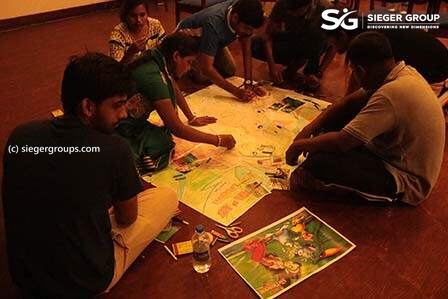
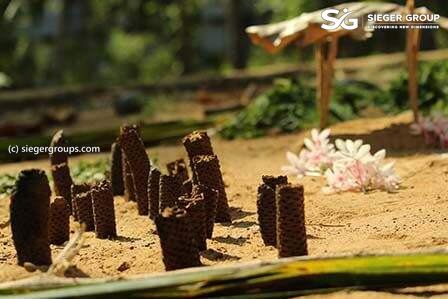
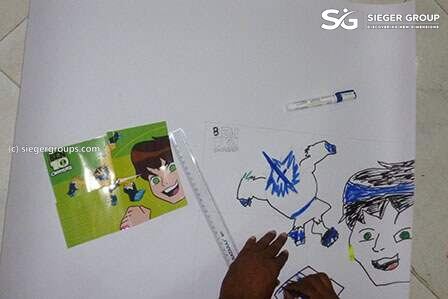
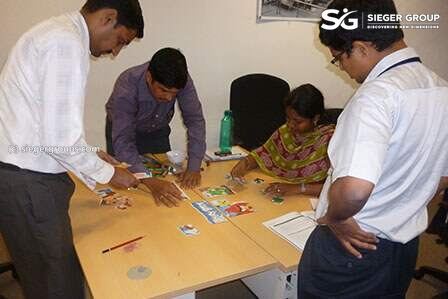
Animation Team Building is a fun and creative team building event based around stop motion animation technology, get employees working as a team by solving problems together. Stop motion is a technique of moving an object in small increments between individually photographed frames to create the illusion of movement when the frames are played in a continuous sequence. This is a fantastic activity to get your team working together and being creative and sessions can run with teams of any size. Using our professional resources and expertise, teams will be taken through the process of creating their own characters and bringing them to life through animation!
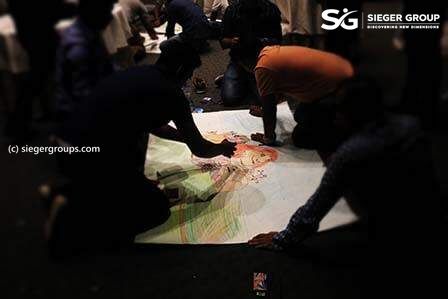
These options offer different ways to explore how colleagues connect story, production roles and small sequential choices in a stop-motion project. The final activity mix is agreed around the audience, participation requirements and programme purpose.
Turn an agreed creative brief into a short sequence, deciding what the audience needs to understand and how each scene contributes to the wider story the team wants to tell.
Create a simple scene using the agreed materials and production approach, coordinating objects, backgrounds and frame decisions so the separate elements support the intended narrative moment.
Develop a short stop-motion sequence and examine how timing, small movements and communication between roles affect continuity when individual frames are combined into one animation.
View a draft sequence with colleagues, compare what the audience understood with the intended story and select one clear refinement before developing or presenting another version.
Animation Team Building is a fun and creative team building event based around stop motion animation technology, get employees working as a team by solving problems together. Stop motion is a technique of moving an object in small increments between individually photographed frames to create the illusion of movement when the frames are played in a continuous sequence. This is a fantastic activity to get your team working together and being creative and sessions can run with teams of any size. Using our professional resources and expertise, teams will be taken through the process of creating their own characters and bringing them to life through animation!
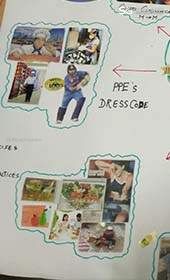
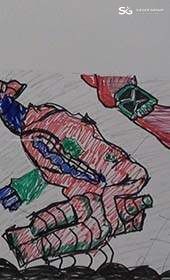
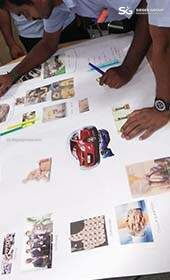
A stop-motion project makes the relationship between detail and the whole story visible. Each movement, frame and transition affects what the audience eventually sees. Teams can explore how they agree a narrative, coordinate production roles and review an early sequence before investing in a complete animation.
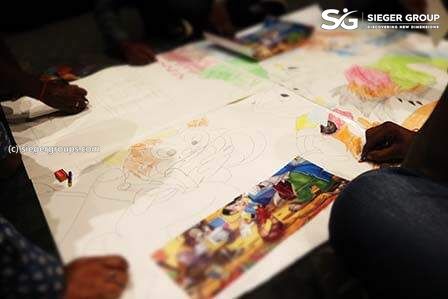
Explore how colleagues connect story, production roles and small sequential choices in a stop-motion project. The suggested experience connects practical participation with reflection on the choices, contributions and questions that matter to this group.
Agree what the audience needs to understand before creating individual scenes. Agree the central message before different colleagues develop separate presentation or project elements.
Coordinate movement, framing and scene decisions across the people developing the animation. Check how one small change affects the continuity of the wider shared output.
Notice how a detail in one frame influences the continuity of the sequence. Document a creative decision before handing the next stage to another teammate.
Design a workable story around the materials and production format agreed for the activity. Review an early draft rather than waiting until every part is complete.
Review an early sequence while the team can still adjust its approach. Ask an unfamiliar viewer what they understood from the sequence or explanation.
Explore the behaviours and practical insights your team can review through Animation Team Challenge. The debrief connects observations from the experience with situations that matter to participants.
Agree what the audience needs to understand before creating individual scenes.
Coordinate movement, framing and scene decisions across the people developing the animation.
Notice how a detail in one frame influences the continuity of the sequence.
Design a workable story around the materials and production format agreed for the activity.
Review an early sequence while the team can still adjust its approach.
Make a scene decision understandable to the person developing the next moment.
Notice planning and patient preparation alongside the final presentation of the animated story.
Use these reflection prompts to turn Animation Team Challenge into a focused conversation about what happened, what it means and what to try next.
Agree the central message before different colleagues develop separate presentation or project elements.
Check how one small change affects the continuity of the wider shared output.
Document a creative decision before handing the next stage to another teammate.
Review an early draft rather than waiting until every part is complete.
Ask an unfamiliar viewer what they understood from the sequence or explanation.
Recognise preparation and coordination when reviewing the success of a polished final result.
A suggested flow for Animation Team Challenge, from setting the brief to reviewing the experience. Activity choices, pace and facilitation are confirmed around your group and setting.
Agree questions to explore about how colleagues connect story, production roles and small sequential choices in a stop-motion project. Clarify the audience, participation preferences and suitable activity options before deciding the programme’s focus.
Turn an agreed creative brief into a short sequence, deciding what the audience needs to understand and how each scene contributes to the wider story the team wants to tell. Explore narrative clarity as participants test an approach together.
Review moments connected with production coordination and attention and continuity. Compare what different participants noticed, then discuss which decisions helped the group and which assumptions deserve another look.
Recognise preparation and coordination when reviewing the success of a polished final result. Connect the observation with a relevant working or team situation, choosing a useful action and a point for discussing what happens next.
Connect Animation Team Challenge with purposeful practice, evidence-based reflection and a next step that fits your working context.
Discuss how colleagues connect story, production roles and small sequential choices in a stop-motion project. Choose a useful question to explore together during the agreed activity.
Explore narrative clarity through the selected activity. Observe how participants explain their choices and respond as the task develops around them.
Review production coordination through specific examples from the activity. Compare how different participants understood their roles and what they noticed as the task developed.
Connect an observation about attention and continuity with a relevant working or team situation. Discuss what the group could keep, reconsider or try differently.
Identify a practical application: recognise preparation and coordination when reviewing the success of a polished final result. Agree when to review the action and what evidence would help.
Discuss participant experience, access needs, language preferences and the purpose of the programme before confirming suitability.
Intact and cross-functional teams interested in narrative clarity. Story and Storyboard Lab offers one possible starting point for an agreed group experience.
Managers and emerging leaders exploring production coordination. Select a format that fits their responsibilities, working relationships and the purpose of Animation Team Challenge.
Project teams and newly formed groups bringing different perspectives to attention and continuity. Confirm the learning priorities and participation arrangements before choosing the activity mix.
This sample shows how a programme could flow. Timings, breaks, activity choices and duration are agreed in the final proposal.
Introduce Animation Team Challenge, agree the group’s purpose and discuss participation preferences. Explain the selected formats before the experience begins.
Use a selected version of Story and Storyboard Lab to explore narrative clarity. Pause to compare observations and clarify the choices that shaped progress.
Use a selected version of Stop-Motion Scene Building to explore production coordination. Pause to compare observations and clarify the choices that shaped progress.
Review examples of shared story direction and attention to small changes. Connect the observations with day-to-day team responsibilities and choose a relevant next conversation.
Share the audience profile, language preferences and access needs for Animation Team Challenge. Agree options that let different colleagues contribute comfortably.
Discuss materials, working surfaces, sound or presentation arrangements and how colleagues can contribute in different roles. Confirm the final mix of Story and Storyboard Lab and any other chosen experiences in the brief.
Agree the focus on production coordination, the programme duration and which materials, facilitation and delivery arrangements are included.
Choose how to review clear creative handovers and recognition across contributions. Confirm any follow-up conversation or team commitment that belongs within the programme scope.
The final activities and setting depend on your agreed brief.
Sieger Group supports organisations with team-building experiences and facilitated programmes.
12 practical answers to help you plan your programme.
Animation Team Building is a fun and creative team building event based around stop motion animation technology, get employees working as a team by solving problems together. Stop motion is a technique of moving an object in small increments between individually photographed frames to create the illusion of movement when the frames are played in a continuous sequence. This is a fantastic activity to get your team working together and being creative and sessions can run with teams of any size. Using our professional resources and expertise, teams will be taken through the process of creating their own characters and bringing them to life through animation!
Animation Team Challenge can be considered for teams planning a shared experience or employee engagement event. Share roles, group size, experience levels and participation needs so suitability can be confirmed.
The existing programme outline includes: Strategic Plannning; Resource Management; Encourages Collaborative Working. The final emphasis and activity selection should be agreed around your brief.
Yes. Share your team context, goals and preferred tone. The proposed Animation Team Challenge experience can then be adapted through the activity mix, level of challenge, discussion themes and delivery format, subject to feasibility.
Duration depends on the agreed scope, group size and setting. For Animation Team Challenge, allow for the briefing, activities, breaks and group review. Request a proposed agenda that fits your available time.
Share your preferred city, office, venue or offsite destination in India. Animation Team Challenge requires a setting suited to the activities and participants. Venue access, usable space, equipment and local delivery arrangements should be confirmed before booking.
The appropriate group size depends on the activity structure, facilitation and available space. Tell us the expected number of participants for Animation Team Challenge so team sizes, rotations and staffing can be proposed.
For Animation Team Challenge, the pre-event briefing should explain the schedule, clothing or equipment requirements and how to take part. Share accessibility needs and relevant participation constraints during planning so suitable arrangements can be discussed.
Discuss access, mobility, language, sensory needs and comfort levels before confirming Animation Team Challenge. Agree suitable roles and alternatives where feasible. For specialist activities, confirm delivery responsibilities and participation requirements in advance.
Agree the purpose of Animation Team Challenge before delivery. A group review can explore communication, contribution and teamwork, alongside the shared enjoyment of the event. Confirm any follow-up or evaluation support in the proposal.
Pricing for Animation Team Challenge depends on participant numbers, duration, facilitation, equipment, location and agreed logistics. Request a tailored proposal that clearly states programme inclusions, venue or travel arrangements and applicable charges.
Use the enquiry form on this page or call +91 98400 97567. Include Animation Team Challenge, your objectives, group size, preferred dates and location. Sieger Group can then discuss suitability and prepare a proposal for your review.
Share your goals, group size, preferred dates and venue. We’ll help you explore a considered programme.
Tell us what you have in mind. We will help you explore a programme that fits your people and your occasion.
Still finalising the details? Share what you know.
Every team is different. Share your people, purpose and preferred setting, and we’ll translate your brief into an experience designed to connect, engage and create lasting impact.
Share your brief and preferred contact details.